
Introduction
Eating healthy does not have to be expensive or complicated. Affordable meals with clean eating recipes for healthy living provide you a practical way to improve your diet without overspending. This approach focuses on using whole foods and avoiding processed items which can often raise food costs. By choosing the right ingredients and cooking smartly, you can enjoy meals that support good health and save money.
In this article, you will learn what clean eating means, why it benefits your body, and how you can easily make clean meals at home without breaking your budget. Through simple recipes and smart shopping tips, you’ll see how affordable clean eating fits into your daily routine for better health.
Basics of clean eating for beginners
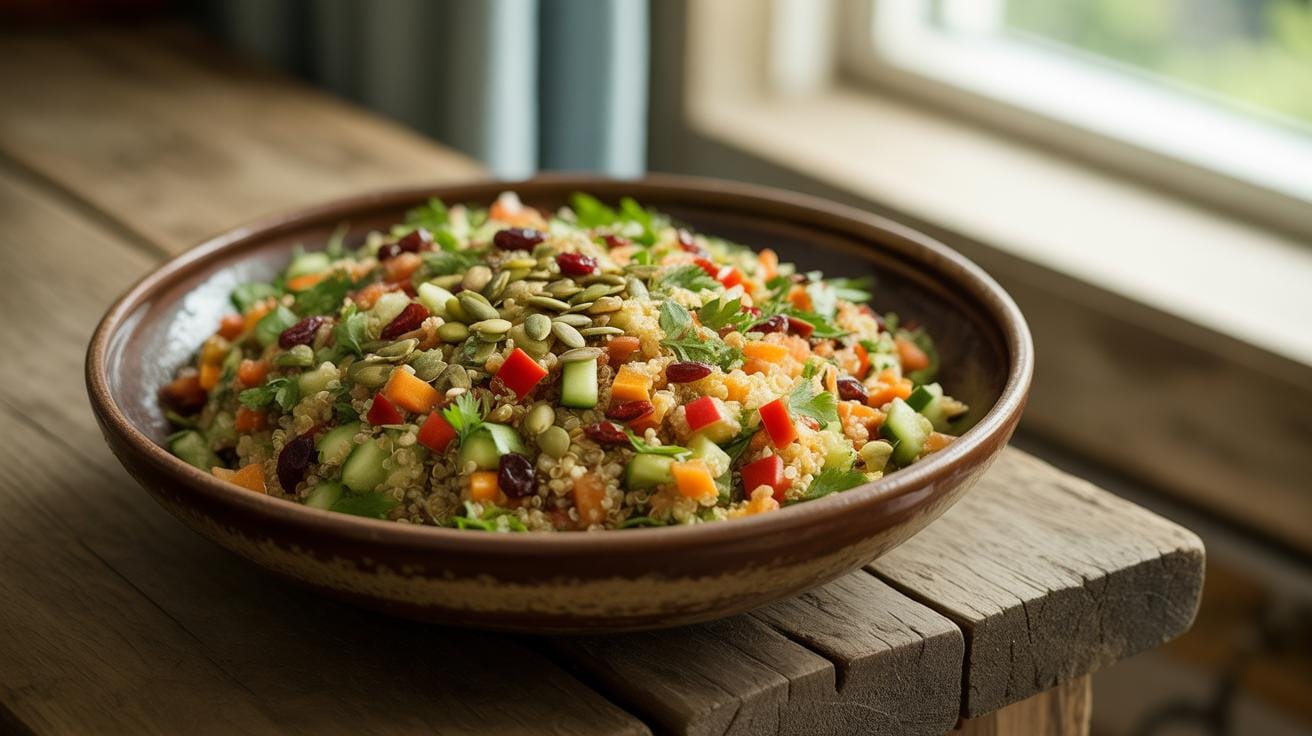
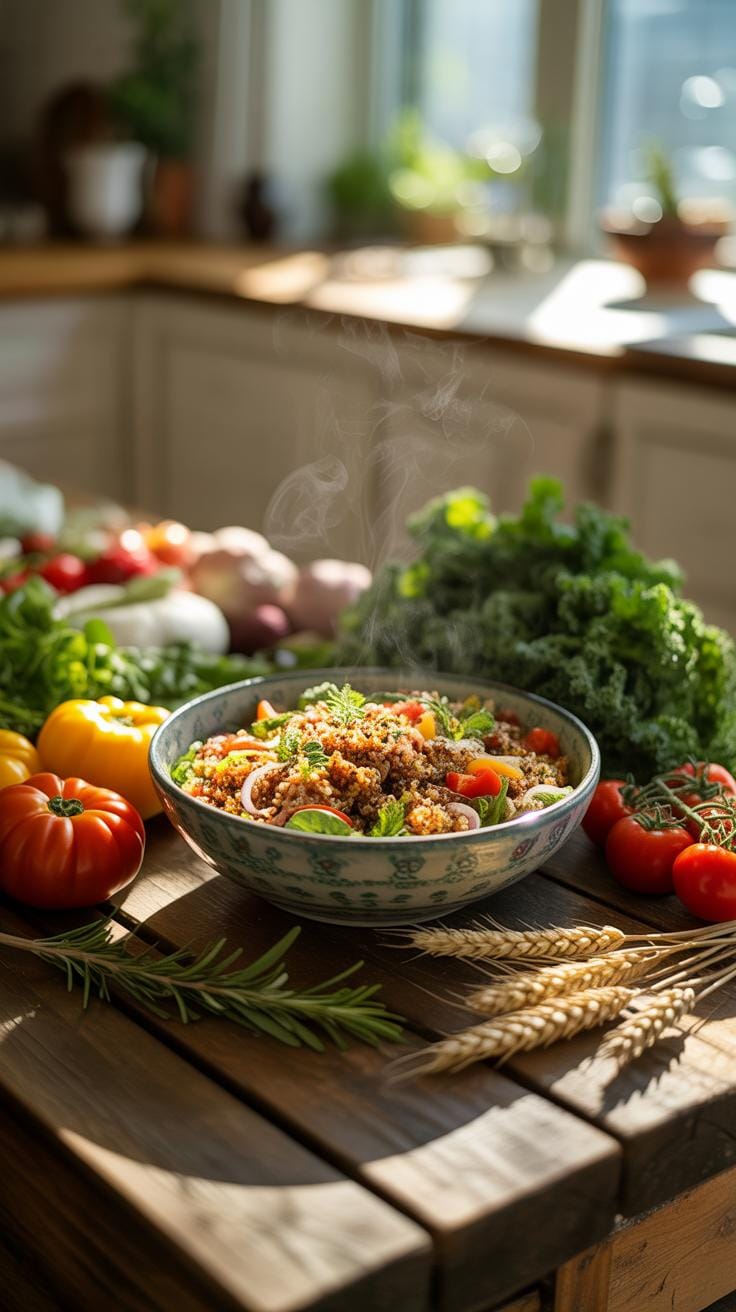
Clean eating is pretty much about choosing foods in their simplest, least altered forms. Think of it as eating real food—fruits, veggies, grains, and proteins that haven’t been through a factory or loaded with additives. The idea didn’t just pop up yesterday; it’s grown out of the notion that food closer to nature tends to support better health.

At its core, clean eating means skipping heavily processed meals. These are often full of extra sugar, salt, and junk you don’t usually want. Of course, people sometimes mix it up. Some choose organic, others focus on locally grown, and some avoid certain food groups, but the main thread is about real, whole foods.
People wonder if clean eating is a diet or a strict set of rules. It’s not exactly that. It’s more like a flexible approach to eating. And while some might say it’s a bit judgmental or too limiting, the whole point is finding what works best for your body.
What clean eating includes and excludes
When you eat clean, you typically reach for:
- Fresh fruits and vegetables—like apples, spinach, or carrots
- Whole grains—such as brown rice, oats, or quinoa
- Lean proteins—from sources like chicken breast, eggs, or beans
- Healthy fats, including nuts, seeds, and olive oil
On the flip side, clean eating means avoiding or at least cutting down on:
- Highly processed snacks—chips, sugary bars, and frozen meals
- Sugary drinks and sweets—sodas, candy, pastries
- Convenience foods that come loaded with preservatives and artificial flavors
Sometimes it feels overwhelming, especially when you’re used to grabbing ready-made items. But just focusing on fresh or minimally processed food can change the way you feel.
Why choose clean eating for health
The reasons to eat clean are mostly practical. Whole foods give your body good fuel. They come packed with nutrients your system needs, which processed foods often lack. That means more energy throughout the day—no crash after lunch, for example.
Better digestion is another upside. Think of fiber in fruits and veggies helping your stomach work smoothly. Plus, clean eating often means fewer chemicals and additives that might upset your system, even if you didn’t realize it was bothering you before.
Cutting back on processed food isn’t just about weight either. It can also mean fewer blood sugar spikes, less inflammation, and feeling generally better. Though some people swear by it, it might not be a magic fix for everyone—there’s a bit of trial and error involved.
Have you noticed how you feel after a heavy meal vs. a simple one made from scratch? That difference might hint at why clean eating sticks around as a popular choice.
How to budget for clean eating meals
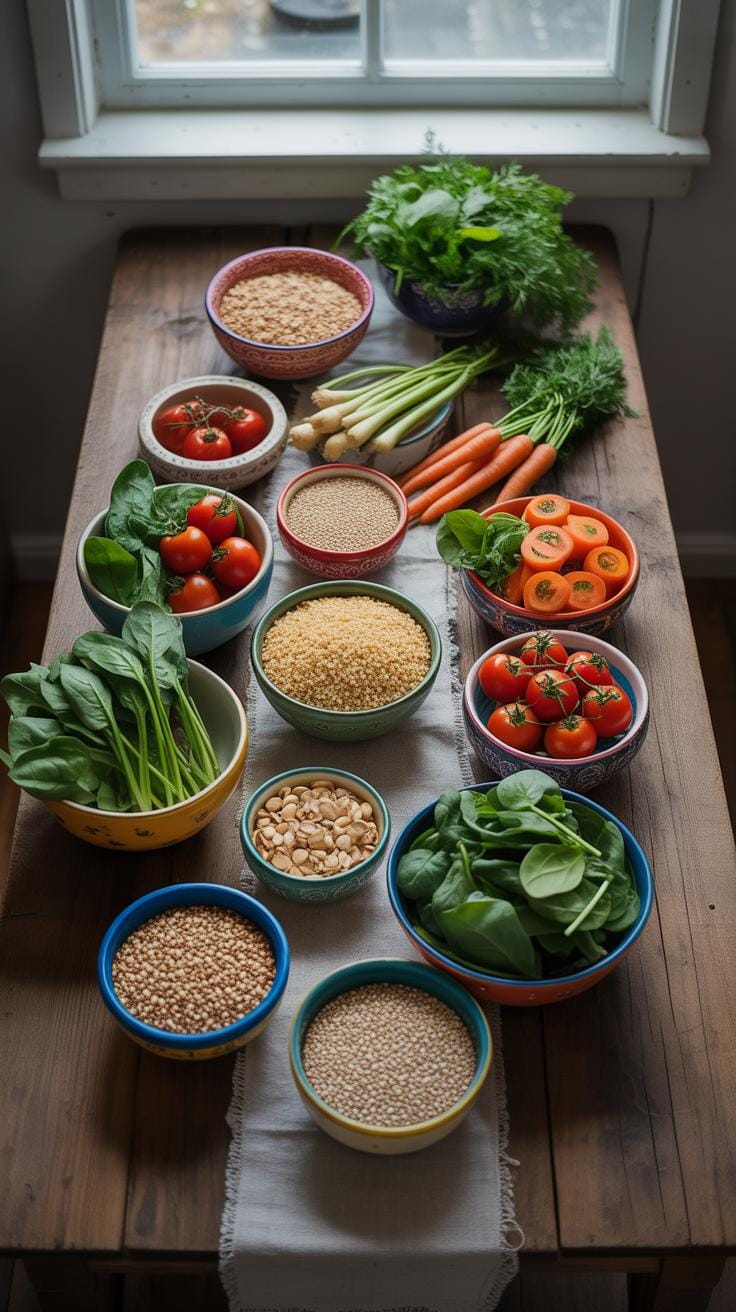
Sticking to clean eating doesn’t mean breaking the bank. It’s really about planning and making smart choices, even if it feels a bit overwhelming at first. One of the best things you can do is map out your meals for the week. When you plan ahead, you avoid impulse buys and food waste, which can add up quickly.
Start by writing a shopping list focused on whole, unprocessed ingredients. Then consider buying in bulk—think grains, beans, nuts, and frozen vegetables. These tend to last longer and cost less per serving. Seasonal produce is another way to save. For example, tomatoes in summer are way cheaper and fresher than in winter. You might find yourself discovering new recipes just to use what’s in season.
Avoiding processed foods is easier when you cook at home. Processed items often carry a hefty price tag, plus hidden sugars and additives. Cooking yourself might seem like more work. But honestly, it typically takes less time than you expect and lets you control what goes into your meals. You might even enjoy it more.
Smart shopping to save money
Making a shopping list might sound simple, but it’s the backbone of budget-friendly clean eating. First, look at what you already have at home. Then, plan meals around affordable staples like rice, oats, beans, and seasonal vegetables.
Try visiting local markets or discount grocery stores. These places often offer fresh produce at lower prices than big supermarkets. Buying from local growers can also mean fresher items that last longer. It’s not always convenient, but that extra trip might pay off.
When you shop, stick loosely but firmly to your list. Having a clear idea of what you want, without cluttering it with processed snacks or pre-packaged foods, really helps keep costs down. Over time, you’ll probably notice what your regular affordable ingredients are, which makes shopping easier and faster—though, well, not always.
Cooking at home vs eating out cost comparison
Let’s talk numbers. A homemade clean meal often costs half or less than a restaurant dish with similar ingredients. Take, for example, a grilled chicken salad with fresh veggies. At home, it might set you back $3 to $5 per portion. At a café, it can easily be $10 or more.
Eating out might seem easier, especially after a long day, but the cost adds up quickly. Plus, restaurant meals tend to include extra oils, sugars, and salt—things you can mostly skip when you cook. You might save some time eating out, but do you really save money or feel better afterward? It’s a question worth asking yourself.
When you cook at home, you can make extra portions to eat later. So not only do you save money, but you also gain flexibility. That convenience can rival takeout, sometimes.
Weekly meal plan for clean eating
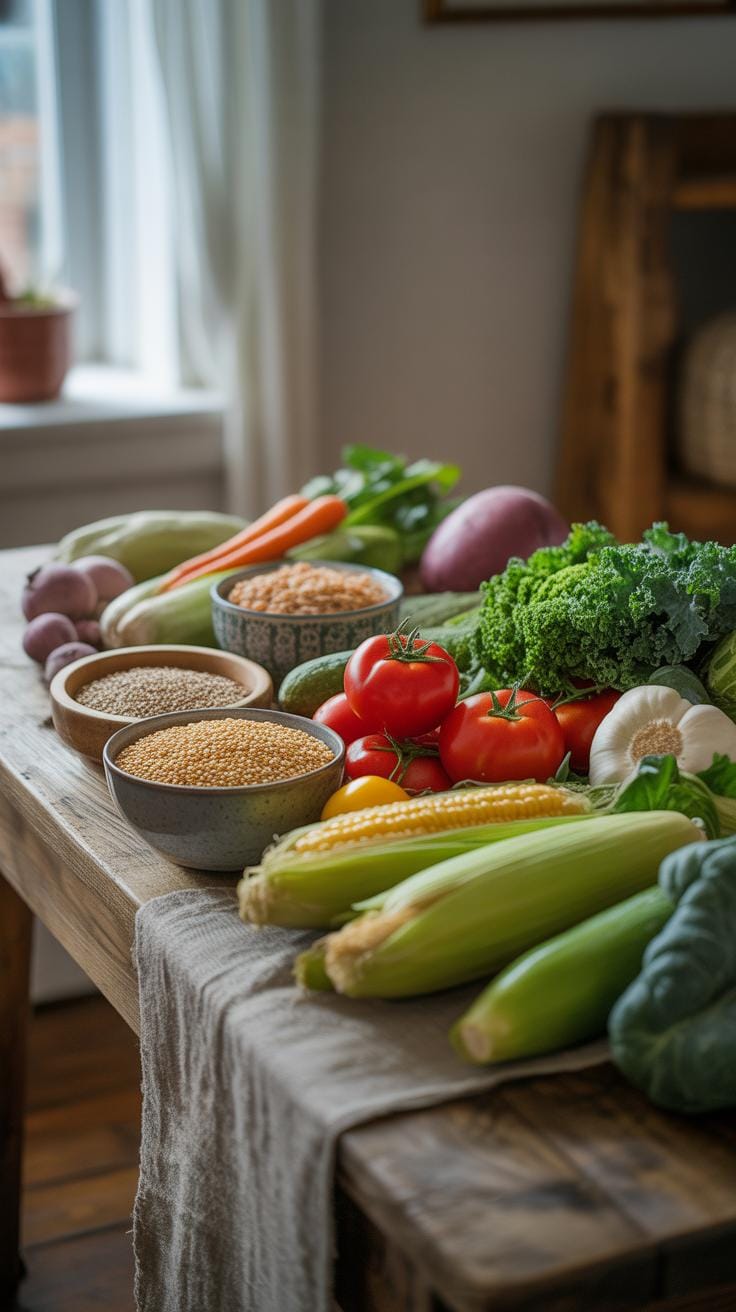
Planning meals for the week can feel overwhelming, but keeping things simple helps a lot. Using basic, affordable ingredients like oats, eggs, beans, fresh vegetables, and lean proteins lets you focus on clean eating without breaking the bank. You might want to lean on repetition—making bigger batches of the same dish means leftovers for another day. This cuts down on waste and saves time, which feels like a win.
Here are some easy breakfasts under $2 each, featuring whole grains, fruit, and eggs:
- Oatmeal with banana and cinnamon: Cook rolled oats with water or milk, top with sliced banana and a sprinkle of cinnamon. Ready in five minutes.
- Scrambled eggs with spinach and whole grain toast: Whisk eggs, add fresh or frozen spinach, cook quickly, and serve with toast.
- Greek yogurt with mixed berries and a spoonful of granola: Layer yogurt with berries and granola for a no-cook option.
Lunch and dinner recipes can follow a similar pattern—think legumes, vegetables, and lean proteins that you can prepare in one pot or pan.
- Chickpea and vegetable stir-fry: Sauté onions, carrots, and bell peppers, add cooked chickpeas, and season with garlic and herbs. Serve over brown rice.
- Turkey and black bean chili: Brown lean ground turkey, add canned black beans, diced tomatoes, onions, and chili powder. Let it simmer, and you get a hearty meal that tastes better the next day.
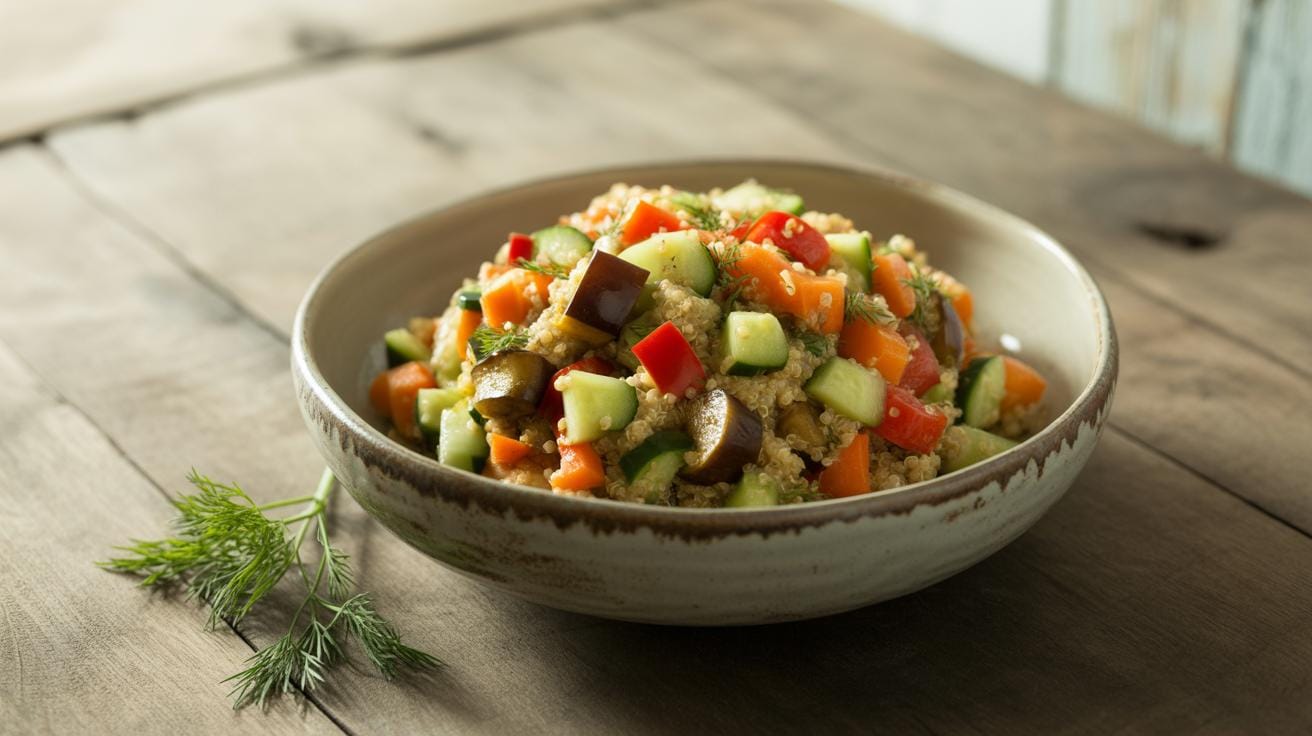
- Roasted vegetable quinoa bowl: Roast seasonal vegetables like zucchini, sweet potatoes, and broccoli. Mix with cooked quinoa and a drizzle of olive oil.
Notice how most of these meals share ingredients or can be stretched between days? That’s part of what makes clean eating affordable and manageable—less thinking, more eating. Sometimes, the food you think you’ll get tired of sticks around longer than expected.
Common mistakes to avoid with clean eating
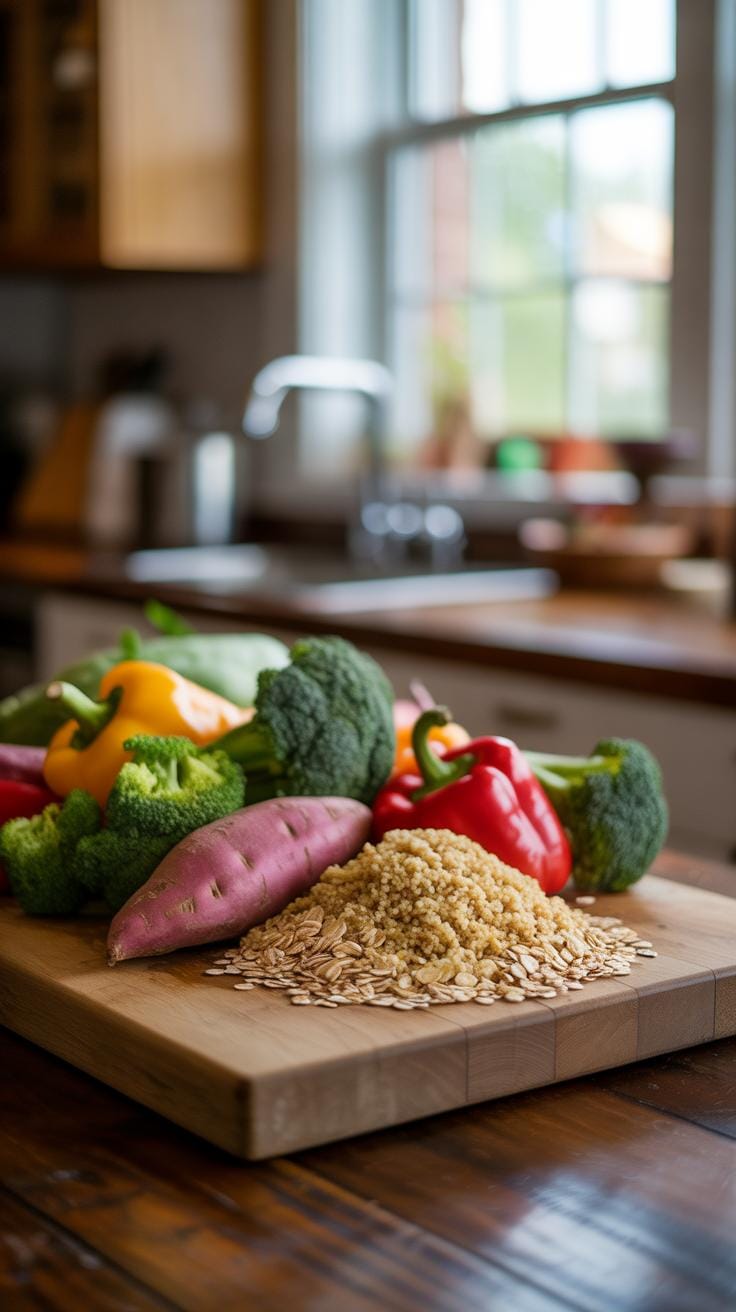
People often jump into clean eating and make some avoidable errors. One that stands out is cutting out entire food groups. You might think skipping carbs or dairy is smart, but removing these completely can leave gaps in your nutrition. It’s a bit like throwing the baby out with the bathwater. Instead, try focusing on quality within those groups—whole grains rather than refined ones, for example—rather than ditching them altogether.
Another stumbling block is overspending on specialty items. Organic kale and quinoa do sound appealing, but buying exclusive products can quickly blow your budget. I’ve seen friends get caught up in the “clean eating premium” trap—spending more without real benefit. It helps to shop seasonal veggies, buy in bulk, and keep things simple. Clean eating doesn’t have to be expensive.
Lastly, people sometimes forget about their calorie needs when they prepare scratch meals. Clean ingredients don’t mean fewer calories or instant fullness. Skipping this step can leave you tired or sneak in unintended weight loss. Track portions or at least be mindful of how much energy you’re consuming. It’s pretty easy to overlook how much food your body actually needs, especially at the start.
To avoid these pitfalls:
- Include all major food groups in balanced amounts.
- Choose affordable, whole ingredients, and resist buying everything labeled “clean” or “specialty.”
- Pay attention to your body’s energy demands, especially if you’re more active.
Guess it’s about staying practical, not perfect. Clean eating is flexible—it should fit your life, not complicate it.
Tools and tips for meal prep
Must-have kitchen tools for prep
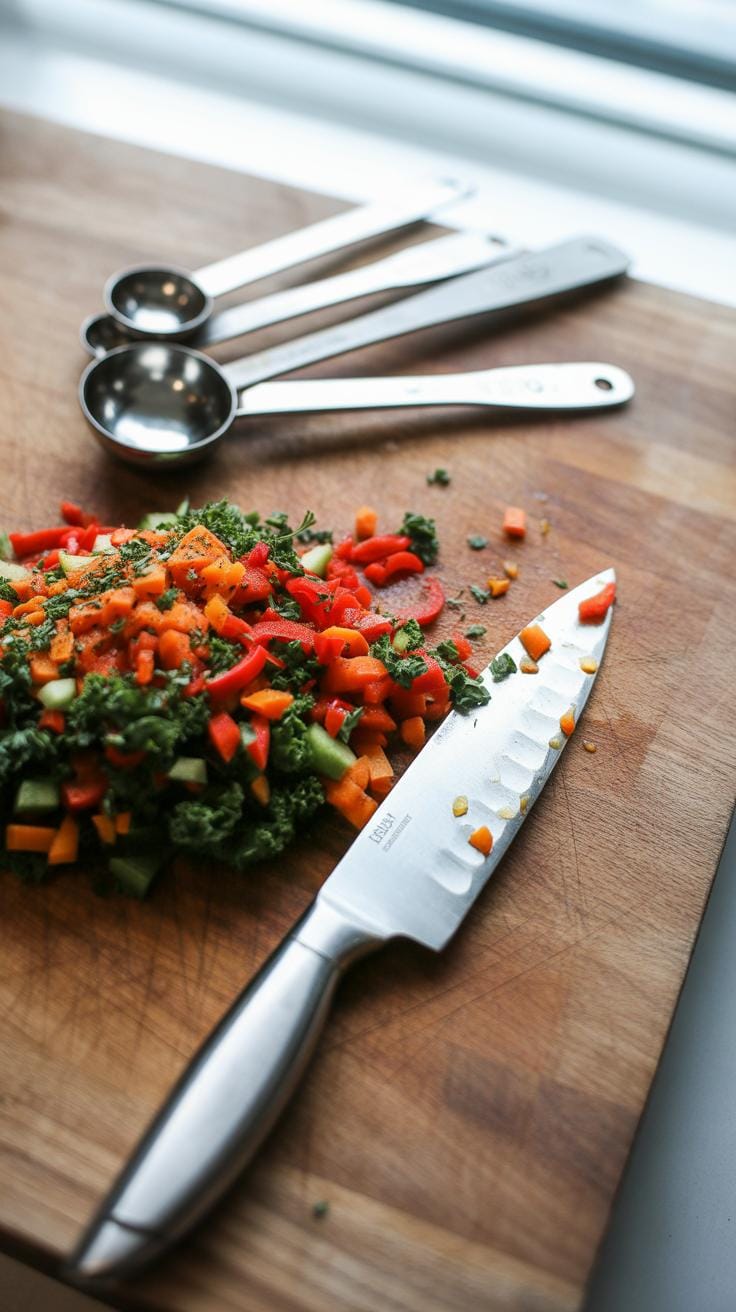
When it comes to prepping affordable clean meals, some basic tools make all the difference. A good chef’s knife, for example, cuts prep time dramatically. It’s worth having a sharp one that feels comfortable in your hand, even if it’s not super expensive. A cutting board is essential too—choose a sturdy, easy-to-clean one.
A slow cooker or an instant pot can save hours. You can toss ingredients in and walk away, which is a huge time saver, especially for busy days. Glass storage containers are another small upgrade that helps keep leftovers fresh longer and avoid waste. Unlike plastic, they don’t stain or retain odors, so you use them repeatedly without that weird leftover smell.
Don’t overlook simple things like a good vegetable peeler or a digital kitchen scale. They might seem trivial, but they help with portion control and reduce food waste, which saves you money over time.
Batch cooking and storage tips
Batch cooking means making larger quantities of meals at once, then dividing them into portions for later. It’s a bit of a time commitment upfront but pays off in easier weeknights. You might cook a big pot of chili or roast several trays of vegetables on Sunday, then mix and match those ingredients over the week.
Storing food properly is key. I usually freeze portions I won’t use within a few days and refrigerate what I’ll eat soon. Containers that seal tightly keep meals fresh and stop them from absorbing other fridge smells, which can be distracting. Labeling containers with dates can help avoid the awkward “Is this still safe to eat?” question.
Using leftovers creatively can feel like a puzzle sometimes. Maybe leftover roasted veggies become a salad topping or go into a frittata the next day. You slowly build a little system that works for you — though it might take a couple tries to find the rhythm.
Healthy swaps for clean eating recipes
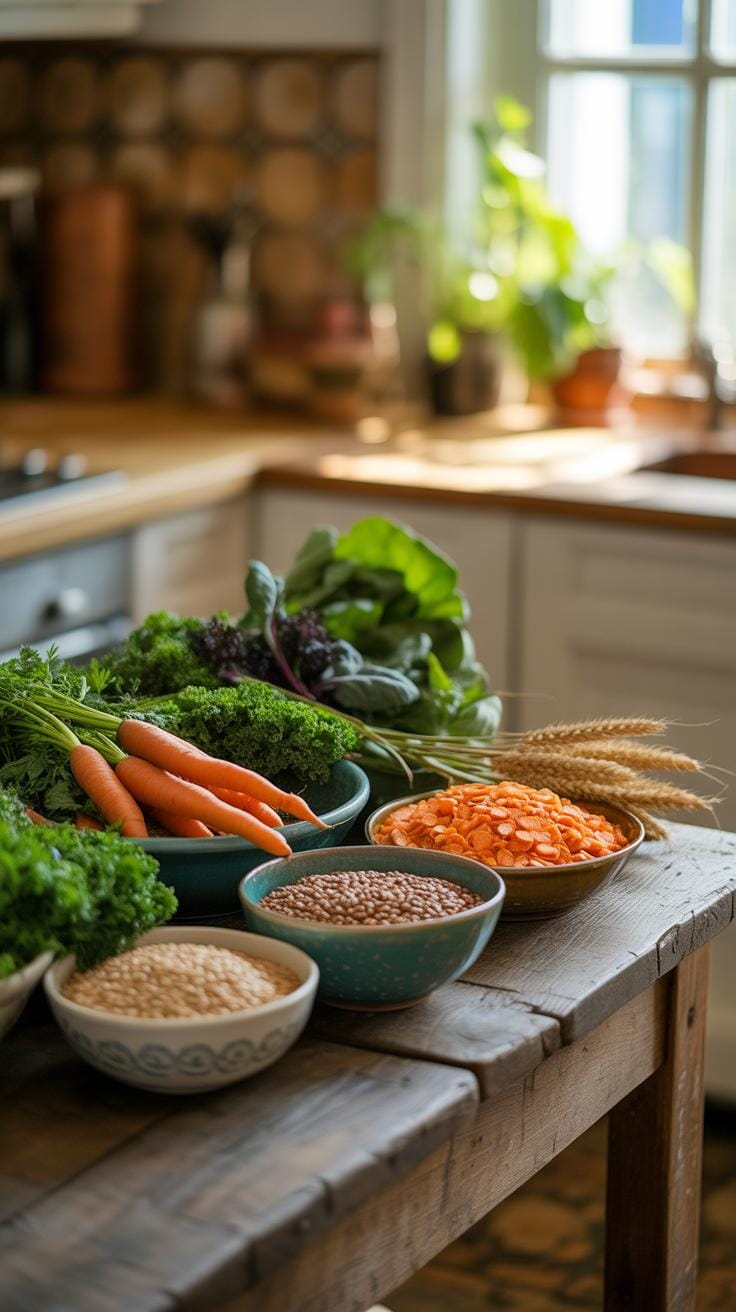
Finding ways to keep your clean eating meals affordable often means rethinking some ingredients. For example, frozen vegetables can be just as nutritious as fresh ones and often cost less, especially when certain produce is out of season. I’ve noticed that keeping a stash of frozen spinach or mixed veggies helps me whip up meals without last-minute grocery trips.
Beans make a great substitute for meat. They’re filling, protein-rich, and budget-friendly. Lentils, chickpeas, or black beans work in soups, salads, and even veggie burgers. Sometimes I mix them with a bit of ground poultry to stretch the meat further, but you can rely on them solo too.
Expensive grains like quinoa can be swapped for oats or brown rice without losing much nutritional value. Oats aren’t just for breakfast; try them in meatloaf or veggie patties as a binder. Experimenting with these swaps can slightly change textures or flavors, but in a good way, I think.
Affordable protein alternatives
Protein often feels like the priciest part of clean eating, but there are plenty of options that won’t break the bank. Eggs, for example, are affordable and super versatile—you can have them scrambled, boiled, or baked into muffins.
Tofu and tempeh are also budget-friendly choices, especially if you buy in bulk or on sale. They absorb flavors well, so marinades and spices can make a big difference. Black beans and lentils, as mentioned before, are other protein powerhouses and can stand in for meat in many recipes.
Don’t overlook canned fish like sardines or mackerel, which often cost less than fresh fillets but still give you omega-3 fatty acids. These can be mixed into salads or pasta dishes for a quick protein boost.
Cost-effective vegetable and grain choices
Vegetables like carrots, cabbage, and sweet potatoes tend to be cheaper options that store well and are nutrient-dense. Cabbage, for instance, can be shredded into salads, sautéed, or added to soups, stretching meals further.
For grains, brown rice and bulgur are cost-effective staples that add fiber and keep you feeling full. Buying in larger bags or bulk bins can drop the unit cost noticeably. Oats, too, are surprisingly versatile beyond oatmeal cups.
Seasonal vegetables are generally cheaper and often taste better. When you can’t get them fresh, frozen versions are a smart alternative. The key is mixing these staples with your favorite spices and simple cooking techniques to avoid boredom without overspending.
Compare clean eating with other diets
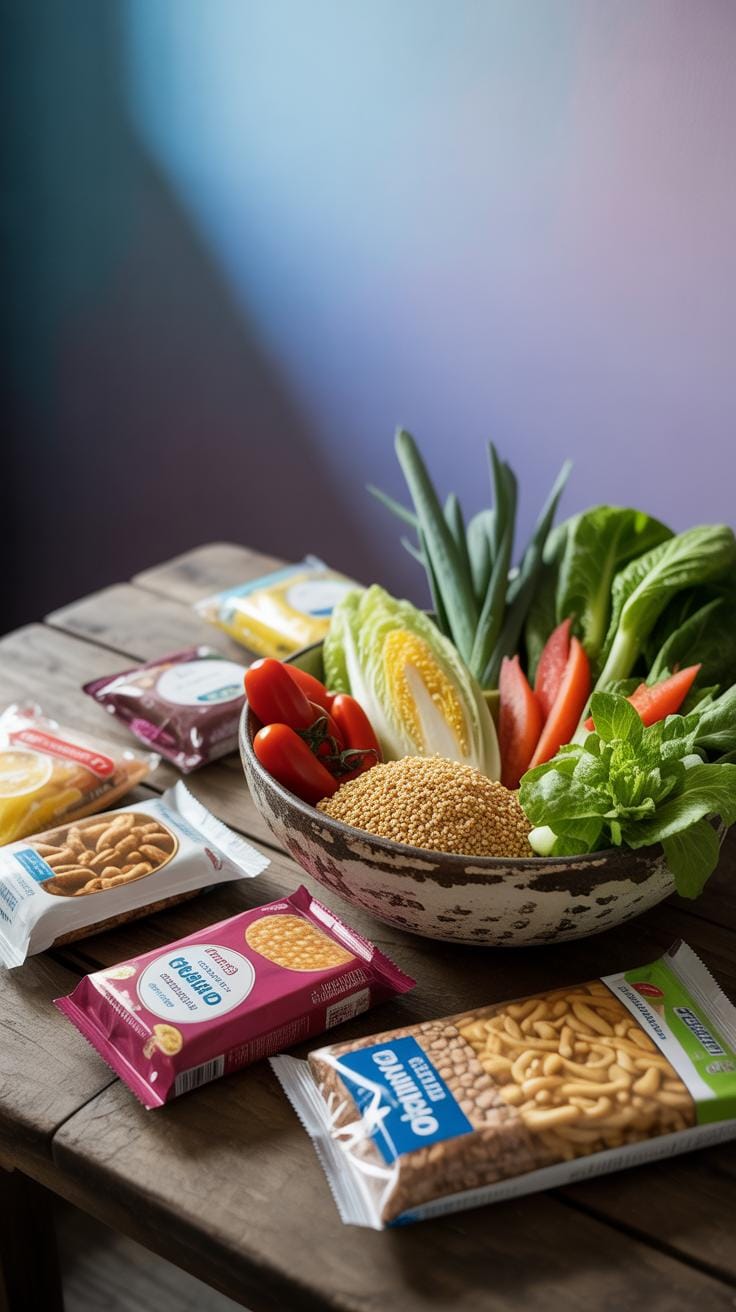
When it comes to clean eating versus diets like paleo or vegetarian, the differences can be surprising, especially around cost and variety. Clean eating focuses on whole, minimally processed foods—think fresh veggies, lean proteins, whole grains. Paleo skips grains and dairy, leaning heavily on meats and nuts, which can get pricey fast. Vegetarian diets avoid meat altogether, often relying on beans, lentils, and more produce.
Here’s a quick breakdown:
- Cost: Clean eating meals usually cost less than paleo because grains and seasonal vegetables are budget-friendly. Vegetarian meals can be cheapest, but sometimes specialty dairy or meat substitutes add up.
- Variety: Clean eating offers wide variety—fruits, veggies, whole grains, nuts, and lean meats. Paleo limits grains and legumes, narrowing options. Vegetarian excludes meat but embraces many plant-based dishes.
In terms of health, clean eating promotes balanced macronutrients with less processed food overall. Paleo may spike protein intake, which isn’t ideal for everyone. Vegetarian diets focus on fiber and plant-based nutrients but can lack certain vitamins if not planned.
Daily habits change too. Clean eating encourages mindful shopping and cooking habits, while paleo may require more meat prep. Vegetarian eating might mean more batch cooking beans or tofu. So, which suits your lifestyle better? The choice could come down to your kitchen time, budget, and health goals—there’s a bit to figure out here.
Checklist for starting clean eating today
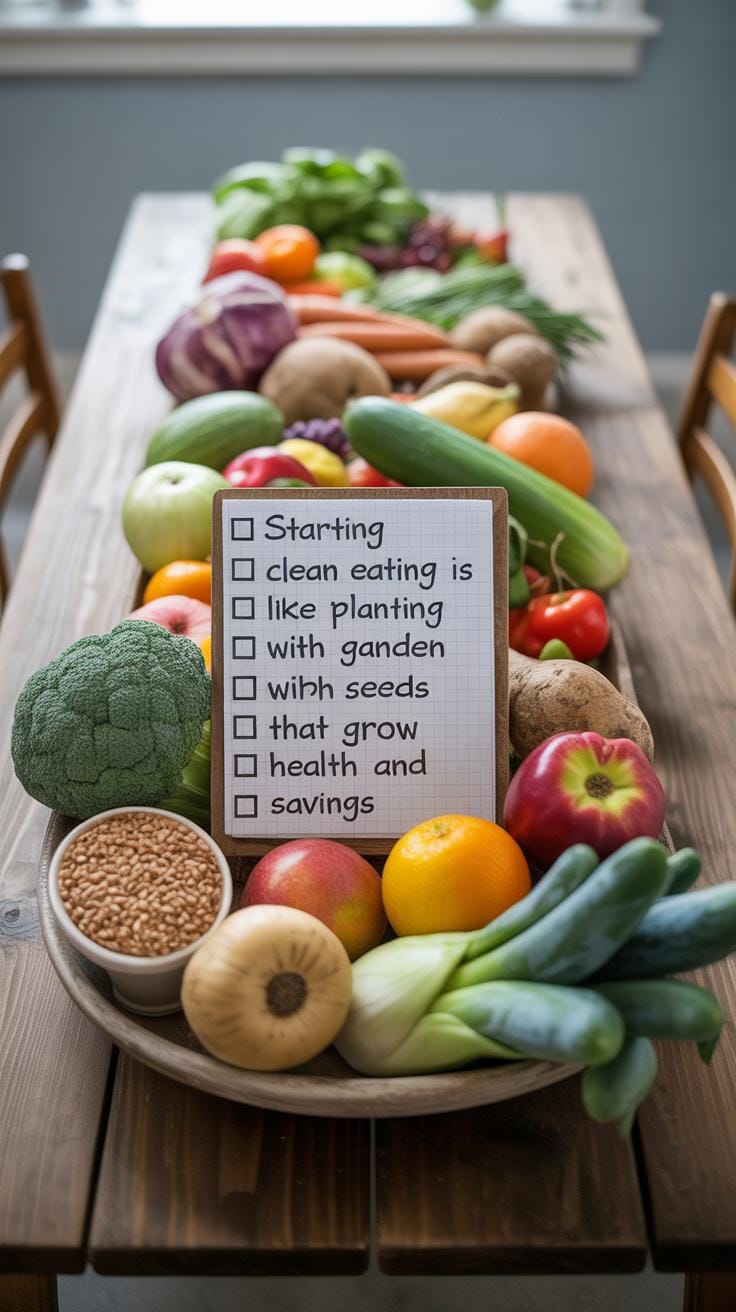
Deciding to eat clean doesn’t have to feel overwhelming. You can begin with small, manageable steps that fit your budget and lifestyle. Here’s a checklist to get you going right now:
- Shopping: Focus on whole foods—fruits, vegetables, whole grains, beans, nuts, and lean proteins. Look for sales or bulk options to save money. Avoid processed items disguised as “healthy.”
- Prep: Set aside time once or twice a week to wash, chop, and portion your produce. Cook grains and proteins in batches to ease cooking during busy days.
- Cooking: Use simple recipes that mix and match ingredients. Stir-fries, salads, and sheet-pan meals are easy and cheap. Don’t complicate with too many spices or gadgets.
- Meal Planning: Write out a weekly meal plan with breakfast, lunch, dinner, and snacks. Include leftovers in the plan to reduce waste and stress.
It’s surprisingly easy to stick with once you have a routine. I mean, who doesn’t like knowing what’s next without scrambling? Just try to be a bit flexible if plans change—you’ll figure out what works.
Weekly shopping and prep list
Here’s a straightforward list to kick off your clean eating week without breaking the bank:
- Fresh vegetables: carrots, spinach, bell peppers, onions
- Fruits: apples, bananas, seasonal options—maybe berries if affordable
- Whole grains: brown rice, oats, quinoa (buy in bulk if you can)
- Lean proteins: canned beans, eggs, frozen chicken breasts
- Healthy fats: olive oil, nuts like almonds or peanuts
- Basics: garlic, ginger, herbs (fresh or dried)
Prepping these means washing veggies, portioning snacks, cooking grains, and even assembling grab-and-go snack bags. It’s a small time investment that pays off throughout the week. I usually find once the fridge is stocked smartly, I reach for healthy options almost automatically.
Daily meal and snack planner
A simple daily plan can keep you on track without feeling rigid:
- Breakfast: Oatmeal topped with fruit and nuts, or scrambled eggs with spinach
- Morning snack: A piece of fruit or a handful of nuts
- Lunch: Salad with mixed greens, beans or grilled chicken, olive oil dressing
- Afternoon snack: Veggie sticks with hummus or a boiled egg
- Dinner: Stir-fried veggies with brown rice or quinoa and a protein source
Keep it simple but balanced. You might find some days you want more snacks or different combos and that’s okay. What matters is having a loose structure and then adjusting as you go. Often, it’s those casual moments where you realize you’re eating better without fuss.
Conclusions
Making affordable clean eating meals is achievable when you focus on simple whole foods and smart shopping. Planning meals ahead, using seasonal produce, and cooking yourself can reduce costs and improve nutrition. Clean eating supports your health by limiting processed foods and emphasizing natural ingredients.
You can start small and choose recipes that fit your taste and budget. With practical steps, clean eating becomes part of your lifestyle and helps you feel better without spending too much. Try these ideas to support your healthy living goals through affordable meals.