
Introduction
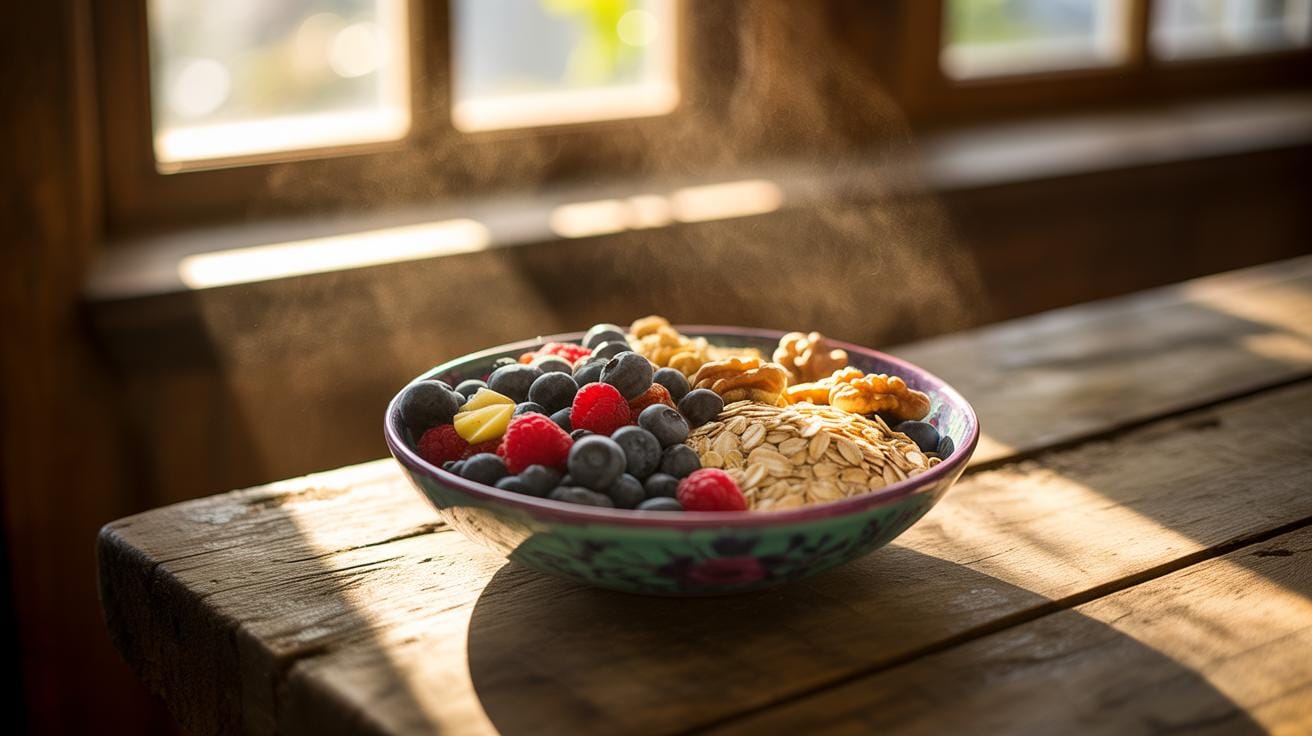
Breakfast is the first meal of the day and sets the tone for your eating habits. A healthy breakfast checklist for starting your clean eating journey will help you select foods that are fresh, whole, and nutritious. Clean eating focuses on consuming whole foods and avoiding processed items to improve health and well-being.
This article explores how to craft a clean eating breakfast. We cover what clean eating means, why breakfast matters, and practical ways to prepare meals that fuel your body. By following these steps, you will build a solid foundation for healthy eating throughout your day.
What Is Clean Eating Breakfast
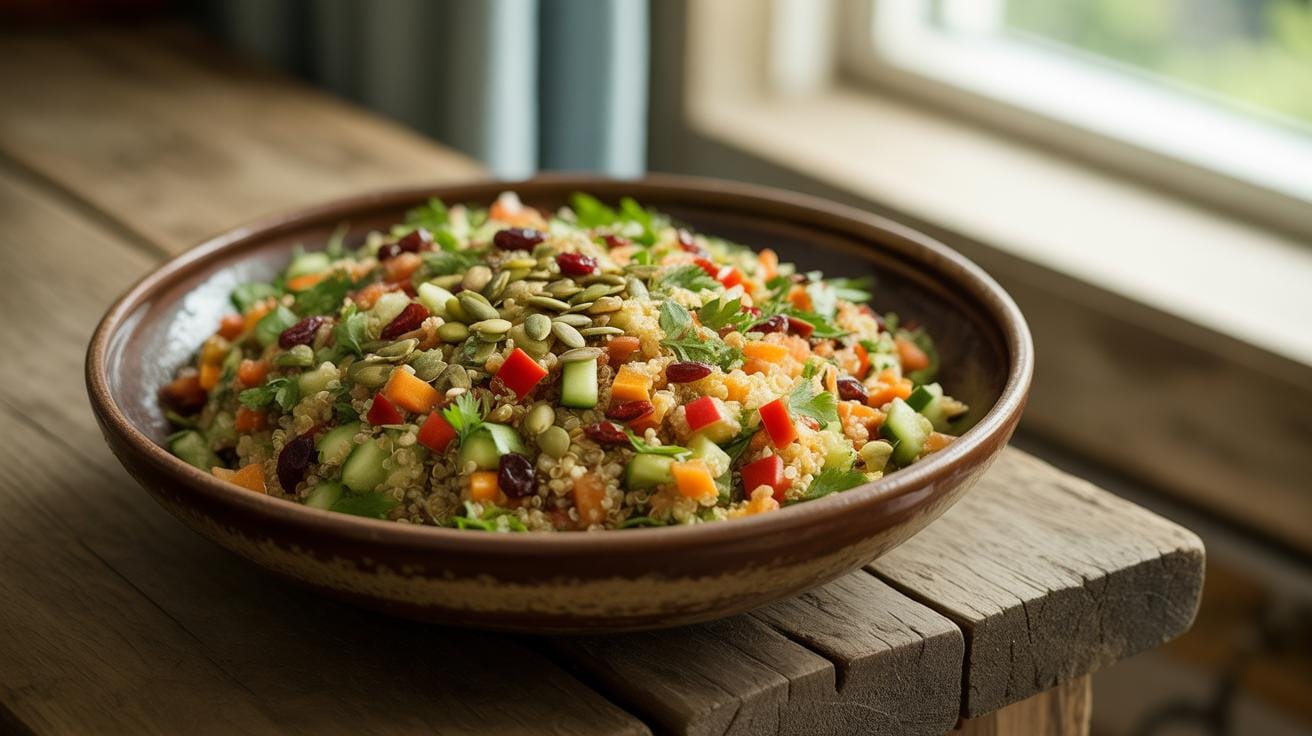
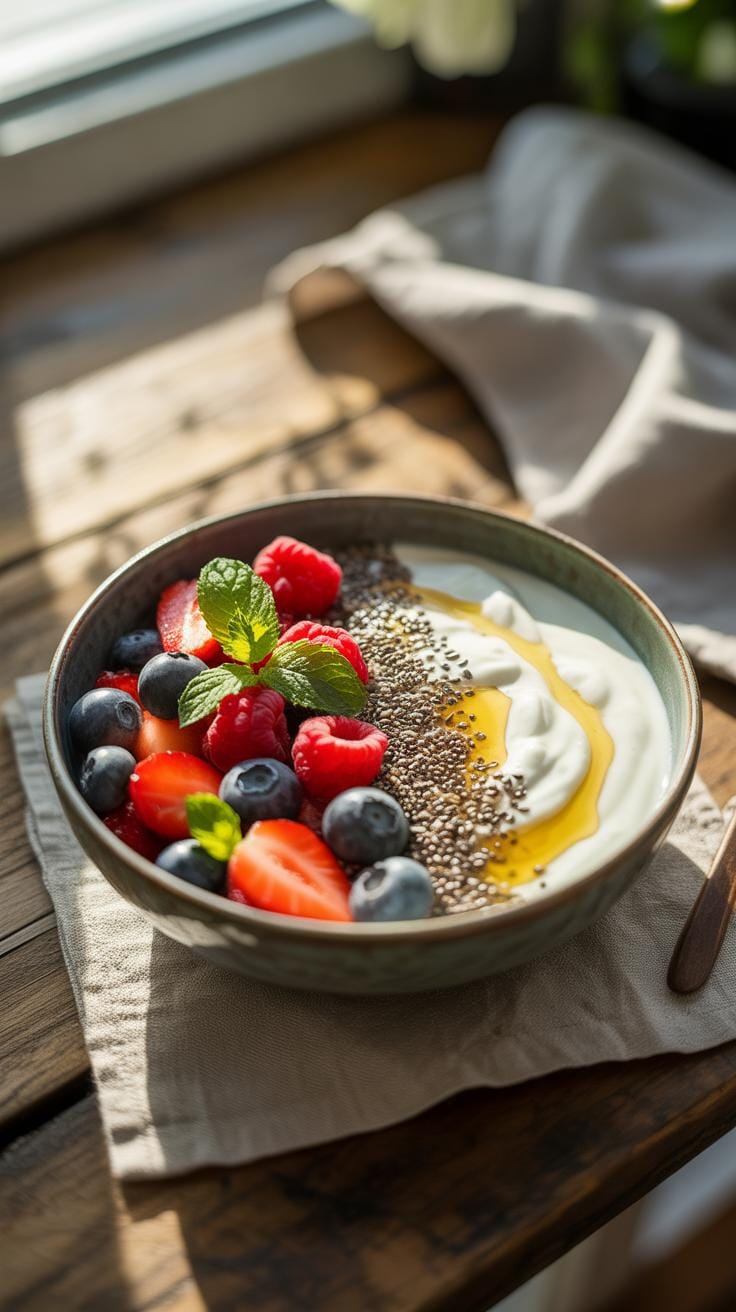
When we talk about clean eating for breakfast, it’s really about focusing on whole, unprocessed foods that you can recognize and pronounce, not those mystery packages or heavily modified products. Think fresh fruits, whole grains like oats or quinoa, nuts, seeds, and natural proteins. You’re avoiding anything that’s been stripped of nutrients or stuffed with preservatives and artificial flavors—at least, that’s the idea.

The concept isn’t just about what you eat but also what you don’t. Processed cereals loaded with sugar, breakfast bars with added chemicals, or instant pancakes might seem convenient, but they don’t fit the clean eating picture. Breakfast, in particular, tends to be a quick meal for many, but choosing clean options means giving your body something pure after an overnight fast.
Basics of Clean Eating
Clean eating hinges on a few simple principles, although they aren’t always easy to stick to. Here’s what usually comes up:
- Choosing foods in their natural state — whole fruits instead of juice, steel-cut oats over instant.
- Avoiding artificial additives like colorings and sweeteners which sneak into a lot of packaged foods.
- Prioritizing balance: combining carbohydrates, proteins, and healthy fats to keep energy steady.
- Paying attention to nutrient density rather than just calorie counts.
It can be tempting to slip back into old habits since not every clean option feels exciting or quick. Still, knowing these basics can help you make choices that feel better through the morning.
Why Breakfast Counts
Breakfast affects more than just hunger. After a night of fasting, your body needs fuel to kickstart metabolism and boost energy for the day. Eating clean at this time gives you sustained energy and helps avoid the crashes that come with sugary or processed foods.
Many people overlook how much breakfast sets the tone for the day’s eating habits. A clean breakfast isn’t only about performance soon after but can influence your overall mood and health. Adapting these habits for breakfast might feel restrictive at first, but it often makes the entire day feel less chaotic food-wise.
Why Choose Clean Breakfast Foods
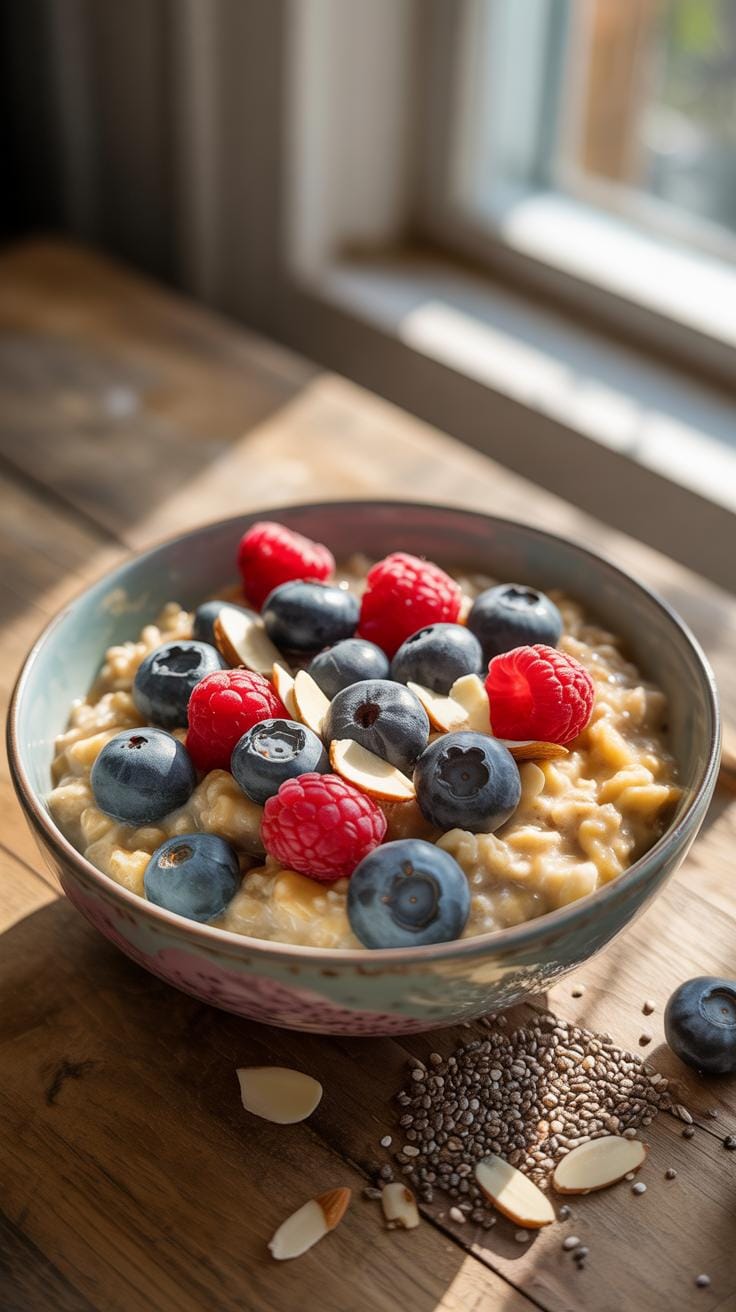
When you pick clean breakfast foods instead of processed or sugary options, you’re giving your body something closer to what it really needs. Clean eating breakfasts focus on whole, unrefined ingredients—think fresh fruits, nuts, seeds, whole grains, and natural proteins. These foods don’t just fill you up; they nourish you.
Processed breakfasts often come loaded with hidden sugars and additives. They may taste fine in the moment, but they can cause your blood sugar to spike quickly and then crash, leaving you tired and distracted. It’s sort of like borrowing energy from later in the day, and it rarely pays off without a cost.
On the flip side, clean breakfasts provide steady fuel. Your body digests them more slowly, releasing energy bit by bit. I’ve noticed days when I eat a bowl of oatmeal with berries and nuts, my mind feels sharper and my energy steadier—even during afternoon meetings that usually drag me down.
Choosing clean foods for breakfast also helps manage cravings that might otherwise lead you to reach for sugary snacks as the day progresses. Foods rich in fiber and protein keep you feeling fuller longer. This makes it easier to avoid the “snack trap” that can sabotage weight goals.
What really gets me thinking is how small changes at breakfast can ripple into overall habits. If your first meal sets a balanced tone, you might find it easier to make better choices later. Could it be that simple? Maybe. But it’s worth trying.
Checklist for Healthy Breakfast Choices
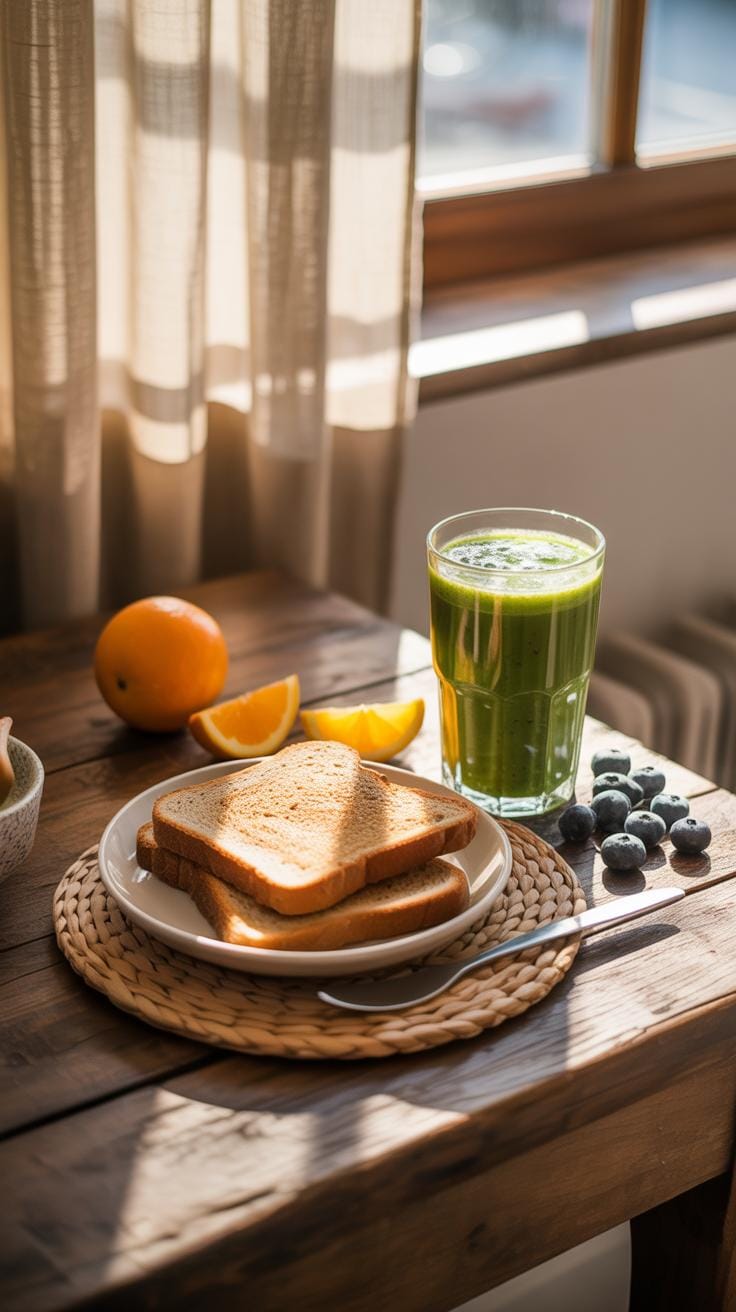
When planning a clean eating breakfast, it helps to have a clear checklist in mind. You want foods that fuel your body without added chemicals or excessive processing. Let’s break it down into easy categories: fruits and vegetables, proteins, and whole grains.
Fruit and Vegetable Options
Start with fresh fruits like berries, apples, bananas, or citrus fruits. These are rich in fiber, vitamins, and antioxidants that gently wake up your system. Vegetables aren’t just for lunch—you might try spinach, tomatoes, or bell peppers. They add volume without many calories and provide essential nutrients like folate and vitamin C.
Why fruits and veggies? They pack micronutrients and fiber, which can stabilize blood sugar and keep your digestion regular. Sometimes, a simple fruit bowl with a dash of lemon juice can feel refreshing and satisfying first thing.
Protein and Whole Grain Sources
Protein is key for staying full and focused through the morning. Think about eggs, Greek yogurt, or plant-based proteins like tofu or nut butters. Clean proteins usually come from minimally processed sources without added sugars or preservatives.
Whole grains keep things balanced, offering sustained energy. Rolled oats, quinoa, or whole grain bread are good picks. They digest slowly and maintain steady blood sugar. A bowl of oatmeal topped with nuts and fruit might seem basic but hits all the right notes.
Combining these elements—fruit or veggies, protein, and whole grains—creates a breakfast that’s both nourishing and satisfying. It may take a little experimenting to find what feels best for you, but having a checklist like this makes it easier to stick with clean eating habits.
How to Prepare Clean Breakfasts
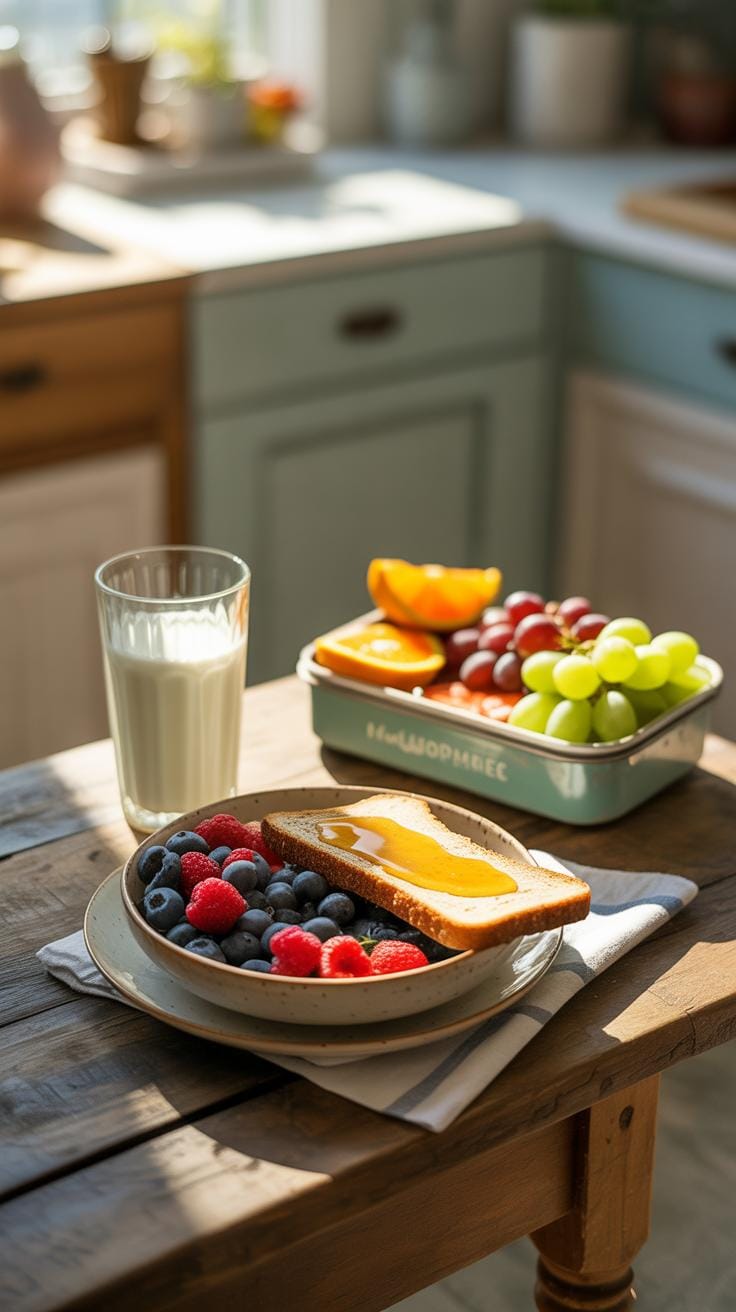
Preparing clean breakfasts at home might sound like a challenge at first, but it really boils down to a few simple steps. Start by focusing on whole foods—think fresh fruits, vegetables, whole grains, and lean proteins. For example, a bowl of overnight oats with chia seeds and berries can be both filling and quick to put together the night before.
One thing I’ve learned is that having the right staples on hand makes mornings less stressful. Keep eggs, nuts, and plain yogurt around. You can whip up an avocado toast topped with a poached egg in minutes. Or blend a quick green smoothie using spinach, banana, and a spoonful of nut butter. These small combos usually work well when you’re short on time.
Meal Prep Tips
Planning ahead really helps keep your clean eating habits consistent. Think about chopping veggies or portioning fruits on the weekend, so they’re ready to grab. You might peel and slice apples or prepare a batch of quinoa for the week. Storing these ingredients in clear containers makes it easier to notice what you have and avoid wasting food.
Also, consider making larger batches of staples like steel-cut oats or boiled eggs. They keep well for several days and cut down on morning prep. It might feel like extra work upfront, but this kind of meal prep often saves time—and decision fatigue—when you’re busy or tired.
Quick Breakfast Ideas
Busy mornings don’t have to mean sacrificing clean eating. There are plenty of quick options you can rely on. Greek yogurt mixed with fresh fruit and a sprinkle of nuts takes less than five minutes. Similarly, a nut butter and banana sandwich on whole grain bread offers a good mix of protein and carbs.
Maybe you have a microwave handy? Steam some frozen vegetables with an egg for an unexpectedly easy savory breakfast. Or grab a handful of almonds and a piece of fruit when you’re on the run. It might not be gourmet every morning, but it’s still clean and better than skipping breakfast or grabbing processed snacks.
Common Clean Eating Breakfast Mistakes
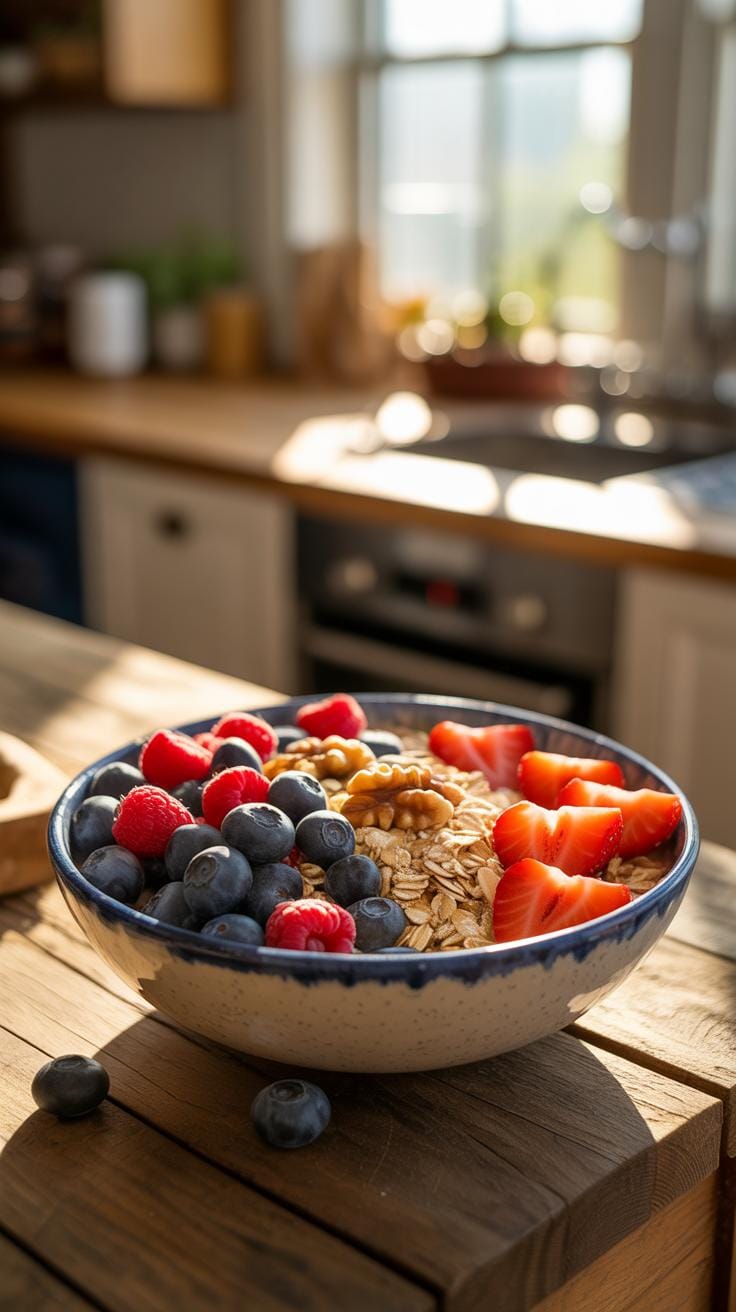
Trying to start your day with a clean breakfast sounds simple enough, but many stumble on a few common traps. One big issue is hidden sugars and additives lurking in foods you might consider healthy. Things like flavored yogurt, granola bars, or even some breakfast cereals often contain more sugar than you’d expect. Sometimes they’re cleverly disguised as “natural” sweeteners or small ingredient additions. I’ve been caught out myself, thinking something was safe only to find a hidden sugar rush that threw me off balance.
Watching labels closely can help. Look for terms like “corn syrup,” “maltose,” or “dextrose.” Even ingredients that seem harmless might add unnecessary sugars. If you’re buying packaged goods, a general rule might be to choose products with the shortest ingredient list.
Another frequent mistake is focusing on only one nutrient—maybe lots of carbs from toast or just fruit—while ignoring protein and fat. Breakfast needs to supply energy but also keep you full and steady until your next meal. Without fat or protein, blood sugar can spike and then drop quickly, leaving you hungry sooner than expected. Have you ever eaten a bowl of cereal that left you starving an hour later? That’s the risk.
Think about mixing eggs, nuts, or Greek yogurt with your fruits or veggies. Balancing these nutrients makes a noticeable difference in how you feel throughout the morning, even if it’s a small adjustment.
Comparison of Popular Breakfast Types
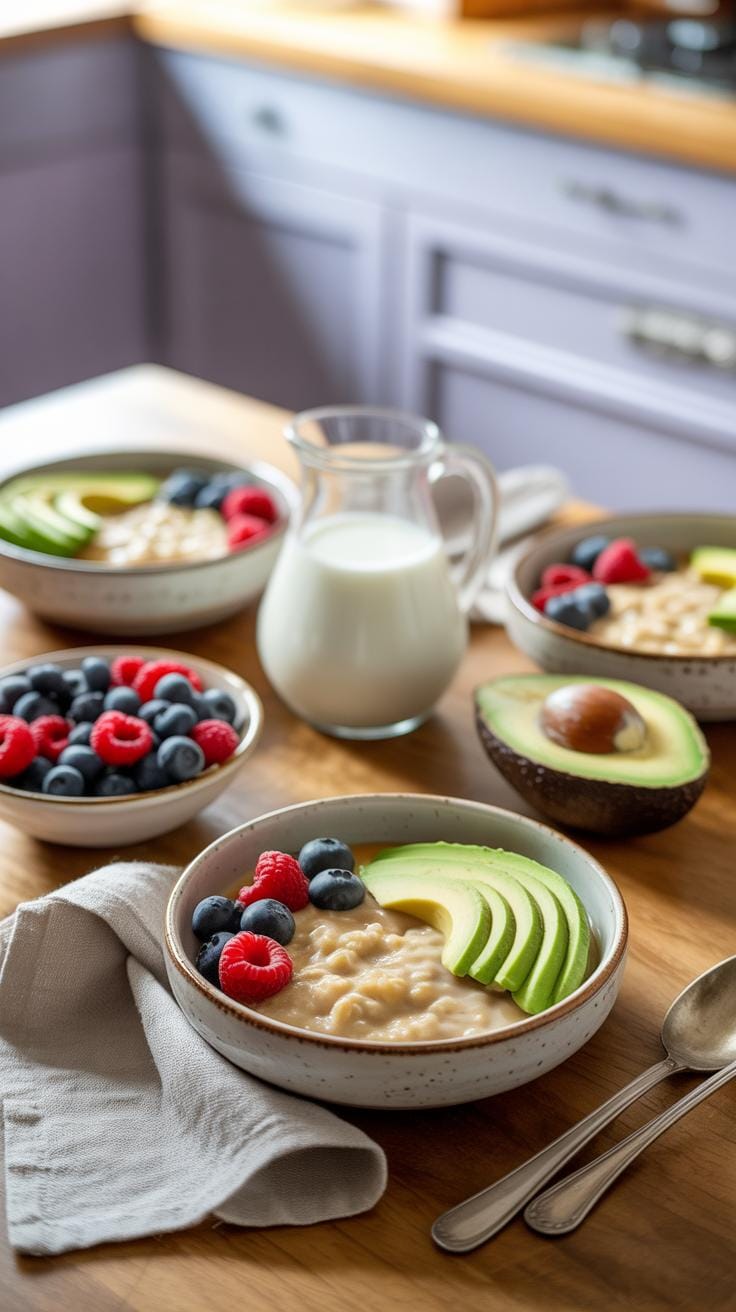
When you line up common breakfast options—cereal, pastries, traditional cooked meals—and put them beside clean eating breakfasts, the contrasts can be striking. Take a sugary cereal packed with refined grains and added sugars. It tastes quick and convenient, but it’s often low in fiber and protein, leaving you hungry soon after. Pastries, similarly, are tempting but heavy on processed flour, sugar, and unhealthy fats, offering little sustained nourishment.
Traditional cooked breakfasts vary widely. Sometimes they include processed meats and fried components, which add calories and saturated fats with little nutritional payoff. Clean eating breakfasts, though, tend to focus on whole ingredients like oats, fresh fruit, nuts, seeds, and unprocessed proteins such as eggs or yogurt—foods closer to their natural state that generally deliver more lasting energy.
Processed vs Whole Foods
Processed foods undergo significant alteration, often losing many nutrients in the process. They may be fortified later, but the balance is never quite the same. Whole foods keep intact the natural fibers and micronutrients that affect digestion and metabolism positively. A bowl of steel-cut oats with berries, for example, provides steady-release carbohydrates and antioxidants. Meanwhile, a sugary granola bar might spike your sugar quickly, then leave you crashing.
The calorie content can be misleading too. Processed items sometimes hide empty calories, while whole foods typically offer calories with nutritional value. So, while a pastry can have the same calorie count as a clean oatmeal bowl, its effect on your body differs in ways that become clearer if you pay attention through the morning hours.
Energy Sustenance Comparison
How you feel between breakfast and lunch often comes down to what you eat first thing. Processed breakfasts can cause rapid blood sugar spikes, then equally fast drops. You might notice an initial burst of energy followed by fatigue or hunger pangs before noon. Clean eating options, on the other hand, often keep your blood sugar more stable.
I’ve noticed on days when I start with a clean meal rich in fiber and good fats, my energy doesn’t just last longer—it’s smoother, less jittery. But even that can depend on individual responses. Some people may tolerate occasional processed foods better than others. Still, the pattern of slow, steady energy from clean meals feels more reliable overall, especially on busy mornings when your focus needs to last.
Tools for Shopping Clean Breakfast Foods
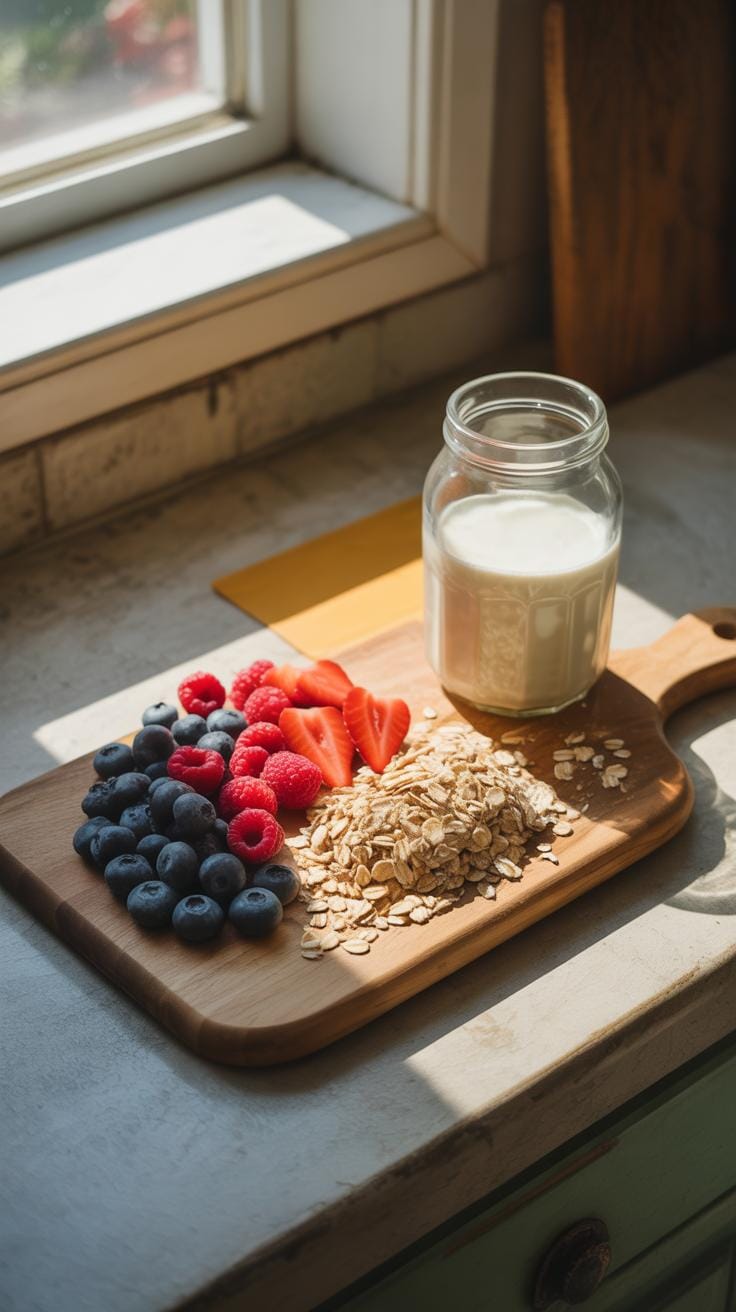
When you walk into the grocery store, the options can feel overwhelming. Finding clean breakfast foods doesn’t have to be complicated, though. Simple tools and habits can make a big difference in what ends up in your cart.
First, get comfortable with reading labels. It’s not just about calories or sugar—look for whole ingredients you recognize. If the label lists ingredients you can’t pronounce or that seem like chemicals, maybe skip it. For example, white bread often hides added sugars and preservatives, while a loaf with just flour, yeast, salt, and water might be cleaner.
Another thing to try is focusing on local and seasonal produce. Sometimes it’s fresher and tastier. Buying local fruits and vegetables supports nearby farmers, and these foods often retain more nutrients since they haven’t traveled far. Plus, seasonal choices usually cost less and keep your palate curious—think ripe strawberries in spring, but hearty root veggies in fall.
It might seem trivial, but bringing a list helps. Know what clean items to look for. Maybe even check out your store’s website ahead of time to spot clean brands or specials. You could also try apps that scan barcodes to identify cleaner foods, though relying on them exclusively probably isn’t best.
Ultimately, your best tool is a curious eye and a little patience. Shopping with clean eating in mind is a bit like training a muscle—you get better with practice, and your instincts sharpen along the way.
Tracking Progress with Your Breakfast Habits
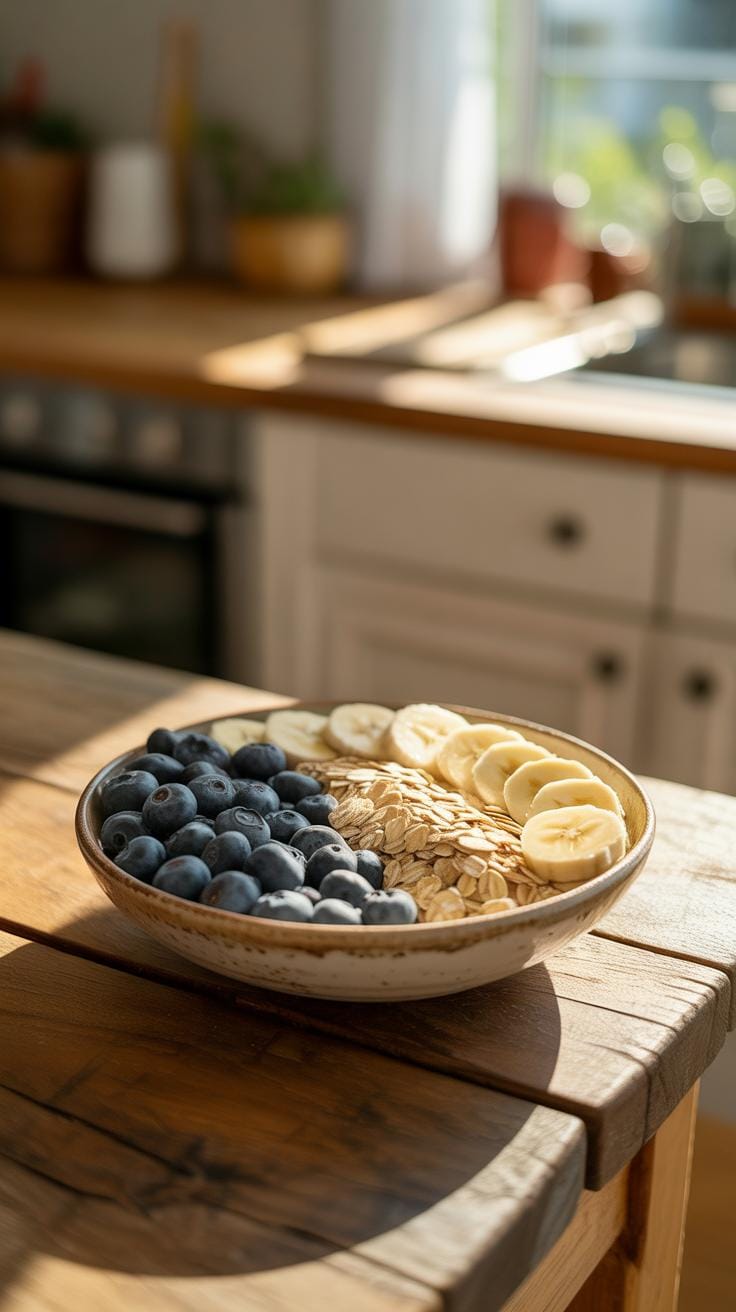
Watching how your body responds to clean eating at breakfast can be surprisingly straightforward, yet it takes a bit of patience and attention. You don’t need fancy apps or charts, just simple reflection and maybe a notebook if you like to jot things down. The key is tuning into changes in your energy, digestion, and even weight over time—though weight isn’t always the most reliable or immediate marker.
Monitoring Energy Levels
Notice how your energy feels after you eat. Do you feel alert and ready to start your day, or sluggish and craving a nap? It might take a week or two to spot a pattern, so don’t give up after a day. Try swapping in more protein or healthy fats if you notice a mid-morning energy slump. Or maybe extra fiber could help steady your blood sugar. Write down how you feel at different times in the morning. Over time, you’ll see if certain foods lift your alertness or leave you dragging. It’s a bit like fine-tuning a recipe to find what actually works for your body.
Noting Digestive Changes
Digestion can be subtle, but also one of the first signs of positive change. Pay attention to how your stomach feels after breakfast. Are you bloated, gassy, or uncomfortable? Or do you feel lighter and less sluggish? Sometimes it’s not clear at first—maybe you just notice fewer trips to the bathroom or less bloating after a couple of weeks. Keep a mental or written note of any discomfort or ease. As you adjust breakfast ingredients, you might find symptoms disappear or lessen. If something feels off, switching up the combination of fiber, fats, or fermentable foods might make a difference. Taking it slow and observing how your digestion responds will give you the best insight.
Overcoming Challenges Starting Clean Breakfasts
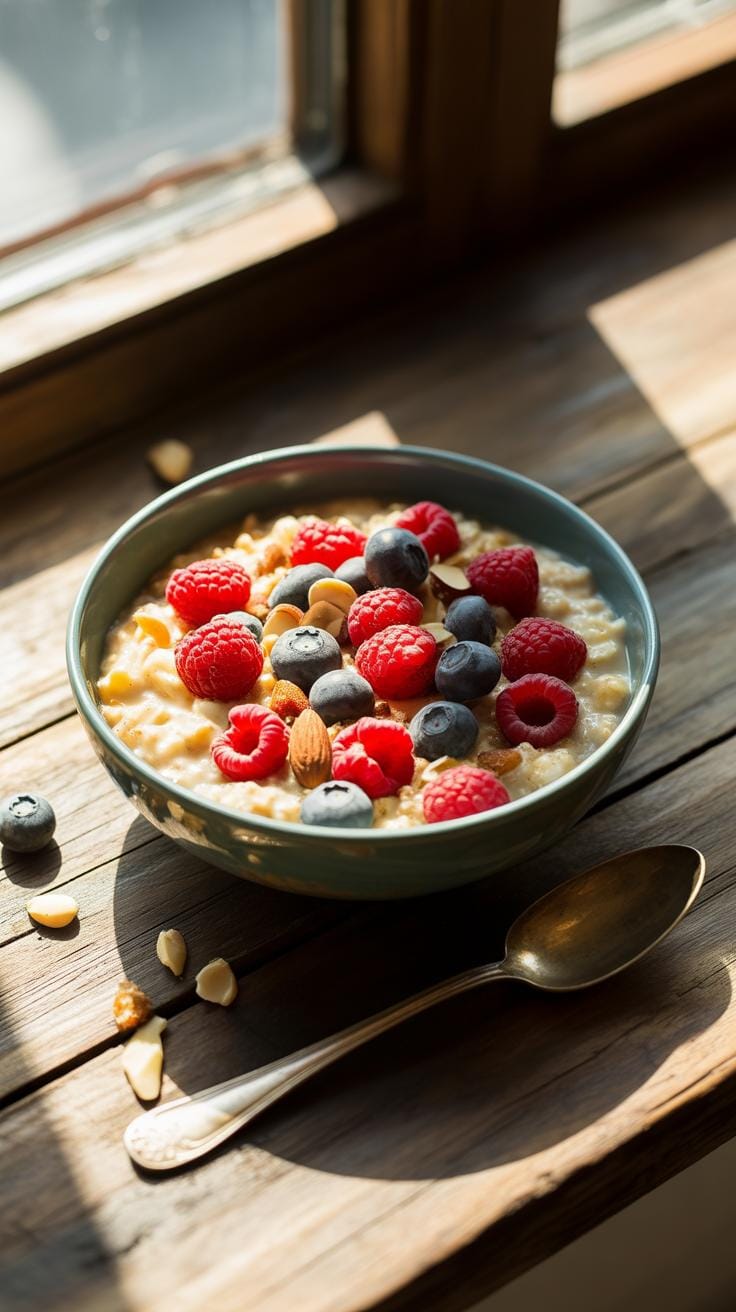
Starting clean breakfasts isn’t always easy. Time slips away quickly in the mornings, and it’s tempting to grab whatever’s fast, even if it’s not the cleanest option. Maybe you’ve felt rushed or overwhelmed trying to balance healthy habits with a hectic schedule. One trick that helped me was prepping ingredients the night before—like chopping fruits or portioning out oats. It saves precious minutes and avoids last-minute choices that lean toward convenience foods.
Cravings can be tricky, too. Sometimes, a sugary cereal or a pastry seems way more appealing than a bowl of plain yogurt with nuts. A strategy I found useful is to satisfy that urge with a small, cleaner alternative—say, a drizzle of maple syrup or a handful of dark chocolate chips. It’s not about denying cravings but keeping them in check while nudging habits toward better options.
Family preferences add another layer. Kids or partners might resist swapping pancakes for something more nutritious. What worked for me was involving everyone in breakfast planning. Trying simple swaps like whole-grain toast instead of white bread, or adding small fun toppings, helped ease the transition without much fuss. Sometimes you learn together, and that shared effort makes the journey feel less isolating.
Examples of Clean Eating Breakfast Menus
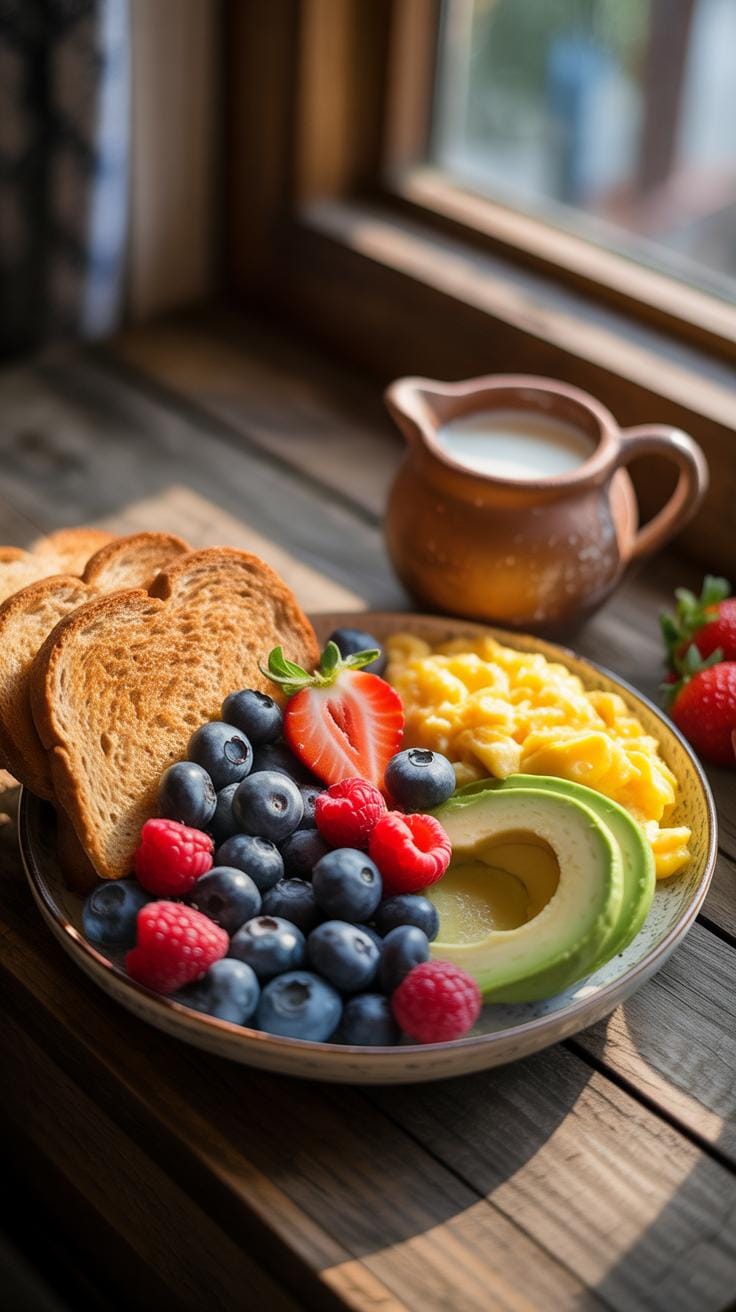
When thinking about clean eating breakfasts, you might wonder how to mix things up without straying from whole, natural foods. Let’s look at some menus that speak to different preferences and needs, so you can find what feels right—or maybe even discover something new to try.
Vegetarian and Vegan Options
Plant-based breakfasts can be surprisingly satisfying and varied. Consider a bowl of steel-cut oats topped with fresh berries, chia seeds, and a drizzle of almond butter. Or how about a tofu scramble with sautéed spinach, mushrooms, and a dash of turmeric? Smoothies made with kale, frozen banana, flaxseeds, and a splash of oat milk are simple too. You could also enjoy whole grain toast spread with mashed avocado and sprinkled with hemp seeds. These choices focus on whole, unprocessed ingredients and avoid animal products completely, so you feel light but nourished.
High Protein Choices
If you lean towards needing more protein in the morning, clean eating can still deliver. Think about a poached egg atop quinoa with steamed greens and sliced tomatoes. Or a Greek yogurt bowl mixed with walnuts, pumpkin seeds, and a bit of cinnamon—if dairy fits your diet. Another solid pick is a protein-packed smoothie made with pea protein powder, spinach, frozen berries, and unsweetened almond milk. Even a chickpea flour pancake topped with nut butter might satisfy that protein itch. These meals help keep you full longer and support muscle recovery if you’re active, without relying on anything processed or artificial.
What breakfast combinations have you tried that felt both clean and hearty? Sometimes it’s about experimenting a little—maybe a bit every week—to find your own perfect morning routine.
Conclusions
Choosing clean eating breakfast options helps you nourish your body with nutrient-rich foods. Whole fruits, vegetables, whole grains, and lean proteins provide energy and support health. Avoiding processed foods reduces intake of added sugars and unhealthy fats.
Use the healthy breakfast checklist provided to make informed choices each morning. Planning and preparing your breakfast ahead saves time and keeps you on track. Starting your day with a clean eating breakfast creates lasting habits that benefit your health long term.