
Introduction
Cheap meal plans for fitness enthusiasts saving money without sacrifice allow you to eat well while fueling your workouts. You don’t have to spend a lot to get good nutrition. With smart choices, you can meet your fitness goals and keep your budget intact.
This article shows how to plan meals that cut costs and still provide energy and nutrients for exercise. You will learn effective ways to shop, cook, and eat well on a budget. Practical tips and examples make it easy to start right away.
The basics of budget meals for fitness
Budget meals aren’t just about spending less. They’re about making every dollar count without shortchanging your body. For fitness enthusiasts, cheap meal plans mean finding ways to fuel your workouts and recovery without breaking the bank. It’s a balancing act—saving money but still getting the nutrients your muscles need to grow and repair.

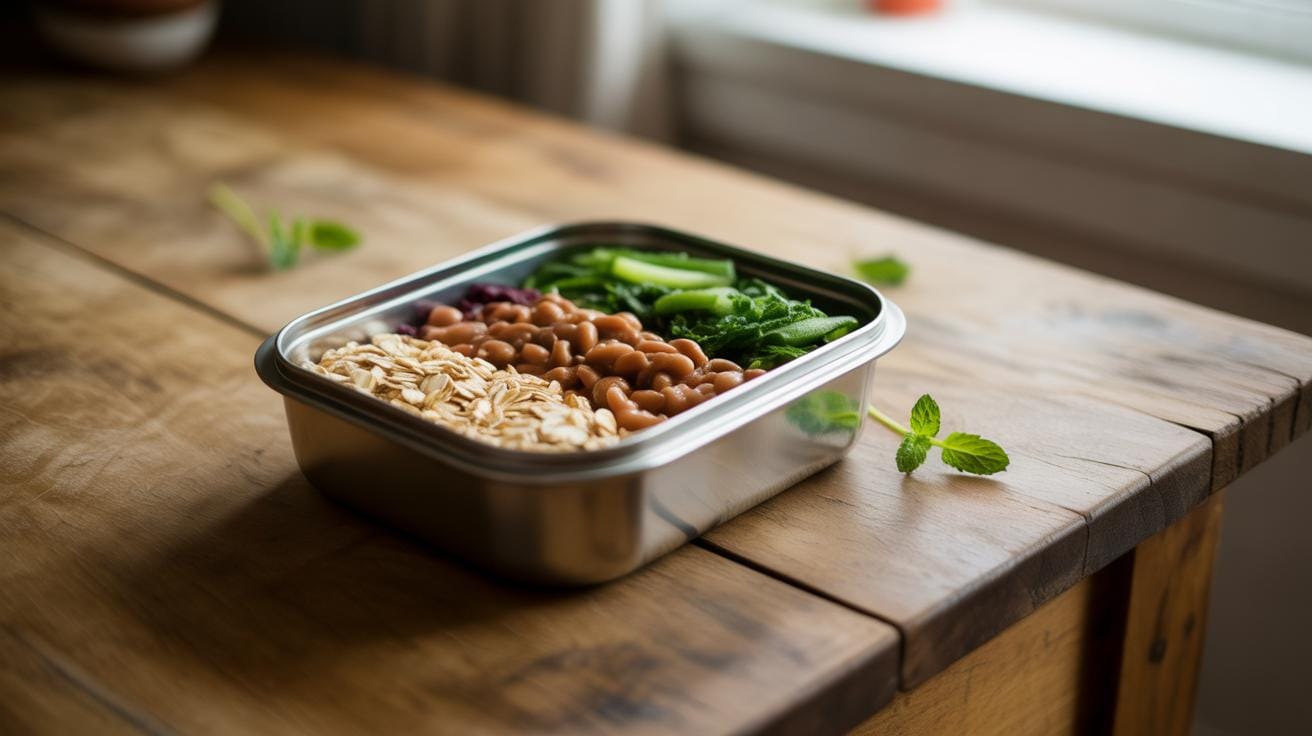
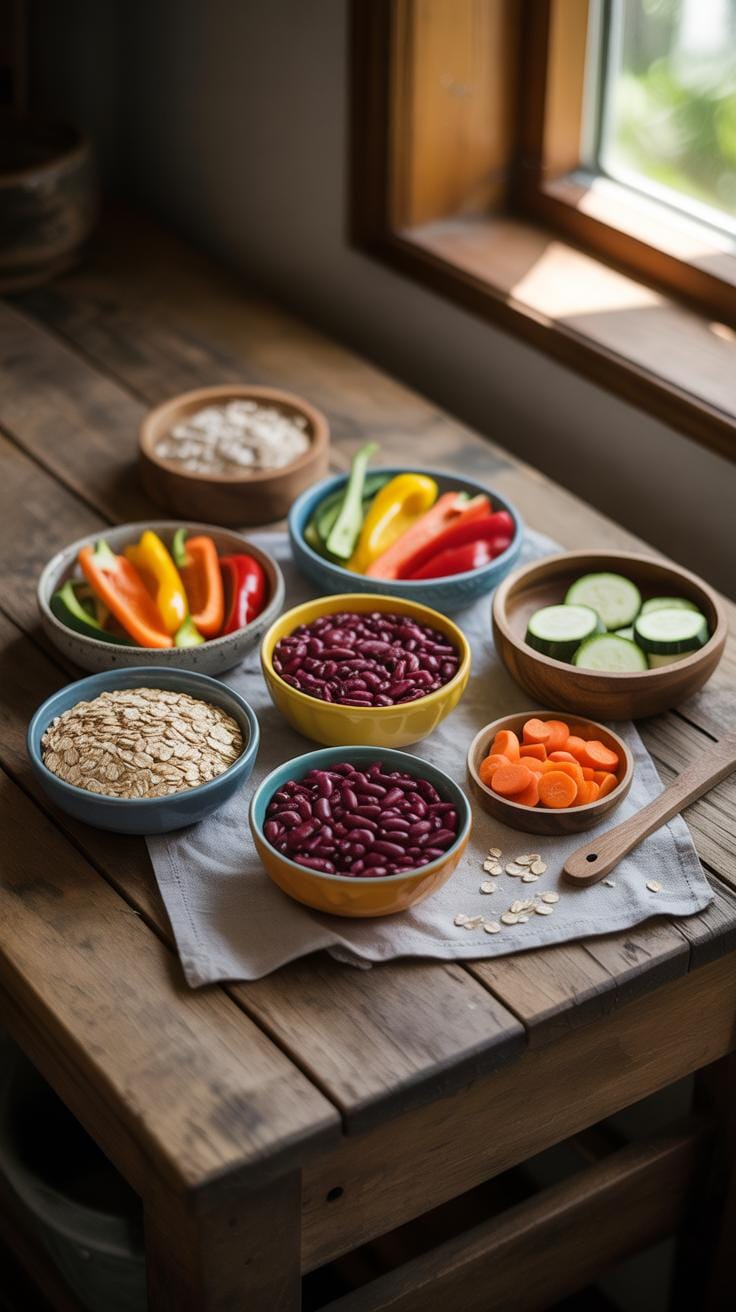
Cheap meal plans usually focus on affordable ingredients that pack a nutritional punch. Think of staples like rice, beans, oats, eggs, and frozen vegetables. These foods are accessible, last a while, and can be prepared in various ways to keep things interesting.
Why do cheap meal plans matter? When you work out regularly, your body demands more—more energy, more protein, more vitamins. Buying expensive pre-packaged fitness foods or eating out frequently can add up fast. That pressure makes budget-friendly cooking not just appealing but necessary for many, especially if training fits into a tight schedule or a modest paycheck.
Saving money here isn’t just about cutting costs. It’s about making your routine sustainable over weeks, months, and even years. If your nutrition drains your wallet, you might be tempted to skip meals or settle for less healthy options, which can stall your progress. Cheap meal plans help keep your goals in sight, even when money’s tight.
How to pick foods for budget fitness meals
Choosing foods that fit both your fitness goals and your budget can feel tricky. You want something that supports muscle growth and recovery, but also won’t break the bank. The trick is balancing quality with price, without obsessing too much over every detail.
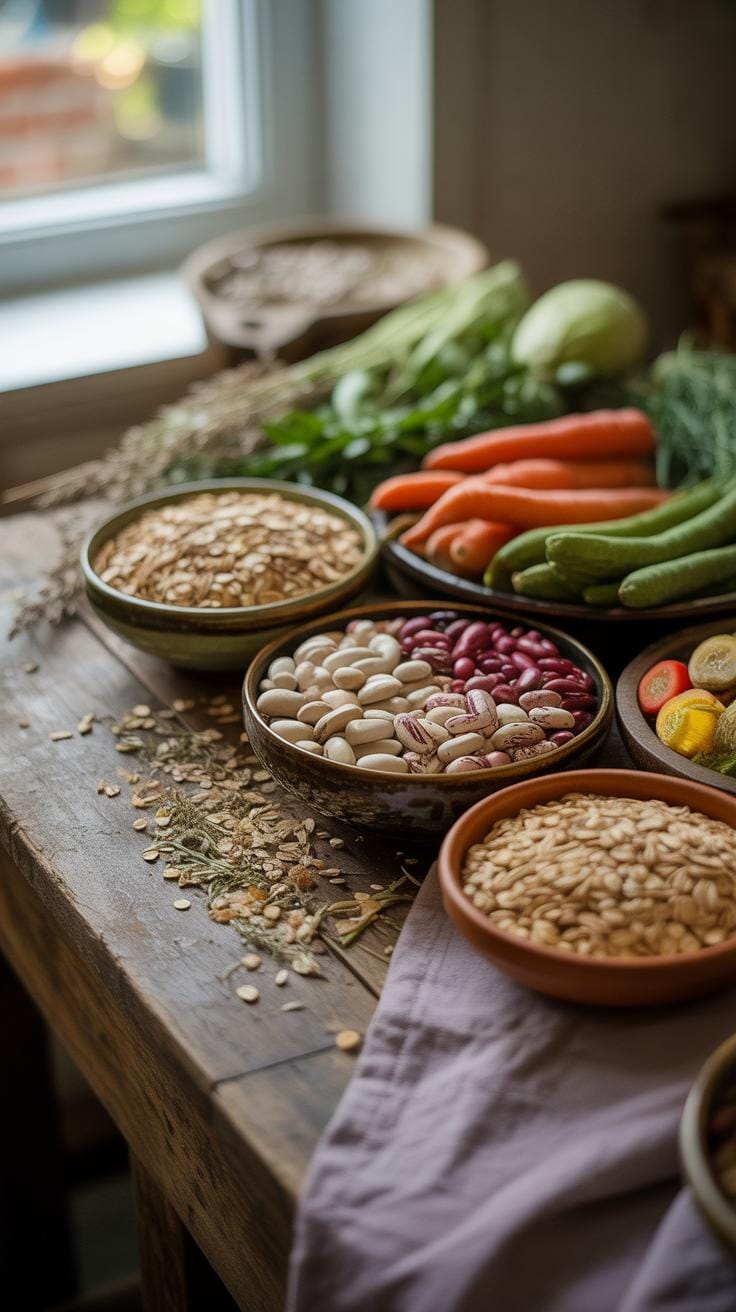
For protein, look beyond pricey cuts of meat. Beans are surprisingly rich in protein and fiber, plus they keep you full longer. Eggs offer a complete protein punch, and they’re versatile—scrambled, boiled, or in an omelet. Canned fish, like tuna or sardines, often gets overlooked but packs omega-3s and protein at a low cost. Poultry, especially chicken thighs or drumsticks, usually costs less per serving than breast and still delivers good protein for recovery.
Carbs and fats fuel your workouts, so they can’t be ignored. Basics like rice, oats, and potatoes are cheap and reliable carb sources. They provide consistent energy but don’t feel boring—you can mix them up with spices or sauces. For fats, nuts are calorie-dense and offer healthy fats, but watch the portions—they add up fast. Cooking oils such as olive or sunflower are affordable and essential for absorbing fat-soluble vitamins.
Don’t forget vegetables. Choose seasonal and local varieties to save money while getting vitamins and fiber. Frozen veggies are also okay, often cheaper, and hold nutrients well. You might find simple recipes that make these staples interesting, even if it means using a few contrasting ingredients for variety.
Have you found a food that surprisingly fits your budget and diet? Sometimes, it’s worth rethinking what “quality” really means for your plate.
Saving money when shopping for fitness meals
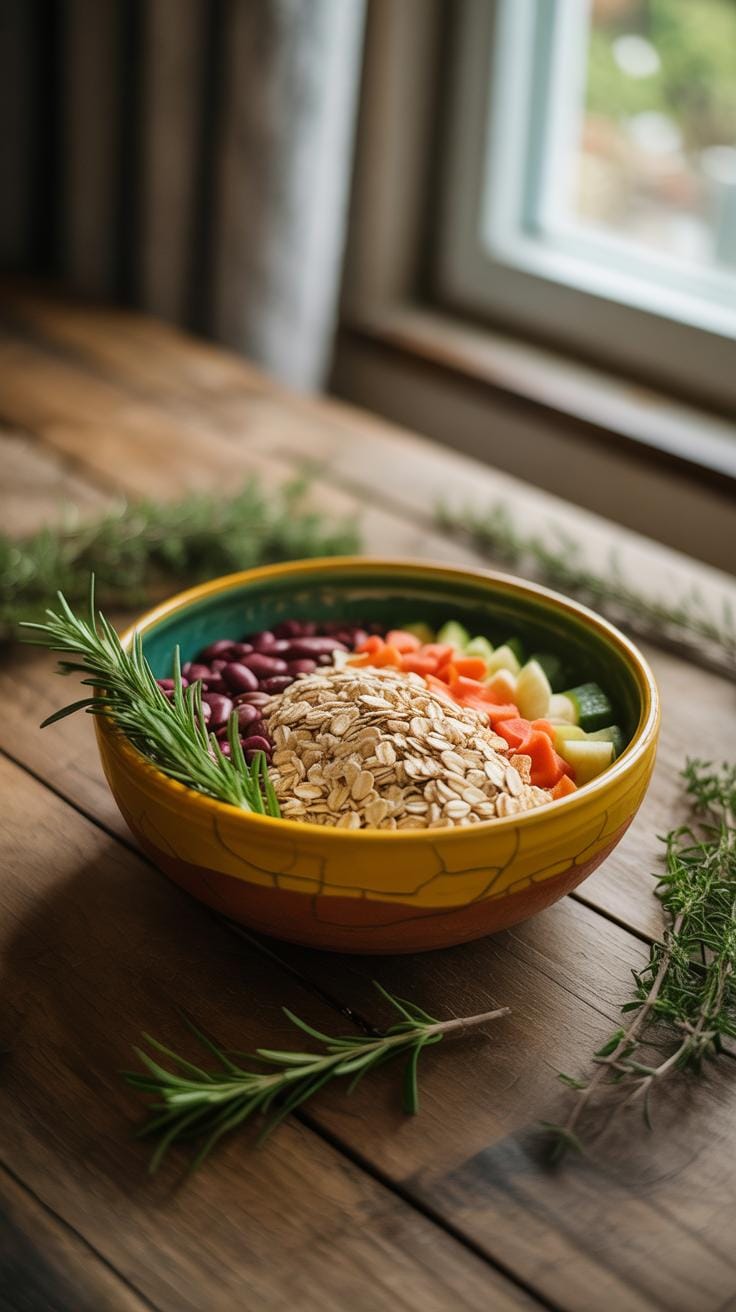
One of the best ways to cut costs on fitness meals is to get smart about your grocery shopping. Buying in bulk can save you a surprising amount over time, especially for staples like oats, rice, beans, and frozen vegetables. Just make sure you have storage space and a plan, or you might end up wasting food.
Seasonal produce is often much cheaper than out-of-season items. It’s sometimes a challenge to keep menus varied this way, but it’s worth trying. Plus, seasonal fruits and veggies tend to taste better, which is a bonus if you’re trying to avoid flavorless meals.
Store brands often get a bad rap, but they can be just as good as name brands, especially for basics like yogurt, canned tomatoes, or nut butters. Price differences matter here since you’re buying regularly. I’ve found switching to store brands knocked 20% off my usual grocery bill without noticing much difference in quality.
Before you shop, take time to read labels carefully. Look beyond calories—check protein content, added sugars, and sodium. This will help you avoid overspending on convenience foods that don’t really fuel your fitness goals. Planning a focused shopping list also keeps impulse buys at bay. I still struggle with this sometimes, but it’s worth the effort.
For example, pairing bulk brown rice with seasonal roasted vegetables and a store-brand canned bean creates meals that are both nutritious and budget-friendly. You might not think such simplicity can fuel intense workouts, yet it can—and at a fraction of the usual grocery cost.
Simple cooking methods for budget meals
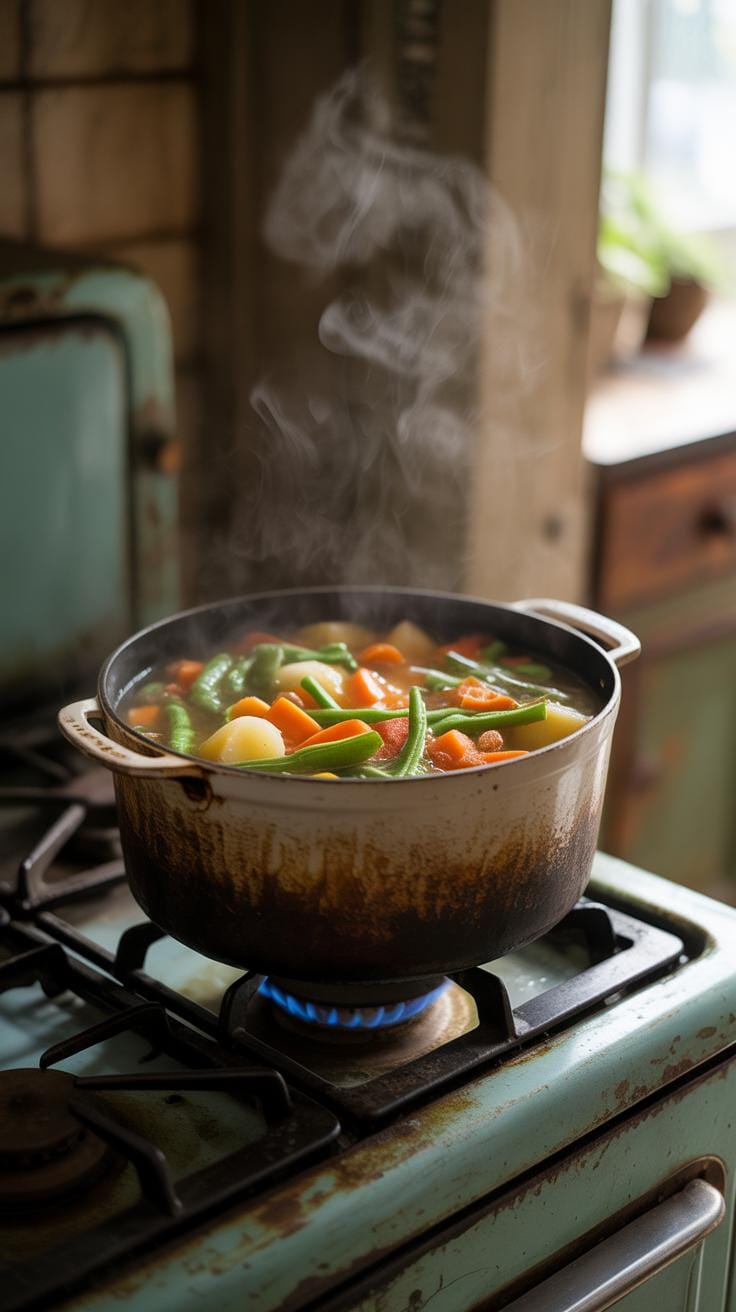
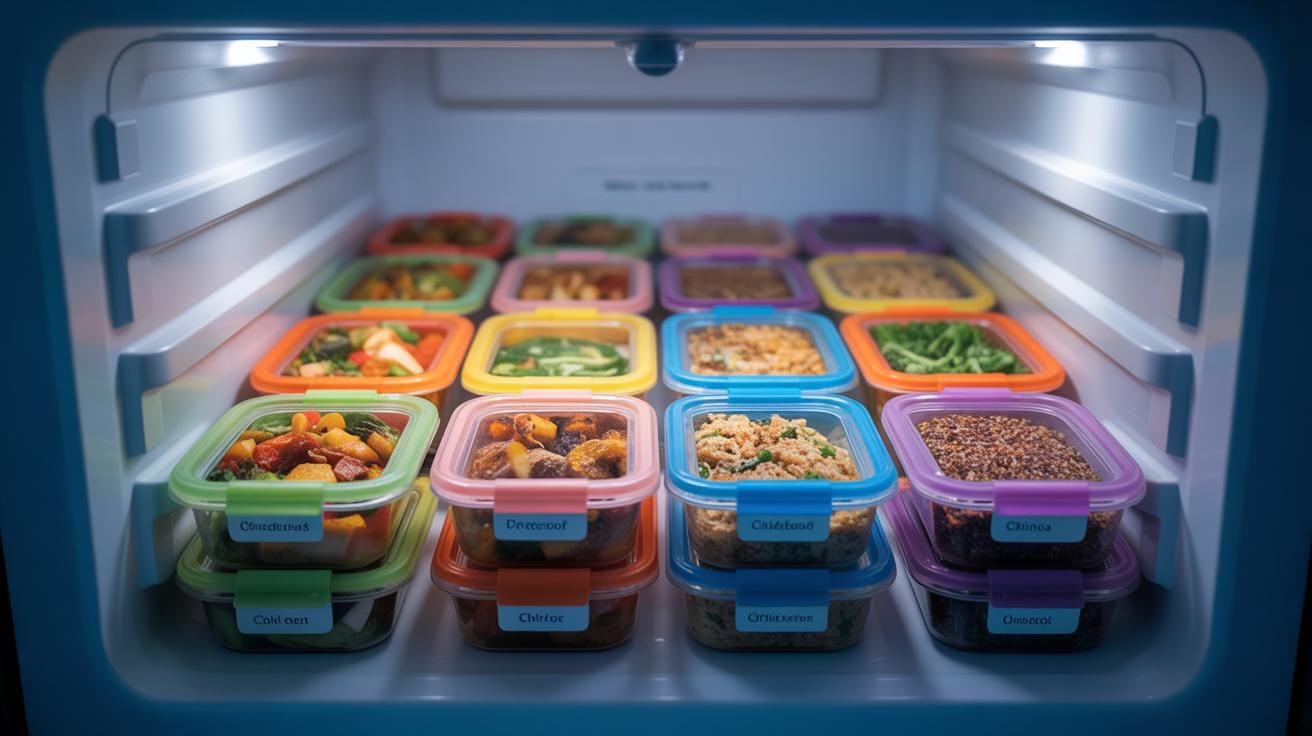
Cooking meals in batches can really change how you manage both your time and money. When you spend a couple of hours once or twice a week prepping several meals at once, you actually end up saving more than just cash—you save stress and decision fatigue too. For fitness goals, something like grilling a big batch of chicken breasts, steaming vegetables, and cooking a pot of rice or quinoa sets you up for quick, balanced meals throughout the week.
Think about making versatile base foods—beans, oats, or even ground turkey—that you can mix and match with fresh or frozen veggies. This way, you’re not stuck eating the same thing every day, but you also avoid buying expensive pre-prepped meals. I find batch cooking best on weekends, so by Monday, my fridge is well stocked and ready.
Batch cooking and meal prep
The real benefit is in the variety you can create from a few simple staples. For example:
- Cook a large pot of chili, then divide it into single servings for lunches or dinners.
- Bake a tray of sweet potatoes—cheap, filling, and easy to reheat.
- Roast a mix of veggies you can toss into salads, wraps, or stir-fries.
These small actions make your fitness diet sustainable without relying on costly convenience foods. You might save dozens of dollars that add up by skipping takeout and impulse buys.
Freezing and reusing leftovers
Freezing meals or leftovers takes batch cooking even further. It prevents waste, sure, but also helps you avoid the trap of “what’s for dinner tonight?” anxiety. When I freeze portions, I often label them with dates and descriptions. Sometimes, I even discover forgotten meals I’m happy to eat again. Maybe it’s just me, but that’s kind of satisfying.
Leftovers can often be repurposed with minimal effort too. For instance, extra roasted chicken becomes a quick protein addition in scrambled eggs or mixed into a salad. Leftover rice? Turn it into fried rice with some frozen peas and an egg. It’s simple, low-cost, and keeps things from feeling monotonous.
Have you tried freezing meals and found ways to reinvent leftovers you didn’t expect? It might surprise you how much this can stretch your grocery budget, all while supporting your nutrition goals.
Sample budget meal plan for two weeks
Week 1 meal examples
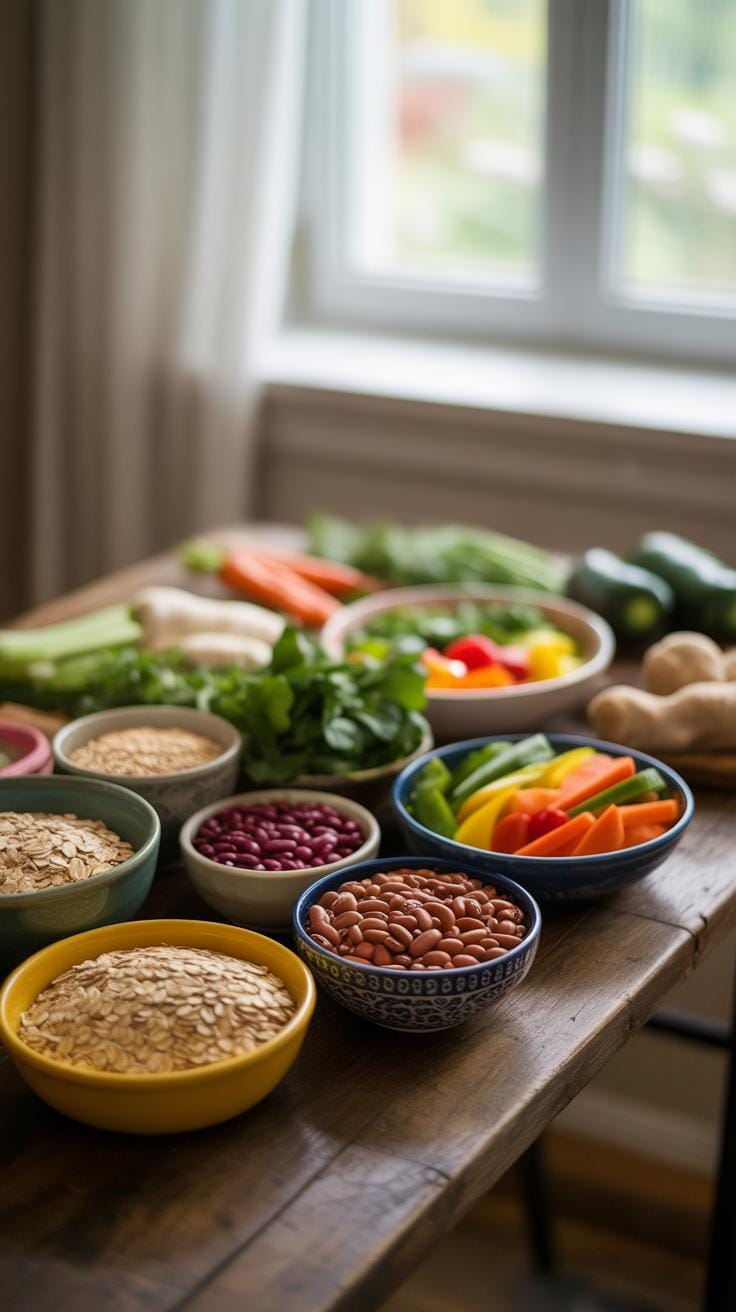
Start your mornings with simple oatmeal made from rolled oats, water or milk, and frozen berries or a sliced banana. You get carbs and fiber without spending much. Sometimes swap the fruit for a spoonful of peanut butter—adds protein and keeps you full. For lunch, think rice and beans mixed with some sautéed frozen spinach or any affordable vegetable you find. Lentils can replace beans now and then, keeping it interesting and still cheap. Dinner often features eggs in various forms—scrambled with chopped tomatoes and onions or boiled alongside a baked potato and steamed carrots.
Snacks can be plain yogurt, a handful of nuts when you find them on sale, or carrot sticks with a bit of hummus made at home from dried chickpeas. The ingredients list stays short but covers protein, carbs, and essential fats. Portion control here is key; eating the right amounts will fuel your workouts without leftovers wasting money.
Week 2 meal examples
To keep costs down but avoid monotony, start week two with scrambled eggs mixed with leftover veggies, served with whole-wheat toast or cheap tortillas. Swap oatmeal for homemade banana pancakes using ripe bananas, eggs, and oats blended together. These feel like a treat but don’t hurt your budget.
Lunches might lean on simple chicken thighs roasted in bulk, paired with quinoa or couscous and frozen mixed veggies. Bulk cooking saves time and money when you plan just right—you can freeze portions. Dinner could be pasta with a homemade tomato sauce from canned tomatoes, garlic, and herbs, plus a side of steamed broccoli or green beans bought frozen.
Snacks stay light: a boiled egg, homemade trail mix from bulk nuts and raisins, or cottage cheese with a little cinnamon. You’ll notice that variety arrives by mixing ingredients differently rather than buying new, expensive foods all the time. Playing with simple seasonings makes a big difference too.
Comparing Cheap Versus Expensive Meal Plans
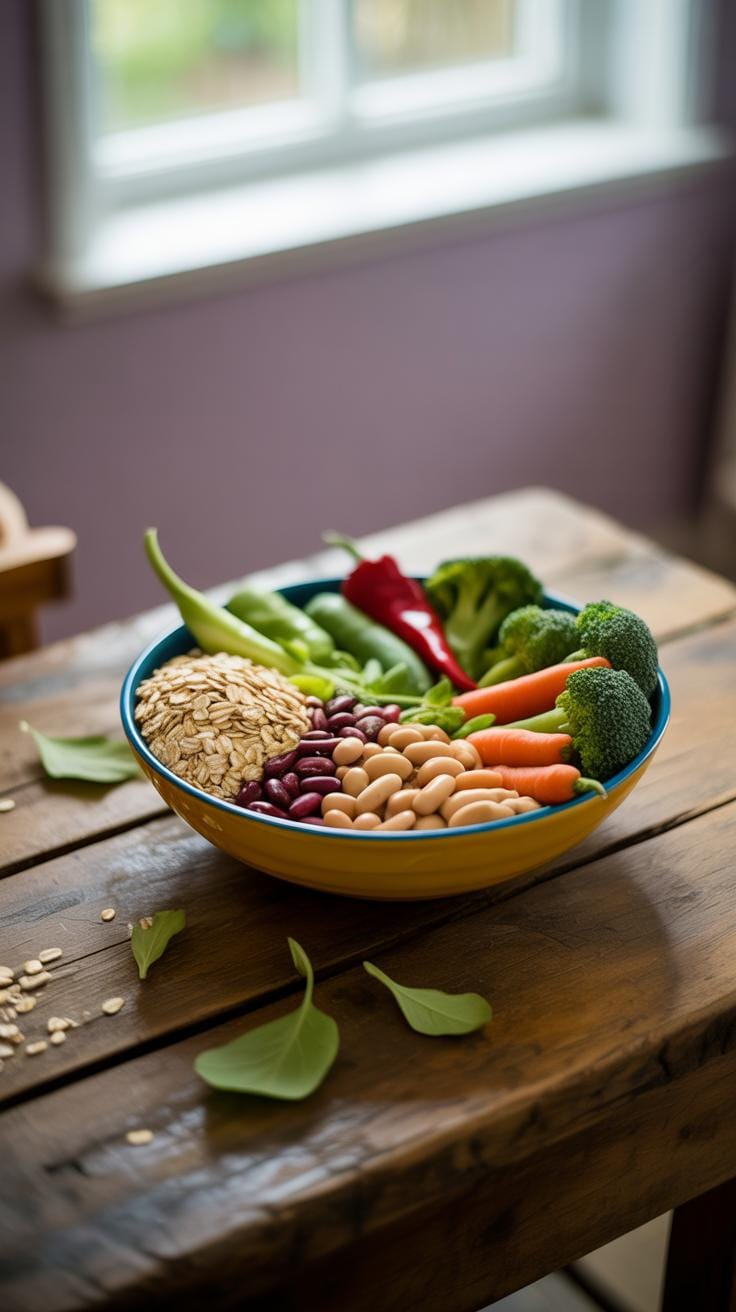
When you look at meal plans for fitness, the price difference can be pretty striking. Cheap plans often rely on basics like rice, beans, eggs, and frozen vegetables. They usually come with fewer ingredient options but pack enough macros to build muscle or maintain energy. Meanwhile, pricey plans might throw in grass-fed meats, organic produce, and specialty supplements. You get variety and sometimes better taste, but it’s not always clear if you *need* it for your goals.
Nutrition-wise, cheaper meals can hit protein and carbs efficiently but might skimp on micronutrients or healthy fats. For example, getting omega-3s from canned tuna versus wild salmon is a notable difference. On the flip side, cheap meals often include more processed carbs or fillers, which might not fuel recovery as well. Still, if balanced thoughtfully, budget meals can hold their own.
Financially, going upscale means more upfront cash—and sometimes convenience, like pre-portioned meals or ready-to-eat options. That saves time but costs more. If your goal is simple muscle gain or fat loss, spending big on every meal doesn’t always pay off. But for advanced athletes or those with specific dietary needs, the extra expense might be justified.
So, is paying more worth it? That really depends on your priorities—taste, time-saving, ingredient quality, and how picky you are about food. Sometimes, the gains from pricier ingredients don’t translate directly into better performance or recovery. It’s a bit of a balancing act, and honestly, you might find a middle ground that fits both wallet and muscle goals.
Common mistakes in cheap meal planning
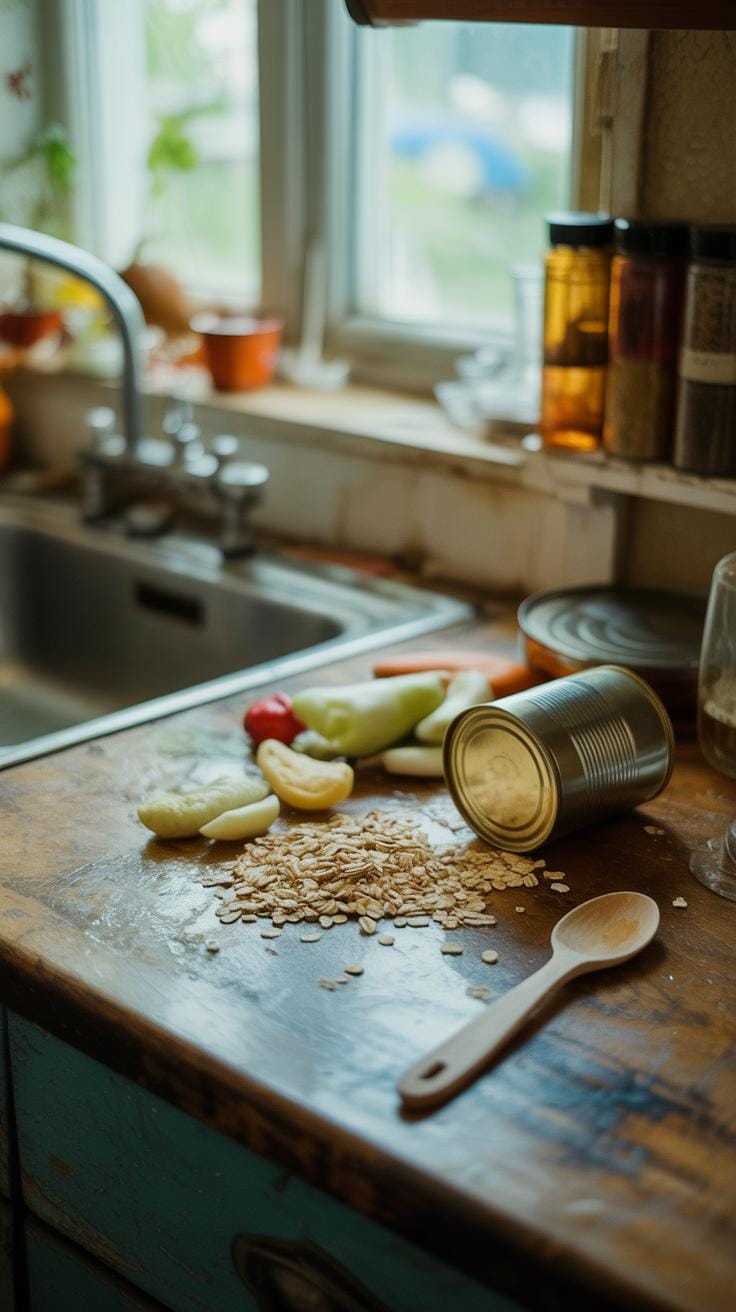
One of the frequent pitfalls when trying to eat cheaply for fitness is ignoring nutritional balance. It’s tempting to focus solely on cost, but cutting out entire food groups or key nutrients can hold back your progress. For example, skipping fruits or healthy fats just to save a few dollars might leave you low on vitamins or essential fatty acids, which support recovery and overall wellbeing. You might think protein alone is enough, but your body needs more than that to function optimally.
Another trap is prioritizing convenience over real value. Buying ready-made meals or pre-packaged snacks might seem like a timesaver, but prices tend to add up fast, and quality often suffers. I’ve noticed this in my own attempts at meal prep—those quick options ended up costing more than simple homemade dishes, and they didn’t leave me feeling as satisfied. Cooking from basic ingredients, even if it takes longer, usually stretches your budget better and gives you more control over what you eat.
To avoid these errors, try planning meals around affordable staples like beans, rice, and seasonal veggies. Combine them thoughtfully to keep balance without overspending. And maybe set aside a bit of time each week to prepare meals yourself. You might save money in unexpected ways, and it could even be a little fun—well, sort of. Have you noticed how often “cheap” ends up meaning “less nutritious” when we aren’t careful? It’s worth rethinking what cheap means to your body and your budget.
Using tools to track budget and nutrition
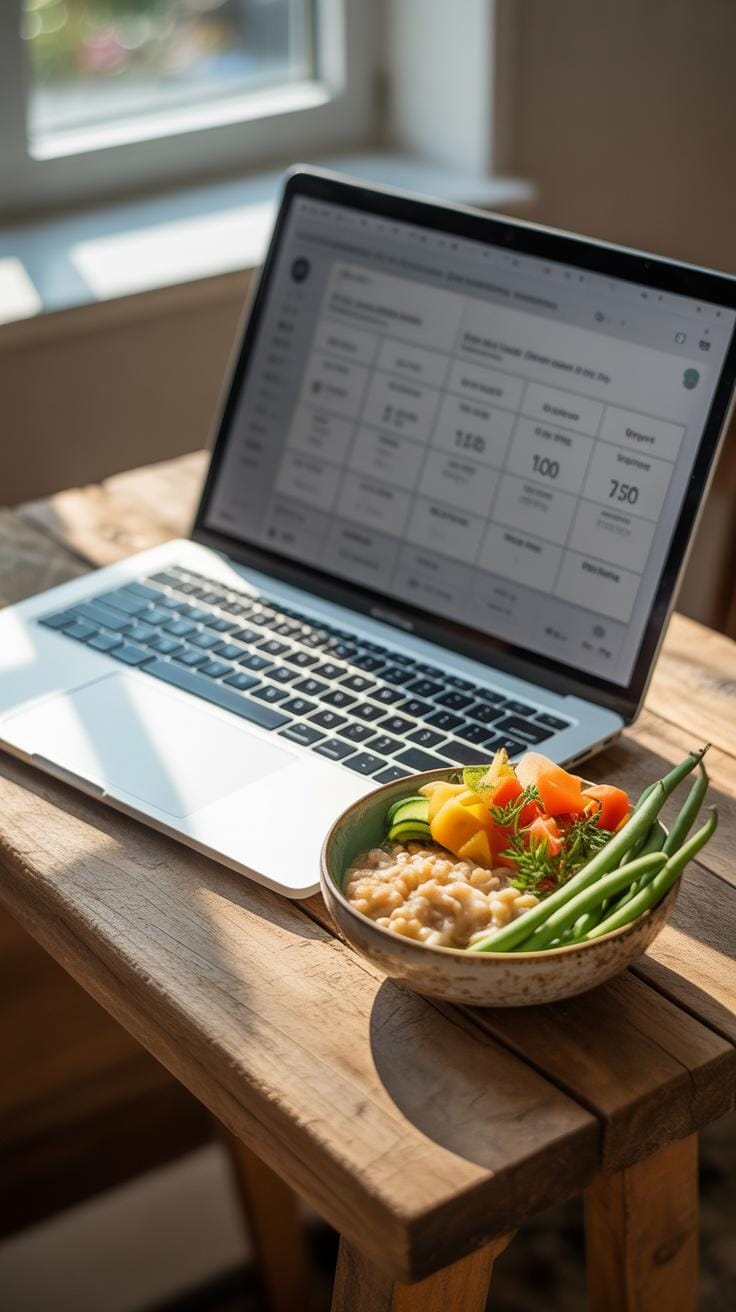
When it comes to juggling fitness goals with tight budgets, having the right tools can make a surprising difference. Meal planning and budgeting apps take some of the guesswork out of managing expenses and nutrition simultaneously. Apps like MyFitnessPal, YNAB, or Goodbudget allow you to assign spending limits, organize grocery lists, and even log individual purchases. They help you see where your money goes while keeping your food choices aligned with your goals.
On the nutrition front, tools such as Cronometer or Lose It! go beyond just counting calories. They break down macros, micros, and nutrient density, which can be essential when your diet focuses on cost-saving yet still demands nutritional balance. These apps can be a little overwhelming at first, but imagine catching nutritional gaps before they turn into plateaus or fatigue.
Using these apps together encourages accountability. You can plan a week’s meals within budget, then track exactly what you bought and ate. That might sound tedious, but once it becomes routine, you might find it frees up mental space. It’s also a way to spot patterns — maybe you’re overspending on snacks or not getting enough protein. Still, something tells me relying too much on apps can sometimes take you away from intuitive eating, so balance is key.
Checklist for starting your cheap meal plan
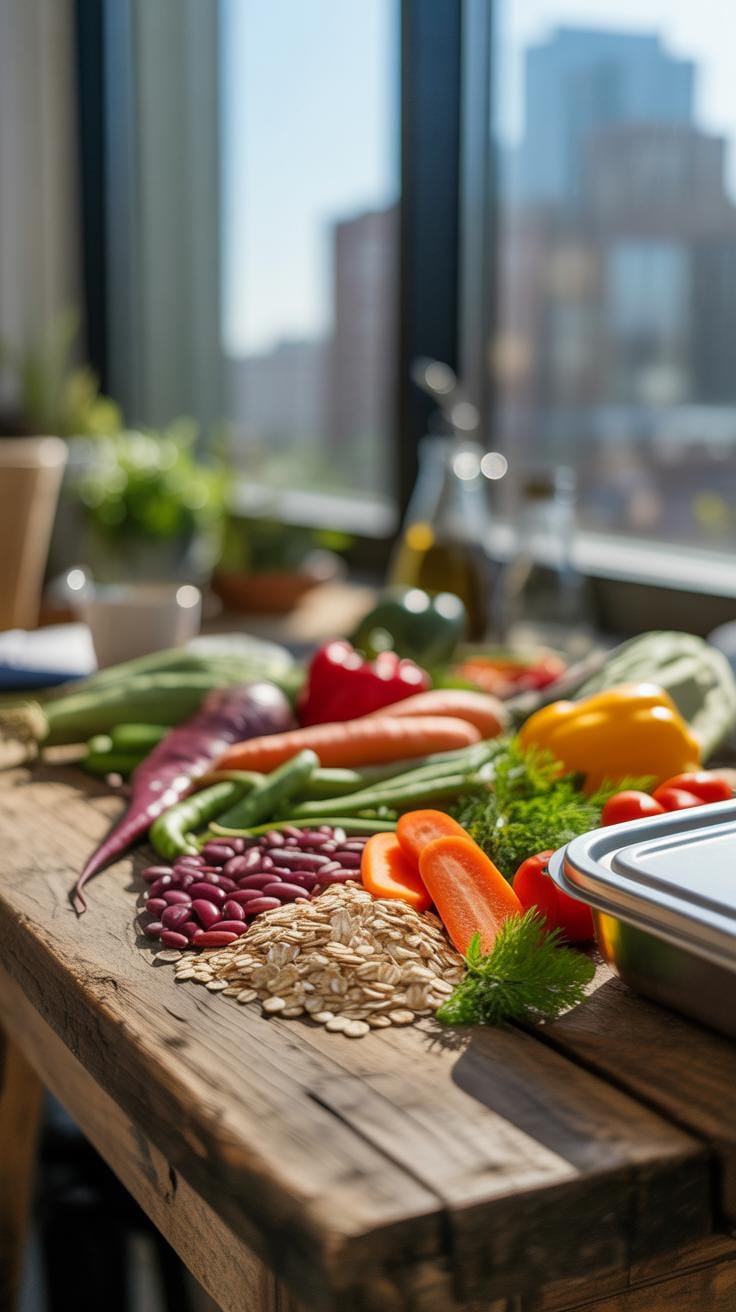
Before you hit the grocery store, it’s good to set some basics in place. First, decide your budget. What can you realistically spend weekly or monthly? This keeps surprises at checkout to a minimum.
Next, pick a handful of recipes that match your fitness goals but also use affordable ingredients. Think beans, oats, eggs—things that won’t break the bank and can be mixed and matched.
Then, check your pantry and fridge. What staples do you already have? Don’t buy duplicates if you can help it. Sometimes, what’s sitting at home is enough to start a meal or two.
Once shopping is done, track how your meals impact your energy and progress. Keep a simple food log or note how you feel during workouts.
If something doesn’t sit right—too expensive, bland, or difficult to prepare—adjust. Swap ingredients or try different recipes. Staying flexible will keep this plan sustainable.
Also, watch for sales and bulk deals as you go along; these can lower costs without changing your meal quality. Over time, tweaking portions or ingredients becomes part of the process, helping both your wallet and your fitness.
Conclusions
Smart cheap meal plans help you get the nutrients you need without spending much. Careful choices when shopping and cooking let you stick to your budget and your workout routine. Healthy, cheap meals are possible for anyone wanting to save money and stay fit.
Create your own plan using the ideas here and adjust it to your tastes and schedule. Saving money on food does not mean missing out on muscle or energy. You can eat well, train hard, and spend less.