
Introduction
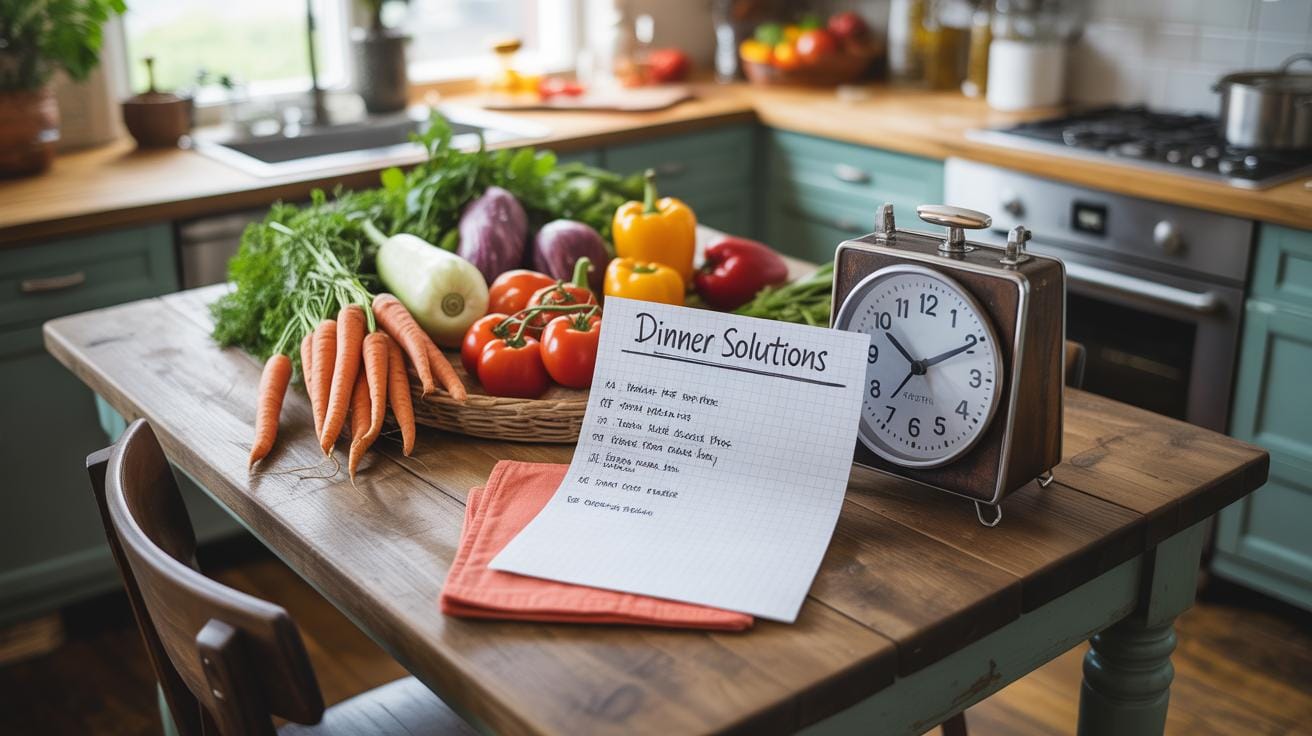
Affordable weekly meal planning can help you save money while ensuring you eat well. Cheap easy meals are a great solution for busy schedules and tight budgets. This article provides you with a clear checklist to plan your meals efficiently, avoid last-minute takeout, and reduce food waste.
You will learn how to select low-cost ingredients without sacrificing nutrition and taste. The article also explores quick recipes that you can prepare anytime. Follow this guide to streamline your cooking routine, keep your wallet happy, and enjoy tasty meals every day.
Setting Your Weekly Meal Budget
Calculating Expenses for Cheap Meals
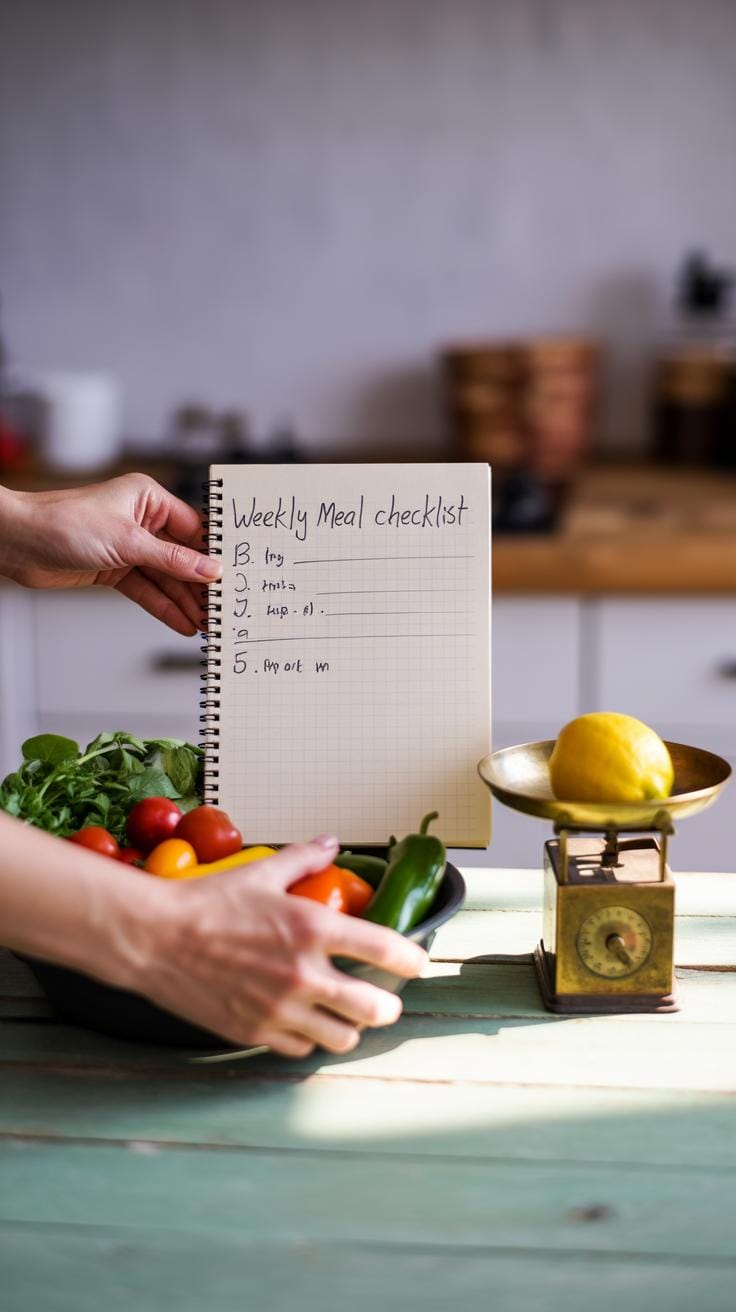
Figuring out a sensible weekly meal budget starts with looking at who you’re feeding. A solo eater’s costs will be very different than, say, a family of four or more. Then, think about any special dietary needs—gluten-free, vegetarian, or perhaps allergies—that might push costs up or down.
Local prices matter too. Groceries in a small town can be cheaper, but sometimes less variety means paying more for some staples. Big cities might offer deals but could tempt you to buy pricier items. So, knowing your local market helps you roughly estimate what you’ll spend.
Once you set a tentative total, try breaking it down per meal or per day. If you plan three meals and two snacks a day, what does that budget allow? Tracking your spending is key here. Even a simple notebook or phone app can help you watch expenses closely and tweak your shopping as you go.
Choosing Dollar-Saving Ingredients
Some foods reliably stretch your dollar while keeping you full and reasonably healthy. Potatoes, rice, beans, frozen vegetables, eggs, oats—these often cost less but provide good nutrition. They’re filling and versatile too.
Look for sales on basics like pasta, canned tomatoes, or bulk spices. Buying in bulk can save a noticeable chunk if you have the storage space and plan to use it before spoilage. I once stocked up on dried beans during a sale that lasted months, which really helped later on.
It pays to check weekly flyers or online apps for discounts. Sometimes the best deals aren’t obvious until you compare prices per pound or check unit costs. Maybe you only need a few things, but a member’s club or warehouse store could save money when you combine trips or shop with a neighbor.
Organizing Your Weekly Grocery List
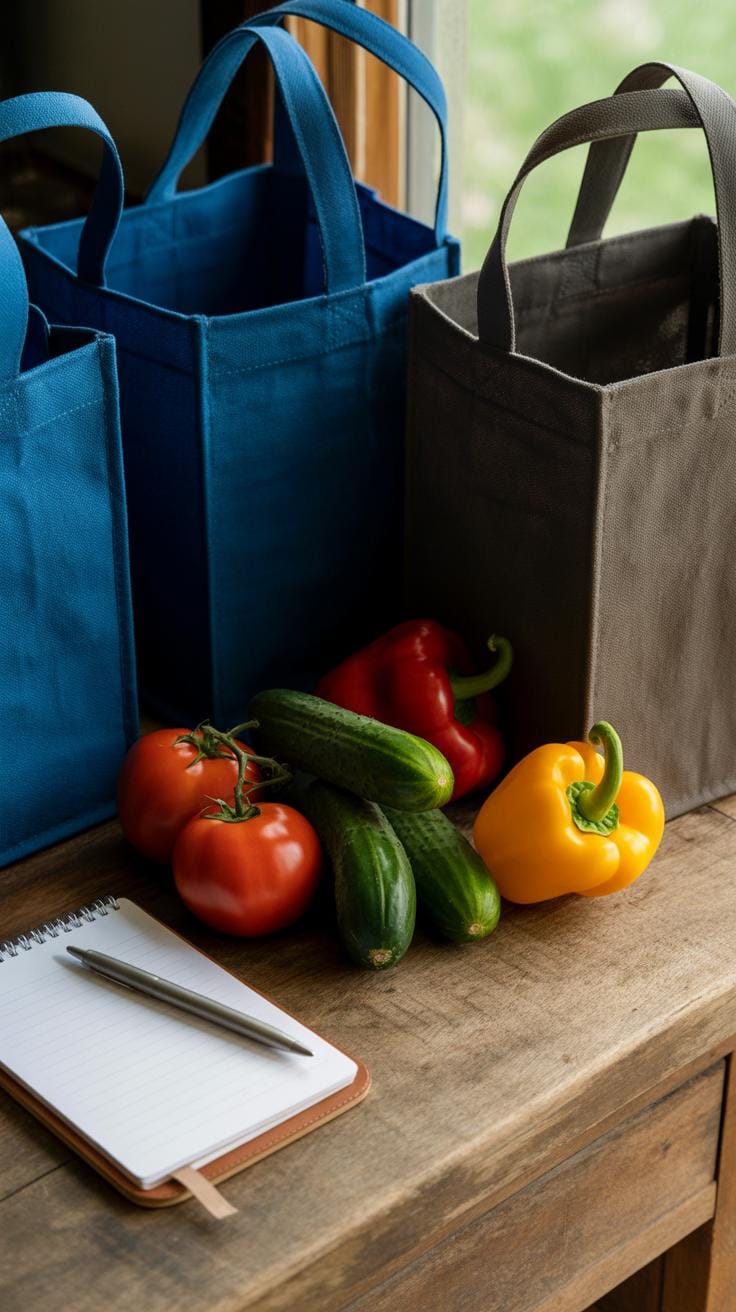
Preparing a grocery list that fits your meal plan and budget takes some thought. Start by writing down every ingredient needed for each meal planned that week. This helps avoid last-minute trips or forgotten items that might cause extra spending.
Try grouping your list by store sections—produce, dairy, meat, pantry, frozen, and so on. It saves time wandering aisles and things don’t get overlooked. For instance, you could jot down all vegetables together, then cereals or canned goods next. This also helps you spot duplicates or extras you don’t really need.
Impulse buys can throw off your budget quickly, so stick strictly to your list. If something catches your eye, pause and ask if it really fits your plan. It’s easy to convince yourself “this is on sale, I should grab it,” but think if you’ll genuinely use it before it goes bad. A shopping trip without distractions or hunger helps with this too.
Must-Have Pantry Staples for Cheap Meals
Some pantry items prove surprisingly versatile for cheap meals. Think rice and pasta—both fill you up and form a base for countless dishes. Beans, either canned or dried, offer protein and fiber without breaking the bank. Canned tomatoes add flavor and can extend sauces, soups, or stews.
Oils, flour, and basic spices also deserve a spot. With just salt, pepper, garlic powder, and dried herbs, you can transform simple ingredients into something more satisfying. These staples last long, so buying them in bulk or on sale saves money in the long run—even if you don’t use them all immediately.
Using Fresh and Frozen Ingredients Economically
Knowing when to pick fresh over frozen produce—or the other way around—can save both cash and time. Fresh veggies like lettuce or herbs might spoil quickly, so buying just what you need keeps waste down. On the flip side, frozen options like peas or spinach stay good for months and often come pre-washed and chopped, which can be handy.
Sometimes, frozen fruits cost less and retain nutrients well, making them a smart choice for smoothies or baking. But some recipes benefit from fresh—say a crisp salad or fresh-squeezed lemon juice—that frozen can’t quite match. Buying based on what you intend to cook can prevent overbuying or tossing food later.
Planning Easy Meals for the Week
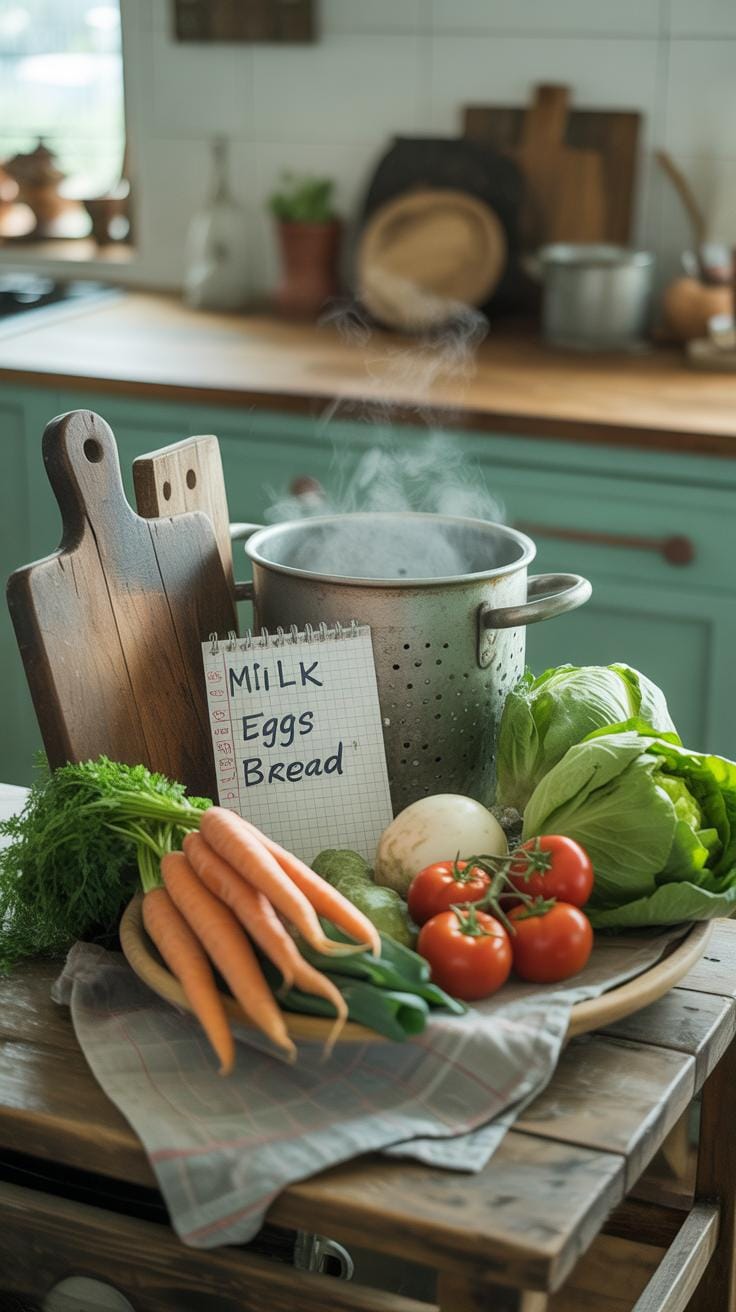
Planning meals that are both quick to make and kind to your budget doesn’t have to be complicated. Start by jotting down simple, repeatable staples for each meal of the day. For breakfast, think overnight oats, scrambled eggs with toast, or yogurt with fruit and granola. Lunch can be as easy as a big salad with beans or tuna, a rice bowl with veggies, or a simple sandwich. Dinner might be pasta with tomato sauce and frozen veggies, stir-fried rice with eggs and whatever protein you have, or a baked potato topped with cheese and steamed greens.
Once you have a shortlist, check what you already have in your pantry or fridge. That cuts down waste and saves money. Make a shopping list focusing on versatile ingredients you can use across multiple meals, like carrots, onions, canned beans, and affordable grains such as rice or pasta.
Don’t forget to plan for a few snacks or easy grab-and-go items too. This way, you won’t be tempted to reach for expensive convenience foods when hunger strikes.
Meal Prep Basics for Time Savings
Spending a little time upfront can make the whole week easier. Try chopping all your veggies at once or cooking a big batch of rice or pasta to store in the fridge. It’s surprising how much these small steps shave off your daily cooking time. For example, dicing onions and peppers on Sunday means you just toss them into the pan later without thinking twice. And pre-cooked grains can be tossed into salads or reheated with a protein for instant meals.
Freezing portions of cooked beans or lentils can be another timesaver—just scoop out exactly what you need when cooking. You might think prepping ahead adds time on prep day, but it usually balances out with quicker weeknight dinners and less stress.
Balancing Nutrition with Cheap Recipes
Eating well on a budget doesn’t mean sacrificing nutrition. A good mix of protein, vegetables, and carbs can often come from inexpensive sources. Eggs, canned beans, frozen peas, carrots, and potatoes are great examples. They don’t cost much, but they cover most nutritional bases.
Mix and match these ingredients to keep meals interesting. For instance, beans with rice and steamed broccoli make a filling dinner. Or eggs scrambled with spinach on toast provide meatless protein and greens for breakfast. Frozen veggies especially—like corn, green beans, or mixed stir-fry packs—are usually cheaper and last longer than fresh.
That said, it’s perfectly fine if some meals lean heavier on carbs or veggies while others include more protein. The goal is to maintain variety and consistency over the week without stressing over perfection each day.
Batch Cooking and Storage Tips
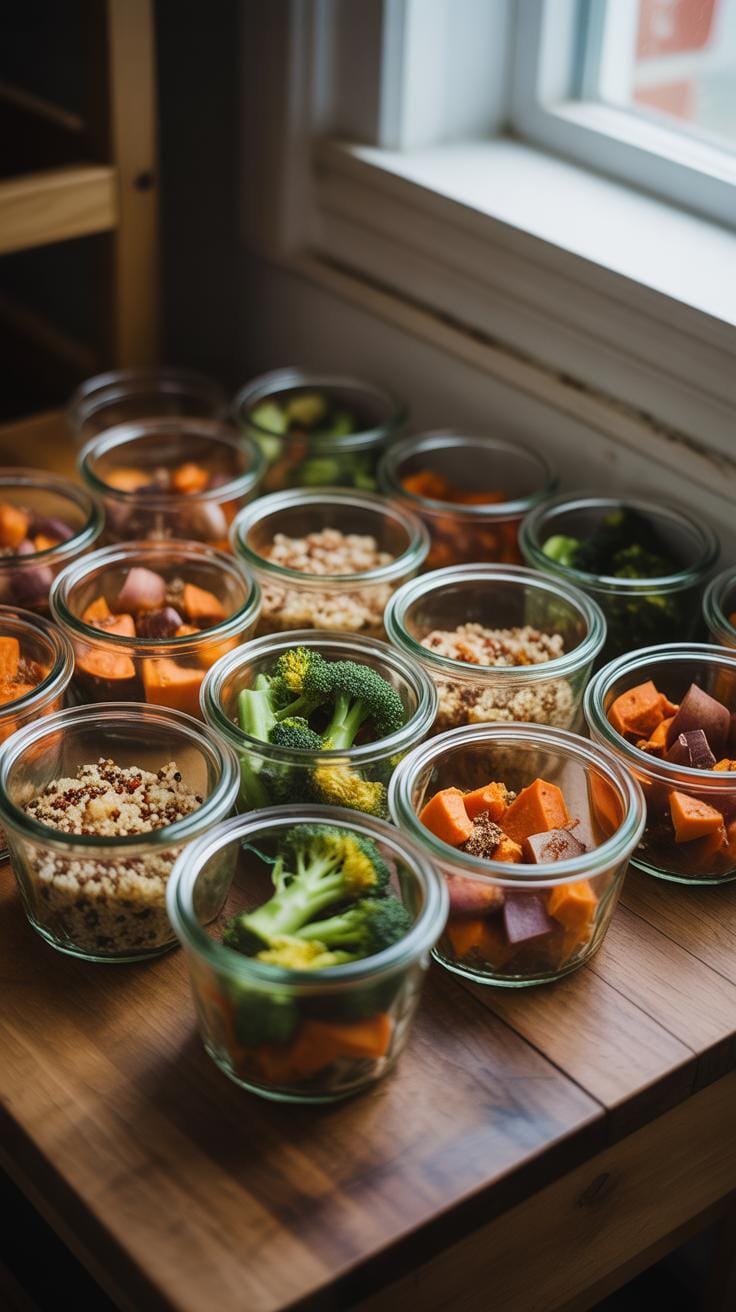
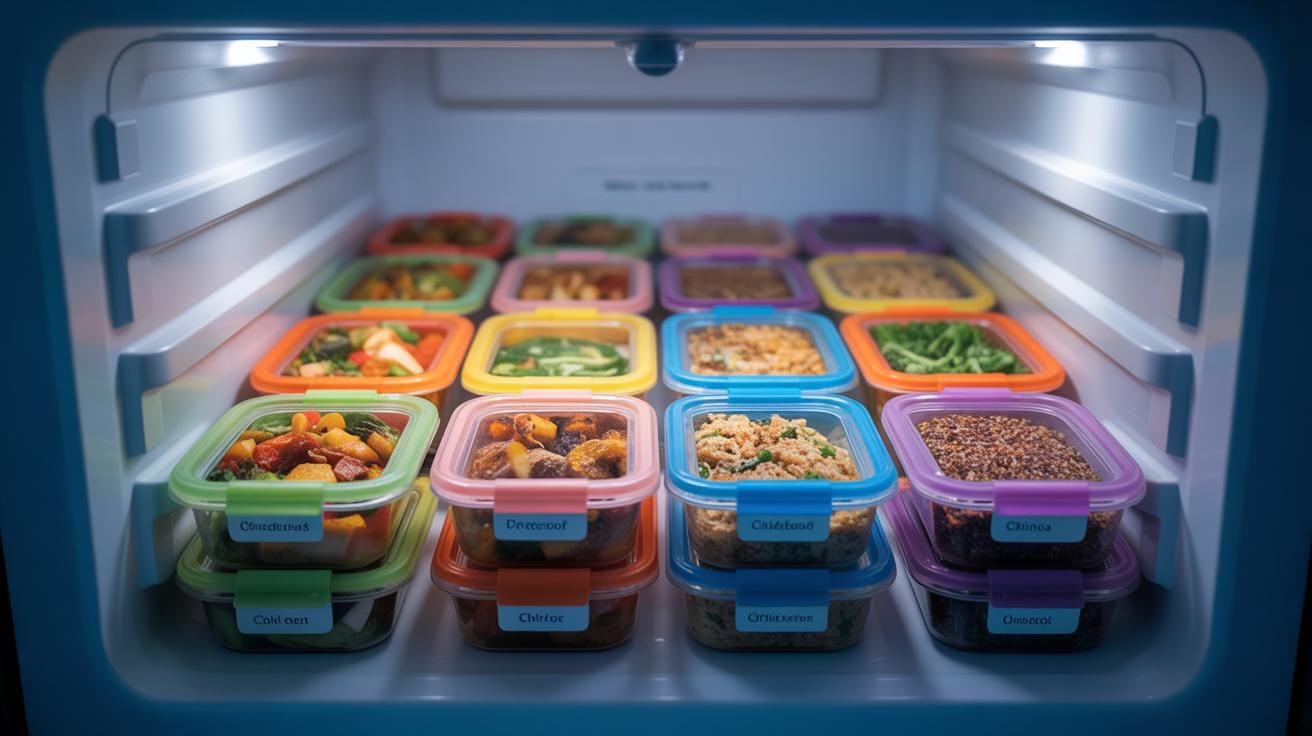
Batch cooking can really change how you manage meals during a busy week. When you prepare multiple servings at once, you’re not just saving time on daily cooking; you’re also cutting costs by buying ingredients in bulk. Plus, there’s less temptation to order takeout when a homemade meal is already waiting in your fridge or freezer. That said, knowing how to store and reheat your food properly plays a big role in keeping those meals tasty and safe.
Storing meals in airtight containers helps prevent freezer burn and preserves flavor. I usually leave meals to cool completely before refrigerating or freezing—sometimes I forget this step, and the texture just isn’t the same afterward. When reheating, avoid microwaving on high heat straight away; warming gently or using a stovetop can keep the texture and aroma closer to fresh-cooked.
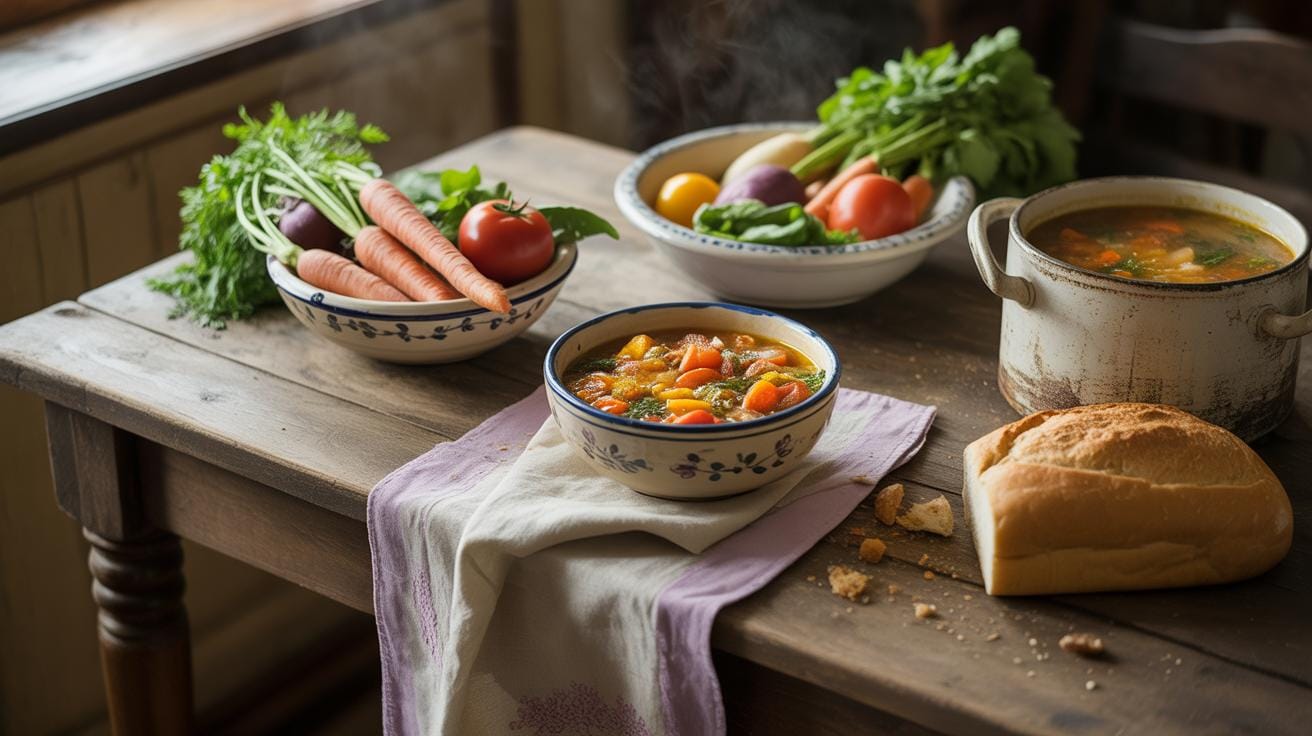
Some dishes just work better for batch cooking. Soups, stews, and casseroles tend to keep well, often tasting even better after a day or two. Lentil soup, chili, or lasagna can stretch a long way and don’t demand complicated ingredients. You might find that curries or chili con carne get even richer after sitting a bit, but pasta dishes can get soggy if overcooked initially.
Freezing meals? Go for portion-sized containers rather than giant tubs. It makes defrosting less of a hassle, and you waste less food. I’ve started using a simple habit of popping a label on each container with the dish’s name and date—sometimes forgetfulness can sneak in, and you don’t want mystery meals lurking in the freezer. Using masking tape and a marker works perfectly and avoids peeling labels, which can be annoying.
Have you noticed how some meals freeze better than others? Vegetables with high water content might become mushy; maybe skip freezing salads or steamed greens separately. Instead, add fresh sides when serving frozen main dishes. The freezing process is a balance between convenience and meal quality, and finding what fits your taste can take some trial—and error.
Smart Shopping Strategies
Seasonal Buying for Lower Prices
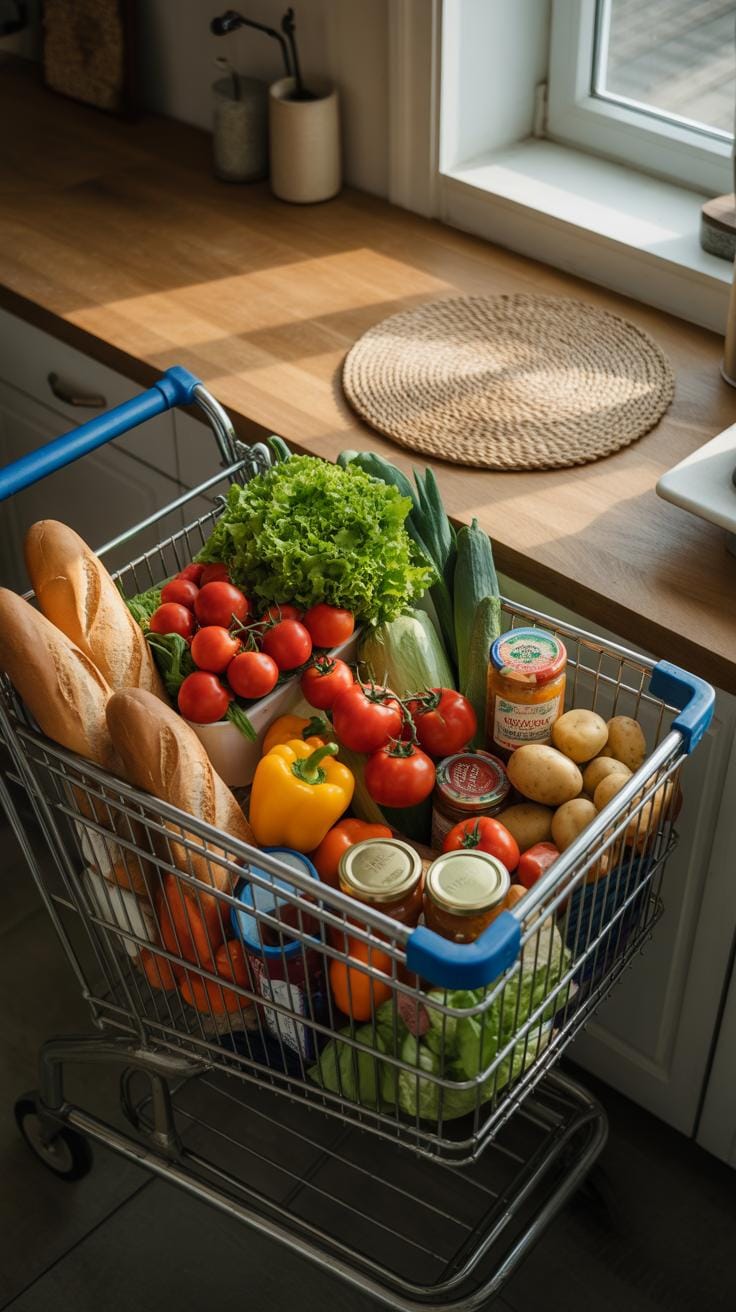
You might have noticed—fruits and vegetables seem to cost less at certain times of the year. That’s no coincidence. When produce is in season locally, it tends to be more abundant and cheaper. Buying seasonal means you get fresher items and often better taste too. Take strawberries, for example. Out of season, they might cost twice as much and taste bland, but when they’re in season, prices drop and flavor improves.
Besides saving money, seasonal produce usually has fewer preservatives or long transport times, which is a neat bonus for quality. But, it does mean adjusting your meal plans as the seasons shift. It’s a bit of a puzzle—sometimes you want strawberries in winter, but it might be smarter to switch to apples or citrus instead.
Also, consider frozen seasonal produce. It often freezes at peak freshness and sells cheaper than fresh out-of-season items. That can stretch your budget and meal options without sacrificing nutrition.
Comparing Local Markets vs Supermarkets
When shopping for cheap easy meals, where you shop matters. Local farmers’ markets can surprise you with bargains—especially close to closing time when sellers prefer to clear out rather than pack up. You might find a great deal on leafy greens or root vegetables. Plus, you often meet the growers, which sometimes leads to tips on storage or cooking.
That said, supermarkets stock a wider variety year-round. Prices can be competitive, especially for bulk goods or staples like rice, beans, and pasta. And sales or coupons at big stores might tip the scales in their favor if you watch closely.
Still, supermarkets sometimes feel less personal, and fresh produce might not be as fresh as at a local market that day. But they’re usually convenient and consistent, which counts when you’re short on time.
In brief, mixing both can work well: pick up staples and deals at supermarkets, and swing by local markets for fresh, seasonal finds when you can. What kind of shopping experience feels right to you? You might find your sweet spot somewhere in between.
Handling Leftovers Creatively
Safe Storage Practices for Leftovers
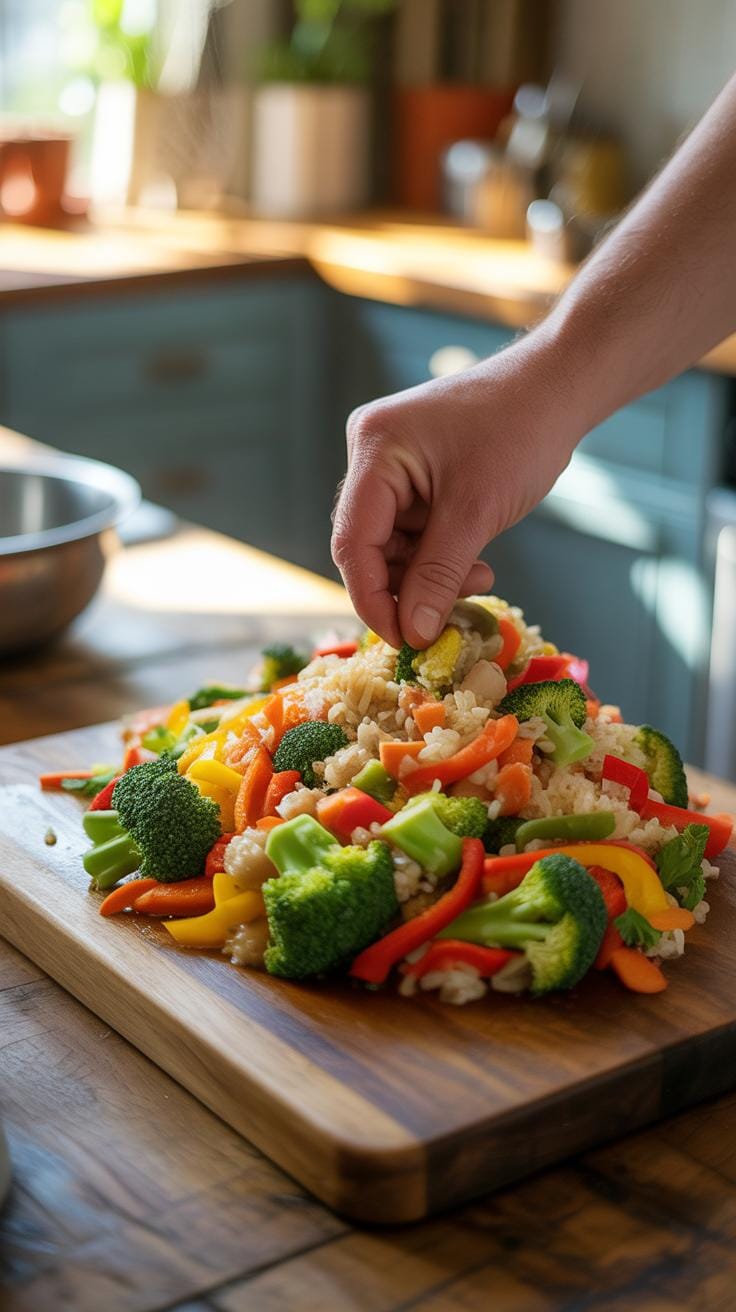
Keeping leftovers fresh isn’t as tricky as you might think. Use airtight containers or resealable bags to seal in flavor and moisture. Glass containers with lids tend to work better than flimsy plastic ones, especially if you want to microwave the food later—less risk of weird odors. If you’re not sure you’ll eat the leftovers within a couple of days, freezing is an option. Label each container with the date; you don’t want to find mystery meals months later, right?
Most leftovers stay good in the fridge for about three to four days. After that, the risk of spoilage rises. If you can’t finish the food in time, freeze it soon after cooking, ideally within two hours. Sometimes I forget this step and end up tossing meals I hoped to save—maybe you’ve been there too?
Repurposing Leftovers into Budget Meals
Leftovers don’t have to feel repetitive or uninspired. They can turn into entirely new dinners—sometimes even better than the first night. Think about transforming roasted vegetables or grilled chicken into a quick soup by simmering them with broth and any spices you like. It’s a simple way to stretch ingredients and add warmth on busy nights.
Or, if you have cold meat or rice, wrap them in a tortilla with fresh greens and a splash of sauce. It feels fresh and fast—and often, way more appetizing than reheated plates. I’ve even tossed last night’s pasta into a bowl with salad greens and a drizzle of olive oil for a quick lunch that didn’t require any cooking.
Salads work well with leftover proteins and veggies too. Chop and toss them together, add nuts or seeds for crunch, and you have a meal without much effort or cost. What’s your go-to leftover makeover? Have you ever ended up creating something unexpectedly tasty just by mixing things up?
Avoiding Common Meal Planning Pitfalls
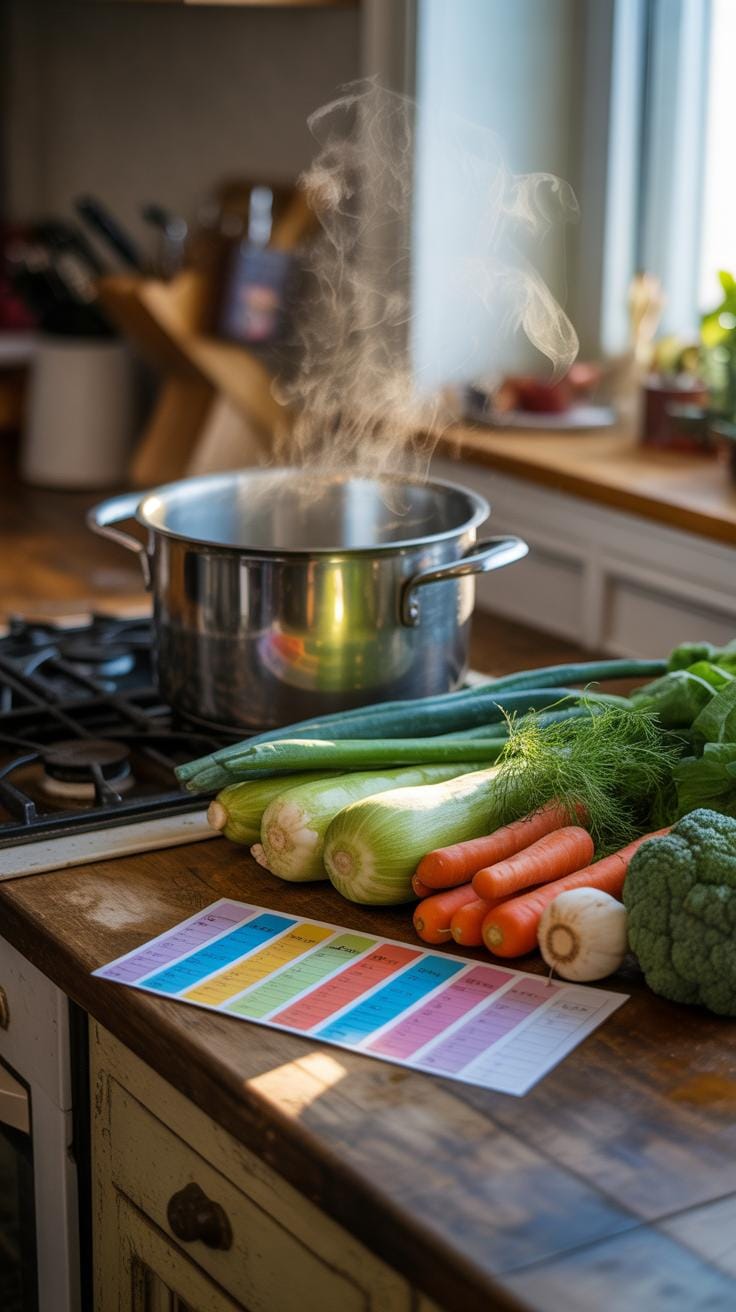
One of the trickiest parts of cheap meal planning is slipping into familiar mistakes without even realizing it. Overbuying is a big one—buying too much “just in case” leads to spoiled food and wasted money. I remember once grabbing a huge bag of veggies because they looked like a bargain, only to toss half a week later. It stung. To avoid this, try planning meals around what you already have and buy strictly for those recipes. Keep a running list of staples in your pantry and fridge. That way, you don’t double up unnecessarily.
Ignoring sales can also derail budgets. It’s tempting to stick to a trusted shopping list and skip the weekly flyers. But sales are genuinely helpful if you incorporate them into your plan instead of dismissing them. I find it saves to look at the store’s weekly specials before I write my list. That could mean swapping a planned chicken dinner for a pork roast that’s discounted.
Skipping planning altogether is another pitfall. Sometimes life gets in the way, and you rely on last-minute decisions that often lead to expensive takeout or impulse buys. Setting a small window—say, 15 minutes on Sunday—to sketch out meals for the week can save both time and money. It doesn’t have to be perfect; even rough planning beats winging it every day.
How to Stay Consistent with Your Checklist
Keeping up with a meal planning checklist can feel like a chore, honestly. But consistency is key if you want real savings and less stress. One trick that helped me was setting reminders on my phone for meal prep and grocery shopping. It’s easy to forget when busy, so nudges help.
Try to keep that checklist visible—maybe stuck on the fridge or in a planner you use daily. And don’t beat yourself up if you miss days. The goal isn’t perfection but progress. Experiment with routines: some people prefer Sunday prep, others split it across the week. Find what fits your energy and schedule. Motivation can wane, but small wins (like spending less at the store) can keep you going.
Tracking Food Waste and Adjusting Plans
One early lesson I stumbled upon was how much food I wasted. It wasn’t obvious at first—sometimes scraps or half-empty containers piled up and eventually got tossed. To fix this, I started keeping a simple log of what ended up unused or expired every week.
This wasn’t a big journal, just a sticky note on the fridge. Seeing what didn’t get eaten made it easier to spot patterns—maybe buying too many perishables or overestimating portions. Then I adjusted my shopping and portion sizes accordingly. Sometimes it helped to freeze extras or repurpose leftovers into new dishes instead of letting them sit.
Are you tracking what you throw out? Even a rough idea can shift how you shop and cook. It’s not about cutting corners but about being mindful and flexible. Over time, you might find your list, shopping habits, and meals sync better, saving you time and money without feeling restrictive.
Sample Weekly Checklist and Recipes
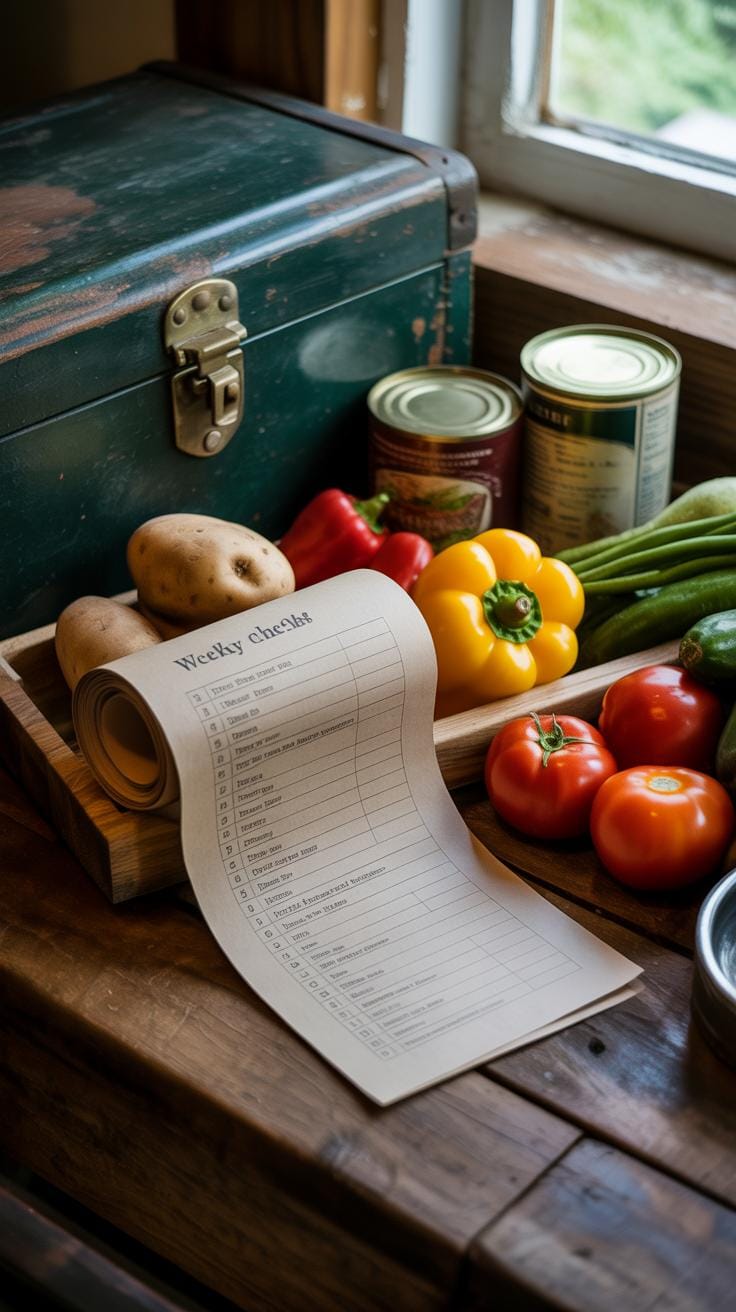
Here’s a checklist you might try for one week, aimed at keeping things cheap and straightforward without too much fuss. The grocery list is built around versatile basics you can stretch across meals.
- Rolled oats
- Whole wheat bread
- Eggs (half dozen)
- Peanut butter
- Tomatoes (3-4)
- Onion (1 large)
- Garlic (1 bulb)
- Carrots (3-4)
- Bell peppers (2)
- Frozen mixed vegetables (1 bag)
- Brown rice (1 bag)
- Canned beans (2 cans—black or kidney)
- Cheap pasta (1 pack)
- Basic tomato sauce (1 jar)
- Milk (or plant-based alternative)
- Bananas (a bunch)
Breakfast could be as simple as oatmeal topped with a sliced banana or a peanut butter toast if you are in a rush. For lunch, try sandwiches with tomato, a little onion, and peanut butter if you want something different or leftover veggies tossed into rice.
Dinners might look like pasta with tomato sauce and sautéed mixed vegetables, or bean chili using canned beans, carrots, onion, and bell pepper—all cooked in one pot. Don’t forget to add some garlic for flavor.
This plan doesn’t require a lot of variety each day but leans on mixing and reusing elements creatively. It’s just about finding that middle ground where meals feel decent without breaking the bank or needing a lot of time.
Conclusions
Following a weekly checklist for cheap easy meals helps you control your food expenses and eat healthily. By choosing affordable ingredients and planning simple recipes, you make your cooking process faster and less stressful. This approach keeps you on track with your budget and time.
Remember to adjust your plan based on your personal tastes and local prices. Using these tips consistently can build good habits that contribute to your financial and physical well-being. Keep your checklist handy, and enjoy the benefits of meal planning.