
Introduction
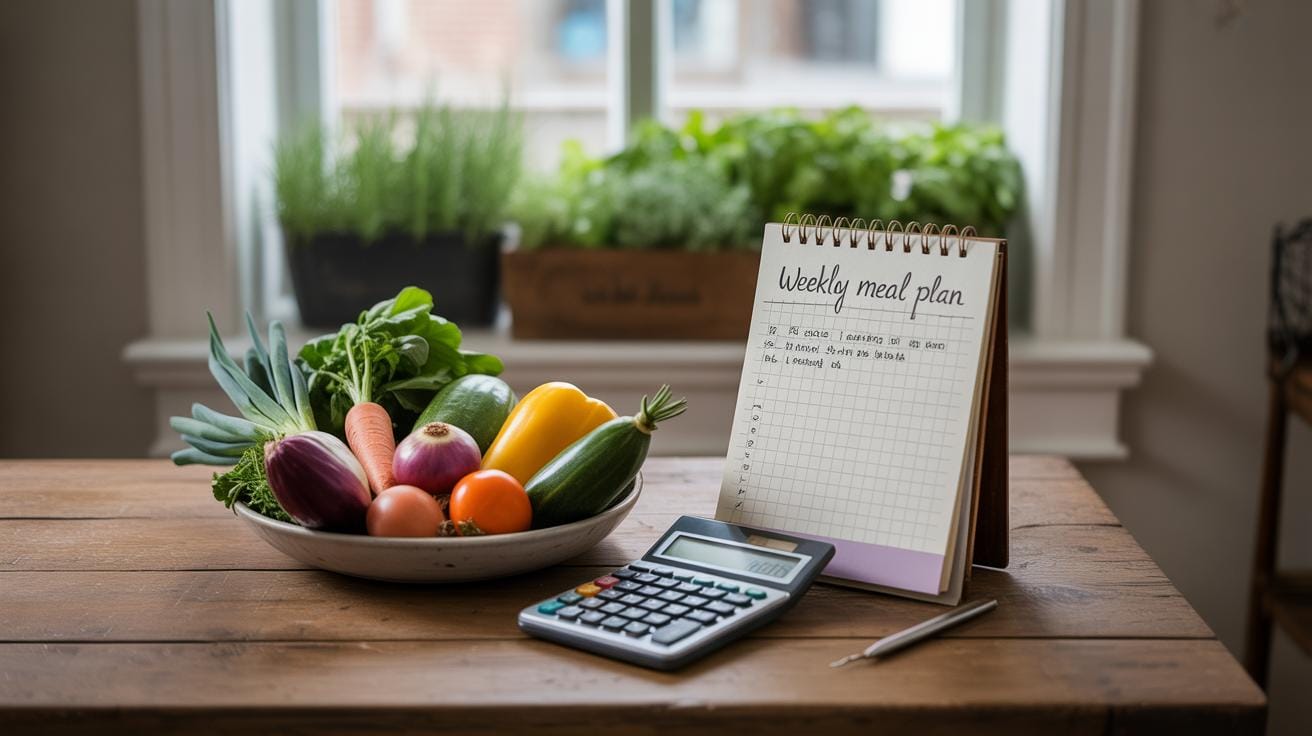
Budget meal planning helps you eat healthy meals without spending too much money. It means thinking ahead about what you will eat, how to shop smart, and how to prepare meals that don’t waste food or money. This guide will give you a checklist to keep your meals healthy and your budget balanced.
By following these ideas, you can save money while eating fruits, vegetables, whole grains, and proteins that keep your body strong. Planning meals can reduce stress and make shopping easier, so you have good food ready when you need it. The rest of the article shows how to shop wisely, plan meals, avoid mistakes, and find tools to help you.
Smart Grocery Shopping Tips
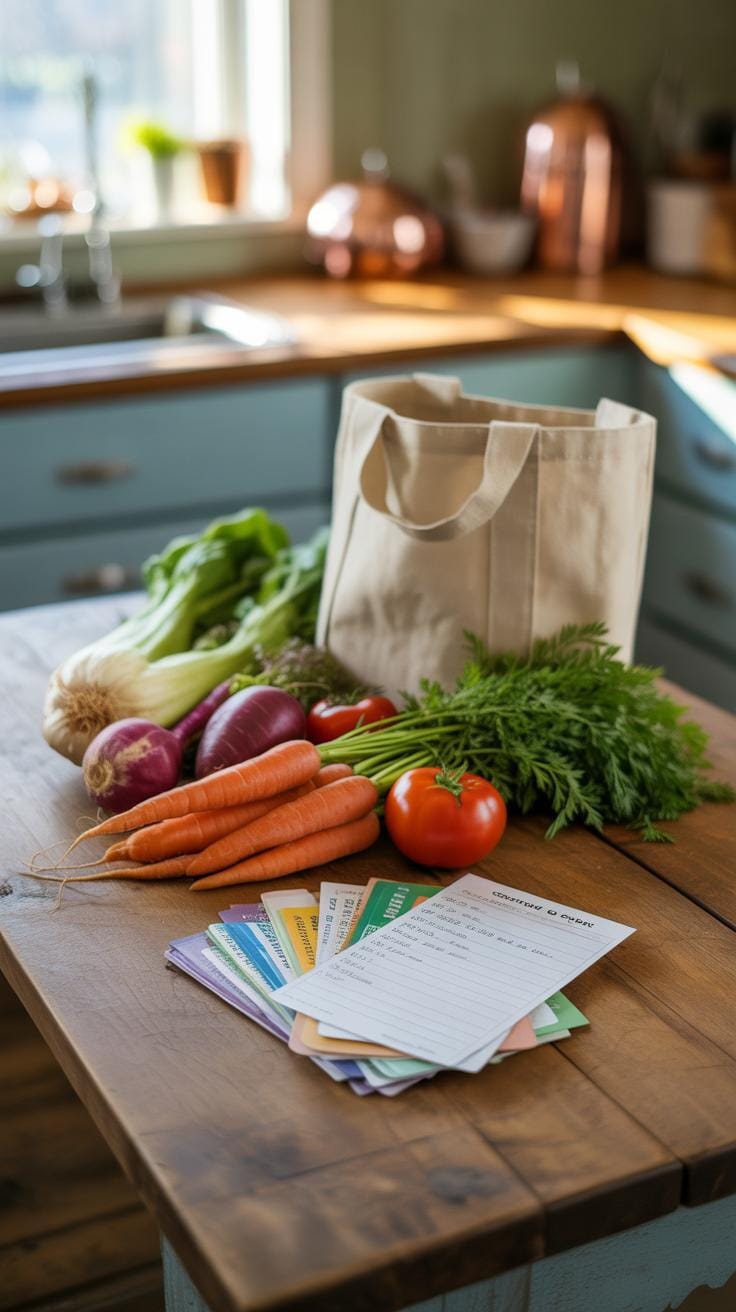
Shopping smart isn’t just about grabbing the cheapest items on the shelf. It’s about finding a balance between cost and nutrition, which can feel tricky but doable once you get the hang of it. One of the easiest ways to save is by checking weekly flyers before heading out. These flyers highlight sales on fresh produce or staple items and help you plan meals around what’s discounted. You might find that spinach is on sale this week, but carrots aren’t—so maybe swap out your usual greens for the cheaper option instead.

Buying store brands can also trim your grocery bill without much difference in quality. Honestly, many store-brand canned beans or frozen veggies taste just like the name-brand versions. It’s worth trying a few to see what you prefer because the price difference can be noticeable. Also, keeping an eye on seasonal produce helps. Seasonal fruits and vegetables usually cost less since they’re more abundant. For example, apples in autumn or berries in summer often come at better prices than out-of-season imports.
How to Choose Budget-Friendly Healthy Foods
Some healthy foods double as budget heroes. Beans, like black beans or chickpeas, are inexpensive, full of protein, and last ages in the pantry. Rice is another staple—it stores well and pairs with almost anything, making it great for meal stretches. Frozen vegetables get overlooked sometimes, but they are nutrient-rich and often cheaper than fresh, especially if those fresh veggies aren’t in season. Plus, freezing locks in most nutrients, so you’re not really sacrificing health for savings.
Including these foods in your meals offers variety and good nutrition without blowing your budget. They let you build meals that are filling and balanced. You can throw beans into salads, soups, or stews. Rice can be a base for stir-fries or paired with a simple sauce. Frozen veggies can be steamed or added to pasta dishes. It’s easy to forget these basic ingredients but maybe that’s exactly why they should be your shopping staples.
Using Sales and Coupons Effectively
Coupons and sales can feel overwhelming at times, but they’re some of the best ways to cut costs if you don’t get caught in coupon-hoarding. Many grocery stores post coupons online now or include them in their weekly flyers. Signing up for a store’s loyalty program often gives you access to extra deals or digital coupons you can load directly to your card. It takes a bit of effort, but scanning through a few coupons before shopping can pay off.
Planning meals around discounted items is a handy trick too. If chicken breasts are on sale this week, think about meals that highlight chicken rather than sticking to your usual plan. It might mean swapping in a few dishes or changing up a recipe. Sometimes catching these sales helps you try new meals you hadn’t considered before. Just be a bit careful not to buy something only because it’s cheap if you won’t actually eat it—you’re not really saving money if food goes to waste.
Planning Weekly Meals Efficiently
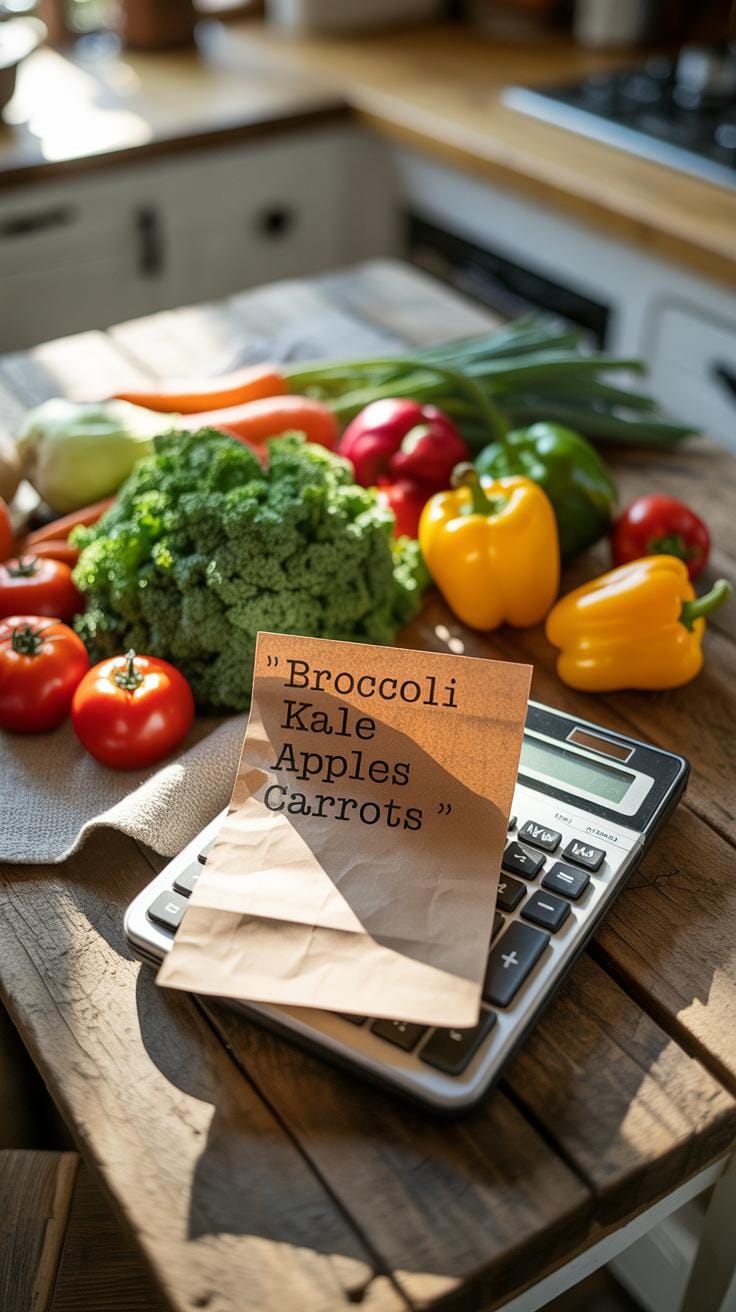
Planning your meals for the week isn’t just about writing a list. It’s a way to sidestep those last-minute decisions that often lead to expensive takeout or impulse buys. When you take a moment each week to map out your meals, you actually save time and money. It might feel tedious at first, but once you get into the habit, it’s almost automatic—and surprisingly freeing.
To keep things balanced and interesting, try mixing up proteins, vegetables, and grains in different combinations. For example, chicken one day with roasted veggies and brown rice; the next, a bean chili with corn tortillas and a side salad. Variety doesn’t mean you have to buy new ingredients all the time. It’s more about using what you have a bit smarter.
One trick I’ve found useful is planning similar ingredients in ways that feel fresh. Say you buy a batch of carrots. You might roast some for dinner, grate others into a salad, and use the rest in a soup. This way, you don’t get bored eating the “same” thing, but you’re still keeping costs down.
Think through your week with some flexibility. What days are busiest? Those can be simple, quick meals. Other days, you might cook something that makes enough for leftovers. These plans cut down wasted food too, which is another way of saving. So, when you’re creating your weekly menu, it’s really about balance—not just in nutrition but in time and budget.
Food Prep and Storage Hacks
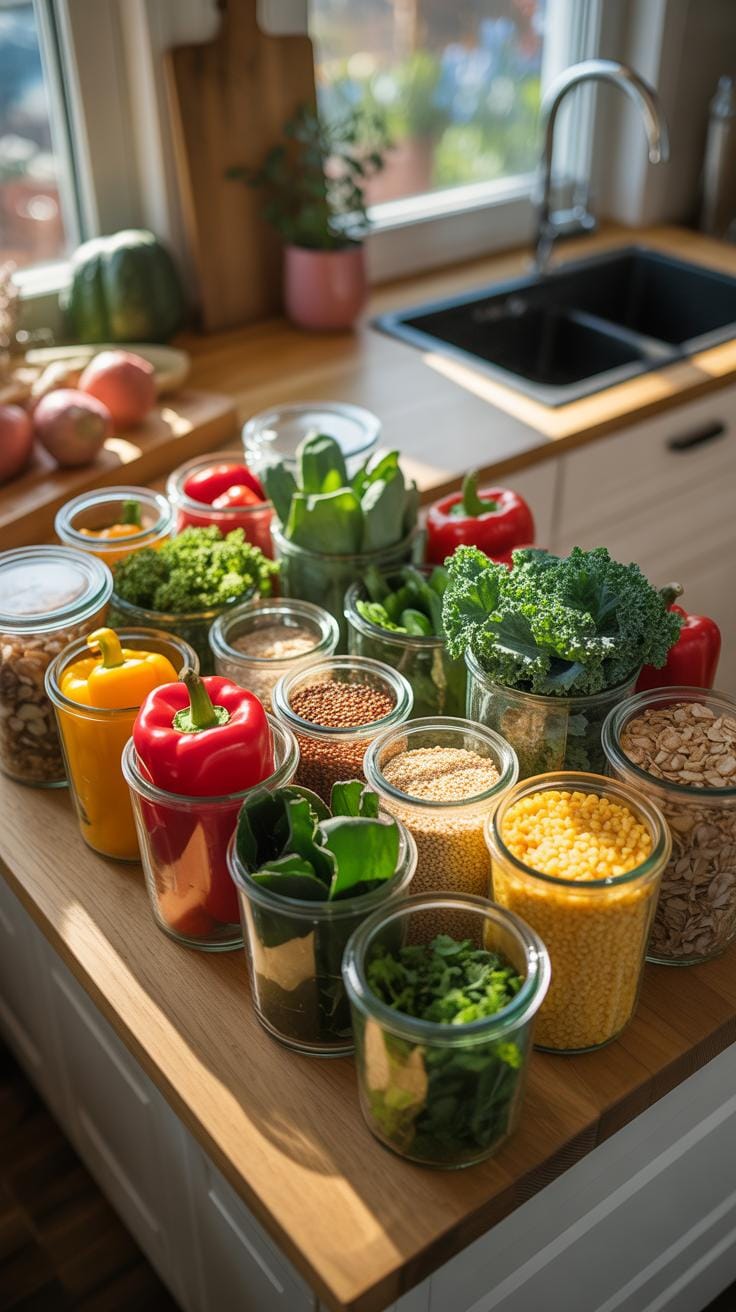
Prepping food ahead can feel like a chore, but it really cuts down on daily stress and food waste. If you slice veggies right after grocery shopping, toss fruits into snack-ready portions, or even marinate proteins in advance, your week goes smoother. I sometimes spend an hour on Sunday chopping and packing ingredients for salads and stir-fries—it saves me from scrambling midweek.
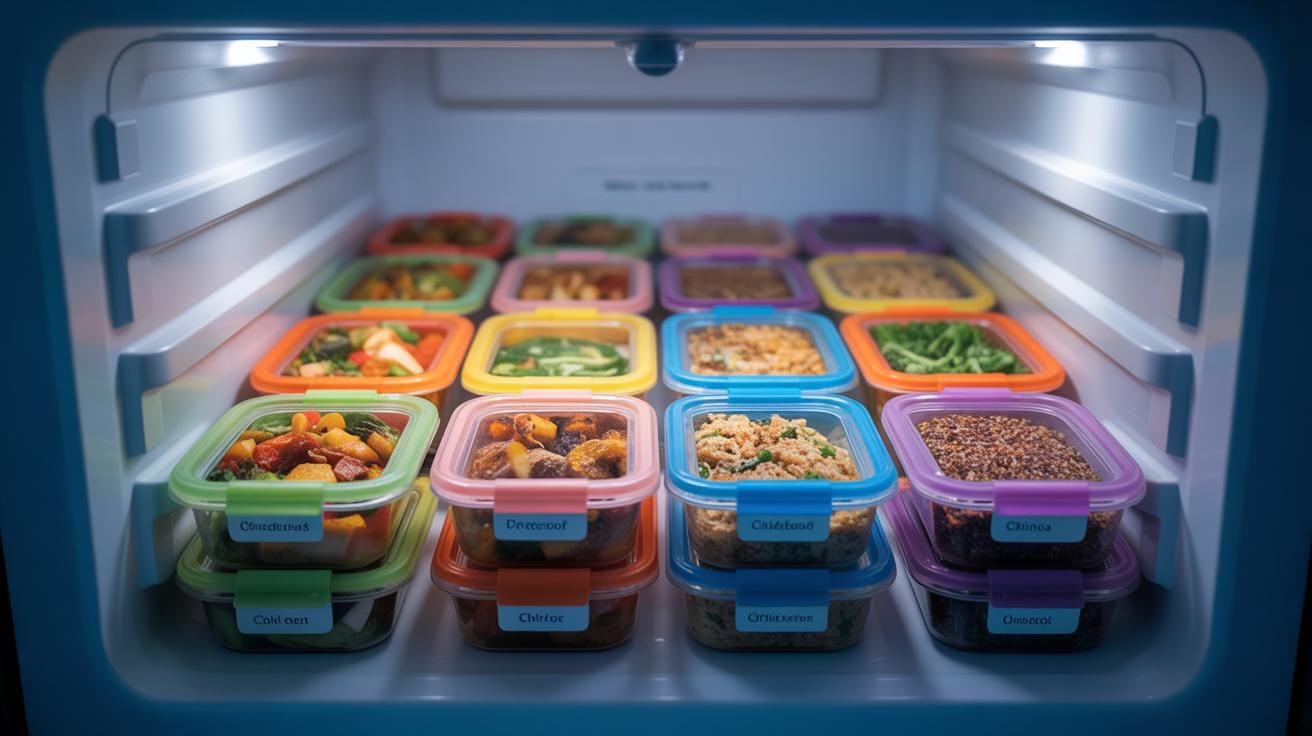
Batch cooking is another step that can save both time and money. Cooking large portions and freezing leftovers in meal-sized containers means you’re not tempted to order out or waste ingredients that spoil quickly. It’s not always about new recipes—sometimes just doubling your favorite chili or pasta sauce and freezing half keeps things simple but flexible.
Storage tricks help too. Storing fresh herbs in a damp paper towel inside a plastic bag can extend their life surprisingly well. And keeping fruits like apples separate from veggies helps reduce ethylene gas effects, slowing spoilage. Leftovers get a second chance when you use airtight containers and store them promptly. This doesn’t mean food lasts forever, but it buys a bit more time to eat it, which feels like a win.
Comparing Home Cooking vs Eating Out Costs
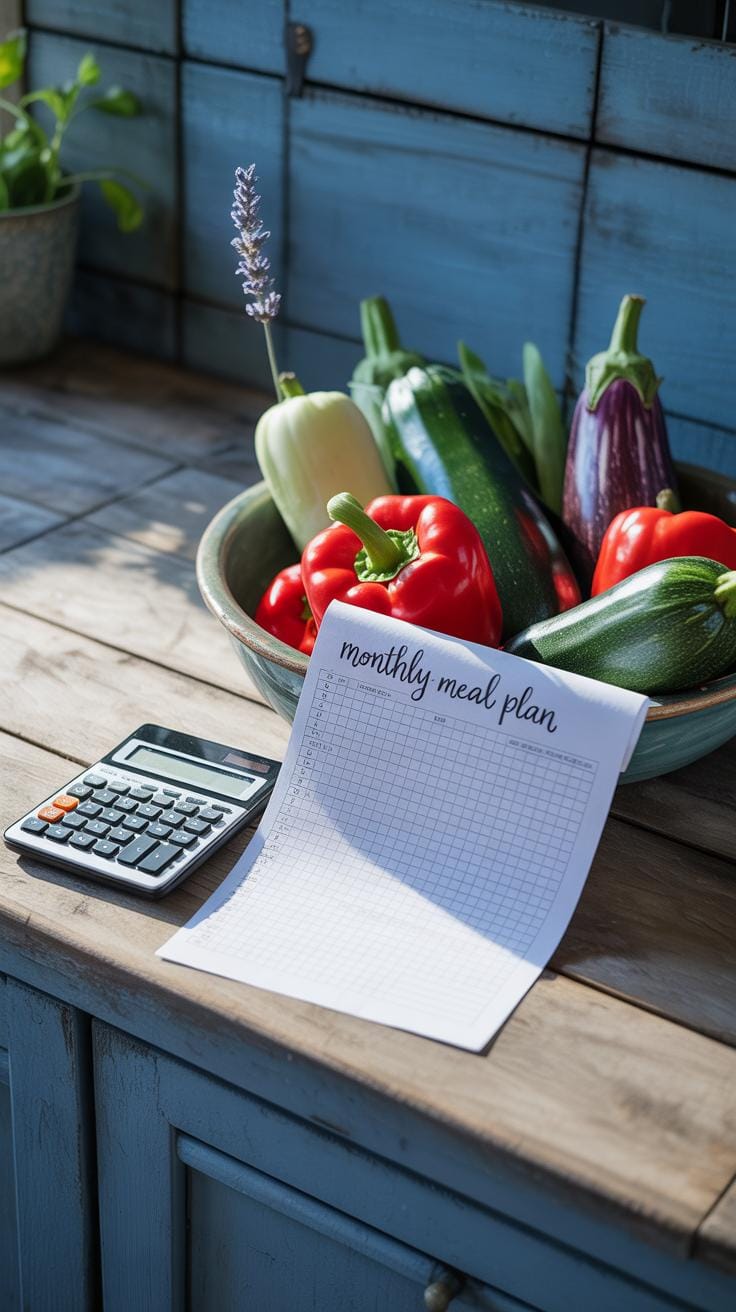
How Home Cooking Reduces Food Costs
Cooking at home can lower your food expenses quite a bit—if you’re willing to put in a little effort. When you buy ingredients in bulk or on sale, you stretch your dollars further than restaurant prices allow. For example, making a pasta dish at home might cost around $3 per serving versus $12 at a casual dining place. Over a week, that difference adds up noticeably.
Plus, when you prepare meals yourself, you control what goes on your plate. You can avoid greasy toppings and excess salt, which often sneak into ready-made or takeout meals. While it may seem that buying pre-made foods saves time, the price per meal tends to be higher, which means less bang for your buck.
When Eating Out May Fit Your Budget
Still, there are times when eating out or grabbing a ready-made meal might make sense. If you’re in a rush, or cooking equipment isn’t available—say at work or during travel—this can be a practical choice. Some fast-casual spots offer lunch specials under $10 that rival the cost of homemade lunches, if you shop smart.
To keep this affordable, try focusing on places that offer balanced meals with veggies and lean protein rather than heavy fried options. Also, sharing portions or skipping extras like drinks or desserts can keep costs manageable. So, while home cooking generally saves money, some outings fit your budget and can save you time or stress, in small doses.
Checklist for Weekly Meal Prep
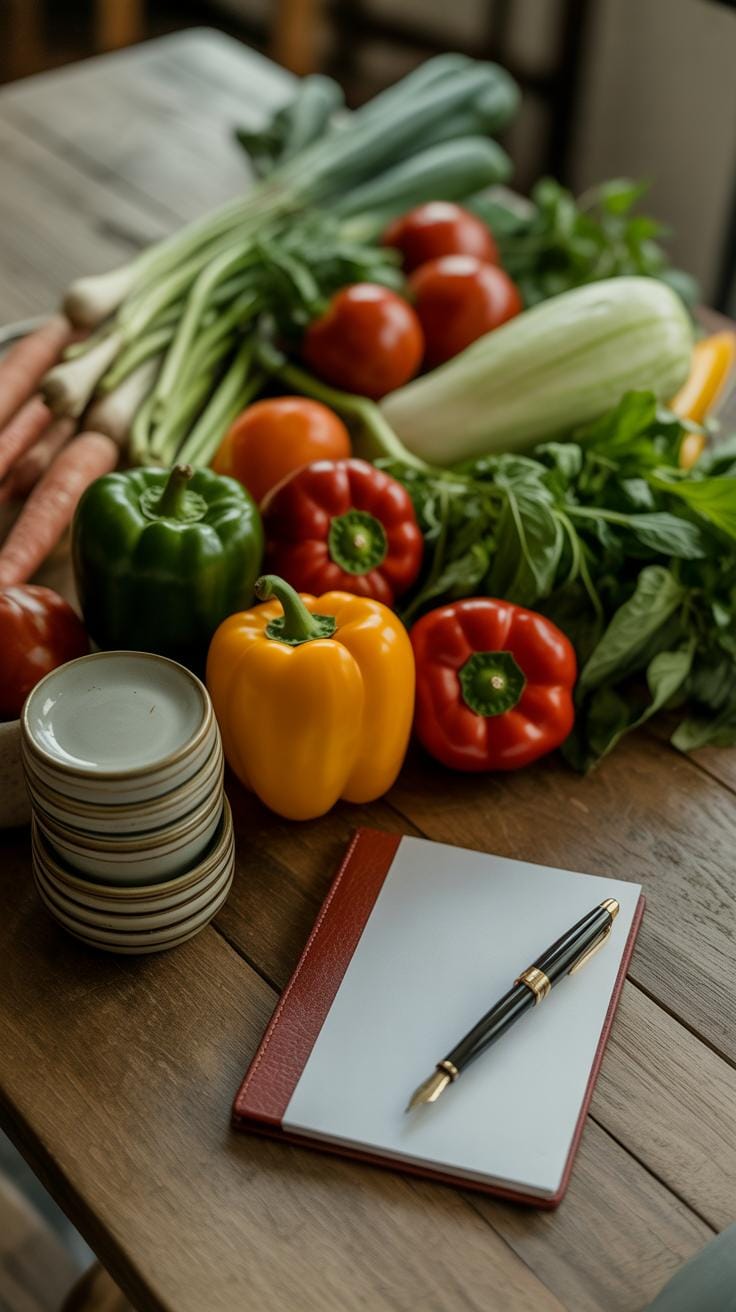
Keeping your meal prep on track each week can feel tricky, but a clear checklist helps you stay focused—and on budget. Start by reviewing your meal plan for the coming days. Look at every recipe and jot down exactly what ingredients you’ll need. That’s your foundation.
Create a shopping list directly from this plan. Resist the urge to add “just in case” items. If it’s not on your menu, it doesn’t belong in your cart. This way, you avoid impulse buys and unwanted extras that push your spending up.
Once you bring your groceries home, it’s time to get organized. Wash, chop, and portion your veggies first—they take the most time. Cooking staples like grains or beans in batches saves hassle during busy evenings.
Store prepped ingredients in clear containers, so it’s easy to spot what you have. Label jars or bags with dates if you want to be extra cautious. This step might feel tedious, but it pays off when dinner time rolls around and you don’t scramble for last-minute options.
Think about it: how much smoother would the week go if you just took an hour or two to set this up? Try to build this into your routine—it’s one of those odd chores that somehow makes life less complicated.
Tools to Help Budget Meal Planning
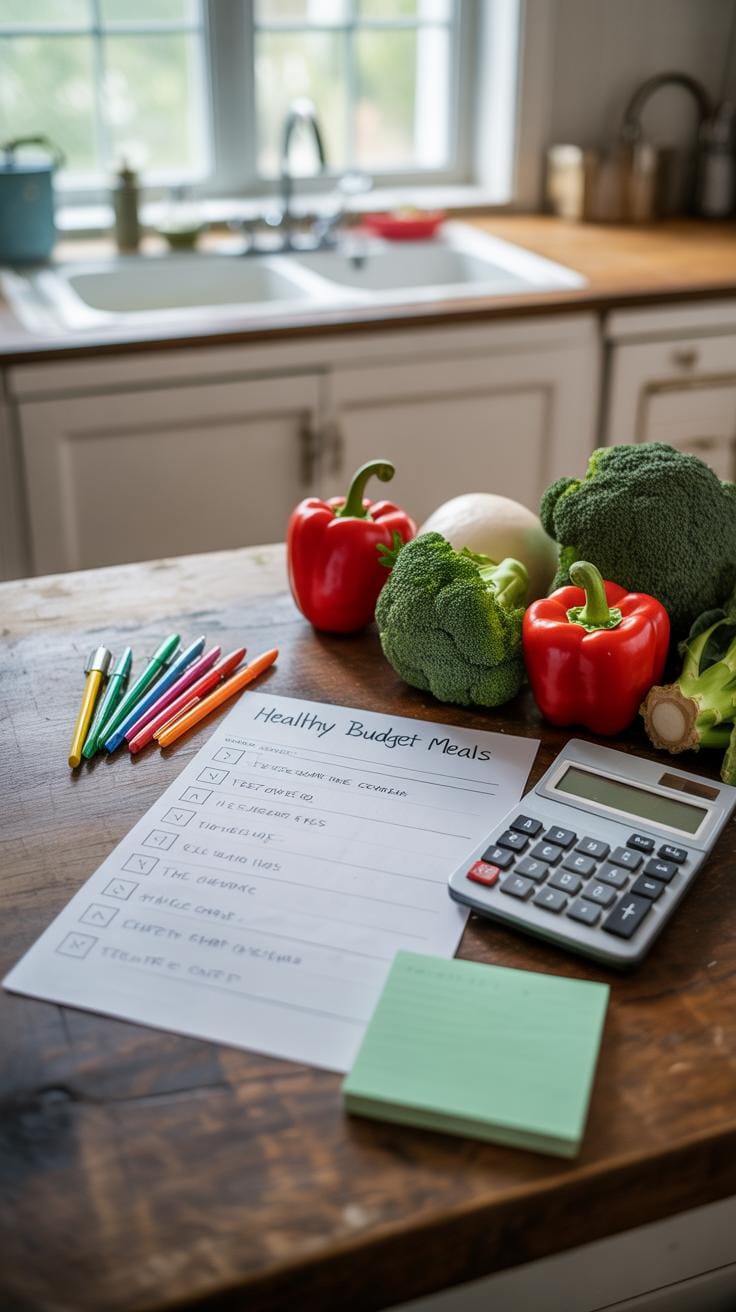
When you’re trying to stick to a budget while eating healthy, having the right tools can make a huge difference. Sometimes just the thought of tracking everything feels overwhelming—apps, websites, planners—it can get confusing. But the truth is, a few simple resources can help you keep costs down and meals balanced without spending hours every week.
There are apps designed to track your grocery spending, suggest budget-friendly recipes, or lay out meal plans that actually fit your tastes and wallet. Some popular options are:
- Mealime: Helps create customizable meal plans based on preferences and budgets, with an easy grocery list feature.
- Yummly: Offers recipes with filters for budget, dietary needs, and time—good for finding meals that suit you without surprises at checkout.
- Goodbudget: Not meal-specific but great for managing your overall food budget by allocating funds and tracking expenses.
- AnyList: Combines shopping lists and simple meal planning so you don’t lose track of your budget or meals.
On the simpler side, spreadsheets can feel a little old school but are surprisingly useful. Setting up a basic spreadsheet to record weekly meal ideas alongside estimated costs can help you compare weeks and learn where you tend to overspend. If you don’t want to build one yourself, printable meal planners and budget charts are easily found online or sold in stores. These let you map out meals visually and keep a clear budget in one place—sometimes having it on paper makes the whole process less abstract.
Whether digital or on paper, the key is to find something that fits your style and sticks. If you hate fiddling with apps, a notebook might be better—and that’s okay. Budget meal planning isn’t one-size-fits-all.
Common Budget Planning Pitfalls
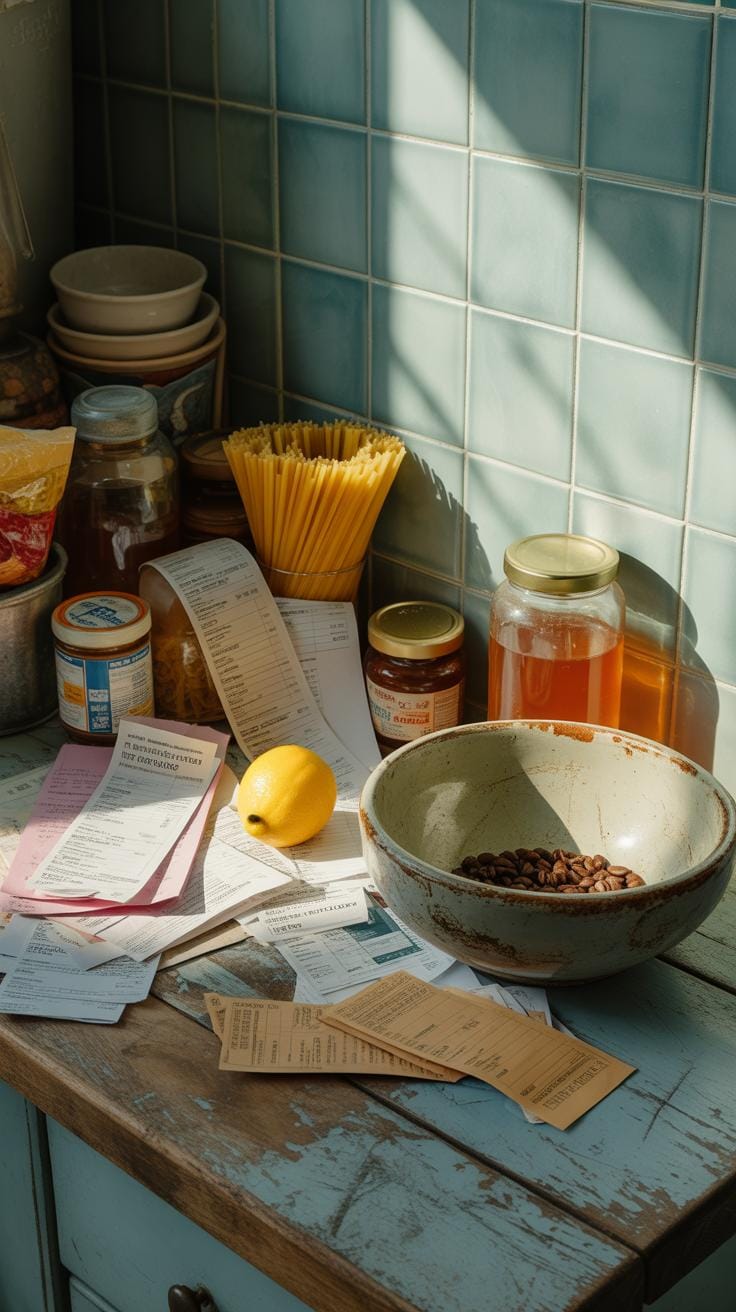
One of the biggest traps in budget meal planning is overspending on things you don’t really need. It’s easy to wander down aisles and pick up snacks or items just because they’re on sale or look appealing. Even with a list, impulse buys can sneak in if you’re tired or rushed. I’ve been there, standing in front of the checkout, wondering why my bill was so high despite trying to stick to a budget. To keep yourself in check, try these tips:
- Make a detailed list and stick to it—even if something looks tempting, pause and ask if it’s essential.
- Shop with cash instead of cards to make overspending more tangible.
- Avoid shopping when hungry or distracted, as that often triggers impulse buys.
Another common mistake is thinking that saving money means buying only the cheapest foods, which can lead to meals that lack nutrients. Cheap processed foods might fill you up but won’t fuel you well. Instead, try balancing cost and nutrition by mixing affordable staples like beans, rice, and frozen veggies with occasional fresh produce. It’s tempting to cut corners here, but your health will pay the price later.
Have you ever chosen a low-cost item only to find it less satisfying or even unhealthy? That choice might not save money if it leads to additional purchases or health issues down the line. Finding a balance isn’t always straightforward, and sometimes it feels like you need to compromise on one end. But it’s worth experimenting—pairing cost-effective ingredients with nutrient-rich foods can make a difference, even on a tight budget.
Measuring Success in Budget Meal Planning
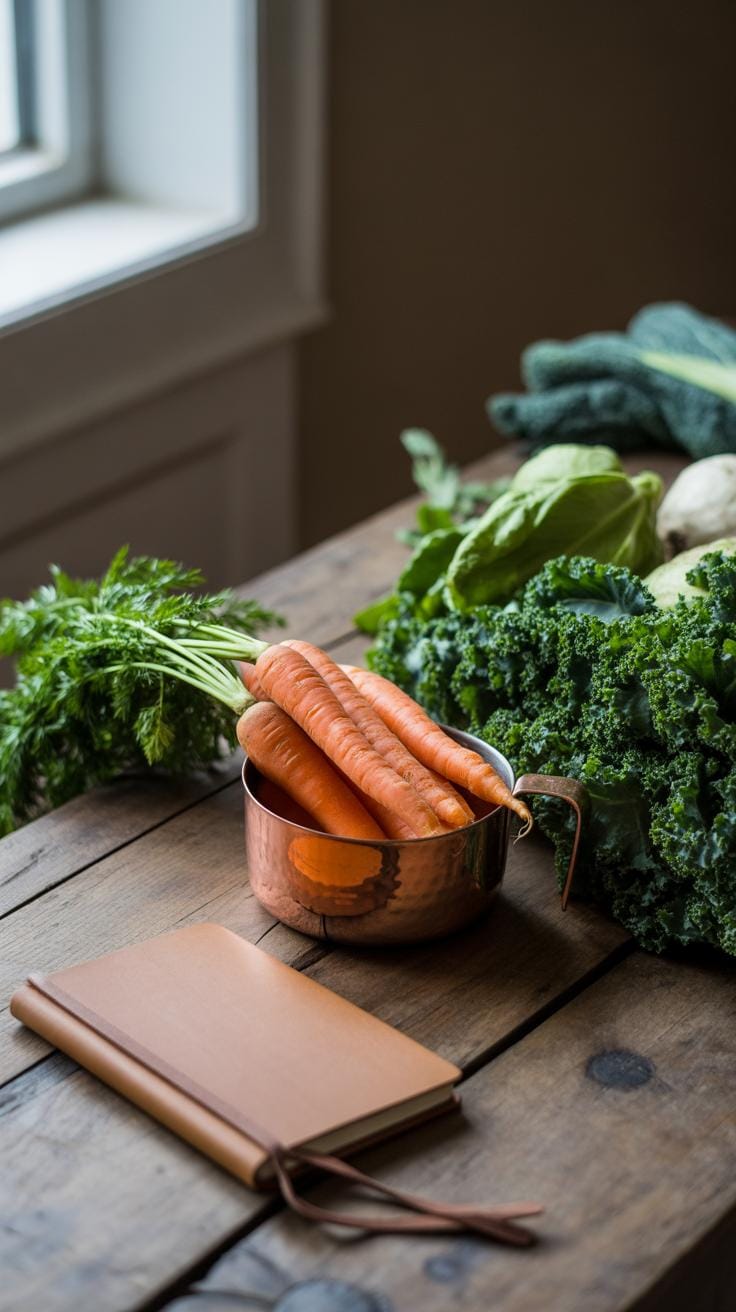
When you start budget meal planning, it’s easy to lose track of whether it’s really working. But how do you know if your efforts are paying off, both in cost and health? One way is to keep a simple record of your grocery spending. Jot down what you spend each week or month. You might use an app, a spreadsheet, or just keep receipts in a folder. Comparing these numbers over time can reveal trends—are your food bills really dropping, staying steady, or creeping up? Don’t expect perfection. Some weeks might be higher because of sales or bulk buys, but seeing the bigger picture helps.
On the health side, pay attention to how your body responds. Do you feel more energized after meals? Is digestion smoother? Maybe you notice fewer cravings or less fatigue. Small changes like sleeping better or having more consistent energy are clues that balanced meals are making a difference. It’s easy to overlook these signs but try to tune in to your wellbeing as part of the tracking. Sometimes, the benefits appear gradually—or in ways you didn’t expect. Does a planned meal feel less stressful than last-minute decisions? That alone is worth noting.
Tracking isn’t just about numbers or physical health. Reflect on the experience. Are you wasting less food or enjoying meals more? Is your routine feeling manageable or overwhelming? With modest tracking and some honest observations, you’ll know if your meal planning truly fits your goals and lifestyle.
RealLife Example of Budget Meal Planning
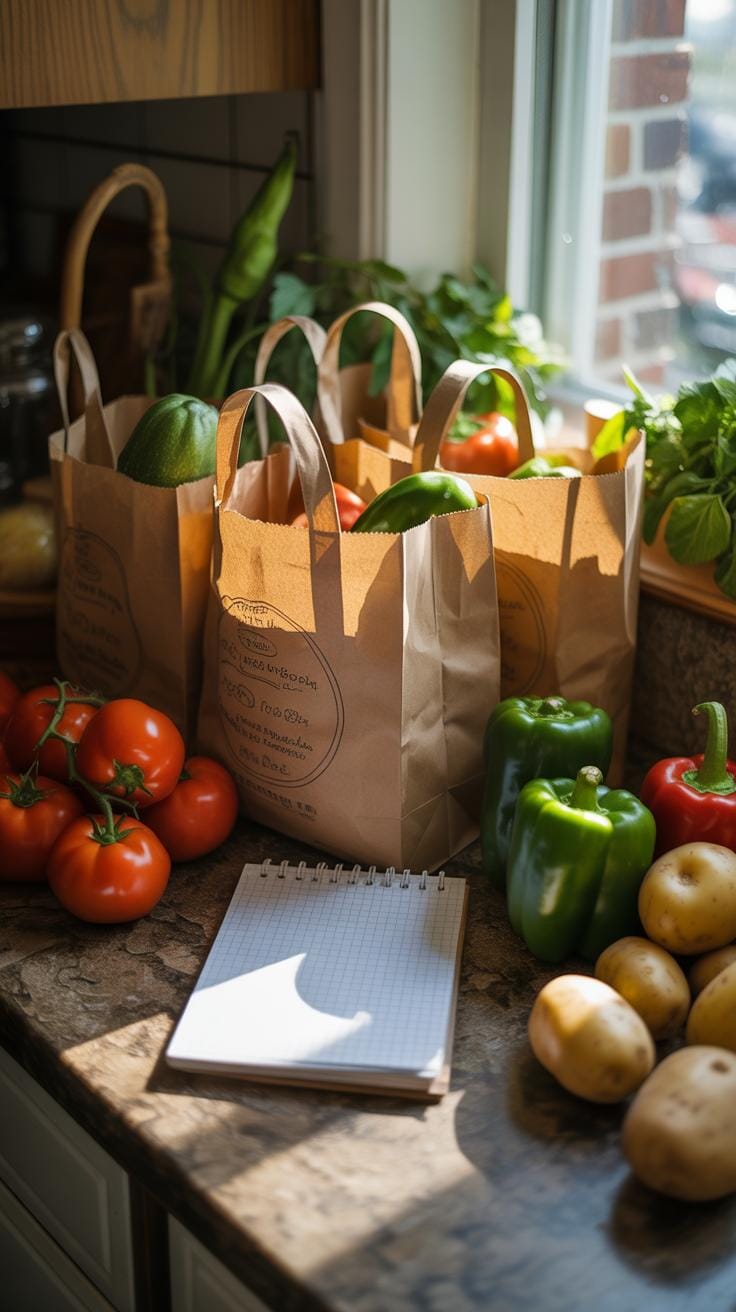
Take Sarah, a single mom juggling work and school, who wanted to eat healthier without stretching her limited budget. She started by listing simple meals she enjoyed, then checked flyers and coupons to buy ingredients on sale. Instead of buying pre-packaged foods, she focused on staples like rice, beans, canned tomatoes, and frozen veggies—foods that last and pack nutrition.
Each Sunday, Sarah planned her meals for the week, sticking to a short shopping list. She cooked in batches, which saved time and avoided waste. For instance, she made a big pot of lentil soup that became lunches and dinners. This routine helped her reduce grocery bills by nearly 30% while improving the quality of her meals.
Sample Weekly Meal Plan with Costs
Here’s a glimpse at Sarah’s budget-friendly week:
- Breakfast: Oatmeal with banana – $0.50 per serving
- Lunch: Lentil soup with whole wheat bread – $1.20 per serving
- Dinner: Stir-fried frozen mixed veggies with brown rice – $1.80 per serving
- Snacks: Carrot sticks and homemade hummus – $0.70 per serving
Total estimated grocery cost for the week: $35
Many items like rice and beans are bought in bulk, which lowers the per-meal cost over time. You can see—planning ahead and choosing versatile ingredients keeps both meals nutritious and budget-friendly.
Lessons Learned and Tips from Experience
Sarah found a few things that made a big difference:
- Planning meals around sale items and what’s in the pantry helps control spending.
- Batch cooking saves both money and time, reducing temptation to order takeout.
- Simple meals can still be satisfying and nutritious if you mix flavors and textures.
- Shopping with a detailed list keeps unexpected purchases at bay.
One odd discovery was how she sometimes had to balance freshness with cost. Frozen veggies lasted long but didn’t always satisfy her craving for fresh produce. Maybe, sometimes, it’s okay to splurge on a small fresh item alongside staples. It’s about managing—not eliminating—expenses. What small trade-offs might you be willing to try in your routine?
Conclusions
Planning your meals on a budget is a practical way to eat well and save money. You learn how to shop for healthy foods, prepare meals that use ingredients fully, and avoid impulse buys. This helps you avoid food waste and keeps your diet balanced with the right nutrients.
Using these tips will make grocery shopping easier and cooking more enjoyable. You will feel better knowing your meals support your health and your wallet. Keeping a plan and adjusting as you go will help you stay on track and enjoy good meals every day.