
Introduction
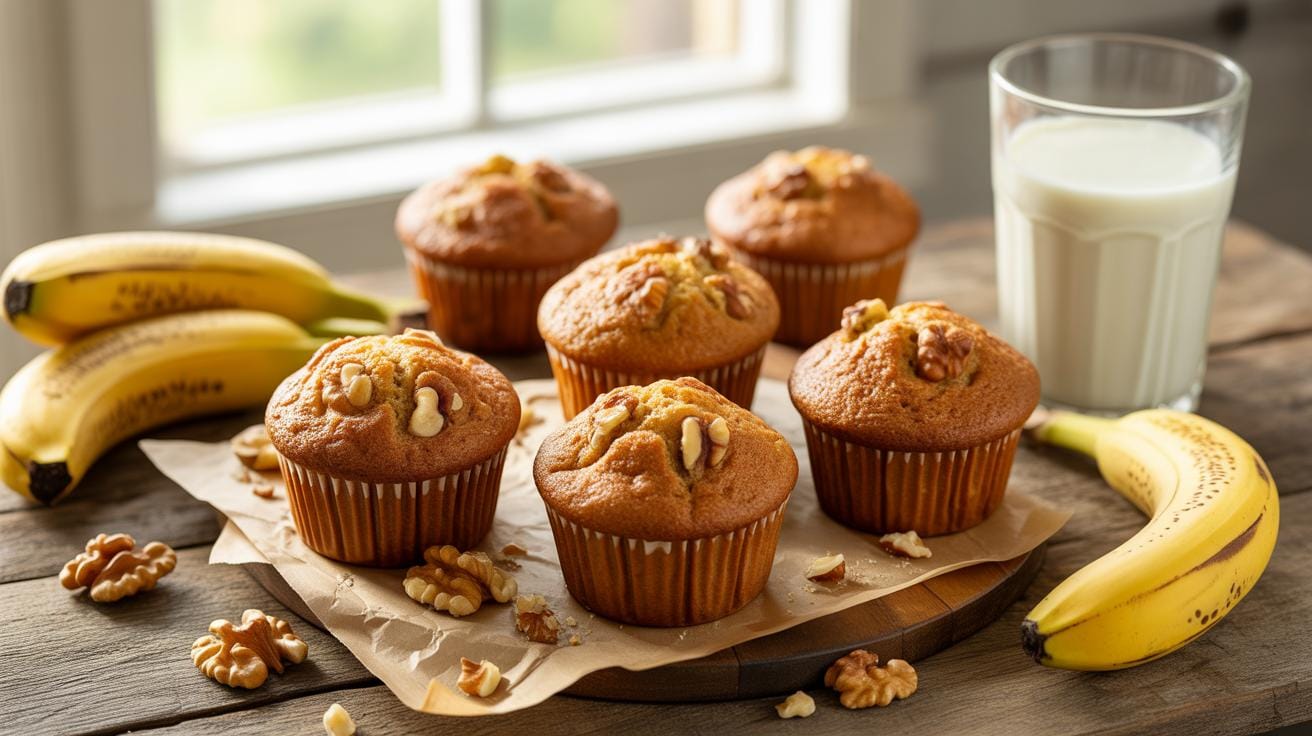
Moist banana nut muffins can be a perfect snack for your busy day. They bring a sweet flavor with the healthy addition of nuts and bananas. These muffins are easy to make and offer a tasty way to enjoy fruits and nuts. Whether for breakfast or a quick snack, this recipe fits your needs well.
This article covers how to make moist banana nut muffins step by step. You will learn about choosing the best bananas and how to mix your ingredients correctly. We will also discuss how you can adjust the recipe to make it fit your healthy snack goals. By the end, you will be ready to bake delicious muffins that everyone will enjoy.
Selecting Bananas For Best Flavor

Ripeness Levels And Their Impact
You might think any banana will do, but the ripeness really shapes your muffin’s taste and texture. Green bananas are firm and starchy—they don’t have much natural sweetness. Using them might leave your muffins somewhat dry and bland, which is clearly not what you want.
Yellow bananas with just a few brown spots are sweet but still a bit firm inside. They add moisture and mild flavor, but some might find the flavor a bit underwhelming if you’re going for rich banana taste. On the other hand, overly ripe bananas—yellow to brown with lots of dark spots—are softer and super sweet. These are usually the best choice because they mash easily into a smooth batter, lending moisture and a pronounced banana flavor.
It’s tempting to grab whichever is on hand, but if you want moist, flavorful muffins, those very ripe ones, almost on the verge of too ripe, generally work best. That said, if you prefer a subtle hint of banana, moderate ripeness will do.
Tips To Store Bananas Properly
Keeping bananas at the perfect ripeness until baking can be tricky. If you want to slow down ripening, store them in a cool spot away from direct sunlight. The refrigerator works but expect the skins to darken quickly—sometimes discouraging, but the fruit inside stays firm longer.
If your bananas get too ripe before you’re ready to bake, peel and freeze them instead. Frozen bananas thaw to a mushy consistency, ideal for mixing right into your muffin batter. It’s a little extra effort, but it saves you from wasting fruit and guarantees moist muffins.
One odd thing: sometimes bananas left alone on the counter ripen unevenly. To get a consistent batch of muffins, check all your bananas for ripeness before mixing—don’t just rely on the best one. You want a uniform flavor and texture throughout.
Measuring Ingredients Accurately
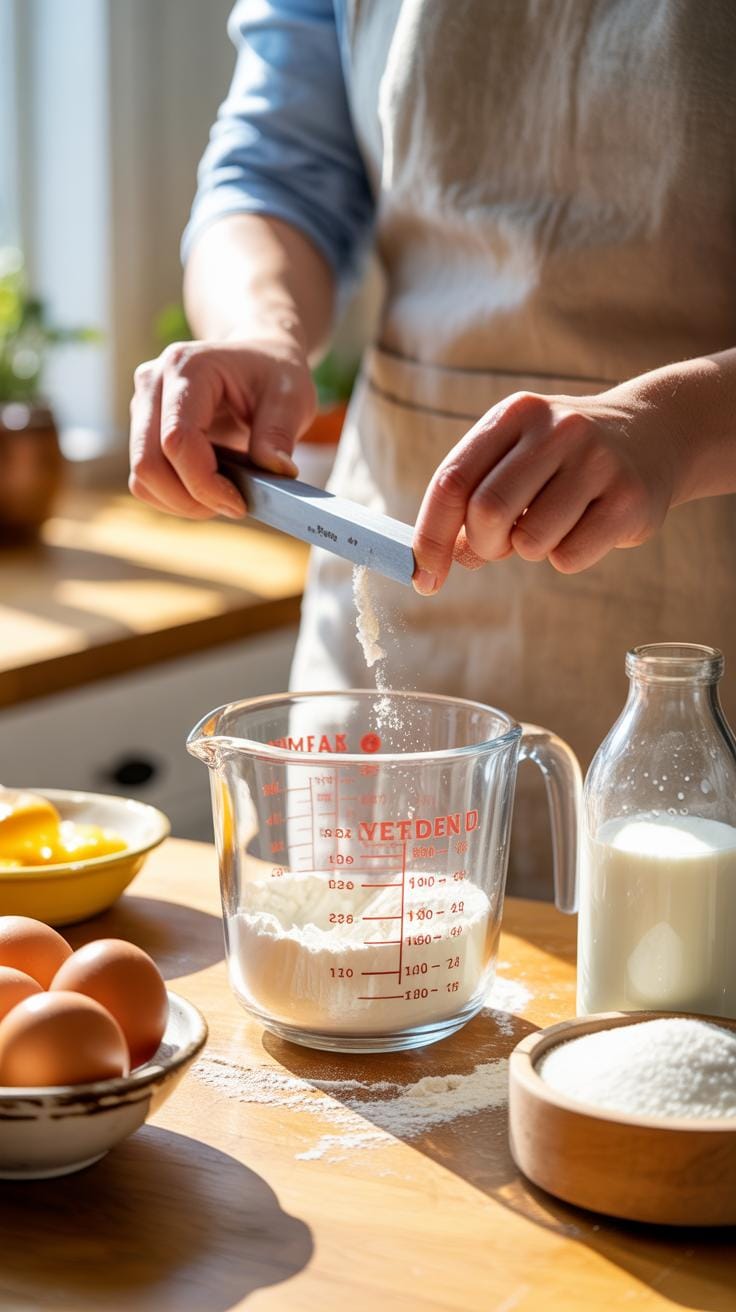
Measuring ingredients when baking banana nut muffins isn’t just a formality. It really shapes the texture and moisture you end up with. If you add too much flour, the muffins become dry and dense. On the flip side, too little flour or too much banana can make them overly wet and heavy. The balance feels a bit like walking a tightrope at times—one small change can shift a muffin from moist to soggy or crumbly.
The nuts, for instance, play a subtle but crucial role. Adding just the right amount gives a nice crunch without weighing down the batter. I remember once scooping in a heaping cup of nuts when the recipe called for half, and the muffins turned out so dense they barely rose. It was a clear lesson: precise measuring matters, even if it feels trivial.
So, a key question is: how exact should you be? Maybe not to the gram every time, but erring on the side of caution with measuring avoids disappointments. Moisture hinges on the wet-to-dry balance, and that’s often invisible until you open the oven door.
Best Tools For Measuring
Choosing the right tools can make or break consistency in muffin baking. Here’s what I find most useful when working with flour, sugar, and nuts:
- Dry measuring cups: These come in sets, usually ¼, ⅓, ½, and 1 cup sizes. Perfect for flour and chopped nuts. Spoon the flour lightly into the cup, then level it off with a flat edge to avoid packing it down unintentionally.
- Measuring spoons: Handy for smaller amounts of sugar or baking powder. They offer precision for those tiny—but crucial—quantities.
- Kitchen scale: Best for nuts and flour if you want exactness. Weighing ingredients can be surprisingly more consistent than scooping.
- Liquid measuring cup: Useful for wet ingredients but sometimes overlooked for things like mashed bananas. Using it ensures you’re not guessing volume here either.
Common Measuring Mistakes
There are a few persistent errors I’ve noticed among even experienced bakers. Something worth avoiding so your banana nut muffins turn out right every time:
- Packing flour too tightly: Pressing flour down into the cup adds more than the recipe expects. It’s subtle but can dry out muffins. The better way? Lightly spoon flour into your measuring cup and level it off.
- Using the wrong spoon or cup: Dry and liquid measuring cups aren’t interchangeable. Using a liquid cup for flour leads to guessing and inaccurate amounts.
- Ignoring nut sizes: Whole nuts vs. chopped nuts—don’t skip sizing them properly. Whole nuts weigh more and behave differently in the batter.
- Estimating banana amount: Without measuring, the amount of banana can vary widely. More banana means more moisture and sweetness, but it might affect texture in unpredictable ways.
Sometimes it’s easy to rush, skimp on measuring, or think a little “eye-balling” won’t hurt. But with banana nut muffins, tiny measuring changes ripple through the baking process. Have you noticed your muffins being off once or twice? Take a closer look at your measuring step—that might be the key.
Mixing Techniques For Moisture

When making banana nut muffins, how you mix the batter can really shape the final texture. The goal is moistness without turning the muffins tough or gummy. The trick lies in balancing gentle mixing with just enough incorporation.
Use stirring for combining your dry and wet ingredients. This helps keep the banana’s moisture intact and lets the nuts stay evenly distributed. Stirring gently avoids overworking the flour, which would otherwise develop gluten and result in a denser muffin. You want to see some lumps in the batter – it’s actually a good sign that you haven’t overmixed.
Beating comes into play mostly when creaming butter and sugar or when adding eggs. This adds air and creates a lighter crumb but too much beating after adding flour can dry out your batter. It’s a careful dance: beat enough to blend, but stop before the flour fully activates.
Overmixing? That’s the enemy of moisture here. When flour is overworked, the strands of gluten tighten. This pulls moisture away from the batter, making the muffins chewy, sometimes even rubbery. The muffin tops may rise too quickly and then collapse, leaving dense centers. If you’ve made muffins that felt heavy or felt like eating bread with nuts, overmixing was probably the culprit.
So, remember:
- Stir gently after adding flour, keep some lumps.
- Beat early ingredients carefully to trap air, but slow down once flour enters.
- Stop mixing as soon as ingredients blend to hold onto moisture.
You may wonder if a few extra stirs could help distribute the nuts better. They might – but at a cost to texture and soft crumb. It’s a fine balance, and perhaps personal preference will tell you where the line is.
Nut Varieties Compared For Muffins
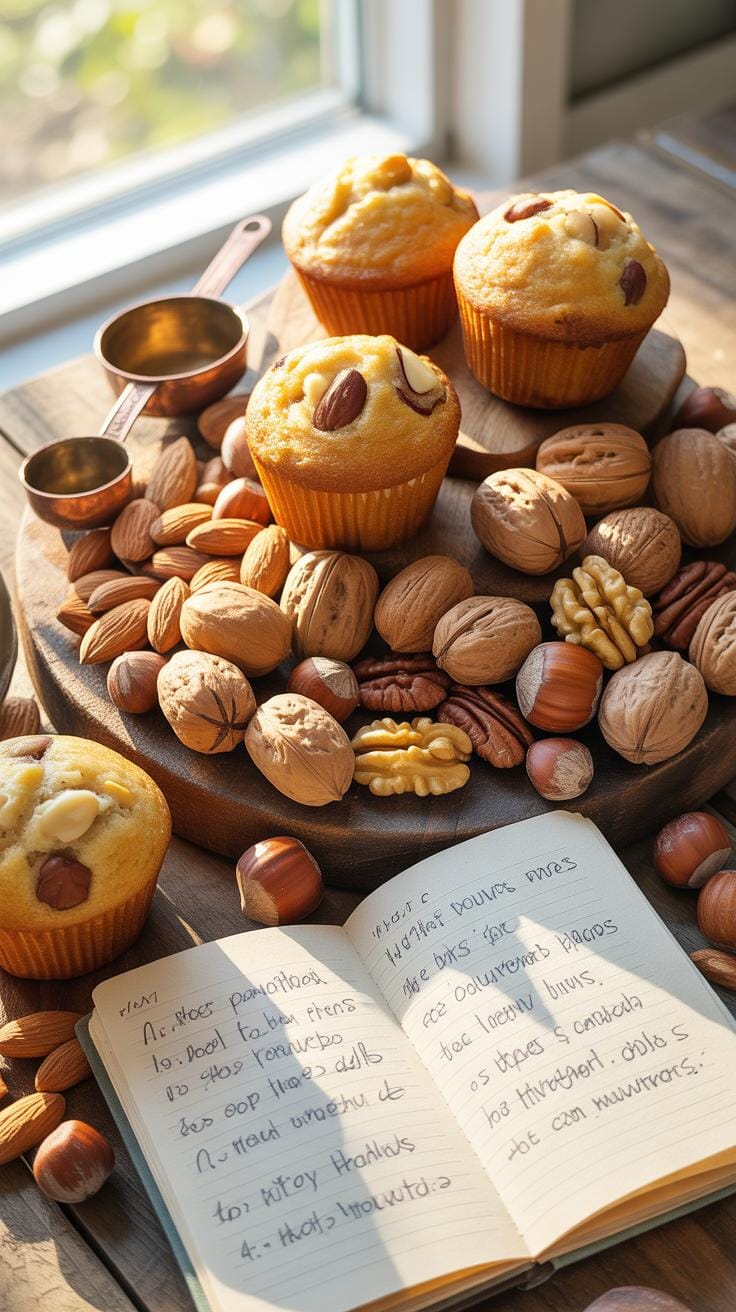
When it comes to banana nut muffins, the choice of nuts can change more than just the taste—you might be surprised how texture and baking behavior shift with each nut type. Walnuts, pecans, and almonds are the usual suspects, each bringing something a little different to the table.
Walnuts are classic. They offer a slightly bitter edge that balances the sweetness of ripe bananas. Their oil content means they tend to get a bit soft after baking but still hold a pleasant chewiness. Pecans, on the other hand, are richer and sweeter, with a buttery hint. They tend to stay a bit crunchier in the muffin, adding a nice contrast against the soft crumb. Almonds deliver a firmer bite and a subtle, earthy flavor that’s less sweet but still warms the overall taste. They don’t soften quite as much, so if you prefer a crunchy nut snack in your muffin, almonds might be the way to go.
The texture of these nuts makes a difference beyond just taste. Walnuts, being softer, blend into the batter more, creating little pockets of nuttiness that sometimes melt into the muffin. Pecans keep their shape nicely but can also add a slightly crumbly texture. Almonds, with their dense crunch, may affect the muffin’s structure a bit—it almost feels like you’re biting into something more substantial. Does that make the muffin better? Well, it depends on what you’re after.
Sometimes I wonder if mixing nuts is the best approach—like combining walnuts and almonds for a layered textural experience. It’s something worth experimenting with if you’re curious. But if you stick to one type, think about what flavor and feel you want at the end of the day: nutty softness, buttery richness, or crisp firmness. Each one behaves differently in the warmth of the oven, and that’s part of what makes banana nut muffins so interesting.
Oven Settings And Baking Time
Ideal Temperature For Baking
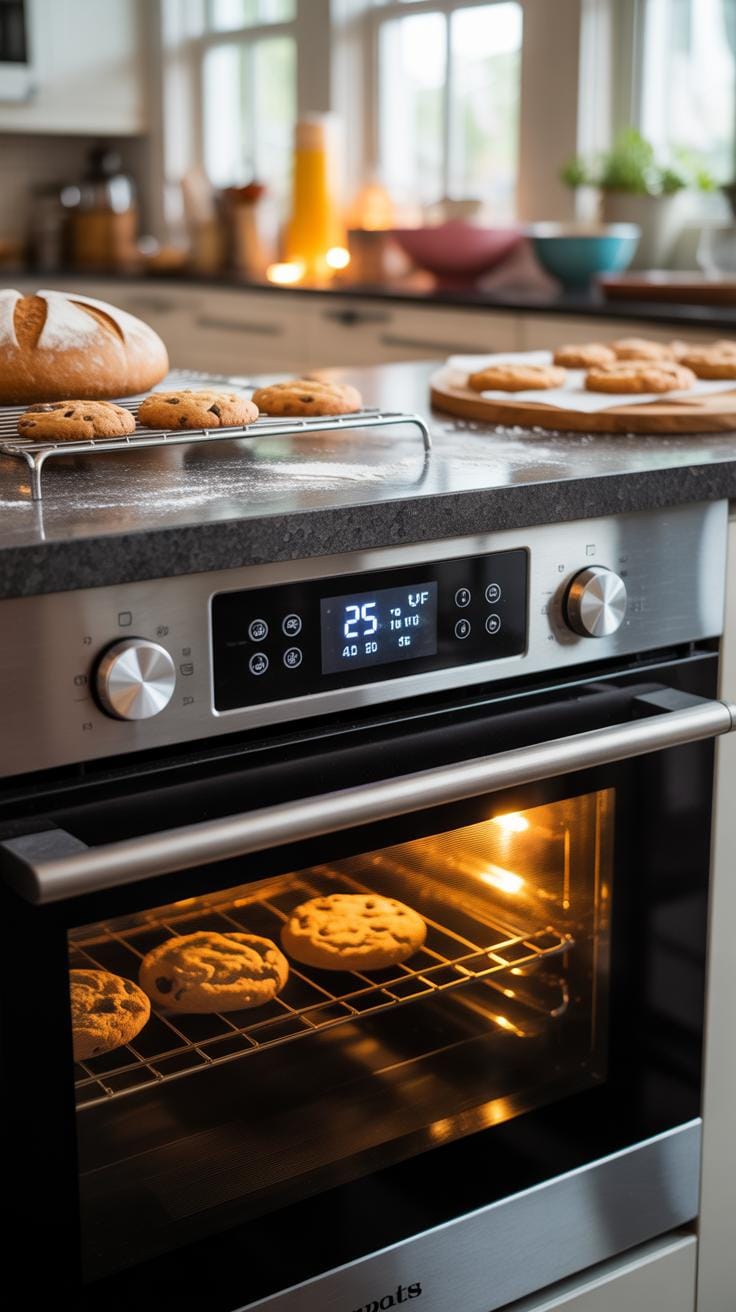
The best oven temperature for banana nut muffins usually sits around 350°F (175°C). It strikes a balance — warm enough to cook the muffins evenly through without burning the edges or leaving the center undercooked. Baking at 350°F encourages a nice rise and tender crumb, which is key to moist muffins. If you turn the temp too high, the outside risks getting dry or crusty before the inside is done. Too low, and your muffins might end up dense and overly soft, almost gummy. I’ve tried slight tweaks myself, but that sweet spot around 350 seems the most reliable for consistent texture.
How To Test Muffin Doneness
Testing whether banana nut muffins are done isn’t about poking endlessly or leaving them too long. A simple, classic way is inserting a toothpick in the center. If it comes out with a few moist crumbs but no raw batter, your muffins are ready. You want some crumbs clinging, not a perfectly clean pick, or you risk drying out the muffins. Another trick I use sometimes is gently pressing the muffin’s dome; it should bounce back softly, not stay indented. Smell also helps—when the kitchen fills with that deep banana aroma, you’re close. Trusting your senses alongside the toothpick test usually works best without overthinking it too much.
Healthy Ingredient Substitutions
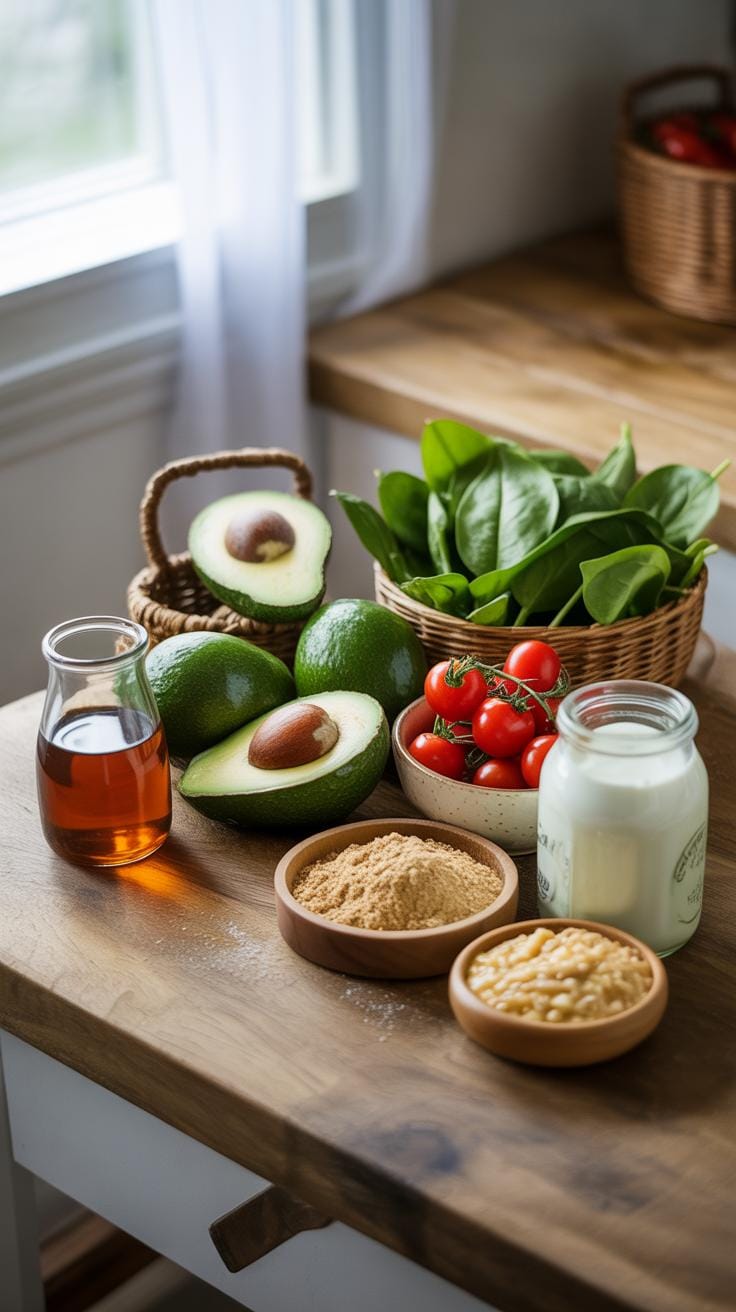
Switching up ingredients in banana nut muffins to make them healthier can feel tricky if you want to keep that moist, tender texture and rich flavor. But it’s possible, and not as complicated as it sounds. For example, swapping butter for applesauce or mashed avocado can reduce fat while still adding moisture. I’ve tried both—applesauce keeps things light but sometimes a bit denser, while avocado adds a subtle creaminess that’s surprisingly good.
Here are some substitutions you might consider:
- Use Greek yogurt instead of sour cream or oil for moisture and protein.
- Swap chopped nuts for seeds like chia or flax to add omega-3s without extra calories.
- Replace whole eggs with a flax “egg” (1 tablespoon flaxseed meal + 3 tablespoons water) to include fiber and reduce cholesterol.
Of course, altering ingredients can change texture slightly. Sometimes the crumb becomes denser or a bit crumbly, but the trade-off for a healthier muffin might be worth it to you.
Using Whole Wheat Flour Effects
Using whole wheat flour instead of all-purpose flour in your muffins adds more fiber, minerals, and a heartier flavor. But it’s not always a straight swap. Whole wheat flour’s coarser texture often leads to a denser muffin, and it can absorb more liquid. So, you might need to tweak your liquids a bit—adding a splash more milk or mashed banana can help maintain moisture.
From experience, if you replace half the all-purpose flour with whole wheat, the muffins turn out nutty and more filling without feeling heavy. Going fully whole wheat often results in a chewier texture, which some find satisfying, though others miss the lightness. It’s a balance, and what works can depend on your taste and priorities.
Alternatives To Refined Sugar
Cutting back on refined sugar is another way to make your muffins healthier, but it raises the question: what to use instead? Natural sweeteners bring their own character and don’t always behave like sugar in baking.
Consider these options:
- Maple syrup adds moisture and a mild, earthy sweetness but can make the batter thinner.
- Honey offers a floral note and helps brown the muffins but is sweeter, so you might use less.
- Coconut sugar has a caramel-like flavor and lower glycemic index, but it can darken the muffin color.
- Mashed ripe bananas or unsweetened applesauce contribute sweetness along with moisture and fiber.
Each sweetener impacts texture and browning differently, so you might find yourself tweaking baking times or liquid amounts. On some days, it feels like trial and error, but discovering your favorite combo is part of the fun.
Storing And Preserving Freshness
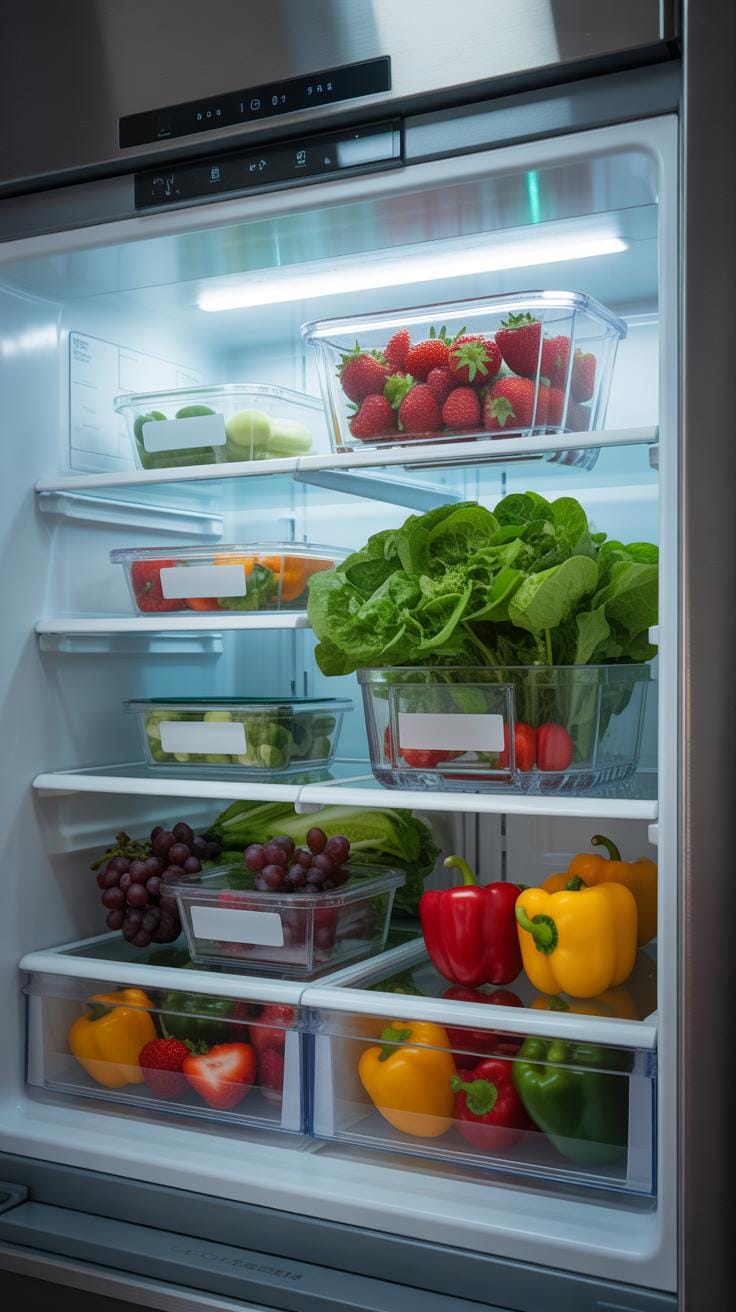
Keeping banana nut muffins fresh and moist for several days can feel a bit tricky, but it’s mostly about the right storage method. Once your muffins have cooled completely, place them in an airtight container to prevent them from drying out. A shallow container works well so they aren’t crushed, and lining it with a paper towel helps absorb any excess moisture without making the muffins soggy.
Wrapping each muffin individually in plastic wrap before placing them in the container can add an extra layer of protection. It might seem excessive but trust me, it really makes a difference when you want that fresh-baked taste lingering for a few days.
Best Storage Containers
When it comes to containers, glass or BPA-free plastic with tight-fitting lids usually do the job nicely. I’ve found that containers with rubber seals keep the air out better than those without. You can also use resealable plastic bags if you’re careful to squeeze out as much air as possible.
Aluminum foil wraps work, but they don’t seal the same way and might let the muffins dry faster. I tend to avoid them unless I plan to freeze the muffins immediately. Just a quick note: keeping the muffins away from direct light and heat will help preserve their moisture longer.
Freezing Muffins Tips
Freezing is great if you want to keep muffins fresh beyond a few days. Wrap each muffin tightly in plastic wrap, then put them all inside a freezer-safe bag or container to avoid freezer burn. Labeling the date helps, so you don’t forget and end up eating freezer fossils.
To thaw, leave muffins at room temperature in their wrap for a couple of hours, or pop them straight into a microwave for 15 to 20 seconds. This usually restores both texture and taste quite well. I sometimes reheat them in a low oven for a few minutes to get a slight crisp on top—it feels more like freshly baked that way.
Would you believe—freezing actually can improve texture a bit by firming up any undercooked spots. A little counterintuitive, right? But if you freeze and thaw too many times, obviously, it starts to lose its charm, so try to stick to one freeze-thaw cycle.
Serving Ideas For Banana Nut Muffins
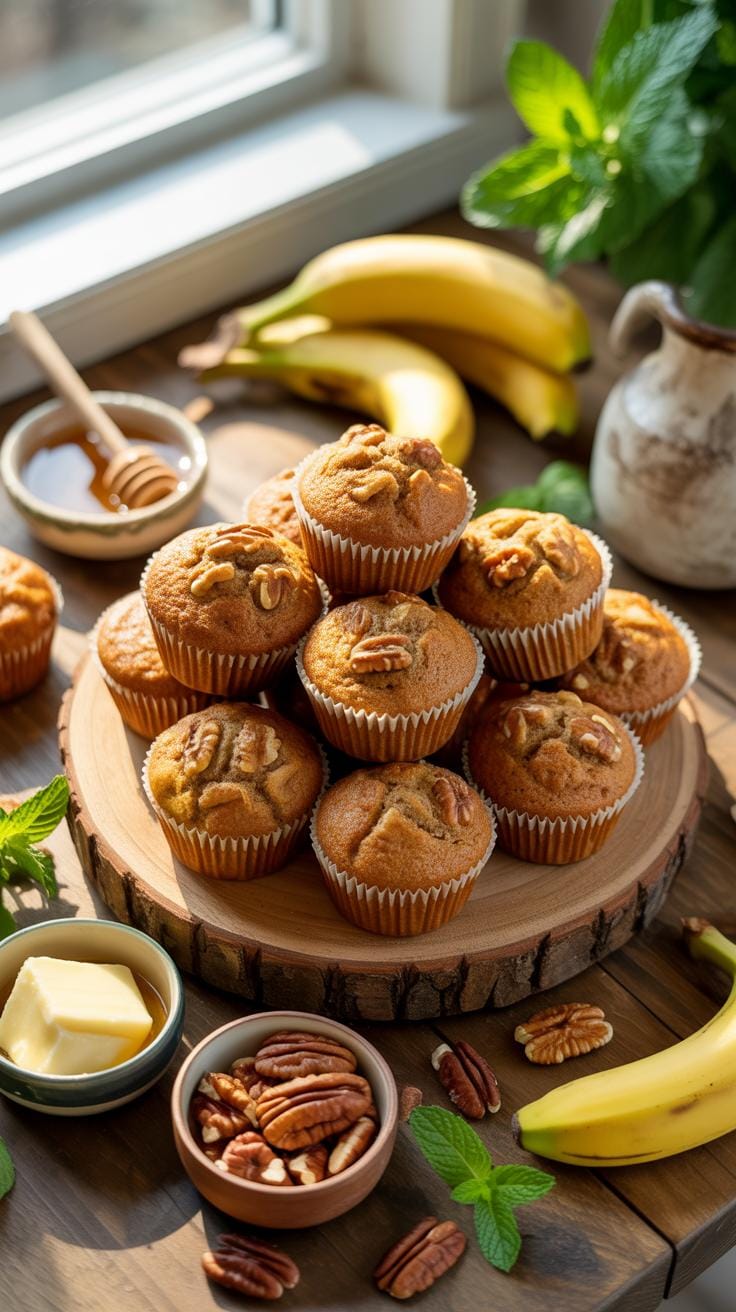
Banana nut muffins work well beyond being just a quick snack. You can easily make them part of a light breakfast, or a midday energy boost. Sometimes, I find they’re perfect as a simple dessert too, especially when warmed slightly. Have you tried splitting one and toasting it? It adds a different texture, making it almost like a mini cake but less heavy.
For toppings, think beyond basic butter. A dollop of cream cheese brings a tangy contrast to the sweetness. Nut butters—peanut or almond—add richness and extra protein. If you prefer something fruity, small spreads of raspberry or apricot jam can brighten the flavors. And don’t overlook the crunch—you might want to sprinkle chopped walnuts or pecans on top just before serving to amp up that signature nutty note.
As for drinks, I tend to lean toward beverages that balance the muffin’s natural sweetness. Black tea or oolong can be good choices; they manage to cut through the density without overpowering. Coffee, especially a mild roast, complements the nuts well, but if you’re after something gentler, a chai latte or even a spiced cocoa can surprise you with how nicely they pair. What’s your go-to drink with these muffins? Sometimes, changing the beverage shifts the whole eating experience.
Troubleshooting Common Issues

Solving Dry Muffins
Dry banana nut muffins can be really disappointing, especially when you’re expecting moist, tender bites. Often, dryness comes from overbaking—the oven minutes creeping past the ideal time. Even a few extra minutes can suck out moisture quickly. Sometimes, it’s the banana itself; if the bananas aren’t ripe enough, the batter lacks natural moisture and sweetness, so the finished muffins might feel dry.
To avoid this, watch your muffins closely in the last five minutes of baking. Try using very ripe bananas—they’re softer and have more water content. Another thing to consider: reduce flour a touch or add a splash of yogurt or sour cream to the wet ingredients. These additions help lock in moisture and improve texture. You might also cut back slightly on sugar; too much can dry out muffins over time. Lastly, if you find your muffins dry after baking, brushing a bit of melted butter or honey on top while warm can soften the crumb. It’s not a perfect fix, but it helps.
Fixing Dense Muffins
Dense banana nut muffins often signal something went a bit off during mixing or ingredient ratio. One big culprit? Overmixing the batter. It’s tempting to stir thoroughly, especially when there are nuts to spread evenly. But beating too much activates gluten in the flour, resulting in heavier muffins that don’t rise well.
Also, check your leavening agents—baking soda or powder. If they’re old or improperly measured, the muffins can’t rise as they should. Using fresh ingredients and leveling off your spoons carefully helps with that. And what about the nuts? Using too many can weigh down the batter. Maybe try fewer nuts next time or chop them finer.
If fluffiness is what you want, fold the bananas and nuts gently into the wet mixture. That little care makes a difference. Do you really need to sift flour? Some find that helps, as it aerates the flour, but it’s not always necessary. You might experiment. Sometimes I skip it and get decent fluffiness anyway. It’s one of those details you can test for your own kitchen.
Comparing Muffins To Banana Bread
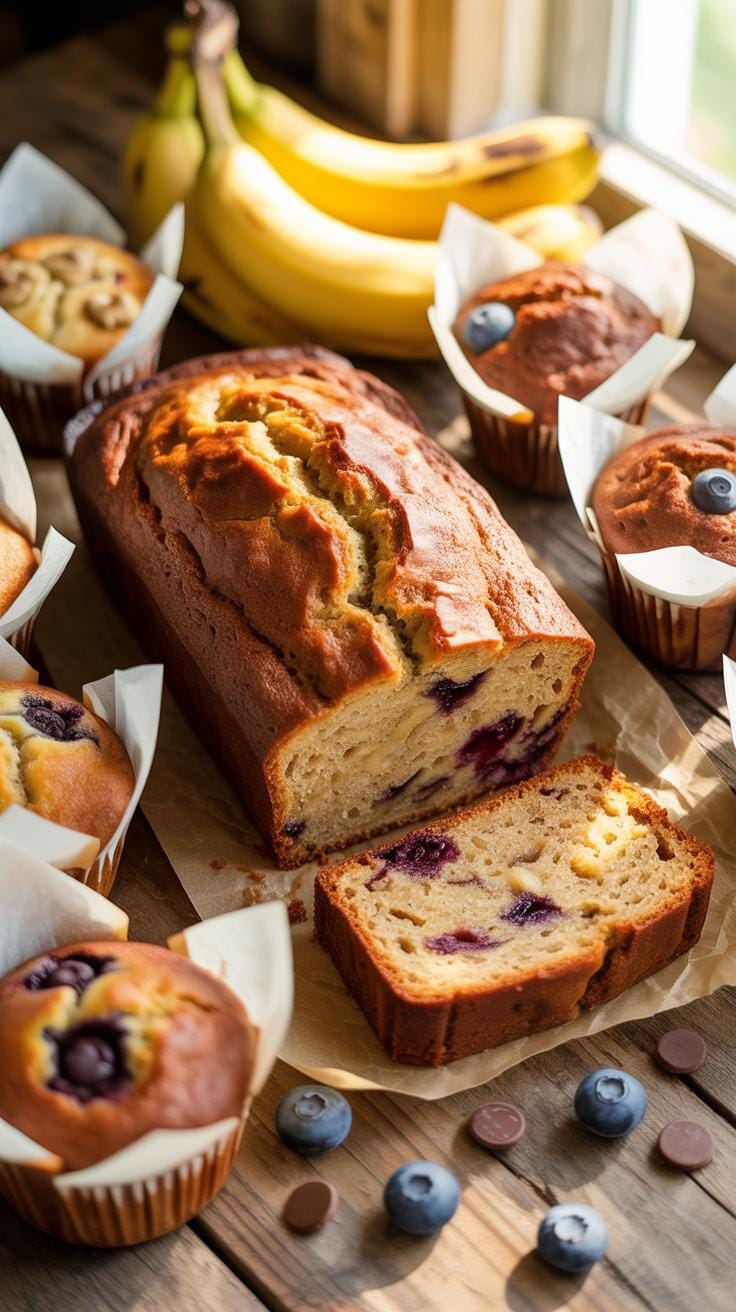
Banana nut muffins and banana bread might look alike, but they’re quite different when you get into the details. The ingredients overlap—bananas, nuts, flour, sugar—but the proportions usually shift. Muffins tend to have a bit more flour and leavening agents like baking powder, which gives them that light, fluffy texture. Banana bread uses less leavening, leading to a denser, more cake-like crumb. You might notice muffins have added ingredients like yogurt or sour cream for moisture, while banana bread often relies on oil or butter for richness.
Texture is a clear divide. Muffins are smaller, with a tender crumb and sometimes a crisper top. Banana bread is typically heavier and moister throughout. Nuts in muffins are often chopped finer, spreading more evenly; in banana bread, bigger chunks can give a satisfying crunch that feels more rustic. So, depending on what you want, each brings a slightly different mouthfeel.
When it comes to use cases, muffins make great grab-and-go snacks or single servings. They’re ideal if you want portion control or need something portable for breakfast or a midday boost. Banana bread slices well for sharing, making it better for family-style brunches or when you want to serve it alongside coffee or tea. Still, preferences vary. Sometimes you just want the ease of a muffin, and other times the cozy vibe of banana bread fits better.
Key Differences In Recipes
Looking at recipes side-by-side shows some subtle but telling distinctions:
- Banana nut muffins usually call for eggs, a splash of milk or yogurt, and chemical leaveners like baking powder and baking soda combined. This combination boosts rise and creates that soft, airy texture.
- Banana bread often relies on baking soda alone, paired with an acid like buttermilk or yogurt—or sometimes just the natural acidity of the bananas—to initiate leavening.
- Fat sources differ too. Muffins might use oil or melted butter sparingly; banana bread tends to be richer, with more butter or oil quantity for a moist crumb.
- Sugar quantities can vary—muffins sometimes have less sugar to keep them less sweet, as they’re meant as snacks, while banana bread often leans into the dessert category.
All these tweaks tweak the outcome, making muffins lighter and bread heartier, shaping how they hold up after baking, and influencing how quickly they go stale.
When To Choose Muffins Or Bread
Choosing between banana nut muffins and banana bread depends on a few things you might want to consider:
- If you need something portable and easy to eat without utensils, muffins are your best bet. They fit in lunchboxes and backpacks—and you can eat them warm or cold without fuss.
- For sharing at a gathering or when you want a bigger, slower-to-eat treat, banana bread works well. It slices easily, and pairs nicely with spreads like butter or cream cheese.
- Sometimes you’re in the mood for a quick snack, a single bite with coffee, making muffins more fitting. Other times, if you plan to enjoy something over a few days, banana bread tends to stay moist longer, especially when wrapped well.
- And honestly, if you’re baking with kids or beginners, muffins might feel less intimidating—they cook faster and the portion size means less risk if something isn’t quite perfect.
So, while they share ingredients, muffins and banana bread serve different needs. You might find yourself baking both, depending on the occasion or mood.
Conclusions
Banana nut muffins make a tasty and nutritious option for snacks or breakfast. They use common ingredients and simple steps to give you moist, flavorful results. You can adjust the recipe to suit your taste and nutrition needs. Remember to use ripe bananas and mix your ingredients carefully to avoid dry muffins.
Try baking these muffins yourself. You will find they require little time but give good results. Share your muffins with family or friends and enjoy a healthy snack together. With these tips, you can confidently bake moist banana nut muffins anytime you want.