
Introduction
Balanced Meals Checklist for Holistic Wellness Recipes That Save Time focuses on choosing and preparing meals that support your health efficiently. Eating balanced meals means including the right mix of nutrients—proteins, fats, carbohydrates, vitamins, and minerals—in portions that fit your lifestyle and wellness goals. This guide helps you understand these essentials while providing simple recipes to save you time in the kitchen.
This article covers important nutritional elements and practical steps for meal planning. You’ll find tips on identifying what your body needs, balancing ingredients, and recipes that suit busy schedules. By following the checklist, you can improve your diet and enjoy food that fuels your day without complicating your life.
What Makes a Meal Balanced
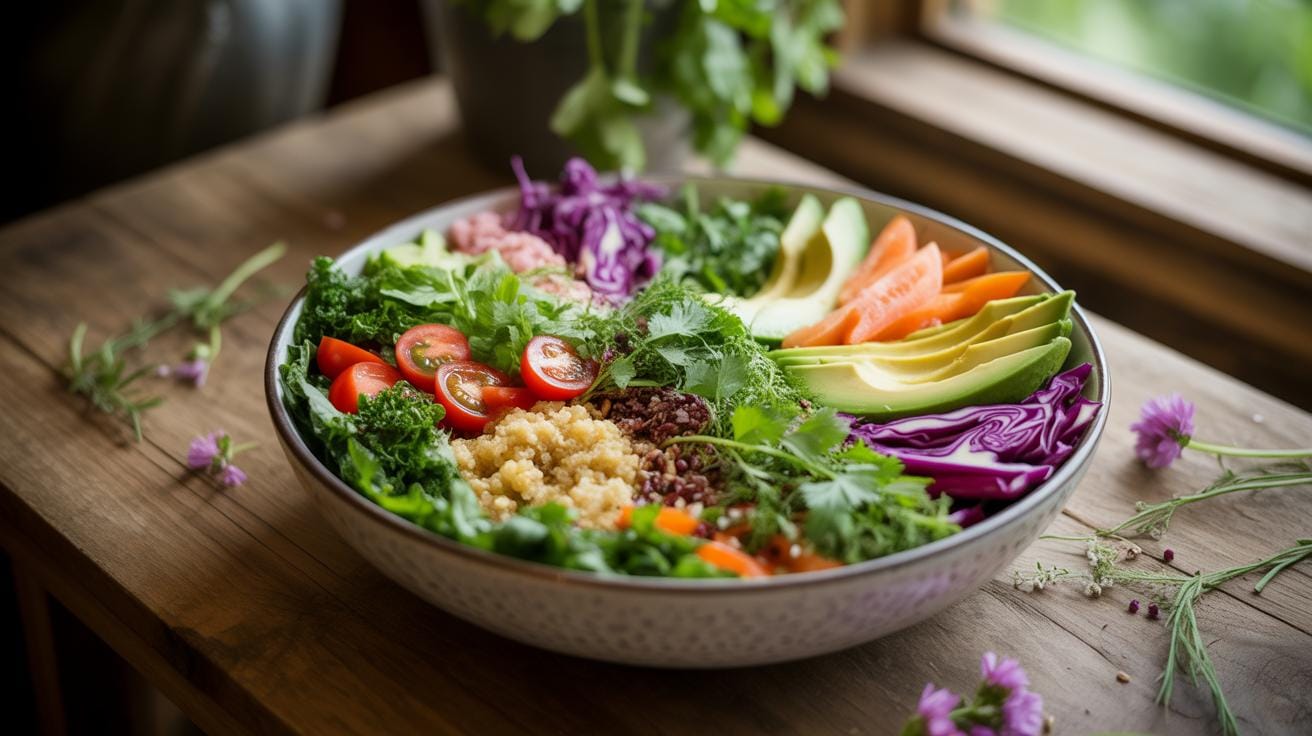

When you think about a balanced meal, it’s not just about filling your plate or grabbing anything that looks healthy. A truly balanced meal includes a mix of nutrients that work together to support different parts of your body. At the center, you have proteins, carbohydrates, and fats, each playing a quite distinct but sometimes overlapping role.

Proteins are like the body’s builders. They help repair muscle and other tissues after wear and tear. For instance, eating beans or chicken provides amino acids, which are the building blocks your body needs to fix and grow cells. You might not always notice it, but your muscles use protein in a continuous cycle of breakdown and repair.
Carbohydrates often get a bad rap, but they’re basically the main source of energy. Think of carbs as fuel: fruits, grains, or even a simple potato pack glucose that your cells burn to keep you moving. Without enough carbs, you might feel sluggish—your body struggles to find quick energy.
Then there are fats. People sometimes worry about fats, yet they support cell structure and help store energy for long-term use. Fat also helps absorb important vitamins, which land us in the next important group—vitamins and minerals.
Vitamins and minerals aren’t energy sources, but they are necessary for countless processes. They help your immune system fight off bugs, keep your bones strong—like calcium does—and regulate metabolism so your body uses food efficiently. Vitamin C, for example, supports healing wounds and fighting infections. Zinc helps with immune function too.
So, a balanced meal, in simple terms, includes a bit of each: protein for repair, carbs for energy, fats for cell health, and vitamins plus minerals to keep everything running smoothly. That mix isn’t rigid—portion sizes and sources vary—but keeping these basics in mind can help you feel better and stay healthier.
Why Balanced Meals Matter
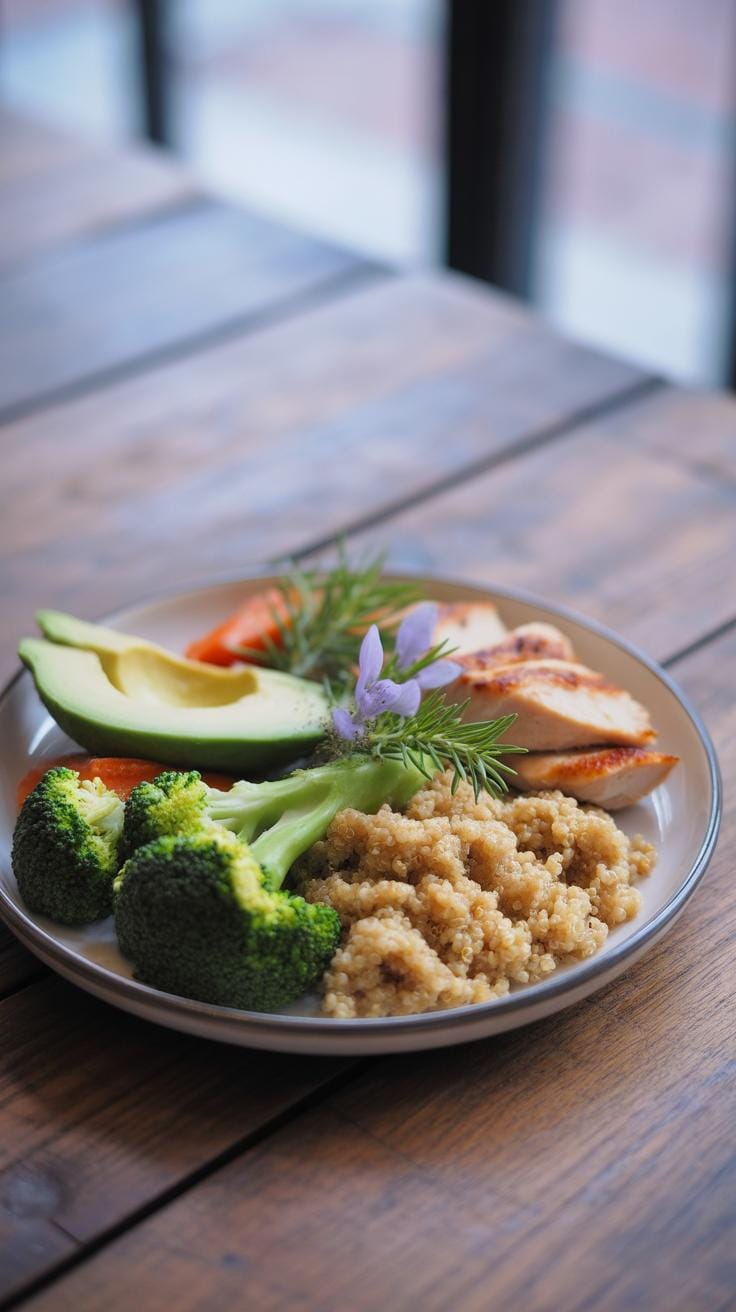
Eating balanced meals isn’t just about ticking nutrition boxes. It affects how you feel every hour of the day. When your meals include a good mix of protein, carbs, fats, and fiber, you’re less likely to experience those frustrating energy dips that leave you reaching for a snack or an extra coffee. I’ve noticed on days when my plate is a bit one-sided – say, too heavy on carbs or sugar – my mood dips in the afternoon, and focus slips. Balanced meals help you avoid that rollercoaster of energy spikes and crashes.
Beyond keeping you alert, balanced meals play a role in managing your weight. They tend to satisfy hunger longer, so you’re less tempted by mindless eating or quick fixes. This kind of steady fuel helps prevent overeating and supports gradual, maintainable weight goals.
Long-term health benefits can’t be ignored either. Consistently balanced meals form a foundation that may reduce your risk of developing chronic conditions like diabetes, heart disease, and obesity. It’s not just about avoiding illness, but also about feeling well enough to do the things you want—which is, in the end, what wellness is about.
So, what does this mean day to day? It means fewer mood swings, better productivity, and fewer health-related disruptions. It means you might just get through your afternoon meetings without that sinking slump, or enjoy your weekend without nagging fatigue. Can you imagine how different your daily rhythm would be if your meals worked for you instead of against you?
Build Your Balanced Meals Checklist
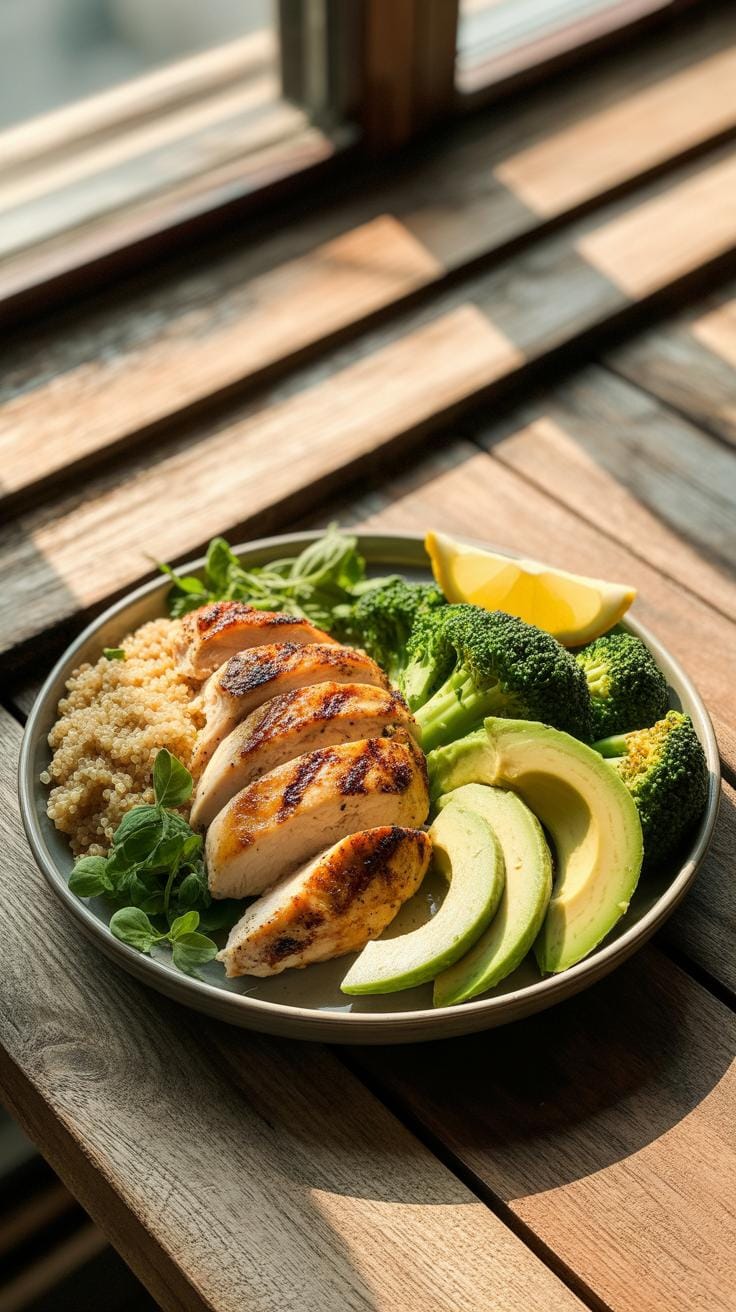
Creating balanced meals doesn’t have to be complicated, but having a clear checklist can help you build something satisfying and nourishing every time. Think of it as a simple guide rather than a strict rulebook—there’s some room to experiment based on what you like or have on hand.
Choosing Ingredients For Balance
Start by picking foods from key nutrient groups. For protein, options like chicken, beans, tofu, or fish work well. You don’t need to add several kinds at once; even one source per meal is enough, though mixing them occasionally can keep things interesting. For whole grains, think brown rice, quinoa, or whole wheat pasta—these provide energy and fiber.
Vegetables should cover a good portion of your plate, offering vitamins and minerals. Leafy greens, carrots, or roasted peppers are great choices. Don’t forget to include healthy fats too; a drizzle of olive oil, a handful of nuts, or some avocado adds flavor and keeps you feeling full. Each of these parts plays a role—you might overlook one, but aiming to include all of them gives your meal a solid foundation.
Portion Control And Timing
Portions don’t have to be exact, but a rough guide helps. Think of your plate divided into sections: half filled with vegetables, a quarter with protein, and a quarter with grains or starchy veggies. Fats fit into smaller portions—maybe a spoonful of oil or a small handful of nuts. This setup helps avoid overeating without stressing over numbers.
Eating regularly—say, every three to four hours—keeps your energy steady and supports digestion. Skipping meals can backfire, making you overly hungry and prone to grabbing whatever’s easiest. On the other hand, some days you might eat less often and feel fine. That’s normal. The key is listening to your body but also trying to maintain some routine. It’s a balance that might shift as your days change.
Simple Recipes That Save Time
One-Pot Balanced Meal Examples
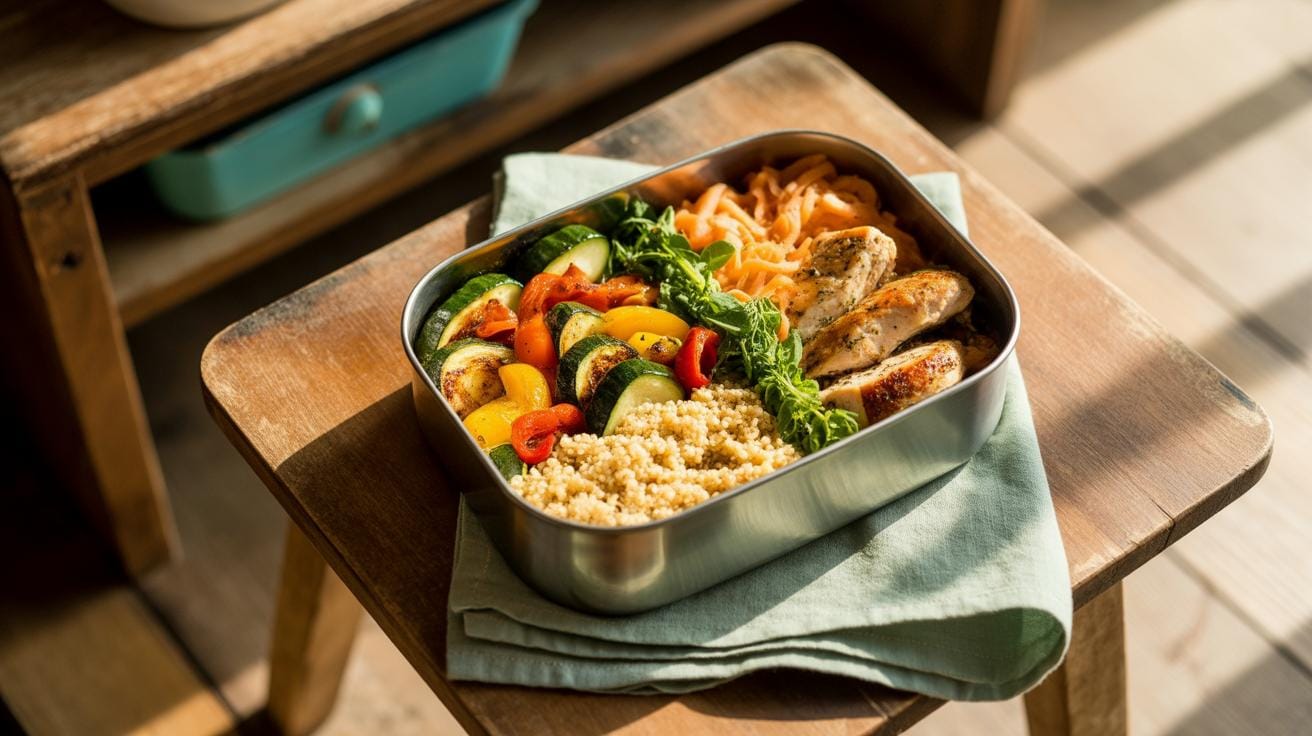
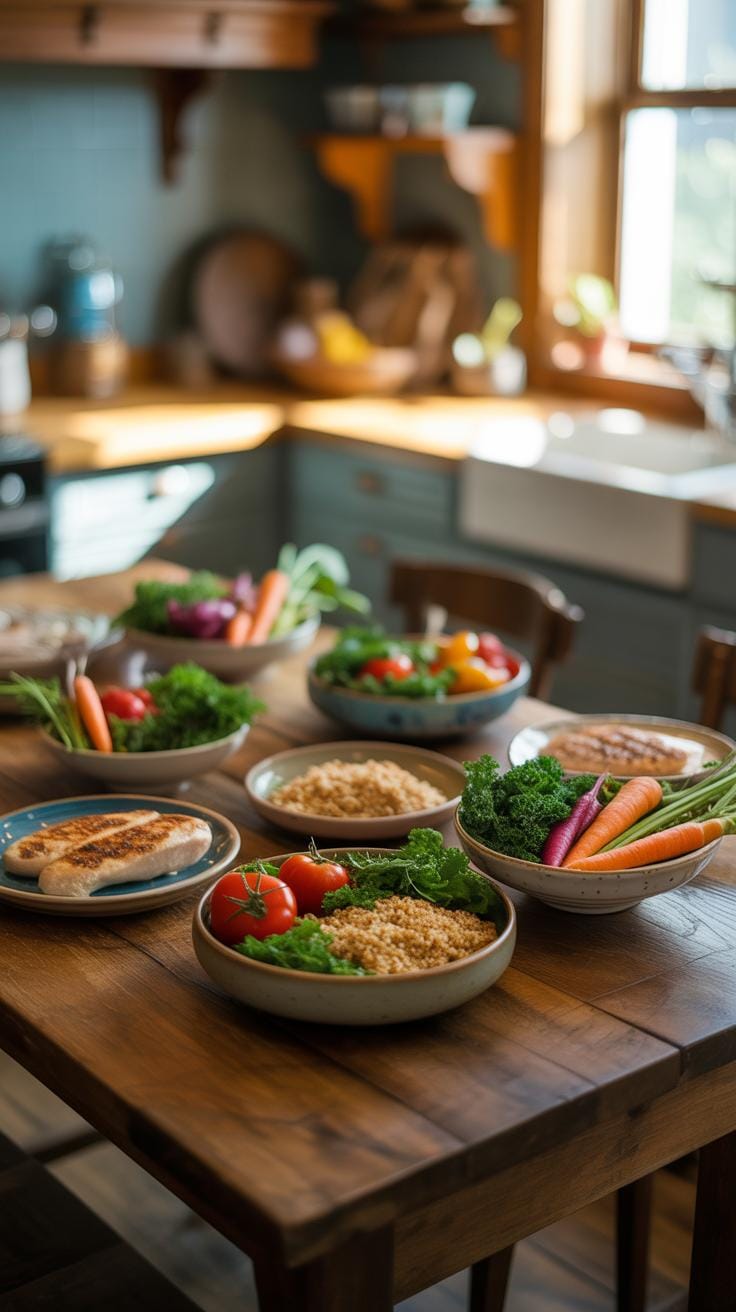
One-pot meals are an easy answer when you want to cut prep and cleanup time. Imagine tossing chicken, chopped veggies, and some rice or quinoa into a single pan. Add spices, a bit of broth, and let it simmer. Within 30 minutes, you get protein, fiber, and vitamins all in one pot. Stir-fries work too—just throw in lean meat or tofu with colorful vegetables and a quick sauce, all cooked in the same pan. There’s less fuss, and you still get variety on your plate without feeling overwhelmed. I often switch between these depending on what’s in my fridge, so I don’t end up with leftovers I don’t want to eat again.
Batch Cooking Tips For Busy Days
If your week tends to get hectic, batch cooking might save your sanity. Spend a few hours prepping large portions of a few meals, then divide into containers for the fridge or freezer. Think chili with beans and lean meat, big batches of roasted veggies with grains, or pasta dishes using whole wheat noodles and plenty of greens. When you’re ready to eat, just reheat. I usually label everything with dates—just to avoid mystery meals gone wrong later. Polling a few friends, I’ve seen how well simple batch cooking can keep meals balanced without extra daily effort. Ever wonder if you eat too much convenience food because of time? Batch cooking addresses just that.
Meal Planning For Busy Schedules
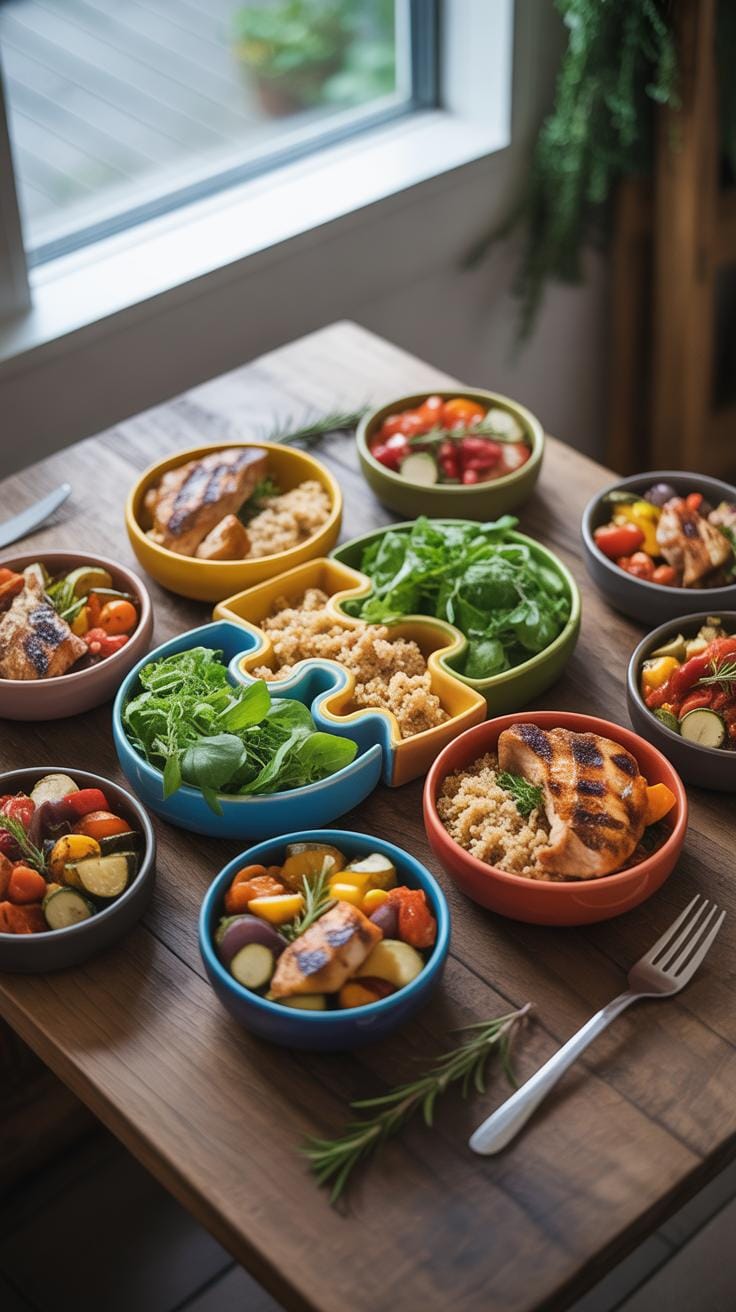
Planning meals ahead can feel like a chore—especially when your days move fast and your to-do list never shrinks. But actually, setting aside even a little time each week to map out what you’ll eat can make a big difference in sticking to balanced nutrition. Think of it not as a rigid plan, but more as a flexible guide that helps you avoid scrambling for unhealthy options.
One way I found helpful is using simple meal planners—either paper ones or apps. They let you lay out all your meals for the week at a glance. Some even suggest recipes based on your preferences, so you don’t have to brainstorm every single day. You don’t have to plan every bite, but having a rough outline cuts down stress, and it’s easier to make smarter food choices when you already have a plan.
A few practical tips to keep in mind:
- Choose meals that share ingredients to reduce waste and prep time.
- Include quick “backup” dinners for those unexpected busy nights.
- Think about snacks, too—balanced snacking keeps energy steady.
- Don’t be afraid to switch things up last minute if your appetite or schedule changes.
It’s tempting to skip planning because it feels restrictive. But paradoxically, having a plan can give you freedom. What seems like extra effort upfront can save you time and decision fatigue later. So, maybe next week, give it a try—even just jot down what you’re thinking about for a couple of days. It might be enough to notice a difference.
Creating Weekly Meal Plans
Drafting a weekly meal plan doesn’t need to be complicated. Start by listing all your meals and snacks for each day, then slot in balanced options with protein, veggies, whole grains, and healthy fats. You don’t have to reinvent the wheel—repeating a favorite breakfast or lunch keeps things simple.
Here’s a rough way to break it down:
- Breakfast: Aim for something with fiber and protein to keep you full longer.
- Lunch and dinner: Include lean protein, vegetables, and a whole grain or starchy veggie.
- Snacks: Add fruit, nuts, or yogurt to maintain energy between meals.
Plan meals that you can prep ahead, like making grains in bulk or chopping veggies for salads early. If cooking every night feels unrealistic, batch cooking or using leftovers can save you from cooking fatigue. My own attempts at weekly plans sometimes feel too rigid, but I try to keep a few flexible meals on standby. That balance seems to work better in real life.
Using Technology To Help
Apps and online tools make meal planning and grocery shopping less overwhelming than they seem. Some apps create shopping lists automatically from your meal plans, which can keep you focused in the store and prevent impulse buys. Others track nutrition to make sure you’re hitting your balanced meal goals.
You might like experimenting with apps that:
- Offer customizable meal templates you can adjust over time.
- Suggest recipes based on what you already have at home.
- Log your nutrient intake and highlight gaps.
Technology can sometimes feel like overkill, but tried a few myself I noticed they help keep the process enjoyable rather than a drag. Still, if you prefer pen and paper or just a mental outline, that’s perfectly fine, too. It really comes down to what fits your lifestyle and keeps balanced eating practical and doable.
Common Pitfalls In Balanced Meals
Skipping Important Nutrients
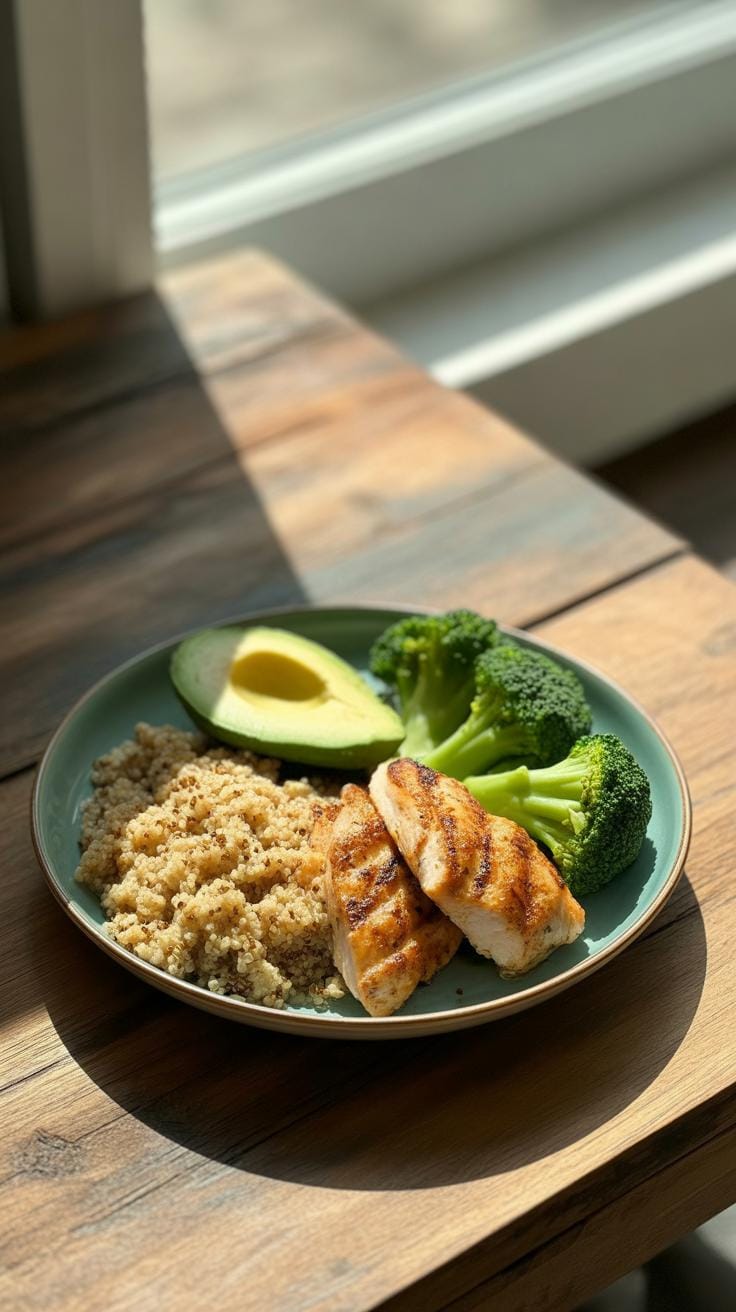
It’s surprisingly easy to leave out key parts of a meal without realizing it. Maybe you think a salad alone counts as a full meal, but if it lacks protein, your body might feel unsatisfied and sluggish later. Or, you might pile on carbs but forget the vegetables that bring fiber and essential vitamins. Missing these nutrients throws off the balance and can affect energy, digestion, and even mood.
Fixing this is not always as simple as adding one more thing to your plate. Try to think of meals as a combination where each food plays a role. If you skip meat or beans, make sure to include other protein sources. And vegetables? They’re not just fillers; they’re critical. Even frozen or canned veggies work in a pinch—fresh isn’t the only option. The main idea is to be mindful rather than perfect.
Overeating And Undereating
Portions matter more than most realize. Overeating can leave you feeling drained instead of energized. Undereating, on the other hand, can make it hard to focus or keep up with daily activities. Both disrupt your body’s rhythm, but the signs aren’t always obvious.
You might think you’re eating “enough” but notice fatigue in the afternoon. Or maybe you rely on large servings of a single food group, thinking that covers your needs. Watch for clues—persistent hunger, bloating, or mood swings—to gauge if your portion sizes are off. Adjustments don’t have to be drastic; sometimes cutting back on heavy starches or adding a small handful of nuts can restore balance. It’s about tuning in to your body’s signals rather than rigidly following rules.
Tracking Your Balanced Meal Success

Keeping track of what you eat can feel like a chore, but it often reveals patterns you wouldn’t notice otherwise. You might start a simple food journal—just jot down what you eat, when, and how you feel afterward. For example, after breakfast, write down if you felt full or hungry an hour later. Over days, you’ll spot trends, such as whether certain meals give you steady energy or leave you craving more.
Food journals don’t need to be complex. Even a few lines like “Lunch: salad with chicken, felt sluggish after” or “Snack: nuts, energy good” can help. Some people prefer apps for convenience—they can automatically track calories and nutrients. While this sounds technical, it’s mostly about awareness. The goal is to connect what you eat with how you feel.
Once you spot patterns, think about adjustments. If energy dips come after carb-heavy meals, try adding more protein or fiber. If you’re hungry soon after a salad, maybe include healthy fats like avocado or nuts. Your body gives signals, but only if you pay attention. So, try changing one thing at a time and note the effects. Over time, this kind of feedback loop can guide your meals toward what truly suits you.
Balanced Meals For Different Age Groups
Nutrition Needs By Age
Our nutritional needs don’t stay the same throughout life. As kids grow, they need plenty of protein and calcium to build strong bones and muscles. Their portion sizes tend to be small but nutrient-dense. Adults, on the other hand, often need to focus on maintaining energy and supporting metabolism, which might mean watching sugar and fat intake more carefully. For seniors, digestion and absorption can slow down, so nutrient-rich foods become more crucial, in smaller portions.
For example, kids might need a little extra iron, while adults could benefit from more fiber. Seniors often need vitamin D and B12 boosts. You might find yourself adjusting meal plans here and there, partly because appetites change and also because activity levels shift. It’s tricky sometimes to pin down exactly what works best without trial and error.
Sample Age-Based Meal Ideas
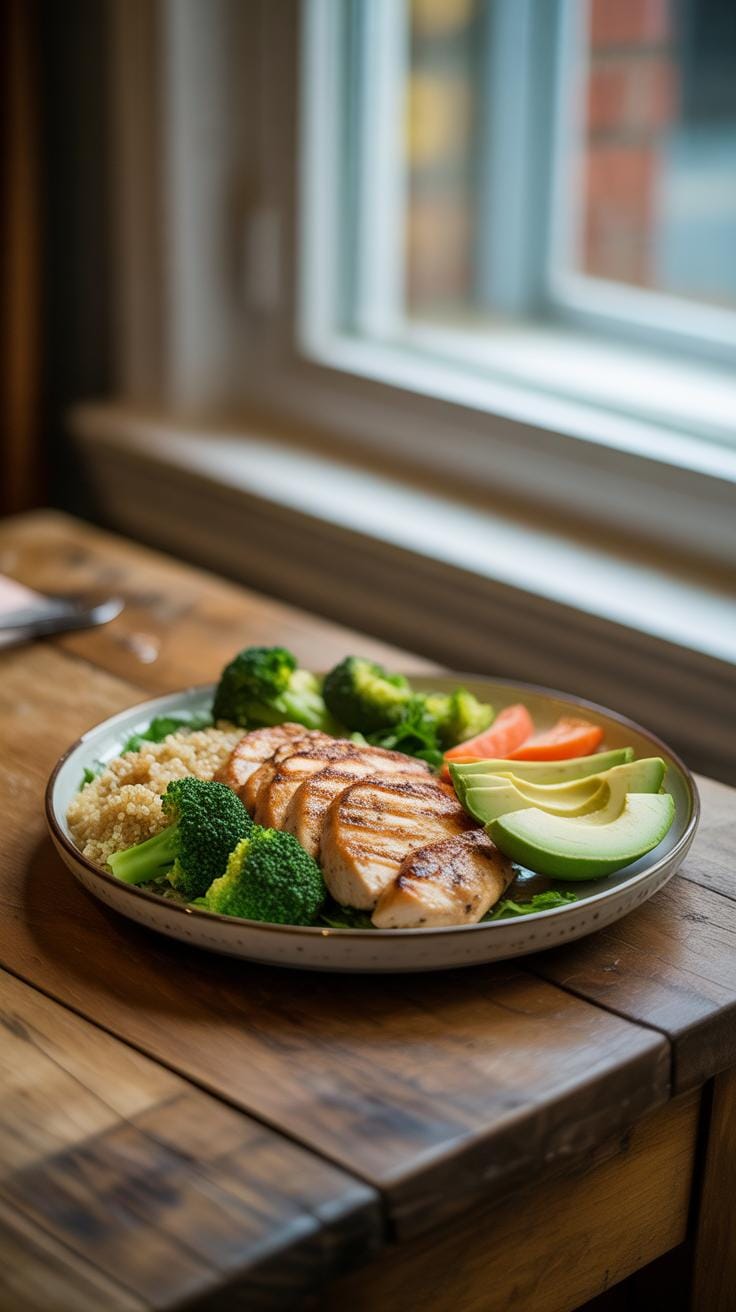
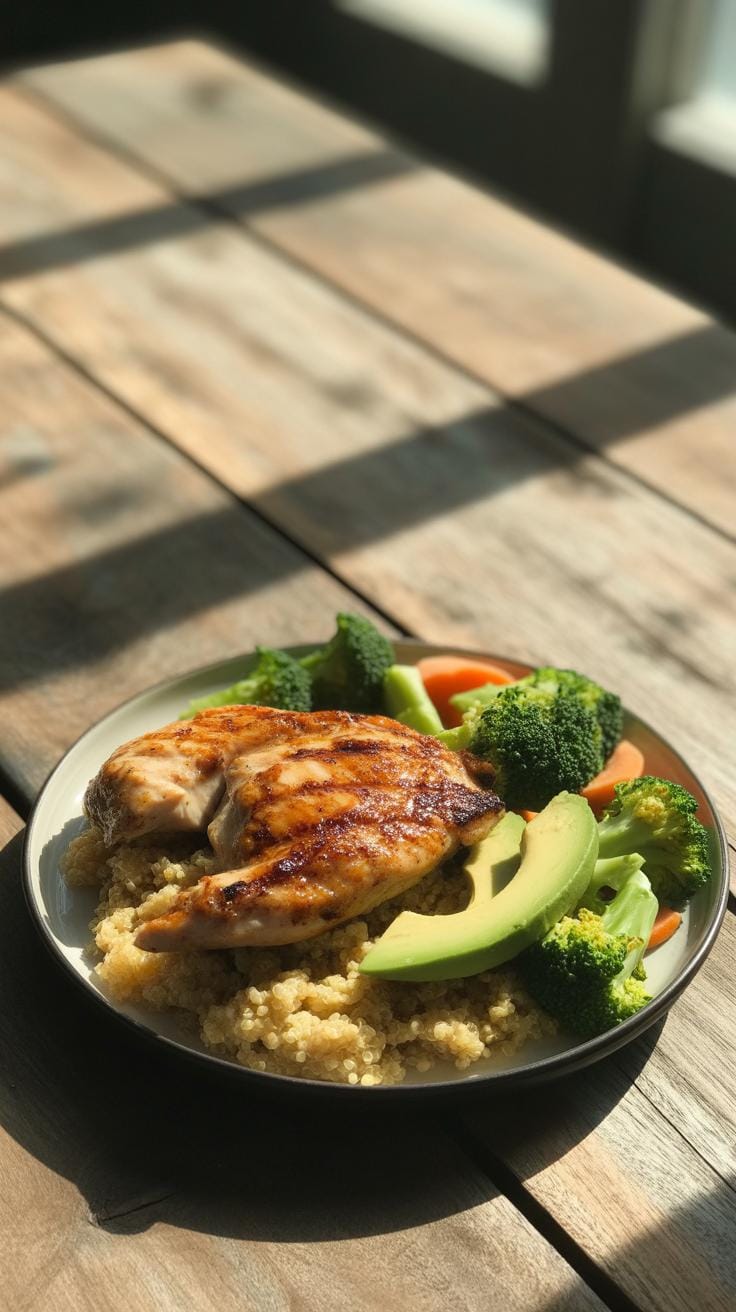
For children, a balanced meal could look like grilled chicken strips, steamed broccoli, and a small serving of brown rice. Add some fruit for dessert, like apple slices. Adults might try a quinoa salad with mixed greens, chickpeas, avocado, and grilled salmon — all plenty filling but not overwhelming. Seniors could enjoy mashed sweet potatoes, sautéed spinach, and baked cod, which is easy to digest and gentle on the stomach.
Try mixing it up based on preferences and tolerances too. Sometimes kids resist veggies, but maybe they’ll eat roasted carrots better. Adults juggling work might prefer quick stir-fries, while seniors often welcome warm soups or soft foods more.
What do you notice about the meals you prepare? Maybe considering these subtle shifts can lead to better satisfaction and nourishment at every stage of life.
Balancing Meals On A Budget
You might think eating balanced meals means spending a lot, but that’s not always true. In fact, focusing on affordable nutrient sources can get you pretty far without stretching your wallet. Think simple staples like beans, lentils, and eggs. These provide protein and fiber without costing much. Frozen vegetables are another choice—often cheaper than fresh and just as nutritious.
When you shop, it pays to plan first. Write down what you need, check what’s already in your pantry, and try to buy in bulk if you can store it well. Bulk rice, oats, and canned tomatoes last long and form the base for many dishes. It’s tempting to grab everything on sale, but buying only what fits your meal plan helps avoid extra trips that lead to impulse buys.
Reducing food waste plays a bigger role than you’d guess. I noticed that simply freezing leftovers or extras saved me money week after week. You don’t have to be perfect—just storing food correctly keeps it fresh longer and stretches each meal. Planning meals that use overlapping ingredients helps too. For example, one night’s roasted veggies can become the next day’s soup. It might take a bit of trial and error, but it’s worth testing what works best for your routine.
Conclusions
Balanced meals play a key role in maintaining your health and energy. By focusing on nutrient variety and correct portions, you help your body function at its best. Using the checklist and recipes in this article can simplify meal planning and make healthy eating a part of your routine.
Applying these guidelines allows for efficient use of your time while ensuring your meals support holistic wellness. This approach helps you stay nourished and satisfied, supporting long-term health without stress.