
Introduction
Alkaline Foods vs Acidic Foods for Better Health Balance is a topic that concerns how the foods you eat might affect your body’s pH level. Some say eating more alkaline foods helps your body stay healthier. This article looks at what alkaline and acidic foods are and why this balance might matter for your health.
We review which foods are considered alkaline or acidic, how they might affect your body’s environment, and simple ways you can use this information to choose your meals. You will get practical advice and insights to help decide what to eat for a better health balance.
What Are Alkaline and Acidic Foods
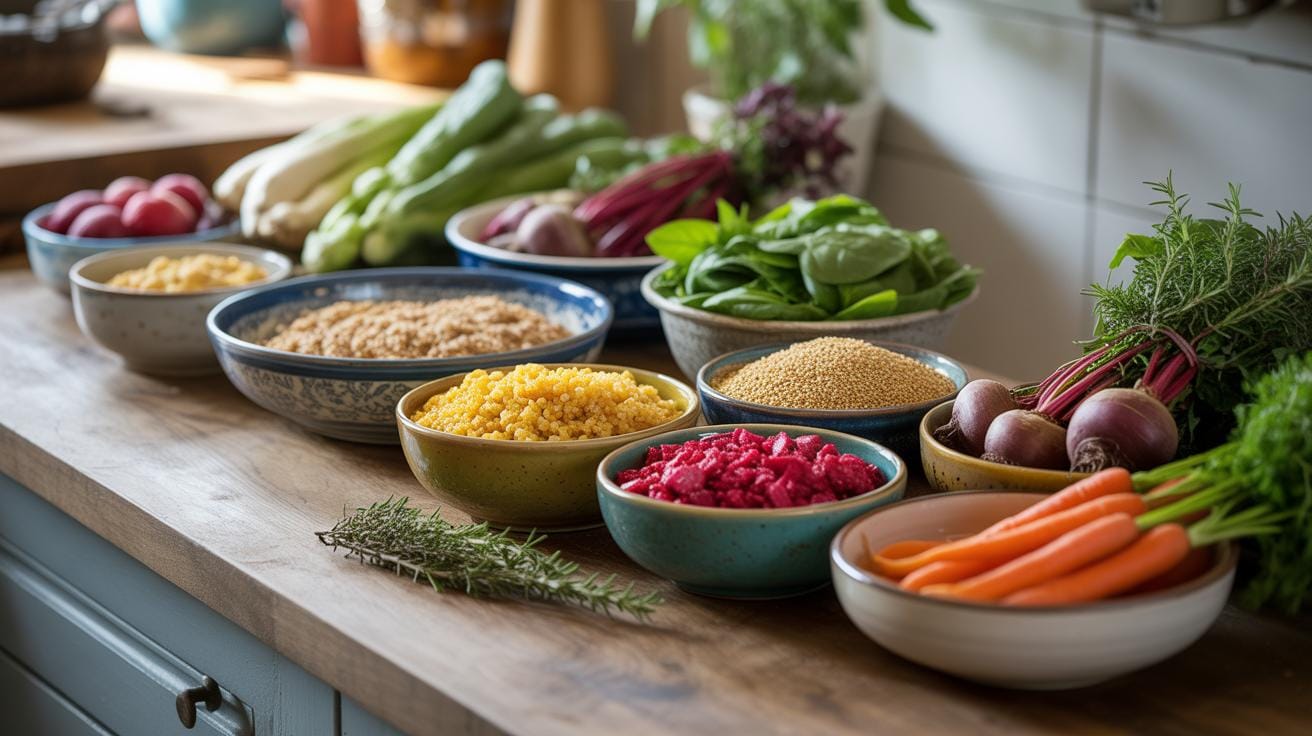

Alkaline and acidic foods are categorized based on the effect they leave inside your body after digestion, rather than their taste or initial pH. When food is broken down, it leaves a residue called “ash” that can either be acidic or alkaline. This ash impacts your body’s pH balance, which is crucial because your body functions best when it’s slightly alkaline.

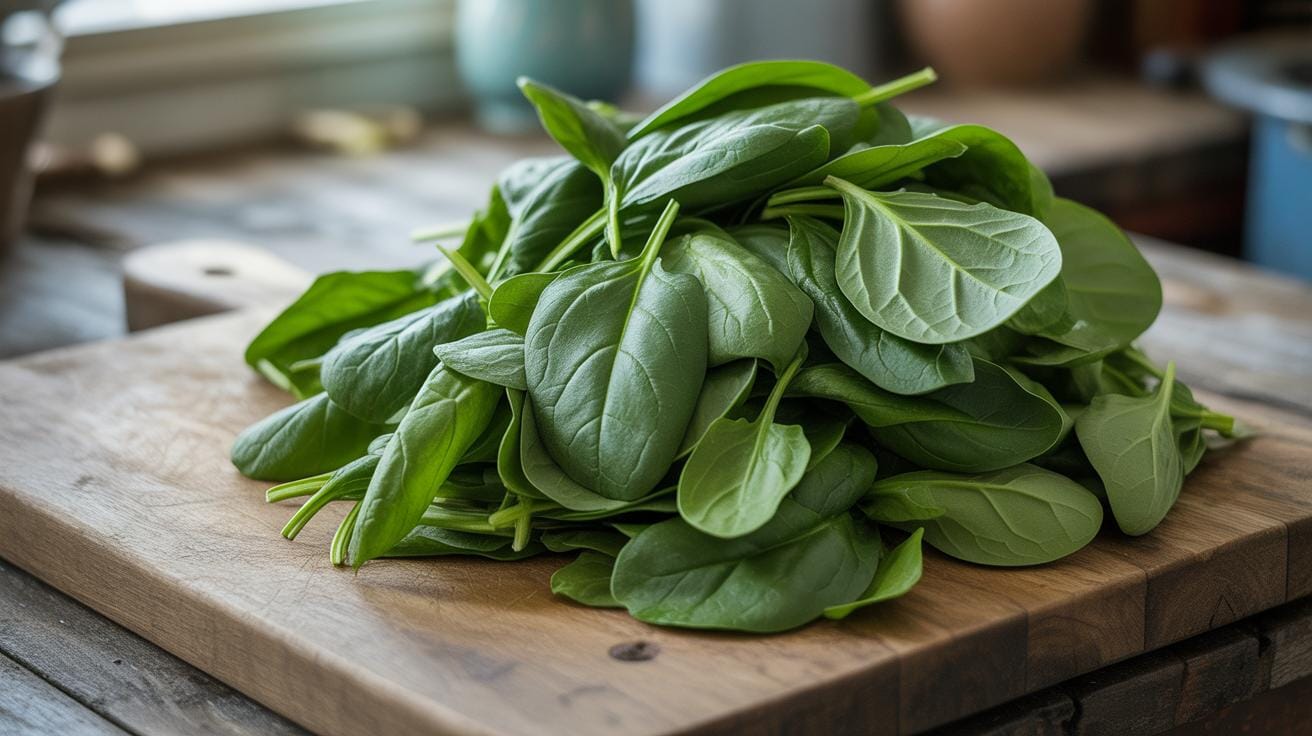
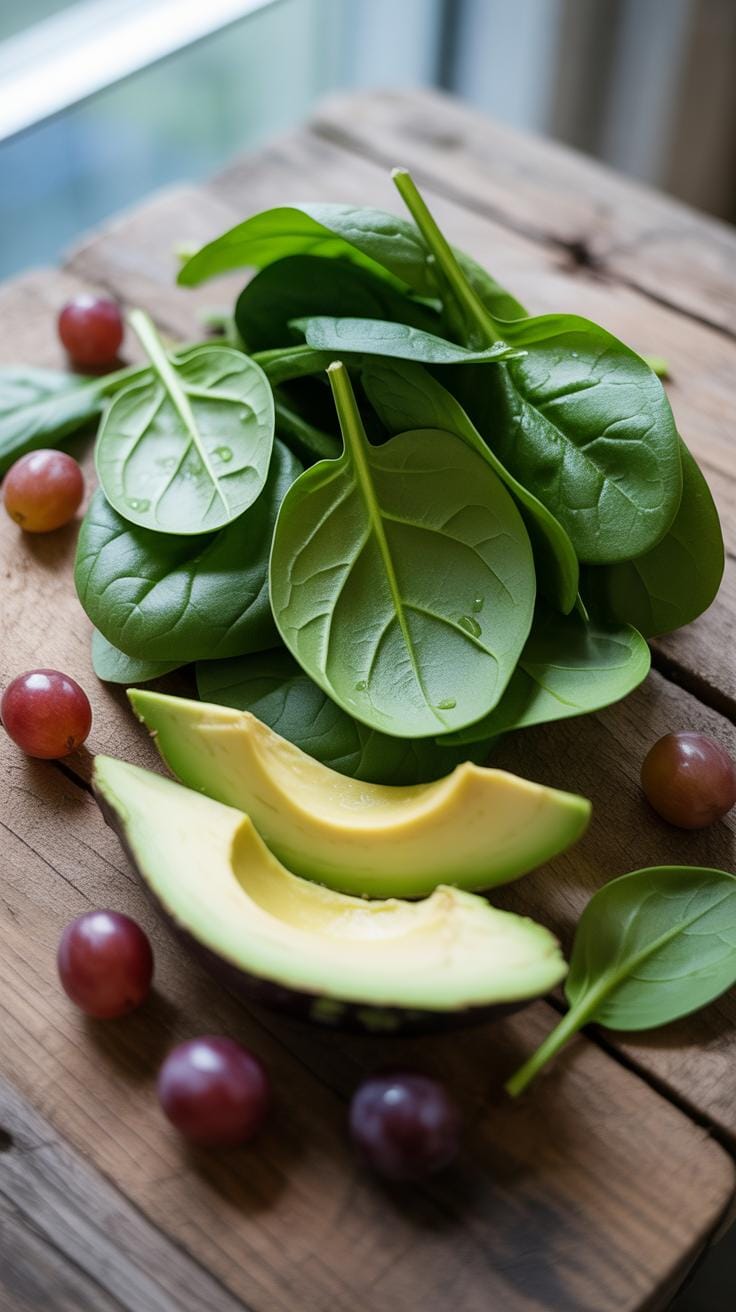
Common alkaline foods include many fruits and vegetables. Think of things like spinach, cucumbers, avocados, lemons, and apples. These foods leave an alkaline ash, meaning they help reduce acidity in your body, supporting a more balanced internal environment.
On the other hand, acidic foods tend to have a different effect. Meat, cheese, processed grains, and even some nuts usually leave an acidic ash, which can make your body’s pH more acidic over time. This increased acidity might contribute to issues like fatigue or inflammation in some cases, although reactions can vary).
So, the division between alkaline and acidic foods is less about what you taste and more about what stays behind after digestion. This residual effect plays a role in how your body maintains its pH balance, which can influence overall health in subtle yet meaningful ways.
Examples of Alkaline Foods
Typical alkaline foods are mostly fruits and vegetables because they contain minerals like potassium, calcium, and magnesium. These minerals help neutralize acid and support your body’s natural pH.
- Leafy greens, such as kale and spinach
- Cucumbers and zucchinis
- Citrus fruits—yes, lemons and limes are alkaline after digestion even though they taste sour
- Avocados, surprisingly, are among the most alkaline fruits
- Bell peppers and broccoli
Eating these fruits and veggies can gently nudge your body toward a more alkaline state, which some people find helps with energy and digestion. Though, I suppose it depends on how your body responds overall.
Examples of Acidic Foods
Acidic foods often come from animal sources and heavily processed items. These include:
- Red meat and pork
- Hard cheeses like cheddar and parmesan
- Processed grains such as white bread and pastries
- Eggs and some types of fish
These foods leave an acidic residue, which means your body has to work harder to neutralize them. For some, regular consumption may tilt the body’s pH toward acidity, potentially affecting digestion or causing discomfort. But others might not notice any difference at all. It’s kind of a gray area.
How Food pH Affects Your Body

When we talk about alkaline foods, it’s tempting to think they instantly change your body’s overall pH. The body’s pH, especially in the blood, stays steady within a very narrow range, roughly 7.35 to 7.45. That’s slightly alkaline, but just a little. This balance is tightly controlled by mechanisms in your lungs and kidneys, which work hard to keep things stable no matter what you eat.
Still, alkaline foods—like spinach, kale, cucumbers, and almonds—can influence parts of your body, though maybe not in the way you expect. The foods themselves don’t make your blood more alkaline, but they do affect the pH of fluids in your urine. Eating more alkaline foods generally results in urine that’s less acidic. This is your body’s way of disposing of excess acids or bases. So, the food’s pH effect shows up there instead of in your bloodstream.
People often wonder if eating alkaline foods might help with certain health issues or inflammation. While there’s some debate, what you can count on is that a diet rich in fruits and vegetables—mostly alkaline—is often better for overall nutrition than a diet heavy in processed or acidifying foods. That might be why many feel better when they shift to more alkaline choices, even if the blood pH doesn’t change much.
So, when you reach for an alkaline food, think of it as supporting your body’s natural filtering system rather than directly changing your whole body’s pH. That subtle effect on urine pH can reflect changes in what you eat, and maybe, just maybe, points toward better internal balance over time.
Health Claims of Alkaline Diets

People often say alkaline diets help prevent or even treat diseases like cancer or arthritis. The idea is that eating mostly alkaline foods can change your body’s pH and make it less acidic, which supposedly creates an environment where harmful cells struggle to grow. But when you look at the science, things aren’t that simple.
For example:
- Many studies show that your blood pH stays tightly controlled by your body no matter what you eat, so diet changes don’t really affect it much.
- Claims that alkaline diets can cure cancer don’t have solid proof. Cancer cells don’t die just because the environment is less acidic.
- Some people report feeling better with more fruits and veggies, but that might be due to improved nutrition rather than a direct pH effect.
When it comes to arthritis or other chronic conditions, there’s a little more promise. Some research hints that eating more alkaline-promoting foods might help reduce inflammation, which you might notice as less joint pain. Yet, this isn’t quite the same as a cure or full prevention.
Weight loss ties in here, too. The diet’s emphasis on vegetables and whole foods often leads to eating fewer processed items and less sugar—things we already know help with weight management. So maybe it’s the improved overall eating pattern rather than alkalinity itself driving some health benefits.
In the end, the alkaline diet encourages habits that many find helpful—like choosing more plants and less processed food—even if the scientific link to pH balance remains a bit murky. It begs the question: is it the food or the science that matters most for your health?
What to Eat for a Balanced pH Meal
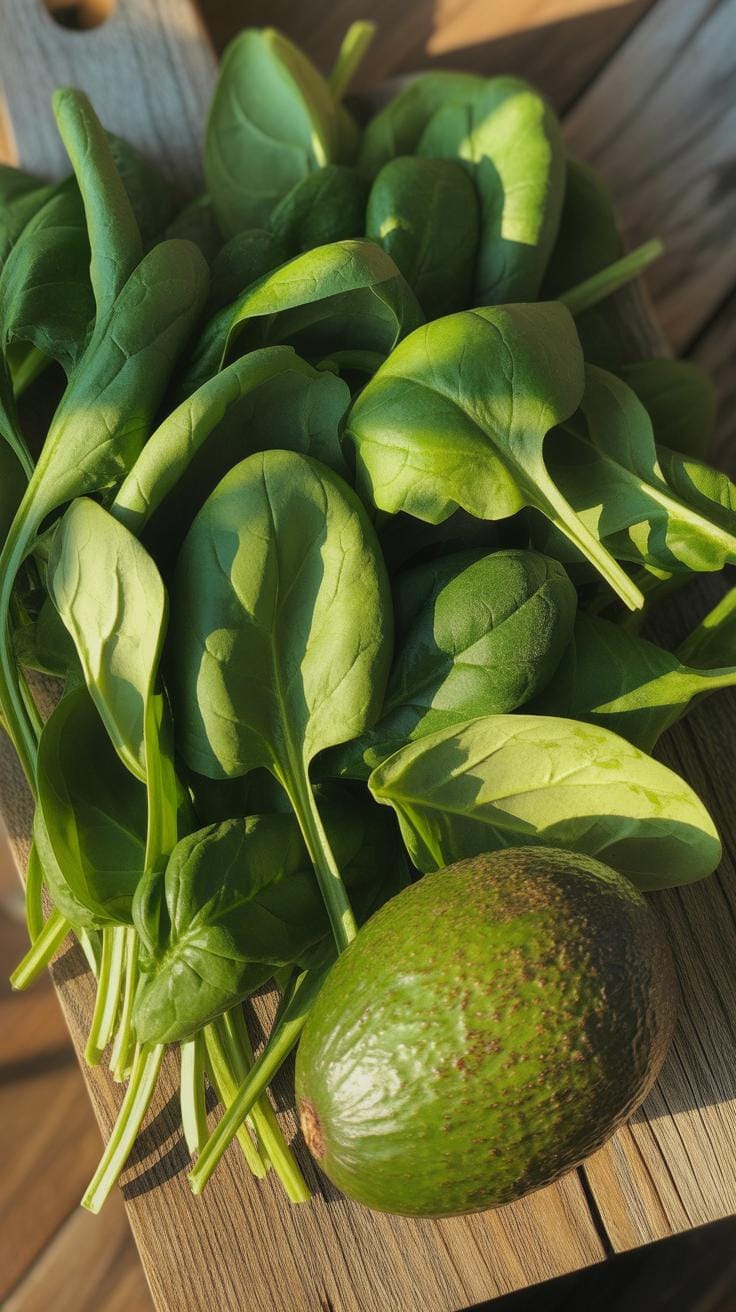
Creating meals that lean toward alkaline foods isn’t complicated, but it does take a bit of attention. Start by adding plenty of alkaline-rich vegetables like spinach, kale, cucumber, and broccoli. These can be steamed, sautéed, or just tossed raw into salads. Fruits such as apples, pears, avocados, and citrus fruits (like lemons and limes) also tip the balance toward alkalinity and bring freshness to your plate.
Nuts and seeds like almonds and pumpkin seeds are good to sprinkle over dishes or enjoy as snacks; just watch the portions—too many nuts can add more acid-forming calories than you might want. Try to eat about two cups of vegetables and a couple servings of fruit daily. It’s easier than it sounds, really.
On the flip side, think twice before piling on acidic foods. Red meats, processed meats such as sausages or deli cuts, and most types of cheese can push your pH toward acidity. Refined sugars found in sweets and sodas don’t just harm your energy—they also encourage acidity. It’s tricky, though, because some acidic foods feel so satisfying and are often central to many meals.
What if you combined a moderate amount of these acidic foods with lots of alkaline veggies and fruits? That might be a balanced way to eat without feeling deprived. Simply reducing portions rather than eliminating certain items may work better for long-term changes. You don’t have to turn your diet upside down overnight.
Checking Your Bodys pH Safely

Urine pH Testing Explained
Testing your urine pH is one of the more common—and easy—ways people try to get a glimpse of their body’s acid-base status. You use pH strips that change color when dipped in fresh urine. Typically, the color is then matched against a chart indicating a pH range from about 4.5 to 8.0.
What you’ll often see is that urine pH can fluctuate quite a bit throughout the day. For example, right after eating something acidic or alkaline, your urine pH might shift accordingly. A more acidic urine pH might suggest your body is excreting acid loads, whereas a higher pH could indicate less acid or more alkaline substances being expelled. But the thing is, this is a reflection of what your kidneys are doing at the moment, not a direct read on your blood or overall body pH.
Limitations of pH Testing
It’s tempting to think urine pH reveals your entire body’s pH balance, but it really doesn’t. The body tightly regulates blood pH within a narrow range—roughly 7.35 to 7.45—and urine pH varies more freely, depending on diet, hydration, and kidney function.
So, you could have perfectly normal blood pH yet show acidic or alkaline urine. It’s like looking at one puzzle piece and trying to guess the whole picture. Also, stress, medications, or even exercise can alter urine pH temporarily.
Relying solely on urine pH strips to manage your diet or health might lead you to misinterpret what’s happening. They can be useful to notice trends or guide minor adjustments, but they shouldn’t replace professional medical advice or more comprehensive testing if you suspect pH imbalances.
Benefits of Eating More Alkaline Foods
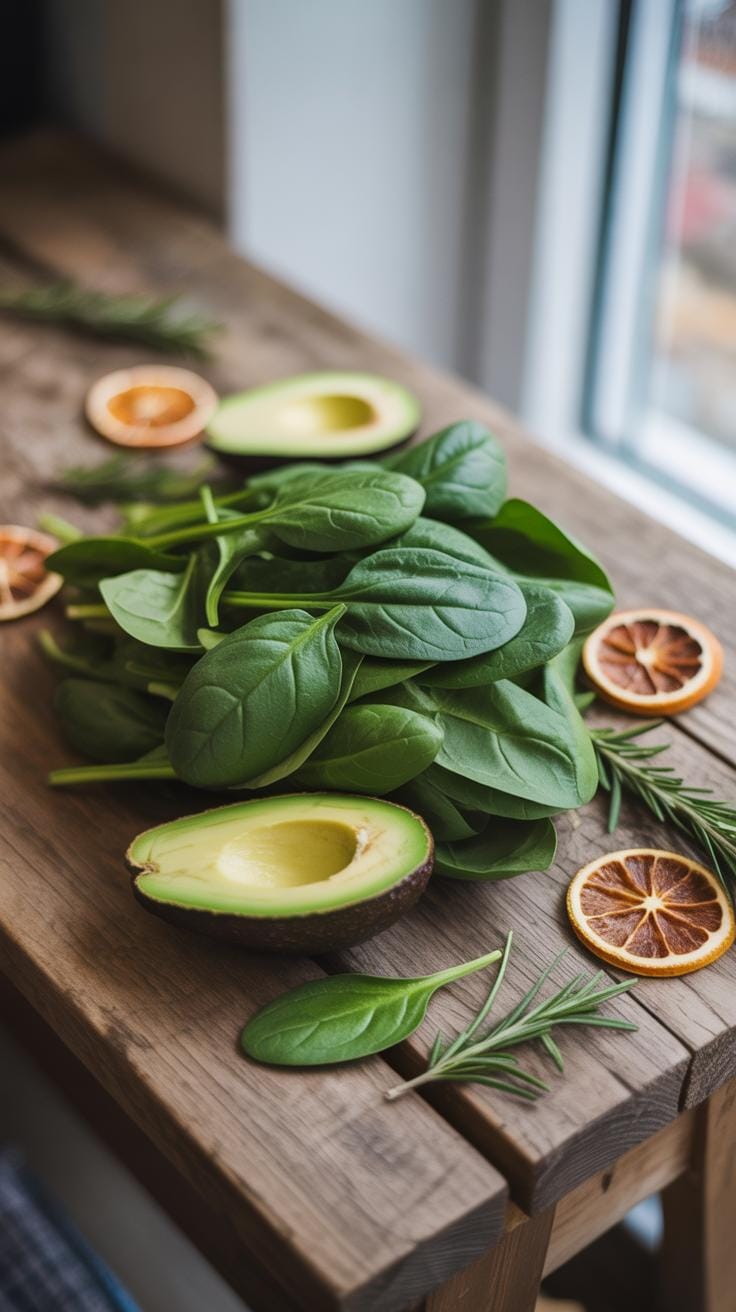
Eating more alkaline foods often means increasing your intake of fruits and vegetables, which are natural powerhouses of vitamins and minerals. This shift can quietly boost your nutrient levels without you even realizing it. Think of all the vitamin C in citrus fruits or the potassium in leafy greens—these nutrients support everyday functions like immune response, muscle activity, and nerve signaling. It’s not just about nutrients on paper; many people notice subtle improvements, like clearer skin or fewer headaches, when they add more of these foods to their diet.
Beyond nutrients, these foods tend to support digestion in ways that complex meals sometimes don’t. Fiber-rich vegetables encourage regular bowel movements and can help reduce bloating, which might make you feel more comfortable after meals. For some, this also leads to a gentle lift in energy, likely because digestion becomes less of an energy drainer. Switching to more plant-based meals may take some getting used to, but many find their afternoon slump eases or their overall stamina increases, even if it’s just a little bit—enough to wonder if it’s worth the change.
- Fruits and vegetables offer key vitamins like A, C, and E, along with minerals including calcium, magnesium, and potassium.
- Fiber from these foods supports gut health, which can impact energy and mood.
- Alkaline foods often replace heavier, acid-forming meals, easing digestive strain.
You might ask: could simply eating more greens and fruits be the easiest way to feel healthier day to day? For many, it seems to be. Although the effects can be subtle, the practical changes in energy levels and digestion become noticeable over time.
Common Mistakes with Alkaline Diets
Trying to stick to an alkaline diet can sometimes lead people down a tricky path. One common slip is cutting out entire food groups without thinking through the effects. For example, some folks avoid all grains or dairy, thinking these are acid-forming and harmful, but that approach can leave gaps in essential nutrients like B vitamins, calcium, or protein. It’s a delicate balance—excluding too much can backfire and cause deficiencies that might slow you down or make you feel just off.
Another frequent error is leaning heavily on supplements. Many assume taking alkaline mineral pills can replace a varied diet, but relying too much on supplements often doesn’t deliver the same benefits as whole foods. Plus, your body might not absorb those nutrients well when they’re isolated in pills. It sort of makes you wonder—why reach for a supplement if you can get the same, or even better, from what you eat?
To avoid these pitfalls:
- Don’t cut out whole food groups without a good reason or professional advice.
- Focus on eating a variety of vegetables, fruits, nuts, and legumes to cover your bases naturally.
- Use supplements sparingly, mainly if you have a specific deficiency confirmed by testing.
- Remember, food provides more than just nutrients—it offers fiber, antioxidants, and other things supplements can’t mimic.
It’s tempting to think that alkaline diets are simple “eat only this” plans, but reality is a bit messier. The key lies in balance and paying attention to how your body responds. Sometimes I catch myself overthinking it, then realize a colorful, varied plate keeps things in check better than any strict rule.
How to Start an AlkalineBased Eating Plan

Week One Simple Swaps
Starting with alkaline foods doesn’t need to be overwhelming. You can begin by replacing just a few items in your daily meals. For example, swap white bread for whole-grain or sprouted bread, which tends to be less acidic. Instead of coffee or black tea, try herbal teas like chamomile or peppermint, which are more alkaline-friendly.
Adding fresh vegetables like spinach, cucumber, or bell peppers to your plate is another easy step. It might feel small, but these swaps introduce your body to a gentler pH load. You could replace typical snacks like chips or crackers with raw nuts or seeds, which are also considered more alkaline.
These changes might not seem dramatic at first, but they create a subtle shift. After a few days, you may notice small differences—perhaps a bit more energy or less bloating. Or maybe nothing at all, and that’s okay too. The goal is simply to start shifting what’s on your fork.
Week Two Planning and Progress
Once these swaps become routine, the next step is planning meals more intentionally. Think about balancing your plate to include plenty of leafy greens, some alkalizing fruits like avocados or melons, and plant-based proteins such as lentils or chickpeas. Planning ahead helps avoid last-minute choices that lean toward acidic foods.
Tracking how you feel after meals can be surprisingly useful. Keep a simple journal—note your energy levels, digestion, or even mood. You might find you feel lighter or less sluggish. Or, sometimes, you don’t notice much at all, and that’s fine. The point is to be aware and adjust gradually.
This phase invites a bit more thought. It’s not rigid, though. If you crave a tomato-based sauce or a slice of cheese occasionally, don’t stress too much. You’re building a pattern, not a strict diet. Over time, you learn what works for your body—and that’s really the aim.
Examples of Alkaline Meal Plans
Simple Alkaline Breakfast Ideas
Starting your day with alkaline foods can feel refreshing, though sometimes it’s tricky to know where to begin. Some breakfasts that lean toward alkalinity include a green smoothie made with spinach, cucumber, and a bit of lemon or lime. You might add some almond milk and a touch of fresh ginger for a mild kick. Another choice is oatmeal topped generously with sliced bananas, berries, and a sprinkle of chia seeds. These fruits and seeds gently balance your body’s pH while offering steady energy.
Alternatively, you could try a simple avocado toast on sprouted grain bread, garnished with a bit of tomato and fresh herbs. It’s easy, but surprisingly alkaline. Light, plant-based breakfasts with few processed ingredients tend to lean more alkaline anyway, though it’s easy to overlook small additions that could tip the scale, like heavy cream or butter.
Lunch and Dinner Examples
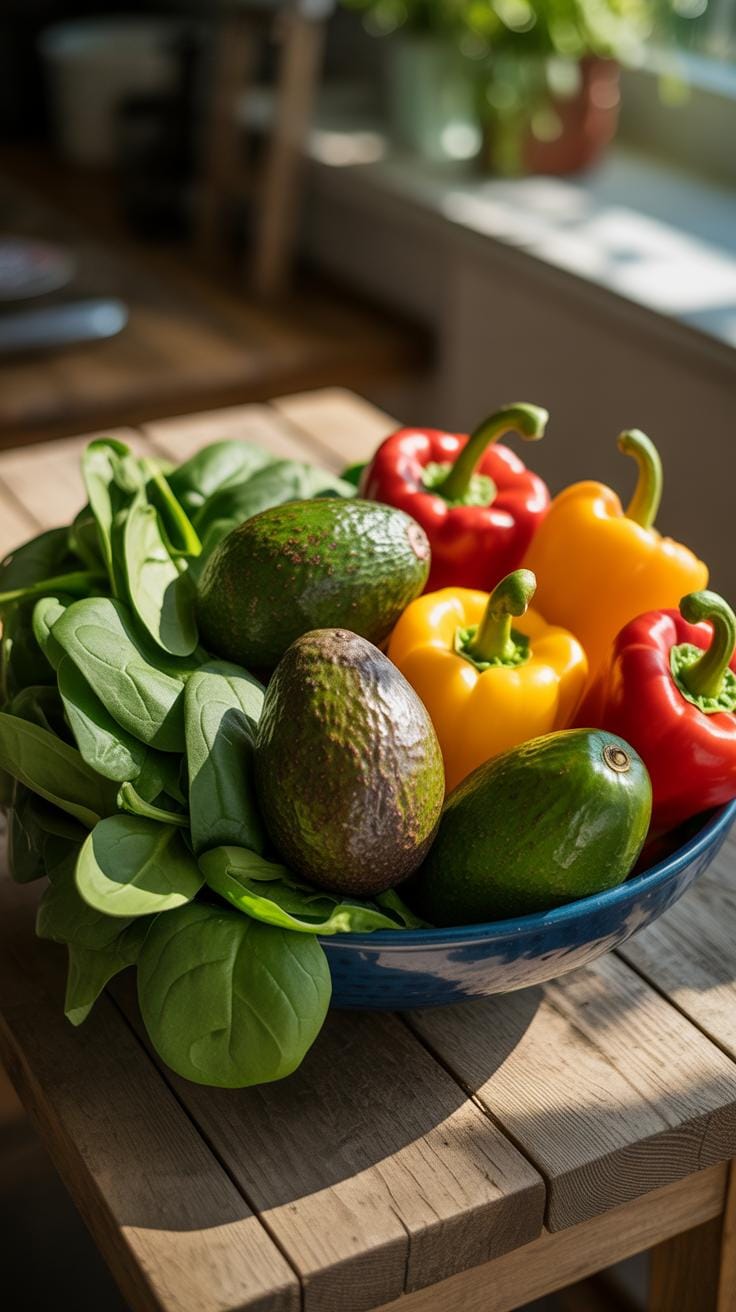
Lunch and dinner are prime opportunities to load up on alkaline foods, mostly through vegetables and fruits. Picture a large salad with mixed greens, cucumber, bell peppers, and a handful of walnuts, dressed with olive oil and lemon juice. Adding lentils or quinoa can round it out for protein. The key is to keep the veggies varied — maybe some steamed broccoli or asparagus on the side. These meals tend to keep your pH balance less acidic compared to typical heavy, meat-focused plates.
For dinner, you might consider roasted sweet potatoes paired with sautéed kale and mushrooms, seasoned lightly with garlic and fresh herbs. Or a stir-fry loaded with zucchini, snap peas, and carrots, tossed with tamari or coconut aminos. You’d be surprised how filling these meals feel despite the lighter, alkaline-heavy ingredients. Sometimes, though, striking a balance feels like guesswork — like, how much protein is enough without leaning toward acid-forming foods? Still, these meals tend to steer you closer to that middle ground you’re aiming for.
Alkaline Foods in Everyday Life
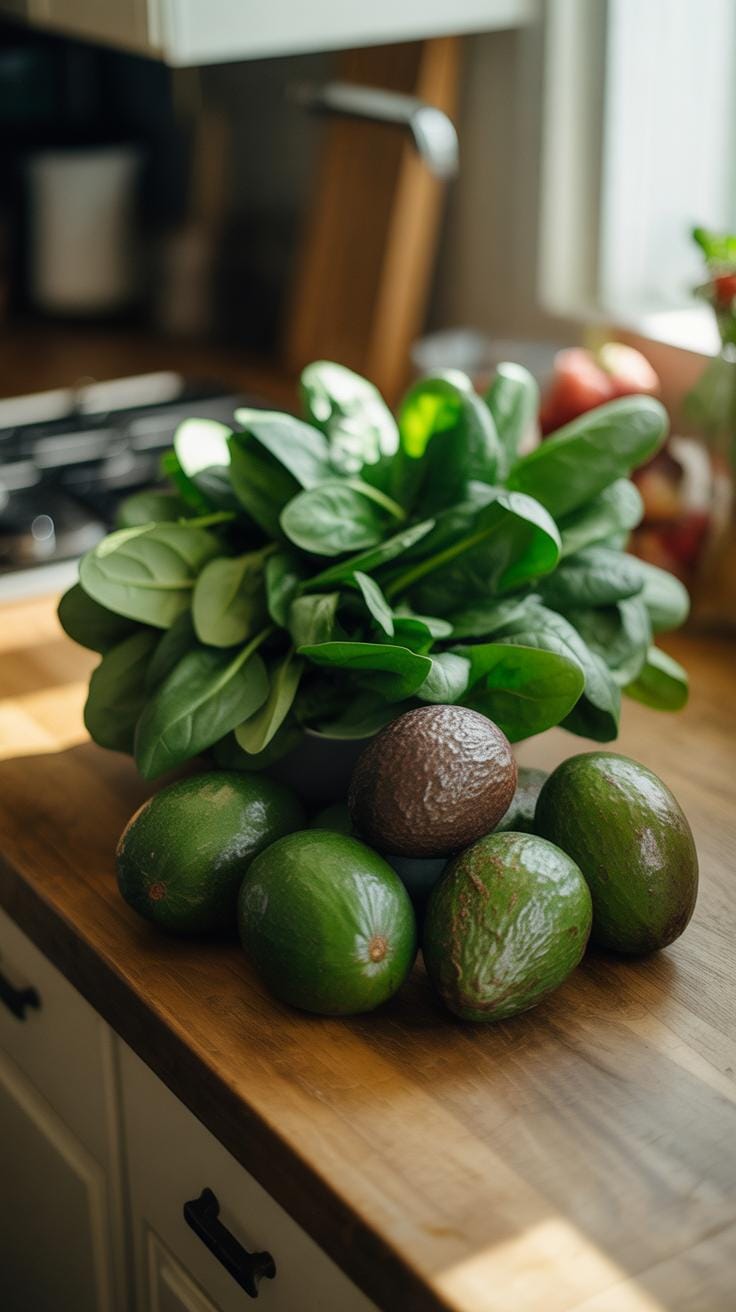
Including alkaline foods in your daily meals isn’t as complicated as it might seem. You don’t have to overhaul your entire diet overnight. Just small changes can make a difference—sometimes swapping one ingredient or adding a simple side can shift the balance. Leafy greens like spinach or kale are easy to toss into salads or smoothies, for example. I find that starting the day with a fresh cucumber and lemon water sets a gentle tone for better balance. It’s something I almost forgot about until recently.
When grocery shopping, aim to fill your cart with mostly fresh, plant-based items. You might want to keep a list handy, so you don’t wander aimlessly or get distracted by less alkaline options that look tempting but don’t fit the goal.
Cooking techniques can also influence how much alkaline benefit you get. Steaming and light sautéing often preserve nutrients better than frying or boiling for long periods. If you’re making a stir-fry, maybe toss in broccoli, zucchini, and bell peppers with a bit of olive oil and lemon juice—it’s an easy way to boost alkalinity without fuss. Trying new recipes like cauliflower rice or avocado salad can add variety too. Did I ever think avocado was alkaline? Well, it is, and now it’s a regular on my table.
Shopping Checklist for Alkaline Foods
Keep this list as a basic guide for your next grocery trip:
- Leafy greens (spinach, kale, Swiss chard)
- Cucumbers and celery
- Bell peppers (all colors)
- Broccoli and cauliflower
- Zucchini and asparagus
- Avocados
- Lemons and limes
- Almonds and flaxseeds (in moderation)
- Herbs like parsley and cilantro
- Green apples and pears
Having these on hand makes it easier to throw together meals or snacks without much thought.
Cooking Tips to Boost Alkaline Intake
Try to keep your cooking simple. Overcooking can drain nutrients, and you might lose some of the alkaline benefits.
- Steam vegetables lightly instead of boiling—broccoli and asparagus taste better this way and keep their crunch
- Use fresh lemon or lime juice to dress salads or drizzle over cooked greens; that acid paradoxically supports alkalinity once metabolized
- Incorporate raw foods where you can, like sliced cucumbers or shredded carrots in a sandwich
- Experiment with quick stir-fries using olive or avocado oil, not too hot, just enough to soften veggies without burning
- Try making simple alkaline-rich snacks—like avocado on whole grain toast with a sprinkle of parsley or cucumber slices with hummus
It’s surprising how small tweaks in daily cooking can keep your meals enjoyable and alkaline-rich without making you feel deprived or confused. Would you expect something as simple as lemon to help maintain a more alkaline pH? It’s worth trying if you haven’t yet.
Conclusions
Not all foods affect your body the way you might think. Alkaline foods mainly come from fruits and vegetables and can help keep your body slightly alkaline, which is its natural state. Avoiding too many acidic foods like meats and processed items can support this balance.
You can improve your health by eating more alkaline foods and knowing how they fit into your diet. Balancing your meals with this knowledge helps maintain your body’s ideal pH level and can contribute to feeling better every day.