

Introduction
The alkaline diet meal plan focuses on consuming foods believed to affect the body’s pH balance by promoting alkaline levels for better health. This diet features alkaline foods like fruits, vegetables, and plant-based items while limiting acidic foods such as meat, cheese, and processed items.
In this article, you will learn what the alkaline diet involves, how it is supposed to work, its benefits and limitations, and practical steps to follow the diet effectively. This guide helps you decide if the alkaline diet can fit your lifestyle and health goals.
Basics Of The Alkaline Diet

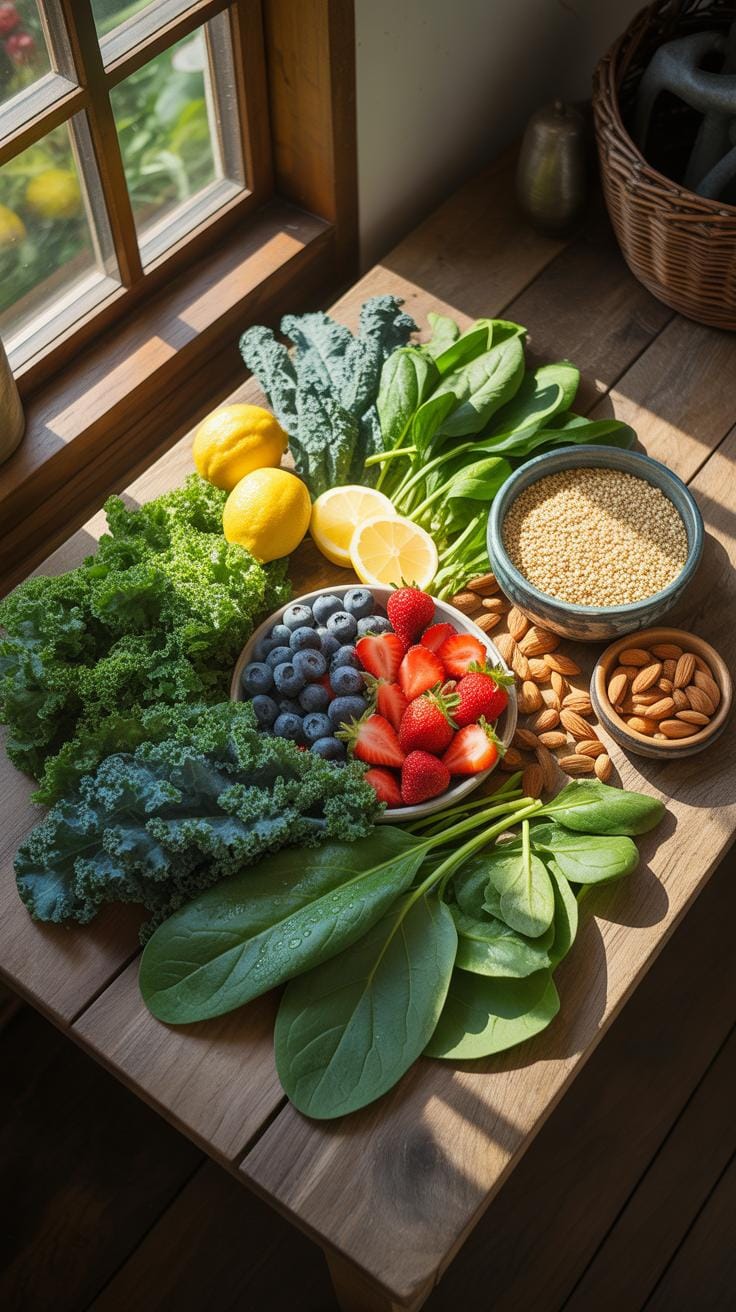
The alkaline diet centers on the idea that what you eat directly influences the pH level of your body, especially your blood and urine. The goal, in simple terms, is to eat foods that produce an alkaline effect while limiting those that create acidity. This isn’t about just picking “healthy” foods but focusing on those that might help balance your body’s pH closer to alkaline rather than acidic. The notion is that a more alkaline body environment may support better health.

In this diet, the body’s pH balance is seen as crucial. Advocates say that by eating more alkaline foods, such as fruits and vegetables, and cutting down on acidic foods, like meats, cheese, and processed products, you can influence your body’s overall acidity level. The underlying thought is that acidic conditions might contribute to various health issues, although scientific views on this vary.
What Is The Alkaline Diet
The alkaline diet is essentially a dietary approach that categorizes foods based on the acid or alkaline “ash” they supposedly leave in the body after digestion. While this sounds a bit technical, the main takeaway is that foods like most fruits, vegetables, nuts, and legumes are believed to be alkaline-forming. On the flip side, foods such as meat, dairy, eggs, grains, and processed foods tend to be acid-forming.
Interestingly, some foods that taste acidic, like citrus fruits, are considered alkaline-forming once metabolized, which might seem counterintuitive. This classification is not based on the food’s initial pH but rather the residue it leaves in your body after digestion. If you think about it, this can make choosing foods for the diet less straightforward than simply avoiding acidic-tasting items.
Why Choose An Alkaline Diet
Many people turn to the alkaline diet hoping to improve their overall health. Common reasons include the desire to reduce inflammation, increase energy levels, and support bone health. Some followers believe this diet can help with weight management, even though the diet’s exact impact on body pH is debated. Eating lots of whole, plant-based foods naturally encourages a more balanced intake.
Others are drawn by the idea that this diet might help prevent chronic conditions linked to acidity, though scientific proof is limited. Still, you might find the emphasis on fruits and vegetables appealing simply because it nudges you away from processed and high-sugar foods. That alone can boost wellness, even if the pH theory feels a bit uncertain.
Science Behind The Alkaline Diet

Body PH And Diet Connection
The alkaline diet suggests eating certain foods to change your body’s pH toward a more alkaline state, but does this really hold up scientifically? Your blood pH is tightly regulated by your body and usually stays around 7.4, a slightly alkaline level. This balance is maintained by kidneys and lungs, regardless of what you eat. So, even if you consume more acidic foods, your blood pH won’t drastically shift. Sure, diet can influence urine pH, but that’s more about what your body is discarding, not the overall blood chemistry.
Scientists have studied whether what you eat affects blood pH, and the evidence shows very minimal impact. Your body’s physiology simply doesn’t allow for major swings in blood pH from food alone. It’s somewhat surprising, I suppose — we’d imagine food would change things more directly, but the body works hard to keep that delicate acid-base balance.
Evaluating Health Claims
People often claim an alkaline diet can prevent diseases like cancer or osteoporosis. The theory sounds neat — cancer cells thrive in acidity, so raising pH should help. Still, there’s no solid scientific proof supporting these claims. The acidity in and around tumors is more likely a consequence, not the cause, of cancer growth.
Some proponents say osteoarthritis or rheumatoid arthritis can improve with an alkaline diet, but research doesn’t back this either. The diet’s emphasis on fruits and vegetables is undoubtedly good for health, but that’s for their nutrients, not because they ‘alkalize’ your body. The problem is some claims rely on misunderstandings about body chemistry.
So, it’s worth asking: are you drawn to alkaline diets because they push more veggies and less processed food — which is good — or because of the pH claims, which are less clear? When you consider this, it becomes easier to see the nuances and avoid oversimplifications.
Common Alkaline Foods List
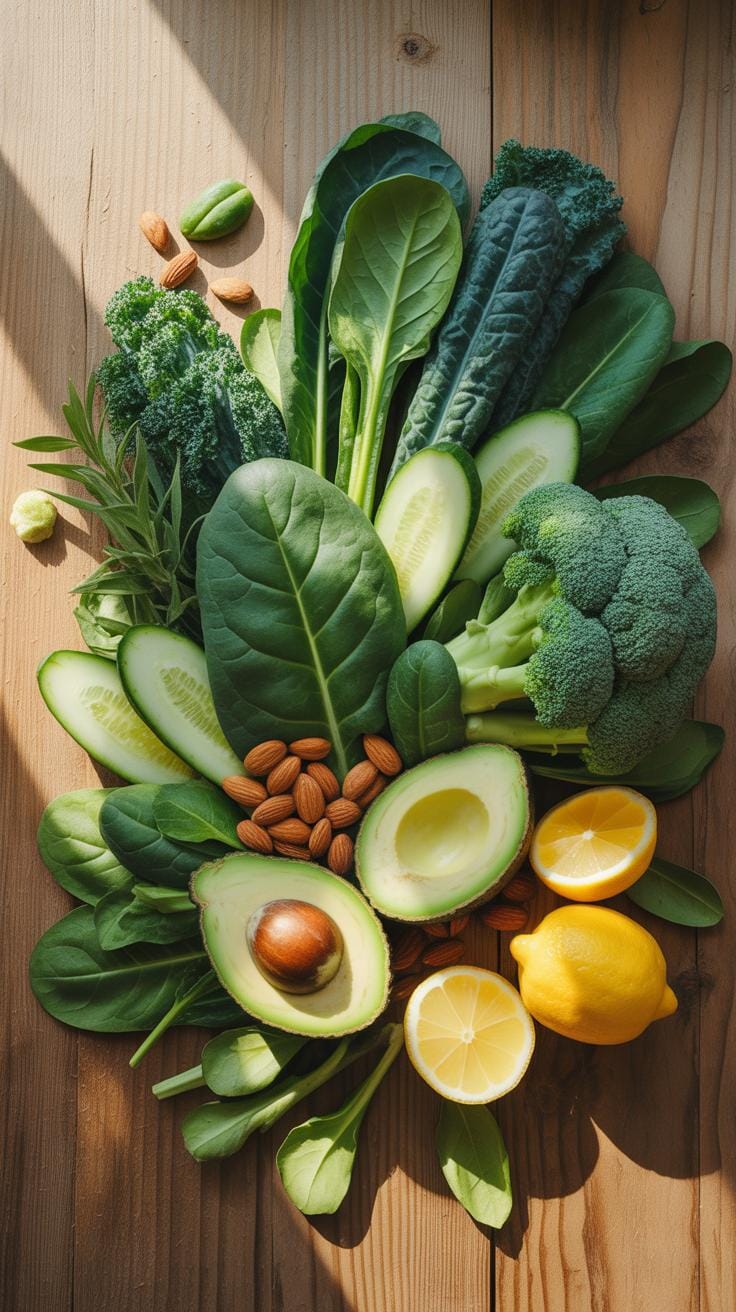
When you look at the foods generally considered alkaline, fruits and vegetables dominate. They form the base of most alkaline diets because they can help maintain a balanced pH in your body. You might find it a bit surprising that some fruits, which taste acidic like lemons, actually have an alkalizing effect once metabolized.
Fruits And Vegetables
Typical alkaline fruits include:
- Lemons and limes (despite their tartness, they produce alkaline ash)
- Avocados, which are nutrient-rich and creamy
- Cantaloupe and watermelon, both hydrating and mild
- Mangoes and papayas with their tropical sweetness
- Bananas, often a go-to for a mild alkaline choice
Alkaline vegetables often listed are:
- Spinach and kale, known for their dense nutrients
- Cucumbers and celery, both high in water content
- Broccoli, which is also a cancer-fighting powerhouse
- Green beans and zucchini, light and versatile
- Carrots and beets, which add color and fiber
Other Alkaline Food Examples
It’s easy to overlook nuts, seeds, and legumes in this context, but they play a solid role. Almonds are an alkaline nut frequently recommended, as is pumpkin seed, both providing healthy fats and minerals.
Legumes such as lentils and chickpeas often get a pass on alkaline lists, though they’re somewhat neutral or mildly acidic. That’s where moderation matters—you don’t have to exclude them but balance with the alkalizing fruits and veggies.
Including these foods can support your health by offering fibers, vitamins, and minerals while avoiding overly acidic processed snacks. Trying to stay mindful of these choices might just encourage you to eat more fresh produce without feeling like you’re depriving yourself.
Foods To Limit Or Avoid

The alkaline diet recommends cutting back on certain acidic foods because they can tip your body’s pH balance toward acidity, which some believe might affect overall health. It’s not just about avoiding, but rather reducing these foods to encourage a more balanced internal environment that could help with energy and well-being.
Acidic Food Categories
There are key food groups that tend to be acidic and are commonly restricted on this diet:
- Meats: Beef, pork, and other red meats create acid residues when metabolized.
- Dairy: Cheese, milk, and butter often fall on the acidic side.
- Processed foods: Pre-packaged snacks, fast food, and refined sugars contribute acid-forming compounds.
These foods aren’t inherently “bad,” but they do push the body’s pH in a direction that the alkaline diet tries to mitigate.
Health Effects Of Acidic Foods
Eating too many acidic foods may lead to some unwanted effects. Some people report sluggishness or feeling weighed down after heavy meals rich in meats or processed items. Digestive discomfort or occasional heartburn could also be linked to acid-heavy diets.
There’s some discussion about long-term acidity contributing to bone density loss or affecting kidney function, though these links aren’t ironclad and can depend on individual health and overall diet.
Cutting back on acidic foods might help you feel lighter, more alert, and could support better digestion. Still, it’s a bit of a balancing act—too strict an approach might be unnecessary or even challenging to maintain.
How To Build Your Meal Plan

When you think about building a meal plan focused on alkaline foods, it’s tempting to jump straight into a handful of favored fruits and veggies. But there’s more to it. Balancing those alkaline choices with your body’s nutritional needs requires some thought. Maybe start by listing your favorite alkaline foods: think leafy greens like spinach, cucumbers, broccoli, and plenty of fresh herbs. Then, consider what proteins and healthy fats can fit in without tipping the acid-alkaline scale too much.
Next, divide your eating day into manageable parts — breakfast, lunch, dinner, and snacks in between. For each meal, aim to have at least two alkaline-rich components alongside proteins and grains that lean toward the alkaline side. This balance keeps your meals nutrient-rich without overwhelming your system with acidity.
Here’s a simple process you might try:
- Choose a base of fresh vegetables or fruits for every meal.
- Add a lean protein source like tofu, tempeh, or nuts.
- Incorporate whole grains like quinoa or amaranth, which are mildly alkaline.
- Use healthy fats sparingly — olive oil or avocado are great options.
- Keep hydration alkaline-friendly too, with water infused by lemon or cucumber slices.
For a sample day, imagine starting with a green smoothie loaded with kale and avocado. Lunch could be a vibrant salad (think arugula, cherry tomatoes, chickpeas with a tahini dressing). Dinner might include quinoa with steamed broccoli and grilled tofu. Snacks? Maybe a handful of almonds and some fresh berries.
Don’t forget, meal planning this way isn’t a rigid blueprint but a flexible guide. Adjust portions and ingredients based on how your body feels and reacts. Does a bit more fruit make you feel sluggish? Or does adding a handful of nuts keep your energy steady? It’s kind of like tuning an instrument; the goal is to get your diet playing in harmonious balance.
Addressing Nutritional Balance Ensuring Nutritional Needs Are Met on an Alkaline Diet
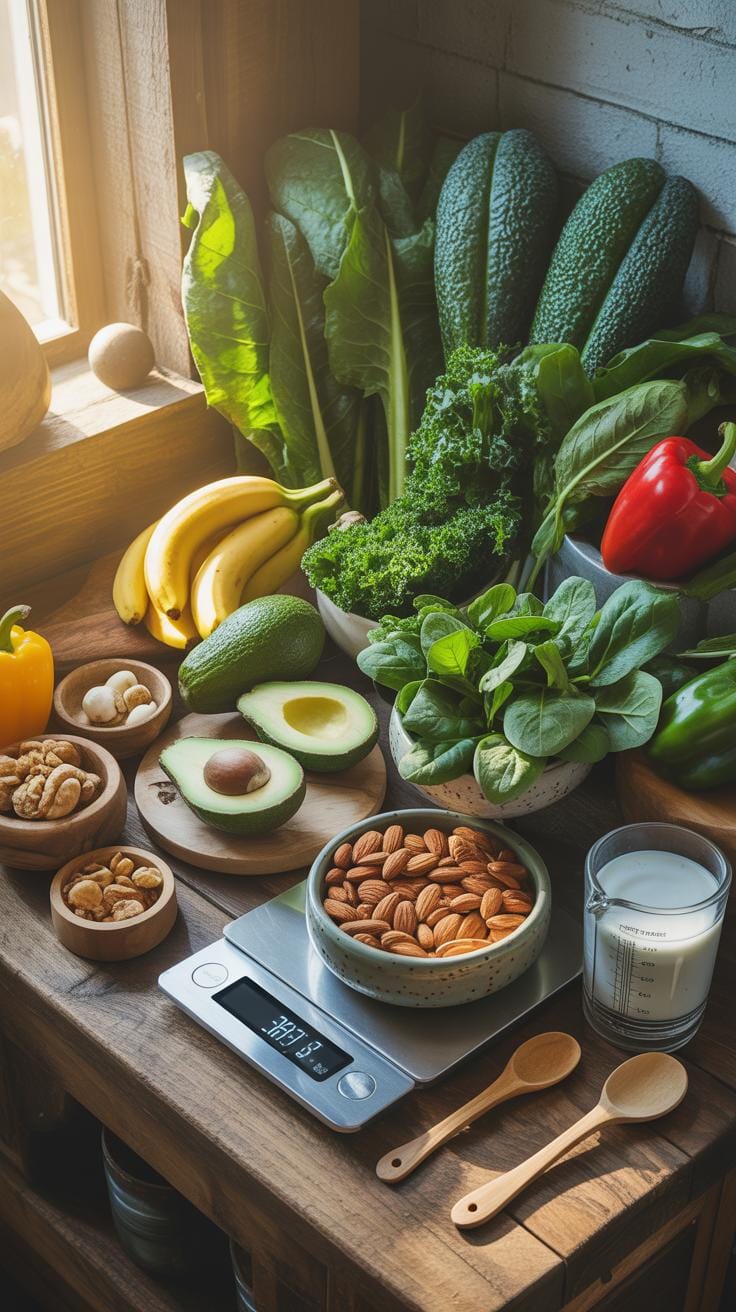
When following an alkaline diet, you might worry about missing out on essential nutrients. The dietary restrictions can sometimes make it tricky to get everything your body needs. Think of it as a balancing act—focusing on alkaline foods while not forgetting the vital nutrients that don’t pop up as often in this diet.
Here are some key points that might help:
- Protein: Since the diet limits many animal proteins, you could lack enough protein if you’re not careful. Including plant-based proteins like tofu, tempeh, and lentils can help bridge this gap.
- Calcium and Vitamin D: Dairy is often limited or excluded, so try to get calcium from leafy greens like kale or fortified plant milks. Vitamin D, which supports calcium absorption, might need attention especially if you don’t get much sun.
- Iron and B12: These are nutrients you’ll usually find in meats. Look for fortified cereals or consider eggs, if your version of the diet allows. Vegetarians or vegans might think about supplements here.
It can be easy to slip into missing out on these, so it’s worth keeping an eye on them, maybe with a healthcare provider’s help. Some people find their energy flags or hair thins when their nutrient intake stumbles, which could be a red flag.
Avoiding Deficiencies
Which nutrients are often skimped on? Iron, Vitamin B12, calcium, and essential fatty acids come to mind. Including a range of alkaline vegetables, nuts, seeds, and legumes helps. For instance, chickpeas, spinach, and almonds are good choices. But it’s best not to guess. If you feel unusually tired or weak, a blood test might reveal deficiencies you didn’t notice.
When Supplements Could Help
Supplements aren’t always needed but they have their place. If your diet is very restrictive or you have special health conditions, consider a multivitamin or specific supplements like B12, Vitamin D, or Omega-3s. Always try to get nutrients from food first, but supplements can act as a safety net. Just be cautious—too much of a good thing isn’t great either.
In short, the alkaline diet can work nutritionally if you plan it thoughtfully. It requires some knowledge and sometimes some trial and error to get right. Have you noticed any changes in how you feel on this diet? That could hint at what your body needs more of.
Tracking Progress And Benefits

Explain ways to monitor how the diet affects your health over time
Keeping track of how the alkaline diet affects you can be a bit tricky, mainly because its effects may show up slowly and subtly. One practical method is to maintain a food and symptom journal. Jot down what you eat each day and note any changes in energy levels, digestion, or overall mood. You might also want to schedule regular check-ins with your healthcare professional to monitor any changes in blood pressure, weight, or lab tests like blood pH, though the latter may not fully reflect body acidity.
Health Improvements To Watch
Many people on the alkaline diet report a few common benefits, though these can vary. For example:
- Improved digestion and less bloating from higher fruit and vegetable intake.
- Increased energy throughout the day, possibly linked to better hydration and nutrient balance.
- Reduced joint pain or inflammation, although scientific evidence on this is not very strong.
- Clearer skin, which some attribute to the diet’s focus on whole, unprocessed foods.
- Better sleep quality, perhaps influenced by dietary changes and caffeine reduction.
Notice if these, or other positive changes, stand out. It’s okay if some benefits are subtle; give yourself time.
Adjusting The Diet If Needed
Not everyone experiences the same effects, so being flexible with your diet is key. If you find you’re lacking certain nutrients, like protein or essential fats, consider integrating alkalizing proteins such as nuts or seeds. If energy dips, you may need to add more balanced meals with whole grains. Also, listen to your body—if digestion worsens or fatigue sets in, it might be time to tweak food choices rather than strictly following rigid rules. Experimentation can help find what suits you best. Sometimes a moderate approach, rather than an extreme, is more sustainable. What works for one person might not feel right for another.
Challenges When Starting The Diet

Starting the alkaline diet can feel, well, a bit tough at first. You might run into cravings for familiar foods that don’t quite fit into the alkaline-friendly list. It’s natural to miss certain flavors or textures, especially if you’re used to a diet heavy on meats or processed items. Sometimes the list of food restrictions can feel overwhelming — it’s not just about avoiding certain foods but also about planning meals carefully. Social situations add another layer of difficulty. Imagine being at a dinner party or eating out and trying to stick with your new eating style. It can feel isolating or even awkward since not everyone understands or respects this choice.
But there are ways to ease these challenges without making it feel like a burden. Here are a few thoughts:
- When cravings hit, don’t deny them outright. Instead, look for alkaline substitutes that satisfy what you want — say, crunchy nuts instead of chips or fruit smoothies instead of sugary snacks.
- For food restrictions, keep your kitchen stocked with basics like leafy greens, nuts, and alkaline fruits. It helps to prepare meals ahead to avoid last-minute temptations.
- In social settings, talk to hosts or choose restaurants with diverse plant-based options. Sometimes, bringing a dish to share can take the pressure off.
It’s a bit of trial and error, honestly. You might find some strategies work better than others depending on your lifestyle and preferences. The key is to be patient with yourself through the adjustment period. You may slip up occasionally — that’s okay. What matters is finding a balance that feels sustainable rather than forced.
Comparing Alkaline Diets With Others

When we look closely at the alkaline diet alongside popular alternatives like keto and Mediterranean, some interesting points emerge. It’s not just about what you eat, but how those food choices influence health and lifestyle.
Alkaline Diet Vs Keto
Both diets restrict certain food groups, but that’s where similarities pretty much stop. The keto diet focuses on high fat and very low carbs to push the body into ketosis, burning fat for fuel. On the other hand, the alkaline diet emphasizes eating more fruits and vegetables to supposedly shift the body’s pH to a less acidic environment. Keto encourages substantial protein and fat intake, often from animal sources, while alkaline tends to avoid meats, focusing on plant-based foods. Interestingly, keto’s main goal revolves around metabolic changes, whereas alkaline’s pitch is more about balancing internal acidity, although science doesn’t strongly back the latter claim.
Alkaline Diet Vs Mediterranean
Now, if you consider the Mediterranean diet, it shares more common ground with alkaline, mainly in emphasizing fruits, vegetables, and whole foods. Mediterranean diet includes moderate amounts of fish, whole grains, and healthy fats like olive oil, which alkaline usually limits due to acid concerns. Both diets steer clear of processed foods, but Mediterranean doesn’t label foods as acid or alkaline producers—it’s more about balanced nutrition and heart-healthy choices. In terms of health impact, Mediterranean has strong research backing for reducing heart disease risk, whereas alkaline diet’s benefits are less proven and often debated.
Thinking about your own habits, it’s worth asking: are you more focused on food composition and its effects on your body’s chemistry, or are you aiming for a proven nutritional pattern that supports overall wellbeing? These questions can shape which diet might fit best for you.
Practical Tips For Daily Living

Shopping And Cooking Tips
When you set out on an alkaline diet, the first challenge tends to be—what do I actually buy? To keep it simple, focusing on fresh produce is key. Think leafy greens, cucumbers, bell peppers, and avocados. It might help to stick to the outer aisles of the grocery store where the fresh items live, avoiding processed foods that sneak in acid-forming ingredients.
Try to plan meals ahead—it saves you from impulsive, less alkaline choices. Preparing basics like steamed vegetables or simple salads in advance lets you grab something healthy even on busy days. I’ve found that using herbs and fresh lemon juice boosts flavor without breaking the alkaline balance. Cooking methods matter too—steaming or roasting mostly, rather than frying.
Eating Out Strategies
Dining out while keeping an alkaline mindset can feel tricky. Menus rarely mark alkaline options, right? Start by scanning for vegetable-heavy dishes or ask if they can swap out bread or fries for a side salad. Many places will accommodate if you simply explain you want to avoid acid-forming foods.
Look for restaurants with customizable bowls or wraps; you can load up on non-starchy veggies and add light dressings. And maybe avoid obvious acid-formers like red meats or creamy sauces—though sometimes a splurge feels worth it, doesn’t it? The key might be balance over perfection. If unsure, focus on hydration and picking greens when possible.
Conclusions
The alkaline diet promotes eating more fruits and vegetables while reducing meat and processed food intake. Though some claims about changing the body’s pH lack scientific support, eating alkaline foods aligns with general healthy eating habits and can increase nutrient intake.
If you consider this diet, focus on balanced meals and include a variety of nutrient-rich foods. Consult health professionals for personalized advice to maintain proper nutrition while following the alkaline diet meal plan.