
Simple Kid-Friendly Family Meals
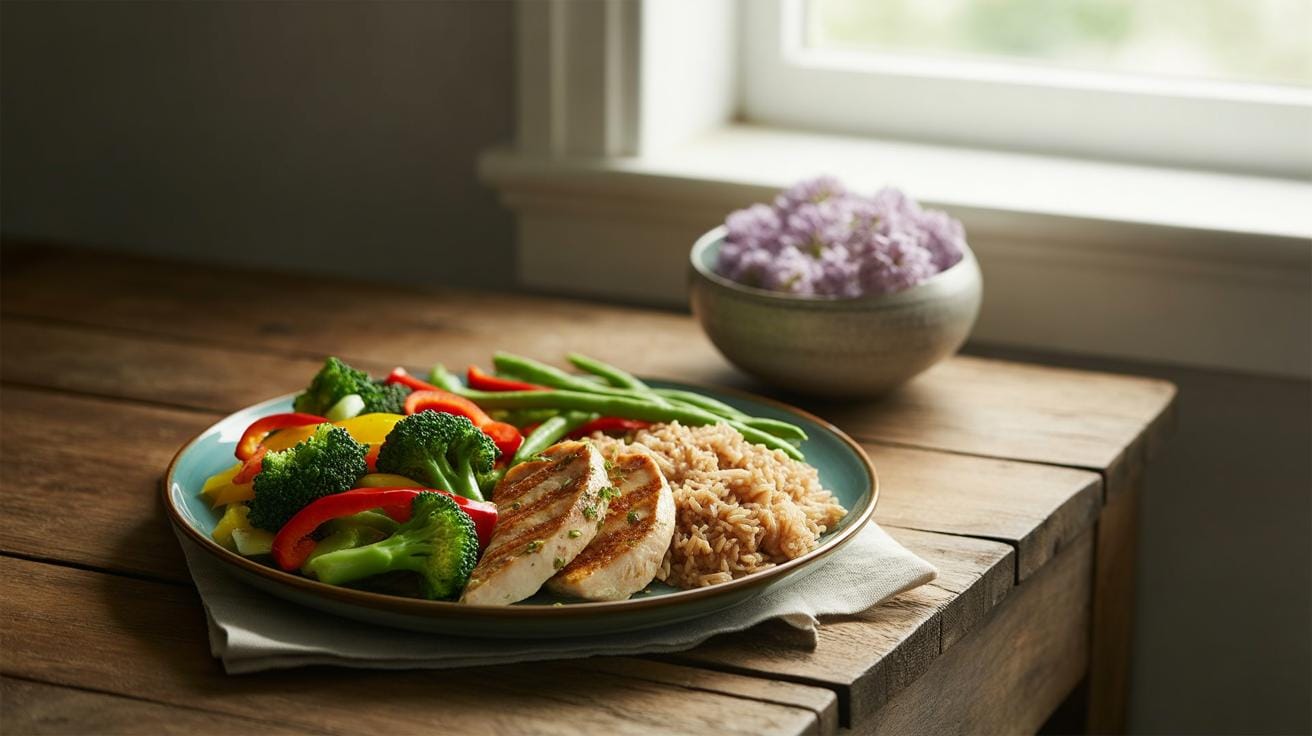
Simple kid friendly family meals can transform your mealtime. They save you time while ensuring your children receive good nutrition. Family meals are not just about eating together; they build healthy habits for your kids that can last a lifetime. Preparing food that kids will enjoy, and is easy for parents to manage, creates a positive mealtime environment for everyone.
This article explores how to make family meals kid friendly, focusing on quick, simple recipes that prioritize nutrition. You will find practical tips on ingredient choices, meal planning, and preparation methods. By the end, you will understand how to prepare meals your kids will ask for, with less fuss and clean-up, making every dinner a win for your family.
Benefits of Family Meals for Kids
What Kids Gain from Eating Together
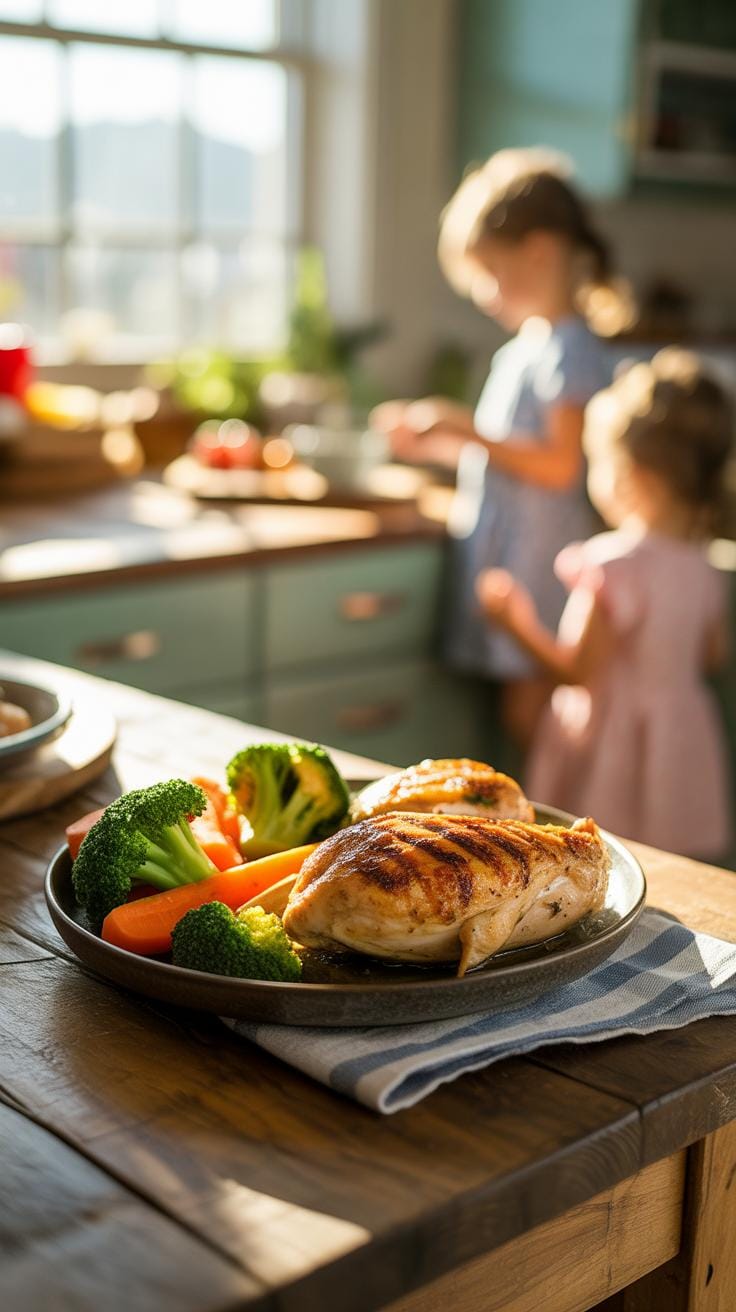
When kids sit down to eat with family, it isn’t just about food. There’s a subtle, almost unspoken exchange happening. Sharing mealtime offers a space for kids to learn how to listen and express themselves. Over time, this can help develop better social skills—like waiting your turn to speak or paying attention to others. Some parents notice their kids become more confident talking about their day, even if it’s just small stuff.

Psychologists often point out that family meals can foster closer emotional bonds. Kids get a sense of security just knowing there’s a routine where everyone gathers. While it might not fix every communication hiccup at home, those moments encourage empathy and understanding. Plus, it can reduce feelings of loneliness or anxiety, especially in more sensitive children.
How Meals Improve Nutrition for Children
Eating as a family usually means fewer fast-food dinners or eating in front of screens, which often leads to less balanced meals. Studies show kids who regularly eat with their families are more likely to consume fruits, vegetables, and whole grains, and less likely to snack on sugary or fried foods. I’ve seen this firsthand—when dinner is shared, there’s more variety, and kids tend to try new foods, sometimes reluctantly but they do.
Another benefit comes from the modeling effect. Kids watch parents choose healthier options and mimic those habits. It’s not that parents have to lecture or force new foods; just the simple exposure helps. It’s kind of surprising how that little influence nudges kids toward better nutrition. Eating together creates a setting that naturally discourages overeating or picky eating habits, something that’s harder to manage when kids eat alone or on the run.
Selecting Kid Friendly Ingredients
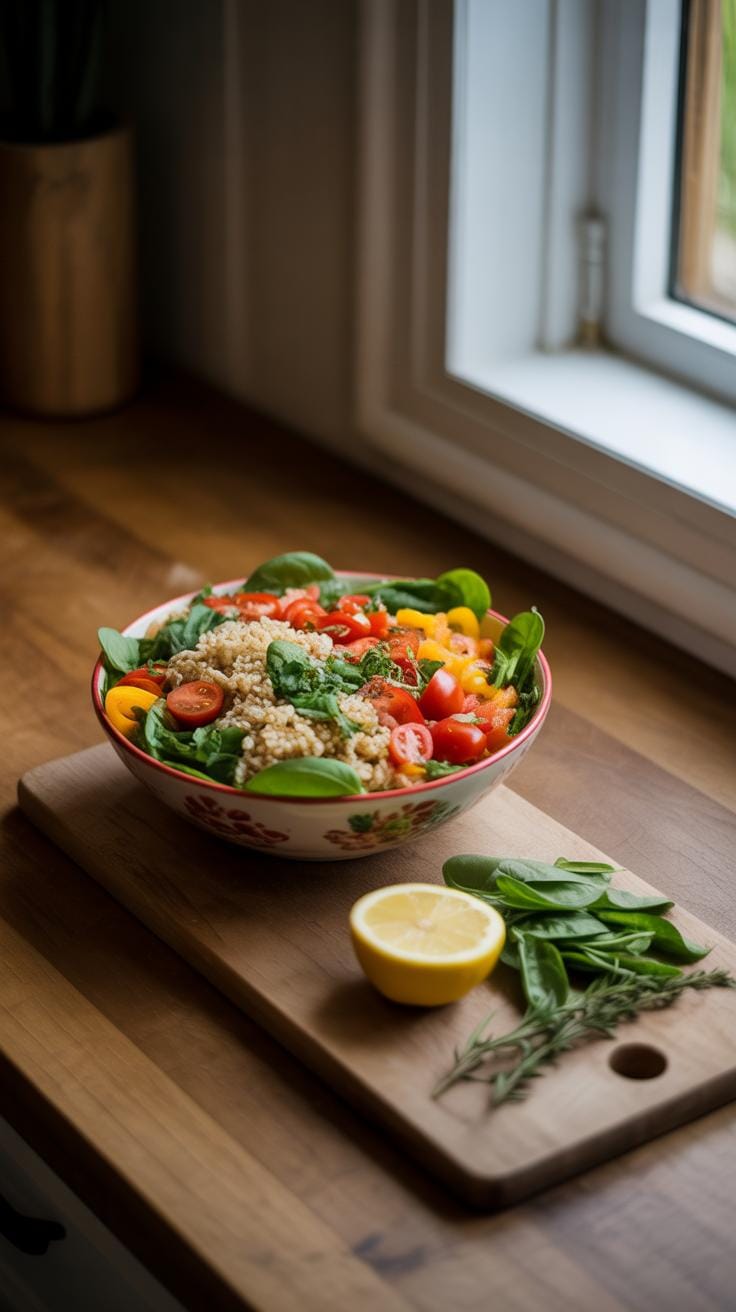
Choosing ingredients that kids will actually eat can feel like a bit of a puzzle. You want simplicity and nutrition, but also something that won’t spark a dinner table standoff. It often helps to stick with foods that are familiar and not too complicated in texture or flavor. Think about what has worked before—maybe that carrot stick your kid surprisingly munched or the apple slices that disappeared faster than expected.
When picking fruits and vegetables, favorites usually include:
- Sweet options like apples, bananas, grapes, and berries—they’re naturally appealing and easy to snack on.
- Crispy vegetables such as carrots, cucumber, and snap peas, which kids often like for the crunch.
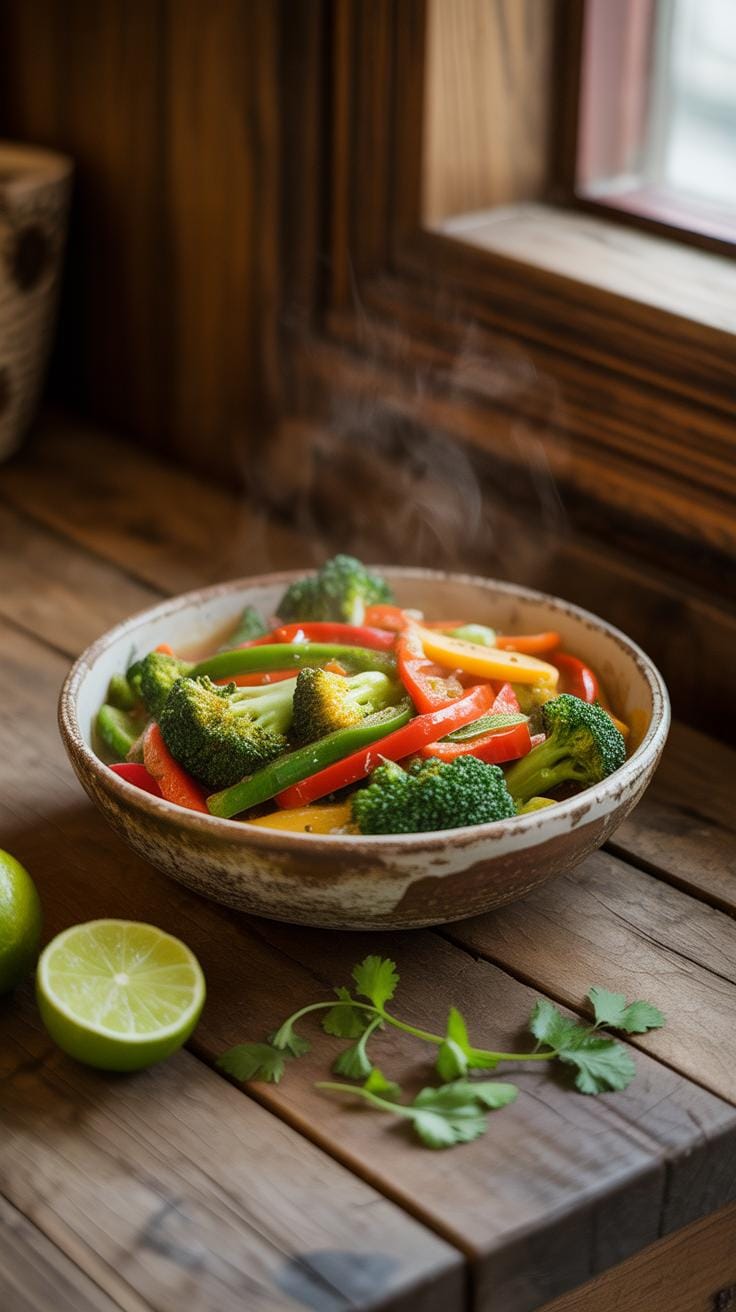
- Vegetables with milder flavors, like sweet corn, green beans, or steamed broccoli, especially when served with a little cheese or dip.
Protein choices can be tricky but focusing on quick and simple options makes a difference. Things like grilled chicken strips, scrambled eggs, or canned beans can fit into many meals while providing good nutrients.
- Lean meats that cook fast, such as ground turkey or chicken, often go down well in wraps or simple pasta dishes.
- Fish like salmon, which you can bake quickly and tend to have a mild taste that’s easier for kids to accept.
- Plant-based proteins, including lentils and chickpeas, which can be mashed or turned into patties—sometimes disguised, which actually helps.
What’s your go-to ingredient that kids unexpectedly enjoy? Sometimes the simplest combinations surprise us the most, especially when meals don’t feel forced. Maybe a familiar fruit side or a favorite protein cooked just right is all it takes to bring everyone to the table without fuss.
Quick Meal Ideas Kids Will Enjoy
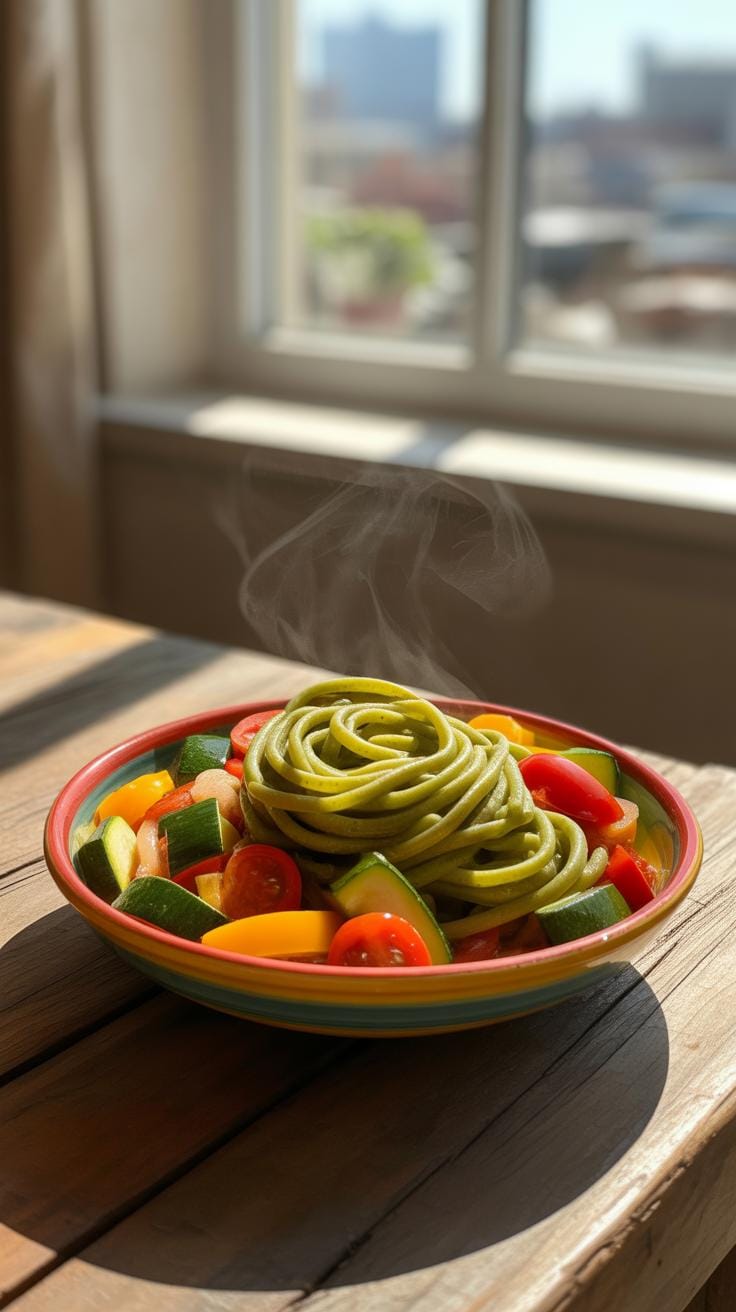
Getting kids to eat meals can sometimes feel like an endless negotiation, but quick meals they actually like do exist—if you think beyond the usual. Meals that come together fast, but still offer some nutrition, can make family dinners less of a battle.
For example, quesadillas filled with shredded chicken, black beans, and a little cheese—they cook in just minutes and most kids find them fun to eat. Or a simple pasta tossed with marinara, chopped veggies finely diced so they almost blend in, and a sprinkle of parmesan. You can even toss in some ground turkey or lentils without being obvious.
Some kids love customizing their own food, so “build-your-own” tacos or pita pizzas can be a busy-night winner. It turns dinner into a bit of a project rather than just a chore.
One-Pot Dishes for Busy Nights
One-pot dishes are lifesavers. They limit the mess, and saving time on cleanup is almost as important as the meal itself. Think of a simple chicken and rice skillet where the protein, grain, and vegetables all cook together. It’s not only quicker but also locks in flavors.
Soups and stews can work well, too. You prepare a veggie-rich minestrone or a mild chili and let it simmer while you handle other tasks. These meals tend to improve in flavor the next day, too—though you might face some dinner resistance if the smell isn’t quite kid-approved right away.
Healthy Versions of Kid Favorites
It’s tempting to just serve standard comfort food, but making those favorites healthier can actually be not too difficult. Take mac and cheese: swap in whole wheat pasta, add pureed cauliflower or butternut squash into the cheese sauce for extra vitamins, and maybe serve with a side of steamed broccoli.
Or burgers—shape them with lean meat or mashed beans and oats, then bake or grill instead of frying. Swap white buns for whole grain or even lettuce wraps if your kids will go for it. Chicken nuggets can become oven-baked bites coated with crushed nuts or whole grain cereal for crunch without deep frying.
The trick is to keep familiar textures and flavors but sneak in better ingredients. It sometimes takes a couple tries, and maybe a sneaky dip or sauce, but kids usually adjust without much fuss—you might be surprised.
Tips to Involve Kids in Meal Prep
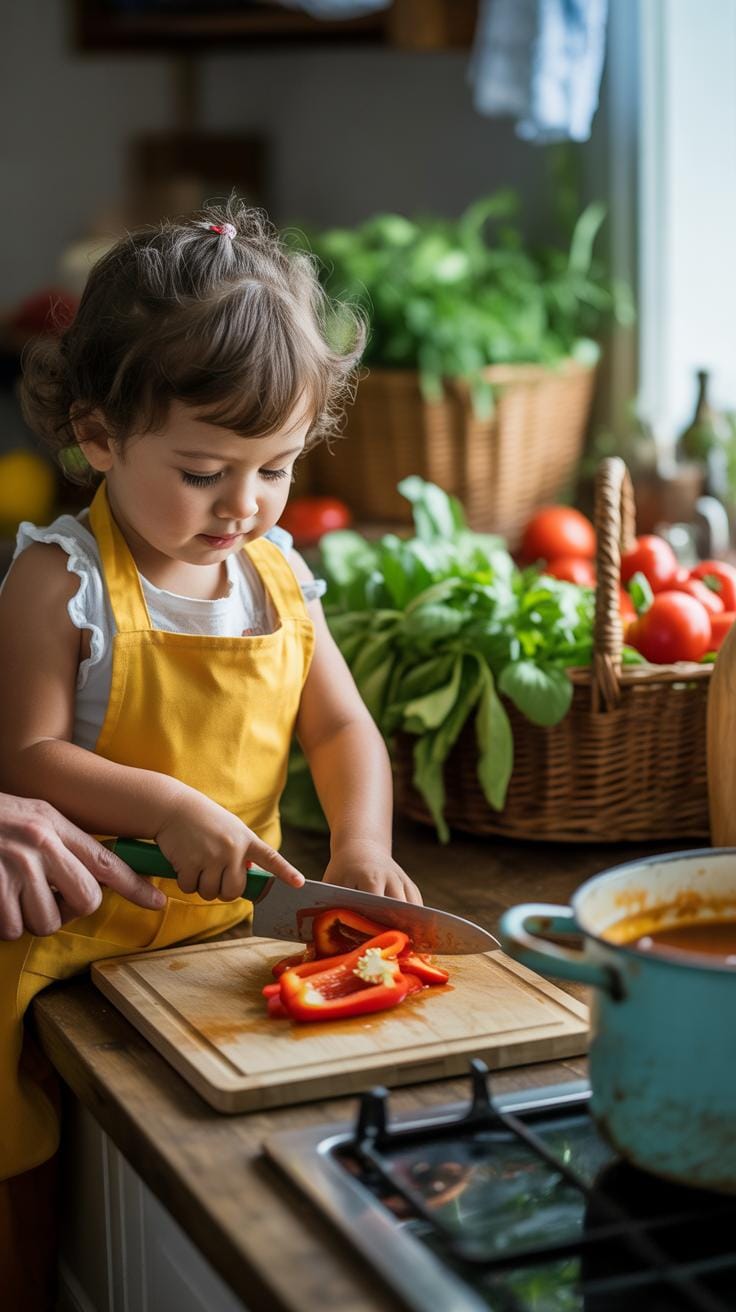
Getting kids involved in cooking can do more than just lighten your load. When children take part in making their meals, they often develop a stronger interest in what they’re eating. You might notice your child, who usually turns up their nose at vegetables, suddenly curious about a dish they helped create. There’s something about the hands-on experience that makes food more appealing. But how do you make this work without a kitchen full of chaos? It’s mostly about matching tasks to age and keeping things manageable.
Simple Tasks for Young Kids
Young children can handle small, safe tasks that still make them feel like part of the process. These might include:
- Washing fruits and vegetables
- Tearing lettuce or herbs
- Stirring ingredients in a bowl
- Sprinkling cheese or seasoning
- Setting the table
These jobs don’t require sharp knives or direct heat, which keeps things safe but meaningful. I’ve found that my kids really enjoy doing these small chores because they feel useful, even if the task is simple. Of course, not every child will love every job, but trying a few usually helps find the right fit.
How Participation Boosts Appetite
When kids help prepare a meal, they tend to be more willing to eat it. Why? They gain a sense of ownership and pride in their work, which makes the food less intimidating. Imagine a child who’s carefully chopped carrots or arranged foods on a plate — they’re less likely to resist those items at dinner.
Aside from appetite, participation can open curious minds to new flavors and textures. Sometimes, kids even request foods they made themselves later. It’s not foolproof—there will still be picky moments—but involvement often softens resistance. Does engaging your child in meal prep mean less fuss at dinner every night? Maybe not always, but it’s a small step toward better habits and fewer mealtime battles.
Planning Weekly Kid Friendly Menus
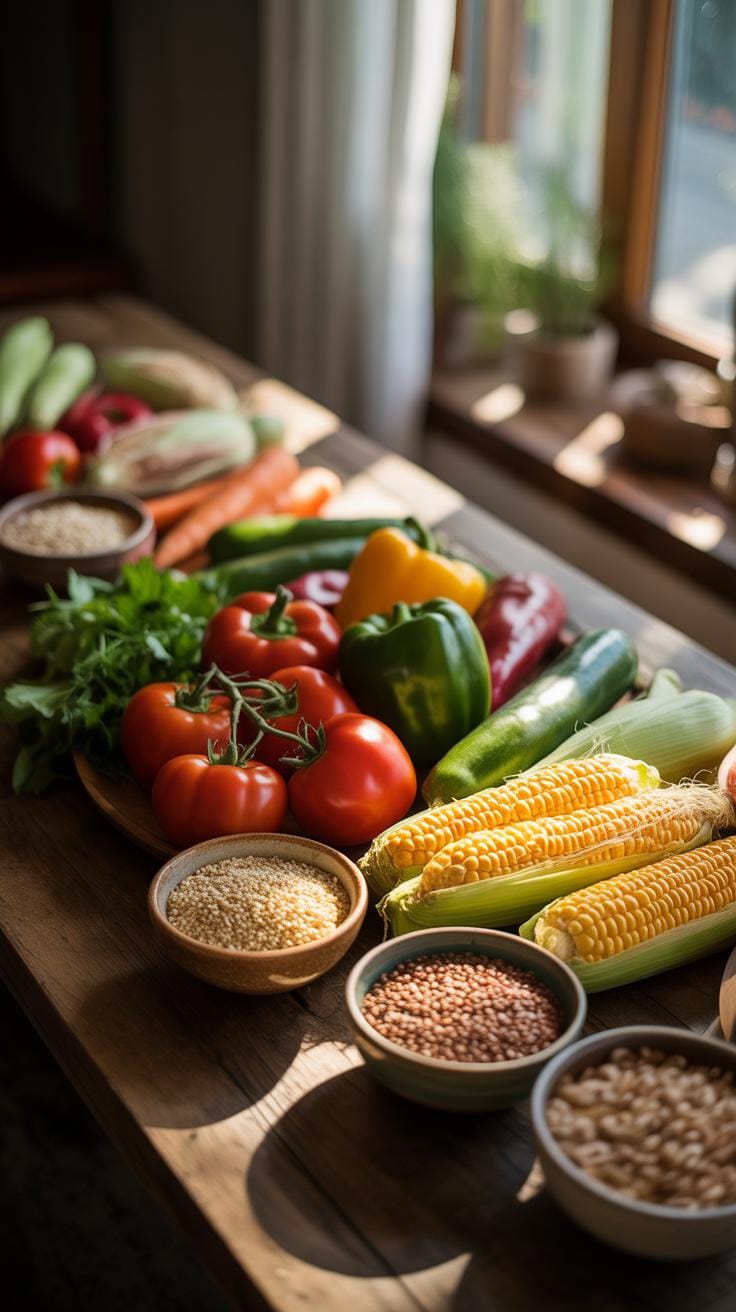
When you sit down to plan your week’s meals, it’s easy to get caught up in what’s quick or what everyone will eat without much fuss. But aiming for a balance between nutrition, variety, and convenience can actually make your week smoother—and keep everyone a bit healthier, too. Sometimes I find myself staring at the calendar wondering if spaghetti again is too… predictable. Yet, kids often crave routines, so mixing it up doesn’t mean you need to reinvent the wheel every night.
Start by thinking about your family’s schedule. Busy days call for meals that can be prepped in advance or cooked quickly. Less hectic evenings give you room for a bit more variety or experimentation, maybe a new veggie or a protein you don’t use often. Variety doesn’t have to mean complex meals either. You can swap sides, or try different seasonings on familiar proteins to keep things interesting without the stress.
Each week, jot down what proteins, veggies, and grains you want to cover. Then pair them with some kid-friendly sides. Keep in mind how much time you really have on any given day and how flexible your family is with new foods. Planning this way, you’re less likely to scramble for last-minute takeout or end up repeating the same meal three times just because it’s easy.
Creating a Balanced Menu Checklist
It might sound a bit too methodical, but having a simple checklist can save a lot of back-and-forth when you plan. Here’s a basic framework to consider:
- Protein: chicken, fish, eggs, beans, or lean beef
- Vegetables: aim for a variety of colors and textures each week
- Whole grains: rice, quinoa, whole wheat pasta, or bread
- Dairy or dairy alternatives: milk, cheese, or yogurt
- Fruits: fresh, canned (in juice), or frozen
- Healthy fats: olive oil, avocado, nuts (if age-appropriate)
Going through this list while planning helps ensure meals don’t end up heavy on carbs with skimpy nutrition. Sometimes I forget to add a fruit or veggie and only realize once the kids ask, “Where’s the salad?” It pays off to have this little mental nudge. But hey, it’s okay if a few meals don’t tick every box. The goal isn’t perfection—just balance over time.
Using Leftovers Smartly in Menus
Leftovers—don’t they often feel like a mixed blessing? Sure, they can save you time, but sometimes reinventing them feels like another meal altogether. Yet, planning for leftovers from the beginning changes that. When you roast a whole chicken on Monday, Tuesday’s tacos or wraps become almost effortless. Or using leftover roasted veggies in a simple pasta or omelet can feel fresh, not just reheated.
Think about how one meal naturally leads to the next. Slow-cooker chili can turn into stuffed peppers, grilled fish can be flaked over a salad. This way, you reduce waste and skip the extra prep. A quick tip: mix leftovers with something new—a crunchy topping, a dash of spice—to make them more appealing to kids. I admit, my children are less thrilled with “leftover night” than I am, but tweaking the presentation helps a bit.
Planning leftovers into your menu isn’t just practical, it’s kind of a chance to get creative in a low-pressure way. And, honestly, it might even help you catch a spare moment to relax, which feels like a win in itself.
Managing Mealtime Challenges
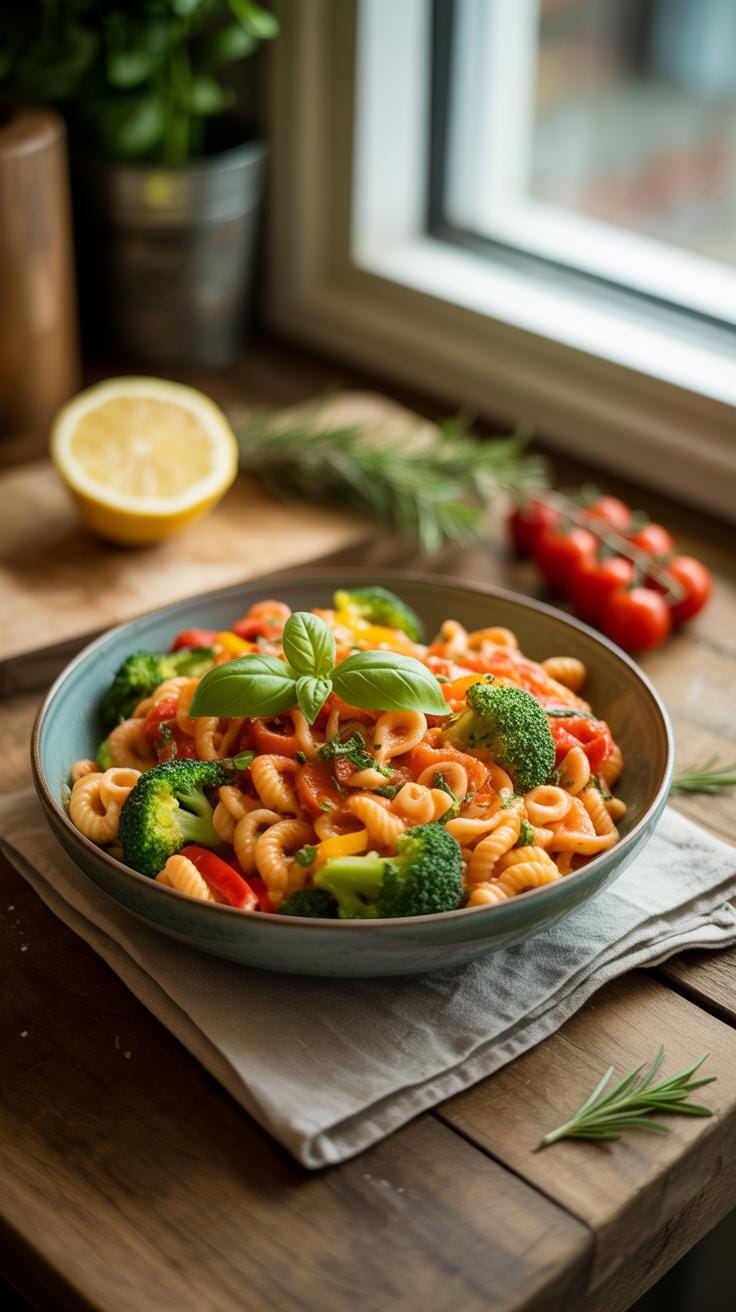
Handling Picky Eaters
Getting kids to try new foods can feel like an uphill battle. Pressuring them usually makes things worse—kids often dig in their heels when they sense stress. Instead, try small steps, like offering tiny tastes without any expectation. Sometimes just having the new food on their plate alongside familiar favorites helps. You might be surprised if they nibble after a few tries, even if they don’t admit it at first.
In my experience, making food fun or involving kids in simple prep can also lower resistance. When my nephew helped sprinkle cheese on his own dish, he actually ate more than usual. Don’t expect quick wins, though; patience is key. And remember, even just smelling or looking at new foods is progress.
Keeping Meals Stress-Free
Mealtimes can quickly become tense if everyone’s tired or distracted. Establishing a routine can help create calm, predictable moments. Try setting the table together or having a consistent start time. This signals “mealtime” without the need for reminders or conflicts.
Distractions like screens can lead to arguments or overeating, so consider turning them off. Focus on conversation, even if it’s just simple sharing about the day. And if a meal isn’t going perfectly, that’s okay—sometimes letting things slide a bit avoids bigger clashes.
Ultimately, lowering expectations about how much or what gets eaten can lighten the mood. Mealtime shouldn’t feel like a test. What routines or small changes might work for your family? Experimenting gently could uncover what really helps keep peace at the table.
Healthy Snacking During Family Meals
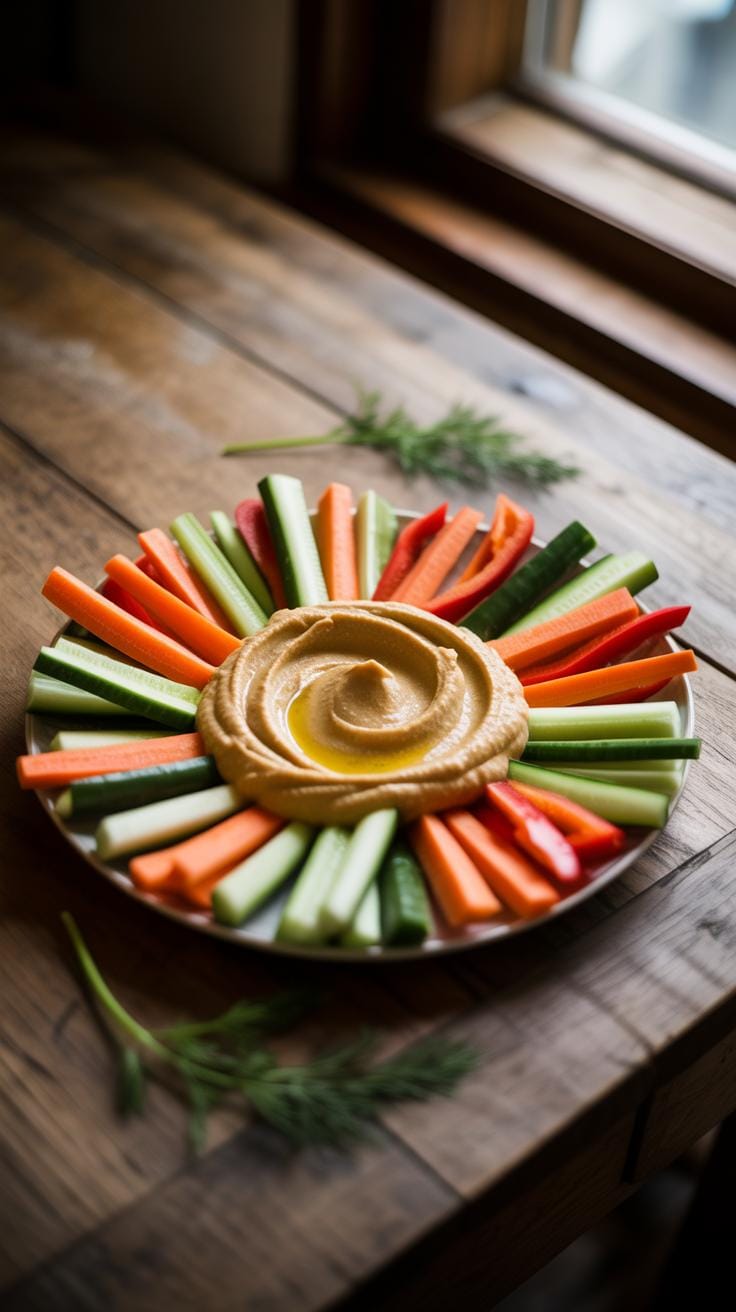
Snacking around family meals can be tricky. Kids often come to the table hungry, but too much snacking right before dinner can spoil their appetite. Still, snacks can serve as a useful bridge between meals, especially when they fill nutritional gaps.
Including snacks as part of or between meals means thinking beyond just “something quick.” It’s about offering small portions that support energy and focus without overwhelming their hunger for the main meal. For example, a handful of nuts or slices of apple with a little peanut butter can keep blood sugar steady, helping kids be patient for dinner.
Snack Options to Complement Meals
Choosing snacks that boost nutrition doesn’t have to be complicated. Here are a few kid-friendly options that bring value between meals:
- Cheese cubes paired with whole grain crackers for protein and fiber
- Fresh veggies like carrot sticks, cucumber slices, or cherry tomatoes with a light yogurt dip
- Fruit such as berries, banana slices, or orange wedges—easy, quick, and full of vitamins
- Plain popcorn (not buttered or salted) for a crunchy, low-calorie choice
- Hard-boiled eggs—simple and cooling for a quick protein hit
- Small smoothies made with yogurt, spinach, and fruit for a nutrient-rich mini-meal
Have you noticed that kids often refuse veggies at dinner but will happily munch on carrot sticks earlier? It happens, and it’s okay. Snack choices sometimes influence how open they are to trying healthier foods at mealtime.
Timing Snacks for Appetite Control
When you give snacks can matter just as much as what you offer. If a snack happens too close to dinner, chances are kids won’t be hungry enough to eat the main meal—or they might eat just the snack and not try the food on their plate.
Most families find a sweet spot about 1.5 to 2 hours before dinner works best. That way, kids get a little energy boost without ruining their appetite. For example, if dinner is at 6 pm, a snack around 4:30 pm usually fits well.
But every family is different. Some kids may need a small snack closer to dinner during busy days or after sports. It’s okay to be flexible. You might want to watch how your child responds and adjust timing accordingly.
In the end, snacks are part of the bigger picture. They can help maintain balance, support growth, and keep energy stable between meals—without stealing the show from family dinners.
Making Family Meals Kid Friendly
Setting Up a Kid Friendly Dining Space
Creating a dining space that feels inviting for kids can really shift the whole family meal experience. When the area looks welcoming and is easy for little ones to use, they seem more willing to join in. It doesn’t have to be fancy—just a spot that’s comfortable, where kids don’t feel like outsiders or afterthoughts. Maybe that means adding a splash of color with kid-friendly placemats or having a little nook where they can reach things without fuss.
Practicality matters, too. If kids can see their own dishes and know where their things go, they start to take more ownership of mealtime. It kind of turns dining from something forced into something they actually look forward to. Have you noticed how kids return to spots they feel good in? This can be the key. Of course, it won’t work for everyone all the time, but it’s a simple step with noticeable impact.
Furniture and Tools for Kids
Choosing the right furniture makes a difference. Chairs with proper height and sturdy support help kids sit comfortably without slipping or needing constant help. Sometimes, those booster seats or adjustable stools are just what you need, not only for seat height but to make the child feel part of the table. The less awkward they feel, the more likely they’ll want to stay and eat.
Utensils also matter—a small fork or spoon designed for little hands can make all the difference. You might think it’s trivial, but I’ve seen kids refuse big utensils just because they don’t handle them well. Look for tools that don’t just fit their size but are safe—rounded edges, easy grips. Plates and bowls with raised edges or suction grips against the table can reduce spills too. These tiny adjustments add up.
Creating a Family Meal Atmosphere
The mood at the table says a lot. Kids tend to feed off the environment, so keeping things light and pleasant can make mealtime something they look forward to, rather than a chore. Avoid rushing and try to keep distractions low—phones put away, TV off. Those often pull kids away just as meals get started.
Try engaging them with small conversations or letting them share simple stories from their day. It doesn’t have to be forced or formal but something that invites their participation. Also, having predictable mealtime rituals, like a special song or a family toast (even something silly), can make the experience feel a bit special—even if just to them. What’s your family’s mealtime vibe? Sometimes a small change can make all the difference in keeping kids engaged and enjoying the whole thing.
Tracking Nutrition and Meal Success
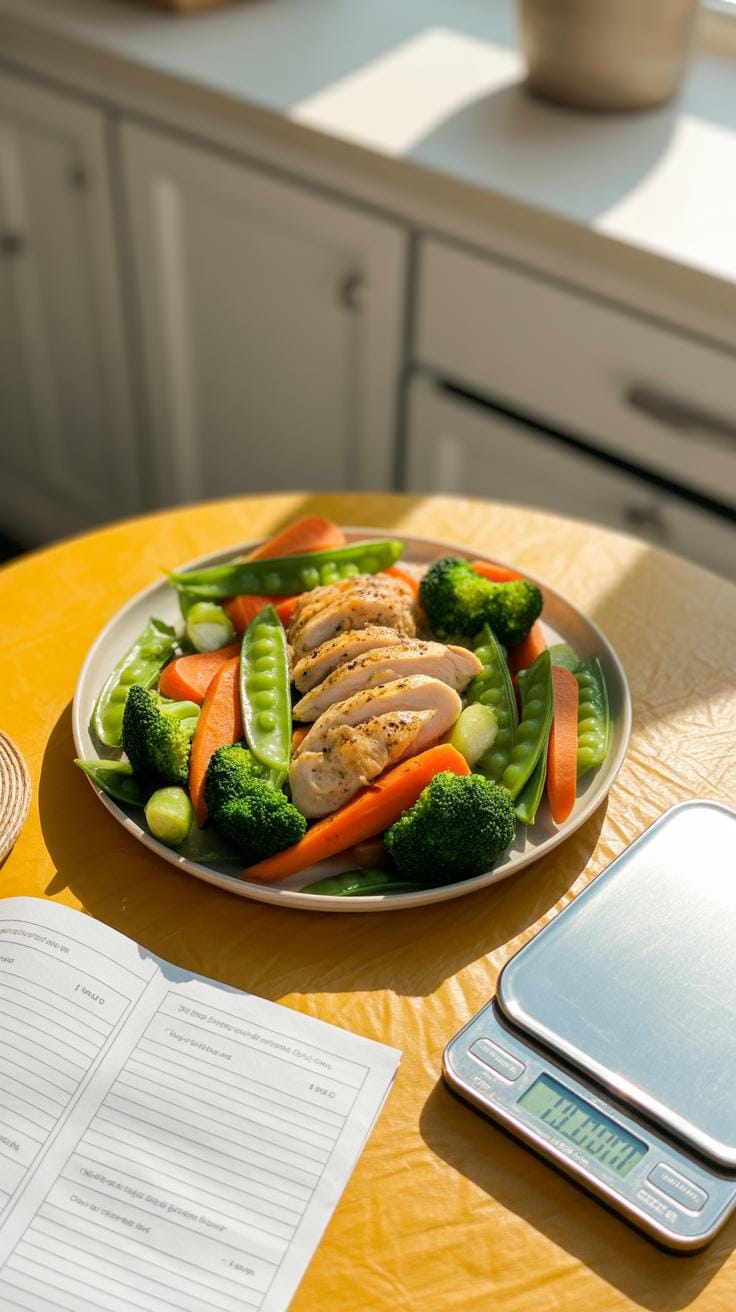
Keeping an eye on how family meals stack up against nutrition goals doesn’t need to be complicated. You might start with a handful of easy-to-check markers that hint at balance without turning dinnertime into a math class.
Here are some simple metrics you could watch for your kids:
- How many servings of fruit show up on the plate each day — aiming for at least one or two.
- Protein portions, like a palm-sized piece of chicken, fish, or plant-based alternatives.
- Vegetables — not just quantity but variety over the week.
- Whole grains presence, such as brown rice or whole-wheat pasta.
- Limiting added sugars in desserts or drinks.
Tracking doesn’t mean measuring every bite. Instead, it’s more about a general sense of whether meals include these basics fairly often. You might jot quick notes or use a simple checklist on your phone — whatever feels easiest. It’s easy to get carried away with tracking, but quick habits work best.
Feedback is equally important. Kids might not always say much, but a quick “Was this good? What should I add next time?” can open doors. Parents can share if they felt rushed or thought something was too bland. Over time, these small talks shape meals that actually fit the family’s tastes and routines.
Think about trying a weekly mini-check-in: maybe a casual chat around the table or a simple survey you create together. It’ll help you spot what’s working and what’s not — and keep meals turning out better, without extra stress.
Conclusions
Simple kid friendly family meals help you save time and make your cooking more efficient. By focusing on nutrition and flavor, you ensure your kids get the energy and nutrients they need for growth and learning. Knowing what ingredients to pick and how to prepare them quickly cuts down stress while providing balanced meals.
Bringing your family together at mealtime encourages good eating habits and strengthens bonds. With easy planning and simple recipes from this article, you can enjoy calmer dinners and happier kids. Start applying these tips today and watch your family meals become more joyful and healthful for everyone at the table.