
Common Slow Cooker Chili Mistakes
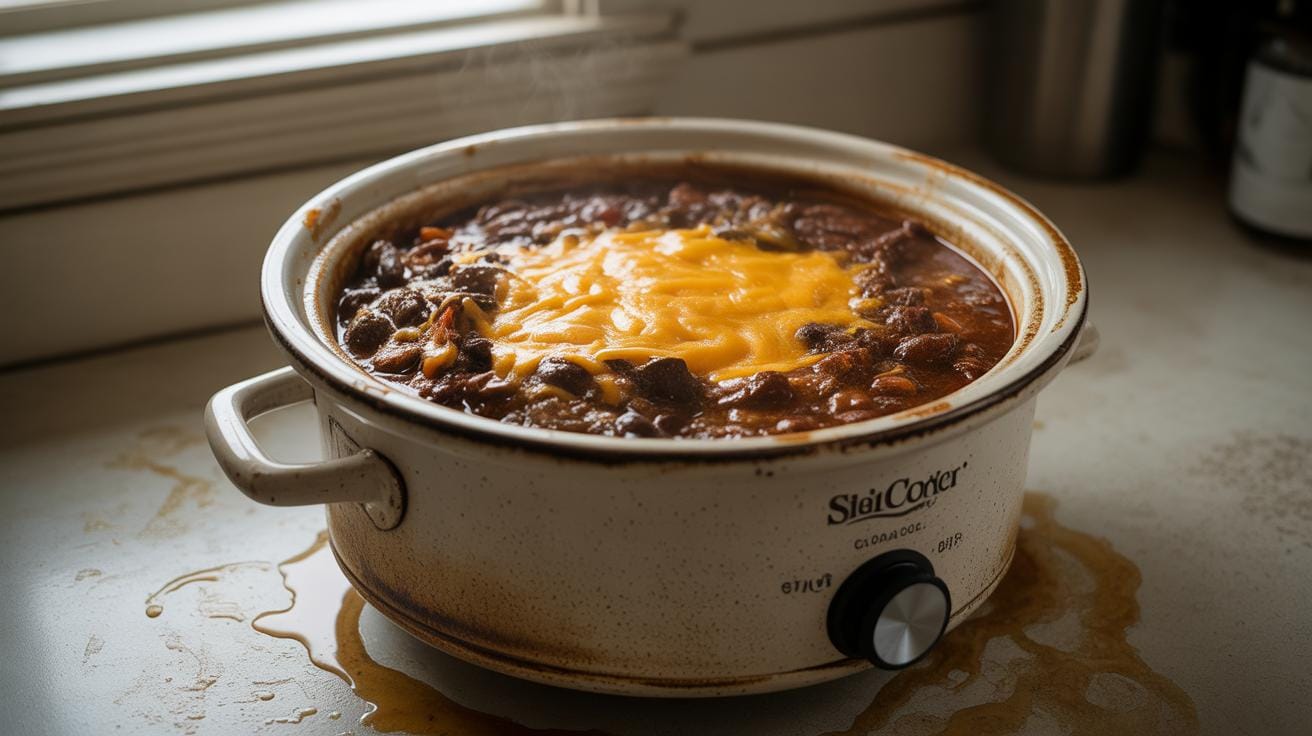
Slow cooker chili is a popular dish for its ease and rich flavors. Many enjoy preparing it as a hearty meal that can feed a family or provide leftovers. However, certain mistakes in making slow cooker chili can interfere with your health goals. These errors often go unnoticed but can add extra calories, sodium, or unhealthy fats to the dish.
In this article, we will cover the key slow cooker chili mistakes that might be hurting your progress. You will learn what to avoid, how to adjust recipes, and simple swaps that keep chili both delicious and supportive of your wellness plan.
Identifying Unhealthy Ingredients in Chili

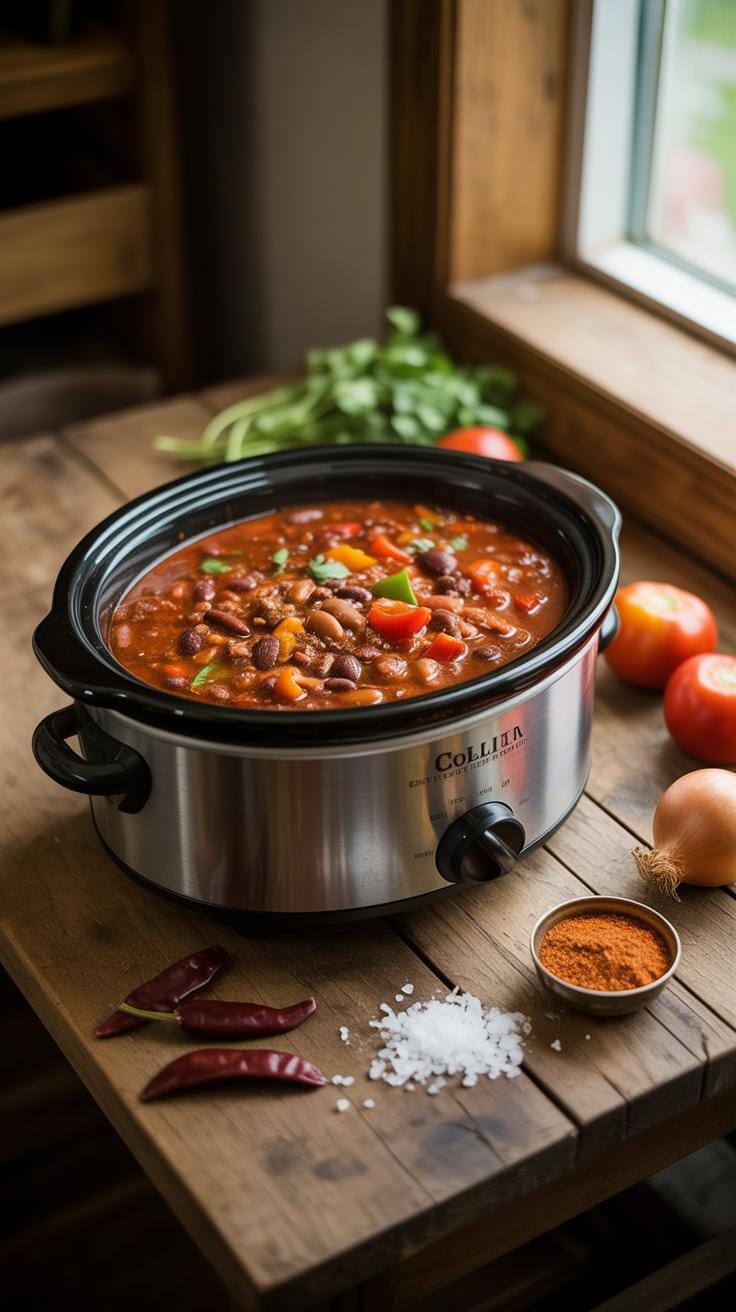
When you think about slow cooker chili, it’s easy to focus on convenience and flavor, but what about what’s really inside? Some ingredients sneak in, quietly pushing your calorie and fat intake higher than you might expect. Take the meat, for instance. Many traditional recipes call for ground beef or pork, often on the fattier side. That extra fat can seriously ramp up calories and saturated fat, which doesn’t exactly help if you’re aiming to keep things light or heart-healthy.

Leaner options like ground turkey or even plant-based proteins can make a big difference. I’ve swapped beef for turkey in my own chili a few times and barely noticed a flavor drop-off. Plus, these swaps tend to help you feel fuller longer without the heaviness.
Then there are processed ingredients to consider. Seasoning packets, while convenient, often come loaded with salt and preservatives. It’s sort of a hidden trap because they boost flavor but at the cost of way too much sodium. Same with canned beans—many are packed with added sodium too. Choosing low-sodium or rinsing canned beans can help reduce that load, but fresh beans, while more work, might be worth it if you’re watching your salt intake.
Sometimes it feels like the very things we grab for quick and easy meals are the ones dragging us off course. Are you noticing these subtle pitfalls in your chili recipes? Maybe it’s time to rethink the ingredient list before it sneaks up on your health goals again.
How Excess Sodium Affects Chilis Healthfulness
You might know that eating too much salt can raise blood pressure, but it’s easy to underestimate just how quickly slow cooker chili stacks up on sodium. High sodium intake often leads to elevated blood pressure, increasing the risk of heart disease and stroke over time. For people already watching their blood pressure, even a single meal with excess salt can have a noticeable effect.
Canned beans, broths, and those pre-packaged seasoning mixes commonly tossed into slow cooker chili are usually loaded with sodium. It sneaks in without much warning, turning what seems like a wholesome stew into a salt bomb. You expect slow cooking to be healthy, but these ingredients quietly undo a lot of that benefit.
Sources of Salt in Slow Cooker Chili
Some of the biggest sodium culprits include:
- Canned beans: A typical can can contain 400-600 mg of sodium per half-cup. That adds up fast, especially if you don’t rinse them.
- Broths and stocks: Many chicken or beef broths have 700 mg or more of sodium per cup used.
- Seasoning mixes: Packets often add 300-500 mg per tablespoon, and recipes often call for multiple tablespoons.
- Canned tomatoes and tomato sauces: These frequently contain 200-400 mg per half-cup.
Put all of these together, and even a modest portion of chili can deliver more than half the daily recommended sodium intake—sometimes more.
Reducing Sodium Without Losing Flavor
You can turn down the salt without making your chili dull. Start by rinsing canned beans thoroughly; it washes away about 30-40% of the sodium. Use low-sodium or no-salt-added broths.
Homemade spice blends help control salt content better than packet mixes, and fresh herbs like cilantro, oregano, or crushed garlic add real depth to the flavor. Experiment with smoked paprika, cumin, or chili powder without salt—sometimes these can trick your taste buds into feeling like there’s more salt than there is.
Have you ever tried slow cooker chili with fresh peppers instead of canned? It’s surprising how much brightness that adds, which helps cut the need for seasoning. It takes a bit more prep but pays off in taste—and health.
Choosing Balanced Slow Cooker Chili Recipes
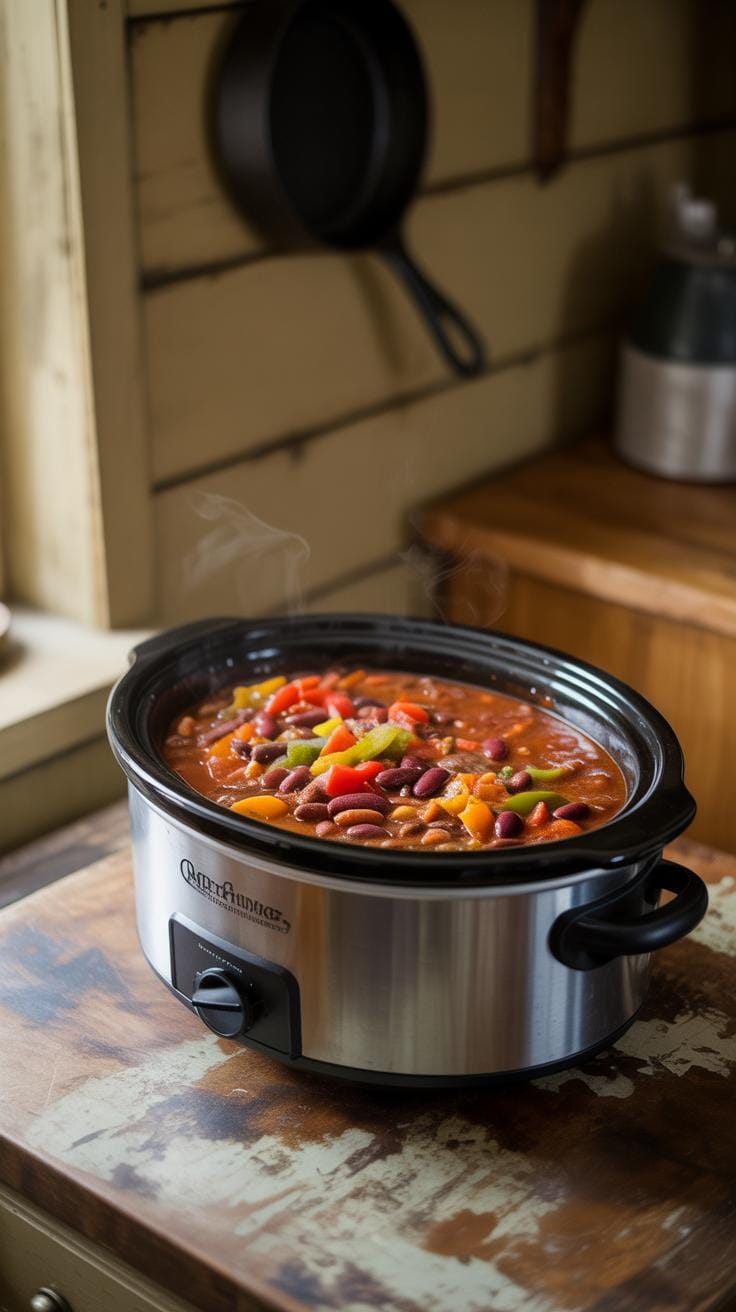
Picking or tweaking slow cooker chili recipes that really support your health goals isn’t as straightforward as it seems. The trick lies in balancing what goes in—proteins, vegetables, and fats—in a way that fuels your body without excess calories or empty ingredients. You might think a chili is always healthy because it’s homemade, but the details matter.
Protein is key. Lean meats, like turkey or chicken breast, work better than fatty cuts. Legumes, such as black beans or lentils, bring plant-based protein plus fiber, keeping you fuller longer. I’ve noticed when I add extra beans, the chili feels more satisfying, and I don’t snack later. Muscle maintenance needs protein, yes, but it also needs variety. Combining lean animal sources with legumes covers more nutritional ground and avoids that heavy feeling from all-meat dishes.
Vegetables are a must—not just tomatoes and onions. Think beyond with bell peppers, zucchini, or even chopped kale. These add fiber and nutrients without tanking your calorie count. Fiber slows digestion and helps keep hunger at bay, which probably explains why chili packed with veggies always feels more balanced, even if calorically similar to a meat-heavy version. You might find yourself wondering if more veggies dilute flavor, but mixing spices and a bit of chili powder can keep it tasty.
Fats should be chosen carefully. A little olive oil or avocado works, but avoid excess cheese or sour cream until after cooking—you can add a small dollop later if you need. When you slow cook, fats render down and can build up unless restrained.
In the end, picking or adapting recipes that lean heavily on lean proteins, diverse vegetables, and controlled fats tends to help rather than hinder your weight loss or health efforts. It might take some trial and error, but your body will likely thank you for a chili that genuinely feeds it, not just fills it.
Cooking Slow Cooker Chili Mindfully
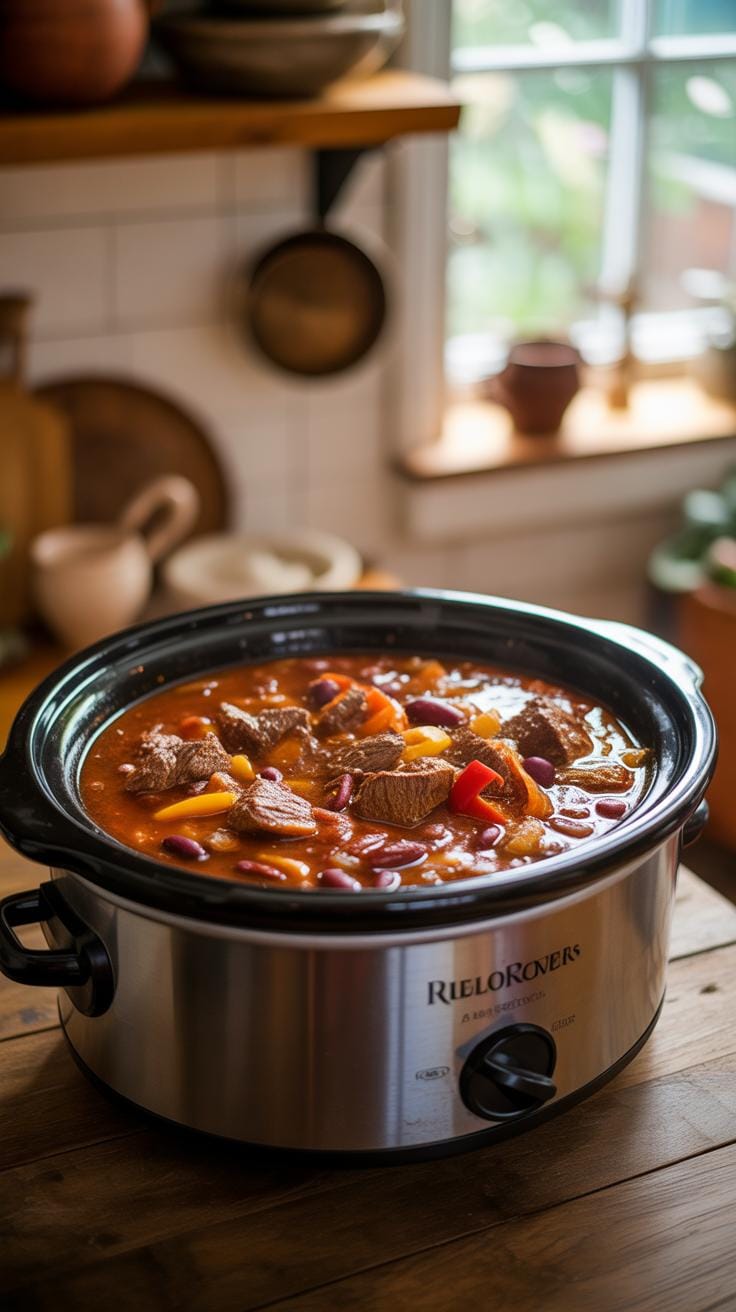
When preparing chili in a slow cooker, how you layer your ingredients can make a surprising difference. Denser, tougher items like dried beans or root vegetables belong at the bottom. They need the most heat and time to soften. Placing them there prevents mushy, overcooked vegetables on top. Onions and peppers, which get bitter if cooked too long, should go closer to the surface, added later if possible.
Try timing your vegetable additions. For instance, toss in fresh tomatoes or corn during the last hour rather than at the start. This keeps their flavor bright and nutrients more intact. I once left bell peppers in too early, and it turned the batch bland and soggy—definitely not the texture I wanted.
Fat control in slow cooker chili is a bit tricky because fat renders slowly and accumulates at the top. One way to cut down is by browning lean meat first and draining excess fat before adding it. Not always convenient, but it reduces grease in the final dish. Alternatively, skip the oil altogether and sauté aromatics in a bit of broth instead. It adds moisture without the extra calories.
During cooking, you can spoon off fat that rises to the surface, or use a fat separator after the fact. These small steps prevent chili from feeling heavy or greasy, which can quietly sabotage your health goals over time. Have you ever noticed a greasy chili that made you feel sluggish afterward? That might be the fat creeping in unnoticed.
Comparing Slow Cooker Chili Versus StoveTop Versions
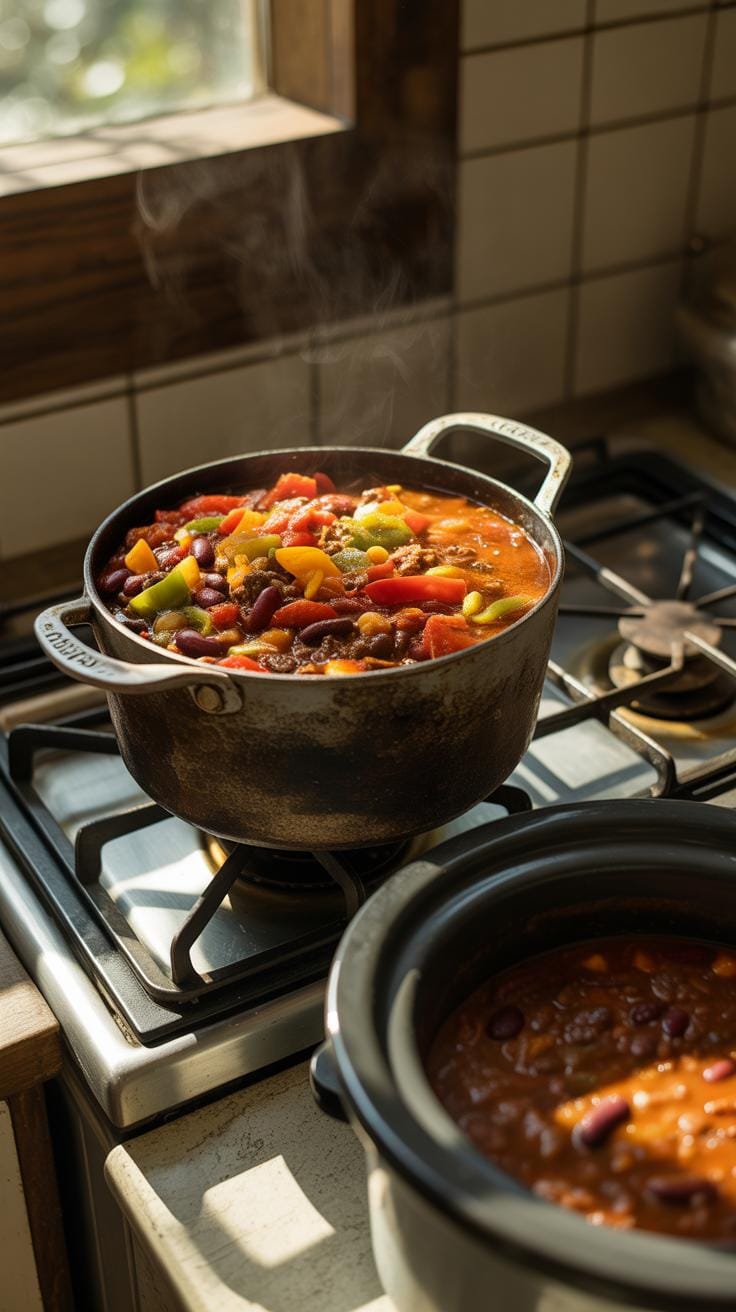
When it comes to making chili, both slow cooker and stove-top methods have their fans, but they differ quite a bit in how they affect your health goals. Slow cookers let ingredients mingle for hours, often resulting in richer, deeper flavors. That’s something many people enjoy. But, this long cooking time might also break down some sensitive vitamins, especially vitamin C and certain B vitamins in fresh veggies.
On the other hand, stove-top chili cooks faster, often preserving more heat-sensitive nutrients because the exposure to heat is shorter. Still, you might need to keep an eye on the temperature and stirring so nothing sticks or burns, which can add some hassle.
From a convenience standpoint, slow cookers are unbeatable. Toss everything in, set it, and forget it—great if you’re busy or want a ready meal at dinnertime. Stove-top requires more active attention, which might tempt you to sneak in extra ingredients like cream or cheese, which can bump up calories.
Adjusting recipes for each method matters. For slow cookers, lean meats and firmer veggies hold up better with longer cooking. Adding fresh herbs at the end can brighten the dish to compensate for any nutrient loss. Stove-top recipes, with quicker cooking, might let you use more delicate greens or quick-cooking beans safely.
- Slow cooker chili often delivers complex flavors but can lose some vitamins over extended cooking.
- Stove-top chili better preserves heat-sensitive nutrients but requires more oversight.
- For health goals, consider lean protein and limit added fats in both methods.
- Adjust veggie timing: add quick-cooking veggies late in a slow cooker, or early on the stove.
Ultimately, choosing between the two boils down to your priorities: is flavor depth or nutrient retention more important? Or maybe ease of preparation? It’s not a simple yes or no. Your schedule, taste buds, and health goals all play a part in the decision.
Practical Chili Ingredient Shopping Checklist
Fresh vs Canned Ingredients
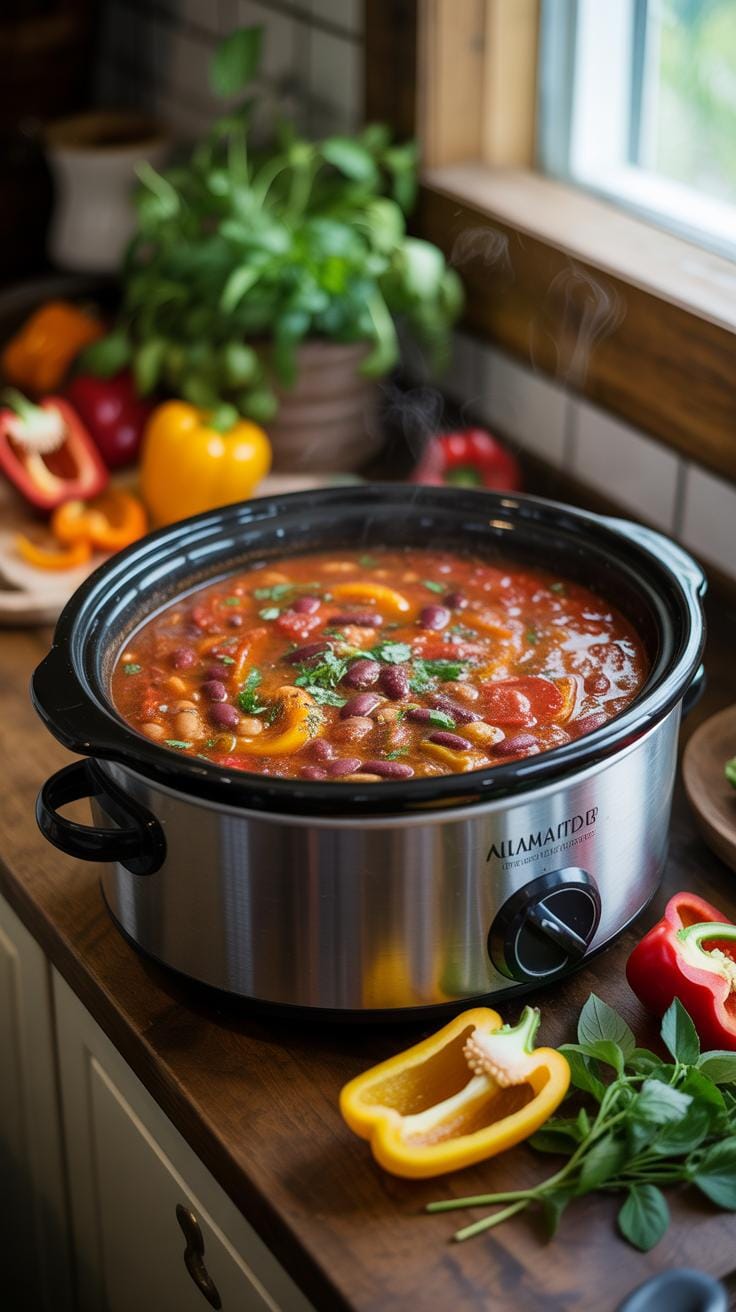
When shopping for chili ingredients, deciding between fresh, frozen, or canned is trickier than it seems. Fresh vegetables like tomatoes, onions, and peppers offer the best flavor and nutrients if you can use them soon after buying. But fresh produce can spoil quickly or sometimes lack consistency, especially if it’s off-season or not locally sourced. Frozen items often strike a decent balance—they keep well, retain nutrients, and taste better than canned versions, though texture can be a bit softer after thawing.
Canned goods like beans and tomatoes are convenient and budget-friendly, but you need to read labels carefully. Look for low-sodium or no-salt-added options to keep sodium in check. Watch out for cans with added sugars or preservatives too. Personally, I try to limit canned tomatoes because some brands add sugar, which you probably don’t want sneaking into your chili. Overall, fresh is great when you can get it right, frozen is practical, and canned requires label-reading diligence.
Spices and Flavor Enhancers Without Salt
Chili relies heavily on bold flavors, and you don’t need salt to get that punch. A good blend of herbs and spices can bring your dish to life. Think smoked paprika, cumin, chili powder, garlic powder, and onion powder. These add solid depth without calories or sodium. I sometimes toss in a bit of cinnamon or cocoa powder for subtle richness, which sounds odd at first but works surprisingly well.
Fresh herbs like cilantro or oregano sprinkled at the end also boost flavor without any health compromise. If you want some heat, crushed red pepper flakes or diced jalapeños spice things up without salt. I guess the trick is experimenting a bit to find what pleases your taste buds, because not every combination works the same for everyone. But relying on spices rather than salt makes a big difference if you’re watching your health goals.
Simple Swaps to Make Chili Healthier
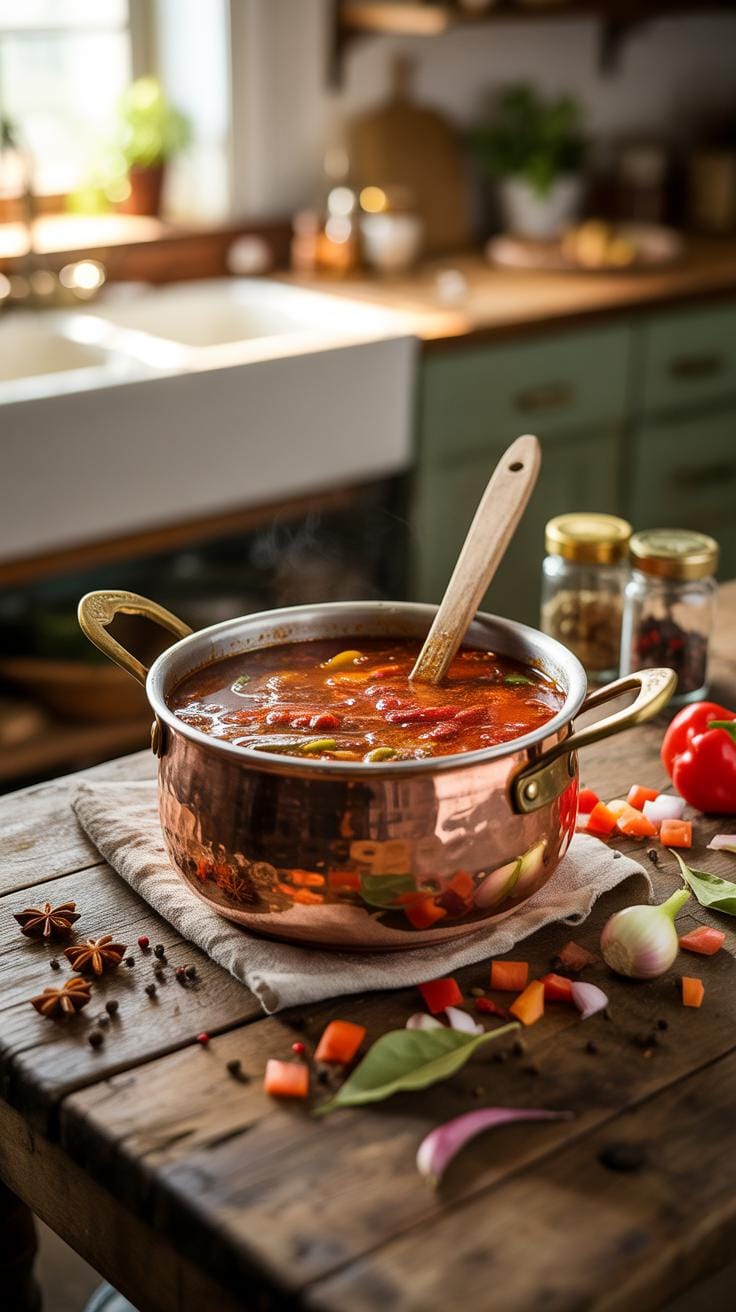
When it comes to making chili healthier, small changes can make a big difference. One common culprit is the type of meat you use. Ground beef is traditional, but it’s also high in saturated fat. Switching to lean turkey or even plant-based proteins like lentils or textured vegetable protein can lower fat content without sacrificing much flavor. I’ve found that rinsing cooked meat before mixing it in can also help remove excess grease, which is often overlooked.
Salt and sugar often sneak into chili recipes more than they should. Instead of reaching for table salt, try using herbs and spices like cumin, smoked paprika, or chili powder to build depth without the sodium overload. Sometimes a splash of lime juice or a little bit of natural sweetener—like pure maple syrup or a touch of honey—can replace refined sugars, balancing acidity and heat better than sugar does.
These swaps are not about eliminating flavor but about choosing ingredients that support your health goals while keeping chili comforting and satisfying. Have you ever tried cutting back on salt and noticed how much more you actually taste other flavors? It’s a small step but it changes how you enjoy your meal.
Examples of Healthy Slow Cooker Chili Recipes
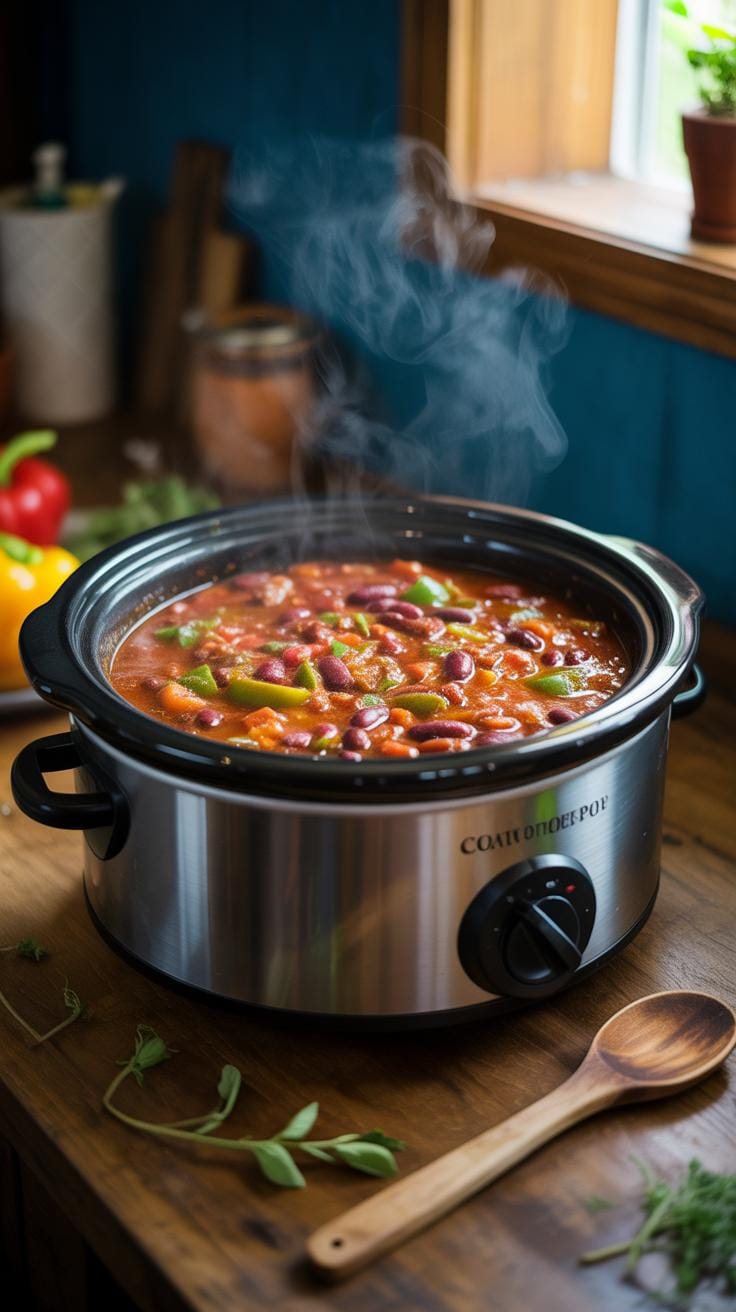
Trying to keep chili healthy doesn’t mean it has to be bland or complicated. Here are two recipes that stick close to balanced, low-sodium principles while delivering real flavor and nutrition. You might find one fits your tastes better, or maybe both, for different occasions.
Lean Turkey and Bean Chili
This one uses ground turkey for lean protein and a mix of beans for fiber and texture. The secret is fresh tomatoes and careful seasoning—avoid pre-made packets loaded with salt. You’ll need:
- 1 pound ground turkey
- 1 can (15 oz) kidney beans, rinsed
- 1 can (15 oz) black beans, rinsed
- 2 cups fresh diced tomatoes
- 1 small onion, chopped
- 2 cloves garlic, minced
- 1 tablespoon chili powder
- 1 teaspoon cumin
- Black pepper to taste
- 1 cup low-sodium chicken broth
Let it simmer in the slow cooker on low for 6-8 hours. The beans soak up the spices nicely. You might feel the need to add a pinch of salt, but try to rely on the fresh tomatoes and spices first.
Vegetarian Slow Cooker Chili
For a meat-free option, this version focuses on beans and colorful veggies for fiber, vitamins, and fullness. It’s easier than you might think to make it flavorful without the usual salt overload. Here’s what you’d use:
- 1 can (15 oz) black beans, drained and rinsed
- 1 can (15 oz) pinto beans, drained and rinsed
- 1 large bell pepper, chopped
- 1 medium zucchini, diced
- 1 small onion, chopped
- 2 cups fresh tomatoes
- 2 cloves garlic, minced
- 1 tablespoon chili powder
- 1 teaspoon smoked paprika
- 1 cup vegetable broth, low-sodium
Cook this on low for about 6 hours. The mixture thickens and spices meld well. It’s easy to toss in some fresh cilantro or a squeeze of lime when serving. You might find the extra fiber keeps you fuller longer—curious how that affects your afternoon cravings?
Conclusions
Slow cooker chili can be a nutritious and satisfying meal when prepared thoughtfully. Avoiding common pitfalls like too much fatty meat or excess salt makes a big difference. Choosing fresh ingredients and balancing flavors carefully helps keep chili aligned with your health goals.
By using the tips and ideas shared here, you can enjoy slow cooker chili without accidentally sabotaging your efforts. This meal becomes a reliable source of protein, fiber, and warmth that fits well into a balanced diet.