
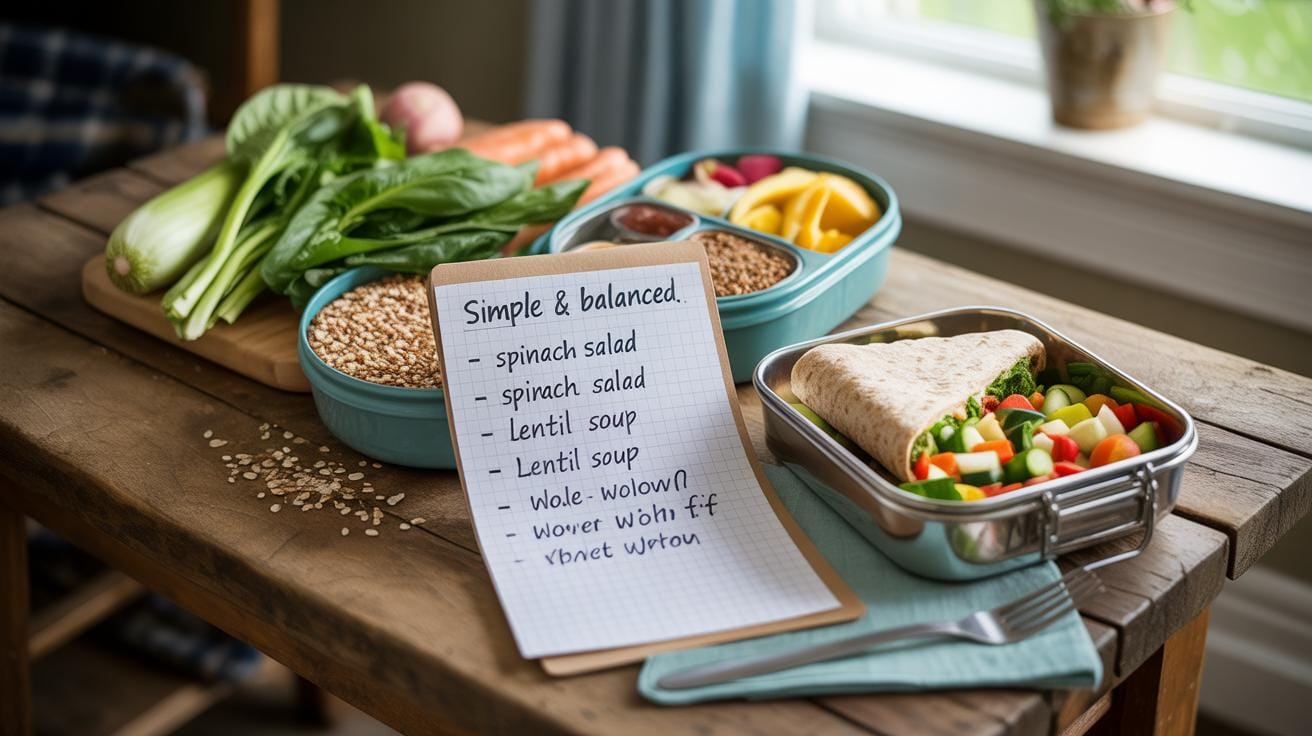
Building Effective Meal Plans on a Budget
Effective meal plans for health and fitness without breaking the budget can help you eat well and stay active without spending too much. Planning your meals carefully lets you control what you eat, making it easier to meet fitness goals while saving money. A good meal plan mixes the right nutrients and affordable ingredients for the best results.
In this article, you will find clear steps and examples to create meal plans that suit your lifestyle and wallet. From understanding what to eat to shopping smartly, this guide will show you how to eat healthy and stay fit without overspending. Let’s get started with practical ideas you can use right away.
What makes a meal plan budgetfriendly
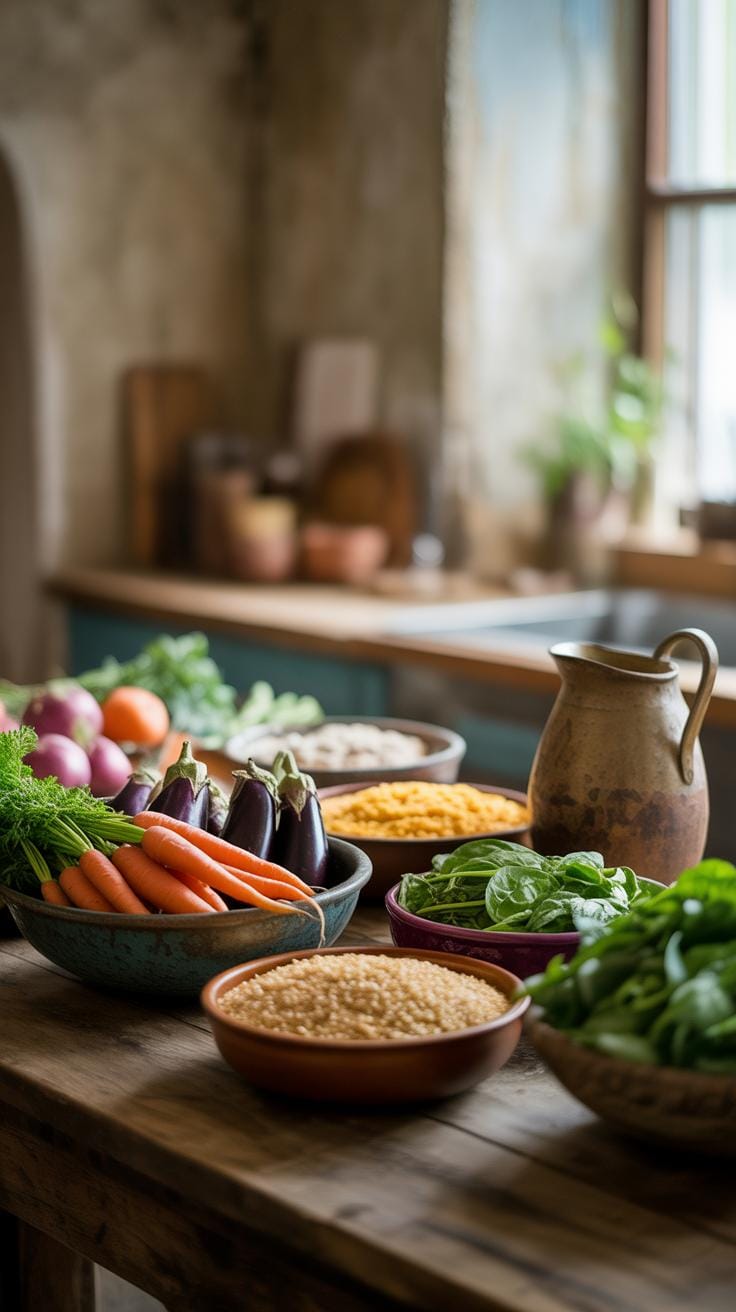
A meal plan that doesn’t drain your finances usually starts with simple, clear goals. You want food that supports your health and fitness but doesn’t lead to overspending. Affordability is obviously key—this means picking ingredients that offer good value for what you pay, and not just the cheapest options that might leave you hungry or lacking nutrients.

Ingredient selection plays a huge role. Think staples you can buy in bulk or that last long without spoiling. It’s not about variety for every meal but about balancing cost against nutritional needs. For example, beans, rice, and eggs are staples that meet both criteria. You can mix and match them in different meals without breaking the bank.
Meal frequency matters too. Eating too often or snacking excessively can inflate your costs. Sticking to planned meals, maybe three solid ones a day with minimal snacking, helps control spending. Yet, if your workout demands extra energy, you might need a small snack here and there. So, it depends on your routine and how hungry you get.
Choosing low-cost nutritious foods
Finding affordable foods that still fuel your body well isn’t as tricky as it sounds. A few ingredients come to mind immediately, and they might even surprise you. Beans—black, pinto, chickpeas—they’re packed with protein and fiber yet rarely cost much, especially dry versions. Rice is another one; it’s filling and versatile, forming the backbone for many meals.
Seasonal vegetables also deserve attention. They tend to be cheaper and fresher when in season. Spinach in spring, pumpkins in fall—eat what’s natural to the time of year and you’ll usually pay less. Eggs often get overlooked, but they offer a quick, budget-friendly protein boost and can be part of many dishes.
Sometimes, it feels like you need to sacrifice variety to save money, but mixing these basic foods in different ways can keep things interesting. Think of a bean stew one day, a rice and vegetable stir-fry the next. It’s about being creative with simple ingredients.
Avoiding costly processed foods
Processed foods might look convenient, but they usually come at a higher price. Pre-packaged meals, snacks, and ready-to-eat items often cost more per serving than cooking from scratch. Plus, they can undermine your fitness goals by being high in unhealthy fats, sugars, and sodium.
Cutting back on these foods can free up budget space. This doesn’t mean you must avoid them entirely—sometimes convenience matters—but it helps to reserve processed items for rare treats rather than staples. Preparing your own meals gives you more control over ingredients and portions, and chances are, it ends up being cheaper overall.
You might find yourself wondering if spending a little more on a processed ‘healthier’ option is worthwhile. It can be, but tracking what you buy and experimenting with homemade versions often reveals you can get similar results at a lower cost.
Steps to build your meal plan
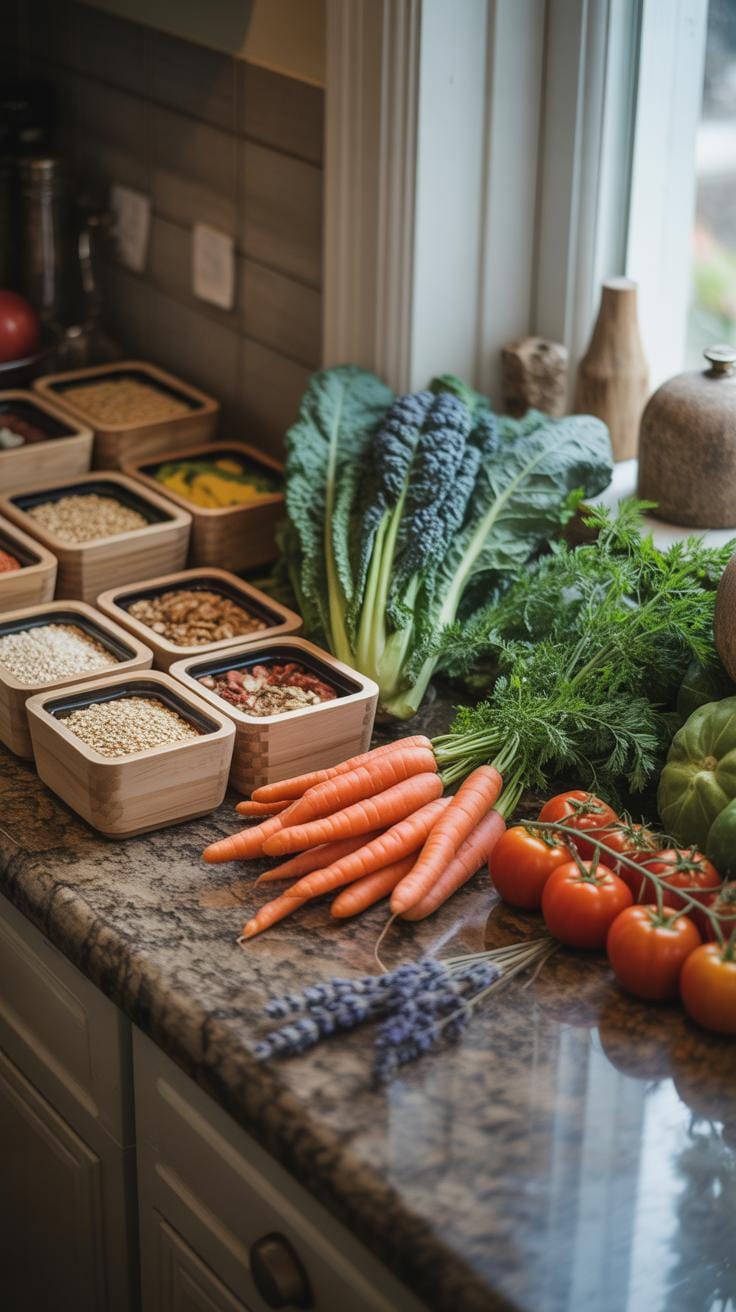
Creating a meal plan that supports your health and fitness goals while keeping costs down takes a bit of thought, but it’s manageable. Start by setting aside time each week to plan—not just meals, but also prep sessions. Scheduling meals makes your week less stressful and can stop you from grabbing expensive last-minute options. Try blocking out short prep times, maybe 30 minutes a few days a week, to batch-cook staples like grains or roasted veggies.
Next, list out your weekly meals across breakfast, lunch, dinner, and snacks. Keep recipes simple—think oatmeal with fruit, rice bowls with beans and veggies, or eggs with toast. These tend to cost less and are flexible for tweaks. Remember, variety matters, but it doesn’t mean complicated. Mixing in the same few ingredients in different ways works just fine.
Once you know what you’re cooking, write a shopping list that directly matches your menu. Group items by category—produce, dairy, pantry staples—to speed up your trip and reduce impulse buys. It might feel tedious, but it helps prevent buying things you don’t need, which eventually saves money and time. You can even check what’s already in your pantry first, so you don’t double-up. Does this sound like work? Maybe, but it’s a kind of work that pays off most weeks.
How to shop smart for your meals

Shopping smart isn’t just about grabbing the cheapest items on the shelf. It’s a mix of strategy and a bit of patience. For example, comparing prices takes a little effort but can save you more than you think. Sometimes, two stores nearby might have vastly different prices for the same product. It’s worth checking flyers or apps before heading out. You might find that the bulk store offers better deals on staples like rice or oats.
Buying in bulk works well for items that last long—grains, legumes, nuts. Just make sure you have the right storage. I once bought a big bag of lentils thinking I’d save, but didn’t seal it properly and ended up with bugs. Not my best idea. But when done right, it really cuts down your food costs over time.
Seasonal shopping is another way to stretch your budget. Fruits and vegetables in season tend to be cheaper, fresher, and, quite honestly, tastier. Think about buying tomatoes in summer instead of winter. They usually cost less and taste better because they’re naturally harvested then, not stored or shipped from afar. Plus, seasonal produce can have more nutrients since it’s fresher. I’ve noticed eating in-season fruits feels more satisfying, almost like the body appreciates it more.
So, what’s best? Mix these methods. Compare prices, buy bulk wisely, and focus on seasonal produce. It’s a bit of work upfront, but it pays off on your grocery bills and your health.
Meal prep tips to save time and money
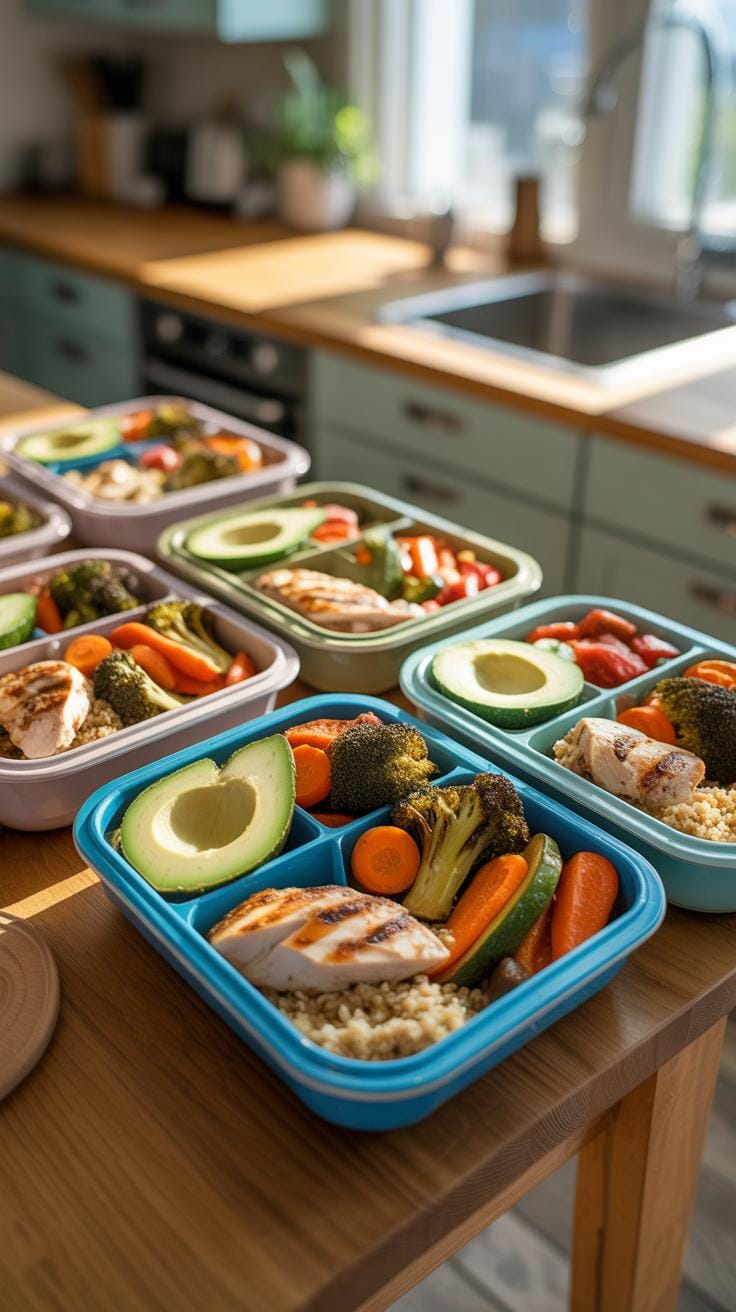
Meal prepping can feel like a bit of a chore at first, but once you find a rhythm, it really pays off. One way to save time and avoid last-minute scrambles is to plan your cooking around a couple of core ingredients you can reuse in different ways. For example, roasting a big batch of vegetables or cooking grains like rice or quinoa in one go lets you mix and match meals later.
Reducing food waste is another part of saving money that I think doesn’t get enough attention. Try to use all parts of your ingredients—like turning vegetable scraps into broth or freezing leftover herbs. This way, you squeeze every bit of value out of what you buy.
Batch cooking basics
Batch cooking means making larger portions all at once, which can feel overwhelming but doesn’t have to be complicated. Pick recipes that reheat well, such as stews, casseroles, or grain bowls. Then, divide the cooked food into individual or family-sized containers, depending on what suits your lifestyle. This strategy lets you grab meals quickly without extra cooking during busy days.
It helps to schedule a specific time for batch cooking, maybe on weekends or whenever you have free time. Even just two or three solid sessions a week can significantly cut down daily cooking hours.
Safe storage methods for leftovers
Storing your prepped meals properly keeps them fresh and safe to eat longer. Cool your food to room temperature before refrigerating to avoid condensation, which can speed spoilage. Containers with tight-fitting lids work best, and if you label them with dates, you can keep track of freshness more easily.
Most cooked meals stay good in the fridge for about three to four days, but if you’re not sure you’ll eat them in time, freezing is often the better option. Just beware of freezer burn, which can alter taste and texture—using airtight freezer bags or vacuum sealing helps avoid that.
Sometimes I wonder if people underestimate how these small storage habits affect both their budget and health. Maybe it’s just a bit of extra thought that makes all the difference when it comes to meal prepping without wasting food or money.
Basic nutrition for fitness goals
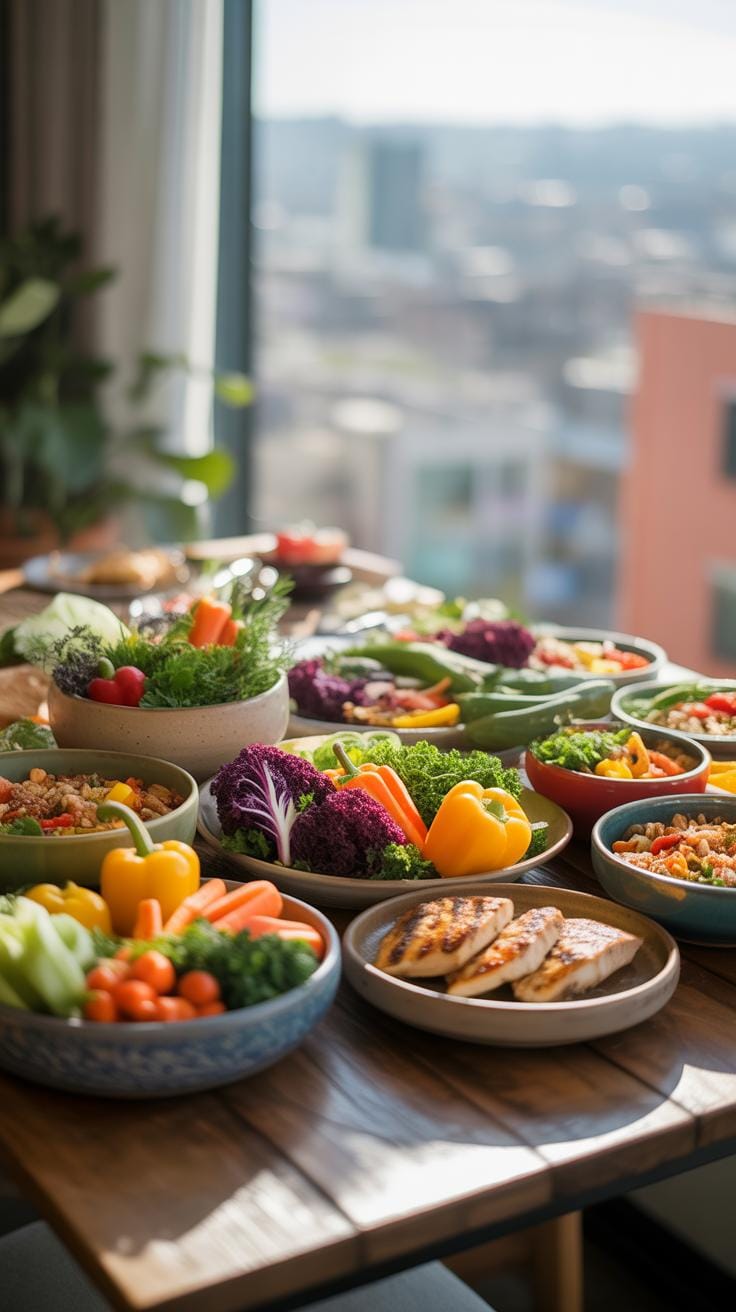
When it comes to health and fitness, knowing what your body needs can feel a bit overwhelming. But if you break it down, the essentials come down to a few key nutrients: proteins, carbohydrates, fats, vitamins, and minerals. Each plays a unique role in how your body performs and recovers.
Role of protein in muscle health
Protein stands out as a cornerstone for anyone focused on building or maintaining muscle. It provides the building blocks—amino acids—that your body uses to repair muscle tissue after exercise. This doesn’t mean you must eat expensive protein powders every day. Affordable options exist, often overlooked, like canned tuna, eggs, beans, and even peanut butter. Some people swear by chicken thighs over breasts because they’re cheaper and still pack protein. Not the leanest maybe, but hey, it works. You do want to hit a reasonable daily target—roughly 0.8 to 1 gram per pound of body weight—but it’s flexible depending on your goals.
Carbohydrates for energy
Carbs often get a bad rap, but they remain the body’s main energy source—especially during workouts. Without enough carbs, you might find yourself dragging mid-session or feeling mentally foggy. Good news is that many budget-friendly carbs can fuel you effectively. Think rice, oats, potatoes, and seasonal vegetables. These foods store well, stretch across meals, and don’t sting your wallet. You might have days where you feel carb-heavy meals slow you down, but for the most part, they’re essential. Balancing your intake to match activity levels could make a real difference.
Sample meal plan under 30 per week
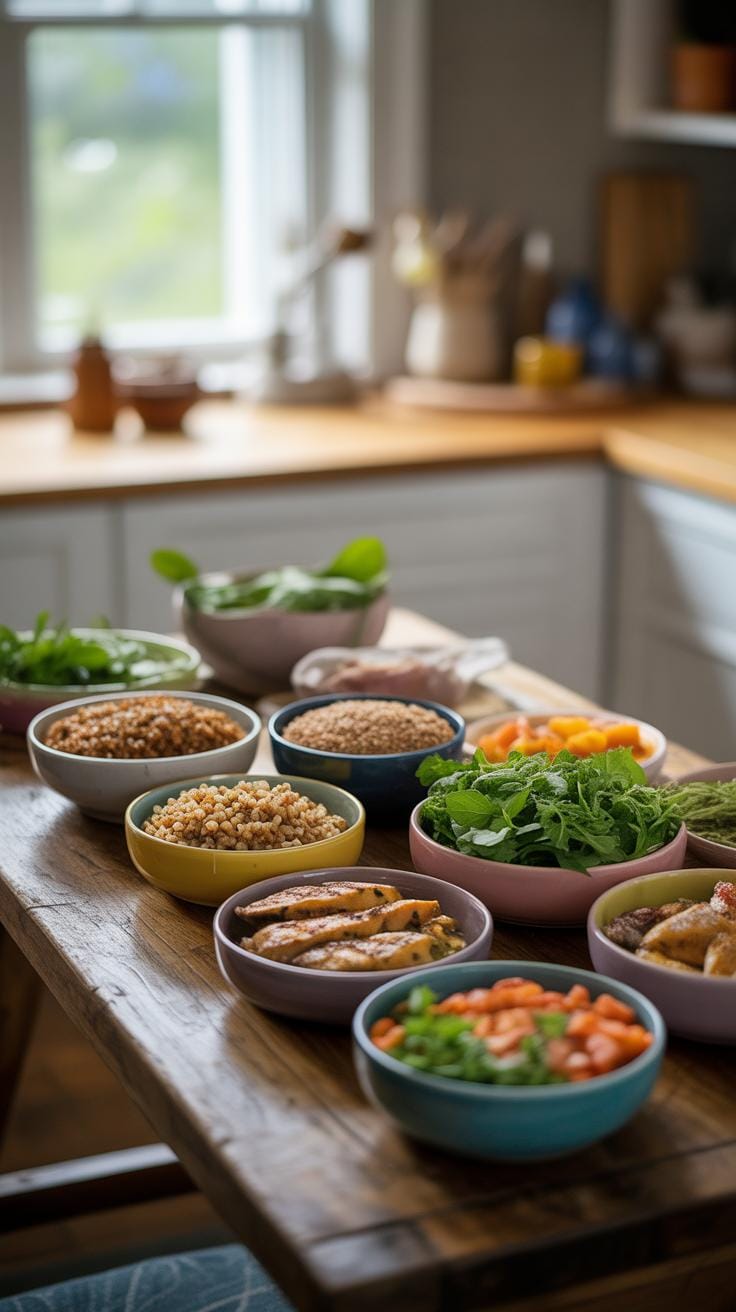
Let’s get into a real example of a weekly meal plan that stays under $30. It might sound tricky to balance nutrition and cost so tightly, but it’s doable with some simple staples and careful portioning. This plan focuses on basic ingredients that you can stretch across meals and snacks.
Here’s a typical day from the plan:
- Breakfast: Oatmeal (1/2 cup dry oats) with a sliced banana and a sprinkle of cinnamon.
- Snack: Carrot sticks (1 medium carrot) with 2 tablespoons of hummus.
- Lunch: Brown rice (3/4 cup cooked) with black beans (1/2 cup cooked), sautéed spinach (1 cup), and a drizzle of olive oil.
- Snack: An apple or the rest of the banana from breakfast.
- Dinner: Baked chicken thighs (3 oz) with roasted sweet potatoes (1 medium potato) and steamed broccoli (1 cup).
You can see the portions are moderate but satisfying, combining protein, fiber, and healthy fats without going overboard.
For the whole week, you’d rotate some ingredients—switching black beans for lentils, swapping spinach for frozen mixed greens, or alternating sweet potatoes with white potatoes to keep the budget low. Snacks are often fruit or simple veggies, which are cheaper and easy to grab.
Shopping list for the sample plan
Here’s what you’d pick up, with rough prices to keep you close to $30:
- Oats, 18 oz – $2.50
- Bananas, 6 medium – $1.20
- Carrots, 1 lb – $1.00
- Hummus, 8 oz – $2.50
- Brown rice, 2 lb – $2.00
- Black beans, dried 1 lb – $1.50
- Spinach, frozen 12 oz – $1.80
- Chicken thighs, bone-in, skin-on, about 3 lbs – $6.00
- Sweet potatoes, 3 medium – $2.50
- Broccoli, fresh 1 lb – $2.00
- Olive oil, small bottle (use sparingly) – $3.00
- Apples, 4 medium – $2.00
Prices can vary, of course, and sometimes sales make this even cheaper. But this list is realistic enough, at least for many urban and suburban areas. If you feel limited by the lack of variety, remember that spices, seasoning, and how you cook these ingredients make a big difference.
Are you surprised how much you can do with just these staples? It’s not gourmet, but it works, keeping you fed and moving without draining your wallet. The simplicity actually helps—you spend less time wandering aisles and more time eating. Not bad for under $30.
Common meal planning mistakes
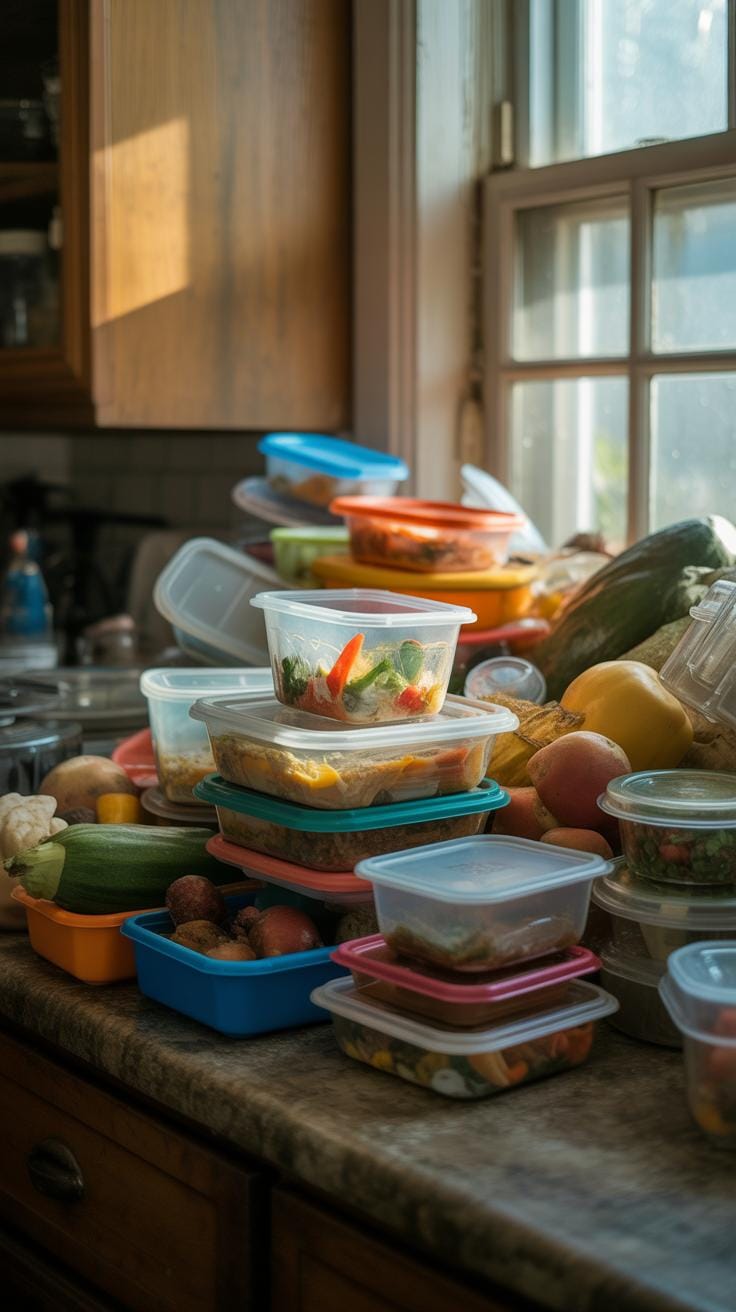
One of the biggest slip-ups when trying to stick to a healthy, budget-friendly meal plan is skipping meal prep. It sounds obvious, but not setting aside time to prepare your meals can quickly lead to grabbing whatever’s easiest—and often, that means more expensive takeout or less nutritious convenience foods. I’ve found that when I don’t prep, I end up spending more and feeling less satisfied. It’s like your good intentions get derailed by sheer convenience.
On top of that, ignoring portion control is a trap many fall into. It’s easy to heap food onto your plate without really thinking about how much you need, which can cause both waste and unintentional overeating. Portion control isn’t just about calories, either—it also helps you stretch your groceries further. For example:
- Measuring servings can prevent tossing out extras that spoil
- Smaller portions can push you to choose more nutrient-dense options
- Thinking through portion sizes ahead of time can reduce snacking out of boredom
Maybe portion control feels restrictive, but it can actually give you more freedom in your budget by cutting down on excess food purchases and reducing overeating that might lead to spending on snacks or quick fixes later. Do you really know how much food you need for each meal, or is it a bit of a guessing game?
Using fitness goals to guide your meals
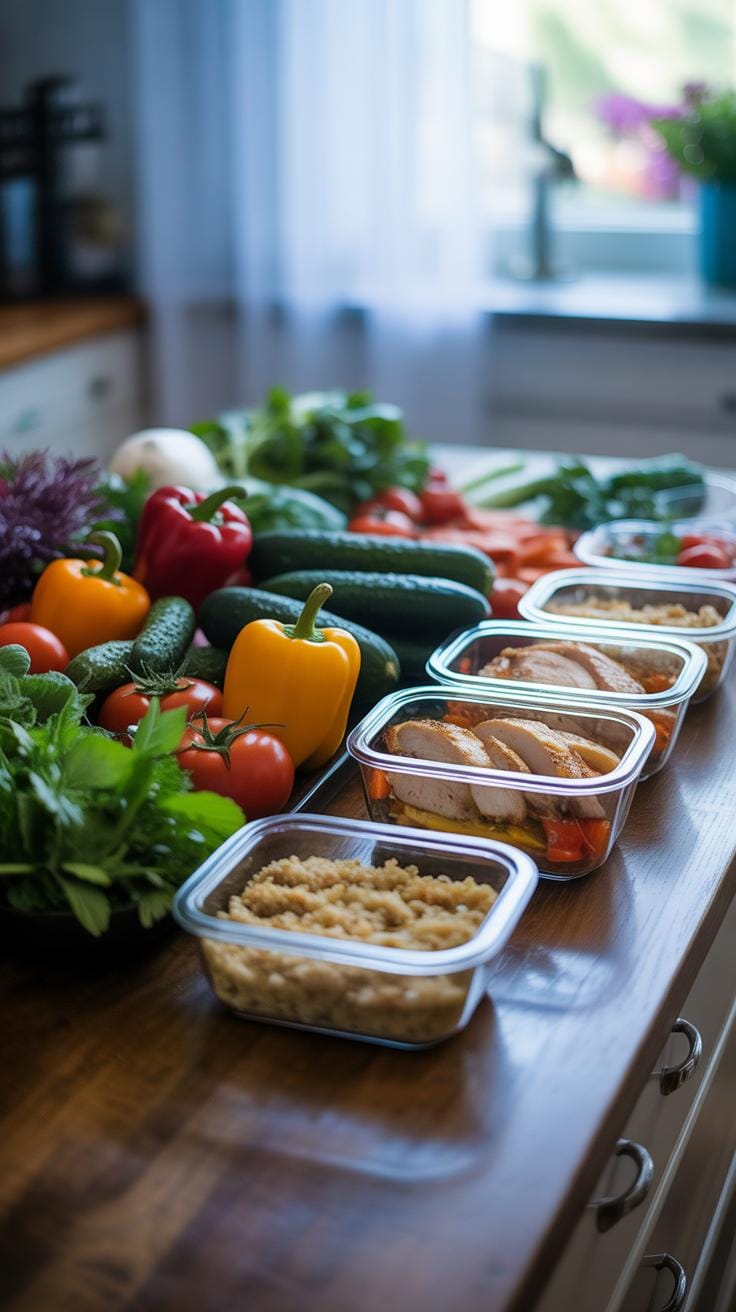
Your fitness goal shapes much more than just the exercises you do—it steers what ends up on your plate, too. If weight loss is your aim, meals tend to be lower in calories but still filling enough to keep hunger at bay throughout the day. You might find yourself choosing lean proteins, lots of vegetables, and smaller portions of carbs. This approach often means buying simple ingredients in bulk, like frozen veggies and chicken breasts, which can stretch your budget while keeping meals satisfying.
Muscle gain, on the other hand, demands more calories and a stronger focus on protein. You’ll likely add things like eggs, Greek yogurt, and legumes to your shopping list—sometimes pricier, but worth it if you balance with affordable staples like oats or canned beans. It’s almost about eating often, spreading calories across multiple meals and snacks, which, admittedly, could feel like more work, or even more cost. But planning ahead helps, because you can prep meals in batches to save both time and money.
Endurance training introduces other challenges. You’ll notice a bigger emphasis on carbs for sustained energy and moderate protein to aid recovery. This might mean including items like whole-grain pasta, bananas, and peanut butter—usually budget-friendly but needing some thought to avoid too much variety that can get expensive. Timing matters here too, with meals scheduled around your training to fuel performance and replenish energy.
It might feel tricky at first to juggle these factors—calorie needs, nutrient focus, meal timing—without overspending. But, by identifying what your body truly needs and syncing meals with workouts, you can build a plan that supports your goals and your wallet. Does your budget allow for some flexibility, or will you need to prioritize staples most? That question often influences just how varied your meals can be.
Thinking about your own workout times can help too. Maybe a quick snack before a morning run or a full meal after weightlifting makes sense. Experiment with what feels best for your energy levels, and watch how those choices shape not just your results but also how much you spend on food.
Tools to help plan your meals
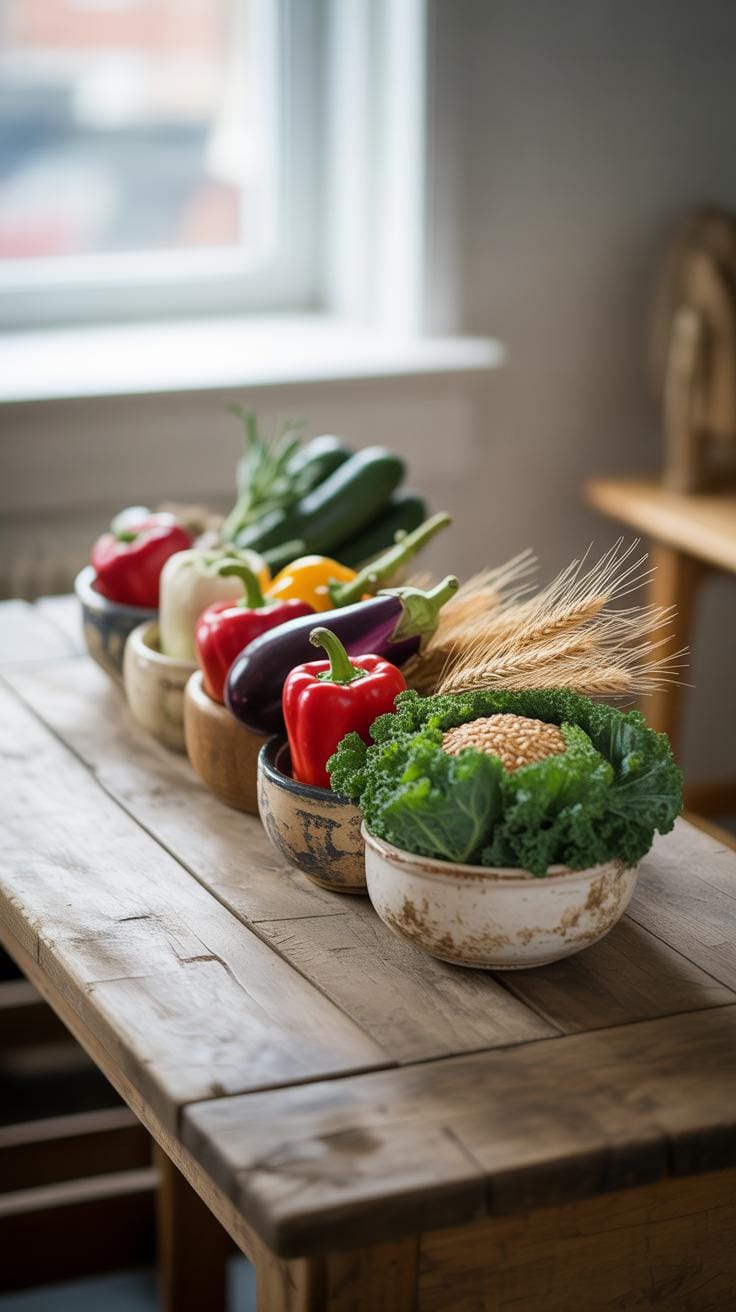
Using some practical tools can make meal planning far less daunting, especially when you’re trying to balance nutrition and budget.
Recipe and meal planning apps like Mealime or Yummly are popular because they offer tailored meal suggestions. You can filter by budget, dietary needs, or even what’s already in your fridge. I found that plugging in a rough weekly budget in these apps nudges me to pick meals that don’t blow my spending plan. It’s not perfect, but it’s a good start rather than guessing blindly.
On the budget side, apps like Mint or Goodbudget help track spending across your groceries. Sometimes you think you’re keeping expenses down until you review your totals and realize snacks and impulse buys slipped in. Seeing it clearly can prompt better decisions next time.
Of course, no app fixes everything. Sometimes, I wonder if obsessing over every cent makes meal planning less enjoyable. But trying these tools at least gives you a clearer picture—maybe that’s enough for now.
Adjusting your plan over time

Changing your meal plan isn’t a one-time task. As your fitness goals shift or your budget changes, you’ll need to revisit what you eat and how you shop. Maybe you started with weight loss in mind but now want to build muscle. That calls for more protein and possibly more calories. Or perhaps your budget got tighter, so finding affordable alternatives becomes necessary.
Try setting a reminder every few weeks to check your plan’s effectiveness. Ask yourself some simple questions: Are you feeling satisfied? Is your progress slowing? Is the grocery bill creeping up? Jot down what’s working and what’s not. Sometimes small changes, like swapping expensive salmon for canned tuna or stretching a recipe with extra veggies, can make a big difference.
Don’t be afraid to let go of meals that feel boring or too costly. Adjustments can be quick, but they keep the plan realistic and sustainable over time.
Tracking progress and costs
Keeping an eye on your health progress and food expenses helps you stay on track. You might try a simple journal where you note meals, energy levels, or how your clothes fit. Many apps can make this easier—you can track macros, weight changes, or even mood swings linked to what you eat. This might feel tedious, but the insight it gives often pays off.
On the budget side, receipts are your friend. Keep them for a week or two and total the spending on groceries. Then, compare it with your planned budget. This practice shows patterns—like overspending on snacks or buying pricier brands without realizing it. Once you know where the money goes, you can target areas to trim.
Tweaking meals for variety and budget
Eating the same thing daily quickly gets dull. That’s the easiest way to lose motivation, even if the diet is effective. Switching ingredients can keep meals fresh without straining the wallet. For example, rotate your starches: use brown rice one week, sweet potatoes the next. Swap chicken breasts for canned beans or lentils to lower costs and change flavors.
Playing with spices and herbs also makes familiar recipes feel new. You might find a simple chili powder or curry blend turns ordinary vegetables into something completely different. When you come across a new recipe, consider how you can swap out a costly ingredient for a budget-friendly alternative without losing the essence of the dish. This kind of small experimentation keeps both your taste buds and your finances happy.
Do you notice your meals becoming repetitive? Experiment with just one element at a time and see what sticks. That way, you won’t waste food or money. Meal planning isn’t fixed—it’s flexible, like you.
Conclusions
To make a meal plan that supports your health and fitness, focus on choosing affordable, nutritious foods. Planning ahead, cooking at home, and avoiding expensive processed items save money and improve your diet quality. Remember to adjust your plan based on your personal goals and preferences.
Meal planning is a useful tool to balance your diet and budget. By using practical steps and thoughtfully selecting foods, you can maintain good health and fitness without extra costs. Start simple and build your plan over time for lasting benefits.