
What a Freezer Meals Savings Checklist Covers
Freezer meals offer a practical way to save money while maintaining a healthy diet. With rising food costs and busy schedules, preparing and storing meals in advance can help you stick to your fitness goals without sacrificing nutrition.
This article provides a detailed savings checklist to optimize your freezer meal routine. From budgeting and shopping tips to meal prepping and storage, you will learn how to use freezer meals effectively to support your health and fitness journey.
Budgeting for Freezer Meals

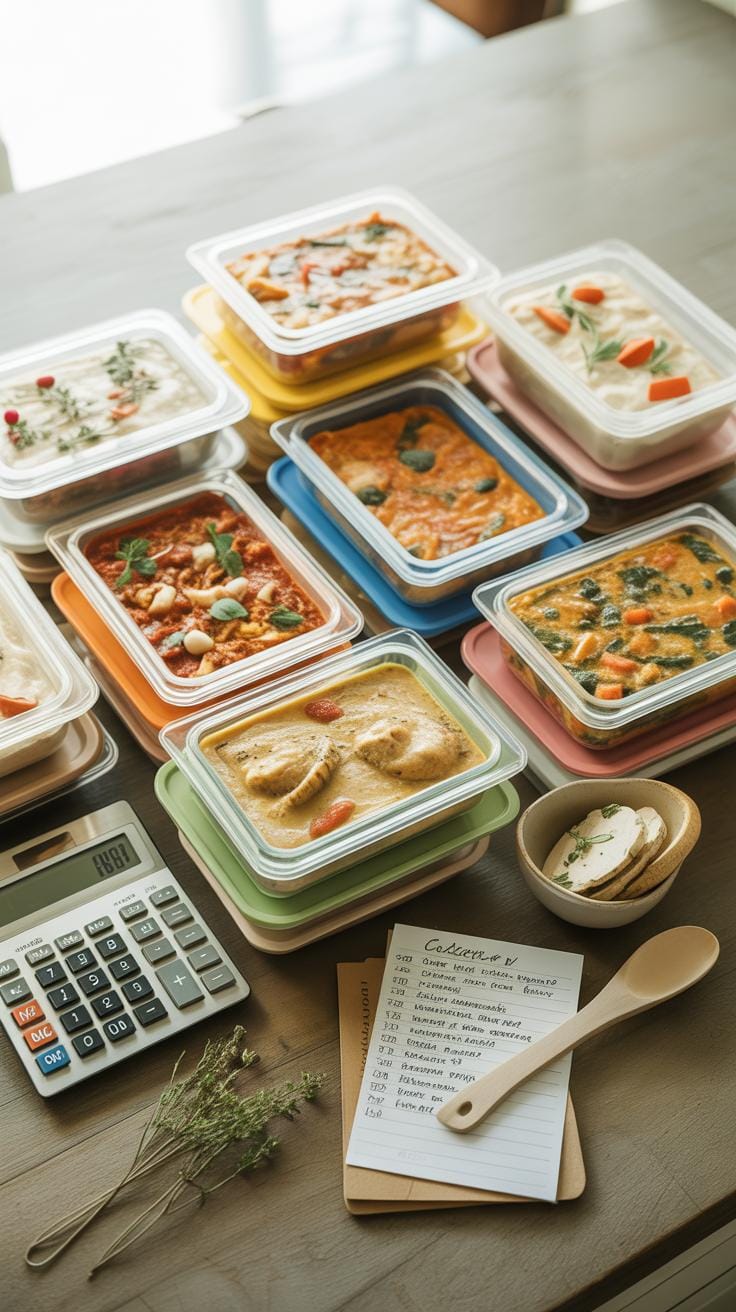
Creating a budget for freezer meals starts with knowing exactly what you spend on groceries now. Tracking your current expenses over a few weeks can be quite revealing—sometimes I was surprised how much small purchases add up. Write down every ingredient or item related to your meal prepping to see where your money flows.
Next, comparing prices between stores or brands helps you spot opportunities to save. Maybe one supermarket has better deals on frozen vegetables, while another offers a discount on lean meats. Don’t hesitate to try different places or even online options, if that fits your routine.
Setting financial goals for your meal plan might not be as straightforward as it seems. You could aim to lower your spending by 10% or keep within a fixed amount every month. What matters more is making the goal realistic. It’s okay if you have to adjust it along the way. Have you thought about what you’re willing to spend weekly or monthly to make this happen?
Setting a Monthly Meal Budget
Deciding how much to allocate for freezer meals requires some trial and error. Start by reviewing your overall grocery budget, then carve out a portion specifically for meal prepping. This might mean setting aside $50 or $100 a month depending on your household size and food preferences.
Consider your eating habits—are you cooking mostly for yourself, or a family? That affects quantities and costs. Maybe start small and increase as you get more comfortable with cooking in bulk.
One trick is to split your monthly budget into weekly segments. That way, you avoid blows to your wallet all at once and can adjust spending based on what’s on sale or what you need more of in any given week.
Finding Deals and Bulk Discounts
Deals on ingredients ideal for freezer meals pop up more often than you might expect. Keep an eye on weekly flyers, store apps, or online newsletters from grocery chains. Sometimes, deals on chicken thighs or beans come around regularly.
Bulk buying can be a game changer, but it depends on your freezer space and how quickly you use ingredients. Sharing bulk items with friends or family can make even larger purchases more affordable. Think about staples like rice, pasta, or ground meat that freeze well and make for flexible meal bases.
Also, don’t overlook local farmer’s markets or discount grocers. Their prices can be surprisingly competitive, especially towards closing time. You might find produce that lasts well frozen, which contributes to long-term savings.
Choosing Nutritious Ingredients
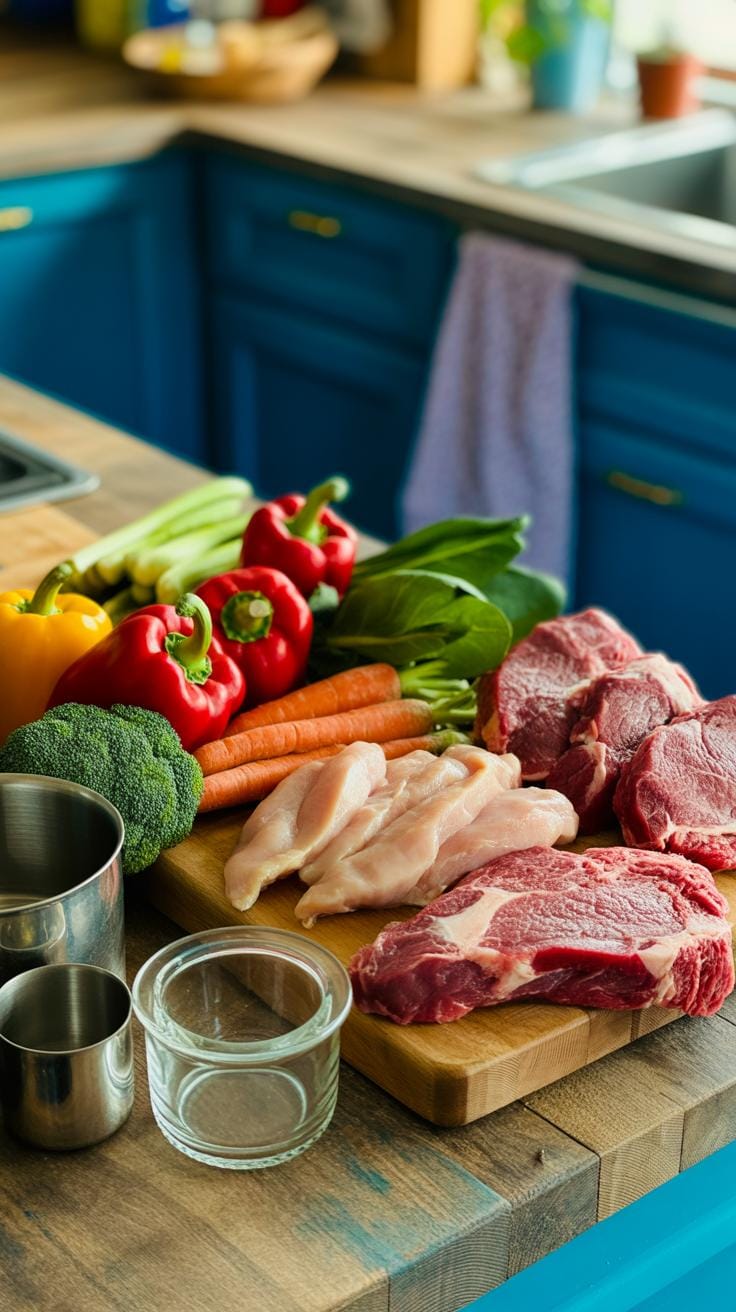
Picking ingredients for freezer meals feels like walking a tightrope between health and budget. You want meals that support your fitness goals but don’t drain your wallet. Protein tends to be the backbone of any balanced meal—things like chicken thighs, canned beans, or eggs are not just affordable but freeze well too. I’ve found that leaning on legumes for protein sometimes surprises me with how filling they are, despite their low cost.
Fiber is another piece of the puzzle. Frozen vegetables like spinach, peas, or carrots keep their nutrients and texture fairly well after freezing. They add that slow-burning energy you need without extra calories. Vitamins matter too, even if some degrade during freezing. Still, choosing brightly colored veggies ensures a decent vitamin punch.
Balancing Cost and Nutrition
Sometimes, fresh produce can be tempting but pricey. That’s where frozen fruits and veggies come in—they’re often cheaper and last longer, which means less waste. You don’t have to buy fancy cuts of meat to get quality protein; chicken drumsticks or ground turkey can stretch further and still keep meals healthy.
Buying in bulk can save money, but you’ll need space in your freezer—not everyone has a giant chest freezer, right? Also, when items are on sale, stock up and freeze portions. There’s no point in wasting money on ingredients that spoil before you use them.
Examples of Healthy Freezer-friendly Foods
- Chicken breasts and thighs
- Ground turkey or lean beef
- Frozen mixed vegetables (peas, carrots, broccoli)
- Legumes like black beans or lentils (pre-cooked and frozen)
- Sweet potatoes (baked and frozen in chunks)
- Quinoa and brown rice (cooked and portioned for freezing)
- Frozen berries for smoothies or oatmeal
These foods don’t just freeze well—they hold up nutritionally and fit nicely into meals designed for healthy eating and fitness. You might find yourself relying on a handful of staples that rotate through your freezer. There’s comfort in that routine, even if it feels a bit repetitive at times. Still, that’s probably how good habits start.
Planning Weekly Freezer Meals
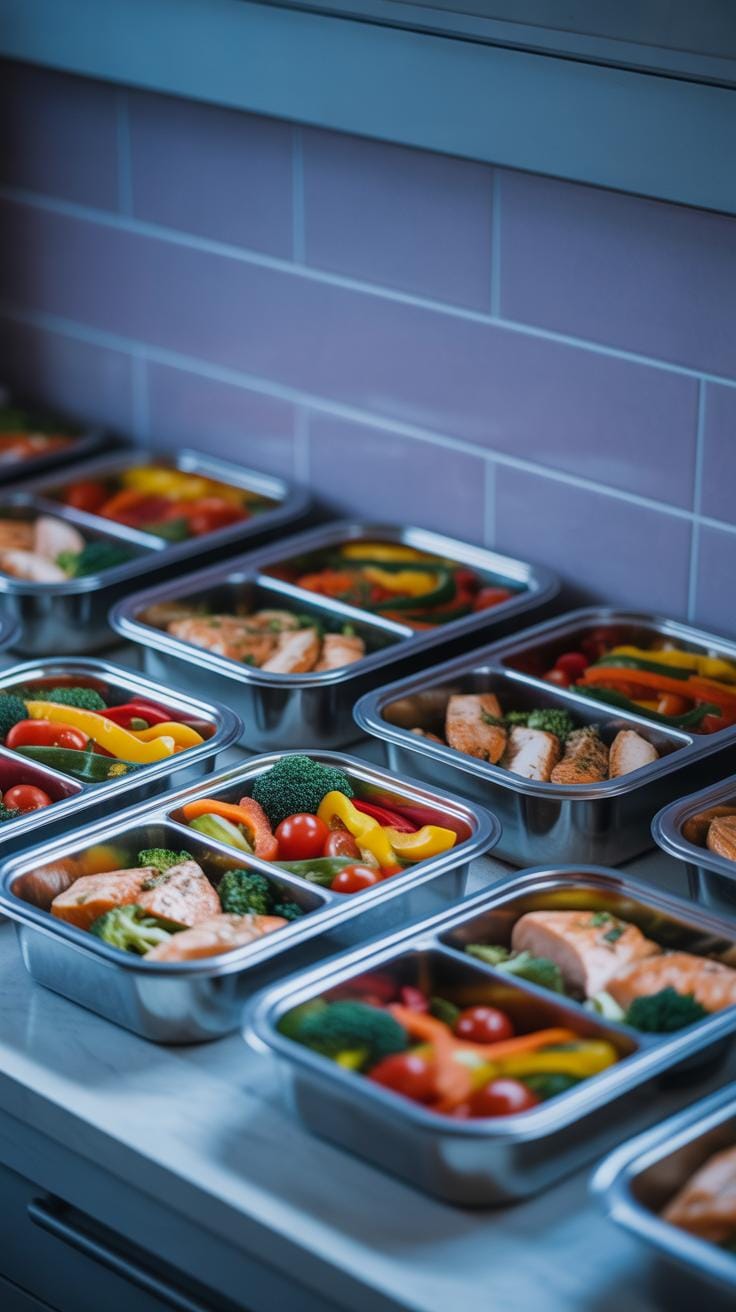
When planning freezer meals each week, the goal is to reduce stress around mealtime and save money without sacrificing nutrition. Start by deciding which meals you want to prepare and freeze in advance. Don’t rush this step—it helps to think about what fits your schedule and cravings for the upcoming days.
Create a meal schedule that lays out which freezer meal will be eaten on which day. For example, you might cook a batch on Sunday that lasts for three dinners, then plan two fresh meals midweek. This kind of planning lets you spread out cooking time and avoids last-minute rushes to the store.
After scheduling, make detailed ingredient lists for each meal, combining common ingredients when possible. This not only saves money but avoids unnecessary trips to the grocery store. When I forget this step, I end up buying things that go unused and eventually get tossed, which feels like a waste.
Planning weekly freezer meals keeps cooking ahead manageable and prevents you from scrambling for something quick but less healthy at the end of a busy day. Have you ever tried prepping meals for just a few days? It surprisingly changes your whole attitude toward food and your budget.
Creating Meal Maps for the Week
Meal maps organize your week’s food so you don’t end up eating the same thing three nights in a row—or skimping on nutrition unknowingly. Arrange meals in chronological order and make sure you include a mix of proteins, vegetables, and grains spread out evenly.
For example, if Monday’s freezer meal is a hearty beef stew, schedule a lighter chicken and vegetable bake for Wednesday, and maybe a vegetarian chili later in the week. This variety keeps meals interesting and ensures you’re covering different nutrients, which is easy to overlook if you just freeze the same leftovers.
Also, consider which meals pair well with quick sides or extras that keep your routine simple. You might want to pair a freezer lasagna with a fresh salad on the day you eat it, so you don’t lose track of balance. Meal maps aren’t set in stone—you can shuffle meals but having a plan makes it easier to stay on track without overthinking every night.
Shopping Lists That Save Money
When you have a detailed ingredient list from your meal plans, transform it into a clear shopping list. Keep this focused, avoiding extras that aren’t related to planned meals. This is where impulse buys creep in, especially if you shop hungry or unfocused.
Shop your pantry first—sometimes you have staples hiding in the back, and knowing this can reduce what you actually need to buy. I used to overlook this and double-buy basics like rice or canned tomatoes.
Stick to your list as strictly as possible. It’s tempting to grab deals or things that look good momentarily, but unless they fit your meal map, they probably only add clutter and waste. Also, bulk buying ingredients used across multiple meals helps keep costs down. For instance, picking up a large bag of frozen vegetables can cover several dishes.
Do you notice any patterns in what you tend to add off-list? That might reveal your real cravings or needs. Either way, sticking to a precise shopping list linked to your freezer meal plan is a simple step that saves money and keeps your kitchen efficient.
Prepping and Cooking Techniques
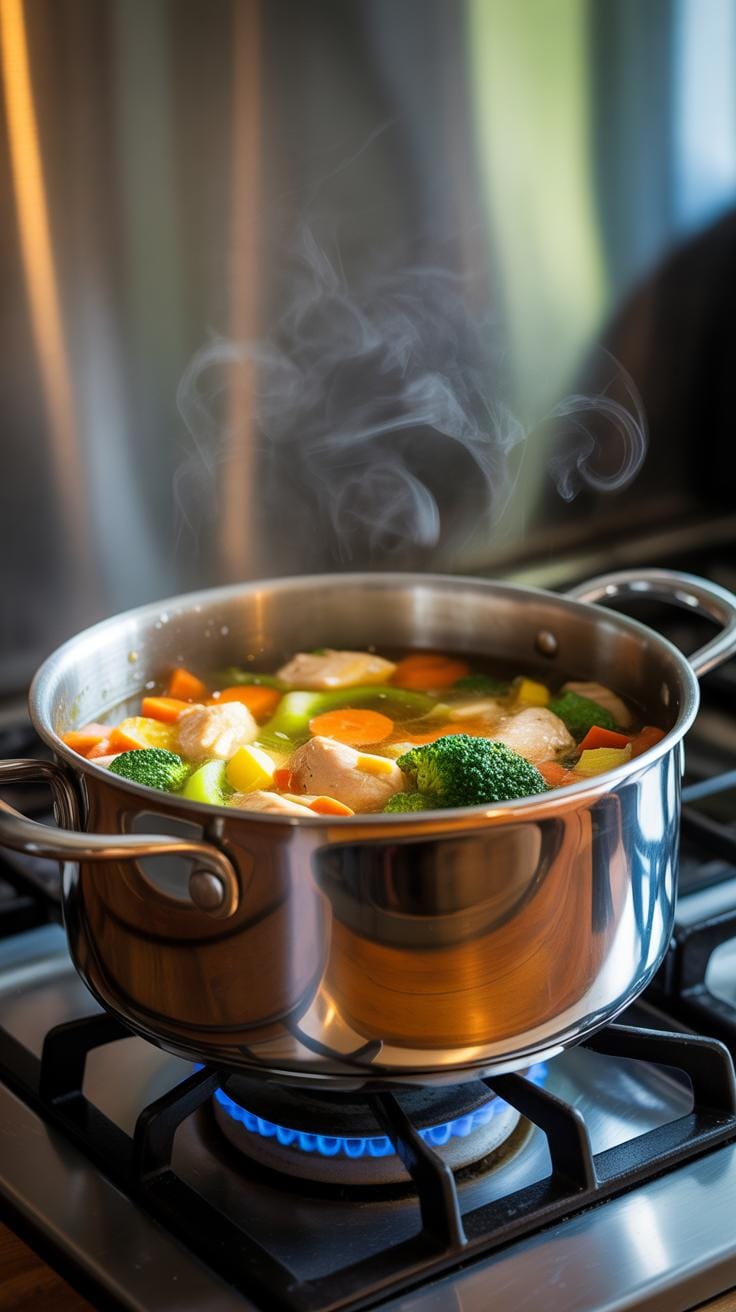
When it comes to prepping freezer meals, you want to start with fresh ingredients. Wash, peel, and chop your vegetables right before cooking to lock in as much flavor as possible. Some veggies, like onions and bell peppers, do well when sautéed first to bring out their sweetness, while others—like broccoli or spinach—can be lightly steamed and added later. It might seem a bit tedious, but prepping everything in advance saves time midweek.
Cooking freezer meals in one go often means adjusting your usual methods slightly. For example, slightly undercooking pasta or rice ensures they won’t become mushy after freezing and reheating. Spices can shift in strength after freezing, so hold back on salt and delicate herbs until reheating. Trust me, it’s better to adjust seasoning later than have a bland or overwhelming meal.
Once cooked, cool your meals quickly. Spread them out in shallow containers or on trays to reduce the time they spend at unsafe temperatures. Having your meals cool before freezing keeps textures intact and prevents freezer burn—yeah, that’s something I’ve had to be more careful about over time.
Batch Cooking Basics
Batch cooking is about making one big batch of food instead of multiple small ones. It saves you the hassle of starting over every day. You might cook a big pot of chili or bake several chicken breasts at once. The trick lies in portioning—divide your meals into single or family-sized servings right after cooking.
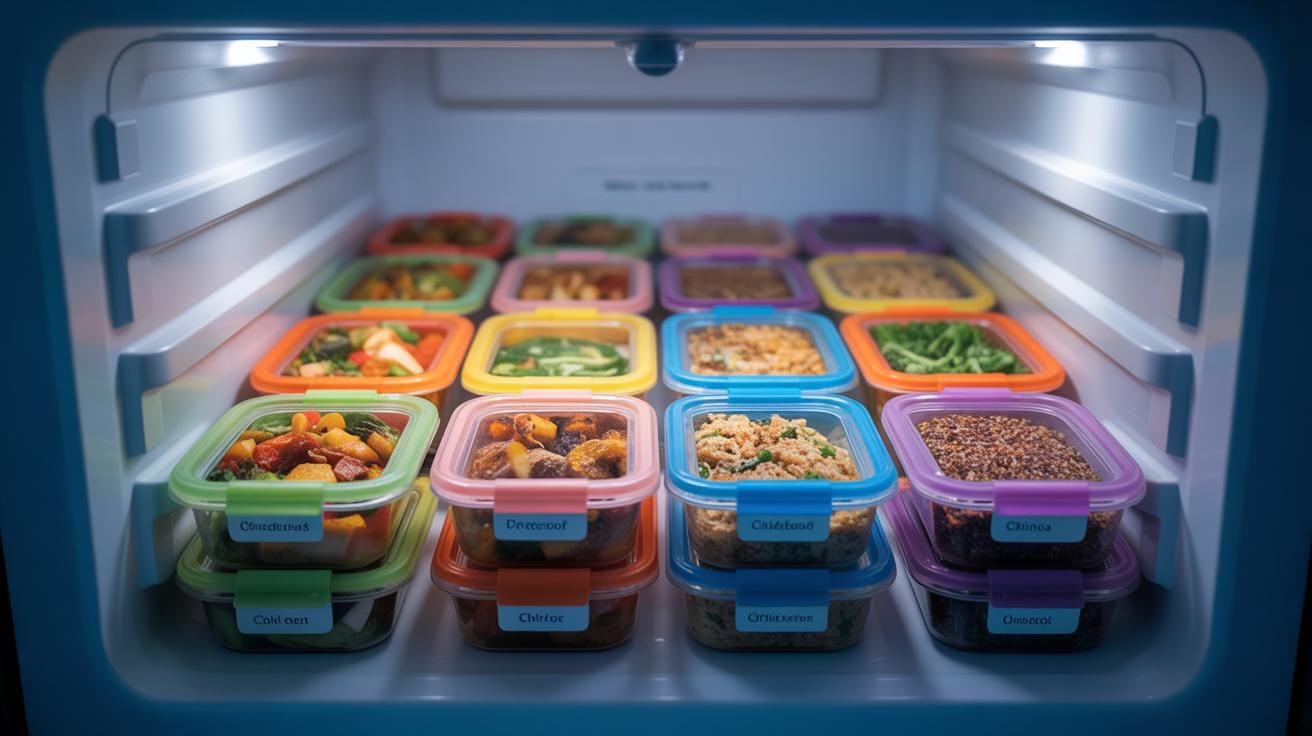
This way, when you’re ready to use them, you only thaw what you need. I’ve found that labeling each container with the meal name and date really helps avoid that “what’s this?” moment two months down the line. Also, using freezer-friendly bags or airtight containers keeps things tidy and stackable.
Safe Freezing Practices
Freezing food safely means paying attention to temperature and packaging. Your freezer should be set to zero degrees Fahrenheit or below—that keeps bacteria and spoilage at bay. When wrapping your meals, make sure to squeeze out extra air from bags; leftover air leads to freezer burn and dried-out food, which no one wants.
Don’t forget to cool cooked foods before freezing. Placing hot dishes directly into the freezer can raise the overall temperature inside and risk partially thawing other foods. Split large portions into smaller ones to help them freeze faster and evenly. Slower freezing sometimes compromises texture, and I think it’s something people overlook.
Lastly, try to eat freezer meals within two to three months. While they can last longer, flavors and textures tend to degrade over time. Keeping track can be a small chore, but your taste buds will thank you.
Organizing Your Freezer Space
Labeling and Dating Meals
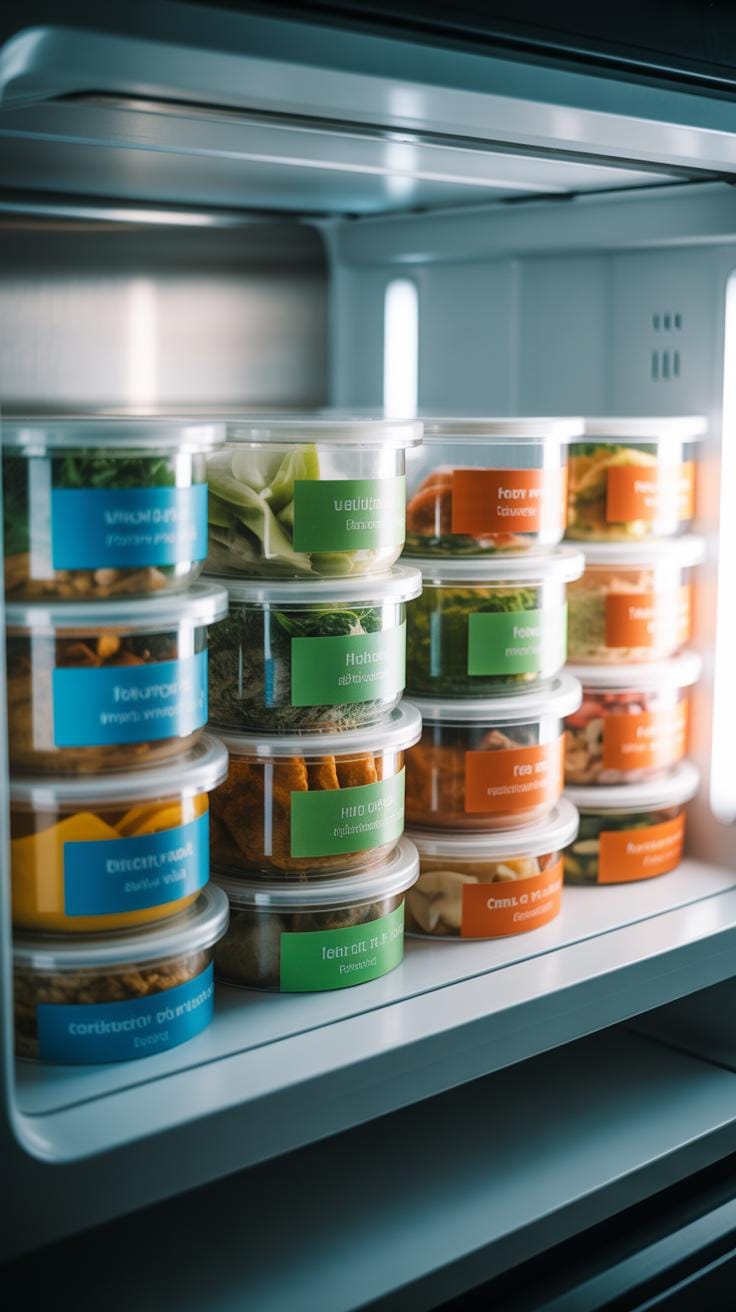
You might have experienced that moment when you open the freezer and can’t remember what a container holds or when you made it. Labeling meals is a simple step that can save you a lot of trouble. Use freezer-safe labels or masking tape, and always write the contents clearly along with the date you packed it. Sometimes I guess I’ll be able to tell by sight, but honestly, that rarely works out. Dates help you eat meals in the right order before anything spoils or loses quality.
Try to include brief notes like reheating instructions or portion size. Even if you think you’ll remember later, these little details come in handy. Think about how much time you spend searching — labeling cuts down on that, giving you more time to focus on your health goals.
Stacking and Storage Tips
Freezer space can get cramped quickly. One thing I’ve learned is that stacking flat bags of soup or sauces horizontally lets them freeze like slim, easy-to-store sheets. Those stack neatly and save way more room than bulky containers—plus they thaw faster too. Use clear bins or containers to group similar meals. For example, keep breakfast items in one bin and dinners in another. This keeps everything accessible and reduces the risk that you’ll forget about something buried at the back.
It’s tempting to cram things in, but leaving just a little breathing room helps cold air circulate, which freezes meals better. So sometimes it’s worth reorganizing rather than squeezing everything. Always keep frequently used meals near the front. That way, you avoid digging around and disrupting your entire freezer setup.
Tracking Nutritional Goals
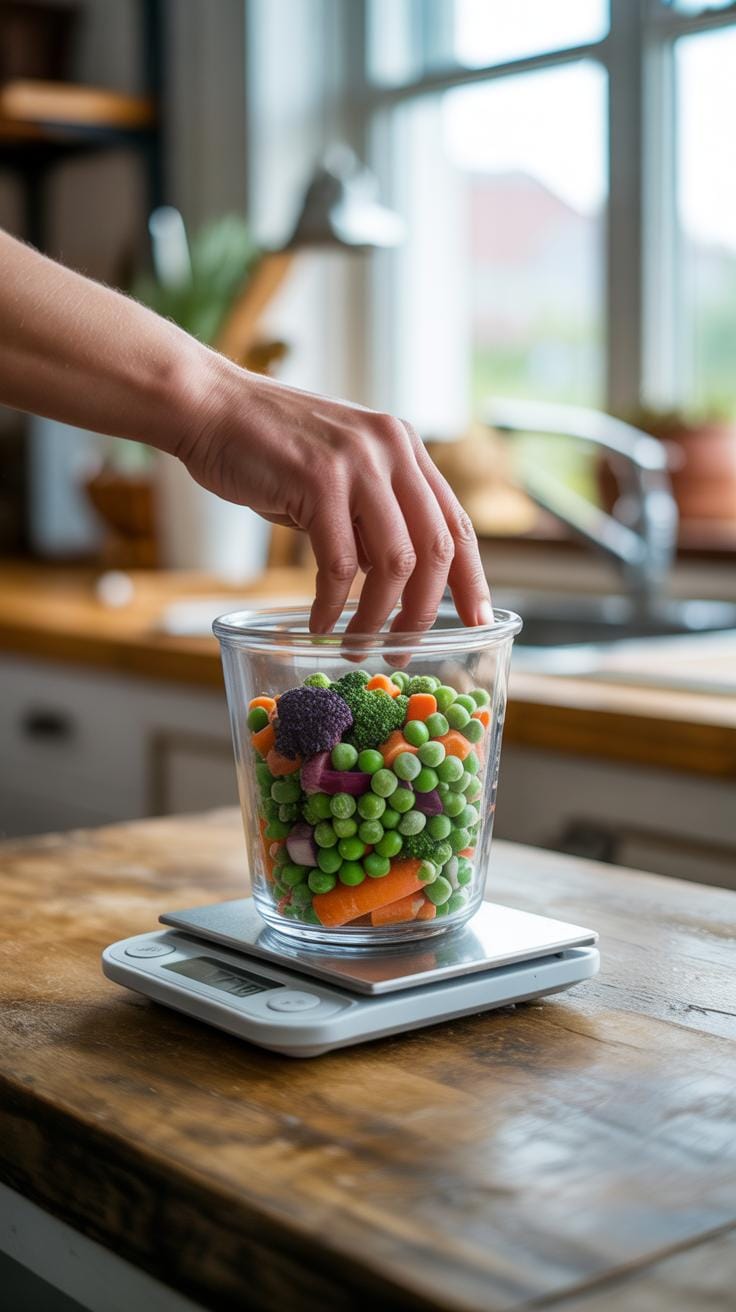
Measuring the nutritional content of freezer meals is trickier than it sounds, especially once you start mixing ingredients or doubling recipes. You might think you know what’s packed inside, but portion sizes can vary, cooking methods change nutrient profiles, and even brands differ.
To get a clearer picture, start by breaking down each ingredient separately before cooking. For instance, note the grams of chicken breast, cups of veggies, and amount of oil. Then, use a food database or an app to find calorie and macro values per portion. This baseline helps you estimate the whole meal’s nutrition more accurately.
Sometimes, I’ve found my initial estimates off because I forgot sauces or overlooked the oil I sautéed in. So I try to be meticulous but also take readings with some skepticism. Are you tracking every spoonful? If not, your numbers may drift too far from reality to be useful.
Does the idea of measuring every piece feel tedious? Maybe. But you can always aim for a good enough approximation instead of perfection, especially if your goals tolerate that margin.
Monitoring Calories and Macros
Tracking calories and macros in freezer meals requires a method that fits into your routine. Many rely on apps like MyFitnessPal or Cronometer. You can input ingredients before cooking, create the dish as a recipe, and then divide by the number of servings to get per-meal counts.
Another approach is weighing your plate after reheating, though that assumes even distribution when freezing. Freezer meals sometimes clump together, making it tough to serve precise portions. I’ve often guessed portion sizes at mealtime and adjusted my totals later if I noticed discrepancies.
Keep a simple spreadsheet if you feel the digital route gets overwhelming. Note calories, protein, fat, and carbs for each meal chunk. Then, tally them against your daily targets. This lets you see trends over time without needing detailed entries every day.
Ever tried eyeballing carbs in a casserole? It’s surprisingly inaccurate. Weighing ingredients pre-freeze often saves you trouble down the line.
Adjusting Recipes for Goals
Fitness goals evolve, so your freezer meals might need to flex too. If your protein goal increases, try adding lean meats, beans, or tofu to dishes. For cutting carbs, swap starchy sides with extra veggies or leafy greens.
Sometimes, I scale back fats by reducing oils or choosing lower-fat dairy. But then meals lose a bit of flavor, which matters. So it’s a balance—nutritionally sound yet still something you want to eat.
When weight or training status changes, ask yourself: does this meal still fit my targets? If not, tweak quantities or ingredients before your next batch. That way, freezer meals won’t become nutritional dead ends but tools that support whatever’s next in your health journey.
Do you find recipe adjustments intimidating? Start small: remove half the cheese, add more broccoli, and see how it feels. It takes some trial and error, but freezer meals offer a flexible foundation if you stay attentive.
Common Freezer Meal Challenges
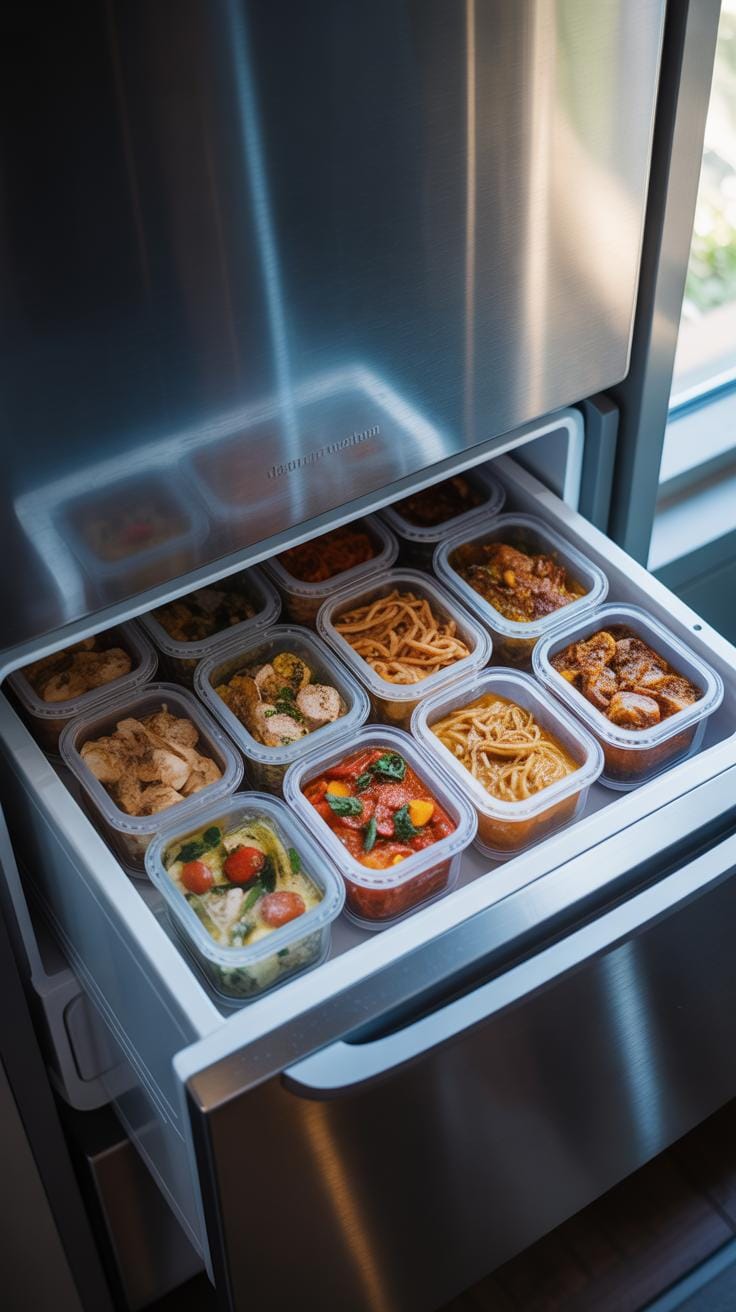
Freezer meals sound great in theory, but if you’ve ever found yourself staring at a few discolored leftovers or wondering why a meal tastes off, you’re not alone. Several issues come up again and again, and knowing how to handle them can make your freezer meals enjoyable instead of frustrating.
Avoiding Freezer Burn
Freezer burn happens when food dries out and develops those grayish or white patches. It’s caused by air exposure inside the freezer, which sucks moisture from your meals. You might think just popping the meal in any container works, but that’s often the culprit. To keep freezer burn at bay:
- Use airtight bags or containers designed for freezing. The tighter the seal, the better.
- Remove as much air as possible before sealing, maybe with a vacuum sealer or by pressing out air manually.
- Label and use meals within three months to prevent long-term damage.
- Avoid reheating and refreezing—it damages texture and invites freezer burn.
Personally, I learned the hard way when a batch of chicken stew turned leathery because I skipped air removal. It made me more vigilant about packaging.
Maintaining Meal Quality
Freezing food doesn’t pause time perfectly. Texture, flavor, and even nutrients will shift if you’re not careful. You want your meals still to feel fresh rather than just “safe.” Some ways to protect quality include:
- Cool meals completely before freezing to avoid ice crystals that ruin texture.
- Freeze in meal-sized portions so you only defrost what you’ll eat, preventing waste.
- Cook vegetables al dente—so they don’t get mushy after freezing and reheating.
- Add fats or sauces after thawing if possible; some separate or change consistency during freezing.
Even with best practices, some meals may lose brightness or bite. So, I guess you have to accept a bit of change and plan accordingly. For me, soups freeze better than stir-fries, but that might not be your experience. Do you notice certain foods holding up better than others?
Examples of Freezer Meal Plans
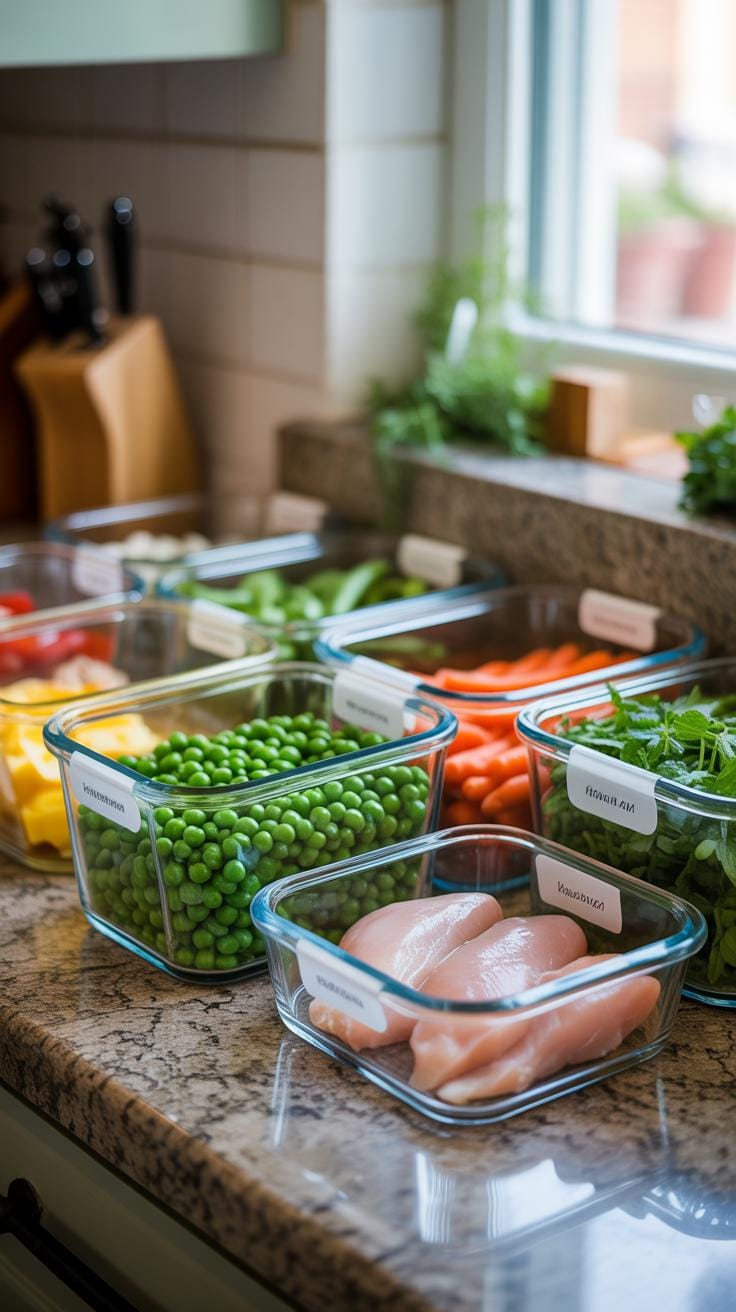
Weekly Balanced Meal Plan
Planning a week’s worth of freezer meals can feel like a puzzle at first, but breaking it down works well. For example, you could start with a batch of grilled chicken breasts, portioned for salads or wraps, which you freeze in individual wraps or containers. On Monday, thaw a chicken salad with mixed greens and quinoa. Tuesday, use some in a vegetable stir-fry with broccoli and bell peppers.
Midweek, perhaps a turkey chili made with beans and tomatoes, packed in mason jars or zip-lock bags, can save the day. Just reheat, add a side of brown rice or sweet potato, and you’re set. On Thursday, how about spinach and mushroom egg muffins? Made in advance, frozen, and ready to just microwave. They’re great for breakfast or a quick snack, especially if you’re juggling workouts.
Friday’s meal could be salmon portions with steamed green beans and couscous, all prepared and frozen. The weekend allows some flexibility; you might want to thaw leftover chili for a quick dinner or go for a frozen veggie burger with salad. This structure keeps a balance of protein, veggies, and whole grains, tailored for energy and recovery.
Quick Meal Ideas for Busy Days
On hectic days, there’s rarely time to fuss over elaborate meal prep. This is where simple freezer meals really shine. Think of meals you can grab, heat, and eat with minimal effort. Single-serving turkey or chicken meatballs, frozen in sauce, work well. Heat and add over zucchini noodles or whole wheat pasta.
Another go-to is homemade veggie-packed soups or stews, like lentil and kale. Freeze them in small portions so you only thaw what you need. These options are comforting, nutritious, and save you from last-minute takeout temptations.
Don’t underestimate veggie and protein-packed casseroles, either. Prepare them in advance and freeze in individual portions; the oven or microwave does the rest. And if you’re short on time, a frozen smoothie pack—pre-chopped fruits, spinach, and protein powder—can be a lifesaver. Just dump it in a blender with some liquid.
Sometimes it helps to ask yourself: which meals do I reach for most often when I’m rushed? Then, you can adapt those into freezer-friendly versions without overcomplicating things.
Evaluating Your Savings
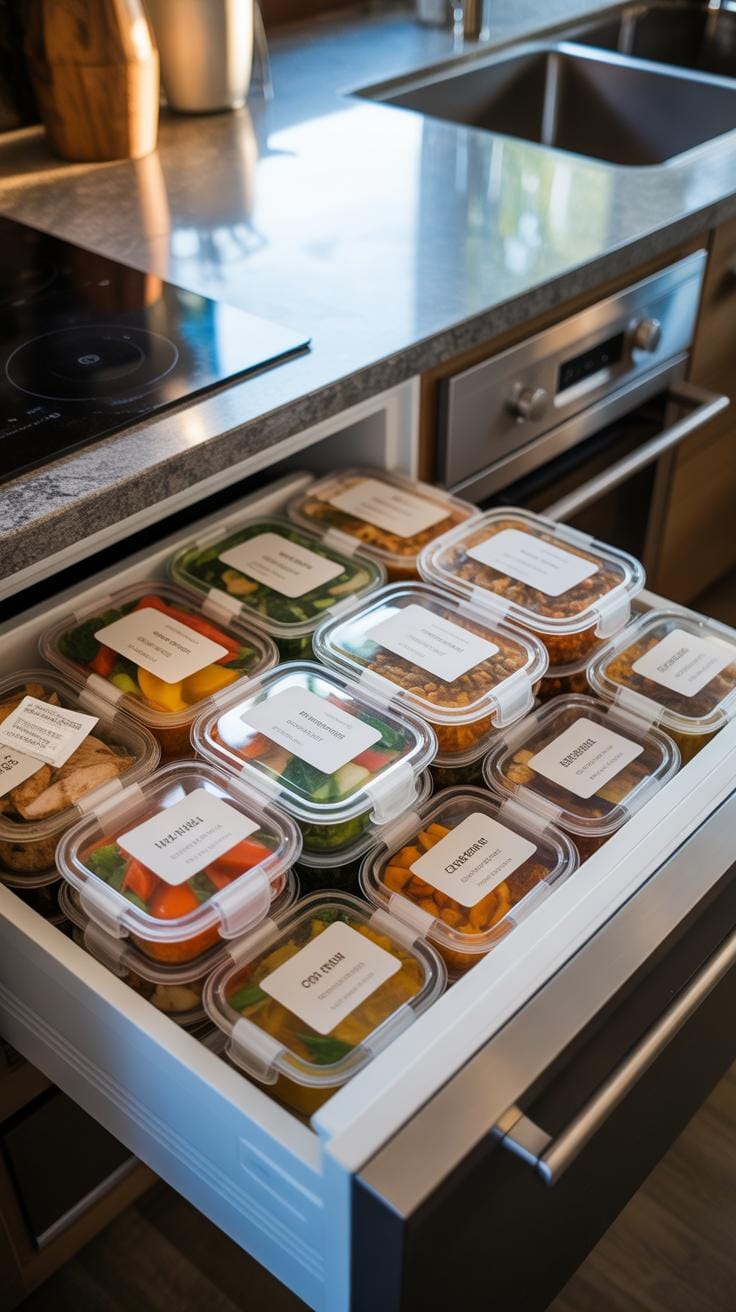
Measuring how much you save with freezer meals is not always straightforward. Financial savings can be obvious when you compare grocery bills, but tracking time saved might require a bit more effort and honesty. If you want to get a clear picture, start by examining your spending habits before and after you began relying on freezer meals.
Tracking Grocery Spending
One method is to keep your grocery receipts for a few months before and after adopting freezer meals. Lay them out and compare total amounts spent, looking for patterns like fewer trips or smaller overall purchases. You might notice buying in bulk saves money, or that you avoid last-minute convenience foods, pocketing more than expected.
Try categorizing your purchases too—meat, produce, snacks—and see where freezer meals shift your focus. Are you spending less on expensive cuts or ready-made meals? These comparisons can feel tedious, but they reveal real savings. Ever wonder if that effort shopping in bulk is really paying off? That’s where careful tracking helps.
Time Saved in Meal Prep
Measuring time is trickier because often you don’t notice small chunks added up. Try timing your once-a-week batch cooking sessions and then track the time spent on daily meals afterward. You might save hours midweek that you’d normally spend chopping, cooking, and cleaning. Over a month, that really adds up.
Think about what you do with this extra time: more workouts, reading, or just resting. Freezer meals can liberate your schedule in ways you hadn’t expected. But sometimes, prepping those meals is overwhelming and can eat into free time initially. So, it’s a balance. Still, over time, most people find those upfront minutes translate into big payoffs later.
Conclusions
Using freezer meals can simplify your eating habits, cut down your grocery bills, and keep your diet aligned with your fitness objectives. Saving time on cooking also means less stress during busy days, helping you stay on track consistently.
Making freezer meals a regular habit involves thoughtful planning, proper ingredient selection, and smart storage. Following this checklist will empower you to enjoy healthy, cost-effective meals that support your wellness goals.