

Planning Easy Family Dinners on a Budget
Easy family dinners can help families save money and time. When you plan simple meals on a budget, you avoid extra expenses and reduce cooking stress. This guide will show you practical ways to create meals that everyone enjoys without spending too much or taking too long to prepare.
We will cover meal planning, shopping tips, cooking ideas, and ways to keep your family dinners healthy and tasty. With smart choices, your dinners can become a weekly routine that fits your budget and schedule.
Set a Weekly Meal Budget
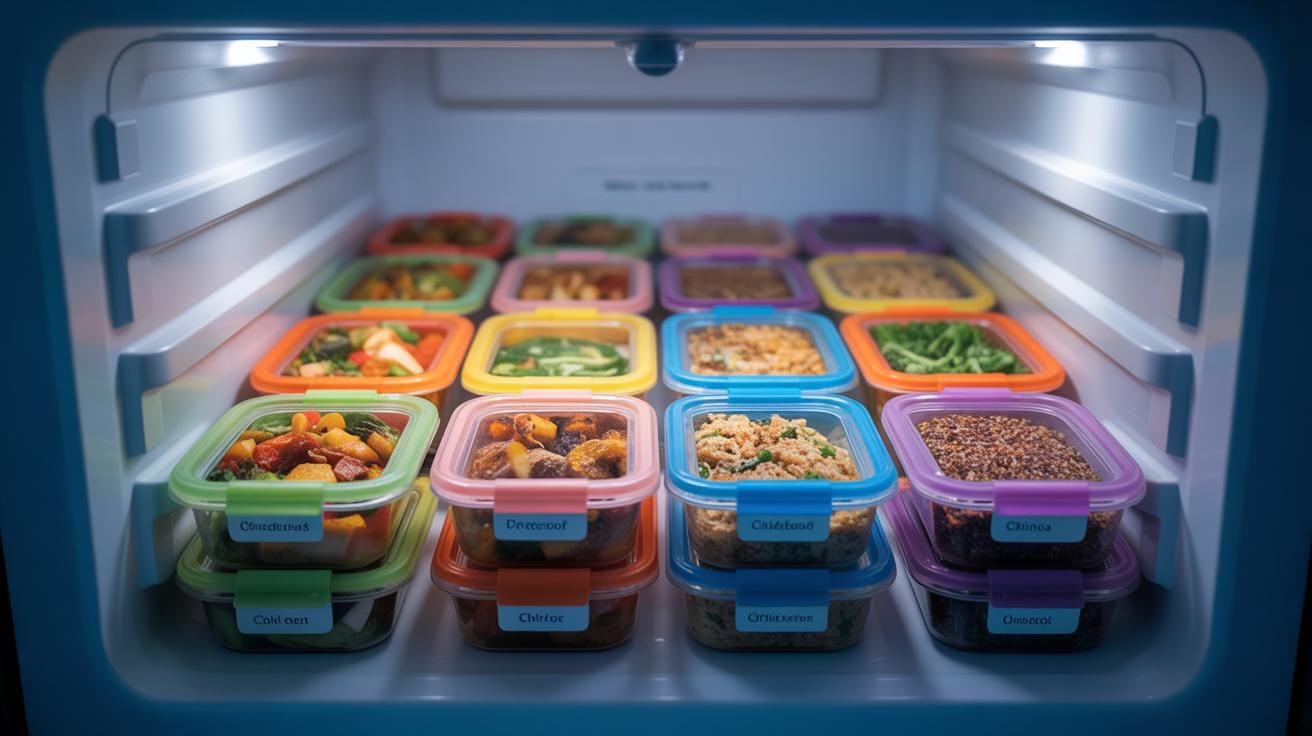
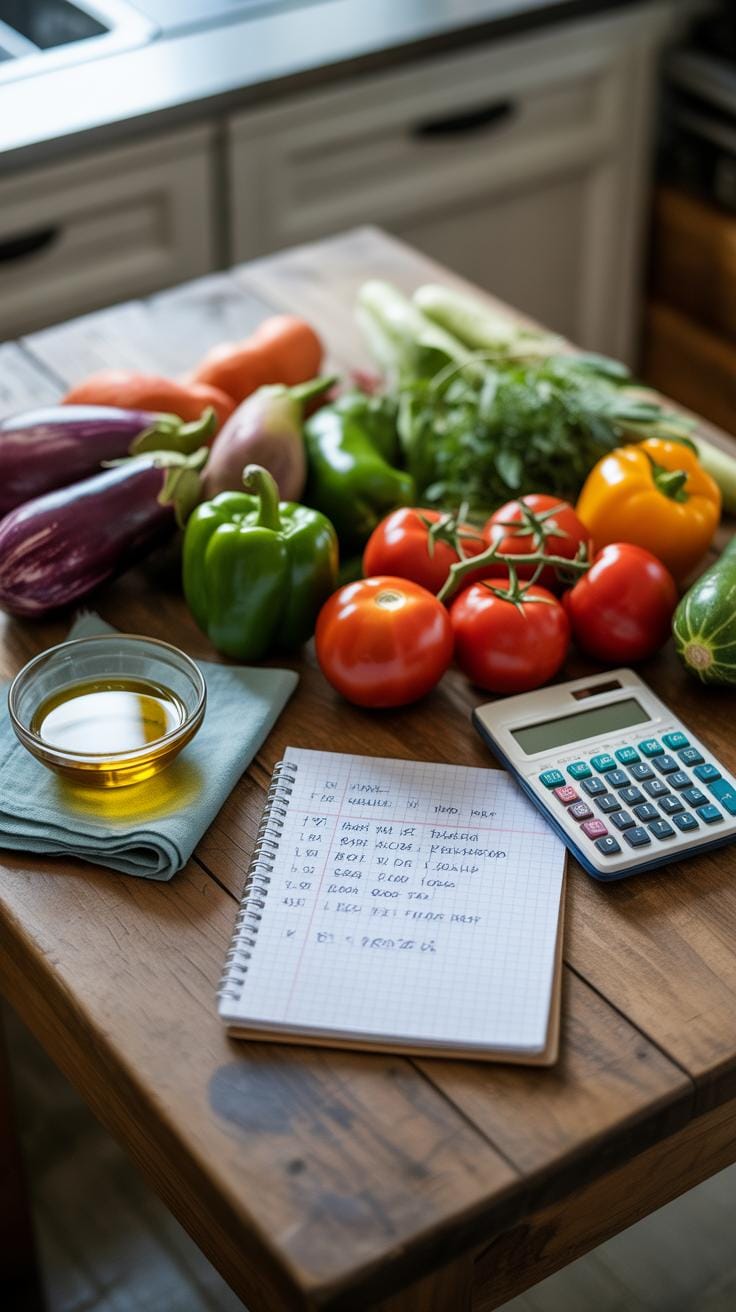
Setting a clear weekly budget for family dinners can make a surprising difference. When you put a number on what you want to spend, you actually start thinking more about each meal’s cost. That helps prevent last-minute splurges or impulse buys. It’s like giving yourself a limit that keeps you focused—though sometimes it might feel a bit restrictive at first.
Keeping the weekly budget visible—maybe written on your fridge or in a note on your phone—can remind you as you shop or plan. You’ll notice patterns too, like how certain proteins or veggies impact your spending. Those little insights can guide better choices next time. Planning meals with your budget in mind also reduces waste; you’re less likely to buy more than you need knowing how tight you have to keep things.
Track Your Dinner Spending
Before setting a budget, it helps to know what you’re spending now. One easy way is to keep a simple tally for a week or two: jot down every dinner-related purchase, from groceries to takeout. You could use a small notebook or an app—whatever feels less like a chore.
After tracking, review your list. Are there meals that cost more than expected? Maybe some ingredients show up repeatedly and add up without you realizing. Sometimes just seeing the numbers can reveal where your money slips away. Maybe you grab convenience foods too often or overlook bulk shopping options.
Decide a Realistic Budget Total
Picking a budget that fits your family and income isn’t about cutting every corner—it’s about finding a number that feels doable and still allows some flexibility. Think about who’s at the table and their appetites, but also your usual income and any other expenses that compete for the same money.
You might start with a round figure to get comfortable, then adjust as you go. If the number feels stressful, ease up slightly. Budgeting isn’t a one-size-fits-all game; it’s more a personal guideline than a strict rule. Give yourself permission to tweak the amount weekly. Over time, that trial and error helps you settle into something that works without making dinnertime feel like a financial chore.
Plan Meals Before Shopping

Planning dinners before you shop can feel like an extra step, but it really saves you from impulse buys that clutter your fridge and wallet. When you wander aisles without a clear idea, it’s easy to grab items you don’t need or intend to use—that onion or packaged snack might seem convenient, but will it actually get eaten? Probably not. And when food goes bad, it’s just money tossed out, right?
A simple meal plan doesn’t have to be fancy or detailed. Try sketching out three to five dinners for the week using affordable staples—things like rice, beans, pasta, frozen veggies, and budget cuts of meat. This way, your shopping list stays focused. It’s surprisingly freeing, in a way. You know what to get and why.
Leftovers deserve a little love, too. I used to overlook them, but now I think of them as the unsung heroes of meal planning. If Monday’s dinner is roasted chicken, plan a Tuesday meal around chicken salad or soup. This cuts down prep time and stretches your groceries further than you might expect.
- Write down a simple menu for the week before shopping
- Stick to affordable ingredients that can be used in multiple meals
- Plan to use leftovers in a different meal
- Consider meals that share ingredients to reduce waste
So, could a little foresight in planning actually make your weekly dinners less stressful and cheaper? Quite possibly. It’s worth experimenting with—you might find it easier than you thought.
Shop Smartly and Save
When you’re trying to stretch your grocery budget, the way you shop can make a big difference. It’s not just about buying less but choosing smarter. For instance, finding deals isn’t always about grabbing what’s on sale—sometimes, those sales hide higher regular prices. So, it pays to look closer.
Bulk buying can be a real game-changer, especially for staples like rice, beans, pasta, and oats. These items last a long time and don’t spoil quickly. I’ve noticed that picking up a large bag of rice once every couple of months tends to save more money than constantly buying small packages. But beware of impulse buys in bulk; just because it’s cheap per unit doesn’t mean you’ll use it all.
Comparing unit prices is another trick few use, but it really shows where your money goes. Sometimes, store brands offer the same quality for less. I’ve swapped several name-brand products after a quick unit-price check, and it surprised me how much it pared down my bill. So next time you’re in the store, don’t just glance at the sticker price—take a moment to check the price per ounce or pound. It’s a simple step but revealing.
Also, avoid expensive pre-cut or pre-packaged items unless you really need the convenience. Peeling and chopping vegetables yourself will save a bit, and the quality is often better. The savings may feel small, but they add up over time.
So, when you shop, think of it as a little puzzle. How do you get the most food for your money without wasting anything? Sometimes the answer is bulk, sometimes it’s store brands, and sometimes just being patient pays off. Have you noticed any surprising savings by changing what or how you buy?
Choose Quick and Easy Recipes
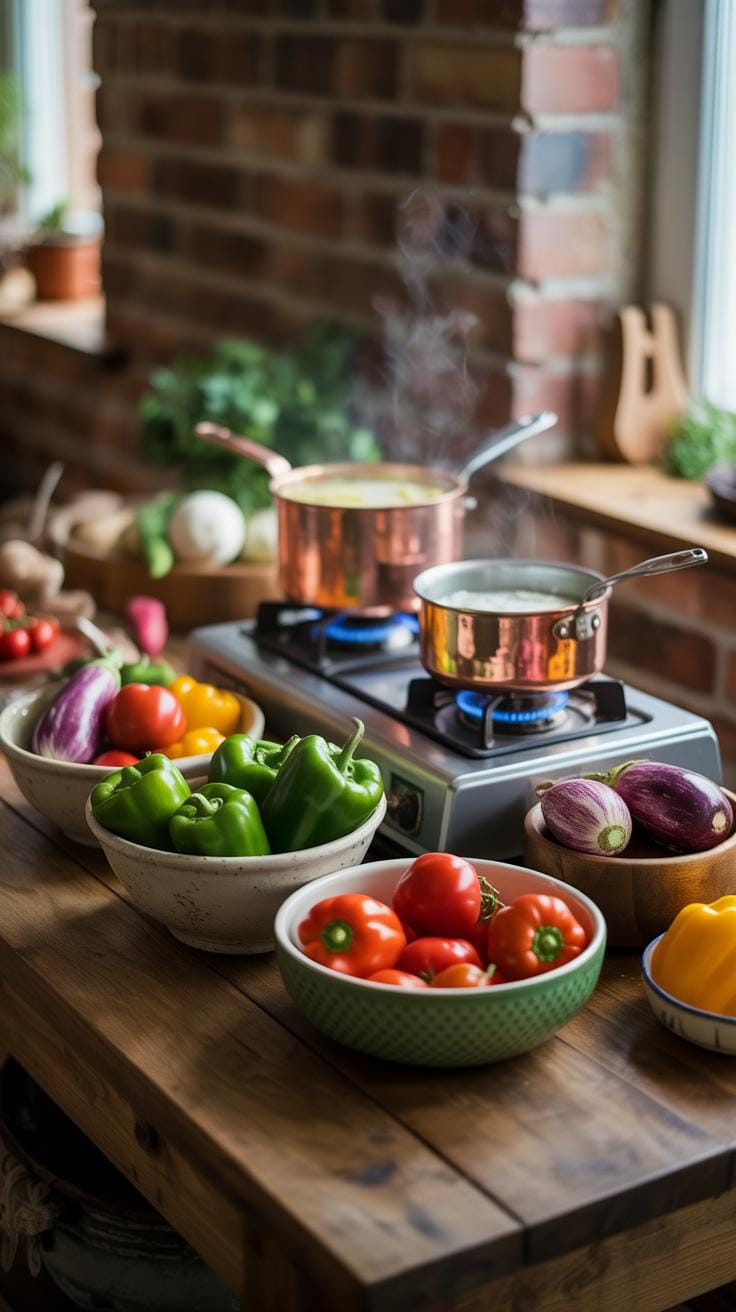
Finding time to cook dinner every night can feel like a juggling act. That’s why focusing on recipes that don’t demand hours in the kitchen makes a big difference. Think about meals you can toss together in under 30 minutes, or even less if possible. Simple ingredients and straightforward steps make these recipes approachable—even after a long day.
One-pot or sheet pan meals are lifesavers here. Imagine putting meat, veggies, and seasonings all on one baking sheet or simmering everything in a single pot. That means fewer dishes and cleaning, which families with packed schedules really appreciate. For example, roasting chicken thighs with carrots and potatoes on a sheet pan can feed everyone without staring constantly at the stove.
Freezer-friendly dinners are another trick worth trying. I’ve found that spending some time on the weekend preparing stews, lasagna, or casseroles in batches saves so much stress later. When you freeze individual portions, dinner turns into a grab-and-go task. You can heat a meal in minutes, leaving more time for whatever else the day demands.
Could it be that the key to managing dinner stress isn’t about fancy recipes but about planning for ease? Quick, one-pan meals and freezer batches are simple steps to get there. What quick recipes could you try this week that fit your family’s rhythm?
Include Affordable Proteins

When you’re trying to stretch your family meals without skimping on nutrition, affordable protein options can feel tricky. But actually, there are plenty of ways to add protein that won’t wreck your budget. Think beans and eggs—they’re simple, filling, and surprisingly versatile. I remember using canned black beans for taco night when money was tight; the family barely noticed it wasn’t meat, if at all.
Beans, lentils, and tofu offer a plant-based angle that’s easy on your wallet, but that’s not the only benefit. They store well, cook relatively fast, and adapt to lots of flavors, which can save you time in meal prep. Lentils in a stew or tofu stir-fry can be just as satisfying as pricier proteins.
Eggs and dairy often get overlooked as dinner proteins. Maybe you think of them more for breakfast or snacks, but eggs scramble or bake quickly, and dairy products like cottage cheese or yogurt add a creamy protein boost to dishes. Plus, these ingredients often show up on sale, making them a good option when your grocery list needs a shakeup.
Here’s a quick reminder of what you might keep handy:
– Dried or canned lentils and beans
– Firm tofu for grilling or mixing in sauces
– A carton of eggs—perfect for any time of day
– Cottage cheese or shredded cheese to enrich a meal
Do you find it harder to swap out meat, or do your kids catch on and ask for more beans? Sometimes, it’s worth experimenting one dinner at a time.
Cook With Simple Ingredients
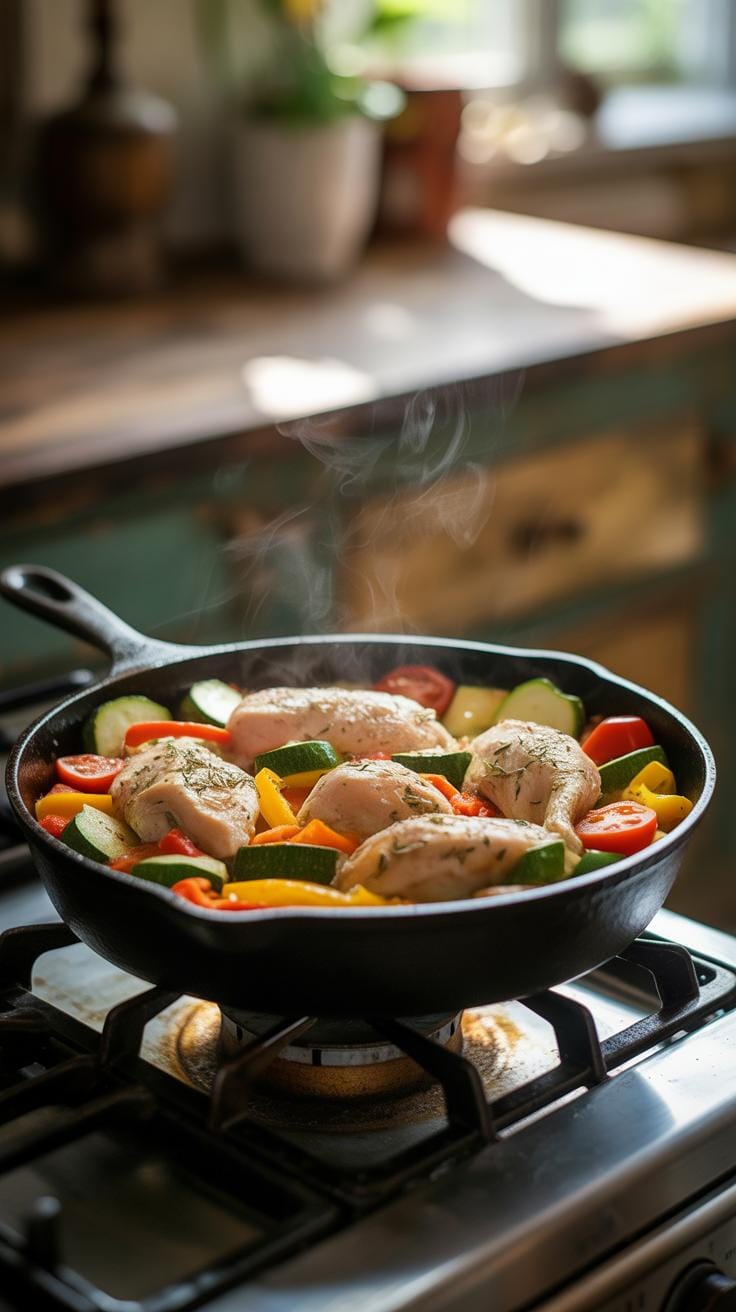
Cooking family dinners doesn’t require a long list of fancy ingredients. In fact, you can often pull together a satisfying meal from just a few basics you likely have around the house already. Think along the lines of rice, pasta, canned beans, eggs, and maybe some onions or garlic. These staples can form the base of countless dishes, and combining them with whatever is in your fridge or pantry can stretch your budget further than you might expect.
Don’t get caught up in thinking you need special sauces or exotic spices to make meals taste good. Sometimes just knowing which cooking methods bring out the best in simple ingredients makes all the difference. For example, sautéing onions slowly in a bit of oil can add so much flavor to a soup or stir-fry without any extra fuss. It’s easy to overlook how a few minutes and a little heat can transform plain components.
Mixing fresh and frozen vegetables is another way to keep dinners both healthy and practical. Frozen veggies often retain nutrients well and are ready to go when you’re short on time. Tossing a handful of frozen peas or corn into a pasta sauce or rice dish can brighten things up and add texture. Fresh veggies are great too—if you have some carrots or spinach, toss them in raw, cook them lightly, or blend them into sauces. Balancing freshness with convenience helps keep meals interesting, even if you’re just using what’s around.
Would you believe how much you can do with these simple items? Maybe the secret is not to aim for perfection but for something that’s just good enough—and quick enough—to keep everyone happy at the table. It’s worth experimenting a little; you might find your new favorite weeknight dinner in the process.
Create Balanced Meals Easily
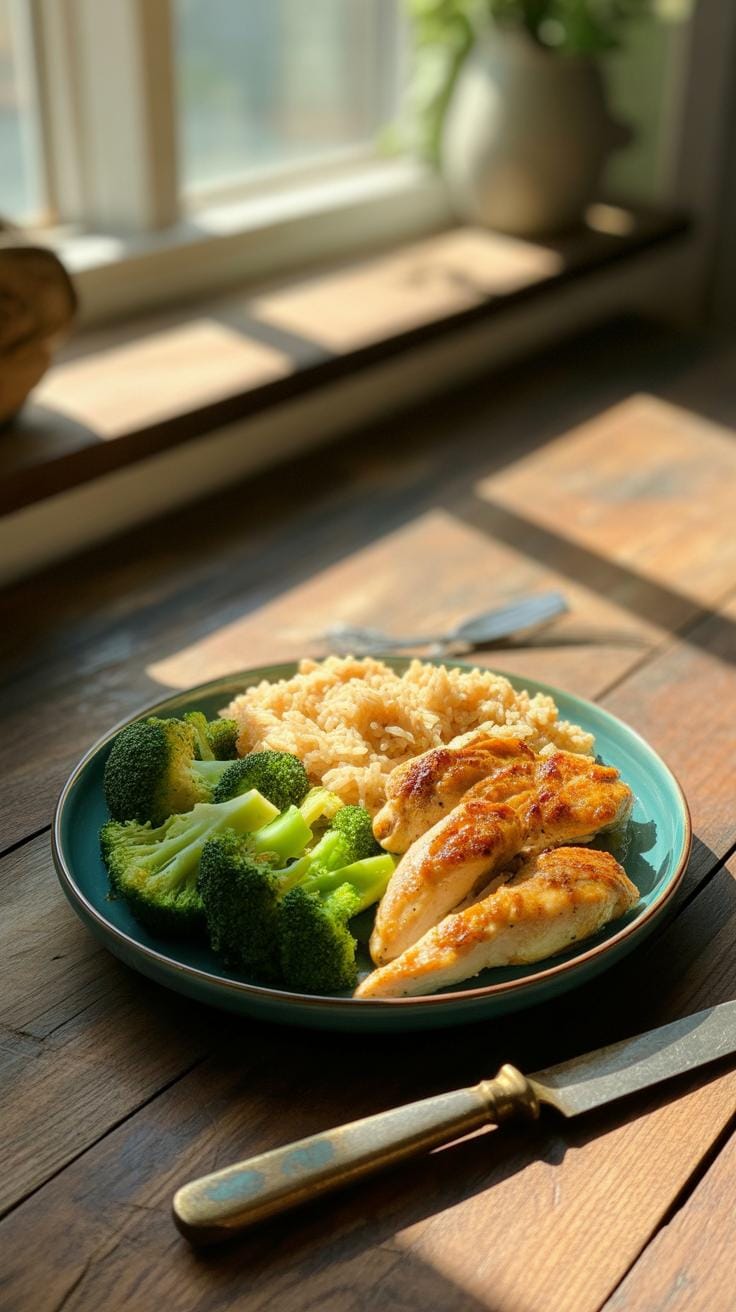
Building family dinners that hit the mark on nutrition and budget doesn’t have to be complicated. Aim for a simple plate that includes protein, carbs, and vegetables—all easy to find without breaking the bank. Think about affordable proteins like beans, eggs, or chicken thighs. Pair these with budget-friendly carbs such as rice, pasta, or potatoes. Toss in some seasonal vegetables or frozen greens to round it out.
One trick I’ve found helpful is thinking in layers. Start with the protein, then build around it with carbs and veggies. This approach keeps portions balanced naturally and stops you from just piling on more of one thing. You might find yourself surprised how satisfying a modest serving of each can be.
Use Portion Control for Saving
Portions matter when you’re trying to stretch your grocery dollars. Serving just the right amount prevents food from going to waste and prevents your wallet from taking hits you didn’t expect. But it’s tricky, right? Some days, your family might need more, other days less.
Try measuring servings with your hands or simple kitchen tools instead of always relying on guesses. For example: one palm-sized portion of protein per person, a cupped hand of carbs, and two fists of vegetables. This method makes it easier to plate consistent meals without leftovers that often sit and spoil.
Add Color for Nutrition
It’s tempting to stick with whatever veggie is on sale, but adding a few different colors can make a big difference. Different colors often mean different nutrients, and that variety keeps meals more interesting too. Maybe you toss some carrots alongside green beans or mix in some red peppers with spinach.
Even small tweaks, like mixing frozen peas with corn or shredding a bit of purple cabbage into a salad, can improve nutrition without much extra cost. Plus, a colorful plate just looks more inviting, which can sometimes make picky eaters a bit more willing to try new things—even if it’s just a bite.
Time Management for Dinner Prep
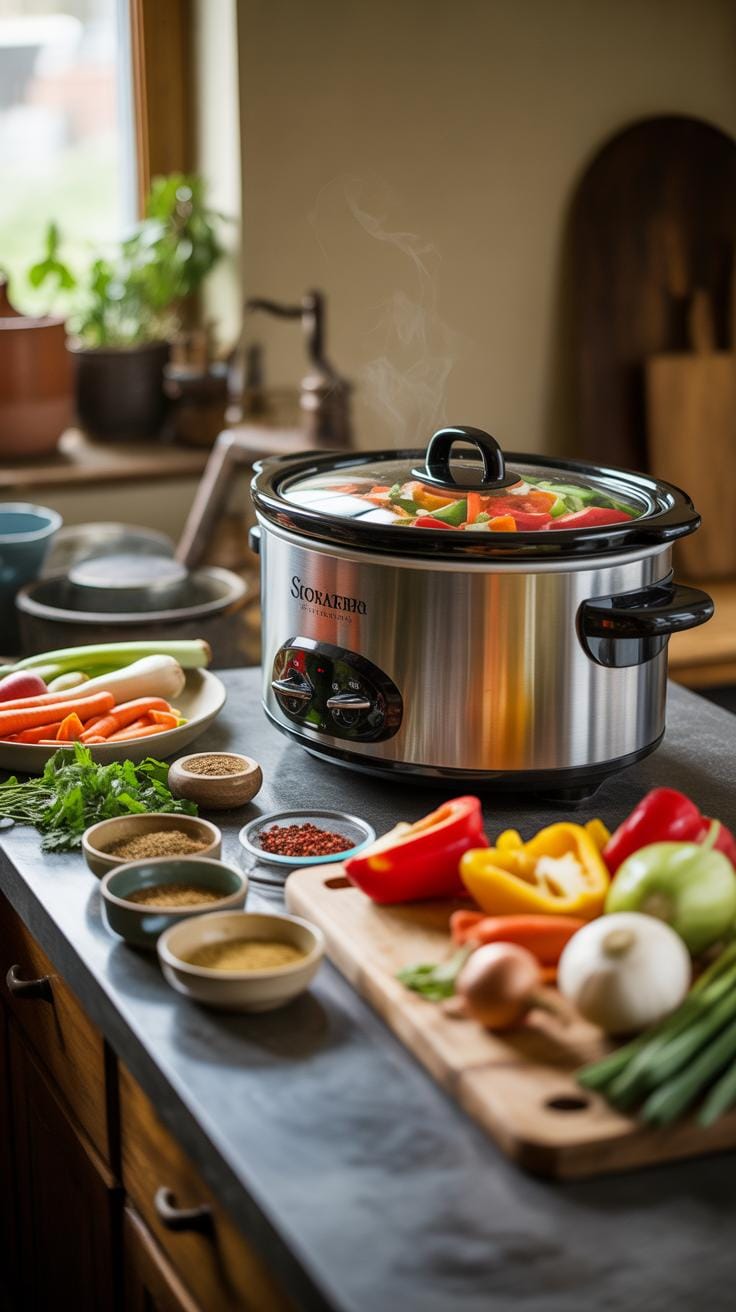
Getting dinner on the table without rushing is a kind of art. It starts with breaking down the cooking process into clear steps that fit your evening routine. Think about your available time—maybe 30 minutes or less—and plan accordingly, so you’re not scrambling at the last minute.
First, gather all ingredients and tools before you begin. This makes everything feel less chaotic and saves those frantic trips back to the fridge or pantry. Then, set up a rough timeline: when to start the protein, when the sides go in, and how long each step takes. You don’t have to be exact, but having a sense of when to do what can stop dinner from becoming a mad dash.
Prep Ingredients Ahead
Cutting vegetables or marinating meat the day before removes a big chunk of stress. Maybe on a weekend or when you have some free moments, chop carrots, onions, or peppers and store them in containers. Marinate chicken or tofu in advance. You’ll notice dinner prep becomes quicker, more organized, and oddly satisfying. It’s strange how just having those ingredients ready feels like half the work is done.
Sometimes, I forget to prep ahead, and dinner feels twice as long. But when I do, I find I can focus on cooking instead of prep, which actually makes the whole process more enjoyable.
Use Timers and Multitask
Timers are your best friends. If the oven needs 20 minutes for roasting and the stove wants 10 minutes to simmer, set multiple timers. It helps keep track without constantly watching the clock. When one timer goes off, switch tasks smoothly. For example, while chicken cooks, you could toss a salad or prep a side.
Multitasking isn’t always easy, though. Sometimes juggling two tasks can slow you down if you’re not careful. But with practice, it becomes natural. Do you start feeling overwhelmed when you cook multiple things? Try assigning small, manageable tasks to each timer notification. It breaks the work into bite-sized pieces.
Engage Kids in Dinner Prep

Getting kids involved in dinner can change the whole mood of the evening. It makes dinner feel less like a chore. Kids often enjoy the sense of responsibility, even if they’re just doing small things. You might be surprised how much faster things go when little hands lend a hand, or at least it feels that way.
Simple tasks like washing veggies or stirring ingredients can make them feel useful. Sometimes, letting them choose between two options adds a sense of control—like “Do you want to chop the carrots or snap the green beans?” This not only helps you but keeps them interested.
Teaching basic skills early also does double duty. When kids learn to measure, pour, or crack eggs, they gain confidence. They might even take over some parts of the meal prep next time without being asked. It’s a quiet way to ease your workload, especially on those busier nights.
Have you noticed how kids sometimes react with curiosity rather than resistance when given real tasks? It may not always be smooth, and you might have to slow down or explain more than once. But, in the long run, it tends to pay off in saved time and a more pleasant dinner atmosphere. Plus, it encourages better eating habits when kids help make the food.
So what’s worth trying? Here are a few ideas:
- Sorting utensils by type or size before cooking
- Peeling garlic or pulling herbs from stems
- Measuring ingredients for simple recipes like pancakes or pasta sauce
- Setting the table with plates and napkins
- Mixing salad dressings or sauces with guidance
These small steps might sound minor, but they build into something bigger. You’re not just saving time; you’re helping kids see meal prep as a shared activity rather than a task that only falls on you.
Avoid Common Budget Dinner Mistakes
One mistake many families make is buying too much food without a clear plan. You might think stocking up is smart, but often it leads to wasted ingredients that end up in the trash. Leftovers are great in theory, but only if you actually use them. Otherwise, they just take up space and money.
Try shopping with a detailed list and sticking to it—that usually helps keep impulse buys in check. Portion control matters too. Cooking more than you can realistically eat, thinking everyone will want seconds, can backfire.
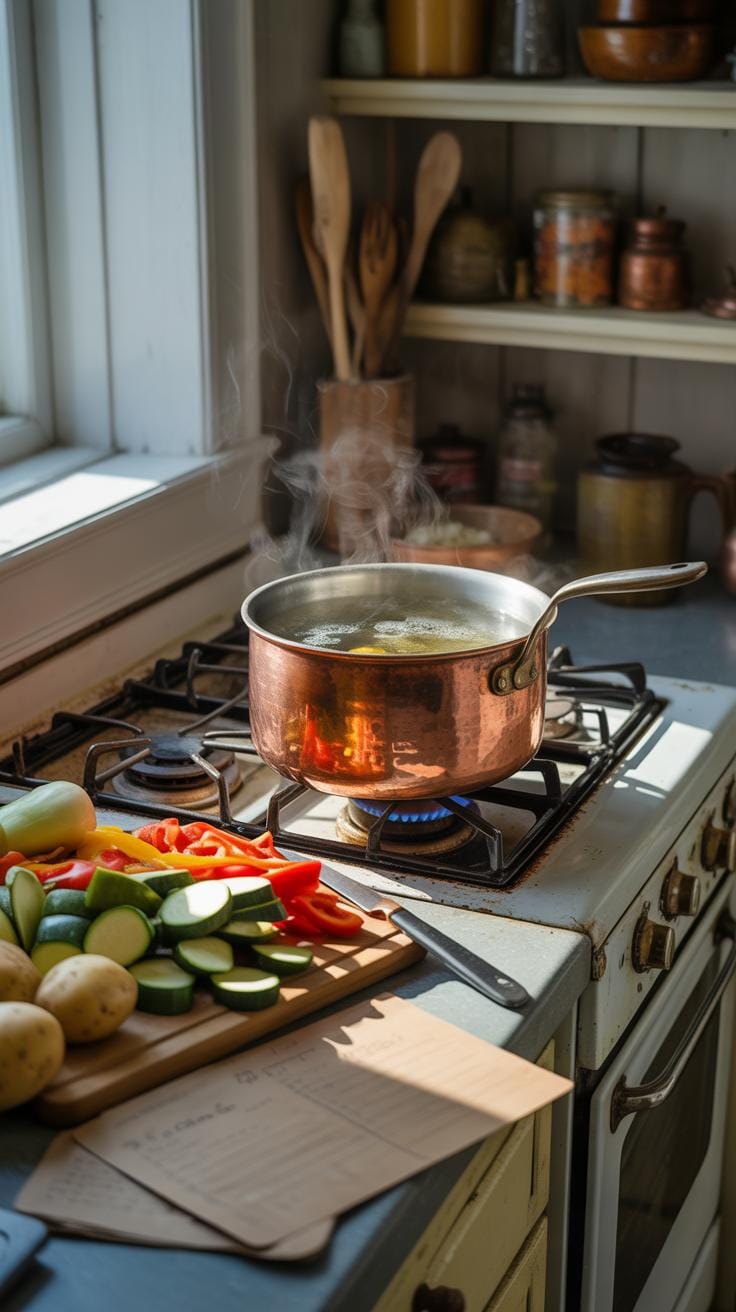
Another frequent pitfall involves relying on pre-packaged or processed foods. They’re tempting because they save time, yet they cost more and often contain unnecessary extras. Buying basic ingredients and preparing meals yourself will stretch your budget and might even taste better.
Sometimes it feels easier to grab convenience foods, but ask yourself: are the few minutes saved really worth the extra dollars spent? Preparing simple staples like rice, beans, or a homemade sauce often takes less time than you think.
Have you noticed how slicing your own veggies takes barely longer than opening a bag? That small effort can add up to huge savings—and avoid the surprise of finding a hidden charge on your receipt.
Conclusions
Creating easy family dinners on a budget involves planning, smart shopping, and simple recipes. By focusing on affordable ingredients and efficient cooking techniques, you can feed your family well without spending extra time or money. Using the tips and methods shared, you can reduce mealtime stress and keep your family happy.
Remember to keep meals varied and balanced to maintain good nutrition. With practice, you’ll become faster and better at preparing dinners that work for your budget and your family’s tastes. This approach can bring calm and savings to your daily routine.