
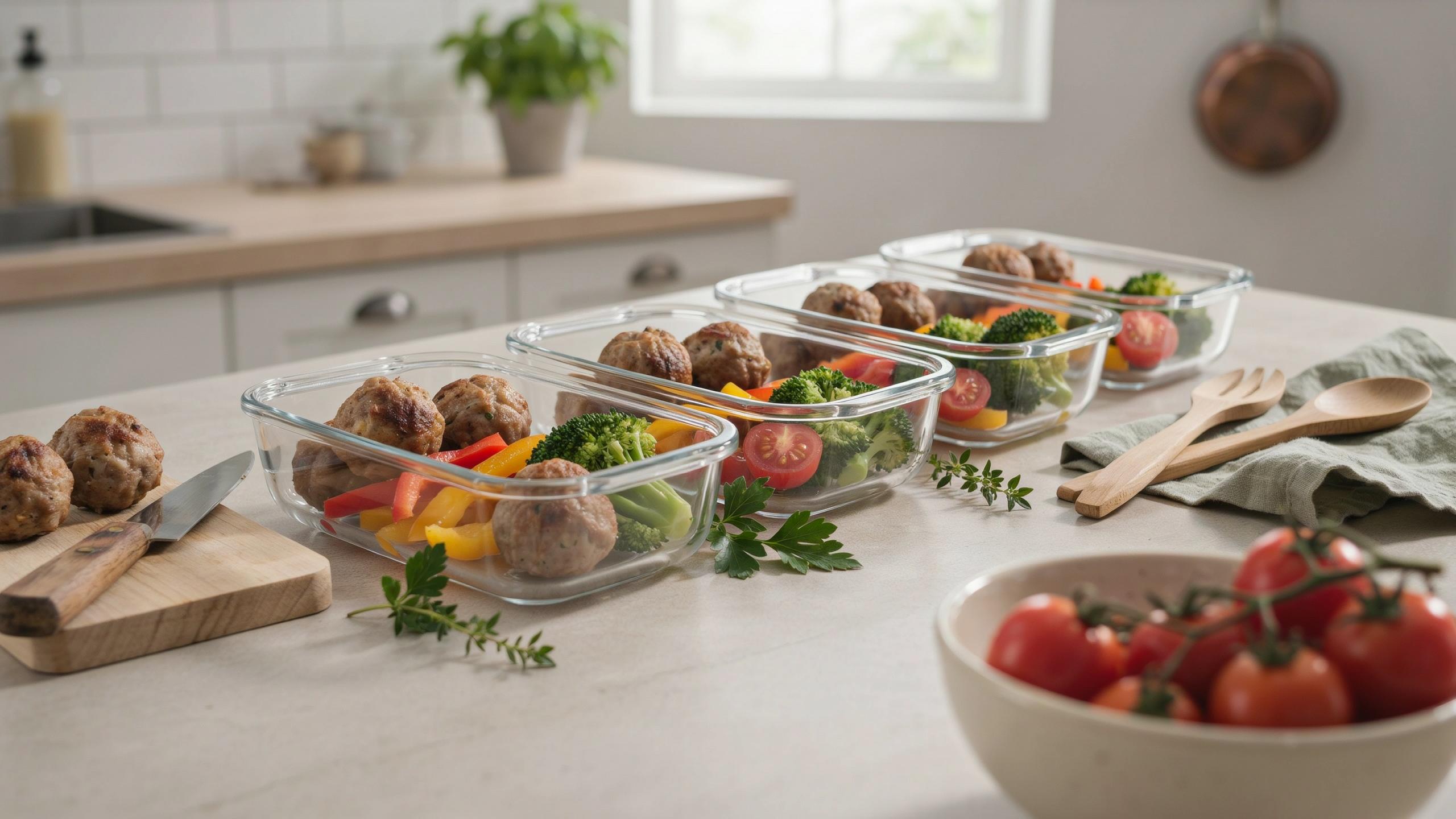
The Turkey Meatball Deception Why Healthy Misses The Point

Real Fuel Beats Calorie Counting
You care about this because you want proof that your effort matters—that prepping turkey meatballs actually builds something, not just burns calories. Here’s the mechanism: calories measure energy output, not biological function. Think of thermodynamics—a system needs input (calories), but what matters is what that energy does inside the system. Turkey meatballs deliver protein structure, fat for hormone production, and micronutrients that repair tissue. A 300-calorie meatball and 300 calories of candy hit your body completely differently.
The calorie obsession came from early nutrition science treating the body like a furnace. That model failed. Your body doesn’t burn fuel uniformly. Protein requires more energy to digest than carbs. Turkey meatballs trigger satiety signals that processed food never does. You eat less overall because you’re actually fed, not just full. The prep work only makes sense if you’re targeting fuel, not numbers on a scale.
The Diet Mindset Trap
Most advice tells you to prep meatballs as restriction—portion control, “staying on track,” proving discipline. Wrong frame. That’s the diet mindset, and it breaks people within weeks. The real mechanism is behavioral architecture: you’re not fighting willpower; you’re removing the decision. When meatballs sit in your fridge, you don’t decide to eat well. You just reach for what’s there.

Diet thinking creates scarcity psychology. You feel deprived, so you binge. Meal prep thinking creates abundance psychology. You have real food available, so restriction becomes irrelevant. You stop thinking about being “good.” You just eat. The tactical shift is simple: prep meatballs not as punishment or control, but as the path of least resistance toward eating actual protein instead of whatever’s convenient.
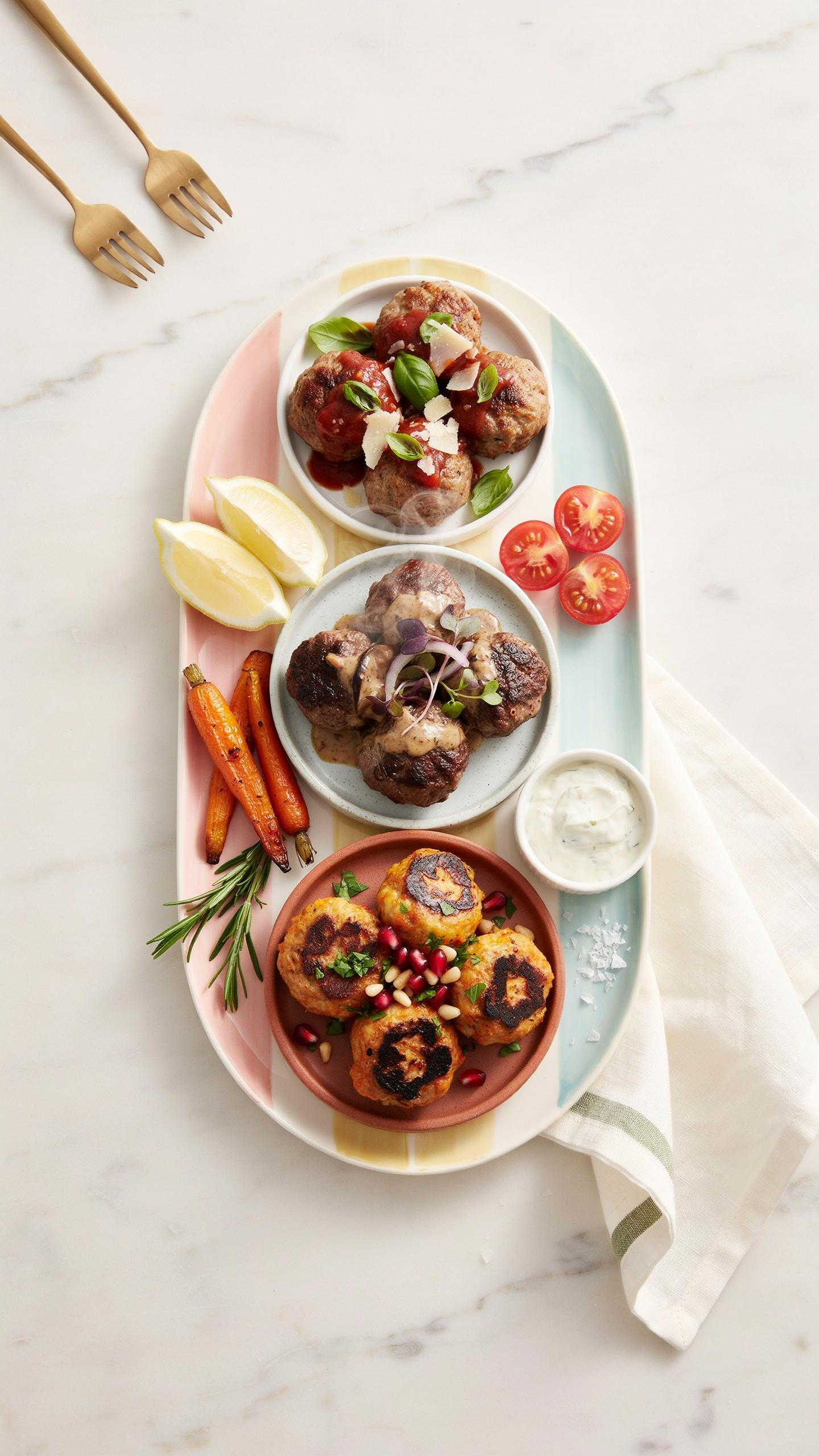
The 3 Tiered Meatball System Beyond Basic Turkey Meatballs
The Base: Lean Protein And Binding Agents
You want meatballs that don’t fall apart during meal prep because failed structure means wasted food and wasted time. Think of binding as structural engineering: the binder is load-bearing material that holds protein particles together under stress, the same principle architects use when designing support systems. Ground turkey alone has no cohesion. It needs a matrix.
Breadcrumbs and egg are standard, but most people use them wrong. The ratio matters more than the ingredient choice. Use one egg and half a cup of breadcrumbs per pound of turkey. Soak the breadcrumbs in milk first, then mix everything together for two minutes maximum. Overworking the meat creates dense, rubber-textured meatballs that dry out by Wednesday. The goal is a loose, barely-held-together mixture that you gently form into balls.
Flavor Profiles: Herbs, Spices, And Unexpected Additions
Generic meatballs fail because people treat flavor as ornamental instead of structural. Salt and pepper aren’t seasoning in meatballs, they’re the foundation that makes every other flavor land harder. Add half a teaspoon of salt per pound of turkey before anything else touches the mix. Wait five minutes. Then layer in your herbs and spices.
Most advice stops there. Skip it. The real leverage is umami amplification through fermented or aged components. Grated Parmesan, fish sauce in minimal amounts, or soy sauce compounds the turkey’s natural depth without making anything taste fishy or salty. Start with one tablespoon of grated Parmesan and one teaspoon of soy sauce per pound. These ingredients don’t just add taste, they make your brain register the meatballs as more substantial and satisfying.
Strategic Seasoning How To Make Turkey Meatballs That Dont Bore You
Umami Bombs: Leveraging Natural Flavor Enhancers
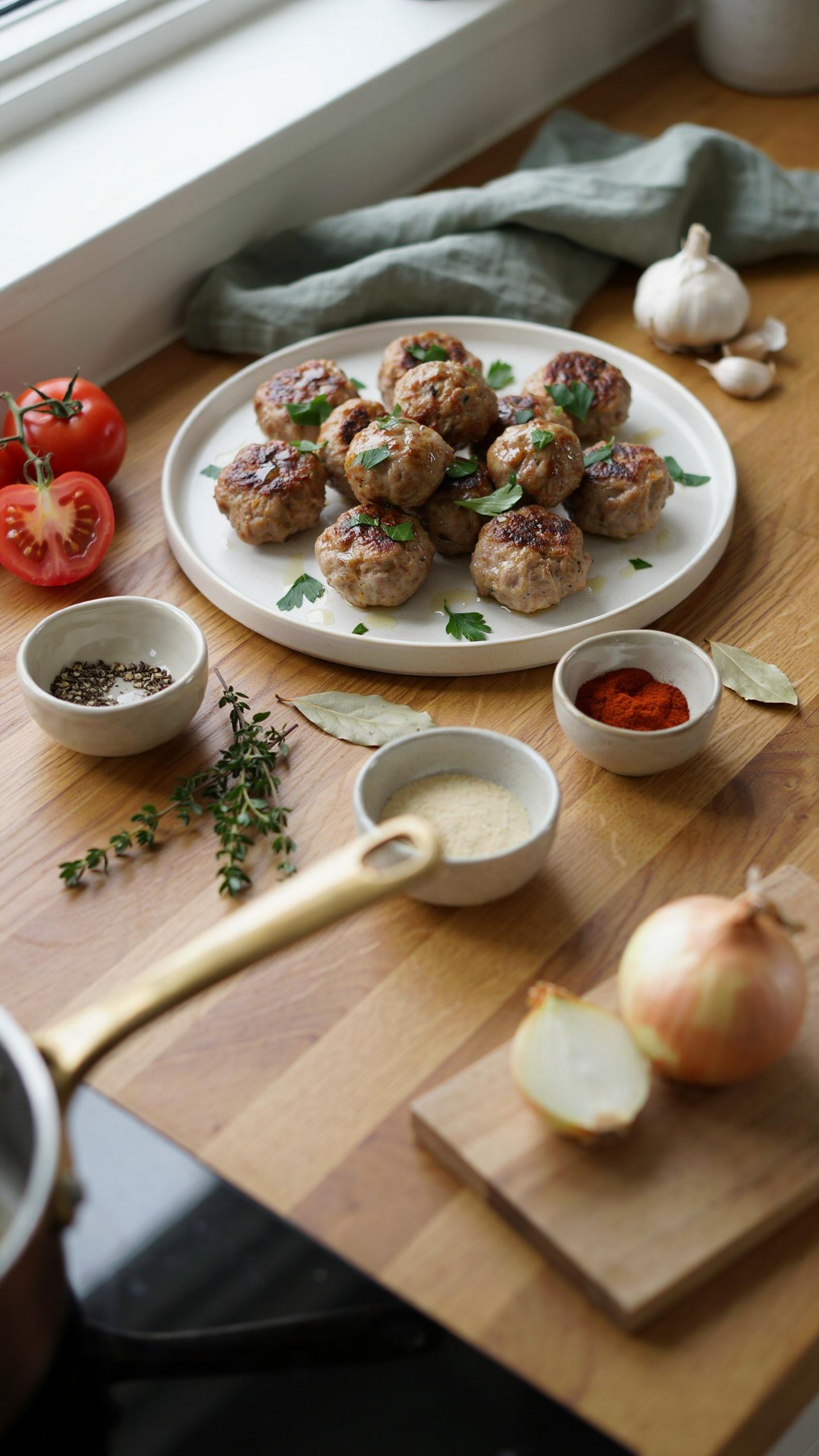
You want your meatballs to taste expensive without the price tag. The real mechanism is this: turkey is lean meat with almost no fat to carry flavor, so you need umami—the fifth taste that makes your brain register “this is worth eating.” Umami isn’t magic. It’s glutamates and nucleotides binding to taste receptors. Add them and blandness disappears.
Parmesan cheese, tomato paste, soy sauce, and fish sauce all contain high glutamate levels. Use one of these in every batch. Parmesan works best for meal prep because it doesn’t add moisture. Add two tablespoons per pound of turkey. Tomato paste concentrates flavor through cooking, so one tablespoon per pound handles the job. Don’t overthink the choice—pick one and commit.
Acid And Fat: The Overlooked Flavor Pillars
Everyone fixates on salt and spices. They miss the real architecture: acid and fat create the contrast that makes your palate register complexity. Borrowing from chemistry, think of acid and fat as opposing forces that reach equilibrium—they don’t cancel each other out, they amplify perception of both. Turkey needs both or it tastes flat despite heavy seasoning.
For fat, use ground pork at a 80/20 turkey-to-pork ratio, or add one egg yolk per pound. For acid, add lemon zest or red wine vinegar—one tablespoon per batch. The acid prevents the meatballs from tasting heavy during reheating and cuts through the richness of sauce. Mix these into the raw meat before forming, not after. Temperature and time will bind them into the structure instead of sitting on the surface.
The Minimum Viable Prep Protocol For Meals For The Week
Why Decision Fatigue Kills Your Prep Routine
You want to believe meal prep fails because you lack discipline. It doesn’t. It fails because you’re making the same decision seven times a week when you could make it once. Decision fatigue is economics in disguise: every choice drains a finite resource. Your brain treats “what meatball sauce do I use today” the same as “should I change jobs.” After enough small decisions, you default to takeout.
The fix isn’t willpower. It’s removing the decision entirely by building repetition into your system. When you batch cook turkey meatballs, you’re not just cooking protein. You’re eliminating the decision loop that kills consistency. Cook one batch. Use the same sauce, same seasoning, same portion. Freeze what remains. On Tuesday, Wednesday, and Thursday, the choice is already made. Your brain conserves energy for actual work.
Build Variety Without Extra Cooking
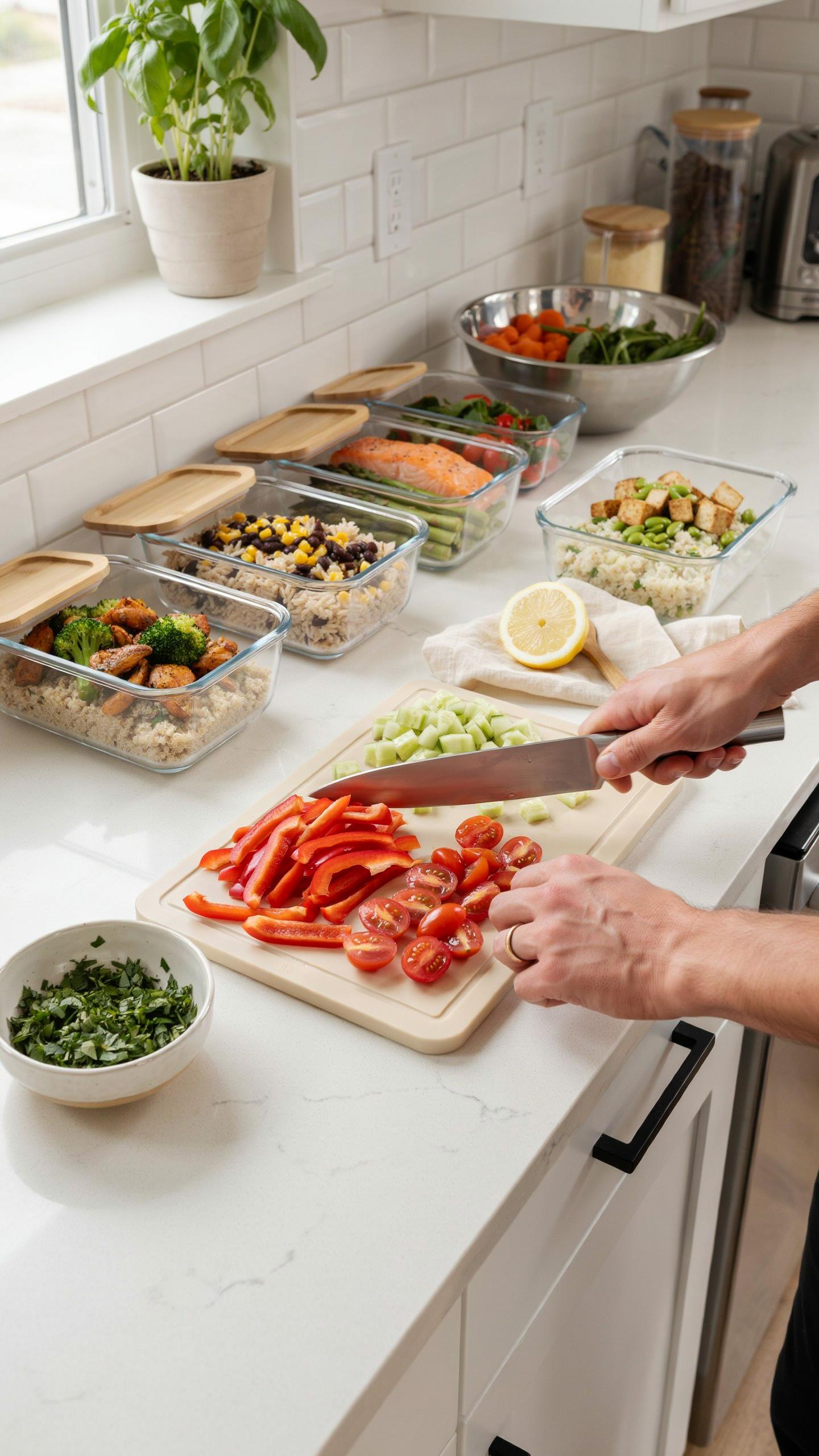
The mistake people make is assuming modular prep means cooking five different sauces and three grain options. That’s more decisions, not fewer. Real modularity works like construction components: you make the base once, then swap one or two elements. Cook your meatballs. Cook your grains separately. Prep two sauce options, not five.
- Ground turkey base: Season and cook all meatballs identical. Freeze in portions of twelve to fifteen. This is your anchor that never changes throughout the week.
- Two sauce options: Make marinara and a lighter Asian-style glaze. Both store five to seven days refrigerated. Rotate daily to create the illusion of variety without extra labor.
- Grain rotation: Brown rice and quinoa store identically. Cook both on Sunday. Pair meatballs with each across different days. Same protein, different base, feels new.
- Vegetable prep: Roast broccoli and bell peppers on the same sheet pan. Cook them until slightly firm, not soft. They hold texture longer and don’t turn mushy by Thursday.
- Protein pairing flexibility: Frozen meatballs work in pasta, grain bowls, salads, or as standalone snacks. The same cooked batch serves six different meal structures without additional cooking.
Modularity succeeds when you limit yourself to one decision per component. Don’t overthink it. Cook the meatballs. Cook the grains. Make two sauces. Assemble each day using what’s prepped. The system works because it removes choice, not because it’s complicated.
Meal Prep Ideas Meatballs The Agile Adaptation Framework
Weekly Recipe Iteration Beats Static Plans
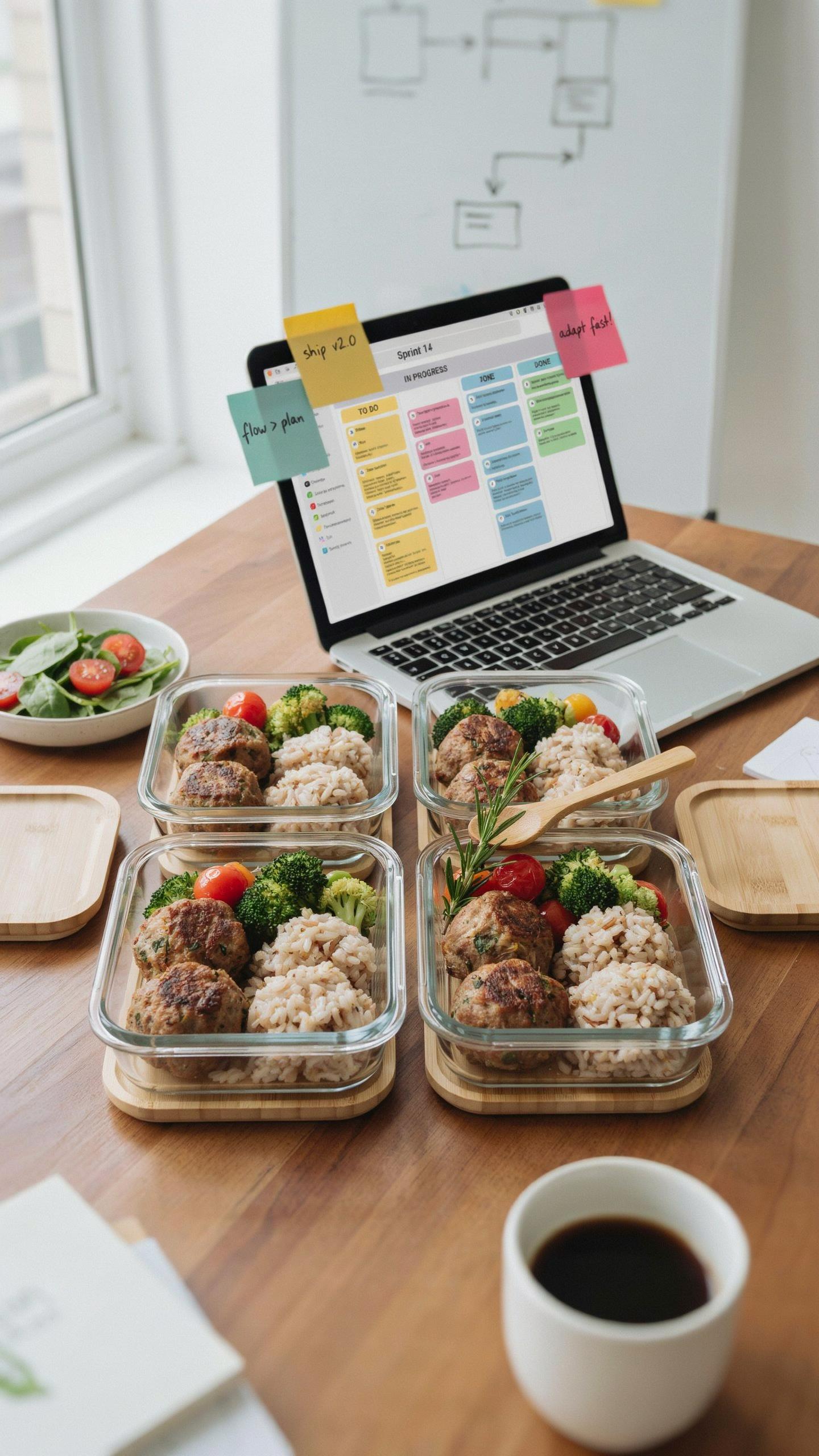
You want a meal prep system that works without constant overthinking. The real issue: rigid meal plans fail because your actual cravings and energy levels shift week to week. Scrum methodology, borrowed from software development, treats work as repeated cycles where you adjust based on what you learned last sprint. Apply that to turkey meatballs. You’re not locked into one recipe for eight weeks. You test a base formula, measure what worked, then iterate. Monday’s batch informs Friday’s adjustment.
The mechanism is simple: cook the same core meatball twice per week with one variable changed. Week one, you nail the seasoning ratio. Week two, you swap the binder or cooking method. You track which version you actually finished and which sat in the container. This removes guesswork from scaling. By week four, your turkey meatball prep runs on data, not hope. The iteration cycle forces specificity where generic meal prep advice keeps you guessing.
Cravings As System Design Constraints
Your future self’s preferences aren’t random noise to ignore. They’re design constraints that determine whether your meal prep actually gets eaten. Frame it like this: you’re not preparing meals, you’re engineering compliance with your own behavior. Document what you reach for when tired, stressed, or bored. Does that version include garlic and herbs, or does it need texture from panko? Does sauce matter more than the meatball itself?
Build next week’s batch around these documented patterns, not around what nutrition blogs say you should want. Meal prep fails not because the food is nutritionally wrong, but because you engineered a meal your midnight brain won’t touch. The protocol: eat your current batch, note which portions vanish first, identify the winning variable, make that the baseline for next week’s iteration. Compliance drives results. Everything else is theater.
Beyond The Bowl Elevating Your Meal Prep Bowls
Texture Contrasts: Adding Crunch And Creaminess
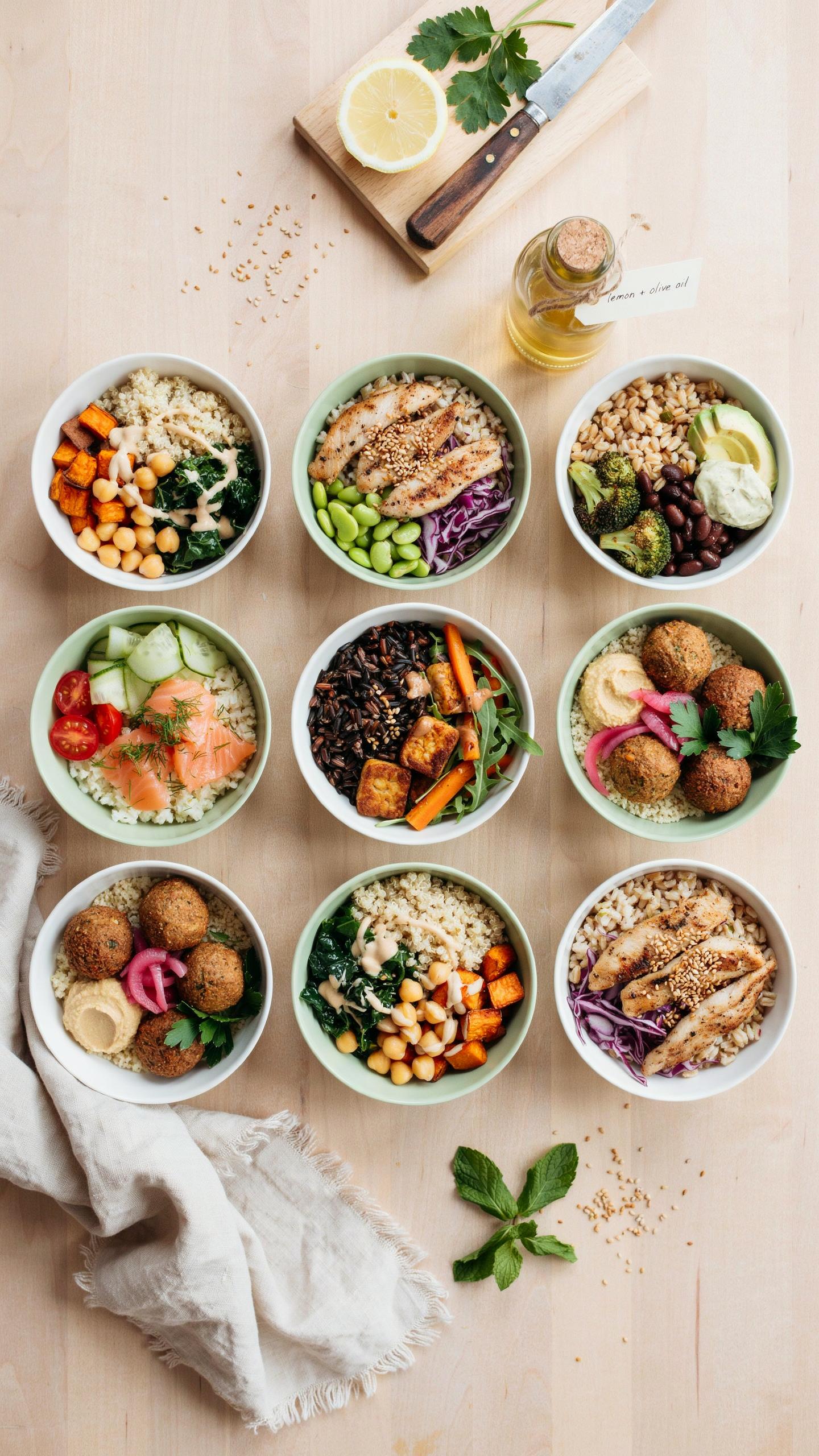
You want people to think you’re disciplined, but really you’re bored out of your mind eating the same wet mush for five days straight. Here’s what actually happens: your brain stops registering food as rewarding when texture stays flat. Borrow from food science’s principle of mouthfeel. A turkey meatball has one dominant texture—dense and uniform. The mechanism that fixes this is interruption. You need something that breaks the monotony mid-chew. Crispy breadcrumb topping, raw vegetables, or toasted nuts force your mouth to work differently with each bite. This isn’t decoration. It’s the difference between compliance and consistency.
The standard move is to throw in some raw veggies and call it done. That’s lazy. You need textural opposition, not just addition. Pair your meatballs with something that shatters between your teeth, then something creamy that follows. Toast pine nuts or panko separately and add them on serving day to prevent sogginess. Pair that with a tahini-based sauce or whipped ricotta. The sequence of textures makes the same meal feel different across the week. Store the crunch element separately. Add it during the final thirty seconds before eating.
Sauce Mastery: The Game Changer For Meal Prep
Sauces are where meal prep actually fails or succeeds, but nobody says this directly. Most people treat sauce as garnish. Wrong. The sauce is load-bearing infrastructure. It determines whether your meatballs dry out on day four or stay edible on day six. Fat-based sauces age better than liquid-based ones because fat doesn’t evaporate or separate the way broth does. A yogurt-tahini sauce, marinara with added olive oil, or a peanut sauce with proper emulsification creates a protective barrier around the meatball. The meatball itself contains ground turkey, which is lean meat. Lean meat dries faster than beef. Your sauce compensates for this weakness.
Sauce flavor compounds actually intensify over time. Garlic becomes sharper, herbs infuse deeper, spices integrate. This is chemistry, not opinion. Make your sauce slightly under-seasoned on day one. By day four, it tastes intentional. Keep sauce in a separate container until forty-eight hours before eating, then combine. This prevents the meatballs from absorbing liquid too early and becoming dense. If you use a yogurt-based sauce, add acid at the end—lemon juice or vinegar—right before consumption to brighten flavors that have muted through refrigeration. The protocol is: make sauce, refrigerate separately, combine meatballs with sauce two days before eating, add acid immediately before eating.
The Longevity Hack Keeping Meal Prep Meatballs Healthy And Fresh
Cool Before You Store
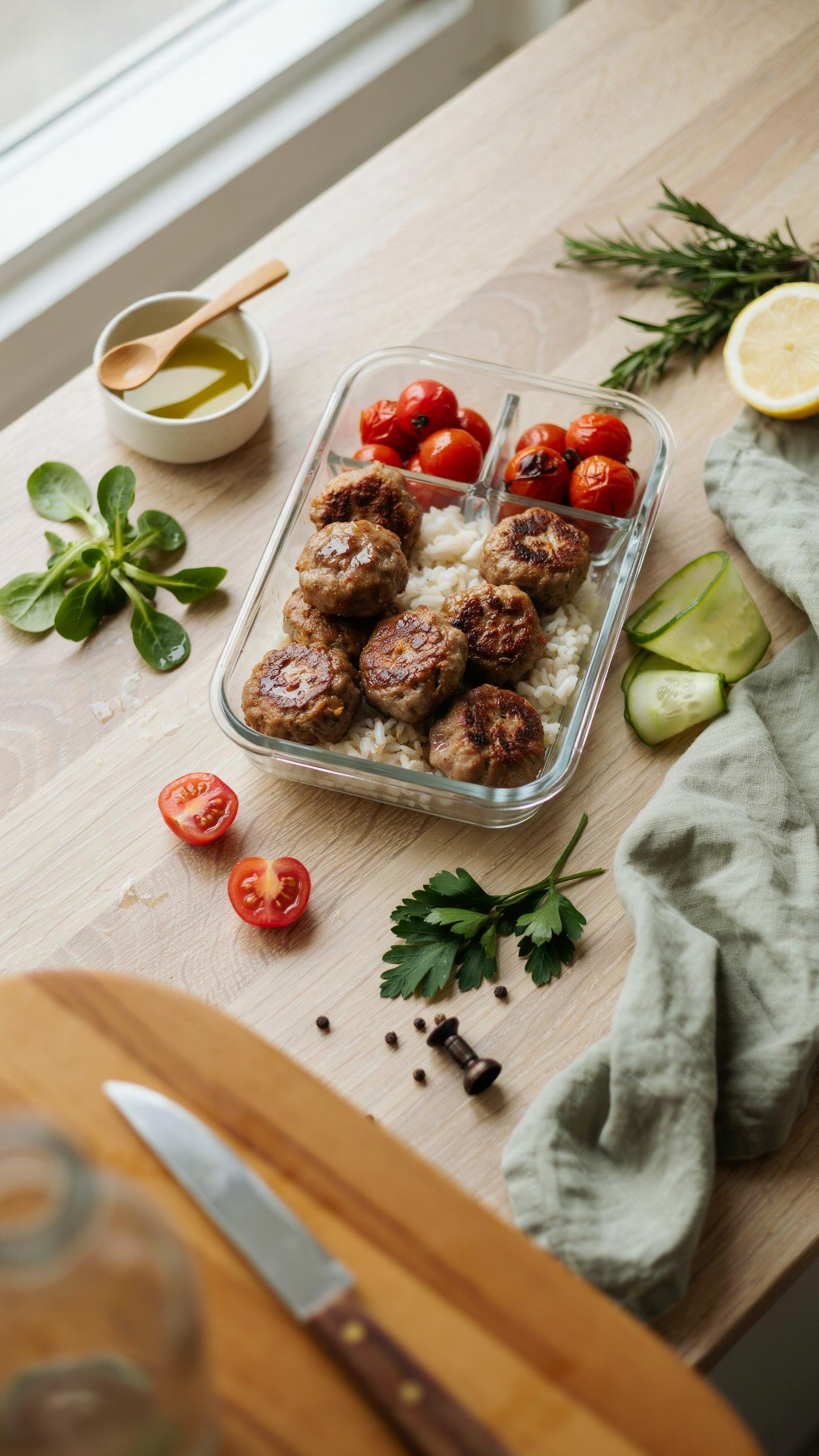
You want to believe meal prep is set-it-and-forget-it, but that belief costs you food safety and texture. Here’s the mechanism: hot meatballs trapped in a sealed container create steam, which raises the internal temperature of your storage space and breeds bacterial growth. Bacteria like Clostridium botulinum thrive in warm, moist, anaerobic environments. Cool your meatballs to room temperature on a sheet tray for 30 to 45 minutes before transferring them to airtight containers.
Temperature control determines shelf life, not hope. Once cooled, store containers on the middle shelf of your refrigerator, not the door where temperature fluctuates. Properly cooled and stored turkey meatballs stay safe for four days. Freezing extends this to three months, but only if you freeze them within two hours of cooling. Most people skip the cooling step entirely and wonder why their meals spoil by Wednesday.
The Right Reheat Wins The Week
The microwave is the fastest way to wreck texture and lose the reason you prepped in the first place. Microwaves heat unevenly, creating hot spots that dry out the exterior while the center stays cold. The better move: low-and-slow oven reheating. Set your oven to 325 degrees Fahrenheit, place meatballs on a sheet tray, add a splash of water or broth to the pan, and reheat for 12 to 15 minutes until they reach 165 degrees Fahrenheit internally.
Stovetop reheating works if you have five minutes and a skillet. Medium heat, covered, with a tablespoon of water or broth for every four meatballs, gets you there in eight to ten minutes. Never reheat the same batch twice. Reheat only the portion you plan to eat that day and return the rest immediately to cold storage.
Easy Meal Prep Meatballs The Effortless Execution Mindset

The Ingredient Ceiling
You want this to feel easy so you’ll actually do it week after week, not abandon it after two batches. The mechanism is constraint. In systems design, constraint forces optimization. You don’t simplify ingredients because fewer is trendy. You simplify because every ingredient you add is a failure point where you either buy the wrong brand, forget to stock it, or waste it.
Ground turkey, breadcrumbs, egg, salt, and garlic powder. That’s the baseline. Everything else you see in recipes exists to make the cook feel sophisticated, not to improve the outcome. When you have five core ingredients, you remove the friction that kills consistency. You buy the same items every week. Your shopping takes ten minutes. Your prep becomes muscle memory.
One Pan, One Temperature
Most advice tells you to brown meatballs in a skillet then finish them in the oven. That’s two steps and two cleanup jobs disguised as flavor science. The actual mechanism is heat distribution. A sheet pan in a 400-degree oven cooks meatballs evenly from all angles without you touching them. You form them, place them, set a timer for eighteen minutes, and they’re done.
One sheet pan holds forty meatballs. One oven cycle. Minimal oil, minimal mess, minimal reason to cut corners. Line the pan with foil before you start and cleanup becomes wiping a surface. This removes the single biggest excuse people use to skip meal prep: the cleanup toll. You batch the cooking, batch the storage, batch the eating.
From Prep To Power Maximizing Your Week With Turkey Meatball Meal Prep
The Mental Real Estate You Actually Reclaim
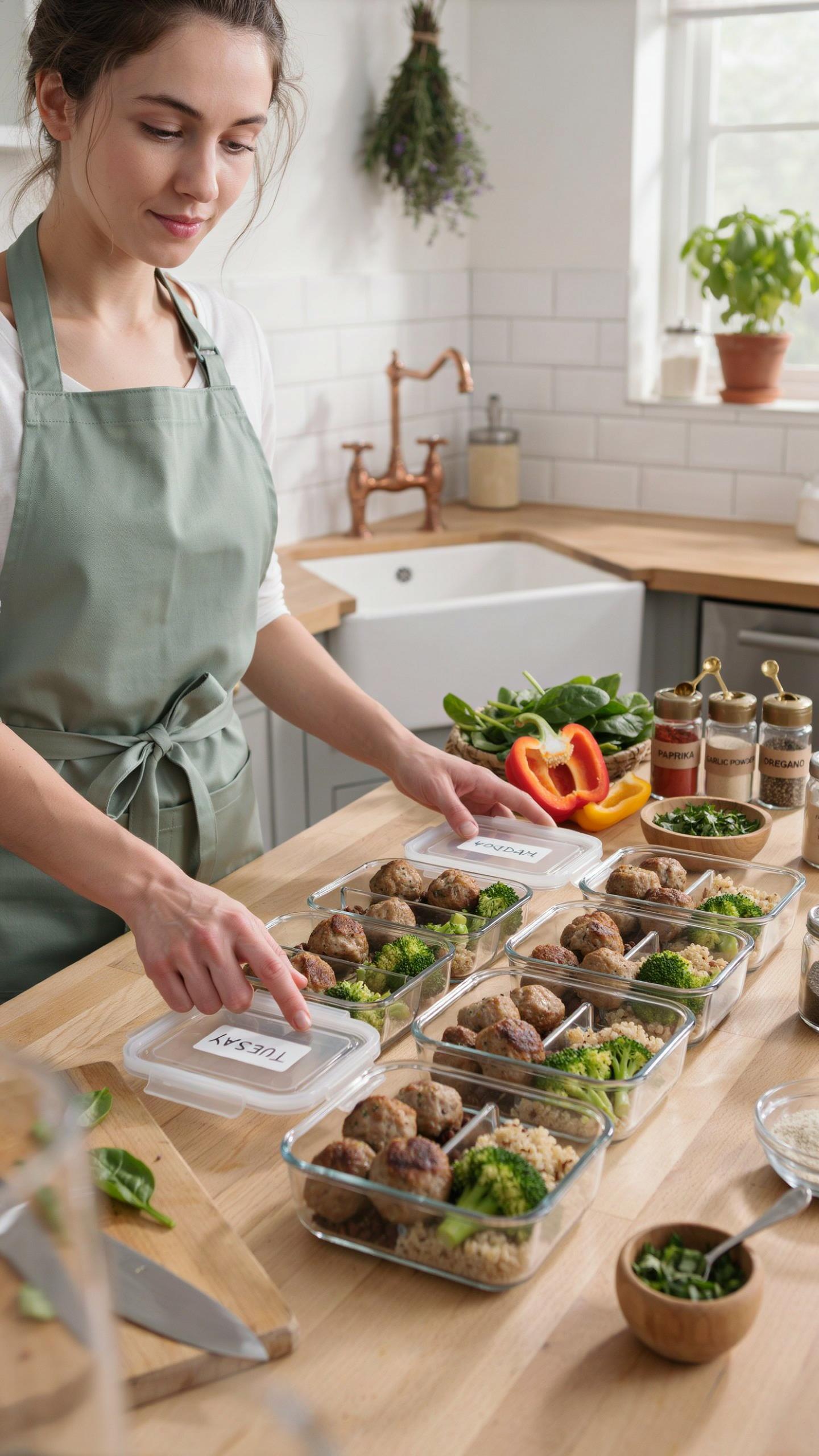
You want to feel productive, which means you want proof that you’re not wasting time on food decisions. Here’s the mechanism: decision fatigue is real resource depletion, not metaphor. Every choice you make about what to eat burns the same neural substrate required for work, relationships, and strategy. Turkey meatball meal prep removes seven daily food decisions from your cognitive load. You’re not saving time. You’re redirecting the mental energy you already spend anyway toward output that matters. This is why executives eat the same breakfast daily and wear identical clothes.
The payoff isn’t the hour you save on Sunday cooking. The payoff is clarity on Tuesday morning when you need to solve an actual problem. Your brain doesn’t default to problem-solving mode if it’s still negotiating lunch. Turkey meatballs in the fridge mean one less negotiation. That sounds small until you recognize that small negotiations compound into decision paralysis by Wednesday. You protect decision capacity by systemizing food. Everything else follows.
Where Tiny Changes Build Into New Capability
Consistency builds capacity. This is borrowed from systems theory: a reinforced feedback loop produces emergent output that exceeds the input. Apply this directly to turkey meatball prep. Week one, you make eight meatballs. Week two, you scale to twelve. By week four, you’re not just eating better. You’ve built a repeatable protocol so automated that prep time shrinks and quality improves simultaneously. Most meal prep advice stops at the first week and calls it done. That’s incomplete. The real value emerges when the system runs without conscious effort.
The compounding effect isn’t about motivation or discipline. It’s about removing friction until the path of least resistance becomes the desired path. When grabbing a turkey meatball from the fridge requires less effort than ordering takeout, behavior changes without willpower. By month two, you’ve built a system that feeds itself. New weeks don’t require re-learning or decision-making. You execute the same protocol, and it delivers the same results. This is when meal prep stops being a task and becomes infrastructure.
The real obstacle isnt the recipe its your unexamined relationship with effort and intentionality

Most people won’t do turkey meatball meal prep because they’ve never attached it to an identity. It’s not about the cooking. It’s about deciding you’re someone who builds systems instead of someone who reacts to hunger at 9 PM. Stop researching recipes this week. Instead, buy the ingredients today and commit to one Sunday. The person who executes one imperfect batch beats the person who reads another article about perfection.