
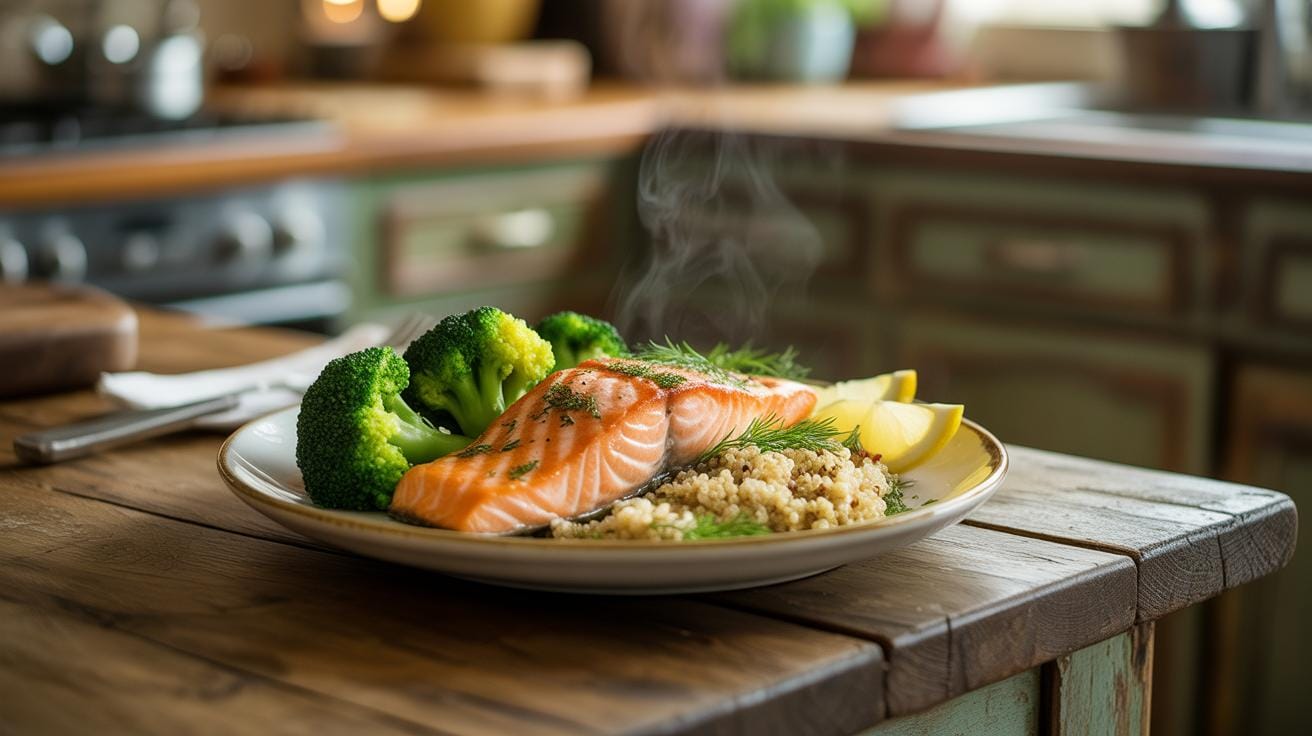
Low Calorie Dinners That Save Time
Delicious Low Calorie Dinners That Save Time and Calories can transform your evening meal habits. They help you eat well without excess calories, supporting better health and weight management. You don’t have to sacrifice taste or satisfaction. With the right ingredients and preparation, you can enjoy meals that fill you up and keep calories low.
This article looks at ways to make low calorie dinners practical and tasty. You’ll find tips on ingredients that cut calories, simple recipe ideas, and cooking methods that save time. Whether you want to lose weight, maintain a healthy diet, or just eat lighter at night, these insights will help you create dinners you look forward to each day.
Benefits of Low Calorie Dinners

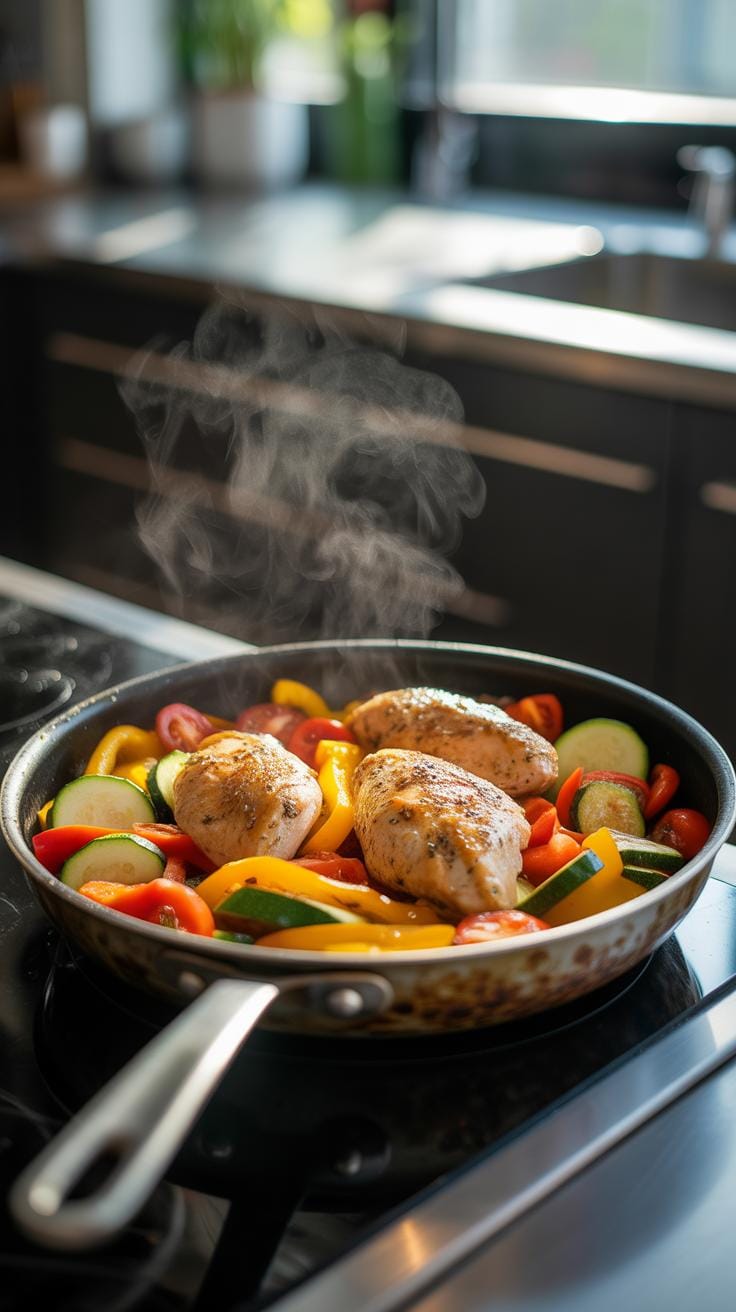
Eating fewer calories at dinner can shape your overall health in several ways. For one, it helps keep your energy balance in check. When your evening meal is lighter, your body isn’t overwhelmed with excess fuel it might store as fat. This can be especially helpful if you’re less active after dinner, which most people tend to be.

Low calorie dinners also tend to support better digestion. Heavy meals can slow digestion and sometimes cause discomfort or restless sleep. When you eat lighter at night, your digestive system works more smoothly, which may improve how well you rest. I’ve noticed my sleep feels deeper on nights after a simpler dinner, though I can’t say that happens every time.
There can be some benefits related to metabolism as well. Eating a smaller dinner might encourage your body to use energy more steadily overnight, instead of storing it. That said, it’s not a magic fix, but over time, these habits seem to help sustain energy throughout the next day without major dips or crashes.
How Low Calorie Dinners Support Weight Control
Dinner often accounts for a big chunk of total daily calories. If you eat a heavy dinner regularly, it’s easier to tip into a caloric surplus, leading to weight gain over time. Choosing low calorie dinners gives you more control over total intake without feeling deprived.
Besides quantity, timing plays a role. Eating fewer calories in the evening lets your body balance energy better since nighttime activity is usually lower. If you find you’re carrying extra pounds or your weight is creeping up, adjusting dinner size might be a simple step worth trying.
On the other hand, eating too little at night isn’t always ideal either. You don’t want to go to bed hungry or feel weak. So focusing on nutrient-rich, low calorie meals can help manage portion size while keeping you satisfied.
Choosing Ingredients That Reduce Calories
Some ingredients naturally keep meals lower in calories but still offer flavor and nutrition. Vegetables like leafy greens, zucchini, and cruciferous varieties add bulk and fiber without many calories. They fill you up and aid digestion.
Lean proteins such as chicken breast, fish, tofu, or legumes provide satiety and support muscle health without excess fat. Whole grains—like quinoa or brown rice—offer steady energy and fiber, helping you feel fuller longer without loading up on calories.
Using these ingredients allows your dinner to be lighter yet balanced. It’s also easy to experiment with herbs, spices, and small amounts of healthy fats to keep meals interesting. Personally, I find that swapping heavy creams or fried foods for vegetable-based sauces or broths makes a dinner feel lighter but still quite satisfying.
Common Mistakes That Increase Dinner Calories
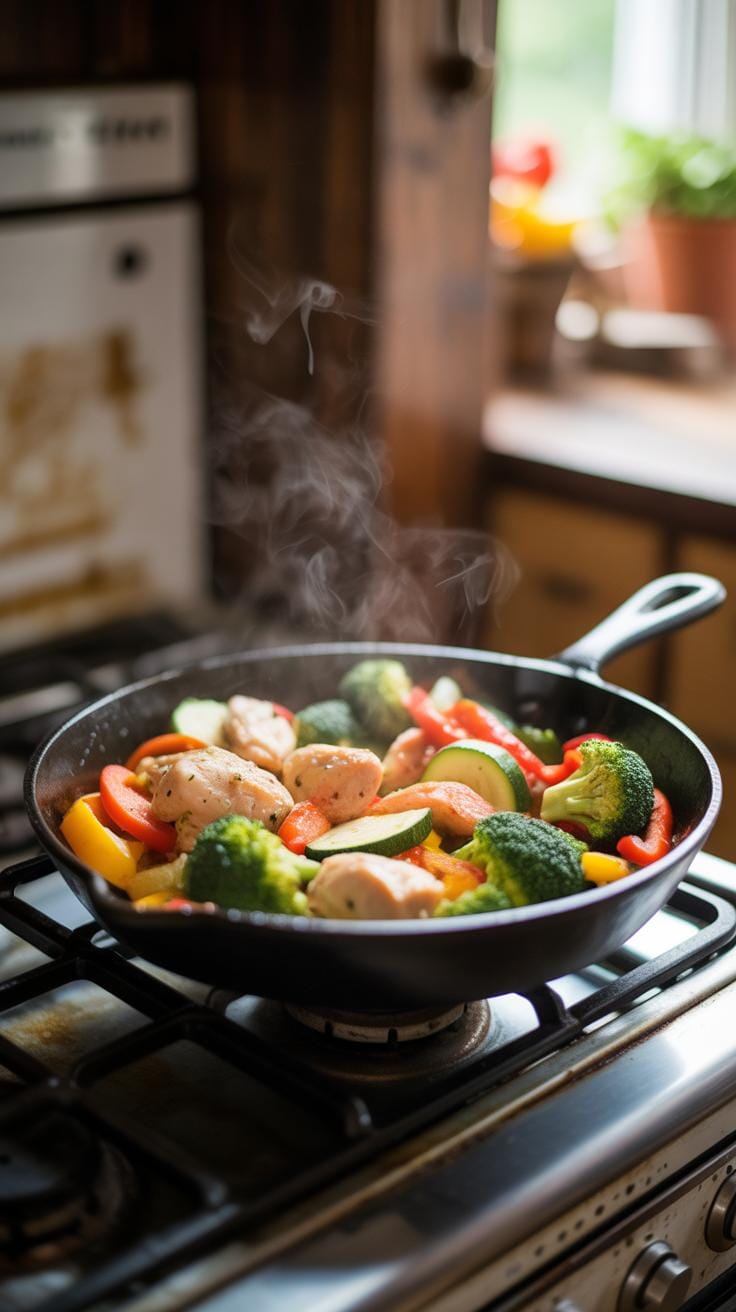
When aiming for low-calorie dinners, some habits quietly push up the calorie count without you realizing it. Take portion sizes, for example. Even with healthy foods, eating too much adds calories quickly. It’s easy to convince yourself that “just one more helping” won’t matter. But those extra bites do add up—maybe more than you think.
Then, there’s the matter of sauces and dressings. A salad might seem safe until you pour on a creamy dressing, which can add a few hundred calories in one go. Fried foods, too, sneak in extra calories—oil soaks into everything, making a simple chicken breast far heavier in calories than a grilled one. And added sugars, especially in marinades or glazes, raise both calorie and sugar intake, surprisingly fast.
Portion Size Impact on Caloric Intake
Portion control feels tricky sometimes, right? You might believe eating a big plate signals satisfaction, but often it’s just the opposite. Overeating even vegetables or lean proteins still raises calorie intake. A reasonable approach is to use smaller plates—that trick actually works for many. Or try measuring portions for a couple of weeks to get a sense of what “normal” serving sizes look like. I’ve found that eyeballing portions improves over time if you pay attention.
Hidden Calories in Dressings and Sauces
Sauces and dressings often carry more calories than we realize. A tablespoon of some creamy dressings can add 70-80 calories, quickly turning a light salad into something quite heavy. It’s tempting to reach for flavorful sauces, but thinning them with yogurt or lemon juice can keep the taste while cutting calories. Salsa, vinegar-based dressings, or even a squeeze of fresh herbs add flavor without much cost on the calorie front. These small swaps might not change the meal much, but over time, they make a noticeable difference in your calorie budget.
Simple Low Calorie Dinner Recipes You Can Try
Low calorie dinners don’t have to be complicated or bland. You can whip up something tasty—fast—even on busy weeknights. Take a salad, for instance. Mix fresh greens like spinach or arugula with sliced cucumber, cherry tomatoes, and a handful of chickpeas or grilled chicken breast. Add a drizzle of lemon juice and a touch of olive oil, and you have a meal that’s light but filling, often under 400 calories.
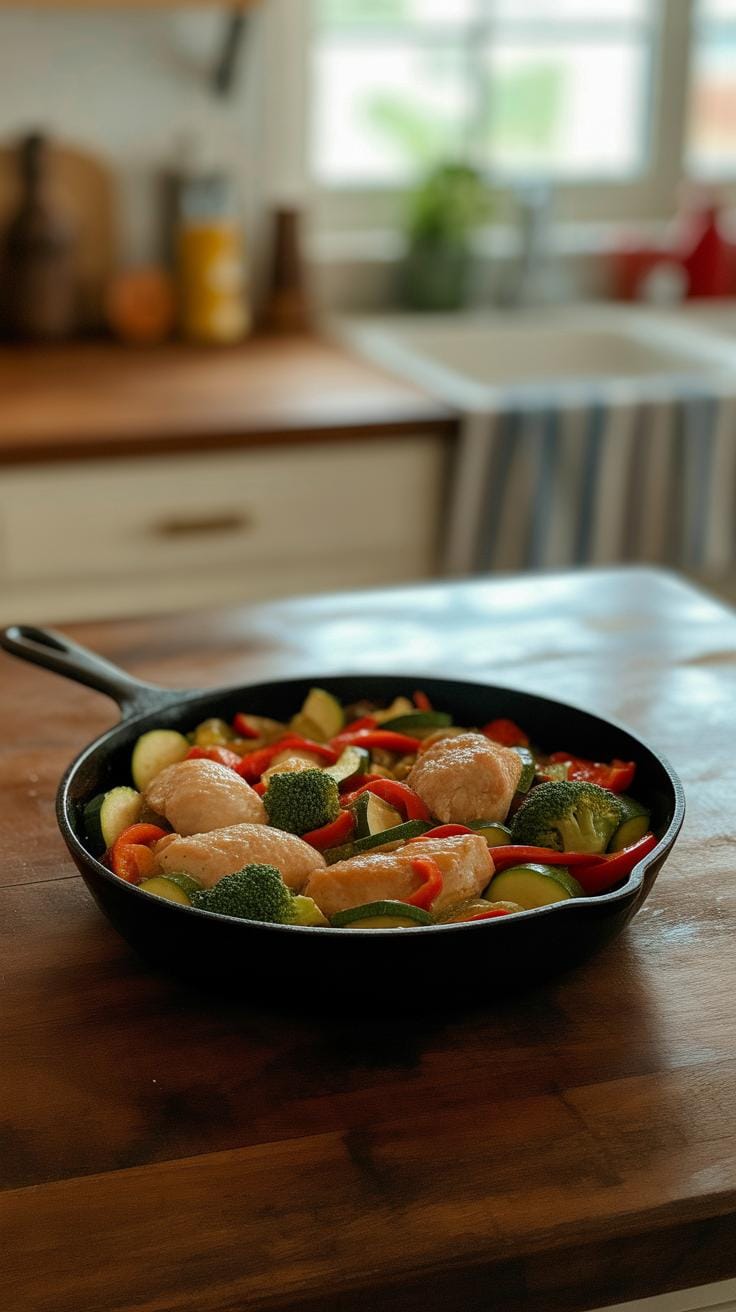
Stir-fries are another go-to. They cook quickly and offer heaps of flavor without loading on calories. Toss lean protein—think shrimp or tofu—with colorful veggies like bell peppers, broccoli, and snap peas. Use minimal oil and splash in some low-sodium soy sauce or ginger for punch. Most stir-fries can be ready in 20 minutes and stay around 300-350 calories.
Soups often get overlooked but can be both comforting and light. Consider a simple vegetable broth with zucchini, carrots, and a handful of beans or lentils to add protein. These can simmer on the stove while you do other things and end up around 200-300 calories per serving.
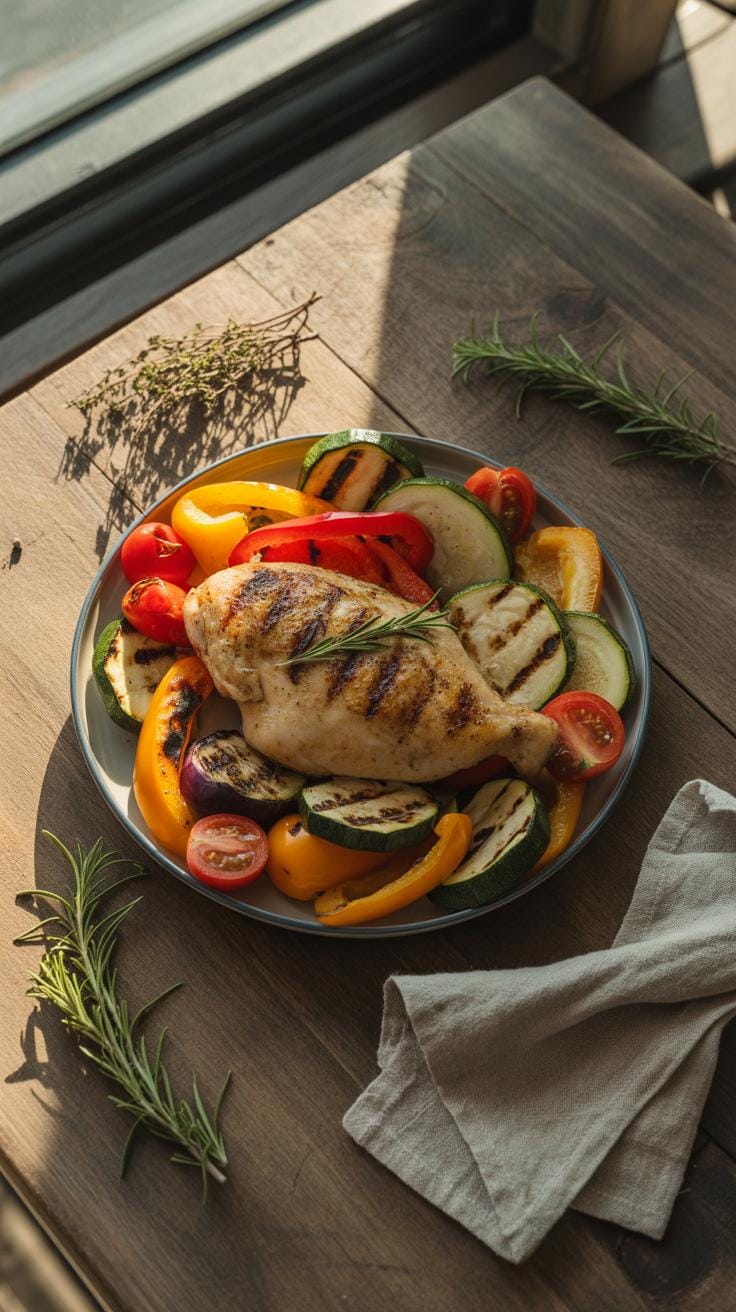
Simple proteins with steamed or roasted vegetables work well too. A grilled fish fillet paired with a side of asparagus or green beans fits nicely into a low calorie plan. The best part? You’re not stuck with just one kind of meal—variety keeps things interesting and you less likely to reach for something heavier.
Case Study of a Stir-fry Low Calorie Dinner
Here’s a quick stir-fry I tried recently, and it turned out better than expected. You need:
- 150g skinless chicken breast (around 165 calories)
- 1 cup broccoli florets (55 calories)
- 1/2 cup sliced bell peppers (20 calories)
- 1/2 cup snap peas (35 calories)
- 1 tablespoon low-sodium soy sauce (10 calories)
- 1 teaspoon olive oil (40 calories)
- 1 teaspoon grated ginger
- 1 clove garlic, minced
Here’s the method: heat oil in a non-stick pan, sauté garlic and ginger for a minute. Add chicken pieces and cook until starting to brown. Toss in the veggies, stir everything for about 5-7 minutes—enough to keep veggies crisp but tender. Splash in the soy sauce, stir once more, and it’s done.
This meal packs roughly 325 calories, is rich in protein, fiber, and bursting with flavor. What surprised me is how filling it was without feeling heavy. You don’t need a complicated sauce to make a low calorie dinner feel satisfying.
Example Simple Salad with Protein
Try this salad when you want something light yet substantial. Combine 2 cups of mixed greens (about 20 calories) with half a cup of cooked quinoa (111 calories), 100g grilled turkey breast (135 calories), sliced cucumbers, and a few cherry tomatoes. For dressing, whisk together 1 tablespoon balsamic vinegar with one teaspoon olive oil (40 calories).
This salad works because it hits a nice balance—protein from the turkey keeps you full longer, quinoa adds a bit of healthy carbs and fiber, while the dressing adds flavor without too many extra calories. It’s quick to put together, especially if you pre-cook the quinoa and turkey ahead of time. Perfect for those nights when you want a meal that feels both fresh and filling.
How to Plan Low Calorie Dinners Weekly
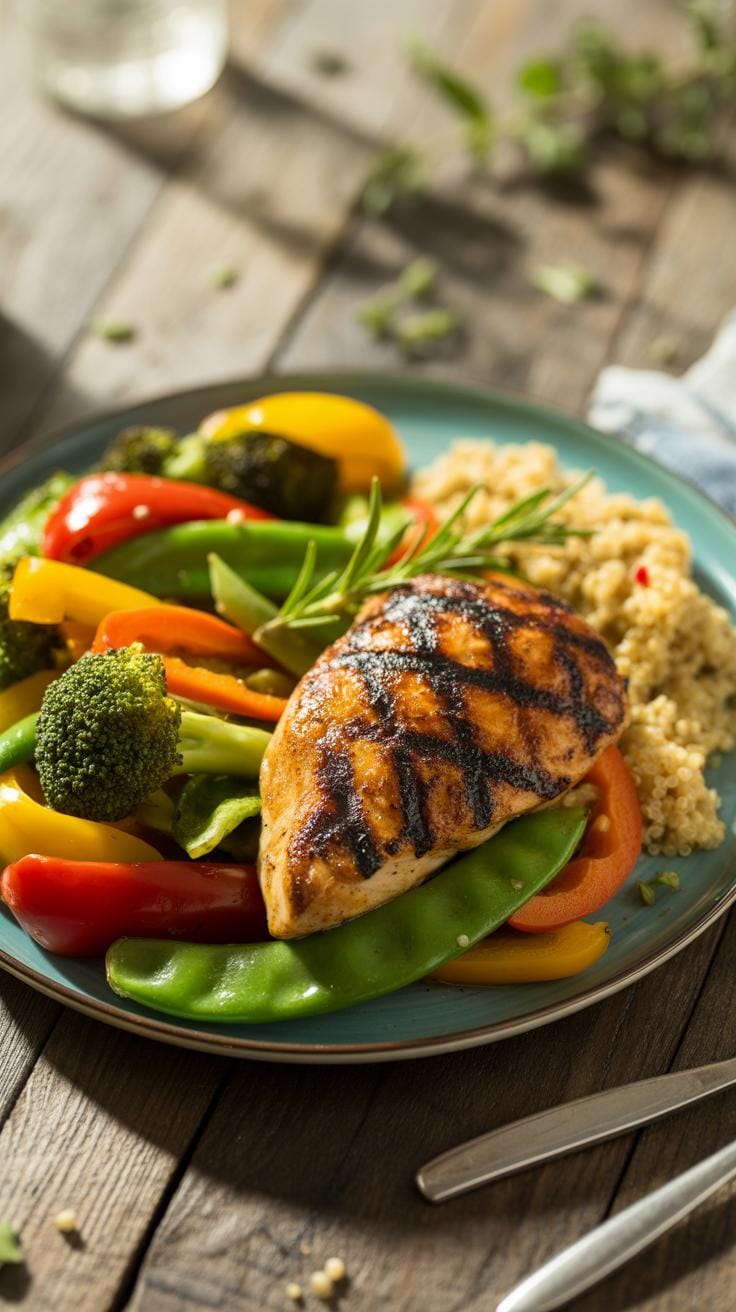
Planning low calorie dinners for the week can feel tricky at times, but it’s not as complicated as you might think. Start by setting aside a little time each weekend just for this task. Think through the meals you want to try, keeping prep time and calorie count in mind. It helps to jot down your dinner ideas along with key ingredients.
Creating a simple shopping list from this plan saves you from wandering aimlessly in the store. Stick to fresh vegetables, lean proteins, and whole grains. Buying in bulk for items like chicken breasts or beans lets you batch cook, which means less stress on weeknights.
Batch cooking can really cut down time. Cooking one or two staples in larger amounts—such as grilled chicken or roasted veggies—gives you parts to mix and match for several dinners. This way, you avoid the “what’s for dinner?” scramble. It’s okay if this sounds repetitive at first; small twists like different sauces or herbs can make a similar base feel quite different.
Variety is key; eating the same thing over and over can get dull pretty fast. Try to pick meals from different cuisines or with different textures. Maybe one night a stir-fry, another a salad, and a soup later on. It helps to ask yourself, what do you really feel like eating this week?
Setup Checklist for Weekly Dinner Planning
– Pick your dinner recipes for the week, aiming for low calorie and simple preparation.
– Make a detailed shopping list organized by section (produce, protein, pantry).
– Shop once, focusing on fresh, whole foods and batch-cook staples like grains, legumes, or proteins.
– Portion out prepped ingredients into containers for quick assembly or reheating.
– Keep seasoning and sauces on hand for quick flavor changes.
– Plan for at least one day with a quicker or leftover-based meal to ease the load.
Avoiding Repetitive Meals and Maintaining Variety
Low calorie doesn’t mean boring. To keep dinners interesting, rotate the main ingredient each week—chicken, fish, tofu, or beans. Mix cooking methods too: grilling, baking, steaming, or stir-frying add different flavors and textures.
Try to include a rainbow of vegetables—this changes not just color but mouthfeel and taste. Incorporate herbs and spices thoughtfully; a sprinkle of fresh basil or a pinch of smoked paprika can turn ordinary into something different without adding calories.
If you find yourself falling into monotony, don’t hesitate to swap a planned meal or try a new recipe. Eating should feel satisfying, not tedious. Sometimes, a simple change in shape—like spiralized zucchini instead of pasta—can make a meal feel fresh without extra effort.
Comparing Low Calorie Versus Regular Dinners
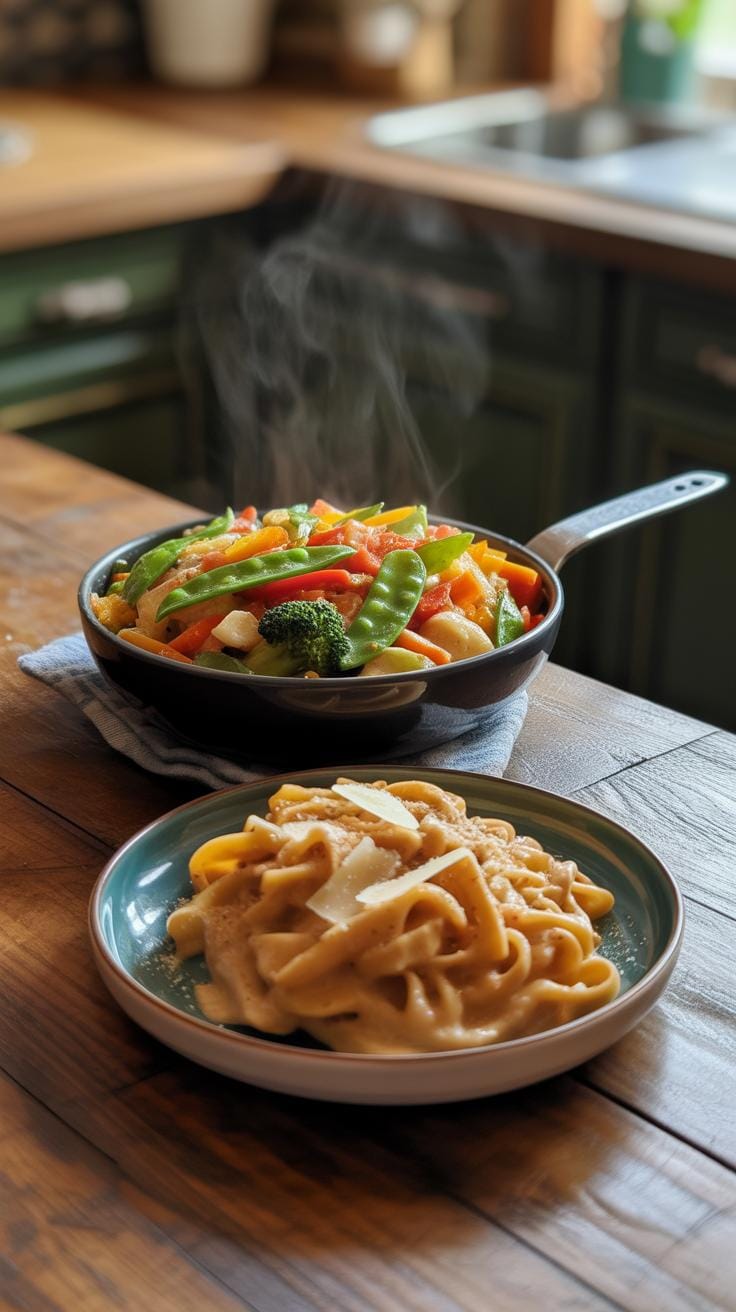
Nutritional Differences Between Meal Types
When you look at a typical regular dinner—think fried chicken with mashed potatoes drenched in butter, and a heavy creamy sauce—the calorie count can easily climb past 800 or more. These meals often pack in saturated fats, added sugars from sauces, and low fiber due to refined grains. Now, switch that fried chicken for grilled skinless chicken breast, swap mashed potatoes for roasted veggies or a small sweet potato, and ditch the sauce or replace it with fresh herbs and lemon juice. Suddenly, calories can drop by half or more.
Here’s what typically separates the two:
- Calories: Regular dinners can range from 700 to 1,000 calories, while low calorie alternatives usually stay between 300 and 500.
- Fat content: High calorie meals often contain 30 grams of fat or more, mostly saturated, whereas low calorie meals usually have under 15 grams, favoring healthy fats like olive oil.
- Sugar: Added sugars sneak in through dressings, sauces, or sides in regular dinners; low calorie options rely more on natural sugars found in veggies.
- Fiber: Low calorie dinners boost fiber with veggies, legumes, or whole grains, often hitting 5 grams or more, helping with satiety and digestion.
How Meal Choices Affect Energy and Weight
Many notice a sluggish feeling after a big, heavy meal—maybe a long afternoon slump. That’s common with higher calorie dinners loaded with fats and sugars. The body struggles to digest and convert surplus energy, leaving you tired rather than energized.
On the other hand, low calorie dinners tend to absorb more steadily into your system. You might feel more alert, perhaps less bloated, and ready for evening activities. That steady energy can be surprisingly noticeable, even if the meal feels smaller.
Over time, consistent choices matter. Regular heavy dinners can contribute to gradual weight gain due to excess calories stored as fat. Choosing lighter options frequently may promote weight stability or loss, but also encourages habits linked to better sleep and mood.
Still, it’s not always black and white—sometimes a high calorie dinner rewards a tough workout day. The key question might be: how often do you have these meals, and do they fit into your overall lifestyle?
Tips to Speed Up Preparing Low Calorie Dinners
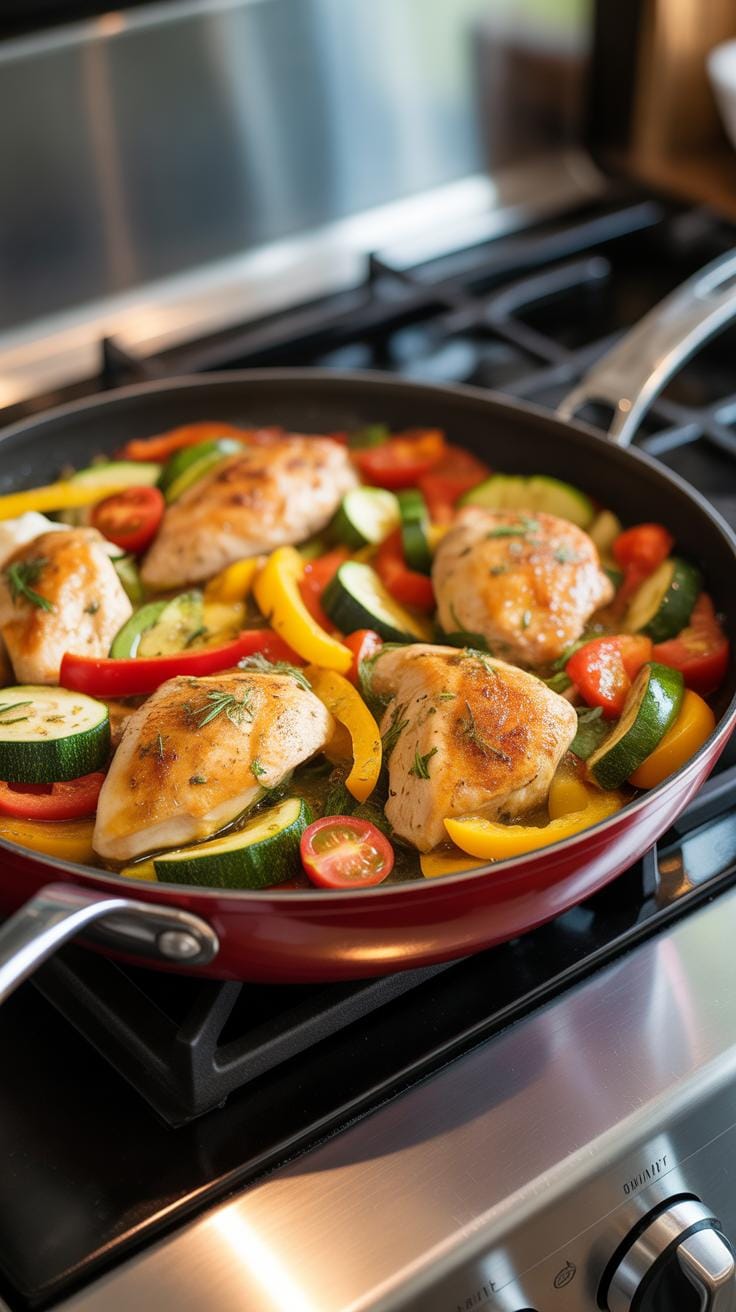
Using Pre-prepped Ingredients
One way to cut down on dinner prep without losing that fresh feeling is to lean on pre-prepped ingredients. Pre-chopped vegetables, frozen greens, or even spiralized zucchini from the store can shave off a surprising amount of time. You don’t have to chop that onion or celery yourself, which often feels like the most tedious part.
Plus, frozen veggies are usually picked at peak ripeness, so the flavor often holds up well—sometimes better than what’s sitting in your fridge for days.
For example, a quick stir-fry with frozen broccoli and pre-cut carrots can come together in minutes. Ready-to-use canned beans or pre-cooked chicken also save time and keep calories in check without extra fuss.
One Pot and Sheet Pan Meal Ideas
Meals prepared in a single pot or on one sheet pan do more than just cut down on cleaning; they simplify your whole cooking process. Imagine tossing chicken, asparagus, and cherry tomatoes all on the same pan, roasting them, and calling it dinner. Minimal stirring, fewer dishes, much less hassle.
One-pot soups or stews work similarly—throw everything in, set a timer, and forget it. It’s an approach that often makes weeknight cooking less intimidating. You might wonder if these methods limit variety or taste, but actually, it’s easy to play around with spices or add fresh herbs at the end to keep things interesting.
Checklist for Balanced Low Calorie Dinners
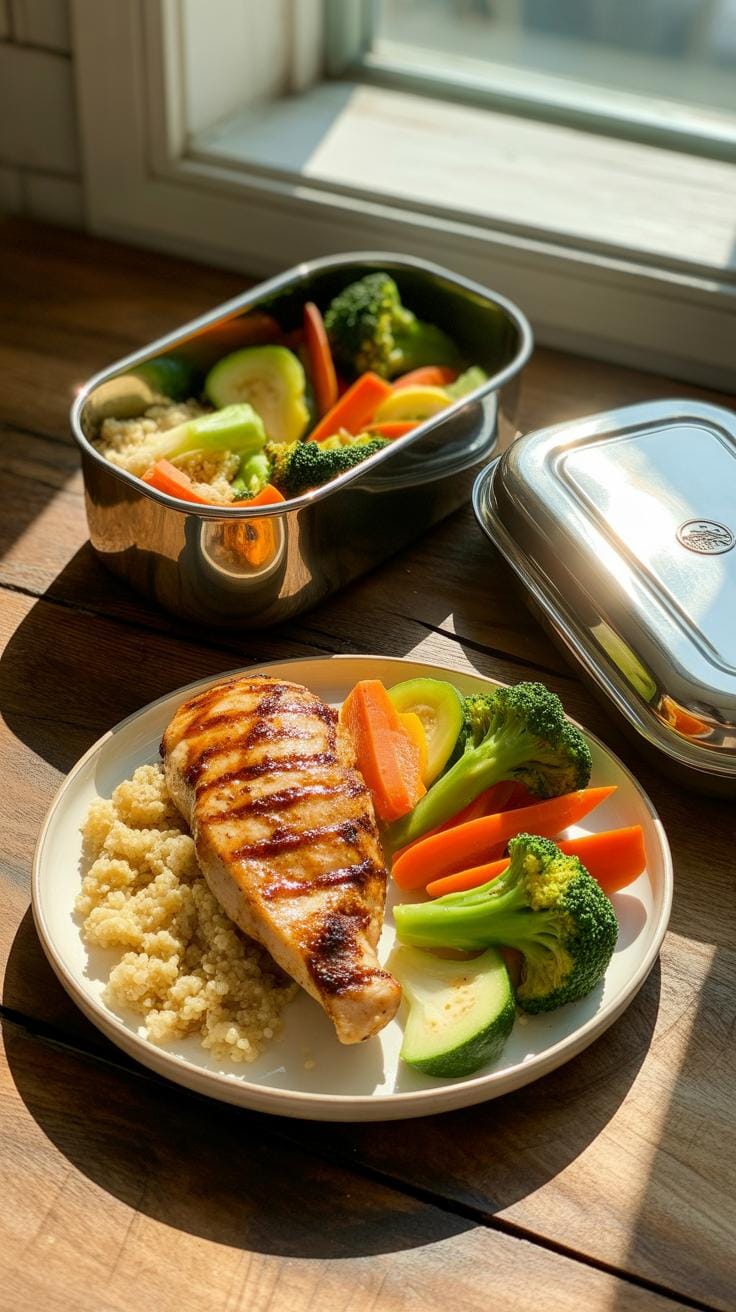
When putting together a low calorie dinner, it’s easy to focus solely on cutting calories and forget about balance or nutrition. But your dinner should do more than just save calories—it needs to nourish you and keep you satisfied. So, here’s a checklist you might find useful to keep your meals balanced, nutritious, and yes, still low in calories.
Must-Have Nutrient Groups in Dinner
Try to include these essential food groups for a well-rounded meal:
- Lean proteins like chicken breast, tofu, fish, or legumes—these help keep hunger in check and support muscle repair.
- Vegetables: both cooked and raw. Vegetables are low in calories but high in fiber, vitamins, and minerals. Think spinach, broccoli, or bell peppers.
- Whole grains or starchy vegetables in moderate amounts, such as quinoa, brown rice, or sweet potatoes—they provide energy and fiber without piling on empty calories.
- Healthy fats—use olive oil, avocado slices, or a small handful of nuts. Small amounts go a long way in taste and satiety.
- Don’t forget water-rich foods like cucumbers or tomatoes; they add volume and can gently fill you up without calories.
Portion Control Guidelines
Portion sizes really steer whether a meal stays low calorie or slips up. You might already eyeball, but here are rough guides that could help:
- Protein: about the size of your palm, roughly 3-4 ounces cooked.
- Vegetables: fill half your plate with non-starchy veggies; no need to measure exactly here, just load up.
- Whole grains or starchy veggies: aim for ½ cup cooked—for example, ½ cup cooked brown rice or quinoa.
- Fats: no more than 1 teaspoon of oil for cooking or a small quarter of an avocado.
You might find yourself wondering how strict to be with these numbers. Well, a little flexibility doesn’t hurt, but if you’re trying to lose weight or maintain—it helps to think of portions as your benchmarks, not absolute rules.
So, the next time you’re at the table, glance at this checklist—does your meal check these boxes? If yes, then you’re probably on the right track, balancing nutrition and calorie control without overthinking every bite.
Common Questions About Low Calorie Dinners
Will Low Calorie Dinners Leave Me Hungry?
It’s a common worry—will a low calorie dinner just leave you ravenous a few hours later? The answer depends a lot on what you eat and how much. Not all calories are created equal when it comes to feeling full. For instance, foods high in fiber and protein tend to keep hunger at bay longer, even if they’re lower in calories. Think beans, leafy greens, lean meats, or tofu. Adding volume with low-calorie veggies also helps—because filling your plate with more food can trick your brain into feeling satisfied.
Portion sizes matter too. Aim for balanced meals where protein and fiber share the spotlight. Sometimes people underestimate how filling a small portion of, say, grilled chicken and roasted broccoli can be, especially when paired with a small serving of whole grains. Remember, the goal isn’t eating fewer calories to starve yourself but to eat smarter—selecting ingredients that work with your hunger, not against it.
When Is the Best Time to Eat Low Calorie Meals?
Timing your dinner can be tricky, especially when you want good digestion and a restful night’s sleep. Generally, eating low calorie meals 2 to 3 hours before bed feels right for many. It gives your body enough time to process food without leaving you hungry or overly full at bedtime. On some nights, I’ve noticed eating too close to sleep can leave me restless, but waiting too long can also bring hunger pains that disrupt sleep.
The goal is to find your sweet spot. If you’re someone who sleeps better on a fuller stomach, a slightly larger, low calorie meal earlier in the evening might help. If your digestion tends to be sluggish, then a lighter meal or even a small snack earlier in the evening is better. You might want to experiment a bit and track how your body reacts. There’s no strict rule here—just what fits your routine and comfort best.
Conclusions
Low calorie dinners that are both tasty and easy to prepare offer a great way to control caloric intake without losing flavor or satisfaction. By focusing on whole foods, smart ingredient swaps, and efficient cooking methods, you can consistently make healthy meals that fit into your busy schedule. This helps you stay on track with your diet goals without feeling restricted.
Be mindful of portion sizes, balance across food groups, and try new recipes to keep meals interesting. Making these choices regularly leads to better eating habits that support your overall well-being. You have the tools to enjoy delicious dinners that save you time and cut calories every night.