
What Weight Watchers Dinner Recipes Offer
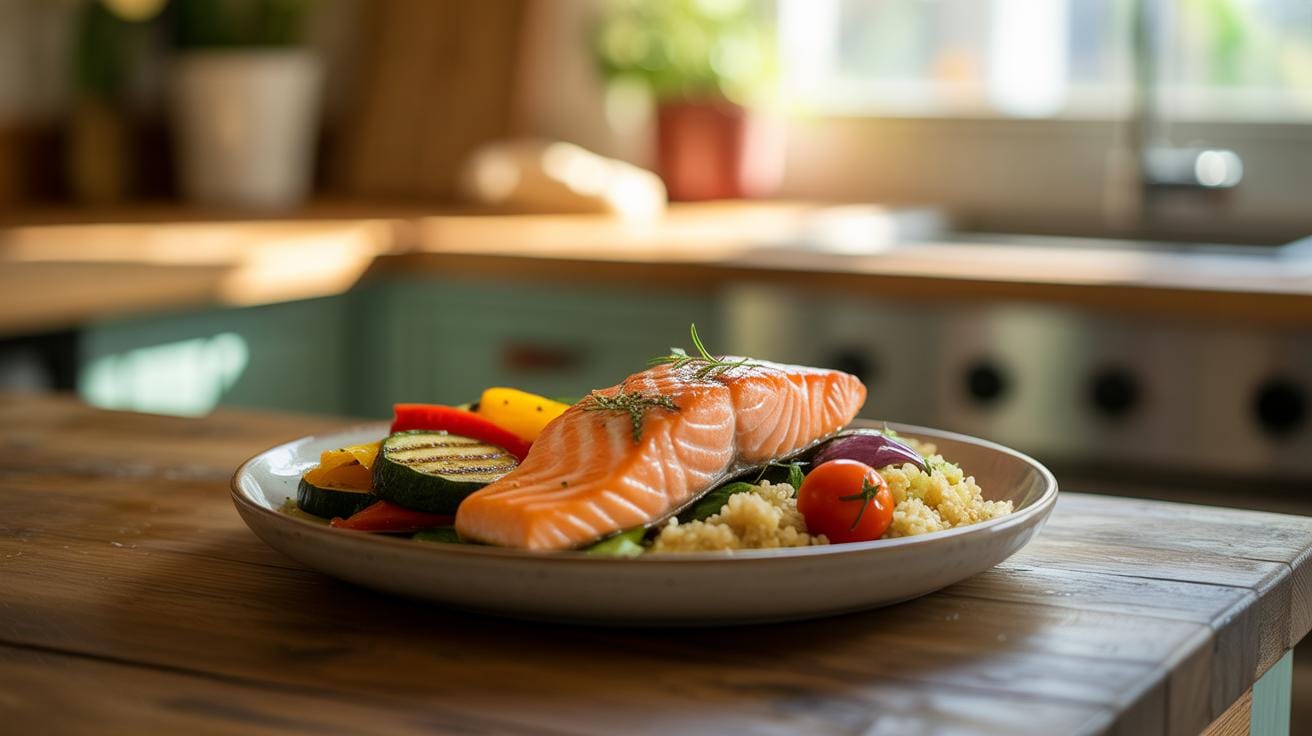
Weight Watchers recipes for dinner offer tasty and healthy meal options that help you manage your weight without sacrificing flavor. These recipes use balanced ingredients to keep the meals nutritious and satisfying while supporting your weight loss or maintenance goals.
In this article, we explore practical ideas and tips for making Weight Watchers dinners. You will learn how to pick the right ingredients, prepare quick meals, and include a variety of dishes that suit your personal taste. This guide will make dinner planning easy and delicious.
What Makes a Dinner Weight Watchers Friendly

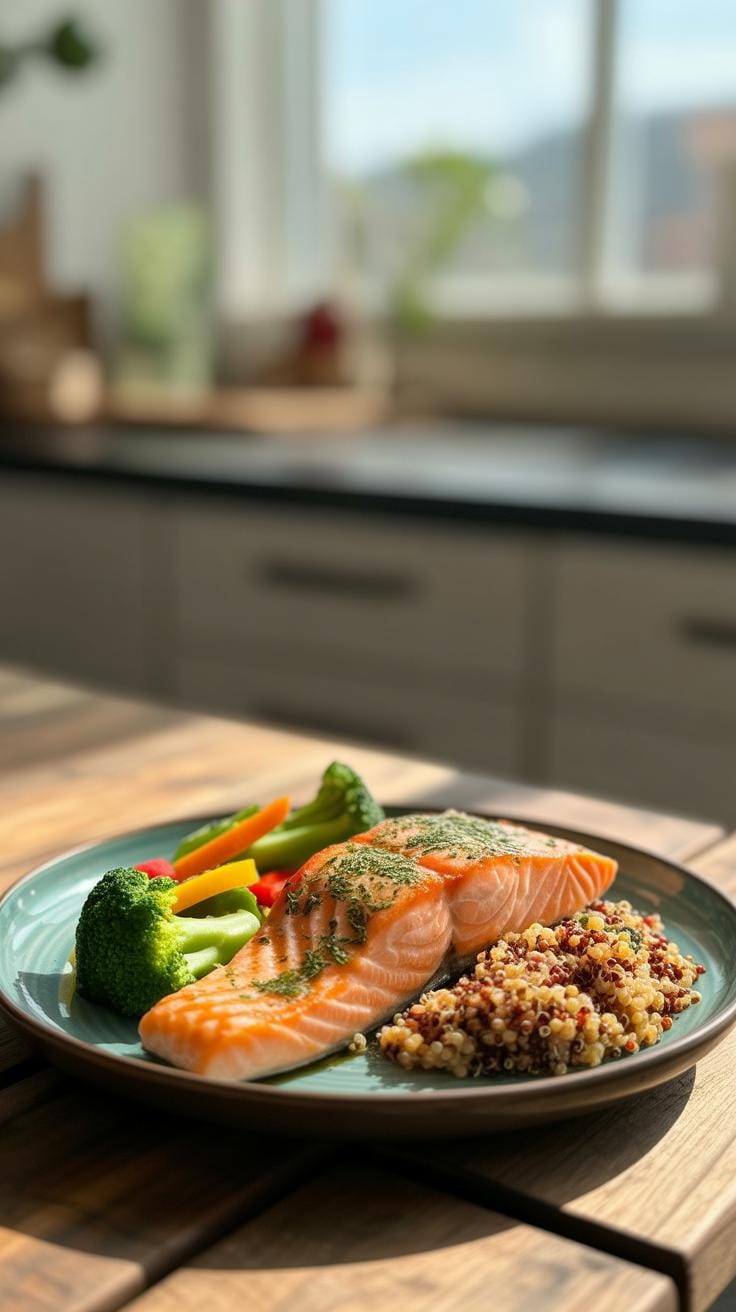
A dinner that fits the Weight Watchers plan is more than just low in points; it’s about making smarter choices that still satisfy your hunger and taste buds. Low-point ingredients are obviously key, but portion control plays an equally crucial role. You might use chicken breast or veggies that are naturally low in points, but piling them on your plate too high can sneakily add calories and points. That’s why balanced portions matter—getting just enough so you feel full without overdoing it.

Also, this isn’t about deprivation. It’s about balance between nutrition and flavor. You want a meal that fuels your body without feeling boring or bland. Weight Watchers dinners usually pair lean proteins, fresh vegetables, and some whole grains. Watching the points is practical, but balancing what goes into your plate—that’s what truly makes a meal Weight Watchers friendly. It’s a bit of a puzzle, but once you get the hang of it, dinners can be simply satisfying and still within your goals.
Understanding Zero Point Foods
Zero point foods can feel like a lifesaver in your Weight Watchers dinner planning. These are ingredients that won’t count against your daily points allowance, giving you more freedom to eat without guilt. They’re mainly whole, unprocessed foods that provide nutrients without extra calories from fat or sugar.
Common zero point dinner ingredients include:
- Skinless chicken breast
- Eggs
- Most vegetables like spinach, broccoli, zucchini, and carrots
- Beans and lentils (plain, cooked without added fats)
- Nonfat plain yogurt
- Seafood such as shrimp and white fish
Using these zero point foods helps keep meals satisfying and filling. But—interesting enough—you can’t just eat them endlessly and expect perfect results. Portion and variety still matter, and mixing in some low-point extras makes dinners more exciting and sustainable.
Balancing Protein, Carbs, and Fats
Creating Weight Watchers dinners means paying attention to the balance of protein, carbs, and fats. Protein is particularly important since it keeps you full longer and supports muscle health. Try including healthy choices like grilled chicken, turkey, tofu, or fish. These keep points low but satiety high.
Carbohydrates should come mostly from whole grains, vegetables, and legumes rather than refined starches. Think quinoa, brown rice, sweet potatoes, or plenty of green veggies. These give you energy without unnecessary points load.
Fats often get a bad rap, but they’re vital in small amounts. Healthy fats like avocado, olive oil, or a sprinkle of nuts can add flavor and help your body absorb vitamins. A tiny drizzle of olive oil or a few slices of avocado counts for points but balances the meal nicely.
Finding your perfect mix might take some trial and error. Perhaps you’ll try a salmon and roasted veggie bowl one night, then a lentil stew with a side salad another. Either way, keeping protein steady, choosing smart carbs, and adding modest amounts of fat can make Weight Watchers dinners both nourishing and enjoyable.
Why Choose Weight Watchers for Dinner Planning
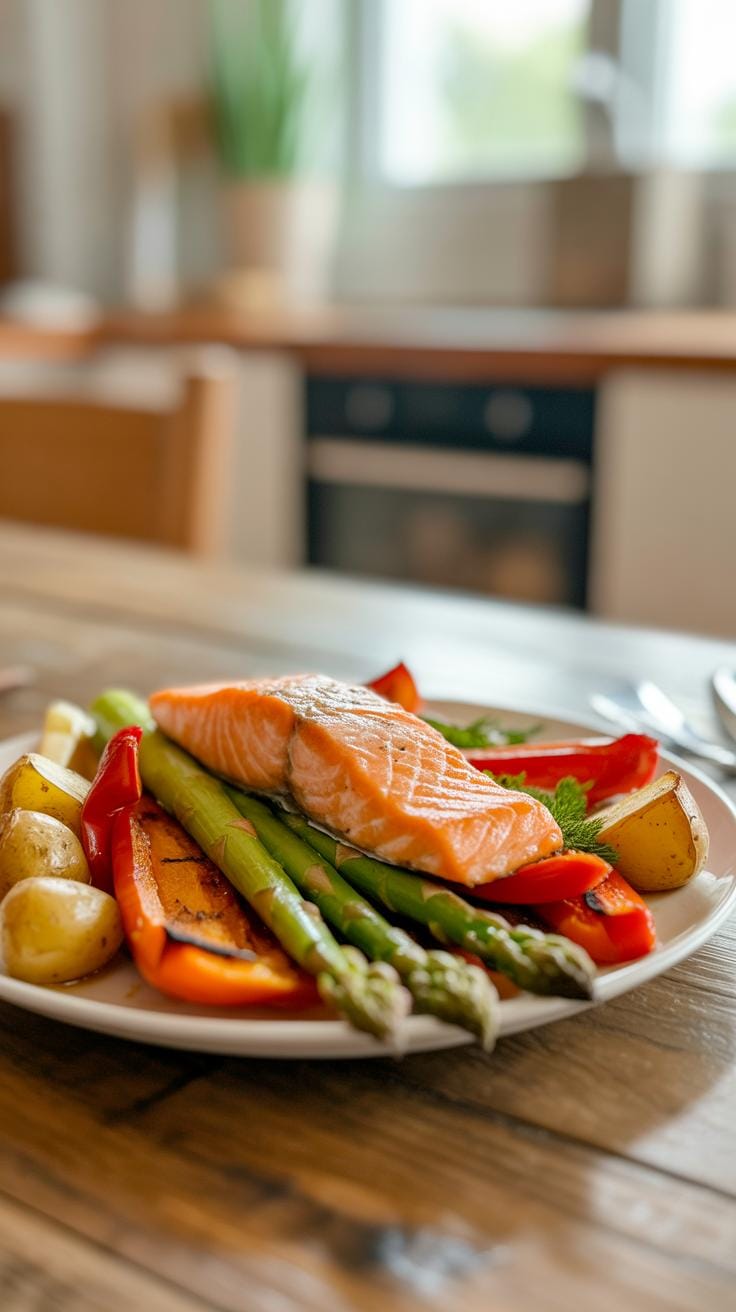
Picking Weight Watchers recipes for dinner isn’t just about sticking to a diet. It’s about creating meals that support both your health and your goals without feeling too restrictive. Compared to many traditional dinners, these recipes generally focus on whole foods and manageable portions, which might feel more sustainable over time.
You can expect to see more vegetables, lean proteins, and fiber-rich ingredients showing up on your plate. This kind of balance often leads to better digestion, steady energy, and less hunger later in the evening. I’ve noticed that when dinners include plenty of fiber and protein, I don’t crave snacks as much afterward—something that’s hard to say about most heavy, carb-filled meals.
Controlling your points plays a central role here. By choosing foods wisely, you can enjoy satisfying dinners without feeling guilty or deprived. You’re encouraged to pick ingredients that keep your daily points in check but don’t sacrifice flavor or satisfaction. This approach often discourages overeating since you’re aware of your limits but still get to enjoy a varied menu.
There’s also a practical side to this. Weight Watchers dinners often help you learn how to combine foods better—like pairing greens with lean chicken or using beans in place of higher-calorie sides. These swaps tend to improve your nutrient intake almost without thinking. Maybe this is why people who follow Weight Watchers find it easier to maintain their weight long term, even when life gets busy.
How to Build a Weekly Weight Watchers Dinner Plan

Planning your dinners for the week might sound a bit tedious, but it’s one of the best ways to stay on track with Weight Watchers. Try thinking about your meals like pieces of a puzzle—you want them different enough to keep things interesting, yet simple enough not to overwhelm you or your schedule.
Start by mixing proteins, vegetables, and grains over the week. Maybe Monday is lean chicken with roasted veggies, then Tuesday a veggie-packed stir-fry featuring tofu or shrimp. Wednesday could be a comforting soup or stew, giving you a chance to use up leftovers as well. This variation prevents monotony, making it easier to stick with your plan.
When putting together your menu, consider different cooking methods, too. Baking, grilling, steaming, or even slow-cooking can bring out unique flavors while keeping meals light. It also lets you balance effort and time—some days you’ll want quick meals, other days maybe try something new that takes a bit longer.
For shopping and prepping, list ingredients that overlap across meals—this saves money and reduces waste. For example, one grocery trip might cover leafy greens for salads and stir-fries, or a bulk of chicken to use in multiple dishes. Prep some veggies or grains ahead if you can; chopping onions or cooking rice in advance makes last-minute dinners much less stressful.
Does it feel overly rigid? It can be tempting to want absolute control over what’s on your plate each night. Yet, a little flexibility is okay—maybe switch days around depending on your mood or schedule. The main goal is variety without fuss, feeding your body well and keeping evenings manageable.
Common Mistakes in Weight Watchers Dinners to Avoid

Overlooking Portion Sizes
One of the most common slip-ups is ignoring portion control. Even the healthiest meals can sneak in extra points if you eat more than the recommended serving. Weight Watchers points aren’t just about the ingredients but the amount you consume. It’s easy to think that eyeballing your portions is enough, but that often leads to underestimating what you’re actually eating.
Try these tips to keep portions in check:
- Use smaller plates or bowls; it tricks your brain into thinking you’re eating more.
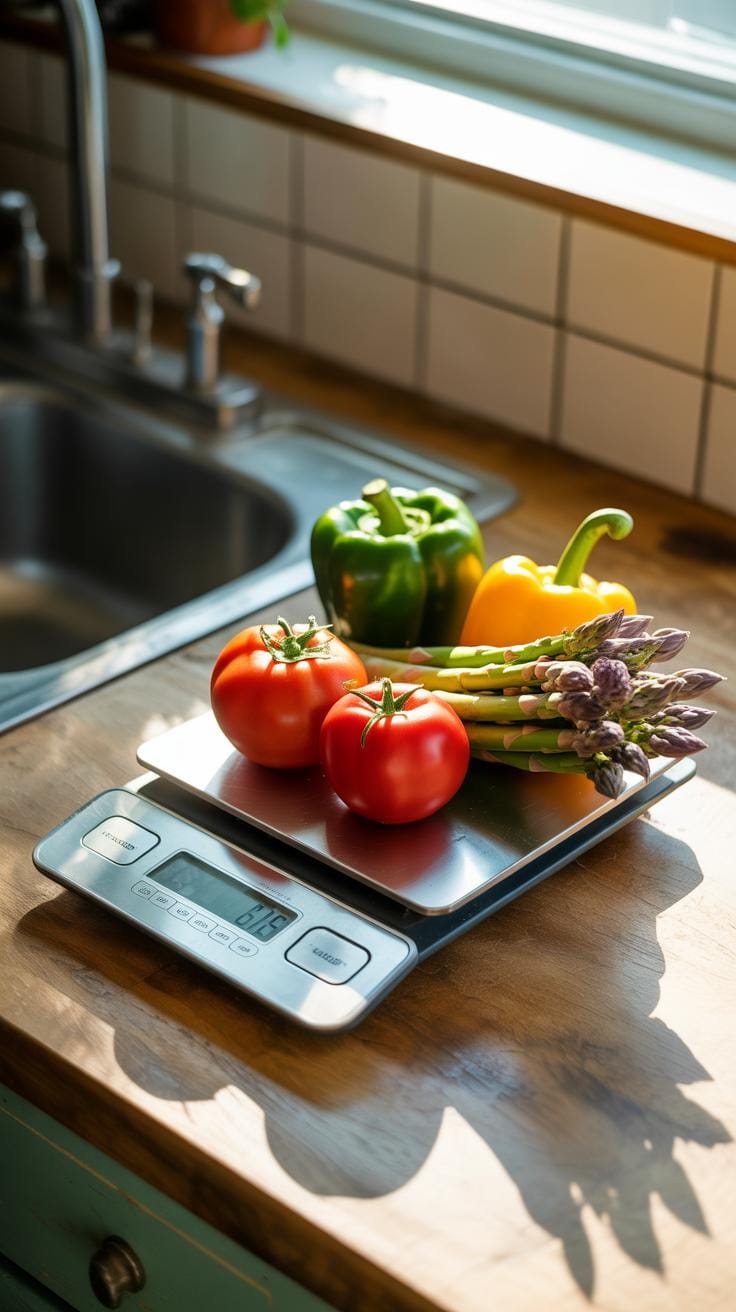
- Invest in a kitchen scale or measuring cups—you might find your usual serving sizes are bigger than you thought.
- When dining out or grabbing leftovers, divide the food before eating instead of eating straight from the container.
Some people claim they don’t have time for precise measuring, but a little effort here can prevent frustration later. Portion sizes matter more than you might realize.
Choosing High-Point Sauces and Sides
Sauces and side dishes can quietly add a ton of points without drawing much attention. It’s tempting to smother your dish in creamy dressings or pile on buttery mashed potatoes, but these extras can quickly blow your dinner’s point budget.
Look closely at what you add alongside your main course. Sometimes, swapping out a high-point sauce for something lighter, like a fresh salsa or a squeeze of lemon, keeps flavor without the cost. Instead of traditional sides, try steamed veggies or a simple salad with a vinegar-based dressing.
Even small changes make a difference:
- Replace mayo-based sauces with mustard or yogurt-based dips.
- Choose whole grains as sides, but watch portion sizes carefully.
- Use herbs and spices for flavor rather than relying on heavy sauces.
It’s easy to forget these extras, but they count. Maybe next time you’re tempted by a rich sauce, pause and ask—do I really need this? Sometimes less really is more for your point balance and your taste buds.
Top 5 Quick Weight Watchers Dinner Recipes

Let’s jump right into some Weight Watchers dinner ideas that won’t keep you tied to the kitchen forever. These recipes keep things simple but don’t skimp on taste. I think you’ll find they’re practical enough for busy weeknights, yet varied enough to avoid boredom.
Example Recipe One: Spicy Turkey Lettuce Wraps
Ingredients:
- Lean ground turkey (4 oz)
- Chopped onion and garlic
- Low-sodium soy sauce (1 tbsp)
- Chopped bell peppers
- Romaine lettuce leaves
- Red pepper flakes and black pepper to taste
Cook the turkey, onions, and garlic until browned. Stir in soy sauce and peppers, letting it simmer briefly. Spoon the mixture into washed lettuce leaves and sprinkle the pepper flakes on top. That’s it—fresh, light dinner ready in under 20 minutes. This dish clocks in at just 5 WW points per serving. Quick, and surprisingly filling.
Example Recipe Two: Veggie-Packed Quinoa Stir-Fry
Ingredients:
- Cooked quinoa (½ cup)
- Mixed frozen vegetables (1 cup)
- Egg white (1)
- Low-sodium teriyaki sauce (1 tbsp)
- Green onions for garnish
Sauté vegetables until tender, add scrambled egg whites, then toss in quinoa and teriyaki sauce. Stir everything for a few more minutes. The whole process rarely takes more than 15 minutes, perfect for when time’s tight. This one is 6 WW points per serving. It balances flavor and nutrition pretty well—maybe you’ll keep this one in regular rotation too.
Checklist for Healthy Weight Watchers Dinner Ingredients
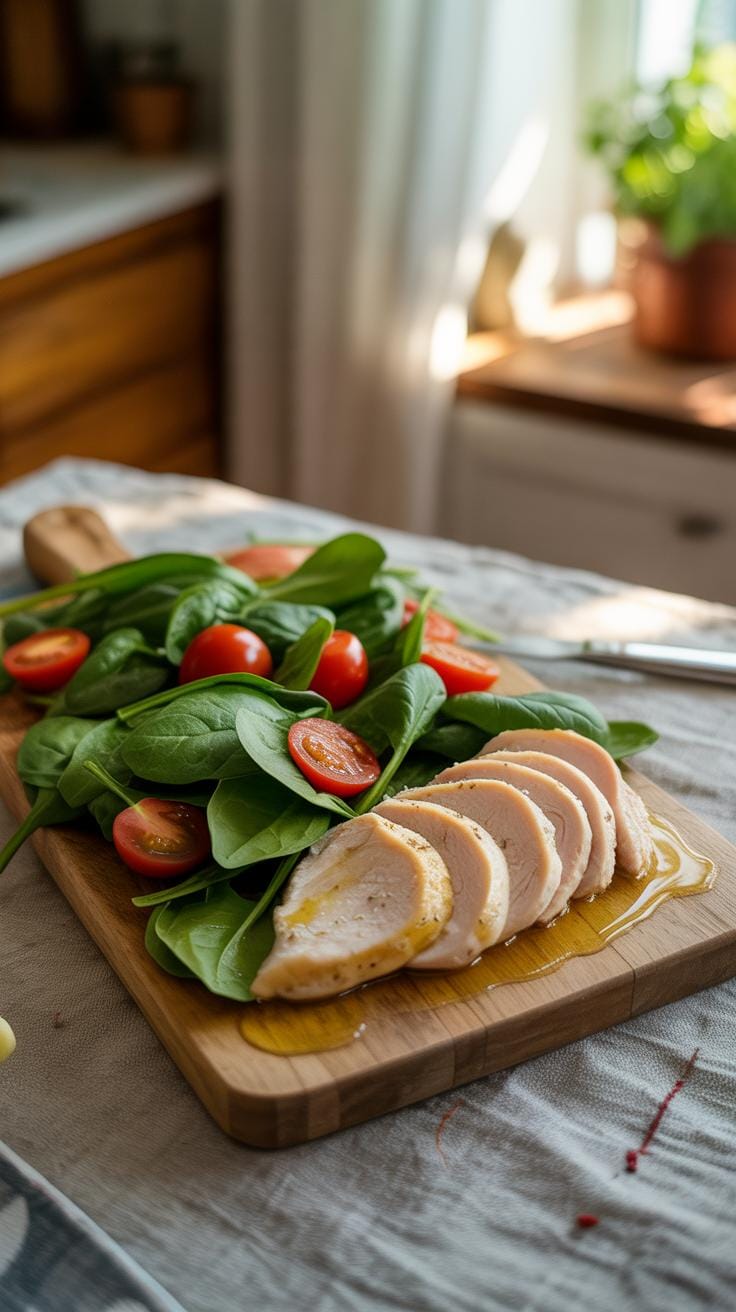
When planning your Weight Watchers dinners, having a handy checklist of ingredients can make a big difference. Trust me, it simplifies shopping and cooking, though sometimes I forget that one item and end up improvising. But let’s start with the basics—vegetables and fruits. These are often zero points or very low in points, making them perfect for filling your plate without guilt.
Vegetables and Fruits
Think of common choices like spinach, broccoli, zucchini, and carrots. These veggies add texture and nutrients without tipping the scale on points. Fruits such as berries, apples, and oranges can brighten a dinner or serve as a light finish. Sometimes, I find myself hesitating between peppers or mushrooms—both are great options, really. Including a variety helps avoid boredom, which is probably why some people struggle with sticking to healthy eating.
Lean Proteins and Grains
Now, onto proteins. Lean sources like skinless chicken breast, turkey, or fish typically fit well into Weight Watchers points. Eggs and certain low-fat dairy products may also work but watch the portions. Whole grains, such as quinoa, brown rice, or barley, provide fiber and keep you feeling full longer. Though grains do have points, choosing whole options pays off nutritionally. I sometimes skip grains altogether for extra veggies, but others might find grains essential for their energy. What’s your take?
This checklist isn’t set in stone, but it gives a solid foundation to build meals that satisfy both flavor and points goals without overthinking every bite.
How to Adjust Traditional Recipes for Weight Watchers

When you look at your favorite dinner recipes, the idea of changing them for Weight Watchers might feel a bit intimidating. But really, small tweaks can make a big difference. You don’t have to give up flavor or the dishes you love. The trick lies in swapping certain ingredients and cutting back on fats and sugars without losing what makes the recipe good.
Swapping High-Point Ingredients
Think about what adds points in your meals — often it’s things like full-fat cheese, creamy sauces, or fatty cuts of meat. Instead of those, try using lower-point options like Greek yogurt instead of sour cream or part-skim cheese instead of full-fat varieties. For example, in a lasagna recipe, replacing ricotta with low-fat cottage cheese can save points without making it bland.
Sometimes, a simple switch like using lean cuts of chicken instead of beef can reduce points considerably. But you might worry about dryness — you can balance that by adding herbs, a squeeze of lemon, or a bit of broth to keep things moist. It’s a bit trial and error, honestly, but it pays off.
Reducing Fat and Sugar
Fats and sugars often sneak in through oils, dressings, or sweeteners. You can cut down without your meal feeling dull. Start by measuring oils instead of pouring straight from the bottle. Using cooking spray can also help control amounts. If a recipe calls for sugar, try reducing it gradually or swapping in natural sweeteners like mashed bananas or applesauce.
Sometimes, just cooking methods can help—grilling instead of frying lowers fat but keeps taste. You might miss that crispiness at first, but roasting veggies with spices can give you a similar satisfaction. It’s about rethinking rather than removing. Also, cutting down on butter or cream in sauces and replacing with broth or even water can lower points, but the texture changes, so patience matters.
Have you tried any swaps that worked surprisingly well? Maybe a change you were skeptical about but ended up liking more? Those moments can make this process more interesting—and less of a chore.
Weight Watchers Dinners vs Traditional Diet Meals
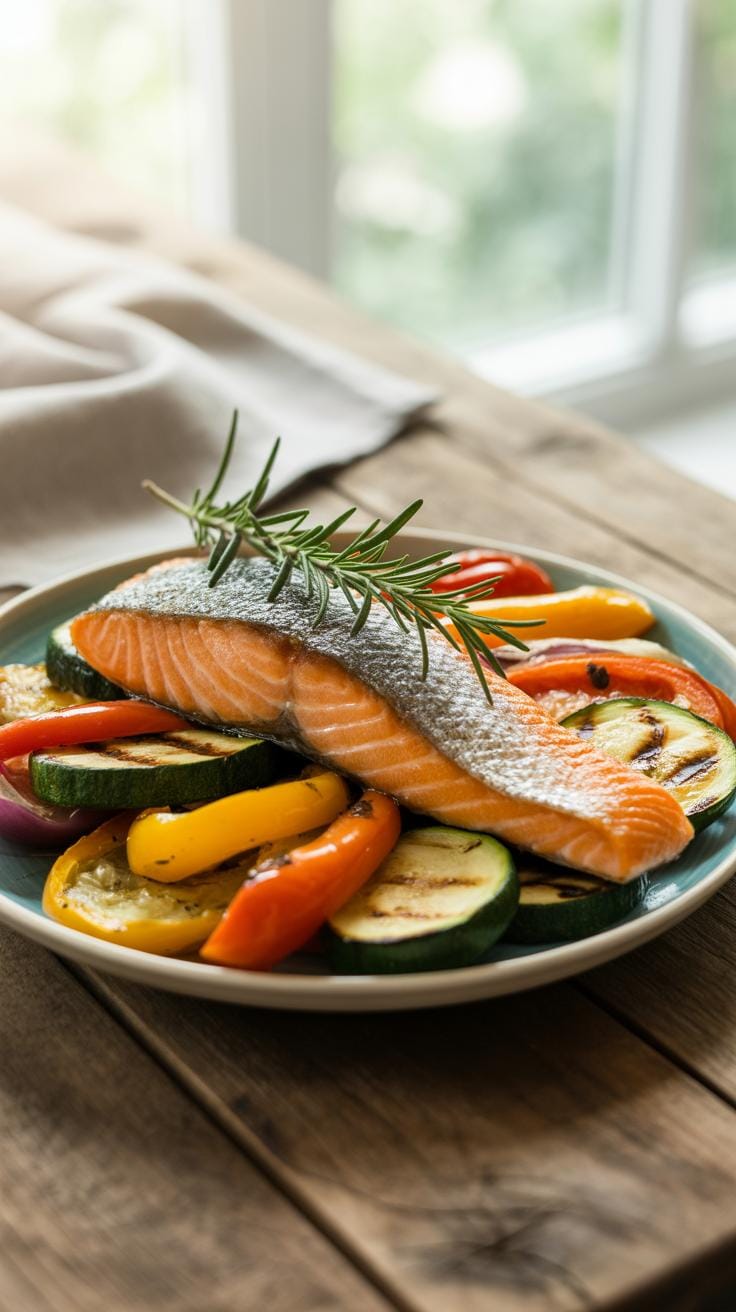
When comparing Weight Watchers dinners to traditional diet meals, some differences stand out, especially in how they approach flavor and fullness. Typical diet meals often focus on cutting calories sharply, which sometimes means smaller portions or less variety. Weight Watchers dinners, on the other hand, emphasize balance—letting you enjoy satisfying meals without feeling deprived.
You might notice that Weight Watchers meals often include plenty of vegetables, lean proteins, and whole grains, aiming for fullness with fewer empty calories. Meanwhile, many diet meals rely on processed or lower-fat versions of foods that can leave you craving more, despite being lower in calories.
Nutrient Density Comparison
Weight Watchers dinners often score higher in nutrient density. This means you get more vitamins, minerals, and fiber per serving, which matters when you want nutrition without piling on calories. For example, a Weight Watchers stir-fry with chicken and mixed veggies packs a lot more fiber and antioxidants than a typical low-calorie frozen entrée that’s heavy on fillers or sodium.
Traditional diet meals can sometimes miss this mark because they focus primarily on calorie count, not the quality of those calories. You could eat less, but feel less nourished. That lack of balance might explain why sticking to strict calorie-focused diets can feel unsatisfying over time.
Sustainability and Satisfaction
From what I’ve seen, Weight Watchers dinners might better support long-term habits. They encourage a more flexible mindset around food choices, letting you swap ingredients or adjust portions rather than follow rigid rules. This can make meals feel enjoyable instead of a chore.
In contrast, many diet meals often come with limitations that feel strict or repetitive—leading to boredom or lapses. If you want a dinner you look forward to, Weight Watchers might have an edge. But everyone’s different; maybe some prefer strict structures to feel in control. Still, most find that meals designed to satisfy hunger and taste buds stick around longer on the plate—and in lifestyle.
What matters more to you: quick fixes or meals that fit your life over months and years? That question might help decide which dinners suit your goals better.
Tools to Track Points for Your Dinners
Using the WW App Features
The official Weight Watchers app can be quite handy when you’re trying to keep an eye on your dinner points. You can log each meal by entering ingredients or even scanning barcodes, which makes tracking pretty straightforward. It’s not just about logging, though—the app offers a recipe section where you’ll find dinner ideas already calculated with points. That’s a bit of a time-saver, especially on busy nights.
One thing I noticed is that the app syncs your daily intake, so you get a clear view of where you stand before dinner. It can be tempting to guess your points, but this feature keeps you honest and aware. Plus, the “favorites” function lets you save recipes you like and revisit them without redoing the math.
Manual Tracking Methods
If you’re not big on digital tools—or maybe your phone dies too often—there are simpler ways to track points manually. A notebook or planner can do the trick. You could jot down your meal ingredients, jotting the points assigned to each component. It feels old school, but writing things down can actually help some people stay more mindful of what they eat.
Another approach is to keep a printout of common foods and their accompanying points nearby in the kitchen. So, when prepping dinner, you quickly estimate your total. It’s not perfect, and you might need to tweak it over time, but it’s doable without getting lost in screens. This method can feel slower at first but trusting your own memory and notes might help you internalize points better.
How to Stay Motivated Cooking Weight Watchers Dinners
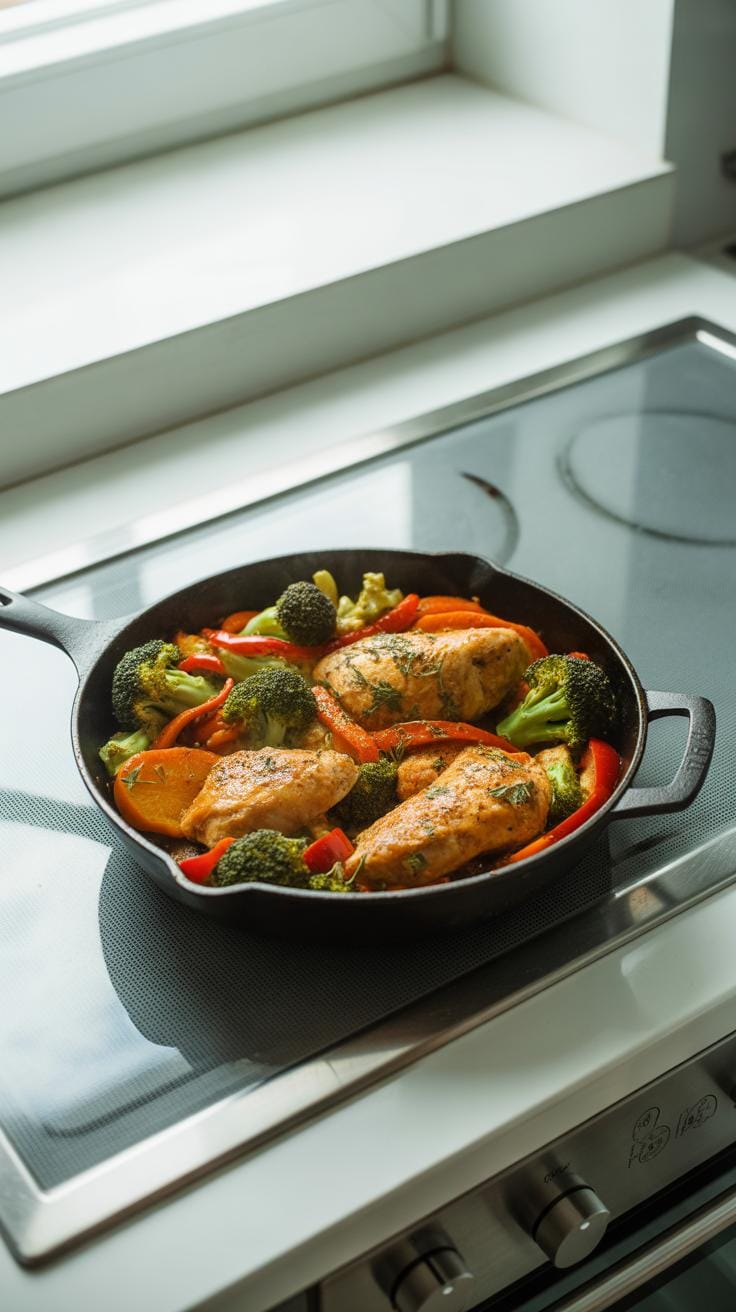
Keeping the motivation alive for cooking Weight Watchers dinners isn’t always easy. When the routine creeps in, dinners can start feeling like a chore rather than something to look forward to. One way to fight this is by trying new recipes often. You might find a new favorite dish simply by being curious and mixing ingredients differently. Don’t be afraid to explore cuisines or dishes that aren’t typically “diet foods.” It’s surprising how much variety you can fit into a Weight Watchers-friendly plan.
Sharing meals can also make a difference. Inviting family or friends to join you can add a sense of occasion to dinner. It’s not just about company; knowing others will enjoy your meal can push you to put in that extra bit of effort. Plus, conversation can distract you from focusing too much on the calories and instead spotlight the joy of eating together. Even if someone else isn’t following the same program, sharing your healthy meals might inspire them too, making the whole process feel less isolating.
In the end, keeping things fresh and social helps. It breaks monotony, boosts your spirits, and maybe, just maybe, keeps you coming back for more Weight Watchers dinners without the usual sighs. What new recipe will you try next? Who could you share your next meal with?
Conclusions
Weight Watchers dinner recipes provide a clear path to enjoy flavorful meals while maintaining a healthy lifestyle. By carefully selecting ingredients and following simple cooking methods, you can create satisfying dishes that support your weight management goals.
With consistent practice, these healthy dinner ideas can become a natural part of your routine. Experiment with different recipes and adjust them to your taste to keep your meals enjoyable and aligned with your wellness objectives.