
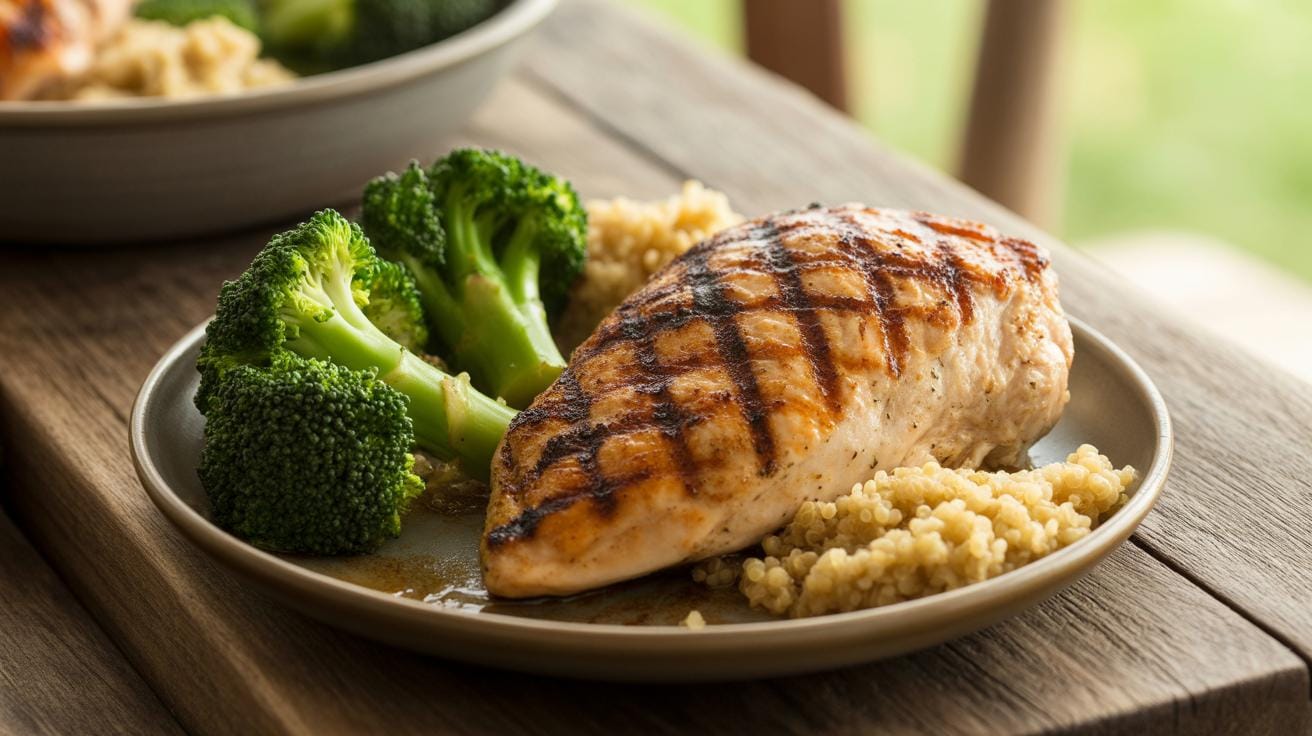
Simple Protein Dinner Ideas on a Budget
Eating a protein-rich dinner can help you meet your fitness goals and stay full until breakfast. Simple protein dinner ideas can be tasty, easy to make, and fit well into your budget. You don’t need complicated recipes or expensive ingredients. Understanding which proteins and meals work best for your needs will help you make good choices regularly.
This article shares practical tips and examples to help you pick protein sources, compare types, and cook affordable, healthy dinners. You’ll learn about the important role protein plays in your body and how to plan dinners that support both your fitness and budget goals effectively.
Benefits Of Protein At Dinner

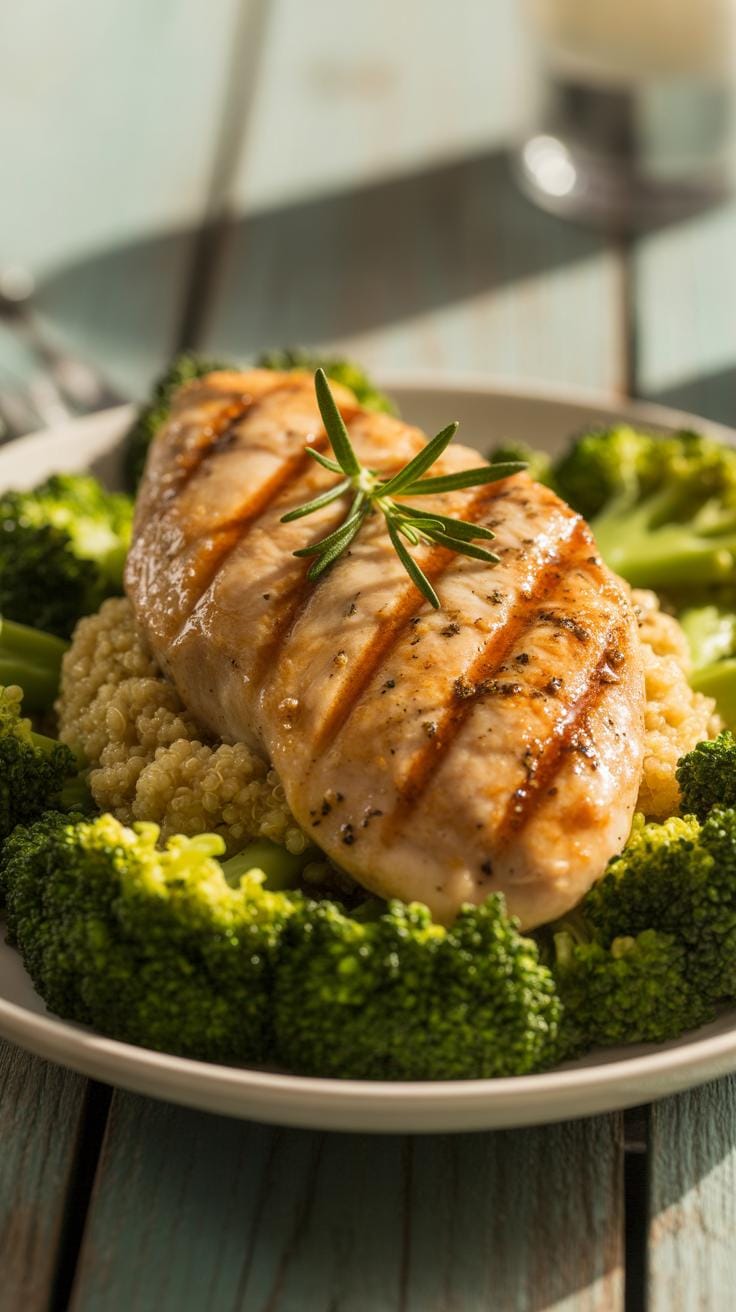
Including protein in your dinner can impact your body more than you might expect. After a long day, your muscles have done a lot of work—even if you didn’t hit the gym hard. Protein helps repair muscle fibers that get worn out or damaged. It’s not just for bodybuilders; any physical activity breaks down muscles a bit, and protein provides the building blocks they need to recover.

Besides repair, protein at dinner helps you feel full longer. Unlike carbs, which tend to burn off quickly, protein digests slower. That means less late-night snacking or waking up hungry. I’ve noticed when I eat a meal rich in protein—think grilled chicken or tofu—I stay satisfied until morning. It’s something worth trying if you struggle with overeating in the evening.
On overall health, protein supports everything from immune function to hormone balance, so skipping it at dinner might leave you missing some benefits. For those managing weight, protein’s role in fitness recovery and controlling hunger may help keep your goals on track. It’s a small change with effects that stretch beyond the plate. Does your dinner usually include enough protein? Maybe it’s time to rethink what’s on your fork.
Why Your Body Needs Protein
Your body depends on protein for more than just muscle repair. Imagine your muscles as small workers who get tiny tears every time you move or exercise. Protein provides the materials they need to fix those tears and build back stronger. After exercise or even after a busy day carrying out daily tasks, these repairs are happening—whether you’re resting or not.
Protein also plays a role in energy, but not in the way carbs do. It’s more about keeping your body functioning well rather than fueling quick bursts. When your body lacks enough protein, it can feel sluggish or tired because things aren’t rebuilding like they should. So, eating protein at dinner helps replenish and prepare your body for the next day.
Protein And Feeling Full Longer
Protein influences hunger in a way carbs just can’t match. When you eat a carb-heavy meal, your blood sugar rises quickly but falls just as fast, often making you hungry again soon after. Protein, on the other hand, slows this process. It manages hunger hormones and keeps your appetite in check longer.
For example, eating a portion of fish or eggs at dinner can reduce those middle-of-the-night cravings a lot more than bread or pasta alone. Many people find that meals balanced with protein mean they sleep better—or at least don’t wake up rummaging the fridge. It’s a practical way to stay on track with fitness or weight goals without feeling deprived during the evening.
Identify Affordable Protein Sources
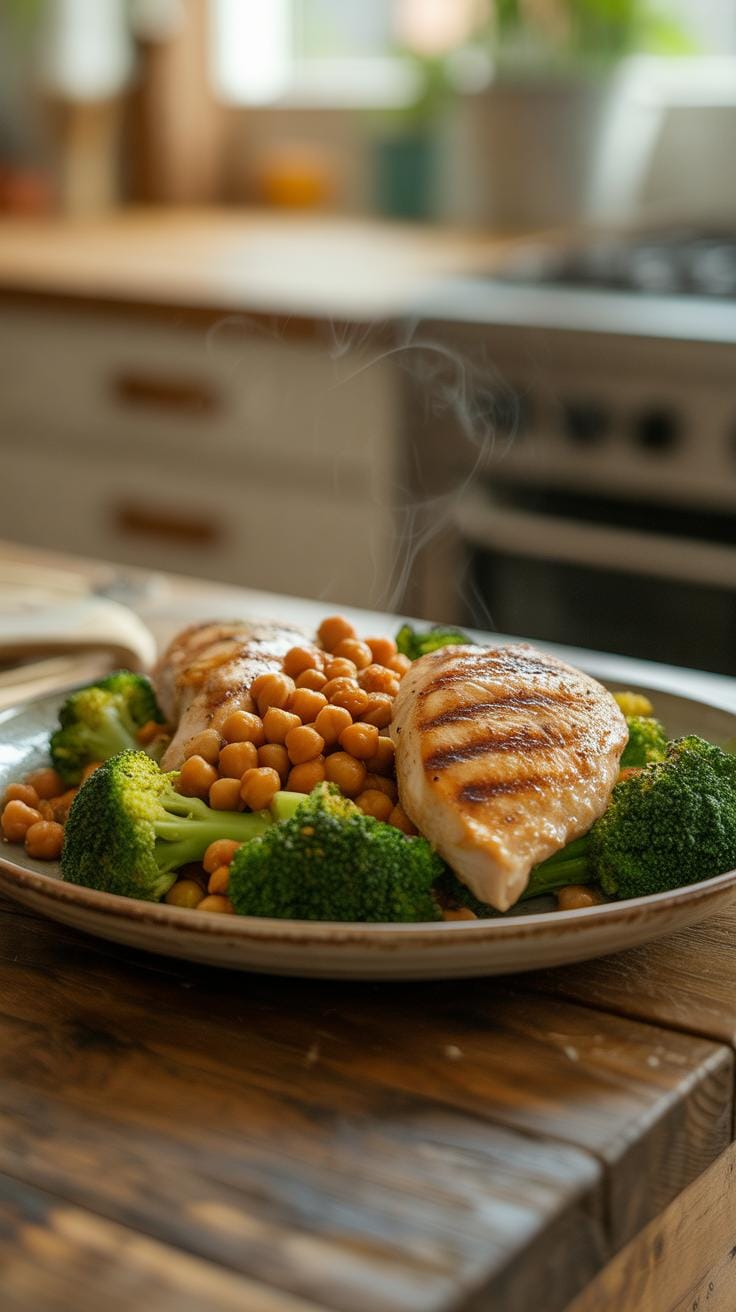
Finding protein sources that don’t break the bank can feel tricky, but there are plenty of options that fit well within a modest budget. Whether you prefer animal or plant proteins—or a mix of both—it’s possible to build satisfying dinners without overspending.
Budget Friendly Animal Proteins
Some animal proteins are surprisingly affordable and filling. Eggs are a classic example: packed with protein and versatile, they often cost less than many other animal-based options. Chicken thighs usually come cheaper than breasts and offer rich flavor, which makes them a popular choice for budget meals.
Canned tuna also deserves a spot—it’s shelf-stable, convenient, and easy to add to salads or pasta. And while it’s technically an animal protein, beans deserve mention here too because of their protein content; you’ll often find beans priced very reasonably, especially when bought dry in bulk. They might be more plant-based, but many people lump them into protein staples alongside meat.
Inexpensive Plant Protein Choices
If you lean toward plant-based proteins, lentils and chickpeas show up as great low-cost options. These pulses not only provide protein but also fiber, making your meals more filling without upping expenses much. Tofu is another cheap staple if you look for sales or buy in larger blocks, especially from Asian markets.
Nuts might sound expensive but, when bought unsalted and in bulk, they can be stretched over multiple meals. These moderate protein sources add texture and nutrients without demanding a big spend.
Protein powders also deserve a brief mention. Though not a whole-food dinner protein, they can be a cost-effective option to boost intake when mixed into smoothies or recipes—especially if you compare their price per serving to some meats.
What’s your approach to balancing cost, taste, and protein quality? Sometimes, mixing a little of both animal and plant sources works best, but it depends on what’s available where you shop and what feels doable for your routine.
Plant Vs Animal Protein Comparison
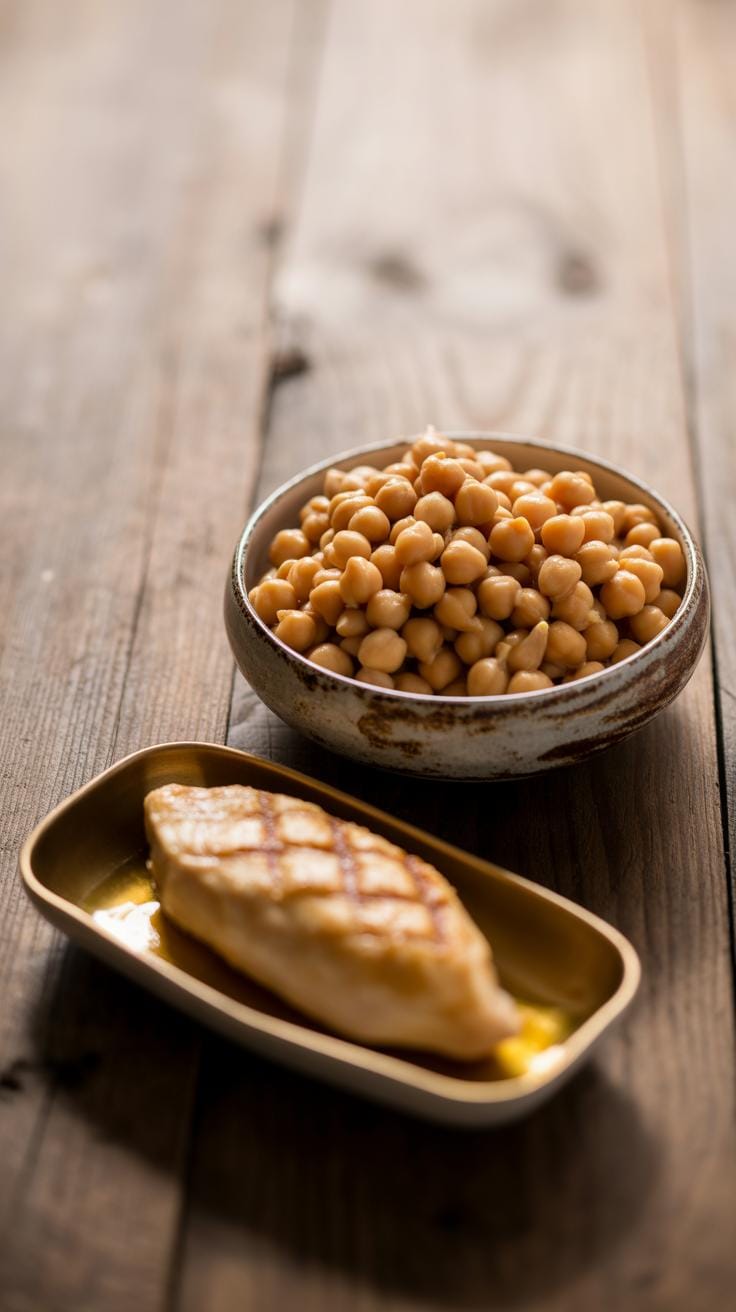
When deciding what protein to include in your dinner, it’s key to look beyond just the protein numbers. Animal proteins like chicken, beef, or fish generally provide complete amino acid profiles. That means they cover all the essential building blocks your body needs. Alongside this, they’re great sources of vitamin B12, which plants don’t naturally offer. Still, animal proteins usually lack fiber and some micronutrients found in plants.
Plant proteins—think lentils, chickpeas, tofu—come with fiber, vitamins like folate, and antioxidants. These extras matter, especially if you want to support digestion or add variety to your nutrient intake. Their protein content per serving often runs lower or incomplete, which might make you mix different sources to hit your goals. This can feel like a hassle but also encourages creativity in the kitchen.
Choosing between plant or animal protein depends on plenty of things—what diet you follow, your budget, and obviously your fitness aims. Are you aiming to bulk up and need that full amino acid spectrum? Animal proteins might be more straightforward. Or perhaps you prefer a lower-cost or plant-forward plan, and then you’d lean toward beans or lentils, topped with grains to fill in any gaps.
What fits best for you? Do you prioritize convenience or variety? Sometimes mixing both types in a week works well, not just for nutrition but also for taste and sustainability. It’s not a strict either-or scenario—more like a balance you find over time.
Plan Balanced Protein Dinners
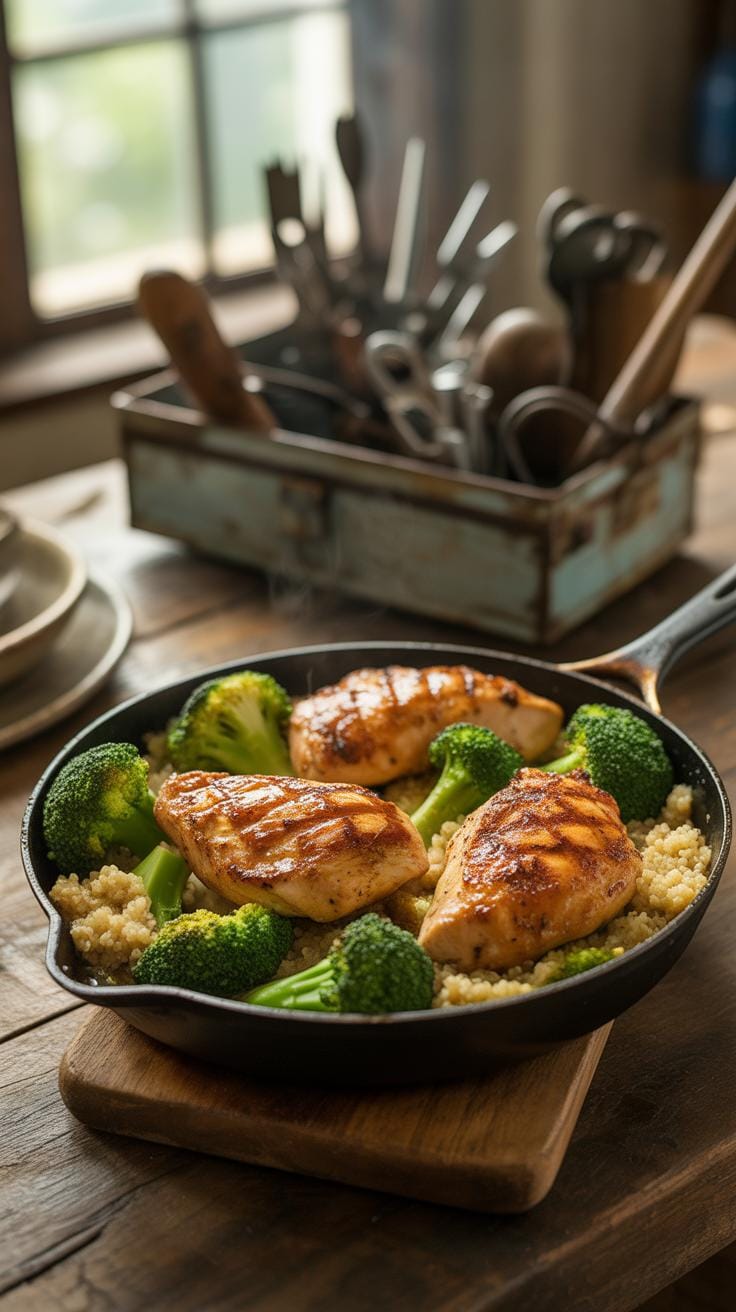
When you think about a dinner that really satisfies both your fitness goals and hunger, it helps to balance protein, veggies, and grains. Protein is the star here, but the rest can’t be ignored if you want to feel full and fueled.
Start with your protein choice—that could be chicken, fish, tofu, or beans. Then add a generous portion of fiber-rich vegetables to keep digestion smooth and add volume to your plate. Don’t forget whole grains like brown rice, quinoa, or barley. They provide lasting energy and make the meal feel complete.
Throw in some healthy fats, maybe from olive oil, nuts, or avocado. These fats help with nutrient absorption and keep you satiated longer. I guess some dinners feel a bit too rigid to plan at times, but sticking to a simple template helps. Think protein, veggies, grains, plus a touch of fat.
Try this basic meal formula:
- A palm-sized portion of protein
- A generous fist of veggies
- A cupped hand of grains or starchy vegetables
- A small thumb-sized serving of healthy fat
With this, your meals won’t just be about hitting macros but about feeling balanced and satisfied without overthinking every bite.
Components Of A Nutritious Dinner
A well-rounded dinner draws from four key parts. First, protein—your body’s building blocks. Without enough protein, muscles can’t repair, and hunger tends to linger.
Next, fiber-rich vegetables. They slow digestion, help manage blood sugar, and add crunch or softness to your meal. Veggies are also where most vitamins and minerals hide.
Carbohydrates come mainly from whole grains or starchy vegetables. These provide fuel and keep your energy steady through the evening.
Finally, healthy fats. They’re essential for taste, satiety, and nutrient uptake. You might think fats are to be limited, but a small amount actually rounds out a meal nicely.
Example Protein Dinner Layout
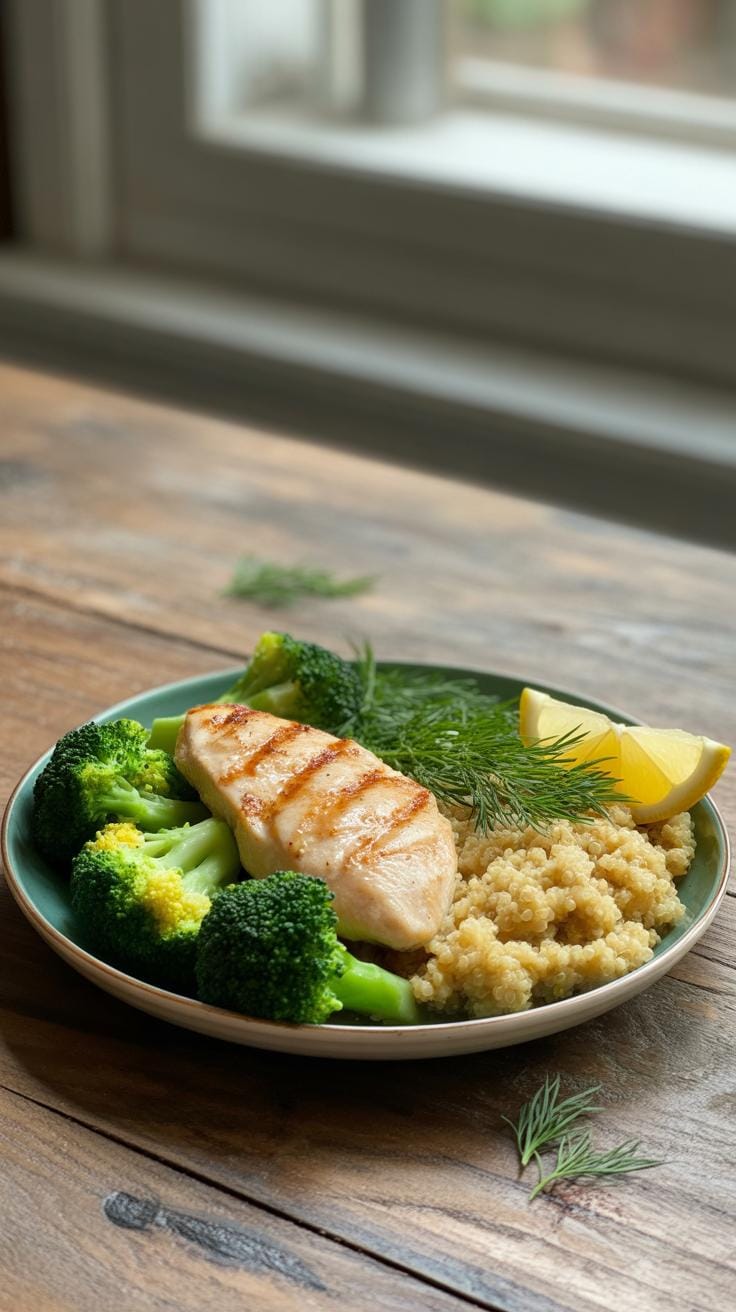
Consider grilled salmon as your protein. Pair it with a side of roasted broccoli and a serving of quinoa. Drizzle olive oil and lemon juice over everything. Rounded off with a mixed green salad tossed lightly in avocado oil.
This combo hits all the right notes. Protein supports muscle recovery, fiber from broccoli and salad helps digestion, quinoa supplies steady carbs, and olive oil delivers healthy fat. I’ve found meals like this keep me satisfied longer, and they aren’t too complicated.
So, next time you plan dinner, think beyond just “protein plus something.” Build a plate that works for your body and your appetite. Try it out—you might like how balanced meals feel at the end of a busy day.
Quick Protein Dinner Recipes
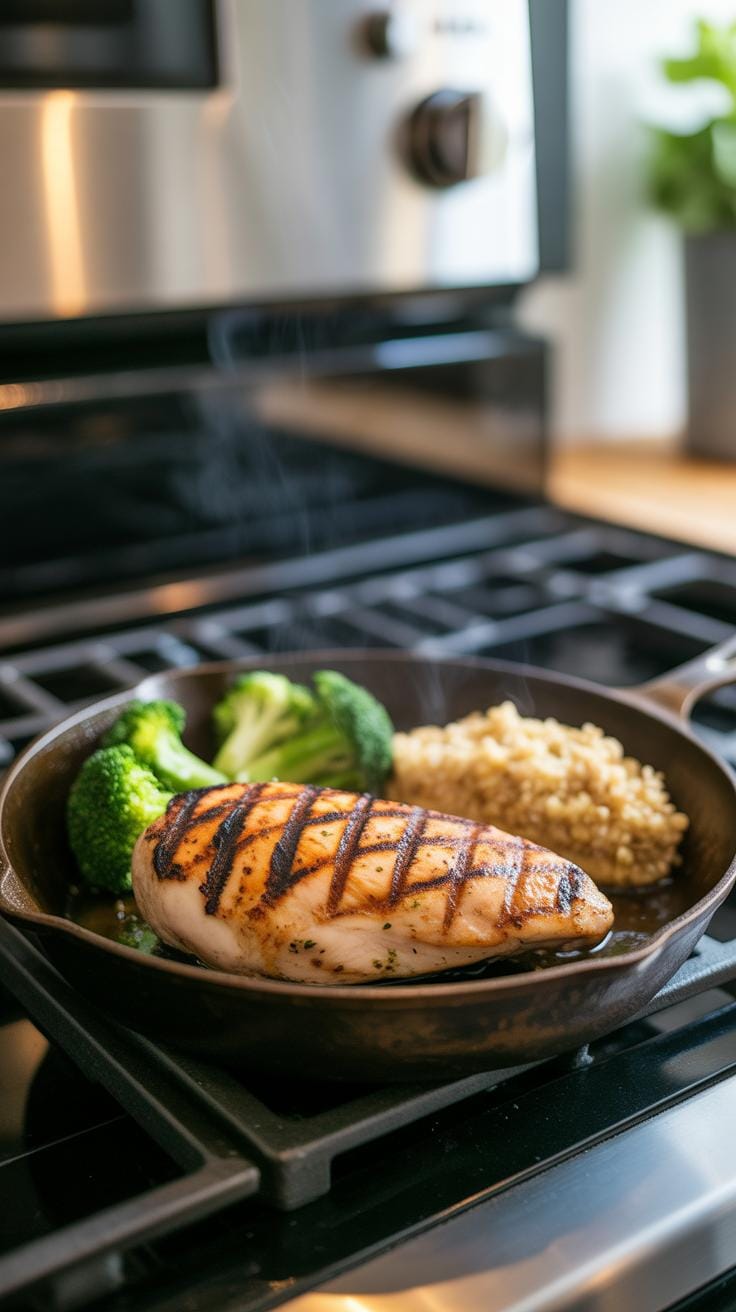
When the day slips away and dinner feels like a chore, quick protein recipes can save the evening. Think meals you can throw together in about 20 minutes or less, without hunting for fancy ingredients. For example, scrambled eggs with spinach and a slice of whole-grain toast offers protein and fiber with minimal fuss. Or a turkey and black bean chili stirred up in one pot—beans, canned tomatoes, ground turkey, and spices—all simmering while you unwind.
Simple doesn’t mean boring. A stir-fry with tofu, frozen mixed veggies, and soy sauce can come together in no time. Beans and rice with a spoonful of salsa, topped with shredded cheese, is another easy choice. The key is to keep a few staples on hand—eggs, beans, canned tuna, or chicken breast—and let those guide your meals when time’s tight.
Ever wonder if quick meals can still feel satisfying? They can, but sometimes it takes experimenting—what works one night might feel underwhelming another. But starting simple, with quick proteins you like, is a solid first step.
One Pan Protein Meals
One pan meals answer almost every call for speed and easy cleanup. Cooking your protein and veggies in the same pan means fewer dishes later, which feels like a small but real win. Chicken thighs, tossed with chopped peppers, onions, and zucchini, then roasted together, can be done within 30 minutes. The chicken cooks in its own juices alongside the veggies, blending flavors effortlessly.
Tofu works well here too—press it dry, cube, and sauté with broccoli and mushrooms on medium heat. Sprinkle with a bit of soy sauce or garlic powder, and you have a meal with minimal effort. Beans also fit nicely: drain canned beans, spin them in a hot skillet with cherry tomatoes and spices, and finish with a sprinkle of cheese or lemon juice.
One pan dishes aren’t just about ease; they often pack balanced nutrition and interesting textures. If you haven’t tried these combinations yet, maybe tonight’s a good night to test the water.
No-Cook Protein Dinner Ideas
There are nights when even stove time feels too much. No-cook protein dinners can come through when you’re exhausted or in a real hurry. Canned tuna mixed with a spoonful of mayo or olive oil, diced celery, and a squeeze of lemon makes a quick salad. Add some whole-grain crackers or lettuce leaves for a bite. It’s filling, protein-packed, and ready in minutes.
Cottage cheese, paired with fresh or dried fruit and a handful of nuts, is another no-cook dinner that delivers protein and a little sweetness. Nut butters with apple slices, or Greek yogurt with a sprinkle of granola and seeds, offer variety and keep prep to a minimum.
These ideas aren’t meant to replace cooked meals entirely but to offer a break when energy runs low. Sometimes simple is exactly what your body and mind need, even if it feels a bit too plain. Are you open to meals that skip the stovetop, or does that feel like giving up on dinner?
Shopping Tips For Protein Savings
Look For Sales And Bulk Buys
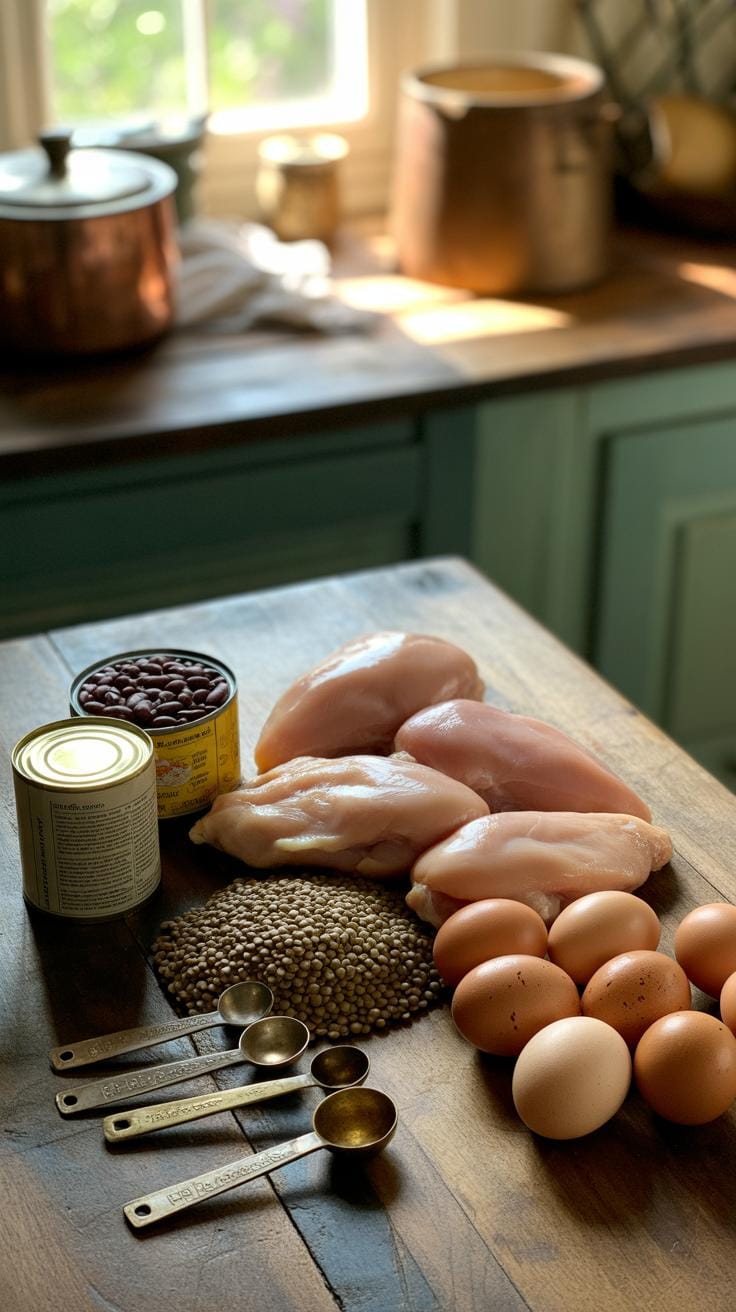
When it comes to saving money on protein, sales can be a real lifesaver. I’ve noticed that stores often put chicken breasts, ground turkey, and canned beans on sale regularly—so keeping an eye out can pay off. Buying these items in bulk not only saves cash but reduces those last-minute trips to the store. For example, a big pack of chicken can cost less per pound compared to smaller packages.
Storing your protein properly is key. Freezing meat in portion-sized bags works well. Just label with the date—you don’t want to defrost something after months and wonder if it’s still good. Canned beans, on the other hand, last a long time in the pantry, so grabbing a multi-pack is rarely a bad choice.
Frozen Vs Fresh Protein Options
Frozen protein often costs less than fresh. I used to think fresh was always better, but frozen can be equally nutritious since it’s frozen shortly after processing. Frozen fish fillets or shrimp, for instance, can offer similar protein value while being easier on your wallet.
Choosing frozen also reduces waste. You can defrost just what you need, which is handy if you don’t cook every day. Fresh meat can go bad quickly, though its texture might appeal more for certain dishes. There’s a trade-off here—sometimes I pick fresh, but more often, frozen wins for budget and convenience.
Avoid Protein Dinner Pitfalls
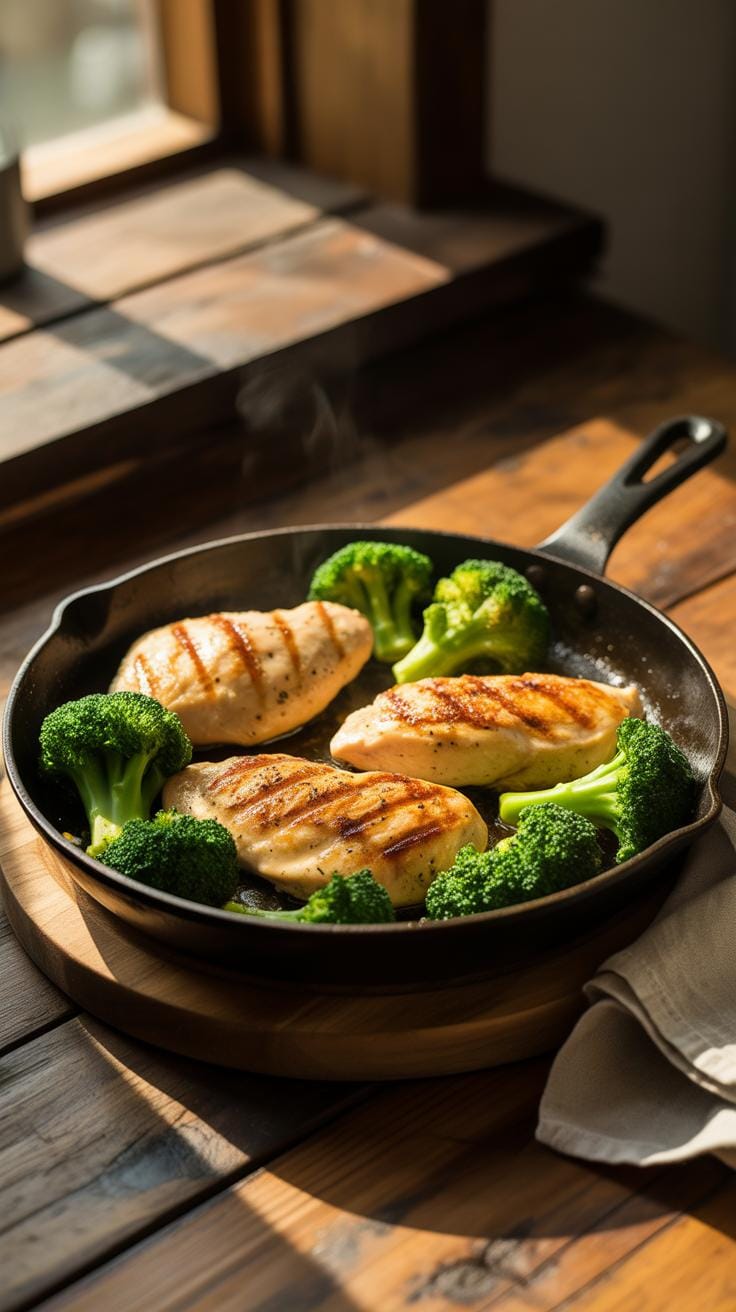
When planning protein dinners, it’s easy to fall into common traps that strain your budget or leave your meal lacking balance. For example, many people tend to buy expensive cuts of meat thinking they’re getting the best quality, but often these choices don’t offer much added nutritional value. A cheaper cut can be just as nutritious if cooked right. Then there’s the classic mistake of loading your plate with protein and forgetting about veggies or whole grains, which can make the meal unbalanced and a bit dull over time.
Another pitfall is relying too much on one protein source—say, chicken breast every night. It might seem simple and reliable, but repeating the same protein can limit the kinds of nutrients your body receives. Plus, bore you might well end up, which is not exactly motivating for dinner prep.
Try mixing it up:
- Include plant-based proteins like beans or lentils alongside meats.
- Consider fish or eggs a few nights a week to keep things fresh.
- Use less expensive, nutrient-rich options such as canned tuna or tofu to offset costs.
Diversifying not only protects your health but can also keep your meals interesting without breaking the bank. Have you noticed how variety sometimes makes cooking less of a chore? It’s a bit counterintuitive, but a little change can help sustain your effort.
Track Your Protein Needs Clearly
Figuring out your daily protein needs doesn’t have to be complicated. A simple method involves looking at your body weight and what you’re aiming for—losing fat, building muscle, or just staying healthy. Most people can start with a rough calculation: multiply your weight in pounds by a factor that matches your activity level.
If you’re fairly sedentary, something like 0.36 grams per pound might suffice. For those exercising moderately, 0.5 to 0.7 grams is more common. And if building muscle is your goal, you might aim for 0.8 or even up to 1 gram per pound. Yes, it’s a range, and you might adjust based on how you feel or your progress.
Once you know your daily protein target, think about spreading it across the day. This isn’t just for variety—your body processes protein best when it’s spaced out, which helps with muscle repair and keeps hunger in check.
Dinner is a key piece of that puzzle. It’s often the biggest meal, and if you skip protein there or take in too little, you might miss out on muscle recovery overnight. Shooting for 25-40 grams of protein at dinner can help balance your total intake, depending on your daily target.
So, if your total goal is 120 grams of protein, for example, dinner could comfortably cover around a third. That leaves room for protein at breakfast, lunch, and snacks without feeling forced. You don’t need to obsess. Just spreading it reasonably can do wonders, and dinner tends to be a meal where people enjoy more solid, satisfying protein choices anyway.
Case Examples Of Protein Dinners
Affordable Chicken Dinner Example
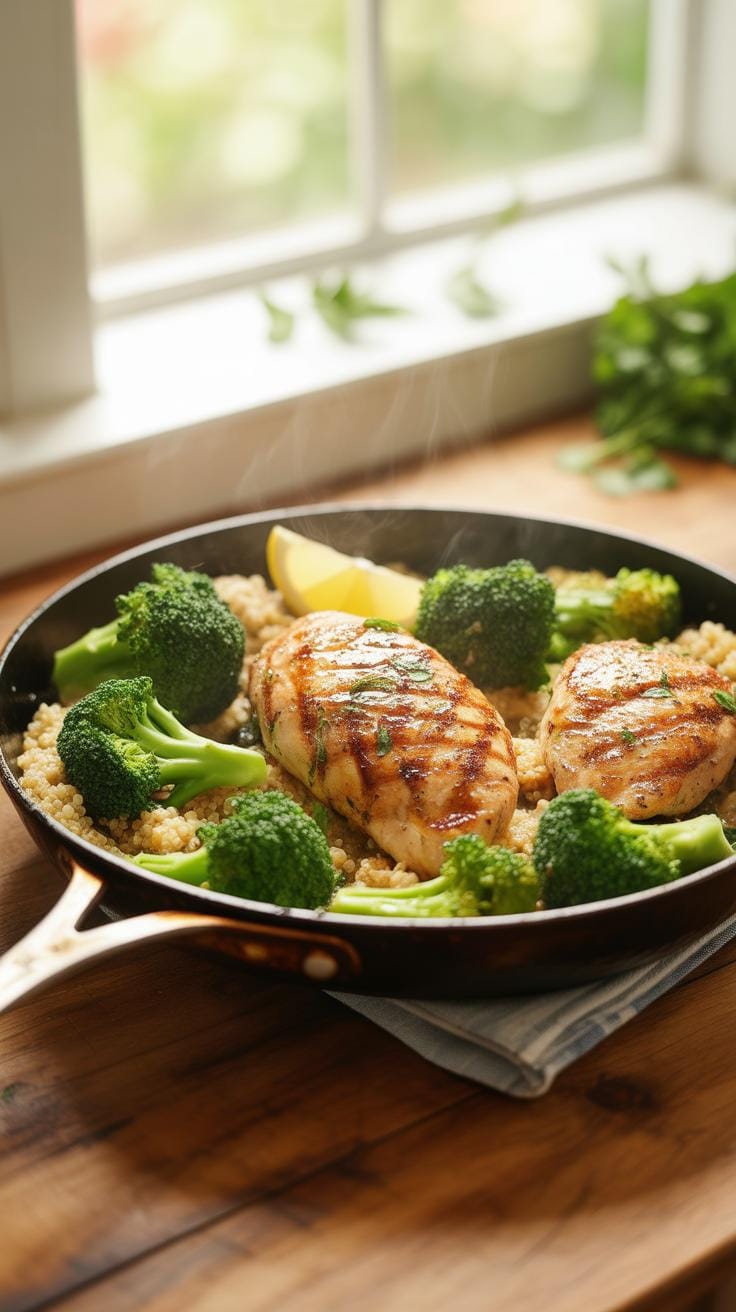
Here’s a simple chicken dinner that fits both your budget and your hectic schedule. Grab some boneless, skinless chicken thighs—they tend to be cheaper than breasts and stay juicy. Season with salt, pepper, and a little garlic powder. Quick pan-searing takes about ten minutes.
While the chicken cooks, steam a mix of frozen veggies—maybe broccoli, carrots, and green beans. Toss in cooked white or brown rice, which is filling and affordable. This meal comes together fast, and you don’t need fancy equipment or much skill to pull it off.
You’ll get solid protein from the chicken and fiber from the veggies, all without breaking the bank. Some days I just want something that’s ready in 20 minutes or less, and this ticks that box. It’s a dependable choice that’s hard to mess up.
Simple Lentil Dinner Case
Lentils are a staple when you want to save money and still hit your protein goals. For this dinner, cook a cup of dried lentils; they take about 20-25 minutes, which might seem long but mostly it’s hands-off. Sauté onions and bell peppers in a pan, then add diced tomatoes and some spices—think cumin or smoked paprika.
Mix in the lentils and let it simmer just a bit. Serve over a small portion of rice or alongside a piece of crusty bread. Lentils provide plant-based protein and fiber, and the veggies boost vitamins and flavor without costing much.
This meal suits anyone on a tight budget or those who prefer a plant-based option. I remember making this on a weeknight, thinking it would be bland—but the spices and veggies really make a difference. It’s humble but satisfying. What protein dinner could be easier or more wallet-friendly?
Conclusions
Choosing the right protein for your dinner is key to reaching your health and budget goals. Both plant and animal proteins have benefits, and including a variety can keep your meals enjoyable and nutritious. Simple meals with common ingredients can provide the protein your body needs without breaking the bank.
By planning your dinners with balance and variety, you can improve your overall nutrition and stay on track with fitness goals. Try the examples and tips from this article to start making protein dinners that work for you every day.