
Comparing Keto Pancakes and Traditional Pancakes
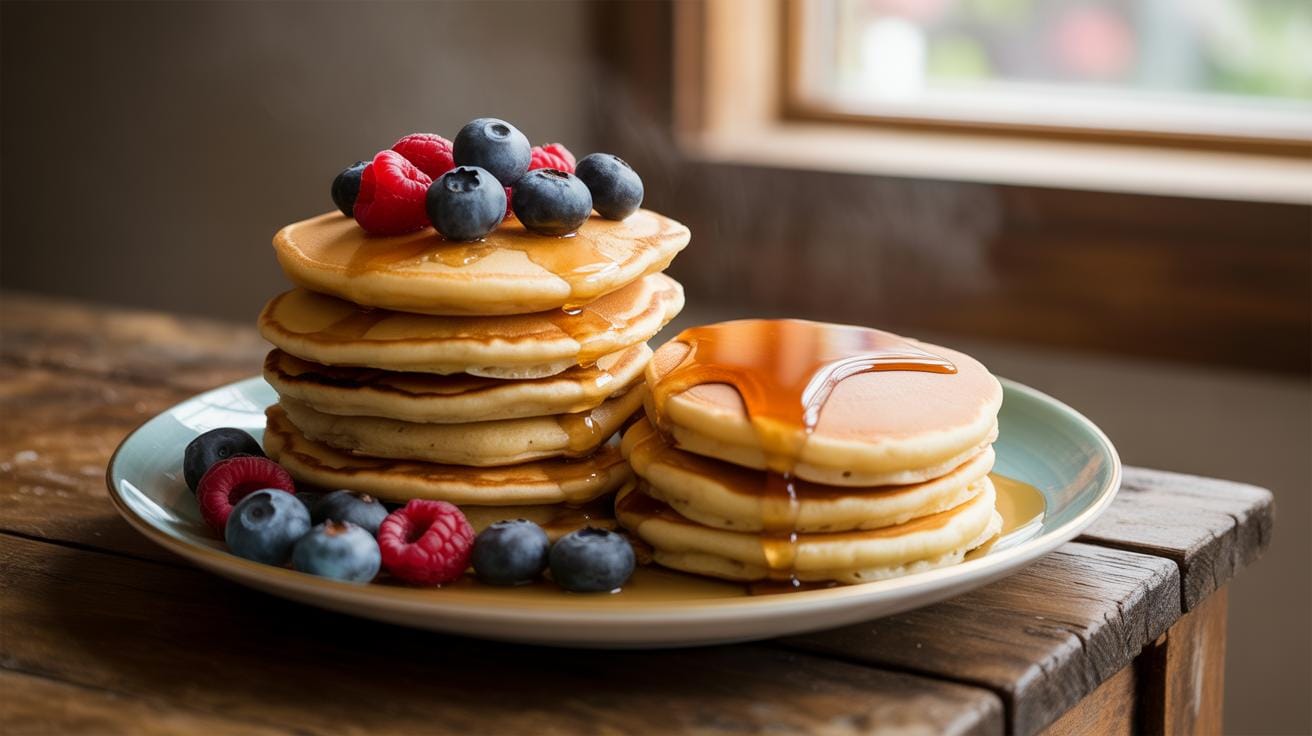
Keto pancakes and traditional pancakes have become popular breakfast choices. Many people want to know which is better for health and taste. Both types have their unique ingredients and preparation methods. This article compares keto pancakes and traditional pancakes on key aspects such as their nutrition and flavor.
You will learn what makes keto pancakes suited for low-carb diets. At the same time, you’ll see why traditional pancakes remain a classic comfort food. By the end, you’ll have a clear view of each pancake type’s strengths and downsides.
Pancake Ingredients Explained

Common Ingredients in Traditional Pancakes
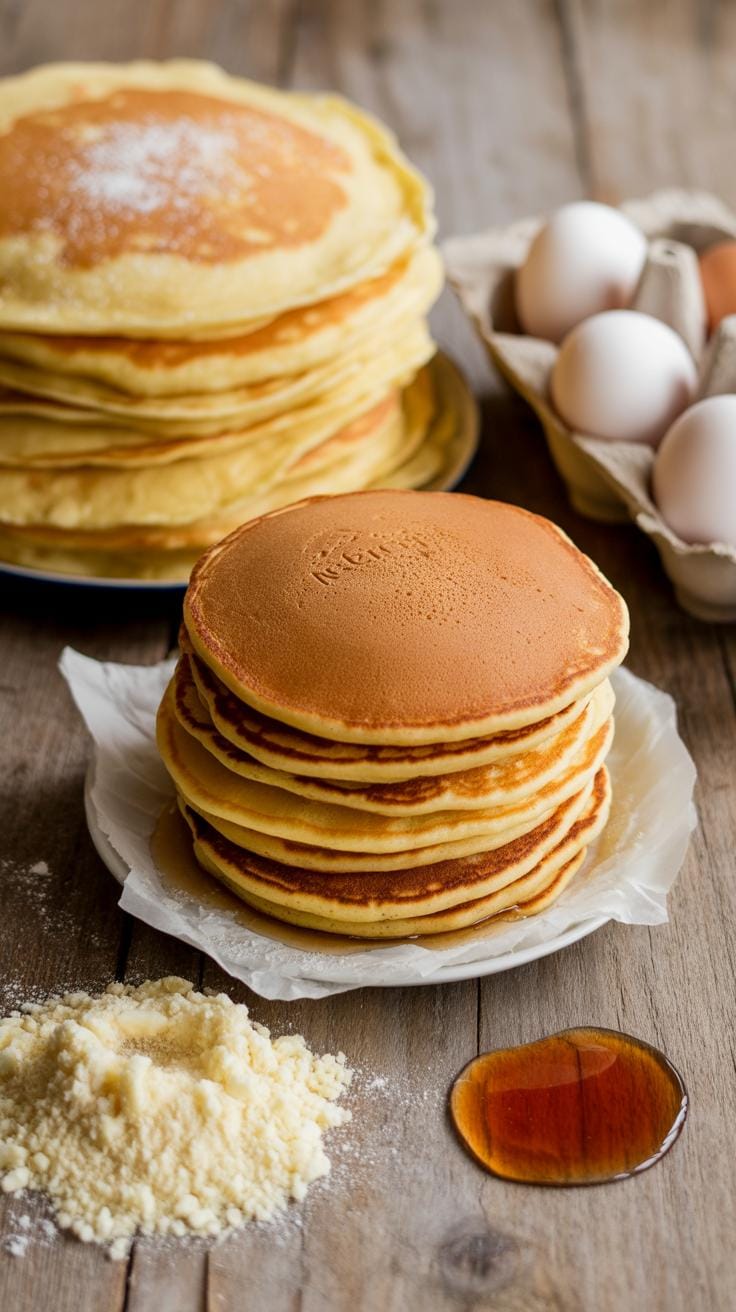
Traditional pancakes usually rely heavily on wheat flour—mostly all-purpose flour—which provides structure and the familiar fluffy texture. Eggs act as a binder, holding all ingredients together and adding some richness. Milk or buttermilk is the usual liquid, giving moisture and helping the batter flow smoothly. Baking powder is the leavening agent making the pancakes rise and become light. You might notice that the combination of flour and baking powder is essential for that tender yet airy bite.

Sugar is often included, either white or brown, to sweeten the batter slightly, though many people cover pancakes with syrup instead. Butter or oil can be mixed in or used for cooking, adding fat and flavor. Each of these ingredients has a clear and familiar role you likely expect if you’ve ever cooked pancakes before. But what happens when you swap them out for keto-friendly options?
Key Ingredients in Keto Pancakes
Keto pancakes switch out most standard carbs for low-carb alternatives, which changes the texture and flavor quite a bit. Almond flour and coconut flour are the typical flour substitutes you’ll find. Almond flour is a bit denser with a mild nuttiness, while coconut flour is more absorbent—meaning you need less and often more liquid. They don’t behave like wheat flour, so recipes often combine them or add extra eggs to help with binding.
For sweetness, keto recipes avoid sugar and turn to sweeteners like erythritol or monk fruit. These don’t spike blood sugar but can occasionally leave a slight aftertaste, depending on your sensitivity. Liquids often include heavy cream, unsweetened almond milk, or even cream cheese, which can make the batter thicker and richer. This addition of dairy fat contrasts with the more straightforward milk in traditional pancakes. Cream cheese, in particular, brings moisture and tenderness, which keto flours alone might lack.
You’ll see that keto pancakes rely more on fat and protein than carbs. Eggs become more critical not just for structure but for moisture and density. Sometimes, ingredients like xanthan gum or psyllium husk powder pop up to mimic the elasticity gluten provides. The result? A pancake with a different mouthfeel—denser, sometimes slightly gritty, and definitely less springy. It’s almost like a different dish, which might take some getting used to if you expect it to taste just like a traditional pancake.
How Nutritional Values Differ
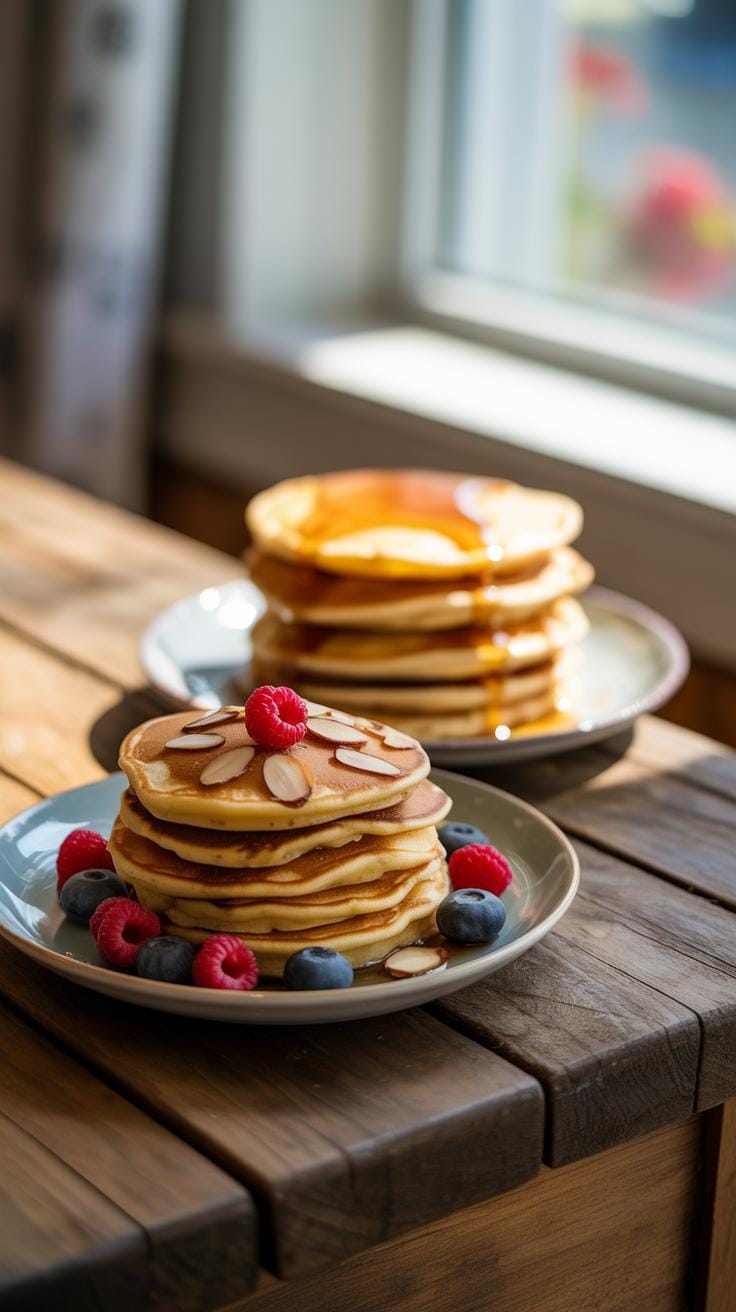
When you look closely at keto pancakes versus traditional ones, the difference in their nutritional profiles stands out, especially around carbs and fats. Traditional pancakes, made with all-purpose flour and sugar, pack quite a bit of carbohydrates. A typical stack of three medium traditional pancakes can have around 45 to 60 grams of carbs. Keto pancakes, in contrast, usually rely on almond flour or coconut flour, keeping net carbs as low as 5 to 10 grams for the same serving size. This stark reduction matters a lot if you’re watching your carb intake, or trying to stay in ketosis.
Calories tell a story too—keto pancakes often have more, often between 300 to 400 calories per serving, whereas traditional pancakes might hover around 200 to 300. Why? Fat. Keto recipes load up on fats, like butter, cream cheese, or oils, to replace the bulk of carbs and keep the texture pleasant. So, fat content in keto pancakes can be 20 to 30 grams, while traditional ones might have closer to 6 to 10 grams.
Protein and fiber also shift. Keto pancakes usually have more protein because of eggs and nut flours, often hitting 12 to 15 grams per serving, while traditional pancakes might deliver less, around 6 to 8 grams. Fiber can be higher in keto pancakes if they use coconut flour or flaxseed meal, which supports digestion and slows carb absorption. Though, well, not all keto recipes focus on fiber, so it really can vary.
Thinking about these numbers, do you find the higher fat and protein worth the reduced carbs? It partly depends on your diet goals—and maybe, if your taste buds can get on board too.
How to Make Keto Pancakes
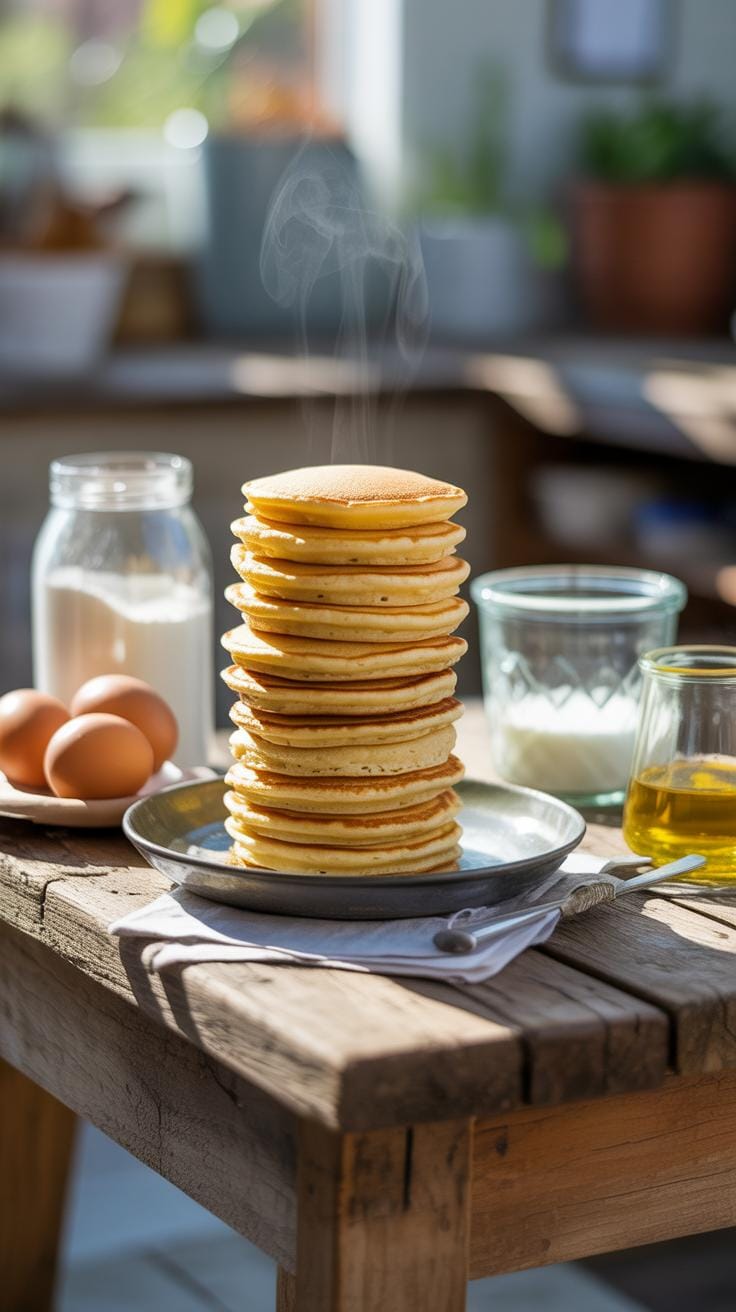
Making keto pancakes doesn’t have to feel complicated. It mostly comes down to substituting traditional flour with low-carb alternatives like almond or coconut flour. Here’s a straightforward recipe you can try right away.
Step-by-Step Keto Pancake Recipe
Ingredients:
- 2 large eggs
- 1/4 cup almond flour
- 2 tablespoons coconut flour
- 2 tablespoons cream cheese (softened)
- 1/2 teaspoon baking powder
- 1/2 teaspoon vanilla extract
- 1-2 tablespoons unsweetened almond milk
- Pinch of salt
- Butter or oil for cooking
Instructions:
- In a bowl, whisk the eggs until smooth.
- Add softened cream cheese and vanilla. Mix well until no lumps remain.
- Combine almond flour, coconut flour, baking powder, and salt in a separate bowl.
- Gradually add the dry ingredients into the wet, stirring gently. Add almond milk if batter feels too thick.
- Heat a non-stick pan over medium-low heat and add a little butter or oil.
- Pour small amounts of batter onto the pan, about 2-3 inches wide.
- Cook for about 2-3 minutes until bubbles appear, then flip carefully and cook another 2 minutes.
- Serve warm with your preferred toppings.
Tips for Perfect Keto Pancakes
Getting keto pancakes fluffy can be tricky at first. A common issue is batter that’s either too runny or too dense. If yours seem flat, it might be that the baking powder is old or insufficient. Make sure it’s fresh.
Another tip is to avoid over-mixing. Stir just enough to combine. Overworking the batter tends to make pancakes rubbery.
Cooking on medium-low heat is key. High heat cooks the outside too fast, leaving the inside uncooked. This pacing also helps develop a slight golden crust without burning.
Don’t rush flipping. Wait for bubbles to form and edges to firm slightly. Flipping too early results in breakage or uneven texture.
One last thing: let the batter sit for a few minutes before cooking. This gives the coconut flour time to absorb moisture and thicken properly, improving texture.
Taste Test Examples
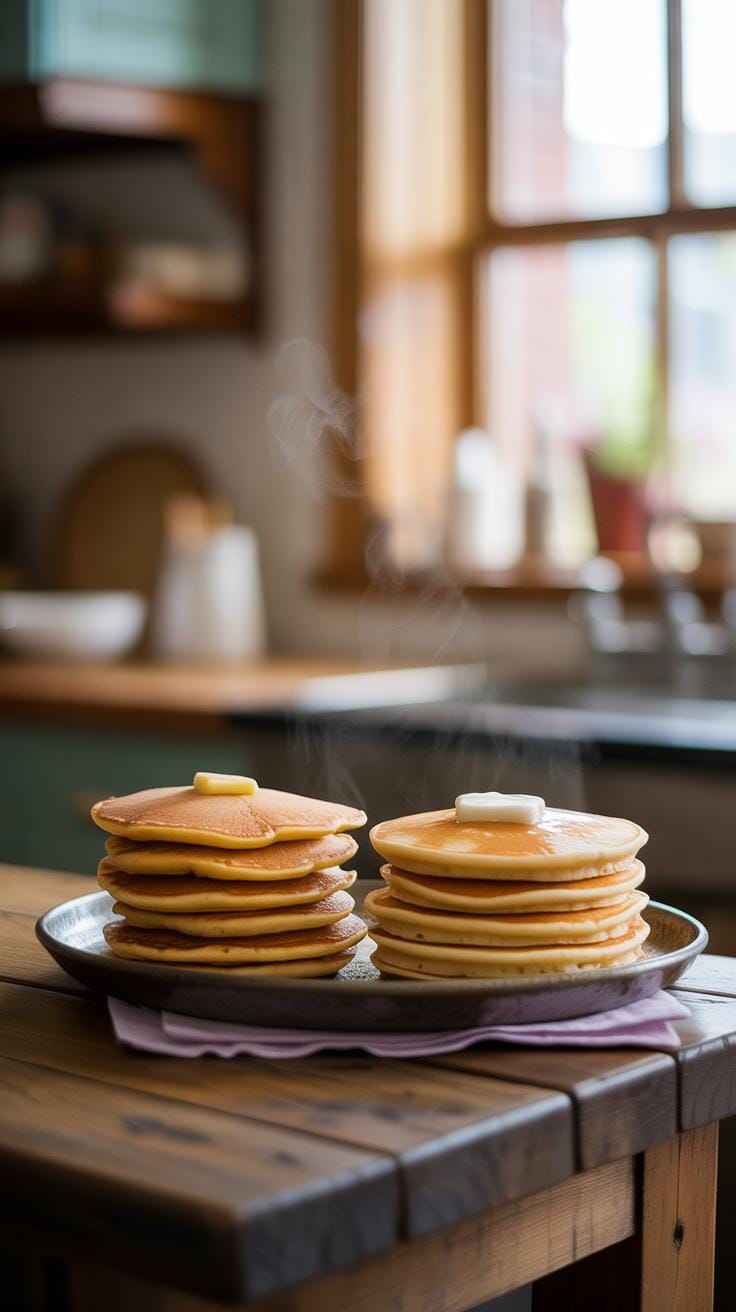
Trying keto pancakes side-by-side with traditional ones revealed some interesting contrasts. The keto versions often had a somewhat nutty or richer flavor, likely coming from almond or coconut flours. This gave them a mildly toasted taste, which felt a bit different from the straightforward sweetness you usually get with regular pancakes.
With traditional pancakes, the syrup and butter usually take center stage, but keto pancakes seemed to hold their own without drowning in toppings. The sweetness was subtler, sometimes even a little earthy, which was a surprise to some tasters. A few commented that the flavor seemed less ‘pancakey’ but pleasant enough, though others missed the familiar warm cereal note of classic pancakes.
Texture-wise, the keto pancakes felt denser. They weren’t spongy or airy but had a firmer, almost chewy consistency. Traditional pancakes fluffed up lighter and softer, which many found comforting—yet some noted the denser texture meant keto pancakes stayed intact longer on the fork. It wasn’t bad, just different. A few tasters appeared a bit undecided, craving the classic fluffiness but also appreciating the substance in keto versions.
Most reactions landed somewhere in the middle—keto pancakes don’t quite mimic traditional ones, but they offer a different taste and feel that might grow on you. Does the denser texture affect your enjoyment? Maybe. But as a low-carb alternative, they stand out without trying too hard.
Serving Ideas and Toppings
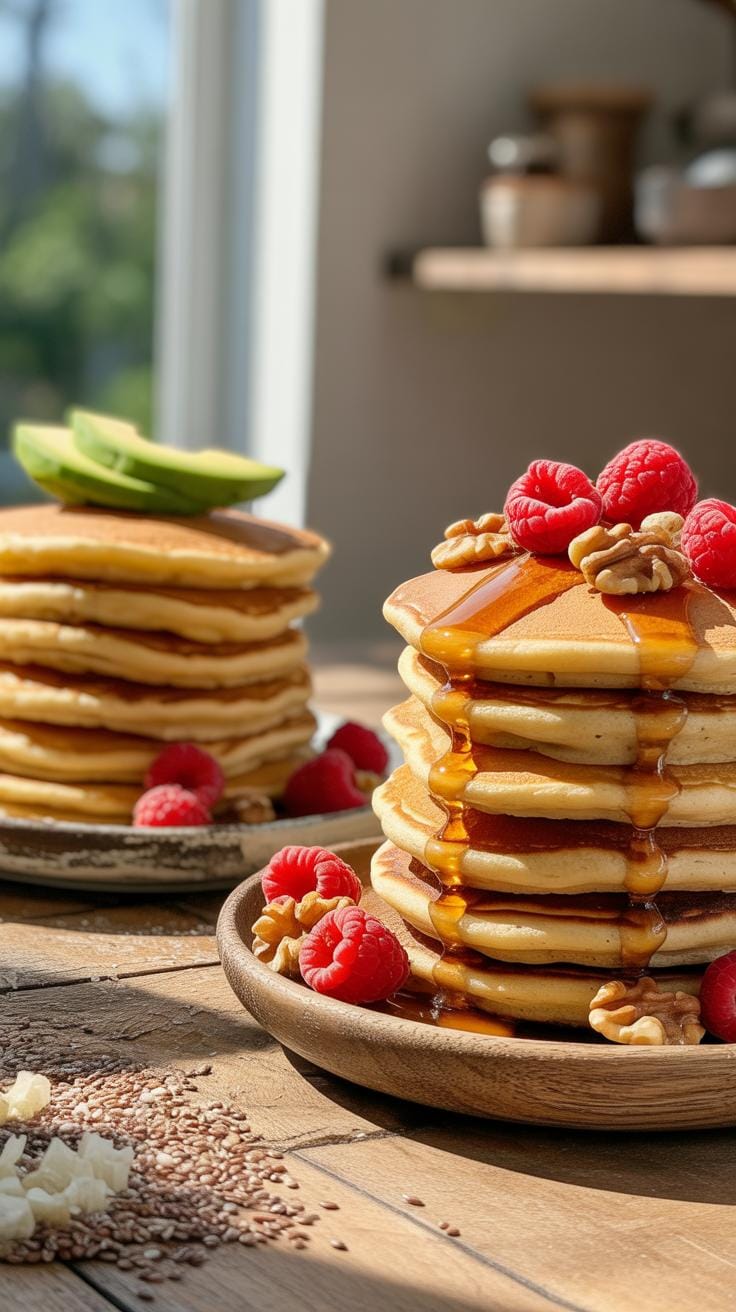
Traditional Pancake Toppings
When you think of traditional pancakes, classic toppings often come to mind. The usual suspects include butter, which melts into warm stacks creating that rich, creamy layer. Then there’s maple syrup—that sweet, sticky drizzle that everyone loves. It really defines the pancake experience for many, though it’s packed with sugar.
Fruits like sliced bananas, strawberries, or blueberries are also common. They add natural sweetness and a bit of freshness. Sometimes whipped cream or chocolate chips sneak in, especially for a treat. Syrup and fruit combo is popular, but that can quickly turn into quite a sugar load.
You might notice that traditional pancakes invite indulgence, which can be great for occasional enjoyment but doesn’t always fit with a health-focused day. Still, the options are numerous and customizable, giving a lot of room for personal taste.
Keto-Friendly Toppings Choices
For keto pancakes, toppings need to think low-carb first, yet that doesn’t mean dull or boring. Sugar-free syrup is a go-to. It mimics the sweetness without the glucose crash. Some brands use erythritol or monk fruit, which usually don’t spike blood sugar.
Nuts are fantastic here. Walnuts, pecans, or almonds add crunch and healthy fats. They also contribute to satiety, which you might appreciate if you’re watching carbs rather than calories. A handful sprinkled over the top can deepen the texture.
Then there are berries—raspberries, blackberries, blueberries—in moderation. They have fewer carbs compared to most fruits and offer antioxidants, too. Sometimes I’d add a dollop of heavy cream or cream cheese to boost fat content and create a creamy contrast. Coconut flakes or a small spoon of nut butter can also elevate the flavor without pushing carbs too high.
In the end, keto toppings feel a bit curated, mindful of carbs but still pleasurable. It’s like walking a line between health and taste, without losing the sense of a special breakfast treat. Have you tried mixing some unexpected nuts or seeds on your keto pancakes? It can surprise you.
Benefits of Choosing Keto Pancakes
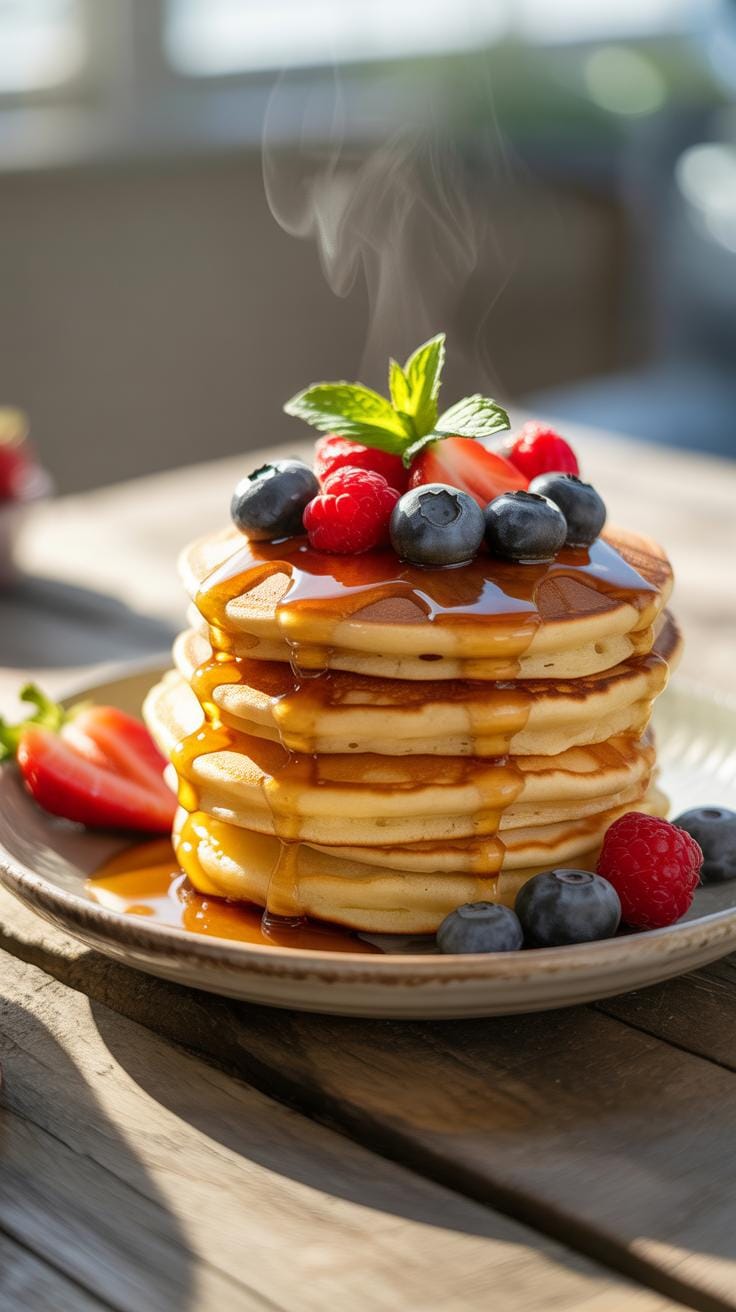
Keto pancakes stand out partly because they use low-carb ingredients like almond flour or coconut flour instead of traditional wheat flour. This shift isn’t just about cutting carbs; it changes how your body handles the meal.
When you eat keto pancakes, the limited carbohydrate content means your blood sugar doesn’t spike as much as it would after traditional pancakes. Since these pancakes rely more on fats and protein, your body processes the energy more steadily. This slow, steady fuel release can help prevent those sudden energy crashes that sometimes follow a carb-heavy breakfast.
People aiming to manage weight often prefer keto pancakes for this reason. Less sugar and fewer carbs can reduce hunger and cravings later in the day. While it might sound like just restricting carbs, the effect on appetite can actually be quite noticeable—a kind of natural satiety that many find helpful.
- Lower carb intake aids in stabilizing insulin and blood sugar levels.
- High fat and moderate protein content supports longer fullness periods.
- Reduced blood sugar swings can lead to fewer energy dips and mood shifts.
- Fits with ketogenic or low-carb plans, which many find easier to stick with over time.
I guess it depends on what you’re used to, but the adjustments your body makes when eating keto pancakes may feel beneficial beyond just cutting calories. If you’d ask me, they’re a useful breakfast switch for anyone who notices they feel sluggish or hungry right after a traditional pancake breakfast.
Common Pitfalls Making Pancakes
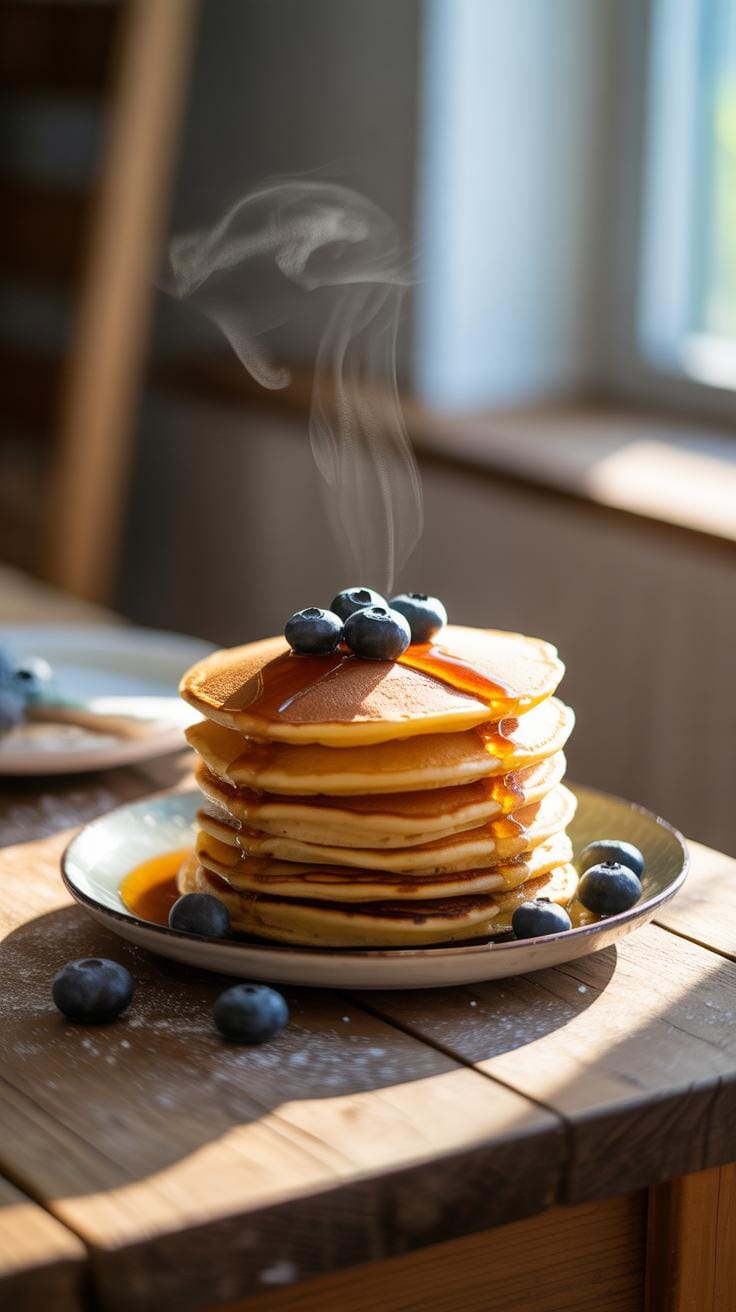
Mistakes in Traditional Pancake Preparation
With traditional pancakes, one of the biggest slip-ups is overmixing the batter. You might think blending everything thoroughly is good, but it actually tightens the gluten and makes pancakes tough rather than tender. Small lumps in the batter are fine—those usually dissolve during cooking. So, don’t stress over a perfectly smooth mix.
Heat control also plays a bigger role than some realize. Too high, and the outsides burn while the insides stay raw. Too low, and you get pale, soggy pancakes. I’ve often flipped pancakes too early, simply because they looked browned, only to find them mushy inside. So, looking for bubbles on the surface before flipping is a better clue than just color.
Errors in Keto Pancake Cooking
Keto pancakes bring their own set of challenges, mostly around batter consistency. Since they don’t contain wheat flour, the batter can feel strange—too thick, almost dough-like, or too runny, which makes shaping tough. It’s a fine line.
Another tricky point is the cooking temperature. Keto pancakes often have almond or coconut flour, which can burn quickly if the pan is too hot. I’ve seen people get impatient and crank up the heat to speed things up, then end up with pancakes that have a bitter aftertaste. Medium-low heat usually works better, even if it takes a little longer.
One more thing: keto pancakes sometimes stick to the pan because of the oils used or lack of gluten. Using a good non-stick pan or a bit of butter can really help here. Or you might end up with torn pancakes, which – while fine to eat – can be a little disappointing when you’re trying to serve something neat.
Making Your Pancake Choice
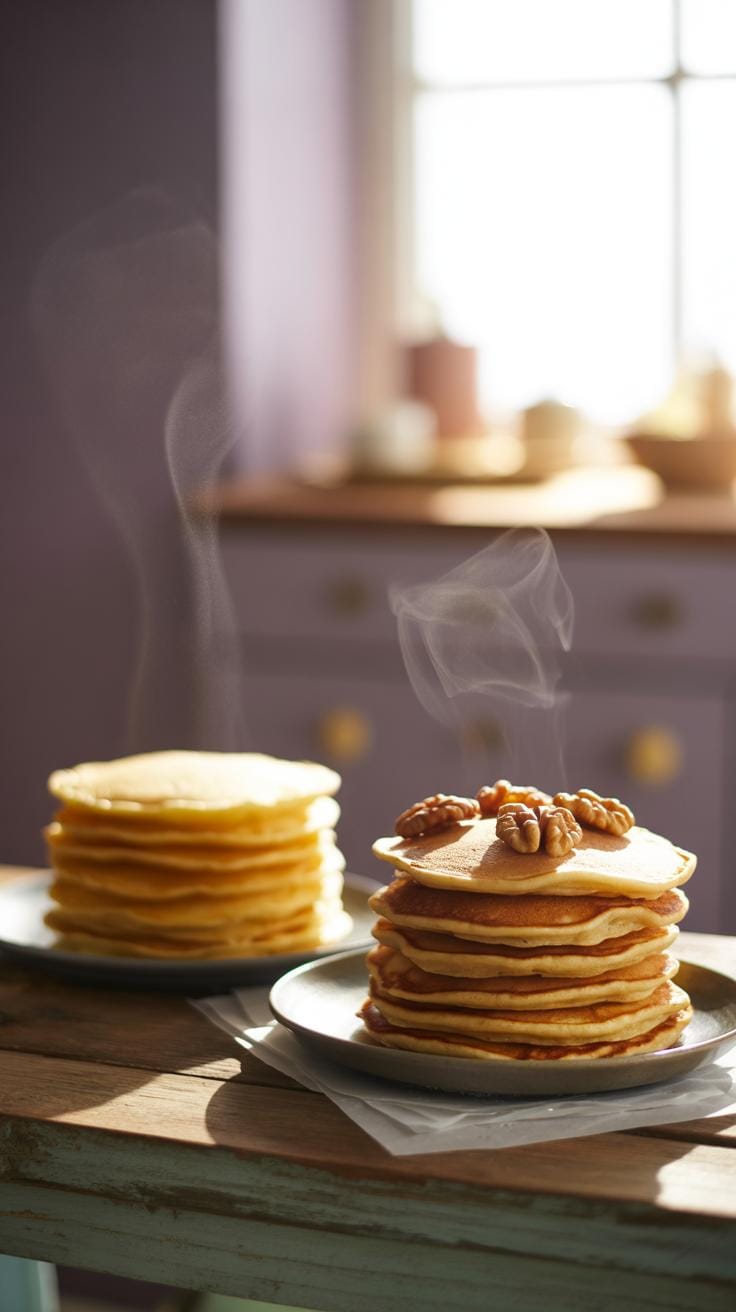
When it comes to keto pancakes, the health benefits often catch attention first. These pancakes typically use almond or coconut flour instead of traditional wheat flour, which lowers the carb count significantly. For someone watching their blood sugar or trying to stay in ketosis, this switch can feel like a game-changer. But, it’s not just about carbs; keto pancakes often have more fat and protein, which can help you feel fuller longer. That fullness might be a real plus if you’re juggling a busy day and want to avoid constant snacking.
But taste is another story. Keto pancakes sometimes lack the light fluffiness you expect from the classic version. They can be denser, sometimes with a different texture that some find a bit grainy. For people who grew up on traditional pancakes, this could take getting used to—or might even be a dealbreaker.
If you’re trying to choose between these pancake types, start by asking yourself a few questions:
- Is managing my carb intake or blood sugar a priority right now?
- Do I mind a pancake that’s denser and less sweet, or do I want that classic fluffy mouthfeel?
- Am I willing to experiment a bit, or do I want something that feels familiar and comforting?
- How important is feeling full longer after breakfast compared to just quick taste satisfaction?
You don’t have to pick one style forever, either. Some people enjoy keto pancakes during the week to stay on track with nutrition goals but allow traditional pancakes as an occasional treat. Mixing enjoyment with nutrition needs might mean making smaller portions of traditional pancakes or adding fiber and protein to them.
So, the question is really about what matters most to you right now—and honestly, that can change day to day. Maybe today’s a keto day. Tomorrow, you crave the old taste. Both choices can fit into a balanced approach if you listen closely to what your body and taste buds tell you.
Conclusions
Keto pancakes provide a low-carb alternative using ingredients like nut flours. They suit those watching their carb intake or aiming for weight management. These pancakes often have a denser texture and a nutty taste. Traditional pancakes rely on wheat flour and have a fluffier texture with a mild flavor.
Your choice depends on your dietary goals and taste preference. If you need low carbs, keto pancakes work well. If you want a classic pancake experience, traditional pancakes deliver that. Understanding their differences lets you make choices aligned with your needs.