
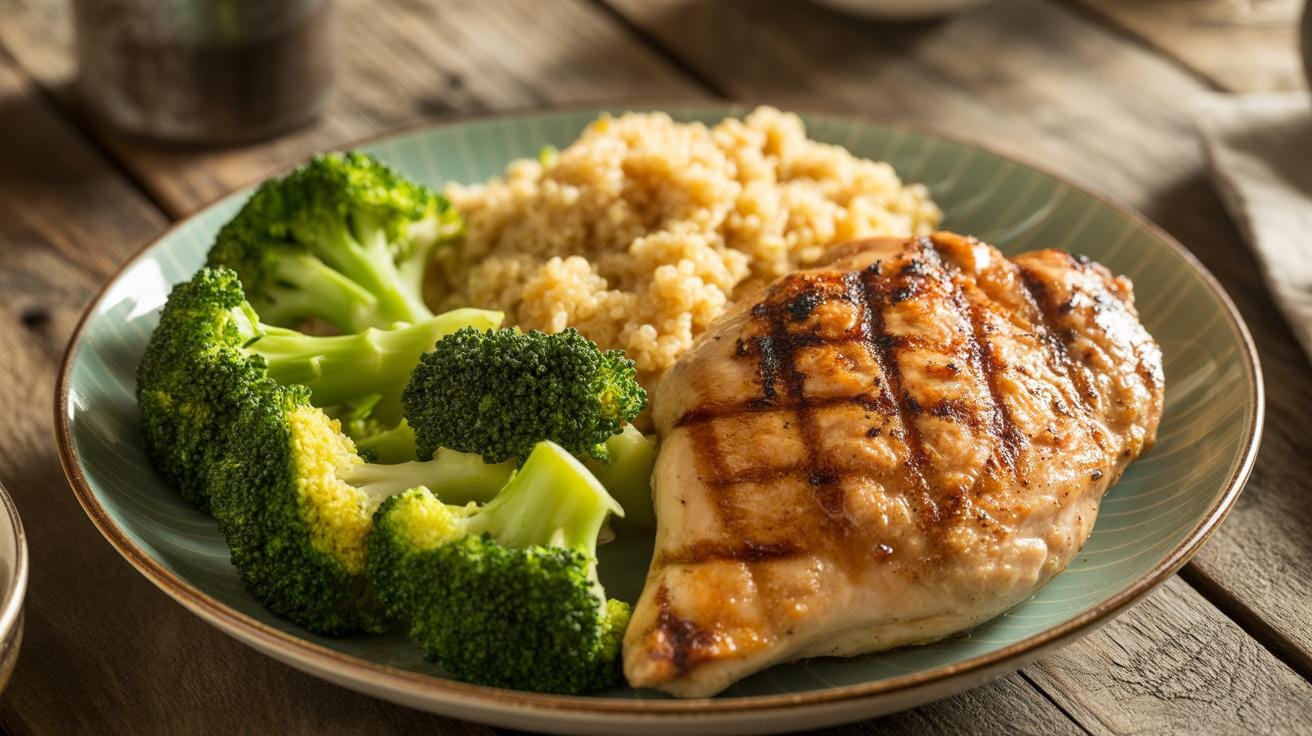
How Low Carb High Protein Meals Support Weight Loss
Low carb high protein meals focus on reducing carbohydrate intake while increasing protein consumption. This approach can help you manage your weight by limiting foods that spike blood sugar and encouraging muscle growth through ample protein. When you eat fewer carbs, your body shifts to burning fat for fuel, which can aid in weight loss. At the same time, protein helps repair muscles and keeps you feeling full longer.
In this article, you’ll find clear information on why low carb and high protein meals matter, how to incorporate them into your eating plan, and what foods to choose. You’ll also see examples of meals, common mistakes to avoid, and tips to measure your progress. By the end, you’ll understand how combining low carbs with high protein can help you reach your goals efficiently and sustainably.
Why Choose Low Carb High Protein Meals

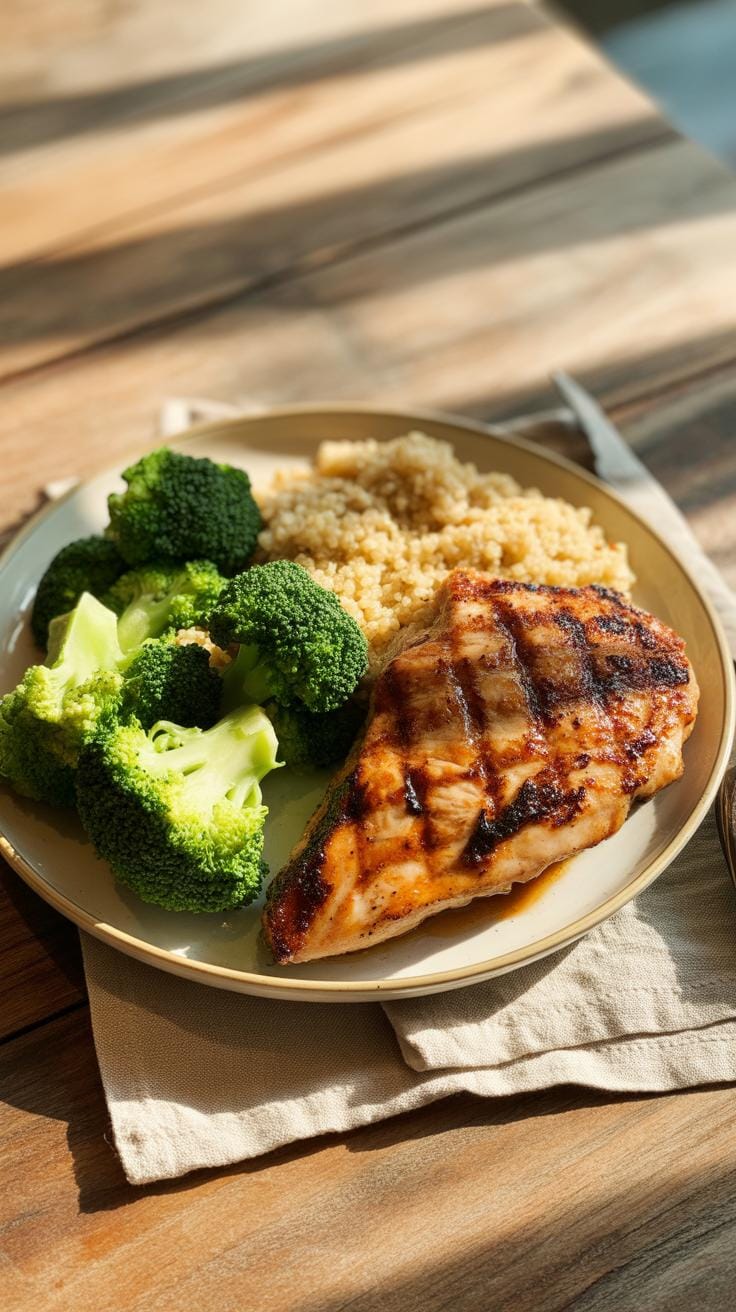
Choosing low carb high protein meals means you’re shifting how your body handles energy and recovery. When you cut down carbs, your body has less quick fuel from glucose. So, it starts using stored fat for energy instead. That shift can speed up fat loss, especially if you stick to it for a while.
At the same time, eating more protein helps in several ways:
- It keeps you feeling full longer, which can prevent overeating or snacking on sugary foods.
- Protein supports muscle repair, which is crucial if you do any kind of strength training or even regular physical activity.
- Muscle growth demands amino acids from protein, so higher intake can improve gains.
Many people notice that when they combine low carbs with high protein, they lose weight but also keep, or sometimes even build, muscle mass. The reduced carbs encourage your body to burn fat, while protein repairs muscle damage and supports growth. It feels like your body works smarter, not harder.
It’s not simple, though. Some days, low carbs might leave you a bit sluggish, especially if you’ve been used to a carb-heavy diet. But sticking around allows your metabolism to adjust. It’s a balance worth trying if your goal is both fat loss and muscle gain.
Effects on Fat Burning and Metabolism
When you reduce carbs, your body loses its main energy source—glucose. Without enough glucose, your liver starts producing ketones from fat to fuel your cells instead. So, your metabolism gradually switches to burning fat for energy. This can support fat loss without that constant feeling of hunger that often comes with typical calorie restriction.
This metabolic shift isn’t instant. Sometimes you feel sluggish or foggy during the first week. But once your body adapts, you’ll notice better energy levels coming from fat stores rather than quick-sugar spikes. This also means your body burns fat even at rest.
Protein’s Role in Muscle Repair
Protein provides the building blocks your muscles need to recover from workouts. After resistance training, muscles develop tiny tears. Protein helps fix these tears, making your muscles stronger and sometimes bigger. Without enough protein, your body struggles to rebuild muscle efficiently.
For those focused on muscle gain, eating high-quality protein after exercise is key. Think lean meats, eggs, dairy, or plant-based options. This ensures your muscles get the amino acids needed for repair. That’s why low carb high protein meals match well with training routines; they help you recover and come back stronger.
In practice, it’s not about loading protein in one meal but spreading it through the day. This steady supply improves muscle synthesis and minimizes breakdown. So, pairing protein with lower carbs can boost your progress in both fat loss and muscle growth.
How to Plan Low Carb High Protein Meals
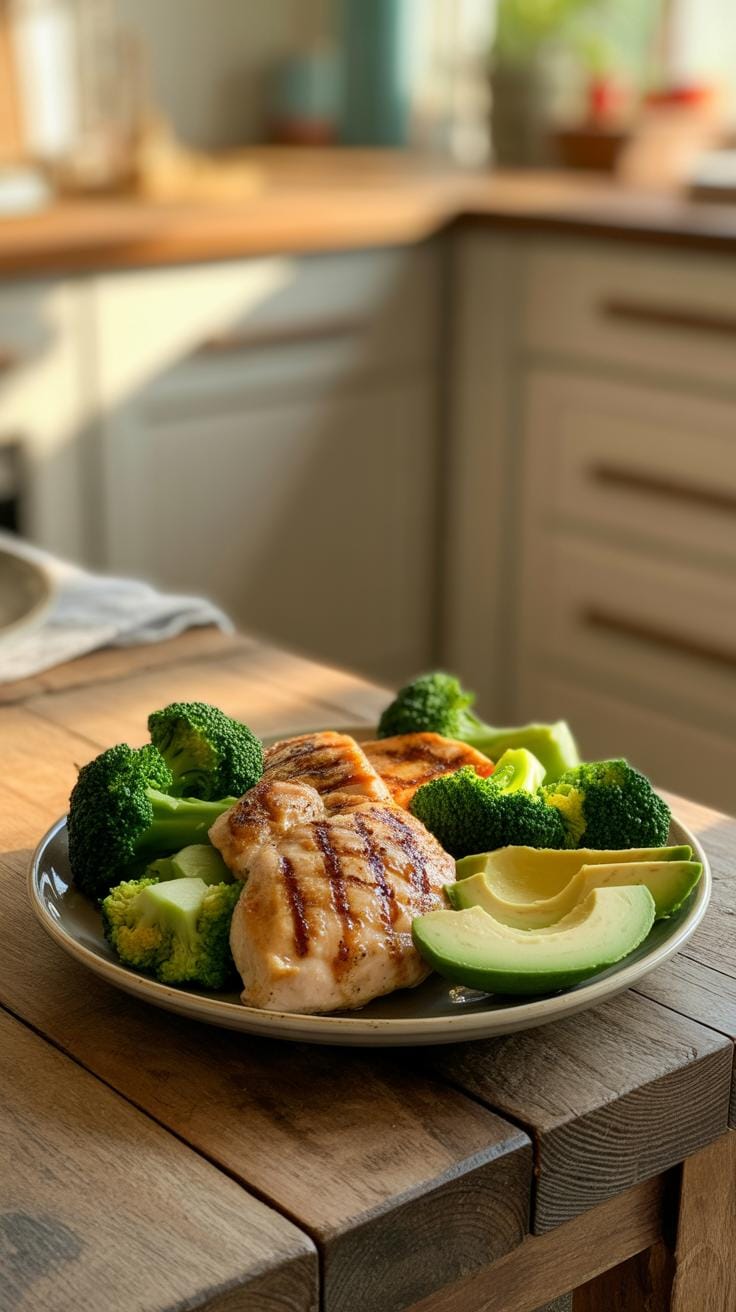
Planning low carb high protein meals starts with knowing what to pick—and what to leave alone. First, try to limit common high-carb foods like bread, pasta, rice, potatoes, and sugary snacks. These tend to spike your carb intake quickly and can throw off your balance.
Instead, swap those out for veggies like spinach, broccoli, cauliflower, and zucchini. They’re low in carbs but add volume and fiber, which helps you feel full. Also, berries work well if you want a bit of sweetness without going overboard.
When it comes to protein, variety helps. Animal options such as chicken breast, turkey, lean beef, eggs, and fish provide solid protein punches. If you’re leaning plant-based, consider tofu, tempeh, lentils, and chickpeas—but keep in mind some legumes have higher carb counts, so portion control really matters.
Balancing nutrients isn’t just about cutting carbs and upping protein. Healthy fats like olive oil, avocado, or nuts can support satiety and overall health. Portion control matters too—having too much protein or fat can stall weight loss or muscle gain.
Try mapping out your meals with a rough guide: around 30 to 40 grams of protein per meal, limited carbs mostly from vegetables, and moderate fats. Don’t obsess too much; instead, see how your body feels and tweak over time. If your energy drops or hunger rises, maybe add a bit more fat or veggies. Some trial and error is expected.
Common Mistakes in Low Carb High Protein Diets
Overlooking Fiber and Vegetables
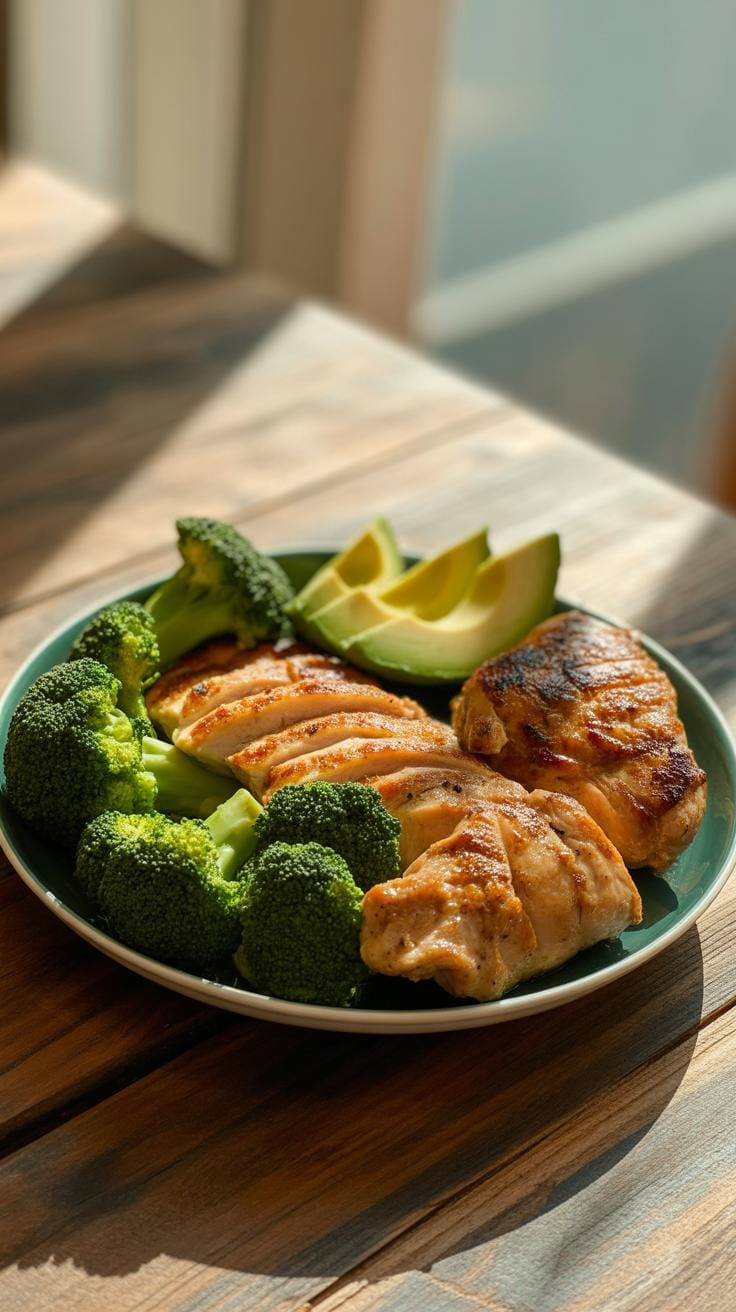
When people switch to a low carb high protein diet, they often forget about fiber and vegetables. It’s easy to focus on meat and eggs and miss out on the plant-based side of the plate. But fiber is crucial—it helps with digestion and keeps you full longer.
If you’re not getting enough fiber, you might experience constipation or feel sluggish. Vegetables like spinach, broccoli, cauliflower, and zucchini fit well into low carb plans and bring vitamins and minerals that you don’t want to ignore.
Try adding a handful of leafy greens to your meals or snacking on crunchy low carb veggies. It’s not just about carbs; it’s about balance within your limits. Sometimes, I’ve caught myself munching on more meat because I skipped veggies, and I could definitely feel the difference.
Relying on Processed Protein Sources
It’s tempting to grab bacon, sausages, or deli meats because they’re convenient and fit the protein and fat count. But leaning too heavily on processed meats can backfire. These foods often come with added salts, preservatives, and fats that might cause inflammation or other problems if eaten regularly.
Whole food protein sources—like chicken breast, fish, or lean beef—give you cleaner nutrition. You might find whole foods less exciting at first, but they let you control what you eat better. Plus, they support muscle gain without the baggage of preservatives or unnecessary additives.
If you’ve been relying on packaged meats nearly every day, try swapping a couple of meals a week for fresh options. It might taste different, yes, but it’s better in the long run. Sometimes you have to rethink convenience for quality.
Sample Low Carb High Protein Meal Ideas
Let’s start with breakfast, since a good morning meal can really set the tone for your day. Think scrambled eggs cooked with fresh spinach — simple, filling, and packed with protein. Or maybe Greek yogurt topped with a handful of nuts; it’s quick and offers a nice balance of creaminess and crunch. Sometimes, I’ve even added a few berries for a bit of natural sweetness, though keep an eye on how many carbs they add.
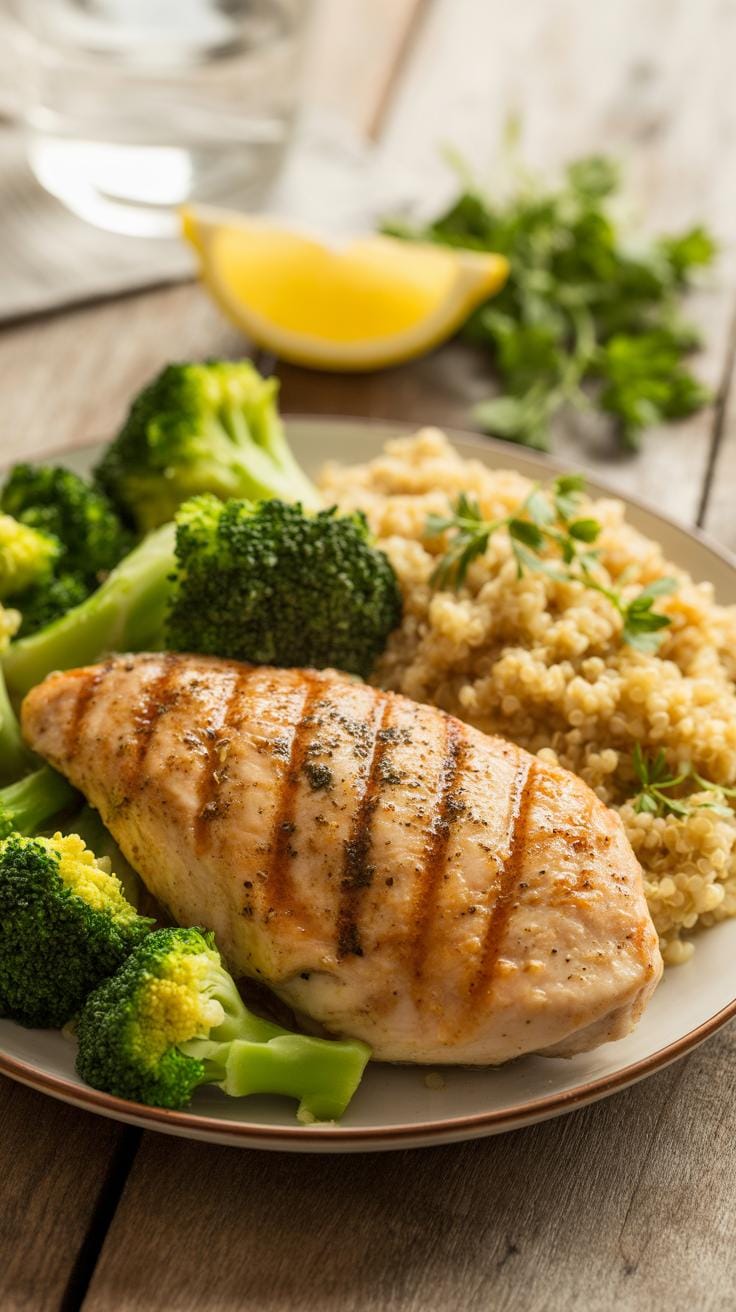
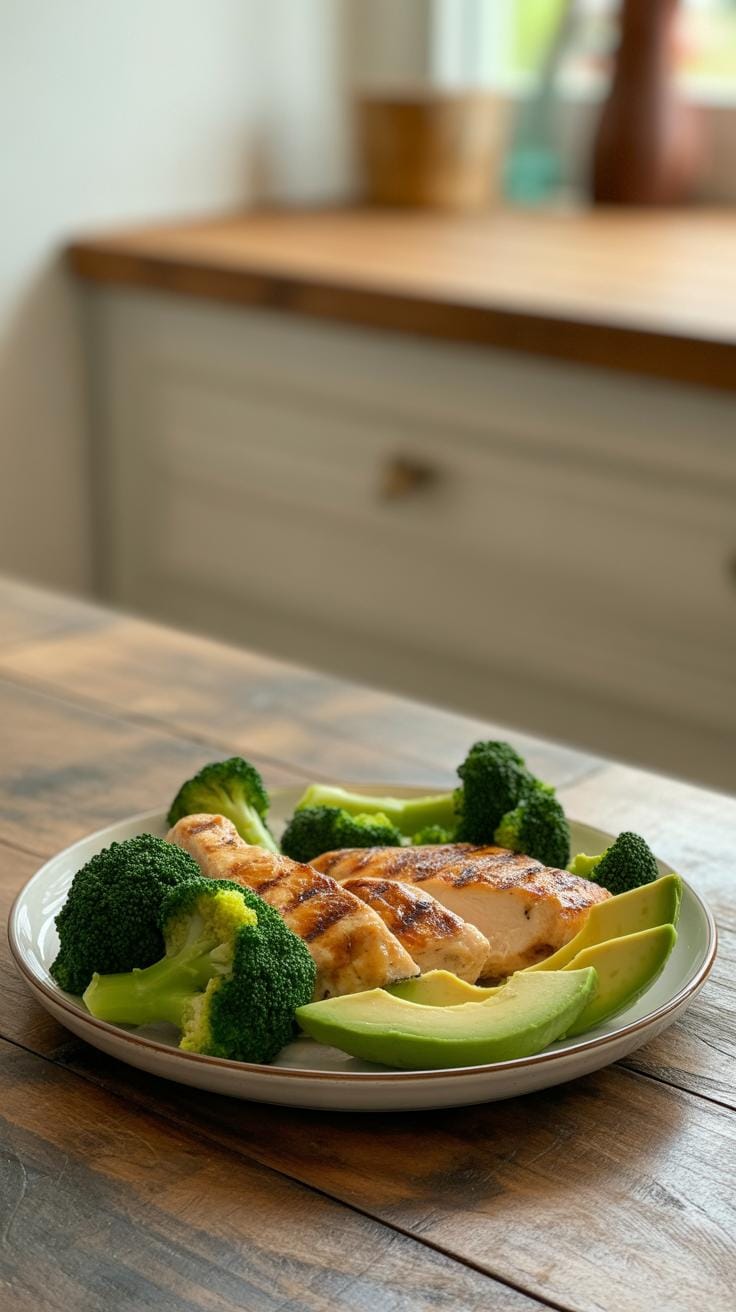
For lunch, you might go for a salad loaded with grilled chicken breast, avocado slices, and a drizzle of olive oil. The fat from the avocado helps you feel satisfied longer, and the chicken keeps protein levels high. A side of steamed broccoli or roasted zucchini fits well without piling on extra carbs.
Dinner can be just as straightforward. Grilled salmon paired with a fresh leafy green salad works well. The omega-3s in the salmon are a bonus for overall health, besides muscle repair. Alternatively, try grilled chicken served with sautéed mixed vegetables like bell peppers and asparagus. These meals feel straightforward but can keep you full and on track.
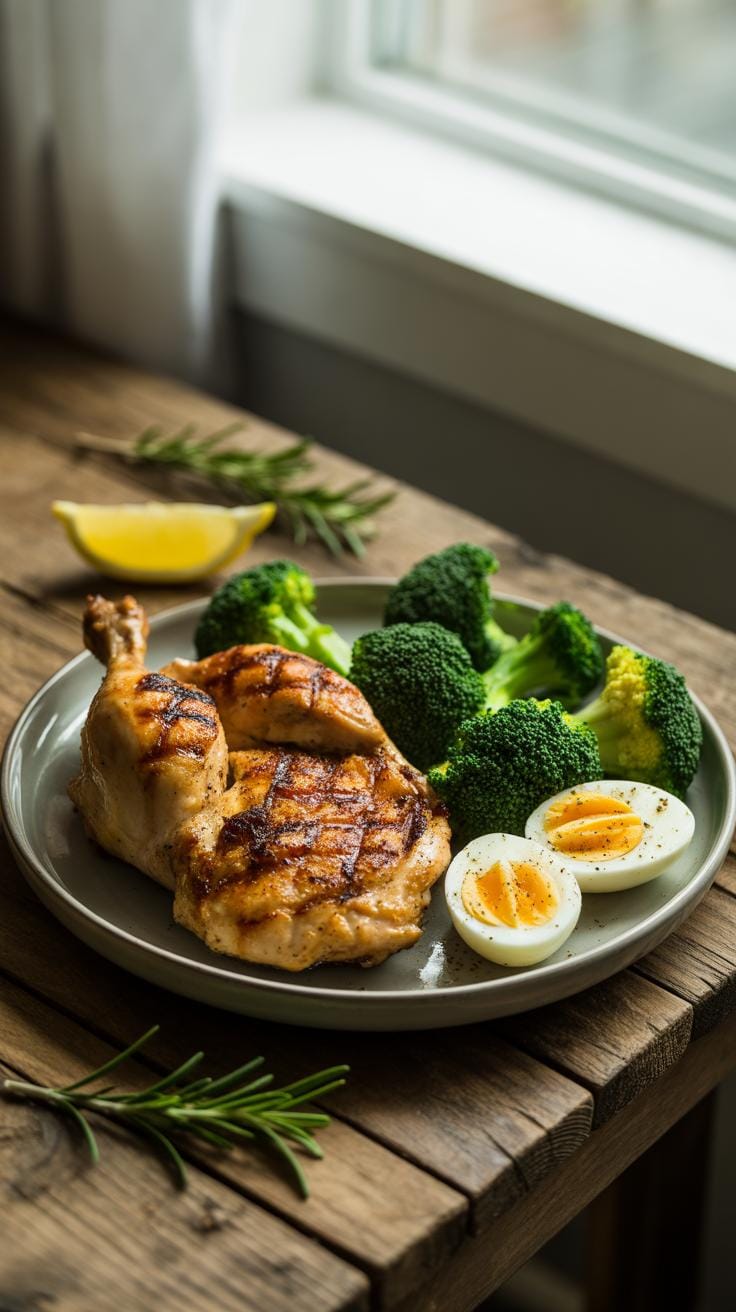
Snacks also matter, especially when you get those evening cravings. Hard-boiled eggs, a small handful of almonds, or even beef jerky can be handy. You want options that keep your protein up but don’t sneak in too many carbs, which isn’t always as easy as it sounds.
Have you noticed which low-carb meals you naturally gravitate toward? Sometimes taste and convenience override strict plans—and that’s okay. Finding what fits into your life helps more than perfection does.
Tracking Progress on Your Low Carb High Protein Plan
Keeping track of your progress on a low carb high protein diet isn’t always as straightforward as stepping on the scale and hoping for a drop in numbers. Weight can fluctuate for various reasons—not just fat loss or muscle gain—so relying solely on that can be misleading. You might feel like you’re stuck when your weight stalls, but your body composition could still be shifting.
Using a reliable scale is helpful, especially one that reports body fat percentage, but don’t get too fixated on daily changes. Instead, aim to weigh yourself consistently, such as once a week at the same time of day. This helps smooth out random fluctuations and gives a clearer picture.
Using Body Measurements
Measurements reveal changes that scales can’t always show. Grab a tape measure and check areas like your waist, hips, thighs, arms, and chest once every couple of weeks. You might find your waist shrinking while your arms gain a little bulk—a sign that fat is giving way to muscle. It’s intriguing how the numbers can sometimes feel more encouraging than just watching pounds.
Keep notes or track these measurements in a simple journal or app. Small shifts matter, even if the scale seems stuck. If you’re unsure how to measure, check tutorials or ask a fitness professional. It’s not about perfection, but about consistency.
Tracking Strength and Energy Levels
Muscle gain usually comes with improved performance. If you’re lifting heavier weights, doing more reps, or recovering faster, those are clues your muscles are growing stronger—even if the scale doesn’t budge much. Maybe you’ll surprise yourself by hitting a new personal best in your workouts after a few weeks on this plan.
Also, pay attention to how you feel during daily activities. More energy, less fatigue, better endurance—they can all signal positive changes. Write down your lifting stats or how challenging exercises feel over time; tracking these small wins keeps motivation alive.
Does your progress look different from what you expected? That’s normal. Just stay consistent and let the data guide you, not just the numbers on the scale.
How Much Protein Is Needed Daily
Protein Requirements for Beginners
When you’re just starting a fitness routine, the amount of protein you need isn’t as high as it might seem at first glance. For many beginners, aiming for about 0.8 to 1 gram of protein per pound of body weight daily is a sensible place to start. So if you weigh 150 pounds, roughly 120 to 150 grams of protein a day could help support muscle repair and some fat loss without overwhelming your digestive system.
Beginners often underestimate how much protein the body actually needs to adapt and grow stronger. But pushing too hard for very high intake can sometimes be unnecessary or even uncomfortable, especially if your workouts aren’t yet very intense. It’s about balance and gradually adapting your nutrition as your body changes. So, starting simply and monitoring how you feel can be a better approach than hitting a fixed, aggressive protein goal immediately.
Protein Needs for Active Training
Once you move beyond the beginner phase and start training regularly—lifting weights multiple times a week or engaging in more demanding physical activity—your protein needs tend to increase. Active individuals often require closer to 1.2 to 1.6 grams of protein per pound of body weight each day. This helps with muscle recovery and growth, especially when you’re working to gain lean muscle mass while losing fat.
The jump from beginner to advanced protein needs isn’t exact, though. Some days your muscles might respond well to a bit less protein, other days you might feel hungrier and need more. Some evidence suggests high protein diets can also help preserve muscle during calorie cuts, which is why those pursuing weight loss and muscle gain simultaneously are often advised to eat on the upper end of the spectrum.
Do you find it difficult to track daily protein? Me too—sometimes I just focus on getting protein with most meals and keep a rough total in mind. It’s probably more important to be consistent than obsess over every gram.
Differences Between Low Carb and High Protein Focus
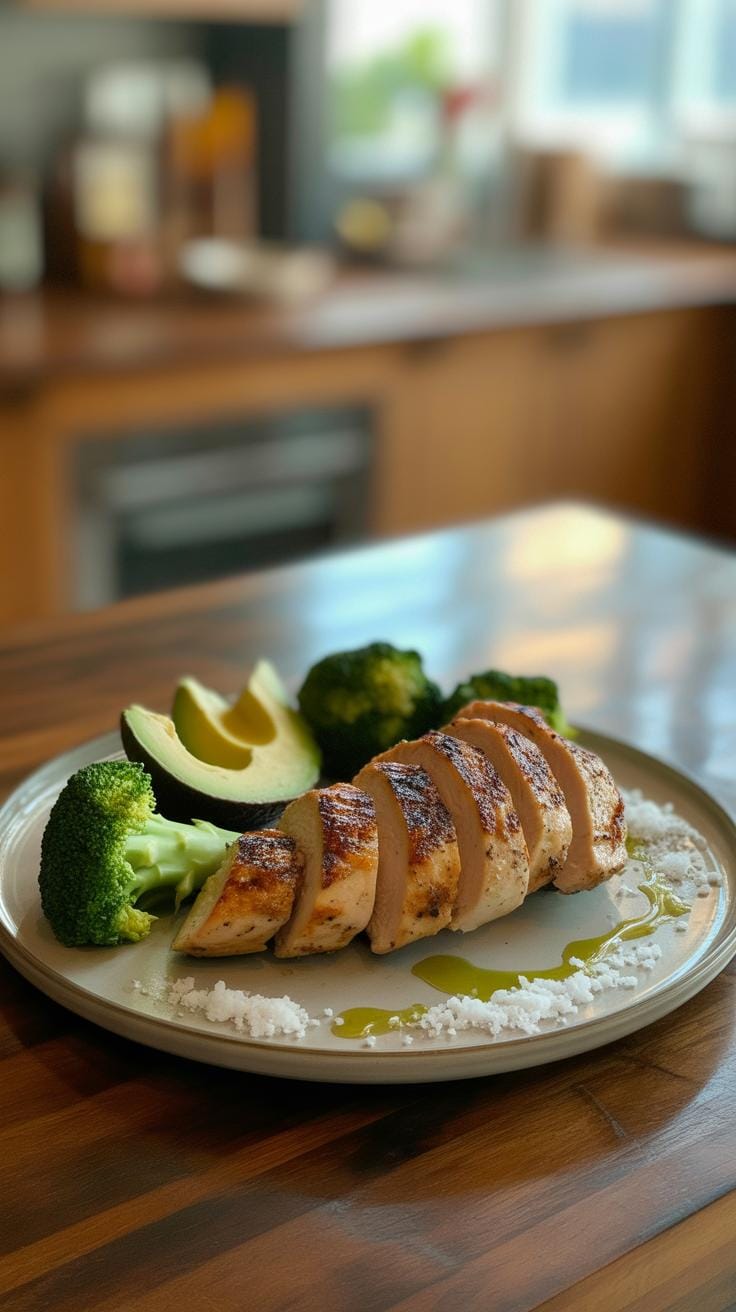
When you think about focusing on low carb versus high protein in your meals, the effects can feel quite different, even if both can support weight loss and muscle gain. Reducing carbs tends to shift your body’s energy source, pushing it to burn fat for fuel. This energy shift can really help trim fat reserves because your body isn’t relying on quick carbs anymore. It’s a bit like changing your body’s default setting—less sugar in, so more fat out.
On the other hand, increasing protein is more about building and repairing muscle. Protein provides the building blocks—amino acids—that your muscles need to recover from workouts and grow stronger. If you’re lifting weights or pushing your muscles, having enough protein is essential. It’s not just about weight loss then; it’s about shaping your body by supporting muscle growth.
When to pick which depends a lot on your goals. If fat loss is the main target, prioritizing low carb might give you a boost. But if your aim is to gain muscle or preserve it while losing fat, then protein takes the lead. Some people try to juggle both, but sometimes focusing too much on one can mean the other gets neglected—like eating low carb but not enough protein can slow muscle repair.
Have you noticed whether cutting carbs or upping protein felt more effective for your goals? It’s definitely not a one-size-fits-all situation. Trying to balance both, but leaning towards what your body needs most, often works best.
Tips for Eating Out on Low Carb High Protein
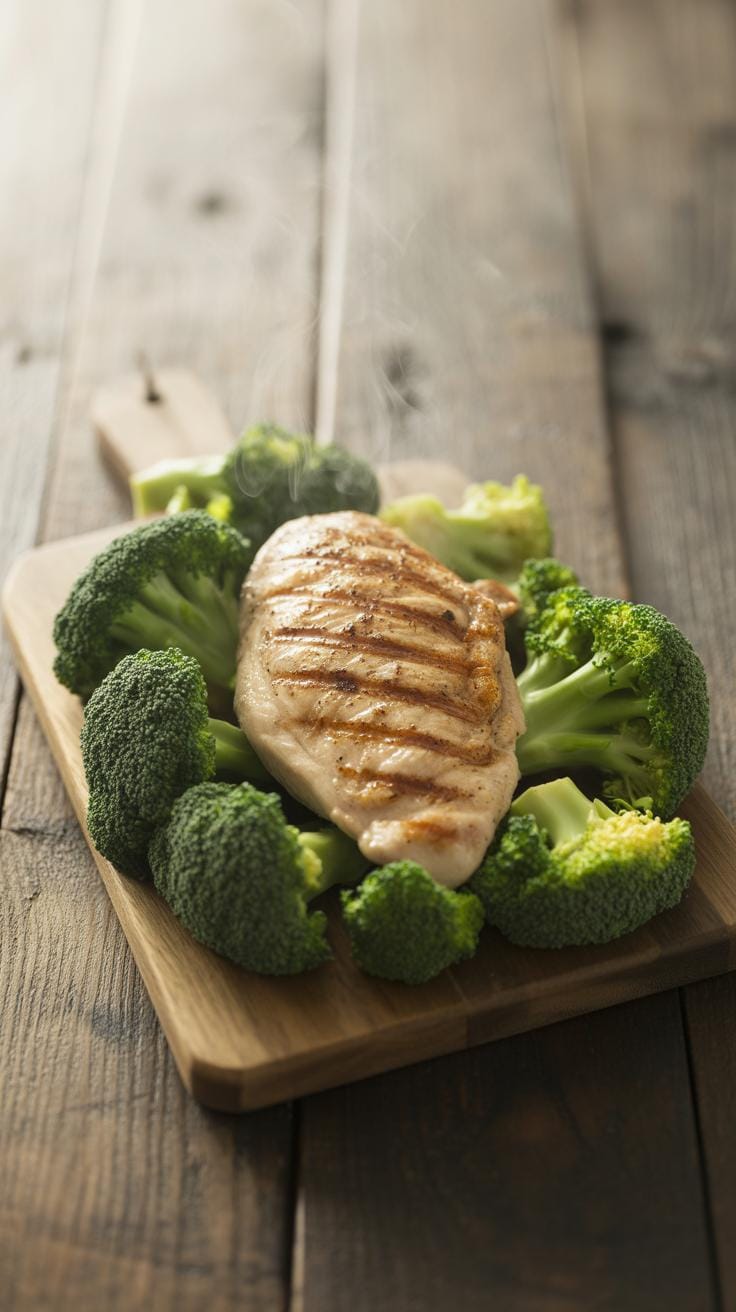
Eating out while sticking to low carb, high protein meals can feel tricky, but it’s doable with some planning. Restaurants often focus on carbs—bread, pasta, rice—so you need a strategy to avoid those without drawing too much attention.
When scanning a menu, look for grilled or roasted meats, fish, or poultry. Steakhouses and seafood places often have simple, protein-forward options. Salads with protein toppings like chicken or shrimp are usually safe bets, just watch the dressings. Omelets or eggs any time of day can work too, even at brunch spots.
Don’t hesitate to ask for modifications. You can say things like, “Could I have the chicken without the sauce or bread?” or “Can you swap the fries for steamed vegetables?” Most servers are used to these requests and usually don’t mind. It might feel awkward at first, but the meal is yours, and you deserve to eat what fits your goals.
Sometimes, it helps to keep it simple: a grilled meat with a side of greens. If sauces or toppings are carb-heavy, ask if they can be left off or served on the side. You might be surprised how accommodating kitchens can be.
Dining out doesn’t have to derail your efforts; it just requires being a bit deliberate. Think of it as a small challenge, one worth taking on to stay on track with your nutrition.
How to Handle Plateaus in Weight Loss
Weight loss can stall on a low carb high protein meal plan for several reasons. Sometimes your body just gets used to the routine—it adapts. When that happens, progress slows or stops altogether. It’s frustrating because you’re doing what worked before, but… it’s like you hit a wall.
Reassessing Calorie Intake
Even with low carbs and high protein, calories still matter. It’s easy to overlook that. Over time, your calorie needs might drop as you lose weight, so if you keep eating the same amount, you might stop losing. Sometimes I had to track my calories again because I assumed “low carb” meant I could eat freely, but that wasn’t true.
Try adjusting your calorie intake by:
– Decreasing your daily intake slightly; even 100-200 calories can make a difference
– Fluctuating calories on different days rather than sticking to the exact same amount every day
– Watching portion sizes more carefully than before—especially meals that seem “safe” like lean meats and veggies
Varying Exercise and Meals
Your exercise routine can also stagnate your weight loss. If you’re doing the same workouts, your body might perform more efficiently, burning fewer calories. Switching things up can help revive progress.
Consider these changes:
– Adding new types of workouts (like swapping a jog for strength training or interval training)
– Increasing intensity or duration bit by bit
– Changing meal composition within your low carb, high protein framework—like trying different protein sources or incorporating varied fats and veggies to avoid boredom and metabolic slowdowns
It’s not always clear-cut what will jumpstart your progress again. Sometimes a little patience helps, or a mix of tweaks. The key is staying engaged and willing to experiment. What small change can you make today?
Supplements to Support Low Carb High Protein Plans
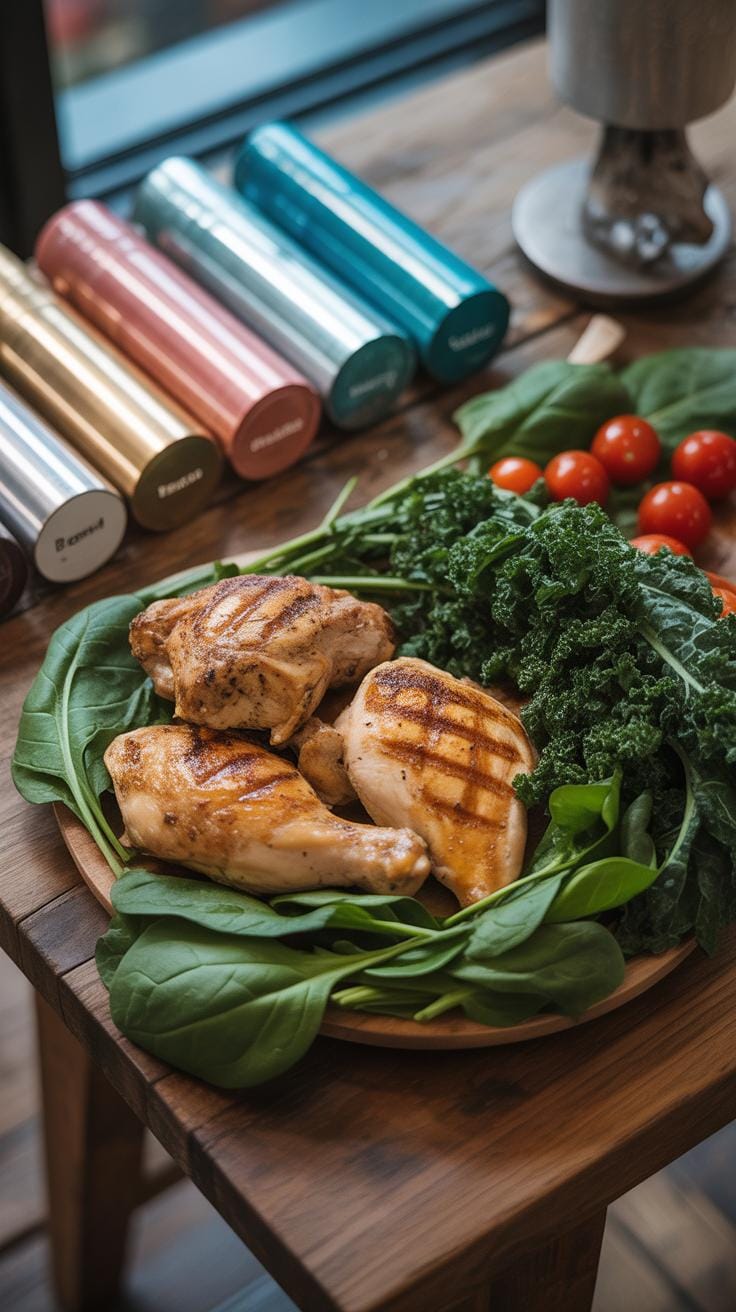
If you’re diving into a low carb high protein diet, supplements can ease some rough edges—not magic fixes, but helpful tools. Protein powders stand out here. Whey protein remains popular for its quick absorption, which is great right after workouts to kickstart recovery. But if you’re sensitive to dairy or prefer plant-based options, pea or brown rice proteins also fill that gap reasonably well, though they digest more slowly.
Using these supplements isn’t about replacing meals but bridging gaps. A scoop mixed with water or almond milk can be a quick meal when prepping feels like too much. Or even a snack when hunger sneaks up amid a busy day.
Vitamins and minerals deserve some attention too. Cutting carbs means you might miss out on some B vitamins found in whole grains. Magnesium and potassium could also dip, since lower-carb veggies provide less than you think. Iron tends to be okay if meat intake is strong, but if veggies dominate, consider a check-up.
Here’s a short list you might want to watch:
- Magnesium: Helps muscle function and energy; deficiency can cause cramps.
- Potassium: Important for heart and muscle health.
- B Vitamins: Especially B6 and B9, often lower on low-carb plans.
- Vitamin D: Commonly low in all diets, but critical for bone and immune health.
Some people feel they struggle to keep energy steady without these. Might be worth trying supplements while tracking how you feel. But don’t just guess — blood tests help clarify.
Conclusions
Low carb high protein meals can be a practical way to lose weight and increase muscle mass. Lowering carbs while focusing on protein helps control hunger, maintain energy levels, and supports muscle repair after exercise. Choosing the right foods and meals ensures you get enough nutrients without going overboard on calories.
Remember, consistency matters. Experiment with different recipes and monitor your results to find what works best for your body. Avoid overdoing any nutrient and balance your meals with vegetables and healthy fats. This way, you set yourself up for long-term success in weight management and muscle building.