
Why High Protein Low Carb Recipes Work
You want a way to gain muscle and lose fat. High protein low carb recipes can help you reach these goals. Protein is key to building muscles. Cutting carbs helps reduce fat. Together, they make a powerful team for your body.
This article will cover why this diet matters, how to use it daily, and show you recipes to get started. You will also learn common mistakes to avoid and how to check your results. Follow these steps to eat smarter for a stronger, leaner body.
Why Protein Matters for Muscle
Protein acts like the building blocks your muscles need to recover and grow, especially after you’ve worked out. When you exercise, tiny tears form in your muscle fibers. Protein helps repair these tears, making the muscles stronger and sometimes bigger. Without enough protein, this repair process can slow down or be incomplete, which might limit muscle gain.

Think of it this way: your muscles are under constant strain during exercise, and protein is the raw material your body uses to rebuild them. It’s not just about eating a lot of protein once; your body needs a steady supply, spread throughout the day. For most people aiming to build muscle, the general recommendation is about 1.6 to 2.2 grams of protein per kilogram of body weight. For example, if you weigh 70 kilograms, that’s roughly 112 to 154 grams daily.
That range covers a variety of activity levels, but some athletes might need even more. Still, the key takeaway is that protein isn’t just some vague “healthy nutrient” — it’s essential for muscle growth and repair.
Muscle Repair and Building Basics
After exercise, especially weight training, your muscles start a repair process. These tiny muscle tears signal your body to send proteins and other nutrients to fix the damage. When repaired, the muscle fibers become thicker or more numerous, leading to muscle gain.
Imagine you’re lifting weights. During the workout, your muscles endure stress, causing microscopic damage. Your body then works to fix that damage. Protein supplies amino acids, the small units that get stitched into those tiny tears, helping the muscle recover stronger than before. Without enough protein, this repair can be slower or less complete, which can stall your progress.
This is why it often feels like stretching protein intake through the day helps: your muscles get a continual supply of amino acids to work with, making the repair and growth process smoother, or maybe a bit more efficient.
Recommended Protein Amounts
Protein needs vary depending on your activity level. For most people just staying active, about 0.8 grams per kilogram of body weight is enough. But if you’re really focused on gaining muscle, you’ll want to boost that.
- Recreational exercisers: roughly 1.2 to 1.4 grams per kilogram.
- People doing regular resistance training: 1.6 to 2.2 grams per kilogram.
- Highly active athletes or those in intense training: sometimes even higher, up to 2.4 grams per kilogram.
It’s interesting that more isn’t always better beyond a point. Some studies suggest excess protein doesn’t further increase muscle gain but can just add unnecessary calories. So, balance is key — enough to help repair muscles but not so much it replaces other nutrients your body needs.
Most likely, you’ll find your own sweet spot with a bit of trial and error. Pay attention to how your body responds, and adjust accordingly. After all, muscle gain is as much about overall nutrition and rest as it is about hitting protein targets.
High Protein Low Carb Recipes
Eating high protein, low carb meals doesn’t have to be complicated or boring. In fact, focusing on simple, tasty recipes can make sticking to this way of eating much easier—and more enjoyable.
High protein ingredients help with muscle repair and growth, while lowering carbs keeps your insulin steadier and supports fat loss. When you think of meals in this way, it’s about shifting your plate focus, not making drastic sacrifices.
Here are some practical ideas you might like to try:
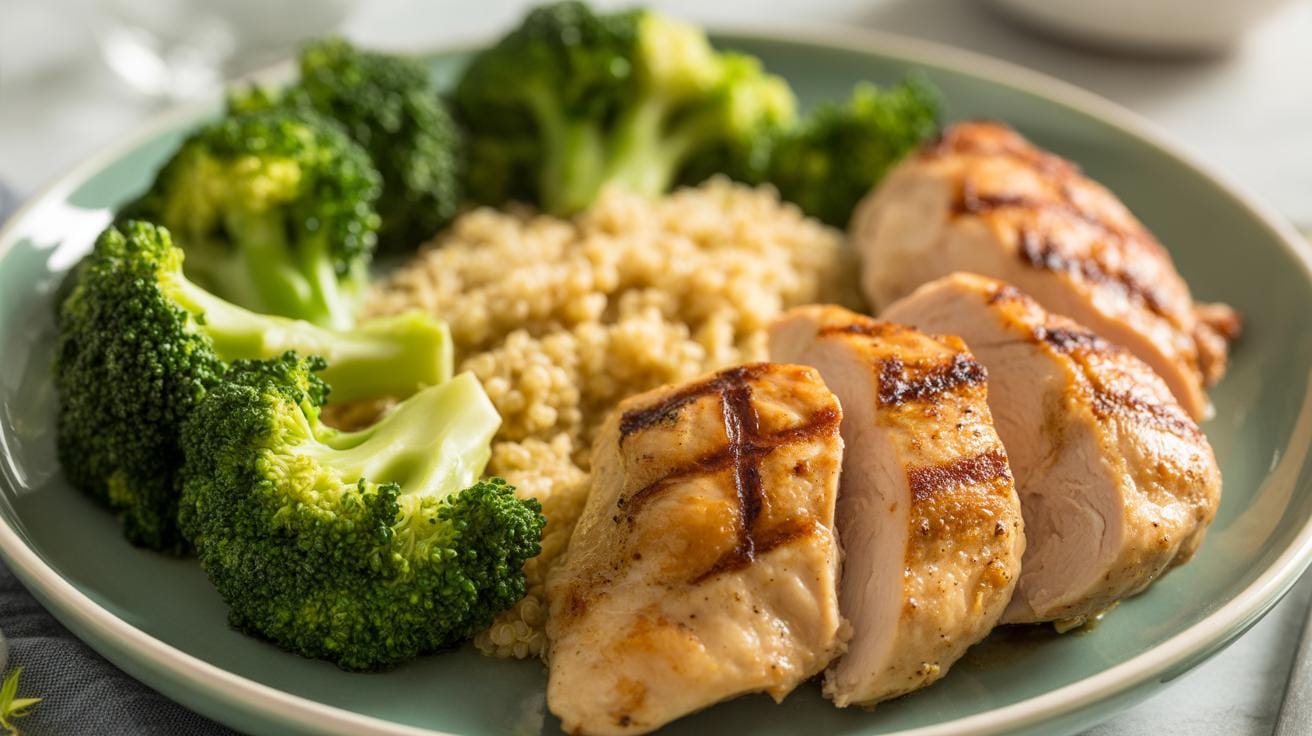
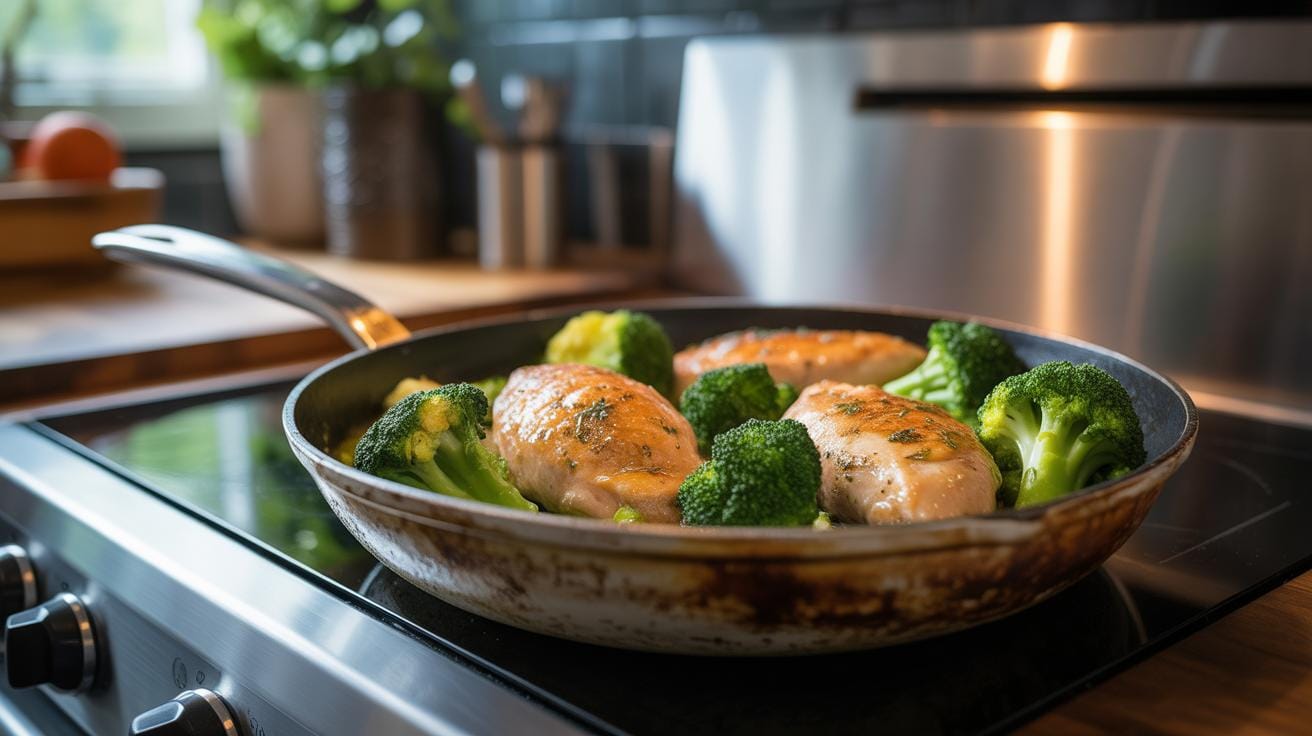
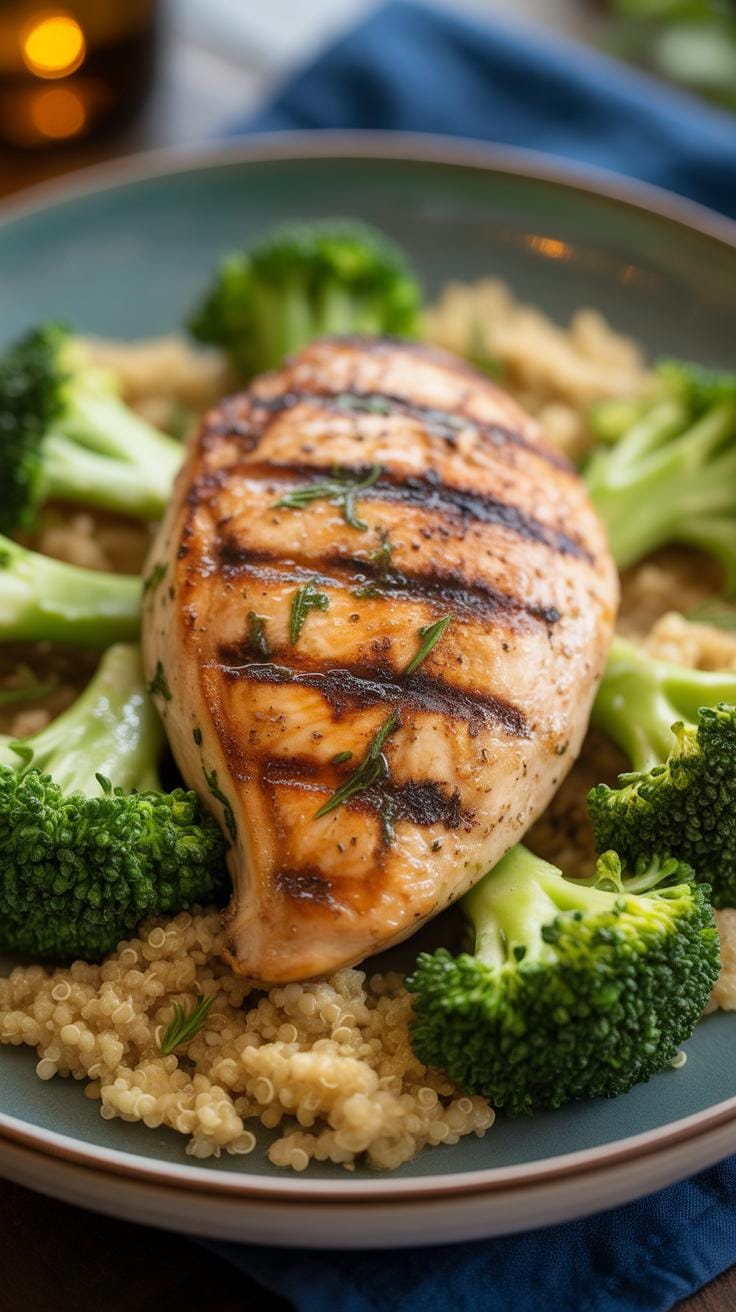
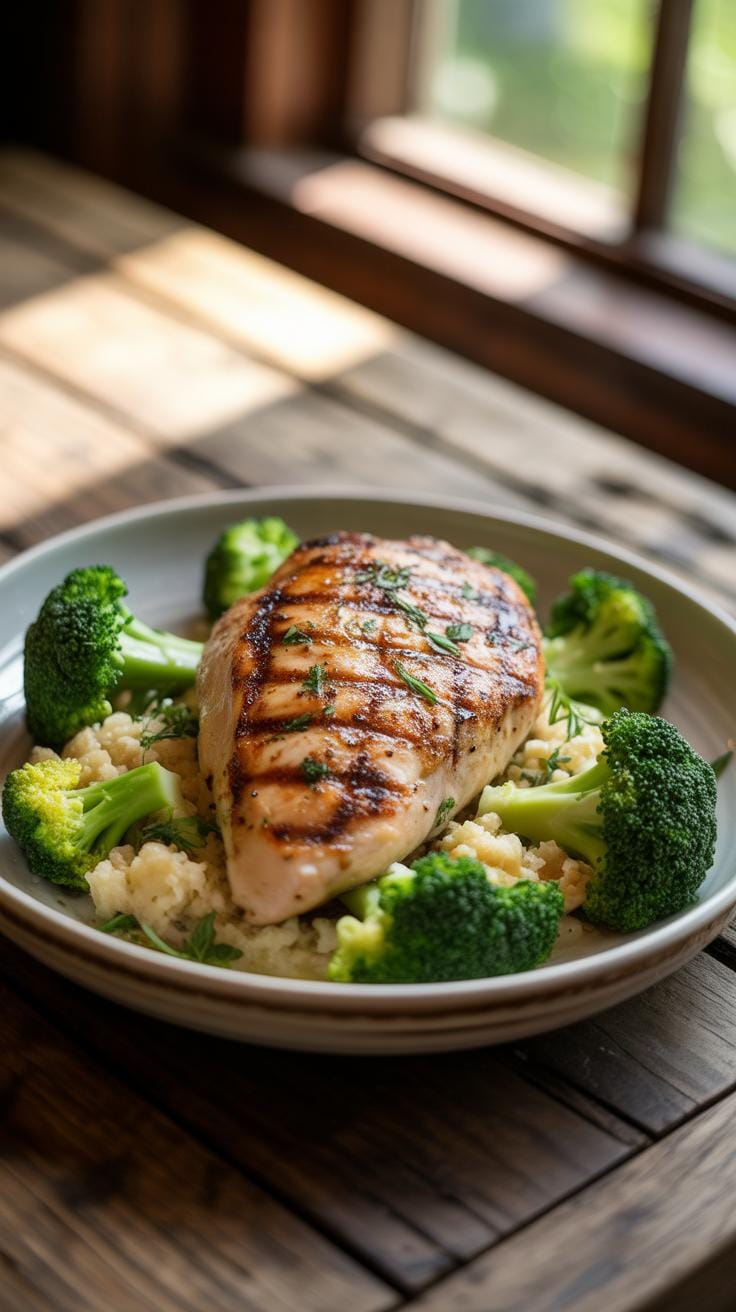
- Grilled chicken breast with steamed broccoli and a small handful of almonds. Quick, satisfying, and packs plenty of protein with minimal carbs.
- Egg omelet loaded with spinach, mushrooms, and a sprinkle of cheese. It’s warm, filling, and perfect for any time of day.
- Salmon fillet with asparagus and a dollop of garlic butter. Fat from the salmon not only supports energy but also keeps you feeling full longer.
- Turkey meatballs with zucchini noodles and a light tomato sauce. This swaps out pasta carbs for veggies, without losing flavor.
Sometimes, it’s tempting to think you need complex recipes to stay on track, but really, simple ingredients combined thoughtfully can get the job done quite well. You might find yourself growing to prefer these straightforward meals—you get a sense of control without overthinking every bite.
Remember, the goal isn’t just to cut carbs, but to replace them with protein and good fats that support your goals. It’s okay if some days are easier than others, or if the same few meals become your go-to. As long as you keep protein high and carbs moderate, you’re moving in the right direction.
Five High Protein Low Carb Foods
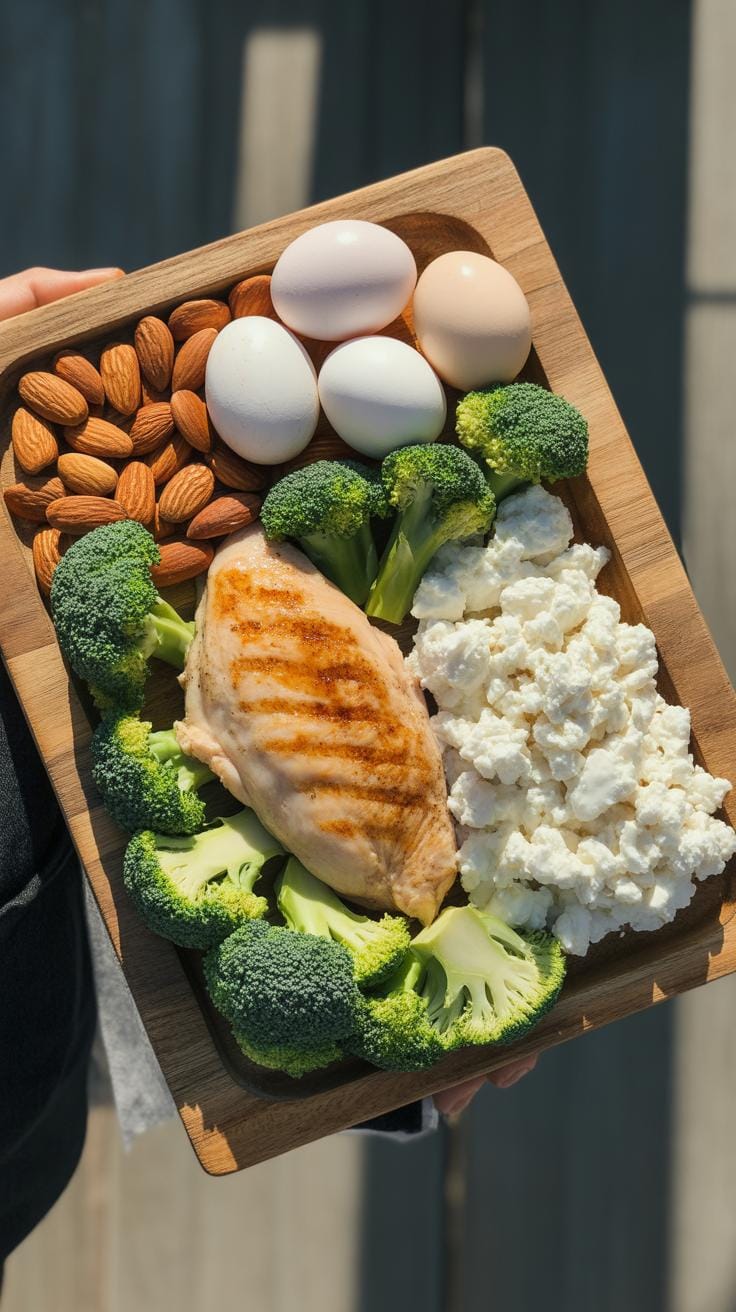
Choosing foods that pack a protein punch without loading up on carbs isn’t always straightforward. But here are five options that do this well—and can really support your goals for muscle gain and fat loss.
- Chicken breast: Skinless chicken breast is almost pure protein with very few carbs. It’s lean, easy to cook, and provides essential amino acids for muscle repair. Plus, it’s widely available, making meal prep less stressful.
- Salmon: Fatty fish like salmon has a good amount of protein while keeping carbs near zero. Salmon adds omega-3 fats that might help with fat loss and recovery—though you might debate if the fat content fits every low carb plan.
- Greek yogurt (plain, unsweetened): This offers protein with minimal carbs—depending on the brand. It’s also good for digestion due to probiotics and can be a versatile base for snacks or meals.
- Eggs: Eggs are something of a classic. They have quality protein and almost zero carbs. The yolk contains fat but also nutrients, so whether you eat whole eggs or just whites depends on your own preferences or goals.
- Cottage cheese: Low in carbs and rich in casein protein, cottage cheese is ideal for slow digestion and steady amino acid release. Great for nighttime snacks, though it might not suit all lactose sensitivities.
Each of these fits into both muscle growth and fat control because they keep your protein intake high without the carb surplus that can stall fat loss.
Animal Based Protein Options
When you’re cutting carbs, animal proteins become particularly valuable. Lean meats like turkey or lean cuts of beef offer complete proteins with minimal carbs. Fish such as tuna or cod is another lean source loaded with essential amino acids while keeping carb content negligible.
Eggs also stand out—they’re affordable and nutrient-dense. Their versatility allows you to keep meals interesting even when you stick to strict macros.
These animal proteins aren’t just about muscle building; they fill you up, which might help prevent overeating. That feeling of fullness alone can be a game changer.
Plant Based Protein Choices
Plant-based proteins on low carb diets need some thought. Nuts like almonds and walnuts have moderate protein but also contain fats, so portion control matters. Seeds, especially chia and hemp, deliver protein plus fiber, which can aid digestion and promote satiety.
If you want to sneak more plant proteins in, sprinkle seeds over salads or yogurt, or add chopped nuts to your dishes for a crunchy texture. You could also blend a low carb protein shake with nut butter or seed powders for extra variety.
Although not as high in protein as animal sources, these plant options contribute valuable nutrients and can be part of a balanced, low carb plan—just mind the quantities so the carb count stays low.
Simple Meal Prep for Muscle Gain

Preparing easy meals that fit a high protein, low carb diet doesn’t have to be overwhelming. Think of it as setting up your week so that you rarely have to think hard about what to eat. A lot of people overlook how much mental energy meal prep saves. When you plan, you avoid last-minute scrambles that often lead to poor food choices.
A simple daily routine might include grilled chicken or turkey breast, steamed or roasted veggies, and a small portion of healthy fats like avocado or olive oil. For breakfast, eggs with spinach or a protein smoothie with some almond milk can quickly energize your day.
For a weekly plan, cook a big batch of lean meats and veggies on Sunday or any rest day, divide them into portions, and store in the fridge or freezer. This way, you just heat and eat. Toss in snacks like Greek yogurt or boiled eggs. It’s straightforward, but surprisingly effective at keeping your protein intake high while carbs stay limited.
Planning Your Meals Ahead
Meal planning really helps you stay on track. When you take time to decide your meals upfront, you’re less tempted to stray from your goals. It’s not just about saving time—it’s about improving the quality of your diet too. You don’t have to plan every single bite, but having a rough roadmap reduces decision fatigue during busy days.
Try these tips:
- Pick 2-3 main protein sources for the week, like chicken, salmon, and eggs.
- Choose a handful of vegetables you enjoy and that store well, such as broccoli, bell peppers, or zucchini.
- Prep simple dressings or sauces ahead to add variety without much effort.
- Set reminders for shopping and prepping so you keep your schedule consistent.
You might find that planning takes some tinkering at first. What works one week might feel dull the next. That’s okay—adjust as you go.
Batch Cooking Recipes Examples
Batch cooking is a game-changer here. You can prepare protein-rich meals that last several days and keep carbs in check. For example, a big tray of baked chicken thighs seasoned with herbs can stretch over lunches and dinners.
Another option is turkey or beef chili without beans. It’s filling, packed with protein, and easy to portion out. Or cook a large frittata with eggs, spinach, and cheese—you just heat slices for a quick meal.
Some other easy ideas:
- Grilled salmon fillets with steamed asparagus
- Ground turkey stir-fry with cauliflower rice
- Egg muffins loaded with veggies and bacon
The key is to find recipes you don’t mind eating repeatedly. Batch cooking isn’t about gourmet dinners but sustainable, reliable nutrition. It’s a method that’s mostly about consistency, and well, sometimes eating the same thing twice in a row. But isn’t that part of the muscle-building journey?
High Protein Low Carb Recipes
Finding the right recipes can make or break your high protein low carb journey. Meals that are both satisfying and balanced help you stick to your plan without feeling deprived or bored. It’s tempting to rely on the same chicken breast or egg whites day after day, but variety matters more than people often admit.
Consider meals that combine quality protein sources with colorful vegetables. For example, grilled salmon paired with sautéed spinach and mushrooms offers a rich, hearty dish that keeps carbs low but packs nutrients. Or try a turkey and zucchini stir-fry with a splash of tamari sauce—simple, fast, and filling.
Think about adding egg-based meals, like an omelet loaded with peppers and a little cheese. Eggs are versatile and affordable but can get dull if you don’t experiment. Mixing in herbs and different veg helps.
Don’t overlook snacks either. Cottage cheese with cucumber slices or beef jerky with some raw nuts can keep your protein intake steady without pushing carbs up.
One piece of advice I’ve found useful is to plan meals ahead but leave room for tweaks. Sticking rigidly to a recipe every day can drain motivation. Sometimes your fridge dictates what you cook—and that’s okay.
Ultimately, the goal is eating smart protein meals that are enjoyable and sustainable. When you get that balance, your body responds better, and the diet feels less like a chore.
How to Track Your Progress
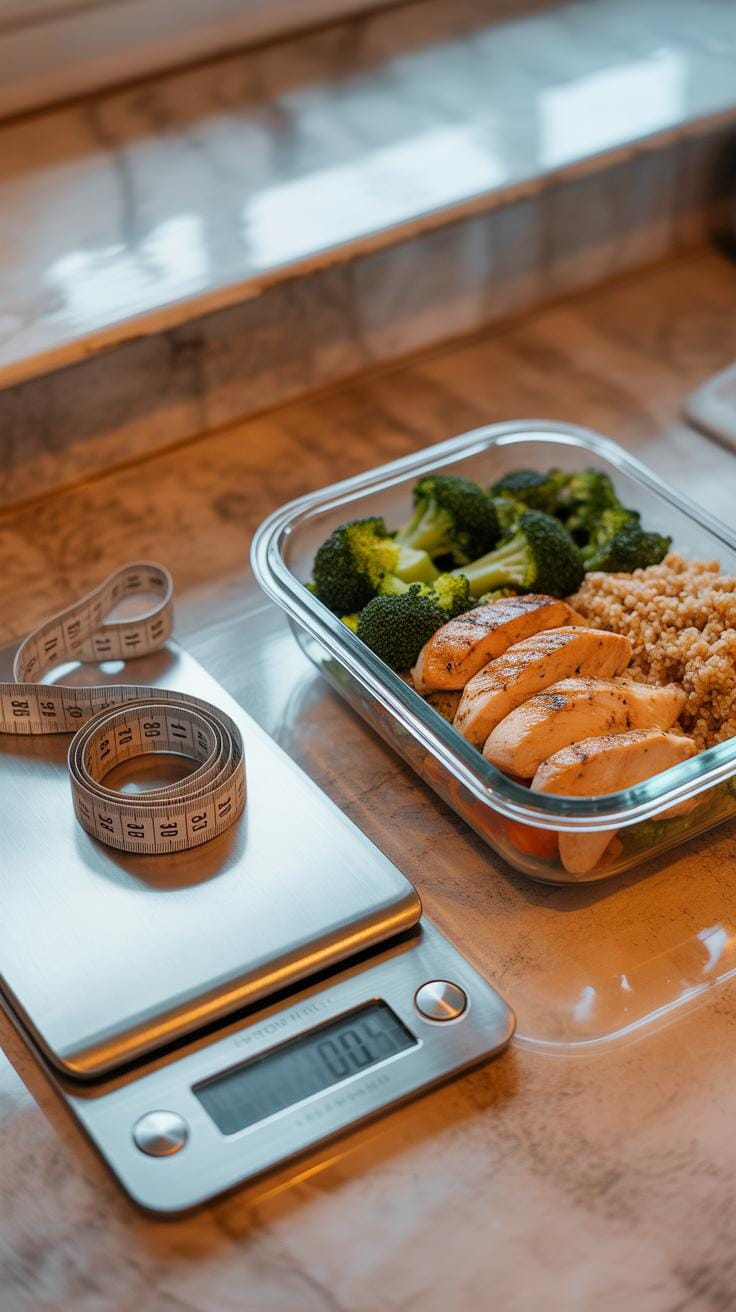
Tracking your muscle gain and fat loss when following a high protein, low carb diet isn’t just about stepping on the scale every morning. You’ll want to use a variety of practical methods to get a clearer picture of what’s really happening with your body.
One simple but useful approach is taking regular body measurements. Grab a measuring tape and note the circumference of key areas like your arms, chest, waist, hips, and thighs. Doing this every two weeks can show changes that the scale might miss, like muscle growth or fat reduction.
Photos are another tool many people overlook. Taking progress pictures weekly or biweekly, ideally at the same time of day and under similar lighting, can reveal subtle shifts in muscle definition and overall body shape. It’s easy to forget those small changes unless you see them side-by-side.
Other tools such as body fat calipers, smart scales, or even more advanced methods like DEXA scans or bioelectrical impedance machines can give you a rough idea of fat percentage. While not all are perfectly precise, combining several methods creates a fuller story.
You might wonder, which metric should I focus on the most? Weight’s useful but incomplete. Muscle size and fat percentage offer better clues about your actual progress on this diet.
As you track your results, ask yourself: is my muscle gaining at a good rate without storing excess fat? If not, you may need to tweak protein or carb intake. Increasing protein slightly can support muscle repair, while adjusting carbs can influence energy and fat loss.
Tracking isn’t just about numbers—it’s about how your body feels, too. Notice your strength in workouts and your daily energy. These subtle signs often guide when to change your diet more than pure data.
High Protein Low Carb Recipe Ideas
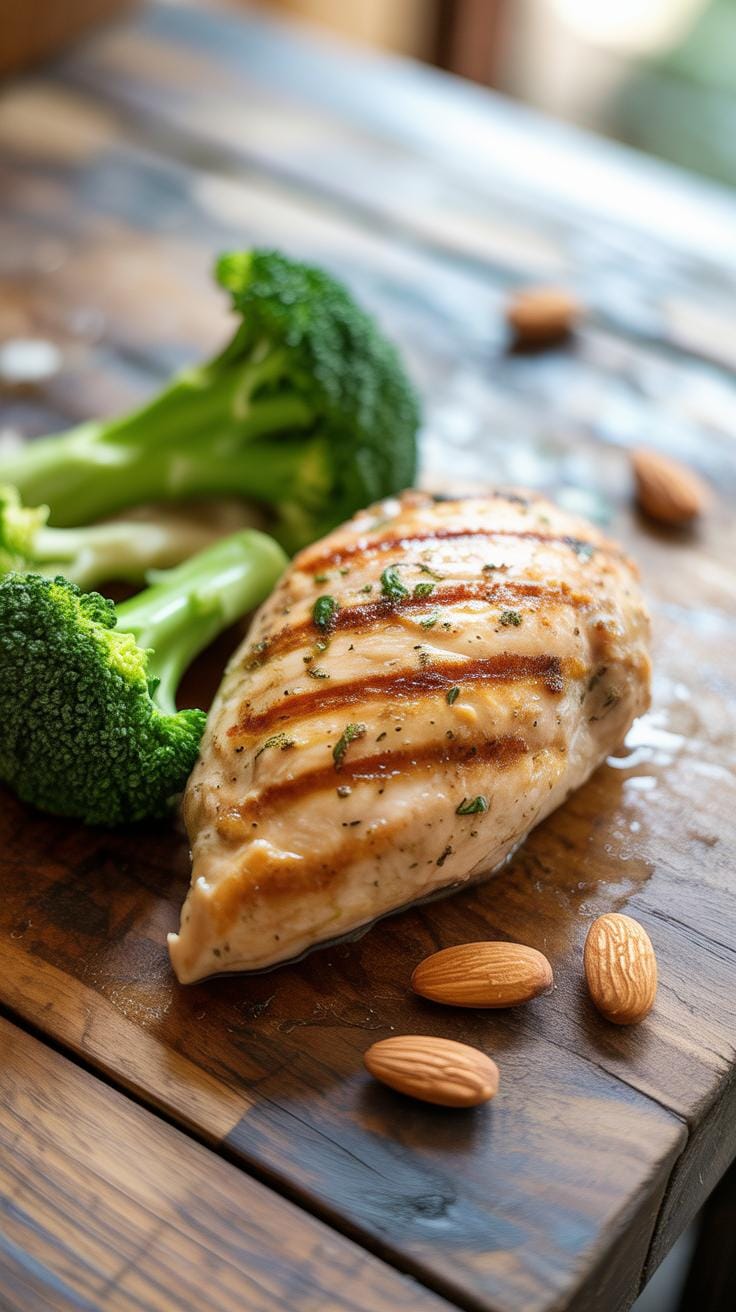
When it comes to quick breakfasts that pack protein but keep carbs low, a few simple options stand out. Think scrambled eggs with some sautéed spinach and a sprinkle of cheese. You can whip this up in under 10 minutes, and it’s surprisingly satisfying. Another idea is Greek yogurt mixed with a handful of chopped nuts or seeds—plain yogurt avoids unnecessary carbs. Omelets loaded with mushrooms, peppers, and a little ham are also staples; they feel hearty without tipping the carb scale.
For lunches or snacks, grilled chicken or turkey breast slices wrapped with avocado and cucumber can be surprisingly filling. Sometimes I find that adding a bit of spicy mustard or a light dressing makes it less dull without adding carbs.
When it comes to dinners aimed at muscle growth, the balance of protein and fat matters just as much as cutting down carbs. Grilled salmon with steamed broccoli and a drizzle of olive oil is a simple, effective combo. Chicken thighs roasted with rosemary and paired with mashed cauliflower feels comforting but keeps carbs in check. And there’s something about ground turkey sautéed with zucchini and garlic that just hits the mark—protein rich and low on carbs, but not bland.
These meals aren’t fancy, yet they fit the diet well and don’t demand too much time or effort. It’s easy to experiment with different seasonings or veggies to keep things from getting repetitive. What you eat matters, but how sustainable and practical the meals are might matter more in the long run.
X vs Y Protein Carbs Comparison
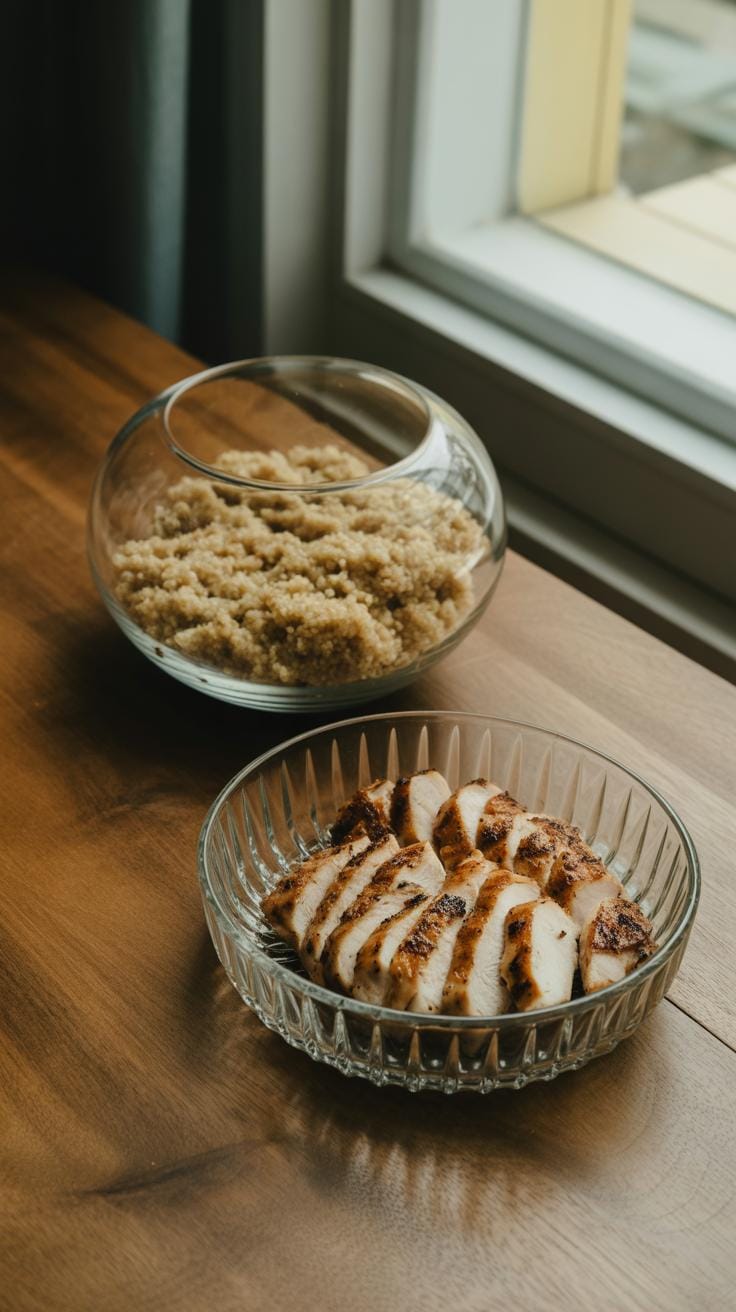
When comparing two high-protein, low-carb diets with varying carb levels, the differences can be subtle but meaningful. One approach, very low carb, limits carbs to under 20-30 grams daily. The other, a moderate-carb plan, allows around 50-100 grams, often including more vegetables, fruits, or whole grains.
The very low carb diet tends to promote quicker fat loss and can improve insulin sensitivity for some. But it might feel restrictive and difficult to maintain long term—hunger or fatigue sometimes creep in. On the flip side, moderate carb diets often feel more sustainable. You get a wider variety of foods which can help with adherence, especially socially or when exercising intensely.
That said, moderate carb plans might lead to slower fat loss or less consistent weight control for those highly sensitive to carbs. Meanwhile, very low carb might sacrifice some muscle glycogen, potentially affecting high-intensity training if you’re not careful with timing or carb sources.
Realistically, choosing between these approaches depends on your body’s response and lifestyle. Some people thrive with almost no carbs; others feel better with more flexibility. If you’re aiming for strict fat loss, the very low carb might seem like a faster route. But if you want balance and endurance for workouts, moderate carb could suit you better. The choice isn’t clear-cut, and your goals could shift over time.
Very Low Carb Vs Moderate Carb
Very low carb diets drop carbs drastically, typically forcing the body to rely on fat and protein for fuel. This often leads to faster fat burning, some say even almost “automatic” weight loss. But it can come with side effects like reduced energy initially, altered mood, or constipation. I’ve noticed some people lose interest after a while—missing variety and certain flavors.
Moderate carb diets, while still low, provide more glucose to fuel workouts and brain function, easing the transition. You might feel more energized and less deprived. On the downside, fat loss might occur more slowly, and it can be trickier to zero in on the perfect carb amount without experimentation.
In terms of sustainability, the moderate approach often wins out simply because it feels less rigid. But very low carb diets have their place, especially in short bursts or when you need a big push. You might find yourself cycling between the two depending on your season or progress.
Which Suits Your Goals
Navigating between very low carb and moderate carb depends on what you want, and frankly, what you tolerate. If shedding fat quickly is the priority and you don’t mind some restrictions, very low carb could suit you. But if you value endurance, social eating, or longer-term balance, moderate carb might work better.
Also, think about your lifestyle. If you’re active daily with intense training, the extra carbs could boost performance and recovery. But if activity is light or sporadic, very low carb could help create a caloric deficit more easily.
Don’t hesitate to experiment, perhaps start with moderate carb and dial down slowly, or vice versa. Listening to your body over time often gives clearer direction than rigid plans alone. After all, muscle gain and fat loss aren’t just about numbers—they’re about consistency and finding what fits you.
Checklist for Successful Diet Stay
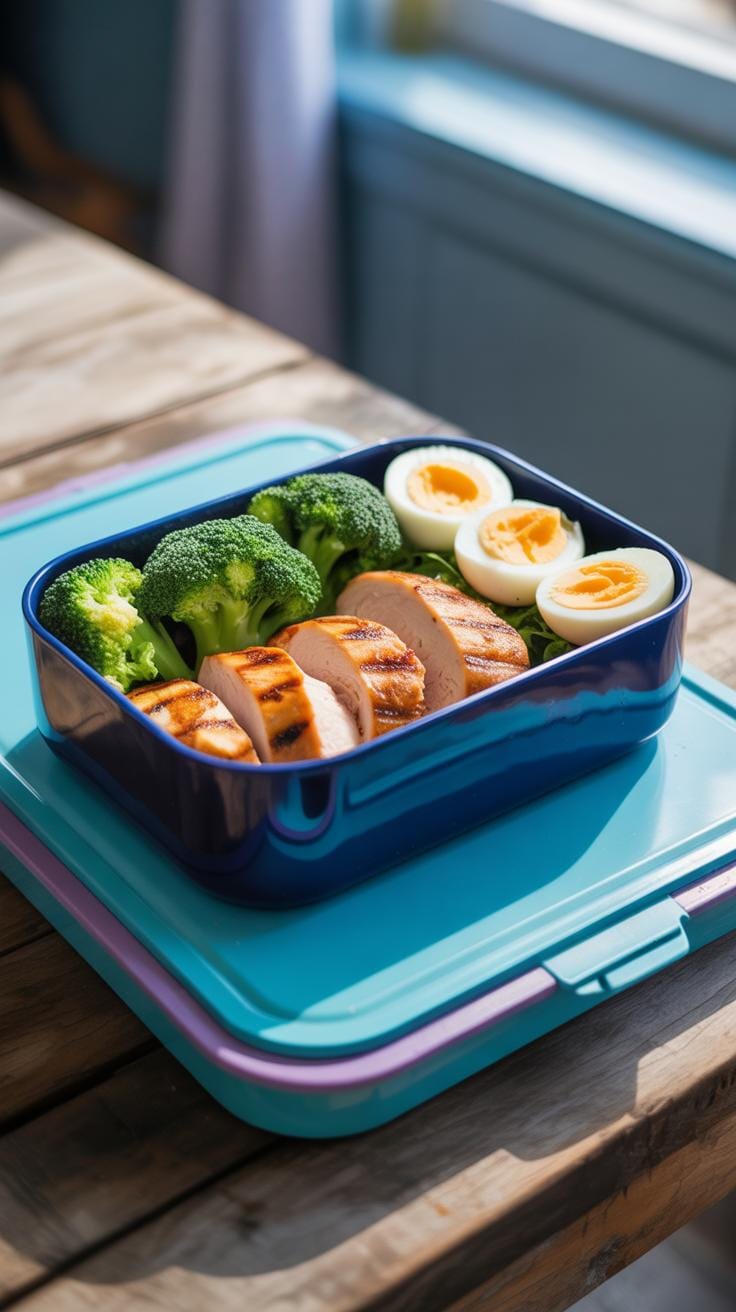
Essential Shopping List Items
Start by stocking your kitchen with foods rich in protein but low in carbs—think eggs, chicken breast, lean beef, and turkey. Fish like salmon and tuna are also great choices, offering healthy fats along with protein. Don’t forget dairy: Greek yogurt and cottage cheese fit well, but watch out for added sugars.
Veggies are crucial too. Leafy greens, broccoli, zucchini, and cauliflower often work well without tipping carb counts too high. Nuts and seeds provide healthy fats and some protein, but measure them carefully—they add up faster than you’d expect.
One thing I learned the hard way: avoid pre-packaged “low-carb” snacks unless you read ingredients closely. Many sneak in hidden carbs or less-than-ideal fats.
Daily Habits to Follow
Hydration might sound obvious, but drinking enough water can make or break your progress. Aim for a glass before each meal; it helps with hunger and digestion.
Meal timing varies from person to person, yet keeping a consistent eating schedule helps control cravings. I found prepping meals ahead—cooking several portions on weekends—saved me from last-minute choices that often broke my plan.
Try to eat protein early in the day. It seems to stabilize energy better for many people, though some might prefer to frontload carbs on training days. The key is noticing what works for you.
Finally, keep track of your meals and how you feel. Writing it down or using an app can highlight hidden slips or reveal patterns that impact your success. Sometimes, the small habits—like avoiding mindless snacking or getting enough sleep—matter every bit as much as the food on your plate.
How to Balance Protein and Carbs Daily
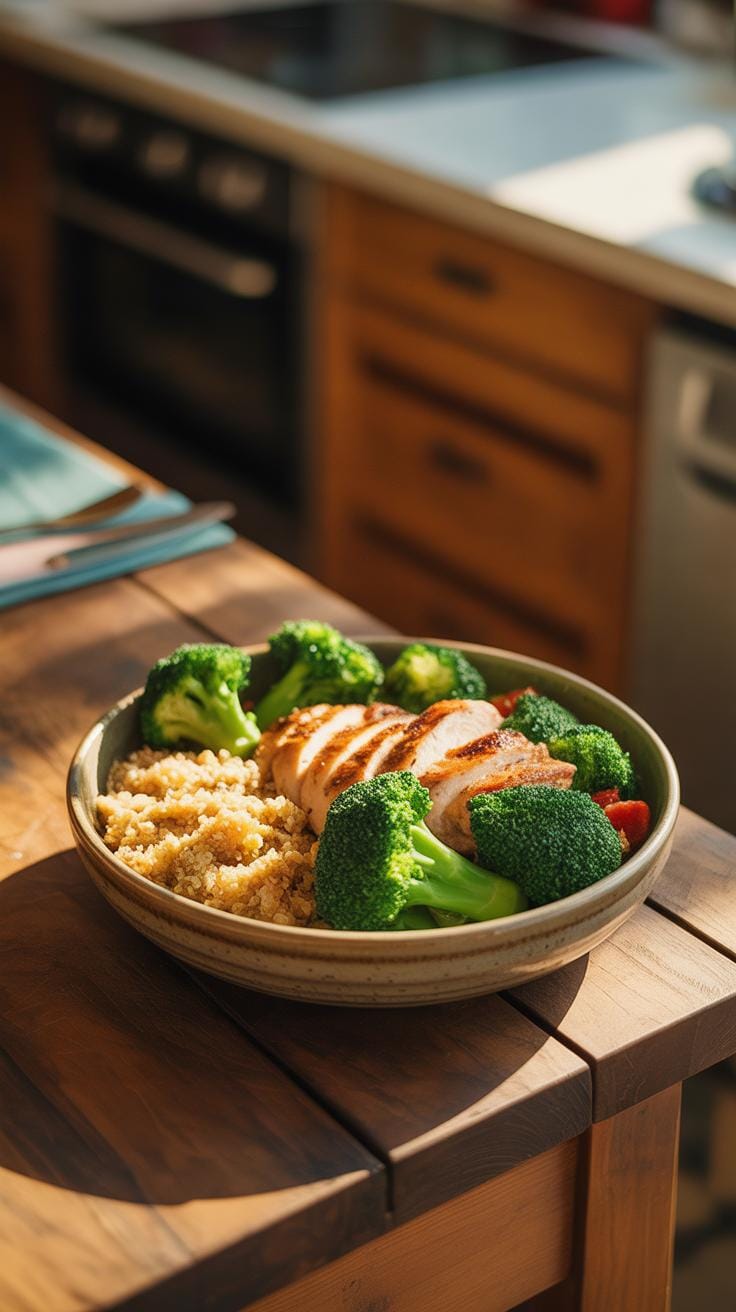
Balancing protein and carbs throughout your day is trickier than it looks. You can’t just pile protein on your plate and expect everything to work out perfectly. Your body needs carbs too, just in smaller, controlled amounts if you’re aiming for muscle gain and fat loss.
Think of a typical meal plate: try to fill about half of it with proteins—like a palm-sized piece of chicken, fish, or tofu. For carbs, keep it closer to a cupped-hand portion. That’s roughly 20 to 40 grams of carbs per meal, depending on your goals and activity levels.
Timing also matters. Consuming carbs around workouts—just before or right after—can help fuel performance and support recovery. Protein throughout the day keeps your muscles fed consistently, so aim for about 20-30 grams every 3-4 hours. You might notice it’s easier to maintain energy without carb overload this way.
Mixing meals means pairing lean protein with fibrous veggies and moderate carbs at every sitting. For example, grilled salmon with steamed broccoli and a small sweet potato works well. Or scrambled eggs with spinach and avocado, alongside a slice of whole-grain toast in the morning.
Getting this balance may take some trial and error. But once you spot the patterns—what makes you feel full, energized, or sluggish—it becomes simpler. Do you find eating protein first helps curb cravings later? Maybe your carb portions need tweaking depending on your workout intensity.
Conclusions
High protein low carb meals can boost muscle growth while trimming fat if you choose the right foods and recipes. It takes planning and smart choices but is doable for many people.
Try some simple recipes here and track how your body reacts. Adjust carbs and protein as needed. With patience, you will see strength and leaner muscle come. Keep consistent and listen to your body’s signals to stay on track.