
Balancing High Protein and Low Calorie Meals
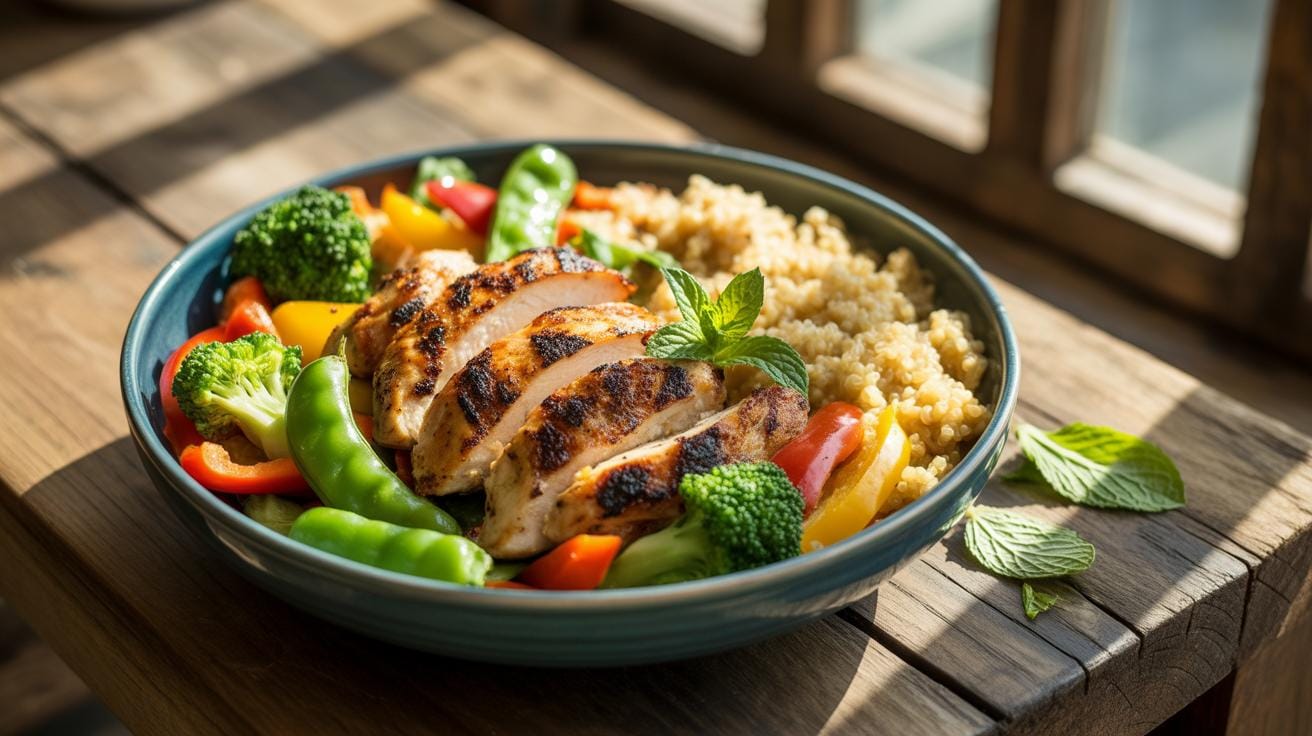
Eating meals with high protein and low calories can help you reach your fitness goals. These meals give your body the nutrients it needs to build muscle and stay full without extra calories that cause weight gain. High protein helps with muscle repair and growth.
At the same time, keeping calories low helps you lose or maintain weight. This article explains why meals that are high in protein but low in calories matter and how you can use them to improve your fitness results effectively.
How Protein Builds Muscle

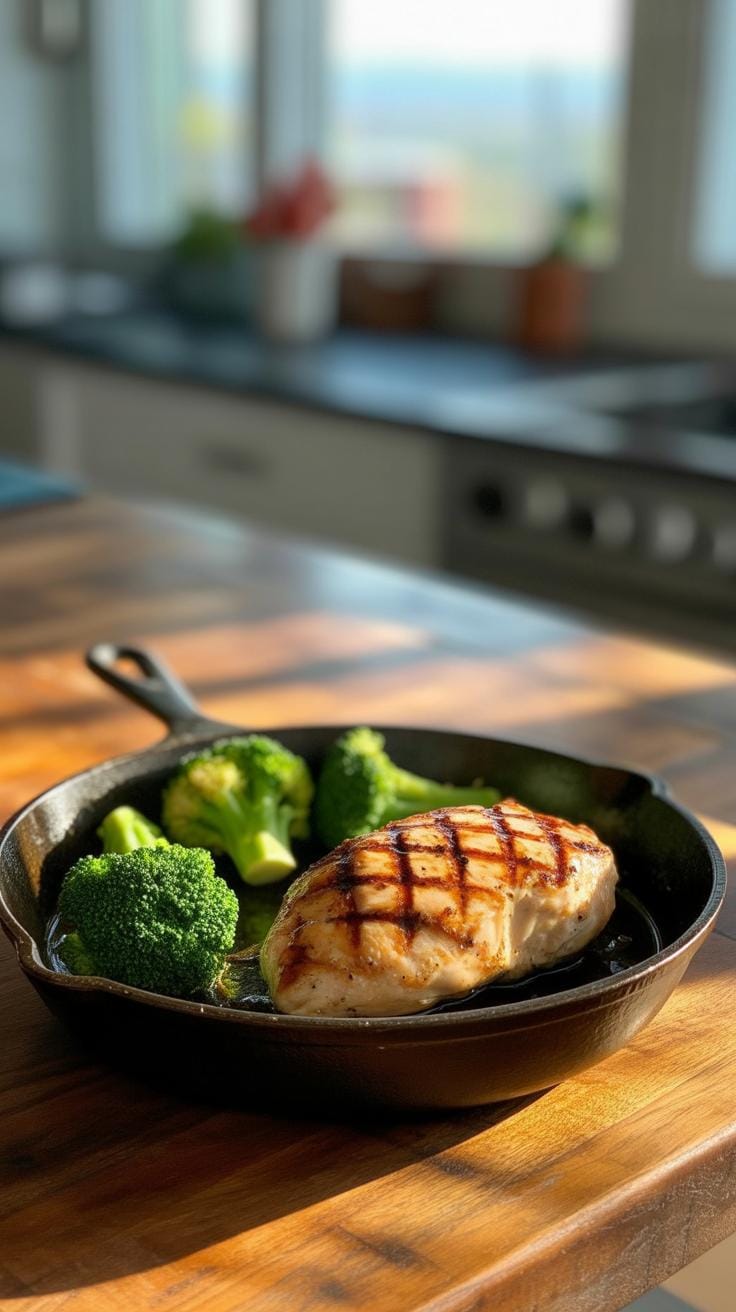
Protein is a group of molecules made up of amino acids, which are the building blocks your body uses to repair and grow muscle tissue. After a workout, your muscles experience tiny tears from the stress of exercise. Protein helps fix these tears and supports new muscle growth. Without enough protein, this recovery slows down, and building muscle gets tougher.

For fitness, protein isn’t just helpful—it’s kind of essential. It supports strength gains and helps preserve muscle mass, especially if you’re losing weight. You might hear people say that protein builds muscle, but it also plays a role in how well your body adapts to training and keeps fatigue at bay. Sometimes it seems like more protein will always mean more muscle, but really, your body’s ability to use that protein depends on many factors like workout intensity and rest.
Protein Types and Sources
Foods rich in protein come in many forms. Animal sources typically provide all the essential amino acids your body needs:
- Lean meats like chicken and turkey offer high protein without too much fat.
- Fish, such as salmon or cod, provide both protein and important omega-3 fats.
- Dairy products like Greek yogurt and cottage cheese are great for muscle repair thanks to casein and whey proteins.
Plant-based sources are a bit different, sometimes missing one or two essential amino acids, but combining them can cover all bases:
- Legumes like beans and lentils
- Tofu and tempeh
- Quinoa and nuts
Each source offers unique benefits and challenges. For example, I’ve noticed that plant proteins take a little longer to feel satiating compared to something like chicken breast, but they bring fiber along, which you don’t get from meat.
Protein Needs for Fitness
How much protein you actually need varies quite a bit. If your goal is just general health, something like 0.8 grams per kilogram of body weight might be enough. But once you start exercising regularly, especially with resistance training, your needs creep up.
Here’s a rough guide that fits most people:
- Recreational exercisers: 1.0 to 1.2 grams per kilogram
- Endurance athletes: 1.2 to 1.4 grams per kilogram
- Strength trainers or those aiming for muscle growth: 1.6 to 2.2 grams per kilogram
Trying to eat a lot more protein doesn’t always improve results. There’s a point where your body can’t use the extra efficiently, and sometimes it can displace other important nutrients. I’ve found that focusing on getting enough protein spread evenly throughout the day feels more practical than trying to consume huge amounts in one sitting.
Benefits of Reducing Calories
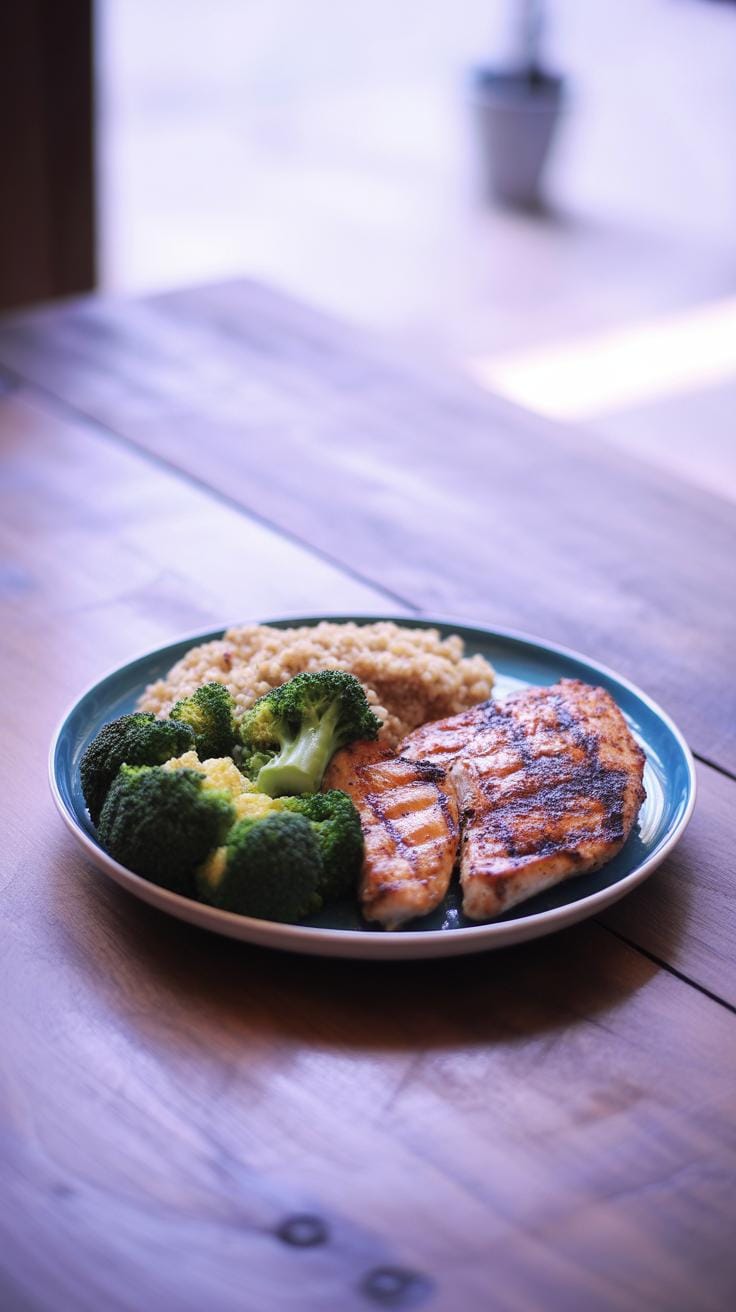
Cutting down your calorie intake plays a crucial role in shedding fat and improving how your body looks. When you eat less than your body needs for energy, it taps into stored fat for fuel. This process gradually trims fat reserves, shaping your body composition in a way that often feels rewarding.
Metabolism isn’t just a fixed number; it’s somewhat adaptable. When calories drop, metabolism can slow a bit, but that doesn’t mean progress stops—it just shifts gears. Finding that balance between reducing calories and keeping metabolism active feels like walking a fine line. You want to fuel your body enough to maintain muscle and energy, but without overshooting on calories that stall fat loss.
People often get caught up on counting every calorie, yet the real trick is understanding your body’s reactions. Some days you might need more energy, others less. Listening to those subtle cues, combined with a mindful calorie reduction, creates a more sustainable path to fat loss and better body makeup.
Calories In vs Calories Out
Energy balance boils down to a simple idea: calories you eat versus calories you burn. If you consistently consume more than you burn, weight gain follows. Eat less than you burn, and weight loss usually happens.
Sounds straightforward, but it’s not always that exact. Factors like exercise, daily activities, and even stress affect how your body uses calories. Some days, despite eating the same, your weight might fluctuate. That’s normal but can be frustrating.
The basic principle remains a handy guide—staying mindful of what you eat versus what you expend helps steer your weight in the direction you want. Occasionally adjusting intake or activity keeps the balance moving toward your goals without feeling like a strict math problem.
Safe Calorie Limits for Dieting
When lowering calories, safety and sustainability matter. Cutting calories too drastically risks muscle loss, nutrient deficiencies, and fatigue. Setting a sensible limit usually means reducing calories gradually.
Many find that shaving off about 15-20% from their usual intake feels manageable while still creating a calorie gap. For most, that means plenty of room to enjoy food, avoid constant hunger, and keep energy levels steady.
Of course, everyone’s different. Some need fewer calories, others more—age, activity, and personal health all play parts. Monitoring how your body responds and adjusting accordingly often works better than strict rules. A pace you can maintain over weeks—not just days—tends to produce better results without burnout.
High Protein vs High Carb Meals
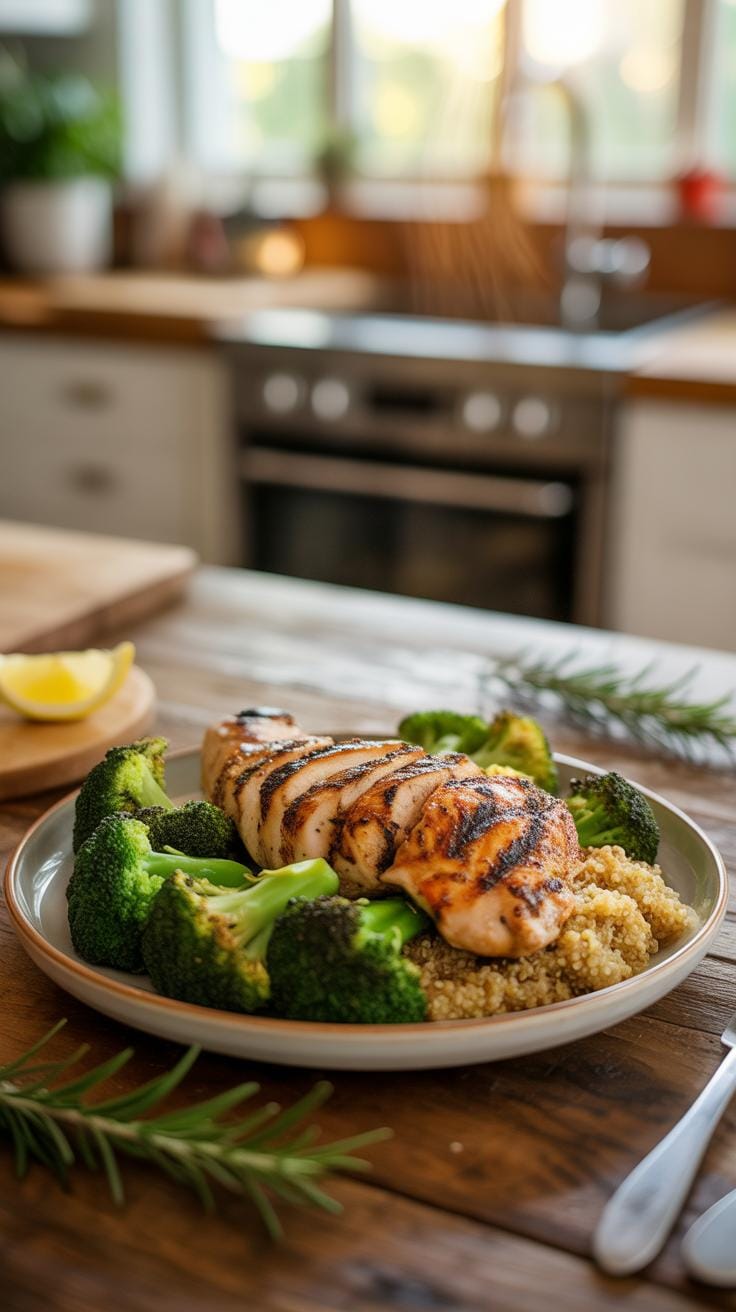
You might have noticed how differently your body feels after eating a high-protein meal compared to a carb-heavy one. Protein and carbohydrates fuel your body in distinct ways, which affects your energy, metabolism, and feelings of fullness quite a bit.
High-carb meals generally provide a quick boost of energy since carbohydrates break down faster into glucose, your body’s immediate fuel source. This spike can be useful for high-intensity exercises or activities needing short bursts of power. But that rush often fades quickly, leaving you feeling drained or craving another snack sooner than you’d like.
On the other hand, meals rich in protein digest more slowly. This steady digestion doesn’t just give long-lasting satiety but can also keep your metabolism ticking a bit faster. Protein requires more effort to break down, which slightly increases the calories you burn just processing food, known as the thermic effect. So, your metabolism might get a quiet little boost just from eating protein.
When it comes to fullness, protein really shines. It influences hormones that reduce hunger signals, which is why you may end up eating less overall after a protein-heavy meal. Carbs, especially simple ones, can lead to a quick rise and drop in blood sugar levels, making you feel hungry again sooner.
But the picture isn’t completely black and white. Some complex carbs, like those in whole grains or vegetables, digest more slowly and offer more sustained energy and fullness than their simpler counterparts. Still, most people find protein better at managing appetite and maintaining steady metabolic activity throughout the day.
How to Plan Low Calorie High Protein Meals
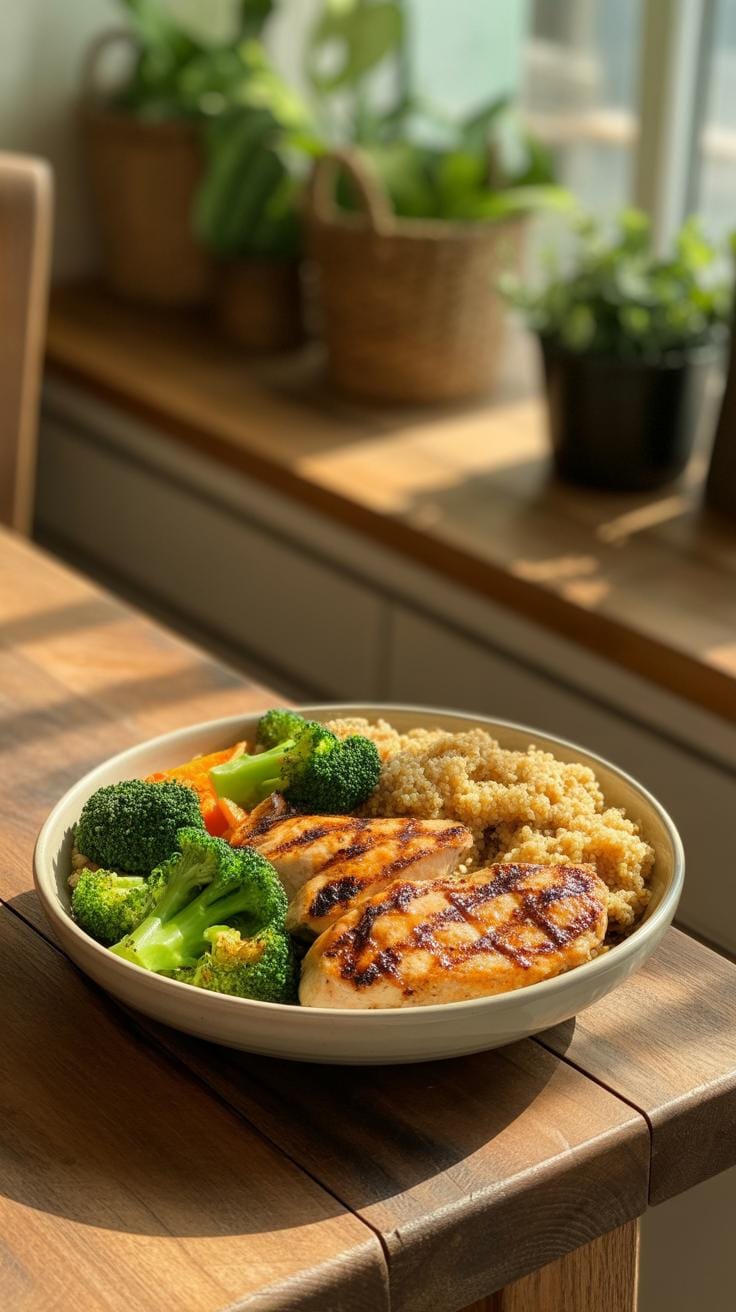
Planning meals that are low in calories but high in protein can feel tricky at first, but once you get the hang of it, it becomes a lot easier. The key is focusing on lean protein sources while keeping an eye on portion sizes and selecting foods that fill you up without packing on calories.
Start by choosing your main protein—this could be chicken breast, turkey, fish, tofu, or legumes. These offer quality protein without excess fat. Then, add plenty of vegetables for volume and fiber, which help with satiety. Try to avoid heavy sauces or dressings; instead, use herbs, spices, or a splash of lemon juice to add flavor. You want meals that satisfy your hunger and support your fitness goals without tipping the calorie scale.
Meal prep can save time. Prepare protein in bulk—grill a batch of chicken or cook a pot of lentils—and pair them with pre-chopped veggies. Store portions in containers so you can grab and go.
Meal Prep Checklist
- Plan your week’s protein sources and appropriate portion sizes.
- Choose vegetables that you enjoy and store well.
- Cook proteins in simple ways—baked, grilled, or steamed.
- Pre-portion meals into containers for easy access.
- Keep sauces and dressings light or on the side.
- Remember snacks like Greek yogurt or boiled eggs for quick protein boosts.
Sample Meal Ideas
- Breakfast: Egg white omelet with spinach and tomatoes, plus a side of berries.
- Lunch: Grilled chicken salad with mixed greens, cucumber, and a lemon vinaigrette.
- Dinner: Baked salmon with steamed broccoli and quinoa.
There’s some trial and error with flavors and portions, but that’s okay—you learn as you go. Keeping meals simple yet satisfying helps maintain consistency, which really makes a difference over time.
Common Pitfalls to Avoid
Choosing Processed Foods
When people aim for high protein, low calorie meals, it’s tempting to grab processed protein products. They’re quick, convenient, and often marketed as healthy. But these choices can backfire. Processed protein sources like deli meats, protein bars with tons of additives, or meal replacements often come with hidden sugars, unhealthy fats, and artificial ingredients.
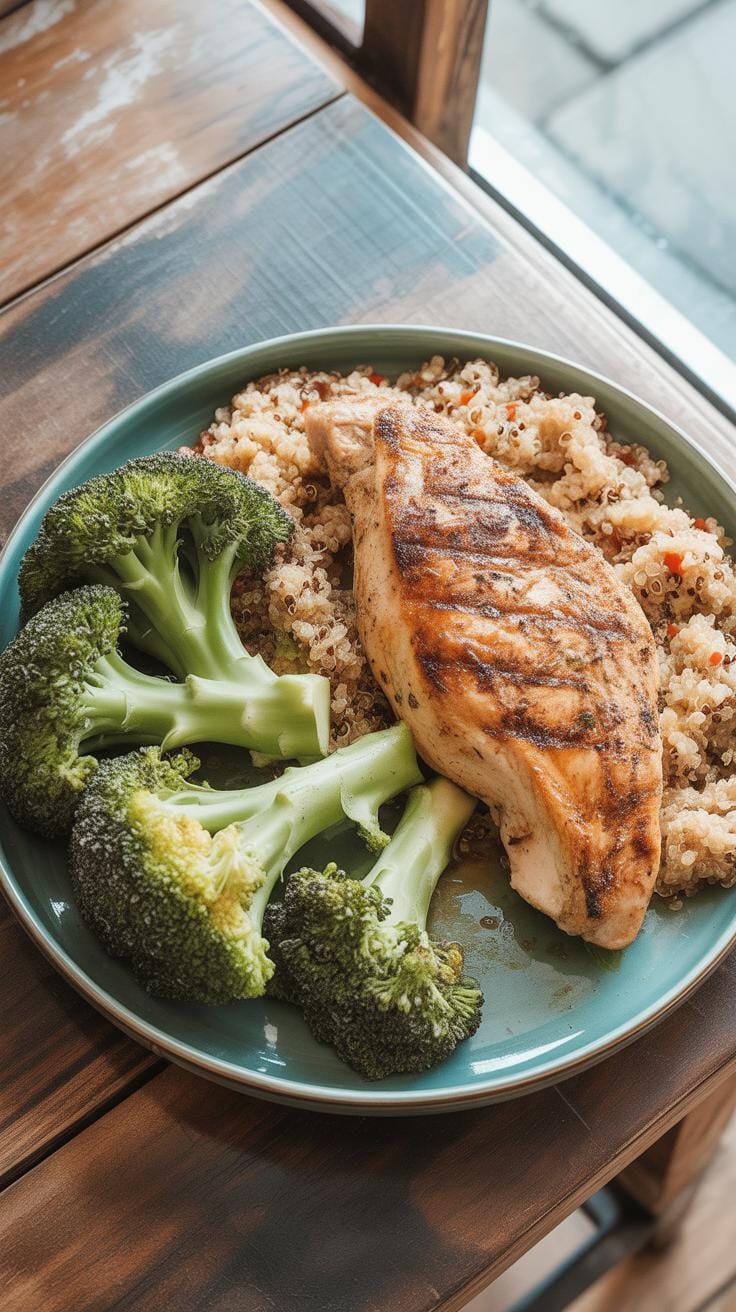
These extras can undermine your fitness goals, leading to inflammation or energy crashes. Instead, try to focus on whole food proteins. Think grilled chicken, eggs, lentils, or plain Greek yogurt. Choosing whole foods gives you not just protein but also better nutrient quality overall. It’s not always easy—sometimes you want a fast fix—but planning ahead helps avoid the trap of processed options.
Ignoring Other Nutrients
Focusing solely on protein and calories means some people forget about fiber, vitamins, and minerals. This can make your diet feel unbalanced or even dull. Fiber, for example, keeps digestion smooth and helps you feel full longer. Without it, low calorie eating can feel like constant hunger. Vitamins and minerals support energy levels, bone health, and muscle function—things you really don’t want to skimp on.
A high protein meal doesn’t have to be just meat and eggs. Include vegetables, nuts, or whole grains. These add nutrients without blasting your calorie count. If you don’t get them, your results might stall—energy dips, recovery slows—and you might wonder why.
Tracking Progress with Protein and Calories
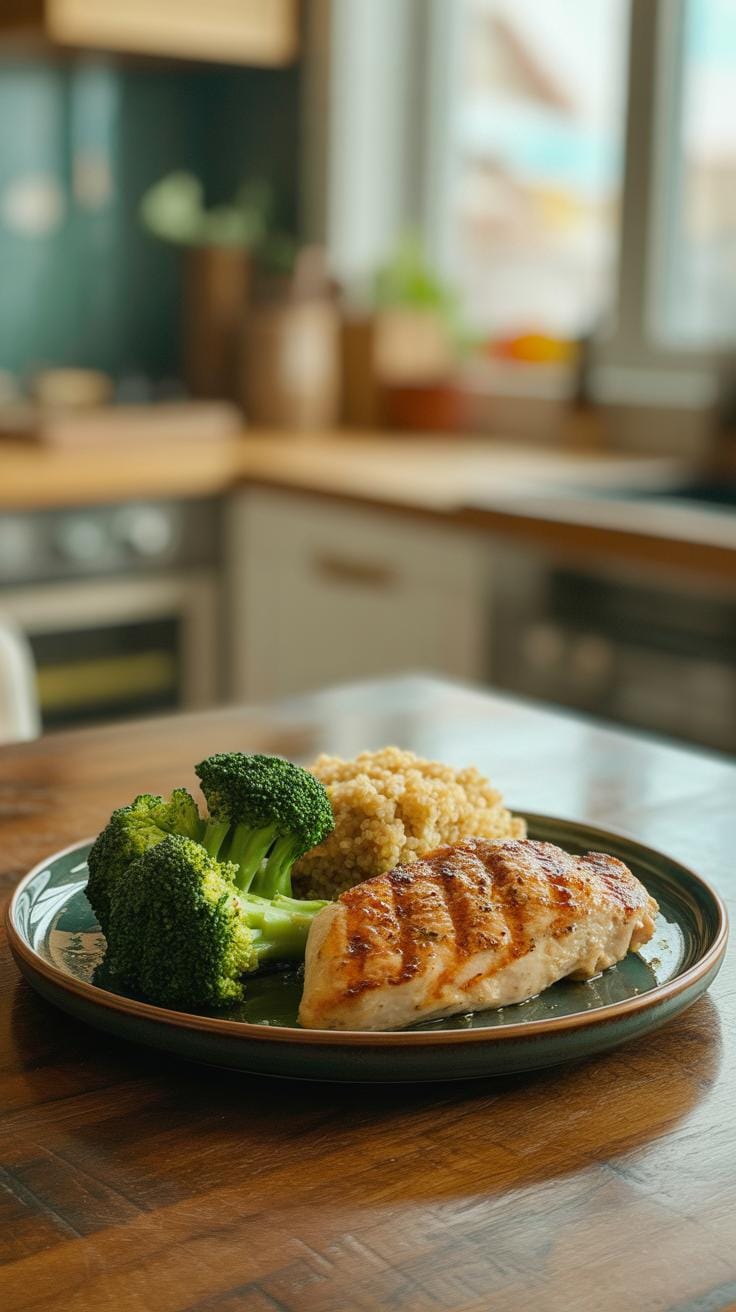
Measuring protein intake and calorie consumption isn’t just about numbers—it’s about understanding how your body responds. You could eat the right amount of protein but still stall if calories are off. Or vice versa. Keeping track helps you steer close to your fitness targets. It’s not foolproof, but it definitely gives clarity.
Most people find weighing food or using a kitchen scale helpful. It can feel tedious at first, but over time, eyeing portions becomes more natural. Counting protein in grams alongside total calories is key. Some days, you might hit protein perfectly but consume too many calories. Other days, the opposite happens. That’s normal.
What worked for me was setting a daily protein goal—say 120 grams—and checking calories somewhere around 1,500 to 1,800, depending on activity. Adjustments come from how my weight and energy levels changed over weeks. Science says track consistently, even if the numbers feel repetitive or a bit dry.
Using Apps for Tracking
Apps can make life simpler, though nothing replaces mindful eating. Tools like MyFitnessPal, Cronometer, or Lose It let you log meals quickly and with surprising accuracy. Barcodes, search functions, and saved meals cut down on repetitive typing. It feels almost automatic with regular use.
Sometimes the data isn’t perfect—brands differ, homemade meals throw in estimating—but it’s close enough to guide you. Using an app also reveals patterns you might miss, like protein gaps midday or sneaky calorie spikes in snacks. I’ve caught myself underestimating dinner portions several times thanks to tracking.
Key Metrics to Watch
Focus on a handful of concrete metrics to keep things manageable:
- Protein grams: Are you hitting your daily target? This shows if muscle support is consistent.
- Calories total: Keep an eye on energy balance—too many or too few calories affect progress differently.
- Body measurements: Track weight, waist, or muscle circumference weekly to see real changes.
- Energy levels and strength: Not traditional metrics, but how you feel during workouts often signals if nutrition matches effort.
You might find some numbers fluctuate unpredictably. That’s okay. What matters is the trend over time, not every single day. Tracking creates a feedback loop, helping you tweak protein and calories in a way that suits your personal progress. It’s far from perfect, but it’s better than flying blind.
Examples of Effective High Protein Low Calorie Plans

Beginner Weight Loss Plan
Imagine you’re just starting out and want to lose fat without feeling completely drained. A simple approach would be to aim for about 1,200 to 1,400 calories daily while keeping protein intake high—think around 100 grams. This could mean meals like grilled chicken breast, steamed veggies, and a modest serving of quinoa or brown rice. Snacks might include Greek yogurt or a boiled egg.
One example from a beginner’s plan looks like this:
- Breakfast: Egg white omelette with spinach and tomatoes
- Lunch: Turkey breast salad with mixed greens and lemon dressing
- Dinner: Baked cod with roasted asparagus
- Snacks: Cottage cheese or a handful of almonds
This setup helps you keep calories controlled but still fuels your muscles. In practice, many beginners find this less overwhelming than drastic calorie cuts. Fat loss starts happening steadily while energy levels stay manageable. Though it isn’t magic, the focus on protein helps keep hunger in check and lean tissue preserved, which is crucial early on. You might notice more consistent progress than with typical low-calorie diets that neglect protein.
Muscle Gain with Fat Loss Approach
Now, what if you want to add muscle but don’t want the usual bulk-up clogging your system with calories? There’s a delicate balance here—high protein combined with moderate calorie control can work surprisingly well. A typical plan might set calories around 2,000 to 2,200 with protein hitting 1.5 grams per pound of lean body mass.
A sample day could look like this:
- Breakfast: Greek yogurt with berries and a spoon of whey protein
- Lunch: Grilled salmon, quinoa, and steamed broccoli
- Dinner: Lean beef stir-fry with mixed vegetables (low oil)
- Snacks: Protein shakes or hard-boiled eggs
Clients following this kind of plan often report slow but steady muscle gains without piling on fat. The high protein supports muscle repair and growth, while calorie limits keep fat accumulation in check. It might feel tricky, especially adjusting portion sizes around workouts, but the payoff comes in feeling stronger while staying leaner. Still, results can vary, and sometimes a slight calorie increase is needed to push past plateaus, which is okay.
Questions to Ask Before Changing Diet
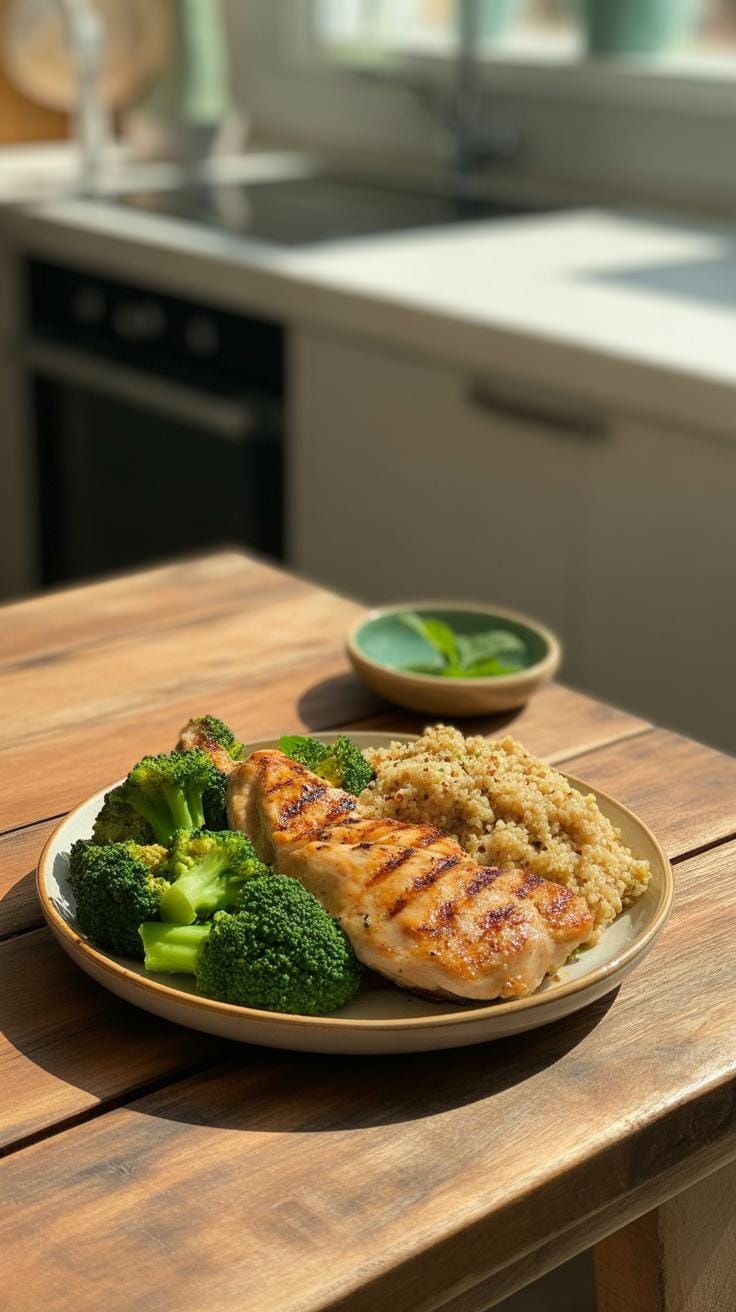
Before you jump into a high protein low calorie diet, it’s helpful to pause and ask yourself some key questions. This kind of diet can work well for fitness, but only if it matches what you actually want and need.
Are My Goals Clear and Realistic
What do you really want from your diet change? Is it fat loss, muscle gain, better energy, or something else? Sometimes we think a diet will solve everything quickly. But fitness results usually take time and consistency. Setting practical, clear goals can keep you on track without frustration.
Try writing down what success looks like for you. Maybe losing a certain amount of weight, fitting into clothes differently, or simply feeling stronger. If your goals seem vague or too ambitious—like gaining muscle without lifting weights—it might be worth rethinking.
Do I Have Medical Guidance
It’s tempting to rely on what sounds popular, but changes, especially in protein and calorie intake, can affect your body in unexpected ways. Some people feel great, others less so. Talking to a doctor, dietitian, or nutritionist can make a difference. They can help spot risks or tailor the diet to your personal health situation.
If you have any underlying conditions—kidney issues, diabetes, or hormonal imbalances—a high protein low calorie plan might need adjustment. Don’t overlook this step, even if you feel fine now. Getting professional advice means less guesswork and fewer surprises down the road.
Conclusions
High protein low calorie meals help you build muscle and control your weight. Protein keeps you full longer and supports muscle repair after exercise. Eating fewer calories lets your body burn fat for energy, making it easier to lose weight.
Including these meals in your diet can improve your fitness outcomes. By choosing the right foods and balancing nutrients, you make progress toward your health and fitness goals with sustainable eating habits.