
High Protein Dinners for Muscle Recovery
Eating the right dinner can help your muscles grow and recover after a workout. High protein dinners give your body the building blocks it needs to heal and build stronger muscles. Including protein-rich foods in your evening meal supports muscle repair and prepares you for the next day’s activity.
This article offers affordable high protein dinner ideas that help with muscle gain and recovery. You will find practical tips and simple recipes to make your dinners both nutritious and budget-friendly. Whether you work out to build muscle or stay healthy, these dinner ideas fit your needs.
Why Protein Matters for Muscles
You probably know protein is linked to muscles, but why does it really matter? When you work out, your muscles undergo tiny damage. Those small tears aren’t bad; they trigger your body’s repair process. Protein acts like the building blocks here. It supplies amino acids, which your body uses to patch up muscle fibers.
Think of amino acids as tiny repair workers. After exercise, especially strength training, these workers rush in to fix and rebuild your muscles stronger than before. Without enough protein, the repairs lag behind the damage, making it harder to grow or recover well. It’s a bit like trying to fix a broken fence with half the wood you need—it just doesn’t hold up.
Eating protein doesn’t just help fix muscles; it also encourages them to get bigger and stronger. This happens through a process called protein synthesis, where cells build new muscle proteins based on the amino acids you provide. If you don’t eat enough, your body can’t keep up. You might feel weaker or stall in progress, even if you train hard.
So, when you consider how protein fits into muscle gain and recovery, ask yourself how consistently you’re fueling this repair cycle. It’s tempting to focus on workouts alone, but without protein, your efforts might not translate into real gains.
Affordable Protein Sources for Dinner
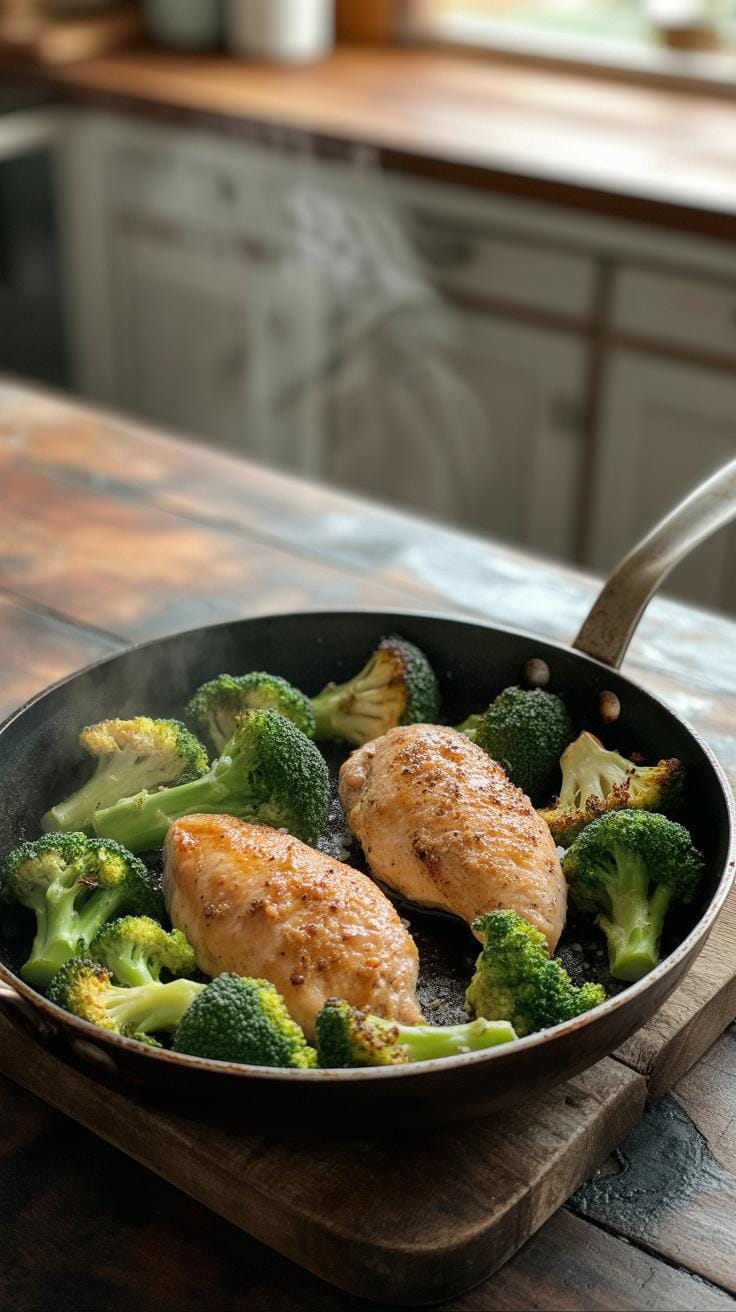
Finding protein-rich foods that won’t empty your wallet can feel like a challenge, but there are plenty of options out there—both animal and plant-based—that fit the bill. These sources tend to be widely available, making them easy to incorporate into your dinner routine without much hassle.
Budget-Friendly Meat and Fish Options
Chicken thighs often come cheaper than breasts and pack about 20-25 grams of protein per 100 grams. I’ve noticed that buying in bulk really cuts down the price, sometimes below $2 per pound. Canned tuna is another choice many overlook. It offers about 25 grams of protein per 100 grams and can be found for around $1 to $2 per can. It’s convenient too, especially when you want something quick. Eggs are versatile and surprisingly affordable. A dozen eggs usually costs less than $2.50, each egg containing roughly 6 grams of protein. Beans might seem a bit out of place here, but they deliver notable protein—about 15 grams per cooked cup—and cost pennies when bought dried. Canned varieties are even more accessible and just as rich in protein.
Plant-Based Protein Alternatives
If you lean toward plant-based dinners, lentils and chickpeas are hard to beat price-wise. Lentils give you around 18 grams of protein per cooked cup and dry lentils often run under $2 per pound. Chickpeas are in a similar range protein-wise and price-wise, plus they’re easy to cook or buy canned. Tofu offers roughly 10 grams of protein per 100 grams and can usually be picked up for $2 to $3 per block—pretty reasonable for a protein-dense food. Peanut butter might not be your first thought for dinner, but two tablespoons pack about 8 grams of protein and jars typically cost under $4, lasting for many meals. These plant proteins might require a bit more planning to combine for a complete amino acid profile, but they’re practical and wallet-friendly.
Simple Dinner Recipes with High Protein
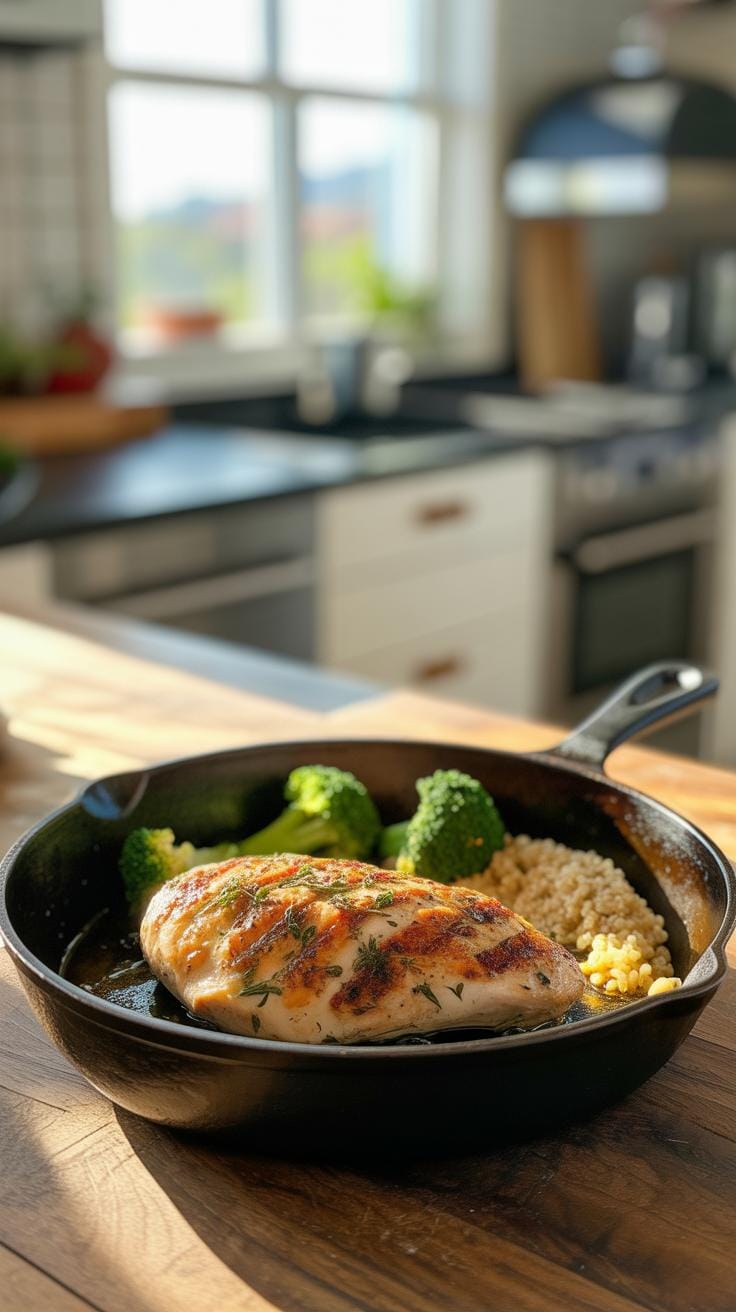
Cook a Quick Chicken Stir-Fry
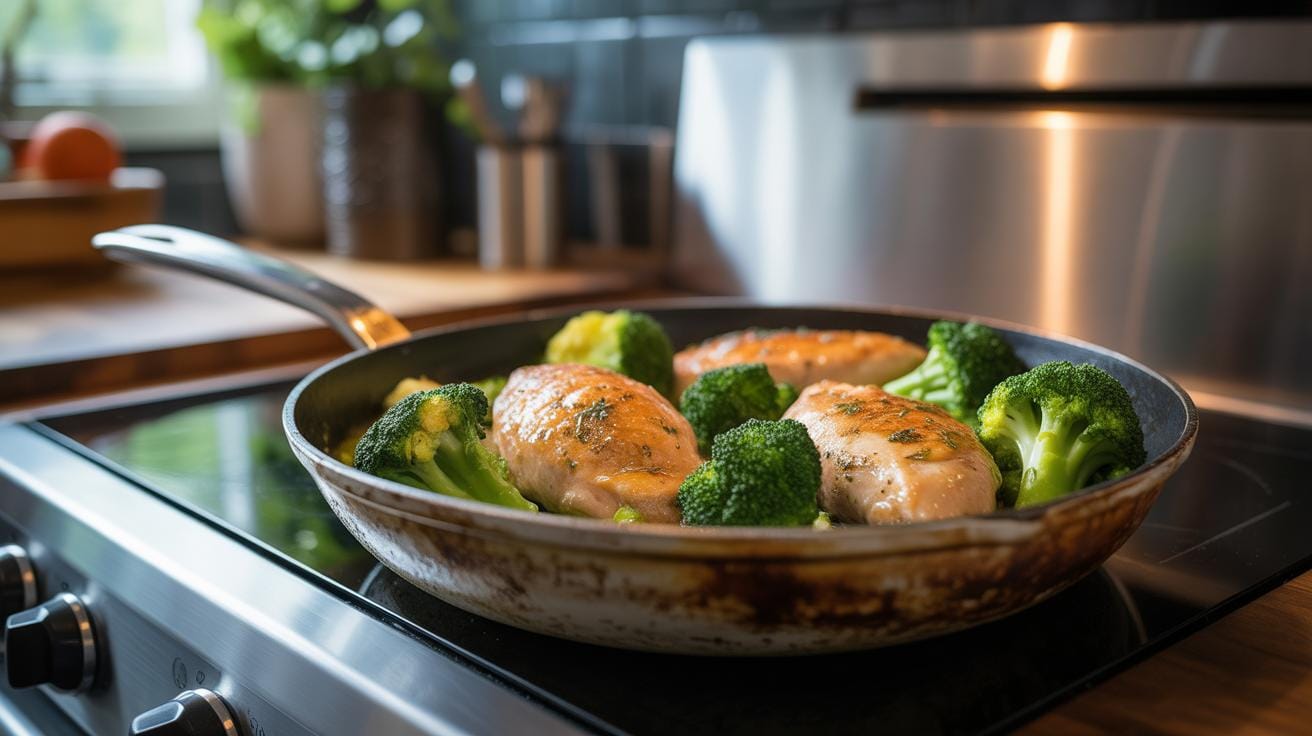
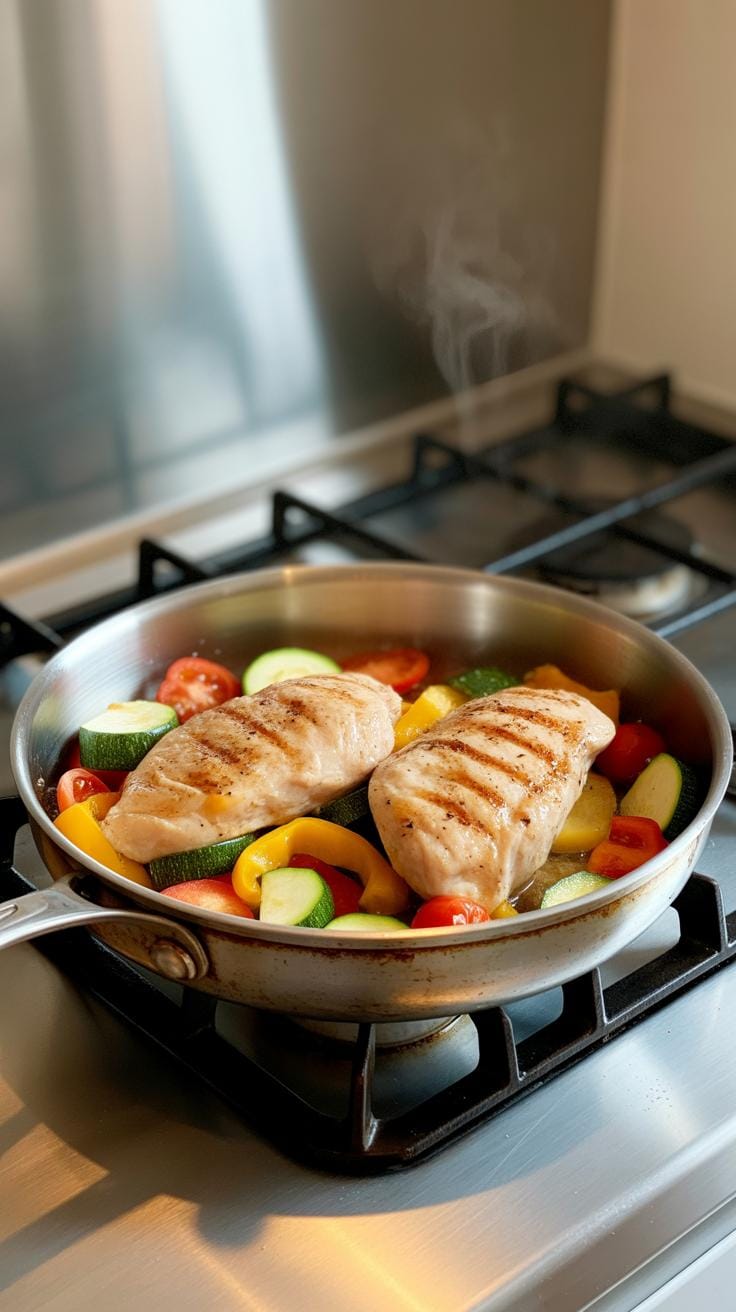
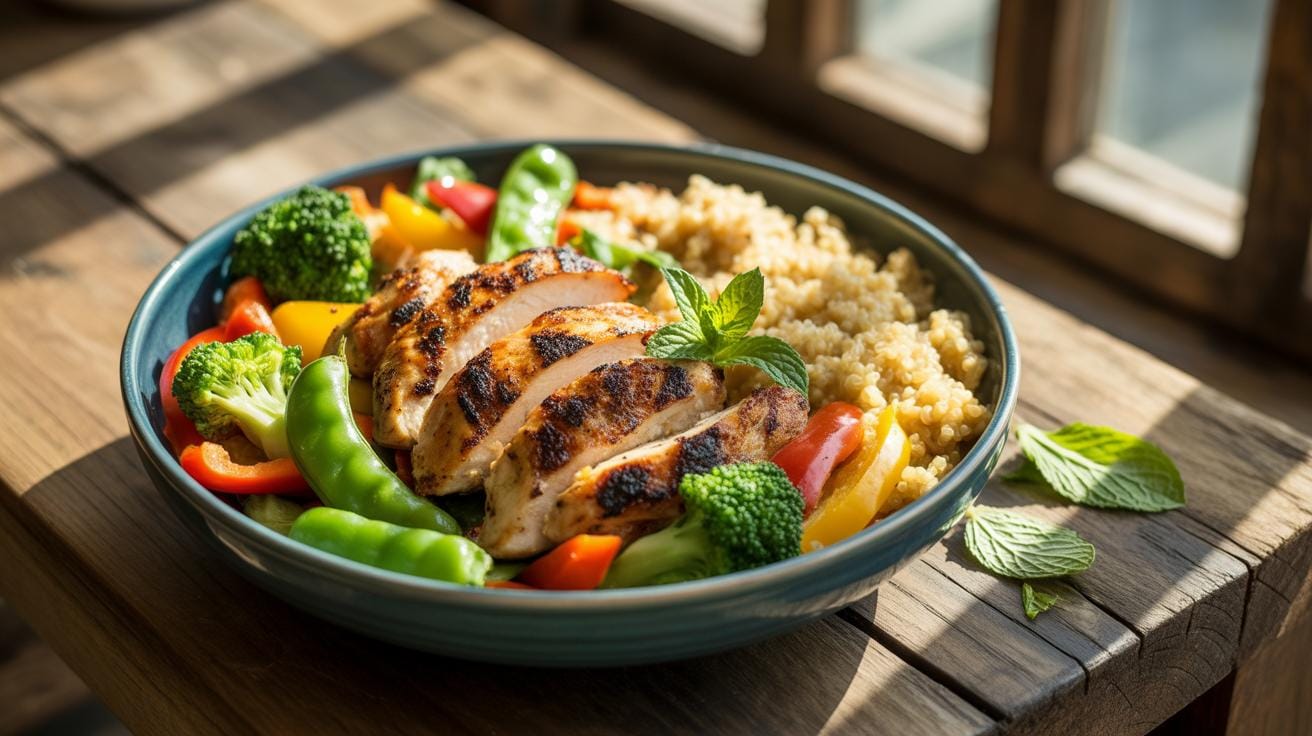
Start with about 1 pound of chicken breast, cut into bite-sized pieces. Toss the chicken in a hot pan with a little olive oil until it’s browned and cooked through—it only takes around 6 to 8 minutes. While the chicken cooks, chop some vegetables like bell peppers, broccoli, and snap peas. Add them to the pan and stir-fry for another 4 to 5 minutes until they’re tender but still crisp. Pour in a splash of soy sauce and a bit of garlic or ginger if you like some flavor complexity. Serve this over a cup of cooked brown rice for some slow-release energy.
This dish packs roughly 40 grams of protein per serving, depending on your chicken portion. It’s quick enough for a weeknight and doesn’t demand fancy ingredients. You might have to adjust seasoning levels; some prefer less salty, some more garlic—so don’t hesitate to tweak it as you go.
Make a Lentil Soup Meal
Lentils are a great, cheap source of protein and fiber. To make a hearty soup, start by sautéing onions, carrots, and celery in a large pot. Add about 1 ½ cups of dried lentils, rinsed, then pour in 6 cups of vegetable or chicken broth. Throw in a bay leaf and some herbs—thyme or rosemary work well.
Simmer for around 30 to 40 minutes until the lentils soften and the soup thickens. You can season with salt, pepper, and a squeeze of lemon to brighten it up. This recipe yields about 4 servings, each containing close to 18 grams of protein. Since dried lentils are inexpensive and shelf-stable, it’s a smart way to stretch your budget without skimping on nutrition.
For variety, experiment by adding spinach or kale near the end, or stirring in a dollop of yogurt before serving. Easy, filling, and rich enough to keep muscles fueled and recovery on track.
How to Plan Your High Protein Dinners
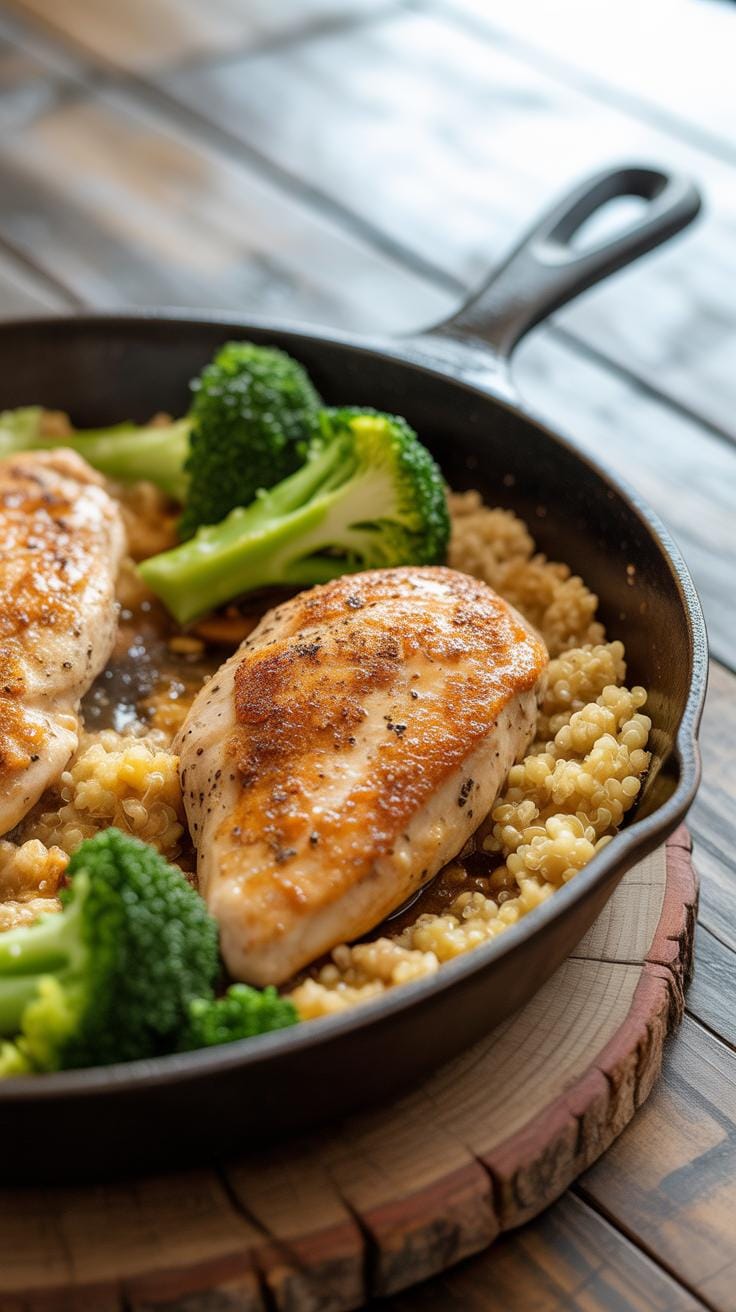
Planning dinners that support muscle gain and recovery isn’t just about tossing protein on your plate. It requires some thought—maybe more than you expect. Start by setting a clear protein target that fits your body weight and activity level. For many, aiming around 30 to 40 grams of protein per meal works well, but it can vary. If you don’t measure carefully, you might end up eating too little or wasting food.
Batch cooking can save time and stress. For instance, cook a big batch of chicken breasts or lentils early in the week and use them in different dishes. Changing up the sides keeps things interesting, even if the protein source stays the same. Freezing portions can help if you’re worried about food going bad.
Portion control matters, but it doesn’t have to be complicated. Using a food scale or simple visual guides—like a palm-sized piece of meat for a single serving—can keep you on track. Remember, eating protein beyond what your body needs won’t speed recovery; it might just sit there.
Weekly Grocery List for Protein
Planning ahead means having the right ingredients ready, so here’s a practical list for a week focused on protein and budget-friendly options:
- Chicken breasts – 6 pieces (about 3 pounds)
- Eggs – 1 dozen
- Dry lentils – 2 cups (uncooked)
- Canned tuna – 4 cans
- Greek yogurt – 32 oz container
- Frozen edamame – 2 cups
- Firm tofu – 2 blocks (about 14 oz each)
This list covers diverse proteins and offers flexibility. Sometimes, I mix canned tuna with lentils or scramble eggs with tofu for variety. It doesn’t have to be fancy to work.
Portioning Protein for Results
Getting your protein portions right is tricky—there’s no one-size-fits-all answer. A good place to start is targeting 20 to 40 grams per dinner, adjusting based on your overall diet and goals. I often find that eyeballing works if you compare against standard portions: a palm-sized steak or piece of fish usually hits around 30 grams.
Tracking everything precisely might feel tedious. Still, it’s worth weighing your meals at least until you get a feel for portions. If you tend to overshoot your protein too much, that’s where waste starts—not just financially but also nutritionally.
Have you noticed that some days you feel sluggish even after a “protein-heavy” meal? Maybe it’s because other nutrients are missing, or your portions are off. That’s why it’s good to plan and portion mindful of your whole meal, not just the protein part.
Combining Protein with Other Nutrients
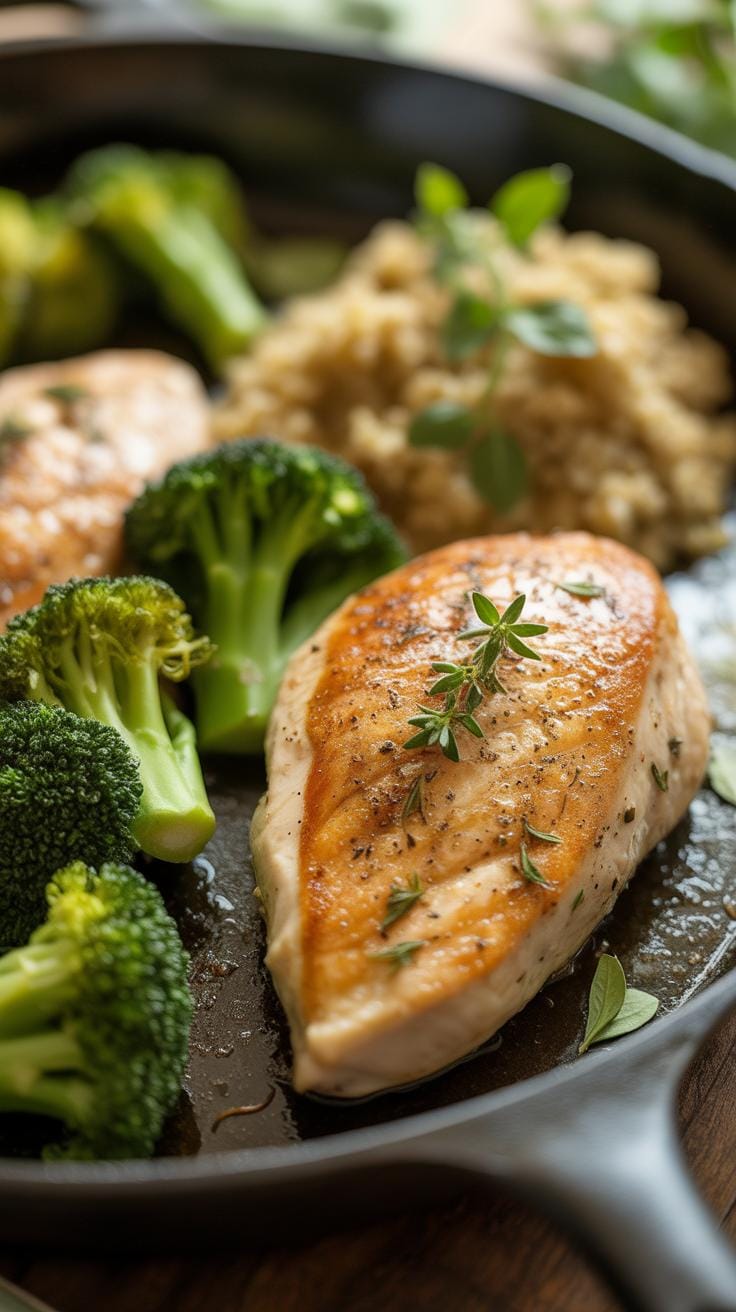
When you think about building muscle and recovering from workouts, protein often takes center stage. But dinner meals that focus solely on protein might not give you everything your body needs. Balancing protein with carbohydrates and fats can make a real difference in your energy levels and how well your muscles repair themselves overnight.
Carbs fuel your workouts and replenish glycogen stores in muscles. Without them, protein might be used for energy instead of muscle repair. Fats play a quieter but essential role—they support hormone production, which impacts muscle growth and recovery, and help your body absorb vitamins.
So yeah, it’s not just about hitting your protein numbers. Think about the whole combo on your plate. When you do, your recovery feels smoother, and you’ll probably notice better energy the next day. It’s a bit more complex than “just protein,” but, honestly, it pays off.
Best Carbs to Pair with Protein
Choosing the right carbs isn’t always straightforward. You want options that support recovery but won’t leave you feeling heavy or sluggish. Whole grains and veggies usually hit the mark pretty well.
- Brown rice and quinoa deliver steady energy and contain fiber that helps digestion.
- Sweet potatoes are rich in vitamins and antioxidants, making them great after intense sessions.
- Vegetables like spinach, broccoli, and carrots add micronutrients and fiber without excess calories.
- Oats can work if you want something lighter but still filling; they release energy slowly.
Sometimes I find that mixing carbs in smaller amounts but across several types keeps dinners interesting and balanced. You might want to experiment to see what feels best for your recovery and digestion.
Healthy Fats in Dinner
Fats tend to get a bad rap, especially when you’re aiming for lean muscle. But they’re actually pretty important in your dinners. Fats help regulate hormones like testosterone, which influences muscle gain. Plus, they help with vitamin absorption, especially fat-soluble ones like A, D, E, and K.
Opt for fats that do more good than harm. Olive oil is a solid choice; it’s simple and fits well with veggie-heavy meals. Nuts and seeds add texture and also bring in extra protein, which can be a nice bonus. Avocado is another good option, providing healthy fats plus a creamy feel to dishes.
I often add a drizzle of olive oil or toss some chopped nuts into salads or roasted veggies. It changes the flavor subtly but also helps me feel more satisfied and less likely to snack later.
Balancing protein with carbs and fats is not some rigid rule. But mixing these nutrients thoughtfully in your dinner can really help with muscle recovery and keeping your energy steady. Maybe try shifting your plate a bit and see if your body likes the new combo.
Common Mistakes When Eating for Muscle
Not Eating Enough Protein
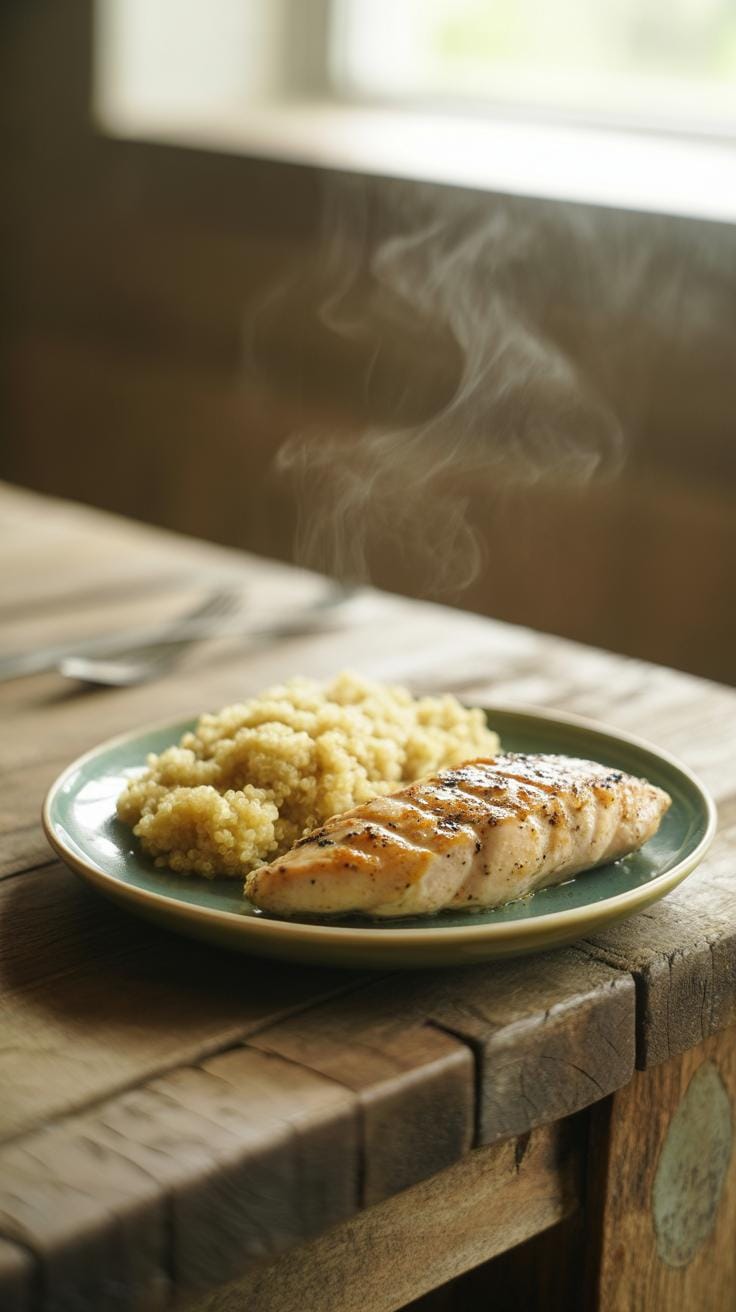
You might think you’re eating enough protein at dinner, but many fall short without realizing it. When protein intake is too low, the body struggles to repair and build muscle effectively, slowing progress and making recovery less efficient. It’s somewhat surprising how easily people underestimate their needs.
Experts usually recommend around 20 to 40 grams of protein per meal to support muscle growth, especially at dinner when you want to promote recovery overnight. But it’s not just about hitting a number; consistency matters too. Skipping protein or having too little at night might mean your muscles aren’t getting what they need to rebuild.
Have you checked your portions lately? Sometimes, a small piece of chicken or a scant serving of beans doesn’t cut it. If you’re unsure, try tracking your intake for a couple of days. It’s a bit tedious, sure, but it helps spot gaps you didn’t notice before.
Ignoring Meal Timing
Many people overlook when they eat protein, even though timing plays a real role in muscle recovery. Consuming protein shortly before or after exercise can boost muscle protein synthesis. It seems simple, but you’d be surprised how often dinners fall too late or too far from workouts to offer much benefit.
Here’s a straightforward way to think about it:
- Eat a protein-rich meal within two hours after your workout to support muscle repair.
- If dinner comes late, try a small protein snack closer to workout time.
- If you exercise in the evening, make that dinner count by including about 30 grams of protein.
Sometimes we get caught up in schedules and forget these small tweaks. I remember skipping my post-gym dinner once—my recovery took longer and my muscles felt sore for days. Timing does matter more than I thought.
Protein Sources Compared for Value and Nutrition
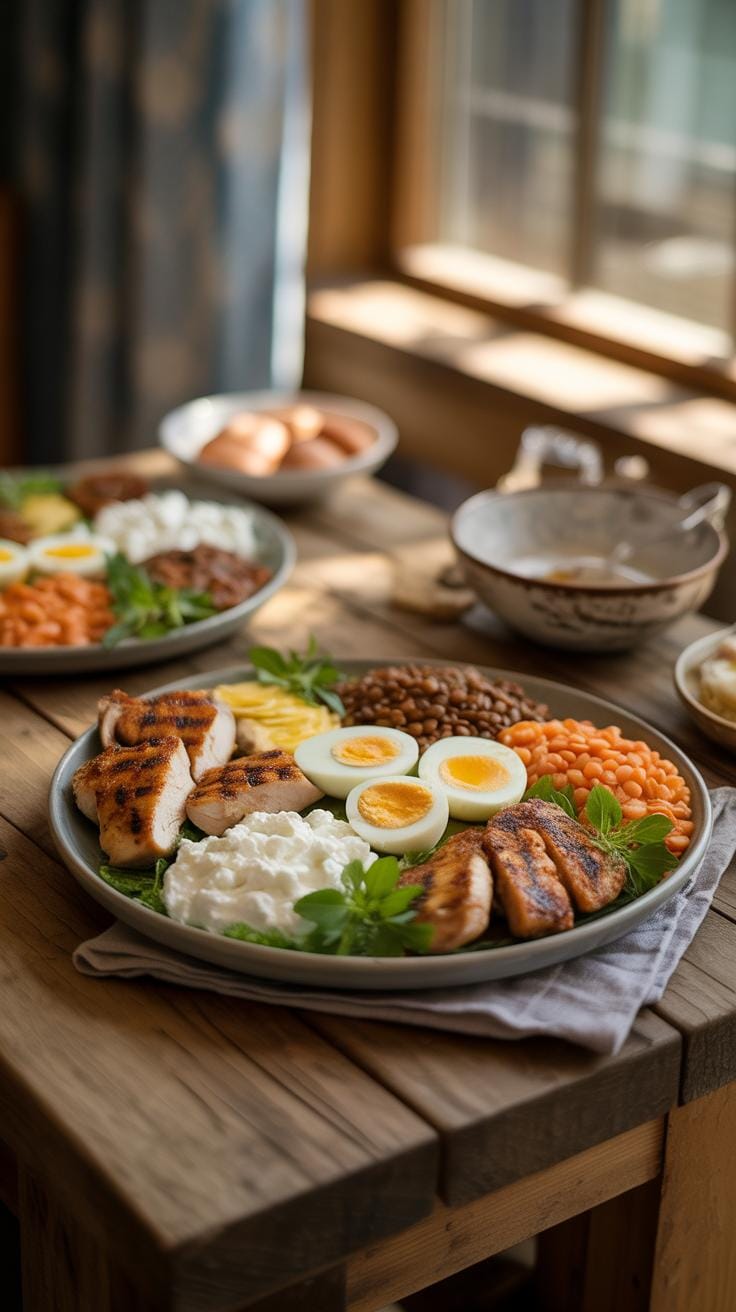
When choosing a high-protein dinner, the source of that protein makes a big difference—especially if you’re on a budget. Meats like chicken often lead the pack in protein content per serving, usually offering around 25 grams per 3-ounce portion. But they can be pricier, and sometimes I wonder if the extra expense always justifies the nutritional return.
Then there are dairy options, such as Greek yogurt or cottage cheese. They’re affordable, pack decent protein, and contain calcium and other nutrients, though their protein levels per serving might be lower than meats.
Legumes and plant proteins, like beans or lentils, offer less protein per serving—maybe 7 to 9 grams per half cup cooked—but they bring fiber and other vitamins to the table. Plus, they’re often much cheaper than meat or dairy.
It’s a bit of a balancing act: cost, protein density, and overall nutrition all come into play. Sometimes mixing protein types keeps meals affordable and nutritionally interesting, even if one source isn’t perfect on its own.
Chicken vs. Beans for Protein
Chicken tops beans in protein per serving—roughly 25 grams vs. 7 to 9 grams for a half cup of cooked beans. But beans usually cost less and add fiber and micronutrients you don’t get from chicken. I’ve often tried swapping chicken for beans to stretch my food budget without losing the muscle fuel.
Chicken is rich in complete proteins, meaning it contains all essential amino acids, which is great for muscle recovery. Beans, on the other hand, lack some essential amino acids but pairing them with grains can fix that if you’re aiming to maximize muscle gain.
Beans also have the advantage of being low-fat and cholesterol-free. For heart health, they might be a better choice, yet if you want fast muscle repair, that complete protein from chicken can sometimes feel like a more straightforward option.
Eggs vs. Tofu for Dinner Protein
Eggs and tofu both shine as affordable, versatile protein sources. A large egg offers about 6 grams of high-quality protein with all the essential amino acids you need. Tofu typically provides around 8 grams per 3.5 ounces, plus it’s plant-based and contains beneficial isoflavones.
Eggs develop muscle well and are quick to prepare, but some worry over cholesterol levels if consumed heavily. Personally, I haven’t found this to be a big issue, but it depends on individual health contexts.
Tofu is lower in cholesterol and saturated fat and offers a lot for vegans or those cutting back on animal products. One possible drawback: its texture and flavor might take some getting used to, especially if you’re used to more traditional protein sources.
In terms of muscle gain, eggs might edge out tofu slightly due to their amino acid profile. Still, tofu can be part of a solid muscle-building diet if paired wisely and seasoned well enough to keep meals enjoyable.
Tracking Your Protein Intake Easily
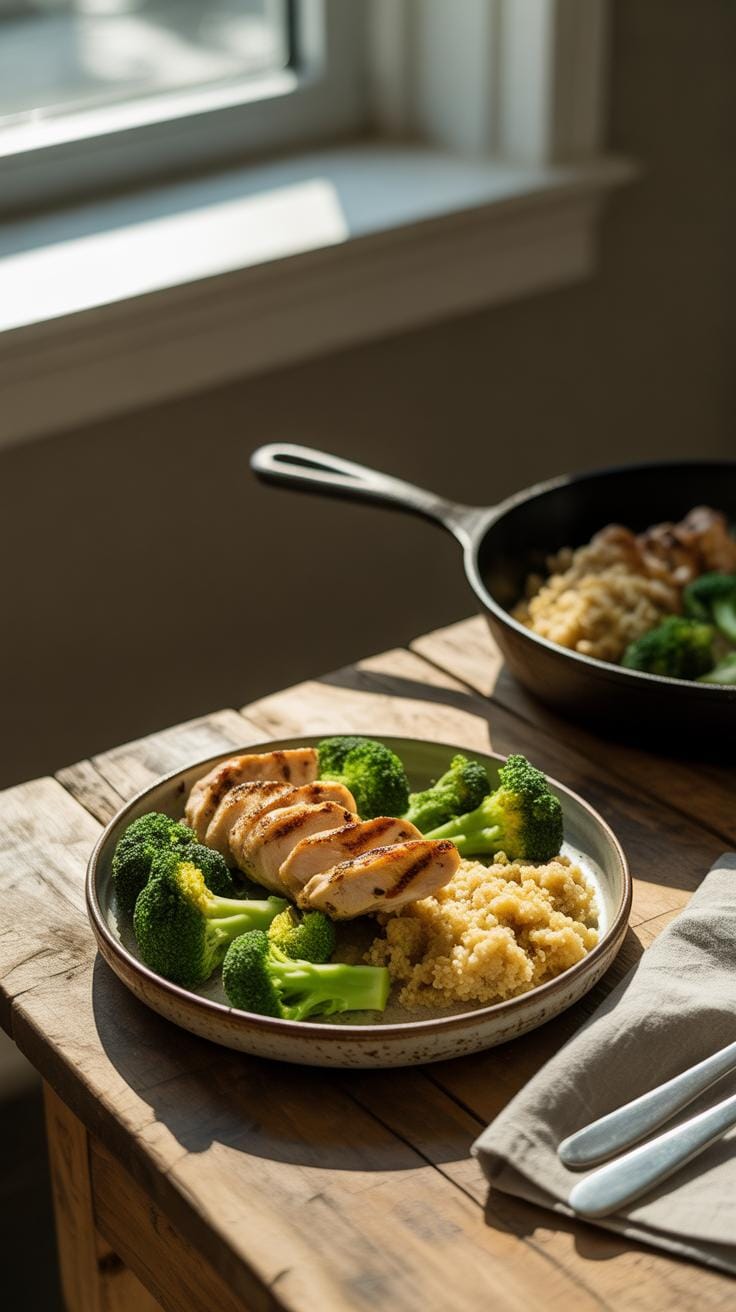
Keeping track of how much protein you eat daily doesn’t have to be complicated, though it can feel that way at first. You might find yourself guessing portions or forgetting to count snacks—that’s normal. The key is finding a way that fits your routine without turning into a chore.
Smartphone apps are quite handy for this. Apps like MyFitnessPal, Cronometer, or Lose It! let you log your meals quickly, often by scanning barcodes or searching their extensive food databases. You type in what you ate, and they calculate the protein, calories, and other nutrients automatically. Over time, they get easier to use, and some even remember your favorites. It’s a bit like keeping a digital diary, but focused on building muscle and recovery.
If you’d rather not rely on tech—or want a backup—you can jot down your meals in a simple food journal. Writing down your protein sources alongside approximate portions creates awareness, even if it’s not perfectly precise. Using visuals helps here; think about a palm-sized piece of chicken breast, or a scoop of protein powder roughly equal to one serving. These mental guides make guessing less risky and tracking less stressful. Plus, flipping through your notes might show patterns you wouldn’t notice otherwise.
Do you prefer an app or a pen and paper? Either way, consistency beats perfection. The goal is to keep your protein intake in check without letting the process overwhelm you.
RealLife Success with High Protein Dinners
Case Study One: Budget Success
Meet Jason, a college student who wanted to build muscle without draining his wallet. He started focusing on affordable protein sources like canned tuna, eggs, and lentils for dinner. Instead of skipping meals or grabbing expensive supplements, Jason cooked simple dishes like tuna pasta salad or lentil stew.
Over a few months, he noticed steady muscle growth. His strength improved, and he felt more energized during workouts. What surprised him most was how easy it was to stick to his budget while eating protein-rich dinners.
Jason’s experience suggests that you don’t need pricey ingredients to get results. Careful planning and choosing cost-effective protein options can support muscle gain just as well. You might even find that sticking to basics keeps your meals more consistent and less stressful.
Case Study Two: Recovery Improvement
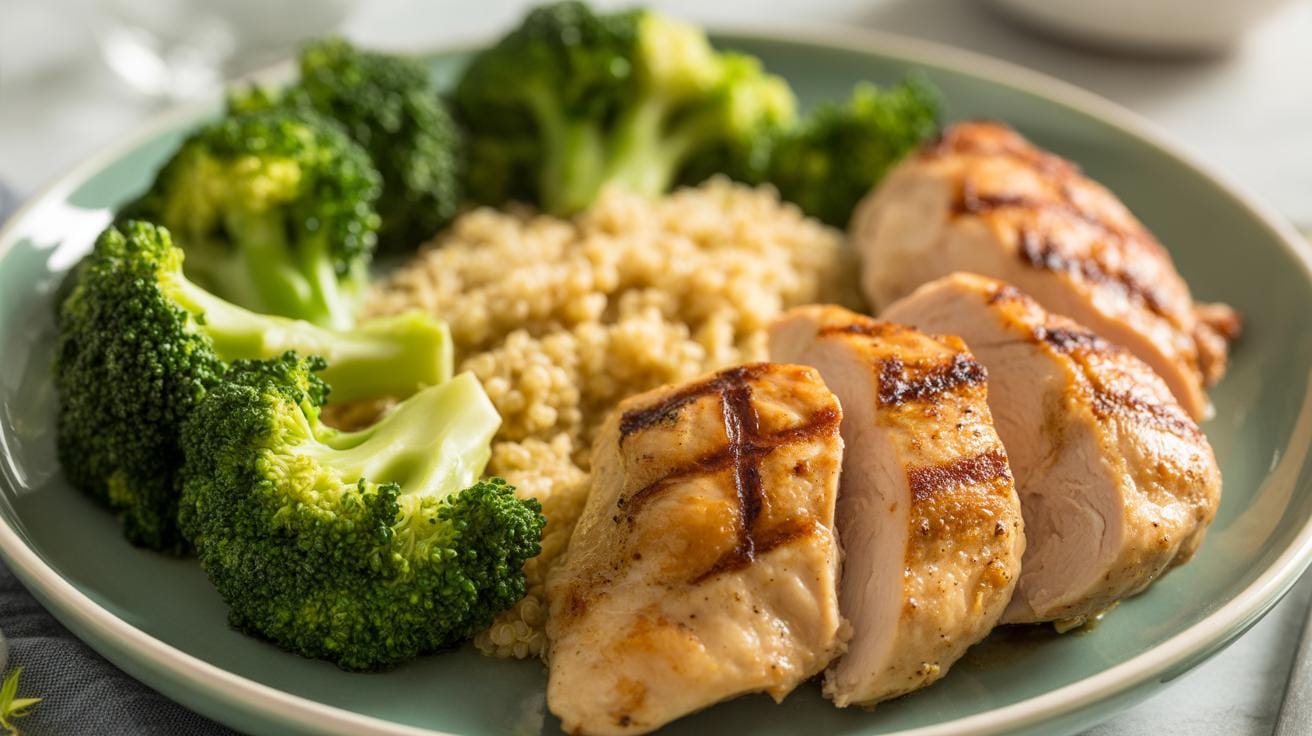
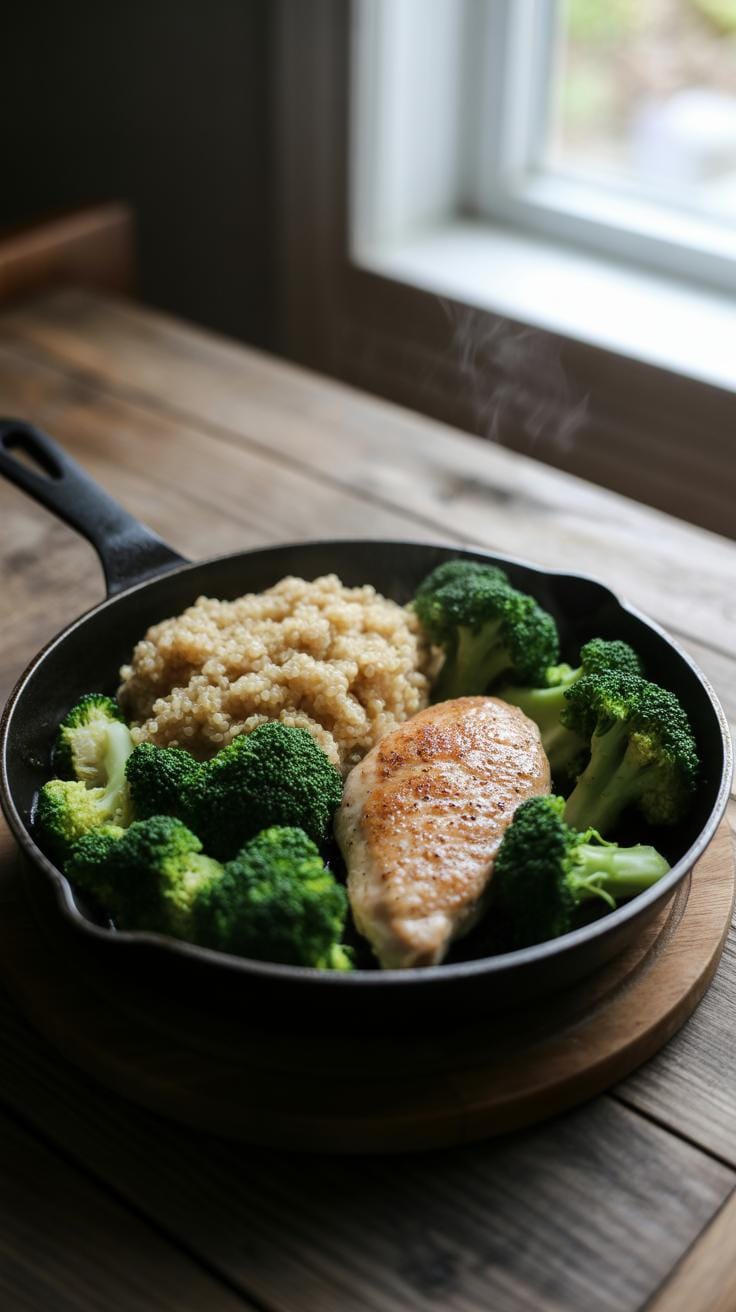
Sarah, an amateur runner, struggled with sore muscles and slow recovery after her evening runs. She decided to increase the protein content in her dinners, adding grilled chicken or beans alongside vegetables. Gradually, she noticed that her soreness faded quicker, and she could train more frequently without downtime.
She wasn’t expecting such an obvious change initially. It felt like her body was rebuilding itself faster, almost overnight. Sarah’s shift showed how dinner habits link closely to recovery, not just muscle building.
Her story raises some questions: could your dinner protein be key to reducing fatigue? Would slightly tweaking your evening meals lead to noticeable gains in how you feel day to day? It turns out that timing and quality of protein might matter more than we realize.
Conclusions
High protein dinners play a key role in muscle growth and recovery. Choosing affordable protein sources can make it easy to eat well without spending too much. Remember to balance your meals with vegetables and healthy carbs for overall nutrition.
By using the ideas and tips in this article, you can plan dinners that support your fitness goals. Small changes to your meals can boost your muscle repair and help you maintain strength. Focus on regular, protein-packed dinners to see progress over time.