Snacks That Keep You Full Longer
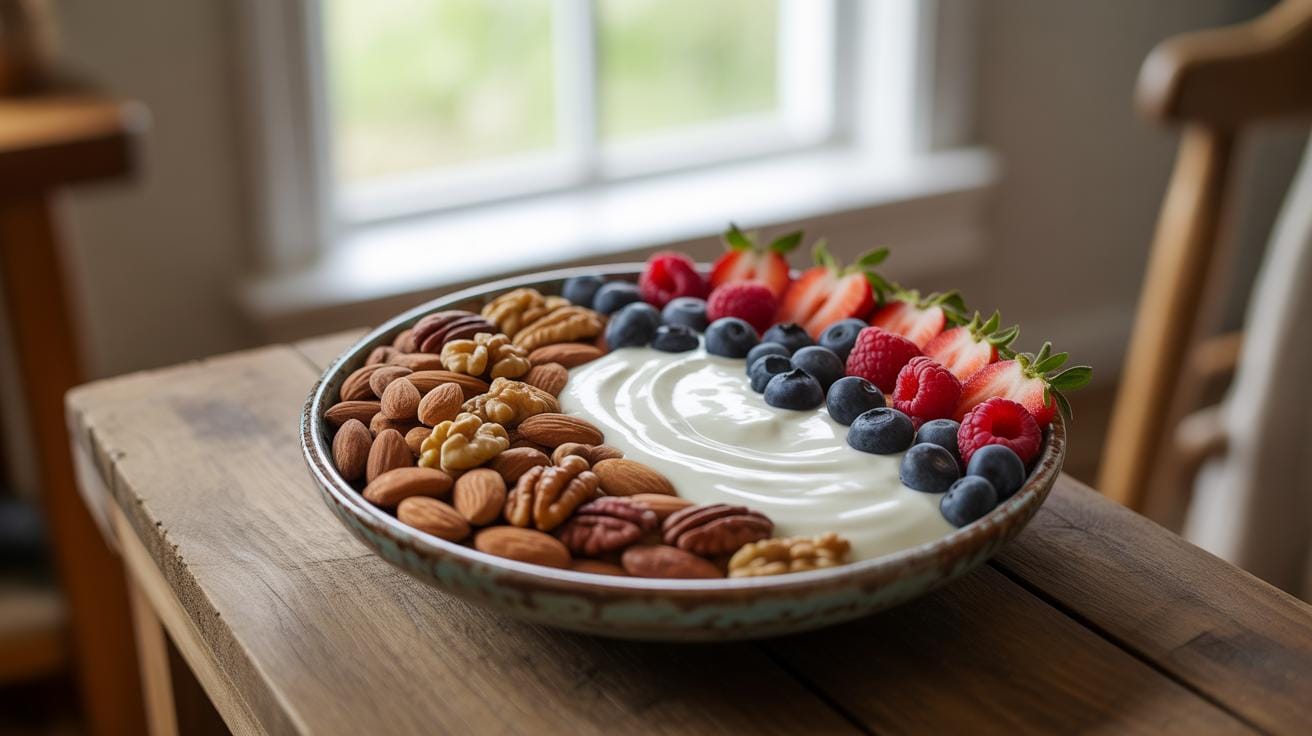
Choosing the right snacks can help you stay energized and full between meals. Best filling snacks combine nutrients that provide lasting energy and reduce hunger. They include foods rich in protein, fiber, and healthy fats. These nutrients slow digestion and keep you satisfied longer.
This article shares practical ideas about filling snacks that boost energy. It explains which ingredients to look for and why these snacks matter. You will also learn how to select snacks that fit your lifestyle and hunger needs. With this guide, you can snack smart and avoid energy crashes.
What Makes a Snack Filling

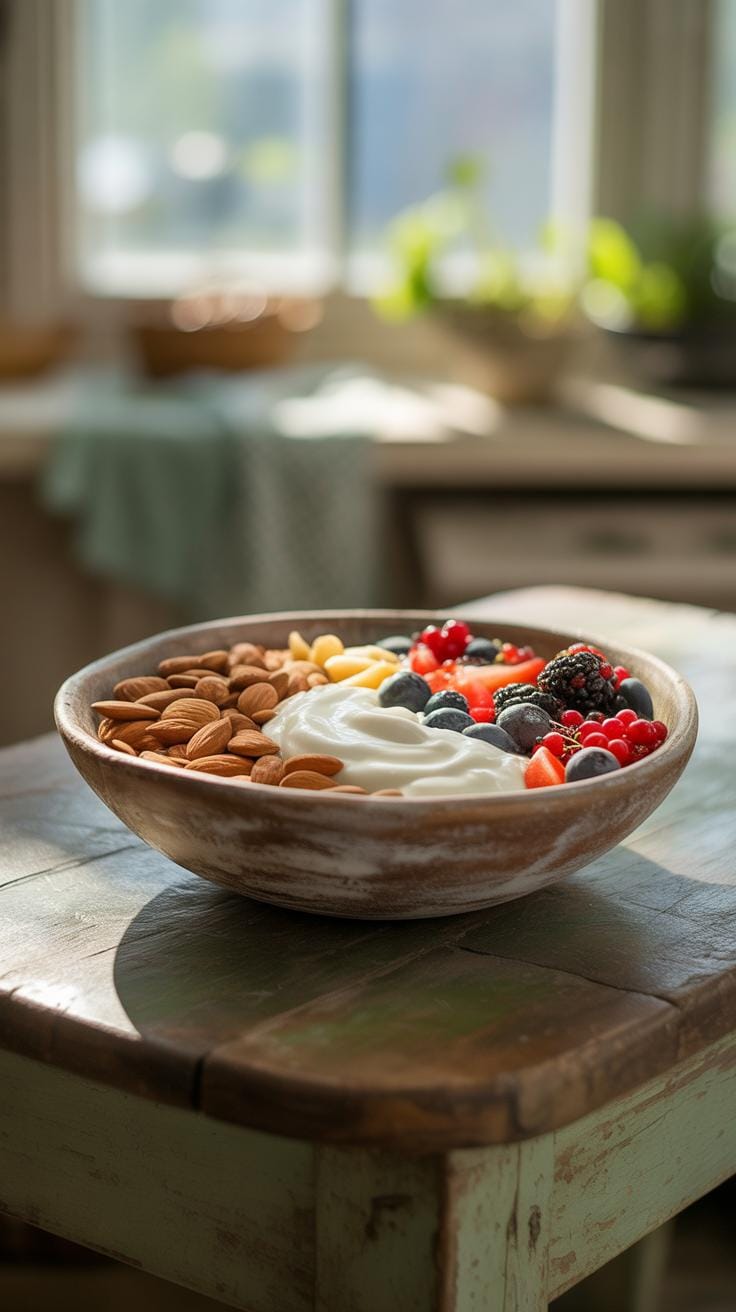
When you think about what makes a snack truly filling, proteins, fibers, and healthy fats come to mind right away. These nutrients change how your body handles digestion, which in turn affects how long you feel satisfied. Proteins take a bit longer to break down than simple carbs, giving you a slower, steadier release of energy. Fibers bulk up your meal without adding calories and keep things moving gradually through your digestive system. Healthy fats, meanwhile, slow down gastric emptying, meaning your stomach empties slower, so hunger signals take longer to kick in.

Each plays a different role, and together they work like a little team. Maybe that’s why a handful of almonds feels more sustaining than a sugary bar, even if the calories are similar. Do you notice how some snacks leave you peckish again soon after eating? That’s often because they lack this balance.
Nutrients That Slow Hunger
Proteins, fibers, and fats don’t just fill your stomach—they influence hormones involved in hunger and fullness. Protein can increase levels of peptides that reduce appetite. Fiber adds volume and delays digestion, so your stomach stays stretched longer. Fat slows everything down, which might seem counterintuitive if you think of fat as “heavy,” but it really helps keep you full without a rollercoaster of hunger.
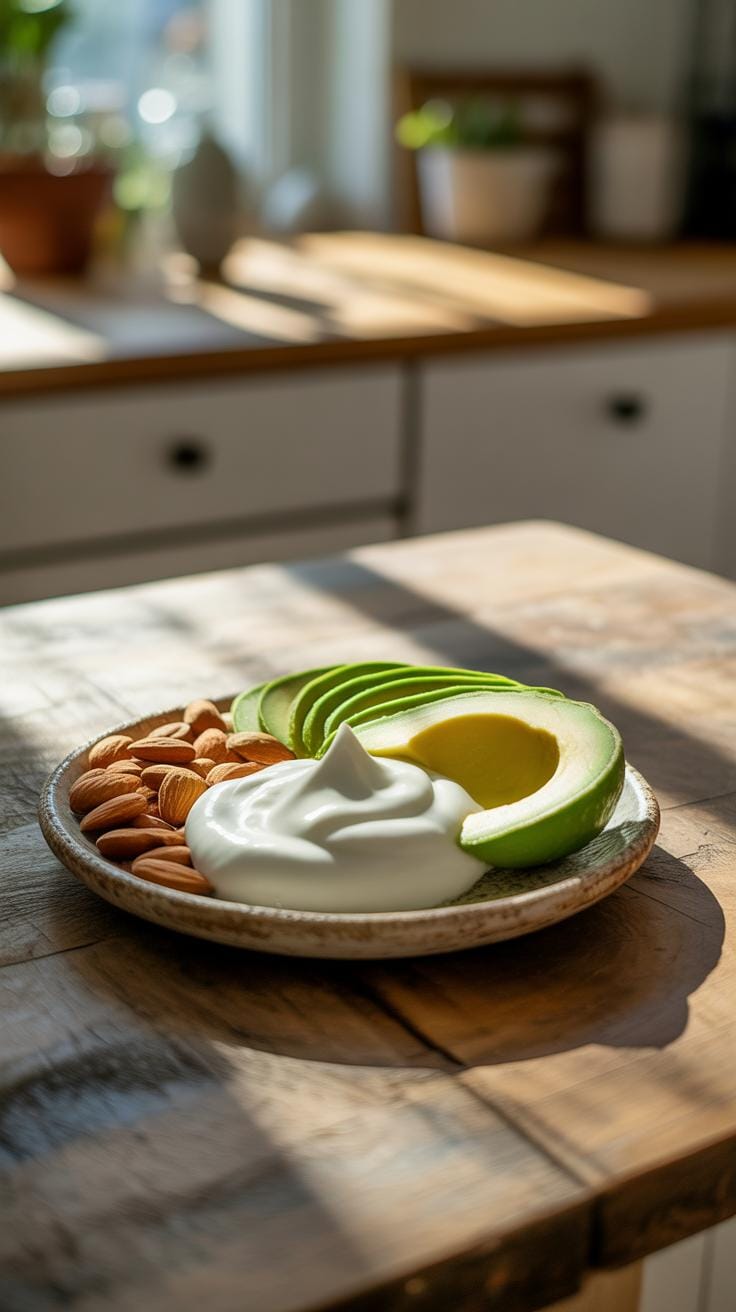
Examples are easy to spot: think Greek yogurt or a hard-boiled egg for protein, an apple or carrot sticks for fiber, and avocado or a small portion of nuts for fat. These simple things delay hunger signals, helping you avoid snacking again too soon. Not everyone finds them filling equally, though—there’s some personal variation worth considering.
Energy Boost From Smart Snacks
Filling snacks don’t just stop hunger—they stabilize your energy. Fast sugars spike blood sugar and then crash it, leaving you drained quickly. When carbs come paired with protein or fat, they digest more slowly and provide energy over time. That steady supply keeps you alert and productive without that mid-afternoon slump.
Think about combining a piece of fruit (carb) with a handful of nuts (fat and protein). The fruit offers quick energy, but the nuts temper its release, preventing spikes. It’s a balance you might appreciate more if you’ve ever felt jittery after a sugary snack. So, while carbs power you up, the other nutrients keep that power steady. This balance is key to sustained energy, yet sometimes people overlook it.
How to Pick Filling Snacks
Choosing snacks that actually keep you full can be tricky. It’s easy to grab something just because it looks convenient, but reading labels and knowing what to look for makes a big difference. Start with the nutrition facts. Focus on snacks with a good balance of protein, fiber, and healthy fats. Protein slows digestion and helps you feel satisfied longer. Fiber adds bulk and keeps hunger at bay, while healthy fats provide a steady energy source without the crash.
Look beyond calories alone. A snack might have a decent calorie count but be full of sugars or refined carbs that leave you reaching for more soon after. Check the ingredients list for real food items you recognize — nuts, seeds, whole grains, legumes — and watch out for buzzwords like “syrup,” “hydrogenated,” or “artificial.” Portion size matters too: too large and you risk overeating; too small and it won’t fill you up.
Checklist for Snack Selection
- Includes protein (around 5-10 grams per serving)
- Contains at least 3 grams of fiber
- Has healthy fats like those from nuts, seeds, or avocado
- Minimal added sugars (under 5 grams)
- Limited processed ingredients; preferably whole foods
- Portion size fits your hunger level without excess
- No artificial sweeteners or preservatives
Beware of snacks that are mostly sugar or refined flours—they spike your blood sugar then leave you hungry again soon. These empty calories might seem like an energy boost, but they rarely keep you full. Sometimes, it’s confusing because some bars or drinks appear healthy but fail the filling test.
Examples of Balanced Snack Choices
Try mixing a handful of almonds with a crisp apple for protein, fiber, and natural sugars – a combo that often works well. Yogurt topped with chia seeds or ground flax adds protein, healthy fats, and fiber all in one bite. Hummus paired with carrot or celery sticks delivers protein and fiber, making it a practical and filling snack without added sugars.
These options demonstrate how simple combinations can offer lasting energy without feeling heavy. You might find your own favorite mixes along the way, but the key is balance. Have you noticed which snacks truly keep you full? It’s worth paying attention—it can change how you snack forever.
Comparing Protein vs Fiber Snacks
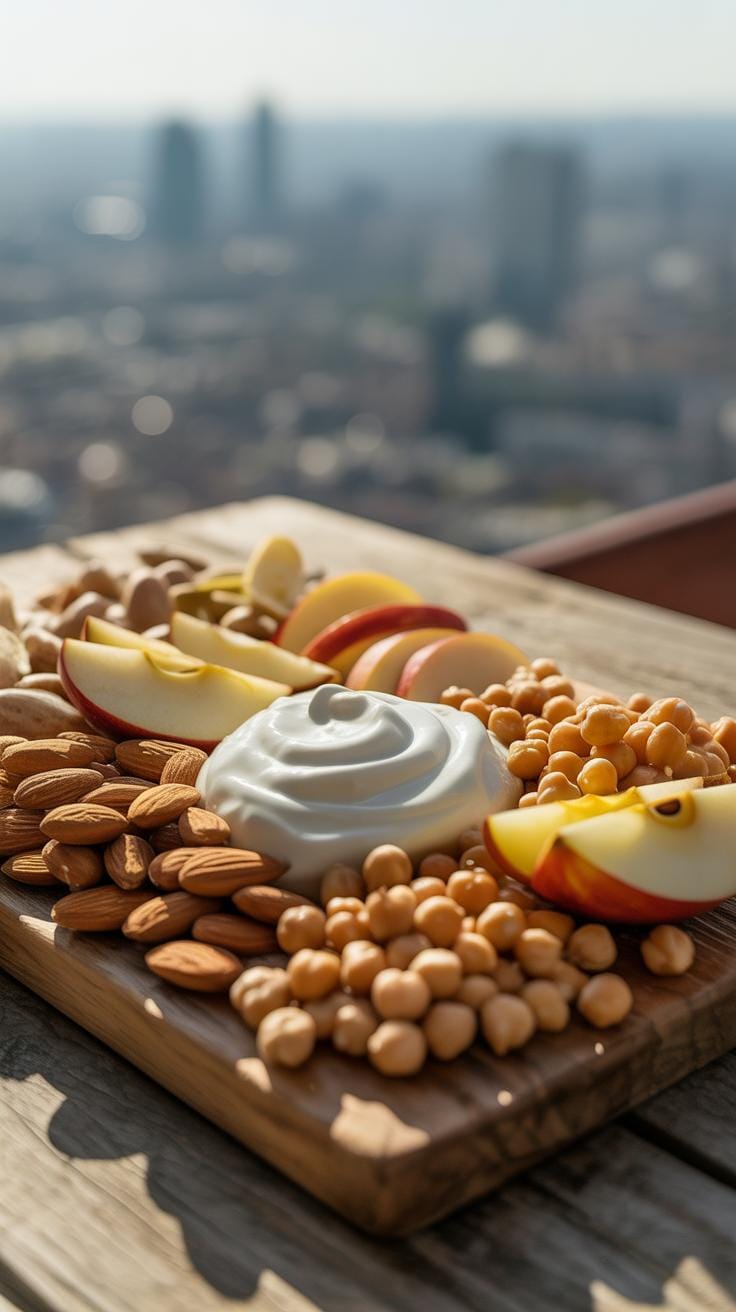
When choosing between snacks high in protein and those rich in fiber, it really depends on what your body needs at the moment. Protein snacks tend to offer a quick boost for muscle repair and sustained energy, especially if you’re active or just finished a workout. On the other hand, fiber snacks play a different role—they help keep your digestion running smoothly and make you feel full longer, which can be handy when you want to avoid constant snacking.
Protein snacks like jerky, Greek yogurt, and cheese sticks are often dense in calories and a good pick if you’re trying to support muscle health. I’ve noticed that after a tough gym session, a bit of jerky really helps—it’s like my muscles get a nudge to recover. But sometimes, that quick hit of protein doesn’t last as long in terms of satiety, so you might still feel hungry soon after.
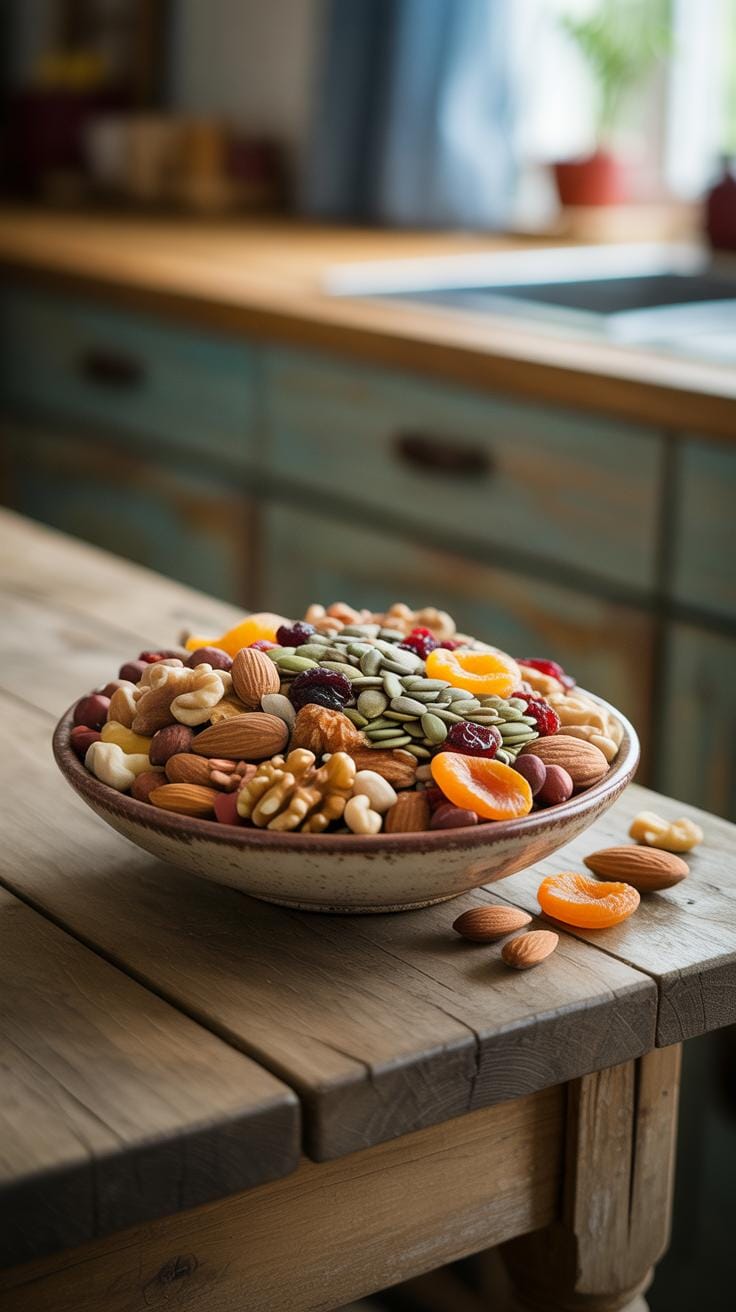
Fiber snacks, like a trail mix with nuts and dried fruit or fresh vegetables, tend to break down slower in your system. The fibers expand and slow digestion, which tricks your stomach into feeling satisfied for longer periods. That said, fiber doesn’t really provide immediate energy the way protein can, so if you’re feeling drained or need a quick pick-me-up, fiber isn’t always the best go-to.
Honestly, I find there’s something to be said for pairing the two. If you’re after both stamina and fullness, combining protein and fiber snacks might just keep you steady. You might choose protein when you need muscle recovery or a boost, and fiber when your goal is to curb hunger without overeating. What do you find works better for your energy and appetite?
Preparing Homemade Filling Snacks
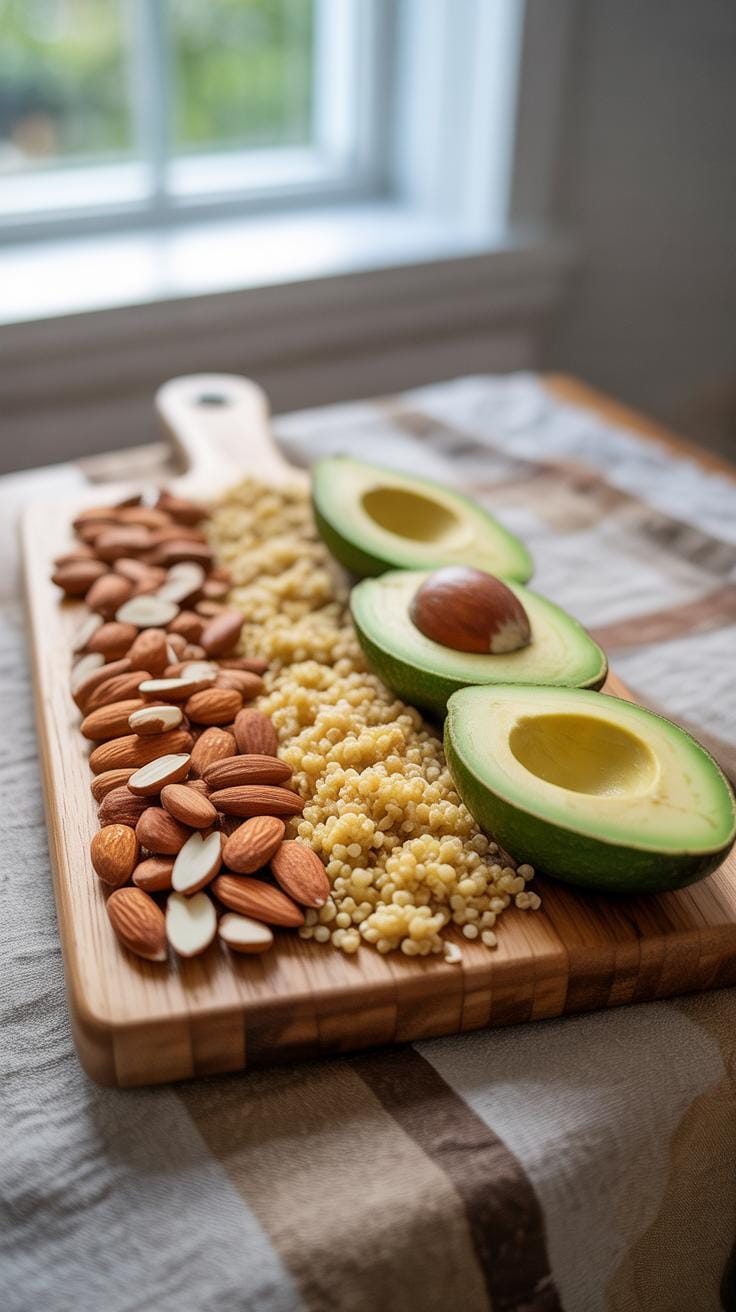
Making filling snacks at home doesn’t have to be complicated. Using simple, fresh ingredients can keep you energized and satisfied for hours. Focus on blending proteins, fibers, and healthy fats — this trio seems to slow digestion just enough to help you avoid that mid-snack slump. Try mixing things like roasted chickpeas with a handful of pumpkin seeds and some dried apricots; the chewy fruit balances the crunch and keeps it interesting.
Here’s a quick recipe to try: combine 1 cup of almonds, ½ cup sunflower seeds, ½ cup dried cranberries, and ¼ cup dark chocolate chips. Mix it all up in a jar, and you have a snack that’s both sweet and filling—a little fat, a bit of protein, and something chewy. You can swap ingredients based on what you like or have on hand.
Taking a fresh approach might mean grabbing some crisp carrot sticks to dip into hummus. The creamy hummus adds protein and fat, and the veggies provide fiber and crunch. Or pair a couple of whole grain crackers with a slice of cheese. It won’t take long to prep, but it does keep hunger at bay surprisingly well. What simple snack combos have you found that hold you over longer? Sometimes it’s just trial and error until you find your perfect mix.
Storing and Carrying Filling Snacks
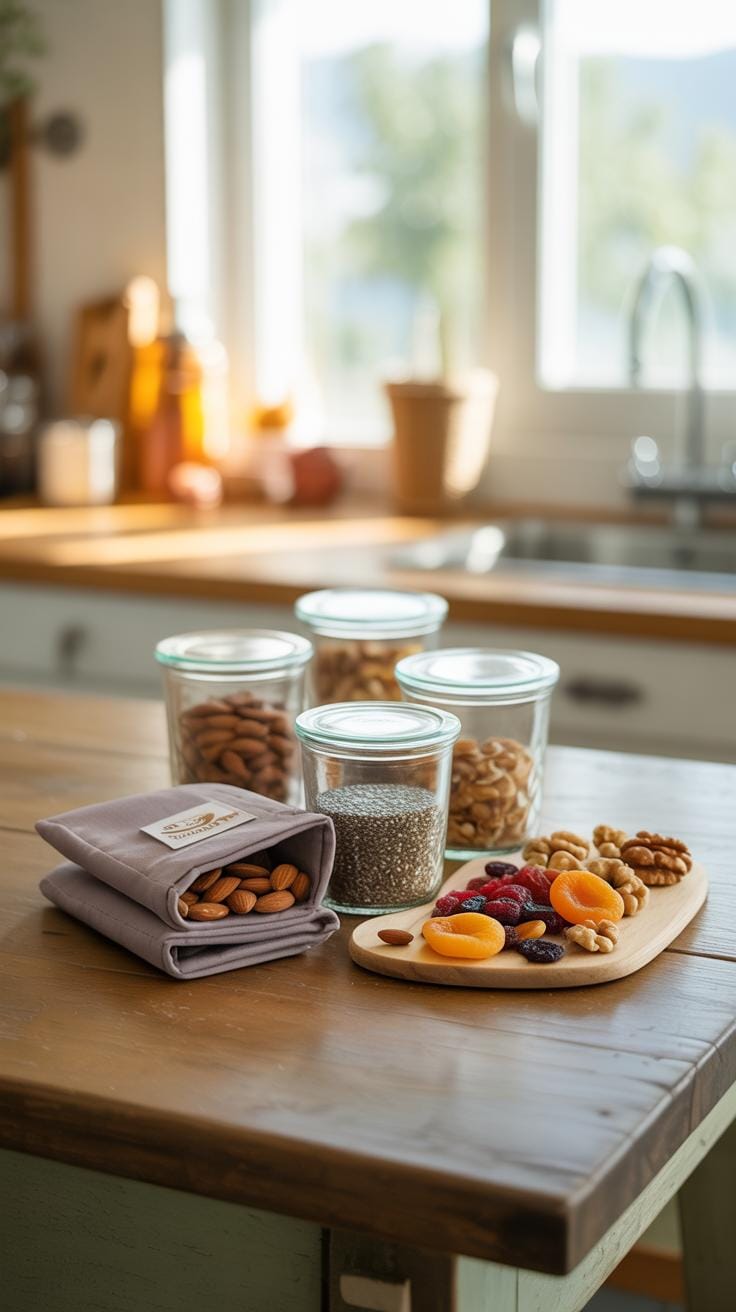
Keeping your snacks fresh can sometimes feel tricky, especially when you’re juggling work, school, or travel. The way you store them plays a big role in preserving both nutrition and taste. For example, nuts do best when kept in airtight containers, away from light and heat—this slows down oil oxidation, preventing that stale, rancid flavor. If you’re on the move, packing these containers in a cool, dry spot can help maintain crunch and flavor.
Refrigeration is usually a good idea for dairy-based snacks like yogurt or hummus, but I’ve noticed yogurt can lose its texture if not consumed within a day or two after opening. Packing ice packs or insulated lunch bags becomes handy here.
Fresh produce like sliced apples or carrot sticks work well when wrapped tightly or stored in resealable bags to retain moisture but don’t expect them to last more than a couple of days once cut. Whole fruits usually hold up better. Keeping a variety of reusable containers and snack bags helps you portion your snacks thoughtfully, avoiding overeating while making snacks easier to grab and go.
How long you keep these snacks depends a lot on their nature. Nuts can last for months if stored properly, but once shelled and exposed to air, that timeline shortens. Fresh yogurt generally stays good about a week unopened, but if you’re carrying it midday, try to eat it before it gets warm.
Experiment a bit to see what suits your routine best—some days you might carry simple nuts in bulk, others a more involved mix with fresh fruit and cheese. Just don’t forget that proper packaging is half the battle in enjoying your snacks the way they were meant to be.
When Filling Snacks Help Your Day
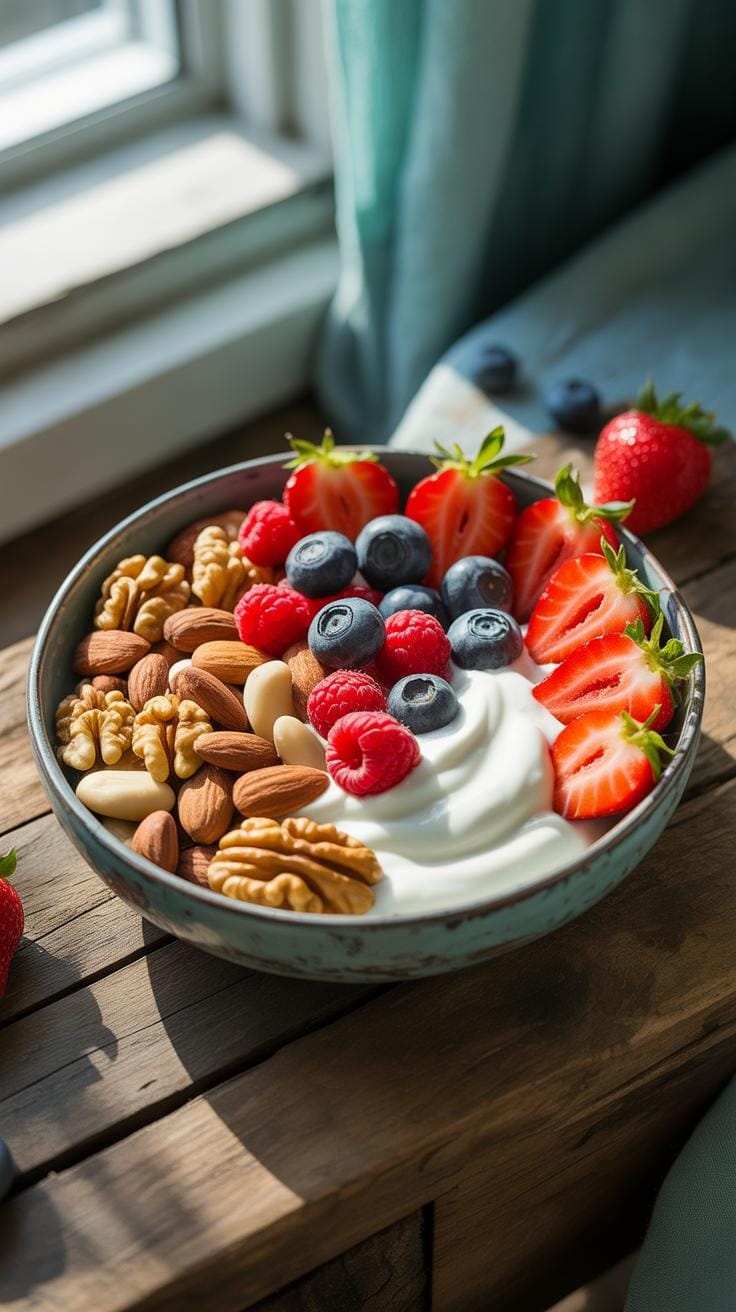
Ever noticed how your mood and focus dip when hunger sneaks up on you during a busy day? Filling snacks can really steady those ups and downs. For instance, during long stretches of work or study, a quick carb-heavy bite might give a short burst of energy, but it fades fast—leaving you even more drained. Snacks that combine protein, fiber, and healthy fats slow digestion, providing a steadier energy supply that helps you stay sharp and calm.
Think about exercise days. Eating something substantial—say, a handful of nuts and fruit—about 30 to 60 minutes before hitting the gym can give your body fuel without weighing you down. After physical activity, a snack with protein and carbs supports recovery, repairing muscles and replenishing energy stores. Timing matters though; too early or too late can make a difference you feel.
Travel days and packed schedules are another challenge. When meals can’t be guaranteed on time, a filling snack acts almost like insurance—helping avoid grumpiness or energy crashes. Simple options like boiled eggs, Greek yogurt, or a small trail mix pack are easy to carry and provide sustaining energy. So next time your day looks unpredictable, packing the right snack might just keep you steadier than caffeine alone.
Common Mistakes with Filling Snacks
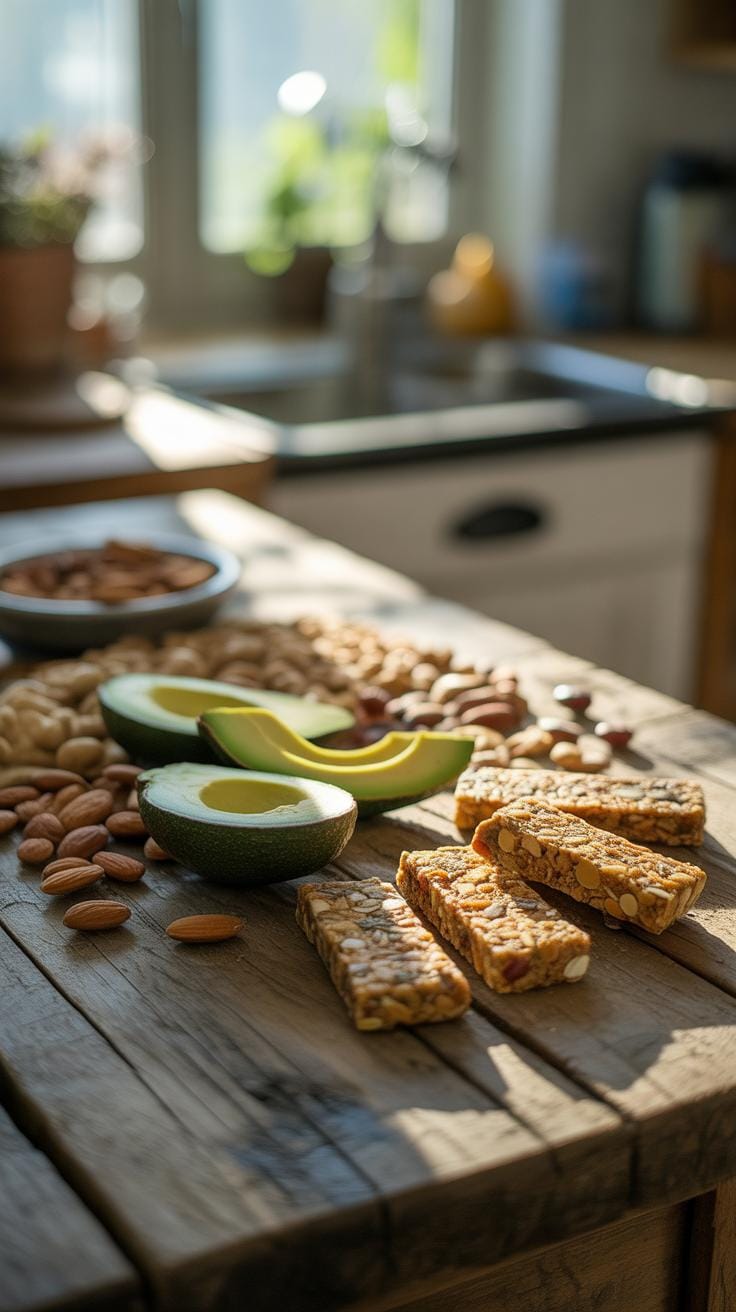
When it comes to filling snacks, people often make a few predictable mistakes that can mess up their energy levels and hunger control. One big issue is portion size. Even snacks that seem healthy can add up quickly if you’re eating them in large amounts. I’ve caught myself mindlessly munching on nuts or granola bars, thinking “it’s good for me,” only to realize I ate way more calories than planned. It’s easy to overlook how much you’re actually consuming because these snacks feel light or convenient.
Here are some quick ways to keep portions in check:
- Pre-portion your snacks into small containers or bags instead of eating straight from the package.
- Use measuring cups for things like nuts or trail mix until you get a better sense of serving sizes.
- Set a timer or take a break after eating a small amount to see if you’re genuinely still hungry.
Another common slip-up is ignoring what the snack is really made of. Some foods appear filling, but they’re loaded with hidden sugars or artificial ingredients that might actually sap your energy later. That little bar labeled “natural” might be packed with sweeteners or flavor additives that don’t show up right away in the taste, but they still impact your blood sugar.
Look closely at ingredient lists and don’t trust marketing claims at face value. Sometimes less processed whole foods give better, longer-lasting energy than technically “healthy” packaged snacks. It’s a tricky balance, and I think many of us just want something fast that feels satisfying, even if it’s not the best fuel in the long run.
Tracking Snack Effects on Your Energy
Paying attention to how your body responds after eating different filling snacks can reveal surprising insights. You might think a snack with nuts keeps you full longer, but maybe it leaves you feeling sluggish after an hour, or the opposite happens with a yogurt and fruit combo. Jotting down what you eat and how you feel afterward can help make these patterns clearer.
Try keeping a simple log—nothing too detailed, just the snack type, the time you ate it, and a quick note on your hunger or energy level afterward. You don’t have to do this forever; even a week or two could highlight trends you wouldn’t notice otherwise. Do you feel more alert, more tired, or maybe less hungry? It can be surprisingly eye-opening.
When you spot those energy dips or hunger spikes, adjust your snack choices to fit your daily demands. Maybe on busy workdays, a protein-rich snack is better, but on lighter activity days, something lighter suits you more. Your goals matter too—weight management, muscle gain, or just staying steady throughout the afternoon; your snack should reflect that.
It’s a bit of trial and error. If a snack leaves you feeling hungry soon after, try adding some fiber or healthy fats next time. If you notice some snacks make your energy crash, switching to options with a balance of carbs and protein might help. The key is paying attention—your body will, eventually, tell you what works best.
Conclusions
Filling snacks support your energy and hunger throughout the day. They rely on proteins, fibers, and healthy fats to keep you full longer. Choosing these snacks requires knowing what ingredients work best for your body and activity level. You can make better food choices by reading labels and planning your snacks.
By using the tips and ideas shared, you can stay energized between meals. Smart snacking helps avoid overeating and supports a balanced diet. Keep a variety of filling snacks handy to meet your nutritional needs and improve your day.