Top Snacks for Steady Energy and Cravings
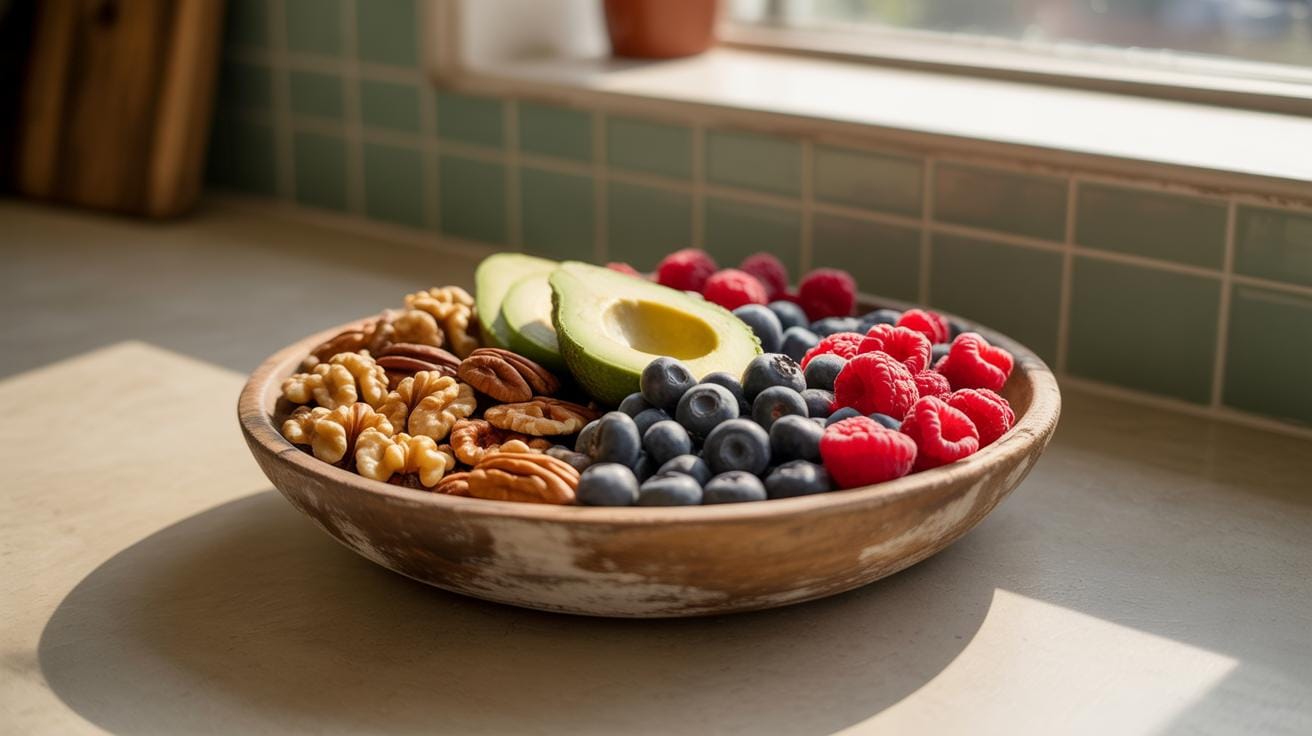
Picking the right snacks can make a big difference in your day. Healthy diet snacks help keep your energy steady and control cravings that might lead to overeating. These snacks often include foods high in protein, fiber, and good fats, which fuel your body without the crash that sugary snacks cause.
The article looks at the Top 10 Healthy Diet Snacks to Boost Energy and Control Cravings. It explains why these snacks work well, how they help your body, and provides examples you can easily add to your daily routine. Making smart snack choices supports your health and keeps you feeling good throughout the day.
Why Choose Healthy Snacks

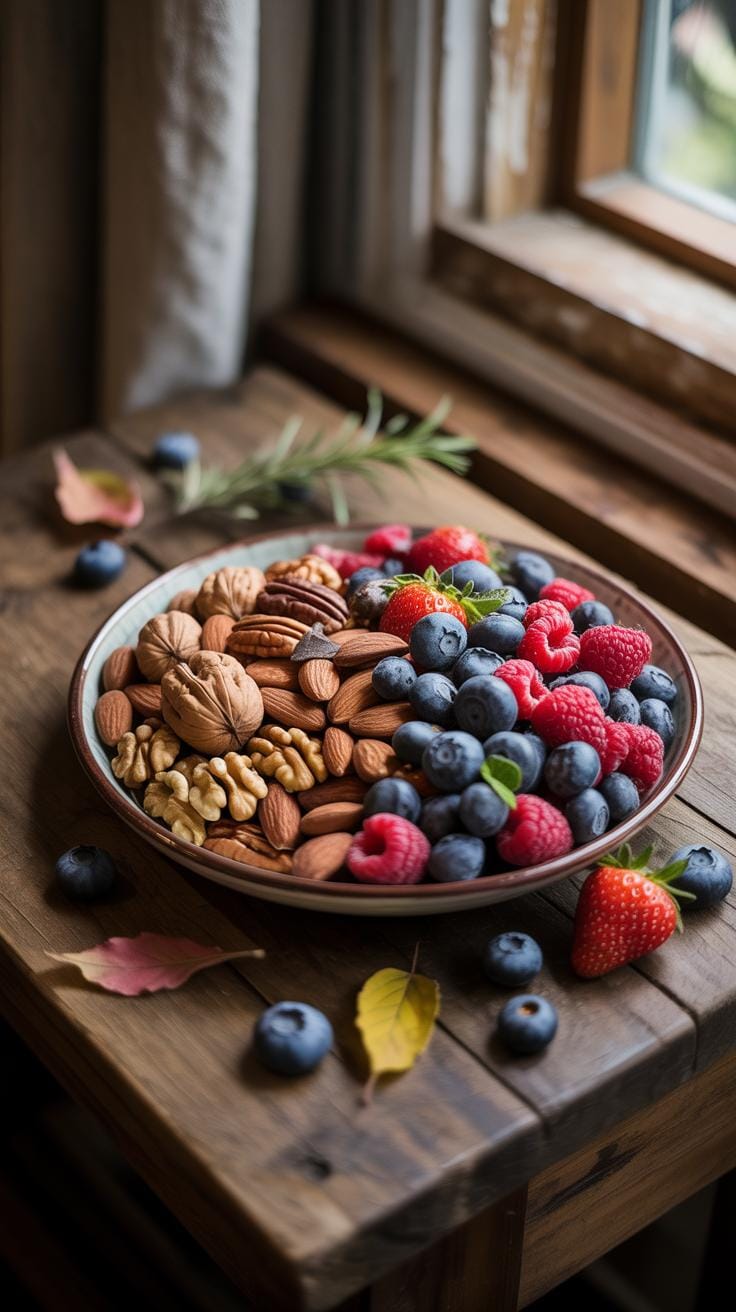
Picking healthy snacks over the usual chips or cookies may seem like a small choice, but it can make a noticeable difference in your day. When you eat snacks rich in nutrients—think nuts, fruits, or yogurt—you give your body what it needs to keep going without sudden ups and downs.

Have you ever munched on something sugary only to feel tired and hungry again within an hour? That’s because many common snacks spike your blood sugar quickly and then drop it fast, leaving you craving more. Healthy snacks release energy slowly, helping you stay steady and focused.
For example, a handful of almonds can curb hunger and keep you alert longer than a candy bar. It’s not just about avoiding empty calories; it’s about choosing foods that actually satisfy and support your energy. Maybe it sounds simple, but trying to stay away from quick fixes can really change how you feel throughout the day.
What’s tricky is that unhealthy snacks often seem like a quick solution—they taste good and give an instant kick. But that kick rarely lasts, and the crash that follows can leave you more tired and reaching for more food. So, thinking twice about what you grab might stop a cycle you didn’t realize you were in.
Energy and Hunger Effects
Unhealthy snacks often cause your energy to surge and then crash. You might feel alert for a bit after eating candy or fried snacks, but soon after, you find yourself hungry again and maybe even more tired. This rollercoaster can be frustrating when you want to stay productive or just feel good.
Healthy snacks work differently. Because they contain fiber, protein, and healthy fats, they break down slowly. That slow digestion means your energy stays more balanced, and your hunger is controlled for longer. The satisfaction lasts, so you’re less likely to overeat later.
Think about the last time you ate a granola bar with nuts versus a doughnut. The granola bar may not give you an instant sugar rush, but it keeps you going without the slump that comes with processed sweets. You may not notice the difference right away, but it adds up.
Common Unhealthy Snack Problems
Many typical snacks have issues like:
- High sugar content that causes quick spikes in blood sugar and energy crashes
- Excess unhealthy fats that weigh you down and don’t satisfy hunger meaningfully
- Low fiber, which means less fullness and more cravings shortly after eating
- Artificial additives that might mess with digestion or energy levels
These factors often lead to cravings that feel uncontrollable. When you eat snacks loaded with sugar and fat, your body can start wanting more, creating a cycle that’s hard to break. And while it can be tempting to reach for the familiar comfort of these snacks, it might actually make managing your energy and hunger more complicated.
Choosing snacks without these downsides not only improves how you feel but may somehow make you less dependent on constant snacking itself. Ever noticed how a good snack can make other food choices easier? That’s not just in your head—it’s how your body responds to better fuel.
Energy Boosting Snack Choices
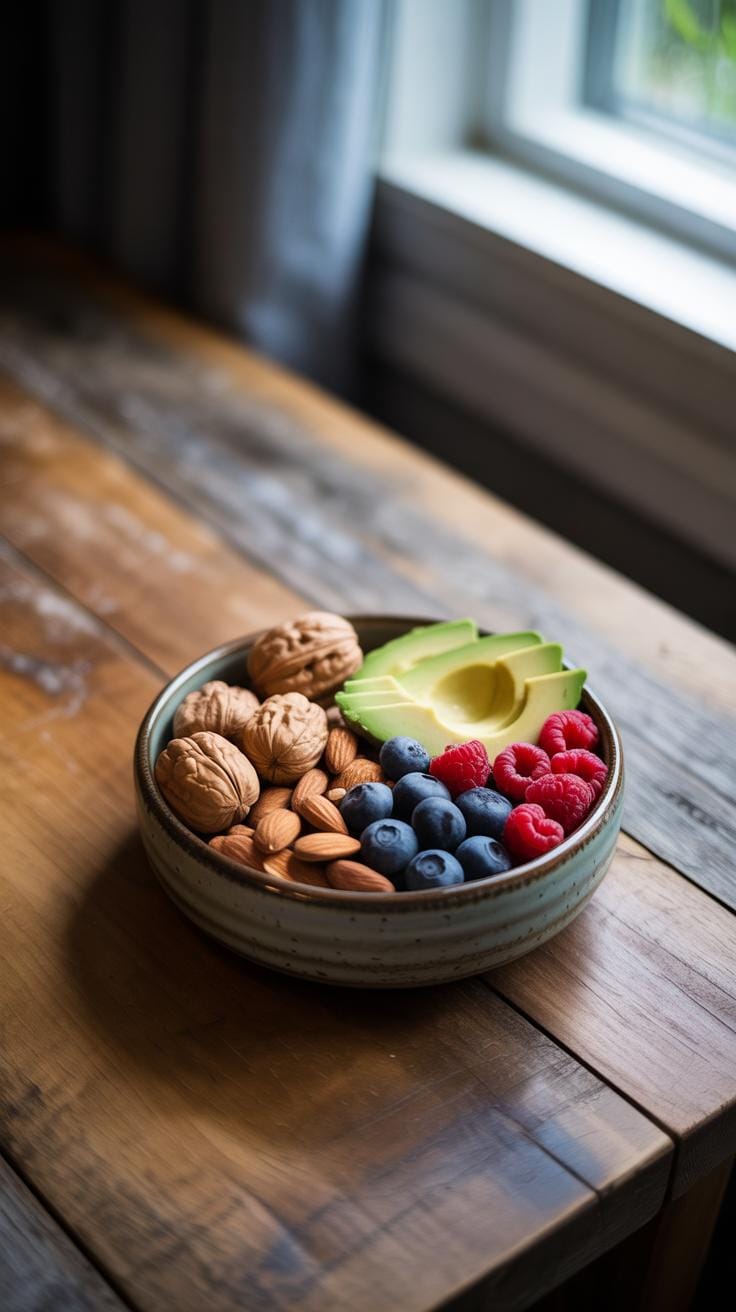
When you think about snacks that actually boost your energy, it’s less about quick fixes and more about lasting fuel. The key players here are protein, complex carbohydrates, and healthy fats. Protein slows down digestion, so the energy you get doesn’t disappear too fast. It also helps keep you fuller longer, which means fewer random cravings. Complex carbs break down more slowly compared to simple sugars, releasing glucose steadily into your bloodstream—this steady flow is what keeps your energy stable without sudden dips.
Fats, especially the healthy types like those found in nuts and seeds, can feel tricky because they’re dense in calories, but they actually provide a steady source of energy over time. They help your body absorb important vitamins too, so they’re a real ally in snacking smart. On the flip side, snacks high in simple sugars might give you that quick “rush,” but you often end up crashing hard afterward. Ever noticed how a sugary snack might leave you feeling wiped out 30 minutes later? That’s the sugar rollercoaster in action.
Beyond the macronutrients, a few key micronutrients deserve attention. Fiber, often overlooked, slows digestion like protein and can quiet those nagging hunger pangs. Magnesium plays a subtle but crucial role in your body’s energy production—it’s part of the process that turns food into usable fuel. Vitamins such as B-complex are involved in energy metabolism too, though you won’t get a buzz from them, just steady support. So next time you grab a snack, think beyond taste; what’s inside matters for how you’ll feel an hour later.
Snacks to Control Cravings
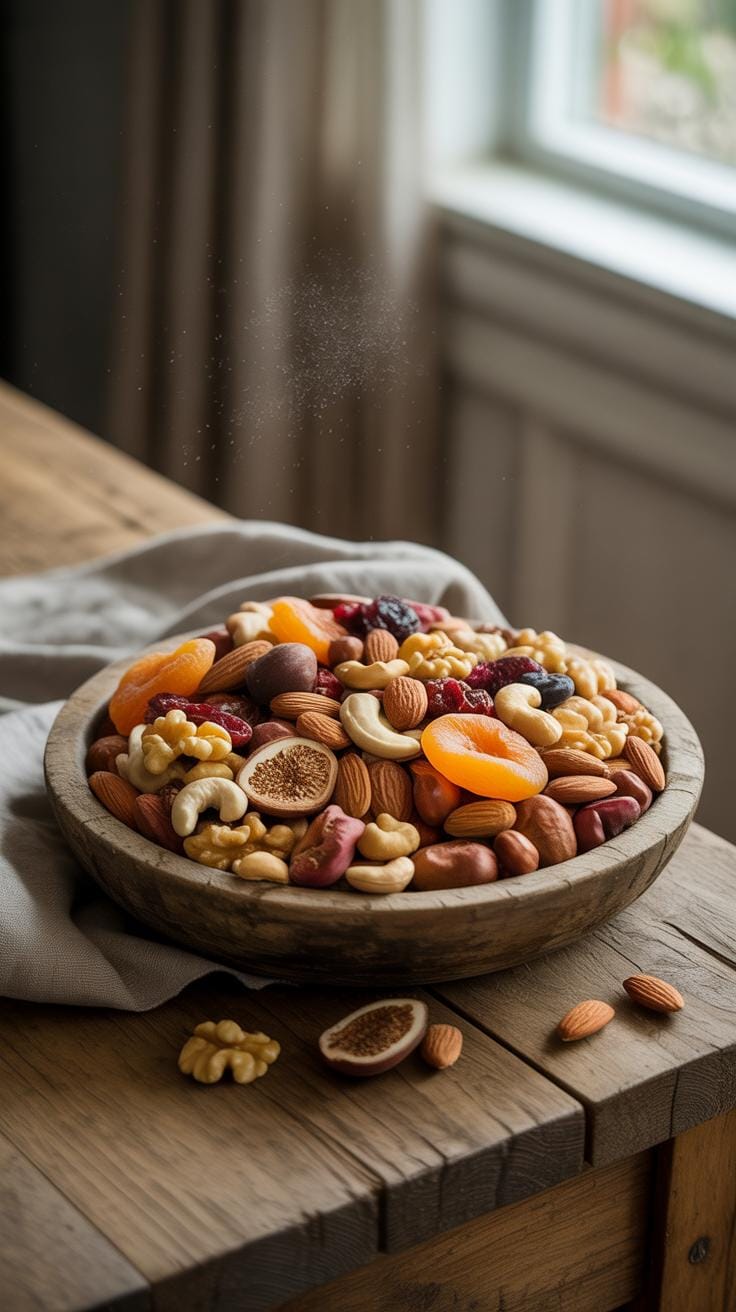
Food cravings often sneak up when you least expect them. That sudden urge for something sweet, salty, or just plain comforting isn’t always about hunger. It’s a mix of hormone signals and brain chemistry, where dopamine, the brain’s reward chemical, plays a big role. When you eat something pleasurable, dopamine spikes, reinforcing the desire to repeat that experience. This cycle can make it tough to resist unhealthy snacks.
But here’s where certain snacks can really help. Choosing ones rich in fiber and protein slows digestion and stabilizes blood sugar. This, in turn, keeps hunger pangs at bay and curbs the urge to binge on junk food. Think about nuts, seeds, or Greek yogurt — they fill you up longer and deliver steady energy. I’ve noticed when I snack on an apple with some almond butter, those midday cravings don’t hit as hard.
Also, snacks with complex carbs, like whole grains or vegetables, provide a slow-release energy source. This helps keep your brain from signaling a “need” for quick sugar hits. So next time cravings strike, reaching for the right snack might actually make the cravings quieter, not louder. It’s a bit of a balancing act, but it’s possible to train your body to prefer better options over time.
Snack Examples for Your Diet
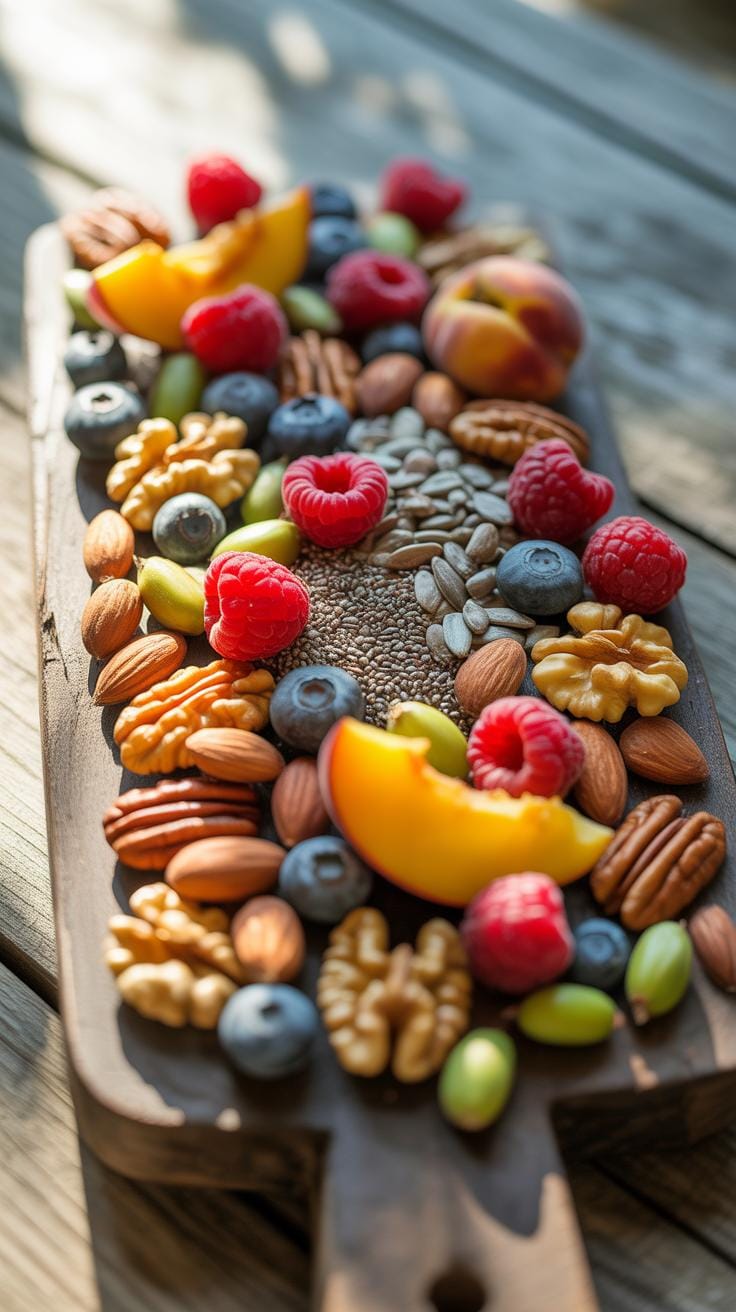
Picking the right snack can sometimes feel trickier than it needs to be. But you don’t have to overthink it—simple, wholesome options are easy to find and prepare, often with little fuss.
Here are a few snacks that I’ve found work well for quick energy and help control cravings:
- Raw nuts (almonds, walnuts, pistachios): Packed with healthy fats and protein, they keep you full and provide steady energy. Just a small handful can make a difference, though it’s easy to go overboard if you’re not paying attention.
- Greek yogurt: It’s rich in protein and calcium, and can satisfy sweet or savory cravings. Some versions have added sugar, so check the label or add your own fruit for flavor.
- Fresh fruit (apples, berries, bananas): Natural sugars offer a quick energy boost. Plus, fiber helps slow sugar absorption, which might keep you from crashing later.
- Carrot or celery sticks with hummus: Crunchy veggies pair well with protein-rich hummus, making for a filling, balanced snack. Though hummus portions can sneak upward if you’re not careful.
- Hard-boiled eggs: Portable and high in protein, eggs can keep hunger at bay, especially mid-afternoon.
Simple Snack Ideas
Some snacks don’t need to be fancy. Sometimes just a piece of fruit or a few nuts will do.
- Bananas: Great for quick energy due to potassium and natural sugars.
- Trail mix: Mix nuts, seeds, and a bit of dried fruit for a crunchy, sweet bite.
- Cottage cheese: High in protein and pairs well with fruit or a sprinkle of pepper.
- Rice cakes with nut butter: Light but satisfying; watch the nut butter portion to keep calories in check.
Mix and Match Snack Combos
Combining snacks can feel more rewarding and satisfy different cravings all at once. Try pairing options that offer protein with fiber or healthy fats for better balance.
- Apple slices with almond butter: Sweet, crunchy, creamy—this combo gives you fiber, protein, and fat.
- Greek yogurt with berries and a sprinkle of chia seeds: A mix of protein, antioxidants, and omega-3s, it’s like a mini fuel-up.
- Carrot sticks and a boiled egg: This combo provides crunch and creaminess, plus filling protein and fiber.
- Nuts with a small piece of dark chocolate: Satisfies sweet cravings while adding antioxidants and healthy fats.
Sometimes, mixing textures and flavors turns a snack from “meh” to “I want that again.” You might find that certain combos keep you feeling full longer than snacks on their own. Have you noticed which pairings work best for your energy and cravings?
How to Plan Your Snack Time
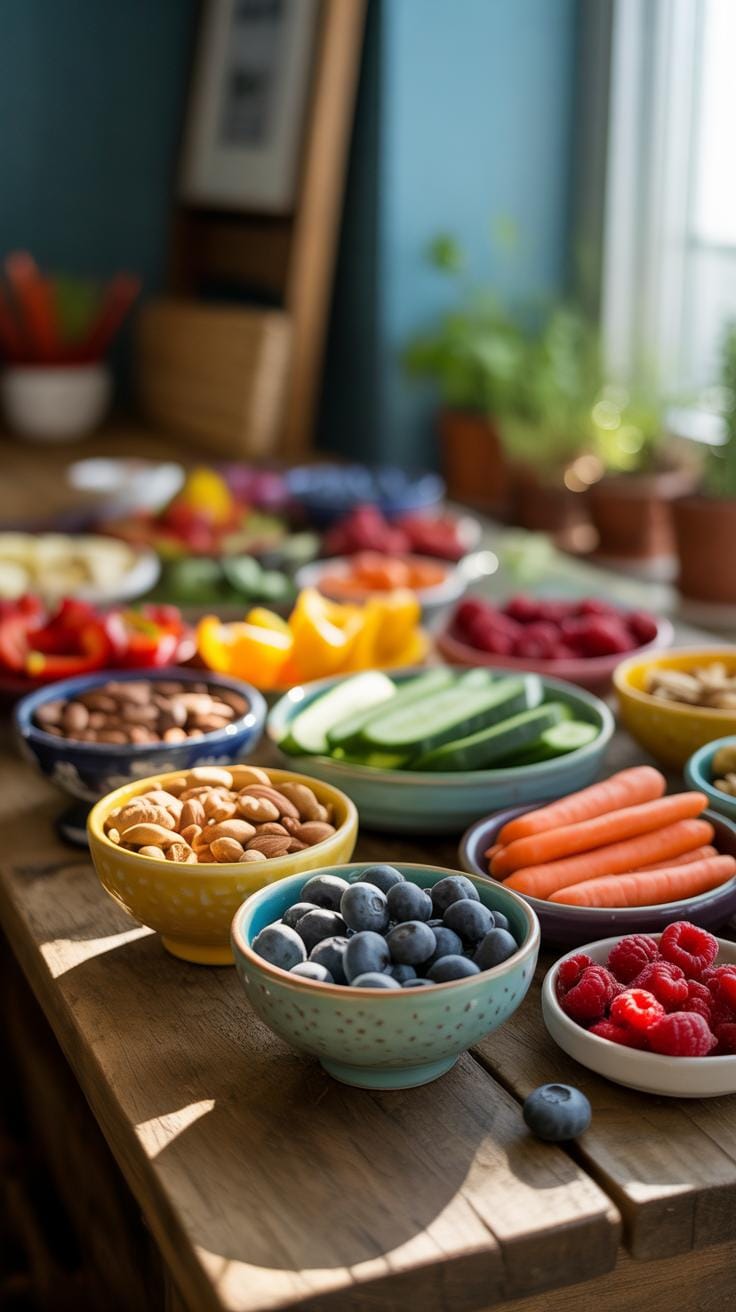
Finding the right moment for a snack during your day can feel a bit tricky, can’t it? You want to keep your energy steady but avoid that feeling of being too full or ruining your next meal. One approach is to think about snacks as small, purposeful breaks—little fuel-ups rather than mindless munching.
Try to space your snacks about two to three hours after meals. For example, if you eat lunch at noon, a mid-afternoon snack around 2:30 or 3 o’clock works well to maintain focus and energy. But, if you’ve had a lighter lunch, maybe an earlier snack feels right. There’s no one-size-fits-all rule here, and it might take a bit of experimenting with your own hunger cues.
Now, about portion sizes—I’ve noticed that it’s really easy to snack your way into overeating if you’re not careful. A practical rule I’ve followed is to keep snacks around 150 to 200 calories, which often means a handful of nuts, a piece of fruit, or some low-fat yogurt. Using small containers or pre-portioning snacks can help avoid grabbing more than you need. Sometimes, just putting your snack on a plate instead of eating straight from the package makes a surprising difference in how much you consume.
Snacks should feel satisfying but not overwhelming. If you find yourself still hungry after a snack, maybe it was too light, or maybe it’s actually time for a full meal soon. Listening to your body goes a long way here, even if it feels a bit inconsistent at times. It’s about balance, not perfection.
Healthy Snack vs Junk Snack Comparison
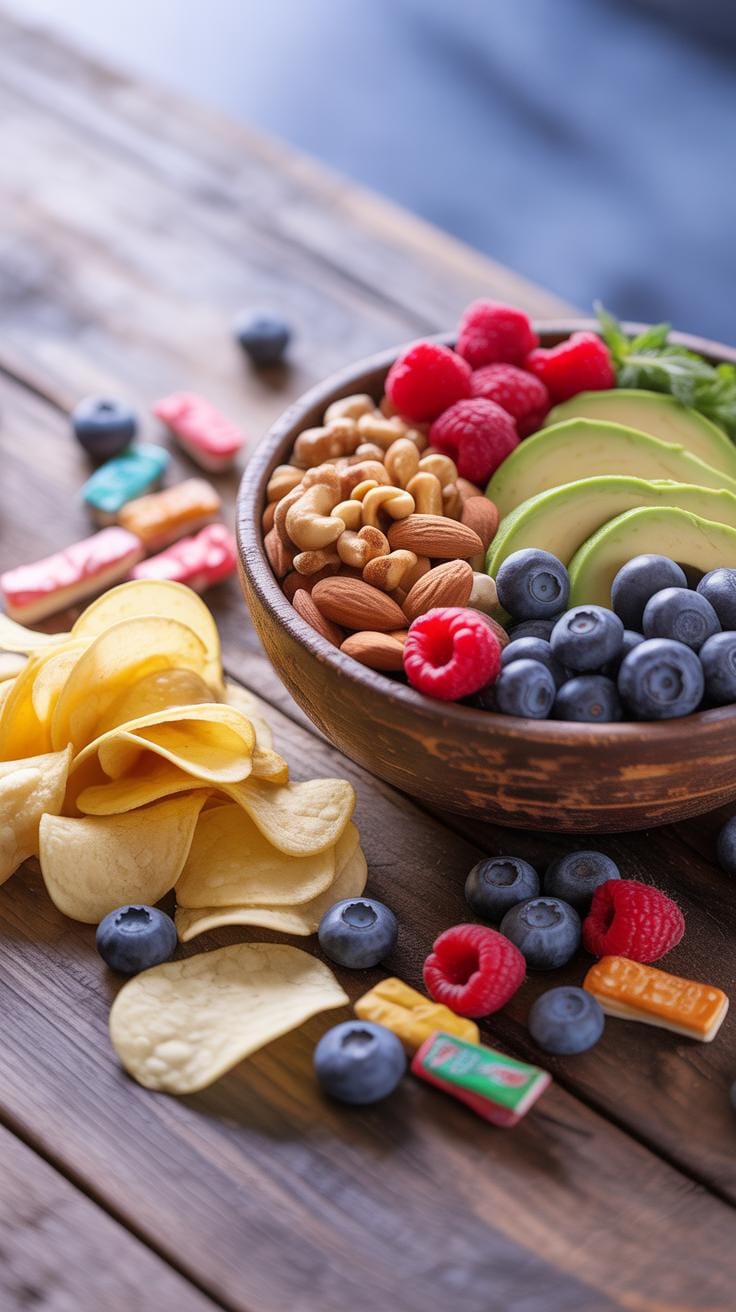
When you reach for a snack, what you choose affects your energy and cravings more than you might realize. Healthy snacks usually come packed with nutrients that fuel your body steadily. Junk snacks tend to be high in sugar and unhealthy fats, giving you a quick surge but followed by a crash. It’s a bit like trading a steady walk for a sprint that leaves you out of breath.
Look at the nutrient differences:
- Healthy snacks often contain fiber, protein, and healthy fats—think nuts, fruits, or yogurt.
- Junk snacks mostly offer empty calories from sugar and refined carbs, like chips or candy bars.
- Vitamins and minerals are far richer in whole-food snacks, supporting your overall health.
The way your body reacts to these snacks varies too. Healthy options usually keep hunger at bay longer, thanks to slower digestion and balanced blood sugar. Junk foods spike your blood sugar quickly but cause a drop soon after, making you feel hungry again—and maybe craving more sugar. I’ve noticed when I eat an apple with peanut butter, I don’t feel tempted for something else as soon as I would after a sugary granola bar.
Still, sometimes you might want that instant gratification from junk snacks, and that’s okay. The key is noticing how your body feels afterward and whether you want to keep eating. Your energy and cravings can honestly tell you a lot about what your body really needs.
Tools for Snack Preparation
Kitchen Tools Overview
Getting healthy snacks ready can be quicker if you have the right tools at hand. A good blender, for example, lets you whip up smoothies or nut butters in no time. It’s not always about fancy machines—sometimes a simple handheld mixer or a basic food processor can handle chopping nuts, seeds, or veggies just fine.
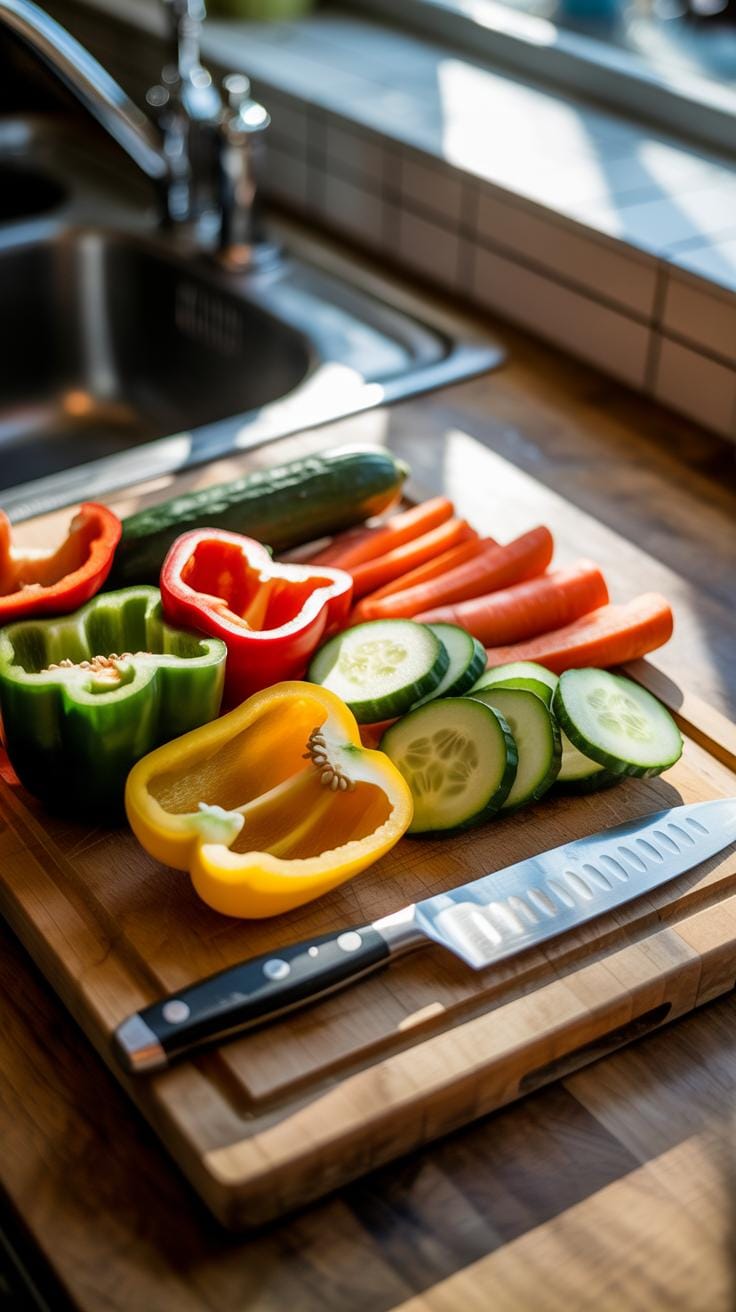
Then there’s the chopping board and a sharp knife. Sounds obvious, but a dull knife can slow you down and make snack prep less pleasant. A good set of small containers, preferably airtight, is worth investing in. They make portioning nuts, fruits, or granola easier, plus you can grab them quickly when hunger strikes.
Sometimes I find a mandoline slicer helpful for even slices of cucumbers or carrots—small effort, better snacks. What tools do you rely on in your kitchen? Maybe you’ll find a new favorite here.
Storing Snacks Effectively
Keeping snacks fresh matters. Otherwise, what’s the point of preparing them? Using airtight containers stops food from drying out or going stale too fast. Clear containers let you see what’s inside without opening them—handy when you’re rushing.
For things like cut fruit or veggies, storing in a bowl of cold water in the fridge can help maintain crispness longer. Nuts and seeds do better when kept in a cool, dark place—sometimes even the fridge—because their oils can turn rancid.
One trick I learned was freezing small portions of energy bites individually, wrapping them well, then thawing a couple in the morning. This way, you always have fresh snacks without much fuss. What’s your system for storage? Could a tweak here save you time or reduce waste?
Mistakes to Avoid in Snacking
Choosing Too Sugary Snacks
When you reach for something sweet to tide you over, it might feel like a quick fix. But sugary snacks can set you up for an energy crash shortly after. Your blood sugar spikes, leaving you wired for a moment—then, just as quickly, it plummets. That sudden drop often triggers more cravings, creating a cycle that’s hard to break.
Think about that cookie or candy bar you grabbed thinking it’d keep you going. Maybe it does, for a bit, but soon after it’s like your energy got pulled out from under you. Keeping your snacks balanced with some protein or fiber can help avoid those dizzying ups and downs.
Ignoring Portion Sizes
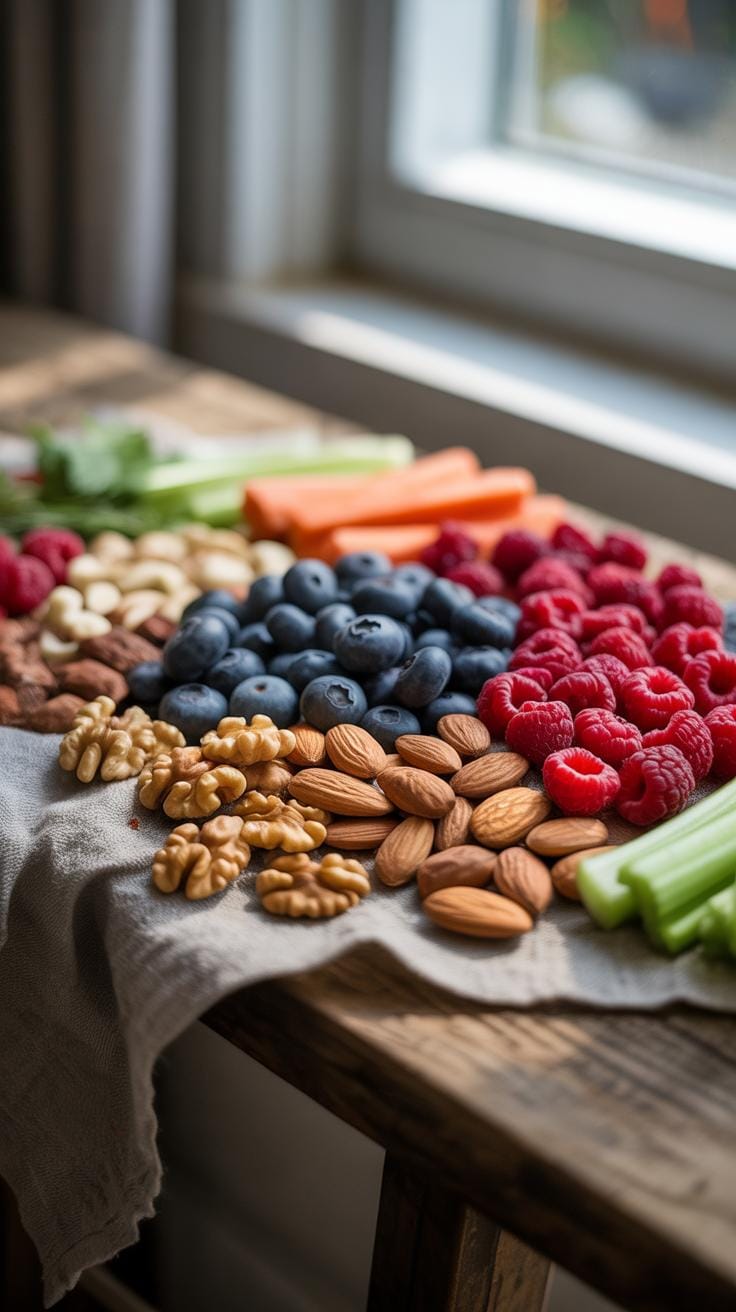
It’s tempting to assume that if a snack is healthy, you can eat as much as you want. Unfortunately, that’s not how it works. Even nuts or fruit, which are great choices, can add up in calories when eaten in large amounts. I’ve found myself mindlessly munching on handfuls without realizing it—then wondering why my stomach feels overly full or why I’m not losing weight as planned.
Paying attention to portion sizes helps keep your calorie intake in check and prevents overeating. Try pre-portioning snacks into small containers instead of eating straight from the bag. This little effort often makes a big difference without feeling restrictive.
Conclusions
Choosing healthy snacks that boost energy and reduce cravings can improve your diet and overall well-being. Snacks rich in key nutrients help maintain steady blood sugar and stop you from reaching for sugary or salty options. This leads to better control over hunger and more balanced energy levels.
Regularly including these snacks in your meals keeps your body nourished and satisfied. By understanding what makes a snack healthy and paying attention to your body’s signals, you can manage cravings effectively. Small changes in snack habits can support a healthier lifestyle and help you feel your best every day.