
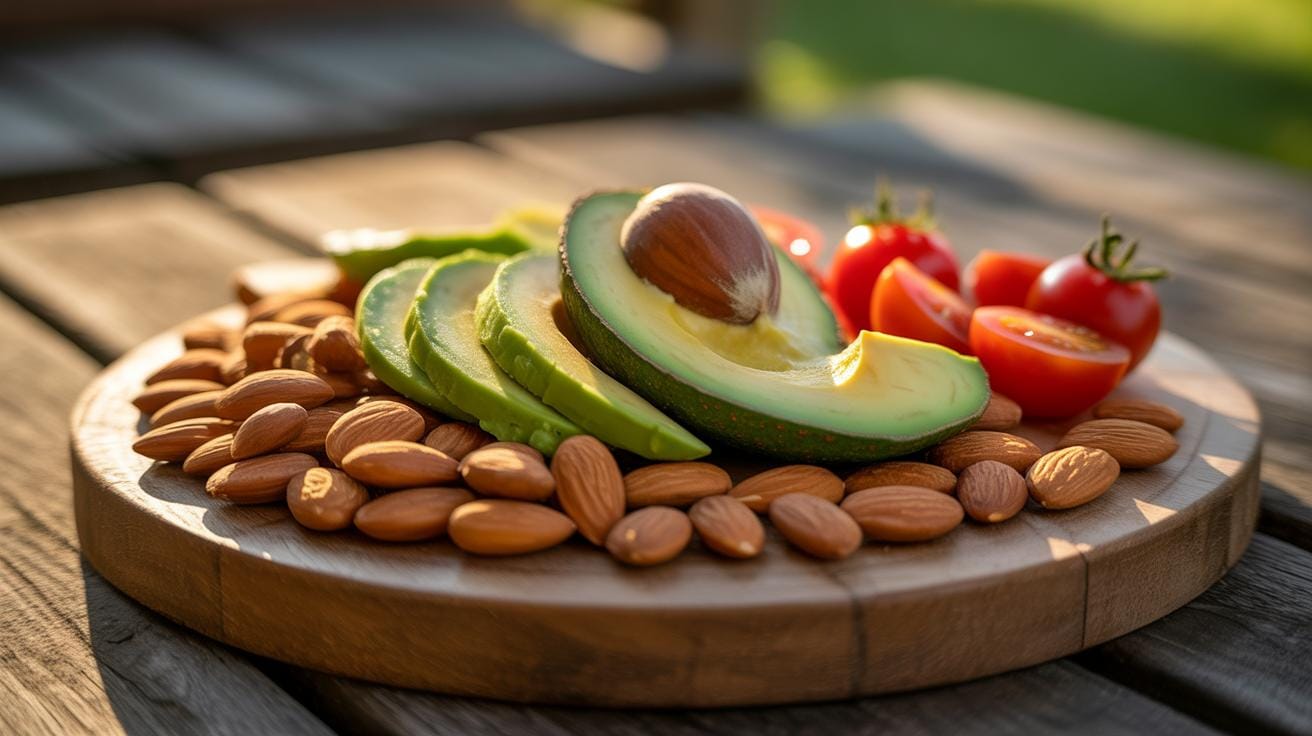
Low Carb Snacks for Energy and Weight Loss
Low carb snacks have become popular for people aiming to lose weight and increase their energy levels. These snacks are low in carbohydrates but high in protein and healthy fats, which can help keep you feeling full longer and reduce cravings for sugary treats. Choosing the right low carb snacks can make a big difference in your diet and energy over the day.
This article will explore the reasons why low carb snacks matter, what kinds of snacks work best, and tips to include them in your daily routine. You will find useful examples and practical advice to help you make healthier snacking choices that align with your weight loss and energy goals.
Why Choose Low Carb Snacks
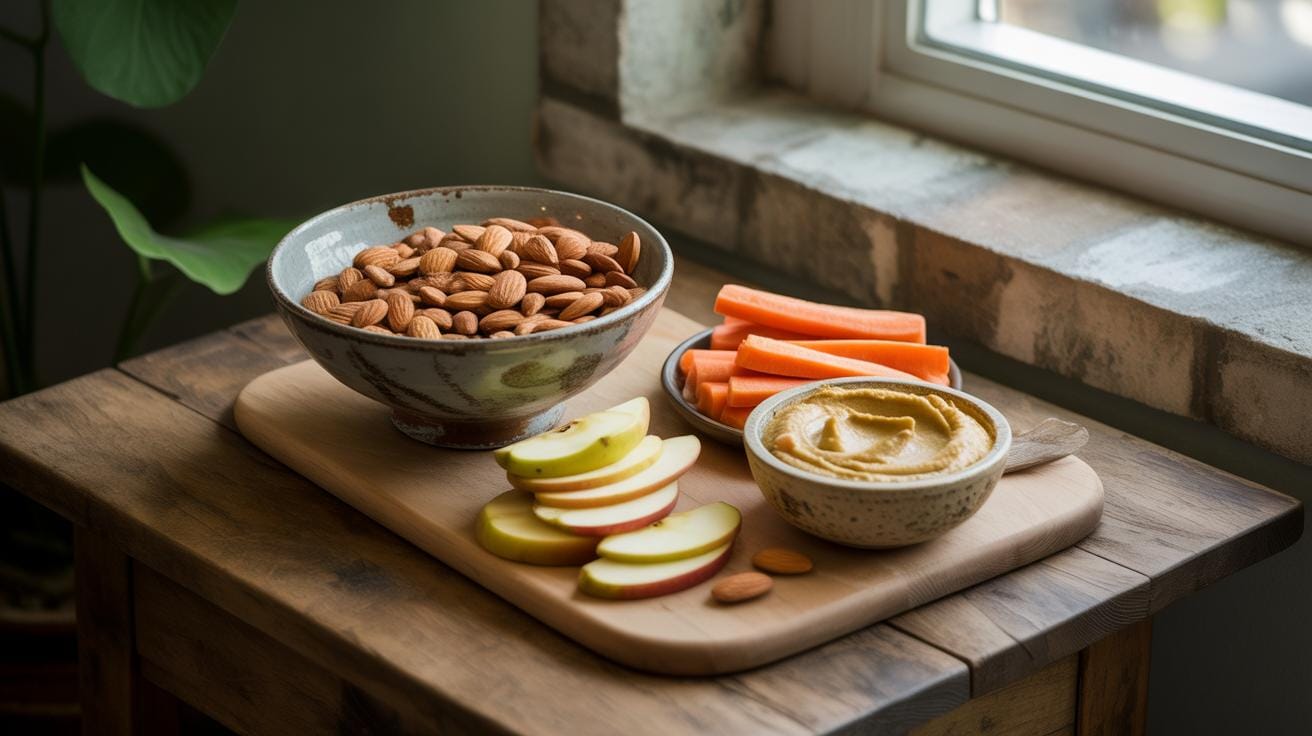
Choosing low carb snacks comes down to a couple of key reasons, especially if you’re focused on weight loss and maintaining steady energy. Unlike high carb snacks, which often cause quick spikes in blood sugar, low carb options help keep those levels balanced. This means you’re less likely to experience that familiar crash or sudden hunger pang shortly after eating.
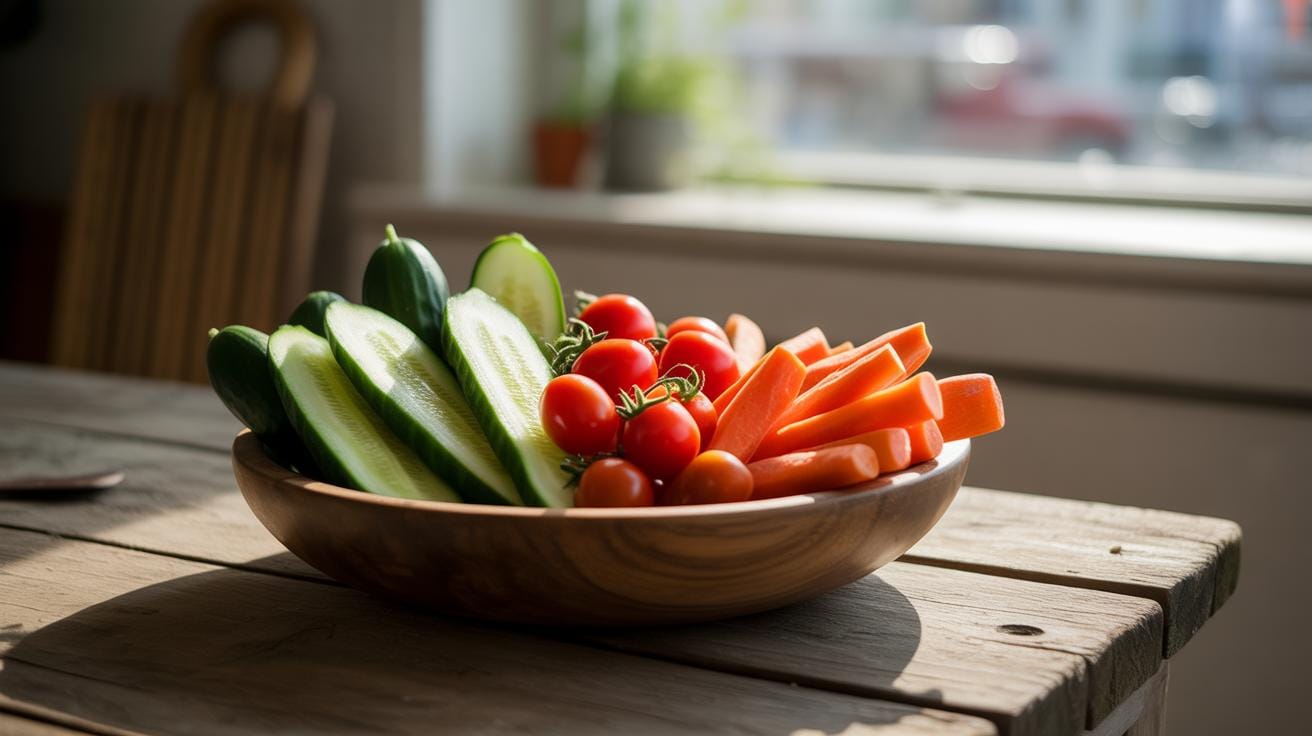
Low carb snacks usually have more protein and fat, which slow digestion and make you feel fuller for longer. That’s a big difference compared to sugary or starchy snacks that can leave you reaching for another bite soon after.
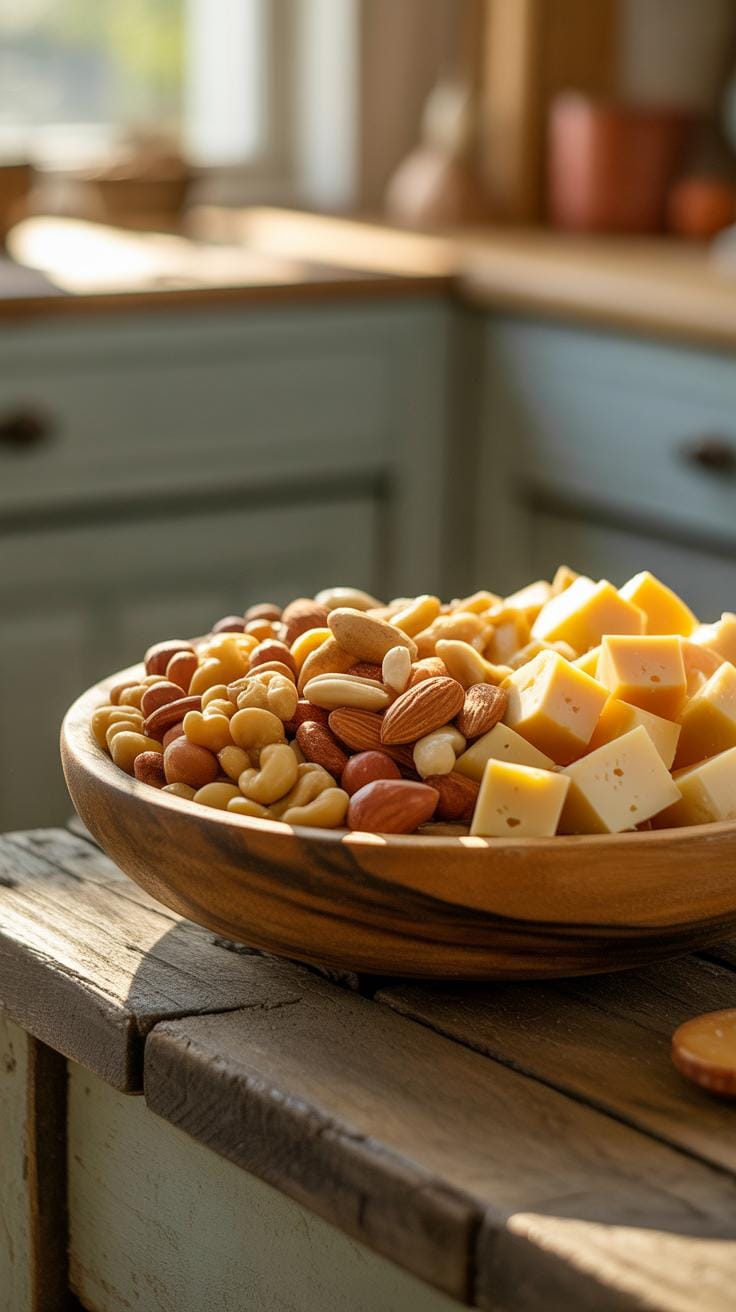
You might notice, for instance, that a handful of nuts or cheese sticks keeps you going through the afternoon far better than a bag of chips ever did. It’s about how your body reacts to fuel—low carb snacks support a smoother, more sustained release of energy rather than short bursts followed by dips. So if your afternoons often drag or leave you foggy, switching to low carb might just help stabilize things.
Weight Loss Benefits of Low Carb Snacks
It’s tricky to lose weight when hunger keeps pulling you back to the fridge, right? Low carb snacks can help here. They tend to suppress your appetite better than high carb snacks because they don’t cause rapid blood sugar swings, which often trigger cravings.
The slower digestion of fats and proteins means you feel satisfied longer and unintentionally end up eating fewer calories overall. Plus, when your body isn’t constantly battling high insulin levels from sugar hits, it can shift more easily into burning fat for fuel. So those low carb snacks help by nudging your metabolism in a different direction.
For example, I’ve found that swapping out fruit bars for boiled eggs or avocado slices leads to fewer snacking urges later in the day. That’s not just about what you eat but how your body uses that energy. It’s subtle but real.
Energy Stability Compared to High Carb Snacks
High carb snacks often deliver a quick rush of energy, but that spike doesn’t stick around. Soon after, energy drops off sharply, making you feel tired or shaky. This rollercoaster can leave you craving more food, creating a cycle that’s hard to break.
Low carb snacks act differently. They release energy gradually, preventing those extremes. Instead of a fast burn and crash, you get something closer to a steady flame. This steadiness can improve focus and mood long before hunger signals kick back in.
You might recall moments when reaching for crackers or sweets was followed by sluggishness—not the best feeling when you want to stay productive. Low carb snacks avoid that, offering a more stable, reliable boost that sustains you without the unwanted side effects.
How to Pick Low Carb Snacks
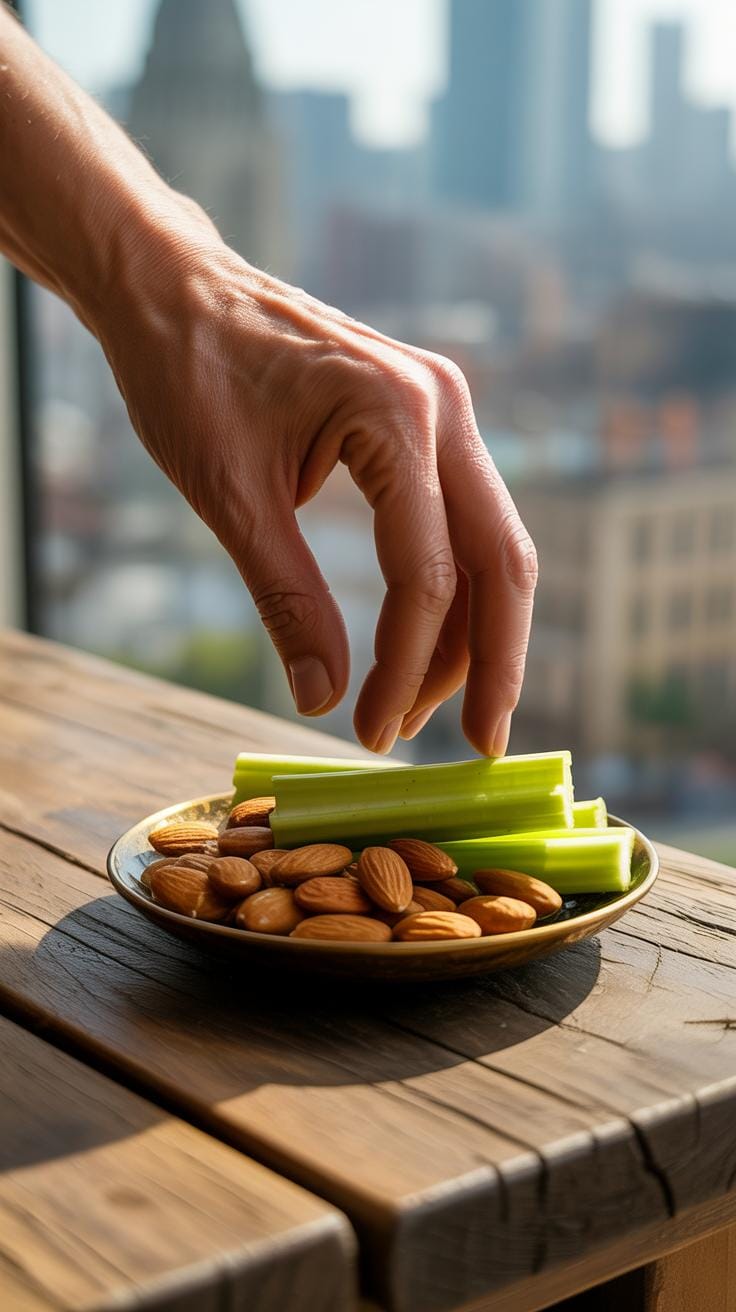
Choosing low carb snacks isn’t just about avoiding sugar—it’s about knowing what to look for and trusting your own taste buds. When picking snacks, aim for those that combine a few key nutrients which help keep you full and energized. I usually check for protein, fiber, and healthy fats, since they do the heavy lifting in keeping hunger at bay.
Reading labels can be tricky. Look beyond the “low carb” claims and scan the ingredients for sugars that hide under other names like maltodextrin or dextrose. Sometimes, even snacks marketed as healthy bars sneak in starches or sweeteners that bump up the carb count.
Consider simple snacks that need little to no prep. Things like nuts, cheese slices, or boiled eggs usually fit the bill and are hard to mess up. If you buy packaged foods, compare net carbs—subtract fiber and sugar alcohols from total carbs—to get a more honest number.
It’s easy to get fooled by products labeled “keto-friendly” or “sugar-free.” Some may still have added fiber or sugar alcohols that can impact your digestion or energy in unexpected ways. So, always ask yourself: does this snack really fuel me, or am I just eating it because of some label?
Simple Homemade Snack Ideas
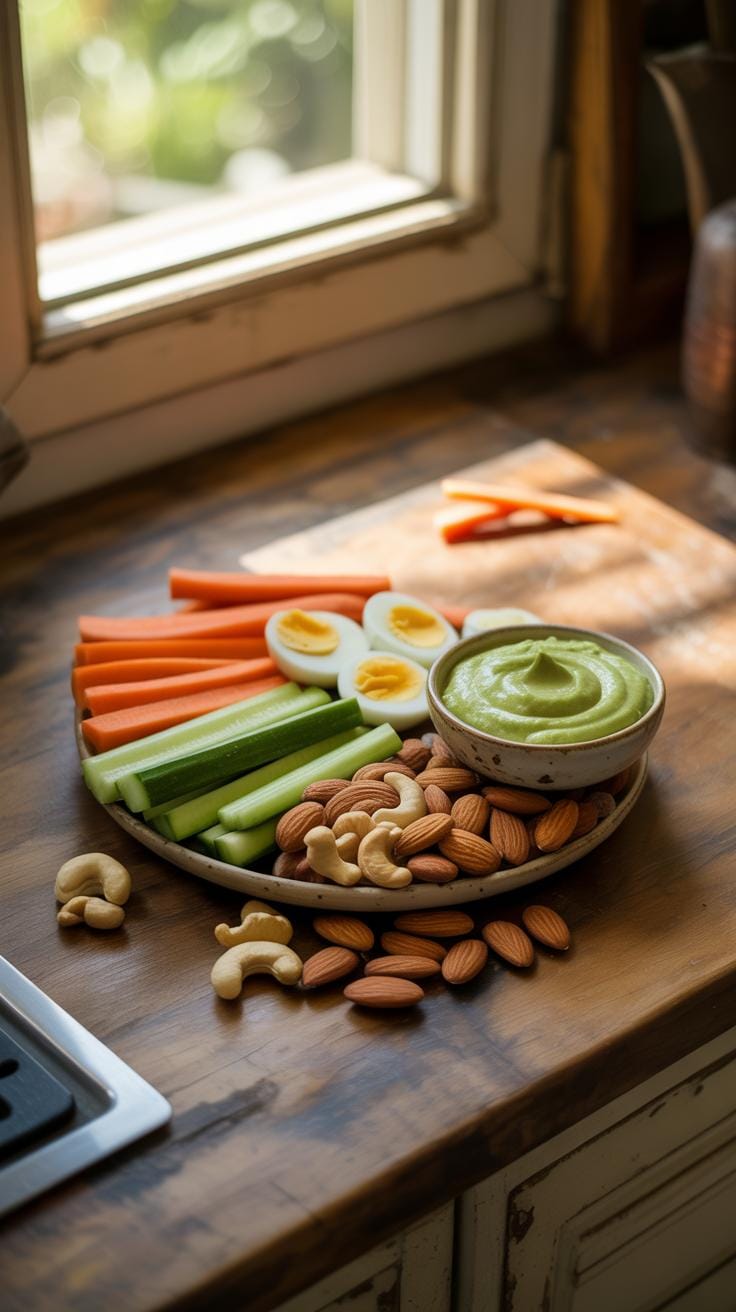
Low carb snacks don’t have to be complex or time-consuming. In fact, some of the easiest options are the ones you can prepare quickly with minimal ingredients. For instance, boiled eggs are a perfect go-to snack. They’re packed with protein, keep you full, and you can make a batch ahead of time, saving effort during busy days.
Cheese sticks are another simple choice. They require no prep and offer a satisfying mix of protein and fat. Pairing cheese with a small handful of nuts—like almonds or walnuts—creates a balanced snack that’s both convenient and energizing. Nut mixes can be tossed together in just a minute and customized to your taste.
Healthy fats also play a big role in keeping hunger at bay. Slices of ripe avocado sprinkled with a bit of salt feel like a treat but stay within your carb limits. I find spreading natural nut butters on celery sticks or cucumber slices to be a quick, filling option. Olives, too, offer a burst of flavor and fat content that sustains energy without the crash that sugary snacks cause.
Trying these snacks at home can make sticking to low carb easier than you might expect. Does a boiled egg paired with some olives sound interesting, or maybe cheese and nuts as an afternoon pick-me-up better fits your routine? Experiment with what feels right; sometimes simplicity wins.
StoreBought Low Carb Snacks Explained
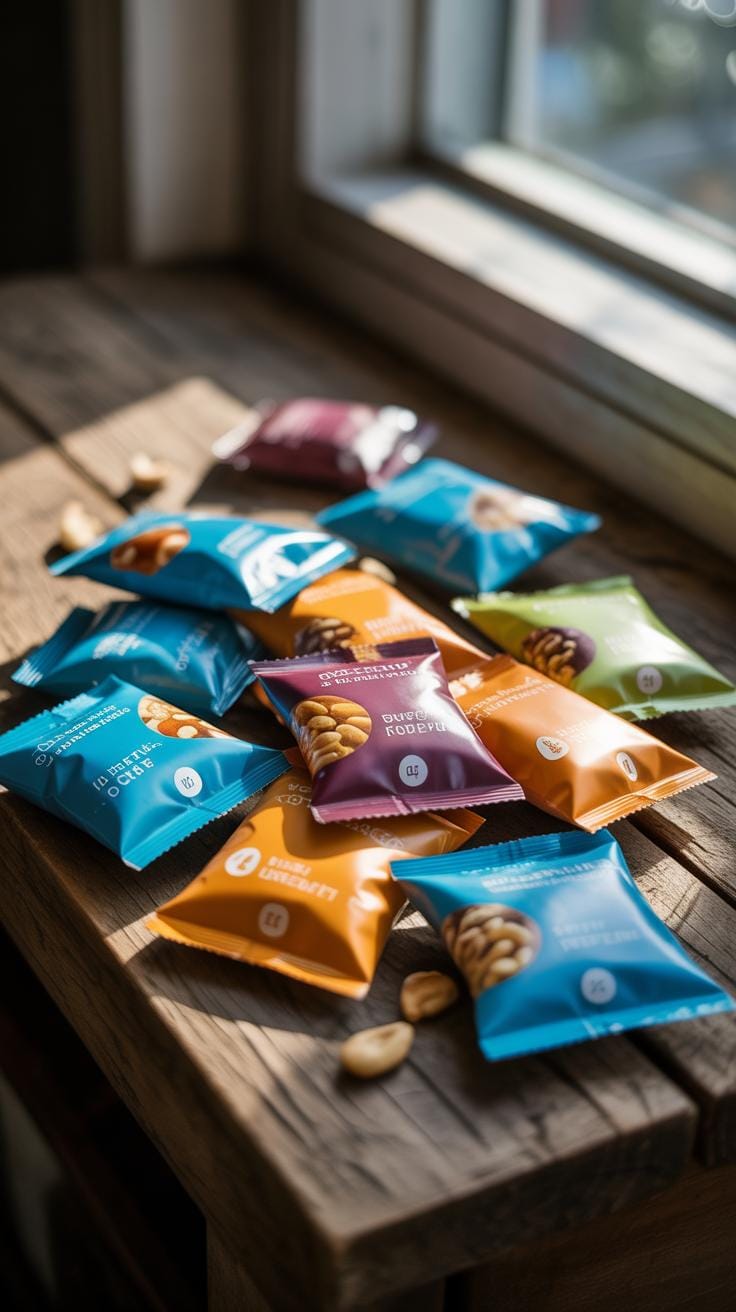
When you’re browsing store shelves for low carb snacks, the choices can seem overwhelming. You might wonder which products truly fit a low carb lifestyle without hidden sugars or fillers sneaking in. The truth is, not all “low carb” labels mean the same thing, so being cautious—even skeptical—is a good habit.
Popular options include beef jerky, nut bars, and cheese crisps. For example, many beef jerky brands provide around 2 to 4 grams of carbs per serving, but some add sugar or flavorings that bump up the carbs unexpectedly. Nut bars can vary wildly, with some carrying 5 carbs and others closer to 15—checking the label is key. Cheese crisps often hover around 1 to 3 grams of carbs and offer a satisfying crunch that’s hard to beat.
When reading nutritional labels, watch beyond just total carbs. Look at fiber and sugar alcohols since they might reduce net carbs. But remember, some sugar alcohols still impact blood sugar for certain people, so it’s not a perfect measure. Protein and fat content also matter—they help balance energy and curb cravings, which supports keeping your carb intake on track.
Ask yourself: does this snack fit my daily carb goals without causing a spike? Does it offer enough nutrients or just empty calories? These questions help avoid impulse buys that don’t really fuel you. Finding good store-bought low carb snacks takes patience, but it becomes easier once you know what to look for—and trust your judgment a bit more.
Snack Timing for Best Results
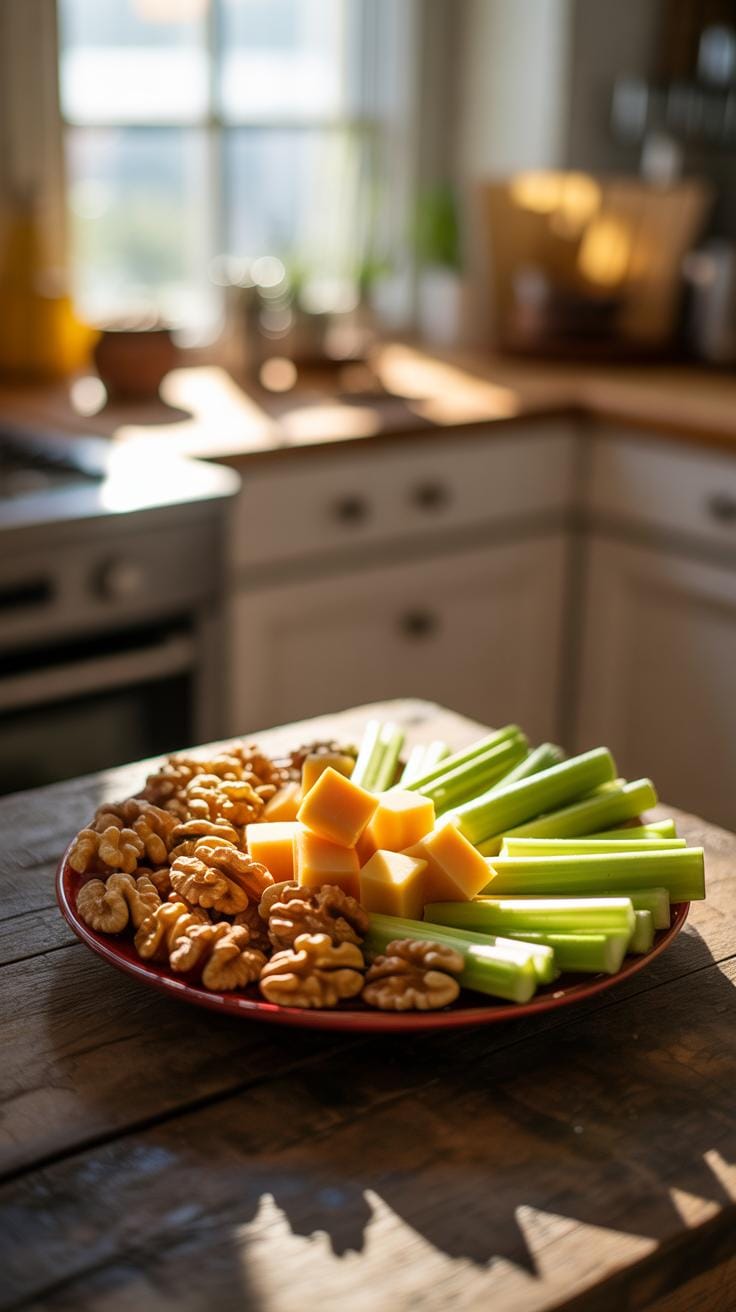
The timing of your low carb snacks can make a meaningful difference in how you feel throughout the day and how well you stick to your weight loss goals. For many, eating a small snack roughly two to three hours after a meal helps keep hunger in check without leading to overeating at the next meal. It’s a balance that’s not always easy to find, but spacing snacks properly often prevents those ravenous moments that make you grab whatever’s quick and carb-heavy.
Try to listen to your body’s natural hunger cues rather than eating out of habit or boredom. If mid-morning feels sluggish, a well-chosen low carb snack might restore your energy. Later in the afternoon, a small bite can keep fatigue away and stop evening cravings from taking over.
Before you exercise, consider snacks that provide fat and protein, not excess carbs. Options like a handful of nuts, a slice of cheese, or half an avocado can give you fuel without a blood sugar spike. It’s tempting to reach for carbs for quick energy, but these can lead to crashes mid-workout or leave you feeling drained sooner than expected.
Of course, individual responses vary. Some people might find a few berries or a tiny low carb bar helpful before activity. You might need to experiment a bit to find what actually keeps you going without making you feel heavy or sluggish.
Low Carb Snacks for Different Lifestyles
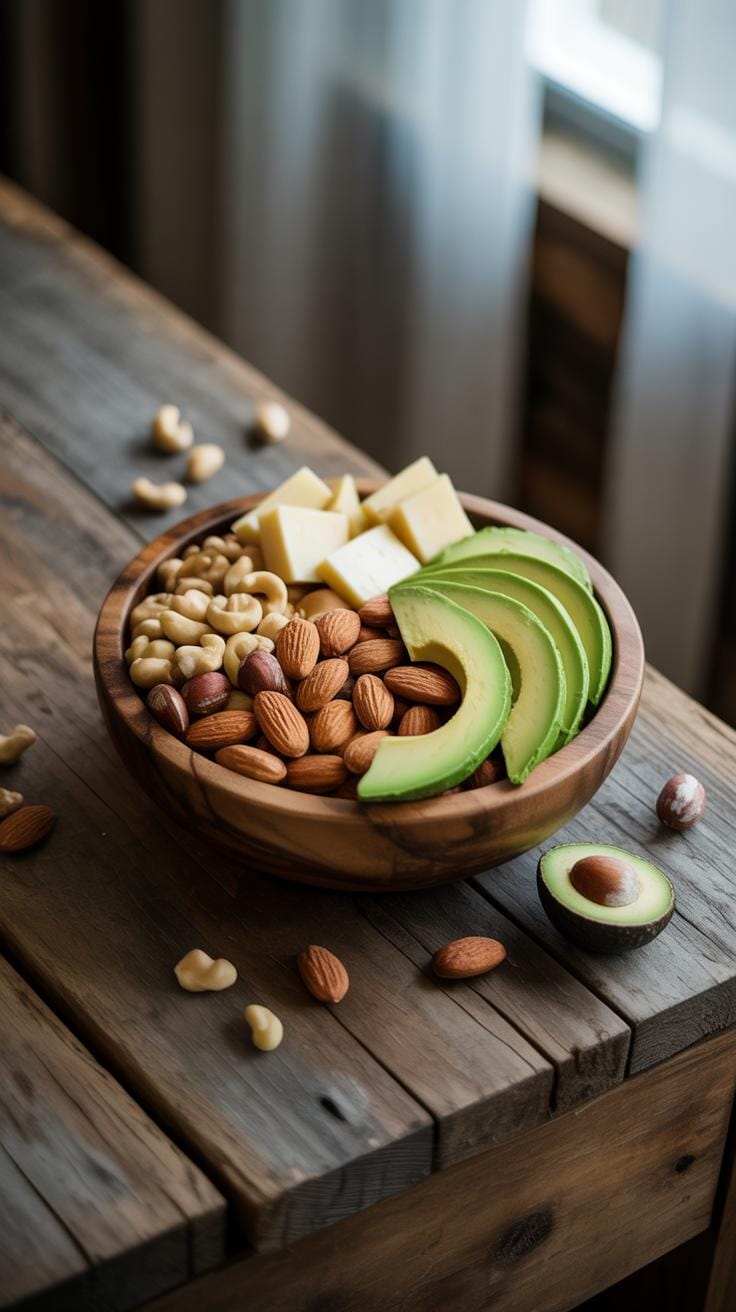
Low carb snacks can really fit into many routines, though the way you approach them may change depending on your day-to-day needs. If your workdays are packed or you find yourself on the move a lot, snacks that are easy to grab and require no prep make a huge difference. Think of items like nuts in small bags, cheese sticks, or even hard-boiled eggs ready in the fridge. They don’t need fuss and won’t weigh you down, yet they help keep energy steady—and you avoid the sugar crash that often follows carb-heavy options.
Travel brings its own challenges. Space and storage might be limited, and options on the go aren’t always great. Packing jerky, olives, or low carb nut bars can be a lifesaver. They last well without refrigeration and make you think twice before reaching for chips or sweets at rest stops. I’ve noticed that having these on hand can stop that “hangry” mood from creeping in, which is honestly half the battle.
For kids, it’s a bit trickier. Low carb doesn’t always equal kid-approved taste, so finding snacks that satisfy both guidelines and little taste buds involves some trial. Slices of cucumber with hummus, cheese cubes, or small servings of mixed nuts often work well. You might find that offering a crunchy veggie feels more fun if it’s paired with a dip—something I’ve tried out on my niece, who surprisingly enjoyed celery sticks with cream cheese. Also, homemade muffins with almond flour can sometimes sneak in as a treat that’s not too far off from what kids expect but with fewer carbs.
What kind of snacks have you found keep you going on your busiest days? Sometimes the simplest ideas stick best.
Common Mistakes Choosing Low Carb Snacks
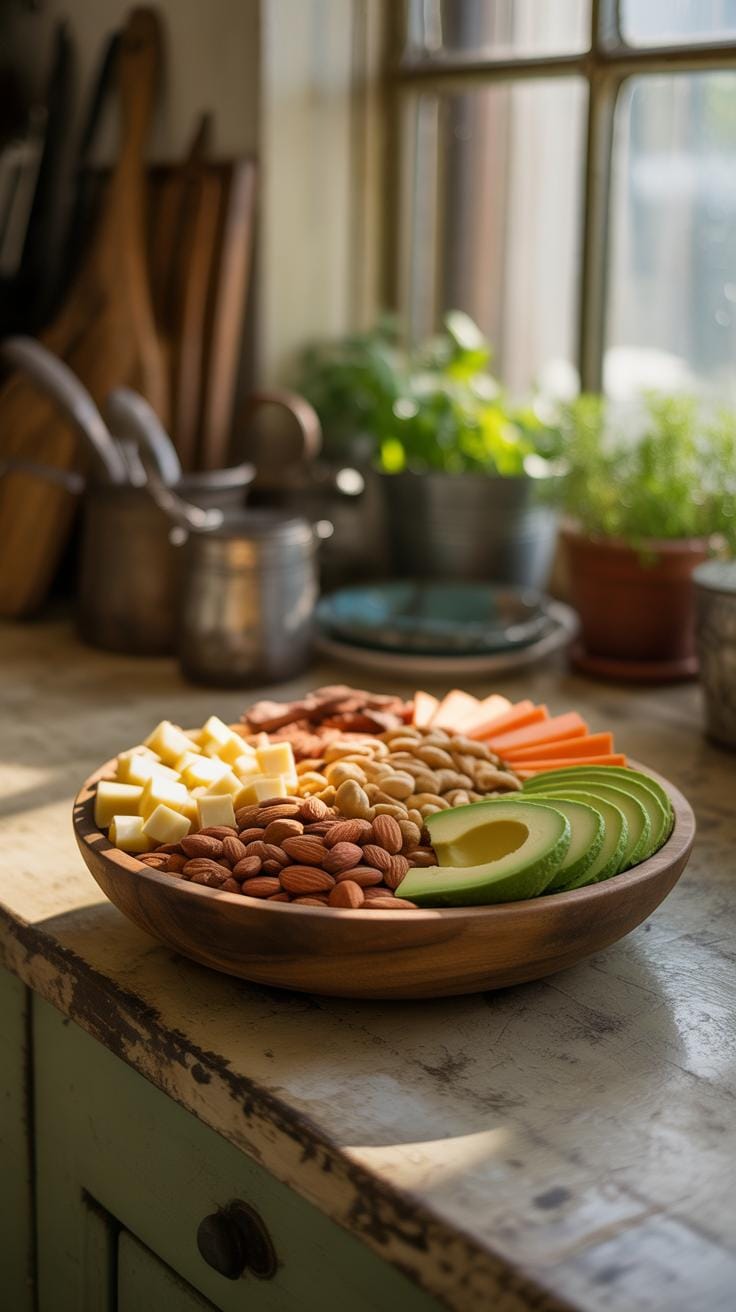
One of the more confusing things when picking low carb snacks is mixing up low sugar with low carb. It’s easy to glance at a label and think a snack is fine just because it’s low in sugar. But carbs include more than just sugars—they also cover fiber, starches, and sugar alcohols, which can add up quickly. So even if something says “low sugar,” it might still be packed with carbs. This matters because those extra carbs can affect your energy levels or stall weight loss without you realizing why.
Another hiccup people run into is eating too much of “healthy” low carb snacks. Fats and proteins in these snacks can make you feel full, but it doesn’t mean endless portions won’t add calories that slow your progress. I’ve noticed that even with nuts or cheese, it’s tempting to keep munching without really thinking about how much you’re consuming. Overdoing it may quietly undo the benefits you’re aiming for.
To avoid these slip-ups, look beyond sugar content and check total carbs on the label.
- Consider serving sizes carefully—snacking still needs moderation.
- Keep an eye on hidden carbs from ingredients like nuts, seeds, and dairy.
- Ask yourself if you’re eating because you’re hungry or just out of habit.
These small adjustments help more than you might expect. It’s a little effort worth making, especially when you want snacks that support your goals without surprise setbacks.
Comparing Low Carb Snacks and Traditional Snacks
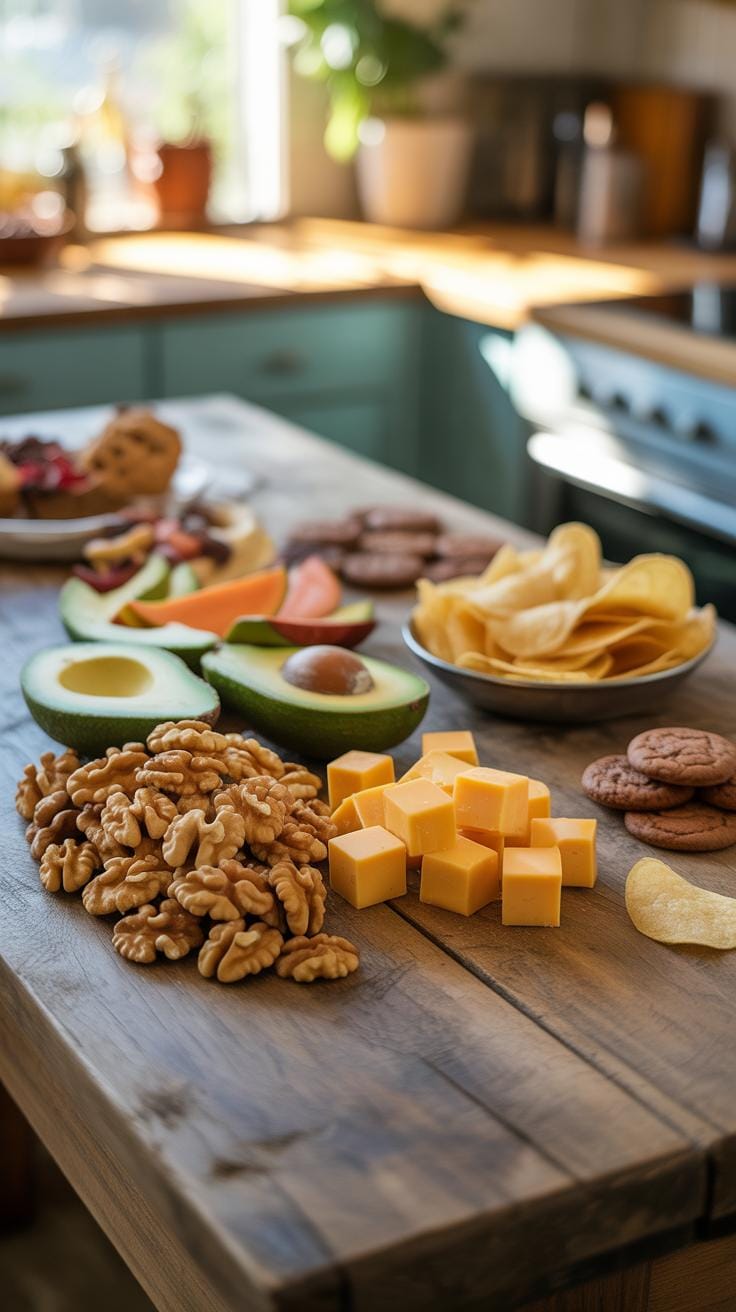
If you pay attention to what you snack on, you might notice how different foods impact your energy and hunger in quite distinct ways. Low carb snacks often contain more protein and fat, which digest slower and provide a steadier release of energy. Traditional high carb snacks, like cookies or chips, usually cause a quick spike in blood sugar followed by a crash. That sudden dip can leave you feeling tired or craving more food shortly after.
When you think about it, snacks with fewer carbs might keep you fuller longer and prevent those annoying energy slumps. For example, a handful of nuts or cheese sticks don’t just satisfy hunger—they avoid the rollercoaster glucose swings tied to sugary snacks. It’s not foolproof, of course. Sometimes, even a low carb snack won’t stop you from feeling sluggish, depending on what else you’ve eaten or your body’s reactions.
Long-term, the choice between low carb and high carb snacks seems to matter for weight control. Studies suggest that low carb options can help curb overeating by stabilizing blood sugar and keeping cravings in check. Yet, some people do well on moderate carbs and find high carb snacks less problematic. It makes you wonder—how much is personal metabolism at play here? Or maybe lifestyle and activity levels tilt the scale more than the snack itself.
- Low carb snacks generally lead to less dramatic blood sugar spikes.
- High carb snacks can cause faster energy crashes and trigger more frequent hunger.
- Choosing snacks rich in protein and fat tends to support longer satiety.
- Long-term weight management seems easier when snacks avoid sharp glucose swings.
- Individual response varies—some people tolerate carbs better than others.
Checklist to Build Your Snack Box
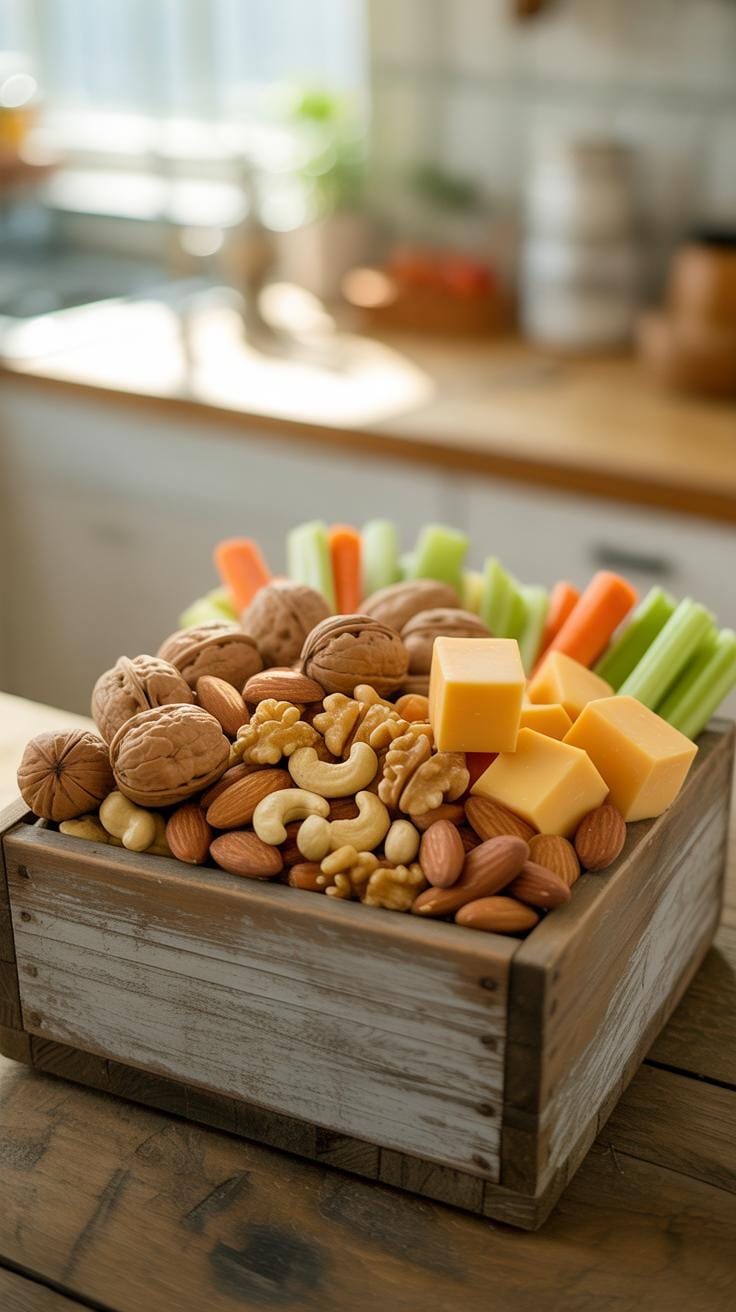
Must-Have Snack Ingredients
Start with a few essentials that are easy to grab and low in carbs—nuts like almonds or walnuts, for instance. They provide healthy fats and some protein, keeping you full longer. Hard cheeses, such as cheddar or gouda, work well too; they don’t spoil quickly and have almost no carbs. Also, consider boiled eggs—they’re simple, portable, and satisfying. Then there’s cream cheese or nut butters, like almond or peanut, which pair nicely with celery sticks or cucumber slices. Olives or pickles add a salty twist without a carb spike. You might want to keep small packs of pork rinds on hand, too—more for texture than nutrition, but they fit the low carb bill. The key is variety; swapping flavors keeps snacks interesting and prevents boredom.
Packing Your Snack Box Effectively
Think about storage as much as what you pack. Using airtight containers helps keep nuts from turning stale and cheeses from drying out. Consider a small cooler bag if you’re bringing along perishables like hard-boiled eggs or fresh veggies. Single-serving portions avoid overeating and make it easier to track carbs. It’s tempting to throw everything in one big container, but separating items can preserve their texture—you don’t want soggy celery. You might feel a bit over-prepared, but packing a diverse snack box means you can face any hunger moment at work or home without fiddling. Maybe try rotating your snack stash weekly to keep things fresh and your interest high. How often do you swap out your snacks?
Examples of Low Carb Snack Plans
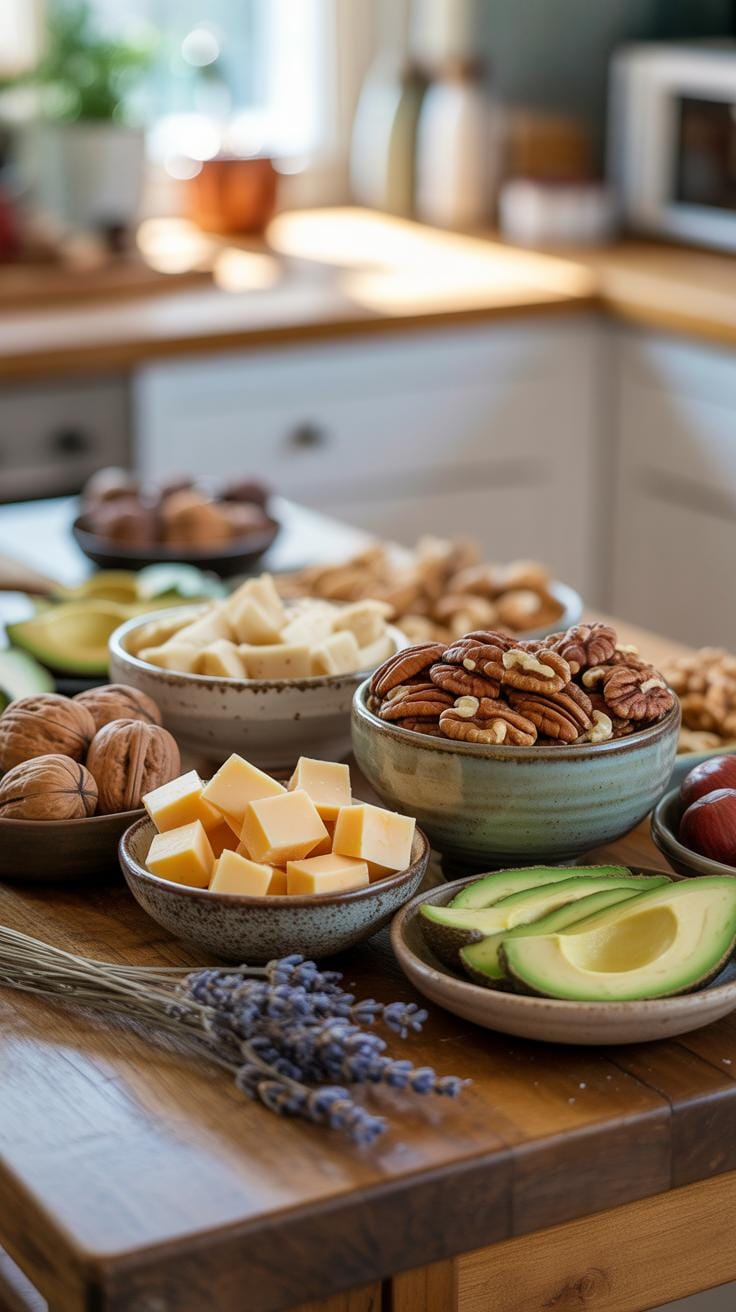
Sample Snack Plan for a Workday
Morning snacks can really set the tone for your day. I usually reach for a handful of almonds paired with a small piece of cheese around 10 a.m. It’s simple, filling, and keeps me alert without a sugar crash. If you prefer something fresher, cucumber slices with guacamole work well too.
By mid-afternoon, your energy might dip. Here, a boiled egg or some celery sticks with peanut butter can help. They offer protein and fat, which will steady you through the last hours of work. Sometimes I switch to a few olives and a couple of walnuts when I want something different but still low carb.
Evening snacks should be light but satisfying—perhaps a small portion of Greek yogurt mixed with a few raspberries or a slice of turkey rolled around an avocado slice. It’s easy to prepare and won’t interfere with your weight loss goals.
Weekend Relaxed Snack Plan
On weekends, the schedule loosens up, and so can your approach to snacking. Maybe late morning you feel like munching on some cherry tomatoes with mozzarella pearls sprinkled with basil. It feels almost like a treat but stays firmly on the low carb path.
If you’re out and about or just lounging, mix it up with pepperoni slices or small cubes of cheddar. These don’t need preparation and hold well if you want to snack over a longer period.
Later in the day, ease into softer options like cottage cheese topped with a few sliced almonds or half an avocado with a dash of sea salt. You may find yourself grabbing something spontaneous on lazy days—and that’s okay, as long as you keep an eye on carbs.
Conclusions
Low carb snacks can be a helpful tool to support your weight loss and energy management. By focusing on foods rich in protein and healthy fats, you can reduce hunger and avoid energy slumps. It is important to choose snacks that fit your taste and lifestyle to maintain consistency.
Make small changes by incorporating low carb options like nuts, cheese, or boiled eggs into your snack times. Experiment with different choices to find what works best for you. With a thoughtful approach, low carb snacks can play a valuable role in meeting your health goals.