
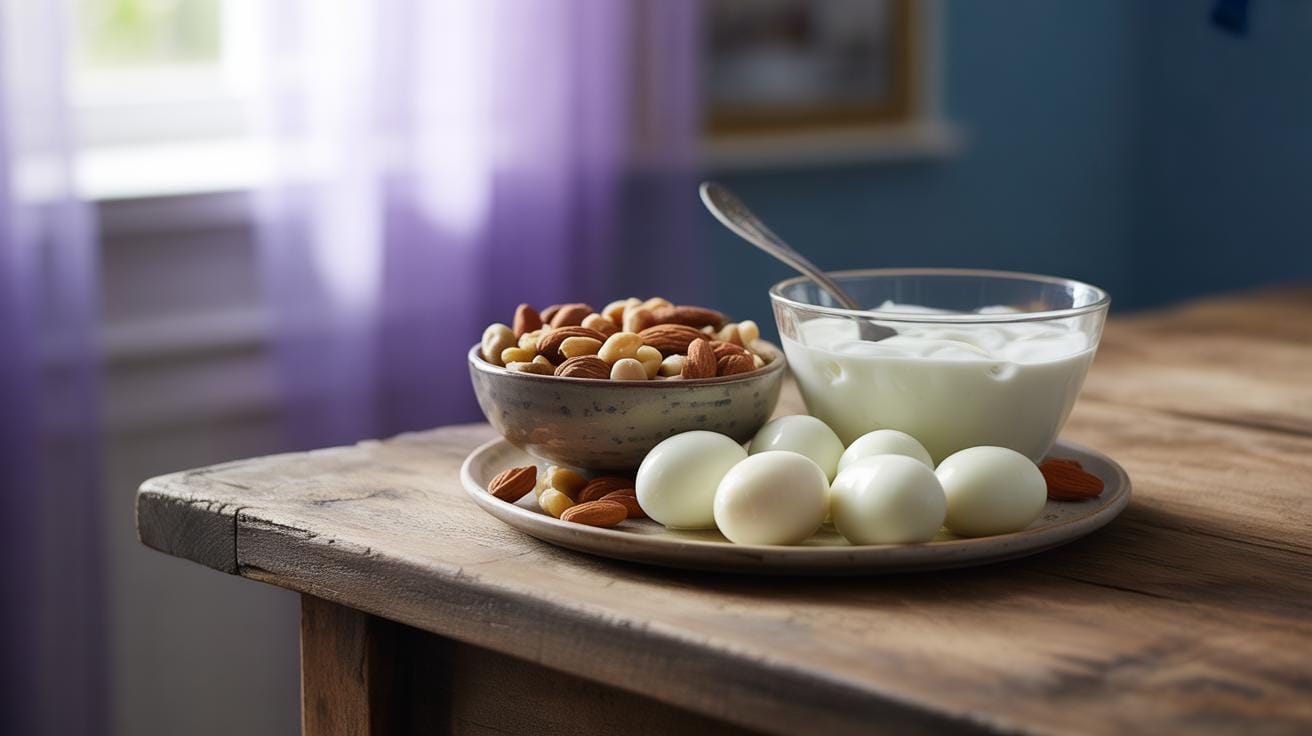
High Protein Snacks for Muscle Growth
Eating snacks rich in protein can help you stay energetic and build muscle. High protein snacks provide your body with the amino acids it needs to repair and grow muscles, especially after exercise. They can also keep you full longer, preventing overeating and helping you manage your weight.
This article covers the types of high protein snacks you can choose, why they are good for your energy and muscles, and how to include them in your daily routine. By understanding these snacks better, you can make smart food choices that support your health and fitness goals.
Benefits of High Protein Snacks

Eating high protein snacks can have a noticeable impact on your energy and muscle health, even if you’re not training like a pro athlete. Protein provides the building blocks—amino acids—your muscles need to bounce back after exercise. When you work out, tiny tears form in your muscle fibers. Protein helps repair them, making the muscles stronger over time. It’s as if protein supplies the raw materials for muscle recovery and growth.

Think about how you feel after a sugary snack. That quick spike in energy usually comes followed by a crash. Protein works differently. It slows digestion, so your body gets a steady trickle of fuel instead of a burst followed by a slump. This steady supply helps you keep your focus and avoid the fog that snacks with empty calories often bring on.
And there’s more—protein can also help control hunger. Since it takes longer to digest, you might find yourself feeling full longer. That can make a big difference between snacking mindlessly and feeling satisfied until your next meal. Ever noticed how some snacks leave you hungry 30 minutes later? Protein-rich options can break that cycle.
Muscle Repair and Growth Support
When you eat a protein snack, you provide your body with essential amino acids, the pieces muscles need to fix and rebuild. After exercise, your muscles are in a repair mode; protein intake kicks this process into action. It’s not just about what you do in the gym—what you eat afterward shapes how your muscles adapt.
Simply put, protein fuels the repair process. If the body lacks amino acids, that repair slows down or remains incomplete. Imagine trying to fix a wall without bricks. Over time, consistent protein intake leads to muscle growth because your body rebuilds the fibers larger and stronger to handle future stress.
Energy Boost Through Protein Intake
Protein digests more slowly compared to carbs, resulting in more consistent energy levels throughout the day. When you grab a protein-rich snack, your blood sugar doesn’t jump wildly, so the energy you get doesn’t crash unexpectedly. This can prevent the tired, fuzzy feelings that come after sugary snacks—which, honestly, I wish more people talked about.
Choosing protein snacks over ones loaded with empty calories means more stable fuel for your brain and body. You might find yourself avoiding that mid-afternoon slump or waking up less groggy after a midnight snack. Sometimes, it’s the difference between a sluggish afternoon and one where you actually get stuff done.
Common High Protein Snack Options

Protein Bars and Powders as Convenient Snacks
Protein bars and powders offer a quick, grab-and-go protein boost, which can be really handy, especially when time is tight. Typical protein bars range from about 10 to 20 grams of protein per serving, often coming from whey, soy, or pea proteins. Powders, mixed into shakes or smoothies, can provide anywhere between 15 and 30 grams per scoop.
They’re convenient and portable, no doubt. Many include added fiber and some even boast low sugar content, but watch the ingredients closely. Sometimes, bars come packed with sugars or artificial sweeteners, and powders can contain fillers or additives you might want to avoid. It’s a trade-off: easy nutrition versus less whole-food content.
For example, a whey protein bar might have around 20 grams of protein but also 200 calories and 10 grams of sugar. Choose your bars carefully and consider how they fit with the rest of your diet. You may find yourself relying on them out of convenience rather than preference, which is fine — just don’t lean on them exclusively.
Whole Foods for Protein Snacks
Natural sources like nuts, seeds, dairy products, and lean meat snacks offer protein with more context — meaning you get other nutrients alongside it. Almonds, for instance, pack about 6 grams of protein per ounce, plus healthy fats and fiber, making them a solid choice for satiety. Pumpkin seeds offer around 7 grams in a similar portion and come with minerals like magnesium.
Dairy snacks such as Greek yogurt or cottage cheese can provide 10 to 15 grams of protein per half-cup serving, along with calcium and probiotics, which is a bonus for gut health. Beef or turkey jerky delivers roughly 9 to 12 grams per ounce and requires little prep time, though sodium content can be on the higher side.
Choosing whole foods often means better quality nutrition, with fewer additives and no hidden sugars. Plus, they tend to feel more filling and satisfying than processed alternatives—even if they might take a bit more effort to prepare or pack. Does the natural route always win? Maybe not, but it’s usually worth considering first.
Choosing the Right High Protein Snacks
How to Choose Healthy Protein Snacks
Picking a good high protein snack isn’t just about grabbing anything with “protein” on the label. You really need to dig a bit deeper. First, look beyond the protein number alone. Sure, a snack might boast 15 grams of protein, but what else is packed inside?
Check sugar content carefully. Some protein bars or shakes sneak in a surprising amount of sugars, which can zap your energy instead of boosting it. Fat content matters too—some fats support muscle growth, but excessive saturated or trans fats aren’t doing you any favors. The tricky bit is balancing these components without making the choice overly complicated.
Ingredients tell a story. Natural elements like nuts, seeds, beans, or dairy often mean a cleaner product, while long lists of additives, preservatives, or artificial flavors might signal less healthy options. Sometimes these ingredients don’t impact taste much, but they might affect digestion or energy levels for some people.
Portion size is something people overlook. Snack packages vary wildly—sometimes, what looks like a single serving is actually two or three. Eating multiple servings in one go adds calories and sugar without you realizing. Think about what fits your hunger and energy needs rather than just the package size.
Read Nutrition Labels Carefully
Nutrition labels can be confusing at first glance, so here’s what I focus on: protein grams, sugars, fiber, and additives.
- Protein grams: Aim for at least 7-10 grams per serving to make the snack worthwhile for muscle support.
- Sugars: Keep sugars under 5 grams per serving if possible, but watch for hidden sugars listed under different names like maltose or dextrose.
- Fiber: This can make the snack more filling and improve digestion, so 3 or more grams helps.
- Additives: If you see many chemical-sounding names or preservatives, pause and consider if it’s really necessary.
Sometimes snacks low in sugar have high sugar alcohols or artificial sweeteners that might cause bloating or discomfort for some. So, there’s no perfect formula, and you may need to experiment.
Consider Natural Ingredients and Portion Sizes
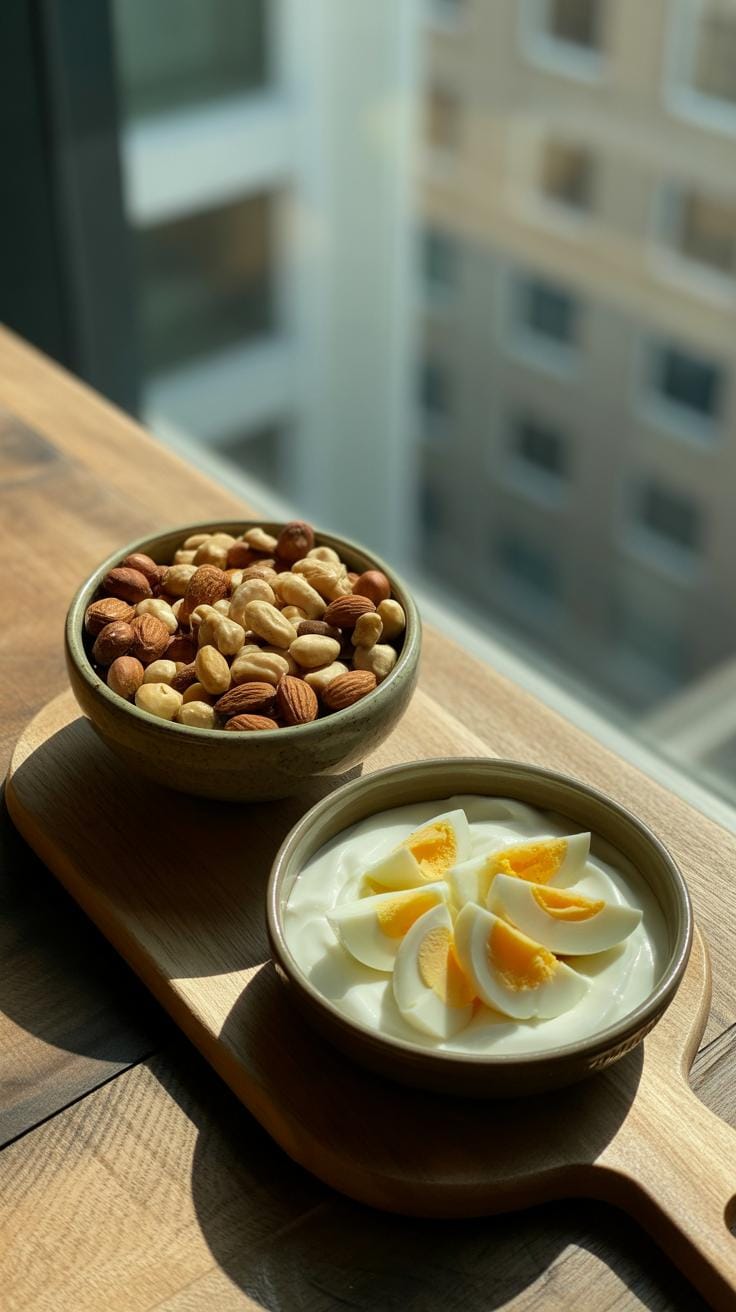
Prioritizing snacks with simple, natural ingredients gets you closer to what your body actually needs. Often, this means choosing something like plain nuts, Greek yogurt, boiled eggs, or roasted chickpeas over heavily processed bars or mixes.
But natural doesn’t mean endlessly munching. Portion control still matters, especially with calorie-dense items. Even a handful of nuts can add up quickly. Think of your snack as a meaningful energy boost, not a mini-meal unless that’s your plan. And sometimes smaller portions mean better digestion and more sustained energy, which is probably why those tiny protein balls sell well.
In the end, balance is key. Finding snacks with good protein, minimal sugar, natural ingredients, and sensible portions might take some trial and error. But your muscle growth and energy levels will likely thank you for the effort.
Timing for Eating Protein Snacks
When to eat high protein snacks can feel a bit confusing. Still, getting the timing somewhat right can really help with energy and muscle benefits. Before workouts, a protein-rich snack about 30 to 60 minutes prior can fuel your muscles without leaving you feeling sluggish. Something like a small handful of nuts or a yogurt cup usually works well. After exercise, though, is where protein really shines—having a protein snack within an hour can kickstart muscle repair and recovery.
Mid-morning snacks are a smart idea if you had an early breakfast. It’s a chance to top up protein and keep hunger from sneaking in before lunch. Think simple: a boiled egg or some cheese sticks can do the trick without weighing you down.
Afternoon snacks can sometimes be overlooked, but they matter—especially if your energy dips mid-afternoon. Choosing a protein snack here can help maintain focus and stop the urge to grab something less nourishing. Maybe a protein bar or some edamame. Spaced out like this, your energy levels stay steadier throughout the day, avoiding crashes that mess with your progress.
Snacking Around Workouts for Muscle Help
Eating protein snacks before working out isn’t just about avoiding hunger; it actually helps your muscles perform better. Protein supplies amino acids, which muscles use as building blocks during exercise. Without some protein beforehand, you might notice fatigue hitting faster or your workout feeling tougher.
After your session, protein snacks play a different but equally important role. They’re like the repair crew rushing in to fix muscle fibers stressed during exercise. I’ve noticed on days I skip this step, muscle soreness lasts longer, and progress stalls. Some quick options? A protein shake or a turkey wrap—easy to eat and digest post-workout.
Using Snacks to Maintain Energy All Day
Spacing protein snacks throughout your day isn’t just a habit for bodybuilders; it actually helps keep energy levels steady and hunger manageable. When you wait too long between meals or snacks, your blood sugar dips, and you might feel sluggish or tempted by sugary snacks.
Regular, smaller protein snacks support your metabolism and keep hunger at bay, which can prevent overeating later. For me, having something like cottage cheese or a handful of almonds mid-morning and mid-afternoon makes a noticeable difference in my focus and mood. It’s a bit like giving your body a steady fuel supply rather than one big, unpredictable hit.
Comparing Protein Snack Types
Protein Bars Versus Whole Food Snacks
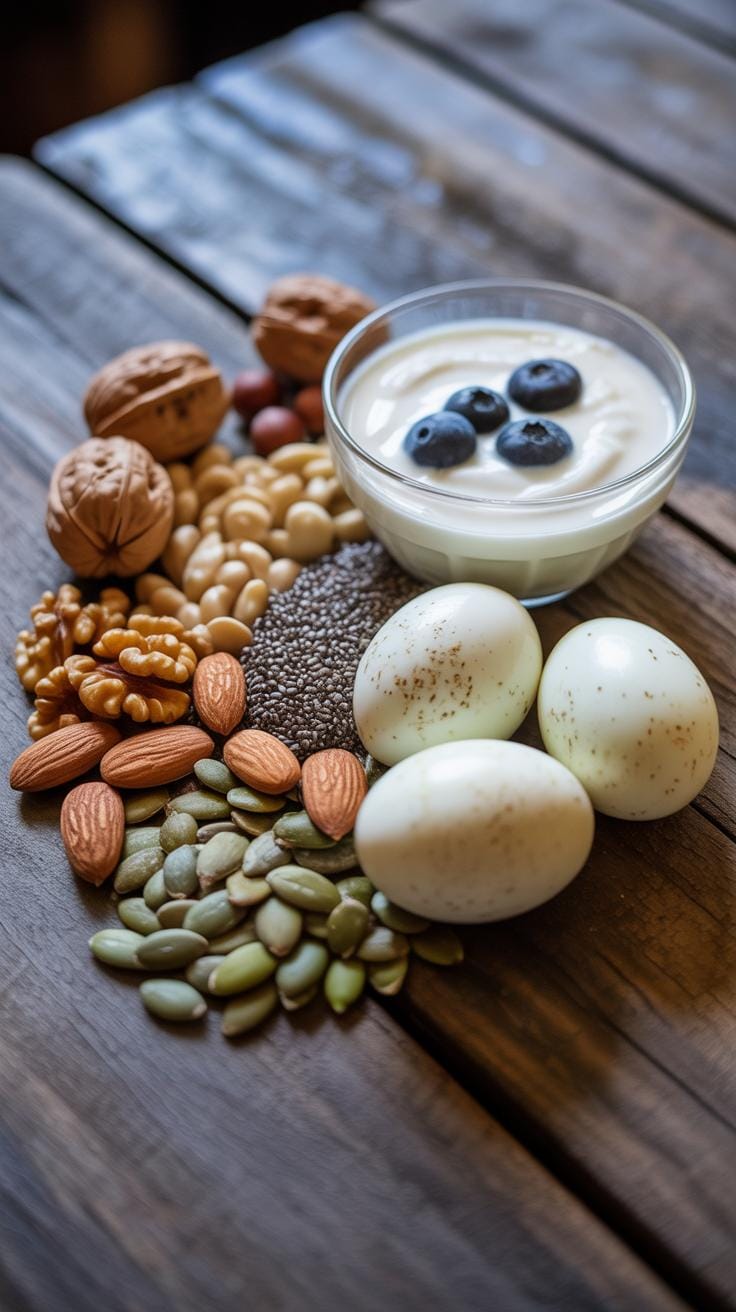
Protein bars are tempting when you’re on the go. They’re compact and usually pre-portioned, making them super convenient for quick energy or muscle support. But they often contain added sugars, preservatives, and sometimes unfamiliar fillers, which might put off those aiming for cleaner nutrition.
On the other hand, whole foods like nuts or cheese feel more natural, less processed. You get not only protein but also healthy fats, vitamins, and minerals. Yet, they can be messier to carry or eat, and portion control might be a little trickier. Plus, whole foods don’t always pack the same protein punch per serving as bars do, depending on what you choose.
So, depending on your priorities—convenience versus purity—you may find yourself leaning toward one over the other. Sometimes a bar hits the spot, sometimes a handful of almonds just makes more sense.
Dairy Versus Meat Protein Snacks
Dairy snacks such as yogurt and cheese offer protein alongside calcium and probiotics, which can support digestion and bone health. They tend to be softer and more satiating, but you have to keep them refrigerated, which might limit portability.
Meat snacks like jerky or meat sticks, meanwhile, are typically higher in protein per ounce and shelf-stable, making them excellent for travel or long days out. But watch out—some jerky brands can be high in sodium or contain added sugars and preservatives.
In terms of muscle growth and energy, meat snacks generally provide more concentrated protein. Yet, dairy snacks bring extra benefits for gut health and might be easier to digest for some people. The choice can depend on your lifestyle and nutritional needs, or just what you fancy eating at the moment.
Simple Recipes for Protein Snacks
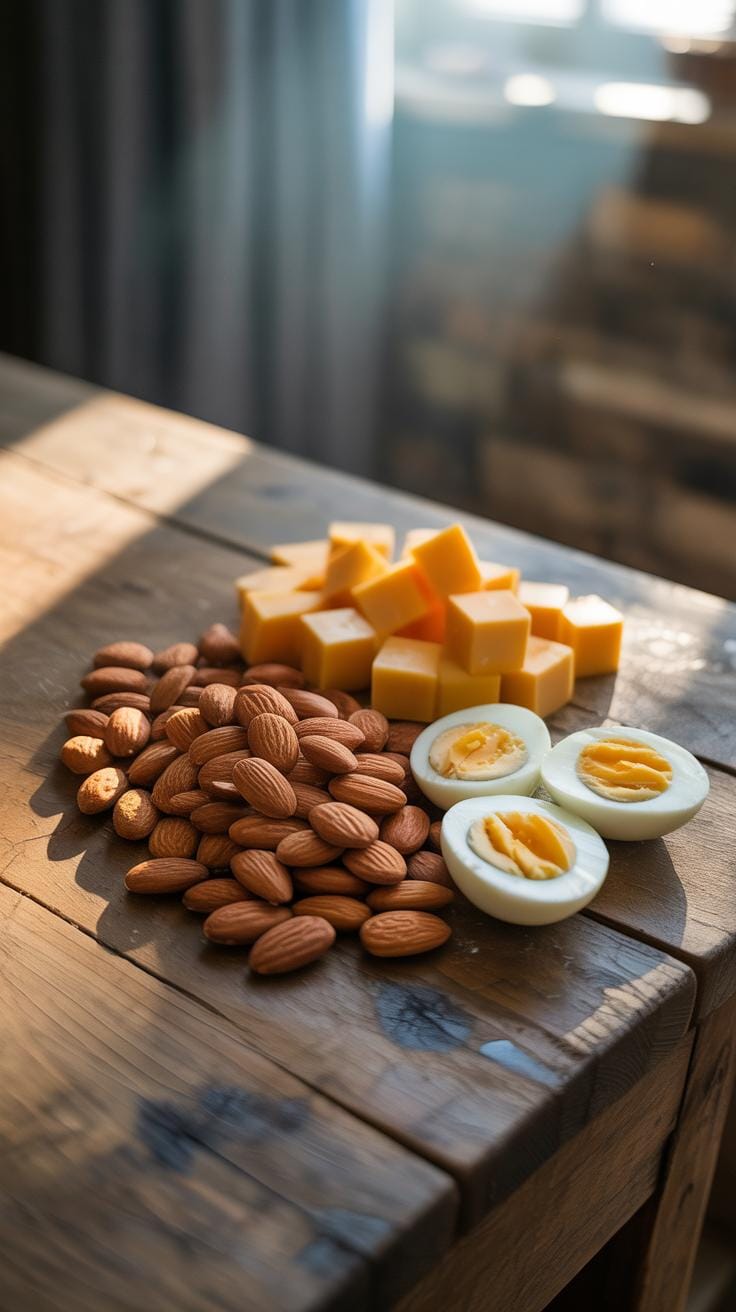
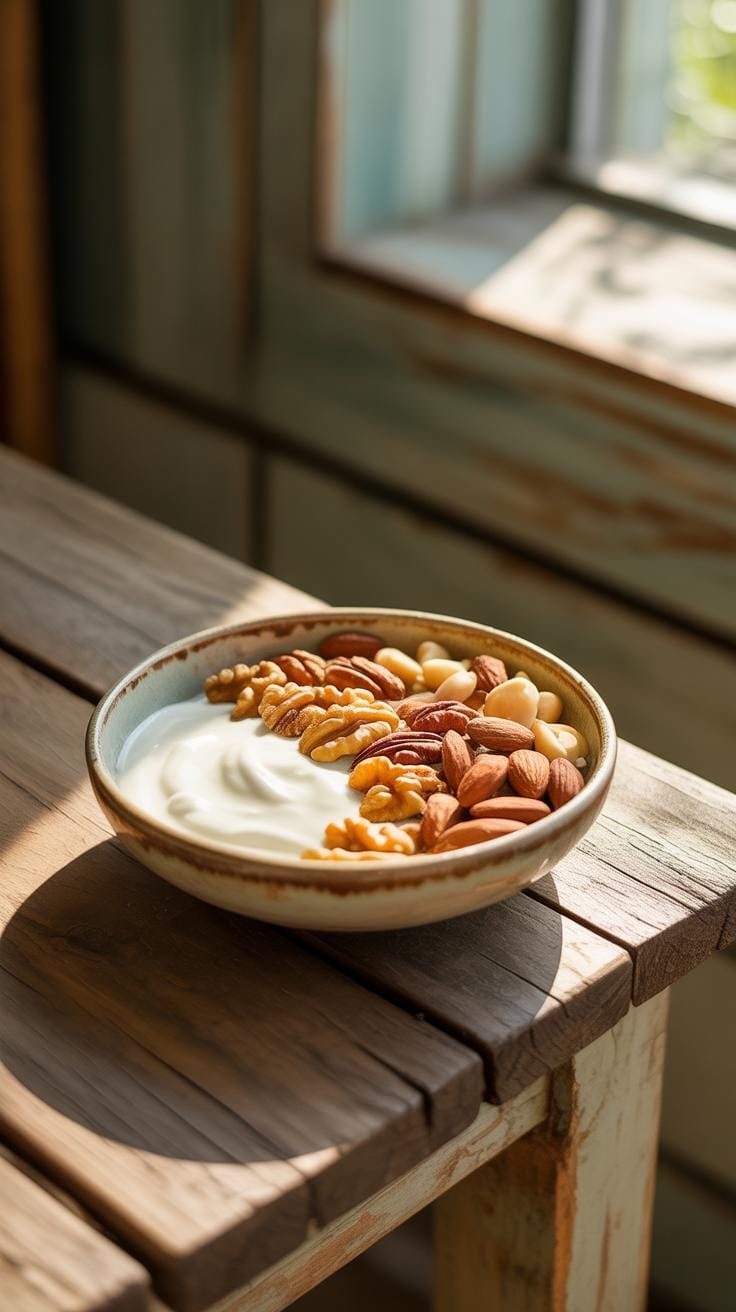
Making your own high protein snacks at home can be surprisingly easy, and often more satisfying than store-bought options. For example, mixing plain yogurt with a handful of nuts creates a creamy, crunchy snack packed with protein and healthy fats. Just toss in some cinnamon or a drizzle of honey if you like a touch of sweetness. It’s quick, simple, and you probably have those ingredients already.
Another idea—protein balls. These are like little energy bites made from ingredients such as oats, nut butter, protein powder, and a bit of honey or dates to bind them. You just mix everything, roll into small balls, and refrigerate. They store well and are perfect when you need something substantial but don’t want to fuss over preparation.
Roasted chickpeas are also worth trying. Simply drain and dry canned chickpeas, toss them with spices and a splash of oil, then roast until crunchy. They offer a surprising amount of protein and fiber, plus a satisfying crunch that you might miss if you stick only to soft snacks.
Thinking about prep, try making a batch of these snacks on the weekend. Store them in airtight containers or zip bags in the fridge or pantry. That way, when your afternoon energy dips or you get hungry on the go, the choice is already made for you. Makes juggling a busy day a little less stressful, don’t you think?
Protein Snacks for Different Lifestyles
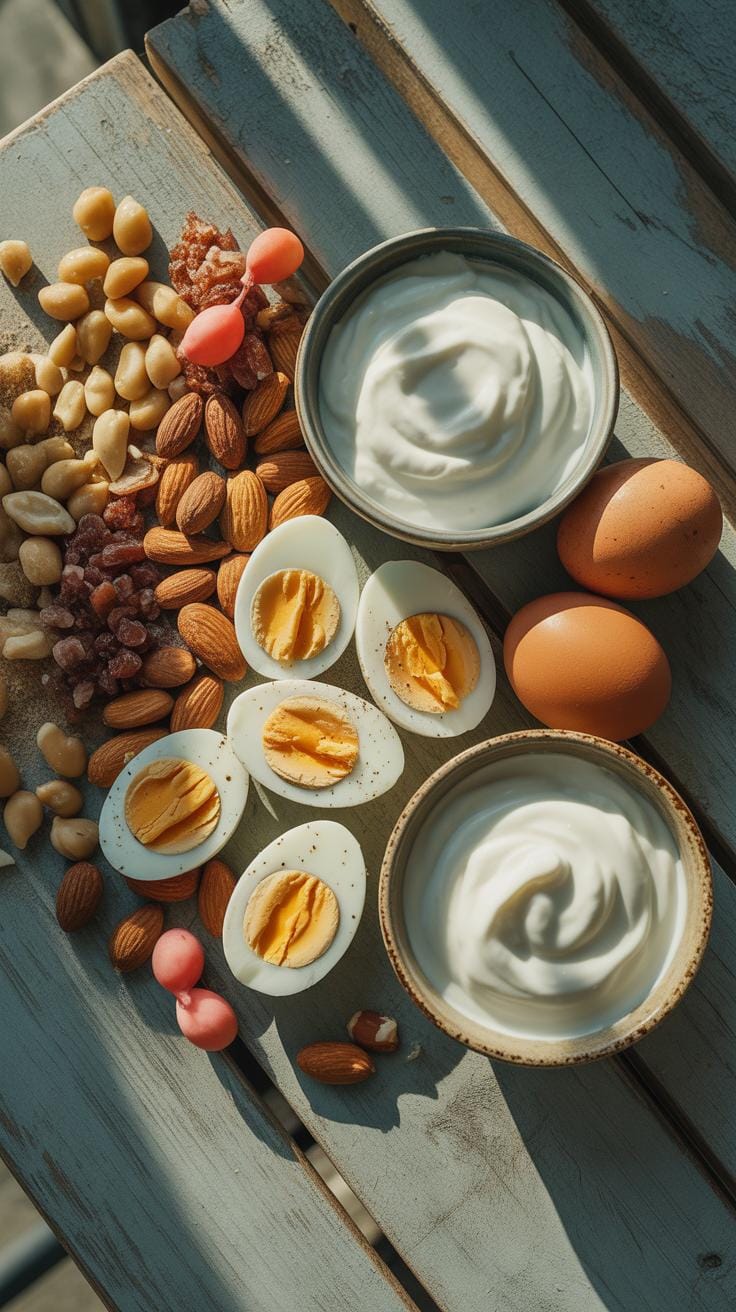
When it comes to choosing protein snacks, your lifestyle shapes your needs quite a bit. Take athletes, for example. They often want snacks that not only provide quick energy but also aid in muscle recovery. Think about things like Greek yogurt with nuts or a simple protein shake. These give fast-absorbing protein along with some carbs to replenish energy stores. It’s not just about stuffing protein in; timing and type matter too. You might notice athletes often prefer liquids or easily digestible foods post-workout, which might feel too light for others.
Busy workers, on the other hand, need something portable and fuss-free. Hard-boiled eggs, mixed nuts, or a small portion of jerky can sustain them through long meetings or hectic days. Yet, not all protein snacks fit neatly into a desk drawer. Some options might seem healthy but can actually be high in sugar or preservatives, so reading labels becomes necessary, even though it’s tempting to skip.
Vegetarians face a different challenge. They often rely on plant-based proteins like hummus with veggies, cottage cheese, or roasted chickpeas. These snacks need to balance protein content with variety, as plant proteins sometimes lack certain amino acids. Finding snacks that offer complete proteins isn’t always straightforward, but mixing sources helps. Plus, kids often join the vegetarian crowd now, which leads us to kid-friendly options.
For children, snacks must be both appealing and nutritious, which can be tricky. Cheese sticks, yogurt tubes, or even peanut butter spread on apple slices tend to work well. Kids might reject anything too “healthy” or unfamiliar, so sweetness and texture play a role. Sometimes, a bit of patience is key when introducing new protein snacks—they might not take to them immediately, and that’s okay.
Avoiding Pitfalls with Protein Snacking
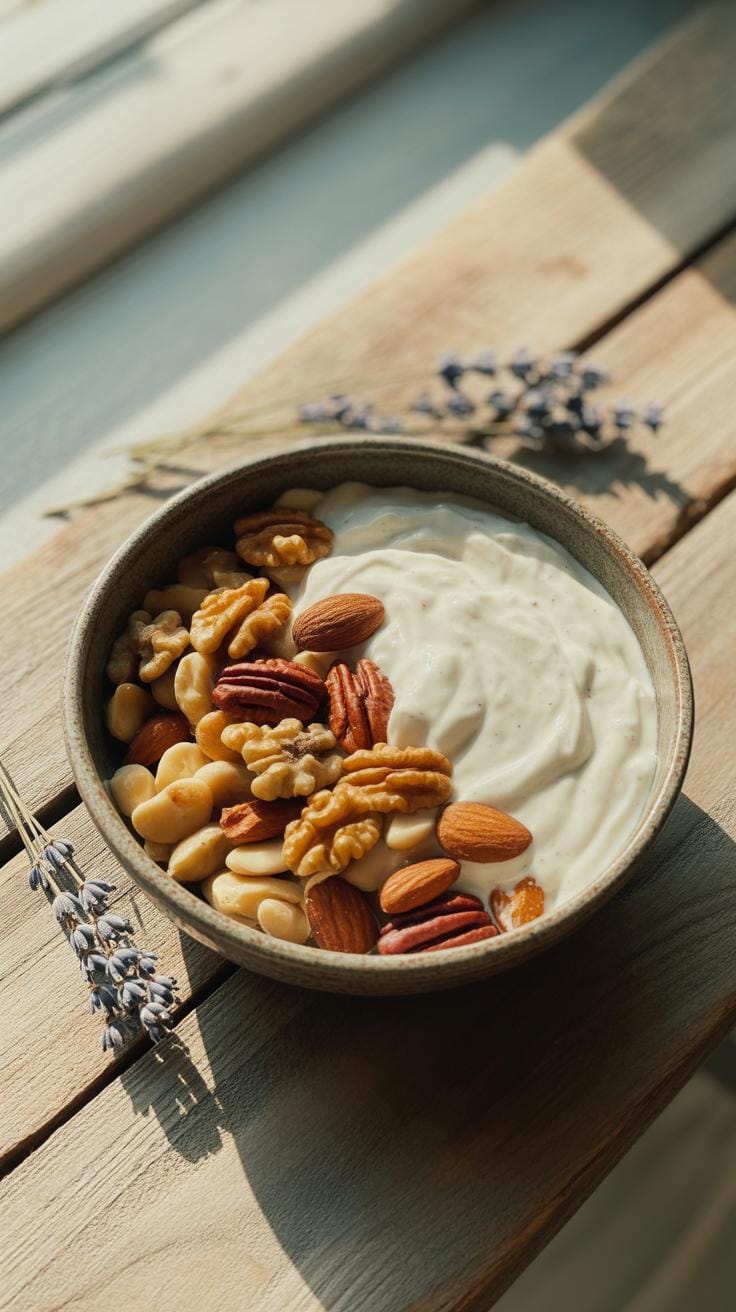
People often think that grabbing any protein snack automatically means a healthy choice, but that’s not always true. Overeating protein snacks can sneakily add up calories, which might work against your goals rather than support them. I’ve noticed that sometimes I’m so focused on hitting my protein numbers, I forget that quantity still matters.
Another common trap is picking protein snacks loaded with added sugars. Some bars or shakes claim high protein but come with sugar content equivalent to candy bars. That spike in sugar can leave you feeling drained later, not exactly the energy boost you hoped for.
Balanced nutrition sometimes gets overlooked, too. Protein alone isn’t enough. Combining your snack with fiber, healthy fats, or a small portion of carbs keeps you fuller longer and supports steadier energy. Think of adding some nuts or veggies alongside your protein for a more rounded snack.
Next time you reach for a protein snack, ask yourself: Am I just chasing protein, or am I thinking about the bigger nutritional picture? It might make a bigger difference than you realize.
Conclusions
High protein snacks are a useful tool for anyone wanting to increase energy and support muscle growth. Including protein-rich foods between meals helps supply the nutrients needed for muscle repair and keeps hunger at bay. Choosing snacks wisely, like low-sugar protein bars, nuts, or dairy, gives you these benefits without adding too many calories.
By making protein snacks a regular part of your eating plan, you can improve your performance and recovery from physical activities. Remember to balance your choices with other healthy foods and listen to your body’s needs to get the best results for your energy and muscle goals.