Finding Affordable Energy-Boosting Snacks
Eating healthy snacks can give you more energy and keep you feeling good throughout the day. Many people think healthy snacks are too expensive or hard to find, but this is not true. You can find or make snacks that cost little but help your body stay active and strong.
This article shows you easy and cheap snack ideas. It also explains what makes a snack healthy and how to prepare snacks quickly at home. By the end, you will have useful tips to keep your energy up without spending a lot of money.
What Makes a Snack Healthy

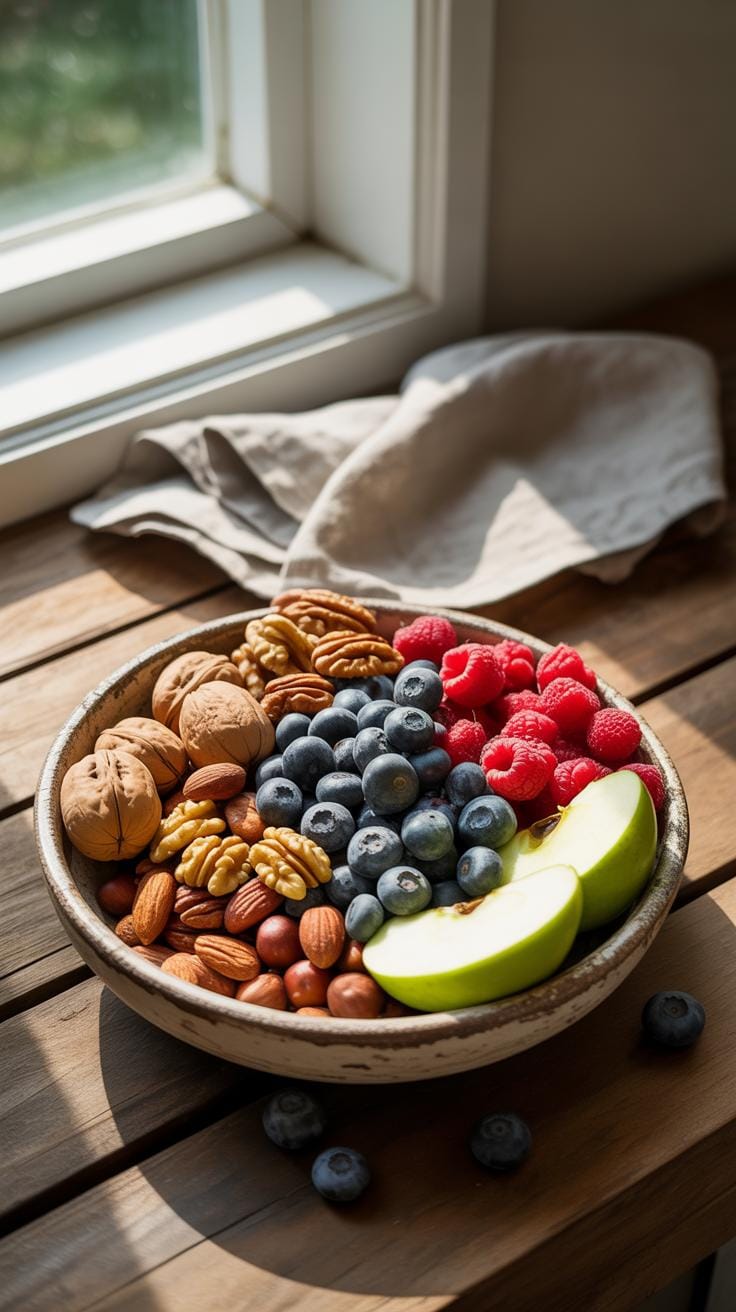
When deciding if a snack is truly healthy, it’s more than just picking something that tastes good or looks natural. There are a few basic criteria that can help you make better choices. First, a healthy snack should have nutrients that support your body and mind—specifically protein, fiber, and healthy fats.
Protein is key because it helps keep you full and supports muscle repair. Fiber slows digestion, which steadies your blood sugar and prevents those energy crashes. Healthy fats—like those found in nuts or avocados—offer long-lasting energy and keep your brain sharp.
On the flip side, it’s smart to avoid snacks that pack too much sugar or salt. Excess sugar can lead to sudden spikes in your energy, but these tend to drop quickly, leaving you tired soon after. Too much salt doesn’t just affect your heart health; it can make you feel sluggish and thirsty, which isn’t exactly what you want when looking for a quick pick-me-up.
So, when you’re staring at the snack aisle or grabbing something quick, think about what’s inside—not just the flavor or convenience. It’s about balance and giving your body what it really needs, not just what it craves momentarily.
Necessary Nutrients for Energy
Protein, fiber, and fats each play a unique role in how your body uses energy, and understanding that can really change how you pick your snacks. Protein is like steady fuel—it takes longer to break down, so you don’t feel hungry again right away. For example, munching on a handful of almonds or a boiled egg can keep your energy even for hours.
Fiber has a more subtle effect. It slows how your stomach empties after eating, which means the sugars from your food enter your bloodstream slowly. This steady release helps avoid energy spikes and drops. Imagine eating an apple versus a sugary candy bar: that apple’s fiber content keeps you going longer.
Healthy fats are another player—you might think fats slow digestion, and they do, but that’s a good thing here. They provide dense energy and keep your hunger at bay. Eating peanut butter on whole grain toast, for example, combines fats, protein, and fiber for a snack that really sustains you.
None of these nutrients act alone. Together, they build a steady stream of energy that lasts, unlike sugary snacks, which might leave you crashing an hour later.
Ingredients to Limit in Snacks
Some ingredients might be common in snacks, but they often do more harm than good. Added sugars are high on this list. They give you a quick rush, like a sugar high, but once your body processes that, energy plummets—sometimes leaving you more tired than before. Sugary sodas, candy, or even flavored yogurts can be culprits here.
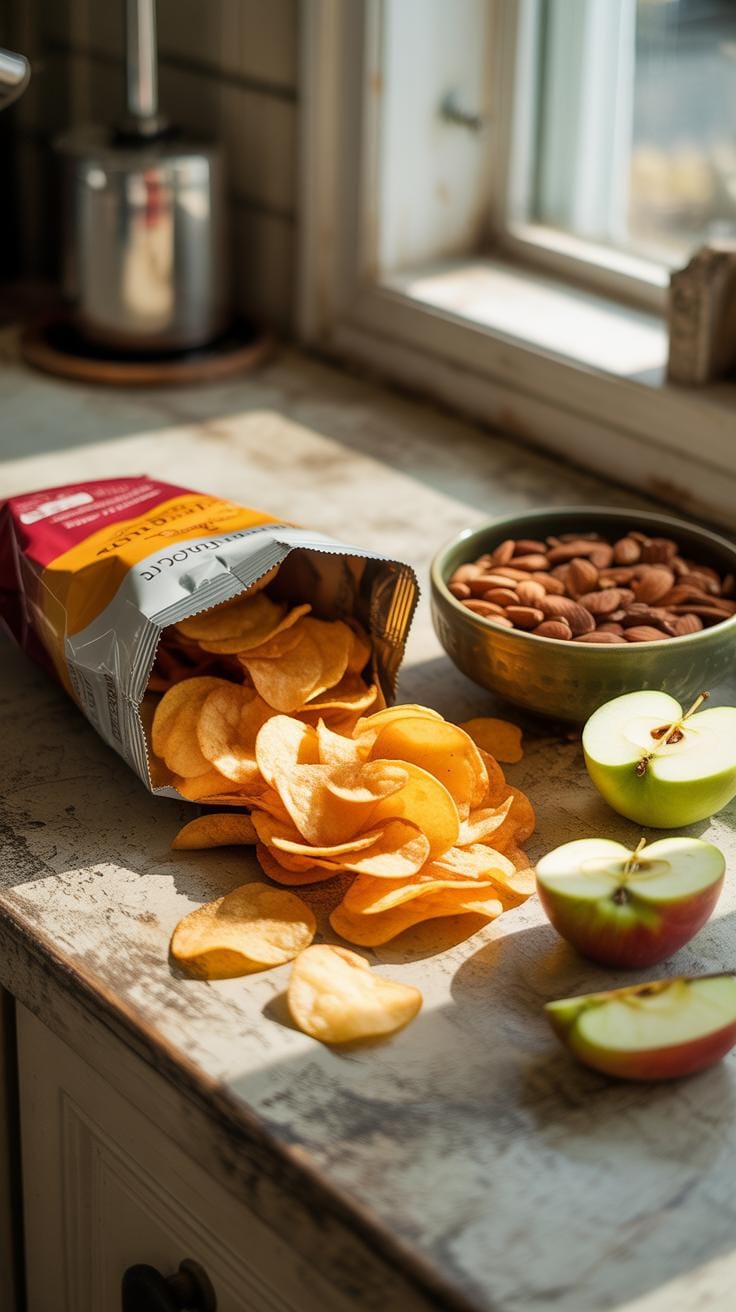
Then there’s salt. Many snack foods, like chips or salted nuts, contain high sodium levels, which can cause water retention and increased blood pressure over time. You might not feel this immediately, but high salt intake can leave you feeling bloated or uncomfortable, which isn’t great when you want a light, energy-boosting snack.
Also, watch out for artificial additives or preservatives. These don’t contribute to energy, and they might affect digestion or mood subtly. Generally, simpler snacks—those with recognizable ingredients—tend to be better fuels for your body.
Ask yourself—does this snack support my energy and wellbeing for the long run? If not, it’s probably best to choose something else, even if it seems convenient.
Budget Shopping for Healthy Snacks
Finding Deals on Nutritious Foods
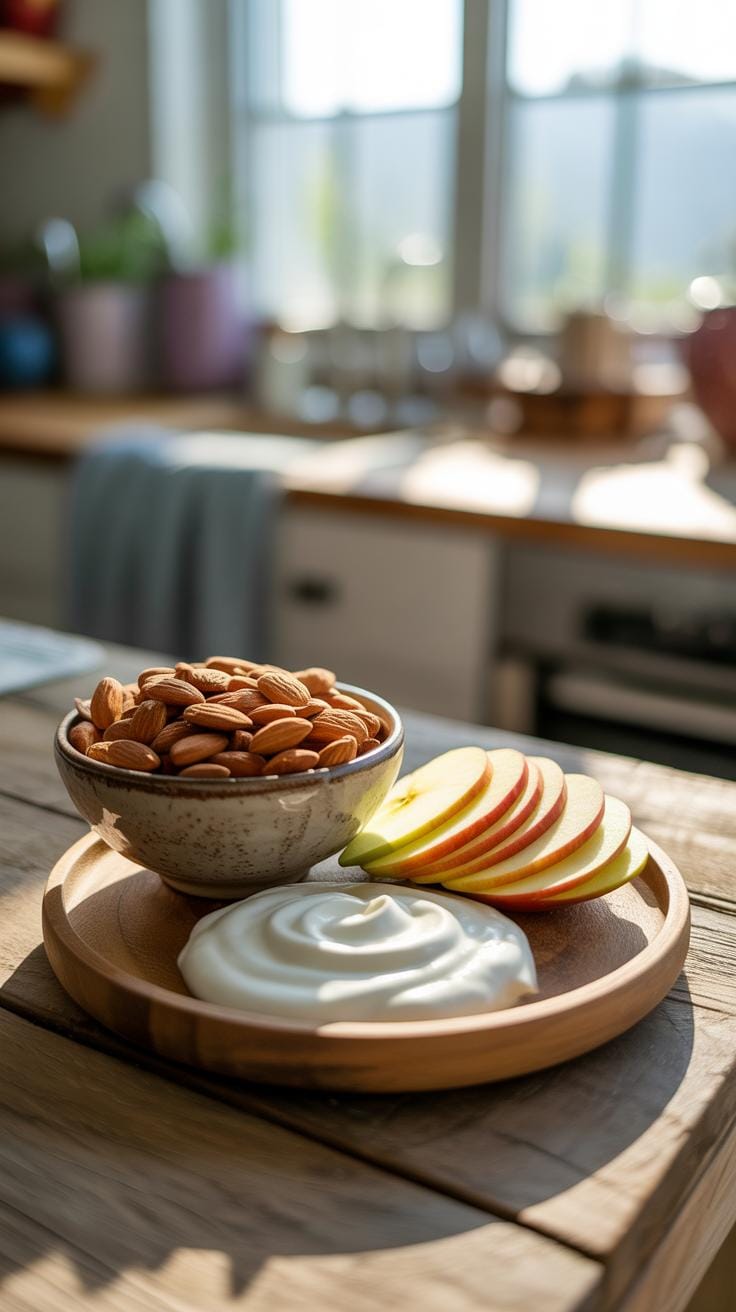
Tracking down sales can really stretch your snack budget further. Keep an eye on weekly flyers and apps for discounts on nuts, fruits, and whole grains—these staples go on sale often, especially when stores are clearing out inventory. Sometimes, you might find bulk sections where you can buy exactly what you need without overspending or wasting. It’s tempting to grab prepackaged items, but a bag of raw almonds or a bunch of apples can last longer and cost less per serving.
Don’t overlook clearance sections for seasonal produce. Fruits like apples or pears might be discounted heavily when their peak season ends, yet they often remain perfectly fine to eat for days after. Maybe try freezing extras to use later, so you’re not stuck with this week’s haul only.
Comparing Costs of Packaged vs Homemade
Store-bought snacks can be convenient, but generally speaking, you’ll get better value making your own. Think about granola bars or trail mix. Buying ingredients in bulk and mixing them yourself usually brings the price down—sometimes to half or less. Plus, you avoid all those hidden sugars and preservatives, resulting in a cleaner, more nourishing snack.
That said, making snacks at home requires time and effort. If your schedule is packed, spending a bit more might feel worth it occasionally. But if you plan your snacks ahead, simple recipes like roasted chickpeas or energy balls don’t take much time and can be much cheaper in the long run.
Practical Tips for Budget Shopping
Here are a few ways to shop smarter:
- Buy nuts and grains in bulk to reduce cost per unit.
- Choose store-brand or generic options—they’re usually the same quality without a premium price.
- Pick fruits and vegetables that are in season; they often taste better and are less expensive.
- Use apps or store loyalty programs to catch flash sales or extra discounts.
- Consider splitting large packages with family or friends to avoid spoilage and split costs.
Budget shopping for healthy snacks takes some planning, but the savings add up quickly. It might mean shifting your routine or trying new recipes, but your wallet—and your energy levels—will thank you.
Easy Snack Prep Steps
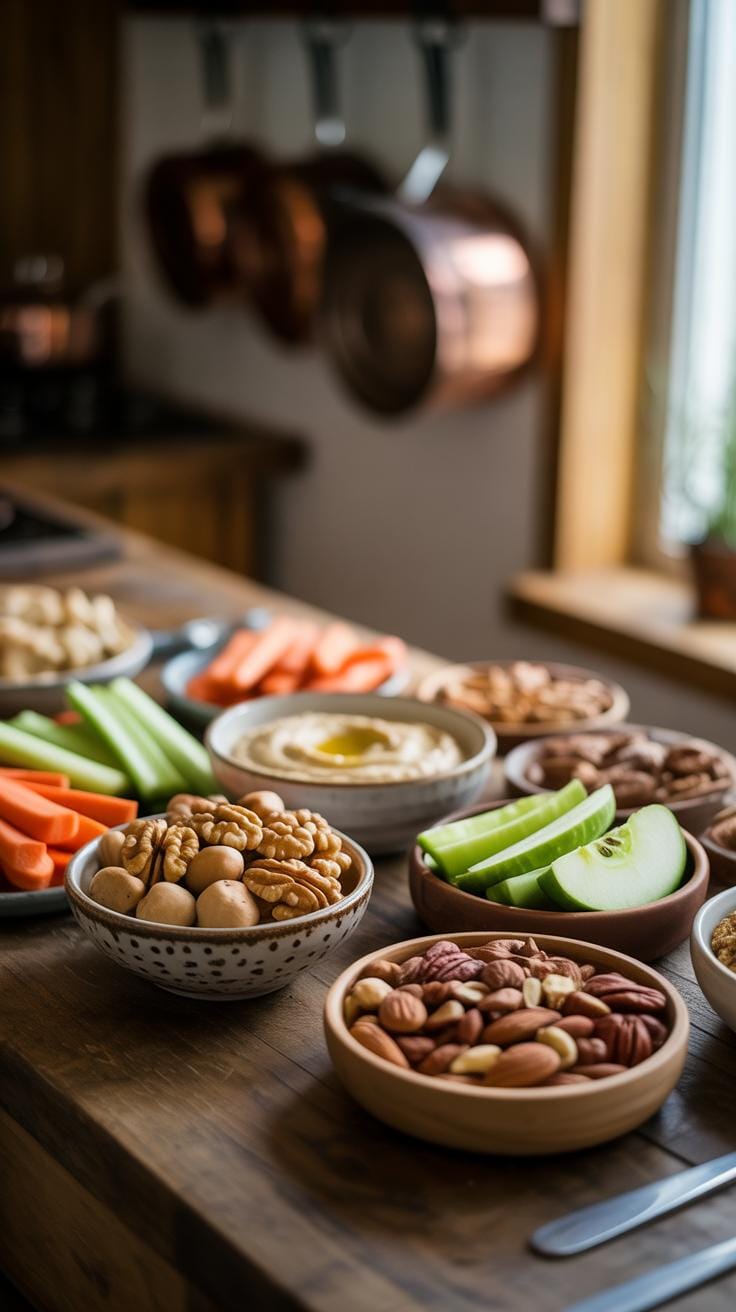
Preparing healthy snacks doesn’t have to be complicated or time-consuming. You can get surprisingly far with just a few simple steps that create satisfying bites without much fuss. First, think about grabbing a handful of raw nuts or seeds—just portion them out into small containers or bags. It’s quick, and you don’t really have to do anything else besides grab and eat. If you want something fresher, try rinsing and chopping some crunchy veggies like carrots or bell peppers at the start of the week, then keep them in airtight containers in the fridge. That way, when hunger strikes, they’re ready to go.
Another easy step is making small batches of energy bites using oats, nut butter, and honey. Mix, shape, and pop them in the fridge for a few hours. They keep well and feel more homemade than prepackaged options. I like assembling these in one go—it saves me from hunting for snacks during a busy day and keeps me from grabbing less healthy stuff.
Simple Assembly for Busy Days
When you’re short on time, quick assembly is your best friend. Think of snacks as a combo you throw together, not something elaborate. For example, mixing nuts with dried fruit creates a sweet-and-salty mix that’s almost foolproof. You can pack a small container or even reuse a snack bag you already have.
Cutting veggies and pairing them with hummus or Greek yogurt dip makes a fresh snack, especially if you like something cool and creamy alongside the crunch. No cooking needed—just slice and dip. You might want to try cherry tomatoes with a little mozzarella—just a quick plate assembly that feels more like a treat than a chore.
Storing Snacks to Stay Fresh
Keeping your snacks fresh matters more than most people think. Use containers with good seals to keep moisture out, especially for crunchy treats like nuts or granola. For cut veggies, wrapping them in a damp paper towel before sealing in a container can help preserve their crispness longer than just bagging them alone.
If you make energy bites or other homemade options, store them in the fridge inside a reusable container—this prevents them from drying out or getting soggy. You could also portion snacks into single-serve bags or containers so you’re not opening the whole batch each time. This might seem a little picky, but it keeps snacks tasting better and lasting longer—something I realized after tossing a bunch of soggy carrots once.
Snack Examples for Energy Boost
When you need a quick pick-me-up, snacks with different nutrient profiles and flavors can really make a difference. Some days, a protein snack feels right — other times, fiber-rich might be better. You might even find yourself craving something a bit tangy or crunchy just because. It’s not always easy to choose, but here are some options that have worked for me or others I know.
Protein-packed Snack Ideas
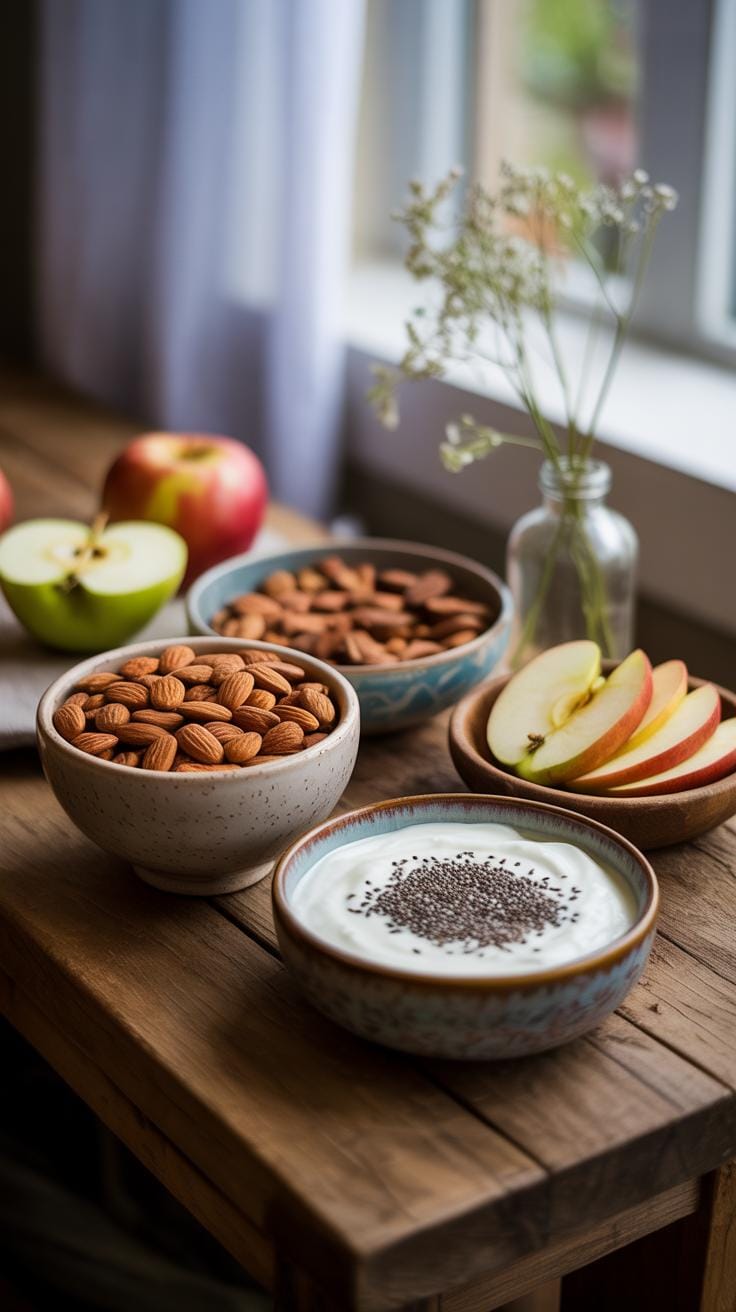
Protein helps steady your energy levels, making these snacks a smart choice when you want to avoid that mid-afternoon crash. Think about grabbing a handful of almonds or walnuts — they’re convenient and filling. Greek yogurt, especially plain or lightly sweetened, packs a punch too, plus it’s easy to add some fruit or a drizzle of honey. Small cheese portions or string cheese are another option, giving you that savory taste along with a good protein boost.
For something a bit different, hard-boiled eggs are inexpensive and portable. I sometimes prepare a few in advance when I know I’ll be busy. It’s surprising how just a simple, protein-rich bite can shift your focus back into gear. Other times, cottage cheese paired with sliced tomatoes or cucumber feels refreshing and balanced. They might not spark excitement right away, but they do the job reliably.
Fiber-rich Snack Choices
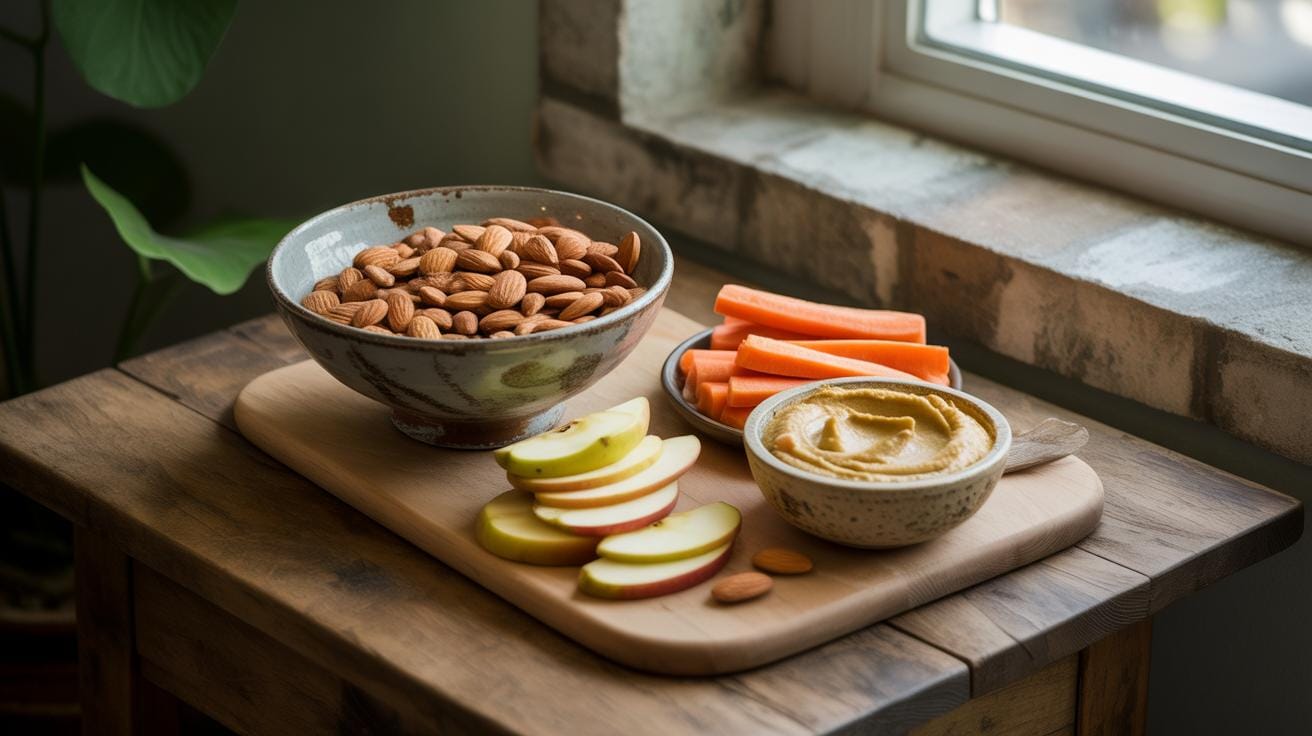
Fiber can slow digestion just enough to give you lasting energy, and it often comes with a fresh, natural flavor. Sliced apples or pears with a sprinkle of cinnamon or a small nut butter spread offer sweetness plus that satisfying chew. Crunchy vegetables like carrot sticks or bell pepper strips are great with hummus — another option with both fiber and a touch of protein. It helps avoid that empty-carb feeling you get from some other snacks.
Whole-grain crackers are another solid choice when paired with something like avocado or a slice of cheese. I find that their nutty flavor and texture make snacking a bit more interesting without tossing you into a sugar slump. Maybe you’ll discover some unexpected favorites just by mixing and matching these with what you already like. Have you noticed how fiber-rich snacks sometimes keep you fuller longer than you expect? It’s quite handy to keep a few options ready for those sluggish afternoons.
Balancing Taste and Health
Finding snacks that satisfy your taste buds without compromising on health isn’t always straightforward. I’ve often reached for something bland, thinking it was the ‘safe’ choice, only to regret the lack of flavor. It turns out, small changes in seasoning can make a big difference in how enjoyable a snack feels.
Using herbs like rosemary, basil, or cilantro can refresh the flavor of simple ingredients—think roasted chickpeas dusted with smoked paprika or cucumber slices sprinkled with dill. These add zest without needing salt or sugar.
Spices like cumin, cinnamon, or curry powder can shift a snack from boring to interesting. For instance, a handful of almonds tossed with a touch of cinnamon and chili powder combines warmth and a hint of heat that works surprisingly well.
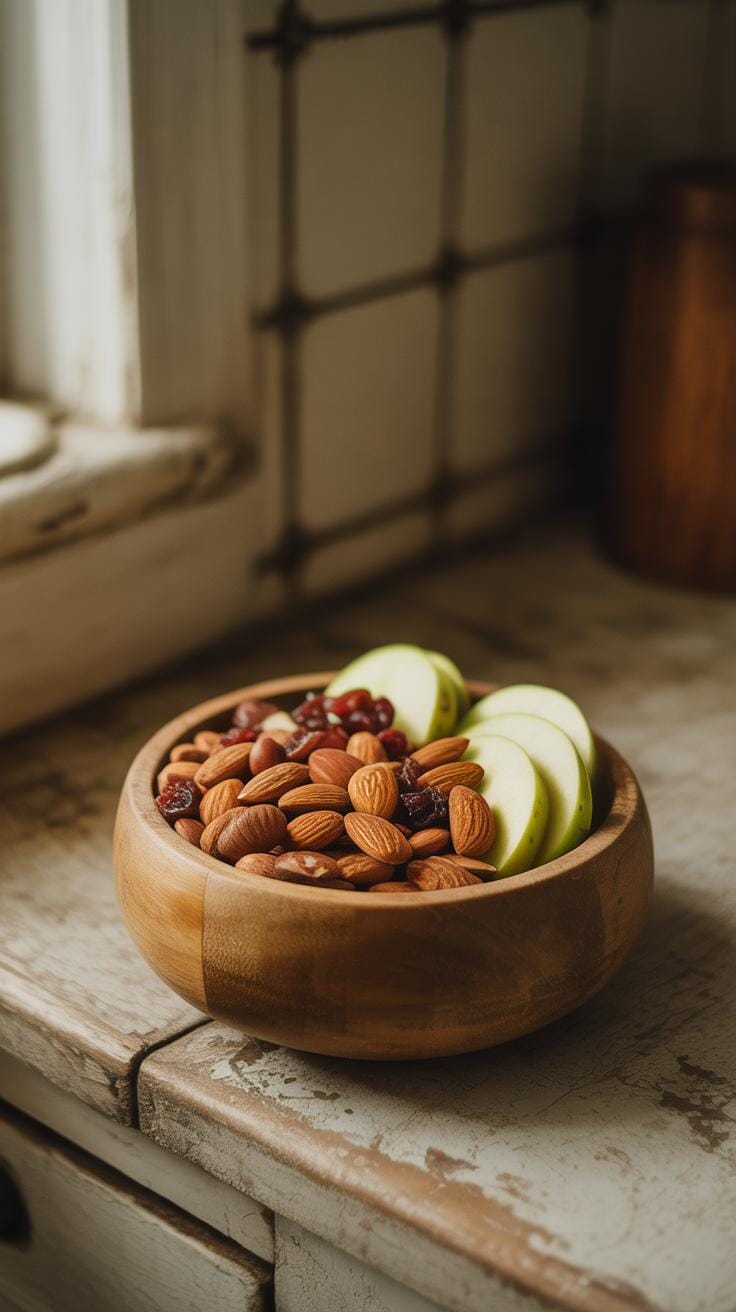
When you mix textures or flavors, snacks become more satisfying. Try pairing crunchy apple slices with creamy peanut butter. Or mix salty roasted pumpkin seeds with a few dried cranberries—the sweet and savory contrast wakes up your palate.
Sometimes it’s about experimenting. Curious why some snacks work better for you than others? Play with these combinations. You might find that the right blend of tastes and textures keeps you coming back—and keeps energy levels up without extra calories or cost.
Snacks for Different Energy Needs
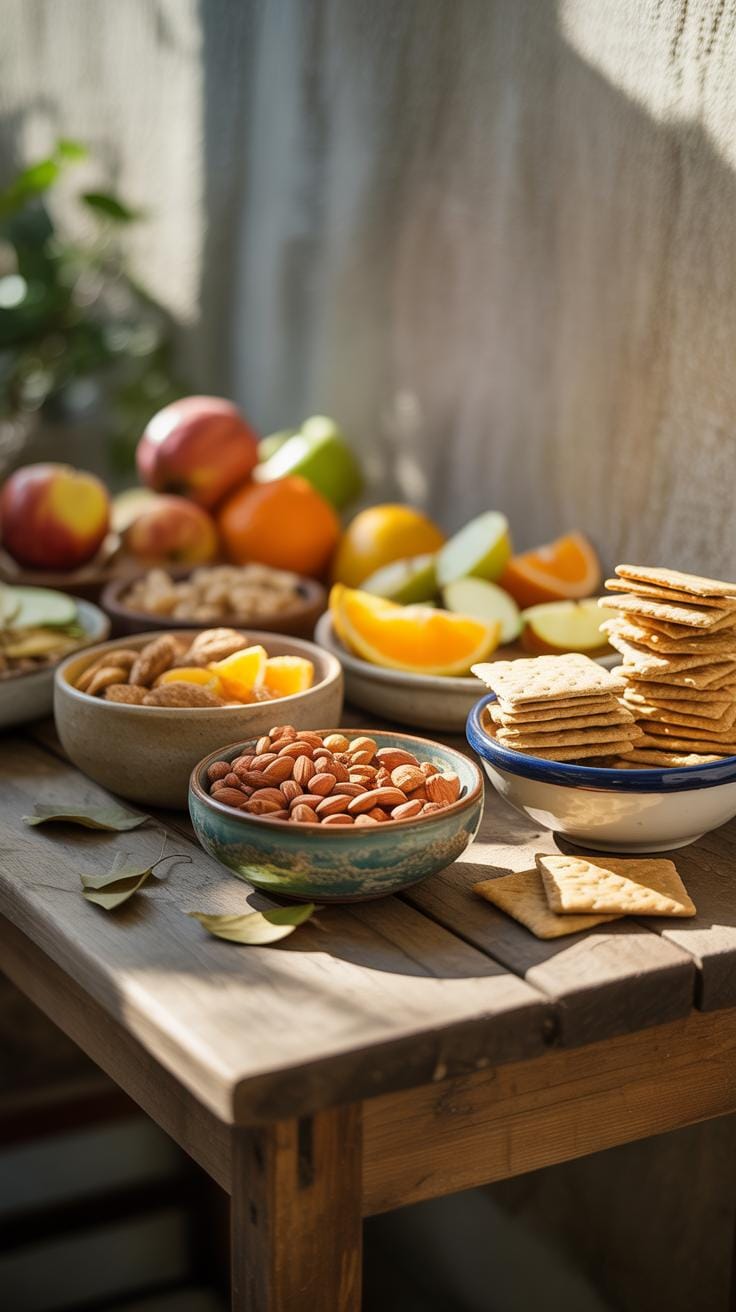
Choosing the right snack really depends on what kind of energy you need at the moment. You wouldn’t pick the same thing if you’re about to hit the gym versus sitting at your desk trying to focus, right? It’s a little more than just hunger; it’s about timing and the type of energy you want.
Before exercise, you want snacks that kick-start your fuel quickly but also keep you going. Think of options that combine carbs for immediate energy plus a bit of protein to sustain the effort. For example:
- A banana with a small spoon of peanut butter
- Greek yogurt topped with honey and a few almonds
- A slice of whole grain toast with avocado
Something like this doesn’t weigh you down but offers enough to power through workouts, especially when eaten about 30 to 60 minutes prior.
When your mind needs to stay sharp for work or study, snacks that provide steady, slow-burning energy work better. You want to avoid sugar spikes that leave you crashing. Nuts, seeds, and fresh fruit tend to do the trick. Some snacks that might keep your concentration steady:
- Carrot sticks with hummus
- Apple slices paired with cheddar cheese
- A small handful of mixed nuts
These choices mix healthy fats, fiber, and protein to keep your alertness without the jitters that caffeine or sugary snacks sometimes cause. It’s interesting—the brain feels the difference, even if you don’t notice immediately.
Common Snack Mistakes to Avoid
Overeating Nutritious Snacks
You might think that as long as a snack is healthy, you can eat as much as you want without any downside. That’s a pretty common misconception. Even nutritious snacks have calories, and piling them up can lead to unexpected energy crashes or slow weight loss. For example, nuts and seeds are packed with good fats and protein, but a handful is enough. Eating the whole bag might leave you feeling sluggish instead of energized. I’ve noticed that when I snack too much, my overall meal intake shrinks, throwing off my daily energy balance.
It’s easy to lose track of portions when a snack tastes good or seems harmless. The problem isn’t the snack itself, but the amount. You might want to try pre-portioning your snacks or reminding yourself that quality matters more than quantity, even if it’s just carrots or Greek yogurt.
Ignoring Snack Timing
Timing can be as important as the snack choice. It’s tempting to grab a quick bite when you feel hungry, but snacking without a plan could mess with your energy rhythms. Snacking too close to meals might cause you to eat less later or make you feel bloated. I once ignored this and found my energy dipping sharply in mid-afternoon.
On the flip side, long gaps without food can lead to overeating at the next meal or an energy slump. Ideally, snacks should complement your meals, keeping you steady throughout the day. Think about when you usually feel your energy lag and plan your snacks around that. This small adjustment can make a noticeable difference in how you feel, maybe more than your actual snack choices.
Building a Weekly Snack Plan
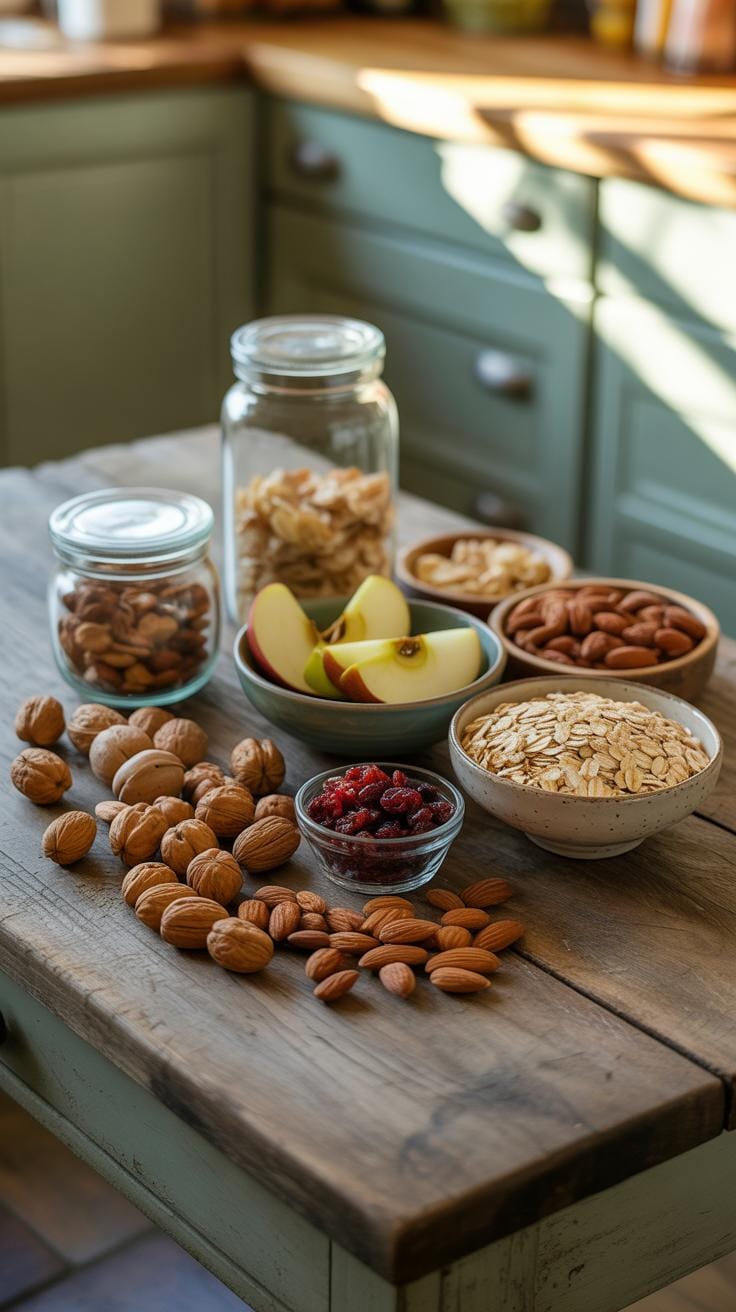
Creating a weekly snack plan doesn’t have to feel like a chore. You can keep it simple by thinking about what you enjoy, what fits your budget, and what keeps you fueled. Start by jotting down snacks you like—maybe nuts, yogurt, fruit, or whole-grain crackers. From there, decide how many snacks you want each day. Two or three might work well, depending on your routine.
Once you have your list, go shopping with a clear mind. Focus on affordable staples that can double up for different snacks. For instance, buy a big bag of carrots—you can dip them in hummus or toss them in salads later.
Prep a bit ahead—it makes grabbing snacks during busy days easier. Chop veggies, portion out trail mix into small bags, or pack some fruit in containers. When your snacks are ready to go, you’re less likely to reach for something less nutritious.
Think about when you actually get hungry. Mid-morning and mid-afternoon are common snack times that can keep energy steady. If you find yourself hungry before dinner, having a planned snack can prevent overeating at mealtime. Try to space snacks evenly—maybe around 10 a.m., 3 p.m., and an optional evening nibble if needed. This rhythm might change, depending on your day, but having a basic guide helps.
Creating Your Snack Shopping List
When building your list, start with the basics that suit your taste and wallet. Keep in mind these ideas:
- Fresh fruit like apples, bananas, or seasonal picks—usually priced well and filling.
- Raw or roasted nuts—buy in bulk if possible to save money.
- Yogurt, plain or lightly sweetened. Greek yogurt offers protein, but regular works too.
- Whole-grain options such as crackers, rice cakes, or oats.
- Vegetables like carrots, cucumbers, or celery that last a week with proper storage.
- Hummus or nut butters for healthy fats and flavor.
You don’t need every single item—choose what you’ll eat and won’t waste. It sounds obvious, but little personal tweaks make a big difference. I’ve learned that buying snacks I don’t really enjoy leads to tossing them after a few days. So perhaps avoid impulse buys and stick to familiar things you know you’ll reach for.
Planning Snack Times Each Day
Picking consistent snack times can really stabilize your energy. Think about your usual hunger patterns and when you feel sluggish. For a typical schedule, try these time blocks:
- Mid-morning: Around 10 or 11 a.m., a small boost can prevent that sluggish feeling before lunch.
- Mid-afternoon: Between 2 and 4 p.m., energy typically dips, so a nutritious snack helps.
- Early evening (optional): Sometimes a light nibble around 6 or 7 p.m. stops late-night overeating.
Some days you might skip a snack if you’re not hungry or your meals are filling enough. Other days, you might need two snacks just to stay powered up. It’s flexible—listen to your body, but having those windows in mind stops you from reaching for whatever’s handiest and often least healthy.
Conclusions
Choosing the right snacks helps maintain your energy and supports a balanced diet. There are many affordable options available at stores or that you can make at home with simple ingredients. These snacks can fit into a busy life and still give you the nutrients your body needs.
Remember to pick snacks with a good mix of protein, fiber, and healthy fats. Watch the portions and avoid too much sugar or salt. With a little planning, you can eat well, save money, and feel better every day.