
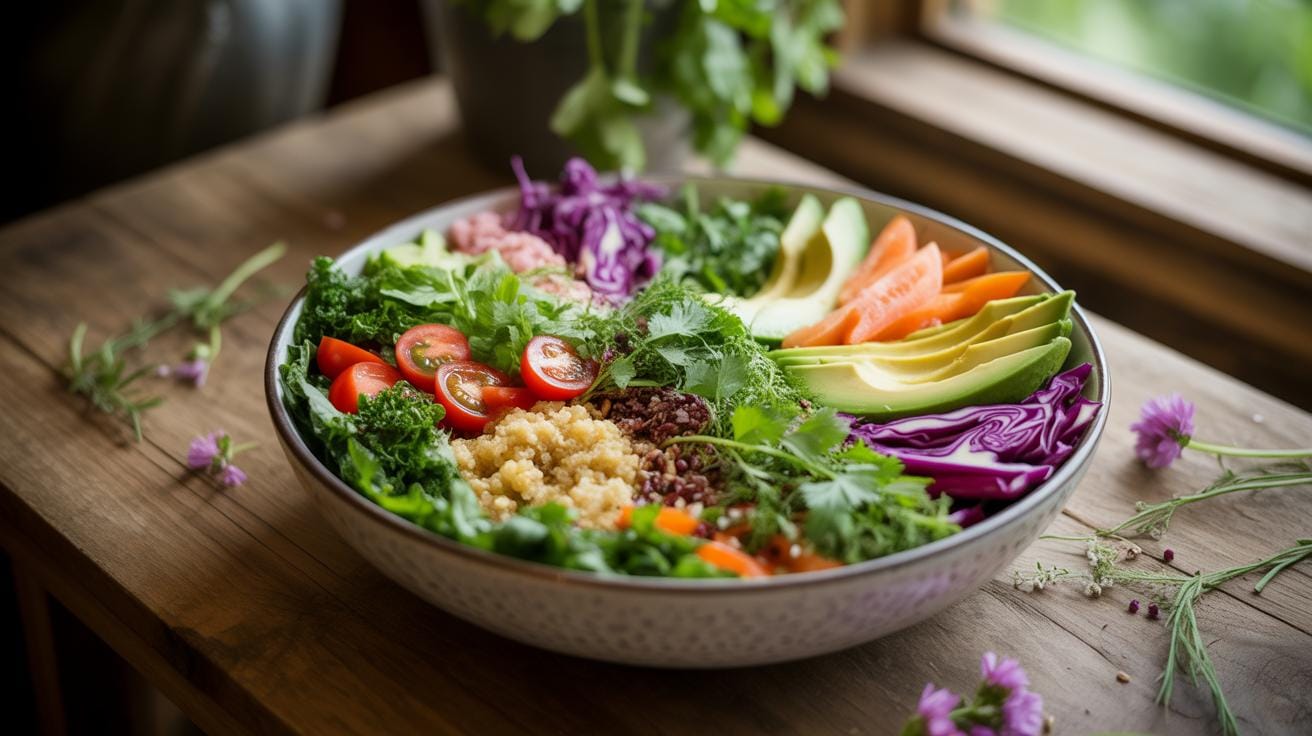
Getting Results on a Plant-Based Diet
The plant-based diet focuses on foods derived primarily from plants. These include vegetables, fruits, grains, nuts, and seeds. This diet can range from including small amounts of animal products to completely vegan. Many adopt it for health, ethical reasons, or environmental concerns. Switching to this diet can influence your health positively in various ways.
This article serves as a guide to understanding the core of a plant-based diet. It also provides practical and holistic recipes designed to help you see tangible health results. Following the chapters, you will learn what makes this diet effective and how to implement recipes that enhance wellness.
Identifying PlantBased Foods

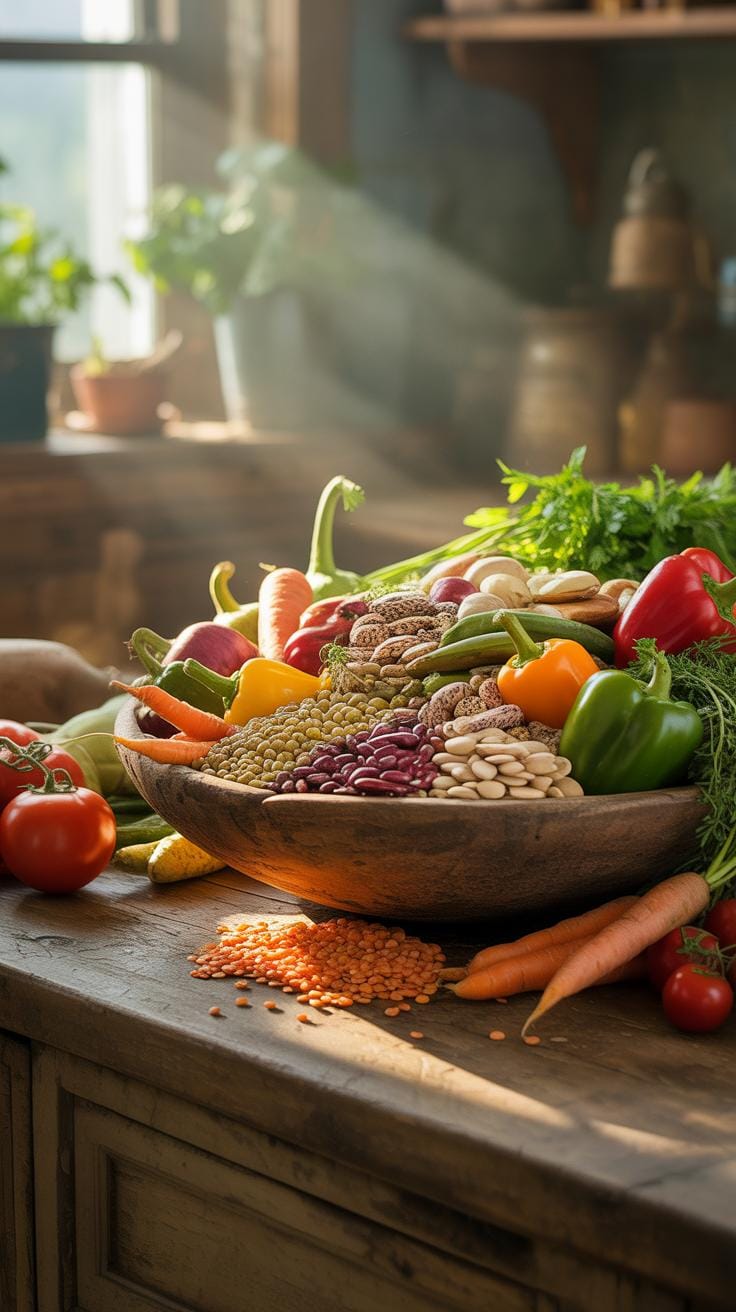
When you think about plant-based foods, the first things that come to mind are probably vegetables and fruits, but the list is much longer. Plant-based diets draw from a wide variety of foods—vegetables, fruits, grains, legumes, nuts, and seeds all fit this category. These foods form the foundation of what you eat, though there’s an interesting spectrum of how strictly someone might follow a plant-based lifestyle.
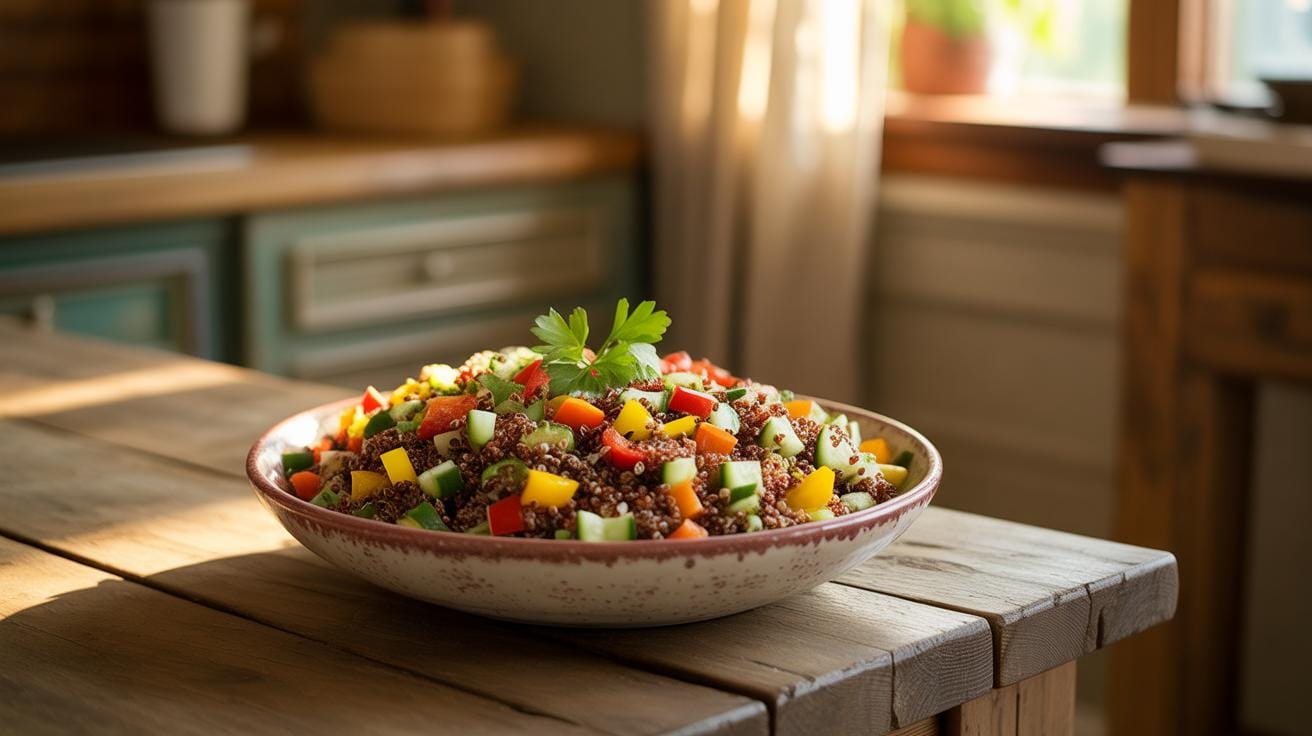
At one end, some people avoid all animal products, focusing strictly on plants. At the other, some may include small amounts of dairy, eggs, or even fish. This flexibility means the term “plant-based” isn’t a one-size-fits-all label, which can be a little confusing. You might wonder: is it still plant-based if it includes a bit of cheese here and there? For many, it is.
Plant Foods List
Breaking it down, here are some common foods you’ll find in a plant-based diet:
- Raw or minimally processed foods: fresh spinach, kale, carrots, berries, apples, bananas, raw almonds, chia seeds, quinoa, lentils, brown rice
- Minimally processed options: roasted nuts, cooked beans, whole grain bread made from minimal ingredients, homemade vegetable broths, and cold-pressed nut butters
You might notice that even cooking doesn’t necessarily remove the “plant-based” label so long as the ingredients stay true to plants.
Animal Product Options
Not everyone on a plant-based diet avoids animal products entirely. Some include dairy or eggs in moderation—say, a splash of milk in coffee or an occasional omelet. Others add fish periodically, especially in diets like pescatarianism, which is still often seen as “mostly plant-based.”
These choices make plant-based diets more approachable for many people. Perhaps you’ve tried strictly vegan meals and found them challenging at first—allowing eggs or fish can feel more sustainable.
On the flip side, some who aim for health gains or ethical reasons stick to a fully vegan approach. It depends on your goals and lifestyle. So, when identifying plant-based foods, remember it’s not just what you eat but how much and how often you include animal products that shapes your diet.
Why Choose PlantBased Eating
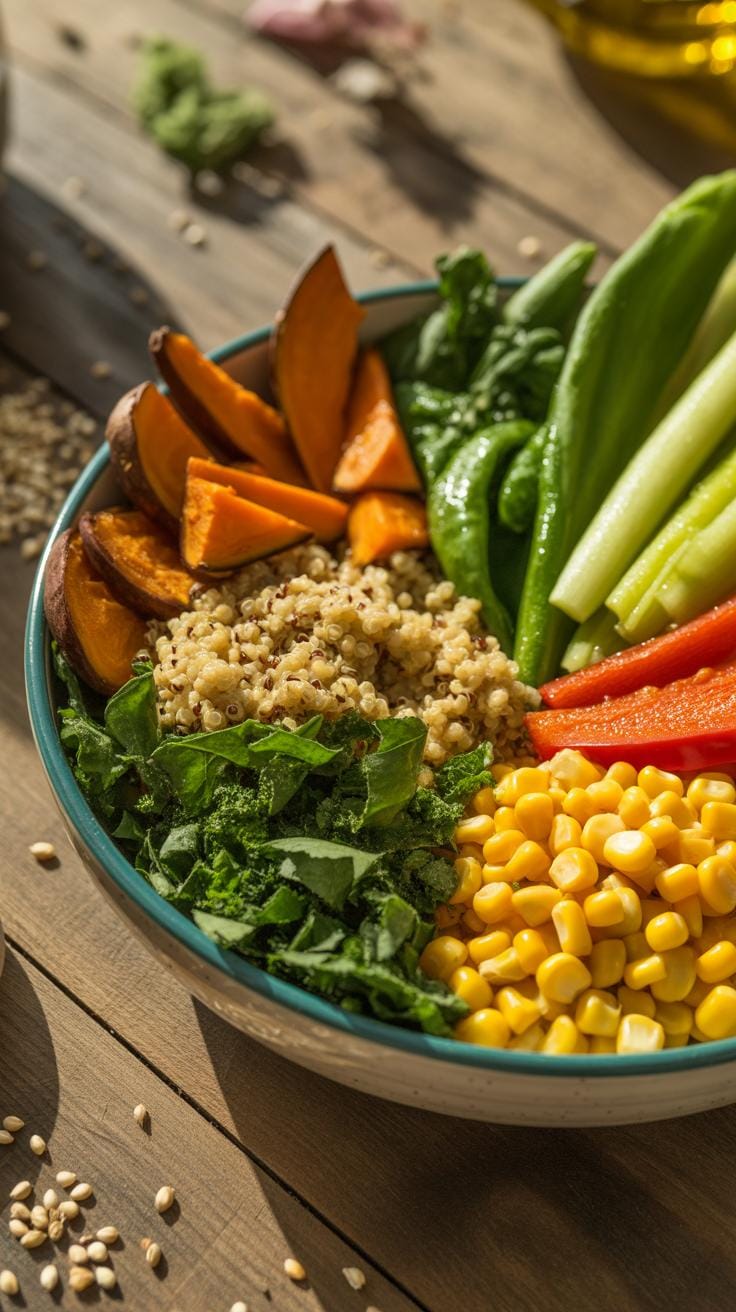
People turn to plant-based eating for different reasons, often blending health, environment, and ethics in ways that don’t always line up perfectly. Some start because they want to feel better—lower cholesterol, reduced blood pressure, fewer digestive issues. There’s data suggesting fewer risks of heart disease, type 2 diabetes, and certain cancers when you focus on plants, but the experience can vary. Some folks swear by the energy boost, while others find it tricky to get enough protein or iron at first.
Then there’s the environmental piece. Eating plants instead of animals generally means a smaller carbon footprint. Producing vegetables and grains uses less water and land compared to meat. But it’s not black and white—some plant foods can have significant impacts too, depending on how they’re grown and transported. Still, in general, less reliance on animal agriculture takes a visible load off the planet.
Ethics matters to many, too. Choosing plants avoids the direct support of animal suffering that’s part of factory farming. That’s not always the main driver, though it often overlaps with health and environment concerns. Sometimes people wrestle with these choices, especially when cultural or personal memories are attached to certain meals.
So, why choose this path? Maybe you want to improve your health, care about the planet’s future, or simply feel better aligned with your values. And perhaps you’re a mix of all those, without a clear priority—just looking for something that fits your life.
Starter Checklist for Meal Planning
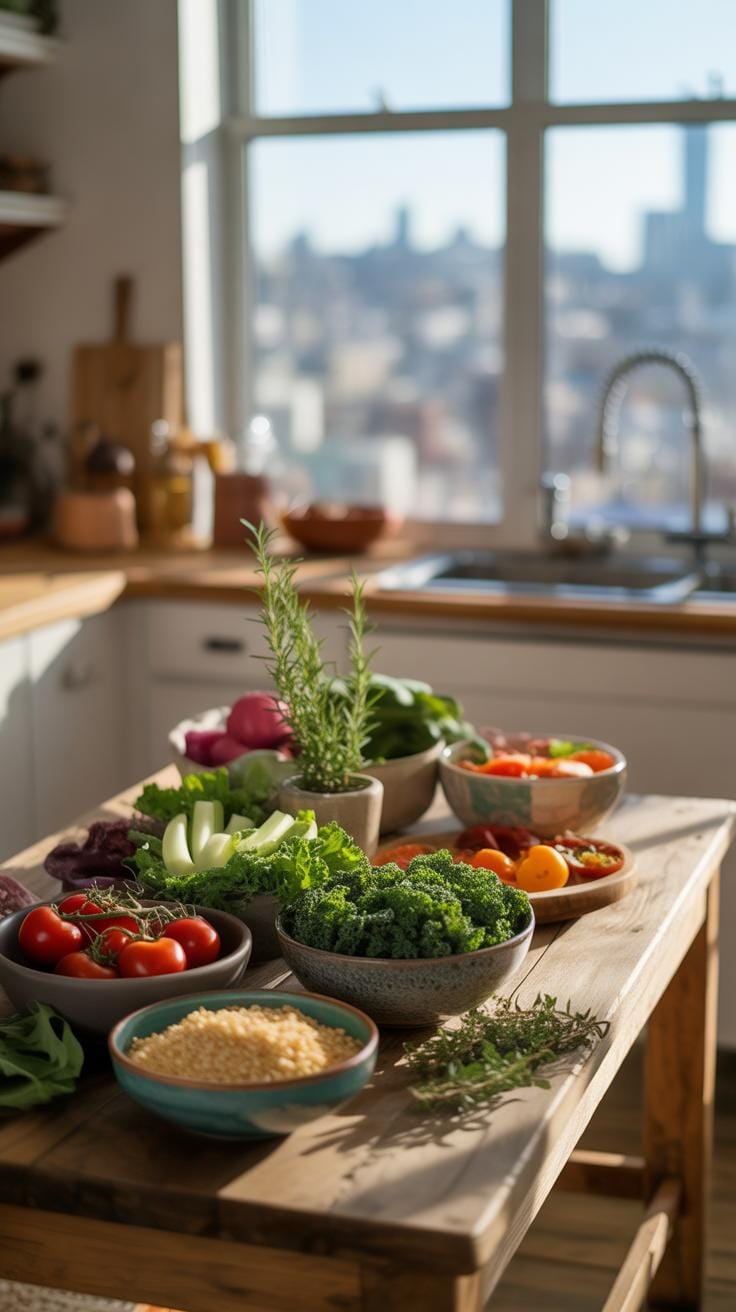
Planning meals on a plant-based diet can feel tricky at first, but it gets easier with a checklist to keep you on track. Here’s a step-by-step guide that can help you build meals that are balanced and nutrient-rich.
- Begin by deciding your meals for the week—think about breakfast, lunch, dinner, and snacks.
- Choose a variety of whole foods like vegetables, fruits, legumes, nuts, seeds, and whole grains.
- Make sure every meal includes at least one source of protein, one complex carbohydrate, and healthy fats.
- Check that you’re covering different colors and types of veggies to boost vitamin and mineral intake.
- Plan snacks that fill in gaps, such as a handful of nuts or a fruit with some nut butter.
- Write a detailed shopping list based on your meal plan to help avoid impulse buys or processed foods.
- Allow some flexibility—sometimes you might want to swap ingredients or try something new. That’s okay.
Balancing taste and nutrition is key. You might find that pairing quinoa with roasted chickpeas and sautéed spinach makes a satisfying, protein-packed meal you look forward to. And keeping meals colorful can help with nutrient variety and keeping boredom at bay.
Choosing Ingredients
Start by picking whole, natural plant foods—the kind you’d recognize before they hit the grocery store shelves. Fresh vegetables, fruits, legumes, nuts, seeds, and whole grains should make up most of your list.
When you do look at packaged or processed items, read the labels carefully. Look out for added sugars, preservatives, or artificial ingredients that don’t fit the plant-based focus. Remember, “plant-based” doesn’t automatically mean healthy if the product is full of fillers or refined ingredients.
Sometimes, it’s okay to rely on minimally processed staples like tofu, tempeh, or frozen vegetables—they can save time without sacrificing nutrition. At least, I’ve found they do.
Balancing Nutrients
Getting the right balance of protein, carbs, and fats from plants isn’t always intuitive. It helps to think in food groups rather than individual items.
- Protein: Include beans, lentils, tofu, tempeh, seitan, or quinoa regularly.
- Carbohydrates: Focus on whole grains like brown rice, oats, barley, and starchy veggies.
- Fats: Add nuts, seeds, avocados, and oils like olive or flaxseed oil thoughtfully.
You might find combining foods works better—rice with beans, for example—because plant proteins alone can be incomplete. Not everyone is picky about this all the time, but thinking about synergy in your meals can make a difference.
It’s also easy to overdo carbs without enough fat and protein, or vice versa. Try to keep meals well-rounded so your body gets what it needs to keep you feeling full and energized.
Meal Preparation Tips
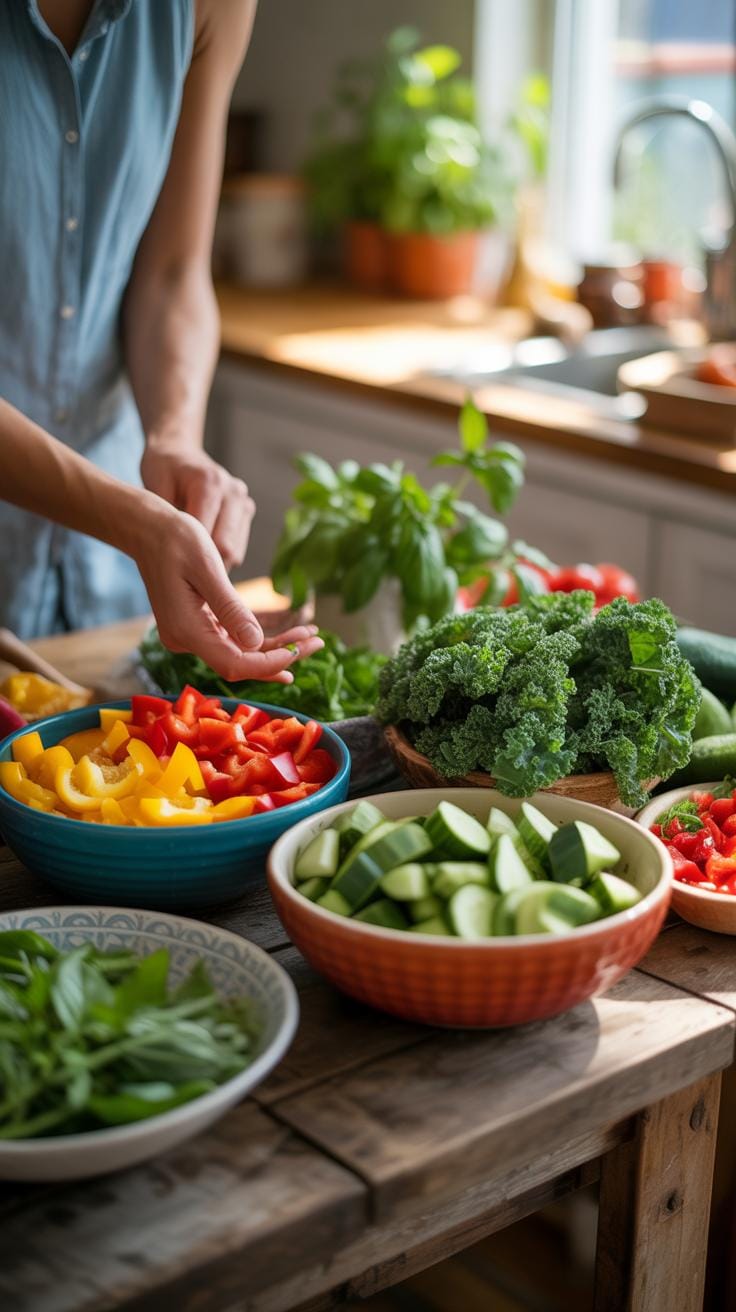
Making plant-based meals both nutritious and appealing can sometimes feel like a bit of a challenge, especially if you’re new to this way of eating. But really, it boils down to a few straightforward tactics that anyone can pick up. Planning ahead often makes the difference—you might want to prep ingredients in stages rather than all at once, so nothing feels overwhelming.
Think about variety, too. Including foods with different colors, textures, and natural flavors keeps meals interesting. Take sweet potatoes, for example. Roasted one day, mashed the next, or even added to a stew—versatility like that can turn simple ingredients into something you look forward to. And keeping a stock of chopped veggies or pre-cooked grains in the fridge helps when time runs short.
Also, don’t shy away from assembling meals in layers, like grain bowls or wraps. That way, components stay fresh longer and you can swap parts in or out depending on what you feel like eating. Sometimes, recreating your favorite classic dishes with plant-based twists—like a chickpea curry or lentil chili—makes the diet feel less restrictive.
Batch Cooking Basics
Cooking in bulk sounds tedious at first, but it actually takes pressure off busy days. Imagine preparing a big pot of quinoa and a tray of roasted vegetables once a week; suddenly, lunches and dinners are ready in minutes. It’s surprising how much energy this saves—no need to decide or cook every day.
Batch cooking can also make it easier to stick with your diet. Having meals ready reduces the temptation to grab less healthy options. Soups, stews, and casseroles are all good candidates. They tend to keep well in the fridge, some even taste better the next day. You might find that cooking and freezing portions in individual containers helps avoid waste, but this part depends on your freezer space and habits.
Using Spices and Herbs
Flavor is everything, right? Plant-based meals don’t have to be bland. Spices and fresh herbs offer a great way to boost taste without relying on oil, sugar, or salt. Experimenting with cumin, smoked paprika, or turmeric can turn a simple lentil dish into something memorable.
Fresh herbs like cilantro, basil, or parsley add brightness. I often toss chopped herbs into salads or sprinkle them on just before serving. They bring subtle layers to the food. You might be surprised by how a pinch of cinnamon in a savory stew or a dash of ginger in a sauce can change a dish’s profile completely.
One tricky bit—don’t overload spices. Sometimes less is more. Finding your personal balance takes a bit of trial and error, but it’s worth it. This approach gives you control over what goes into your meal and keeps things fresh and exciting.
Protein Sources Explained
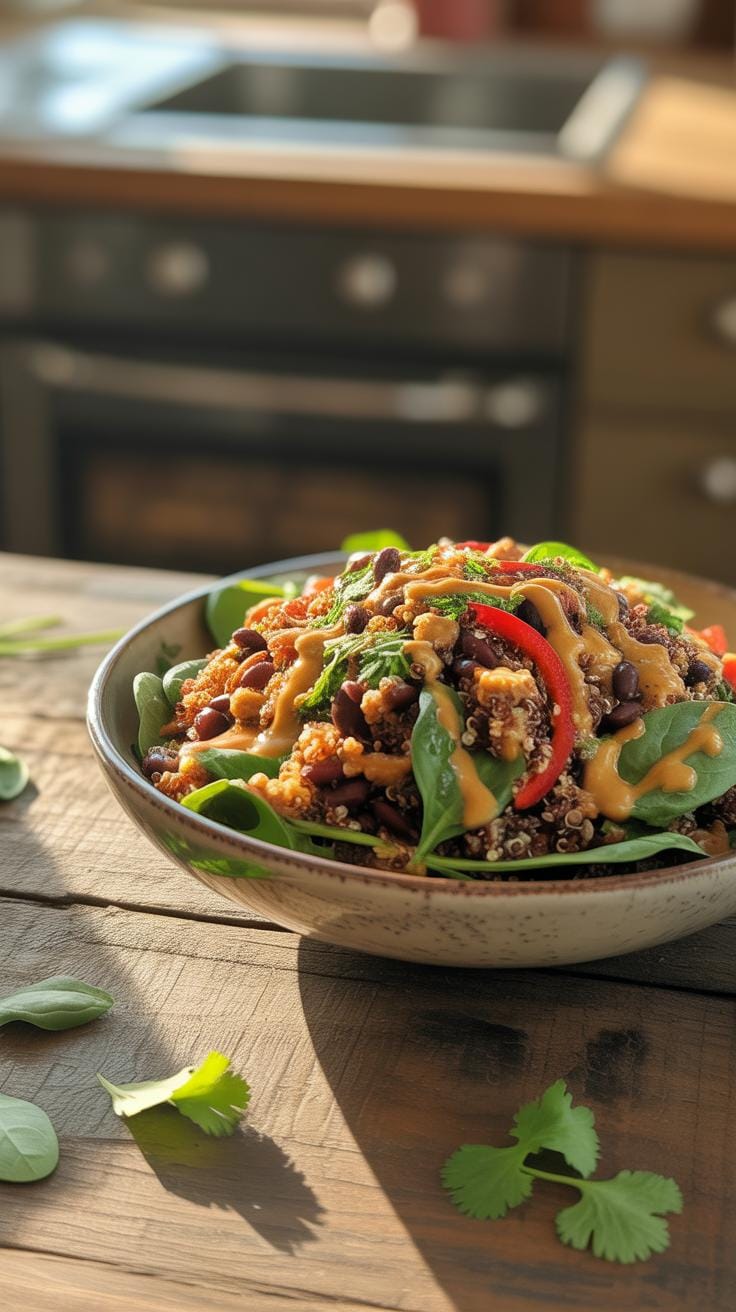
When you think about protein on a plant-based diet, legumes, nuts, seeds, and soy products quickly come to mind. They’re the mainstays, really. Each offers something a bit different, not just in taste but in nutritional profile. Lentils and beans, for example, pack a solid protein punch coupled with fiber, which keeps you full longer. Nuts like almonds or walnuts provide protein but also healthy fats that support overall wellness—though you’ll want to watch portions to avoid too many calories.
Seeds such as chia, hemp, or pumpkin seeds contribute protein and contain those essential fatty acids that are easy to overlook. Soy products—think tofu, tempeh, and edamame—offer protein profiles closest to animal products, which makes them popular choices. Soy’s versatility in meals is something I’ve personally found helpful when trying to keep things interesting.
Now, about combining foods. There’s a bit of outdated advice floating around that you must combine, say, rice and beans at every meal to get “complete protein.” But truth be told, your body pools amino acids from different meals throughout the day. So if you eat a varied diet—whole grains, legumes, nuts, and seeds—over time, you cover all your essential amino acids without stressing over perfect combinations each mealtime. This flexibility might even relieve some of the pressure of meal planning.
Comparing PlantBased and Traditional Diets
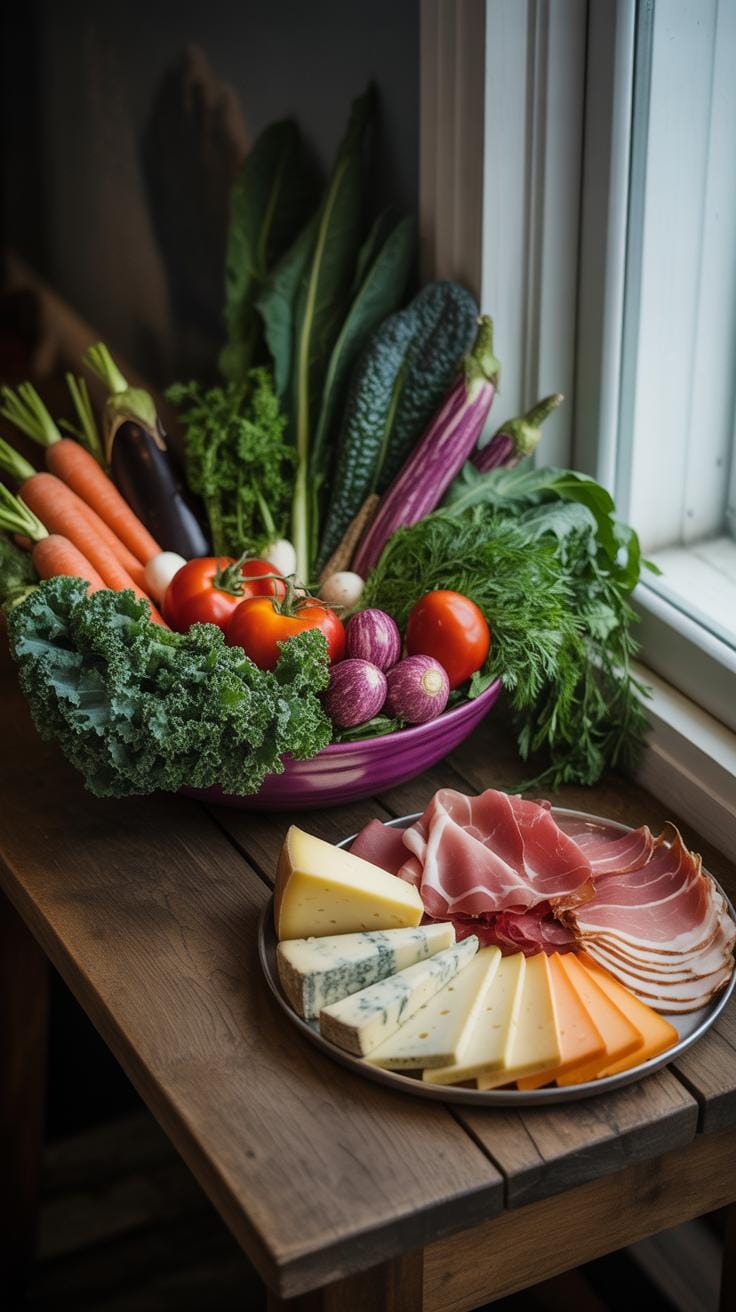
When you look closely at plant-based and meat-centered diets, the differences go beyond just food choices. Nutritionally, plant-based meals tend to pack more fiber and a wider variety of micronutrients. Fiber plays a big role here—you’re getting more because plants naturally contain it, and that means better digestion and, often, more sustained energy levels. Meat-centered diets usually fall short on fiber unless offset with lots of vegetables and whole grains.
Cholesterol is another big one. Plant-based diets usually keep it lower. Meat, especially red and processed types, adds more saturated fat and cholesterol, which might influence heart health in the long run. Of course, not all meat-eaters experience this equally, but it’s a pattern seen in many studies.
On the environmental side, the difference is striking. Meat production requires more water—sometimes thousands of gallons per pound of beef. Greenhouse gas emissions also skyrocket with animal farming. Plant crops typically need less land and water, producing fewer emissions per calorie or gram of protein.
It’s not all black and white, though. Some plant foods might demand lots of resources too. But for the most part, shifting toward plants lessens your overall environmental impact. Ever wonder how your food choices ripple out beyond your plate? It’s worth reflecting on as you build your diet.
Avoiding Common Pitfalls
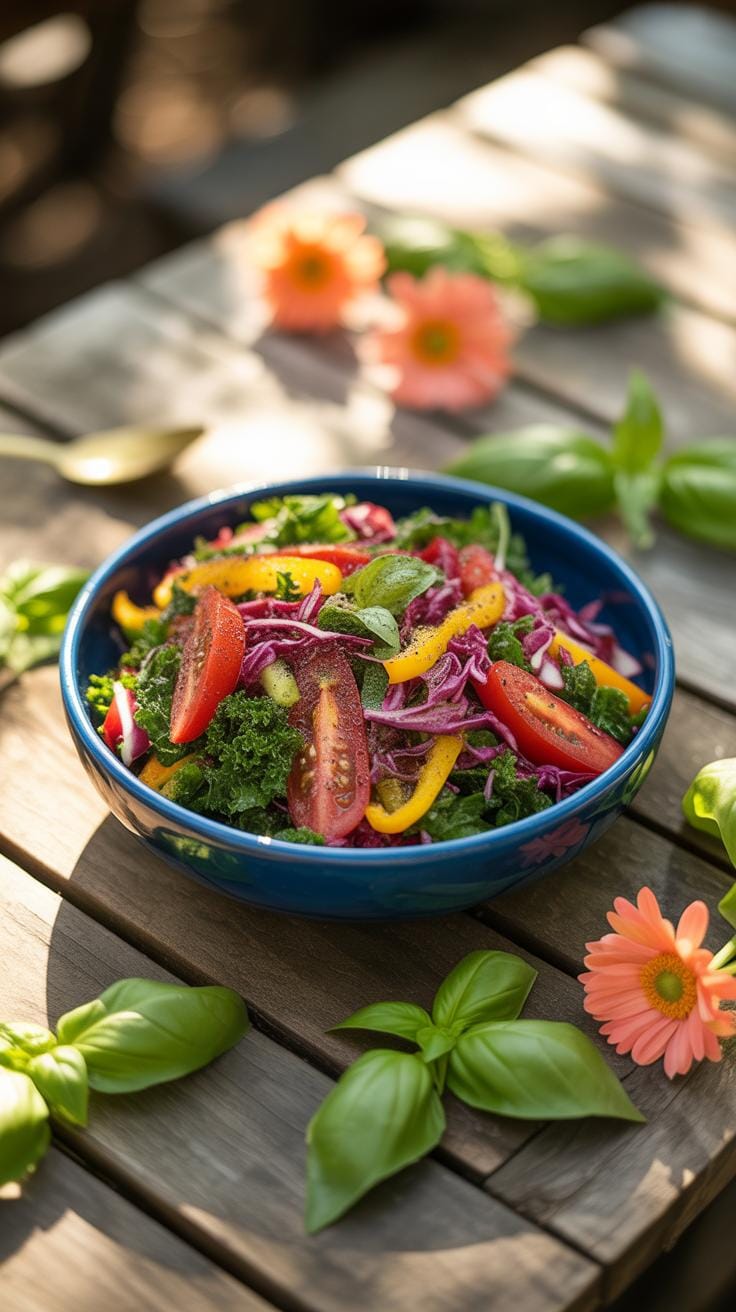
Nutrient Gaps
Switching to a plant-based diet raises some questions about key nutrients, and it’s easy to overlook certain gaps. Vitamin B12, for instance, doesn’t naturally occur in plants, so you can’t just rely on leafy greens to get it. Without enough B12, fatigue and neurological issues might start creeping in. You might want to consider fortified foods or supplements here—even if you’re hesitant about pills, it’s a practical way to stay balanced.
Iron is another tricky one. Plant sources like lentils and spinach provide it, but the form present isn’t absorbed as easily as in animal products. Pairing iron-rich meals with vitamin C can help boost absorption, but sometimes you still might fall short, especially women or athletes. Paying attention to energy levels and routine blood tests can guide if extra iron is necessary.
Omega-3 fatty acids often get overlooked too. Flaxseeds, chia, and walnuts offer ALA, yet converting it into the heart-healthy EPA and DHA is inefficient in many people. If you find your meals lack variety, or you don’t eat any algae-based supplements, those omega-3 needs might not be fully met.
Meal Monotony
Diving into a plant-based lifestyle, it’s surprisingly easy to fall into repetitive meal patterns. One week might be all quinoa and beans; the next, it’s just tofu and broccoli. Eating the same foods repeatedly can dull your palate and even reduce the enjoyment of eating, which, honestly, might make you second-guess sticking with the diet.
Mix things up by exploring less common grains like millet or teff, or try beans you rarely use—black-eyed peas, anyone? Herbs and spices offer huge mileage too. A pinch of smoked paprika or a squeeze of fresh lemon can transform a simple dish.
It might also help to plan meals around different textures instead of just flavors. Something crunchy paired with creamy, or chewy alongside tender, can keep your meals sensing fresh. Trying a new recipe once a week, or mixing raw and cooked veggies, isn’t just about variety—it can keep your motivation alive too.
Practical Recipe Examples
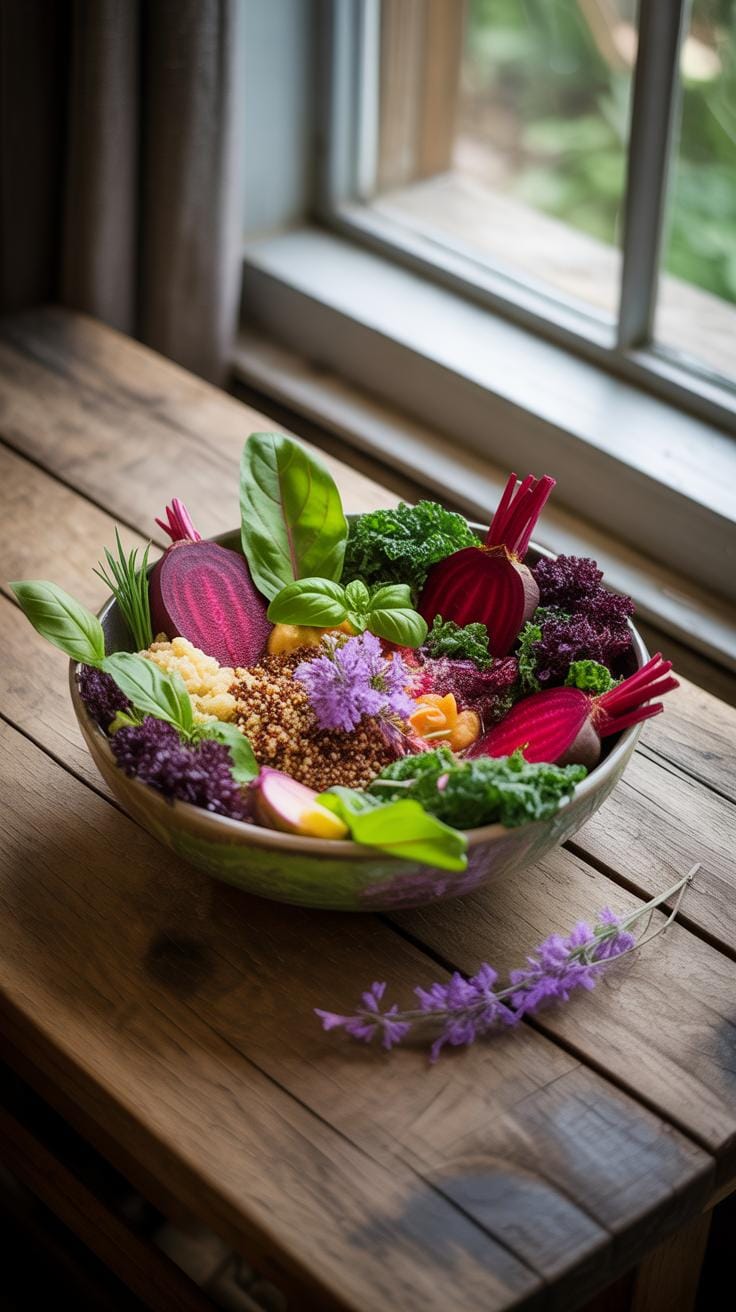
Let’s start with breakfast. Think about a simple bowl that wakes you up and keeps you going. Try this: cook a half cup of steel-cut oats, then top it with a handful of fresh berries and a sliced banana. Sprinkle some chia seeds for extra texture and omega-3s. It’s straightforward but covers several bases—whole grains for steady energy, fruits for vitamins, and seeds for healthy fats. I’ve actually found that the slight chewiness of steel-cut oats keeps me feeling full longer, though some prefer rolled oats for speed.
For dinner, consider a warm plate made from quinoa, black beans, and roasted vegetables like sweet potatoes and bell peppers. Toss in some chopped spinach for greens and a squeeze of lemon to brighten the flavors. The beans add protein, the quinoa offers complex carbs, and the veggies bring fiber plus micronutrients. I like to roast the veggies with a bit of smoked paprika, but you might want to keep it plain or add herbs instead. This meal feels balanced without being overly complicated—and you’ll likely notice a satisfying fullness without heaviness.
Reading Labels and Choosing Products
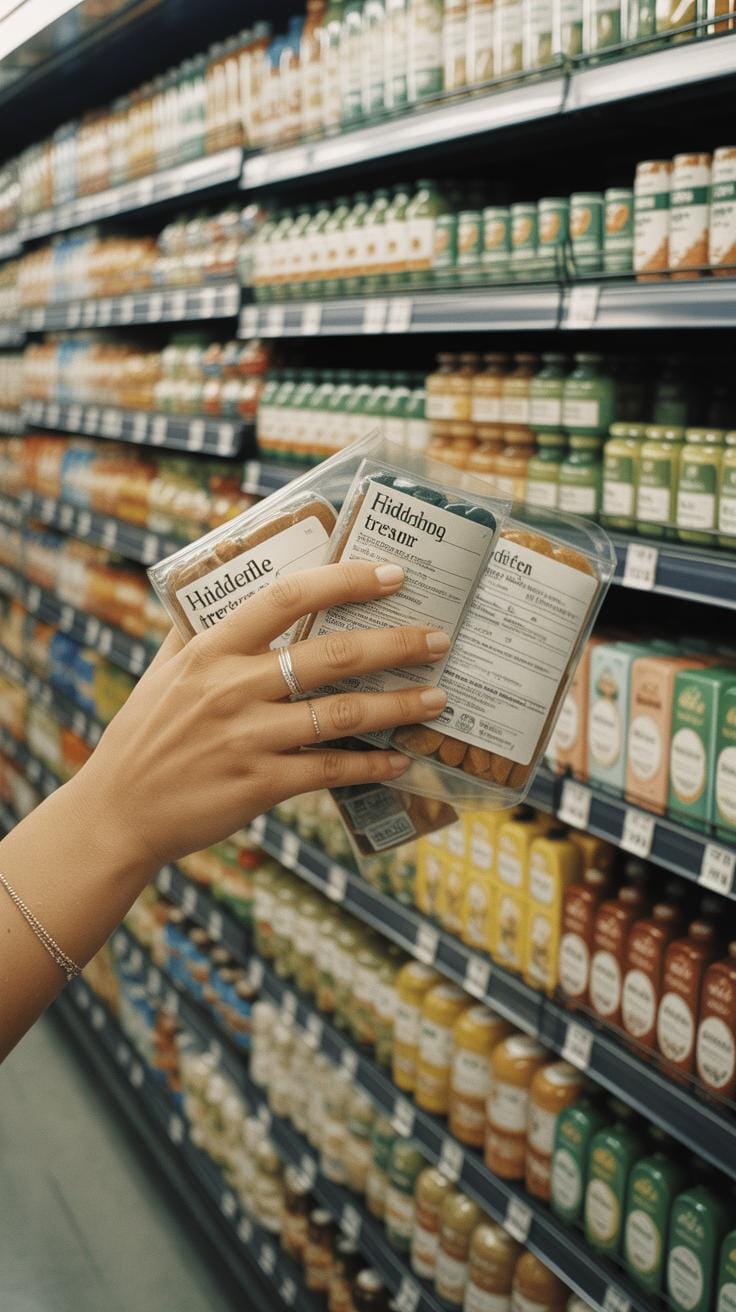
When you’re standing in front of a shelf packed with colorful packages, figuring out which ones fit your plant-based diet can feel overwhelming. It’s not just a matter of spotting “vegan” logos—which sometimes appear on less-than-healthy snacks—but more about what’s actually inside. Reading labels carefully becomes a skill that, frankly, took me some trial and error to develop.
Look beyond marketing phrases. Ingredients are listed in descending order by weight, so the first few items give you the clearest picture. If you see lots of long, complicated names, question what those really are. Sometimes, even ingredient lists that look “plant-based” can hide animal derivatives.
One thing I’ve noticed is that some plant-based products sneak in things like whey or casein, especially in items labeled as “protein enriched.” Don’t just rely on words like “non-dairy” or “plant-based” on the front of the packaging; they don’t always guarantee the absence of animal ingredients.
Consider these tips to help you navigate labels:
- Scan for common animal derivatives like gelatin, casein, whey, lactose, or even certain colorants derived from insects such as carmine.
- Check unfamiliar additives online if you’re unsure about them—sometimes what sounds harmless isn’t.
- Be cautious with “natural flavors,” which can include animal products but don’t have to specify them outright.
- Opt for products with shorter ingredient lists—that’s often a hint toward fewer additives and more whole food content.
This process may feel tedious at first, but over time, you start recognizing the usual suspects and trusting your instincts more. Also, libraries of plant-based brands tend to grow, making shopping easier once the initial hurdle is crossed.
Spotting Hidden Ingredients
Some animal-based ingredients aren’t obvious at first glance. Terms like “casein” or “lactose” may be clearer. But what about “albumin” or “pepsin”? These are less familiar but equally animal-derived. If you’re buying processed foods, knowing these terms matters.
Here’s a quick list of commonly hidden animal derivatives:
- Gelatin – often in gummies, marshmallows, or capsules
- Casein and Whey – milk proteins, common in protein powders and some breads
- Carmine – red dye made from insects
- Lactose – milk sugar found in various baked goods and processed snacks
- Lanolin – derived from sheep’s wool, used in some lip balms or candies
- Shellac – resin secreted by insects, used as a glaze on candies or pills
Sometimes these ingredients appear under vague names or bundled within “natural flavorings,” which can be frustrating. If you want to be certain, contacting manufacturers or consulting plant-based certification lists can help. I’ve found a few brands willing to clarify ingredient sources when asked directly, which was a bit reassuring.
Choosing Whole Foods
The simpler, the better—a motto that seems obvious but is often ignored when we’re rushing. Whole foods generally have one ingredient or a handful easily recognizable ones. Think fresh vegetables, legumes, nuts, seeds, and whole grains rather than packaged rice cakes or flavored nut butters loaded with added sugars and oils.
Minimally processed products preserve more nutrients and avoid unnecessary additives. Also, they’re less likely to contain hidden animal ingredients. You don’t have to perfectly avoid processing—it’s nearly impossible—but leaning toward foods that resemble their natural form often leads to better health outcomes.
Choosing whole foods isn’t just about health though. It’s about getting familiar with flavors and textures in your meals. For example, roasting a carrot instead of reaching for a carrot-flavored snack can make a difference in satisfaction. It may take a bit more time or planning, sure—but that effort often rewards you with taste and an intuitive understanding of what’s genuinely plant-based.
Tracking Progress and Adjusting
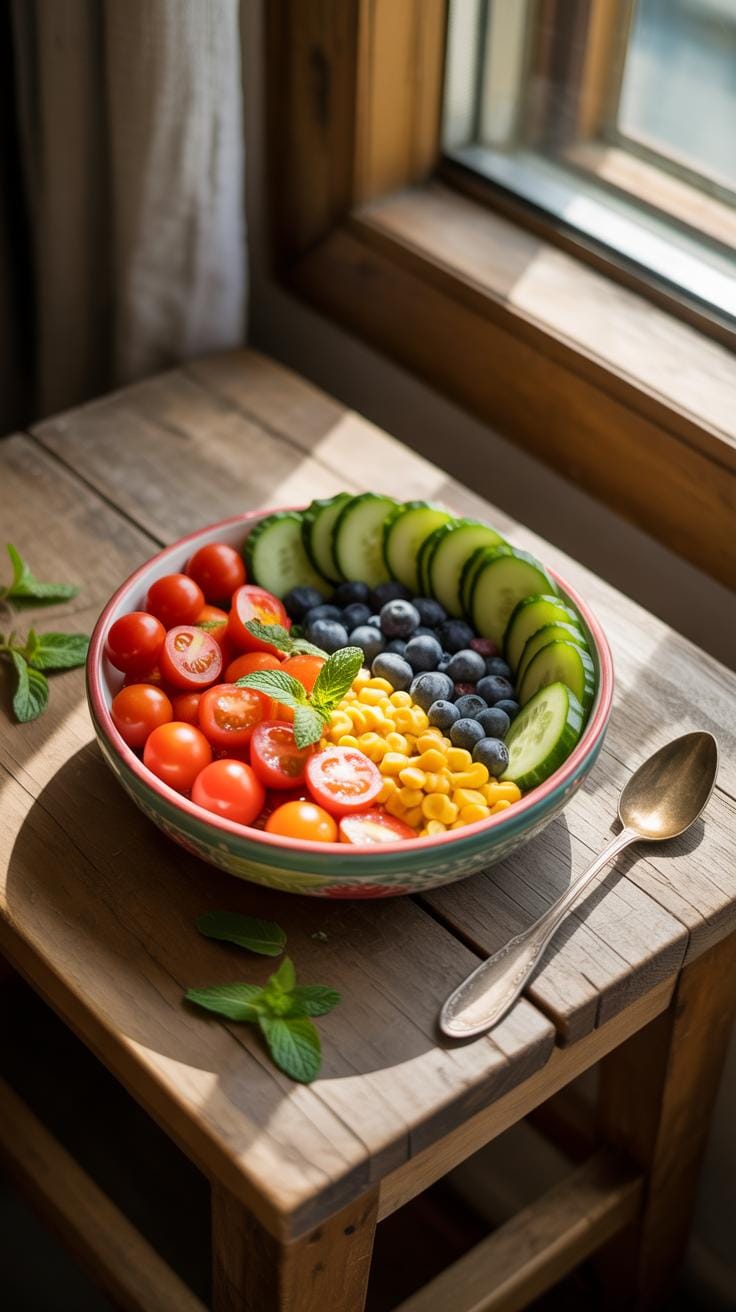
When you start a plant-based diet, it’s easy to focus on what you’re eating, but watching how your body responds is just as important. You might find some signs that everything’s going well, or subtle hints that something needs a tweak. For example, keeps tabs on your energy levels throughout the day—are you feeling more sluggish or surprisingly energized? Do your digestion patterns shift, maybe getting smoother or a bit unsettled? Skin changes, hair texture, even mood swings can all be clues.
Some key health markers to check regularly include:
- Weight trends—not just scale weight but how your clothes fit.
- Digestive comfort and regularity.
- Sleep quality and mental clarity.
- Blood work, especially vitamin B12, iron, and omega-3 levels.
- Muscle strength or recovery if you work out.
If you notice low energy or persistent cravings, it might be time to adjust your food choices—introducing more protein-rich plants like lentils or adding a B12 supplement, even if you thought it wasn’t necessary. Sometimes, tweaking fat sources to include more nuts or flaxseeds can make a difference for brain and skin health. But then again, maybe the issue isn’t food at all. Are you drinking enough water? Or getting enough rest?
Your journey with a plant-based approach is personal. You’ll probably find some trial and error helps you learn what suits you best. I’ve had days when adding a handful of pumpkin seeds made all the difference, and others when simply cutting back on raw greens reduced bloating. Staying curious about your body’s feedback is key, not just following a strict formula.
Conclusions
Adopting a plant-based diet can be a powerful way to improve your health. It offers nutrients and fiber while reducing intake of unhealthy fats. The recipes and tips shared here are practical tools for anyone wanting to make this diet work. They support your wellness goals and encourage a balanced approach to eating.
Mindfully planning meals and choosing diverse whole foods are key. You can avoid common mistakes and stay on track by using the checklists and comparisons offered. With these tools, success on a plant-based diet is within your reach, enhancing your overall wellbeing.