
Health Benefits Backed by Food Choices
Eating the right foods can improve your health in many ways. Different foods offer different benefits, such as boosting your immune system, improving digestion, or keeping your heart strong. This article presents the top 7 food health benefits and pairs them with simple holistic wellness recipes you can try at home.
Knowing these benefits can help you choose foods that support your wellness goals. We will explain why these foods matter, give you clear examples, and share easy recipes to incorporate them into your diet every day. Get ready to learn about food’s power to keep you well and energized.
What Are Nutrient Benefits
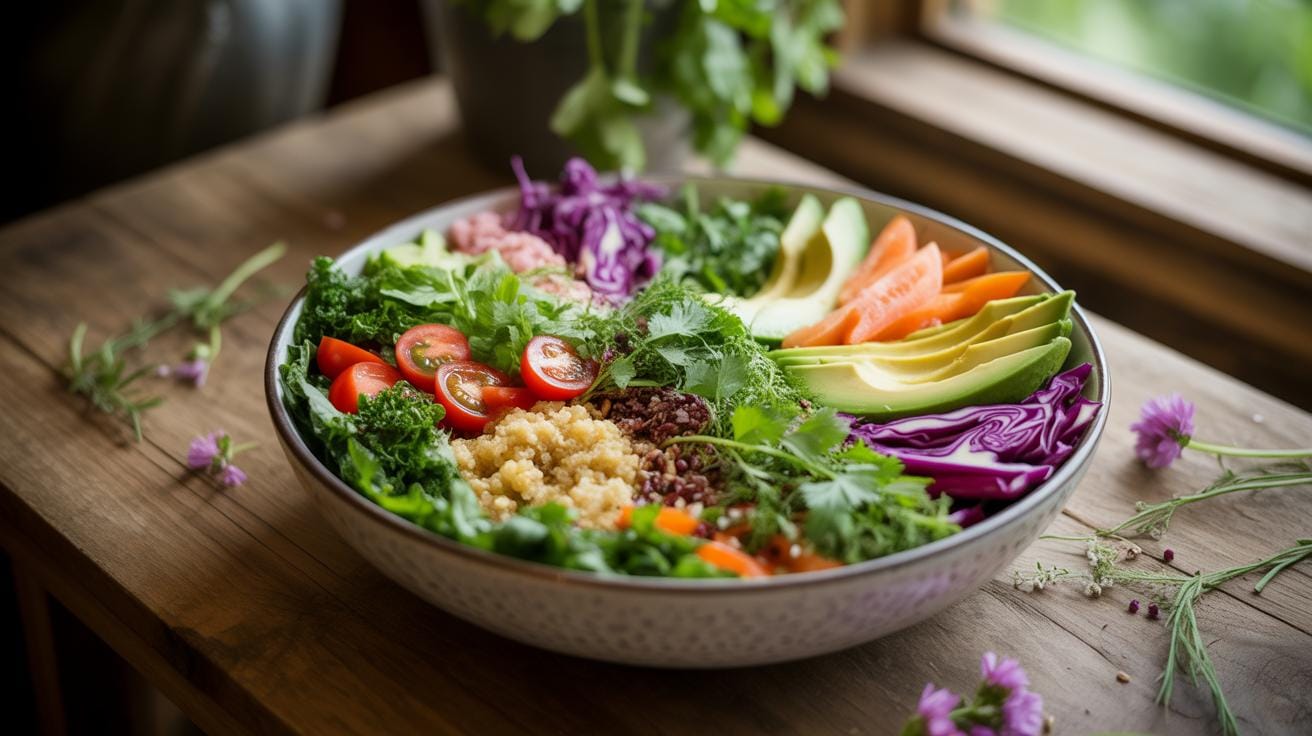
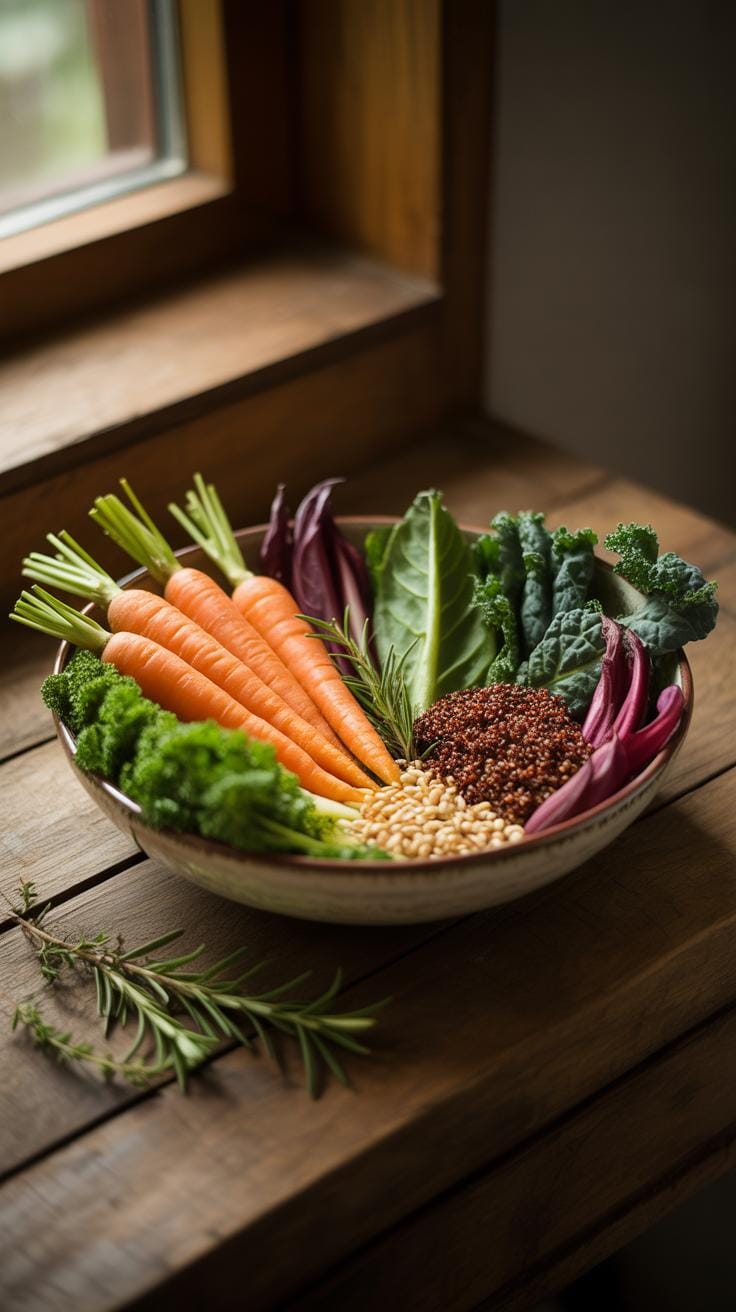
Nutrient benefits refer to the positive effects that various nutrients have on your body’s health and function. These benefits matter because they keep your systems running smoothly, though it’s easy to overlook just how much a simple vitamin or mineral can impact your daily life. For instance, vitamin C is known for supporting your immune system, helping you fight off colds. Minerals like calcium strengthen your bones, making them less prone to fractures. Fiber plays a bit of a different role—it helps your digestion and keeps things moving in your gut. Antioxidants, found in colorful fruits and vegetables, protect your cells from damage caused by free radicals.

Think of nutrients as tools your body uses constantly. Without them, certain tasks just can’t get done well, or at all. It’s not just about avoiding sickness; these small helpers improve how you feel and perform every day.
Types of Essential Nutrients
Your body needs a few key nutrients to stay healthy, each with its own job:
- Carbohydrates: Your main energy source. They’re found in foods like bread, rice, and fruits. Think of them as the fuel for your brain and muscles.
- Proteins: Building blocks for muscles, skin, and organs. Eggs, beans, and fish are rich in protein, which helps repair body tissues.
- Fats: Often misunderstood, fats are essential for hormone production and absorbing vitamins. Healthy fats come from nuts, avocados, and olive oil.
- Vitamins: These support various body functions, like vision (vitamin A) and blood clotting (vitamin K). They’re mostly found in fruits, vegetables, and dairy.
- Minerals: Elements like iron and magnesium help carry oxygen in blood or keep your heartbeat steady. They show up in meats, nuts, and leafy greens.
Without any of these, your body might struggle to do what it normally does without you noticing right away. It’s the quiet, behind-the-scenes work that keeps you going.
How Nutrients Affect Well-being
Nutrients don’t just keep you alive; they shape how you feel. For example, carbohydrates fuel your energy, so when you eat enough, you stay alert rather than dragging through the day. Protein supports your immune system by building the cells that fend off infections. Fats help your brain function, which might explain why low-fat diets can sometimes leave you feeling foggy. Vitamins and minerals keep your mood steady and your memory sharp. Ever felt sluggish or forgetful? Nutrient gaps might be a cause.
When your diet includes the right nutrients, your body fights illnesses better, heals faster, and even keeps your mind clearer. It’s not just about the physical stuff; nutrient intake influences emotional health, energy, and how you manage stress—though exactly how isn’t always straightforward.
Why Eat Antioxidant Foods
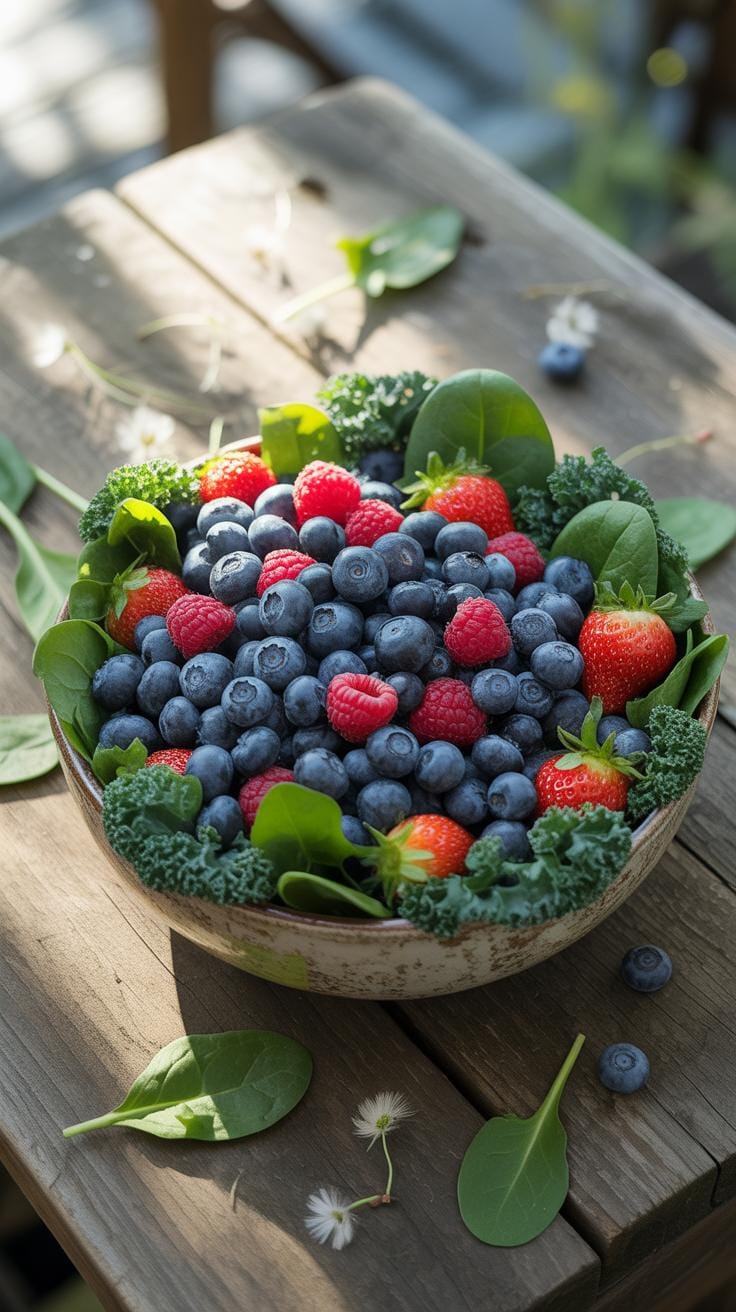
Antioxidants are natural substances found in food that help protect your body’s cells from damage. Think of them as little defenders that fight harmful molecules called free radicals. These free radicals can build up and cause wear and tear inside the body, which might lead to illnesses or aging faster than we’d expect.
Eating foods rich in antioxidants—like fruits and vegetables—can slow down this process. This means less stress on your body’s cells, better overall health, and maybe even more energy. It might sound a bit abstract, but imagine your body as a car: antioxidants help keep the engine clean and running smoother for longer.
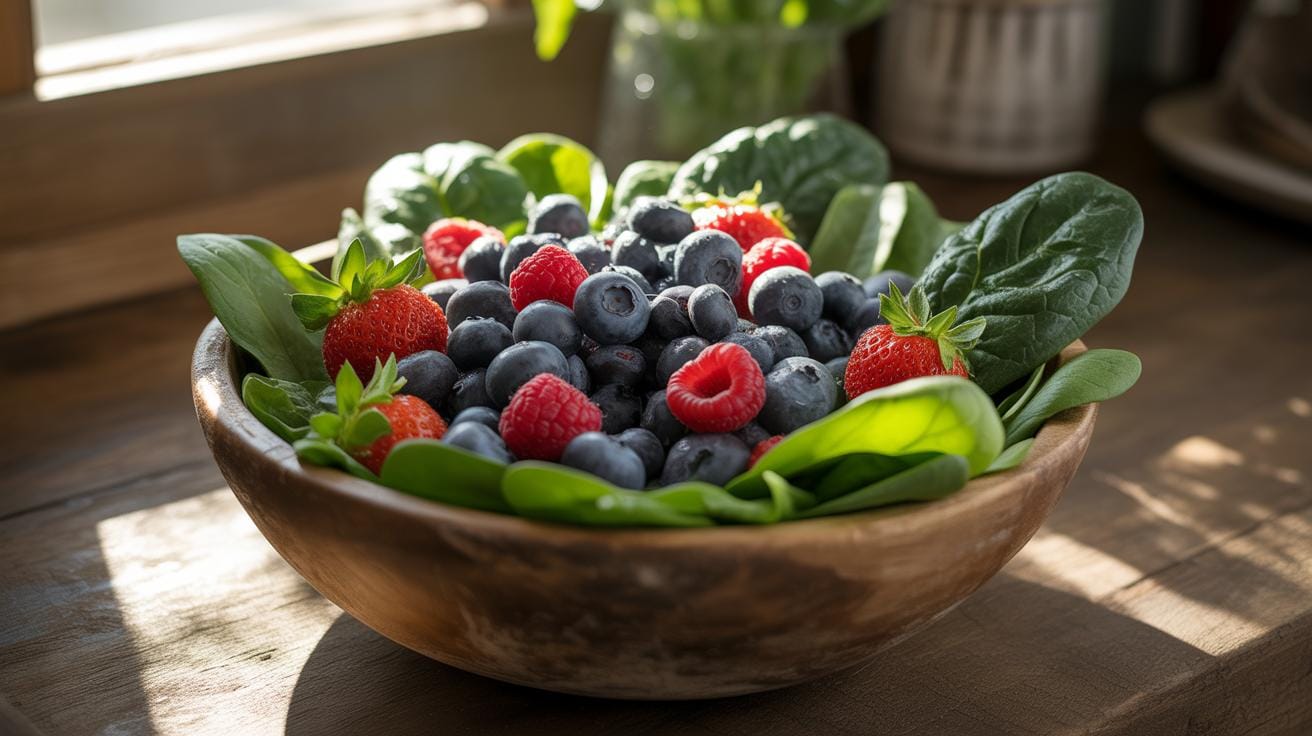
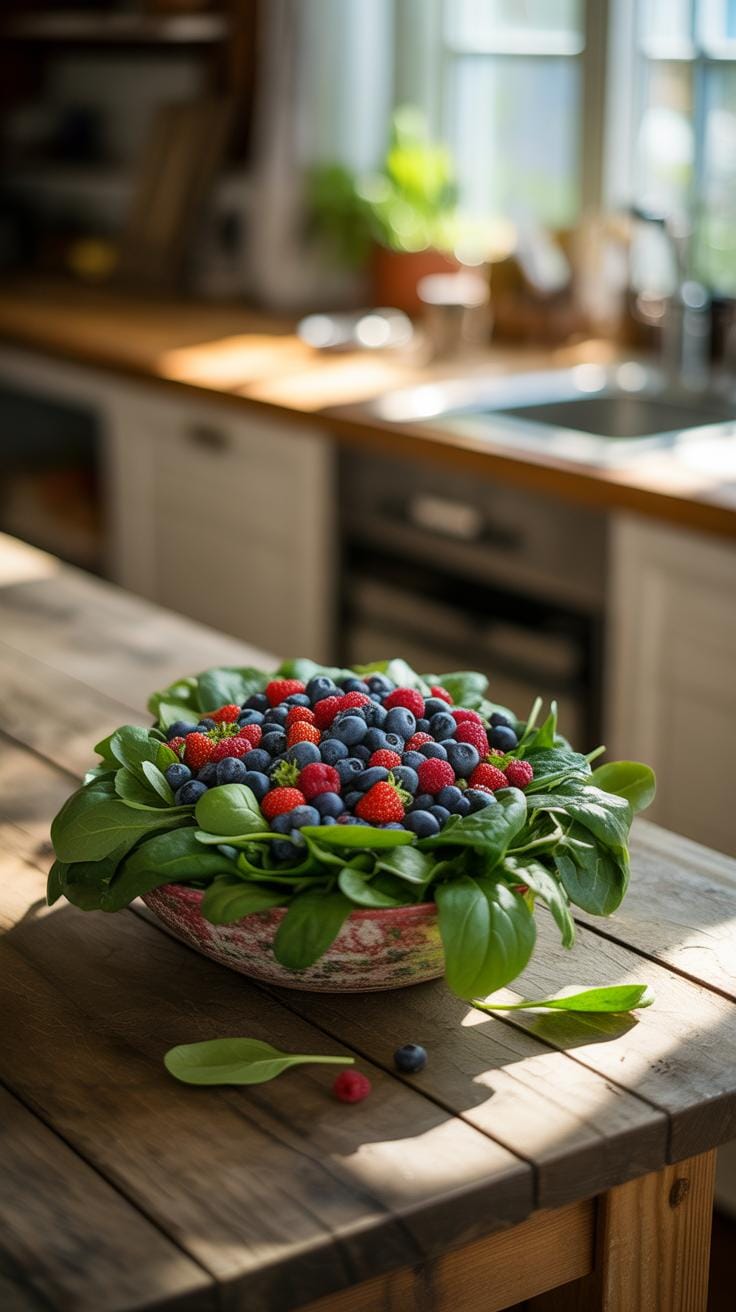
For example, berries like blueberries or strawberries are full of antioxidants and taste great both fresh and in smoothies. Leafy greens such as spinach or kale are also loaded with these nutrients, making your meals not just colorful but protective too.
Common Antioxidant-rich Foods
Here are some antioxidant-packed options you can easily find and enjoy every day:
- Blueberries: Sweet and slightly tart, perfect in yogurt or on their own.
- Spinach: Mild and slightly earthy, great in salads or sautéed.
- Broccoli: Crunchy with a hint of bitterness, ideal steamed or roasted.
- Dark chocolate: Bitter-sweet, just a square or two can be a fine treat.
- Green tea: Subtle, grassy flavor, easy to sip throughout the day.
- Red grapes: Juicy and sweet, a refreshing snack or part of a fruit mix.
Taste-wise, some are more familiar and easier to add to meals, while others might take a bit of getting used to. But mixing these into your diet can be surprisingly simple—throw spinach in a smoothie, or snack on red grapes while reading a book.
Example Antioxidant Recipe
Berry Spinach Smoothie
Blend together 1 cup of spinach, ½ cup of blueberries, 1 banana, and 1 cup of unsweetened almond milk. That’s it.
This smoothie feels fresh, packed with antioxidants from the spinach and berries, plus a natural sweetness from the banana. It’s quick to make and a sneaky way to add these protective foods without much effort. I sometimes drink one before heading out—feels like a small win, you know?
Including recipes like this daily might just tip the balance in your favor, supporting your body quietly, without needing a lot of extra time or fancy ingredients.
How Fiber Supports Digestion
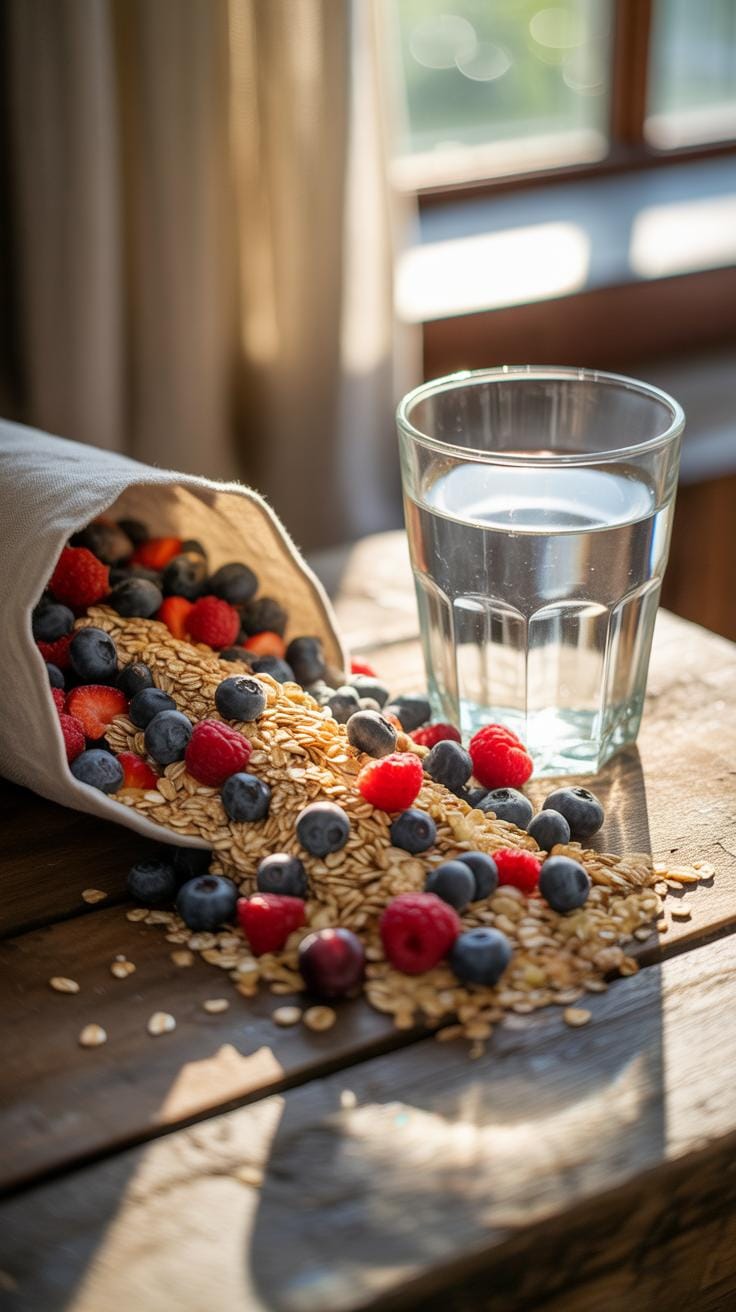
Fiber plays a big role in keeping your digestive system moving smoothly. It’s the part of food your body can’t fully break down, so it helps push things along inside your gut. There are two main types of fiber: soluble and insoluble.
Soluble fiber dissolves in water and turns into a gel-like substance. This slows digestion a bit, which can help keep your blood sugar stable. Insoluble fiber doesn’t dissolve; instead, it adds bulk to your stool and helps prevent constipation by making everything move faster through your intestines. Both types work together to keep your system balanced.
Sometimes, you might think you’re eating enough fiber, but your digestion still feels off. That’s because fiber isn’t just about quantity—it’s about variety. A mix of different fibers supports healthy gut bacteria and keeps your digestion on track. Have you ever noticed how sometimes fruits make you feel lighter or more comfortable after eating? That’s the fiber in action.
High Fiber Foods Checklist
Try adding these foods to your meals—they’re packed with fiber:
- Whole grains (like oats, brown rice, whole wheat bread)
- Beans and lentils (black beans, chickpeas, kidney beans)
- Fruits (apples, pears, berries, oranges)
- Vegetables (carrots, broccoli, spinach, sweet potatoes)
- Nuts and seeds (almonds, chia seeds, flaxseeds)
Want to sneak fiber into your day? Toss berries into your morning yogurt, add beans to soups or salads, and swap white rice for brown or wild rice. Small changes add up.
Simple High Fiber Meal Example
Here’s a meal idea you might like: a bowl of quinoa mixed with black beans, chopped spinach, and roasted sweet potatoes. Add a little olive oil and lemon juice for flavor.
This dish is full of fiber from the quinoa, beans, and veggies. It helps keep food moving in your gut and feeds the good bacteria inside you. Eating meals like this regularly can make your digestion feel better, and you might notice fewer tummy troubles.
Which Foods Boost Immunity
You might have heard that certain foods can help defend your body against illness. It’s true that some contain nutrients specifically linked to immune support. Think of vitamin C, zinc, and probiotics—each plays a distinct role in keeping your immune system ready.
For example, citrus fruits like oranges, lemons, and grapefruits are packed with vitamin C. This vitamin helps your white blood cells function better, which are essential for fighting infections. Garlic, on the other hand, has compounds like allicin that may boost your immune response and reduce inflammation.
Yogurt deserves a mention too. It contains probiotics—live bacteria that support your gut health. Since a large part of your immune system is in the gut, keeping it balanced helps your body fend off harmful invaders.
Eating these regularly can be easier than you think:
- Start your day with a citrus fruit or a glass of freshly squeezed lemon water.
- Add crushed garlic to your soups, salads, or roasted veggies.
- Snack on a bowl of plain yogurt topped with nuts or berries.
These habits don’t require much effort, but they gently build up your immune defenses over time.
Case Study Immune Recipe
Here’s a simple recipe that blends key immune boosters: garlic, citrus, and yogurt. It’s a quick garlic-lemon yogurt dip.
- Mix plain yogurt with finely minced garlic.
- Add a squeeze of fresh lemon juice.
- Season lightly with salt and a touch of black pepper.
This dip works because the yogurt supplies probiotics, garlic adds immune-stimulating compounds, and lemon boosts vitamin C intake. You can enjoy it with raw veggies or whole grain crackers. I’ve tried this often when feeling a bit off, and it seems to lend a subtle pick-me-up without any fuss.
Could this kind of recipe become a small daily ritual to quietly strengthen your immune system? Maybe so. It’s simple, doable, and tastes quite refreshing too.
Heart Health Foods Benefits
What you eat can shape your heart’s health more than you might guess. Your diet affects blood pressure, cholesterol levels, and inflammation—all factors tied closely to heart health. Foods rich in certain nutrients help keep your arteries clear and your heartbeat steady. But it’s not always simple: sometimes, a food might be good in one way but less ideal in another.
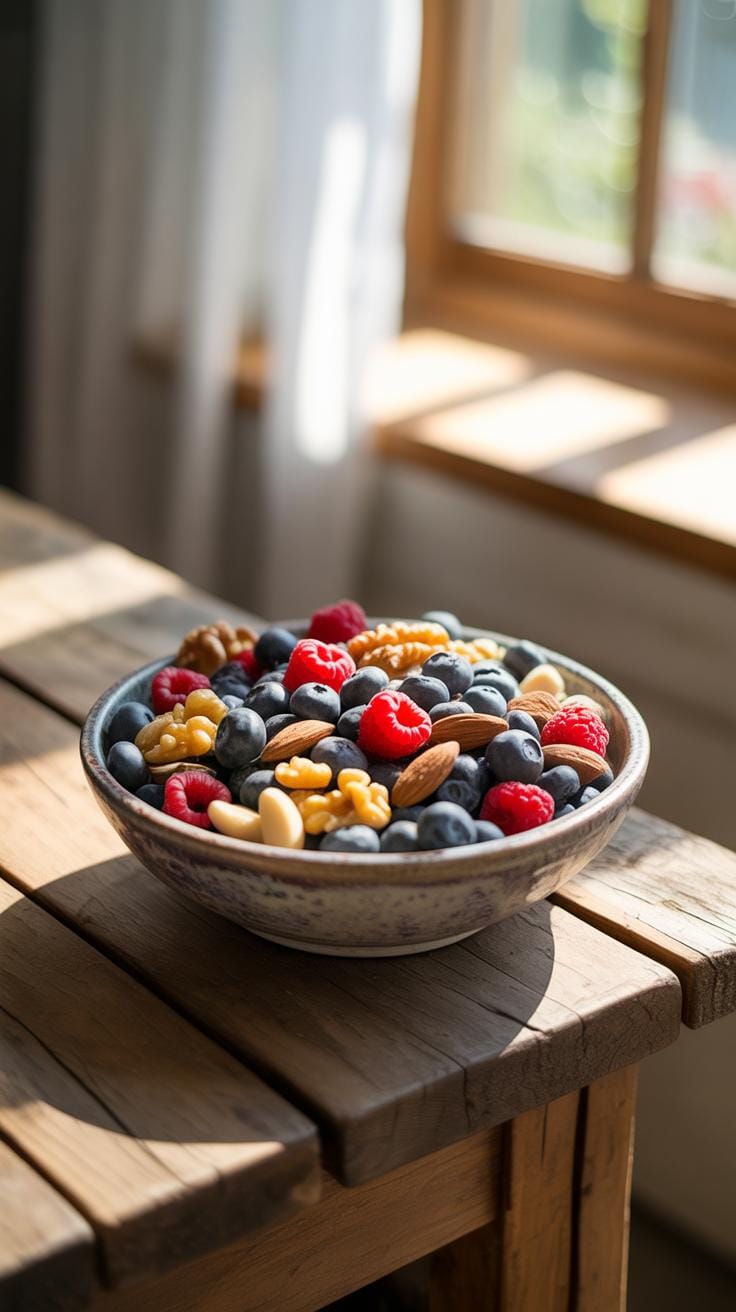
Common heart-friendly foods include nuts, fish, and olive oil, each for unique reasons. Nuts, for example, carry healthy fats and fiber that help lower bad cholesterol. Fish, especially fatty types like salmon, contain omega-3s that may reduce heart rhythm problems. Olive oil offers monounsaturated fats which support flexible blood vessels.
Still, I wonder—how much does eating one single food help on its own without an overall balanced diet? Maybe it matters more to think about patterns rather than individual choices.
Best Foods for Heart Support
Here are a few foods that stand out for heart health and why:
- Nuts: Packed with healthy fats, fiber, and protein; they can help lower LDL cholesterol and reduce inflammation.
- Fatty Fish (like salmon, mackerel): Loaded with omega-3 fatty acids, known to manage blood pressure and prevent abnormal heart rhythms.
- Olive Oil: Offers monounsaturated fats which improve artery flexibility and may reduce bad cholesterol.
- Oats: Rich in soluble fiber, oats can lower cholesterol and improve overall heart function.
- Leafy Greens: Contain vitamin K and nitrates, which help maintain healthy blood vessels and reduce blood pressure.
Each of these foods does something slightly different. Together, they build a supportive environment for your heart.
Heart-Smart Recipe Guide
Try this simple recipe for a heart-friendly meal: salmon baked with olive oil, garlic, and a side of steamed spinach tossed with walnuts.
This dish combines omega-3 rich salmon, monounsaturated fats from olive oil, and fiber plus antioxidants from spinach and walnuts. The meal gently lowers inflammation and supports healthy blood vessel function. Plus, it’s quick to make—something you can whip up after a long day without much fuss.
It’s one of those meals that feels good beyond just taste. You might not notice immediate changes, but over time, sticking with dishes like this can help your heart keep pace with a busy life.
Brain Food Benefits Vs Risks
Brain-Boosting Food List
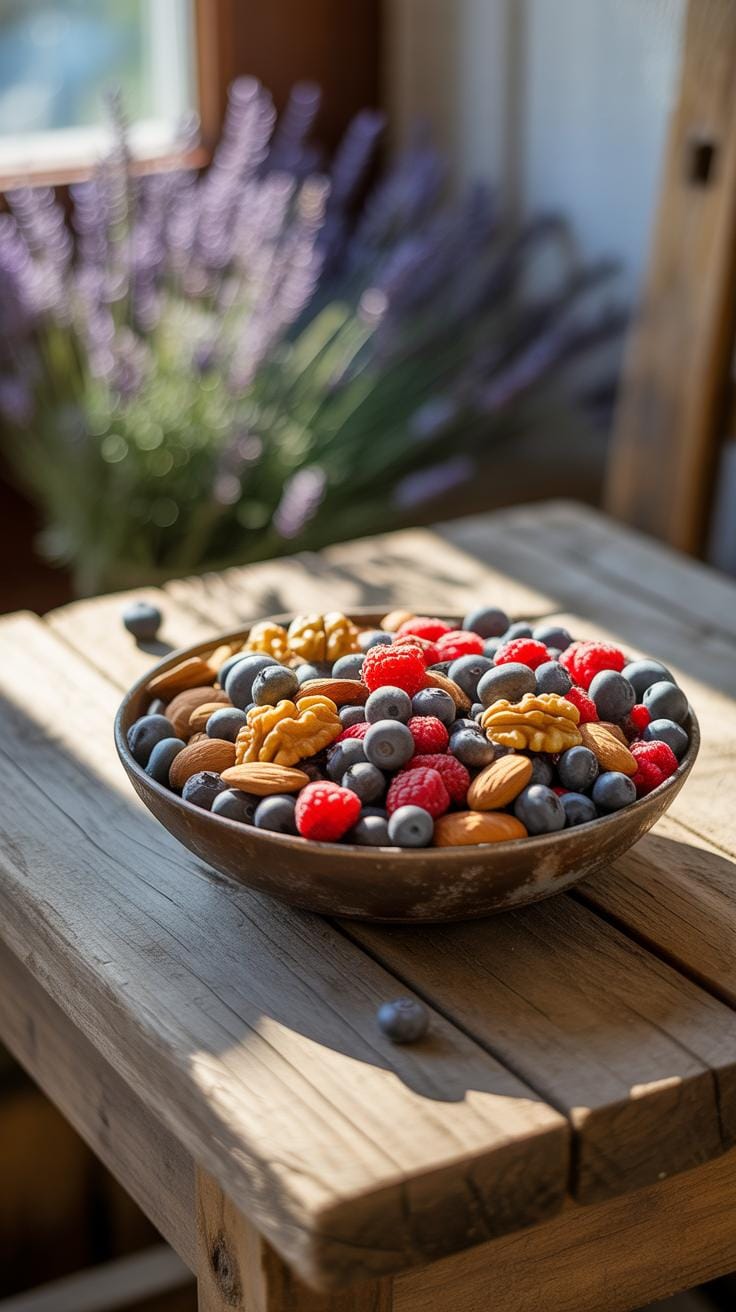
Some foods really stand out when it comes to helping your brain work better. Take berries, for instance. Blueberries and strawberries are known to improve memory and slow mental decline—they have antioxidants that protect brain cells from damage. Then there are nuts, especially walnuts. They supply healthy fats and vitamin E, which seem to support focus and overall brain function. Fatty fish like salmon provides omega-3s, often linked to better mood and clearer thinking.
It’s interesting how these simple foods can affect cognition. Maybe it’s because they reduce inflammation or improve blood flow in the brain. At least for me, after eating a handful of nuts or some fish, I’ve noticed feeling a bit sharper during work. It might not be immediate, though—more like a subtle boost over time.
Foods to Limit for Brain Health
On the flip side, some foods might be doing more harm than good. High sugar intake, especially from processed snacks or sodas, can interfere with memory and even increase the risk of developing brain-related problems. Processed foods, loaded with unhealthy fats and additives, seem to dull focus and impair mood in the long run. You might have felt that afternoon crash after a sugary treat—there’s some truth behind that experience.
Cutting back on these foods could help you feel more mentally stable and alert. But it’s tricky because they often taste good and are convenient. Still, balancing what you eat can make a difference, even if it doesn’t feel dramatic right away.
Foods to Improve Mood
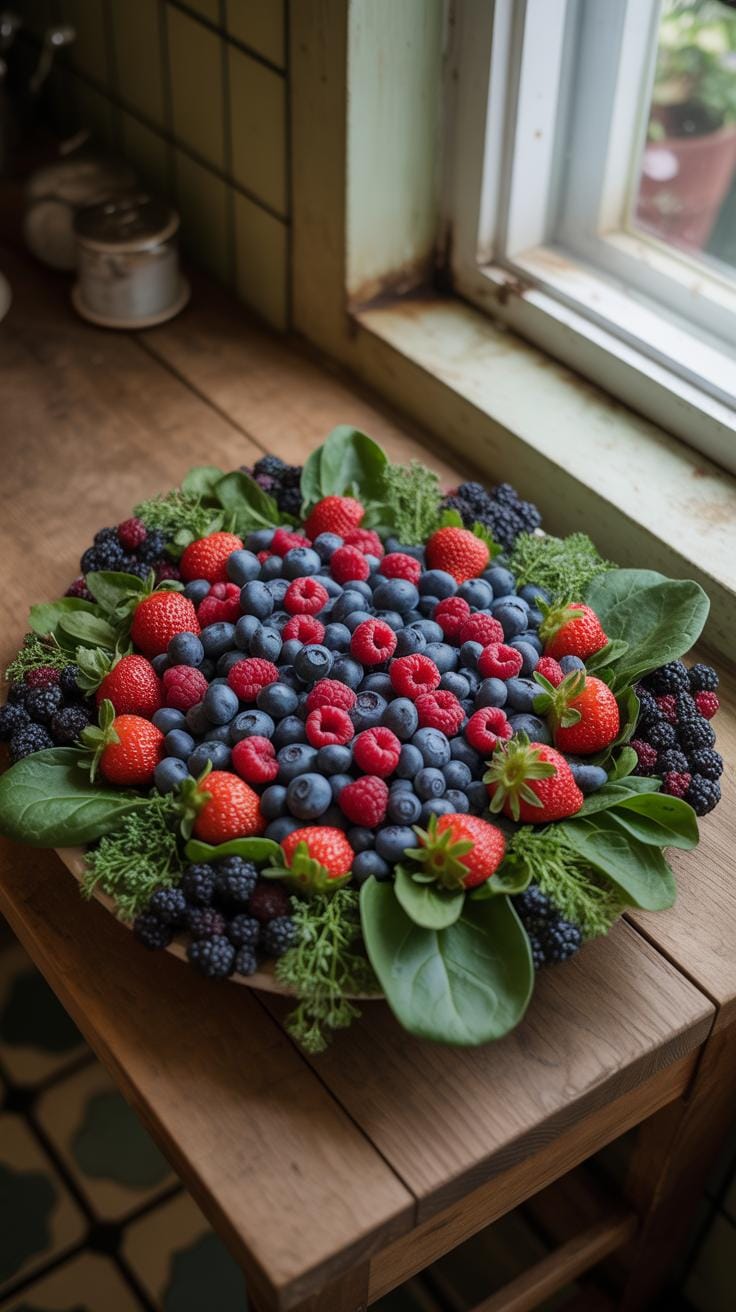
Our diet and mood are closely linked, though not always in obvious ways. What you eat can influence brain chemistry, energy levels, and even stress responses. Nutrients like serotonin precursors, vitamins, and minerals help support brain function, which can subtly shift how you feel. It’s not a quick fix, but small changes in your meals might brighten your outlook.
Some foods contain compounds thought to boost mood, like tryptophan in bananas or magnesium in nuts. Simple carbs can trigger a short spike in serotonin, but combining them with protein or healthy fats leads to steadier effects. Think of these foods more as mood-support allies rather than magic potions.
Mood-Enhancing Food Examples
Trying to pick a snack that might lift your spirits? Here are some practical options:
- Dark chocolate: A small piece can stimulate endorphins and reduce stress.
- Bananas: Rich in vitamin B6, they aid serotonin production.
- Nuts (especially walnuts and almonds): Provide magnesium and healthy fats.
- Greek yogurt: Contains probiotics that may influence gut-brain signaling.
- Oats: Slow-digesting carbs that stabilize blood sugar.
You can snack on nuts alone or toss them into salads. Slice bananas over oatmeal or blend them into smoothies. A few squares of dark chocolate with your afternoon tea works well too. Nothing complicated, just small tweaks you might actually enjoy.
Mood-Boost Recipe Example
Here’s a quick, mood-minded snack that I often turn to when feeling a bit drained:
Banana-Walnut Yogurt Bowl
- ½ cup Greek yogurt
- 1 small banana, sliced
- 2 tablespoons chopped walnuts
- A drizzle of honey or cinnamon (optional)
Simply mix the banana and walnuts into the yogurt. The creamy texture feels good, and this combo provides protein, healthy fats, and mood-friendly nutrients all at once. It takes just a couple of minutes and usually gives me a gentle lift without a crash.
When you’re thinking about mood and food, it’s less about eating “happy foods” and more about balancing nutrients you might be missing. So, what snack can you try today to shift your mood, even just a little?
How to Use Healthy Recipes

Starting with healthy recipes can feel overwhelming, especially if your routine is already busy. But it doesn’t have to be complicated. Think of it as a small shift rather than a full overhaul. Planning your meals ahead gives you more control and less stress during the week. Try setting aside time once or twice a week to decide what you want to cook, then write a simple shopping list based on those meals.
When shopping, focus on whole foods – fresh vegetables, grains, lean proteins – and skip the aisles filled with processed snacks as much as possible. Buying seasonal produce often saves money, and don’t be shy about checking for sales or bulk options. Frozen fruits and vegetables can work well, too, if you’re worried about waste.
Preparing meals might feel like a hassle, but little habits help. For example, chopping vegetables in advance or cooking grains in bigger batches so you can reuse them later simplifies dinnertime. If a recipe looks too involved, see if you can break it down into easy steps or swap out ingredients for what you already have on hand.
What’s helped me most is embracing flexibility—sometimes a recipe doesn’t go as planned, and that’s fine. You learn, you adjust. Maybe spices get mixed wrong or you cook something longer than needed. These moments don’t ruin the plan; they’re just part of figuring out what works for you.
Healthy Recipe Planning Steps
Here’s a checklist to keep things manageable:
- Choose 3-5 meals for the week that include a variety of colors and food groups.
- Check your pantry and fridge before shopping to avoid buying duplicates.
- List ingredients by category—produce, dairy, grains—to speed up store trips.
- Pick versatile ingredients used in multiple recipes to reduce waste.
- Set aside a dollar or two for a small treat to keep motivation up.
This approach saves time at the store and cuts down on daily decision fatigue.
Cooking Tips for Wellness Recipes
Cooking healthy doesn’t mean spending hours in the kitchen. If you often get stuck, here are a few ideas:
- Use one-pot or sheet-pan recipes to reduce cleanup and effort.
- Don’t hesitate to tweak recipes—pasta cooking too fast? Lower heat and stir gently.
- Keep basic seasonings handy to brighten dishes without extra salt or fat.
- Involve family or friends in preparation; it can turn cooking into a shared, lighter experience.
- Remember, not every meal needs to be perfect; leftovers can be valuable for quick lunches or snacks.
These small changes gradually build confidence. Have you noticed how much easier it becomes once you get a few good recipes under your belt? It’s less about the final dish and more about making cooking a part of your life in a way that feels doable.
Common Pitfalls in Food Choices
Mistakes to Watch For
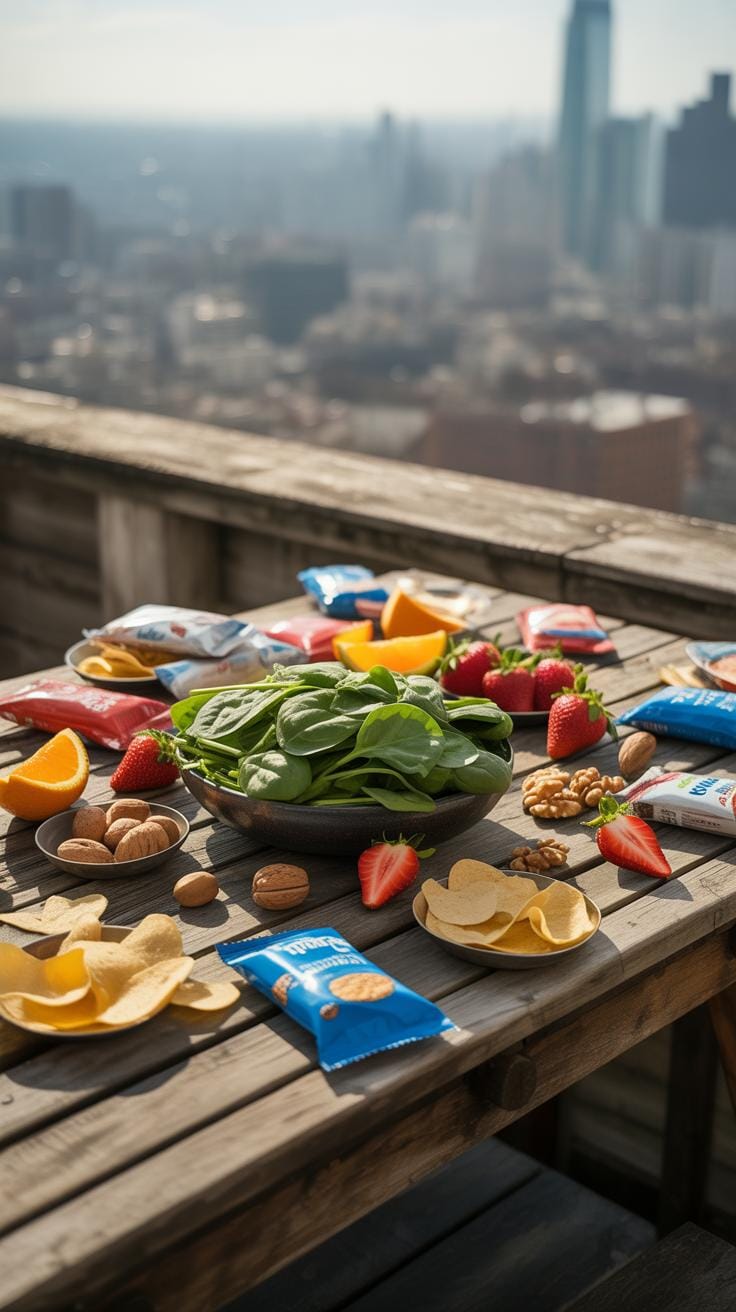
Many people lean too much on processed foods. They seem convenient, but these often hide added sugars, unhealthy fats, and preservatives that don’t do your body any favors. Skipping meals is another common slip-up. It might feel like a shortcut to saving calories, but skipping meals can slow your metabolism and cause overeating later. Sometimes, people focus solely on one nutrient—like cutting out all carbs or fats—without considering balance. That can make meals less satisfying and harder to maintain. Also, relying on “diet” products that claim to be healthy often backfires; they’re usually full of artificial ingredients that offer little nutrition.
How to Make Better Food Choices
Start small. Swap one processed snack for a handful of nuts or fresh fruit. Try not to skip meals—instead, plan simple options like yogurt or a smoothie that don’t take much time. When you shop, aim for whole foods first; veggies, grains, and lean proteins don’t need a label to prove their worth. Think about variety, not just restriction. Getting a mix of nutrients keeps meals interesting and more satisfying. Lastly, listen to your body’s signals—not just what you think you “should” eat. It’s okay if your choices aren’t perfect every day; the goal is steady improvement, really, not instant perfection.
Measuring Your Food Health Impact
Noticing how your food affects your body doesn’t have to be complicated. You can start by paying closer attention to a few simple signs that often reveal more than you might expect. For example, how is your energy through the day? Do you feel sluggish after meals or more alert? Digestion is another big clue—think about bloating, discomfort, or even how regular your bowel movements are. These things often get overlooked but say a lot about what your body is doing with the food you eat.
Mood shifts are also telling. Have you ever noticed feeling irritable or anxious after certain meals? Or maybe, foods make you feel calmer or happier. Sleep quality is another metric to keep an eye on. Are you tossing and turning, or waking up refreshed? These little signs can give you a fuller picture over time.
Simple Health Metrics to Track
Try to watch for these markers regularly:
- Energy levels throughout the day, especially after meals
- Digestive comfort—bloating, gas, or stomach aches
- Mood changes—any spikes or dips following what you eat
- Sleep patterns—how quickly you fall asleep and how rested you feel
- Cravings or appetite fluctuations
None of these are perfectly clear on their own, but together they can reveal how well your food suits your body.
Using a Food and Mood Journal
Keeping a food and mood journal might sound tedious, but it’s actually pretty simple and rewarding. Just jot down what you eat, roughly when you eat it, and then note any changes in the metrics above. Even a sentence or two is enough—for example, “Had a heavy lunch, felt sluggish afternoon,” or “Felt energetic after breakfast with oats and fruit.”
This journal can uncover trends you wouldn’t notice otherwise. Say you find certain foods consistently coincide with upset digestion or low mood. That kind of insight lets you adjust your meals with a bit of trial and error.
It’s not about perfection or strict rules, but rather becoming more curious about how food fits into your day-to-day life. Over time, you might realize, oh, this particular snack makes a difference or skipping that one ingredient helps sleep. That’s the kind of practical feedback that turns eating from guesswork into informed choices.
Conclusions
Choosing foods with proven health benefits can make a big difference in your life. This article covered seven important benefits that food can provide, from improving brain function to supporting heart health. Using holistic wellness recipes makes it easier to enjoy these benefits every day.
Start small by adding one or two of these foods to your meals. Watch how they affect your energy and well-being. With steady practice, you will build a healthy eating habit that supports your whole body. The right foods, combined with simple recipes, can help you feel your best.