
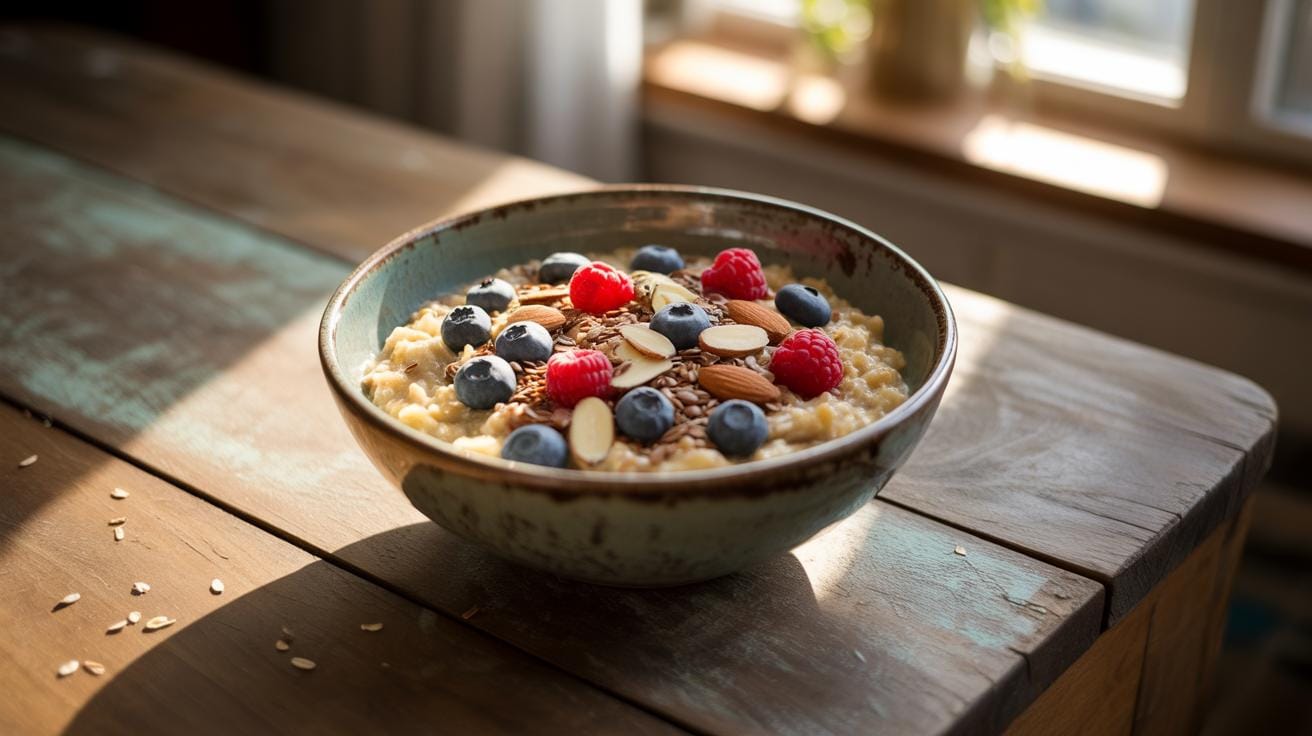
Building a Balanced Breakfast
Starting your day with a balanced breakfast is a key step to boost your energy and maintain your overall wellness. A balanced breakfast supplies your body with essential nutrients it needs after a night’s fast and sets the pace for your metabolism throughout the day. This article breaks down what makes breakfast balanced and why it matters for your health.
We will explore the important elements of a wholesome breakfast, introduce you to a checklist to create meals that work for your unique needs, and share tips and examples to help you succeed in making nutritious breakfast choices that support your long-term wellness.
Why Breakfast Sets Your Day


Eating breakfast does more than just fill your stomach after a long night without food—it actually kick-starts your energy and metabolism for the day ahead. When you eat a balanced breakfast, you provide your body with fuel that wakes up your brain and muscles. Think about it: your body hasn’t received any nutrients for hours while you sleep, so breakfast is the first chance to replenish energy stores, helping you avoid that sluggish morning drag.

Science shows that glucose from breakfast is the main energy source for your brain. Without it, you might feel foggy or less alert. Your metabolism also depends on this morning meal to signal your body that it’s time to start burning calories rather than conserving them. Interestingly, some studies suggest skipping breakfast can slow down metabolism slightly, although this isn’t the same for everyone.
Breakfast also influences your mood, partly because it stabilizes blood sugar levels. Without it, you might feel irritable or unfocused. Personally, I’ve noticed that my patience wears thin faster on days when I skip breakfast, and concentration just isn’t as sharp.
How Your Body Uses Breakfast Fuel
Once breakfast hits your stomach, digestion begins breaking down carbohydrates, proteins, and fats into glucose, amino acids, and fatty acids. These nutrients absorb into your bloodstream, giving cells the energy to work. Carbs fuel quick bursts of activity, protein helps repair and build tissues, and fats provide longer-lasting energy.
If you skip breakfast, your body might dip into stored energy reserves, like glycogen. That sounds efficient, but it can backfire. Without fresh fuel, your blood sugar can drop, leaving your brain and muscles short on energy. This can hurt both your concentration and physical performance—and sometimes cause hunger pangs that distract you later.
In my own experience, skipping breakfast led to mid-morning crashes that were hard to shake off. It made me wonder how much more productive I could have been with a simple morning meal.
Benefits of Starting with Balanced Meals
Eating a balanced breakfast isn’t just about avoiding hunger—it affects many parts of your day. Here are some clear benefits you might notice:
- Improved concentration: With steady energy from breakfast, tasks that demand focus get easier.
- Better mood: Stable blood sugar helps reduce irritability and mood swings.
- Appetite control: Eating well in the morning can prevent overeating later in the day.
- Physical performance: You’re more likely to feel energized during morning workouts or activities.
For example, once I started including protein and fiber in my breakfast, I found it easier to avoid snacking unnecessarily before lunch. The impact was subtle but real—more controlled hunger and calmer afternoons. It makes me wonder why more people don’t prioritize balanced breakfasts in their routine.
Building Your Breakfast Checklist

When creating your breakfast checklist, think about the key food groups and nutrients that work together to keep you fueled and feeling good throughout the morning. It’s not just about picking random foods; each element plays a role in supporting your health and wellness.
Proteins for Sustained Energy
Protein in the morning does more than fill your stomach—it slows digestion, which helps keep hunger at bay longer. This steady energy release means you’re less likely to snack unthinkingly mid-morning. Beyond that, protein supports muscle repair and growth, which is handy whether you’re active or just getting through daily tasks.
Try simple options like Greek yogurt, eggs, cottage cheese, or nut butters. Even a handful of nuts works if you’re in a rush. These choices don’t just add protein; they bring variety and flavor to your breakfast as well, which can make a difference in how enjoyable your meal feels.
Add Fiber and Whole Grains
Fiber isn’t just good for digestion—it plays a subtle role in regulating blood sugar and extending your energy throughout the morning. Whole grains add complexity to that fiber benefit, releasing energy more slowly than refined grains. This can prevent those sudden crashes that leave you reaching for a quick sugar fix.
Common breakfast staples like oats, whole grain bread, or even fruits like apples and berries fit in nicely here. They’re easy to prepare and pack a punch. Sometimes, I’ve found that just swapping regular toast for whole grain can change how I feel hours later—less foggy, more steady.
So, as you build your checklist, include proteins, fiber, and whole grains. They mesh well together and set a solid foundation for whatever else you add to your breakfast plate.
Choosing Fruit and Vegetables

Top Fruits for Morning Nutrition
Starting your day with fruits can fill nutritional gaps that might otherwise linger. Fruits are packed with vitamins like C and folate, plus antioxidants that help your body fight stress. Think about what’s easy to grab—bananas, for example, are an old favorite because they’re portable and full of potassium, which helps with muscle function.
Other options include berries, which are loaded with antioxidants and fiber. I often toss blueberries into my morning yogurt or oatmeal, just to brighten up the meal and sneak in some extra nutrients. Apples also work well, especially sliced thin on toast or stirred into oatmeal. Oranges provide vitamin C, which might perk you up better than that morning coffee. These fruits don’t just taste good, they help your body in subtle ways that add up over time.
Vegetable Options for Breakfast
If you’ve thought veggies don’t belong in breakfast, you might want to think again. They can be surprisingly easy to add in. For instance, spinach or kale mixed into a smoothie can be almost invisible but still deliver iron and vitamins. Omelets offer a neat way to toss in tomatoes, mushrooms, or peppers. It’s a bit like having a salad for breakfast, but in a warm, filling form.
Sometimes I’ll toast a slice of whole-grain bread and pile on smashed avocado with sliced radishes or cucumber. It’s a simple trick to make your plate more colorful and nutritious before you’re fully awake. Trying shredded zucchini or carrots stirred into pancake batter isn’t as odd as it sounds—they add moisture and nutrients without changing the flavor too much.
In the end, including fruits and vegetables at breakfast starts with small steps. Maybe just one berry in your yogurt or a few spinach leaves in your eggs. Over time, these little choices can make a difference in how you feel throughout the day.
Balancing Fats for Brain and Body

Fats often get a bad rap, especially at breakfast, but they serve crucial roles—especially when it comes to your brain and energy levels. The brain is nearly 60% fat, so what you eat influences how well it functions. Healthy fats support memory, focus, and mood. They also provide a steady form of energy, unlike quick-burning carbs that can lead to crashes later on.
Not all fats are created equal, though. Unsaturated fats, like those found in nuts, seeds, and avocados, help keep your brain sharp and body fueled. Contrast that with trans fats or some saturated fats common in processed or fried breakfasts, which may jolt your system but don’t offer long-term benefits.
For better breakfast fat choices, consider including:
- A handful of almonds or walnuts
- Chia or flax seeds sprinkled over yogurt
- Half an avocado mashed on toast
- A drizzle of olive or flaxseed oil in a smoothie or scrambled eggs
At the same time, try to cut back on fried breakfast items or heavily processed meats. Those often carry excess unhealthy fats that can weigh you down rather than power you through the morning. If the smell of frying bacon is tempting, maybe keep it as an occasional treat rather than daily fuel.
What if healthy fats aren’t really satisfying your cravings? Sometimes your body signals it wants more than just good fats. You may find experimenting with portion sizes or combining fats with fiber makes a difference. Balancing fats in your breakfast is not a rigid formula but a bit of listening to your body’s unique needs.
Simple Breakfast Ideas to Follow
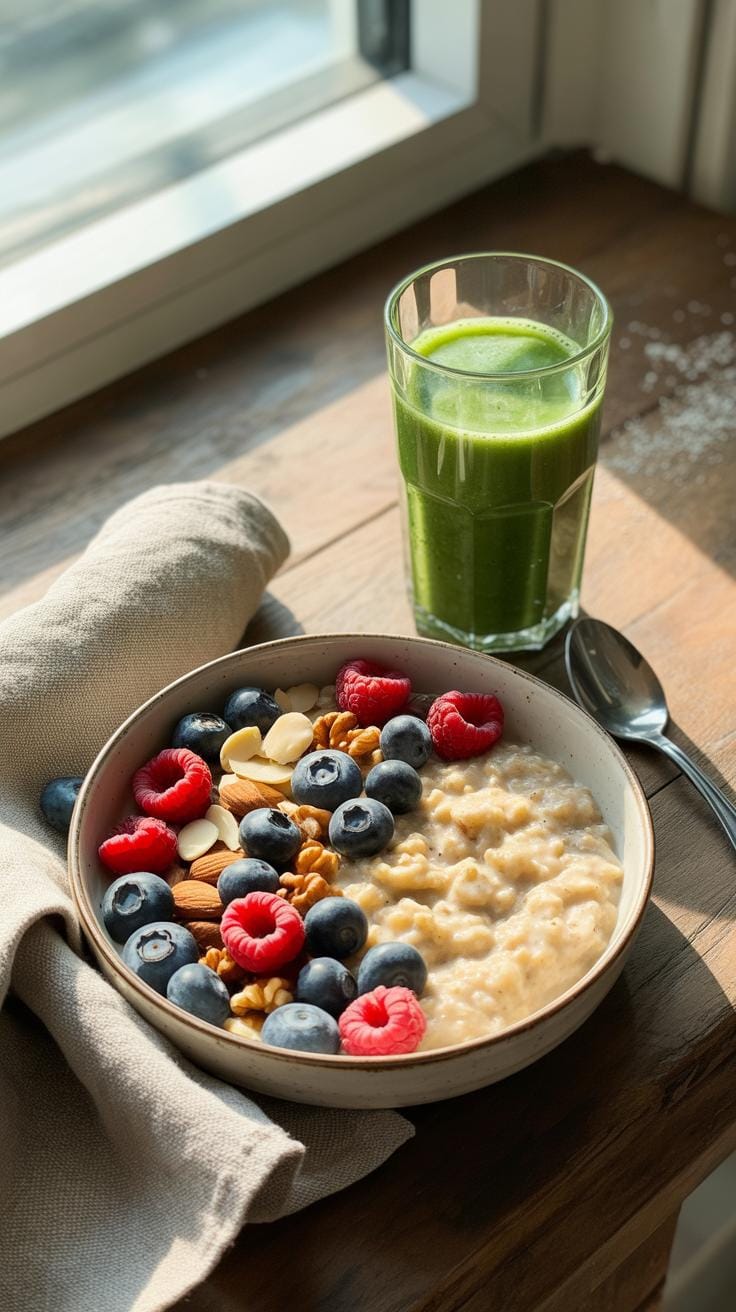
Finding quick, straightforward breakfast options that hit the balanced breakfast checklist can feel tricky at times. But really, it’s quite doable once you know where to look. Think about combining a source of protein, like eggs or yogurt, with whole grains such as oats or whole-grain toast. That’s often the core of a balanced start. Then, toss in some fruit or veggies for vitamins and fiber, and don’t forget a bit of healthy fat from nuts, seeds, or avocado.
Here are a few easy ideas that might suit different moods and preferences:
- Overnight oats with chia seeds, topped with berries and a spoonful of almond butter—prep it the night before and grab it on your way out.
- Whole-grain toast with mashed avocado, a boiled egg, and a handful of cherry tomatoes, if you like something savory.
- Greek yogurt mixed with sliced banana, walnuts, and a drizzle of honey for a hint of sweetness mixed with crunch.
- Quick veggie omelet with spinach and mushrooms, paired with a slice of whole-grain bread.
These are just a few starters, really. You might find one combo more appealing than another, or mix and match based on what you have, which can sometimes be half the fun.
Quick Balanced Breakfast Recipes
Putting together meals that combine protein, whole grains, fruits or veggies, and healthy fats doesn’t have to be complicated or time-consuming. A simple scramble with eggs, chopped veggies, and a piece of whole-grain toast often does the trick. Or, blend a smoothie using spinach, a scoop of protein powder or nut butter, some frozen fruit, and flaxseeds for fats—all in one go.
One tip I’ve found handy: prepping ingredients ahead of time can save minutes in the morning rush. Chop vegetables, soak grains, or batch-make chia pudding the night before. Even cooking a larger omelet and saving half for the next day can make your mornings feel less rushed but still balanced.
Customizing Your Morning Meal
Not everyone eats the same way, and that’s okay—or rather, it’s expected! If you’re dealing with allergies or dietary restrictions, swapping ingredients can be straightforward. No dairy? Use coconut or almond yogurt instead of Greek yogurt. Gluten-free? Quinoa flakes or gluten-free oats can replace traditional oats.
Time constraints might mean you want a grab-and-go breakfast rather than one that requires sitting down to cook. Something like a nut butter and fruit wrap using a whole-grain tortilla might be just right. If you prefer savory over sweet—or vice versa—adjust the ingredients within your balanced framework without feeling like you’re missing out.
Remember, balanced eating in the morning tends to be more about the combination than strict rules. Flexibility wins here, especially if sticking rigidly leads to skipping breakfast altogether.
Tracking Your Breakfast Success

Keeping track of how your breakfasts line up with your nutrition goals can feel a bit overwhelming at times. Yet, it doesn’t have to be complicated. Simple methods like jotting down what you eat, when, and even how you feel afterward can give surprising insight.
Using a food journal or a checklist each morning can help. You might note things like energy levels, mood, or how focused you were mid-morning. Try a quick table or even bullet points in a notebook or an app—whatever feels easier to maintain. The key is consistency, not perfection.
As you gather this information, patterns will likely emerge. Maybe oatmeal leaves you sluggish, but eggs give you a steady buzz of energy. Adjusting your breakfast based on this personal feedback allows you to experiment and find what truly works for you. This trial-and-error approach—though a bit frustrating at times—is where the real progress hides. So, be patient and a little curious about your own habits.
Common Breakfast Pitfalls to Avoid
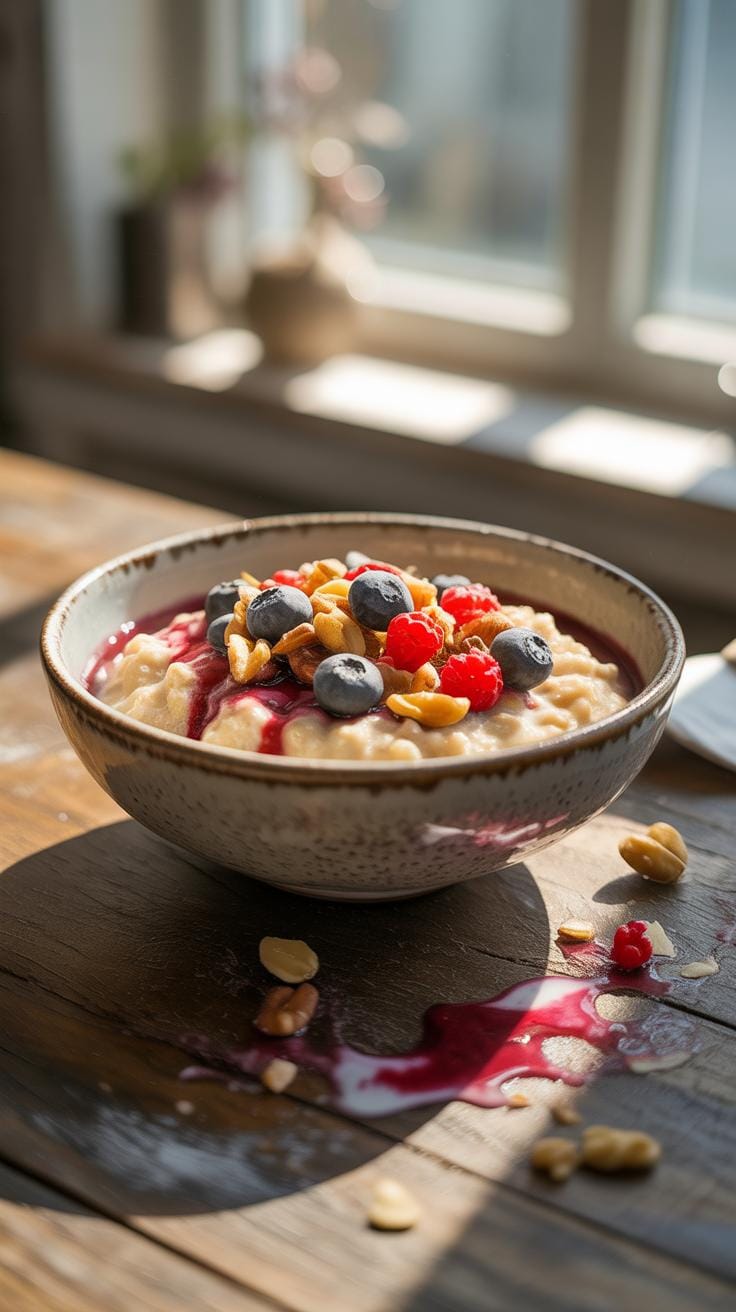
Breakfast often gets rushed or overlooked, which can lead to habits that undercut your health more than help it. One frequent mistake is skipping key nutrients like protein, fiber, or healthy fats. You might start your day with a plain bagel or a bowl of cereal, thinking you’re fueling up, but without these essentials, energy crashes later are almost guaranteed. Protein keeps you feeling full and supports muscle repair, fiber aids digestion, and fats stabilize blood sugar. Missing any of these can leave you hungry or foggy mid-morning.
Fixing this can be surprisingly simple—try mixing Greek yogurt or nut butter into your bowl, or add some seeds or an egg alongside fruit. These little tweaks can make a big difference for how you feel hours afterward.
Another pitfall involves leaning too heavily on sugary options. Pastries, sweetened cereals, and fruit juices often sneak in a load of sugar that spikes blood sugar and then drops it sharply. That quick energy blast rarely lasts long and can even lead to cravings later on. Recognizing this sugar overload isn’t always obvious, especially when foods are marketed as “healthy” or “natural.”
Consider swapping sugary cereals for oatmeal topped with fresh fruit or nuts, and replace fruit juices with whole fruit or herbal teas. These choices offer steady energy and fewer unexpected crashes. Sometimes, it’s about spotting habits that seem harmless but slowly chip away at your well-being—and then gently steering yourself toward more balanced options.
Making Breakfast a Lasting Habit
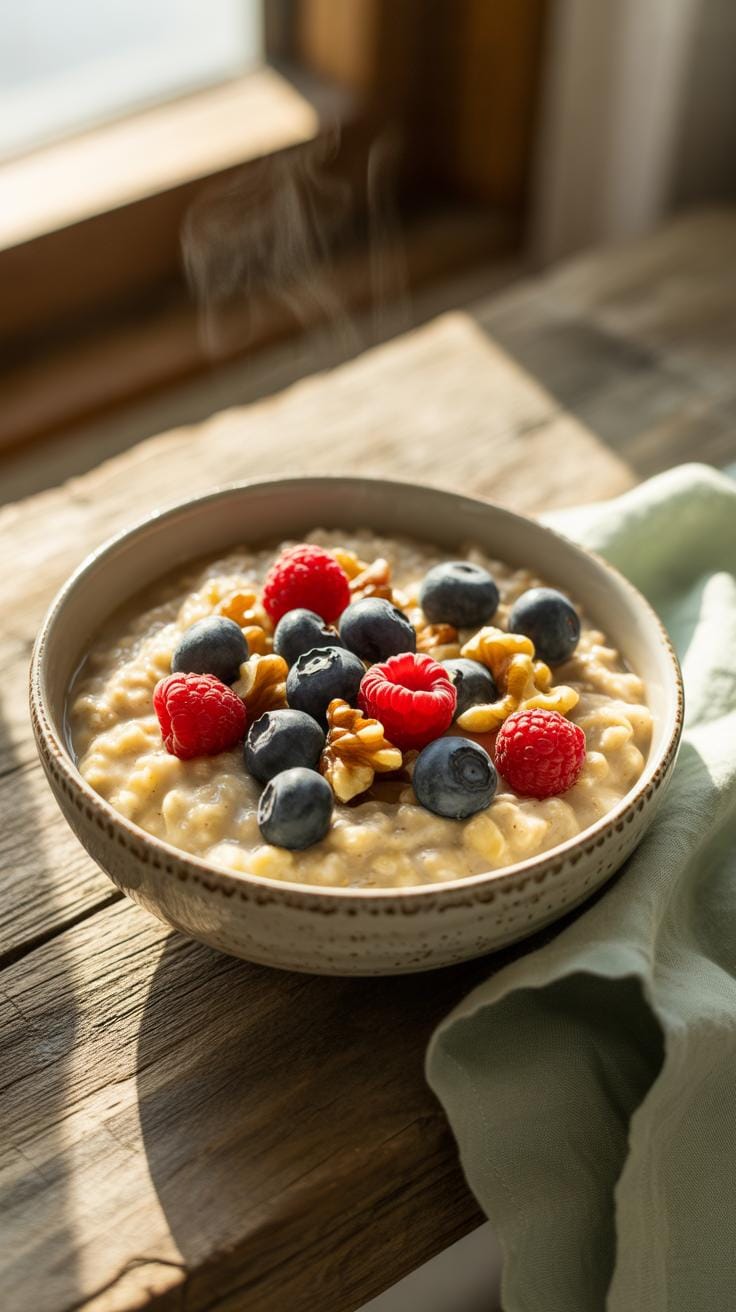
Forming a habit around eating breakfast regularly takes more than just good intentions. It often starts with small, manageable changes rather than big, sudden shifts. Setting a consistent time each morning can anchor your day and signal your body to expect breakfast. Sticking to this schedule—even on weekends—makes it easier to keep going.
Preparing ingredients or meals ahead of time reduces morning stress. For example, chopping fruit the night before or portioning out yogurt and nuts can save minutes and mental energy. Pair this with a simple ritual—a favorite cup of tea or playing a particular playlist—that makes breakfast feel like a moment of calm rather than a rushed chore.
Motivation can wane, especially when life gets busy or your initial enthusiasm dips. Tracking progress, even briefly, helps keep habits visible. Sometimes rewarding yourself with something small—a moment of quiet, a special treat—builds positive associations. Alongside rewards, reflecting on how breakfast affects your energy or mood might remind you why you started in the first place.
Does this feel realistic or just another goal to add to the list? It’s okay to have days that don’t quite fit the pattern. What matters more is the overall tendency to come back to breakfast. After all, habits are more about patterns over time than perfection every morning.
Comparing Breakfast Types for Success
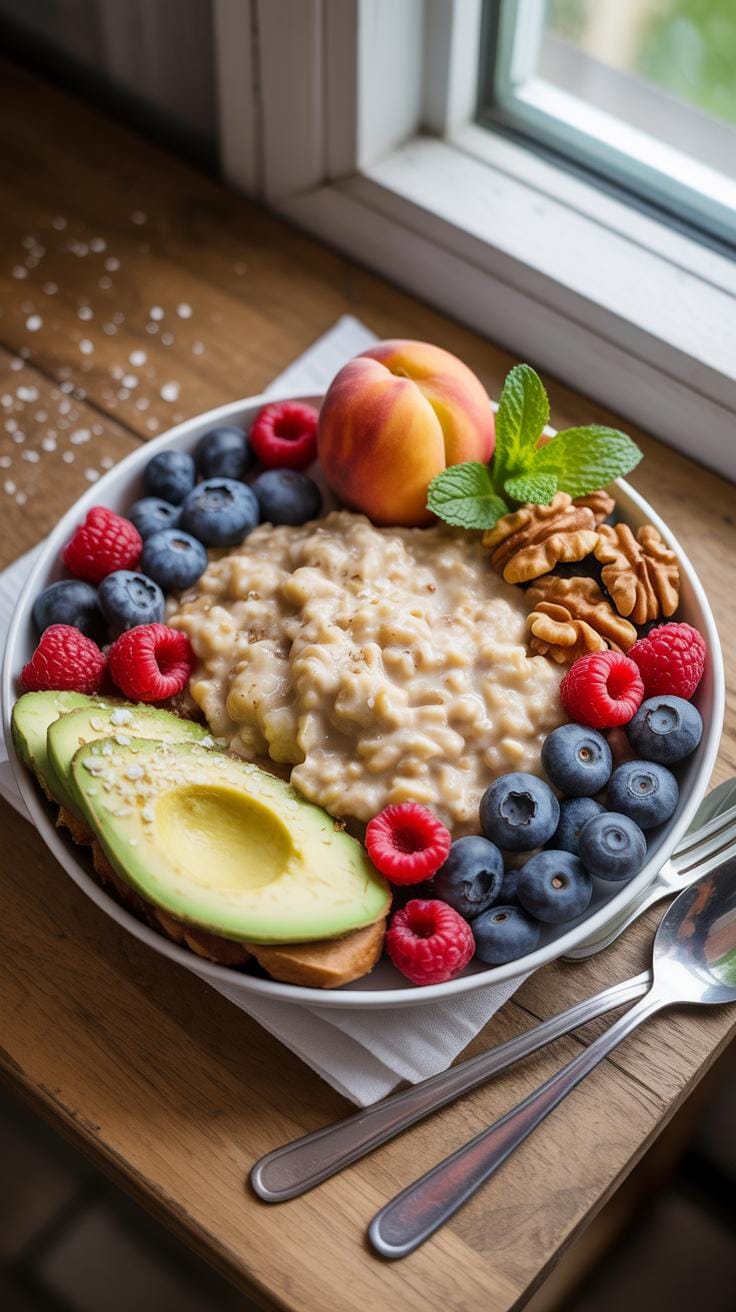
There’s a wide range of breakfast styles to choose from, and picking one can feel like a bit of a puzzle depending on your goals and daily rhythm. Traditional hot meals, for example, might consist of eggs, oats, or something cooked quickly on the stove. They often provide comforting warmth and can keep you full longer. But they also require more prep time and cleanup, which might not fit well with rushed mornings.
Smoothies offer a quick, nutrient-packed option. They blend fruits, veggies, and proteins into one easy drink. The catch? Sometimes they feel less filling, especially when they’re cool and liquid-based. They can lack the chewiness or bulk that makes hunger stay at bay.
Grab-and-go options—think yogurt with nuts or a whole grain muffin—are often meant for busy people on the move. They’re super convenient but can sway toward being carb-heavy or low in protein if you’re not careful.
Hot vs Cold Breakfasts
Hot breakfasts usually have a satisfying weight to them, partly because they’re often cooked and contain more complex textures. This can help control hunger longer, though you do spend extra time preparing them. Cold meals—like overnight oats or chilled fruit bowls—save time but might leave you feeling hungry sooner. Cold options often rely on raw or no-heat ingredients, which might sometimes mean fewer cooked vegetables or proteins.
The way hot or cold meals affect your nutrient intake also depends on what you put in. A hot breakfast with eggs and vegetables packs protein and fiber, while a cold one heavy on just fruit could lack fats or protein. So, it’s less about the temperature and more about what components are included.
Prepped vs Fresh Meals
Prepping breakfast ahead of time can be a lifesaver, especially if your mornings jump from zero to sixty. Items like batch-cooked egg muffins or pre-made smoothie packs make nutrition accessible without daily effort. The downside? Sometimes these prepped meals feel less appealing or fresh, which might reduce your appetite or enjoyment.
On the flip side, fresh breakfasts can encourage variety and appeal but demand your time and energy each morning. If your schedule varies or you enjoy cooking, fresh is often more satisfying. Yet, it can become a hassle when mornings are tight.
Think about your lifestyle. Are you someone who enjoys morning routine and can squeeze in meal prep? Or do unpredictable schedules demand quick fixes? These questions can help decide what style truly supports your breakfast success.
Conclusions
Maintaining a balanced breakfast routine can profoundly impact your daily energy levels and overall health. By focusing on key nutrients and including a variety of food groups, you ensure your body gets the fuel it needs to perform and recover. This simple habit can lead to better focus, stable blood sugar, and improved mood throughout the day.
Using the checklist and tips provided can simplify your breakfast planning and help you avoid common pitfalls. Remember, small consistent changes in your morning habits can contribute to lasting wellness. Take charge of your day from the moment you wake up with meals designed to nourish and energize your body.