

Why Nutrient Dense Foods Matter
Nutrient dense foods provide a high amount of beneficial nutrients compared to their calorie content. Choosing these foods can support holistic wellness by giving your body the vitamins, minerals, and other nutrients it needs without excessive calories. This article will discuss the benefits of nutrient dense foods and practical ways to include them in your diet.
You’ll learn why these foods matter for your health, how to identify them, and get simple recipes to try. Understanding these points can help you make better food choices that support your well-being and energy every day.
What Makes Food Nutrient Dense


Nutrient density is really about how much good stuff you get from a food compared to how much energy it packs. Think of it as the ratio between nutrients—vitamins, minerals, protein, fiber—and calories. Foods rich in nutrients but low in calories are what we call nutrient dense. This matters because just eating a bunch of calories doesn’t guarantee that your body is getting the building blocks it needs.

The types of nutrients we look for include vitamins like A, C, and D, minerals such as iron and calcium, and macronutrients like protein and healthy fats. You might expect vegetables or fruits here, but lean proteins and legumes also fit the bill. For example, kale offers vitamin K and C with few calories, while lentils provide iron and protein without excess calories.
Comparing Nutrients to Calories
Focusing on the nutrient-to-calorie ratio helps you make smarter food choices. It’s not just about eating less but eating better. Foods loaded with nutrients but light on calories support your body more efficiently. On the flip side, “empty calories”—those with high energy but little nutrition, like sugary snacks—don’t really fuel your body the way it needs.
Think about it this way: eating nutrient dense foods gives your cells what they need to function, repair, and thrive without adding extra weight or stress. Some days, I find myself wondering why a snack feels satisfying while another doesn’t—and it often comes down to this ratio. Maybe it’s why convenience foods sometimes leave me feeling blah.
List of Nutrient Rich Foods
Here are some foods that consistently offer more nutrients for fewer calories:
- Spinach: Packed with iron, magnesium, and vitamins A and C, all with very low calories.
- Blueberries: High in antioxidants and vitamin C while still light on calories.
- Chickpeas: A good source of protein, fiber, and several minerals, useful in many recipes.
- Almonds: Offer healthy fats, vitamin E, and protein but not too calorie-dense if eaten in moderation.
- Salmon: Rich in omega-3 fatty acids, protein, and vitamin D, though it has more calories, it’s nutrient dense in quality.
Exploring these foods might feel a bit like trial and error. For me, mixing spinach in smoothies or adding chickpeas to salads transformed my meals from just “food” to something genuinely satisfying. You may be surprised how much difference it makes to just think about what’s inside your food, not just how much you eat.
Why Nutrient Dense Foods Impact Health
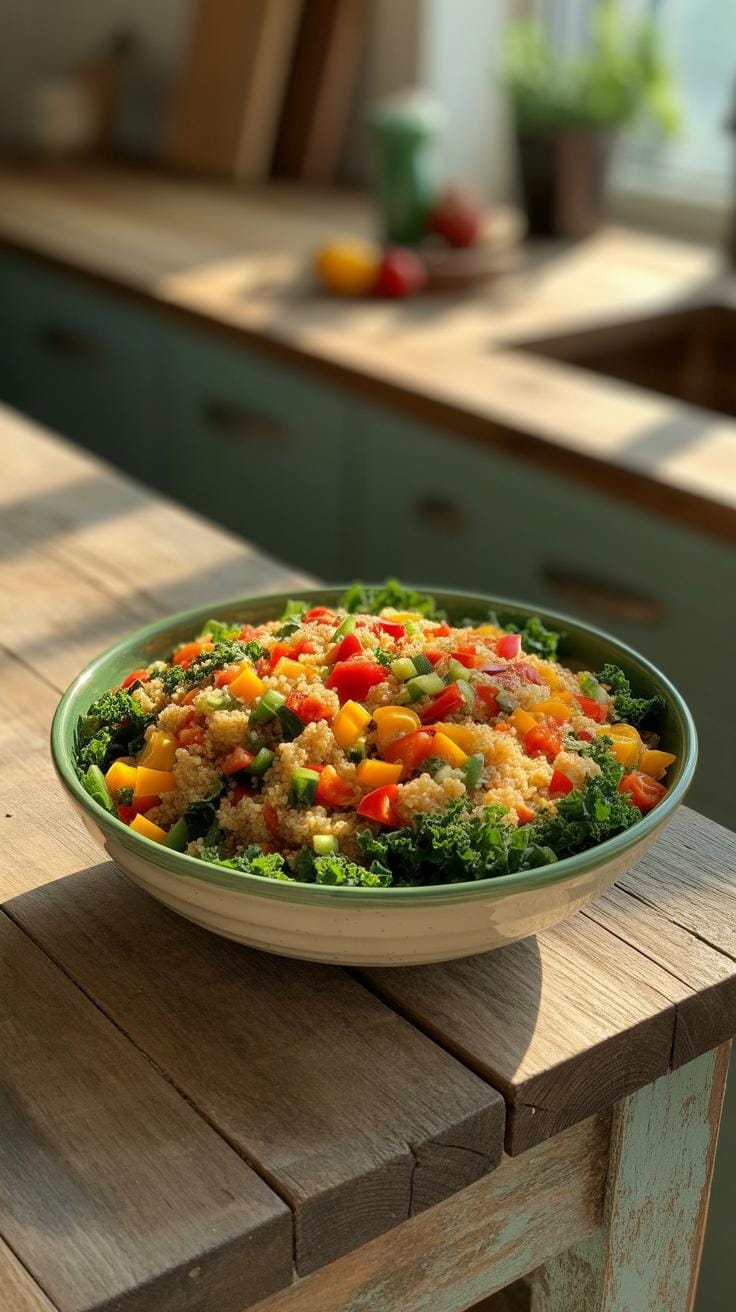
When you eat nutrient dense foods, you’re giving your body more than just calories. These foods pack vitamins, minerals, and other compounds your body actually needs to function well. Think about immunity — vitamins like C and D support your immune defenses, helping ward off illnesses. Then there’s energy production; B vitamins found in whole grains or leafy greens play a direct role in converting food into usable energy. Cell repair also depends on minerals like zinc and antioxidants from fruits and vegetables, which help fix damaged cells and keep your body running smoothly.
It’s a bit surprising how often people focus on calories instead of nutrients. But what really matters for lasting health is what fuels your cells at a micro level.
Supporting Body Functions
Vitamins and minerals from nutrient dense foods aren’t just random extras. Your immune system, for example, needs a steady supply of vitamin A, C, and E to function. Without enough, you might feel tired, get sick more often, or even heal slower.
Energy production relies heavily on B vitamins—think B12 and folate—which are crucial for turning what you eat into energy. Ever noticed how you feel sluggish after a meal heavy in empty calories? That’s because those foods lack these essential nutrients.
Cell repair, too, depends on nutrients like zinc and selenium. Without them, your body struggles to fix wear and tear, aging tissues faster or leaving you more prone to injury.
Reducing Disease Risks
Eating foods rich in nutrients regularly might lower your chances of some chronic diseases. For instance, diets high in vegetables, fruits, nuts, and whole grains seem linked to fewer heart problems.
Studies show that those who eat nutrient dense foods tend to have better blood sugar control, which lowers diabetes risk. There’s also evidence connecting antioxidant-rich diets with reduced risks for certain cancers.
Still, it’s not a magic shield. Diet is one factor among many. But would you rather lean on nutrient rich foods or something less supportive? Probably the former, even if the results aren’t instantly obvious.
How to Identify Nutrient Dense Foods

When you’re navigating grocery aisles or scanning menus, spotting nutrient dense foods can feel tricky. But a few practical habits can make this easier than you might expect. First off, reading labels carefully is a surprisingly useful skill. Look beyond just calories—check the amounts of vitamins, minerals, fiber, and protein too. For example, a product that has a higher nutrient content per calorie often signals better quality.
Whole foods, like fresh fruits and vegetables, usually offer more nutrients than their heavily processed counterparts. Think of a crisp apple instead of apple-flavored snacks; the difference in vitamins and fiber is often huge. Whole grains, nuts, and legumes also fit into this category. When in doubt, the less processed, the better—though that’s not a flawless rule.
Meanwhile, avoiding empty calories from sugary drinks or snack foods can sharpen your choices. These might fill you up, but they rarely provide the nourishment you truly need. It can feel like balancing taste and health, but aiming for foods that offer genuine benefits—rather than just energy—often leads to better overall wellness.
Reading Food Labels Effectively
Food labels can be overwhelming—sometimes I skim through them without much thought. But tuning into key details helps identify nutrient dense items. Start with serving size to understand the context of the numbers. Then check calories per serving alongside protein, fiber, and vitamins like A, C, or D if listed.
Keep an eye on added sugars and sodium too. Those often sneaky ingredients add flavor but reduce nutrient value. For example, a cereal might claim to be “whole grain,” but if it’s loaded with sugar, it’s less beneficial. Nutrient dense foods tend to have lower sugar and sodium but higher amounts of essential nutrients.
Choosing Whole and Fresh Foods
Choosing whole foods over processed alternatives means you usually get more nutrients without extra additives. Fresh fruits and vegetables provide vitamins and antioxidants in forms your body can use effectively. Plus, the fiber in whole foods supports digestion and overall health—something missing from refined or packaged options.
For instance, a baked sweet potato generally offers more nutrients and fewer additives than a processed sweet potato snack. Raw nuts carry healthy fats and minerals without preservatives. Whole foods also tend to be more satisfying, which might help prevent overeating later on.
Still, fresh isn’t perfect for all situations—sometimes frozen veggies can be equally nutrient rich and more accessible. So, consider availability and convenience without losing sight of nutrient quality.
Top Nutrient Dense Foods to Include

When thinking about nutrient dense foods, certain fruits and vegetables come to mind right away—spinach and kale, for example. They pack a surprising amount of vitamins and minerals in very few calories. Spinach is loaded with iron and vitamin K, which feels almost crucial for daily energy and bone health, at least from my experience. Kale, too, offers a powerful mix of antioxidants and fiber, making it a solid choice for fueling your body without weighing you down.
Broccoli often shows up in these lists too, boasting vitamin C, folate, and compounds that might help with inflammation. Plus, I’ve noticed it cooks quickly and stays tasty even when steamed or roasted. Berries also deserve mention here—blueberries and strawberries deliver vitamin C and manganese, plus antioxidants that some studies suggest could support brain health. You might wonder if their sugar content contradicts their benefits, but the nutrient-to-calorie ratio still favors them strongly.
Vegetables and Fruits Rich in Nutrients
Here’s a quick list of fruits and veggies that seem to consistently offer high nutrients per calorie:
- Spinach – iron, magnesium, vitamin K
- Kale – vitamin A, C, antioxidants
- Broccoli – vitamin C, fiber, folate
- Blueberries – antioxidants, vitamin C
- Strawberries – vitamin C, manganese
- Sweet potatoes – vitamin A, fiber
- Bell peppers – vitamin C, carotenoids
It’s curious how these options are not just healthy but also versatile in cooking or snacking. Once you get comfortable using them, your meals just naturally become more nutrient dense.
Proteins and Whole Grains
Switching gears a bit—protein sources like beans and lentils offer more than just protein. They come with fiber, iron, and B vitamins, which you don’t always get from meat alone. Lentils, especially, seem underrated; they cook relatively quickly and can turn into soups, salads, or even patties.
Fish is another powerful player. Fatty fish such as salmon or mackerel provide omega-3 fatty acids, which seem to benefit your heart and brain, though the exact extent can be debated. Then, grains like quinoa step in with a complete protein profile and plenty of fiber—far more nutrients packed per bite than white rice or refined grains.
Some people might wonder if whole grains make a real difference. From what I’ve read and tried, they influence digestion and energy levels positively over time. Of course, it often depends on how you prepare and combine these foods.
How to Use Nutrient Dense Foods in Recipes

You might wonder how to actually bring nutrient dense foods into your everyday meals without making things complicated. The truth is, it doesn’t have to be a big overhaul or a bunch of new, fancy ingredients. It’s more about small shifts—like swapping out one less nutritious item for a more nutrient-packed option.
Think of steady staples you already enjoy; then, add in a handful of nutrient dense ingredients. For example, tossing some kale or spinach into your morning smoothie or mixing lentils into your pasta sauce can enhance both flavor and nutrition without much fuss.
Simple ideas could include:
- Breakfast: Oatmeal topped with chia seeds, fresh berries, and a spoonful of pumpkin seeds.
- Lunch: A quinoa salad loaded with chickpeas, chopped peppers, and a drizzle of olive oil.
- Dinner: A stir-fry with broccoli, snap peas, tofu, and garlic.
When you cook, preserving the nutrients is key. You want to avoid boiling or frying at high heat for long stretches, which tends to deplete vitamins. Steaming veggies lightly, or sautéing them quickly in a bit of oil, keeps more nutrients intact. I find that steaming greens just a minute or two makes a noticeable difference in both texture and nutrient content. Of course, raw veggies have their place too, and some nutrients remain more stable uncooked.
Have you noticed how meals with those small nutrient upgrades sometimes feel more satisfying? It might be the balance of flavors and the way the body responds to denser nutrition, but there’s something about those simple swaps that add up fast.
Compare Nutrient Dense Foods vs Energy Dense Foods
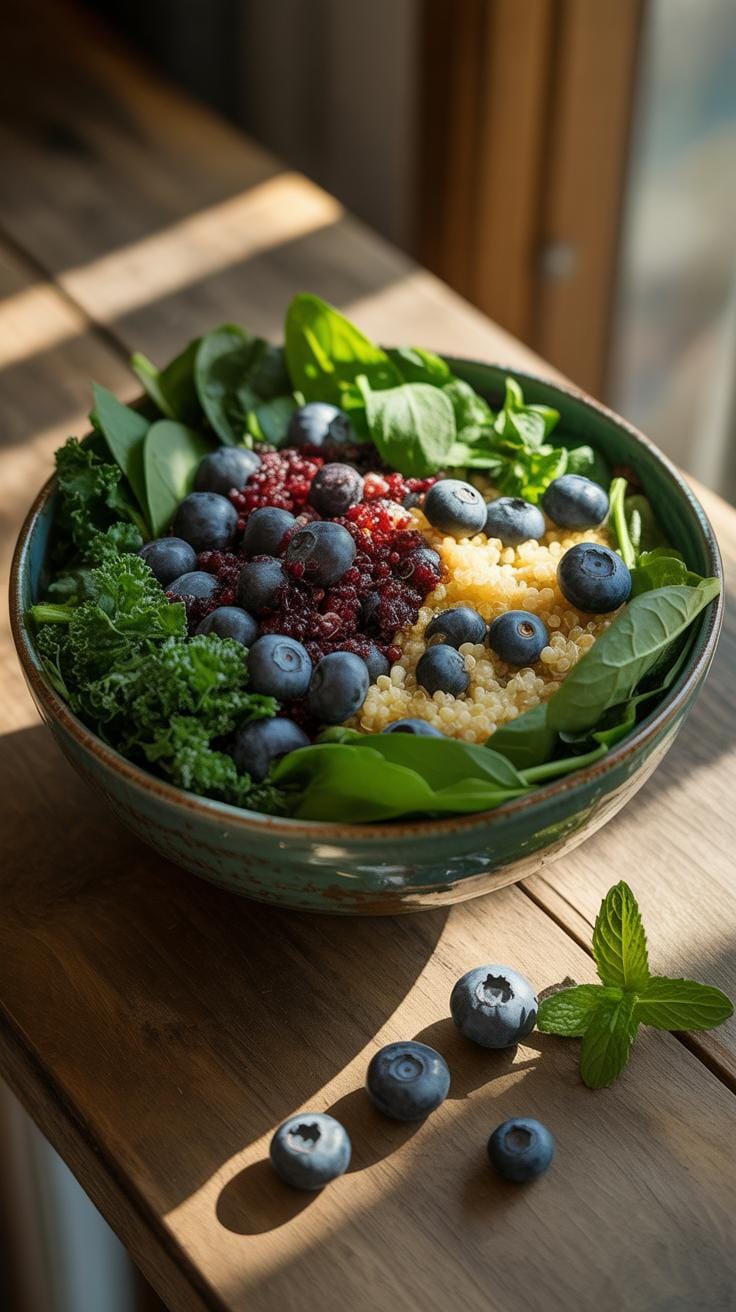
When you look at nutrient dense foods and energy dense foods, they might seem similar at first—both provide calories, after all. But the difference lies in what else comes along with those calories. Nutrient dense foods pack vitamins, minerals, and other beneficial compounds into relatively few calories. Energy dense foods, in contrast, supply a lot of calories but offer little to no essential nutrients.
Think about a handful of almonds versus a candy bar. The almonds give you healthy fats, protein, fiber, and minerals, whereas the candy bar mainly provides sugar and empty calories. Sure, that candy bar might give you an energy boost, but it doesn’t really fuel your body in the way you want over time.
Energy dense foods typically include:
- Fried snacks
- Sugary desserts
- Processed fast foods
- Highly refined carbohydrates
The effect of eating too many energy dense foods can add up quickly—weight gain is one, though not the only concern. Your body still needs nutrients to function properly, and these foods often displace better options, leaving gaps in your nutrition. On the other hand, focusing too much on nutrient dense foods can keep you feeling full longer, support your immune system, and improve overall wellness.
Choosing the right type often means asking: am I feeding my body or just filling a hunger gap? That’s not always obvious in the moment, and sometimes even I find it tricky to resist the quick fix of energy dense treats. But over time, leaning toward nutrient dense choices tends to pay off in how you feel and function every day.
Avoiding Pitfalls When Choosing Foods
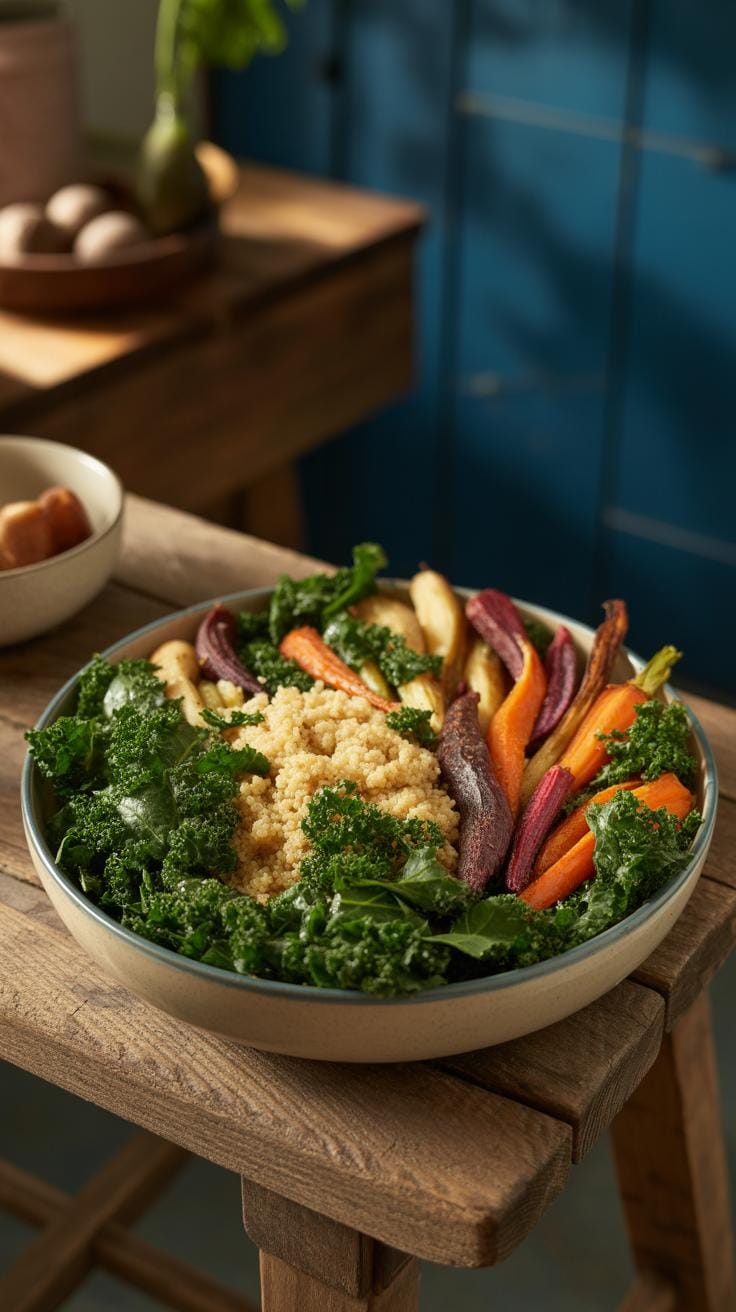
It’s easy to fall into the trap of focusing only on calories when choosing what to eat. Counting calories feels straightforward, but it doesn’t guarantee you’re getting the nutrients your body really needs. For example, you might pick a low-calorie snack that’s full of empty fillers and sugars rather than something richer in vitamins, minerals, or fiber. Calories alone don’t paint the full picture.
Instead, think about the nutrient content alongside calories. Ask yourself, does this food offer protein, good fats, or micronutrients? Does it support my energy and overall health, or just fill me up temporarily?
Processed foods often sneak into diets because they’re convenient or cheap, but many come with downsides that aren’t obvious at first glance. They tend to be low in fiber and vital nutrients, and high in additives, sugar, or unhealthy fats. You might find it hard to spot these, especially if packaging plays up “low-fat” or “sugar-free” claims. Try scanning labels for long ingredient lists, artificial names, or excessive salt levels—that’s usually a sign to think twice.
Which do you really want: quick satiety or real sustenance? Sometimes it’s tricky to tell, but paying attention to food quality alongside calories makes a big difference over time.
Checklist for Building Your Nutrient Dense Diet

Creating a nutrient dense diet isn’t as complex as it might seem. It starts with small but deliberate steps that you can build on over time. First, plan your meals around whole foods. Think of whole grains like brown rice or quinoa. Add fresh vegetables—try different colors and textures. And include lean proteins such as chicken, beans, or fish.
When you move on to shopping, try to buy seasonal produce whenever possible. That usually means fresher and more nutrient-rich options. Also, consider the source—local markets often have better quality, but if not, frozen vegetables can be a solid alternative. Don’t overlook labels; some basics can be surprisingly processed.
For meal prep, keep it simple. Chop vegetables ahead of time or cook grains in bulk to save time during busy days. Pre-portion snacks like nuts or seeds so you’re less likely to reach for something less nourishing. Sometimes, I find that prepping one versatile ingredient can inspire several meals across the week, which makes sticking to the plan a bit easier.
- Choose whole grains over refined ones in your weekly meal plan.
- Fill half your plate with fresh or lightly cooked vegetables at each meal.
- Include a source of lean protein daily to support muscle and energy.
- Select fresh or frozen produce based on availability and quality.
- Shop with a list to avoid impulse buying less nutritious foods.
- Batch cook staples like grains or legumes to save time later.
- Use simple seasoning to enhance flavor without adding empty calories.
- Keep healthy snacks portioned for easy access when hunger hits.
Does this feel doable? Sometimes, focusing on just one of these at a time helps. You don’t have to tackle everything all at once. What’s one change you might try tomorrow? It’s often those small decisions that lead to better habits and more nutrients on your plate.
Conclusions
Choosing nutrient dense foods enriches your diet with essential nutrients while keeping calorie intake balanced. This supports your body’s functions and overall wellness. Incorporating these foods into meals can improve your nutrition without complex changes.
Using easy recipes and selecting nutrient rich foods helps maintain a balanced diet that fuels your body effectively. Your path to better health starts with smart, practical food choices that benefit your whole self.