
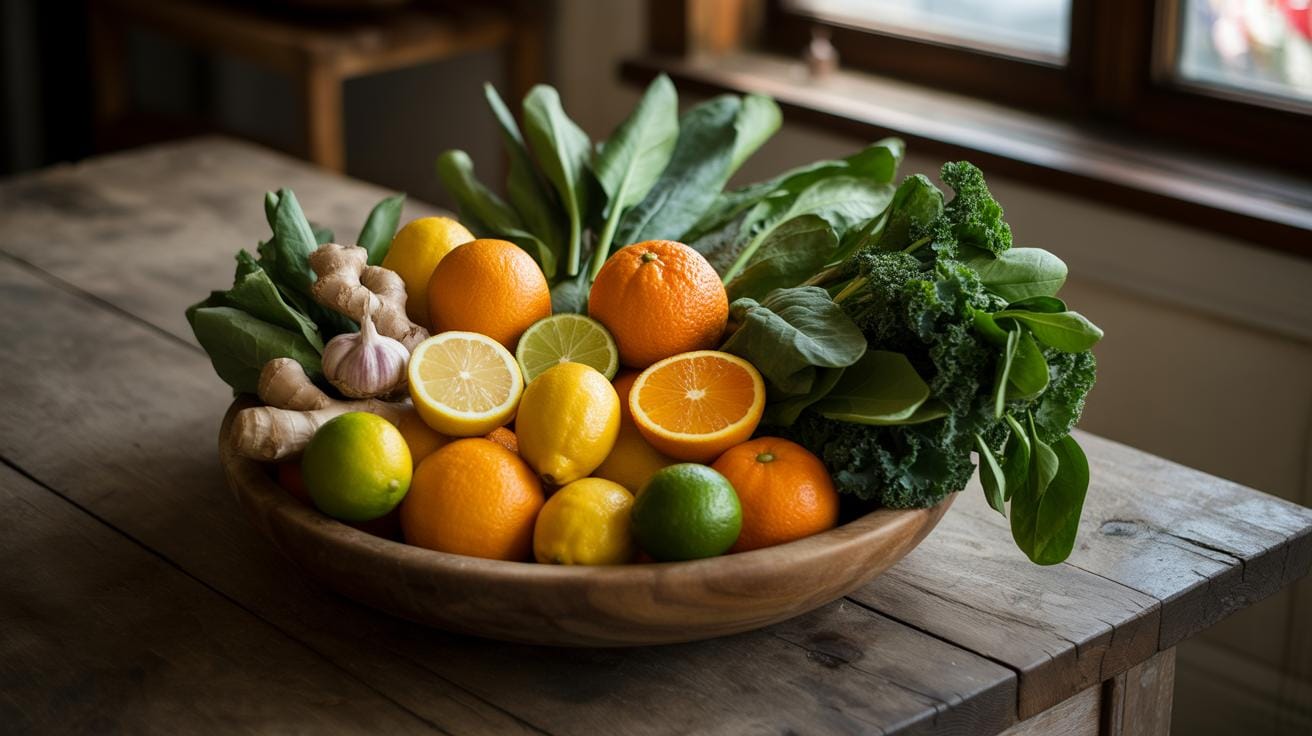
Foods That Support Immune Health
Building a strong immune system is vital for staying healthy and fighting off illnesses. One simple way to support your immunity is through the foods you eat. This article highlights top immune boosting foods that you can include in your holistic wellness recipes today.
From vitamin-packed fruits and vegetables to probiotic-rich options, the right foods can strengthen your body’s defenses. We will cover key immune-supporting foods, explain their benefits, and show you how to add them to your meals easily.
Recognize Key Immune Nutrients
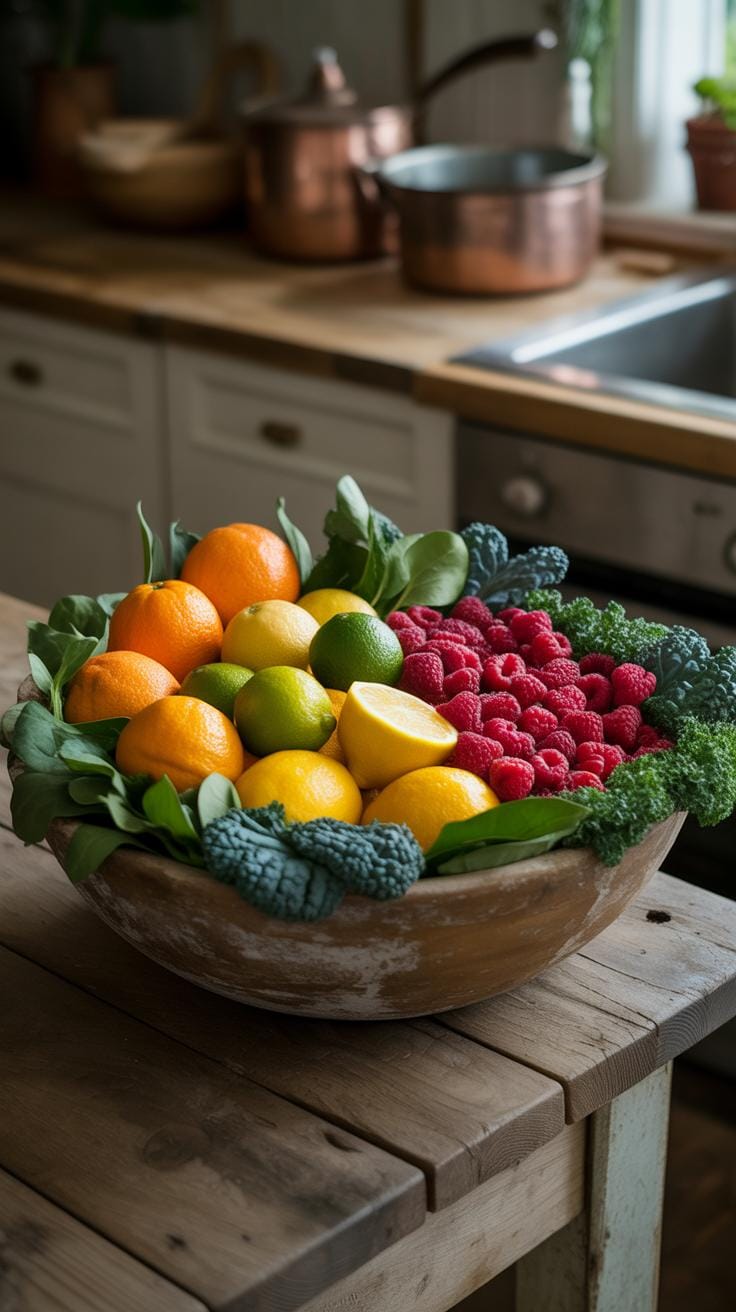
Your immune system depends on several key nutrients to function well. Think of vitamin C, vitamin D, zinc, and antioxidants as the main players supporting your body’s natural defenses.

Vitamin C is known for its role in protecting cells and helping the body repair tissue. You might already know it from oranges, but it’s also abundant in strawberries, bell peppers, and broccoli. It helps white blood cells work better and can even shorten the length of a cold, though it’s not a cure.
Vitamin D feels a bit trickier. Our bodies make it when we get sunlight, but many people don’t get enough. It supports immune cells like T cells that seek out invaders. Foods with vitamin D include fatty fish like salmon and fortified milk.
Zinc helps your immune cells grow and communicate. Without enough zinc, your body might struggle to fight off infections effectively. Foods rich in zinc include pumpkin seeds, beef, and lentils. It’s fascinating how a tiny mineral like zinc plays such a big role.
Antioxidants, found in colorful fruits and vegetables, help reduce damage caused by free radicals. This indirectly supports your immunity by keeping cells healthier. Think blueberries, spinach, and nuts.
So, keeping these nutrients balanced through your diet can help your immune system stay alert and ready.
What Vitamins Help Immunity Most
Some vitamins are better known for their immune-boosting qualities, like vitamin C and vitamin D. Each works differently, yet both are necessary to keep your defenses on point.
Vitamin C supports the production and function of white blood cells, which are crucial for fighting infections. You can find this vitamin in citrus fruits — oranges or grapefruits — but don’t overlook other sources such as kiwi, bell peppers, or even kale.
Vitamin D’s role might seem less obvious since it’s made in the skin from sunlight, but it acts like a switch for immune cells, turning on their ability to respond. When sunlight is scarce, foods like eggs, cheese, and fortified cereals can help you maintain good levels.
Do you find it challenging to get enough vitamin D, especially in winter? This often happens, which is why many people rely on supplements—or foods enriched with vitamin D—to keep immunity supported.
Minerals That Boost Immune Cells
Minerals like zinc and selenium are essential for immune cells to develop and do their jobs properly. Zinc, in particular, is crucial for creating immune cells and supporting inflammation control.
You’ll find zinc in foods such as oysters, beef, and chickpeas. It’s interesting that even small daily amounts can make a noticeable difference in how your body handles infections.
Selenium helps with the production of antibodies and boosts the activity of immune cells. Brazil nuts are a famously rich source, but you can also get selenium from tuna, sunflower seeds, and whole grains.
It might surprise you how much your body depends on these minerals, even if they aren’t talked about as often as vitamins. Incorporating a variety of these foods can help your immune system stay balanced and responsive.
Add Citrus Fruits Daily
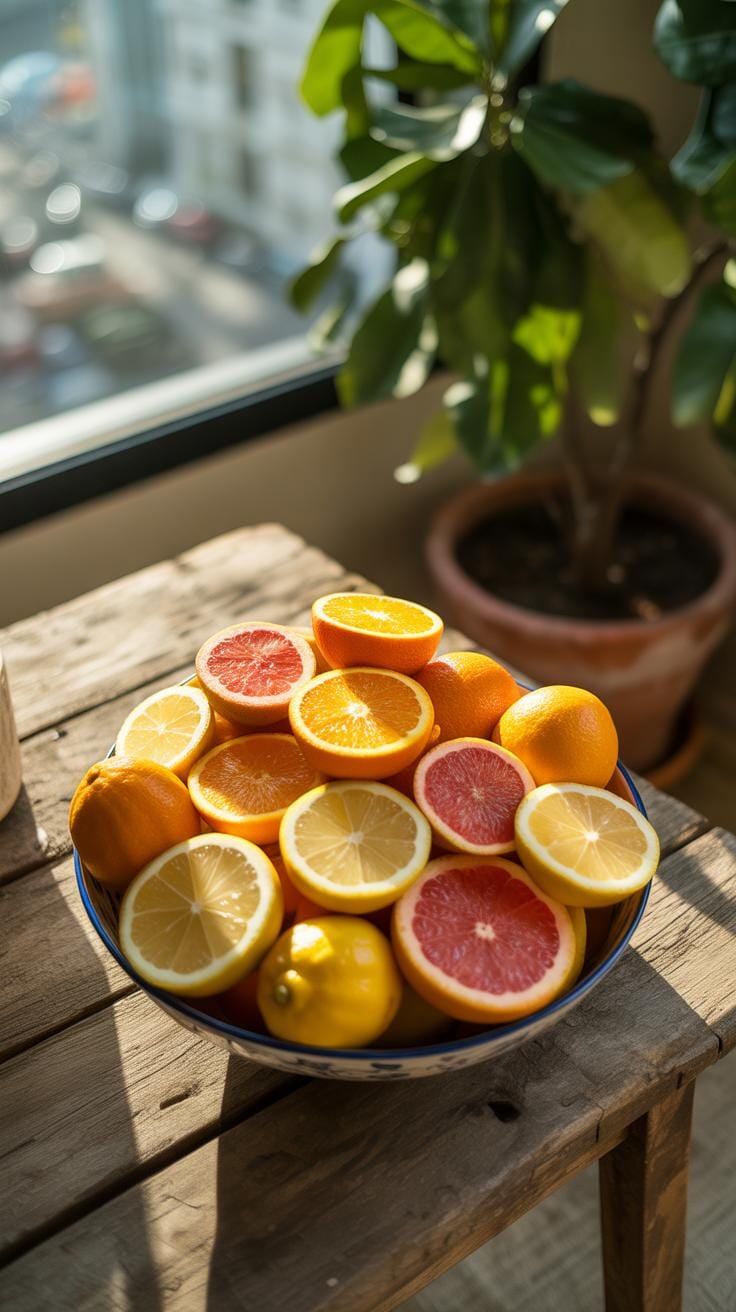
Citrus fruits like oranges, lemons, and grapefruits aren’t just refreshing—they pack a serious punch when it comes to vitamin C. This nutrient plays a key role in strengthening your immune system by supporting the production and function of white blood cells, which defend your body against infections. You might have heard this before, but sometimes it’s easy to underestimate how much vitamin C from fresh fruits can actually help your immune response stay sharp.
Eating an orange or squeezing fresh lemon juice into your meals can be simple ways to add this protective shield daily. Grapefruits, with their slightly bitter edge, also bring flavonoids that complement vitamin C’s effects, though not everyone finds their taste appealing. Still, the benefits are there, if you can work them into your diet.
Oranges and Lemons as Vitamin Sources
Oranges are famously rich in vitamin C, offering about 70 mg per medium fruit, which is close to or surpasses the daily recommended intake for most adults. Lemons have less vitamin C by weight but are easy to add in smaller amounts. The acidity from lemon juice can even enhance iron absorption from other foods, giving your immune system an extra hand.
- Try eating a medium orange as a snack or dessert. Easy.
- Squeeze half a lemon into warm water each morning for a gentle vitamin C boost.
- Add lemon zest to rice or roasted vegetables for subtle flavor and nutrients.
Easy Citrus Recipes for Immunity
There are plenty of quick ways to include citrus without much effort. A simple fruit salad combining orange segments with berries and a drizzle of honey can be a refreshing, immune-supportive treat. Lemon-infused green tea is another option—warm, soothing, and packed with antioxidants. If you like savory dishes, try a citrus dressing made from lemon juice, olive oil, and a pinch of salt over greens or grilled chicken. These small additions might not feel like much but could really add up over time.
Include Probiotic Rich Foods

Why Probiotics Matter for Immune Health
Your gut isn’t just for digestion—it plays a big role in how your immune system functions. Around 70% of your immune cells live in or near your gut, where they interact closely with the bacteria residing there. Probiotics, the “good” bacteria found in certain foods, help maintain a balanced gut environment. This balance can influence how your body responds to harmful invaders.
When your gut’s bacteria community is disturbed, your immune response might weaken or become misdirected. Probiotics can gently nudge your immune system towards a steadier, more informed reaction. Yet, this is not always straightforward; sometimes boosting certain bacteria might not have immediate effects on immunity, but over time, consistent intake can shift the balance positively.
Probiotic Foods You Can Eat
Including probiotic foods doesn’t have to be complicated. Here are some common options to consider incorporating into your diet:
- Yogurt: Choose plain, unsweetened varieties with live cultures. Add fresh fruit or nuts for flavor and extra nutrients.
- Kefir: This fermented milk drink has a thinner texture than yogurt and offers a diverse range of probiotics. Try it as a morning drink or mix into smoothies.
- Kimchi and Sauerkraut: Fermented vegetables that bring probiotics and a tangy flavor. Use small amounts as side dishes or in salads.
- Miso: This soybean paste can be dissolved in soups or sauces, adding a savory note and good bacteria to your meals.
- Tempeh: A fermented soybean product that can replace meat in dishes and support your gut health.
Honestly, I sometimes stick to yogurt because it’s easy and familiar, but experimenting with kefir or kimchi has opened new tastes and benefits I wasn’t expecting. Try adding these gradually. Maybe start your day with a spoon of yogurt or pour kefir over your morning cereal. Small steps—those seem simplest when getting started.
Eat Colorful Vegetables Daily
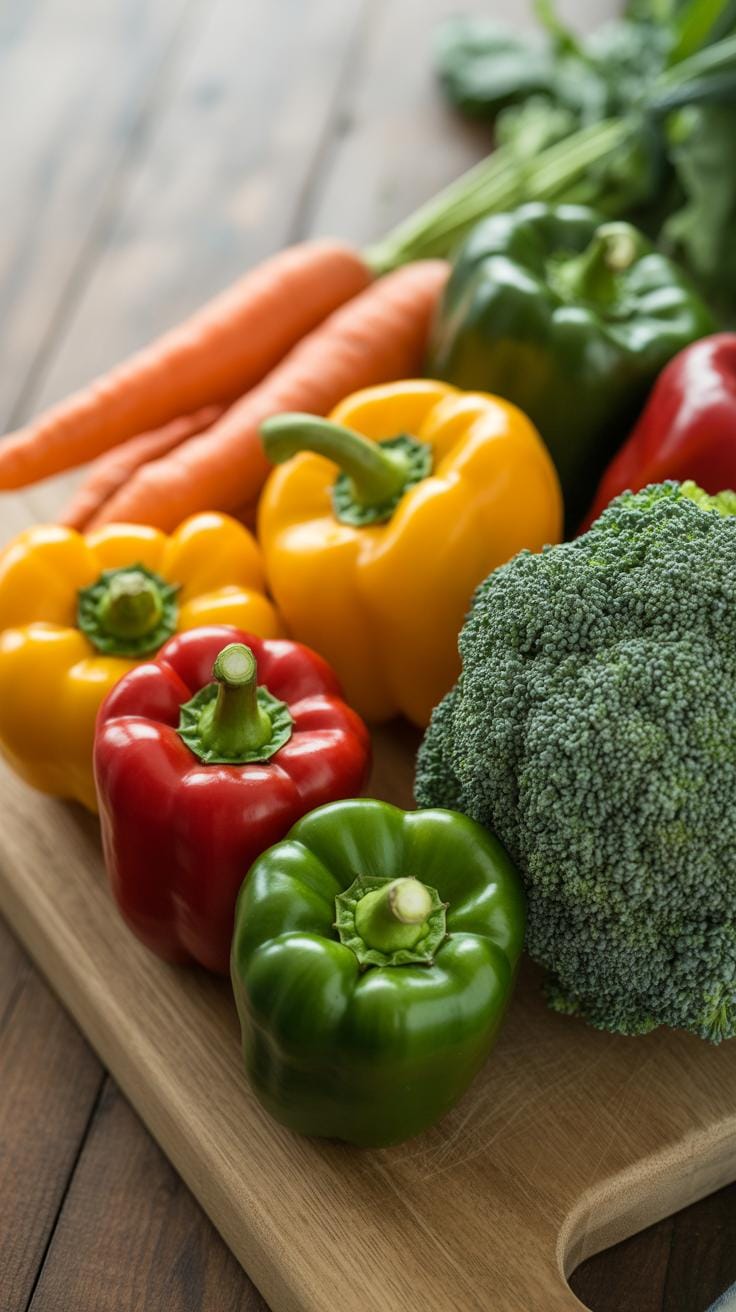
When you think about vegetables, the brighter colors often mean more than just a pretty plate. Take spinach, carrots, or bell peppers—they pack antioxidants like beta-carotene and vitamin C, which are known to help your immune system do its job. These compounds help fight off free radicals, those pesky molecules that can cause cell damage, making your body a bit more resilient against illness.
Spinach, for example, is rich in vitamin A and folate, which support white blood cell function. Carrots bring beta-carotene to the table, which the body converts to vitamin A, essential for maintaining mucous membranes—your first barrier against germs. Bell peppers don’t just add color; they contain vitamin C in high amounts, known to boost antibody production.
Trying to eat these veggies every day doesn’t have to be complicated. You could toss chopped bell peppers into a salad, sauté spinach with garlic for a quick side, or grate carrots into your pasta sauce. Even blending them into smoothies can sneak in those nutrients without much effort.
What’s your easiest way to add veggies to your meals? Maybe you’ve found that just tossing some colorful slices onto your sandwich makes a difference. Little changes like that might be all it takes to support your immune health.
Use Garlic And Ginger Often
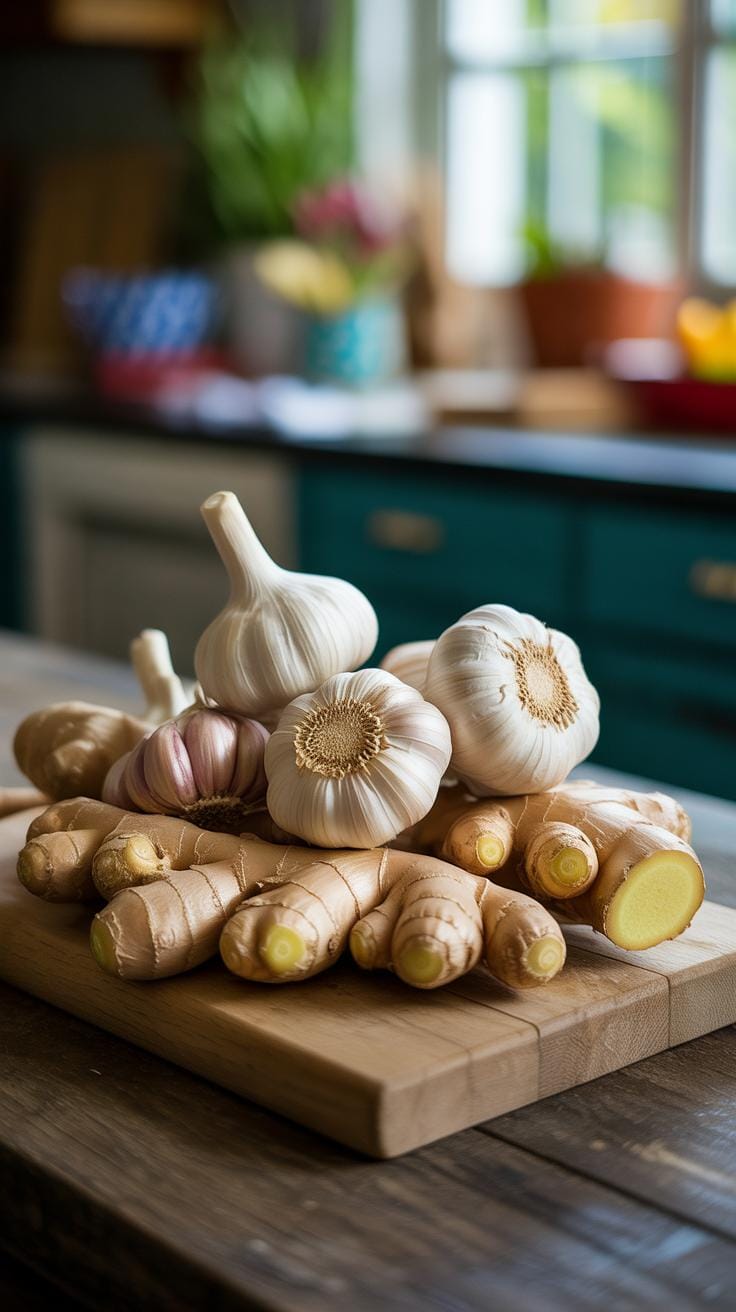
Garlic and ginger have stood the test of time as powerful foods for the immune system. They both act as natural antimicrobial and anti-inflammatory agents, which can help keep infections at bay and calm chronic inflammation that wears your defenses down.
Garlic contains compounds like allicin, which is released when you crush or chop it. This compound fights bacteria, viruses, and fungi, giving your immune system a bit of a boost in its battle against pathogens. I’ve noticed that starting a meal with some raw garlic in a dressing or cooking it gently into soups tends to infuse dishes with both flavor and health benefits.
Typical uses of garlic include roasting whole cloves for a sweet, mellow flavor, or adding minced garlic to stir-fries, sauces, and marinades. It’s a mainstay in so many cuisines—Italian, Indian, Middle Eastern—you name it. The slight pungency can feel sharp if you’re not used to it, but that’s where the magic lies.
Ginger supports immunity through compounds called gingerols, which have anti-inflammatory and antioxidant properties. Drinking ginger tea, especially with lemon and honey, is a personal favorite for when I’m feeling off. It warms you up and helps soothe the body’s inflammatory response without being harsh.
Adding ginger is surprisingly easy. Try grating fresh ginger into smoothies, sprinkling it over roasted vegetables, or simmering it with broth for a subtle spicy kick. Sometimes, I even slip it into salad dressings or homemade ginger ale to make it more refreshing. It’s a simple way to keep your immune system refreshed and responsive.
Choose Nuts And Seeds For Minerals
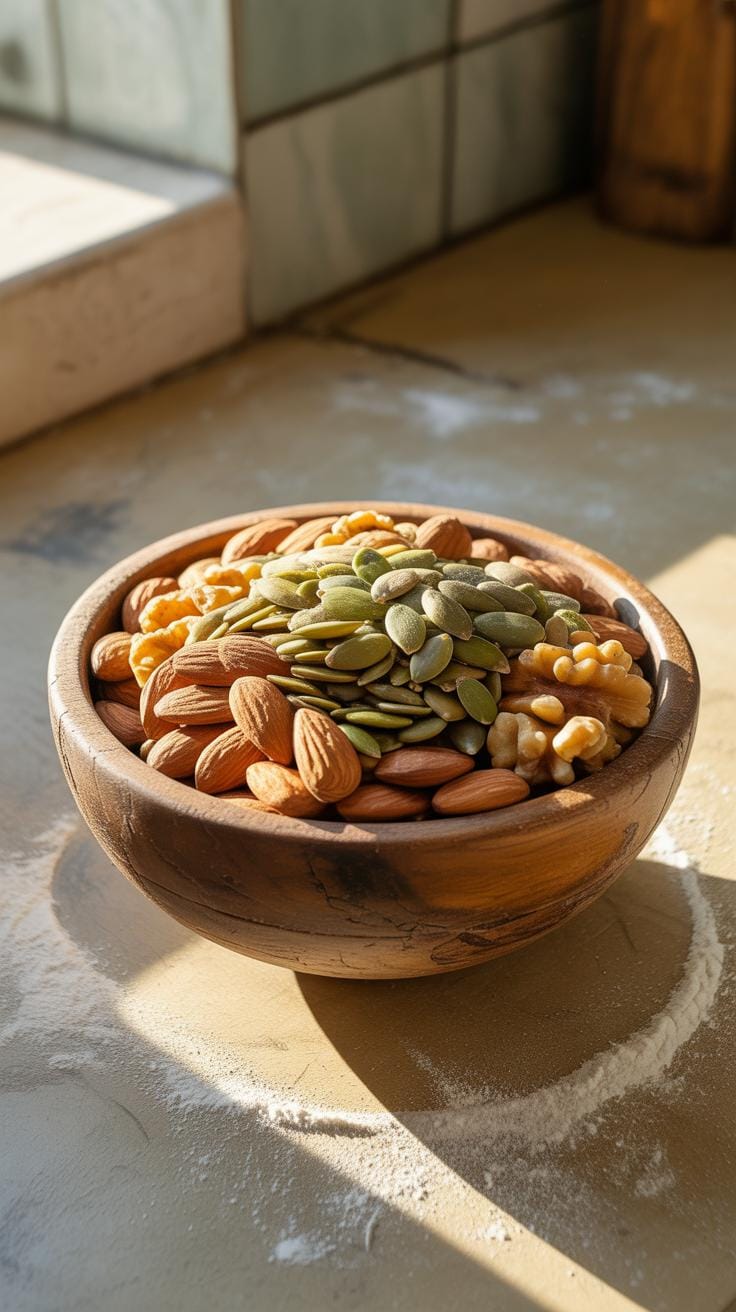
Nuts and seeds are often overlooked little powerhouses when it comes to minerals essential for immune health. They pack zinc and selenium—two key nutrients your immune system depends on to function well. Zinc helps with the production and activation of immune cells, while selenium plays a role in reducing inflammation and boosting your body’s defense mechanisms. Both minerals work quietly in the background but have a noticeable impact if you’re low on them.
For servings, a small handful—roughly 1 ounce or 28 grams—is enough to get significant mineral benefits without overdoing calories. You might add these to your morning oatmeal, sprinkle over salads, or just snack on them raw. They’re easy to fit in, really. I sometimes toss a mix into yogurt or blend a spoonful into smoothies. It doesn’t feel like a chore, and you don’t need much to notice a difference.
Best Nuts That Support Immunity
Some nuts have a particularly good reputation for immune support, mainly because of their zinc and selenium content:
- Brazil nuts: Just 2-3 nuts cover your daily selenium needs—about 544 mcg per ounce. (That’s way above the average requirement, so a few go a long way.)
- Almonds: Provide about 1 mg of zinc per ounce and are also rich in vitamin E.
- Cashews: Contain roughly 1.6 mg of zinc per ounce and have a creamy texture that many enjoy.
- Walnuts: While not as high in zinc, they offer healthy fats and some trace minerals supporting immunity.
These nuts often serve as a handy immune helper when you need a nutrient boost. I often pick Brazil nuts for a quick selenium hit but might switch to almonds when I want some crunch in a salad.
Seeds To Boost Immune Responses
Seeds can also be practical immune allies. They are rich in minerals and vitamins beneficial for fighting infections and inflammation. For instance:
- Pumpkin seeds: Packed with zinc, about 2.2 mg per ounce, which helps with immune cell function.
- Sunflower seeds: Provide vitamin E, an antioxidant that protects immune cells from damage.
- Chia seeds: Offer calcium, magnesium, and a bit of zinc, plus omega-3s that may modulate immune response.
- Flaxseeds: Though lower in zinc, they contain compounds supportive of immune health and inflammation control.
Adding a tablespoon or two of seeds to your meals is easy and effective. I like sprinkling pumpkin or sunflower seeds on roasted veggies or mixing chia seeds into puddings or drinks. It’s simple, yet it adds a subtle mineral boost that your immune system will appreciate, whether or not you notice it right away.
Hydrate With Herbal Teas

Drinking enough fluids plays a quiet but essential role in keeping your immune system sharp. Herbal teas, beyond just soothing the throat or warming you up, actually carry compounds that support your body’s defenses. Take echinacea, for example. Many people reach for it when a cold’s sneaking in because it may help stimulate immune cells and reduce the duration of symptoms. Then there’s green tea, rich in antioxidants like EGCG, which can help fight off harmful invaders and support overall immunity.
Other teas you might consider include ginger tea, known for its anti-inflammatory effects, and elderberry tea, which some studies suggest could cut down the severity of flu symptoms. Each of these teas offers something a bit different, so mixing it up could be worthwhile—plus it keeps your routine interesting.
Integrating herbal teas into your day doesn’t have to be complicated. Try swapping one cup of your usual drink for an immune-friendly tea, or make a ritual of brewing a fresh pot mid-afternoon. You might keep a thermos handy during work or enjoy a quiet moment with tea before bed. Remember, while teas help with hydration, drinking plain water should still be part of your routine. But hey, if you can hydrate and possibly boost immunity at the same time, why not?
Compare Antioxidants Versus Probiotics
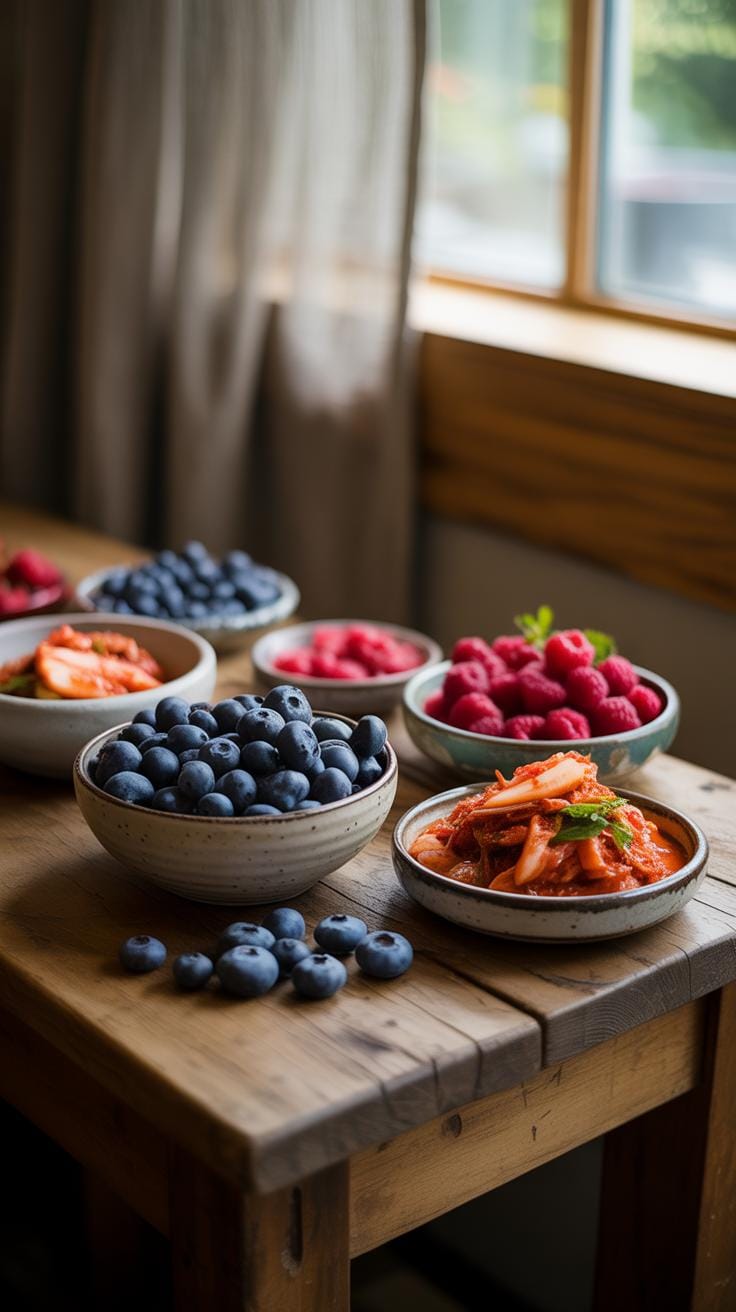
When thinking about boosting your immunity, antioxidants and probiotics often come up as champions, but they work quite differently. Antioxidants protect your cells from damage caused by unstable molecules called free radicals, which can otherwise harm your immune system over time. Probiotics, on the other hand, focus more on the gut—often called the immune system’s home base—by maintaining a healthy balance of bacteria. Both are important, but they target different aspects of your immune defenses.
What makes it tricky is that neither can do the whole job alone. Antioxidants act like protectors, guarding your cells to keep your immune system ready, while probiotics help tune your immune responses by influencing your gut environment. Maybe you’ve noticed feeling off when gut issues arise—that’s the probiotics at work, or sometimes, when they’re missing.
What Antioxidants Do for Immunity
Antioxidants are molecules found in many fruits and vegetables. Their main job is to neutralize free radicals, which are unstable atoms that can cause cell damage. This cellular damage can weaken your immunity, making you more vulnerable to illnesses. By neutralizing free radicals, antioxidants help keep your immune cells healthy and functioning.
Some foods rich in antioxidants you can try are:
- Blueberries
- Spinach
- Dark chocolate (yes, really!)
- Green tea
- Red bell peppers
I’ve often wondered if eating blueberries daily helped me get through flu season without too many sniffles. It’s those little antioxidant-rich bites that might add up over time.
How Probiotics Affect Immune Health
Probiotics are live bacteria, usually found in fermented foods or supplements. They support your gut by balancing the ‘good’ and ‘bad’ bacteria inside. Since a large part of your immune system is in your gut, keeping this balance impacts how well your body responds to threats.
Probiotics help by:
- Promoting healthy digestion and nutrient absorption
- Stimulating certain immune cells to defend against pathogens
- Reducing inflammation that can otherwise confuse or slow immune response
If you’ve ever taken yogurt during a cold or after antibiotics, you probably got a hint of how probiotics might ease your recovery. It’s not an instant fix but more of an ongoing support system residing in your gut.
Plan Immune Friendly Meals
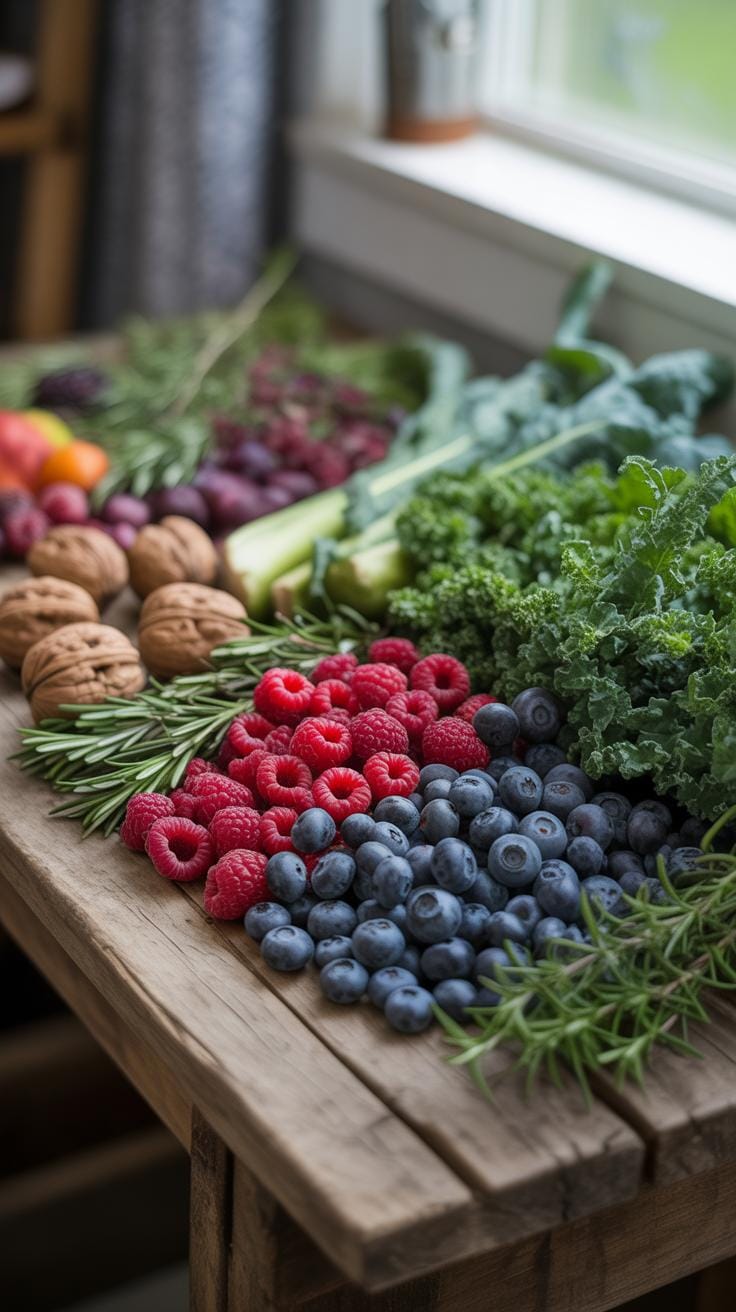
When thinking about meals that support your immune system, it’s easy to get overwhelmed. But the truth is, crafting dishes that help strengthen your body’s defenses can be straightforward if you know what to include. A balanced plate doesn’t just mean protein, carbs, and fats; it means choosing ingredients that offer essential vitamins, minerals, and antioxidants.
Here’s a checklist of immune boosting ingredients I keep handy for meal planning:
- Leafy greens like spinach, kale, and Swiss chard – rich in vitamins A, C, and antioxidants
- Citrus fruits such as oranges and lemons – packed with vitamin C
- Garlic and ginger – known for their antimicrobial and anti-inflammatory effects
- Berries – full of antioxidants and vitamin C
- Nuts and seeds – especially almonds and sunflower seeds, sources of vitamin E and healthy fats
- Probiotic foods like yogurt or kefir – for gut health, which is tied to immunity
- Mushrooms, especially shiitake and maitake – they contain beta-glucans supporting immune response
- Lean proteins: chicken, turkey, or plant-based options like lentils – for rebuilding cells
For meals, you don’t need to complicate things much. For instance, a stir-fry with garlic, ginger, leafy greens, mushrooms, and chicken makes a power-packed dinner with minimal fuss. Or maybe oatmeal topped with berries and sunflower seeds in the morning — simple yet effective.
I’ve found that planning meals around these ingredients not only helps my immunity but keeps my diet varied. What kind of immune-friendly dishes do you enjoy? Sometimes mixing familiar foods with a few immune-boosting extras is all it takes to feel good about what you’re eating.
Track Your Immune Nutrition Progress
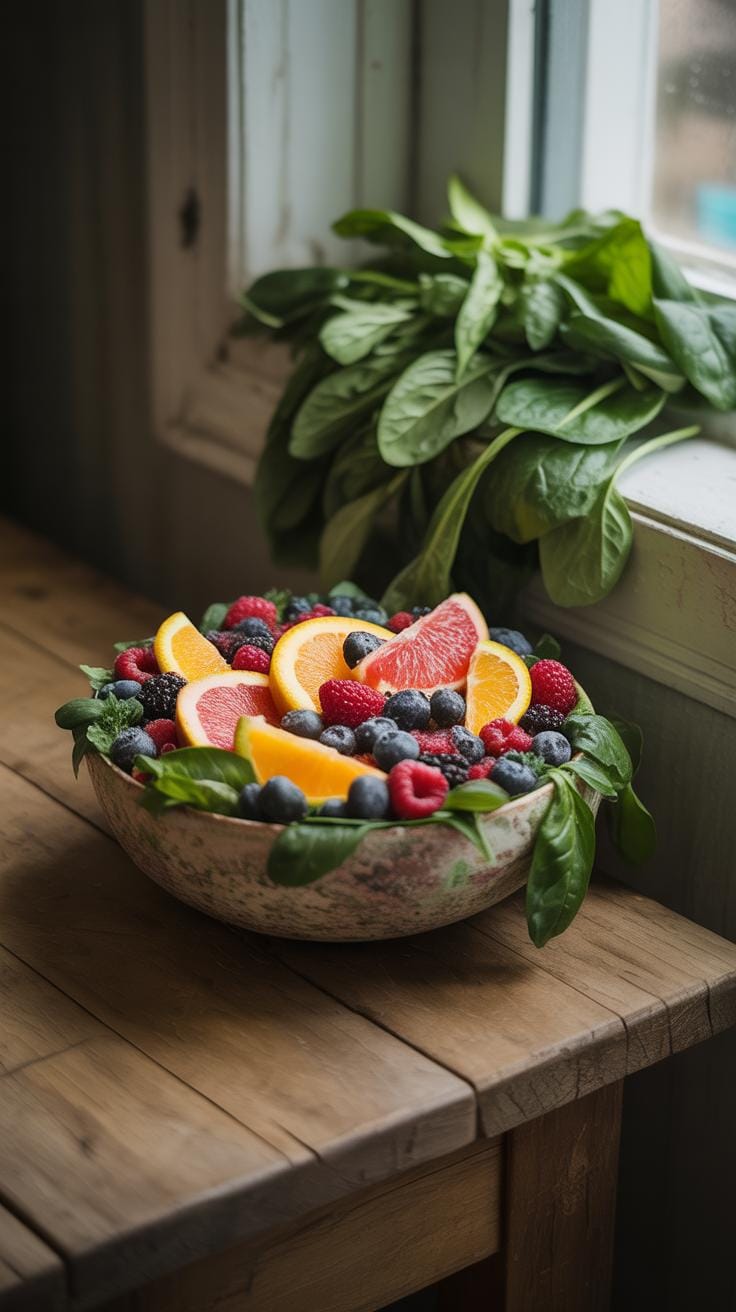
When you start including immune boosting foods in your meals, how do you really know if it’s making a difference? Tracking this isn’t always straightforward. Your immune system doesn’t send clear daily alerts. But there are signs you can watch for that might hint at improvement. For instance, you might notice fewer colds, or that when you get sick, the symptoms don’t last as long or feel as intense. Energy levels could rise as well, though that might also be influenced by other factors like sleep and stress.
Other subtle signs can include quicker wound healing, less frequent digestive issues, or even better moods, since your gut health and immunity are connected. It’s tricky, right? Because none of these alone prove your immunity has strengthened, but taken together they build a pattern worth noting.
What Signs Show Improved Immunity
Keep a lookout for changes like:
- Reduced frequency of common illnesses—fewer colds or infections over weeks or months
- Lighter or shorter duration of sickness when it does happen
- More consistent energy throughout the day
- Better digestion and fewer stomach upsets
- Faster recovery from minor injuries or cuts
- General feelings of wellness, like less brain fog or enhanced focus
But remember, some days won’t show any obvious differences, and that doesn’t mean the changes aren’t happening beneath the surface.
Easy Ways To Track Food Intake
Writing things down is old-fashioned but effective. Keep a simple journal where you note what immune-supportive foods you eat. You don’t need to be precise down to the gram. Just jot down when you include things like citrus fruits, leafy greens, garlic, or nuts.
Apps can help too. Many allow you to track meals or nutrients. Some even let you set goals for certain vitamins or minerals—like vitamin C or zinc—that are key for immunity. The choice depends on what feels comfortable to you. If a super detailed tracker gets overwhelming, stick with a quick note system.
Thinking about your mood or energy that day beside your food log might reveal interesting patterns. Do you feel better after a week of eating more spinach and berries? Tracking both sides can guide your nutrition choices in a more informed way.
Conclusions
Choosing immune boosting foods is a practical way to maintain your health every day. Including vitamins like C, minerals, antioxidants, and probiotics in your diet helps your body fight infections and recover faster.
Simple foods such as citrus fruits, yogurt, leafy greens, and nuts provide essential nutrients to keep your immune system active. Start adding these items to your meals and notice the positive effects on your wellness.