
What Holistic Nutrition Looks Like
Holistic Nutrition Meal Ideas for Balanced Health and Wellness Recipes focus on feeding your body with the right kinds of foods. Holistic nutrition looks at your whole body and how different foods work together to support your health. It is not just about what you eat but also how your meals can bring balance and energy to your life.
This article explains the basics of holistic nutrition and gives you simple meal ideas. You will learn why certain foods matter, how to prepare meals that feel good for your body, and easy recipes to try. Starting with these ideas can help you feel better and enjoy eating healthy.
Benefits of Balancing Nutrients in Meals


When you think about your meals, do you ever wonder why some days you feel full of energy and other days drained? Balancing proteins, fats, and carbohydrates plays a crucial role in how your body functions daily. Proteins help rebuild tissues and keep your muscles strong, fats provide long-lasting energy and support brain health, and carbohydrates supply quick fuel to keep you moving.

Eating in a way that includes all three, instead of focusing on just one, can stabilize your blood sugar. This stability often leads to fewer mood swings or energy crashes, which many people notice but don’t always connect to what they eat. Over time, balanced meals support your immune system and may reduce the risk of chronic illnesses. At least, that’s how I’ve noticed it in my own diet—days with balanced meals feel smoother, mentally and physically.
How Each Nutrient Supports Your Health
Proteins are like building blocks. They make enzymes, hormones, and tissues. Think of foods like chicken, beans, or tofu. They help repair your muscles after a workout or injury.
Fats often get a bad rap, but they’re essential. Not all fats are equal, sure. Healthy fats, found in avocados, nuts, or olive oil, protect your organs and help absorb vitamins.
Carbohydrates are your body’s preferred energy source. Whole grains, fruits, and vegetables digest slowly, giving you sustained energy rather than sudden spikes.
Vitamins and minerals might seem small, but they’re key in keeping everything running. For example, vitamin C boosts your immune response, while calcium strengthens bones. It’s a good idea to eat colorful fruits and veggies to cover a broad spectrum.
Signs Your Body Needs Better Balance
If you often feel tired without a clear reason or struggle with mood swings, your nutrition might be off. Maybe you reach for sugary snacks but end up more drained. Or you get headaches and find it hard to concentrate. These are subtle hints your meals might be missing something.
Other times, you might notice slow recovery after exercise or feel unusually irritable around midday. Cravings—especially for refined carbs or junk food—can also indicate that your body is asking for more balanced fuel.
It’s tricky because these signs can come from many causes, not just diet. Yet, adjusting your meals a bit often makes a noticeable difference.
Building Holistic Meals Step by Step
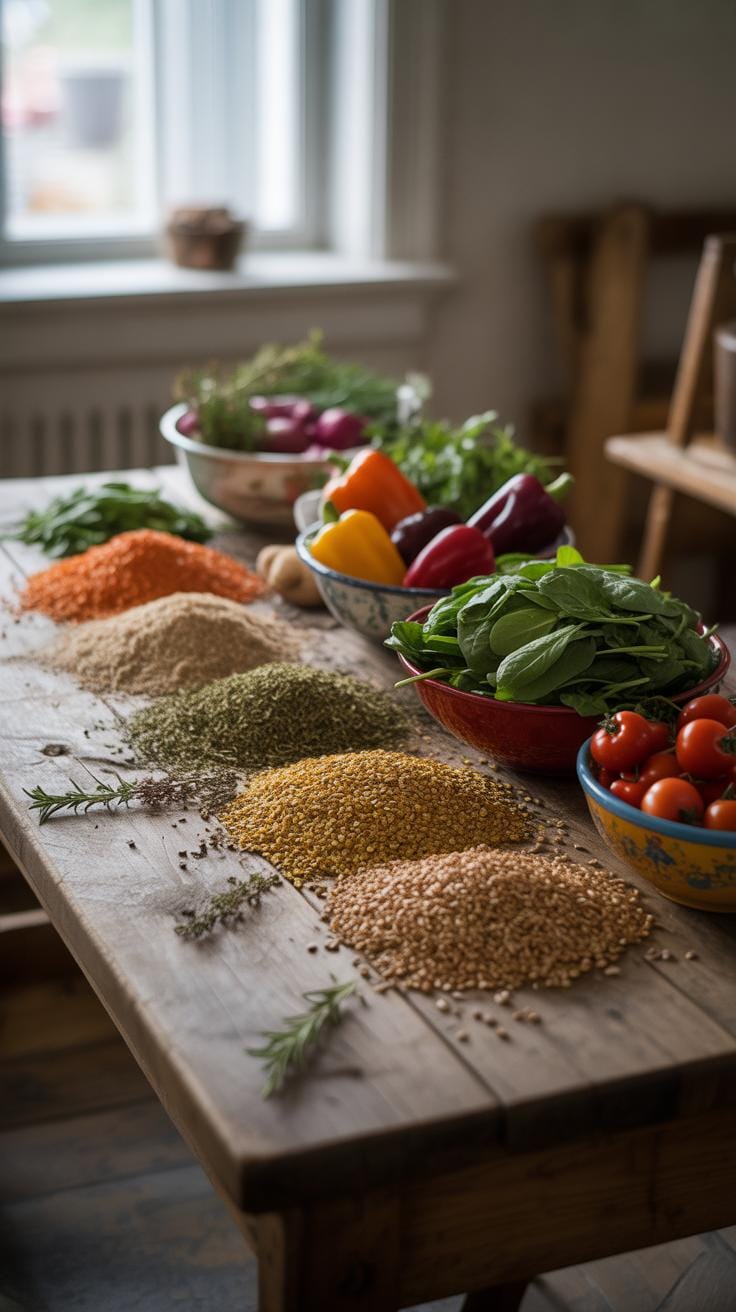
When putting together a holistic meal, think of it as a simple checklist rather than a recipe to memorize. Start with aiming for balance—protein, fats, and carbohydrates all have roles. A good rule might be filling half your plate with vegetables, a quarter with whole grains or starchy vegetables, and a quarter with protein.
Portion sizes don’t have to be precise but keep them sensible. Too much of anything, even if wholesome, can throw off your energy or digestion. Variety matters here—try mixing colors and textures. If you’re having leafy greens, add some crunchy seeds or nuts to switch things up.
Combining ingredients is more intuitive than you’d think. Pair something rich like avocado with a fresh, acidic veggie such as tomatoes. It’s not only about flavor but how these combinations support digestion and nutrient absorption.
Choosing Ingredients for Wellness
Picking ingredients is the foundation. Fresh, whole foods tend to offer more nutrients and fewer additives, but fresh doesn’t always mean local or perfect—sometimes frozen veggies are just fine, especially if you’re pressed for time.
Look closely at packaging—if you see long ingredient lists filled with unpronounceable words, maybe skip it. Whole fruits, vegetables, nuts, seeds, legumes, real dairy, and intact grains are usually your safest bets. And don’t forget the subtle stuff: herbs and spices can upgrade both nutrition and taste.
Simple Meal Prep Tips for Busy Days
Meal prep can seem like a chore, but small steps can save you loads of stress. You might try chopping veggies in bulk once or twice a week, then storing them in clear containers. That way, salad or stir-fry ingredients are ready to go.
Batch-cooking grains or proteins also cuts down daily cooking time. Sometimes, just rinsing beans and freezing portions can resurface meals faster than you expect. Remember, prepping doesn’t have to mean cooking everything in advance—sometimes organizing ingredients counts as prep too.
Do you find prepping a bit tedious? Me too, actually. But what helped was deciding to prep only two or three staples instead of a whole week’s menu. It feels more manageable, and you still get balanced meals on hectic days.
Holistic Nutrition vs Traditional Diets
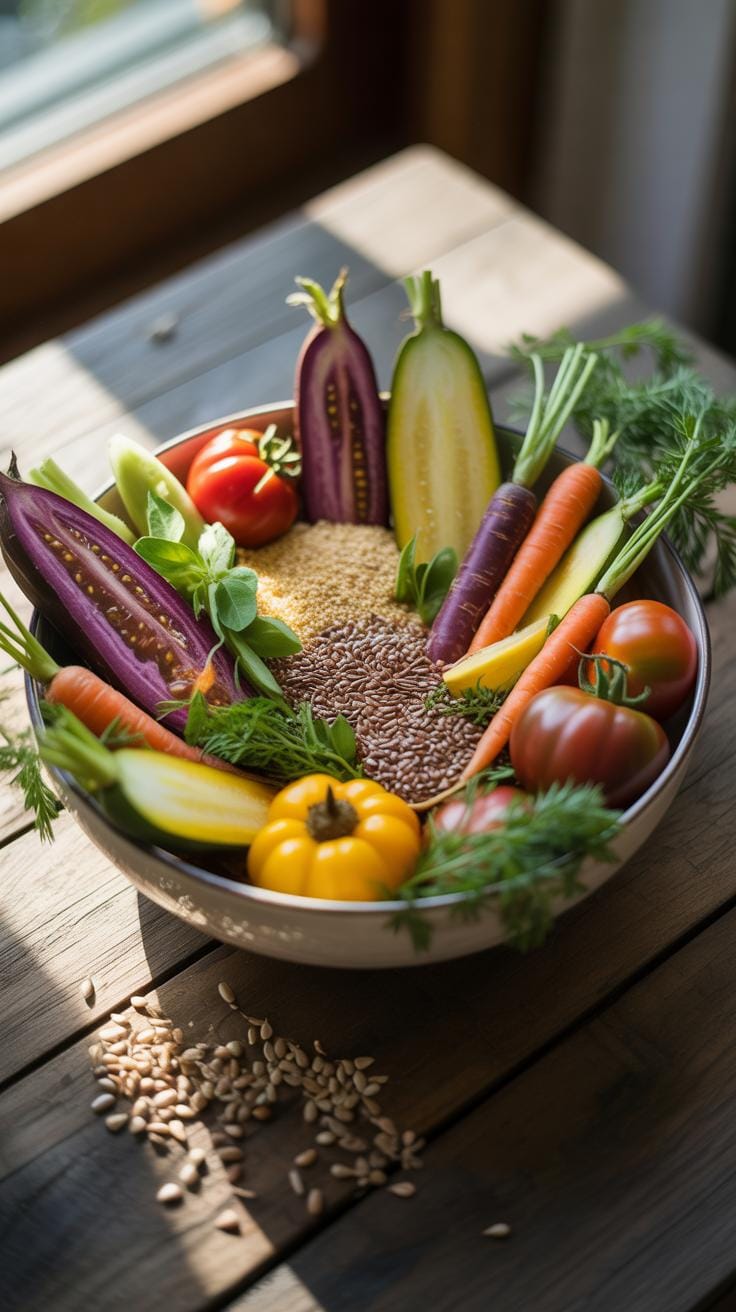
When you look closely, holistic nutrition takes a very different path than most common diets. Traditional approaches often focus on calories, macros, or quick fixes—like cutting carbs or lowering fat—and they rely heavily on processed foods marketed as “healthy.” Holistic nutrition steps away from that mindset, emphasizing whole, natural foods that support your body’s full range of needs.
Foods in holistic nutrition are chosen not just for energy but for their nutrient density and how they interact with your body over time. Think fresh vegetables, whole grains, legumes, nuts, seeds, and quality proteins—all usually minimally processed. This contrasts sharply with a typical diet that might include more packaged diet bars, low-fat snacks, or meals designed for convenience rather than quality.
From a health standpoint, holistic nutrition often leads to more sustainable outcomes. People tend to report better digestion, steady energy, and fewer mood swings. Some traditional diets promise rapid weight loss but can feel restrictive or leave you craving nutrients. Holistic nutrition, by comparison, may encourage gradual changes that stick better because they don’t feel like punishment.
It makes you wonder—do we sometimes overlook how much the quality and balance of food matter, beyond just the numbers on a label? And what if long-term wellness depends more on consistently nurturing your body than meeting arbitrary diet goals?
Common Mistakes in Holistic Nutrition
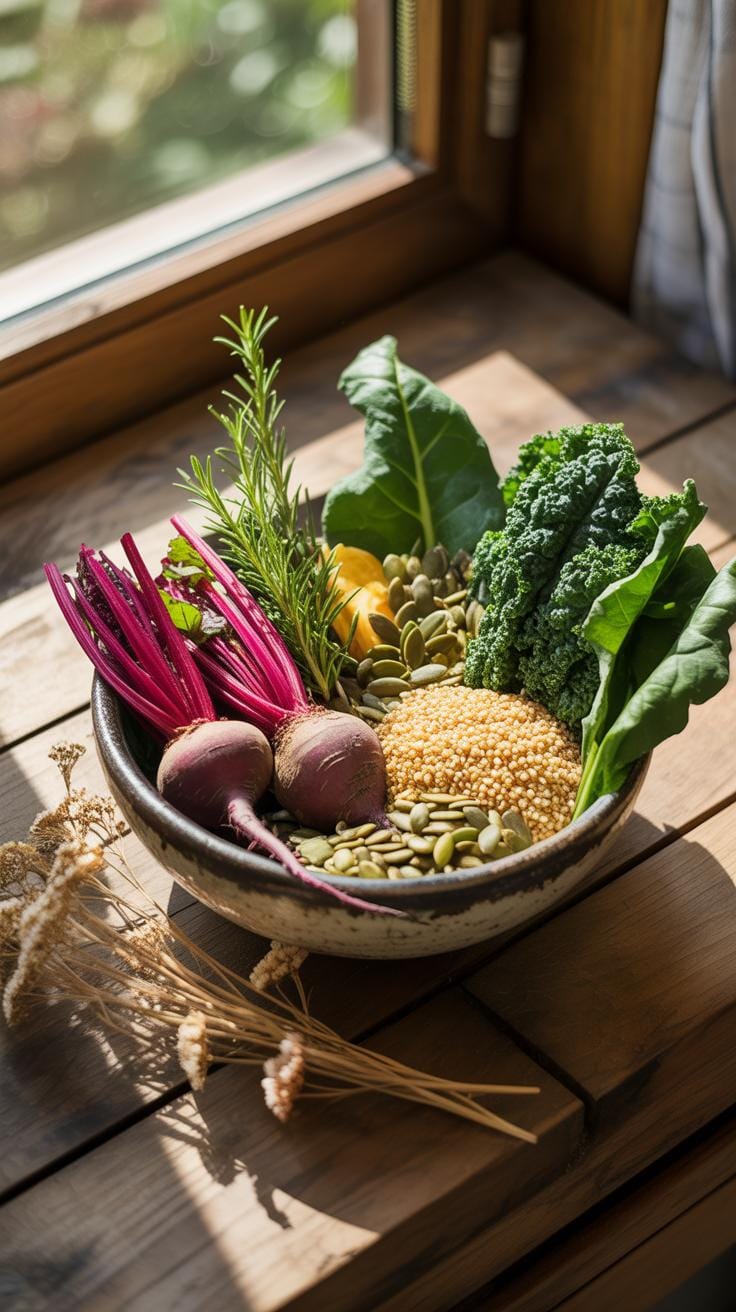
When starting with holistic nutrition, many people stumble over similar pitfalls. One big one is putting too much weight on a handful of so-called superfoods. It’s easy to get caught up in buzzwords like “kale” or “chia seeds” and think they’re the key to everything. But focusing too heavily on just a few foods can actually narrow your diet. Your body needs a broad spectrum of nutrients to work well, not just the trendy ones.
Another mistake is ignoring your individual needs. You might read a lot about what’s “best” for general health and try to force yourself into a one-size-fits-all approach. But here’s the catch—your body and lifestyle might call for different nutrient balances or food types than someone else’s. Some people thrive on more fats, others need extra carbs or protein. Have you ever felt frustrated trying to follow a perfect plan that just didn’t feel right? That’s because it’s not tailored for you.
So, rather than chasing superfoods or rigid rules, consider how your own body reacts. Watch for what energizes or drags you down. Portion sizes matter, too. You could eat many healthy foods but still feel off if you don’t respect your body’s signals or needs. It’s a balancing act, really.
Recipes to Try for Balanced Wellness
Breakfast Ideas to Start Strong
Breakfast sets the tone for the whole day, so it’s worth thinking beyond just a quick bite. A simple way to fuel your morning is by mixing protein, fiber, and healthy fats. For example, try a bowl of Greek yogurt topped with chia seeds, fresh berries, and a handful of walnuts. It’s easy but feels nourishing, and the combination helps keep you full longer.
Another option is scrambled eggs with sautéed spinach and avocado slices. You get protein from the eggs, fiber from the spinach, and those creamy fats from avocado. It doesn’t take much prep, and the flavors just come together naturally, though I realize not everyone loves spinach first thing.
If you want something grab-and-go, oatmeal made with almond milk, sprinkled with flaxseeds and a spoonful of nut butter, can do the trick. It’s warming and keeps blood sugar steady, though some might find it a bit plain. Adding cinnamon or a few chopped nuts can make it livelier.
Nutritious Lunch and Dinner Meals
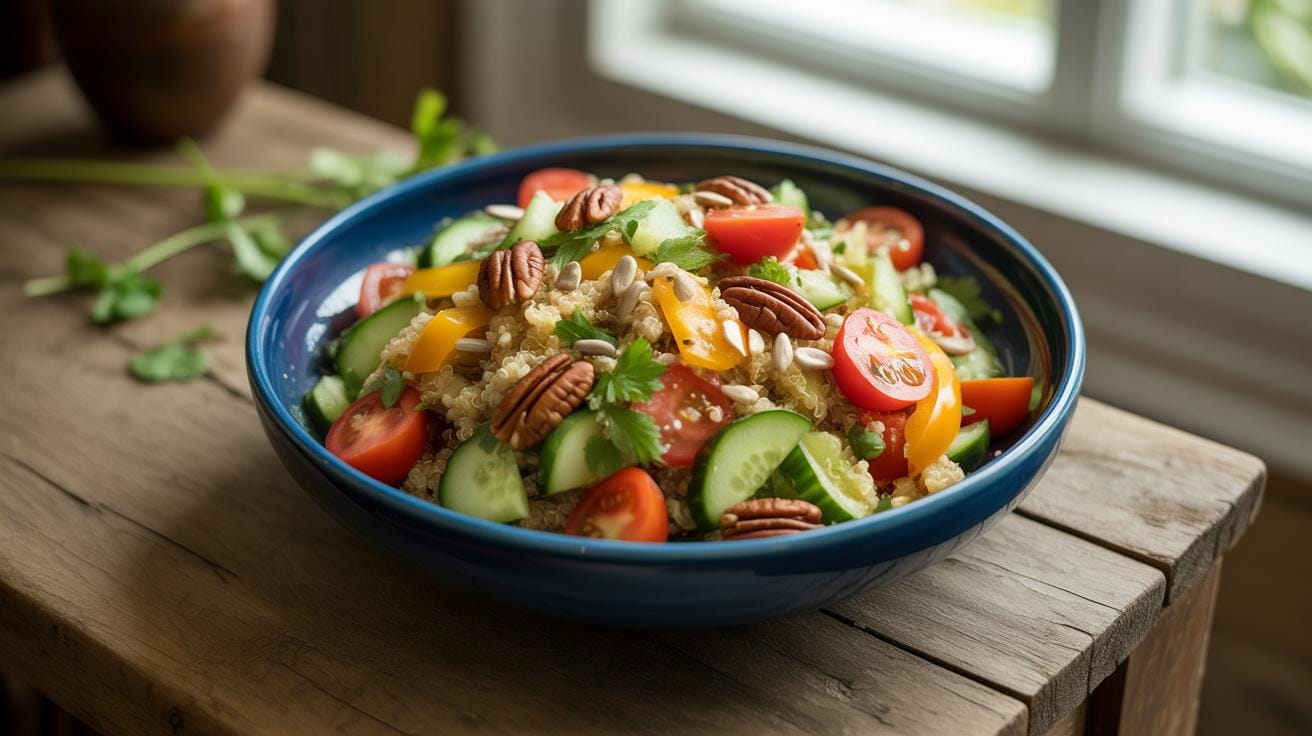
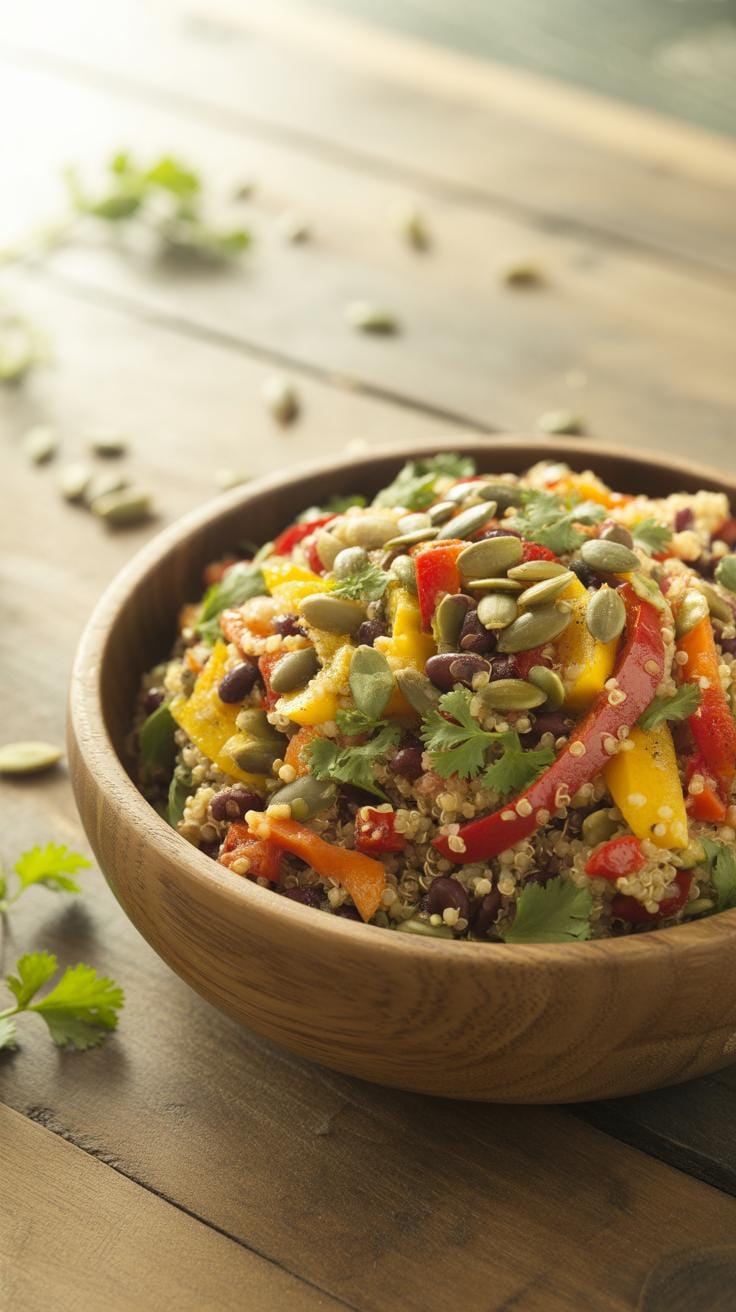
For lunch, consider a quinoa salad tossed with roasted veggies, chickpeas, and a lemon-tahini dressing. This meal feels fresh but holds enough energy to get you through busy afternoons. It’s quick to make, especially if you roast extra veggies the day before.
Dinner can be as simple as grilled salmon with steamed broccoli and a sweet potato. The omega-3s in the salmon support brain function, and sweet potatoes add fiber plus a bit of sweetness to round it out. Sometimes, I find roasting the broccoli adds a nice crispness that steaming misses.
If you’re short on time, a stir-fry with tofu, bell peppers, snap peas, and brown rice gets you a balanced dinner fast. It covers the bases with protein, fiber, and color, all in one pan. It’s not fancy, but it’s reliable for staying on track with wholesome eating.
Measuring Your Nutrition Progress

Tracking how your body reacts to changes in nutrition can feel a bit tricky at first. You might notice some shifts right away, or it could take weeks—maybe even a month—to really see patterns. Focusing on energy, mood, and physical health gives you practical clues about what’s working or what might need tweaking. It’s not always about the numbers; sometimes it’s the little things, like feeling less sluggish after lunch or waking up a bit brighter.
Journaling Your Meals and Feelings
Keeping a food journal is surprisingly helpful. Writing down what you eat alongside how you feel afterward—whether it’s energized, tired, or somewhere in between—can reveal connections you might miss otherwise. You don’t have to be super detailed, just noting basic meals and quick mood checks can do the trick. Over time, you might spot that certain foods lift your spirits while others drag you down, or that meals rich in protein keep you fuller longer and more focused.
Using Health Metrics
Simple health metrics provide concrete feedback, but they don’t tell the whole story. Think about things like:
- Body weight—though it’s a narrow measure and can fluctuate for many reasons.
- Sleep quality—are you falling asleep faster? Staying asleep longer?
- Daily energy levels—maybe rate them on a scale from one to ten.
These can feel a bit mechanical, but they anchor your experience. I found that tracking sleep alongside meals helped me realize how some snacks interfered with restful nights. What you choose to monitor depends on what feels relevant to your goals and your lifestyle. Maybe start small, then adjust as you learn more about how your body responds.
Shopping Tips for Holistic Foods
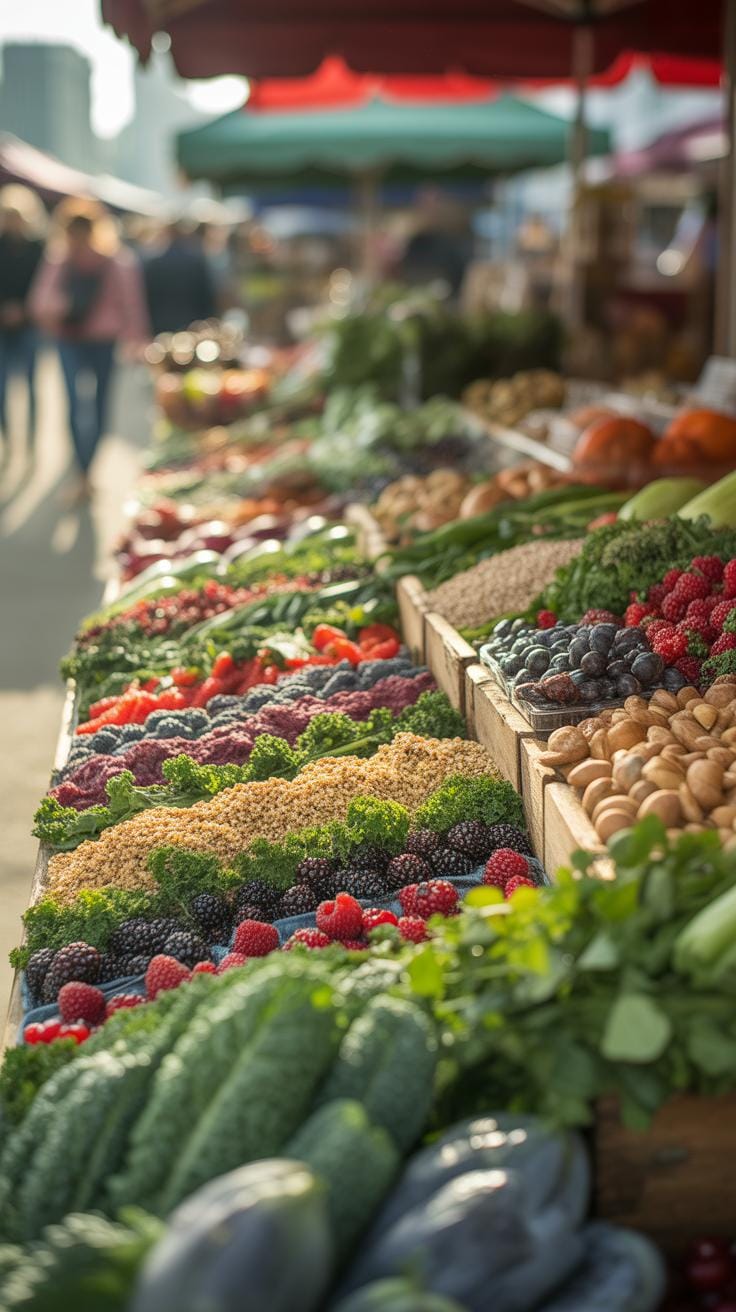
Shopping for fresh, whole foods doesn’t have to drain your wallet, even if you’re aiming to avoid processed or artificial ingredients. Sometimes, it’s about shifting how you shop rather than spending more. For example, choosing staples like dried beans, whole grains, and seasonal vegetables can stretch your budget and boost nutrition.
Try planning meals around what’s on sale or abundant at the farmer’s market instead of fixed grocery lists. It might feel a bit spontaneous, yet you often end up with tastier and more nutrient-dense options. Also, don’t overlook frozen fruits and veggies; they can be just as wholesome and sometimes cheaper.
When you’re at the store, remember these pointers:
- Focus on the perimeter of the store where fresh produce, dairy, and meats usually are.
- Pick whole fruits and vegetables over pre-cut or pre-packaged ones—even if they take a bit more prep time.
- Buy larger portions of basics like nuts or grains and portion them yourself to save money and avoid unnecessary additives.
These small changes might feel inconvenient at first but tend to pay off over time—in your health and your bank account.
Reading Labels Efficiently
Labels can be overwhelming, but you don’t have to read every word or get lost in technical jargon. Start by looking for short ingredient lists with recognizable words. If you stumble across unpronounceable additives or a long stream of chemicals, that’s usually a sign to put the item back.
Keep an eye out for hidden sugars and sodium—they show up in surprising places. Names like dextrose or sodium benzoate might slip past you if you don’t stay alert. Sometimes, even products marketed as “natural” pack in fillers and preservatives, so it’s not always straightforward.
Here’s a quick checklist to remember when scanning labels:
- Ingredients you can identify without Googling
- No artificial colors, flavors, or preservatives
- Minimal or no added sugars and salts
- Whole grains mentioned early in the ingredient list if present
I find it helps to turn the package and read the list twice—once casually, then again more carefully. It sounds tedious but gets easier with practice.
Seasonal and Local Food Benefits
Buying seasonal produce isn’t just a trend—it often means better flavors and fresher nutrients. When fruits and veggies grow naturally in their season, they usually have higher vitamin content compared to those forced to ripen off-season or shipped from faraway places.
Local foods reduce the miles your meal travels to get to your plate, which can mean lower carbon footprints and less packaging. There’s also a subtle connection to the community and economy—supporting local farmers can feel rewarding in a way that supermarkets don’t quite offer.
That said, local doesn’t always mean perfect. Some regions have limited seasonal variety, so you might find yourself eating more of one thing than another. Still, it nudges us toward eating with the earth’s rhythms, which I think is a subtle but meaningful step for holistic wellness.
Meal Planning for a Week of Wellness
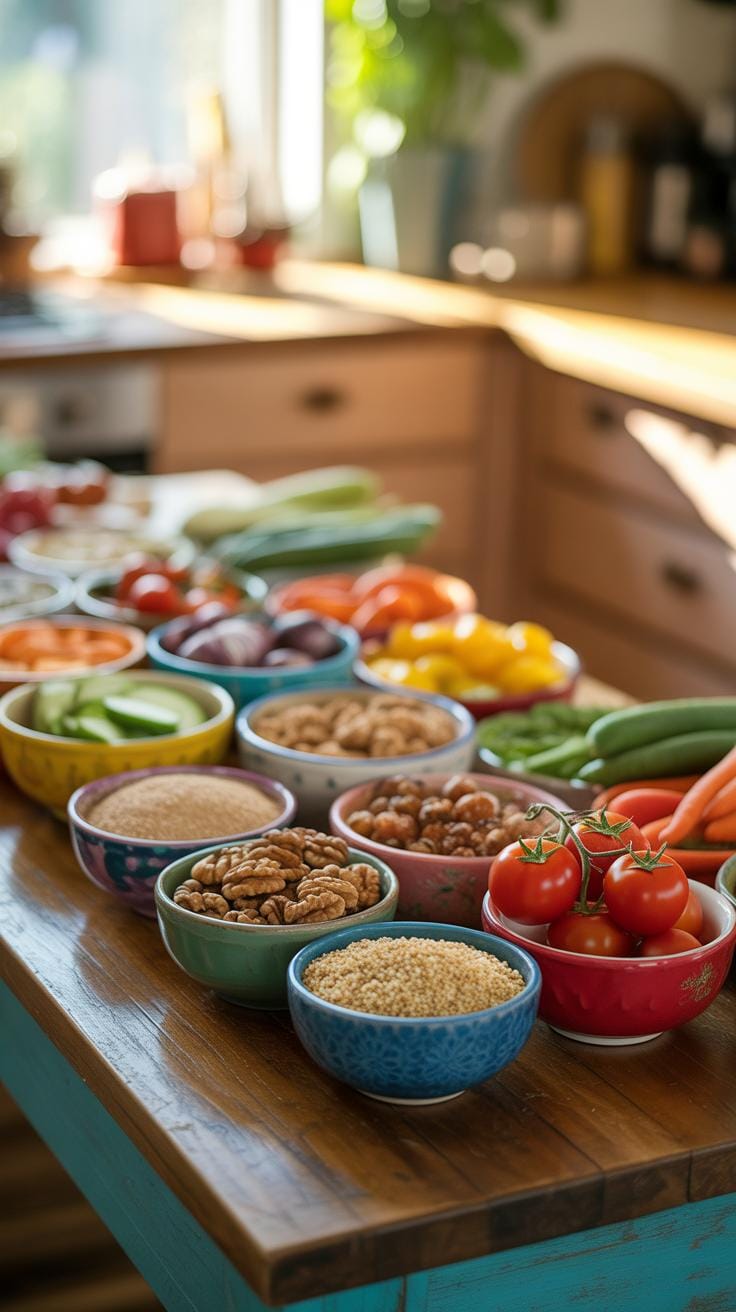
Planning meals with holistic nutrition in mind can feel a bit overwhelming at first. You want to honor your body’s needs without adding stress, right? The trick is to aim for balance over perfection and build enough flexibility so your plan can bend when life happens. Start by listing a few go-to meals that cover different food groups—think veggies, whole grains, healthy fats, and lean proteins. Keep some variety but don’t overcomplicate things; repeating meals midweek isn’t just okay, it can actually reduce decision fatigue.
Consider your week ahead: are there days when you’ll have less time to cook? Plan simpler meals then, and reserve a few ingredient-heavy dishes for days when you’re more relaxed. It’s also good to toss in some no-cook or assemble-at-the-last-minute options. These little adjustments prevent the whole plan from feeling rigid or overwhelming.
Creating a Flexible Meal Plan
Building a meal plan that suits your lifestyle starts with honesty about what you realistically can do each day. Ask yourself:
- How much time can I dedicate to cooking daily?
- Which meals do I prefer homemade, and when is grabbing a quick snack better?
- What flavors or ingredients do I feel like eating this week?
Once you have those down, draft your meals loosely. For example, Monday’s dinner might be “something with roasted veggies and a grain,” not “roasted sweet potatoes and quinoa salad.” This leaves room to swap based on availability or cravings. Keep breakfast and snacks simple with a few favorites you can rotate.
Also, don’t hesitate to build in leftovers intentionally. Cooking bigger portions twice a week can save time and reduce the pressure to cook from scratch every night. I remember one rushed week when having a large pot of lentil stew waiting in the fridge spared me from peeling back on my nutrition goals.
Grocery List and Prep Schedule
Your grocery list should flow directly from your flexible meal plan. Grouping items by category helps—but here’s the catch—you want to shop what’s fresh and seasonal, even if that nudges your plan a bit. So, an adaptable list is the goal, allowing swaps for in-season produce or specials.
Preparing your meal prep schedule can make all the difference in stress levels. Try to set aside 1-2 blocks of time for batch cooking or chopping/prepping ingredients. Maybe Sunday afternoon for washing and slicing vegetables, then Wednesday night for cooking proteins or grains. This breaks the work into manageable bites and keeps fresh meals within reach.
One small tip I found useful is to keep pre-portioned containers handy. When you prep snacks or salad components in advance, it’s easier to grab and go without skipping healthy choices. It may take a couple of weeks to find your rhythm, but once you do, your week of wellness feels a bit more under control—even on hectic days.
Addressing Your Unique Nutrition Needs
Customizing Holistic Nutrition for Your Age, Health, and Lifestyle
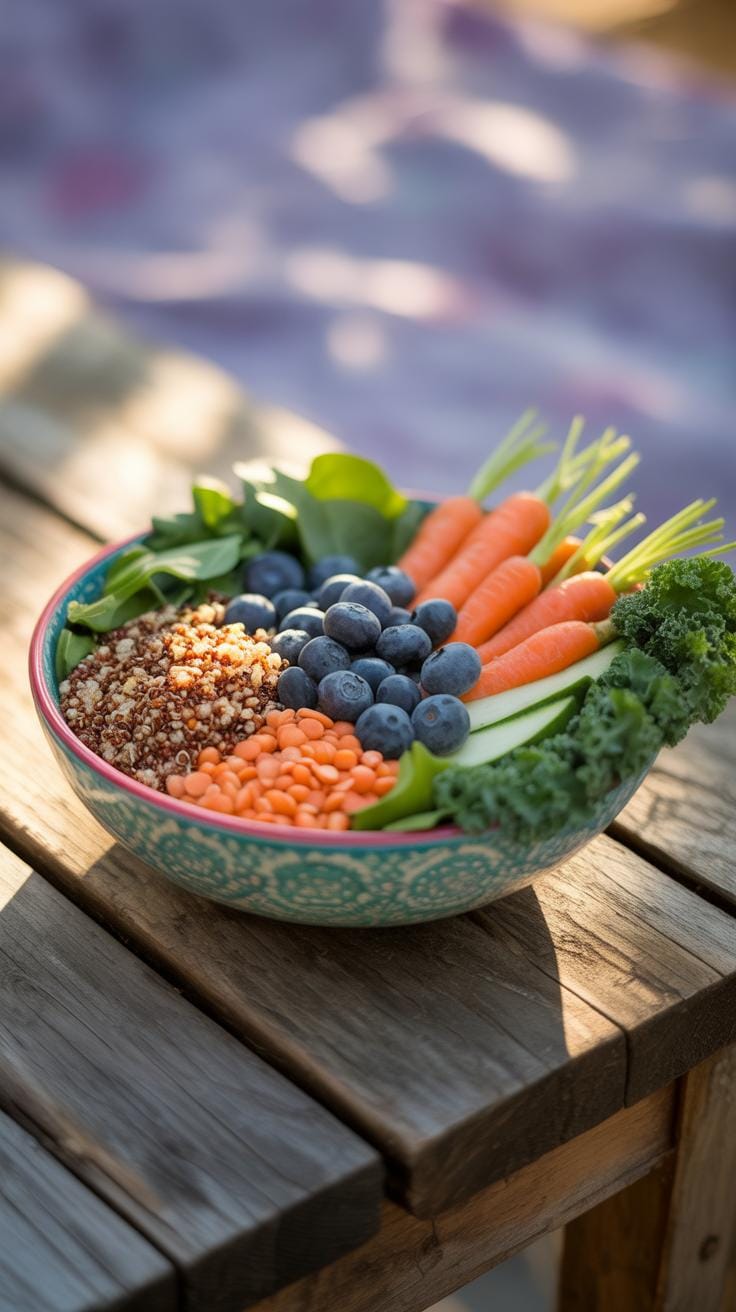
What works for one person might not quite fit another, especially when it comes to holistic nutrition. Your age, for example, shifts your nutrient demands—what fuels a teenager is different from what supports someone in their sixties. Older adults often need more calcium and vitamin D to protect bone health, while younger folks might focus on iron and protein during growth spurts.
Health conditions add another layer. If you struggle with blood sugar issues, your meals might lean toward steady fiber and balanced carbs. Or, for someone managing inflammation, including more omega-3 fats could make a difference. Lifestyle also plays a big role. Are you sitting at a desk most days or moving frequently? Each requires a different approach to energy and nutrient intake.
Figuring out your unique needs means paying attention to how your body reacts. It’s not a one-size-fits-all. Maybe you notice more sluggishness without enough iron or digestive changes when you skip fiber-rich foods. Your personal experience guides subtle tweaks as much as expert opinions do.
Adjusting Meals to Activity Levels
Being active or mostly sedentary changes what kind of meals feel right. If you’re very active—running, cycling, or working physically—your body demands more calories and protein to repair and energize muscles. Meals should reflect that: denser in nutrients and possibly more frequent.
On the other hand, if you spend most days sitting, your energy needs shrink. Overdoing heavy meals could leave you feeling sluggish or tired. You might focus more on nutrient quality, including plenty of vegetables and lean proteins that don’t overload you but still support overall health.
Sometimes, it’s tricky. Maybe your activity level changes weekly. Adapting gradually might work best—more carbs after an intense hike but lighter meals on rest days. Listening to your hunger signals can help balance your intake without overthinking.
Modifying Recipes for Food Sensitivities
Food sensitivities complicate eating, but they don’t mean you have to lose out on variety or nutrition. If you’re allergic or intolerant to common ingredients like gluten, dairy, nuts, or soy, many recipes can be adjusted without losing much flavor or value.
Try swapping cow’s milk with oat or almond milk, or use gluten-free grains like quinoa instead of wheat. If nuts are off-limits, seeds can often fill the gap. Spices and herbs add interest without triggering reactions.
Some find that cooking methods help; fermenting or soaking foods might reduce certain sensitivities. It’s a bit trial and error, but most holistic recipes are flexible enough to accommodate—allowing you to nourish your body without unnecessary restrictions.
Conclusions
Eating with holistic nutrition helps you connect with your body’s needs. By choosing foods that support all parts of your life, you create meals that help keep you strong and well. The recipes and tips shared here show that eating healthy can be simple and enjoyable.
Remember, the key is balance. Try to include whole foods, fresh ingredients, and a mix of nutrients in your daily meals. This approach will support your health and wellness in the long run.