

Understanding a Balanced Diet Chart
A balanced diet chart is a guide to help you include the right amounts of food from different groups in your daily meals. It ensures your body gets all the nutrients it needs like proteins, carbohydrates, fats, vitamins, and minerals. Following such a chart supports your energy levels, immunity, and overall health.
This article covers the essentials for using a balanced diet chart effectively. It explains what a balanced diet includes, why it matters to your health, and how you can create one tailored to your needs. You’ll find easy steps to plan your meals and practical tips for sticking to a healthy eating routine.
Basics of Food Groups in a Balanced Diet


A balanced diet draws from several main food groups, each playing a distinct role in keeping your body functioning well. The core groups include proteins, carbohydrates, fats, fruits, and vegetables. Balancing these helps meet your nutritional needs without overloading any one aspect.

Proteins help build and repair tissues—think muscles and skin. Carbohydrates give you energy to move through your day, though not all carbs are equal; some provide steady fuel, others cause quick spikes. Fats often get a bad reputation, but your body needs them for hormone production and absorbing certain vitamins.
Then there’s fruits and vegetables, which may seem simple but deliver a complex mix of vitamins, minerals, and fiber you can’t get elsewhere. They add bulk to your diet and help digestion, too, which often gets overlooked. You might feel you’re eating enough fruits and veggies, but do you vary them enough to cover different nutrients?
Sometimes, it feels tricky to keep everything balanced. You wonder if adding too much protein sidelines other groups or if choosing the right fats matters. The truth is, balance means mixing all these groups thoughtfully, not avoiding any completely.
Proteins, Carbohydrates, Fats Explained
Proteins serve as building blocks—muscle repair, immune function, enzymes, the works. Foods like chicken, tofu, beans, and eggs are rich sources. I remember trying to up my protein intake once and realizing it’s not just about meat; lentils and nuts count, too.
Carbohydrates primarily fuel your brain and muscles. Whole grains like brown rice, oats, and quinoa offer slow-burning energy. White bread and sugary snacks supply quick energy but can leave you feeling drained later. Ever notice how a snack high in sugar might give you a burst—and then a crash?
Fats are crucial for cell health and absorbing vitamins A, D, E, K. Think avocados, olive oil, nuts, seeds, and fatty fish like salmon. It’s tempting to cut fats entirely when dieting, but they’re necessary. The trick is choosing unsaturated over saturated fats most of the time.
Why Fruits and Vegetables Are Important
Fruits and vegetables are more than just fillers on your plate. They provide key vitamins like C and K, minerals like potassium and magnesium, plus fiber that supports digestion and stabilizes blood sugar levels. I often remind myself that variety matters—carrots won’t cover everything the way peppers or spinach might.
Eating a rainbow of fruits and veggies ensures you get a broad spectrum of nutrients. For example:
- Oranges and strawberries deliver vitamin C for immune support.
- Leafy greens pack calcium and iron, often overlooked minerals.
- Sweet potatoes offer beta-carotene, which your body converts to vitamin A.
There’s also the simple fact that fruits and vegetables help control calorie intake while providing bulk. You might wonder if juices count—sometimes they do, but eating whole fruit is usually better for fiber intake and feeling full.
Why You Need a Balanced Diet Chart

Following a balanced diet chart impacts your health in more ways than you might think. It doesn’t just improve your day-to-day energy or help with maintaining weight; it actually supports essential body functions that quietly work behind the scenes. When your meals include the right mix of carbohydrates, proteins, fats, vitamins, and minerals, your organs can operate more smoothly. For example, your brain functions better with consistent glucose supply, while your muscles rely on proteins to repair and grow. That blend—if you stick to it—makes a noticeable difference in how you feel and perform.
Sometimes, people overlook the subtle but persistent benefits of a balanced diet. You might find yourself less prone to mood swings or physical fatigue. The immune system gets stronger, reducing the chances of frequent colds. In some weeks, you won’t even realize how much your body is thriving because these things accumulate over time.
Preventing Nutrient Deficiencies
There’s a reason so many health issues stem from nutrient shortages. Iron deficiency leads to tiredness, calcium gaps cause brittle bones, and lack of vitamin D can weaken immunity. These deficiencies don’t appear overnight but creep in quietly, and you might not notice them until symptoms become severe. A balanced diet chart is designed to cover diverse nutrient needs by integrating different food groups. By following it regularly, you essentially build a safety net against missing out on key vitamins and minerals.
Think about common slip-ups like relying too much on processed foods or skipping veggies. These habits narrow your nutrient intake without you realizing it. A balanced diet chart pushes you to include a variety of foods, which makes it less likely that your body goes hungry for essential nutrients. This can mean the difference between feeling sluggish and feeling energized.
Supporting Energy and Growth
Energy isn’t just about the calories you consume. It’s about how those calories come packed—and how your body uses them. A balanced diet chart helps distribute your energy needs throughout the day with smart portions of carbs for fuel, proteins for repair, and fats for long-lasting stamina. Especially for children, teenagers, or anyone recovering from illness, this type of nutrition supports both growth and healing.
When you don’t balance your intake, you might feel drained quickly or experience slow recovery after exercise. That’s because your body depends on consistent nourishment to rebuild tissues and stay alert. I recall times when missing just one or two nutrient groups left me feeling off—stomach troubles or mental fog. The right diet helps avoid those dips, keeps you moving, and supports the complex work inside your body that you don’t often notice.
Steps to Create Your Diet Chart

Planning a balanced diet chart isn’t just about listing foods—it’s really about tailoring each choice to what your body needs, which can feel a bit daunting at first. Start by figuring out your daily calorie needs. Age, activity level, and even your general health all play a part. For example, a sedentary person will require fewer calories than someone who’s on their feet or exercising most days.
Next, break those calories down into the right nutrients—carbs, proteins, fats, vitamins, and minerals. This means looking beyond just numbers and thinking about quality too—are you getting enough fiber or healthy fats? That’s the tricky part where many charts fall short.
When choosing foods, think of variety. Don’t rely on a single vegetable or protein source. For instance, mix leafy greens and root vegetables, swap between chicken, legumes, and fish, and balance out grains with whole options. This mix makes it easier to hit those goals without feeling stuck.
Putting it all together, it might look like:
- Calculate calories based on personal factors (age, weight, activity).
- Assign calorie portions to carbs, protein, and fats.
- Pick foods across groups to fulfill these macros and micronutrients.
- Adjust as you go along; your needs and tastes might shift.
Does this seem overwhelming? Maybe, but bite-sized steps help, and you’ll learn what feels right for you over time.
Checklist for Balanced Meal Planning
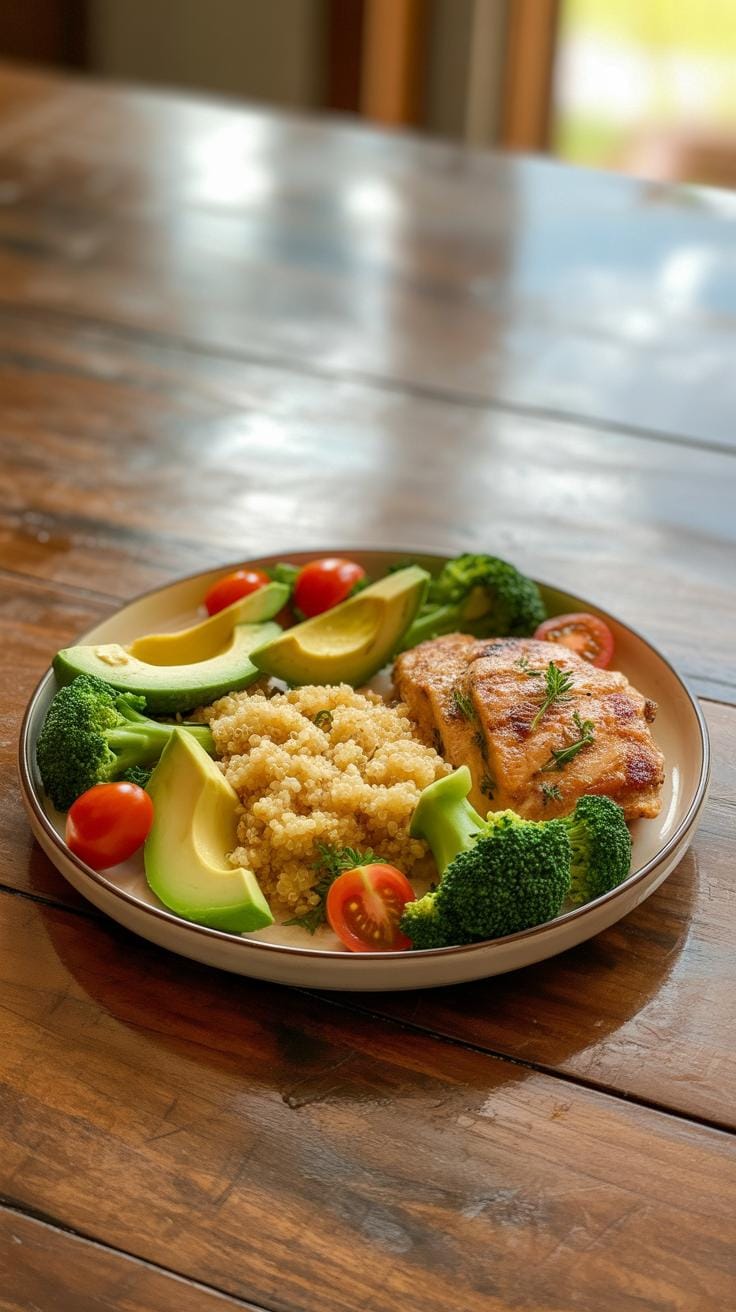
When preparing meals from a balanced diet chart, having a clear checklist can make meal planning less overwhelming. First, aim to include a range of food groups each day. Think whole grains like brown rice or quinoa, lean proteins such as chicken, beans, or tofu, plenty of vegetables, and some fruit. Don’t forget healthy fats from sources like nuts or olive oil—they’re often overlooked but essential.
Color plays a surprisingly big role here. Including different colors on your plate not only makes meals visually appealing but usually means you’re getting a mix of nutrients. For example, a vibrant salad with red tomatoes, orange carrots, green spinach, and purple cabbage covers a spectrum of vitamins and antioxidants. Have you noticed how meals that look dull also tend to be less satisfying? Variety can keep your appetite engaged.
When it comes to items to avoid or limit, watch out for added sugars and excess salt. They creep in easily—ketchup, snack foods, canned soups are common culprits. Cutting back on processed foods is equally helpful. Ready-made meals might save time but often contain preservatives and unhealthy fats that don’t contribute to real nourishment. You might find it tricky at first, but trying to cook from scratch even a few times a week can make a big difference.
Comparing Balanced Diet Charts for Different Lifestyles

Diet Charts for Kids Versus Adults
Children and adults have different nutritional demands, and diet charts reflect those needs in noticeable ways. Kids require nutrients that support rapid growth and brain development, like calcium, iron, and certain vitamins, while adults focus more on maintaining muscle mass, managing weight, and preventing chronic diseases.
For instance, a child’s diet chart might emphasize more whole milk and protein sources for bone growth, while adults reduce saturated fats and add more fiber for digestion. The portion sizes differ wildly too—kids eat less but need quality calories densely packed with nutrients. Sometimes, finding that balance feels tricky; you want kids to enjoy their food but still get what they need without pushing too hard.
Active Versus Sedentary Lifestyle Charts
Physical activity changes what your body demands, and diet charts adjust accordingly. Active individuals burn more calories and need more protein and carbs for muscle repair and energy. Someone training for a marathon, for example, will have a chart rich in complex carbs and electrolytes, whereas a sedentary person’s needs tilt toward controlled calories to avoid weight gain.
You might notice that active lifestyle charts suggest frequent meals or snacks to keep energy steady. Sedentary charts lean toward balanced meals less about energy bursts and more about sustaining basic metabolic functions. It makes you wonder—can a diet designed for one lifestyle really work if you suddenly change your activity level without changing your eating habits? Probably not, which is why these charts aren’t one-size-fits-all.
Common Mistakes in Following Diet Charts

Skipping Meals or Food Groups
Many people think skipping meals will help them lose weight faster or improve health, but often it backfires. Missing a meal can slow down your metabolism and cause energy dips that make it harder to focus or stay active. Plus, skipping food groups—say, cutting out all carbs or fats—can leave gaps in your nutrition that affect your mood, immunity, or even digestion over time.
You might feel you’re doing something “good” by avoiding certain foods, but the body needs a balance. Think about calcium or fiber; if you skip dairy or fruits, you miss those. Over time, these gaps add up. Instead, try spreading your intake evenly and including smaller portions of different food groups rather than omitting them entirely. If skipping seems necessary, maybe because of appetite or schedule, it should be occasional and planned, not regular.
Relying Too Much on Supplements
Supplements often seem like a convenient fix—take a pill and get your vitamins done. But the truth is, whole foods offer more than isolated nutrients. They come with fiber, other micro-nutrients, and natural compounds that work together, and that synergy can’t be captured in a capsule. For example, an orange provides vitamin C, fiber, and flavonoids, which a supplement tablet can’t fully replace.
That said, there are cases when supplements help—like vitamin D in less sunny climates or B12 for strict vegans. Yet, relying on supplements as the main source of nutrients can make you miss the bigger picture of a varied diet. So, supplements should be yours as a backup or support, not your primary approach. It’s a fine line, though, and sometimes people jump into supplements without checking if they really need them, which may not be helpful or could even cause imbalances.
Easy Balanced Recipes to Try at Home

Creating simple, balanced meals at home doesn’t need to be complicated or time-consuming. You can prepare dishes that combine essential nutrients without overthinking every ingredient. For example, a quick stir-fry with chicken, broccoli, and brown rice covers protein, fiber, and carbs—all in one pan. Or think of an omelet filled with spinach and a side of whole-grain toast paired with a piece of fruit. These meals fit well within a balanced diet chart, offering variety without fuss.
Sometimes I find myself stuck, wondering if I’m getting enough veggies or if my portions are right, but most days, aiming for a mix of colors on the plate seems to work. It’s less about perfect tracking and more about aiming for balance across meals.
Healthy Breakfast Ideas
Breakfast sets the tone, though it doesn’t have to be elaborate. Try oatmeal topped with nuts and berries—it gives you carbs, protein, and antioxidants in one go. Another good option is Greek yogurt with sliced banana and a sprinkle of flaxseeds. If you prefer something savory, a slice of whole-grain bread with avocado and a boiled egg hits carbs, good fats, and protein simultaneously.
Personally, I find that combining carbs and proteins helps me stay full longer, but I sometimes skip fruit—it’s odd because I know fruits add fiber and vitamins, yet my morning routine often feels rushed. Maybe it’s just me, but a quick, balanced bite truly makes a difference.
Nutritious Lunch and Dinner Plans
For midday or evening meals, balancing portions matters. A plate divided roughly into half vegetables, a quarter lean protein, and a quarter whole grains seems practical. Imagine grilled salmon with quinoa and steamed asparagus, or a chickpea salad with mixed greens and a whole wheat pita. You get different food groups, textures, and nutrients without struggling to mix everything.
When cooking for dinner, I sometimes wonder if I should add more carbs or skip them altogether. It’s tricky because some days I feel like I need energy; other times, lighter meals work better. So, adjusting based on how you feel might be the key rather than strict rules.
Tracking Your Progress With a Diet Chart
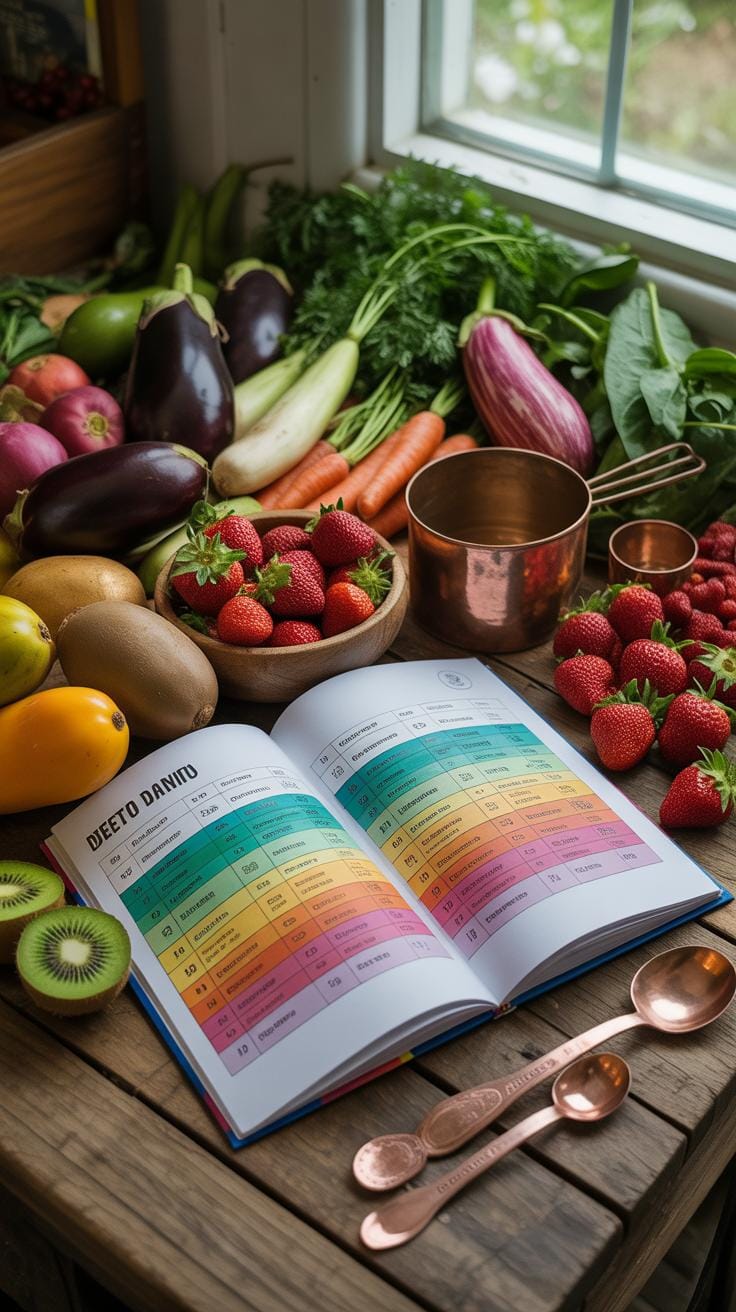
Keeping track of what you eat can be surprisingly revealing. Writing down everything you consume helps you spot patterns—maybe you eat more snacks late at night than you thought, or your meals lack enough protein some days. A simple food diary, whether on paper or an app, works well. Try noting what you eat, when, and even your hunger levels or cravings at those times. It might feel tedious at first but stick with it for at least a week—that’s when the real insights start to show.
Besides the numbers and lists, pay attention to how your body reacts. Are your energy levels more stable? Do you find yourself less irritable or foggy during the day? These subtle shifts can indicate your diet is on the right track—or whether it needs tweaking. Sometimes, you might notice good days and bad days, which could hint at what foods suit you best. Tracking mood and vitality alongside your meals adds another layer to understanding how your diet supports you—or doesn’t.
It’s worth asking yourself occasionally: how does this meal make me feel afterward? Is my energy up or crashing? Mood uplifted or drained? Such questions turn a diet chart into a personalized guide, not just a list of do’s and don’ts. Over time, you may discover that progress isn’t linear or perfect, but moments of clarity in your records will help you adjust and keep moving forward.
Adapting Your Diet Chart Over Time

Changes Due to Age or Activity
Your diet chart can’t stay the same forever. As you grow older or change how active you are, your nutritional needs shift. For example, kids require more calcium and protein for growth, while older adults might need more fiber and vitamin D for bone health. If your job goes from desk-bound to physically demanding, your calorie and nutrient intake should reflect that.
Sometimes you won’t notice the need to adjust until you feel tired or sluggish. Maybe your metabolism slows as you age, and overeating small portions might cause weight gain. This is a sign you might need to rethink your diet rather than just eat less. Or when you begin exercising regularly, a bit more carbohydrates and protein can support your efforts.
Keep an eye on how you feel day-to-day and don’t hesitate to tweak your meals. But don’t expect a perfect formula—it often takes experimenting to find what works for your current life stage.
Responding to Health Conditions
New health issues can suddenly require changes in your diet chart. If diagnosed with diabetes, for example, you’d need to cut back on sugars and refined carbs. High blood pressure might mean reducing salt and processed foods. Sometimes it’s not obvious at first how much adjustment is necessary, especially when symptoms are mild.
It’s common to feel overwhelmed or confused when changing your eating habits to accommodate health problems. Start small: swap out certain ingredients, add foods that support healing, or reduce portions of problem foods. Consulting a healthcare professional can help—but listening to your body is key too.
Remember, your diet isn’t set in stone. It’s a guide that should react as your health does. If something feels off, revising your daily plan could make a real difference.
Tools That Help Maintain Balanced Diets

Keeping track of what you eat and making sure it ticks all the boxes can be tricky. Luckily, some tools are designed just for this—helping you plan, monitor, and adjust your meals as needed. You might find that using an app or even a simple printed chart makes you more mindful. At least, that’s been my experience when I tried logging meals daily.
Nutrition Apps for Meal Tracking
Apps can offer a convenient way to keep everything in one place without much fuss. For instance, MyFitnessPal lets you scan barcodes for quick entry. It breaks down calories, protein, fat, and carbs, which is handy if you want specific numbers rather than vague guesses.
Then there’s Lose It!, similar but with a more user-friendly interface—sometimes that small difference makes you stick with it longer. Cronometer goes deeper, focusing more on micronutrients too, if you’re curious about your vitamin or mineral intake.
These apps also let you set goals and see weekly reports. What surprised me is how seeing your progress in charts can push you to stay consistent—or, well, remind you when you haven’t logged meals, which is helpful, even if a bit naggy.
Printable Templates and Charts
If digital isn’t your thing, printed templates offer a straightforward alternative. You can find meal planners that outline breakfast, lunch, dinner, and snacks with space for notes. Sometimes, writing things down feels more real, more tangible.
For example, a weekly chart that highlights food groups or hydration goals can keep you aware of gaps—maybe you’re not getting enough greens or drinking enough water. I once used a simple grid format and realized I was overlooking certain nutrients just because I wasn’t paying close attention.
Many free templates online can be customized to your needs. It’s worth trying out a couple to see what fits your lifestyle best. The slower pace of writing by hand also lets you reflect on choices rather than quickly tapping an app and moving on.
Conclusions
A balanced diet chart serves as a useful tool to guide your food choices each day. By understanding the key foods and nutrients your body requires, you can plan meals that support energy, growth, and well-being. Following a proper balance also helps prevent nutrient deficiencies and chronic diseases.
Creating and following a balanced diet chart takes some effort to tailor it to your lifestyle and preferences. Once set, it can make healthy eating simpler and more manageable. Keeping meals varied and nutrient-rich will promote lasting wellness and success in your diet goals.