
Supporting Liver Health Through Diet
Keeping your liver healthy is vital for overall wellness. The liver plays a key role in processing nutrients, detoxifying harmful substances, and supporting metabolism. What you eat directly affects how well your liver works. This article offers a clear checklist to help you pick the right foods and meals for your liver’s health.
We’ll cover what makes a diet good for the liver, foods to include, those to skip, and sample meal ideas. You will also learn how simple diet steps can support liver function. This practical approach fits easily into your daily routine for lasting benefits.
What the Liver Does in Your Body


Your liver has quite a few jobs, many of which quietly keep your body ticking without much notice. It processes everything you eat and drink, turning nutrients into forms your body can use. It also stores certain vitamins and minerals—like iron and vitamin A—ready to release them when your body needs them.

It makes bile, which helps break down fats for digestion. It also helps regulate blood clotting and supports your immune system by removing bacteria from your bloodstream. You might not realize it, but your overall wellness depends heavily on the liver doing its work well.
Without a healthy liver, your body struggles with nutrient balance, blood regulation, and waste processing. It makes you wonder—what subtle signals does your body send when your liver isn’t keeping up?
Role of Detoxification and Metabolism
The liver acts like a filter, breaking down harmful substances in food, alcohol, and drugs. It converts toxins into waste products that your body can safely eliminate. This detox process is continuous but varies greatly from person to person, depending on diet, environment, and genetics. So, it’s not just about avoiding toxins; it’s about supporting this filtering system.
Besides filtering, the liver is central to metabolism. It processes carbohydrates, fats, and proteins, turning them into usable energy or storage forms. It also helps regulate blood sugar levels by balancing glucose storage and release, which most of us don’t think about until it becomes a problem.
So, when people say “detox,” they usually mean supporting this liver function. But should detox be a regular part of your diet or just when you feel sluggish? The answer might not be as simple as some claims suggest.
How Liver Health Impacts Energy
Your liver’s role in converting nutrients affects how much energy your body can make. Problems with liver function can lead to fatigue or low energy that isn’t easily explained by other causes. It’s like your internal battery isn’t charging properly.
When the liver struggles, glucose regulation falters. This affects energy spikes and drops, mood swings, and overall vitality. I’ve noticed that on days when I neglect balanced meals, I feel drained quickly—perhaps not just because of what I’m eating but how well my liver is handling it.
Beyond energy, liver health also impacts hormone levels and immune function, which can leave you feeling off in ways that seem unrelated. It really makes you question how deeply interconnected your liver is with every part of your day-to-day health.
How to Choose LiverFriendly Foods
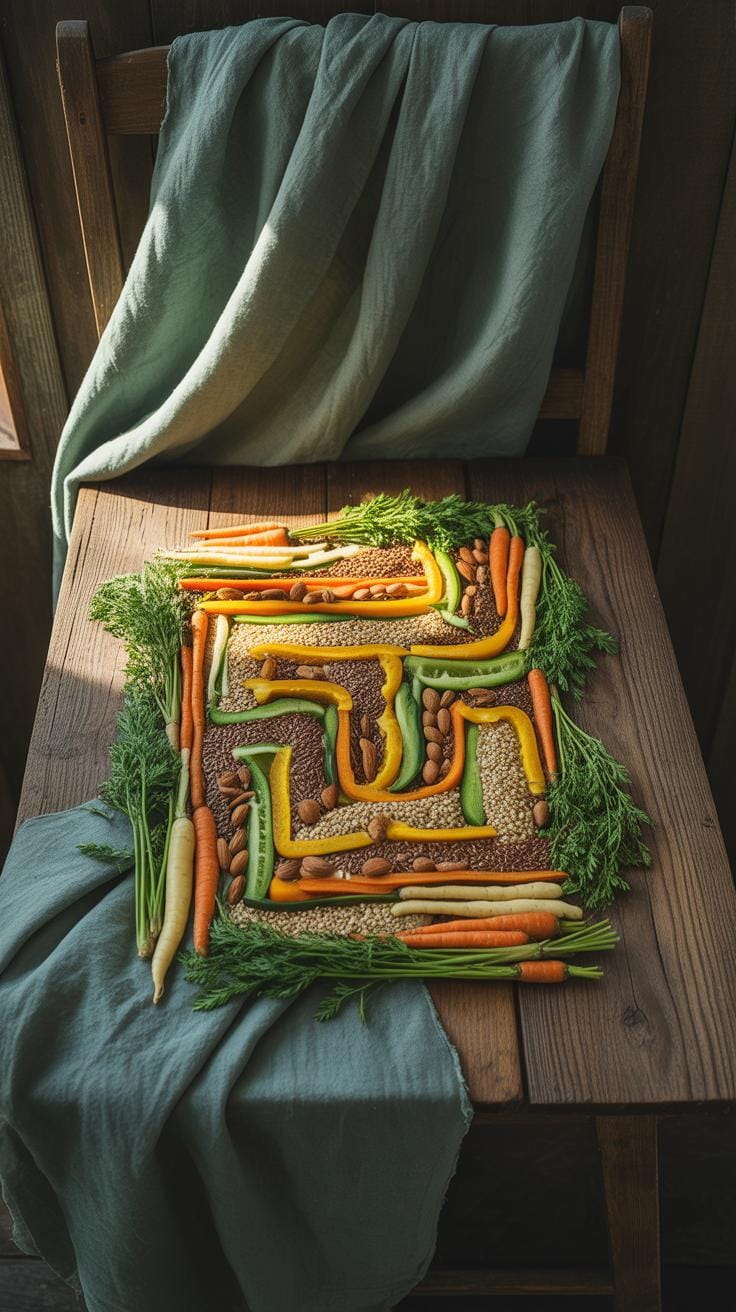
Choosing foods that support your liver can feel a bit overwhelming at first. But when you pay attention to the nutrient content, things start to become clearer. The liver thrives on antioxidants, fiber, and compounds that reduce inflammation. Foods rich in these can help your liver work better, perhaps even reduce the risk of damage over time.
Think about incorporating:
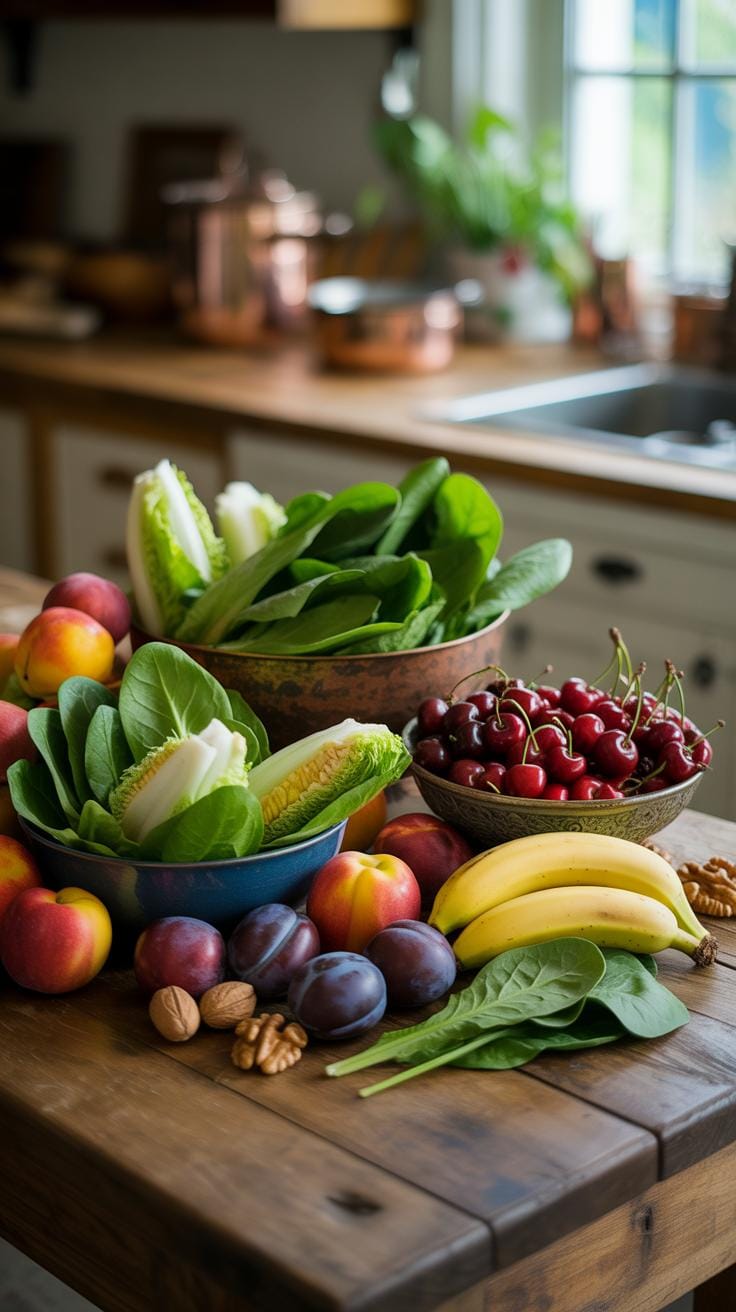
- Leafy greens like spinach and kale – loaded with chlorophyll, they may help neutralize toxins.
- Cruciferous vegetables such as broccoli and Brussels sprouts – they boost enzymes that help flush out harmful substances.
- Fatty fish like salmon – packed with omega-3s, known to lower liver fat levels and inflammation.
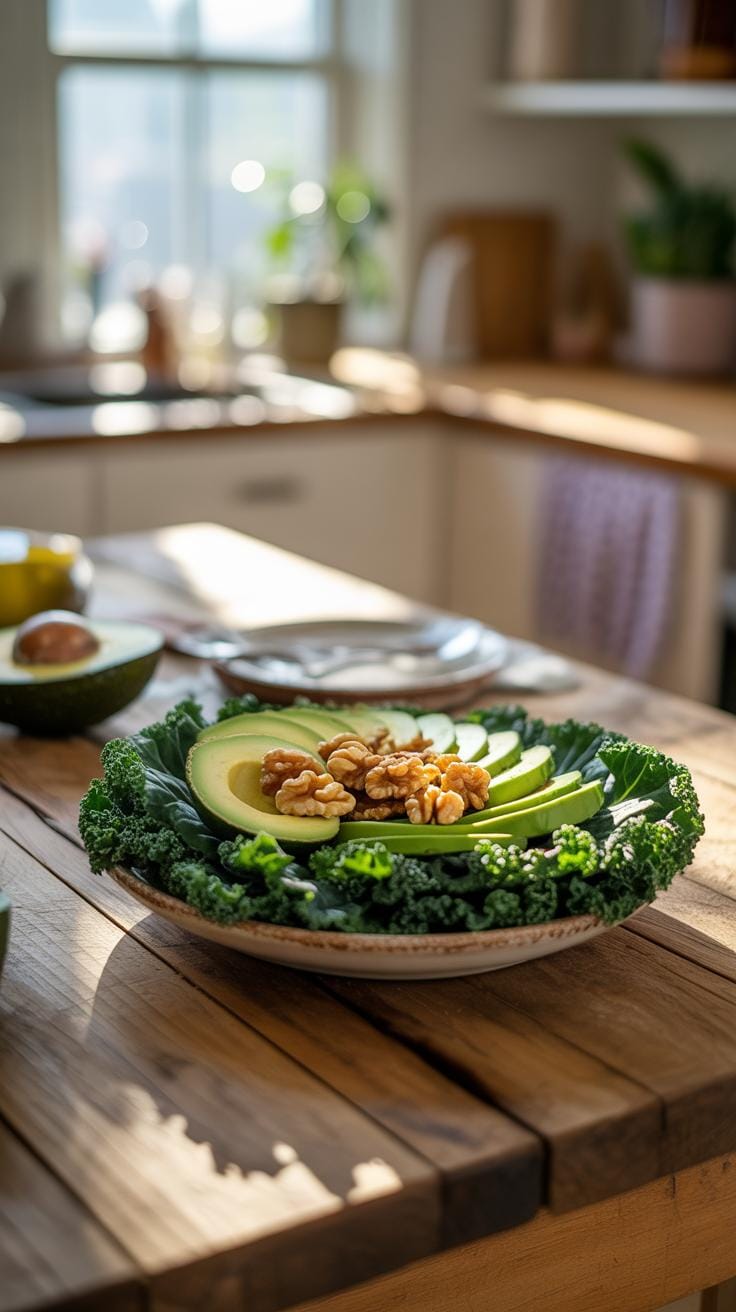
- Nuts, especially walnuts – containing healthy fats and amino acids that support detoxification.
- Garlic – it can activate liver enzymes and contains selenium, an essential mineral for liver health.
It’s tricky, though. Some foods praised for liver benefits might not work for everyone. So, listening to your body matters.
Key Vitamins and Minerals for Liver Care
Your liver needs certain nutrients to stay strong and do its job properly. Vitamins like A, D, E, and especially B-complex play key roles. The B vitamins, for example, help with energy production and repair processes within the liver.
Minerals such as zinc, selenium, and magnesium are also critical. Selenium acts as an antioxidant defender, while zinc is involved in enzyme function that breaks down toxins. Magnesium helps reduce inflammation and supports overall liver metabolism.
It’s interesting—sometimes people focus so much on one vitamin or mineral they forget the balance between them is what really counts.
Examples of Liver-Boosting Fruits and Vegetables
Fruits and vegetables aren’t all equal when it comes to liver support. Some stand out thanks to their unique nutrient profiles. For instance:
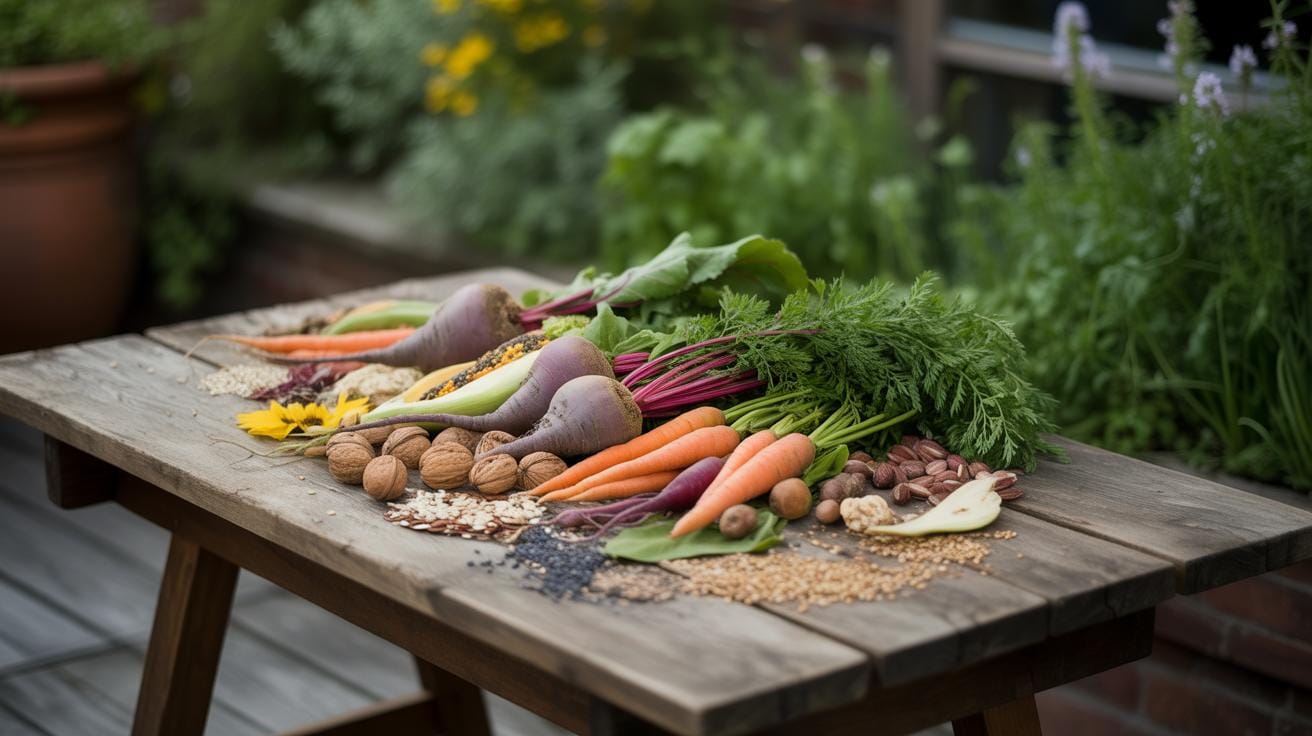
- Beets – high in betalains, which may reduce inflammation and oxidative stress in the liver.
- Avocados – rich in healthy fats and glutathione precursors that aid digestion and detox.
- Blueberries and cranberries – full of antioxidants that protect liver cells.
- Carrots – loaded with beta-carotene, helpful in liver detoxification.
- Apples – their pectin content helps bind toxins and supports digestion.
These examples don’t guarantee a magic effect, but including them regularly can gently encourage better liver function. Have you noticed any particular fruit or veggie that seems to improve how you feel? Sometimes, the liver shows subtle feedback you might not immediately recognize.
Which Foods Harm Your Liver
You might be surprised how many everyday foods quietly stress your liver. It doesn’t just react to obvious toxins. The liver processes nearly everything you consume, so certain foods can clog its pathways or cause inflammation over time.
Think about processed foods—they often carry hidden chemicals and preservatives. These can trigger low-grade liver damage because the organ has to work extra hard breaking them down. Trans fats, often lurking in store-bought snacks or fast food, build up fat deposits in liver cells. This can slowly lead to fatty liver disease, even if you don’t feel sick right away.
High intake of saturated fats also plays a role. Eating too much fatty red meat or full-fat dairy can overload your liver and contribute to insulin resistance, which worsens liver health. It’s not just obvious junk food—it’s also about how these fats accumulate silently.
Alcohol is a well-known enemy, but sugary drinks can sneak under the radar. Regular consumption of sodas or sweetened fruit juices forces your liver to process excessive fructose. This overload can speed up fat buildup and cause inflammation, similar to alcohol’s impact in some ways. Some people believe fruit juices are harmless—perhaps because they’re “natural”—but that’s misleading in liver terms.
Consider how alcohol affects your liver’s ability to regenerate. Over time, heavy drinking damages liver cells and limits their recovery, which might lead to scarring or cirrhosis. Meanwhile, sugary drinks can promote oxidative stress, making it harder for your liver to filter toxins effectively.
In short, cutting back on processed, fatty foods, plus reducing alcohol and sugary beverages, can give your liver a much-needed break. It’s worth asking: which habits are quietly wearing down your liver? If you’re unsure, looking closely at your diet is a good place to start.
Sample Meal Plan for Liver Support
Starting your day with liver-friendly foods can feel straightforward if you focus on simple, natural ingredients. Think oatmeal topped with walnuts and fresh blueberries—a combo rich in fiber and antioxidants that your liver just might thank you for. Or maybe try a smoothie blending spinach, banana, and a small scoop of flaxseed; it’s mild but packed with nutrients that help detoxification.
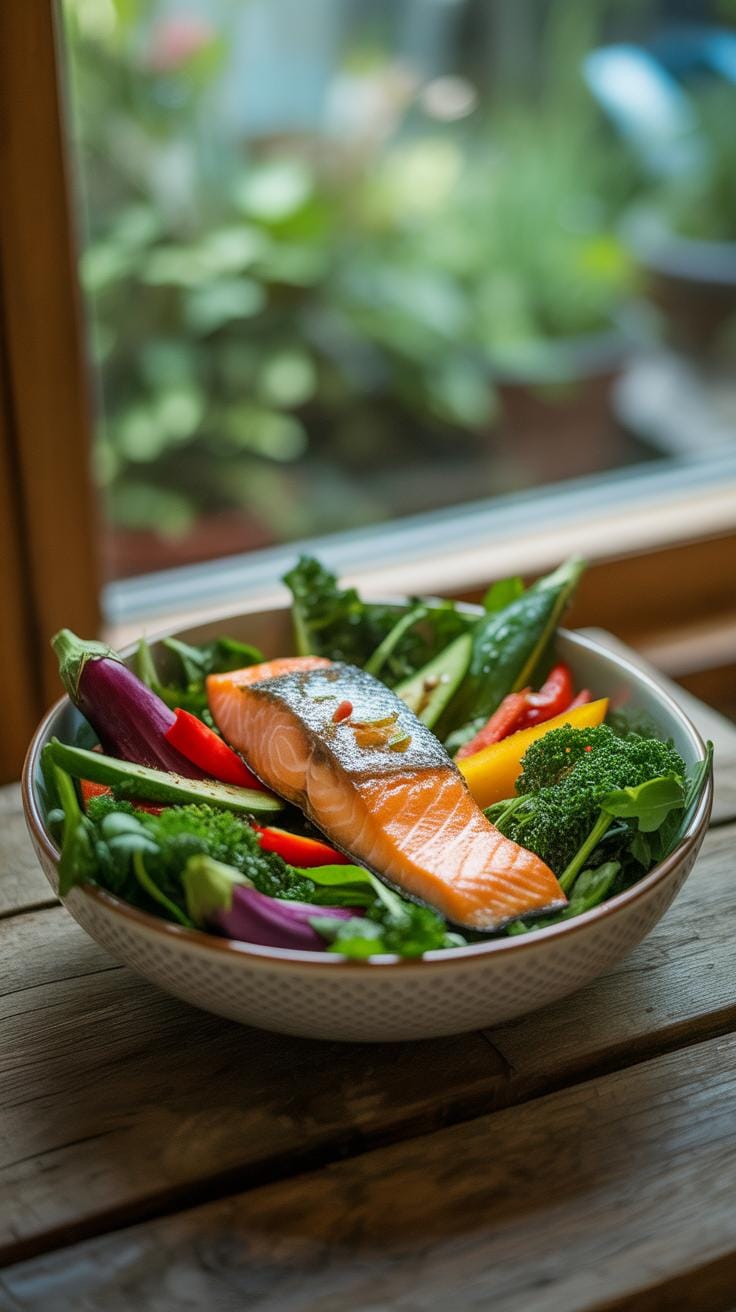
For lunch, a mixed green salad with grilled salmon and a light lemon-olive oil dressing works wonders. The fish provides omega-3 fatty acids, which some studies suggest can reduce liver inflammation. Consider tossing in beets or carrots for some extra vitamins and a touch of sweetness.
Dinner could be a stir-fry with broccoli, garlic, and tofu or lean chicken, served over brown rice. Broccoli has compounds that seem to support liver enzyme activity, and garlic is often talked about for its cleansing properties, even if the science isn’t crystal clear. Either way, it’s a meal that feels nourishing, and not too heavy before bedtime.
Does this kind of plan sound too repetitive or bland? You might be surprised how small swaps in veggies or proteins make a big difference. The key really lies in simplicity, variety, and avoiding processed foods that drag your liver down.
Daily Habits to Boost Liver Function
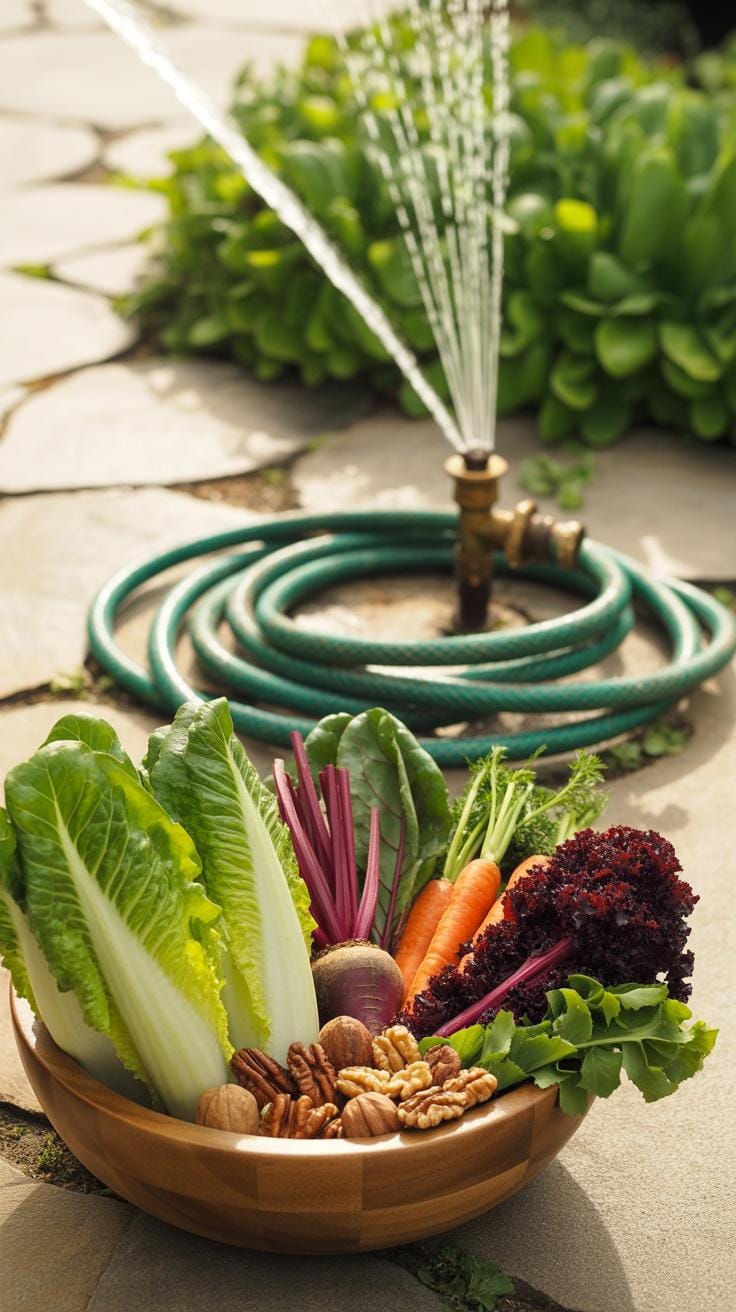
Keeping your liver in good shape requires more than just watching what you eat. Your daily activities play a big role, sometimes in ways you might overlook. Simple things like managing stress can impact liver health – chronic stress may subtly affect how your liver processes toxins and fats. I’ve noticed that when I’m stressed, I tend to skip exercise or drink less water, which doesn’t help either.
Sleep matters too. The liver does a lot of its repair work at night, so irregular or insufficient sleep can disrupt this process. Trying to stick to a consistent sleep schedule might be more helpful than you think.
And while it sounds almost too simple, regular movement really supports the liver. Even a daily walk can improve circulation and help your body flush out waste that the liver has processed. You don’t need intense workouts; just stay active enough to keep things moving.
Importance of Hydration and Exercise
Water is critical for liver support. It helps flush toxins, but also aids in breaking down fats that the liver processes. Sometimes people don’t realize they’re dehydrated because they feel ‘okay,’ but over time, less water equals more stress on the liver. I try to remind myself to drink a glass of water every hour—it’s not perfect, but it’s a start.
Exercise, on the other hand, doesn’t just burn calories. It can reduce fat buildup around the liver, especially important if you’re concerned about fatty liver disease, which can sneak up quietly. Even modest physical activity improves insulin sensitivity, helping prevent the metabolic issues that weigh down the liver. So, something as small as a 30-minute walk can actually make a difference.
Avoiding Toxins in Everyday Life
Many everyday products expose your liver to harmful substances without you realizing. Common offenders include overuse of painkillers like acetaminophen, excessive alcohol, and chemicals found in some cleaning products or personal care items. These can strain your liver’s processing capacity.
Even air pollution can play a role, which is frustrating since it’s not always easy to control. Maybe consider using air purifiers indoors or avoiding heavily trafficked areas when possible. Some household items also release volatile organic compounds that your liver has to deal with.
One thing I find challenging is balancing convenience with toxicity risks. You might think, “Is this product safe?” The truth is, it depends on frequency and exposure. Minimizing them where you can, like choosing natural cleaning products or limiting alcohol, usually helps more than you’d expect.
Tracking Your Liver Health Progress
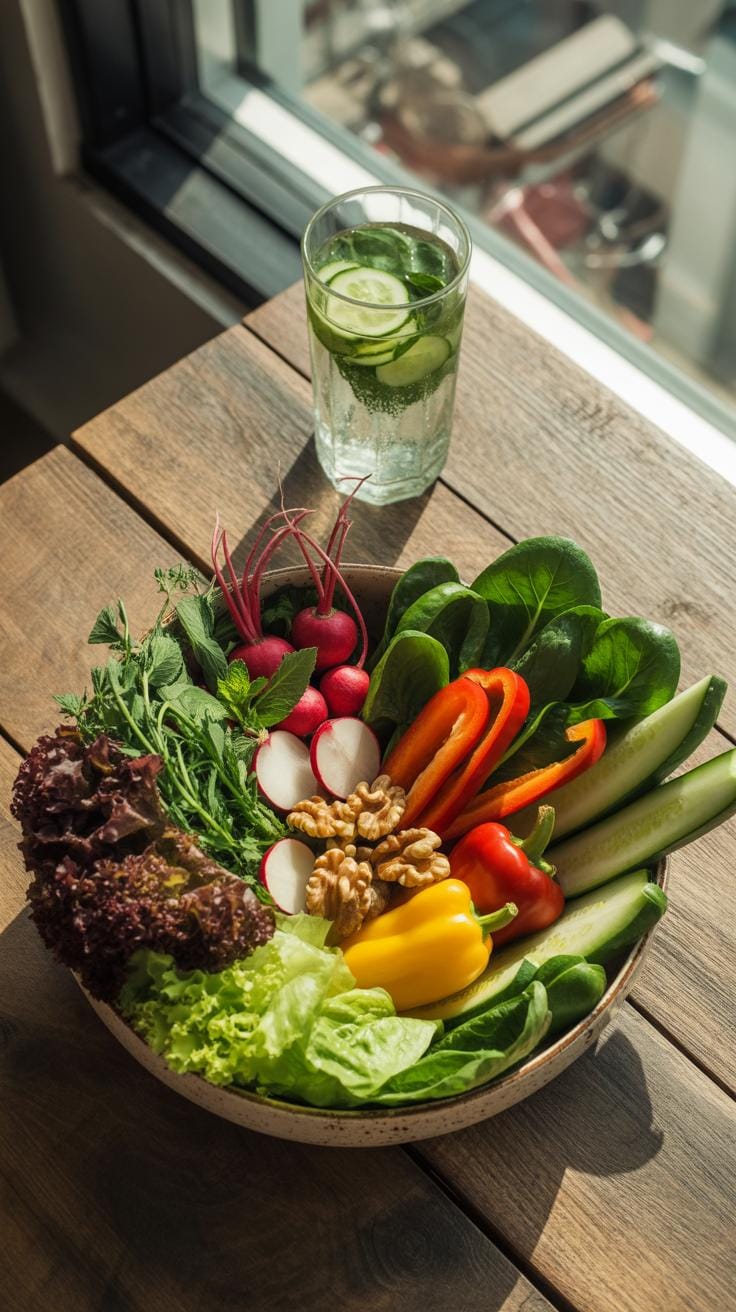
Keeping an eye on your liver health means more than just feeling well one day and ignoring odd symptoms the next. You have to pay attention over time, watching for changes you might not notice at first. Routine blood tests are usually the best way to do this. Doctors often check specific liver enzymes in your blood, but what exactly do these tests show? Maybe there’s more to understanding your liver’s story than just numbers on a chart.
Common Liver Function Tests Explained
There are a few tests you’ll see regularly:
- ALT (Alanine Aminotransferase): Elevated levels often suggest liver damage. This enzyme leaks out when liver cells get injured.
- AST (Aspartate Aminotransferase): Similar to ALT, but higher AST might also relate to other organ issues, not just the liver.
- ALP (Alkaline Phosphatase): High amounts can mean bile flow problems or bone disease, but it’s often checked for liver health.
- GGT (Gamma-glutamyl Transferase): This one points to liver or bile duct issues, especially if other enzyme levels are high too.
- Bilrubin: A buildup in blood can show your liver is struggling to process waste, causing that classic yellow skin or eyes.
- Albumin and Total Protein: These reflect how well your liver produces essential proteins. Low levels? The liver might not be doing its job well.
Each test gives part of the puzzle about your liver’s current function. But it’s rarely black and white, and test results fluctuate with many factors.
Signs of Improving or Declining Liver Health
Tests aside, how do you feel? Some symptoms can hint at whether your liver is healing or worsening. Watch for these cues:
- Less fatigue and mental fog could mean your liver clears toxins better.
- Reduced bloating or swelling around your abdomen might suggest decreased fluid retention.
- Fewer episodes of nausea or digestive upset often align with improved liver function.
- If jaundice—yellowing of skin or eyes—starts resolving, that’s a hopeful sign.
- On the flip side, new or worsening pain in your right upper abdomen could signal trouble.
- Persistent itching, dark urine, or pale stools may indicate bile flow problems.
- Notice unexplained weight changes or increasing bruising? These might warrant a closer look.
Still, symptoms are tricky. Some people feel fine even with serious liver issues, and others report discomfort with normal results. So, balancing test results with what you actually experience is key here. Have you noticed any subtle changes in your daily energy or digestion over the past months? Those might be worth tracking next time you see your healthcare provider.
Liver Diet Checklist Process
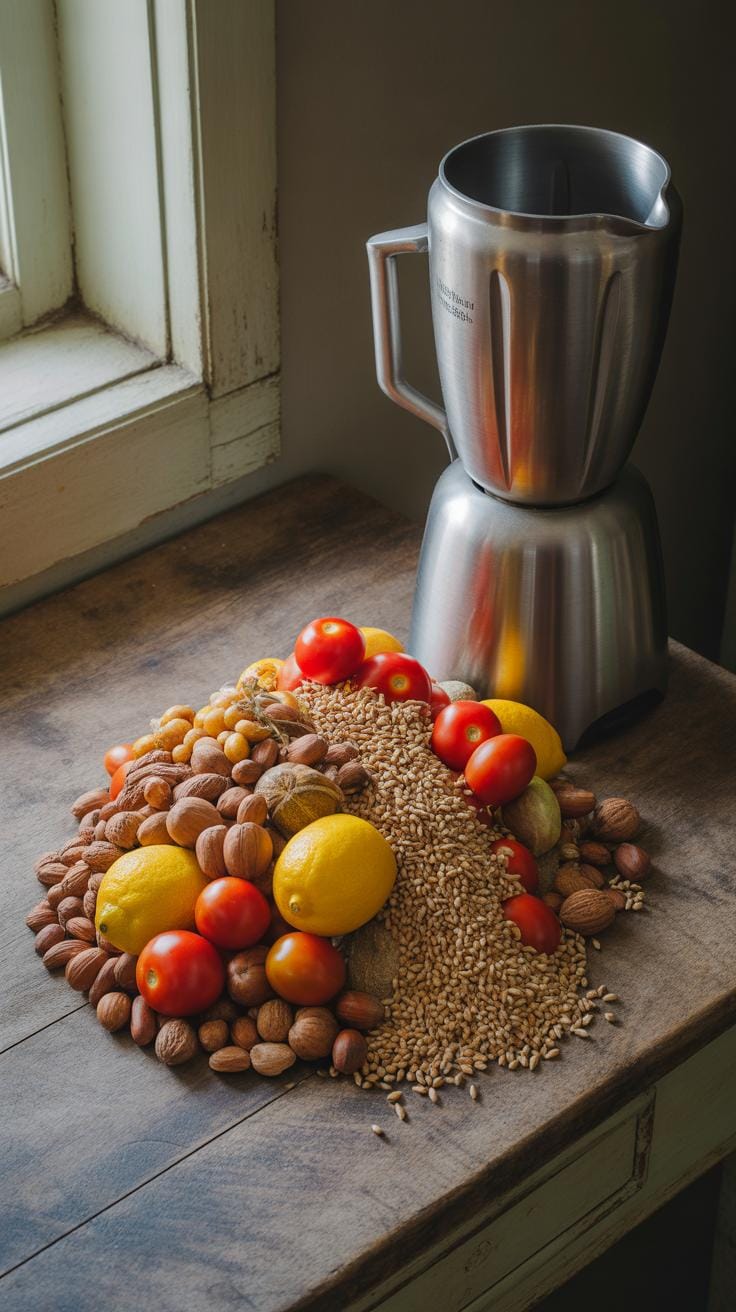
Planning a liver-friendly diet might feel a bit overwhelming at first, but breaking it down step-by-step makes it manageable. Start by setting clear, simple goals — like incorporating more vegetables or cutting back on processed foods.
Next, review your current eating habits to spot places for small changes. Maybe you drink sugary drinks often, or perhaps you skip breakfast too much. These clues help tailor your plan.
Then, create a weekly meal plan focused on whole, unprocessed foods. Include plenty of leafy greens, fresh fruits, and lean proteins. Avoid saturated fats and excess salt when possible.
Remember to hydrate well. Water supports liver detoxification, so track your daily intake.
Accountability matters: consider journaling or using apps to record meals and moods. This can highlight patterns and temptations that derail you.
Finally, build in flexibility. Life isn’t rigid. It’s okay to slip up occasionally or try new recipes for variety.
Shopping List Essentials
You want to fill your cart with foods that give your liver a break. Here’s a solid list to get you started:
- Fresh leafy greens (spinach, kale, arugula)
- Cruciferous veggies (broccoli, Brussels sprouts, cauliflower)
- Fresh fruits (berries, apples, oranges)
- Whole grains (quinoa, brown rice, oats)
- Lean proteins (chicken breast, turkey, tofu, legumes)
- Healthy fats (olive oil, avocados, nuts)
- Herbs and spices (turmeric, ginger, garlic)
- Low-fat dairy or dairy alternatives
- Green tea or herbal teas
- Plenty of filtered water
It might surprise you how refreshing plain water can be after ditching sodas and sugary drinks. Seeing this list reminds me some of these staples barely made my diet before, and yet they’re easy to work in once you get started.
Daily Meal Tracking Tips
Tracking meals doesn’t need to be cumbersome to be useful. I found jotting down just key meals and snacks in a simple notebook works well, even though apps offer more detail.
Focus on noting what you ate, approximate portions, and how you felt afterward. This can expose hidden triggers or lapses that tend to sneak in.
Try to review your entries weekly. Look for patterns where you often stray off your liver-friendly path. Are you more prone to overeat at night? Or does skipping breakfast lead to poor choices later?
Also, keep a glance on hydration and caffeine intake as those affect liver load too.
Remember, this isn’t about perfection but awareness. The more you notice, the better you can adjust without feeling like it’s a chore.
Comparing Liver Diet Options
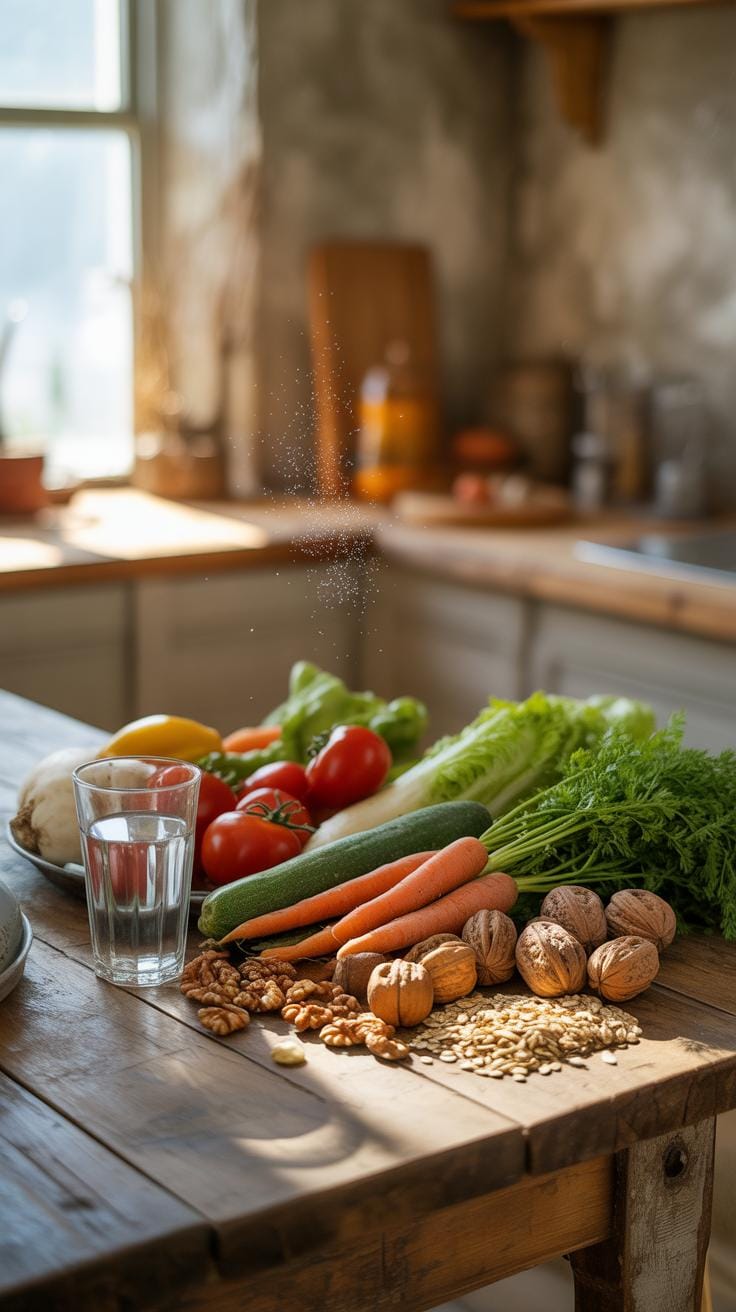
When it comes to caring for your liver through diet, a few different approaches stand out. You’ve probably heard of plant-based diets and mixed diets, but how do they really stack up against each other? Also, supplements often get thrown into the conversation. Are they worth considering or just an extra expense? Let’s break this down.
Plant-Based vs Mixed Diets for Liver Care
A plant-based diet focuses mostly on fruits, vegetables, whole grains, nuts, and legumes, steering clear of animal products. Many people find this kind of diet helps reduce inflammation and improve liver enzyme levels. The fiber and antioxidants from plants support liver detoxification, and it can aid in weight management too.
Yet, some folks might struggle with getting enough protein or certain nutrients like vitamin B12 or iron without some animal products. That’s where mixed diets come in. Mixed diets include lean meats, fish, dairy, and plants. They can offer a more balanced nutrient profile, which some find easier to maintain long-term.
But here’s a catch: mixed diets could include processed or fatty meats—which don’t do much good for the liver. So, it’s less about the category and more about food choices within that category. You could have a plant-based diet loaded with sugary snacks and still harm your liver, or a mixed diet focused on wholesome ingredients and do fine.
Role of Supplements in Liver Diets
Supplements enter the scene when food alone might not cover everything. Milk thistle, for instance, is often touted for liver support. Some people report feeling better liver function after taking it, though the scientific evidence is mixed at best. Same goes for vitamins like D and E—they can be helpful if you’re deficient, which isn’t unusual given modern diets.
But supplements aren’t magic bullets. They shouldn’t replace whole foods, and their effectiveness varies. For people with existing liver conditions, certain supplements might interfere with medications or cause side effects. It’s a bit of a balancing act, and you’ll want to talk to a healthcare provider before starting anything new.
Ultimately, your best bet is a diet centered on natural, minimally processed foods. Supplements can fill gaps but aren’t a substitute for sound eating habits. Sometimes I wonder if relying too much on pills gives a false sense of security when we should just focus on what’s in our plates.
RealLife Success Stories
Personal Stories of Liver Health Improvement
Take Rachel, for instance. She struggled with fatty liver disease for years, feeling sluggish and often overwhelmed by her symptoms. When she gradually shifted to a diet rich in leafy greens, whole grains, and lean proteins, things slowly changed. She noticed less bloating, more energy, and her doctor’s scans showed improvement over a year. It wasn’t an overnight miracle but steady, small steps that mattered.
Then there’s James, who once relied on processed foods and sugary snacks. After learning about liver-friendly meals, he started swapping soda for herbal teas and introduced more antioxidant-rich berries in his diet. His liver enzyme levels dropped and stayed stable for the first time in years. James said the hardest part was sticking with it at first, but once he saw progress, it felt worth the effort.
How Consistency Made a Difference
Consistency seemed to be the real game-changer for many. It isn’t just about what you eat once or twice, but about building habits that your liver can rely on. Several people shared how slipping back into old eating patterns quickly erased their gains, making them feel frustrated.
One woman noted that while weekends were tougher, maintaining healthy meals during the week helped steady her progress. Another mentioned discovering balance—treating herself occasionally but always returning to her liver-supportive diet. This push and pull occasionally felt confusing, yet it kept her motivated without feeling deprived.
Would you say sticking to a plan without occasional breaks feels sustainable? Maybe not for everyone, but hearing these stories, it’s clear that regular effort, even with small lapses, often leads to real liver health improvement over time.
Conclusions
Caring for your liver means eating with balance and thought. Including foods rich in nutrients and fiber supports liver tasks, while avoiding excessive fat, sugar, and toxins reduces strain. Simple diet changes can have a big effect on liver wellness.
Use this healthy liver diet checklist to plan meals that nourish and safeguard your liver. Staying consistent with these choices provides a strong foundation for your holistic health. Your liver works hard every day — helping it through smart food choices pays off.