

What a Balanced Diet Checklist Includes
A balanced diet checklist can guide you to choose the right foods every day to support your health and wellbeing. This checklist focuses on including a variety of nutritious foods across different food groups to meet your body’s essential nutrient needs. It helps foster healthy weight, boosts energy, and supports growth and activity.
In this article, you will learn what a balanced diet means, why it matters, and how to structure your daily meals with practical recipes. You will also find tips on avoiding common pitfalls and examples to inspire your daily meals. This guide is designed to help you make clear, informed decisions about your nutrition and meal planning.
What Makes a Balanced Diet


A balanced diet means getting the right mix of nutrients in the right amounts. It’s more than just eating fruits and vegetables; it’s about combining proteins, fats, carbohydrates, vitamins, and minerals in ways that support your body’s needs. Macronutrients—proteins, fats, carbohydrates—are your main energy providers. You can’t ignore micronutrients, though. Vitamins and minerals don’t give you calories but play crucial roles in keeping everything working smoothly.

For example, your muscles need protein to repair, carbs fuel your brain and body, fats help absorb vitamins, and minerals like calcium strengthen bones. Balancing these is tricky because individual needs vary. According to most health guidelines, about 45-65% of daily calories should come from carbs, 20-35% from fats, and 10-35% from protein. But these numbers aren’t one-size-fits-all. Your age, activity level, and even stress affect what’s ideal.
Have you ever noticed how sometimes eating too little fat made you feel sluggish, or skipping carbs left you foggy? That’s the balance people miss. So, a balanced diet means tailoring these nutrient ratios based on how your body feels and functions, not just hitting vague percentages.
Core Nutrient Groups to Include
Breaking it down helps. Here are the big five nutrient groups you should keep an eye on:
- Proteins: Build and repair tissues, support immune function. Sources: meat, fish, beans, nuts.
- Fats: Provide energy, support cell growth, help absorb vitamins A, D, E, K. Sources: olive oil, avocados, nuts, fatty fish.
- Carbohydrates: Main energy source, especially for the brain. Sources: whole grains, fruits, vegetables, legumes.
- Vitamins: Support processes like energy production and immune defense. Found in colorful fruits, vegetables, dairy.
- Minerals: Critical for bone health, nerve function, fluid balance. Found in dairy, leafy greens, nuts, seafood.
You probably know most of these but might underestimate how much variety matters. Eating a range of foods across these groups helps prevent gaps—like missing iron or vitamin C—that might sneak in unnoticed otherwise.
Calories and Portion Balance
Calories fuel everything you do, from breathing to jogging. But the amount you need isn’t fixed—it shifts with lifestyle, metabolism, and goals. If intake exceeds what you burn, weight gain follows. Too little, and energy dips or muscle wastes away.
Portion control helps avoid extremes without obsessing over numbers. Try these pointers:
- Fill half your plate with vegetables and fruits.
- Reserve about a quarter for lean proteins.
- Use the last quarter for whole grains or starchy veggies.
- Add healthy fats but keep servings modest.
For instance, a meal might be grilled chicken, quinoa, steamed broccoli, and a small drizzle of olive oil. You get protein, carbs, fibers, and fats in balanced ratios. You don’t have to weigh everything, but noticing portion sizes over time helps keep your energy balanced.
Have you tried adjusting portions and noticed how your energy or digestion responds? Sometimes eating a bit more fat or fewer carbs works better. The key is paying attention to how your body reacts rather than blindly following a rule book.
Why Balanced Meals Affect Your Health

Balanced meals matter more than you might realize. Eating the right mix of nutrients influences how your body works every day. Your energy levels, for one, can rise and fall depending on what you eat. Skipping a proper meal or relying on sugary snacks may give you a quick boost, but it rarely lasts. On the other hand, meals with proteins, fats, and carbohydrates help sustain your energy throughout the day.
Weight management is another area where balanced diets play a crucial role. Overeating or focusing too much on one food group can lead to fluctuations in weight. It’s not just about losing or gaining weight but about how your body handles fat and muscle. Unexpectedly, some people find balanced meals make them feel fuller longer, which helps prevent overeating — though this might not be the case for everyone.
When it comes to disease prevention, your diet directly impacts risks like heart disease, diabetes, and even some cancers. Eating well doesn’t guarantee immunity, but poor eating habits almost certainly increase the chances of developing chronic illnesses over time.
Roles of Nutrients in Body Functions
Your body depends on several key nutrients, each playing a different but connected role:
- Proteins: They build and repair tissues. If you’ve ever tried to rebuild muscle after a workout, protein is your go-to nutrient.
- Fats: Essential for hormone production and keeping your brain functioning properly. Not all fats are equal, but some are crucial.
- Carbohydrates: The primary energy source. Your brain actually prefers glucose from carbs, which explains those mid-afternoon slump moments without a snack.
- Vitamins and minerals: These help everything from immune defense to bone strength. Sometimes, small deficiencies can cause surprising problems, like fatigue or weak nails.
No single nutrient works alone. You might eat enough protein, for example, but without enough vitamins, your body may not process it well.
Consequences of Poor Diet Choices
Diets heavy in sugar, salt, and unhealthy fats can lead to a domino effect of health issues. Excess sugar intake, for example, often contributes to insulin resistance, which can spiral into type 2 diabetes. It’s not immediate and doesn’t happen to everyone—but it’s a risk you really can’t ignore.
High salt consumption affects blood pressure. Many don’t realize how often processed foods contain surprising amounts of salt, making it easy to overshoot recommended levels.
Unhealthy fats, such as trans fats, clog arteries and raise bad cholesterol. This increases your risk of heart attacks over time. I once tried cutting out processed snacks for a month and noticed my energy and focus improved. That was a strong reminder that what we eat shapes long-term health, not just how we feel today.
Steps to Build Your Daily Meal Plan

Creating a daily meal plan that truly supports balance isn’t just about listing foods; it’s about thought and rhythm. Start by sketching out your day with meal slots—breakfast, lunch, dinner—and maybe a couple of snacks. Don’t rush this part; think about when you feel hungry, when you need energy spikes, or even when you’re usually too busy to eat properly.
Next, focus on variety. It’s tempting to repeat favorites because, well, convenience, but your body thrives when it gets diverse nutrients. Rotate your proteins—fish, beans, lean meat—between meals, and do the same with veggies and grains. Some foods, like leafy greens or citrus fruits, you might want daily, while others, like red meat or starchy potatoes, can come in less often.
When it comes to timing, spacing meals about 3-4 hours apart usually works well to keep energy steady, but that’s not set in stone. If you’re someone who feels sluggish mid-morning, a snack could be a good idea, but don’t force it if you’re not hungry. On the other hand, too frequent snacking might dull your appetite for real meals.
Don’t forget hydration’s role in all this—water between meals can help digestion, but large volumes right before or during meals might dilute digestive juices, or so some people say. You’ll have to feel out what suits you best.
So, your checklist could look like this:
- Map out meal and snack times aligning with your daily routine.
- Include foods from all major groups each day, shifting types across days.
- Plan for 3-4 hour gaps between meals; adjust based on hunger and energy needs.
- Think about hydration timing relative to meals.
- Be flexible—sometimes life demands skipping or combining meals, and that’s okay.
Does your current schedule allow this kind of rhythm? If not, what small tweaks might help get closer? These aren’t fixed rules, just a starting point to help you tune in to what your body really needs.
Healthy Recipes for Balanced Nutrition
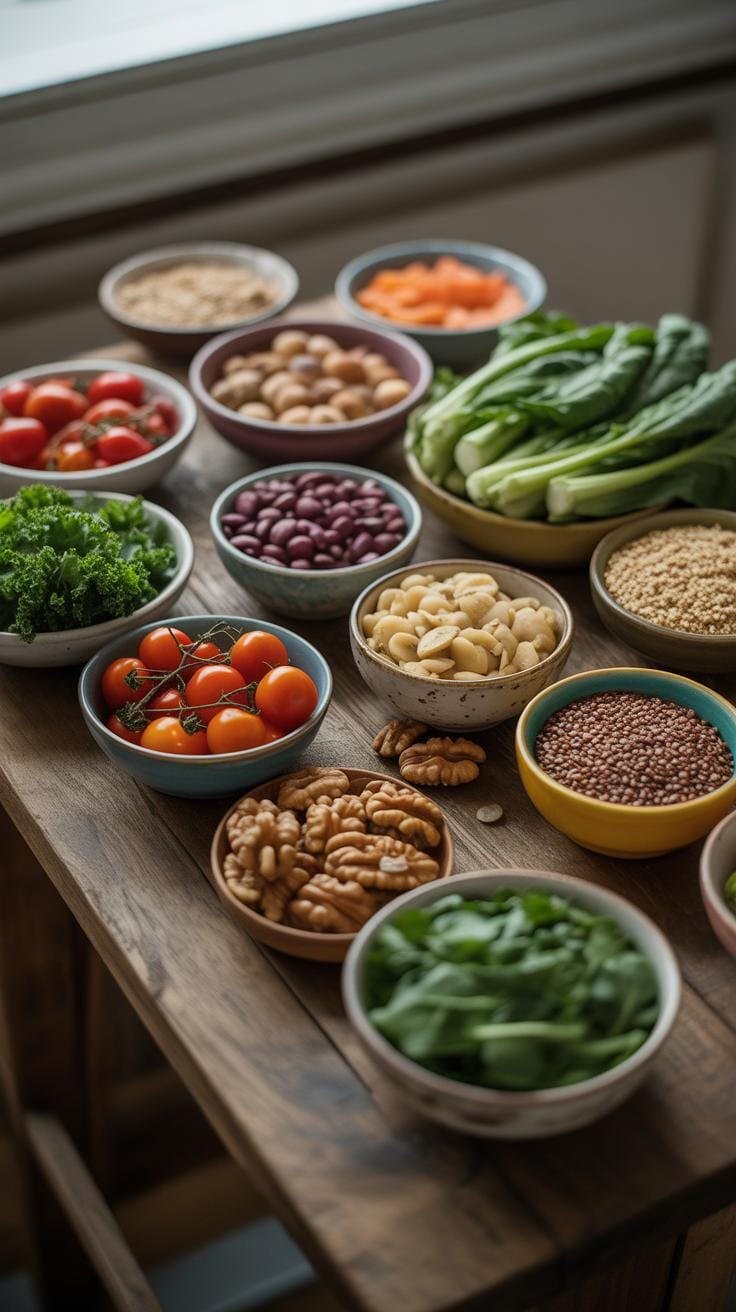
Creating meals that include all key nutrients doesn’t have to be complicated. When you think about balance, it’s really about combining protein, grains, and fruits or vegetables in every dish. Using ingredients you likely already have in your kitchen can make the process feel less like a chore.
For breakfast, consider dishes like scrambled eggs paired with whole wheat toast and a side of fresh berries or sliced tomatoes. Oatmeal topped with nuts and sliced banana also offers a mix of carbs, protein, and fiber. Sometimes a smoothie with yogurt, spinach, and frozen fruit works well – quick and packed with nutrients.
Lunch and dinner can stay simple too. A grilled chicken breast with quinoa and steamed broccoli offers protein, grain, and veggies. Or, a stir-fry using tofu, brown rice, and colorful peppers. Even a hearty lentil soup accompanied by a whole grain roll keeps things balanced without fuss.
What’s interesting is how just a few tweaks in your meals can tip the scale towards better nutrition without much extra effort. Maybe the trick is not searching for perfect recipes but simple combinations that cover all the basics.
How to Read Nutrition Labels
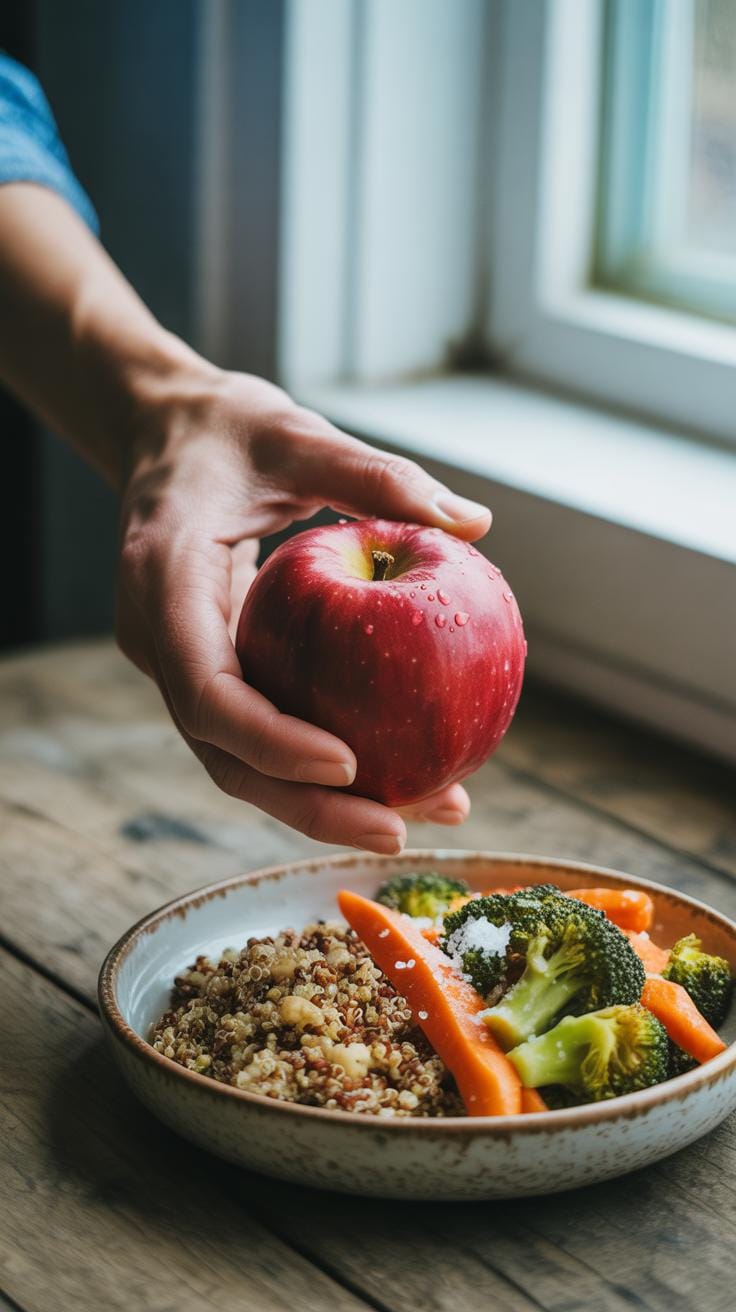
Nutrition labels can feel confusing at first glance. But once you know what to look for, they’re actually pretty helpful when trying to eat balanced meals. Instead of just scanning for calories, pay attention to the nutrients listed. That’s where the real story is.
Start by checking these key elements:
- Fats: Not all fats are equal. Look out for saturated fats—they’re the ones to limit. Trans fats should be avoided almost entirely, though they’re less common now. Unsaturated fats are the better kind, but labels don’t always distinguish them clearly.
- Sugars: See how much total sugar is in one serving. Remember, natural sugars in fruit or milk aren’t the same as added sugars. Many labels indicate “added sugars” separately—keep these low.
- Fiber: Higher fiber amounts generally mean more filling and healthier food. Fiber helps digestion and stabilizes blood sugar, so that’s a plus to watch for.
- Protein: Protein content can help keep you full and support muscle health. For meals or snacks, aim for a decent amount.
On the flip side, salt—or sodium—often hides in surprising places. Canned soups, bread, even cereals sometimes contain more salt than you’d expect. If the sodium count tops 20% of your daily recommended value per serving, think twice before making it a regular part of your diet.
Regarding sugars, products like flavored yogurts or granola bars might seem healthy but can pack a lot of added sugar. Checking the label might surprise you with how sweet they actually are.
At times, you might find a product low in one area but high in another, and that’s okay. It’s more about the overall balance than a single perfect choice. So, keep these pointers in mind when grocery shopping—you’ll start to spot better options almost without trying.
Balancing PlantBased and Animal Proteins
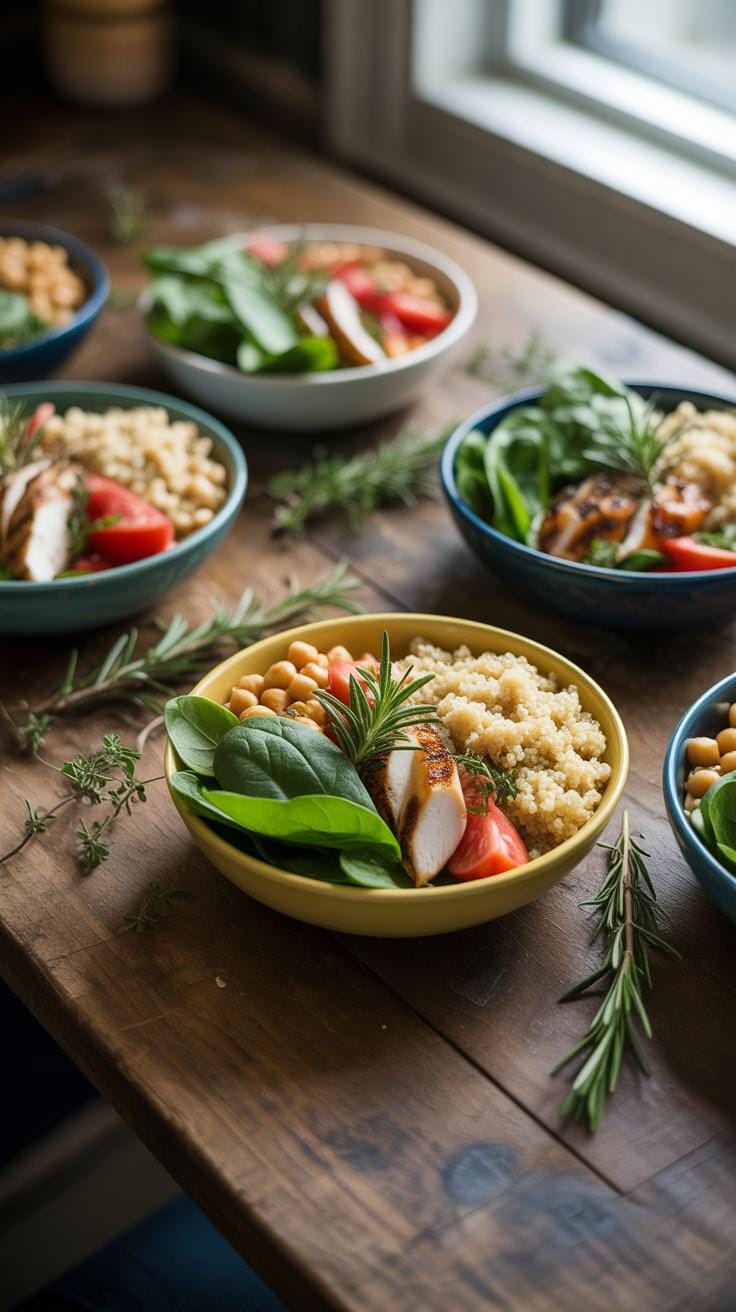
When thinking about proteins in your diet, the choice between plant-based and animal sources can feel like a puzzle. Each type brings unique benefits—and some challenges. Plant proteins often come with fiber, vitamins, and fewer unhealthy fats. But many don’t provide all essential amino acids on their own. Animal proteins usually contain complete amino acid profiles, which means your body gets what it needs in one go. Still, some animal options pack saturated fats or cholesterol, so portion control becomes key. Striking the right mix often means combining different plant proteins, like beans with rice, to get a full set of amino acids. How you balance these proteins can shape not just your muscle health but overall wellness too.
Here are some common plant protein sources and how you might add them to your meals:
- Lentils: Great in soups, stews, or salads. They cook relatively fast and bring a hearty texture.
- Chickpeas: Perfect for roasting as a snack or blending into hummus. Their nutty taste adds depth.
- Quinoa: It’s a grain that acts like a complete protein. Try it as a base for salads or stir-fries.
- Tofu and Tempeh: Tofu can absorb flavors well, ideal for many dishes. Tempeh has a firmer texture and more pronounced taste.
- Nuts and Seeds: Sprinkle them over oatmeal, yogurt, or salads for an easy protein boost.
- Peas: Often overlooked but versatile—blend into soups or add to pastas.
Many people underestimate how easy it is to mix these up daily.
Looking at animal proteins, it’s wise to consider type and portions carefully. Lean meats like chicken, turkey, and fish offer beneficial nutrients with less saturated fat. Fatty fish such as salmon deliver omega-3s that support heart health. Eggs remain a flexible source and contain choline, important for brain function. Dairy provides protein alongside calcium.
Portion sizes usually recommended hover around 3 to 4 ounces per meal—about the size of a deck of cards. Eating too much animal protein at once may crowd out other important foods. Splitting your protein intake through the day can help your body use it better.
Sometimes, combining small servings of animal protein with plant-based options provides a satisfying, nutritionally rounded meal. The balance you find might shift based on taste, availability, or even how active you feel on a given day.
Common Mistakes in Balanced Diets

Overlooking Food Variety
Many people think a balanced diet means sticking to a few “healthy” foods, but that’s a trap. Eating too few types of food can lead to gaps in nutrients. You might be getting enough protein but missing out on certain vitamins or minerals. For example, relying only on chicken and rice day after day ignores the benefits of leafy greens, nuts, or different fruits.
Adding variety doesn’t have to be complicated. Try to include different colors on your plate—each represents unique nutrients. Swap out ingredients in your usual recipes. Even switching breakfast cereals or snacks every now and then helps. It’s easy to get stuck in a routine, but stretching your palate benefits your body in unexpected ways.
Ignoring Portion Sizes
Portion control isn’t just about preventing weight gain; it shapes how balanced your meals really are. You might eat all the right food groups but overload on carbs or fats, throwing off your nutritional balance. Sometimes, it’s surprising how an extra spoonful or two can add up over the day.
Pay attention to serving recommendations but also listen to your hunger cues. Using smaller plates or pre-measuring portions can help, especially if you tend to eat mindlessly while distracted. But remember, portion size isn’t a rigid rule—it shifts based on activity level, age, and other factors. So, it’s a bit of a moving target rather than a fixed line.
Tracking Your Balanced Diet Progress

Using Food Diaries and Apps
Keeping track of what you eat isn’t always easy, but it can make a big difference in understanding your diet. Writing down meals in a simple food diary can reveal patterns you might miss otherwise. You don’t need to be perfect or overly detailed—just jotting down main ingredients or portion sizes helps. There are also plenty of apps designed to count nutrients and calories. Some let you scan barcodes or choose meals from a list, which speeds things up. I think trying both methods might show which one fits your lifestyle better—manual diaries feel more mindful, while apps can be quick and detailed.
Some people worry about becoming obsessive, but I find tracking helps keep me aware without stressing. You might find it useful to track only certain meals or nutrients if too much detail overwhelms you. The key is consistency, even if rough, to get a clearer picture over time.
Recognizing Improvement Signs
Your body often signals when your diet is shifting for the better—or worse. Maybe your energy levels become steadier throughout the day, or you feel less bloated after meals. Changes don’t always show up immediately, and sometimes they come in unexpected ways like better sleep or improved focus. I noticed when I started balancing my carbs and proteins more carefully, my afternoon slump reduced noticeably. Not everyone reacts the same way, though; some might see better skin, others a change in mood.
It’s easy to overlook subtle differences, so tuning in can take practice. Asking yourself simple questions like “Do I feel more alert after breakfast?” or “Am I less hungry between meals?” can hint at progress. Remember, these signs aren’t perfectly reliable, but they provide clues as you refine your balanced diet plan.
Adapting Balanced Diets for Special Needs

Adjusting a balanced diet isn’t just about picking healthy foods; it’s about tailoring those choices to fit different life stages and unique health situations. Take children, for example. Their growing bodies demand more calcium and iron, so meals might lean on dairy and leafy greens. But kids can be picky, so mixing colors and textures can make a big difference. Elderly individuals, on the other hand, often need fewer calories but more of certain nutrients like vitamin D and B12. Sometimes, appetite drops, or chewing gets tougher, which means softer foods rich in those vitamins can help maintain balance.
Dietary restrictions? They complicate things but don’t break the balance. If you’re managing diabetes, keeping carbohydrate intake steady throughout the day is key, while still including fiber-rich veggies and lean proteins. Allergies require avoiding certain foods, but replacing them with nutritional equivalents keeps meals holistic. It’s a puzzle, but one worth figuring out.
Diet Needs by Age Group
From the first years, children need energy for growth and brain development. That calls for consistent protein, healthy fats, and iron. By adolescence, calorie needs spike, especially for active kids, but the quality of those calories matters just as much. Moving into adulthood, energy needs stabilize but micronutrients still play a crucial role. Then, as people age, muscle mass tends to decline, and nutrients like calcium and vitamin D become more critical to maintain bone health. Sometimes, hydration gets overlooked in older age, but it’s tougher for them to feel thirsty, so fluids matter more than people realize.
Adapting meals across age groups means thinking beyond calories – it’s about matching nutrients to what bodies demand at each stage. For example, swapping out sugary snacks for nuts or yogurt can help kids and seniors alike without feeling like a compromise.
Customizing for Health Conditions
Balancing a diet around health conditions means pinpointing what needs change and what stays. Diabetes calls for steady carb intake and careful portions but still needs vegetables, protein, and healthy fats to avoid blood sugar spikes. Food allergies require vigilance; swapping wheat for quinoa or nuts for seeds keeps nutrients balanced without risking a reaction. Chronic kidney disease often means limiting some minerals like potassium or phosphorus, but ensuring enough protein and energy is still critical.
What I find tricky, and maybe a lot of people do, is not letting these restrictions narrow the diet too much. Sometimes it feels like options vanish, but with some creativity, balance is possible—maybe even enjoyable. You might find new ingredients or prepare things differently. It’s about maintaining a wide nutrient spectrum, even if some foods are off-limits.
Conclusions
Maintaining a balanced diet involves choosing a range of foods that supply the right amounts of protein, fats, carbohydrates, vitamins, and minerals. Following a checklist helps you include diverse, moderate portions from each food group while limiting foods that can harm your health, like high-sugar and salty items.
By applying the tips and meal examples provided, you can design daily meals that promote your overall wellness. Keeping focus on variety, balance, and moderation in your eating habits will improve your wellbeing and help you live healthily every day.