
How a Meal Planner Supports Wellness Goals
A meal planner helps you organize your meals to support your health and lifestyle goals. Using smart strategies can improve your success in preparing recipes that promote overall wellness. This article looks at how to set up and use a meal planner effectively.
You will learn how to design balanced menus and track key nutrients. The goal is to make meal planning a simple and practical step toward better health. Let’s begin by understanding what a meal planner is and how it works.
What is a Meal Planner


At its core, a meal planner is a tool—simple or detailed—that helps you organize what you eat over a set period. It’s not just about jotting down meals randomly. Instead, it creates a structured outline of your daily or weekly meals, considering your preferences, nutritional needs, and schedule. By having this arrangement, you avoid last-minute decisions, which often lead to unhealthy choices or wasted food.

The main purpose of a meal planner is twofold. First, it guides you through healthier eating patterns by balancing your meals, ensuring variety and adequate nutrients. Second, it supports recipe success. When you plan meals, you’re more likely to follow recipes thoroughly rather than skimming or skipping ingredients. You might, for instance, finally try that roasted vegetable dish you’ve bookmarked but never made because you accounted for it in advance.
Personally, I found the shift from random cooking to planned meals a bit odd initially, almost mechanical. Yet, the benefits in health and meal satisfaction soon became clear. You get a clearer food vision, which in some ways brings unexpected freedom.
Purpose of Meal Planning
Why bother planning your meals? For starters, it reduces the daily stress of wondering what’s for dinner, which can be surprisingly draining. When you already know what’s coming, your energy can focus elsewhere.
Another big plus—time. Rather than stopping by the store multiple times or standing confused in front of the fridge, a plan helps you shop once with purpose. That saves hours each week, which might sound small but adds up quickly.
From a health standpoint, you’re less tempted by quick fixes or takeout when a plan is in place. By thinking ahead, you naturally choose more balanced meals with fewer impulse decisions. It’s not foolproof—you’ll slip up occasionally, and that’s okay—but having a map helps you bounce back more easily.
Basic Components of a Meal Planner
Most meal planners share similar parts, though they vary in complexity. At minimum, you find these elements:
- Meal schedules: A calendar or grid showing meals by day and time. This helps prevent overlaps and ensures variety.
- Grocery lists: Essential items grouped by category to streamline shopping. It cuts down on forgotten ingredients and extra trips.
- Recipe tracking: Notes or links to recipes you plan to use. This can include modifications or reminders on prep time.
Some people add sections for leftovers, snacks, or even a space to log how meals feel after eating. It’s a flexible tool, shaped by what you actually need. You might start simple and build as you go, correcting what doesn’t fit.
Have you noticed how much more in control you feel about your eating when the chaos is a bit tamed? That’s what a good meal planner offers—control without stiffness.
Why Meal Planning Matters for Health
Meal planning does more than just organize your week—it can shape how you feel physically and mentally. When you plan meals ahead, you avoid grabbing whatever’s easiest, which often leads to less nutritious choices. Have you noticed how skipping this step can leave you feeling sluggish or guilty? Mapping out your meals lets you balance proteins, carbs, and veggies thoughtfully, supporting steady energy and mood throughout the day.
Think about days when you had a plan—you probably felt less stressed about what to eat. That peace of mind means you’re less likely to overeat or reach for comfort food. For example, packing a simple, nutrient-rich lunch can keep afternoon cravings in check and help you stick to wellness goals.
Planned meals often mean portion control comes naturally. When you decide your servings in advance, portions tend to be more reasonable than when you eat by impulse. This can subtly guide weight management or even promote better digestion, as you’re not overwhelming your system.
Also, meal planning helps reduce food waste. Buying just what you need avoids the common fate of forgotten vegetables or expired leftovers. This not only saves money but makes your grocery trips more intentional. I’ve sometimes wondered if the small effort to plan really changes much—but over time, less tossing of food does add up. It feels good to know your food isn’t simply going to waste.
So, can thinking ahead about meals quietly improve your health? It seems so—both by shaping what you eat and how you feel about eating. Maybe the simple act of planning can be a small, steady step towards bigger wellness wins.
How to Set Up Your Meal Planner
Start by picking a format that fits your style and daily habits. If you like something tangible, a paper planner or notebook works well. It’s easy to jot down ideas and cross things off. On the flip side, apps offer reminders, recipe links, and the ability to adjust on the fly—great if you’re often on the move. Spreadsheets suit those who prefer visuals and customization but can feel a bit tedious to set up initially.
Once you’ve chosen your format, draft a simple weekly grid. Include slots for breakfast, lunch, dinner, and snacks. Don’t feel pressured to fill every slot right away—this planner should evolve with you.
Think about your daily routine. When do you usually eat? Are there days when you skip breakfast or have later dinners? Matching meal times to your actual habits helps keep the planner realistic.
Try to balance variety and simplicity. For example, maybe breakfast stays similar most days for ease, while lunches vary more. Snacks can be flexible depending on your energy needs. Set reminders or notes for prep steps if that helps—like soaking beans the night before or chopping veggies in advance.
Finally, consider your preferences and those of anyone else sharing meals with you. You might plan shared dinners but prepare individual lunches. The key is to keep adjusting. If something feels off, tweak it next week. The ‘perfect’ meal planner is a moving target, after all.
Checklist for Balanced Meal Plans
Creating a balanced meal plan can feel tricky, but having a checklist helps keep things clear. You want to cover all the bases, so nothing essential slips through the cracks. Think of it as a quick reminder each time you plan or prep meals.
Start by ensuring your plan includes:
- Protein sources—meats, beans, nuts, or dairy—to support muscle repair and keep you full.
- Complex carbohydrates like whole grains, legumes, or starchy vegetables for steady energy.
- Healthy fats such as olive oil, avocados, nuts, or seeds, which are needed for brain function and hormone balance.
- A colorful mix of fruits and vegetables to supply vitamins, minerals, and fiber.
- A hydration note—remember fluids count towards overall wellness too.
Keep your servings varied throughout the day. Too much of one macronutrient can leave you feeling off balance. I found that when I skimp on fats or carbs, energy levels often dip midday.
Also, try to include at least three different veggies or fruits daily to hit a range of nutrients. Oddly, it’s the little things that add up—a sprinkle of spinach here, a handful of berries there.
Would you add a daily probiotic source or perhaps a sprinkle of seeds for extra fiber? It’s flexible but worthwhile to keep tabs on these essentials.
Including Protein, Carbs, and Fats
Each meal benefits from a mix of macronutrients, not just one. Protein builds and repairs tissues. Carbs provide the fuel your brain and muscles need. And fats help absorb fat-soluble vitamins and keep your hormones happy.
You might wonder—how much of each should go on my plate? There’s no one-size-fits-all answer, but a simple starting point is aiming for roughly equal portions of protein and carbs, alongside a smaller but definite amount of fats. For example, grilled chicken breast, quinoa, and avocado slices make a fairly balanced combo.
Adding fats can sometimes feel optional, but skipping them often leaves meals less satisfying. I’ve noticed meals without fats can feel somewhat flat or leave me hungry sooner. So, try oils for cooking, nuts on a salad, or a spoonful of nut butter to round things out.
Adding Fruits and Vegetables
Fruits and vegetables aren’t just add-ons—they bring essential vitamins and fiber you can’t easily replace. But it’s tempting to stick to a few favorites and miss out on diversity. Trying new produce can be intimidating though.
A simple trick is to explore different colors and textures. Pair crunchy carrots with softer tomatoes, toss berries into oatmeal, or add a handful of leafy greens to smoothies. This variety can boost intake without making it a chore.
Fiber from produce aids digestion, and it can help stabilize blood sugar levels. This matters more than you might think because it influences how you feel between meals. Also, keep in mind, raw veggies provide crunch and enzymes, but cooked versions can unlock nutrients sometimes.
Is your grocery list stocked with just a handful of fruits and veggies? Maybe swap one for something new next week. You might discover you like something unexpected.
Tracking Ingredients and Dietary Needs
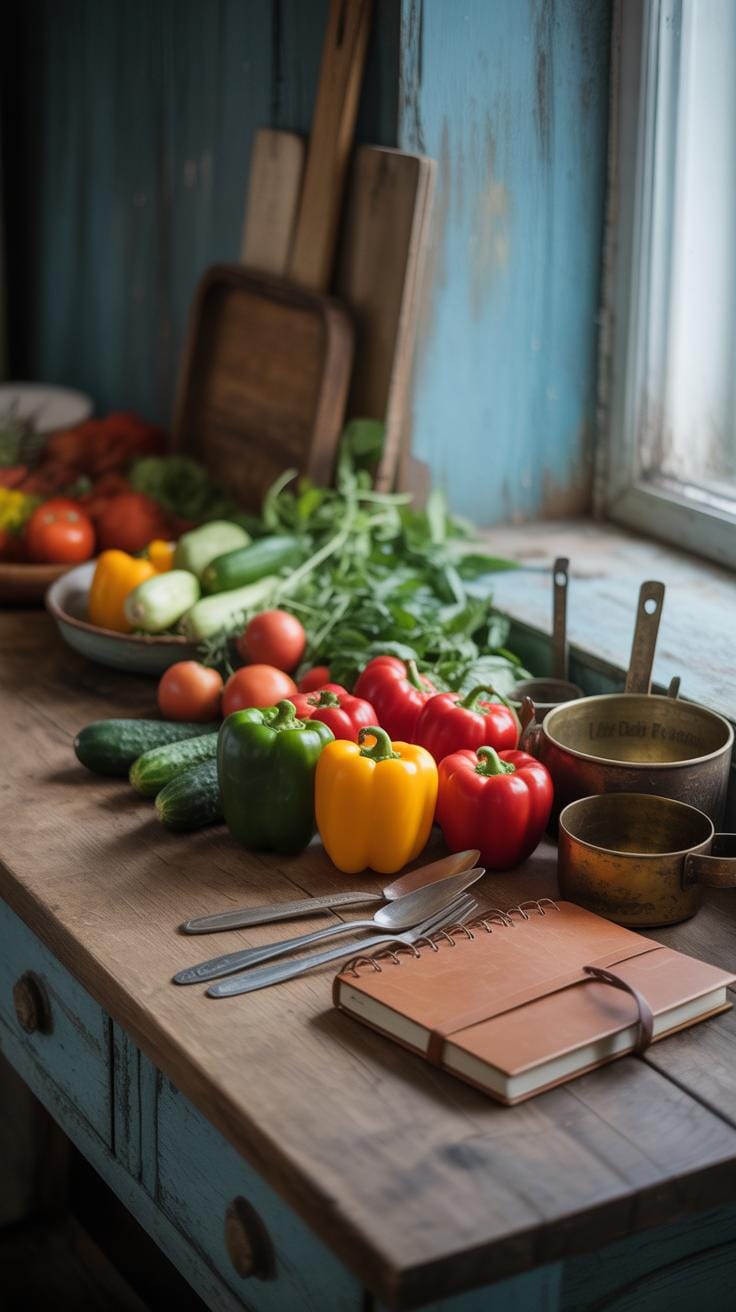
Keeping track of ingredients is more than just listing what you need. It’s a way to notice patterns in your diet and spot anything that might cause issues. When planning meals, jot down not just the main ingredients but also small additions—spices, oils, even garnishes can trigger allergies or discomfort.
Adjusting for allergies or preferences means being a bit flexible. Maybe you like a recipe for its texture but can’t have dairy, so swapping in a plant-based alternative might work—though taste might differ, and that’s okay. Over time, you’ll learn which substitutions still feel right and when a recipe deserves a complete rethink.
Recording Nutritional Information
Tracking calories and nutrients in a planner doesn’t have to be overwhelming. Start simple: note calories for each meal or key macros like protein, carbs, and fats. Some planners let you log exact grams, while others offer a rough estimate.
Sometimes, you might focus more on fiber or vitamins than calories, depending on your goals or health. What’s tricky is consistency; some days you’ll measure precisely, others you’ll guess. I often forget to log snacks, which skews the full picture. Still, any effort helps build awareness and guides smarter choices.
Adapting for Food Restrictions
Substituting ingredients can be a challenge. If someone’s gluten-intolerant, using gluten-free flour works — but you might need to tweak quantities or cooking times. For vegan diets, eggs can be replaced by flaxseed or applesauce, but textures shift.
It’s tempting to think any swap is a simple one-to-one exchange, yet that’s rarely true. Sometimes, it’s better to find a new recipe altogether rather than force substitutions that compromise the dish. Remember, your planner can be a space to note what worked and what didn’t, making future planning easier.
Meal Planner Tools to Use
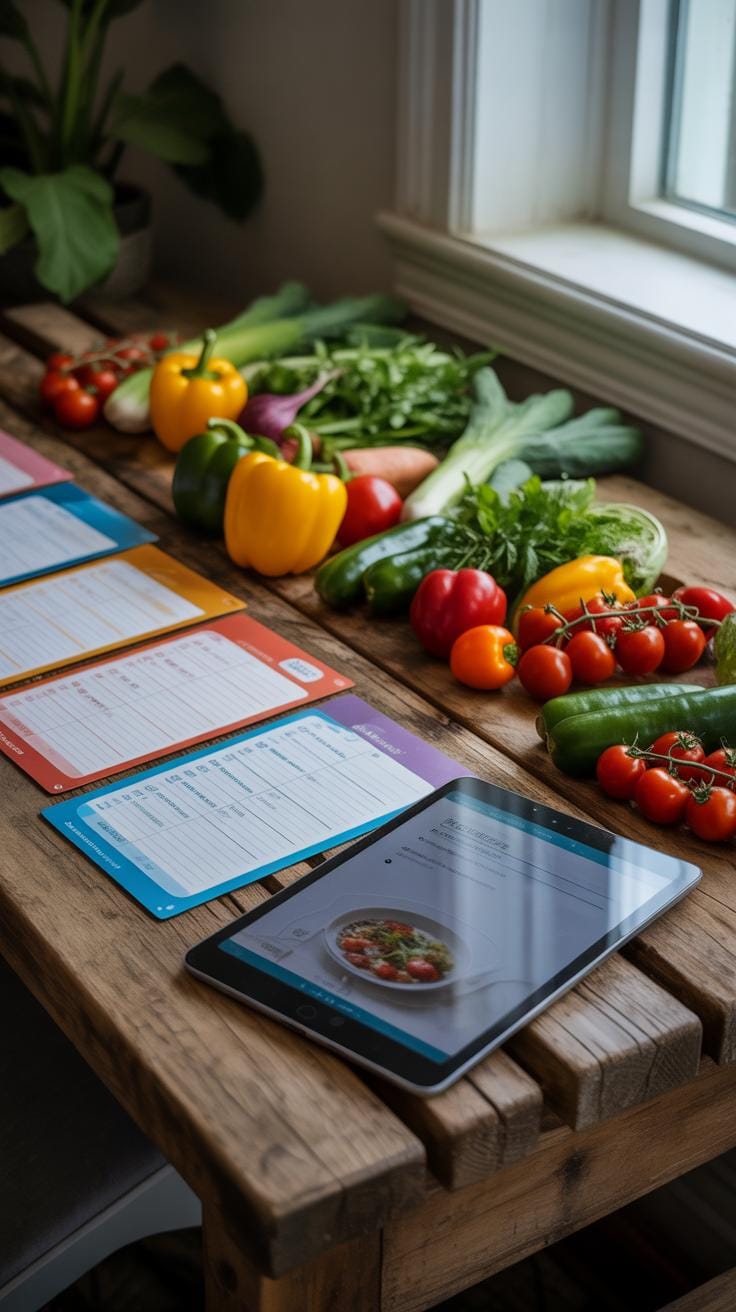
When you try to organize meals and recipes, relying on memory alone can get messy—and frustrating. That’s where meal planning tools come in. These range from apps to websites to simple printed planners. Each offers a slightly different way to help you keep track of what you want to eat, what you need to buy, and how to put meals together without scrambling at the last minute.
Popular meal planning apps often stand out because they combine recipe storage, grocery lists, and nutritional tracking in one place. Apps like Mealime, Paprika, and Yummly let you build meal plans by selecting recipes, then automatically generate shopping lists. Some even suggest meal ideas based on your preferences or dietary restrictions. I once tried Mealime and found its interface quite straightforward, though I didn’t use many advanced features—it felt a little much for my casual needs.
Printable meal planner templates, on the other hand, offer simplicity. You can find templates for weekly or monthly planning, often customizable by adding your favorite categories or notes. Printing a blank planner sheet and filling it out by hand adds a tactile aspect that some people find helpful to remember and commit to their plans—though, truth be told, it can also feel like extra busywork if you’re short on time. You might want to experiment with several designs before settling on the one that fits your style and routine.
Using these tools depends a lot on what sort of organization works best for you. Are you someone who loves clicking through apps, or would a printed planner taped to your fridge keep you more accountable? Both have strengths and quirks—it’s worth trying both to see which nudges your planning forward more effectively.
Common Meal Planning Pitfalls
Overambitious Menus
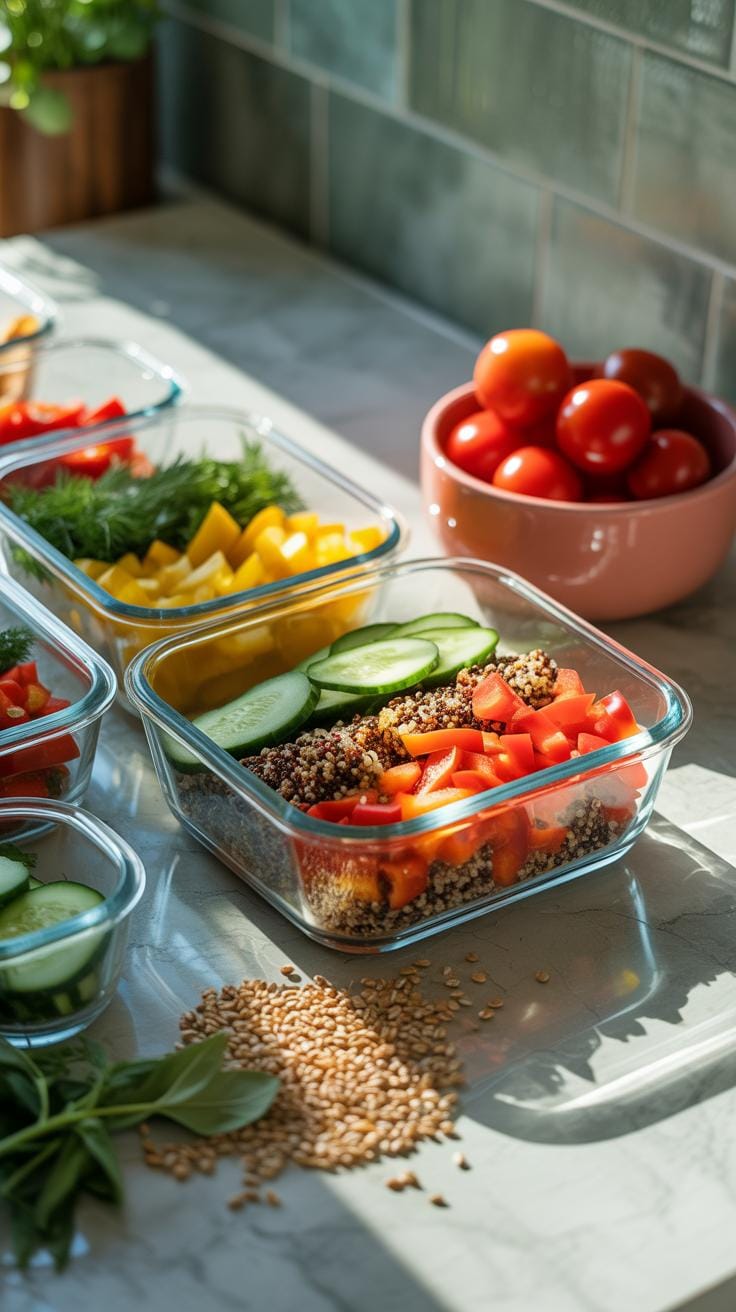
Many people start meal planning with big goals—planning every single meal for the week, often with recipes that require unfamiliar ingredients or long prep times. The problem? This can easily backfire. Trying to juggle too many complicated meals can feel overwhelming, leading to frustration and eventually giving up altogether.
You might dive into cooking three new dishes per day, thinking it’s a great way to stay varied and healthy. But when time is tight, or when unexpected events come up, this can get stressful. It doesn’t take much to lose momentum if your menu feels like a challenge rather than a help.
Try focusing on just a few meals you know you’ll enjoy and can make quickly. Start simple. Stick to familiar ingredients. You can always add variety later. This approach keeps you grounded and less likely to get discouraged by the workload.
Ignoring Flexibility
Plans that don’t allow room for change can become rigid traps. Life isn’t predictable, and cravings often don’t match what you wrote on your list. Sticking too tightly to a plan means chances are good you’ll feel stuck or disappointed when things don’t go exactly as expected.
One week, you might crave leftovers instead of cooking a new meal. Or maybe you get invited out last minute. By not building flexibility into your plan, you either waste food or scramble to adjust at the last minute—both draining experiences.
Leave some open slots for swaps or quick meals. Think about easy backup options you can rely on. This keeps planning useful rather than restrictive, helping you adapt without stress or guilt.
Day 1 to 14 Meal Planning Example
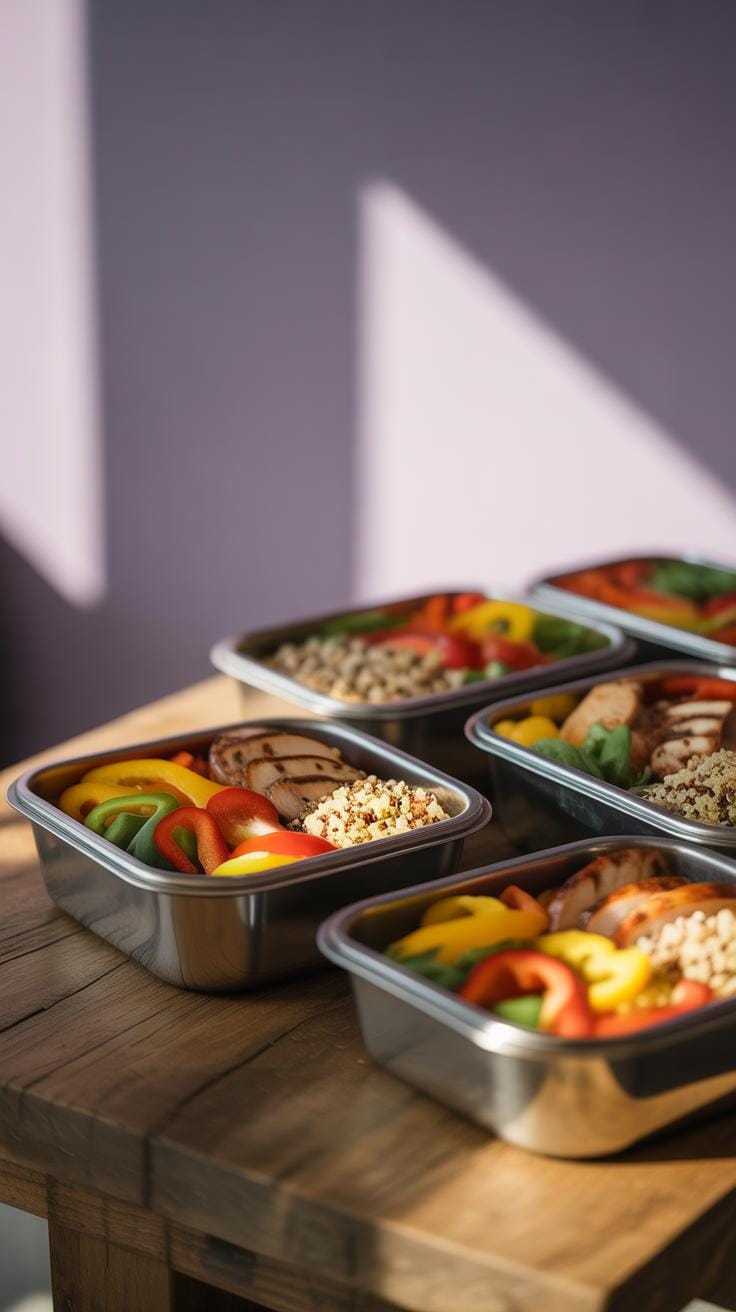
Starting a meal plan can feel overwhelming, so here’s a simple two-week example to get you going. The idea isn’t perfection but a practical routine you can tweak as you go. For each day, think in terms of breakfast, lunch, and dinner to keep things structured.
Week 1 might look like this:
- Breakfast: Greek yogurt with berries and a sprinkle of granola.
- Lunch: Quinoa salad with cherry tomatoes, cucumbers, and chickpeas.
- Dinner: Baked salmon with steamed broccoli and brown rice.
The second week can shift slightly—for example, swapping salmon for grilled chicken or replacing quinoa with sweet potato. This variation helps avoid the meal plan becoming monotonous but keeps preparation manageable.
Weekly Meal Layout
Organizing meals over days and weeks lets you see what you’re actually eating and spot any imbalances. Try plotting each meal in a simple grid: Day 1 breakfast, lunch, dinner; Day 2, and so on. This helps avoid repetitive meals back-to-back—unless that’s your thing—and ensures you cover different food groups throughout.
Grocery List Preparation
Once you have your two weeks set, transforming this into a grocery list is just about grouping ingredients. It’s often easier to make one combined list than multiple smaller ones. For example, list all veggies together, grains under one header, proteins grouped, and so forth.
As an example, from the two-week plan above, you’d note things like:
- Greek yogurt, berries, granola
- Quinoa, cherry tomatoes, cucumbers, chickpeas
- Salmon fillets, broccoli, brown rice
This way, shopping trips become more focused. Also, don’t forget to check what you already have at home; sometimes one or two ingredients can cover multiple meals. It saves money and reduces waste. Have you tried this approach? It might feel a bit rigid at first, but many find it helps them stick with healthy eating longer.
Comparing Meal Planners vs No Planner
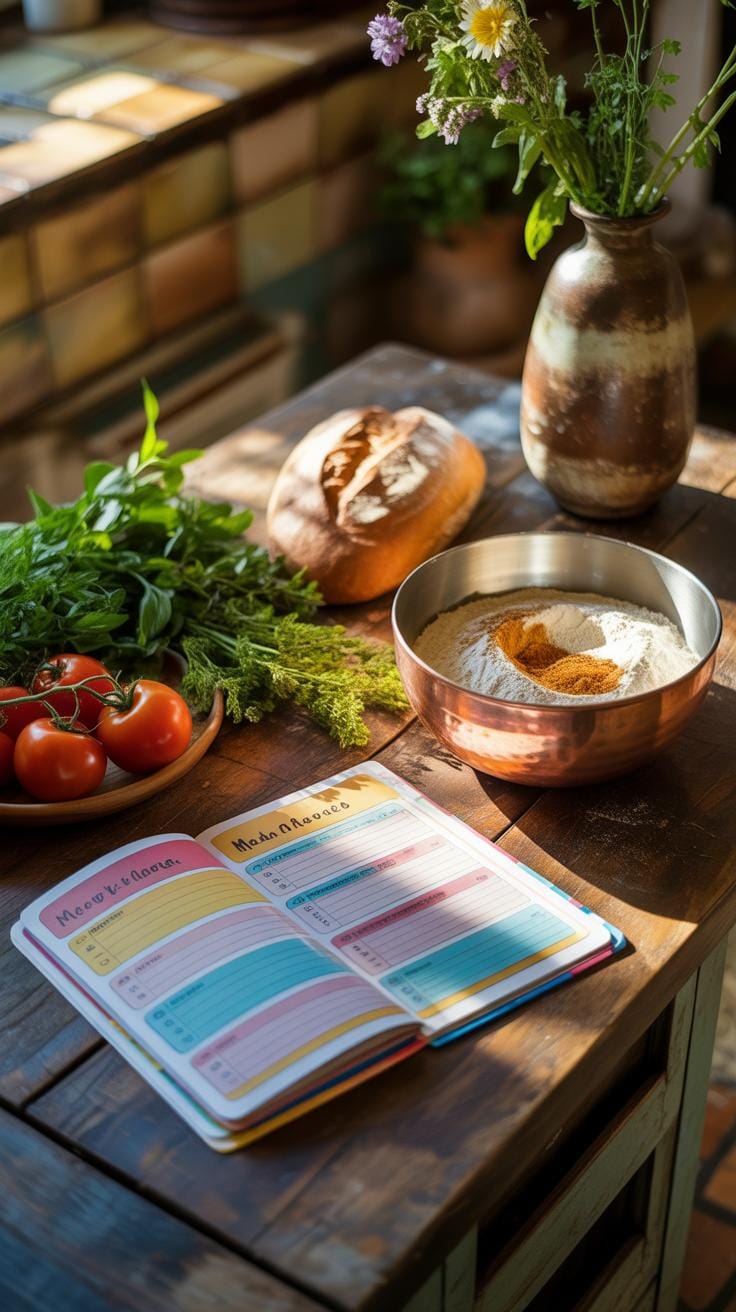
People who use meal planners tend to report better outcomes when it comes to their overall wellness and success with recipes. It’s not just about having a list; it influences mood and energy. For example, a small survey found that those who planned meals felt less stressed during the week and reported fewer skipped meals or unhealthy snacking.
With a planner, you’re more likely to eat balanced dishes—there’s a clear structure that helps you include variety, from proteins to veggies. One friend mentioned how meal planning helped her stay consistent with nutritious meals, avoiding last-minute takeout that often didn’t satisfy or nourish.
On the flip side, skipping this step can cause chaos in the kitchen and beyond. People without a plan often face these problems:
- Buying more food than needed, which leads to waste.
- Relying on convenience foods that undermine health goals.
- Increased stress about what to cook, which can sap energy and enthusiasm.
Sometimes, folks think spontaneous cooking is freeing, but the truth is, this freedom can bring frustration or repetitive meals. It’s tricky to balance creativity and practicality without a bit of planning.
So, when weighing whether to plan or not, consider how often you feel hurried or end up throwing out food. Those might be clues that a simple plan could change how you eat and feel. What’s your experience with meal planning? Does it help or complicate your routine?
Review and Adjust Your Meal Plan
Checking in on your meal plan regularly can make a real difference. It’s easy to stick with the same meals out of habit, but your body’s needs and preferences might shift over time, sometimes quietly, almost without you noticing. Taking a moment every week or two to look back at what you’ve eaten and how it felt can reveal surprising insights.
Try keeping a simple journal or using an app to track how each meal affects you. Do some days bring more energy? Are there moments when your mood dips or your digestion feels off? This tracking doesn’t have to be a science experiment—just jot down the basics: energy levels, mood, how full you feel, maybe even sleep quality. After a few weeks, patterns often emerge.
When you spot those little clues, don’t hesitate to tweak your plan. Swap out a recipe that doesn’t sit well, add more veggies on days you feel sluggish, or experiment with different cooking methods. Your palate and your goals might change too—maybe you want more protein one month, or are craving lighter meals in warmer seasons. That willingness to adjust is what keeps your meal plan useful and relevant, rather than a rigid checklist.
Updating recipes doesn’t have to be complicated. Introducing something new once in a while can keep meals interesting and prevent boredom. It might be a simple twist, like using a different herb or trying a new whole grain. You could also shift goals—perhaps focusing more on gut health or stress reduction as your priorities evolve. The key is listening to what your body and life are asking for, even if it feels like you’re starting over. That’s part of the process.
Conclusions
Meal planning is a powerful tool to improve your diet and wellness. By creating balanced menus and tracking nutrients, you set yourself up for success with healthy recipes. Staying consistent with your plan will help you achieve your health goals over time.
Start small with easy recipes and clear goals. Use tools and strategies that fit your lifestyle. With effort and focus, your meal planner will become your key resource for better eating. Keep adapting and learning from your experience.