
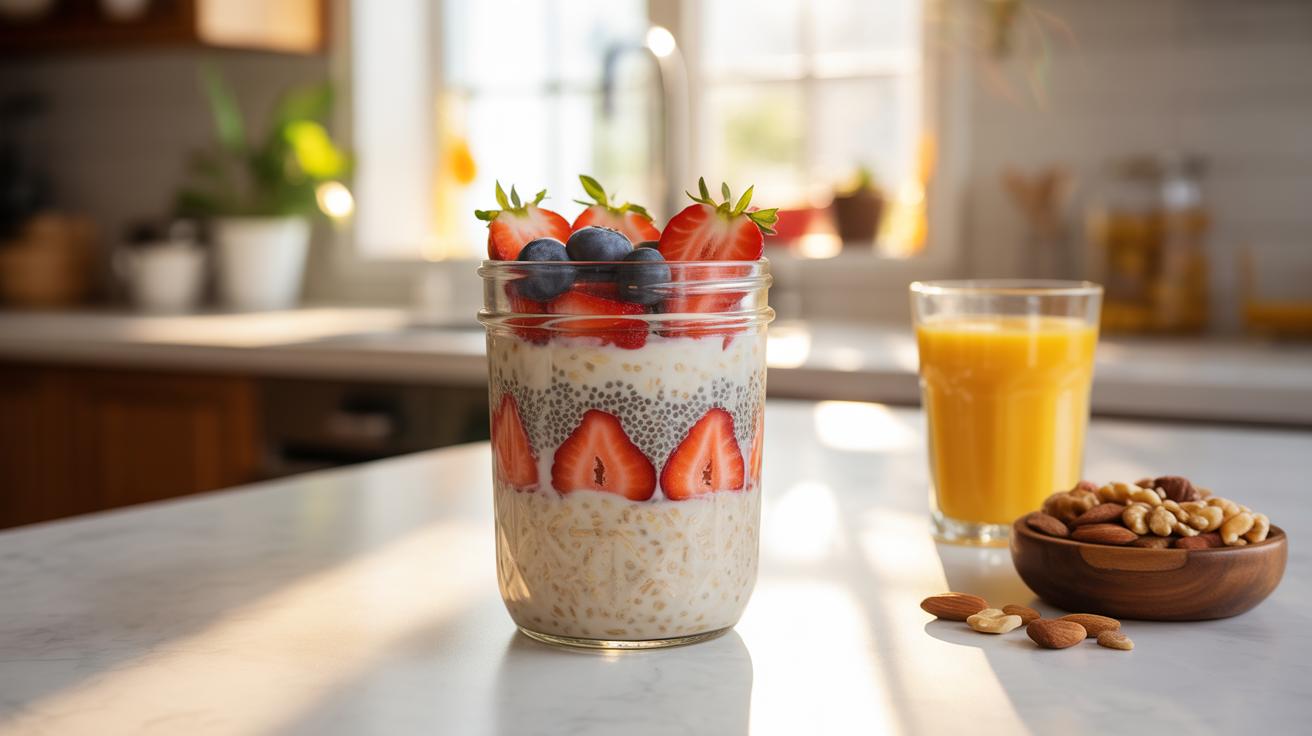
What Are Protein Overnight Oats And Why Are They Taking Over Breakfast
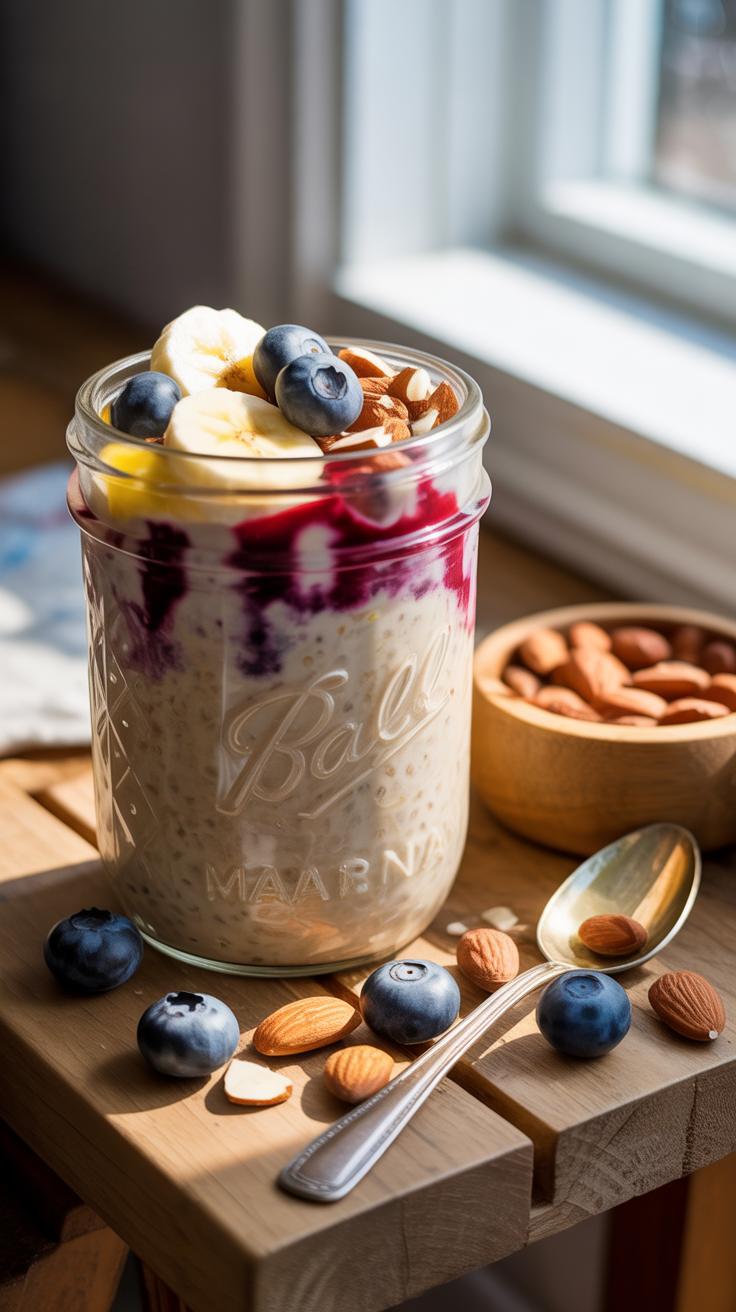
The Simple Science Behind Soaking Oats Overnight
Soaking oats in cold liquid for several hours triggers a process of hydration and enzymatic breakdown. This technique mimics the effect of cooking but preserves the structural integrity of the oat flake. The liquid softens the starches and neutralizes some phytic acid. This breakdown makes the nutrients easier for your body to absorb. It creates a creamy texture without using heat or constant stirring.

Raw oats contain resistant starch which acts as a prebiotic. Traditional boiling can degrade some of this starch. Cold soaking maintains higher levels of resistant starch to support gut health. The oats expand as they absorb the liquid over eight hours. This process ensures the fiber content remains intact. You get a dense meal that is ready to eat the moment you wake up.
How Adding Protein Transforms A Basic Oat Recipe Into A Powerhouse Meal
Standard oats provide complex carbohydrates and some fiber but lack sufficient protein for muscle maintenance. Adding protein powder or Greek yogurt changes the macronutrient profile of the meal. This addition slows down the digestion of the oats even further. It prevents the blood sugar spikes often associated with high carbohydrate breakfasts. You stay full and focused for longer periods of time.

High protein levels trigger satiety hormones that tell your brain you are full. Integrating protein directly into the soaking process creates a uniform texture and flavor. It turns a simple grain dish into a recovery tool for athletes and busy professionals. You get the benefits of energy from the oats and repair from the protein. This combination makes the meal a strategic choice for daily performance.
Key Ingredients For The Best Overnight Oats Recipe With A Protein Boost
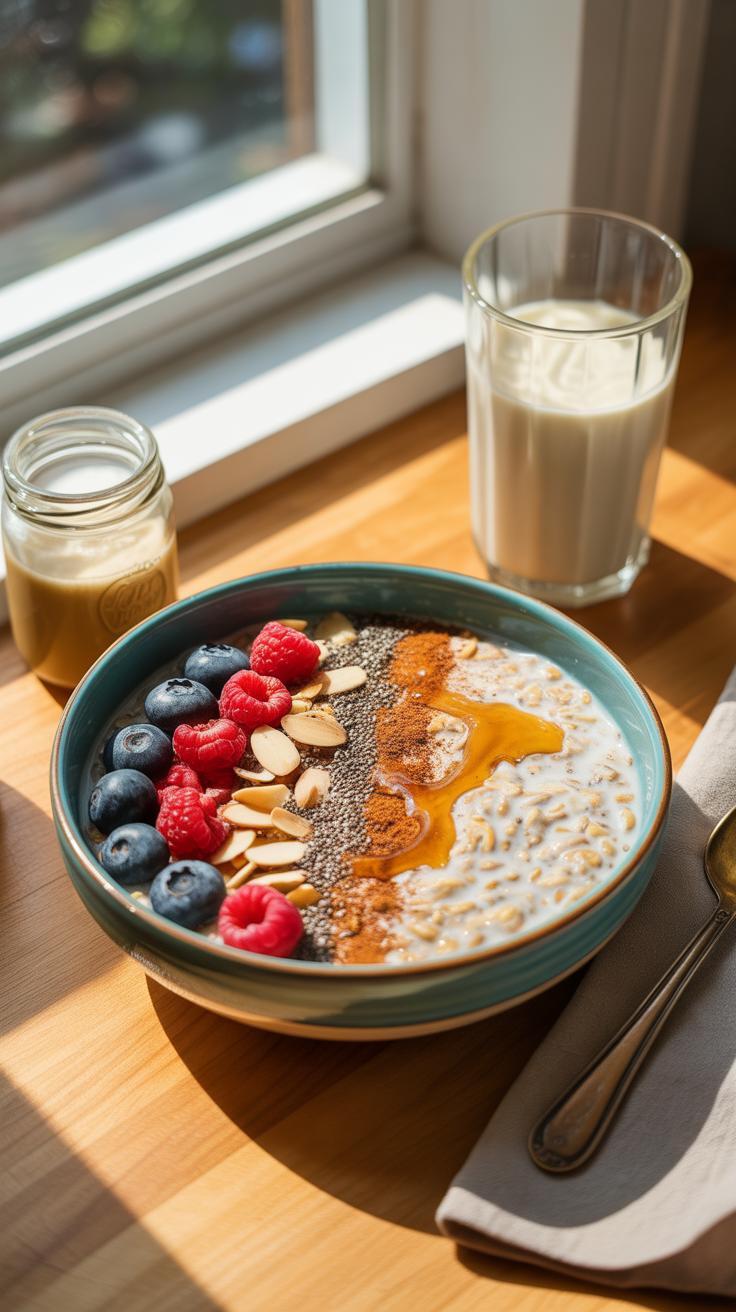
Choosing The Right Type Of Oats: Rolled Vs. Steel Cut Vs. Quick Oats
Old fashioned rolled oats serve as the industry standard for this preparation. Manufacturers create them by steaming oat groats and rolling them into flat flakes. This process allows the grain to absorb liquid efficiently while maintaining a distinct structure. They provide a chewy texture that holds up well after twelve hours of refrigeration. Avoid using quick oats because they turn into mush.
Steel cut oats offer a dense and nutty alternative but require more attention. These are whole groats chopped into small pieces rather than rolled flat. They possess a high resistance to moisture and remain firm even after soaking. You must use a higher liquid ratio and longer soaking times for these grains. Quick oats fail in this application because their thermal processing makes them too soft.
Top Protein Add Ins To Build Your Perfect Jar
Protein selection determines the final texture and nutritional density of your meal. You must choose an add in that dissolves well or provides a functional benefit to the mixture. Whey protein isolates mix easily but can thin the liquid. Casein or plant based powders thicken the oats significantly. Greek yogurt adds volume and a creamy mouthfeel while boosting the total amino acid profile.
- Whey Protein Isolate: This fast absorbing protein mixes cleanly into the liquid base. It provides a high concentration of leucine for muscle protein synthesis. Use it if you prefer a thinner consistency after the overnight soak completes.
- Casein Protein Powder: This slow digesting protein creates a thick and pudding like texture. It absorbs more water than whey isolate during the refrigeration process. It is ideal for sustained amino acid release throughout your busy morning schedule.
- Greek Yogurt: Add this for a massive boost in flavor and probiotics. It acts as a natural thickener and provides a rich creaminess without adding excessive fat. Choose plain versions to control the total sugar content in your daily recipe.
- Chia Seeds: These seeds are essential for structural integrity and fiber content. They absorb ten times their weight in liquid to create a gel. This gel helps suspend the oats and protein powder for a more consistent and filling meal.
- Nut Butters: Almond or peanut butter provides healthy fats and a moderate amount of secondary protein. These ingredients improve satiety and slow down the digestion of carbohydrates. They also enhance the overall flavor profile of the base grain mixture.
Liquid ratios must change based on your chosen protein source. Plant based powders require twenty percent more liquid to prevent the oats from becoming dry and chalky. Always whisk your protein powder into the milk or water before adding the dry oats. This tactic prevents dry clumps from forming in the bottom of the jar. Consistency is the primary goal for a successful high protein breakfast.
How To Make High Protein Overnight Oats A Step By Step Base Recipe
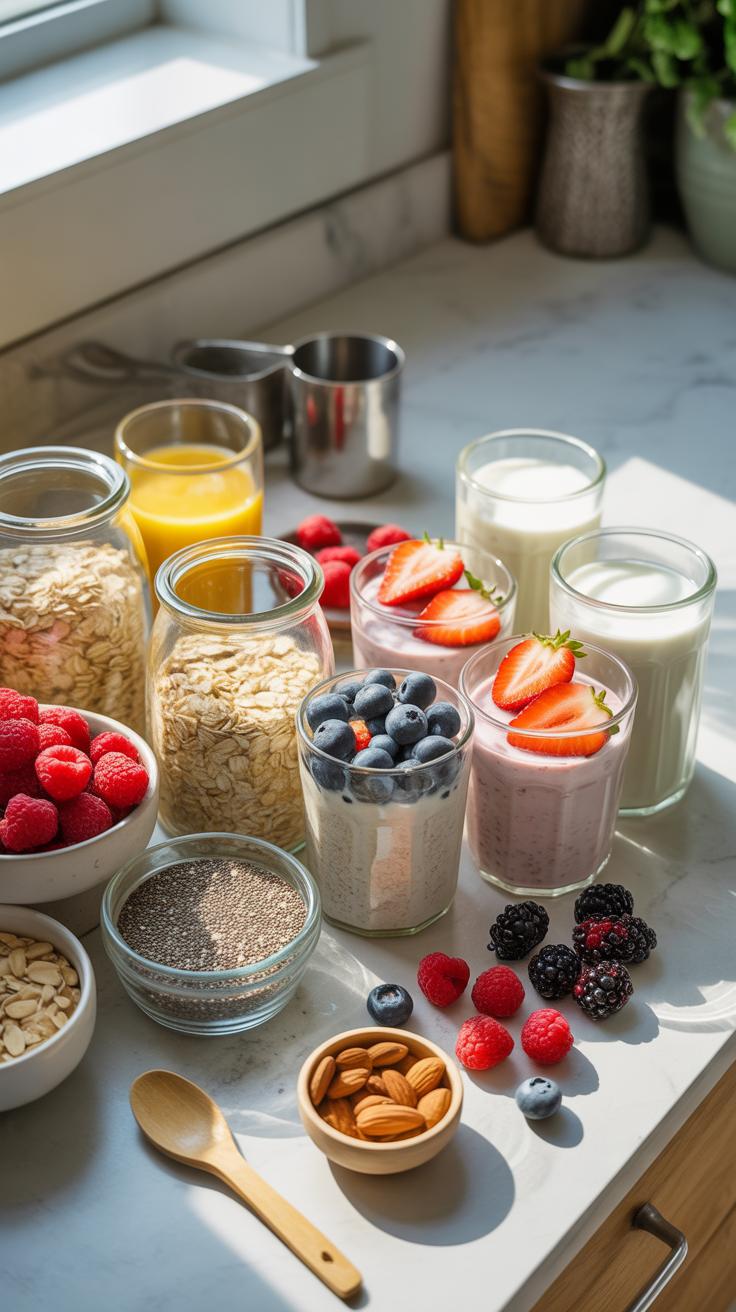
The Foundational Ratio: Oats, Liquid, And Protein Sources Explained
The standard ratio for overnight protein oats is one part dry rolled oats to one part liquid. Use old-fashioned rolled oats because they maintain structural integrity during the soaking process. Steel-cut oats remain too gritty while quick oats turn into a mushy paste. You need the fiber content of the rolled variety to slow digestion and provide steady energy throughout the morning hours.
Liquid choices impact the final protein count and texture. Use cow milk or soy milk for the highest natural protein levels. Adding protein powder requires an extra splash of liquid to prevent the mixture from becoming too dry. Aim for twenty to thirty grams of protein per serving. This threshold triggers muscle protein synthesis and keeps you full until lunch. Adjust ratios based on your specific powder type.
Tomorrow is a gift that you prepare today, making space for a slow, nourished heart amidst the morning rush. A bowl of oats is like a warm hug from home that fuels your strength before the world begins to stir.
Step By Step Instructions For Assembling And Refrigerating Your Oats
Start with a clean glass jar to ensure a tight seal and easy storage. Glass is non-reactive and will not leach chemicals into your food. Combine the dry oats and protein powder first to prevent clumping when you add the liquid. Use a whisk or a fork to distribute the powder evenly through the dry oats. This step ensures a smooth texture in the final product.
- Combine Dry Ingredients: Place a half cup of rolled oats and one scoop of protein powder into the jar. Stir these dry components thoroughly to ensure the protein powder does not settle at the bottom or form large dry pockets when you add the wet ingredients later.
- Add Liquid Base: Pour in a half cup of your chosen milk or water. If your protein powder contains thickeners like xanthan gum, add an extra two tablespoons of liquid. This prevents the oats from becoming a solid block of concrete overnight in the refrigerator.
- Integrate Mix-ins: Stir in a tablespoon of chia seeds or flax meal if you want more healthy fats. These seeds absorb liquid and create a gel-like consistency. This improves the mouthfeel and increases the total fiber content of your breakfast without changing the flavor profile.
- Seal and Shake: Close the lid tightly and shake the jar vigorously for ten seconds. Shaking is more effective than stirring for hydrating every oat flake. Check the bottom corners of the jar to ensure no dry powder remains trapped in the edges of the glass.
- Refrigerate Properly: Place the jar in the refrigerator for at least six hours. The cold temperature allows the oats to hydrate slowly without cooking. This process preserves the resistant starch in the oats which is beneficial for your gut health and blood sugar management.
Give the mixture a final stir before eating to redistribute any settled liquid or sediment. If the oats are too thick, splash in a small amount of milk to reach your desired consistency. You can eat them cold directly from the fridge or heat them in the microwave for sixty seconds. Proper storage allows these prepared oats to stay fresh for up to five days.
Healthy Overnight Oats Understanding The Nutritional Benefits Of This Breakfast
Why Oats Are A Nutritionally Dense Whole Grain Backed By Research
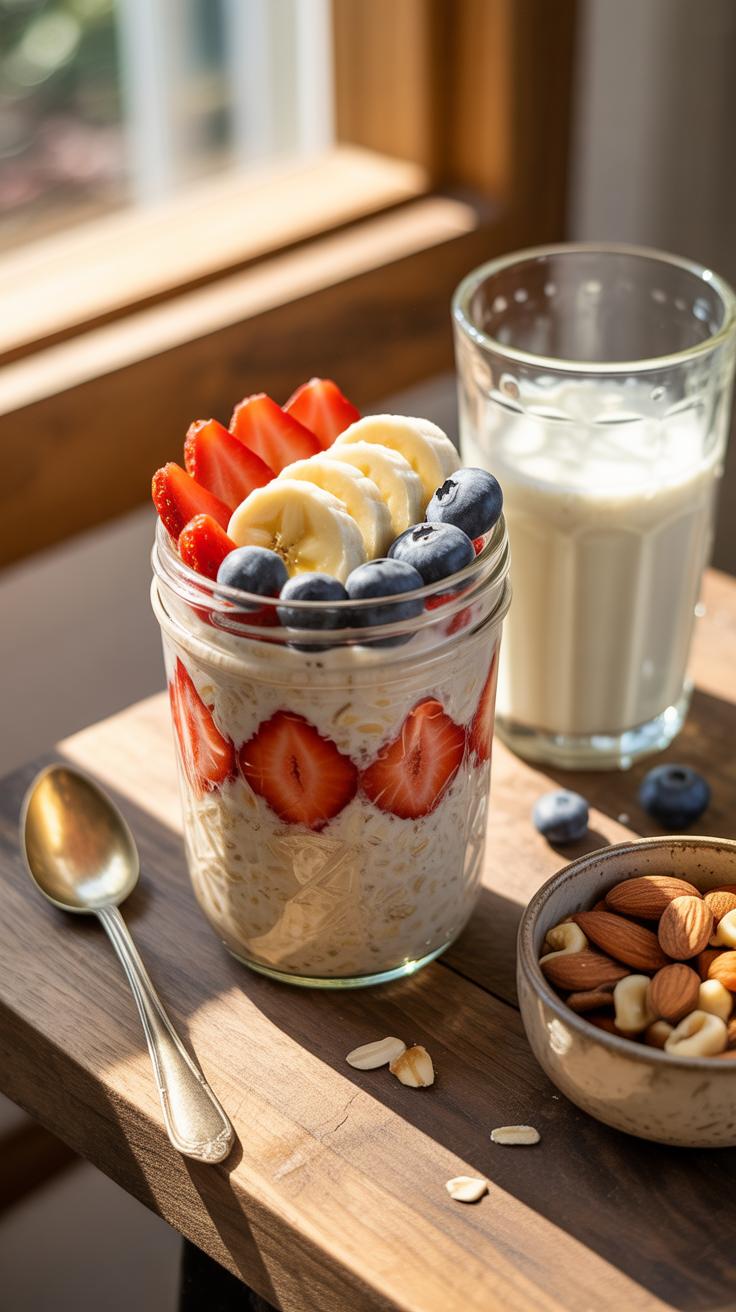
Oats serve as a powerful foundation for any performance-based meal. This whole grain contains beta-glucan, a specific type of soluble fiber. Research shows that beta-glucan reduces LDL cholesterol levels and improves heart health. Oats also have a low glycemic index. This means they digest slowly and provide a steady stream of glucose to the bloodstream. You avoid the rapid energy crashes associated with processed cereals.
Beyond fiber, oats deliver essential micronutrients like manganese, phosphorus, and magnesium. These minerals support bone density and metabolic function. The raw state of overnight oats preserves these nutrients better than high-heat cooking methods. These grains also contain unique antioxidants called avenanthramides. These compounds help lower blood pressure by increasing nitric oxide production. This makes the grain a strategic choice for long-term cardiovascular maintenance and daily energy.
How Protein At Breakfast Supports Satiety, Energy, And Muscle Health
Adding protein to your morning oats changes how your body processes the meal. Protein triggers the release of satiety hormones like peptide YY. These signals tell your brain you are full. High protein intake in the morning prevents overeating later in the day. It also stabilizes blood sugar levels better than a meal consisting of carbohydrates alone. This creates a reliable energy platform for high-intensity work.
Muscle protein synthesis requires a consistent supply of amino acids throughout the day. Your body cannot store excess protein for later use. Consuming twenty to thirty grams at breakfast initiates tissue repair after overnight fasting. This practice protects lean muscle mass during weight loss or intense training cycles. Combining protein with slow-digesting oats creates a dual-action fuel source. You get immediate metabolic support and long-term muscle maintenance in one bowl.
Overnight Oats High Protein Variations To Keep Your Mornings Exciting
Chocolate Peanut Butter Protein Overnight Oats For A Indulgent Yet Healthy Twist
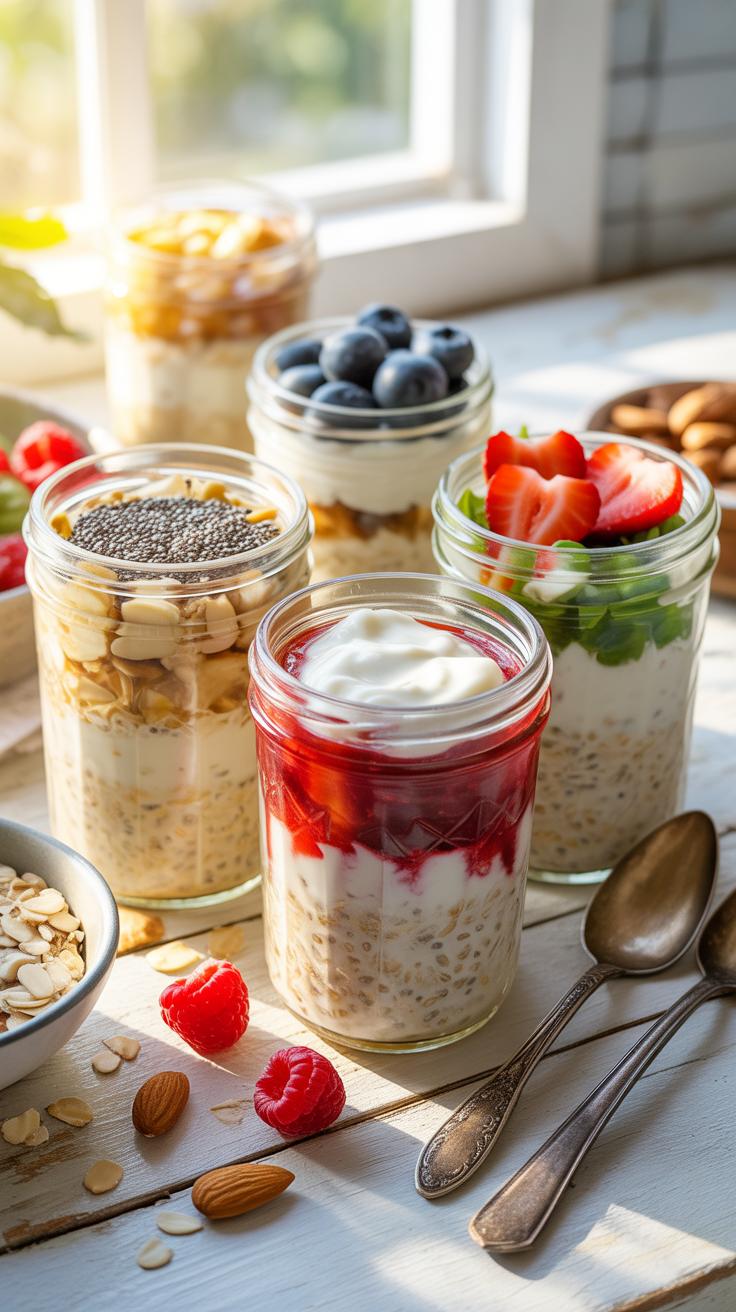
Combine chocolate whey protein with unsweetened cocoa powder to create a rich flavor profile. Add natural peanut butter for its healthy fats and additional protein content. This combination slows digestion and keeps you full longer. Use rolled oats instead of quick oats to maintain texture during the overnight soak. Mix these dry ingredients with almond milk or water until the consistency remains smooth.
The chemical reaction between the protein powder and liquid creates a dense pudding texture. This happens as the oats absorb moisture and release starches over eight hours. Add a pinch of sea salt to enhance the cocoa flavors without adding extra sugar. This recipe delivers a high caloric density suitable for post-workout recovery. You get a controlled insulin response by avoiding refined sweeteners in this specific build.
Berry And Greek Yogurt Overnight Oats For A Fruity High Protein Option
Greek yogurt acts as a primary protein source and a thickening agent. It provides probiotics that support gut health while adding a sharp tang to the base. Layer fresh or frozen berries like blueberries and strawberries into the jar. Frozen berries are often superior because they release natural juices as they thaw. These juices infuse the oats with color and vitamins during the night.
Select plain Greek yogurt to control the total sugar intake of the meal. Mix it thoroughly with the oats and milk to ensure even hydration of the grains. The acidity in the yogurt helps break down the phytic acid found in raw oats. This process makes the nutrients more bioavailable for your body to absorb. This variation offers a lighter texture compared to nut butter based versions.
Overnight Oats Recipe Healthy Swaps For Dietary Needs And Preferences
Dairy Free And Vegan Protein Substitutes That Still Deliver On Nutrition
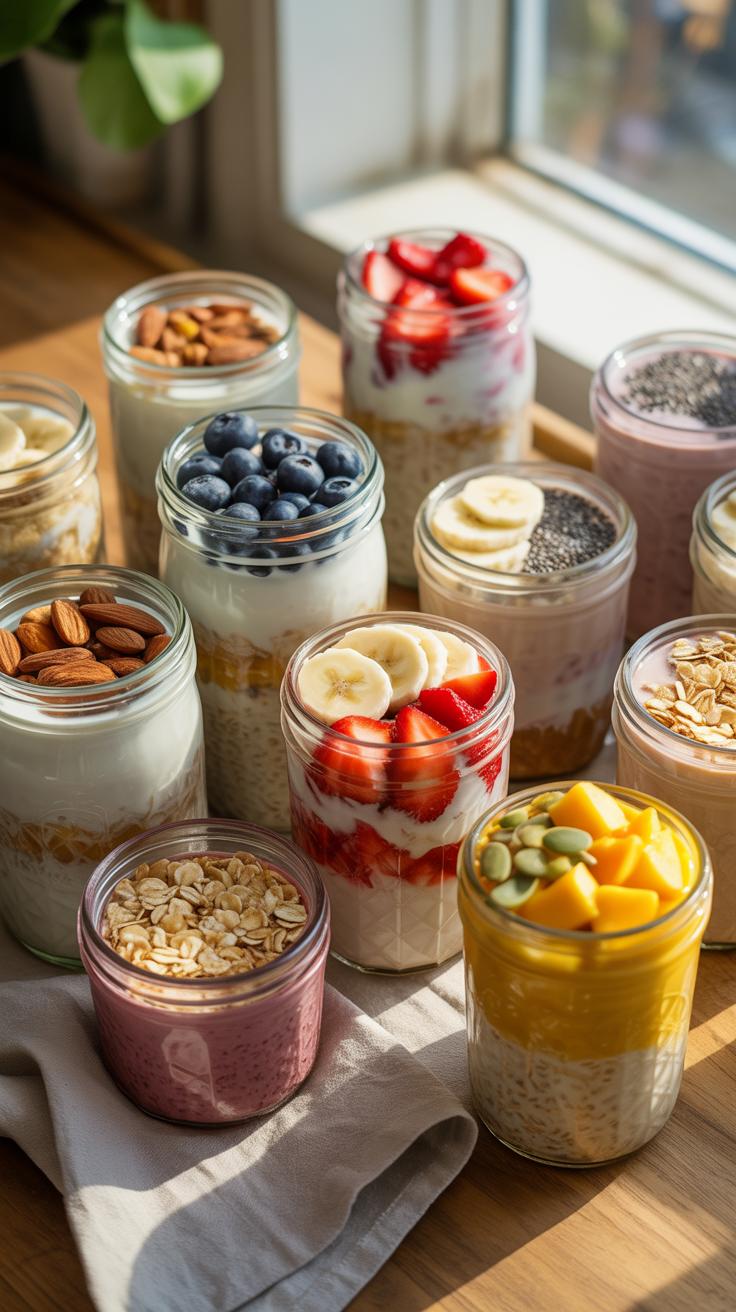
Standard whey protein often causes digestive distress for those with lactose sensitivity. Swap animal-based powders for pea, soy, or brown rice protein isolates. These plant sources provide a complete amino acid profile necessary for muscle repair. Use unsweetened soy milk or pea milk to increase the total protein count. These liquids contain more protein than almond or coconut milk varieties.
Texture matters when removing dairy components. Stir in two tablespoons of chia seeds or ground flaxseeds. These ingredients absorb liquid to create a thick consistency similar to Greek yogurt. They also provide essential omega-3 fatty acids and extra fiber. This combination keeps you full longer and stabilizes your energy levels. Avoid flavored milks with added gums to ensure the cleanest nutritional profile.
Lower Sugar And Gluten Sensitive Adaptations Without Sacrificing Flavor
Manage glycemic impact by eliminating refined sweeteners like honey or maple syrup. Use mashed berries or a few drops of liquid stevia for natural sweetness. These options provide flavor without the sharp insulin spikes caused by processed sugars. Adding cinnamon also improves the perception of sweetness while helping regulate blood sugar levels. This strategy keeps the meal functional for weight management goals.
Standard oats often face cross-contamination with wheat during processing. Select oats specifically labeled as certified gluten-free to ensure safety for celiac or sensitive diets. Ensure the protein powder does not contain hidden malt or grain-based fillers. For those avoiding grains entirely, use hemp hearts or extra seeds as a base. These swaps maintain the structural integrity of the meal while adhering to strict dietary requirements.
Oat Recipes Healthy Meal Prep Strategy Batch Making Overnight Oats For The Week

How Many Days In Advance Can You Safely Prepare Overnight Oats?
Standard food safety protocols dictate that prepared oats stay fresh for up to five days when refrigerated. This timeline matches the typical work week. Prepared oats maintain peak texture during the first forty-eight hours. After three days, the starch molecules break down further. This process changes the consistency from chewy to soft. Plan your production cycle to align with these chemical changes.
Add protein powder to your base for better long-term stability. Most whey and plant-based isolates act as thickeners that hold moisture over time. Avoid adding fresh berries or sliced bananas more than twenty-four hours ahead of consumption. These fruits oxidize and release juices that compromise the oat structure. Stick to a five-day maximum to prevent mold growth and ensure the highest nutritional quality.
Smart Storage Tips To Keep Your Oats Fresh Creamy And Ready To Grab
Use glass jars with airtight lids for the best storage results. Glass resists odors and does not leach chemicals into your food. Wide-mouth jars make mixing and eating easier. Ensure the seal is tight to prevent the oats from absorbing refrigerator smells. Proper sealing also stops the top layer from drying out. Cold air circulation in the fridge is vital for maintaining a safe temperature.
Leave half an inch of space at the top of your container. Protein oats often expand as they hydrate with liquid. Stacking jars vertically saves space in small refrigerators. If your oats become too thick by day four, splash in more liquid right before eating. This restores the creamy texture without extra prep time. Keep the jars toward the back of the fridge for the most consistent cooling.
Over Night Oats Protein Recipe Mistakes To Avoid For The Perfect Texture Every Time
Why Your Overnight Oats Turn Out Too Thick Or Too Watery And How To Fix It
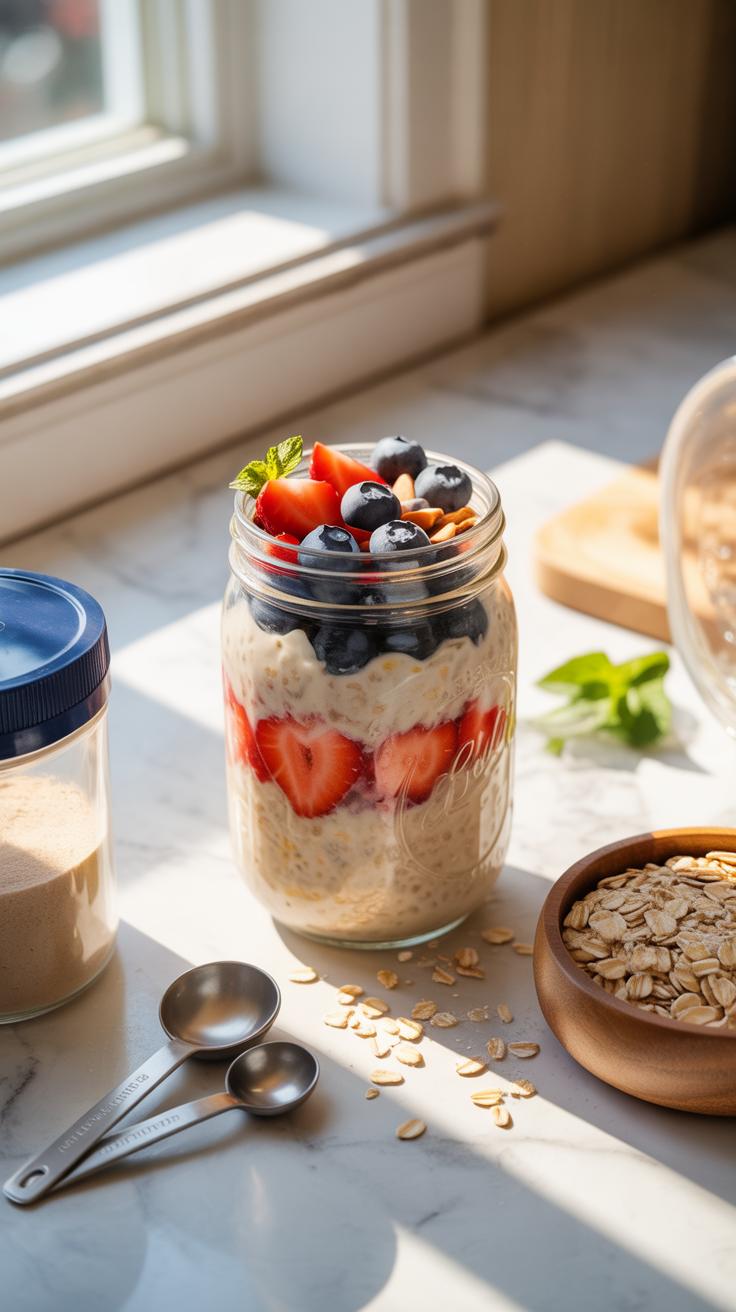
Oats absorb liquid at different rates based on their type. Rolled oats require a specific ratio of one part oats to one part liquid. Steel cut oats need more hydration and time to soften. If your mix is a brick, you ignored the absorption capacity of the grains. If it is soup, you added too much liquid without enough dry binder to hold it.
Fixing texture issues requires immediate action after the soak. Add a splash of milk or water to loosen thick oats before eating. Use chia seeds or ground flaxseeds to thicken watery mixtures. These seeds soak up excess moisture and provide a gel-like structure. Always measure your ingredients with precision. Guessing leads to inconsistent results. Stick to the proven ratios for a reliable breakfast every single morning.
Common Protein Powder Mistakes That Affect Taste And Consistency
Protein powder acts as a drying agent in overnight oats. Whey protein isolates often turn clumpy or chalky when mixed with cold liquid. Plant-based proteins absorb significantly more water than animal-based options. If you swap a whey powder for a pea protein powder without adding extra liquid, the oats will become dry and unpalatable. The type of protein dictates the final hydration level of the entire jar.
Avoid adding protein powder after the soaking process. Mixing it in the morning creates lumps that ruin the mouthfeel. Stir the powder into the liquid first to create a smooth base before adding the oats. This ensures even distribution of flavor and nutrients. Watch out for artificial sweeteners in cheap powders. High heat or long soak times can make these flavors taste metallic or overly chemical by morning.
Oats Recipes Beyond Breakfast Creative Ways To Enjoy Protein Overnight Oats All Day

Using Overnight Protein Oats As A Post Workout Snack Or Light Lunch
Resistance training creates micro-tears in muscle fibers. Consuming protein and complex carbohydrates immediately after exercise triggers muscle protein synthesis and refills glycogen stores. Overnight protein oats provide the necessary branched-chain amino acids and fiber to stabilize blood sugar. This combination prevents the energy crash often associated with simple sugar snacks. Prepare these jars in advance to ensure you hit your metabolic window.
Oats function as a neutral base for savory applications. Treat them like risotto or congee for a substantial midday meal. Add salt, pepper, and nutritional yeast instead of sweeteners. Stir in lean proteins like shredded chicken or egg whites for a dense macro profile. This approach shifts the meal from a sweet breakfast staple to a functional lunch. Cold savory oats offer a refreshing, high-protein alternative to heavy sandwiches.
Dessert Inspired Overnight Oats That Still Hit Your Protein Goals
Standard desserts rely on refined flours and sugars that offer zero nutritional utility. You can mimic these flavors using high-quality whey or casein isolates. Casein is particularly effective because it creates a thick, pudding-like texture when cold. Mix cocoa powder or PB2 into the base to satisfy cravings without the caloric load of traditional sweets. This strategy turns a late-night snack into a functional recovery tool.
Texture is the critical factor in making healthy oats feel like a treat. Add chia seeds to simulate the mouthfeel of traditional tapioca or rice pudding. Top the oats with cacao nibs or crushed nuts for a crunch that does not degrade over time. These additions provide healthy fats and micronutrients while maintaining the integrity of your diet. You consume a balanced meal that supports muscle growth instead of empty calories.
Frequently Asked Questions

What are overnight protein oats and why are they so popular?
Overnight protein oats are a no-cook breakfast method where rolled oats soak in liquid and protein powder overnight. This process softens the grains, creating a creamy, pudding-like consistency by morning. They are incredibly popular because they offer a balanced, high-protein meal that is ready the moment you wake up. By prepping your overnight protein oats the night before, you save precious time during hectic mornings without sacrificing your nutritional goals.
How can I prevent my overnight oats from becoming too dry or chalky?
To achieve the perfect texture, use a ratio of one part oats to one part liquid, plus a splash extra to account for the protein powder. If you find your overnight protein oats are still too thick, stir in a little more almond milk or Greek yogurt just before serving. Adding a tablespoon of chia seeds also helps create a smooth, gel-like consistency that keeps the mixture moist and delicious.
Do I need expensive supplements to make a high-protein version of this recipe?
Not at all! While protein powder is convenient, you can easily boost the protein content using affordable pantry staples. Substituting water with cow’s milk or soy milk, adding a dollop of peanut butter, or mixing in a scoop of Greek yogurt are all budget-friendly ways to increase nutrients. These accessible ingredients provide plenty of power to your breakfast even if you choose not to use specialized supplements or powders.