
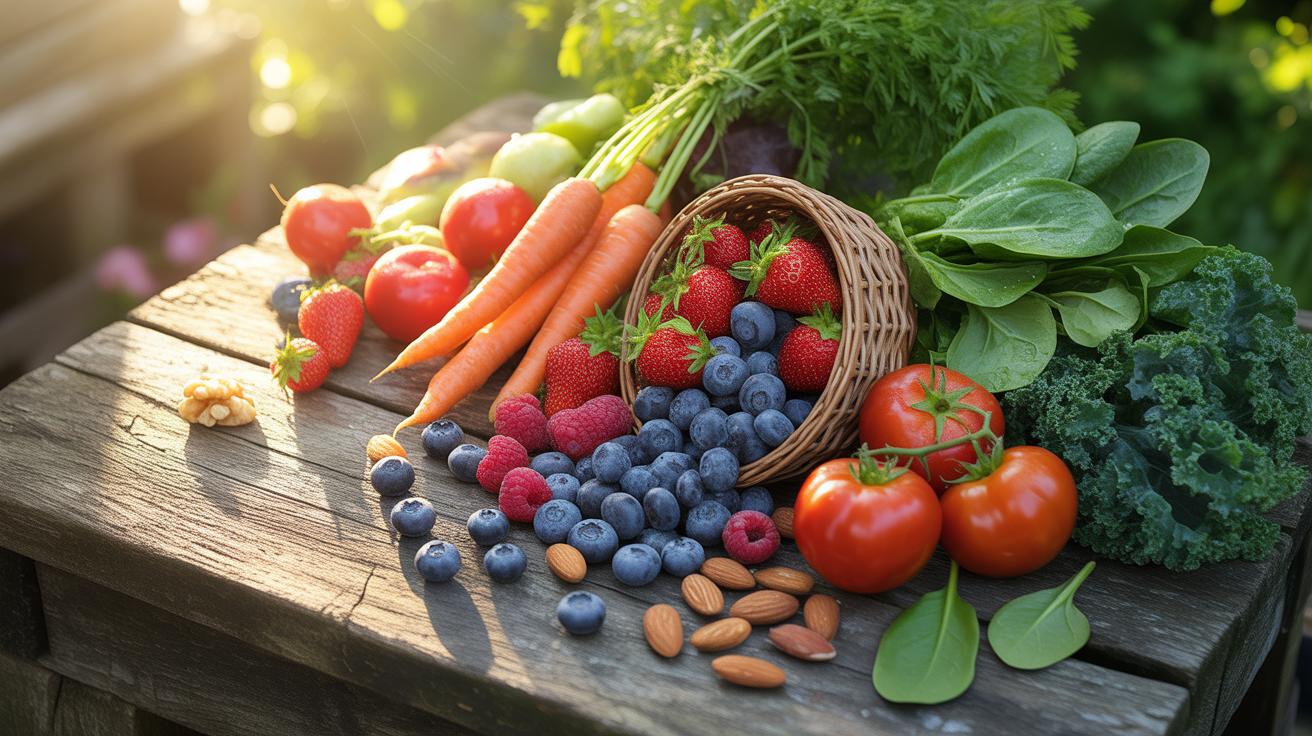
What Are Anti Oxidant Foods And Why Does Your Skin Need Them
Understanding Free Radicals And Oxidative Stress On The Skin
Free radicals are unstable molecules with unpaired electrons. They steal electrons from healthy skin cells, causing cellular damage. This process triggers oxidative stress. External factors like UV radiation, air pollution, and cigarette smoke accelerate this reaction. When free radicals overwhelm your body, the skin loses its structural integrity. You see this as premature aging and loss of elasticity.

Oxidative stress degrades collagen and elastin fibers in the dermal layer. This breakdown leads to wrinkles, sagging, and uneven skin tone. Chronic inflammation often follows, weakening the skin barrier. A weak barrier cannot retain moisture or defend against pathogens. Managing these unstable molecules is necessary to maintain skin health. Without intervention, molecular damage accumulates and becomes visible on the surface.
How Antioxidants Neutralize Damage And Support Skin Cell Renewal
Antioxidants are molecules that donate electrons to free radicals. This donation stabilizes the radical without making the antioxidant unstable. By neutralizing these threats, antioxidants stop the chain reaction of cellular destruction. This protection prevents damage to your DNA and protein structures. Consuming antioxidant rich foods provides the internal defense needed to shield skin cells from environmental stressors.

These compounds also support the natural repair cycle of your skin. They reduce inflammation and create an environment where cell turnover occurs efficiently. By protecting fibroblasts, antioxidants ensure your body keeps producing new collagen. This process helps repair existing damage and improves skin texture over time. Consistent intake of these nutrients builds a biological shield that maintains a youthful and healthy appearance.
Top Antioxidant Fruits And Vegetables That Promote A Natural Radiance
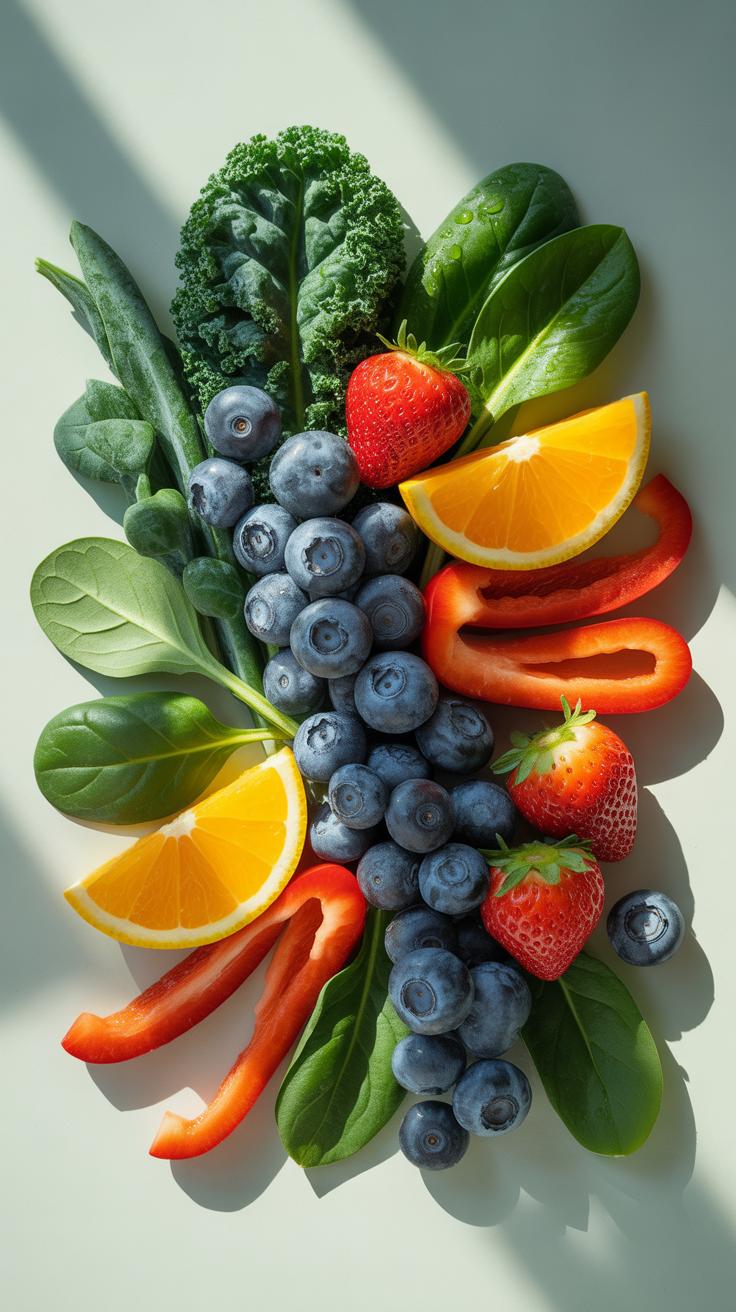
Berries, Citrus, And Leafy Greens: Nature’S Skin Brightening Powerhouses
Berries contain high concentrations of anthocyanins and vitamin C. These compounds neutralize free radicals caused by sun exposure and pollution. Blueberries and strawberries specifically help maintain collagen integrity in the dermal layer. This process prevents premature sagging and maintains a firm skin surface. Consistent intake of these fruits provides the raw materials your body needs for daily cellular repair and structural support.
Citrus fruits and leafy greens deliver essential vitamin C and lutein. Vitamin C acts as a mandatory cofactor for collagen synthesis. Without it, your skin cannot repair connective tissue effectively. Spinach and kale provide antioxidants that filter high-energy blue light. This internal defense mechanism reduces oxidative stress at the surface level. These foods work together to brighten skin tone and reduce visible signs of environmental damage.
How Beta Carotene In Vegetables Like Carrots And Sweet Potatoes Supports Skin Tone
Beta-carotene is a provitamin A carotenoid found in orange and yellow vegetables. Your body converts this compound into retinol, which regulates cell turnover and repair. High levels of beta-carotene stay in the subcutaneous fat layers. This storage creates a natural, healthy glow often called a carotenoid tan. It provides a baseline of protection against ultraviolet radiation damage by absorbing harmful light energy.
Vegetables like sweet potatoes and carrots also contain fiber which aids systemic detoxification. Clear skin often reflects efficient internal waste removal and low inflammation levels. Consuming these vegetables daily ensures a steady supply of photoprotective compounds. These nutrients settle in the epidermis to bolster the physical skin barrier. This barrier prevents moisture loss and keeps the skin texture smooth while improving overall color and tone.
Food High In Antioxidants The Role Of Vitamins C And E In Skin Health
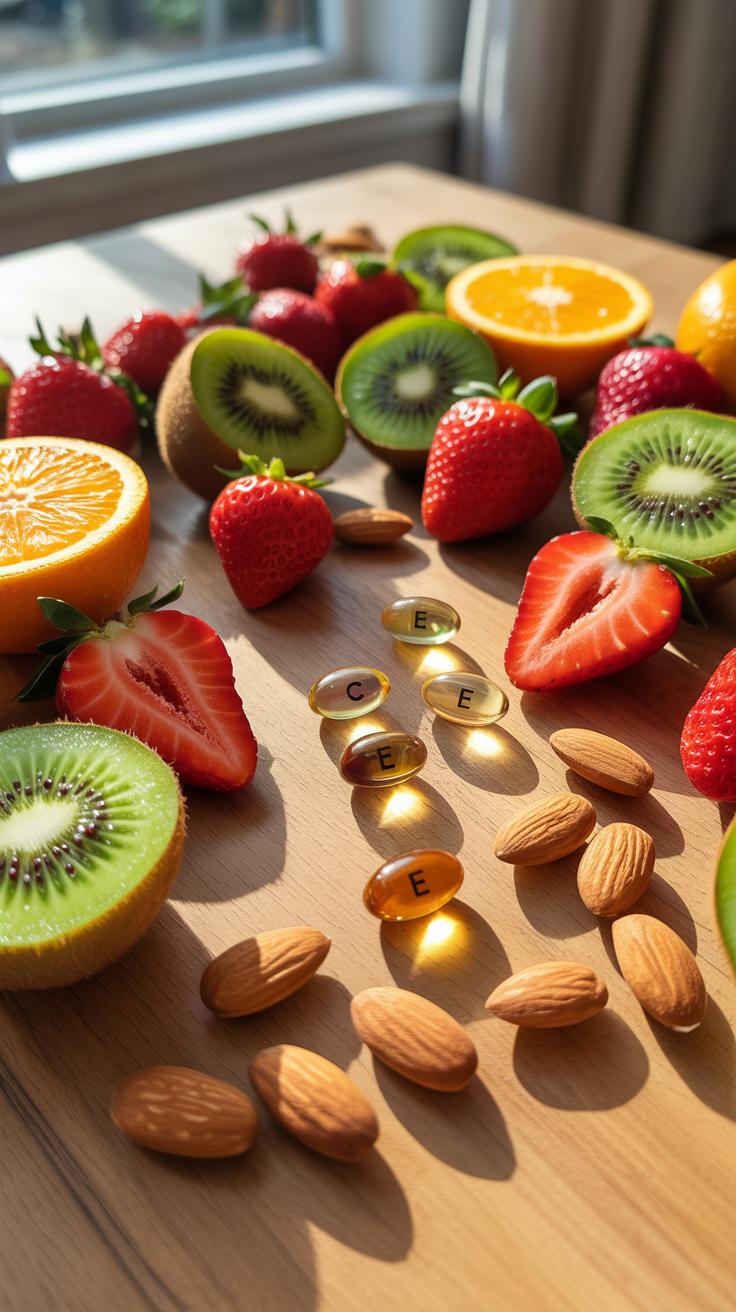
Vitamin C Rich Foods That Boost Collagen Production And Fight Dullness
Vitamin C acts as a critical cofactor for the enzymes responsible for stabilizing and cross-linking collagen fibers. This process maintains skin density and prevents sagging. Foods like bell peppers, strawberries, and citrus offer high concentrations of L-ascorbic acid. This nutrient neutralizes free radicals caused by smog and smoke. Regular intake of these foods helps the body repair damaged skin cells and maintain a strong structural barrier.
High levels of dietary Vitamin C directly inhibit tyrosinase activity. This enzyme controls melanin production in the skin. Consuming guavas and kale reduces the formation of dark spots and uneven skin tone. This antioxidant also recycles spent Vitamin E, extending the body’s internal defense system against environmental stress. Proper levels ensure the skin stays bright and sheds dead cells efficiently. This prevents the dull appearance common in nutrient-deficient diets.
Your skin is a fingerprint of what is going on inside your body and all that is beautiful begins with a harvest of nourishment.
Vitamin E Sources That Shield Skin From UV Related Oxidative Damage
Vitamin E is a fat-soluble antioxidant that accumulates in the lipid-rich layers of the skin. It absorbs energy from ultraviolet light to prevent inflammatory damage. Sunflower seeds, almonds, and hazelnuts provide high doses of alpha-tocopherol. This specific form of the vitamin protects cell membranes from lipid peroxidation. By stopping this chemical reaction, Vitamin E prevents premature aging and maintains the integrity of the skin moisture barrier.
This nutrient works best when paired with healthy fats for maximum absorption. Avocados and leafy greens offer natural sources that strengthen the skin’s photoprotective response. While it does not replace sunscreen, Vitamin E minimizes the severity of skin reactions to sun exposure. It keeps the skin hydrated by preventing water loss through the epidermis. Consistently eating these foods supports long-term resilience against chronic skin irritation and environmental pollutants.
Antioxidant Food Sources Beyond Fruits And Vegetables
Nuts, Seeds, And Legumes As Underrated Antioxidant Allies For Skin
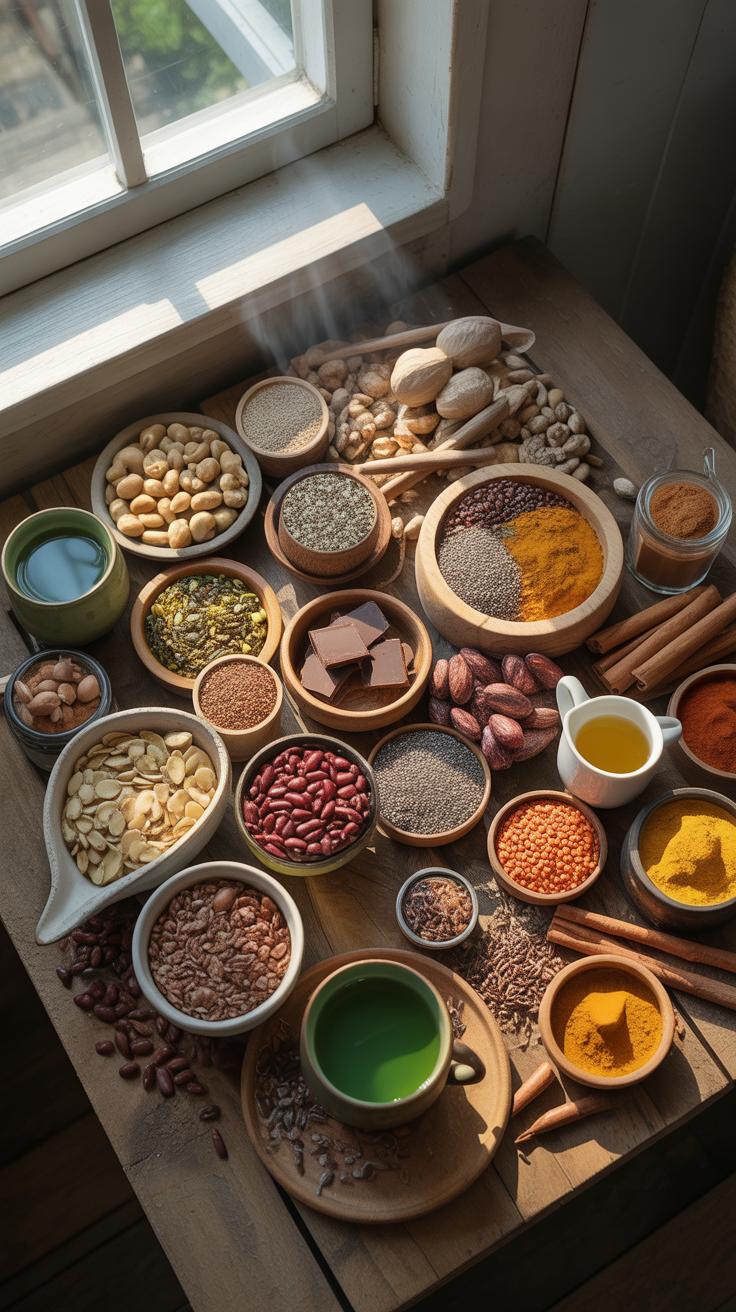
Walnuts and pecans provide high concentrations of polyphenols that fight oxidative stress. These plant sources deliver vitamin E and selenium to protect cell membranes from damage. Most people overlook legumes like small red beans or lentils in skin health strategies. These foods contain proanthocyanidins which help maintain skin elasticity. You must include these dense nutrient sources to supplement your daily antioxidant intake effectively.
Nuts and seeds specifically target lipid peroxidation in the skin layers. This process stops fatty acids from breaking down under UV exposure or pollution. Eating Brazil nuts provides specific minerals that support the enzyme glutathione peroxidase. This enzyme acts as a primary internal defense system against aging. Focus on raw or lightly roasted options to keep the chemical structures intact. Consistency in consumption ensures a steady supply of these protective compounds.
Dark Chocolate, Green Tea, And Spices: Surprising High Antioxidant Foods For Glowing Skin
Dark chocolate with at least seventy percent cocoa contains high levels of flavonols. These compounds increase blood flow to the skin and improve overall hydration levels. Green tea provides epigallocatechin gallate which neutralizes free radicals directly. This specific polyphenol reduces redness and helps repair DNA damaged by sun exposure. Integrating these items into a diet provides a potent defense against environmental skin stressors.
Spices like turmeric and cinnamon offer concentrated amounts of antioxidants in small doses. Curcumin in turmeric modulates inflammatory signaling pathways to keep skin clear and calm. Cloves rank among the highest foods on the oxygen radical absorbance capacity scale. Adding these spices to meals boosts the total antioxidant density of your diet. Prioritize these dry ingredients to maximize cellular protection without adding excessive calories or sugars.
What Foods Are Rich In Antioxidants A Closer Look At ORAC Values
What The ORAC Scale Measures And How It Helps Identify Skin Friendly Foods
The Oxygen Radical Absorbance Capacity scale measures the total antioxidant power of foods. It quantifies how well a substance neutralizes free radicals in a test tube. Free radicals damage skin cells and accelerate visible aging. Using this scale helps scientists compare different plant sources for their ability to stop oxidative stress. It provides a baseline for selecting the most potent nutrient sources.
High ORAC scores generally indicate a high concentration of polyphenols and vitamins. These compounds protect the skin matrix from environmental threats like UV radiation and pollution. While lab results do not always translate perfectly to human digestion, they identify which raw materials contain the most protective power. Focus on these values to prioritize ingredient density in your diet. This data driven approach ensures your skin gets maximum protection.
Highest Ranked Antioxidant Foods By ORAC Score You Should Know About
The following foods hold some of the highest recorded scores on the ORAC index. Herbs and spices often outperform fruits due to their concentrated chemical profiles. Integrating these items into your daily meals provides a concentrated dose of cell protection. These tactical choices optimize your biological defense against tissue degradation. Use these specific ingredients to boost your intake of antioxidant rich foods and improve skin resilience.
- Sumac: This ground spice sits at the top of the index. It provides a massive concentration of gallic acid and quercetin. These compounds reduce inflammation and protect delicate skin lipids from breaking down over time.
- Clove: Dried cloves possess an extremely high score because they contain concentrated eugenol. This phenolic compound acts as a powerful cleaner for free radicals. Using small amounts provides significant cellular protection compared to most vegetables.
- Dark Chocolate: Pure cocoa contains high levels of flavanols that improve blood flow to the skin. Seek a minimum of seventy percent cocoa content to ensure the antioxidant benefits outweigh the sugar content in the bar.
- Pecans: These nuts lead the category for fat soluble antioxidants. They contain a specific form of vitamin E called gamma-tocopherol. This nutrient prevents the oxidation of fats in the skin and maintains the natural moisture barrier.
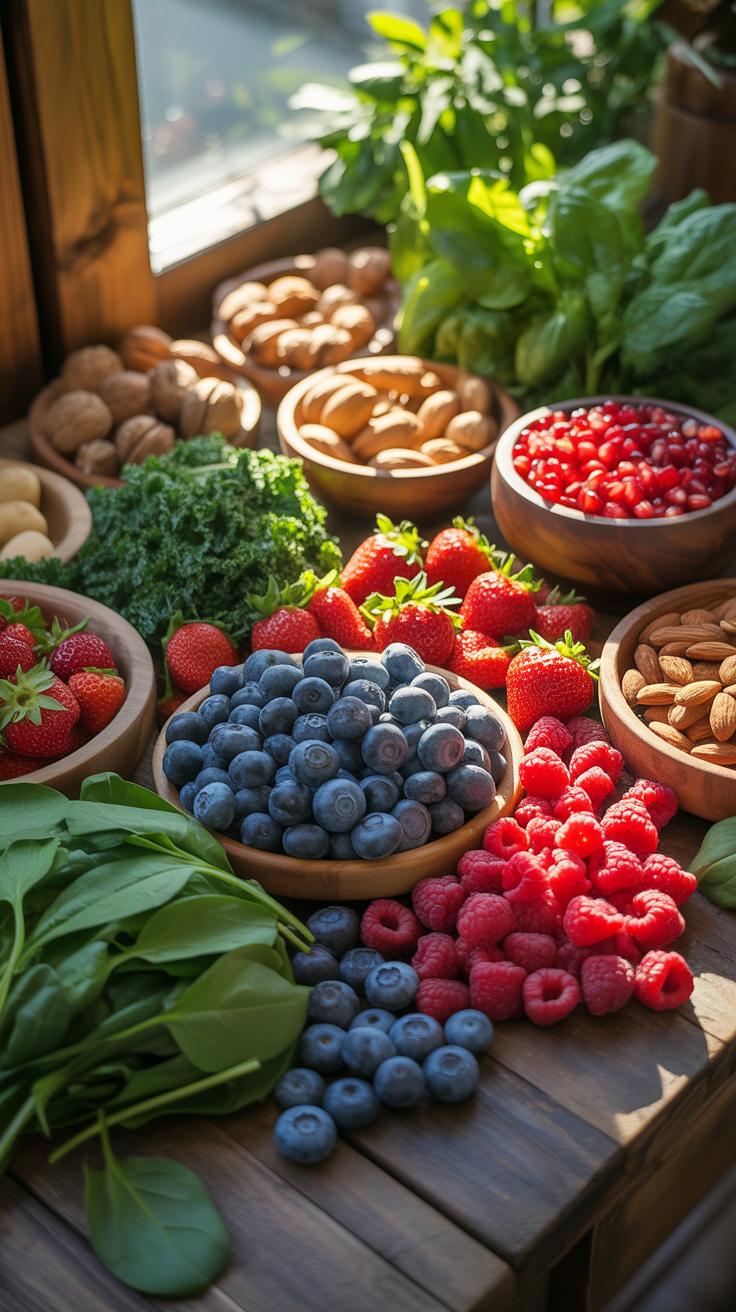
- Blueberries: Wild varieties offer significantly higher scores than cultivated types. They are rich in anthocyanins which give them their dark color. These pigments reinforce collagen structures and prevent sagging by defending against enzymatic breakdown of skin tissue.
Targeting these specific items allows for better resource allocation in your diet. You do not need to eat massive quantities to see physical results. Small, consistent portions of these top-tier foods saturate your tissues with protective molecules. This strategy creates a biological shield for your skin from the inside out. Combine these high-score foods with a clean lifestyle for the best results.
Healing Food How An Antioxidant Rich Diet Helps Repair And Protect Skin
Anti Inflammatory Benefits Of Antioxidant Foods That Calm Redness And Acne
Antioxidant rich foods mitigate systemic inflammation that triggers skin redness and acne flares. Free radicals damage sebum lipids through a process called peroxidation. This creates an inflammatory response in the pores. When you consume antioxidants like vitamin E and selenium, you stop this chemical chain reaction. These nutrients stabilize cell membranes. They prevent the structural damage that leads to visible skin irritation and breakouts.
Dietary antioxidants modulate cytokines in the body. These proteins regulate your inflammatory response. Foods high in zinc and beta-carotene lower the production of pro-inflammatory markers. This helps the skin heal faster from existing blemishes. Consistent intake of these nutrients reduces the frequency of inflammatory episodes. It creates a stable environment for skin cells. This stability allows the dermis to repair itself without constant interference from heat or swelling.
How Polyphenols And Flavonoids In Healing Foods Support Long Term Skin Resilience
Polyphenols and flavonoids act as internal shields against ultraviolet radiation and environmental toxins. These plant-based compounds absorb specific light wavelengths and neutralize reactive oxygen species. They reinforce the skin barrier by promoting collagen cross-linking. This provides structural integrity to the extracellular matrix. Regular consumption of foods rich in these compounds builds a cumulative defense. It increases the minimum dose of radiation required to cause skin reddening.
These micronutrients improve microcirculation in the skin tissues. Enhanced blood flow delivers vital nutrients and oxygen to the dermis. This process speeds up cellular turnover and debris removal. Flavonoids also inhibit enzymes that break down elastin. By preserving these fibers, the skin maintains its elasticity and firmness over several decades. This is a tactical approach to long-term skin health. It focuses on biological preservation rather than temporary surface fixes.
Food With Antioxidants How To Build A Skin Glowing Daily Meal Plan
Practical Tips For Incorporating Antioxidant Foods Into Every Meal Of The Day
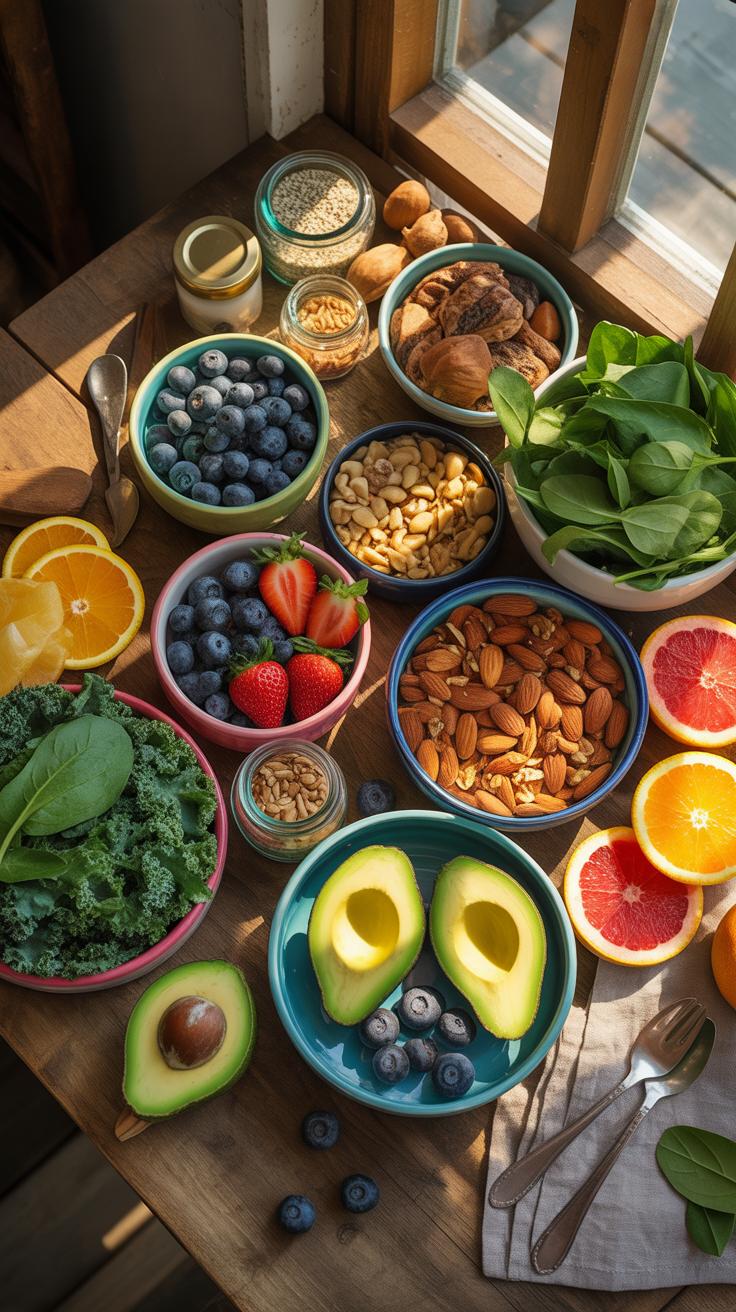
Maximize skin health by spreading antioxidant intake across three main meals and snacks. Consistency ensures a steady supply of protective compounds in your bloodstream. Start your day with vitamin C and E sources to combat UV stress before you leave the house. High-quality fats must accompany fat-soluble antioxidants like carotenoids to ensure proper absorption. Planning your plate around pigments increases dietary success.
- Berries: Blueberries and raspberries contain high levels of anthocyanins. These pigments neutralize free radicals caused by environmental pollution and aging. Add them to oats or yogurt for a simple morning boost.
- Dark Leafy Greens: Kale and spinach provide lutein and zeaxanthin. These specific carotenoids accumulate in the skin and help filter harmful blue light. Sauté them briefly or use them as a raw salad base for lunch.
- Nuts and Seeds: Almonds and sunflower seeds deliver concentrated doses of vitamin E. This lipid-soluble antioxidant protects cell membranes from oxidative damage. Keep a small portion ready for mid-afternoon snacks to maintain skin barrier integrity.
- Bright Orange Vegetables: Sweet potatoes and carrots are rich in beta-carotene. The body converts this into vitamin A which supports skin cell turnover and repair. Roast these as a side dish for your evening meal.
- Green Tea: Camellia sinensis leaves contain polyphenols called catechins. Drinking a cup between meals provides a systemic defense against collagen degradation. Swap coffee for green tea to reduce inflammation throughout the body.
Focus on diversity to cover the full spectrum of phytochemicals. Each color in a plant represents a different protective compound. A monochrome diet limits your defensive capabilities. Use frozen fruits and vegetables if fresh options are unavailable. They often retain more nutrients because processors freeze them at peak ripeness. Small, strategic additions to every meal create a powerful cumulative effect on long-term skin appearance.
How Cooking Methods Affect The Antioxidant Content Of Your Food
Temperature and water exposure dictate the final nutrient density of your meals. Many water-soluble antioxidants like vitamin C and B vitamins leach into boiling water. You lose these nutrients unless you consume the cooking liquid. High-heat frying can oxidize delicate fats and degrade protective enzymes. Minimizing cooking time preserves the structural integrity of these vital compounds. Use fast techniques to keep skin-boosting nutrients intact.
Some antioxidants require heat to become biologically available to the human body. Cooking tomatoes increases the lycopene content by breaking down tough plant cell walls. Similarly, steaming carrots makes beta-carotene easier for your gut to absorb. Always pair these cooked vegetables with a healthy lipid like olive oil. This combination allows your body to transport fat-soluble antioxidants to your skin cells. Strategic preparation yields better results than raw consumption alone.
Antioxidant Foods And Lifestyle Maximizing Skin Glow From The Inside Out
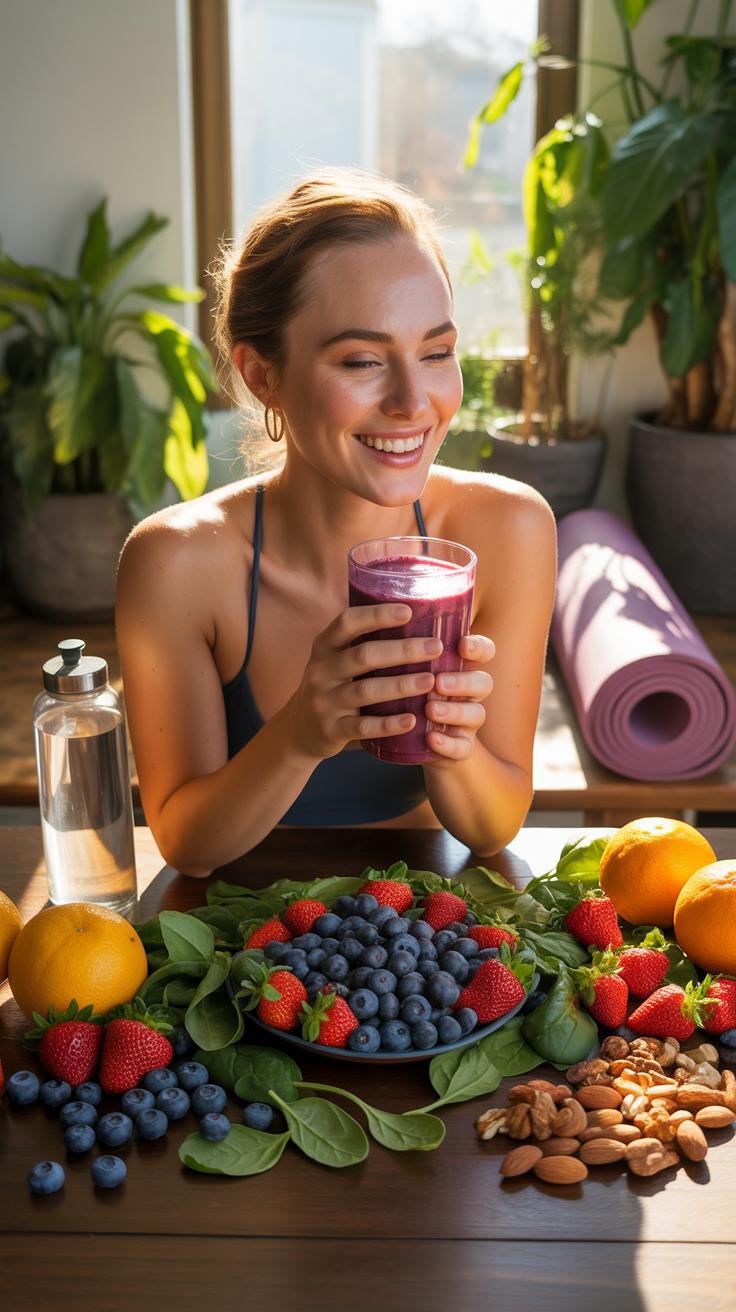
How Hydration And Sleep Work Alongside Antioxidant Foods To Enhance Skin Health
Water intake determines how effectively your body transports nutrients to skin cells. High antioxidant consumption fails without proper hydration because water flushes out the toxins those antioxidants neutralize. Dehydration causes skin to lose elasticity and appear dull regardless of diet. You must maintain fluid levels to ensure vitamins reach the dermis. This synergy creates a functional barrier that prevents environmental damage from taking hold.
Sleep serves as the primary repair phase for your skin. The body produces growth hormones during deep rest that fix cellular damage from the day. Antioxidants provide the raw materials for this process but the actual repair happens while you sleep. Lack of rest spikes cortisol which breaks down collagen and fast tracks aging. Combine a high antioxidant diet with eight hours of sleep to see visible results.
Why Consistency With Antioxidant Food Choices Matters More Than Occasional Superfoods
One bowl of blueberries will not fix year of poor eating. Skin cells take roughly four weeks to renew themselves. You must provide a steady supply of micronutrients to influence this cycle. Irregular intake leads to nutrient gaps that slow down collagen production. Steady consumption builds a reservoir of protective compounds in your tissues. This long term approach ensures your skin stays resilient against daily UV exposure and pollution.
Durable skin health depends on systemic accumulation rather than single doses. Modern research shows that constant low level antioxidant intake outperforms massive one time hits. Your body cannot store many water soluble vitamins for long periods. You must replenish these stores daily through regular meals. Treat your diet like a long term investment. Small daily choices create a cumulative effect that eventually produces a clear and healthy skin tone.
Frequently Asked Questions

What are antioxidants and how do they actually help my skin glow?
Antioxidants are powerful compounds that protect your skin by neutralizing free radicals, which are unstable molecules caused by pollution and UV rays. By incorporating antioxidant rich foods into your daily diet, you help prevent oxidative stress that leads to dullness and premature aging. This internal protection helps maintain collagen production and cellular repair, ultimately resulting in a more radiant, healthy complexion that glows from the inside out.
How can I easily incorporate more antioxidant rich foods into my daily meals?
Boosting your intake is simpler than you might think. Start your morning by tossing a handful of blueberries or raspberries into your oatmeal or yogurt. For lunch, swap iceberg lettuce for dark leafy greens like kale or spinach. You can also snack on a square of dark chocolate or a few walnuts. Consistency is key, so try to add at least one colorful fruit or vegetable to every single meal.
Do I need to buy expensive “superfoods” to get the skin benefits of antioxidants?
Not at all! Achieving glowing skin doesn’t require a massive budget. Many affordable pantry staples are excellent antioxidant rich foods that provide incredible benefits. Red kidney beans, frozen berries, canned tomatoes, and even common carrots are packed with skin-loving nutrients like Vitamin C and beta-carotene. Buying seasonal produce or frozen options is a cost-effective way to nourish your skin without overspending on trendy, imported supplements or exotic powders.