

What Causes Bloating And Why Your Digestive Health Depends On What You Eat
The Most Common Triggers Of Bloating In The Digestive System
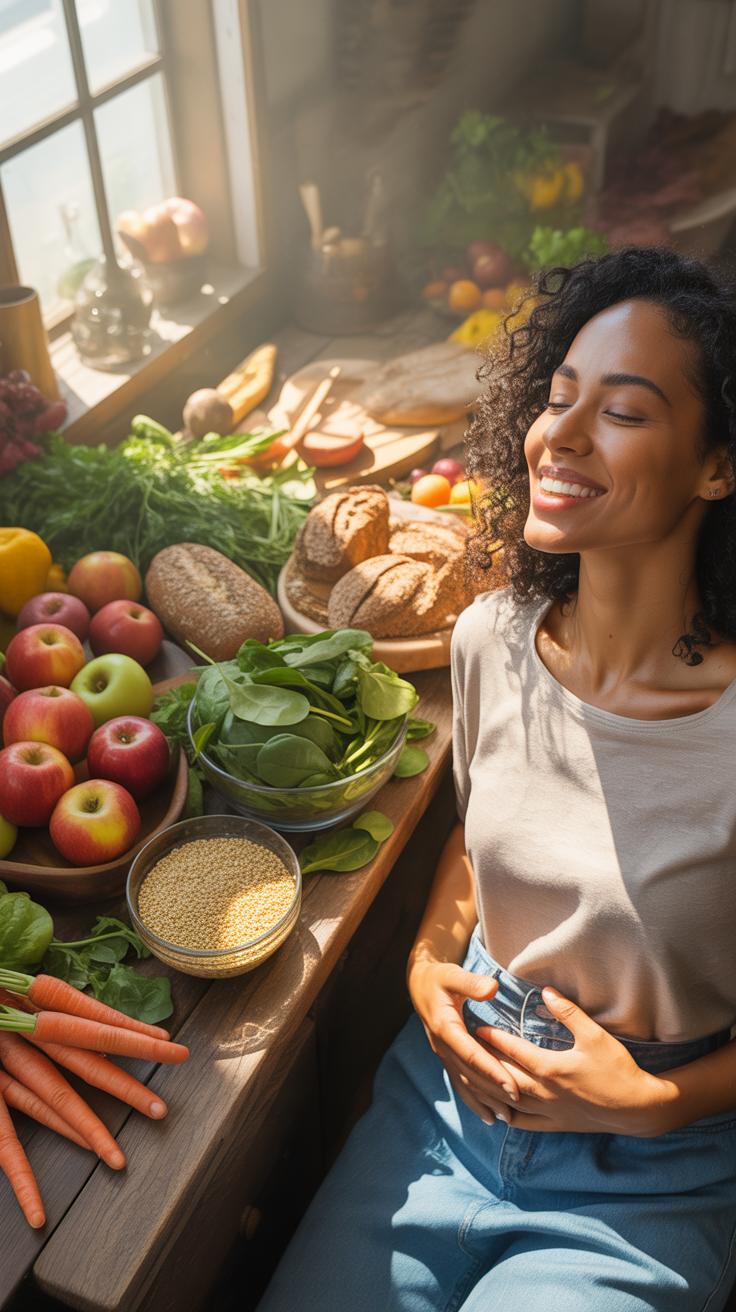
Bloating occurs when the GI tract fills with air or gas. Primary triggers include swallowing excess air while eating too fast. High-sodium diets cause the body to retain water in the gut area. Food intolerances like lactose or gluten sensitivity frequently lead to gas production. Poor bowel motility slows down waste transit and allows bacteria to ferment contents for too long.

Chronic stress also shifts the body into a state that slows digestion. This physiological change causes muscles in the gut to relax incorrectly or spasm. Bacterial overgrowth in the small intestine can disrupt normal gas absorption. Artificial sweeteners like sorbitol are hard for the body to break down. These factors combine to create physical pressure and visible distention in the abdominal cavity.
How The Foods You Eat Directly Influence Gas And Belly Swelling
Dietary choices dictate the chemical reactions inside your stomach. Fiber is essential but eating too much too quickly causes fermentation. Bacteria in your colon consume undigested carbohydrates and release hydrogen and methane gas. This gas expands the intestines and creates the feeling of tightness. High-fat meals slow down the emptying of the stomach which keeps you feeling full and heavy for hours.
Certain compounds called FODMAPs draw water into the digestive system. This process creates a liquid and gas imbalance that stretches the stomach wall. Processed foods contain additives that irritate the gut lining and trigger inflammation. Choosing the right foods reduces this internal pressure immediately. You must balance enzyme activity and gut flora to maintain a flat belly. Proper food selection prevents the physiological chain reaction that leads to swelling.
Cucumber One Of The Most Powerful De Bloat Foods You Can Add To Your Plate

How Cucumbers Help Reduce Water Retention And Abdominal Puffiness
Cucumbers contain high water content and specific antioxidants like quercetin. This flavonoid reduces inflammatory swelling in the digestive tract. High water levels help flush excess sodium out of your system. Sodium attracts water and causes visible belly bloat. Eating cucumbers provides a natural diuretic effect. This helps your kidneys remove more salt through urine. Lower salt levels lead to less water retention.
The silicon and sulfur found in cucumbers also support healthy kidney function. Efficient kidneys manage fluid balance better. This prevents the heavy feeling associated with abdominal puffiness. Many people suffer from bloating due to dehydration. The body holds onto water when it lacks a steady supply. Cucumbers provide hydration and essential electrolytes. This signals the body to release stored fluids. You achieve a flatter stomach quickly.
The Best Ways To Incorporate Cucumber Into Your Daily Meals
Eat cucumbers raw with the skin intact for the best results. The skin contains most of the fiber that aids digestion. Fiber moves waste through the colon to prevent gas buildup. Slicing cucumbers into cold water creates a powerful detox drink. This encourages constant hydration throughout the day. Consistent fluid intake prevents the body from entering survival mode. This mode causes the stubborn water weight you want to lose.
Add sliced cucumbers to salads or use them as a base for cold soups. They replace high-sodium snacks like processed chips or crackers. Lowering your overall salt intake is the fastest way to see results. You can also pair them with protein for a balanced snack. This keeps blood sugar stable and prevents overeating later. Stable eating patterns reduce the air you swallow during rushed meals. This tactical approach ensures a flatter midsection.
Ginger And Peppermint Time Tested Food Health Benefits For Bloating Relief

How Ginger Supports Gastric Motility And Reduces Intestinal Gas
Ginger contains active compounds called gingerols and shogaols. These chemicals stimulate digestive enzymes that break down food faster. Faster digestion prevents food from sitting in the gut and fermenting. Fermentation creates the gas that causes visible belly distension. Ginger acts as a natural prokinetic agent. This means it physically moves food from the stomach into the small intestine to stop pressure buildup.
This root also works as a carminative to soothe the digestive tract. It relaxes the intestinal track to help gas pass through the system more efficiently. You experience less cramping when the gut muscles do not tighten around trapped air. Clinical studies show ginger reduces the time it takes for the stomach to empty. This process directly lowers the risk of chronic bloating after eating heavy meals.
Why Peppermint Relaxes The Gut Muscles And Eases Bloating Discomfort
Peppermint contains menthol which serves as a natural antispasmodic for the digestive system. Menthol relaxes the smooth muscles in the walls of the intestines. When these muscles stay calm, gas moves freely instead of getting trapped in tight loops of the bowel. This relaxation prevents the painful sensations of pressure and stretching in the abdomen. It targets the primary cause of functional bloating effectively.
Historically, healers used peppermint oil to treat general indigestion and colicky pain. Modern science confirms that it blocks calcium channels in the muscle cells of the gut. This action stops the erratic contractions that lead to gas pain and a bloated appearance. Using peppermint shortly after a meal provides a tactical advantage. It ensures the digestive muscles remain fluid and responsive rather than rigid and reactive.
Bananas And Avocados Potassium Rich Debloating Foods That Fight Fluid Retention
How Potassium In Bananas Balances Sodium Levels To Reduce Belly Bloat
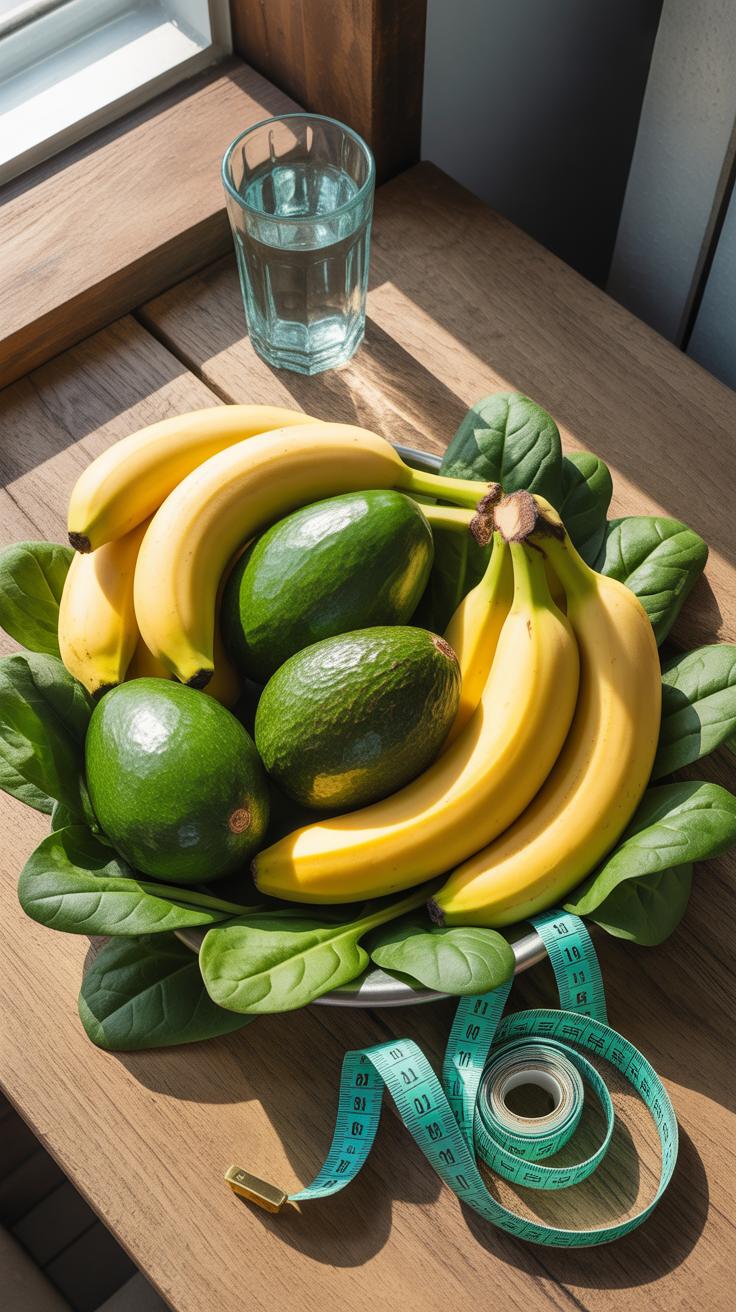
Sodium causes the body to hold onto excess water. This creates visible swelling and tightness in the abdominal area. Potassium is the primary mineral that counters this effect. It signals the kidneys to flush out extra salt through urine. Bananas offer a high concentration of potassium to restore this balance. Eating them helps regulate fluid levels and reduces the feeling of heavy water weight.
Bananas also provide resistant starch to the digestive tract. This specific fiber feeds good gut bacteria and helps move waste through the system. Efficient digestion prevents gas buildup that usually leads to a distended stomach. You get a two-part benefit from one fruit. It tackles both water retention and slow digestion. Consistent intake stabilizes your internal environment and flattens the appearance of the belly quickly.
Why Avocados Are Among The Best Foods That Help With Bloat
Avocados contain even more potassium than bananas per gram. This makes them a powerful tool for reducing salt-induced puffiness. They also provide high levels of monounsaturated fats. These healthy fats help the body absorb nutrients without causing inflammation. High inflammation often leads to chronic bloating and digestive discomfort. Replacing processed fats with avocado reduces the strain on your digestive organs and lowers overall gas production.
Soluble fiber is another tactical advantage found in avocados. This fiber dissolves in water and slows down digestion just enough to prevent blood sugar spikes. It keeps the stool soft and manageable for the colon. Regular bowel movements are essential for maintaining a flat stomach. Avocados work by lubricating the digestive path and flushing out stagnant salt. They are a dense source of energy that keeps the gut moving smoothly.
Probiotic Rich Foods That Debloat By Restoring Your Gut Microbiome
How Yogurt And Kefir Introduce Beneficial Bacteria To Ease Digestive Distress
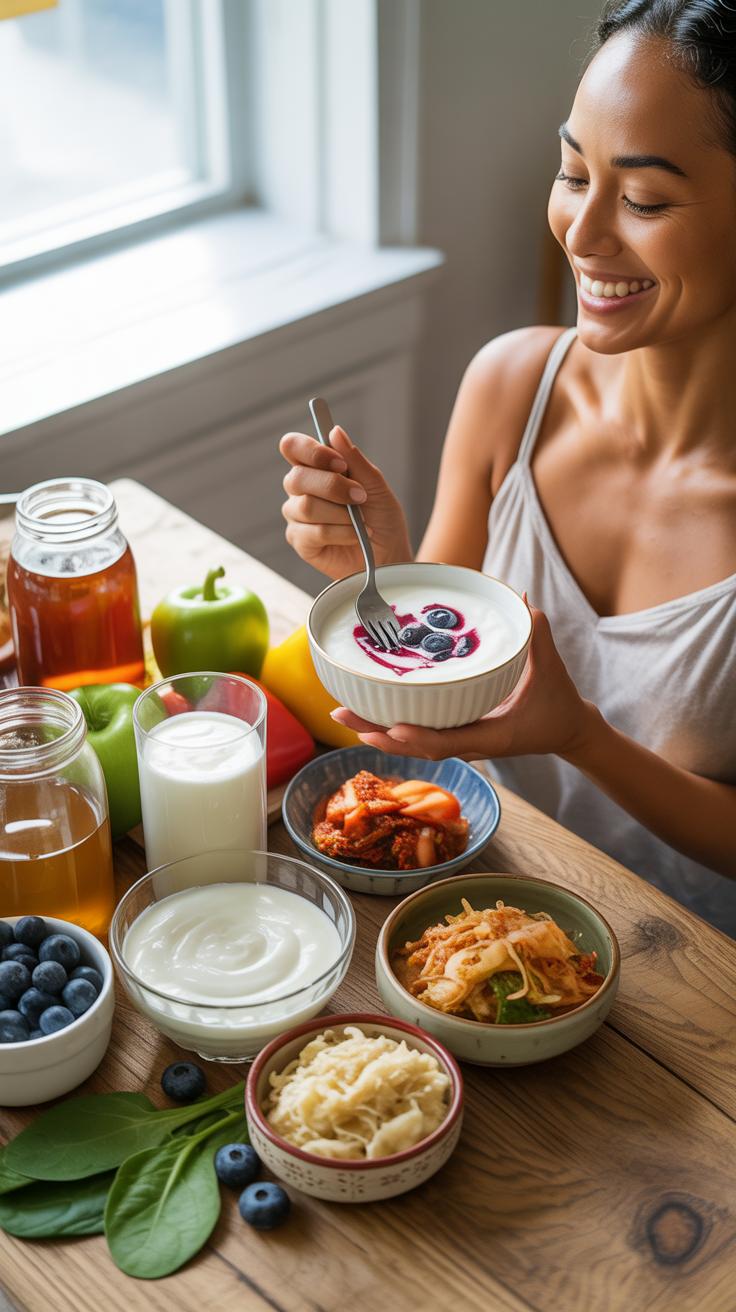
Yogurt and kefir provide live cultures that colonize the gut. These probiotics break down lactose and other sugars that often cause gas. Regular consumption strengthens the intestinal barrier. This prevents undigested food particles from triggering inflammation. Stronger gut walls mean less gas production during the metabolic process. You experience a flatter stomach because your body processes nutrients more efficiently without producing excess air.
Kefir contains more diverse bacterial strains than standard yogurt. It acts as a more aggressive tool for fixing a damaged microbiome. These fermented dairy products increase the population of good bacteria. This shift crowds out harmful microbes that create bloating. Effective digestion depends on this balance of flora. Eating these daily ensures your system stays regular. Consistent movement in the intestines prevents the backup that leads to physical distension.
The Role Of Fermented Foods Like Kimchi And Sauerkraut In Reducing Bloating
Fermented vegetables like kimchi and sauerkraut deliver potent doses of Lactobacillus. These bacteria produce lactic acid during the fermentation process. This acid creates an environment where bad bacteria cannot survive. Ancient preservation techniques used these methods to keep food safe. Today, these same techniques help your stomach breakdown fiber. Pre-digested vegetable fibers are easier for your body to handle. This reduces the heavy feeling after meals.
Sauerkraut and kimchi also stimulate the production of digestive enzymes. These enzymes help your body dismantle complex carbohydrates. When carbs sit in the gut too long, they ferment and cause bloat. Speeding up this breakdown prevents gas from forming in the first place. You only need small servings to see results. Adding one spoonful to your meals changes how your body reacts to fiber. It makes your entire digestive tract more resilient.
Fennel And Asparagus Underrated Debloating Meals Ingredients That Actually Work
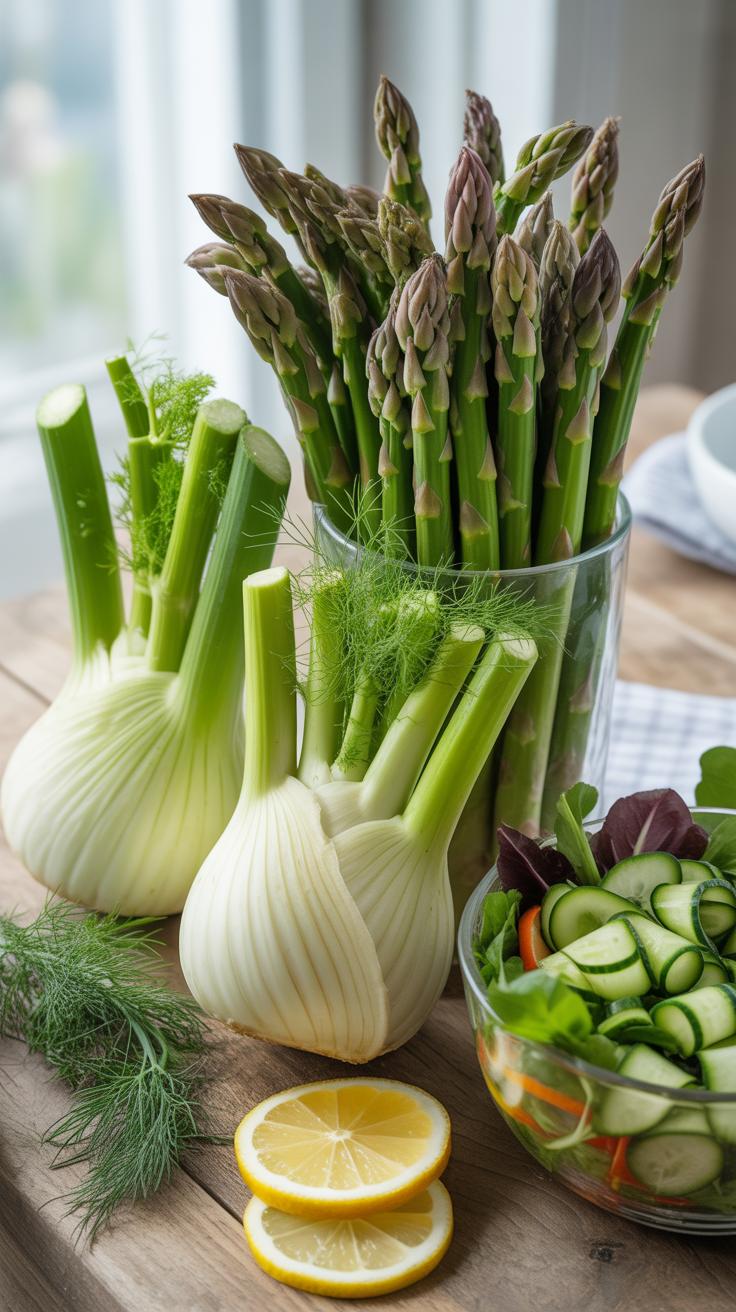
Why Fennel Seeds And Bulb Have Been Used For Centuries To Calm Digestive Gas
Fennel contains anethole. This organic compound relaxes the smooth muscles in your gastrointestinal tract. Ancient Greek and Indian medicinal practices leveraged fennel to stop spasms. When your gut muscles relax, trapped gas moves through your system easily. This prevents the pressure and tightness that causes visible belly distension. You can eat the bulb raw or steep the seeds in hot water for immediate relief.
The plant acts as an antispasmodic agent. It reduces inflammation in the intestines to improve overall motility. Fennel also has antimicrobial properties that help balance gut bacteria. Scientific studies confirm its effectiveness in reducing flatulence and cramping. It works quickly to dissipate air bubbles in the digestive tract. Incorporate fennel into your post-meal routine to stop bloat before it starts. This strategy provides a reliable biological solution.
How Asparagus Acts As A Natural Diuretic To Flush Out Excess Water Weight
Asparagus contains high levels of the amino acid asparagine. This chemical acts as a natural diuretic. It signals your kidneys to release excess sodium and water from your body. This process reduces the puffiness caused by water retention. You will notice a flatter midsection as your body sheds cellular fluid. It is a tactical tool for thinning out the waistline after a high-salt meal.
This vegetable also provides prebiotic fiber. Inulin in asparagus feeds the healthy bacteria in your gut. A balanced microbiome produces less gas during the digestive process. Asparagus helps you stay regular without the heavy bulk of other fibrous greens. It flushes the urinary tract while supporting long-term digestive health. Eat it steamed or grilled to keep these nutrients intact. High potassium levels further counteract salt-induced bloating.
Papaya And Pineapple Tropical Foods That Help With Bloat Through Natural Enzymes
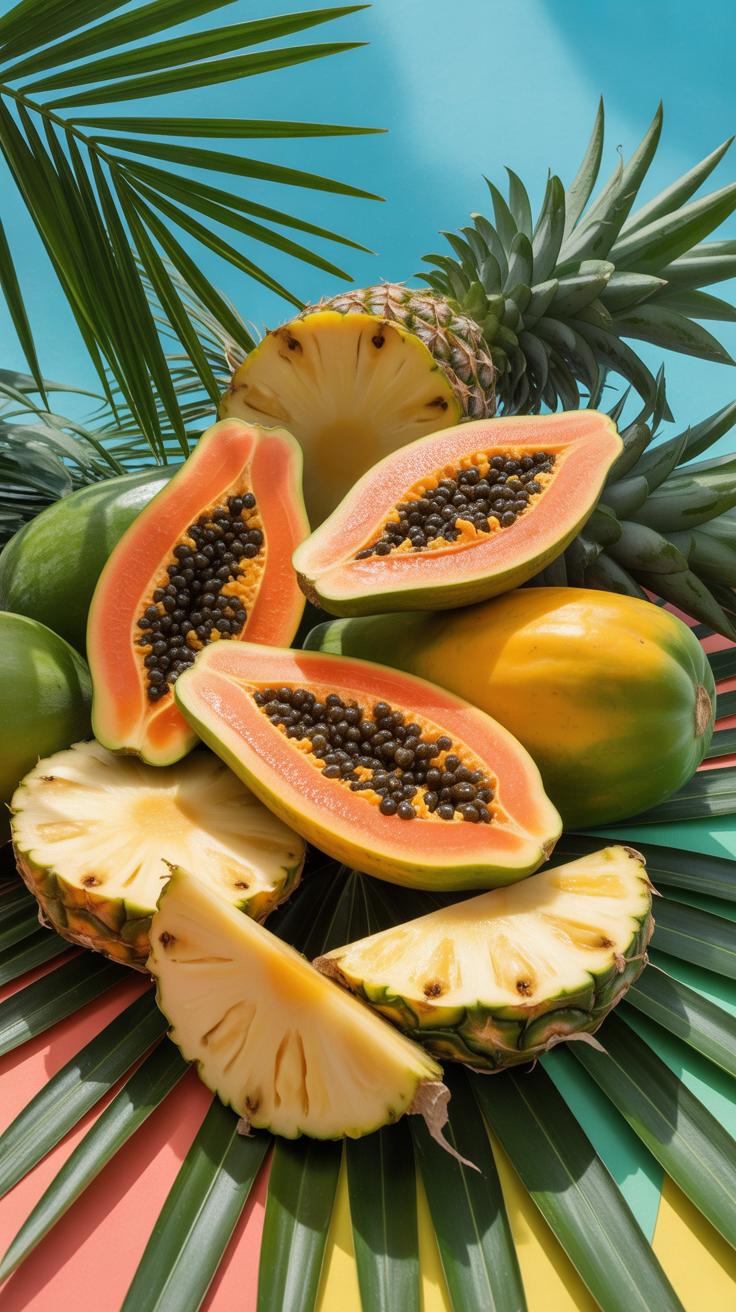
How Papain In Papaya Breaks Down Proteins And Supports Easier Digestion
Papaya contains a powerful proteolytic enzyme called papain. This enzyme mimics the action of pepsin in your stomach. It works by breaking down tough protein fibers into smaller amino acids. Most bloating occurs when undigested proteins ferment in the lower digestive tract. Papain targets these proteins early to prevent gas formation. This process clears the gut and reduces abdominal pressure.
Eating ripe papaya provides the highest concentration of active enzymes. The fruit also contains high water content and fiber to move waste through the colon. Regular consumption helps maintain a consistent digestive rhythm. You should consume papaya fresh rather than cooked to keep the enzymes alive. Heat destroys these delicate proteins. Integration of this fruit into your diet provides immediate relief from heavy meals.
Why Bromelain In Pineapple Helps Reduce Gut Inflammation And Bloating
Pineapple delivers bromelain which is a complex mixture of enzymes. It primarily aids in protein digestion but offers significant anti-inflammatory benefits too. Inflammation in the gut lining often causes swelling and water retention. Bromelain reduces this tissue swelling to flatten the stomach area. It also helps the body absorb nutrients more efficiently. Faster digestion means less time for food to sit and rot.
Bromelain concentrates mostly in the stem and core of the pineapple. Use a juicer or blend the core into smoothies to get the full effect. This enzyme also relaxes the smooth muscles of the bowel. Relaxed muscles prevent the cramping and trapped gas associated with chronic bloating. Stick to fresh pineapple to ensure the bromelain remains biologically active. Canned versions lose these tactical benefits during the heating process.
Herbal Teas And Water Rich Foods Simple Debloat Diet Additions For Everyday Relief
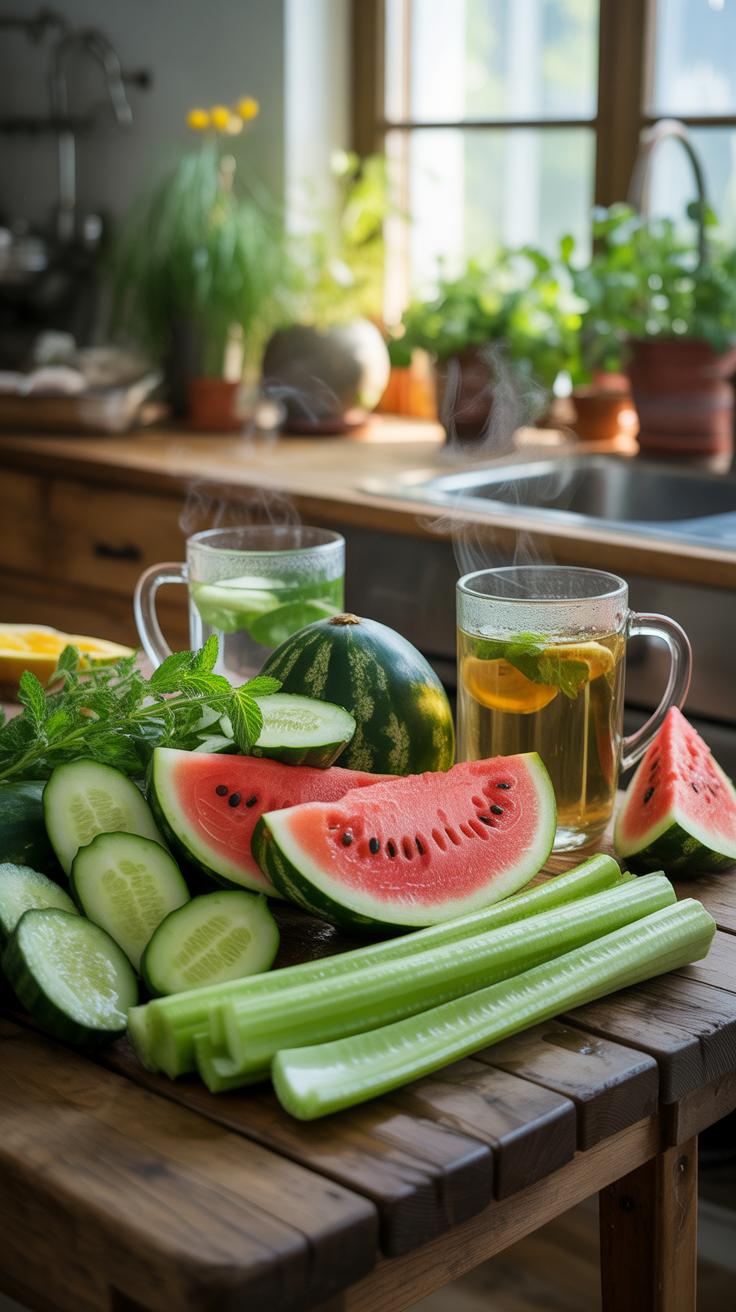
The Best Herbal Teas Including Chamomile And Dandelion That Soothe The Gut
Chamomile tea works as a carminative to reduce gas. This herb relaxes the smooth muscles of the digestive tract. It stops the spasms that cause discomfort. Peppermint tea also targets the gut muscles to allow gas to pass quickly. These teas reduce the pressure in the abdomen. Drink these warm liquids after meals to speed up the process of digestion and prevent air buildup.
Dandelion root tea acts as a natural diuretic. It signals the kidneys to release excess sodium and water. This reduces the heaviness caused by fluid retention. Ginger tea stimulates digestive enzymes and speeds up stomach emptying. Faster transit times prevent gas from forming in the small intestine. Use these herbal infusions twice daily for the best results. They provide a caffeine-free way to settle the stomach.
Let food be thy medicine and medicine be thy food, nurturing a body that feels as light and clear as a summer morning.
Why Staying Hydrated With Water Dense Foods Reduces Bloating Faster
Water-dense foods like cucumbers and celery flush the system. These foods contain over ninety percent water. They help move fiber through the digestive tract smoothly. Dehydration causes the body to hold onto every drop of fluid. This creates a puffy appearance and a tight stomach. Consuming high-moisture foods tells the body it is safe to release stored water. This process lowers inflammation.
Celery contains apigenin which reduces intestinal irritation. Cucumbers contain silica and antioxidants that calm the gut lining. Eating these raw vegetables provides bulk without heavy calories. The extra hydration thins the blood and improves circulation to the digestive organs. This helps the liver and kidneys filter waste more effectively. Add these foods to your lunch to maintain a flat belly throughout the busy workday.
Foods To Avoid When Building A Food That Help With Bloat Strategy
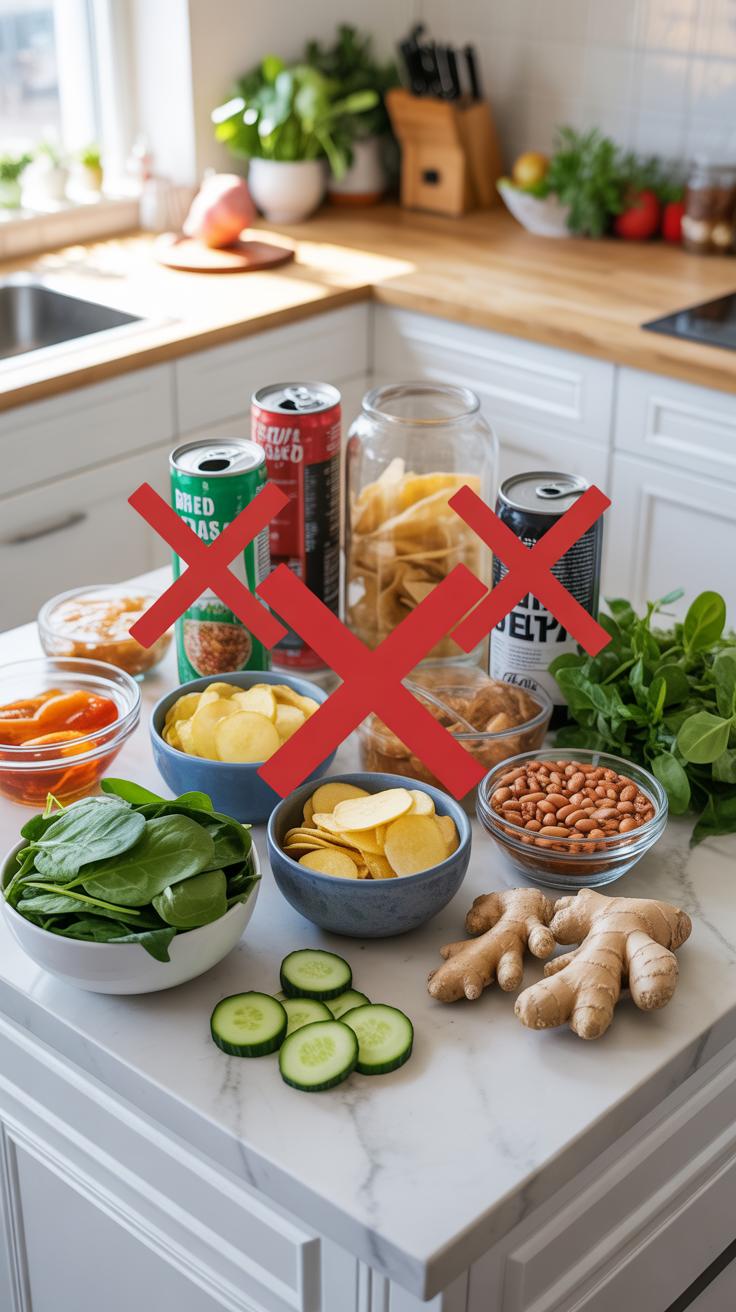
High FODMAP And Gas Producing Foods That Make Bloating Significantly Worse
High FODMAP foods contain short chain carbohydrates that the small intestine absorbs poorly. These sugars ferment in the gut and pull water into the digestive tract. This process creates rapid gas buildup and visible distension. You must identify these triggers to stop the cycle of inflammation. Eliminating these specific carbohydrates reduces the osmotic pressure that causes your belly to stretch painfully.
- Legumes: Beans and lentils contain alpha-galactosidases which are complex sugars that humans cannot digest fully. Bacteria in the large intestine break them down through fermentation which releases massive amounts of hydrogen and methane gas.
- Cruciferous Vegetables: Broccoli and cabbage contain raffinose which remains undigested until it reaches the lower gut. The resulting chemical reaction produces high levels of carbon dioxide and causes localized abdominal pressure and discomfort.
- Dairy Products: Lactose requires the enzyme lactase for proper breakdown in the digestive system. Many adults lack sufficient levels of this enzyme which leading to unabsorbed sugars fermenting in the colon and causing severe bloating symptoms.
- Artificial Sweeteners: Polyols like sorbitol and xylitol are sugar alcohols found in diet products. These molecules are too large for easy absorption and act as osmotic laxatives that draw excess fluid into the bowel.
- Alliums: Garlic and onions have high concentrations of fructans which are highly fermentable fibers. These compounds bypass early digestion and provide a rapid fuel source for gas-producing bacteria in the distal part of the gut.
FODMAP sensitivity varies by individual but the physiological impact remains consistent across many clinical studies. Reducing these items allows the gut wall to recover from constant irritation. Focus on low-fructose fruits and gluten-free grains to maintain caloric intake without the gas. Strategic avoidance of these specific triggers provides the fastest path to a flatter stomach and improved digestive comfort.
How Processed Foods And Excess Sodium Sabotage Your Debloating Efforts
Processed foods rely on high sodium levels to maintain shelf life and mask low quality ingredients. Excess salt forces the body to hold onto extra intracellular fluid to maintain a stable electrolyte balance. This water retention manifests as systemic swelling and localized abdominal puffiness. You cannot achieve a flat belly if your diet consists of chemically altered snacks and prepackaged meals.
Refined carbohydrates in processed goods lack the fiber necessary for regular bowel movements. This leads to constipation and trapped gas which further distends the abdominal cavity. Emulsifiers and preservatives also disrupt the delicate balance of your gut microbiome which triggers chronic low grade inflammation. Switch to whole foods to flush out excess water and restore natural digestive pacing to your system immediately.
How To Build A Practical Debloat Diet With Meals That Target Belly Bloat Daily
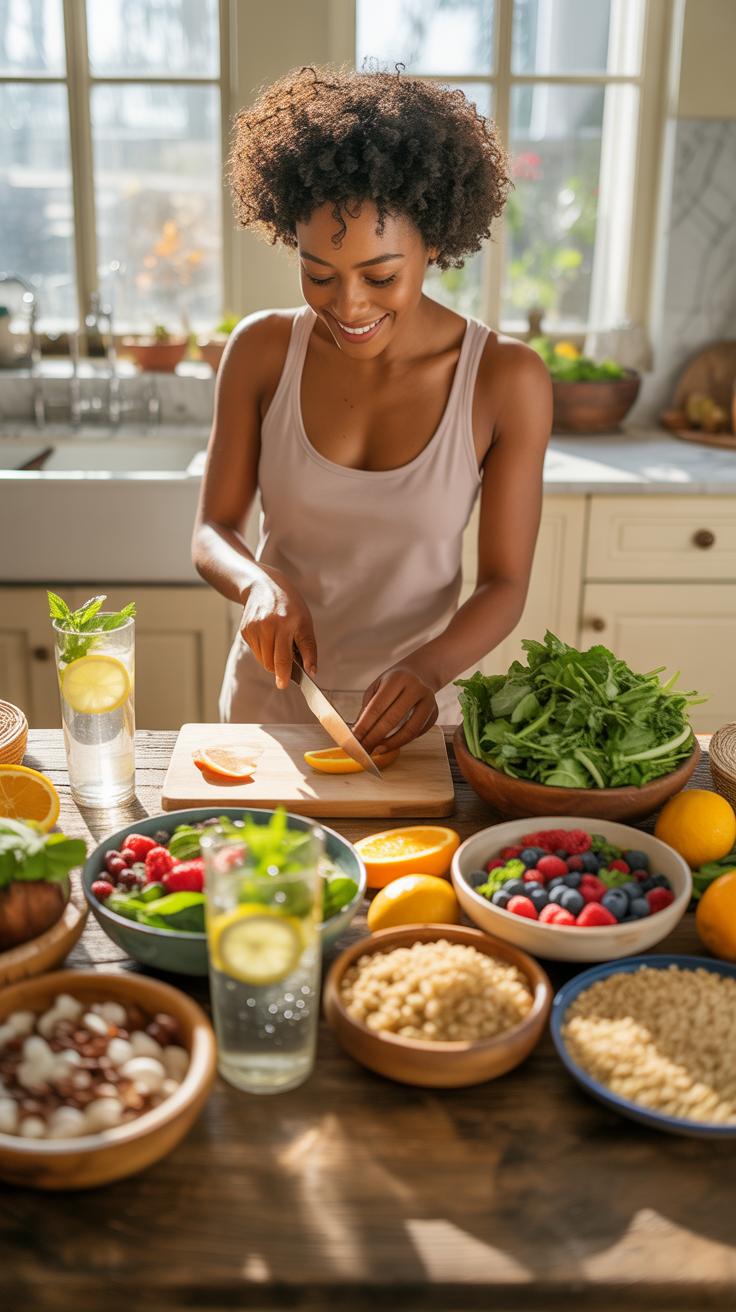
A Simple Full Day Anti Bloat Meal Plan Using Real Whole Foods
Strategic meal planning eliminates gas producing triggers and optimizes digestion. You must prioritize high potassium foods and lean proteins to flush excess sodium from your system. Start your day with hydration and soluble fiber to move waste through the digestive tract. Avoid processed sugars and artificial sweeteners that ferment in the gut. Stick to these specific food combinations to maintain a flat stomach throughout the entire day.
- Breakfast: Eat Greek yogurt topped with fresh blueberries and sliced ginger. The probiotics in yogurt support healthy gut flora while ginger speeds up gastric emptying to prevent early morning heaviness.
- Lunch: Serve grilled wild salmon over a bed of spinach and cucumber slices. Salmon provides omega three fatty acids that reduce intestinal inflammation while the high water content in cucumbers flushes out stored toxins.
- Snack: Consume one medium banana or a small serving of papaya. Bananas provide essential potassium to balance sodium levels while papaya contains papain which is a natural enzyme that helps break down difficult proteins.
- Dinner: Prepare baked chicken breast with a side of steamed asparagus and quinoa. Asparagus acts as a natural diuretic to reduce water retention and quinoa offers a gluten free fiber source that is easy to digest.
- Beverage: Drink hot peppermint tea or lemon water between your main meals. Peppermint oil relaxes the muscles in your digestive tract to allow trapped gas to pass through while lemon stimulates bile production for better fat breakdown.
Consistency across all meals prevents the peaks and valleys of digestive distress. Do not skip meals as this leads to air swallowing and overeating later. Always chew your food thoroughly to mix it with saliva enzymes before it hits your stomach. This daily structure builds a resilient gut environment. It reduces the physical circumference of your waist by removing gas and stagnant fluid.
Lifestyle Habits That Amplify The Effects Of Bloat Reducing Foods
Diet alone cannot fix bloat if your habits introduce excess air into your system. Stop using straws and quit chewing gum immediately to prevent aerophagia. Walk for fifteen minutes after your largest meal to stimulate peristalsis and help gas move through the intestines. Physical movement acts as a manual pump for the lymphatic system. This removes the fluid that often mimics belly fat.
Manage your stress levels to keep the gut brain axis in balance. High cortisol slows down digestion and causes the body to store water around the midsection. Drink water consistently but avoid large gulps during meals to prevent diluting stomach acid. Proper acid levels are required to break down food fully. These tactical adjustments ensure your body processes the anti bloat foods with maximum efficiency.
Frequently Asked Questions

What are the best foods to eat if I want to reduce belly bloat quickly?
To see immediate results, focus on water-rich vegetables and potassium-packed fruits like cucumbers, asparagus, and bananas. These specific foods that reduce bloating work by flushing out excess sodium and balancing fluid levels in your body. Incorporating fermented options like Greek yogurt or kefir can also soothe your digestive tract by introducing healthy probiotics, helping you achieve a flatter, more comfortable midsection throughout the day.
How can I incorporate more bloat-fighting foods into my daily meal plan?
A practical approach is to swap processed snacks for fresh options and start your morning with a cup of ginger or peppermint tea. When preparing meals, reach for cooked vegetables rather than raw ones, as they are often easier for the gut to break down. Consistently choosing fiber-rich foods that reduce bloating, such as oats or papaya, ensures your digestive system stays regular while preventing the unwanted tightness caused by gas.
Can I find effective foods that reduce bloating without spending a lot of money?
Absolutely! Many of the most effective remedies are pantry staples or affordable produce items. Lemons, ginger root, and canned pumpkin are budget-friendly options that significantly aid digestion. You don’t need expensive “superfood” powders when simple, low-cost choices like brown rice and peppermint tea can provide the same relief. Staying hydrated with plain filtered water is the most accessible and inexpensive way to keep your stomach flat and healthy.