
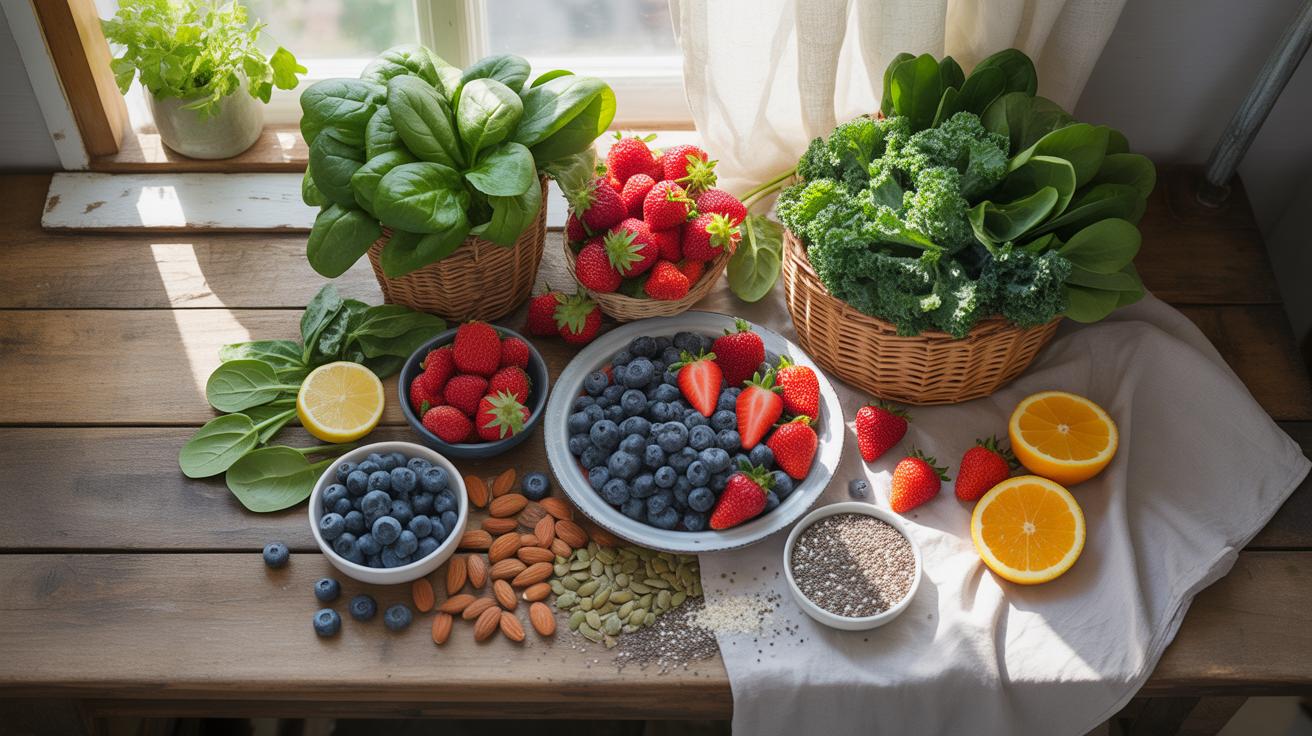
What Are Collagen Boosting Foods And Why Does Your Skin Need Them

Understanding Collagen And Its Role In Skin Health
Collagen is a structural protein. It acts like a scaffold for your skin. It makes up seventy five percent of your skin weight. This protein provides strength and elasticity. Fibroblasts in the dermis layer produce these fibers. As you age your body makes less collagen. This breakdown causes wrinkles and sagging skin. You must support this protein to keep skin firm.

Healthy collagen levels protect the skin barrier. UV rays and pollution damage these protein chains every day. When collagen breaks down the skin loses its ability to bounce back. Nutrition provides the raw building blocks for repair. Your body cannot maintain skin integrity without a steady supply of specific amino acids. Focus on biological support to stop premature aging at the cellular level.
How Diet Directly Influences Your Body’S Collagen Production
Diet provides the chemical precursors for collagen synthesis. Your body does not absorb collagen whole from food. It breaks proteins down into amino acids like glycine and proline. Vitamin C acts as a critical cofactor in this process. Without these specific nutrients your body cannot link amino acids together. You must eat the right fuel to keep the production line moving inside your cells.

Poor nutrition halts collagen renewal immediately. High sugar intake creates molecules called advanced glycation end products. These molecules damage existing collagen fibers and make them brittle. Eating nutrient dense foods allows your body to repair this damage. Consistency in your diet determines the rate of skin cell turnover. You control your skin density through the minerals and vitamins you consume during every meal.
The Ultimate Collagen Food List Your Grocery Cart Needs
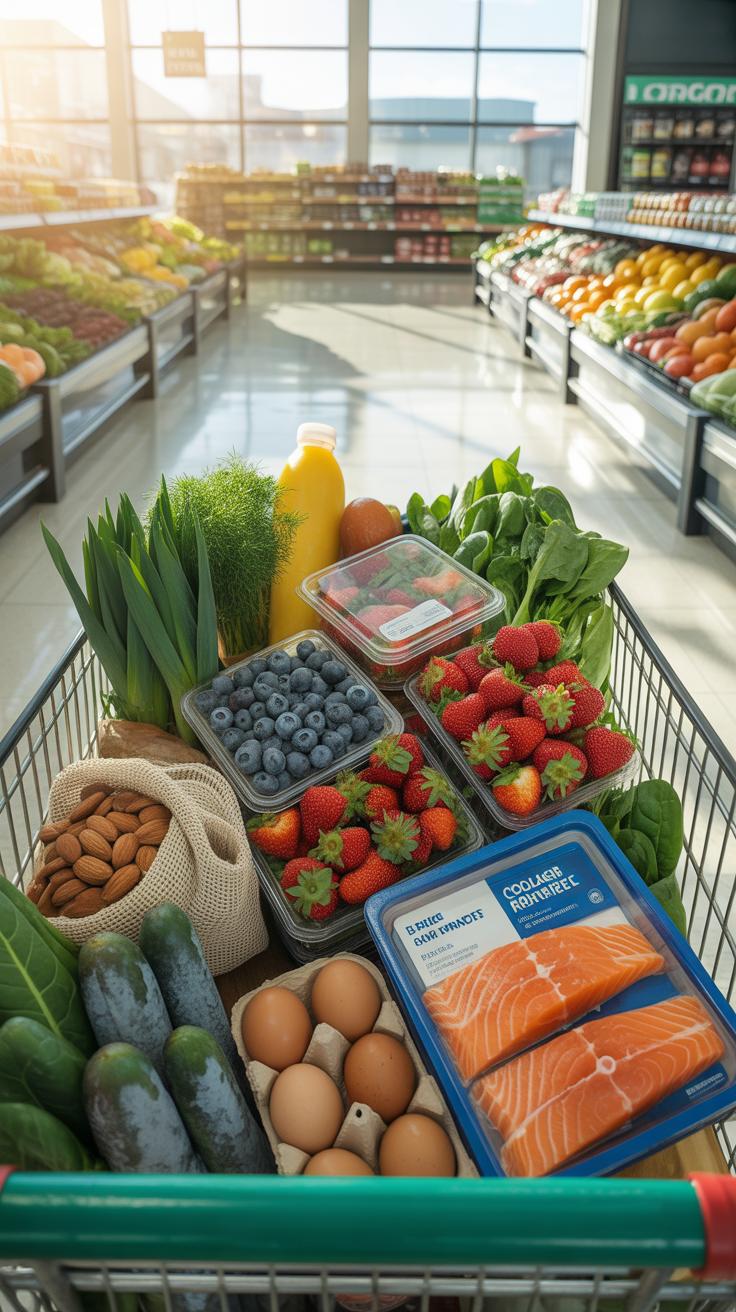
Animal Based Sources That Deliver Ready Made Collagen Peptides
Consuming animal tissues provides the most direct route to increasing your collagen levels. These foods contain actual collagen fibers that your digestive system breaks down into bioactive peptides. These peptides enter your bloodstream and signal your body to repair its own connective tissues. Focus on connective tissues and bones where collagen concentrations remain highest. This strategy bypasses the need for internal synthesis from scratch.
- Bone Broth: Simmering animal bones and connective tissue in water extracts type I and type III collagen. This liquid contains high concentrations of amino acids like proline and glycine. It remains the most traditional and effective whole-food source for gut and skin health.
- Chicken Skin and Cartilage: Poultry contains large amounts of type II collagen within its skin and joints. Eating chicken with the skin on provides the raw building blocks your body needs for joint support and skin elasticity. It is a highly bioavailable source compared to muscle meat.
- Gelatin: This substance comes from cooked collagen found in animal parts. It provides the same amino acid profile as collagen but in a different physical form. It acts as a concentrated source of protein that supports the structural integrity of your hair, skin, and nails.
- Sardines and Small Fish: These fish offer collagen through their skin, scales, and soft bones which are consumed whole. Fish collagen consists primarily of type I collagen which is absorbed up to 1.5 times more efficiently than bovine sources. This makes it superior for rapid skin rejuvenation.
- Egg Whites: While they do not contain connective tissue, egg whites are rich in proline. Proline is one of the primary amino acids necessary for collagen production. Consuming eggs daily provides the specific nutrients your body uses to weave new collagen fibers and maintain skin firmness.
Bioavailability is the critical factor when choosing animal proteins for skin health. Marine collagen from fish skin features smaller particles that cross the intestinal barrier more easily than beef. Prioritize nose to tail eating habits to capture these structural proteins. Avoid processed meats which lack the fibrous connective tissue required for results. Stick to whole animal sources to maximize your dietary intake of ready-to-use peptides.
Plant Based Foods That Trigger Natural Collagen Synthesis
Plants do not contain collagen which is an animal protein. However, specific plant foods provide the essential cofactors your body needs to manufacture its own supply. Vitamin C is the most important requirement for this biological process. Without it, your body cannot link amino acids together to form stable collagen strands. You must consume these precursors daily to maintain your structural integrity.
Zinc and copper also play vital roles in the enzymatic reactions that build collagen. Legumes and seeds provide these minerals alongside plant-based proteins. Dark leafy greens contain chlorophyll which may increase the precursor to collagen in the skin. Focus on a high volume of colorful vegetables to protect existing collagen from environmental damage. This protective approach prevents the early breakdown of the structural fibers you already have.
High Collagen Foods From The Sea Fish Shellfish And Marine Sources

Why Marine Collagen From Fish Is Highly Bioavailable
Marine collagen consists mostly of Type I collagen. This specific type makes up the majority of human skin structure. Fish collagen has smaller particle sizes compared to bovine or porcine sources. These smaller molecules allow the gut to absorb the peptides more efficiently. High absorption rates mean the body can transport these amino acids to the skin cells faster for immediate use.
The structure of fish scales and skin provides a dense source of hydroxyproline. This amino acid triggers the production of new collagen in the body. You get the best results by eating the skin of the fish. Most people discard the skins, but they contain the highest concentration of these proteins. Cold-water fish like salmon and mackerel offer the most potent metabolic benefits for skin repair.
Shellfish And Their Rich Zinc Content That Supports Collagen Repair
Shellfish do not supply collagen directly like fish skin does. Instead, they provide high levels of zinc. Zinc is a mandatory mineral for the collagen synthesis process. It acts as a cofactor for enzymes that build and repair the structural proteins in your skin. Without enough zinc, your body cannot effectively turn amino acids into the fibrous network that keeps skin firm.
Oysters and clams offer the most concentrated doses of this mineral. Consuming these foods helps the body maintain the existing collagen matrix. Zinc also protects the collagen you already have from breaking down due to environmental damage. Including shellfish in your diet ensures the biological machinery for skin maintenance stays active. This mineral support is critical for long-term skin health and structural integrity.
Collagen Rich Foods From Poultry And Bone Broth

Chicken Skin And Cartilage As A Natural Collagen Dense Food Source
Chicken skin and connective tissues contain high amounts of Type II collagen. This specific protein supports joint health and maintains skin elasticity. Most people discard these parts during meal preparation. You should keep the skin on your poultry to maximize nutritional intake. These tissues offer the direct structural building blocks your body needs to repair and maintain its own collagen levels.
Consuming chicken cartilage provides a concentrated source of undenatured collagen. This material survives the digestion process better than some processed supplements. You can find high concentrations in the breastbone and wing tips. Targeted consumption of these poultry parts improves skin hydration and firmness. Professional athletes often use these whole food sources to support recovery. Focus on eating the connective parts for the best results.
Bone Broth: How Slow Simmering Unlocks Deep Collagen Nutrition
Slow simmering animal bones breaks down tough collagen into gelatin. Use heat and water to extract amino acids like glycine and proline. These are the primary components your body uses to build new skin tissue. Boiling for twelve to twenty-four hours produces the best nutrient density. This liquid form makes the nutrients highly bioavailable. Your body absorbs these liquid proteins faster than solid meat.
The addition of acidic ingredients like apple cider vinegar helps pull minerals from the bone. This process ensures you get calcium and magnesium along with the protein. High quality bone broth turns into a thick gel when cooled. That gel consistency indicates a high collagen content. Drink it daily to see noticeable changes in skin texture. This ancient cooking technique remains the most effective way to harvest natural animal proteins.
Leafy Greens And Vegetables That Power Collagen Production
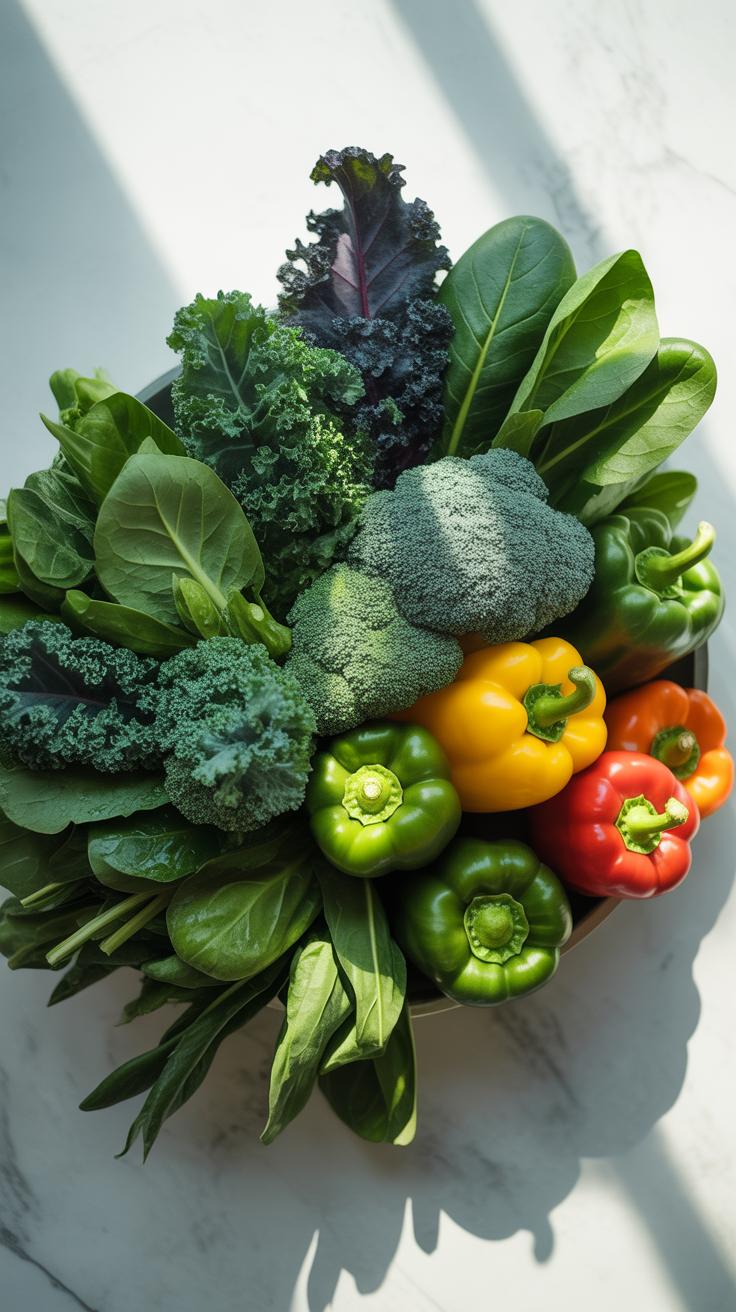
How Vitamin C In Leafy Greens Acts As A Collagen Co Factor
Vitamin C serves as the essential initiator for collagen synthesis. This nutrient acts as a co-factor for the enzymes prolyl hydroxylase and lysyl hydroxylase. These enzymes stabilize the triple helix structure of collagen molecules. Without adequate Vitamin C, the body cannot link amino acids together to form functional protein strands. Leafy greens provide a bioavailable source of this critical catalyst.
This metabolic process ensures that your skin maintains its structural integrity over time. Vitamin C also helps transform proline into hydroxyproline during the synthesis phase. This chemical conversion strengthens the bonds between collagen fibers. High intake of greens like Swiss chard or mustard greens keeps these enzymatic cycles running at peak efficiency. Regular consumption prevents the degradation of the dermal layer through constant replenishment.
Spinach, Kale, And Other Greens That Protect Existing Collagen Fibers
Dark leafy greens contain chlorophyll and various antioxidants like lutein. Chlorophyll increases the precursor to collagen in the skin. This green pigment also neutralizes free radicals that cause premature aging. Protecting existing collagen is just as vital as producing new fibers. Spinach and kale provide the defense mechanism needed to stop environmental damage from breaking down your current skin matrix.
These vegetables also offer high concentrations of manganese. Manganese is an essential mineral for the production of proline, an amino acid found in collagen. By consuming these greens, you provide the raw materials and the protection simultaneously. This dual action approach ensures long-term skin elasticity. Focus on incorporating these dense nutrients daily to shield your structural proteins from oxidative stress and harmful solar radiation.
Foods With Collagen Supporting Antioxidants Berries Citrus And More
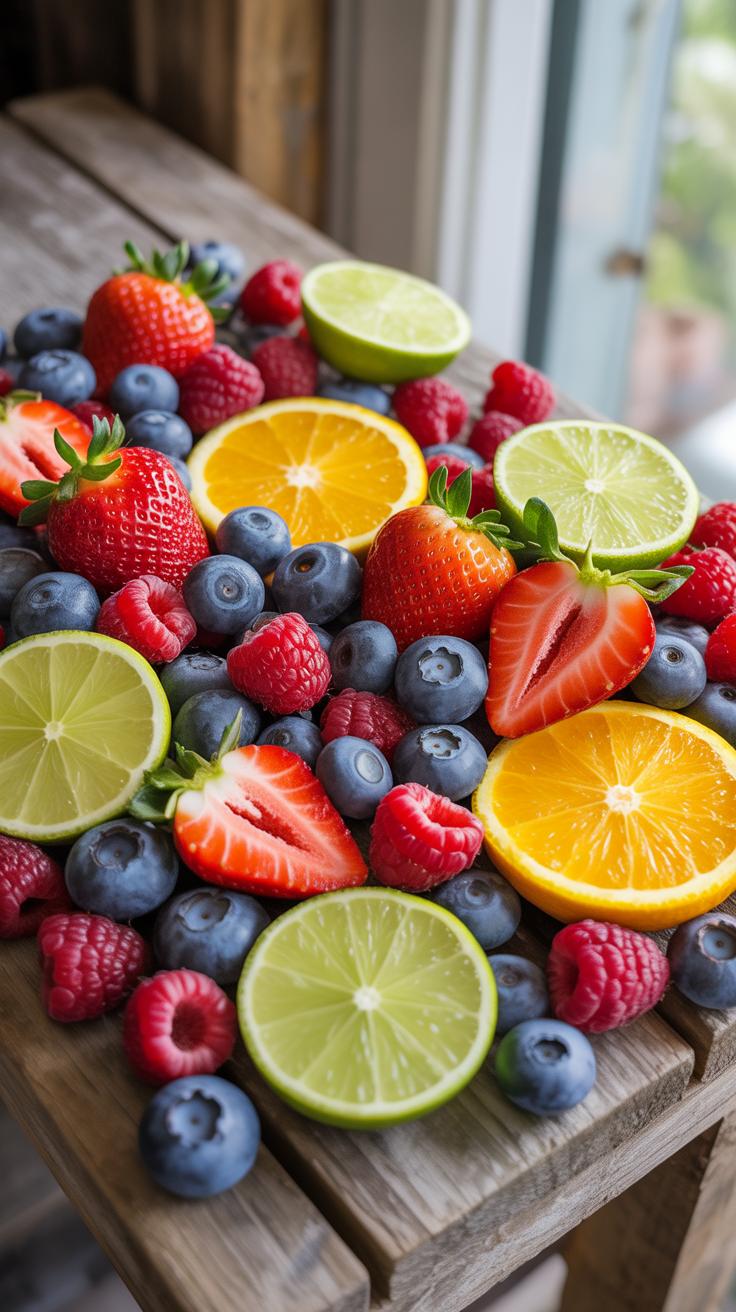
Why Vitamin C Rich Fruits Are Essential For Collagen Synthesis
Vitamin C is the primary co-factor for the enzymes prolyl and lysyl hydroxylase. These enzymes stabilize the collagen molecule structure. Without sufficient vitamin C, the body cannot link amino acids together to form functional fibers. This nutrient acts as the signal that triggers collagen production within the fibroblasts. You must consume it daily because the human body cannot store water-soluble vitamins.
Citrus fruits provide the highest concentration of bioavailable vitamin C. This acid protects existing collagen from oxidative stress and environmental damage. Low levels of this nutrient lead to brittle fibers and poor skin elasticity. Increasing your intake ensures the body has the raw materials needed for cellular repair. Focus on lemons, limes, and oranges to maintain a steady supply of this critical building block.
Berries And Their Anthocyanins That Defend Collagen Against Free Radical Damage
Berries contain high levels of anthocyanins and ellagic acid. These specific antioxidants shield skin cells from UV radiation damage. They stop the enzymes that break down collagen, known as matrix metalloproteinases. By blocking these enzymes, berries prevent the premature thinning of the dermal layer. This defense mechanism is vital for maintaining structural integrity as you age. Berries provide a direct tactical advantage.
Deeply colored berries like blueberries and raspberries offer the most protection. Their phytochemicals neutralize free radicals before they can snap collagen strands. This process reduces inflammation in the skin tissue. Consuming these fruits daily creates a chemical barrier against external pollutants. You help your body retain its natural protein stores by reducing the rate of degradation. Consistent intake results in stronger and more resilient skin.
Collagen Recipes Easy Everyday Meals That Maximize Skin Benefits
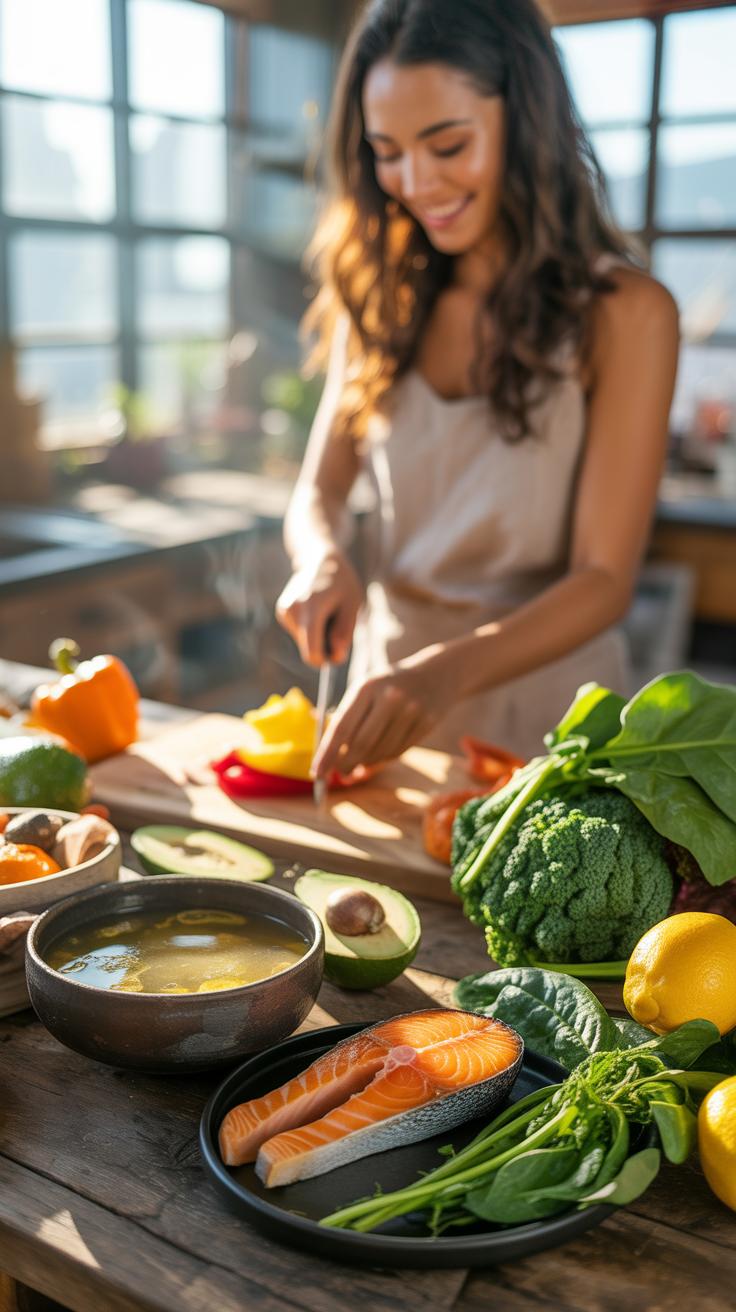
Simple Collagen Rich Meal Ideas You Can Prepare In Under 30 Minutes
Effortless collagen synthesis requires consistent amino acid intake from high-quality protein sources. Fast preparation ensures you do not skip these essential nutrients during busy schedules. Focus on animal proteins that contain glycine, proline, and hydroxyproline. These specific components act as the primary building blocks for your body to produce its own structural proteins. Speed does not sacrifice the biological value of these meals.
- Pan Seared Salmon with Lemon: Fish skin and scales contain high concentrations of Type I collagen. Searing salmon with the skin on provides a direct source of marine collagen. The heat breaks down the tough fibers while making the nutrients bioavailable. Adding lemon provides the Vitamin C necessary for the enzymic conversion of these amino acids.
- Bone Broth Fortified Quinoa: Replace plain water with pre-made beef or chicken bone broth when boiling grains. Slowly simmered bones release gelatin into the liquid. This method infuses your base carbohydrate with a rich profile of minerals and collagen peptides. It adds protein density to a standard side dish without extra cooking time.
- Chicken Thigh and Bell Pepper Stir Fry: Choose chicken thighs over lean breasts because the connective tissue is denser in dark meat. Slicing the meat thinly allows for rapid even cooking at high heat. Tossing in bell peppers ensures a high dose of Vitamin C. This combination facilitates the cross-linking of collagen fibers during the recovery phase of skin cell cycles.
- Egg White and Spinach Omelet: Egg whites contain large amounts of proline which is a critical amino acid for skin health. Whisking three to four whites provides a concentrated dose of the raw materials your body needs. Incorporating spinach adds antioxidants that protect existing collagen from oxidative stress. This meal takes less than ten minutes to prepare and serve.
- Canned Sardines on Whole Grain Toast: Sardines are eaten with their small bones and skin intact for maximum nutrient density. These fish offer a rare whole food source of Type I collagen that requires zero cooking. The omega-3 fatty acids in the fish also reduce inflammation. This prevents the enzymatic breakdown of the collagen already present in your dermis.
Smart meal prep relies on using thermal stability to your advantage. Most collagen proteins in meat and fish tolerate quick high-heat cooking well. Always prioritize whole food sources over highly processed powders when time allows. This ensures you consume a full spectrum of micronutrients that support the endocrine system. Better hormone balance leads to more efficient protein synthesis across all layers of the skin.
Nature provides a beautiful garden of nourishment to keep your glow as timeless as a childhood memory. Eat well to keep the light of youth dancing in your skin.
How To Layer Collagen Foods Together For Maximum Nutritional Synergy
Effective collagen production depends on more than just eating protein. You must pair protein sources with specific catalysts to trigger synthesis. Vitamin C is the most critical co-factor for the enzymes prolyl hydroxylase and lysyl hydroxylase. Without these enzymes the body cannot stabilize the collagen molecule. Strategic layering involves placing a Vitamin C source alongside every animal protein you consume throughout the day.
Zinc and copper also play fundamental roles in the maturation of collagen fibers. Trace minerals act as activators for lysyl oxidase which creates the cross-links that give skin its strength. Pair shellfish or seeds with dark leafy greens to cover these mineral requirements. Avoid consuming high amounts of refined sugar with these meals. Sugar leads to glycation which keeps collagen brittle and prevents the new layers from forming correctly.
Food For Glowing Skin Nutrients That Work Alongside Collagen
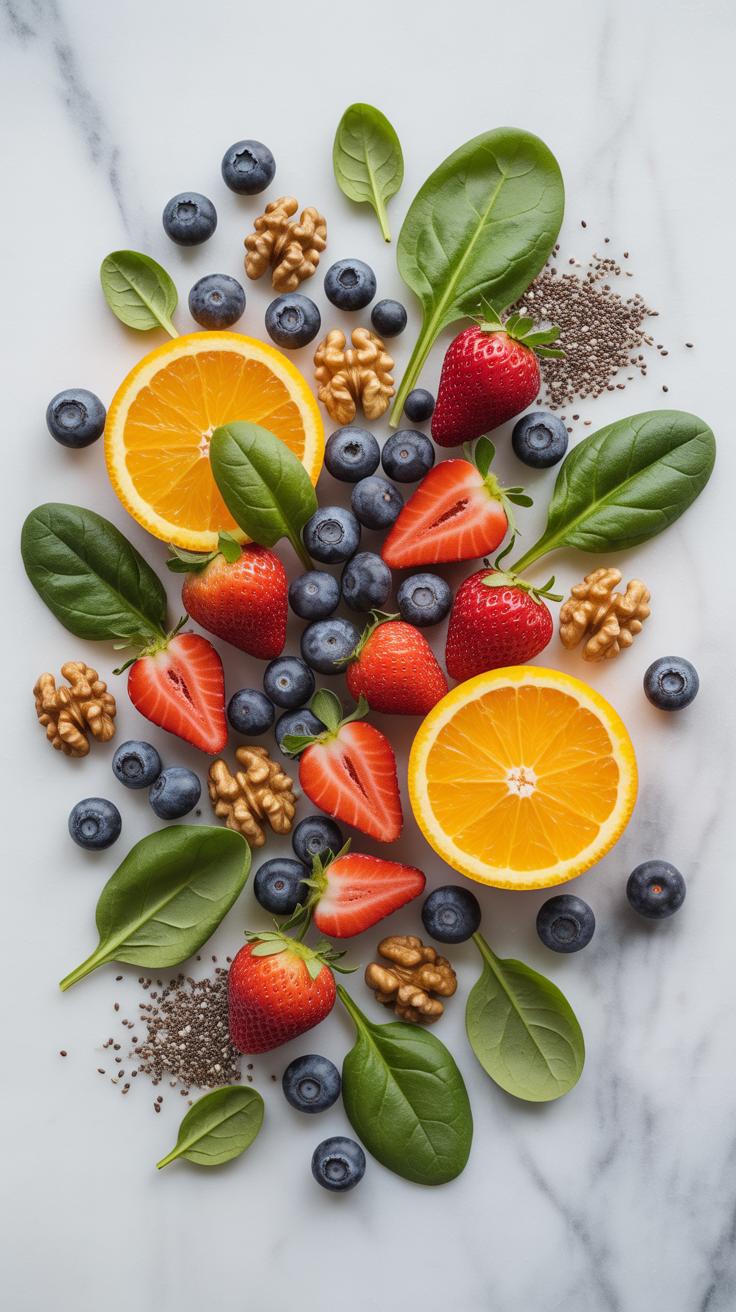
Zinc, Copper, And Vitamin A: The Supporting Nutrients Your Skin Craves
Zinc and copper act as essential minerals for collagen synthesis. Zinc activates proteins that play a vital role in wound healing and DNA repair. Copper serves as a key component in the production of lysyl oxidase. This enzyme links collagen fibers with elastin to create a stable skin structure. Without these minerals, your body cannot assemble the protein strands effectively.
Vitamin A regulates cell turnover and prevents the breakdown of existing collagen. It influences the genes responsible for producing new skin cells. This nutrient stops enzymes from destroying your skin matrix after sun exposure. You find high concentrations of vitamin A in beef liver and carrots. Maintaining steady levels of these three nutrients ensures your body has the raw tools to build and protect tissue.
Healthy Fats From Avocado And Nuts That Keep Skin Plump And Hydrated
Monounsaturated fats and omega fatty acids strengthen the skin barrier. Avocados provide oleic acid which reduces inflammation and keeps the outer layer flexible. This lipid barrier prevents water loss and protects the underlying collagen from environmental damage. When the skin barrier stays intact, the face looks fuller and smoother. Proper fat intake is a tactical requirement for long term skin elasticity.
Walnuts and almonds provide vitamin E and essential fatty acids. Vitamin E acts as an antioxidant that shields cell membranes from oxidative stress. These fats help the body absorb fat soluble vitamins like vitamin A. You need these lipids to maintain the soft texture of your skin. Consuming these fats daily supports the structural integrity of your cells. This approach results in a resilient and hydrated appearance.
Collagen Foods To Avoid What Breaks Down Collagen Faster Than Age
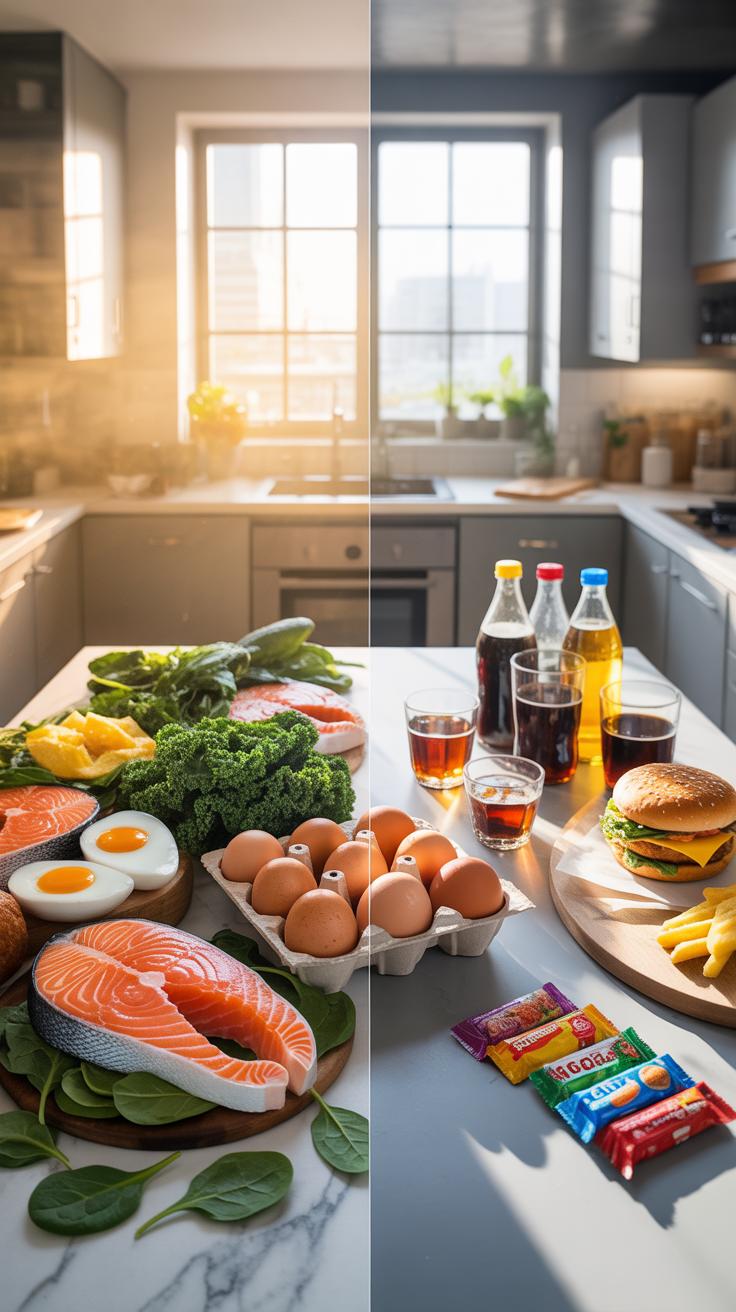
How Excess Sugar And Refined Carbohydrates Accelerate Collagen Degradation
High sugar intake triggers a biological process called glycation. Sugars in your bloodstream attach to proteins to create harmful new molecules. Scientists call these molecules advanced glycation end products. These compounds target your skin’s collagen and elastin fibers directly. They make the fibers weak, dry, and brittle. This chemical reaction physically breaks down the structural integrity of your skin from the inside out.
Refined carbohydrates like white bread and pasta act just like pure sugar in your body. They cause rapid spikes in insulin levels. High insulin promotes systemic inflammation which further damages the protein matrix. You cannot build new collagen effectively while high blood sugar levels actively destroy existing stores. Cutting these foods stops the damage. It allows your body to focus resources on repair and new protein synthesis.
Lifestyle And Dietary Habits That Silently Destroy Your Skins Collagen Reserves
Chronic alcohol consumption acts as a primary collagen killer. Alcohol dehydrates the body and depletes essential nutrients like vitamin A. This vitamin is critical for skin repair and cell turnover. Without it, your body cannot maintain the collagen bridge between skin layers. Excessive drinking also triggers inflammatory responses. These responses release enzymes that chew through healthy collagen strands. This leads to premature sagging and deep wrinkles.
Direct sun exposure and smoking represent the most destructive non-food habits for your skin. Ultraviolet rays produce free radicals that slice through collagen fibers like scissors. Smoking restricts blood flow and oxygen delivery to the dermis. This prevents nutrients from reaching the areas that need them most. You must manage these external factors to protect your internal efforts. A perfect diet cannot compensate for constant environmental and chemical damage.
Frequently Asked Questions

What are collagen boosting foods and how do they actually work for your skin?
Collagen boosting foods are nutrient-dense ingredients that provide the essential amino acids and vitamins required for natural collagen production. Instead of just consuming collagen directly, these foods supply your body with vitamin C, zinc, and copper. By incorporating items like citrus fruits, leafy greens, and berries into your daily meals, you provide the structural building blocks necessary to maintain skin elasticity, reduce fine lines, and promote a healthy, youthful glow from within.
How can I easily incorporate collagen boosting foods into my daily meal routine?
The best way to start is by adding a variety of colorful produce to your plate. Start your morning with a vitamin C-rich berry smoothie or top your avocado toast with pumpkin seeds for a boost of zinc. For lunch and dinner, focus on lean proteins and bell peppers. Consistently eating these collagen boosting foods ensures your body has a steady supply of nutrients to support skin repair and firmness throughout the day.
Are there affordable collagen boosting foods that fit a tight grocery budget?
Absolutely! You don’t need expensive supplements to see results. Budget-friendly staples like eggs, beans, and canned sardines are excellent sources of protein and minerals. Additionally, making homemade bone broth from leftover chicken carcasses is a cost-effective way to ingest vital amino acids. Seasonal vegetables like carrots and traditional citrus fruits are also inexpensive collagen boosting foods that provide the necessary antioxidants to protect your skin’s structural integrity without breaking the bank.