

Why Nutrition Timing Matters The Science Behind Pre Post Workout Food

How Your Body Uses Food As Fuel During Exercise
Your body relies on Adenosine Triphosphate as the primary energy source for muscle contractions. During high-intensity training, the system burns through stored glycogen found in your muscles and liver. Glycogen represents your most accessible fuel source when oxygen levels drop during heavy lifting or sprinting. If these stores remain low, your power output drops and physical fatigue sets in immediately.

Effective fueling prevents the body from breaking down its own muscle tissue for energy. When blood glucose stays stable, your central nervous system functions at peak levels. This allows for better coordination and sustained force production throughout the session. Proper timing ensures that nutrients are circulating in your bloodstream exactly when your muscles demand them for high-intensity work and structural repair.
The Role Of Macronutrients — Carbs, Protein, And Fat — In Your Workout
Carbohydrates act as the primary high-octane fuel for your brain and muscles. They break down into glucose to provide immediate energy and replenish glycogen stores. Protein provides the necessary amino acids to trigger muscle protein synthesis and reduce exercise-induced damage. Consuming protein before training creates a positive nitrogen balance. This protects your lean mass from being utilized as a secondary fuel source.

Dietary fats offer a dense energy source for low to moderate intensity steady-state exercise. However, fats slow down digestion which can cause stomach distress if eaten too close to a workout. Strategic athletes prioritize fast-digesting carbs and lean proteins in the pre-workout window. This combination maximizes blood flow to the muscles and ensures a steady supply of energy without the risk of gastrointestinal issues.
What To Eat Before The Gym Building The Perfect Pre Workout Food Plate
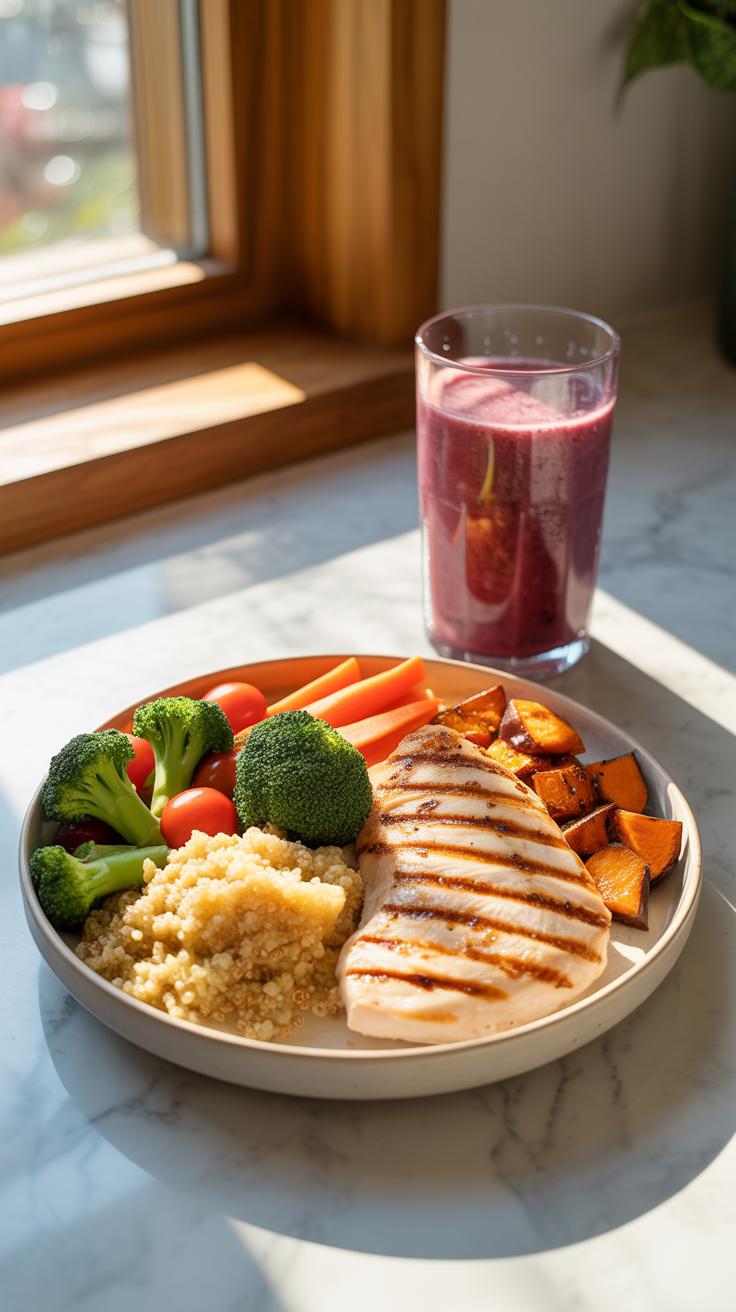
The Ideal Ratio Of Carbohydrates To Protein Before Training
Effective training requires a specific balance of macronutrients. Aim for a ratio of three parts carbohydrates to one part protein. Carbohydrates provide glucose to fuel muscle contractions and maintain blood sugar levels. Protein prevents muscle breakdown during intense exertion. High fat intake slows digestion and causes stomach distress. Focus on simple sugars and lean proteins to ensure your body accesses energy immediately.
Complex carbohydrates offer sustained energy for long sessions. Simple carbohydrates provide a quick burst for high intensity work. Lean protein sources like egg whites or whey isolate support muscle protein synthesis. Avoid heavy fibers that stay in the gut too long. This ratio maximizes performance while minimizing digestive issues. Proper fueling allows you to lift heavier and train longer without hitting a wall early.
How Far In Advance Should You Eat Before A Workout?
Timing determines how your body uses nutrients. Eat a full meal two to three hours before you train. This window allows the stomach to empty and moves glucose into the bloodstream. Blood flow shifts from the digestive system to the skeletal muscles during exercise. Eating too close to your session causes cramping and nausea. Early meals ensure your glycogen stores are full.
If you have less than sixty minutes, consume a light snack. Choose fast digesting liquids or soft foods. These enter the system quickly and provide an instant energy spike. Avoid large amounts of solid food right before lifting. Performance drops when your body fights to digest a heavy meal. Consistent timing stabilizes your energy and prevents the mid workout crash. Match your intake to your schedule.
Top Pre Work Out Foods That Give You Sustained Energy
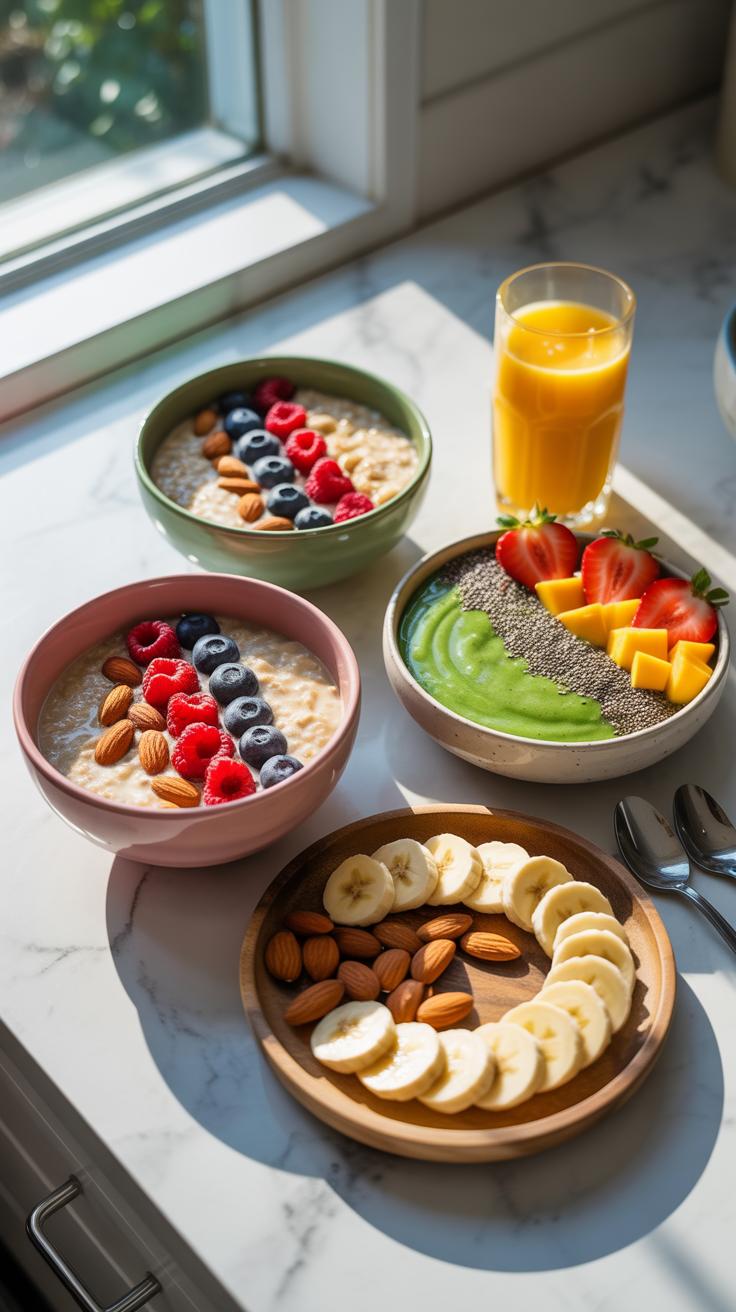
Complex Carbohydrates That Keep Your Energy Levels Stable
Complex carbohydrates provide a steady release of glucose into your bloodstream. This prevents the rapid insulin spikes associated with simple sugars. For long workouts, you need fuel that lasts. These starches contain fiber which slows down digestion. This process ensures your muscles have a constant supply of energy. Efficient fueling requires choosing foods with a low glycemic index for sustained physical performance.
Eat these slow-burning carbs two to three hours before training. This timing allows your body to digest the food and store glycogen in your muscles. Glycogen acts as your primary fuel source during high-intensity movements. If you skip this window, your body may break down muscle tissue for energy. Focus on whole grains and tubers. These choices minimize the risk of a mid-workout energy crash.
Fueling the body is a beautiful ritual of self-care, much like the slow, purposeful meals shared around a family table. Just as the right kindling starts a fire, what we eat before and after we move gives us the strength to honor our journey.
Best Pre Workout Food Combinations Backed By Sports Nutrition Research
Combining different macronutrients optimizes your hormonal response to exercise. Carbohydrates provide the immediate fuel while protein protects your lean muscle mass. Research shows that a small amount of lean protein before training reduces muscle fruit damage. This synergy improves your overall power output and recovery speed. Most athletes perform better when they consume a balanced mix instead of eating a single food group.
- Oats and Whey Protein: This classic pairing offers slow-digesting oats for long-term energy and fast-acting whey for muscle protection. It works best when eaten two hours before lifting heavy weights or performing endurance drills.
- Greek Yogurt and Berries: The yogurt provides high-quality casein and whey proteins. Berries add fast-burning fruit sugars and antioxidants. This combination is light on the stomach and provides an immediate energy lift for morning sessions.
- Banana and Peanut Butter: Bananas contain potassium which supports nerve function and muscle contraction. Peanut butter adds healthy fats and protein to slow down sugar absorption. This creates a portable snack for athletes with busy daily schedules.
- Whole Grain Toast and Eggs: Eggs offer a complete amino acid profile to support muscle tissues. Whole grain bread delivers fiber-rich carbohydrates for consistent glucose levels. This meal is ideal for trainees who work out in the late afternoon.
- Sweet Potato and Chicken: This nutrient-dense meal provides complex starches and lean protein. It is a staple in bodybuilding because it maintains fullness and energy during high-volume training sessions. Eat this three hours before hitting the gym.
Avoid eating high-fat meals right before you train. Fat takes a long time to digest and can cause stomach distress. Stick to the combinations listed above to maximize blood flow to your muscles rather than your stomach. Strategic fueling turns your diet into a tool for performance. Proper nutrition choices separate elite performers from average gym goers. Follow these research-backed pairings for the best results.
Quick And Convenient Snack Pre Workout Options For Busy Gym Goers
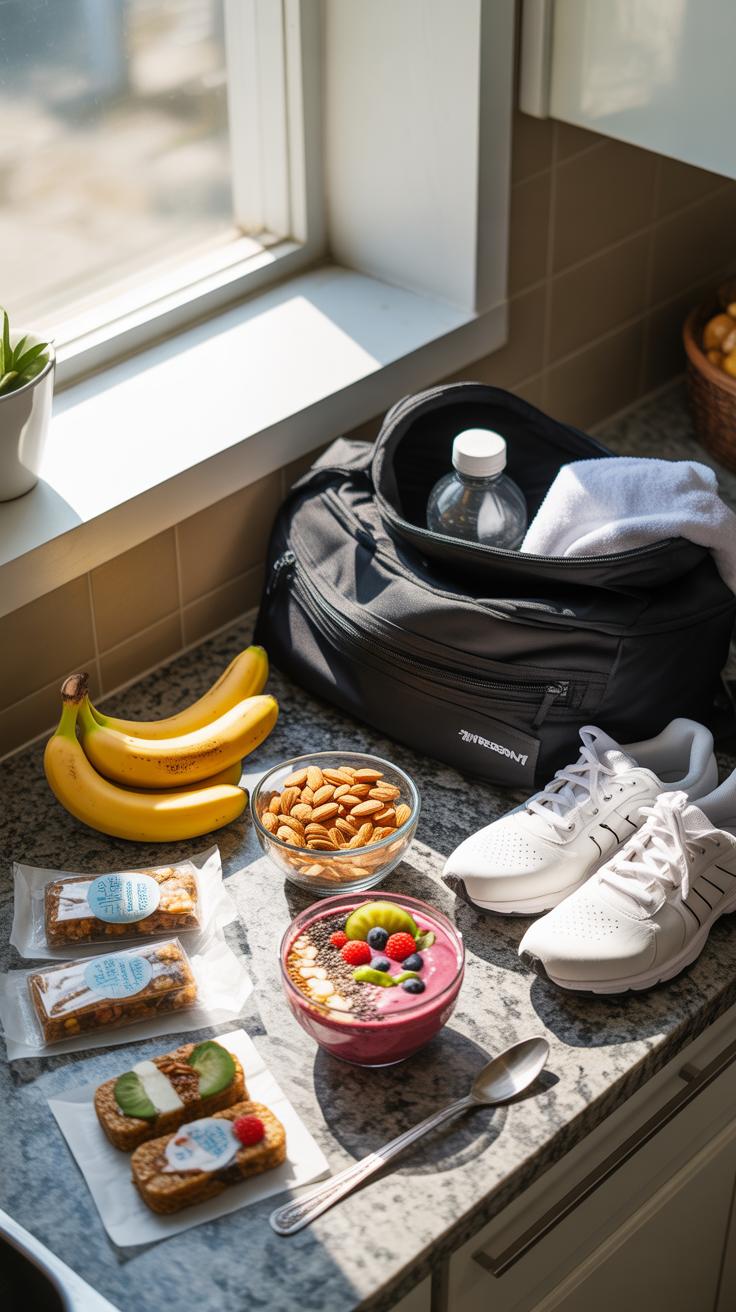
What To Grab When You Have Less Than 30 Minutes Before Training
Time constraints dictate your food choices. When you have under thirty minutes, focus on liquid or soft solids. These forms enter the bloodstream faster than heavy meals. Choose high-glycemic options like a ripe banana or a small pouch of fruit puree. These items provide immediate glucose without taxing your stomach. Avoid high fat or fiber during this short window.
Precision matters when the clock is ticking. You must prioritize glucose over complex nutrients. Drinking a small glass of fruit juice provides quick sugar for muscular energy. Low-fat yogurt also works because it digests quickly. These choices prevent the heavy feeling of undigested food in your gut. Keep these portions small to avoid cramping. Focus on fast energy delivery to power your movements.
Why Easily Digestible Carbs Are Your Best Friend Before A Quick Session
Your body needs fuel it can use instantly. Easily digestible carbohydrates break down into glucose rapidly. This process provides the ATP required for explosive or sustained muscle contractions. Complex fats and proteins slow down digestion and divert blood flow to the stomach. You want blood in your muscles instead. Simple sugars satisfy this demand without causing gastrointestinal distress during high-intensity movements.
Strategic fueling relies on the glycemic index. Pre-workout snacks should sit high on this scale to ensure rapid absorption. White bread or rice cakes serve as efficient fuel delivery vehicles. They spike insulin slightly to help transport nutrients to muscle cells. This timing prevents energy crashes during your set. Proper carbohydrate selection ensures you maintain peak power output. High-speed digestion is the primary goal for every short-term snack choice.
Gym Food Essentials What To Keep In Your Bag For Energy And Recovery
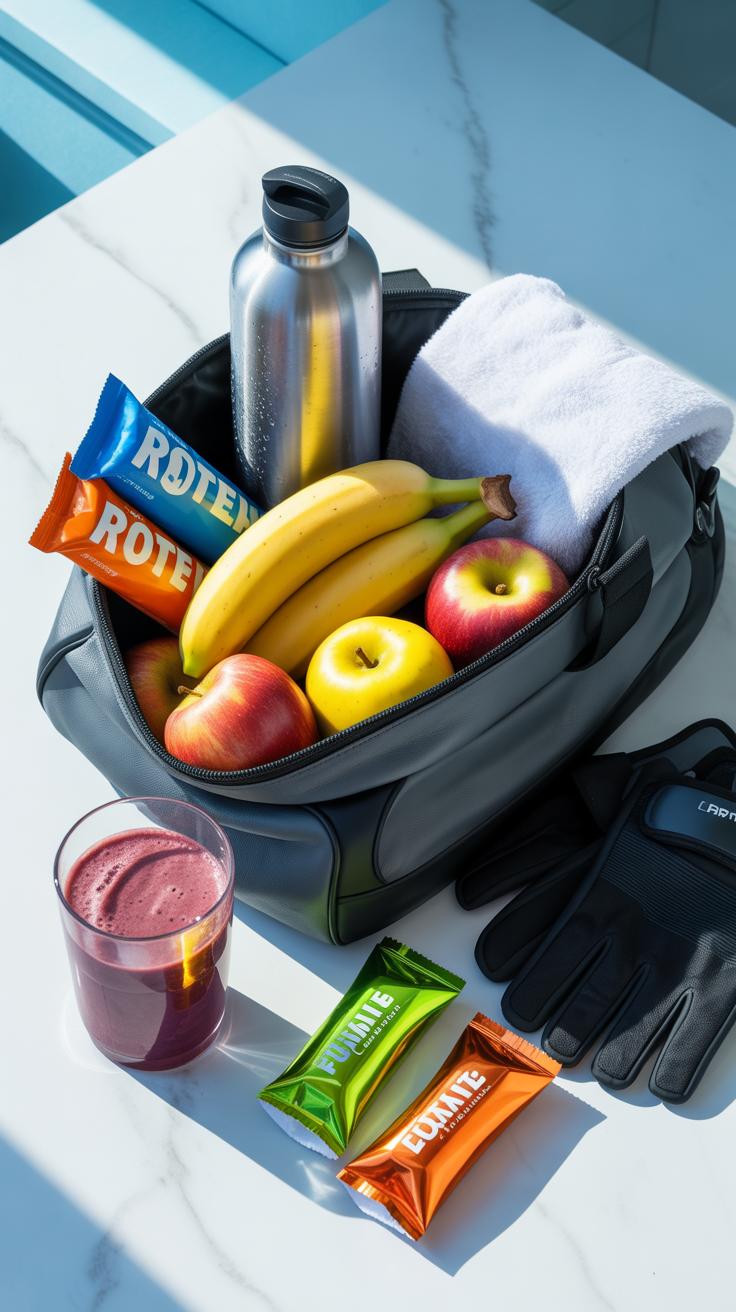
Portable Gym Food Ideas That Won’T Spoil In Your Bag
Portable snacks provide quick glucose and amino acids without requiring a fridge. Your gym bag environment is often warm and dark. Bacteria grow fast in these conditions. Stick to shelf-stable items that survive high temperatures. These foods ensure you have fuel even if you miss a scheduled meal. Prioritize high-density carbohydrates and lean proteins to maintain steady performance levels during heavy lifting.
- Rice Cakes: These provide fast-acting carbohydrates that digest easily. They do not crumble easily if stored in a hard container. Use them to spike insulin and drive nutrients into muscle cells.
- Beef Jerky: This source offers high protein and essential sodium without needing cold storage. Salt helps prevent cramping during intense sessions. Look for low-sugar versions to avoid unnecessary insulin crashes before your workout begins.
- Bananas: Nature provides a protective peel that keeps the fruit clean and portable. They contain potassium and natural sugars for immediate energy. Eat one thirty minutes before training to sustain your power output and focus.
- Raw Almonds: Nuts provide healthy fats and moderate protein for long-term satiety. These do not melt or leak in your bag. They balance blood sugar levels to prevent energy dips during long endurance or strength training sessions.
- Protein Powder: Carry dry scoops in a shaker bottle for convenience. Add water only when you are ready to consume it. This prevents spoilage and provides the muscles with rapid repair materials immediately after your last set.
Dry goods minimize the risk of food poisoning and messy leaks. Check expiration dates every week to keep your bag inventory fresh. Keep portions small to avoid digestive distress while moving. Tactical snacking prevents the catabolic state where the body breaks down muscle for fuel. Successful athletes plan for hunger before it happens. Reliable snacks are vital tools for consistent gains and recovery.
Staying Hydrated: Why Water And Electrolytes Are Part Of Your Gym Food Strategy
Hydration dictates your strength and cognitive focus. Losing just two percent of body weight in water reduces your physical power. Water transports nutrients to your muscles and removes metabolic waste. Drink sixteen ounces of water two hours before gym arrival. This timing allows your body to achieve fluid balance. Proper hydration keeps your joints lubricated and prevents heat exhaustion during high intensity intervals.
Electrolytes like sodium and magnesium control muscle contractions and nerve signals. You lose these minerals through sweat during every session. Pure water alone can dilute your internal mineral balance if you drink too much. Add an electrolyte packet or a pinch of salt to your bottle. This strategy improves water absorption in the gut. Consistent mineral intake prevents painful cramps and ensures your heart functions efficiently under heavy loads.
Food For Muscle Eating To Build Strength And Support Muscle Growth

How Protein Synthesis Works And Why Dietary Protein Drives Muscle Repair
Muscle protein synthesis is the biological process of repairing muscle tissue. Lifting weights creates small tears in your muscle fibers. Your body uses amino acids from dietary protein to fill these gaps. This process makes the muscle fibers thicker and stronger than before. Without enough protein, your body cannot keep up with the damage. This leads to muscle loss instead of growth.
Consuming protein before your workout ensures amino acids are already in your bloodstream. This timing provides the building blocks your body needs immediately during and after stress. Muscle repair happens most effectively when protein is available consistently. You must maintain a positive nitrogen balance to stay in an anabolic state. Proper fueling prevents the body from breaking down its own muscle tissue for energy.
The Best High Protein Foods To Prioritize When Training For Strength
Lean animal proteins provide the highest biological value for muscle growth. Chicken breast and turkey offer high protein density with very little fat. This allows for quick digestion before you hit the gym floor. Research shows that whey protein is the fastest absorbing source available. It triggers muscle protein synthesis rapidly due to its high leucine content. Leucine is the main trigger for muscle repair.
Plant based athletes should focus on soy or pea protein isolates. These sources provide a complete amino acid profile necessary for strength gains. Eggs remain a gold standard because they contain high quality fats and minerals. You should choose protein sources that you digest easily to avoid stomach discomfort during heavy lifts. Consistency in protein intake matters more than any single meal. Space your protein evenly throughout the day.
Workout Foods To Avoid Before Hitting The Gym

Foods That Cause Bloating, Sluggishness, Or GI Distress During Exercise
High-volume cruciferous vegetables and spicy ingredients trigger gastrointestinal distress. Broccoli and cabbage contain complex sugars that produce gas during digestion. This leads to abdominal cramping and bloating while you move. Spicy foods cause acid reflux when your heart rate increases. These symptoms force you to shorten your session or reduce your intensity. You must avoid these triggers to maintain a high performance level.
Carbonated drinks and artificial sweeteners also cause significant discomfort. Bubbles in soda expand in your stomach and create pressure. This pressure interferes with your breathing and core stability. Sugar alcohols like xylitol pull water into your gut and cause sudden diarrhea. These reactions divert blood flow away from your muscles to your digestive system. Stick to simple liquids and plain fuels to keep your energy focused on lifting.
Why High Fat And High Fiber Meals Should Be Timed Carefully Around Training
Fat and fiber slow down the speed of digestion. Your body requires oxygenated blood in your muscles during a workout. If you eat a high-fat meal, your body sends that blood to your stomach instead. This shift makes you feel heavy and tired. You cannot push your limits when your system is busy breaking down a steak or a large avocado.
Fiber is essential for health but ruins a workout if eaten too close to training. It adds bulk to your stool and keeps food in your gut longer. This causes a heavy sensation that hinders your agility and speed. You should eat these nutrients four hours before your gym session or after you finish. Timing these macronutrients correctly ensures your fuel is available when your body actually needs it.
Foods To Eat After Workout How To Kickstart Your Recovery
The Post Workout Anabolic Window: What The Research Actually Says
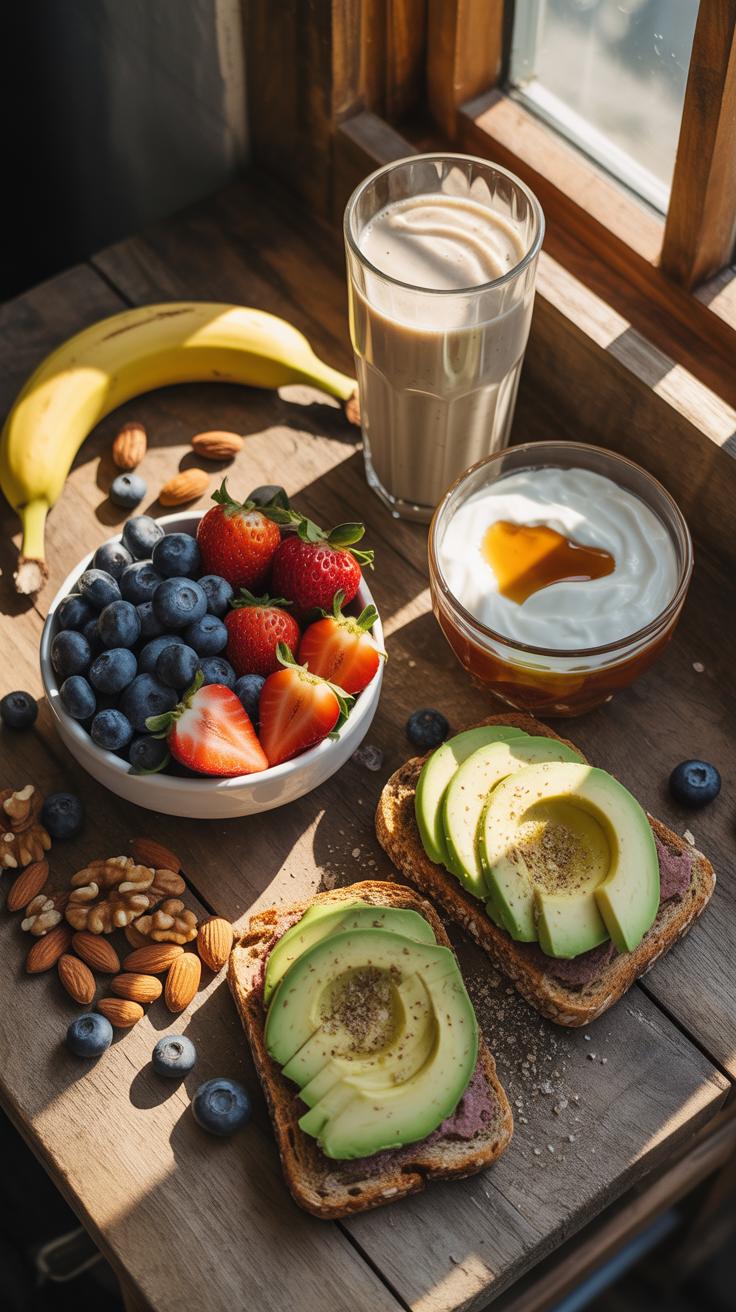
Old school gym culture claims you must eat within thirty minutes of training. Science shows the body remains in a sensitive state for much longer. Muscle protein synthesis stays elevated for at least twenty-four to forty-eight hours. You do not need to rush a protein shake the second you drop your weights. Total daily protein intake matters more than immediate timing for most athletes.
Resistance training breaks down muscle fibers. Your body needs amino acids to repair this damage and build new tissue. High-quality protein sources like whey or lean meat provide these essential building blocks. Aim to eat a solid meal within two hours of finishing your session. This ensures your body has the materials needed to facilitate growth. Consistency in your daily nutrition plan dictates your long-term physical results.
Carbohydrates After Exercise: Restoring Glycogen Stores For Faster Recovery
Exercise depletes your primary energy source called muscle glycogen. Your body stores carbohydrates in the liver and muscles for quick access during heavy lifting. After a hard workout, your glycogen levels are low. Consuming carbohydrates immediately starts the refueling process. This is critical if you plan to train again within twenty-four hours. Efficient refueling prevents fatigue and keeps your next training session intense.
Complex carbohydrates provide a steady release of glucose into your bloodstream. Simple sugars also have a place here because they spike insulin levels quickly. Insulin helps transport nutrients into your muscle cells faster. Choose foods like white rice, potatoes, or fruit to replenish your energy. Adequate carbohydrate intake protects your hard-earned muscle from being used as fuel. Proper recovery starts with restoring these vital energy reserves immediately.
Post Workout Food High Protein Meals That Rebuild And Restore
Whole Food Post Workout Meals Vs. Protein Shakes: Which Is Better?
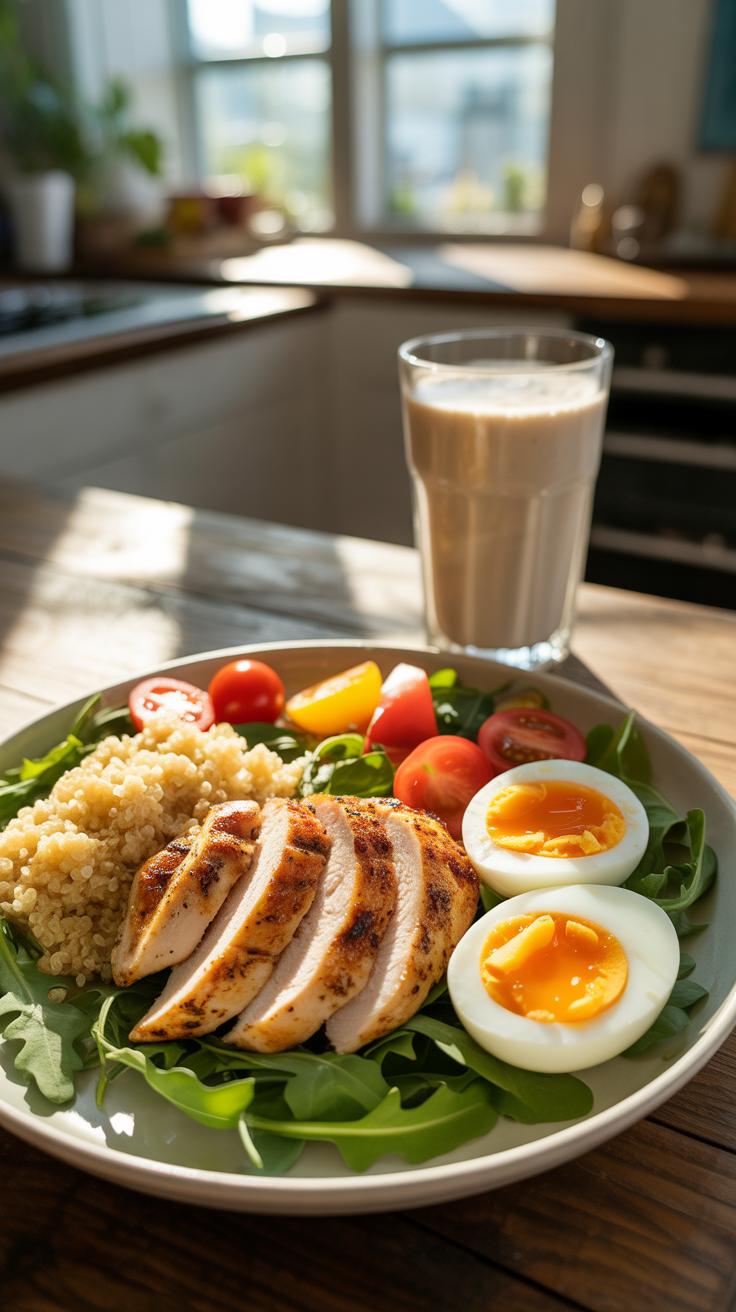
Protein shakes offer speed and convenience. Your body absorbs liquid whey faster than solid meat. This rapid delivery hits the bloodstream quickly to spark muscle protein synthesis. Shakes work best when you have a long commute after your session. They stop muscle breakdown immediately. However, liquids do not keep you full. You will likely feel hungry again within an hour.
Whole foods provide a complete nutrient profile that powders lacks. Real meals contain zinc, iron, and B vitamins that support long-term metabolic health. Solid animal proteins or legumes digest slowly. This creates a steady drip of amino acids into your system for several hours. Professional athletes prioritize whole food meals to maintain satiety and hormonal balance throughout the day. Use shakes for utility and meals for sustainment.
Anti Inflammatory Foods That Support Muscle Soreness And Recovery
Intense training creates micro-tears in muscle fibers and triggers systemic inflammation. You must eat foods that neutralize this oxidative stress. Tart cherry juice contains anthocyanins that reduce swelling and muscle pain. Omega-3 fatty acids from fatty fish stop pro-inflammatory enzymes. These specific nutrients settle the internal heat caused by lifting heavy weights. Better recovery allows you to return to the gym sooner without injury risks.
Berries and dark leafy greens provide antioxidants that repair cellular damage. These foods do not replace protein but they make your protein more effective. Vitamin C found in citrus helps build collagen for your tendons and ligaments. Turmeric and ginger also act as natural blockers for joint discomfort. Focus on high-color foods to flush out metabolic waste. Proper recovery nutrition transforms a hard workout into actual physical progress.
Building A Weekly Pre Post Workout Food Plan That Fits Your Goals

How To Adjust Your Nutrition Strategy Based On Workout Type And Intensity
High intensity training requires glycogen. Fast movements and heavy lifts drain your carbohydrate stores quickly. You must eat easily digestible carbs thirty minutes before these sessions. This ensures your blood sugar stays stable while you work. If you skip this step, your power output will drop. You will fail at high volumes because your muscles lack the immediate fuel needed for anaerobic glycolysis.
Low intensity steady state cardio relies more on fat oxidation. You do not need a massive surge of glucose for a light walk or yoga. Match your fuel to the burn. If the session is short and light, you can train fasted or with minimal intake. Save your largest carbohydrate meals for your hardest training days. This strategy prevents unnecessary fat storage while maximizing your peak performance during difficult sessions.
Tailoring Your Eating Plan For Weight Loss, Muscle Gain, Or Endurance Training
Muscle gain requires a consistent caloric surplus and timed protein. You must eat protein every three to four hours to keep muscle protein synthesis high. Carbohydrates are essential before the gym to drive intensity and after the gym to refill glycogen. Without enough energy, your body will not build new tissue. Prioritize nutrient density to Ensure you gain lean mass rather than just body fat during this phase.
Weight loss requires a caloric deficit while protecting existing muscle. You must keep protein intake high to prevent tissue breakdown as you lose weight. Eat your limited carbohydrates around your workout window for maximum utility. Endurance training demands a different approach focused on sustained energy. Increase your salt and slow burning carb intake on long run days. This prevents hitting the wall and maintains your pace over hours.
Frequently Asked Questions

Why is it important for beginners to eat before a workout?
Understanding what to eat before the gym is crucial for beginners because food acts as the primary fuel for your muscles. Consuming carbohydrates provides the glucose necessary to prevent fatigue and dizziness during exercise. By prioritizing a small, balanced snack about thirty minutes to an hour before you start, you ensure your body has the sustained energy required to complete your routine safely while maximizing your overall physical performance and endurance.
How should I time my meals around my training schedule?
Timing depends entirely on the size of your meal. If you are eating a full breakfast or lunch, try to finish at least two to three hours before exercising. However, if you are looking for a quick energy boost, a small snack like a banana or toast is perfect. Knowing what to eat before the gym helps prevent digestive discomfort, allowing you to train hard without feeling heavy or sluggish during your session.
Can I find effective pre-workout snacks on a tight budget?
Absolutely! You do not need expensive supplements or specialized bars to fuel your body effectively. Affordable staples like oats, peanut butter, hard-boiled eggs, or dynamic seasonal fruits are excellent low-cost options. These pantry essentials provide the necessary proteins and complex carbohydrates to power your workout. Focusing on whole, unprocessed foods is a budget-friendly way to ensure your body gets high-quality nutrients without breaking the bank or sacrificing your fitness goals.