
What Makes Greek Yogurt A Meal Prep Superfood
The Nutritional Profile Behind Greek Yogurt Recipes
Greek yogurt differs from regular yogurt through a specific straining process. Manufacturers remove the liquid whey to create a thicker consistency. This process concentrates the solids and removes much of the sugar content. The result is a dense dairy product with high levels of calcium and phosphorus. These minerals support bone density and muscle function. This profile makes it a mandatory base for meal prep.

The straining method also lowers the lactose content significantly. This makes it easier for many adults to digest compared to standard milk. Most brands contain low levels of sodium and carbohydrates. This balance ensures stable blood sugar levels throughout the day. You get a high-density fuel source that fills you up. It serves as a neutral backbone for both savory and sweet recipes in your kitchen.
How Greek Yogurt Supports Protein Intake And Gut Health
High protein content is the primary reason athletes use this food. It contains double the protein of traditional yogurt. This macronutrient is essential for muscle repair and satiety. Consuming it helps you maintain lean muscle mass during weight loss. It provides all nine essential amino acids that your body cannot produce. This makes it a complete protein source for your daily dietary requirements.
Probiotics are the secondary benefit of this superfood. Live active cultures populate your digestive tract with beneficial bacteria. These microbes improve nutrient absorption and strengthen the immune system. Regular consumption balances your gut microbiome and reduces inflammation. Healthy digestion ensures you get the most from every meal you prep. This combination of protein and bacteria provides a distinct advantage for long-term health goals.
Making Greek Yogurt At Home A Simple Greek Yogurt Recipe To Get You Started
Step By Step Instructions For Making Greek Yogurt At Home With A Starter
Making yogurt requires precise temperature control to activate live cultures. You must heat milk to 180 degrees Fahrenheit to denature the proteins and eliminate competing bacteria. Cool the liquid to roughly 110 degrees before adding your starter culture. Maintaining this heat is critical during the incubation phase to ensure the bacteria properly ferment the lactose into lactic acid.
- Milk Selection: Use high quality cow milk for the best results. Whole milk produces a richer texture and more stable curd. Avoid ultra pasteurized varieties because the high heat treatment prevents proper coagulation during the fermentation process.
- Heating Process: Heat the milk slowly in a heavy bottom pot. Stir constantly to prevent scorching on the bottom. Reaching 180 degrees Fahrenheit ensures the yogurt sets firmly and creates a smooth final product for your meal prep.
- Inoculation Phase: Whisk a small amount of warm milk into two tablespoons of plain yogurt containing live active cultures. This creates a slurry that integrates easily into the main batch. Do not add the starter while the milk is too hot.
- Incubation Period: Place the mixture in a warm environment like an oven with the light on or a dedicated yogurt maker. Keep the temperature between 100 and 110 degrees for eight to twelve hours. Longer times increase the tartness of the batch.
- Initial Cooling: Move the set yogurt to the refrigerator for at least several hours before straining. Cooling helps the structure firm up so the whey separates more efficiently from the solids. Skipping this step results in a runny and inconsistent texture.
Sanitation is the most important factor in this process. Wash every tool and container with boiling water to prevent unwanted mold or yeast growth. If the milk does not thicken after twelve hours, the temperature likely dropped too low or your starter was inactive. Freshness is key when selecting a starter to guarantee a high count of live bacteria.
How To Achieve The Right Thickness When You Make Greek Yogurt At Home
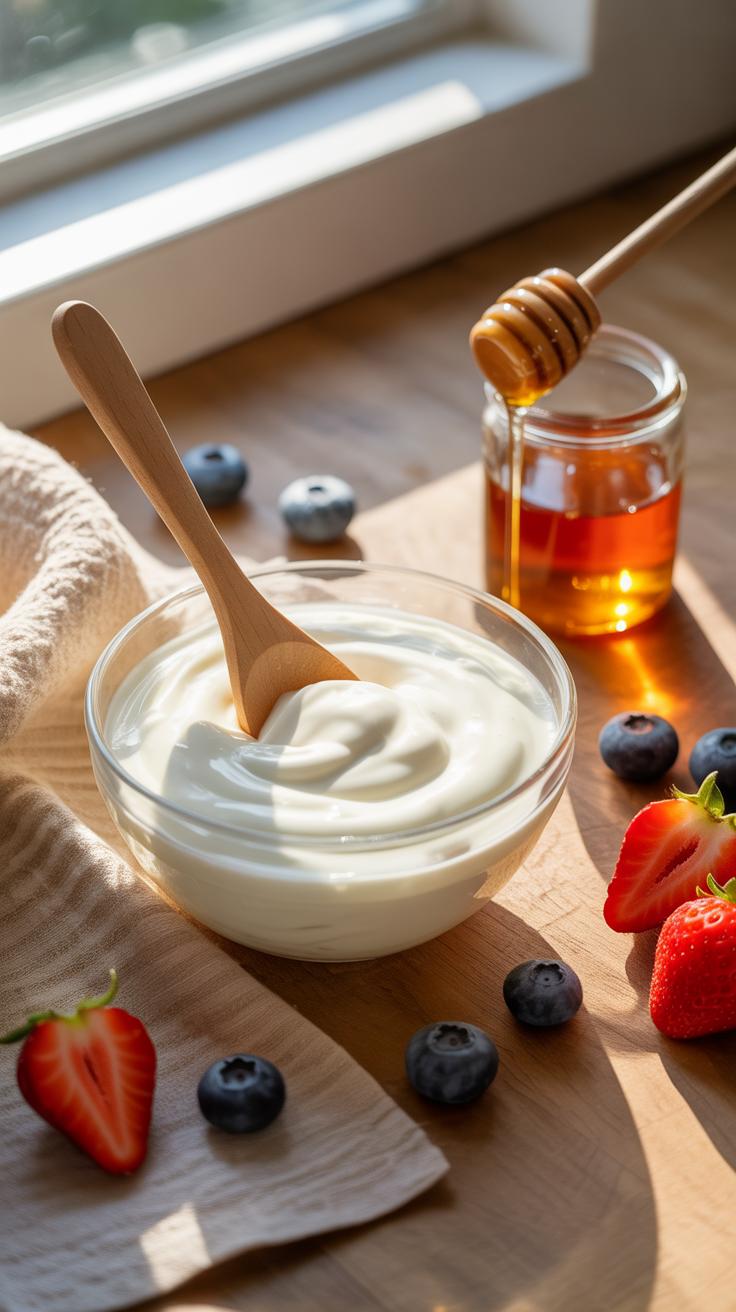
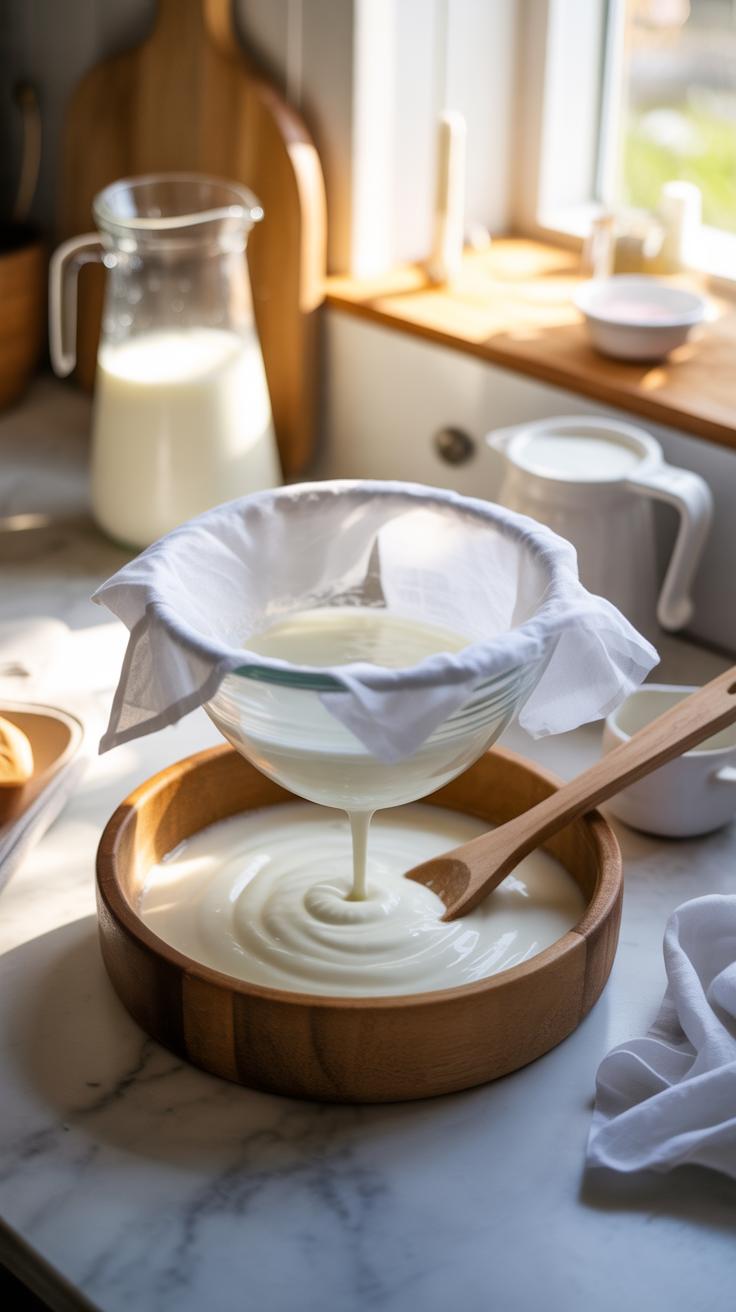
The defining characteristic of Greek yogurt is the removal of liquid whey to concentrate the proteins and fats. Traditional yogurt becomes Greek yogurt through mechanical straining. You must use a fine mesh sieve lined with several layers of cheesecloth or a coffee filter. Gravity pulls the greenish liquid out of the solids over several hours to create a dense and creamy consistency.
Monitor the straining time closely to reach your desired thickness. Two hours of straining creates a soft consistency similar to commercial products. Straining for six hours or more results in a thick spread often called yogurt cheese or labneh. You can whisk a small amount of the removed whey back into the mixture if you over strain the batch and it becomes too dry.
How To Make Greek Yogurt Without Starter A Beginner Friendly Guide
Using Acid Based Methods To Ferment Milk Without A Yogurt Starter
Traditional yogurt requires active bacterial cultures to ferment lactose into lactic acid. You can bypass commercial starters by using lemon juice or distilled white vinegar to curdle the milk proteins. Heat your milk to 180 degrees Fahrenheit to denature the proteins. Let the milk cool to room temperature before adding your acid. This process mimics fermentation by manually lowering the pH level of the liquid.
Adding two tablespoons of acid per quart of milk creates a chemical reaction. This reaction separates the solids from the liquid whey immediately. Stir the mixture gently and let it sit for thirty minutes to allow the curds to tighten. You are essentially making a fresh cheese curd that serves as a base for your recipes. While not true fermented yogurt, it provides a functional high-protein substitute.
What To Expect In Texture And Taste From Homemade Plain Greek Yogurt Made Without Starter
Acid-set yogurt lacks the complex tang produced by Lactobacillus bulgaricus. The flavor remains mild and slightly sweet like ricotta or heavy cream. You will notice a clean finish without the characteristic bite found in store-bought Greek yogurt. This profile works well for savory meal prep sauces where you want a neutral base. It does not provide the probiotic benefits of traditional fermentation methods used in Greek yogurt recipes.
The texture of this shortcut method is grainier than cultured yogurt. It resembles a soft curd or a thick spread once you strain the excess whey through cheesecloth. You must strain the mixture for at least four hours to achieve the dense consistency required for Greek-style applications. The resulting product is stable and holds up well when folded into cold recipes. It lacks the elastic smoothness of a bacterial ferment.
Easy Homemade Greek Yogurt Variations You Can Prep In Batches
Full Fat Vs. Low Fat Options For Your Easy Homemade Greek Yogurt Base
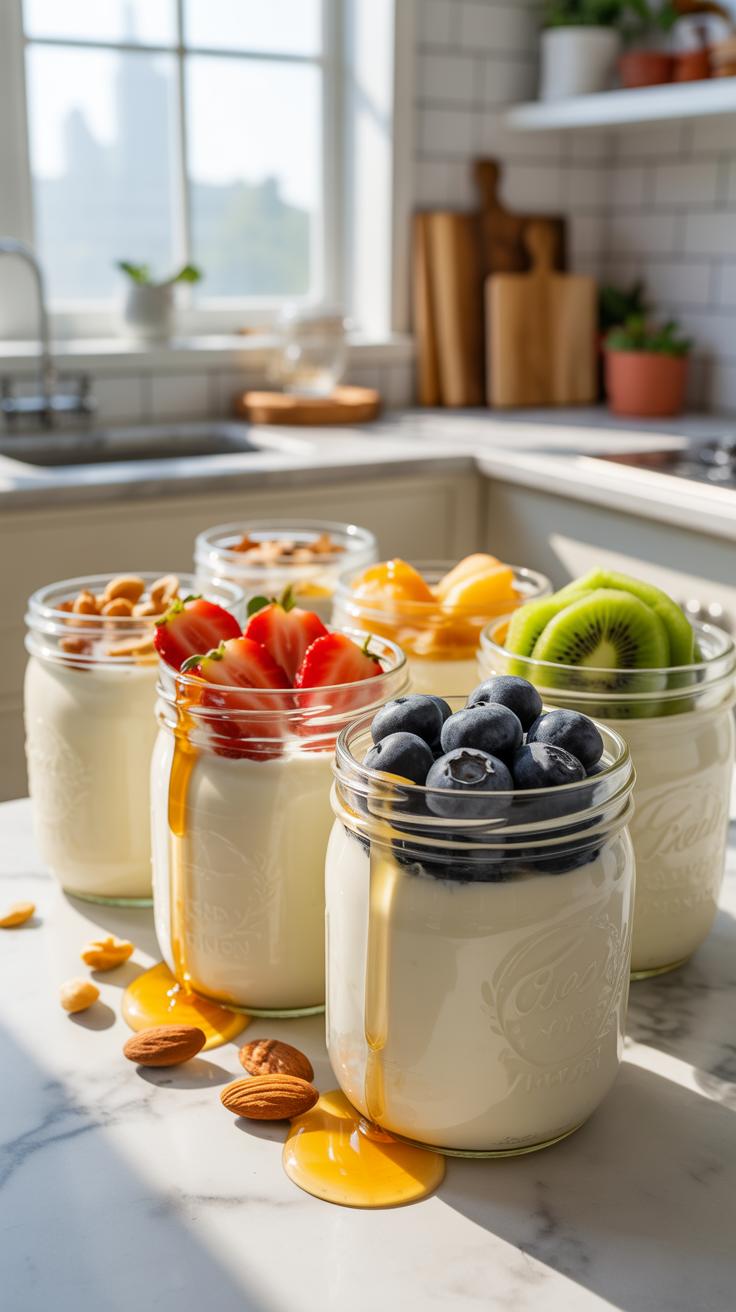
Full-fat Greek yogurt uses whole milk containing approximately 3.5 percent milkfat. This base provides a thick texture and high satiety levels. The lipids in whole milk allow for better absorption of fat-soluble vitamins like A and D. Professionals choose this option for meal prep because it remains stable over time. It resists syneresis, which is the separation of liquid whey from the solids.
Low-fat bases use 1 percent or 2 percent milk to reduce caloric density. These versions contain more protein per calorie than full-fat options. However, they often require longer straining times to achieve a thick consistency. Reduced-fat yogurt can become runny if you stir it too much after it sets. Choose this base if your goal is strict weight management rather than maximum culinary stability.
Flavoring Your Home Made Greek Yogurt With Natural Ingredients
Natural flavoring requires high-quality concentrates and whole foods. Avoid synthetic syrups that introduce refined sugars and artificial dyes. Use vanilla beans or pure extract for a clean profile. Ground cinnamon or nutmeg adds depth without changing the chemical structure of the yogurt. These dry spices integrate well during the batching process. They do not increase moisture content or cause the base to thin out.
Fresh fruit introduces water which can dilute the yogurt over several days. Use freeze-dried fruit powders or fruit compotes reduced on a stove. This method concentrates flavor and removes excess liquid. Strategic meal prepping involves adding these components at the bottom of the container. This technique prevents the acid in the fruit from breaking down the yogurt proteins during storage. It keeps the texture firm and consistent.
High Protein Greek Yogurt Breakfast Recipes For The Week Ahead
Greek Yogurt Parfait Bowls With Fruit, Nuts, And Granola
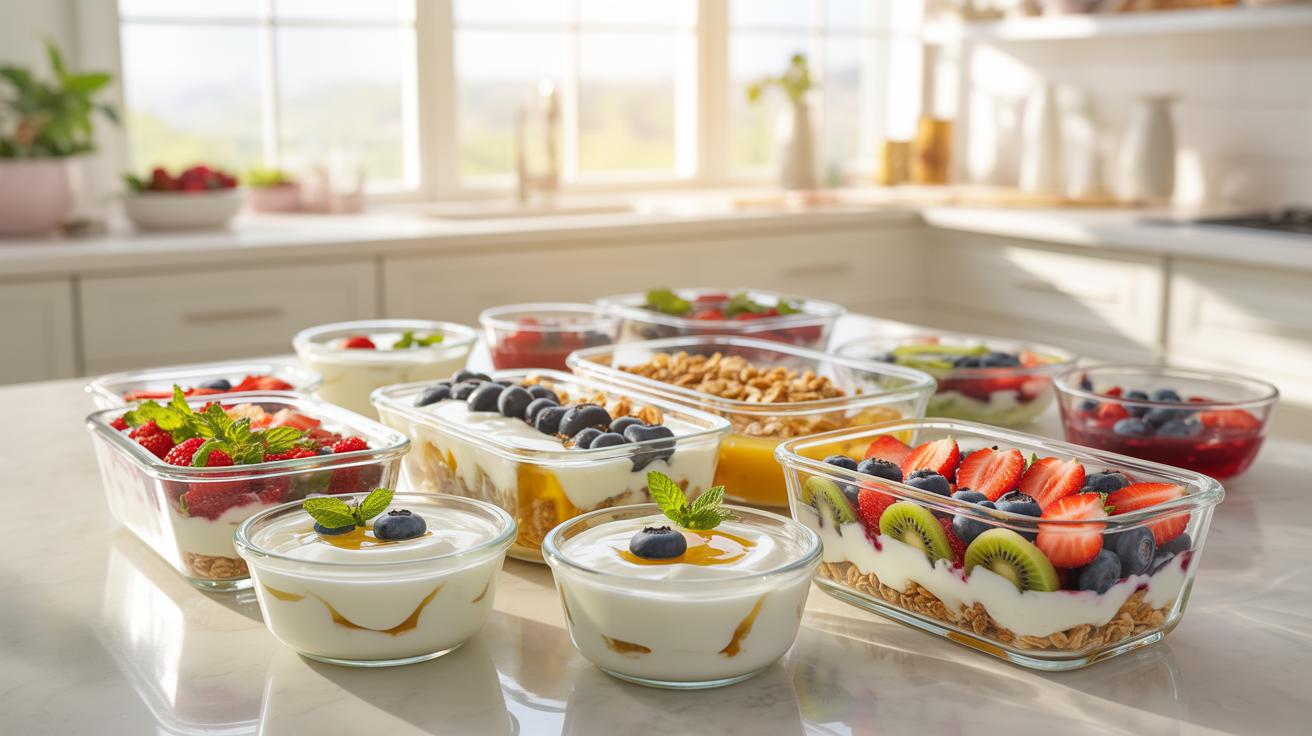
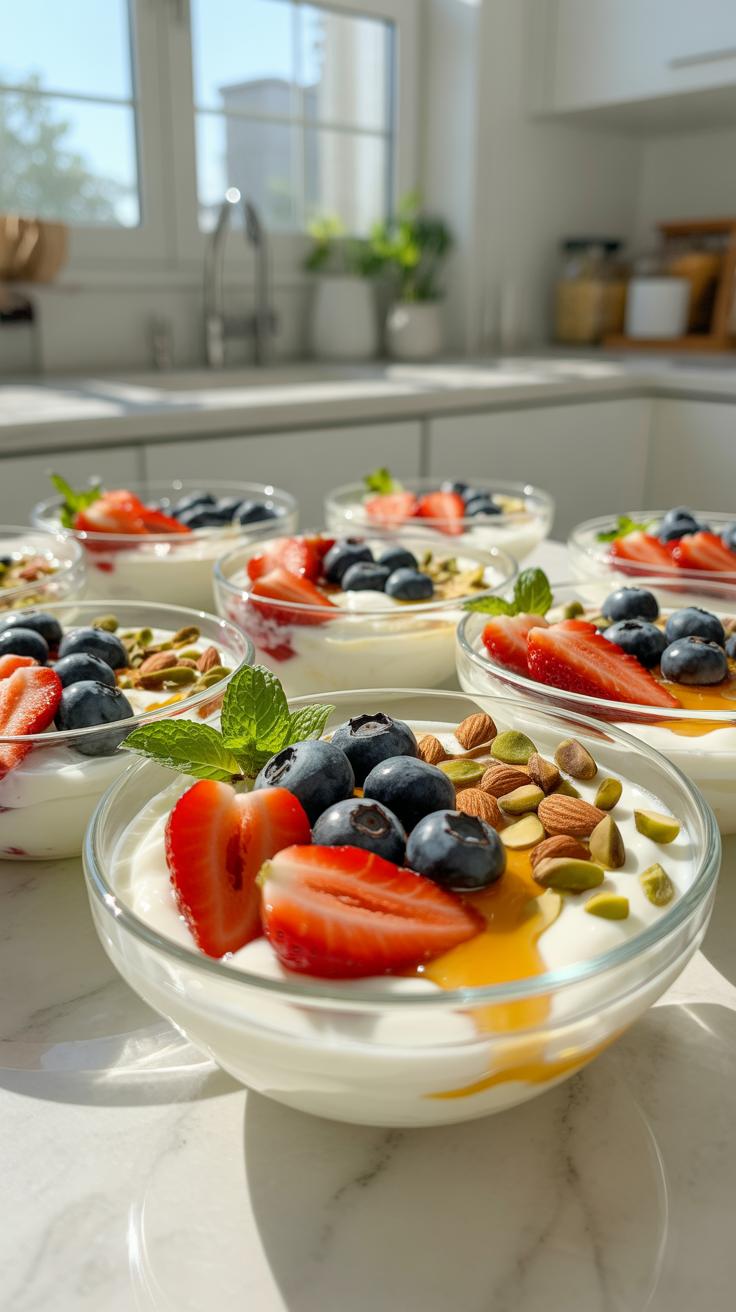
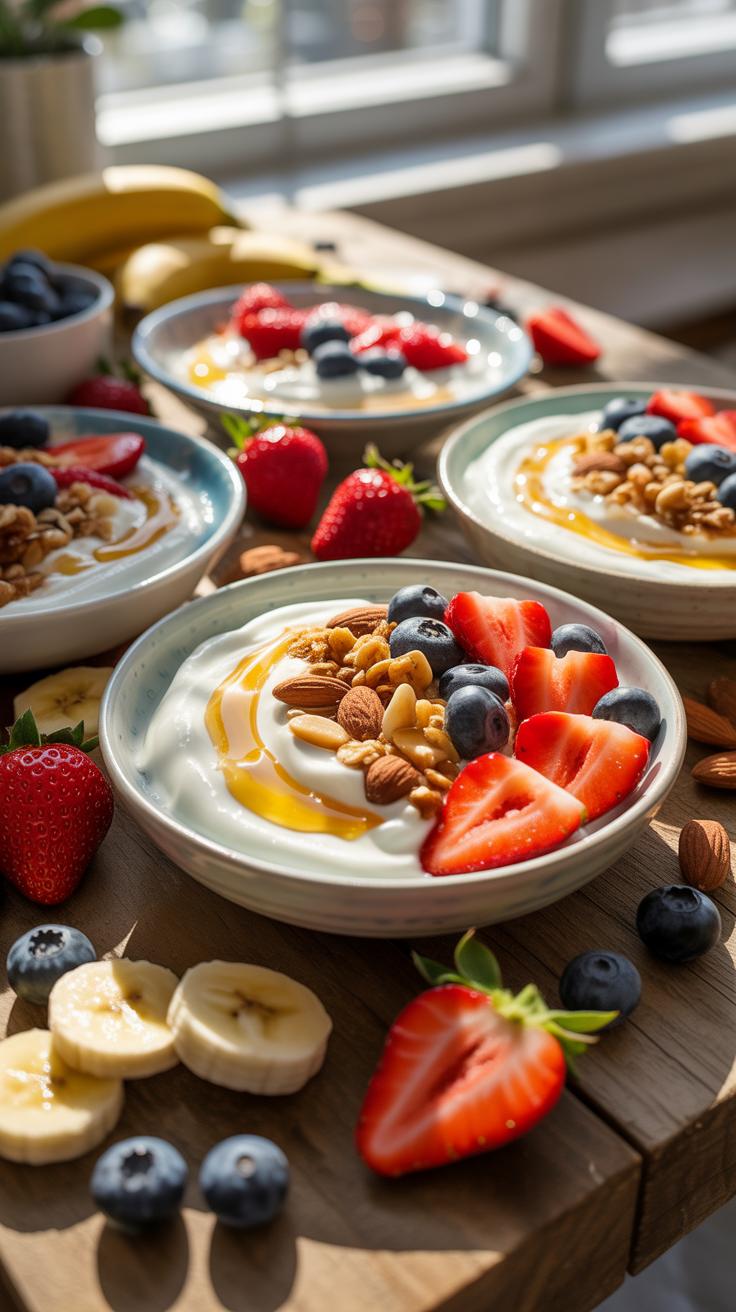
Greek yogurt serves as a high-density protein base for meal prep. One cup contains about 23 grams of protein. This strain of yogurt removes excess whey through filtration. The process creates a thick texture that supports heavy toppings without collapsing. Use plain versions to control sugar intake. This foundation remains stable in the refrigerator for up to four days when stored in airtight glass containers.
Constructing these bowls requires strategic layering to maintain texture. Place the yogurt at the bottom of the container. Add fresh berries or sliced stone fruits directly on top of the dairy. Keep nuts and granola in a separate dry compartment or a small silicone bag. Add these crunchy elements only at the moment of consumption. Moisture from the yogurt will soften grains and nuts within hours if mixed prematurely.
Transforming simple ingredients into nourishing meals is a way of honoring the traditions of the past while caring for our future selves. A bowl of creamy yogurt and fresh fruit is more than a recipe; it is a moment of pure, wholesome joy.
Overnight Oats With Greek Yogurt For A Ready To Grab Morning Meal
Overnight oats utilize raw rolled oats soaked in liquid and yogurt. This method replaces heat with time to soften the grain. The Greek yogurt provides a creamy consistency and a sharp protein boost. Use a one-to-one ratio of oats to liquid. Add half a cup of yogurt to the mixture to increase thickness. This combination creates a low-glycemic meal that provides sustained energy throughout the morning hours.
Prepare several jars at once to maximize your time. Mix the oats, milk, and yogurt in 16-ounce mason jars. Tighten the lids to prevent the absorption of other food odors. The starches in the oats gelatinize as they sit in the refrigerator. This process makes the nutrients easier for your body to digest. Add chia seeds to the mix to further increase the fiber content and improve the overall structure.
Savory Greek Yogurt Recipes For Lunch And Dinner Meal Prep
Greek Yogurt As A Creamy Base For Dressings, Dips, And Marinades
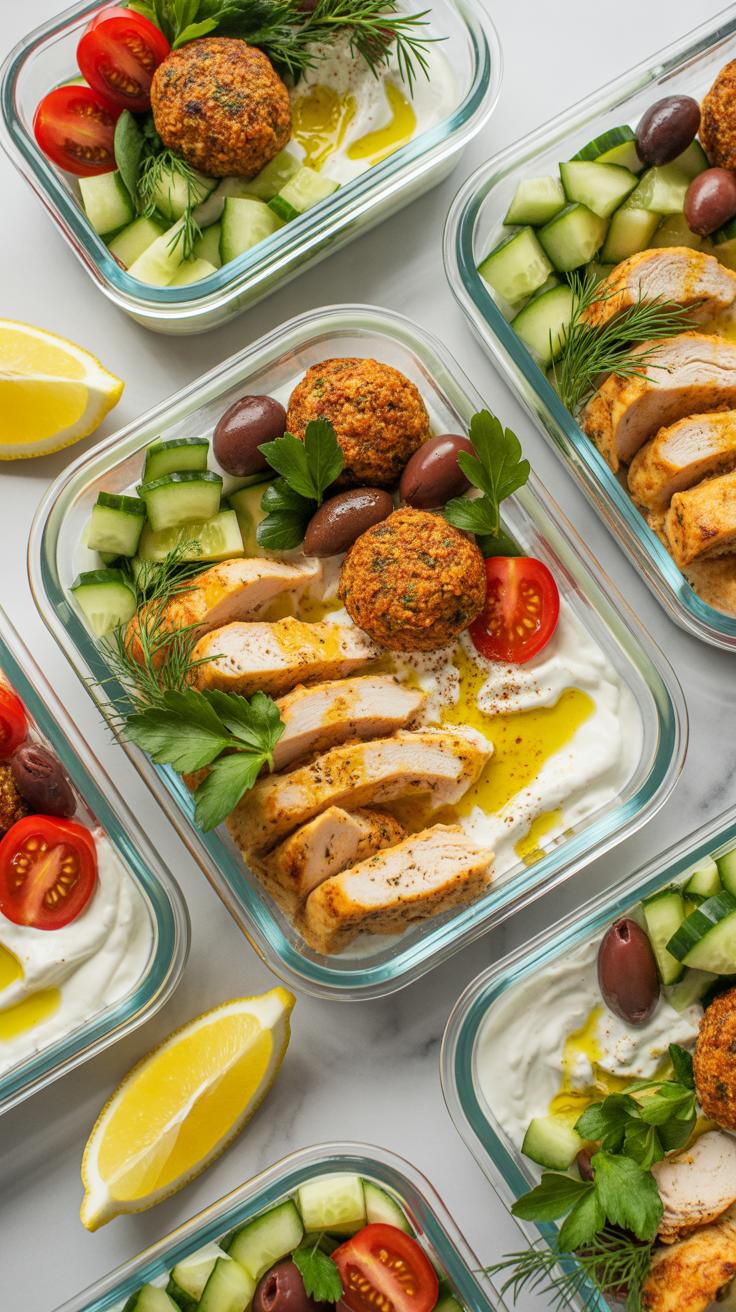
Greek yogurt serves as a high-protein foundation for meal prep sauces. Its lactic acid naturally tenderizes animal proteins during the marination process. Use it to replace oil-heavy bases in Mediterranean or Middle Eastern dishes. The thick texture holds spices against the meat more effectively than liquid vinegars. This ensures deep flavor penetration and a moist end product after reheating for weekly lunches.
You can transform plain yogurt into a functional dressing by adding acidic components like lemon juice or vinegar. This breaks down the thickness for a pourable consistency. Combine it with fresh herbs and garlic for a powerhouse dip that stays stable in the fridge for five days. This method increases the nutritional density of your meals. It provides probiotics and calcium without the excess fats found in commercial dressings.
Swapping Sour Cream And Mayo For Greek Yogurt In Savory Dishes
Substituting Greek yogurt for sour cream or mayonnaise reduces total calorie counts. Yogurt contains significantly more protein per gram than these traditional fats. Use it in chilled salads like tuna, chicken, or potato salad to provide the same mouthfeel with better macros. Ensure you use full-fat or two percent varieties for hot dishes. This prevents the proteins from curdling when they hit heat.
Apply this swap to tacos, chili, and baked potatoes for a sharper flavor profile. The natural tang of the yogurt complements spicy and savory ingredients. For warm sauces, temper the yogurt by stirring in a small amount of the hot liquid before adding it to the pot. This technique protects the texture of your meal prep. It maintains a professional consistency throughout your entire work week without separating.
Greek Yogurt Baking Recipes That Add Moisture And Nutrition
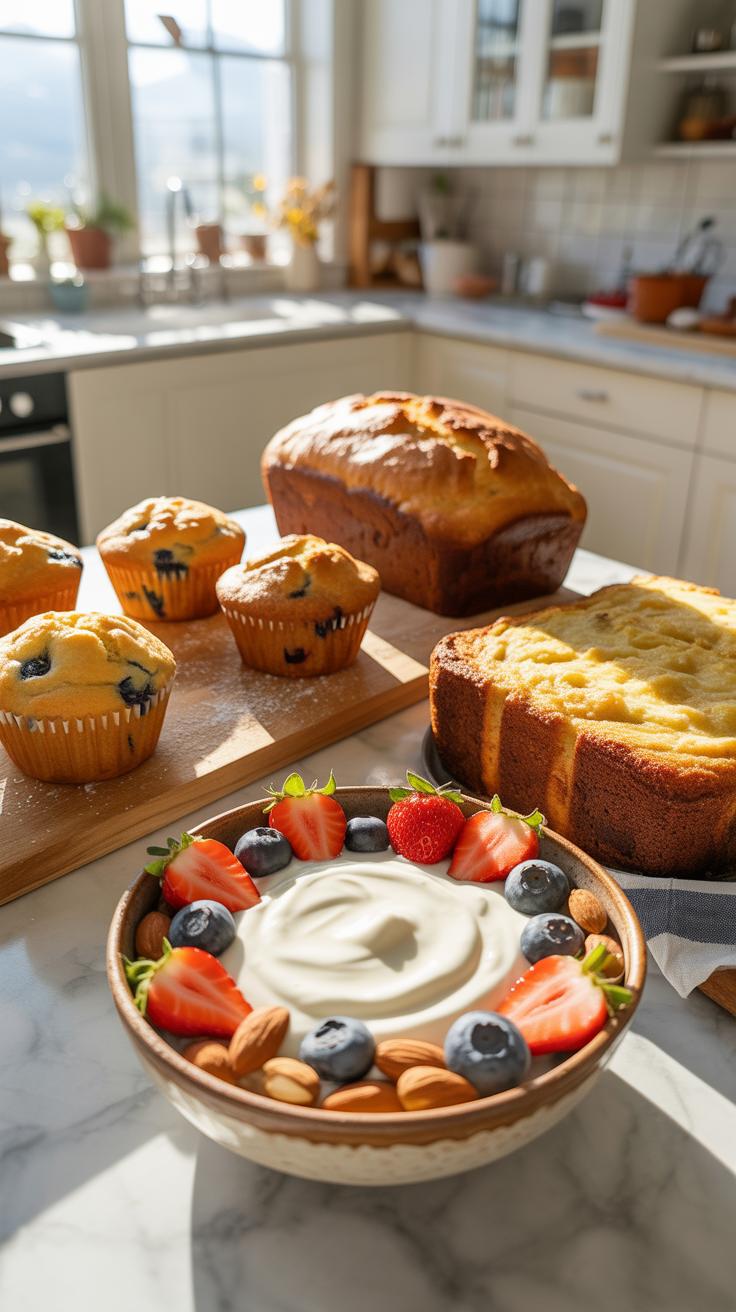
How Greek Yogurt Improves Texture In Muffins, Breads, And Pancakes
Greek yogurt functions as a powerful tenderizer in baking. Its high acidity breaks down gluten strands in wheat flour. This process creates a softer and more delicate crumb in muffins and quick breads. The thick consistency also adds structural bulk without the need for excessive fats. It mimics the role of saturated fats while providing a more substantial mouthfeel in every bite.
The yogurt creates a distinct chemical reaction when paired with baking soda. This reaction produces carbon dioxide bubbles that cause batters to rise effectively. Yogurt also retains moisture better than milk or water during the baking process. This prevents your baked goods from drying out in the oven. You get a finished product that stays fresh and soft for several days longer than standard recipes.
Batch Baking With Greek Yogurt Baking Recipes For A Healthier Weekly Spread
Strategic meal prep requires recipes that maintain quality over time. Greek yogurt baking recipes are ideal for batch cooking because they freeze well. You can bake large quantities of protein-enriched pancakes or bread loaves on Sunday. These items retain their internal moisture after thawing and reheating. The high protein content in the yogurt makes these baked goods more satiating than traditional carbohydrate-heavy snacks.
Replace oil or butter with Greek yogurt using a one-to-one ratio to cut calories. This substitution reduces total fat while increasing the nutrient density of your weekly food supply. Use plain, non-fat versions to maintain control over sugar levels and caloric intake. This tactical approach ensures your meal prep supports muscle recovery and steady energy. Efficient baking relies on these reliable swaps to optimize your nutrition without sacrificing taste.
Greek Yogurt Smoothies And Snacks For Prepped On The Go Eating
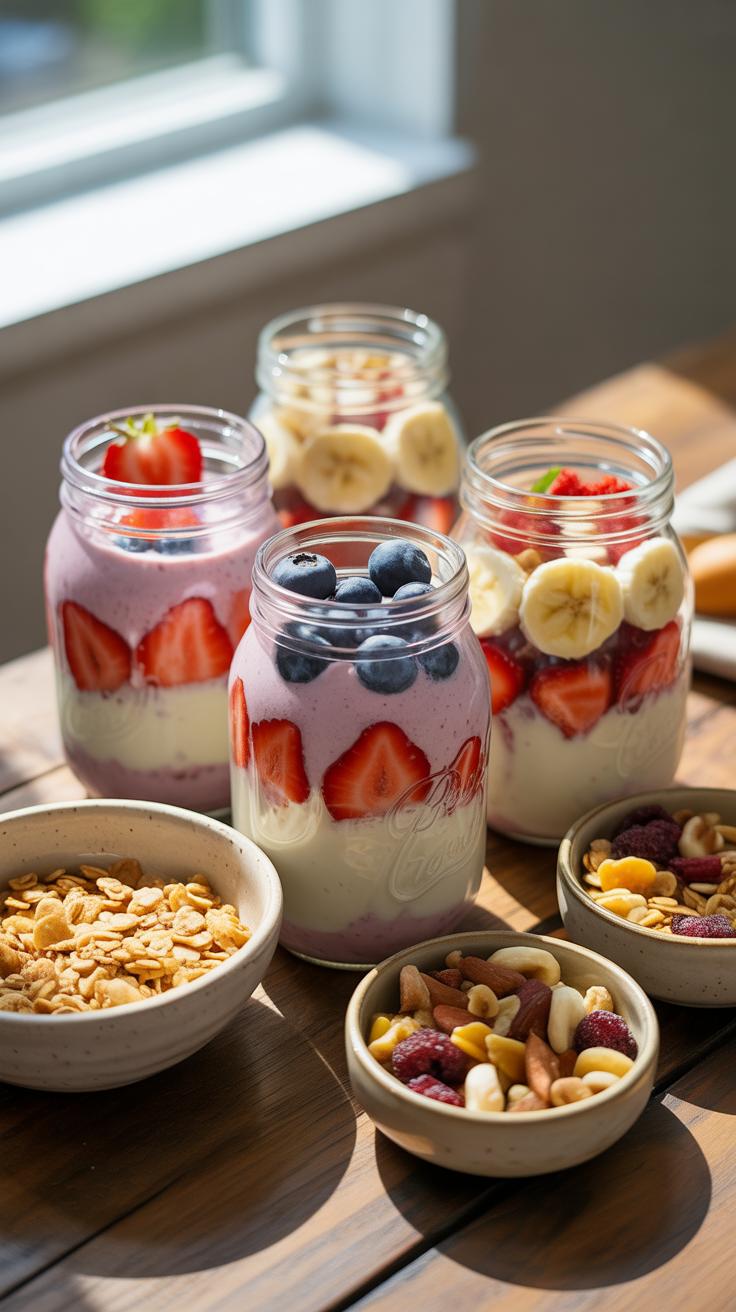
Blending Greek Yogurt Into Smoothies For Creaminess And Lasting Fullness
Greek yogurt provides a dense protein base for any liquid meal. Standard non-fat Greek yogurt contains roughly eighteen grams of protein per six-ounce serving. This high protein content triggers the release of satiety hormones like peptide YY. Use full-fat versions to increase fat-soluble vitamin absorption from added greens. The thick texture replaces the need for heavy creams or processed thickeners in your blender.
Maintain nutrient density by controlling the liquid-to-solid ratio. Use one part Greek yogurt to two parts fruit or vegetables. Add ice only if using fresh produce instead of frozen. Blend on high speed to emulsify the yogurt fats with organic fibers. This creates a stable suspension that will not separate quickly. Store these blends in airtight glass bottles for up to forty-eight hours in the refrigerator.
Prepping Greek Yogurt Snack Jars And Dips For The Entire Week
Efficient snacking requires portion control and moisture management. Use glass jars with silicone seals to prevent oxidation and odor absorption. Place dry ingredients like nuts or granola in a separate top compartment. This keeps the yogurt crisp and prevents the mix-ins from becoming soggy. Greek yogurt acts as a probiotic delivery system when kept at constant cold temperatures. It maintains its structural integrity for five days.
Savory dips utilize the natural acidity of Greek yogurt to tenderize raw vegetables. Replace mayonnaise or sour cream with plain Greek yogurt to cut calories and increase protein. Combine dry spices twenty-four hours before eating to allow the flavors to hydrate and disperse. Use a high-strain yogurt to ensure the dip stays thick even after the salt draws moisture from the additives. This method ensures a high-performance snack ready for immediate consumption.
Storing And Preserving Your Greek Yogurt Recipes The Right Way
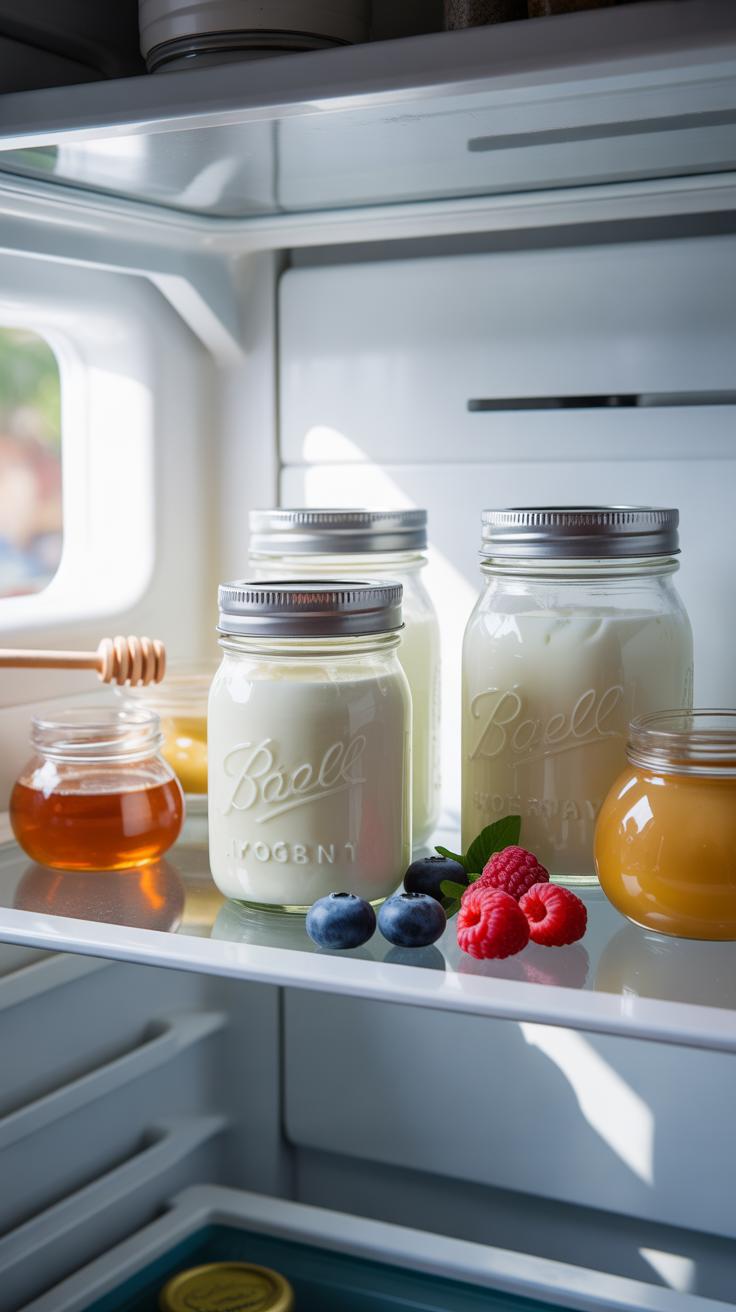
How Long Homemade Plain Greek Yogurt And Prepped Dishes Stay Fresh
Homemade plain Greek yogurt lasts up to two weeks in the refrigerator. The shelf life depends on the initial milk quality and the sanitation of your equipment. Fresh batches stay stable because the lactic acid acts as a natural preservative. You must keep the temperature at or below forty degrees Fahrenheit. This prevents spoilage or unwanted mold growth during long storage periods.
Mixed recipes such as savory dips or overnight oats have shorter lifespans. Additions like fresh fruit or raw vegetables introduce moisture and enzymes that speed up fermentation. These prepped dishes usually stay safe and tasty for three to five days. Always look for liquid separation or changes in odor before eating. If the texture becomes grainy or the smell turns sharp, discard the meal immediately.
Best Containers And Refrigeration Practices For Weekly Greek Yogurt Meal Prep
Proper storage requires airtight seals to prevent flavor transfer and moisture loss. Greek yogurt absorbs odors from strong foods like onions or garlic sitting nearby in the fridge. Glass is the superior material because it is non-porous and does not leach chemicals into the food. Use containers that match the volume of your recipe to minimize air exposure and slow down oxidation.
- Glass Mason Jars: These provide an airtight seal and come in various sizes for portion control. Glass does not stain and remains easy to sanitize in high heat. It keeps the yogurt cold and maintains a consistent texture throughout the week.
- Silicone Lids: Use these for a flexible but tight seal on ceramic or metal bowls. High quality silicone resists odors and creates a vacuum that keeps oxygen out of the container. This prevents the surface of the yogurt from drying out or hardening.
- BPA Free Plastic: Choose heavy duty plastic if you need lightweight transport for daily commutes. Ensure the lids snap shut securely to prevent leaks. Check that the material is food grade so it does not react with the acidic nature of the yogurt.
- Stainless Steel Tiffin: These containers are durable and drop proof for rugged use. Metal conducts cold quickly to keep the contents at the proper temperature. Always ensure the lid has a silicone gasket to maintain a leak proof environment for liquid based dips.
- Vacuum Sealed Containers: This technology removes all air to extend the freshness of prepped recipes. It works best for dips and dressings that you want to keep for the full five days. Reducing oxygen exposure significantly slows the growth of spoilage bacteria.
Temperature stability is the final step for successful meal prepping. Store your yogurt containers in the back of the refrigerator where the temperature remains coldest. Avoid the door shelves because constant opening causes warm air to hit the food. If you see whey liquid pooling on top, do not throw it away. Stir the liquid back into the yogurt to maintain the original protein content and creamy consistency.
Meal Prep Planning Tips For Building A Week Around Greek Yogurt Recipes
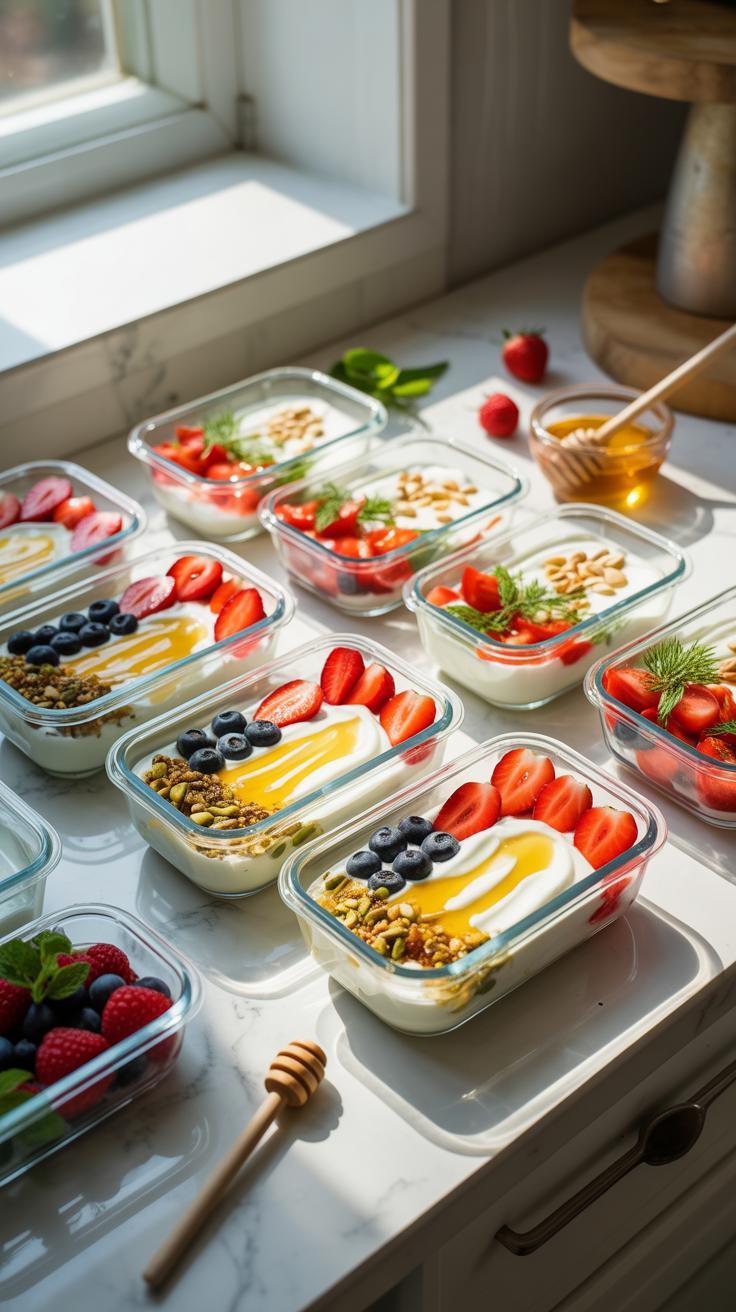
How To Structure Your Weekly Menu Using One Batch Of Greek Yogurt
Efficiency starts with high volume purchases of plain Greek yogurt. Large tubs reduce cost per ounce and provide a neutral base for diverse flavor profiles. Use the first portion for cold applications like overnight oats or breakfast bowls. These require no cooking and stay stable in the refrigerator for four days. Prepare these containers immediately to lock in your morning nutrition.
Shift the remaining yogurt into savory roles for mid-week meals. Use it as a base for marinades to tenderize chicken or as a thickener for chilled soups. Concentrated yogurt proteins withstand heat poorly so add it to warm dishes only at the end of the cooking process. This strategy ensures you use the entire batch before it expires while maintaining variety across seven days.
Balancing Macronutrients Across Meals When Greek Yogurt Is Your Protein Anchor
Greek yogurt provides a high protein-to-calorie ratio which simplifies your macro tracking. One cup usually contains twenty-three grams of protein. You must pair this with complex carbohydrates and healthy fats to create a complete meal profile. Use fibrous vegetables or ancient grains like farro to slow digestion. This combination prevents insulin spikes and keeps your energy levels consistent throughout the entire workday.
Monitor your fat intake by selecting the right yogurt milk fat percentage. Non-fat versions require you to add external fat sources like walnuts or chia seeds for satiety. Full-fat versions offer more calories and better texture but require smaller portion sizes to stay within daily limits. Adjust your sides based on the yogurt type to maintain your target caloric balance without sacrificing essential micronutrient density.
Frequently Asked Questions

Why is Greek yogurt such a popular choice for healthy meal prep?
Greek yogurt is a meal prep powerhouse because it is packed with high-quality protein and gut-healthy probiotics. Unlike regular yogurt, the straining process removes excess whey, resulting in a thick, creamy texture that keeps you full for longer. Incorporating Greek yogurt recipes into your weekly routine provides a versatile base that works beautifully for both savory sauces and sweet breakfast parfaits, ensuring you stay energized throughout your busy workday.
How can I prevent Greek yogurt from getting watery when preparing meals in advance?
To keep your Greek yogurt recipes fresh for days, always store them in airtight containers and consider adding a layer of dry toppings, like granola or nuts, right before eating. If you notice a clear liquid on top after a few days, don’t worry—that is just natural whey. Simply stir it back in to restore the creamy consistency. Using a full-fat or 2% variety also helps maintain a much smoother texture during refrigeration.
Is it possible to meal prep with Greek yogurt on a tight budget?
Absolutely! You can save money by purchasing large, plain tubs rather than individual flavored cups. Buying in bulk allows you to customize your meals with affordable pantry staples like honey, frozen berries, or cinnamon. By using a single large container for various Greek yogurt recipes, such as overnight oats or healthy veggie dips, you reduce plastic waste and significantly lower your weekly grocery bill while still enjoying a high-protein diet.