
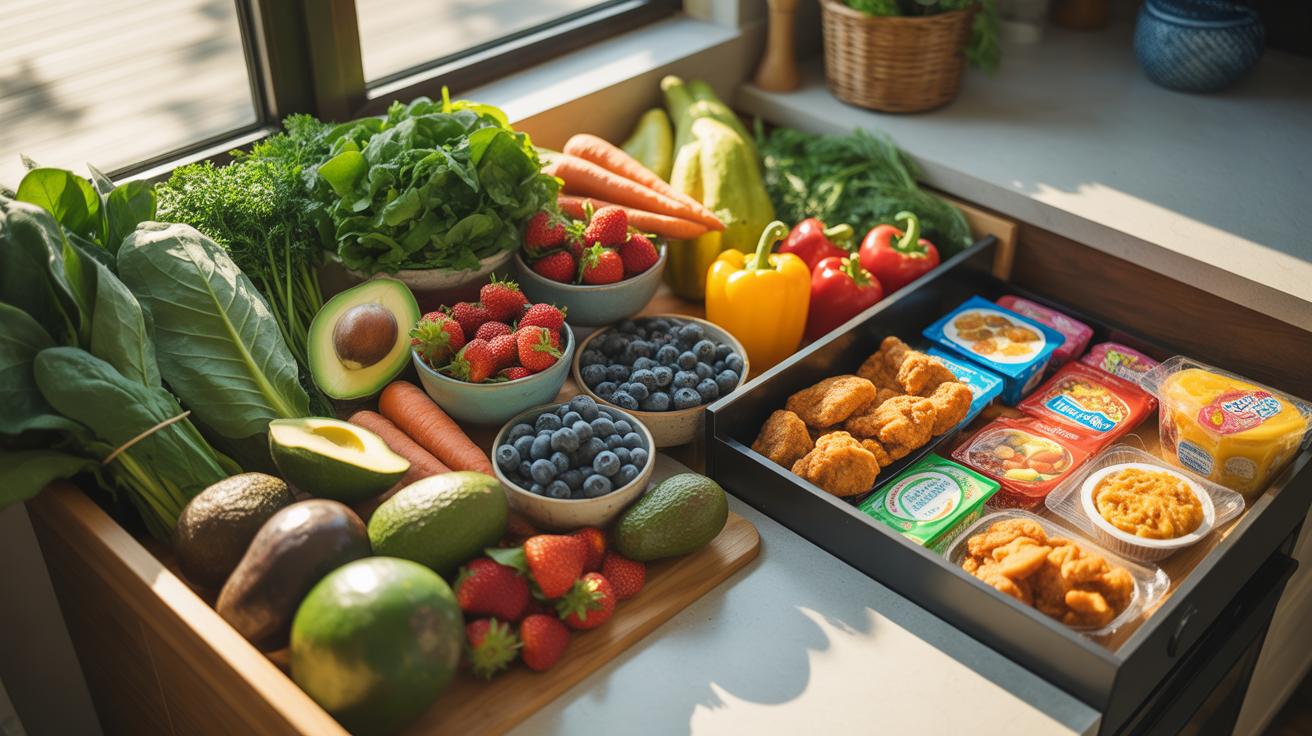
Understanding The LiverS Role In A Healthy Liver Diet
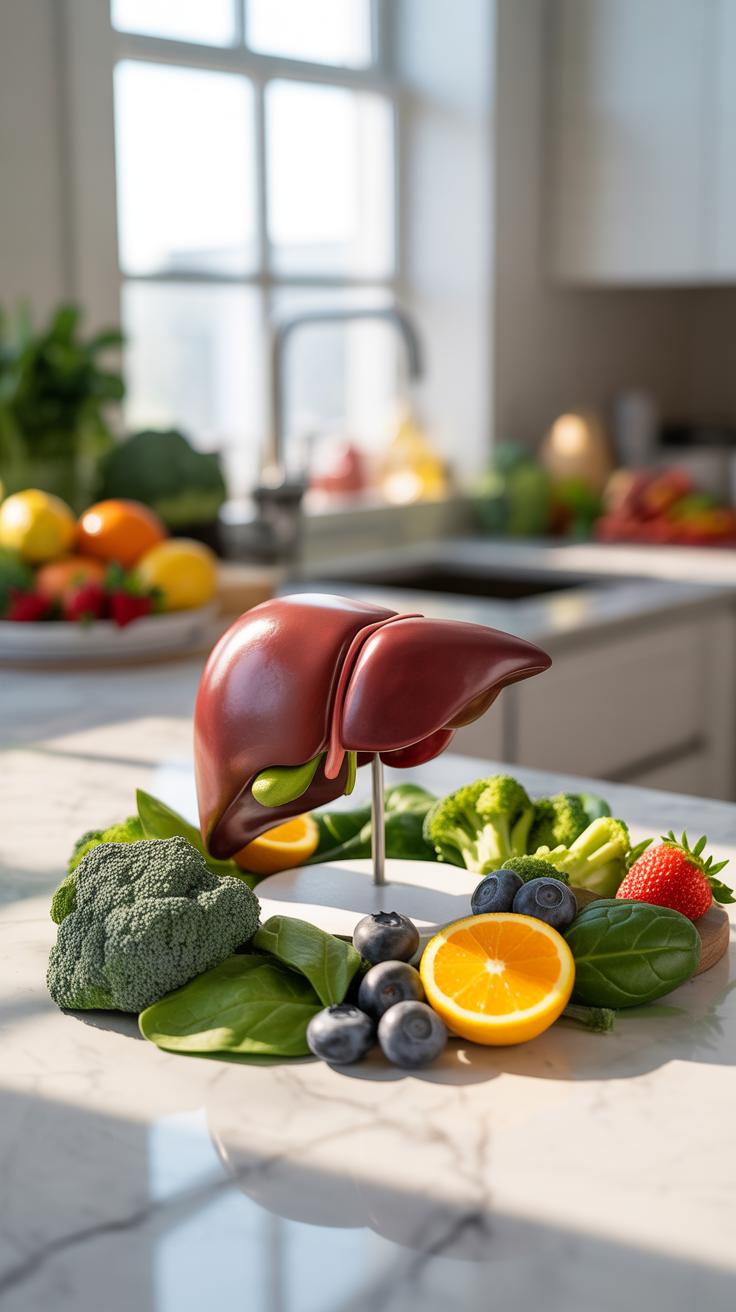
What The Liver Actually Does Inside Your Body
The liver acts as the primary chemical processing plant for your entire system. It filters every drop of blood coming from your digestive tract before sending it to the rest of your body. This organ manages over five hundred vital functions. It breaks down fats using bile and stores essential glucose for energy needs. You cannot survive without its constant metabolic activity.
This organ also neutralizes toxins and metabolizes drugs to keep your blood clean. It converts ammonia into urea and produces proteins for blood plasma. The liver stores iron and vitamins to ensure your body has steady nutrient access. It regulates blood clotting through specific chemical signals. Every nutrient you eat passes through this gatekeeper to become usable energy or structural material.
How Poor Diet Gradually Damages Liver Function Over Time
Excessive sugar and saturated fats force the liver to store lipid droplets inside its own cells. This process creates a condition known as fatty liver disease. When you eat too many processed foods, the liver becomes overwhelmed by the metabolic load. It cannot process the fat quickly enough. This buildup triggers chronic inflammation and physical stress on the delicate hepatic tissues.
Long term inflammation leads to the formation of permanent scar tissue called fibrosis. As healthy cells die, they are replaced by stiff connective tissue that cannot perform metabolic tasks. This damage reduces blood flow and hinders the organ’s ability to filter toxins effectively. Eventually, the liver hardens and loses its functional capacity. Proper nutrition stops this cycle and allows the organ to recover.
The Core Principles Of A Liver Detox Diet
What A Science Backed Liver Detox Diet Actually Looks Like
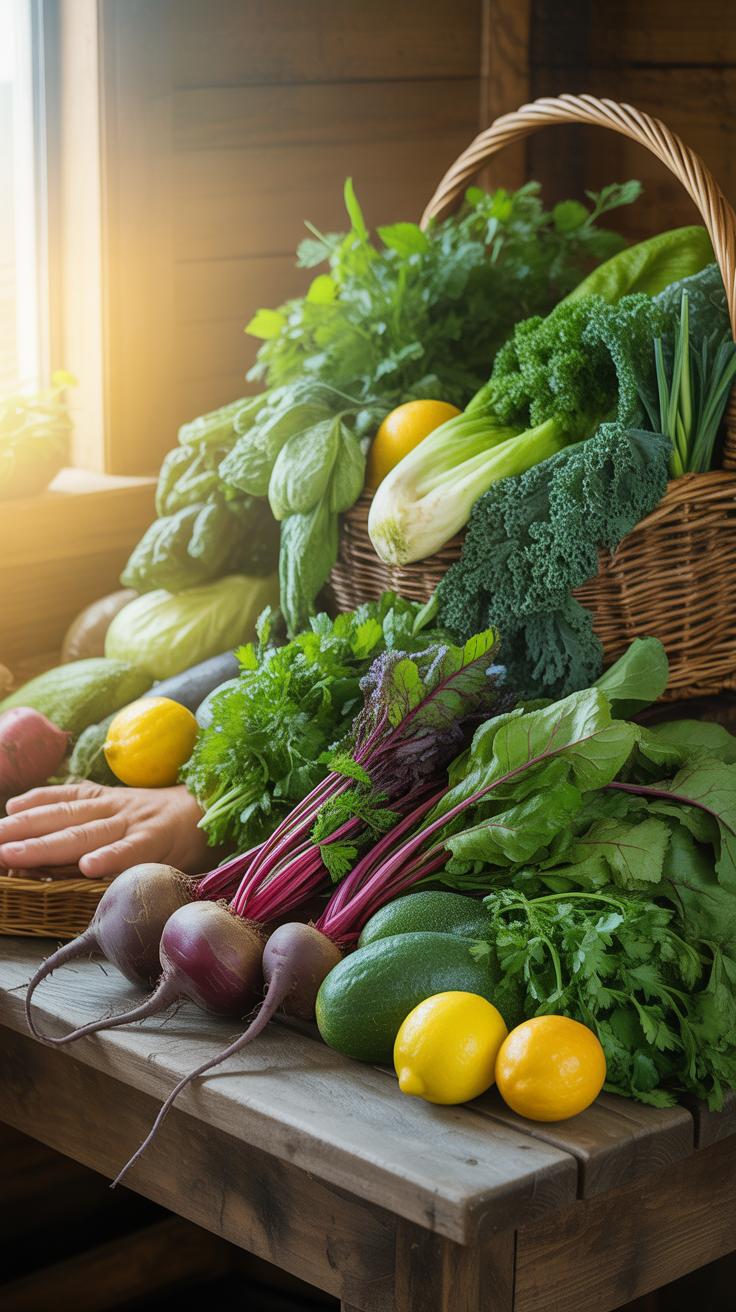
Medical science does not support rapid juice cleanses or fasting for organ health. A real liver diet focuses on long-term nutrient density. You must prioritize fiber to reduce bile acid reabsorption in the gut. Cruciferous vegetables like broccoli contain glucosinolates that help the liver produce enzymes. These enzymes neutralize toxins during phase one and phase two detoxification pathways. High quality protein provides the amino acids necessary for these chemical reactions.
Avoid processed sugars and high fructose corn syrup at all costs. These substances force the liver to create fat deposits through de novo lipogenesis. This process leads to non-alcoholic fatty liver disease over time. Instead, choose complex carbohydrates that maintain steady blood sugar levels. Stable insulin levels prevent metabolic stress on hepatic cells. Your goal is to provide the liver with raw materials for repair while reducing its metabolic workload.
How Hydration And Caloric Balance Support Natural Liver Detoxification
Water is the primary medium for transporting waste products out of the body. Proper hydration allows the kidneys to filter blood efficiently. This reduces the total toxic burden on the liver. Without enough water, blood becomes more viscous and circulation slows down significantly. This delay prevents the liver from processing metabolic byproducts quickly. Drink water consistently throughout the day to keep these filtration systems running at peak performance.
Excess calories lead to fat storage within the liver tissue itself. This storage causes inflammation and cellular damage over many years. Maintaining a caloric balance prevents the buildup of triglycerides in hepatic cells. When you eat only what you burn, the liver can focus on filtration instead of fat storage. Weight management is the most effective way to reverse early stages of liver stress and improve overall metabolic function.
Top Foods For Liver Health You Should Eat Regularly
Leafy Greens, Cruciferous Vegetables, And Why They Protect The Liver
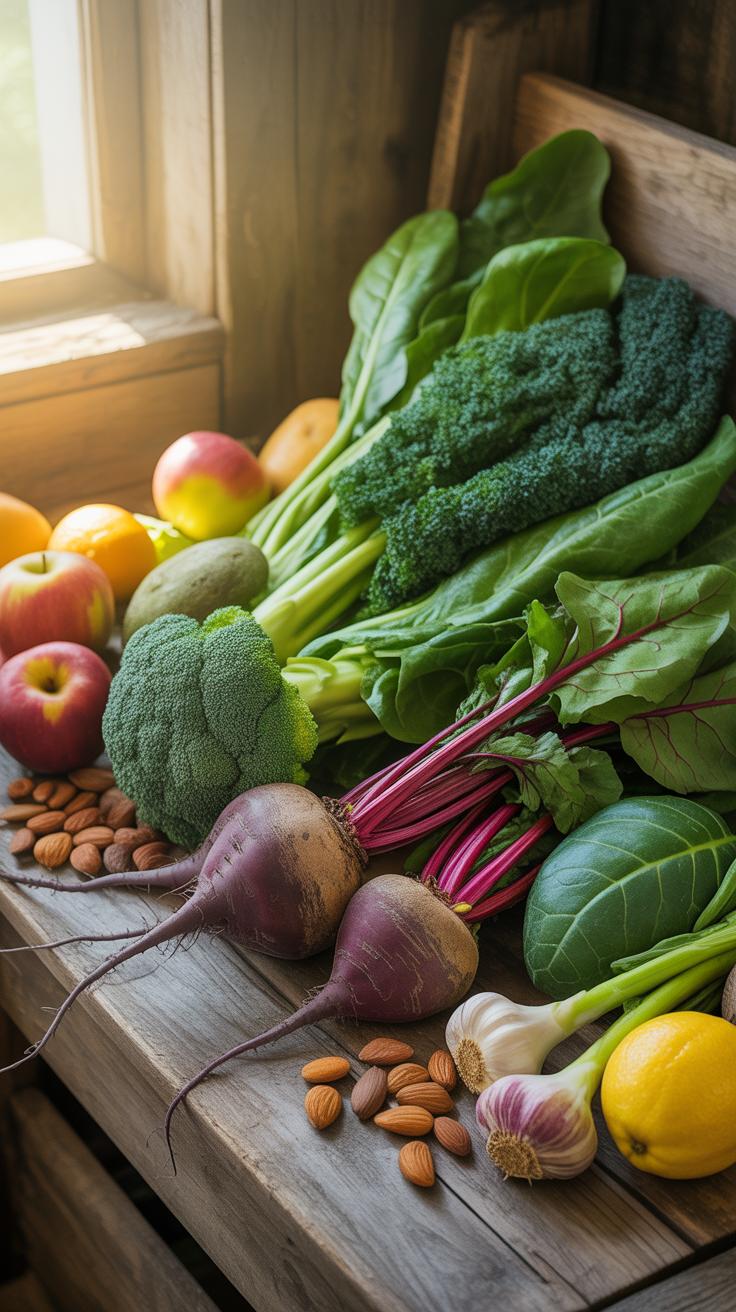
Leafy greens contain high levels of chlorophyll. This compound helps neutralize heavy metals and toxic chemicals in the bloodstream. Spinach and kale provide essential antioxidants that prevent oxidative stress within liver cells. These plants increase the natural production of bile. Bile helps the body transport waste products away from the liver efficiently. Constant consumption of these greens keeps the liver filtration system running at peak capacity.
Cruciferous vegetables like broccoli and Brussels sprouts trigger specific detox enzymes. These enzymes protect the liver from damage caused by environmental pollutants. They contain glucosinolates which assist the organ in clearing out carcinogens. This process prevents fat accumulation in the liver tissue. Regular intake of these vegetables lowers the risk of developing fatty liver disease. These vegetables provide the chemical tools the liver needs to repair itself daily.
Best Liver Health Foods To Add To Your Weekly Grocery List
Selecting the right fuels ensures the liver maintains optimal metabolic function. Focus on whole foods that provide soluble fiber and healthy fats. These items assist in lowering cholesterol and reducing internal inflammation. A strategic grocery list targets specific nutrients that support the two phases of liver detoxification. Prioritize these items to maintain a lean and functional liver while avoiding processed fillers that cause organ stress.
- Fatty Fish: Salmon and sardines contain omega 3 fatty acids. These fats reduce liver enzyme levels and prevent excess fat buildup. They help maintain healthy lipid profiles and lower inflammation throughout the entire hepatic system.
- Walnuts: These nuts are high in arginine and glutathione. Arginine helps the liver neutralize ammonia. Glutathione is a master antioxidant that supports the primary detoxification pathways. They provide the fat soluble vitamins necessary for cellular repair.
- Oatmeal: High fiber content from whole oats improves digestion and reduces the workload on the liver. Beta glucans found in oats help fight inflammation and may prevent obesity. This fiber binds to bile acids to help remove toxins.
- Berries: Blueberries and cranberries contain anthocyanins. These antioxidants protect the liver from oxidative damage and slow the development of lesions. Regular consumption increases immune cell response and provides a shield against chronic cellular breakdown in the organ.
- Olive Oil: This healthy fat decreases the amount of fat stored in the liver. It improves blood flow and enhances liver enzyme levels. Using cold pressed versions ensures you get the maximum amount of active phenolic compounds for protection.
Consistent intake of these targeted foods creates a protective barrier against metabolic syndrome. Avoid added sugars and high fructose corn syrup which lead to scarring. The liver requires specific amino acids and minerals to process every substance you ingest. By stocking your kitchen with these essentials, you automate the detoxification process. Efficient nutrition is the most effective way to maintain long term liver health without using expensive supplements.
Food Good For Liver Fruits Nuts And Healthy Fats Explained
Why Berries, Citrus Fruits, And Grapes Are Powerful Liver Allies
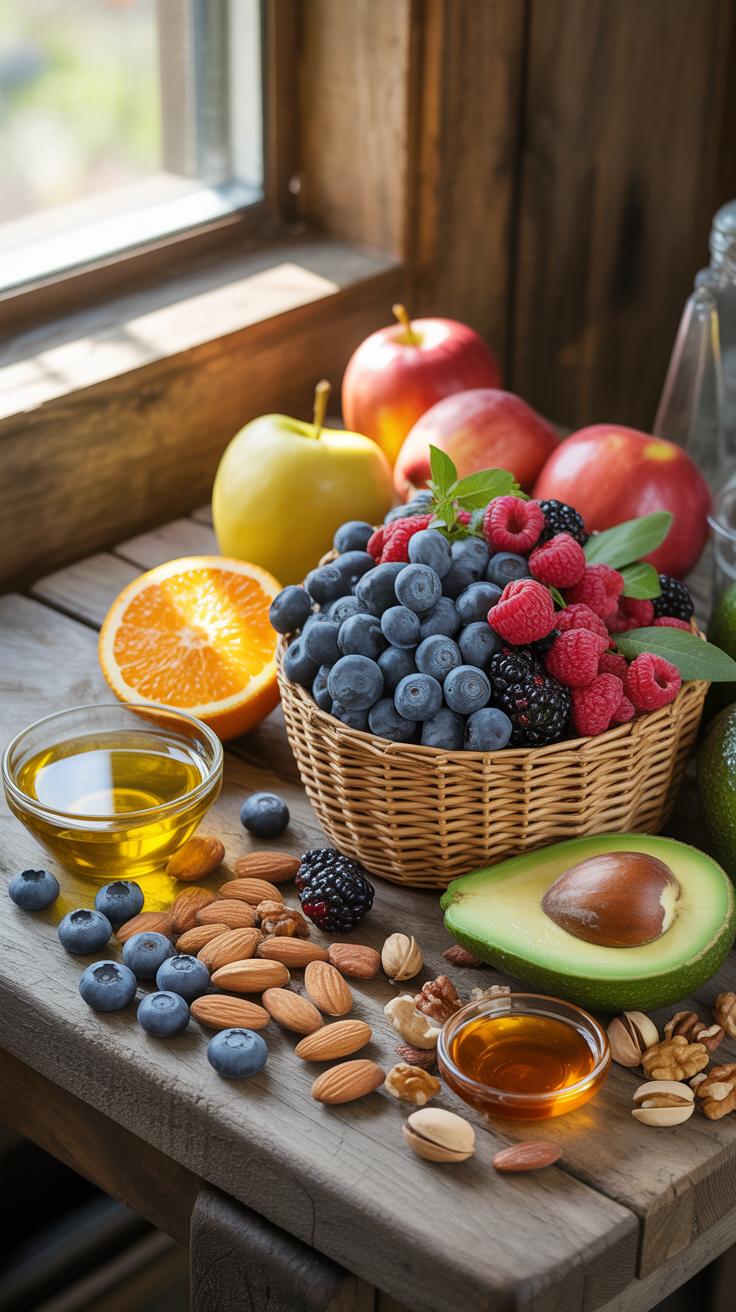
Berries contain antioxidants called polyphenols. These compounds protect the liver from oxidative stress and damage. Blueberries and cranberries specifically boost immune cell response. This helps prevent the formation of scar tissue in liver cells. High concentrations of vitamin C in citrus fruits trigger enzyme production. These enzymes turn toxins into water-soluble substances for easier removal.
Red and purple grapes contain resveratrol. This compound reduces inflammation and increases antioxidant levels in the body. Clinical studies show that grape seed extract improves liver function by preventing cell death. Regular consumption of these fruits supports the natural filtration process. Stick to whole fruits rather than juices to avoid high fructose intake. Fructose can strain the liver if consumed in excess.
Your body is the baggage you must carry through life, so the more excess of it there is, the shorter the remote of your trip. Treat your kitchen like a sanctuary where every fresh vegetable is a gift to your longevity.
The Role Of Healthy Fats From Nuts, Seeds, And Olive Oil In Liver Protection
Nuts and seeds provide high levels of vitamin E and unsaturated fats. These nutrients prevent non-alcoholic fatty liver disease by reducing fat accumulation. Research links regular nut consumption to improved liver enzyme levels. Walnuts are particularly effective because they contain high levels of omega-3 fatty acids. They help the liver neutralize ammonia and other harmful metabolic waste products.
Olive oil is a primary source of monounsaturated fats. Consuming one teaspoon of olive oil daily improves liver enzyme counts. This healthy fat reduces the fat stored in the liver. It also improves blood flow within the organ itself. Choose extra virgin varieties to ensure the highest polyphenol content. These fats provide a steady energy source without placing metabolic stress on liver tissues.
Liver Detox Recipes Simple Meals That Nourish And Protect
Easy Liver Friendly Breakfast And Lunch Recipe Ideas To Try This Week
Start your morning with steel-cut oats topped with walnuts and blueberries. Oats contain beta-glucans that help reduce the amount of fat stored in the liver. Walnuts provide essential omega-3 fatty acids that lower inflammation markers. Blueberries offer antioxidants like anthocyanins that protect liver tissue from oxidative stress. This meal provides fiber to stabilize blood sugar and prevent insulin spikes that strain your metabolic health.
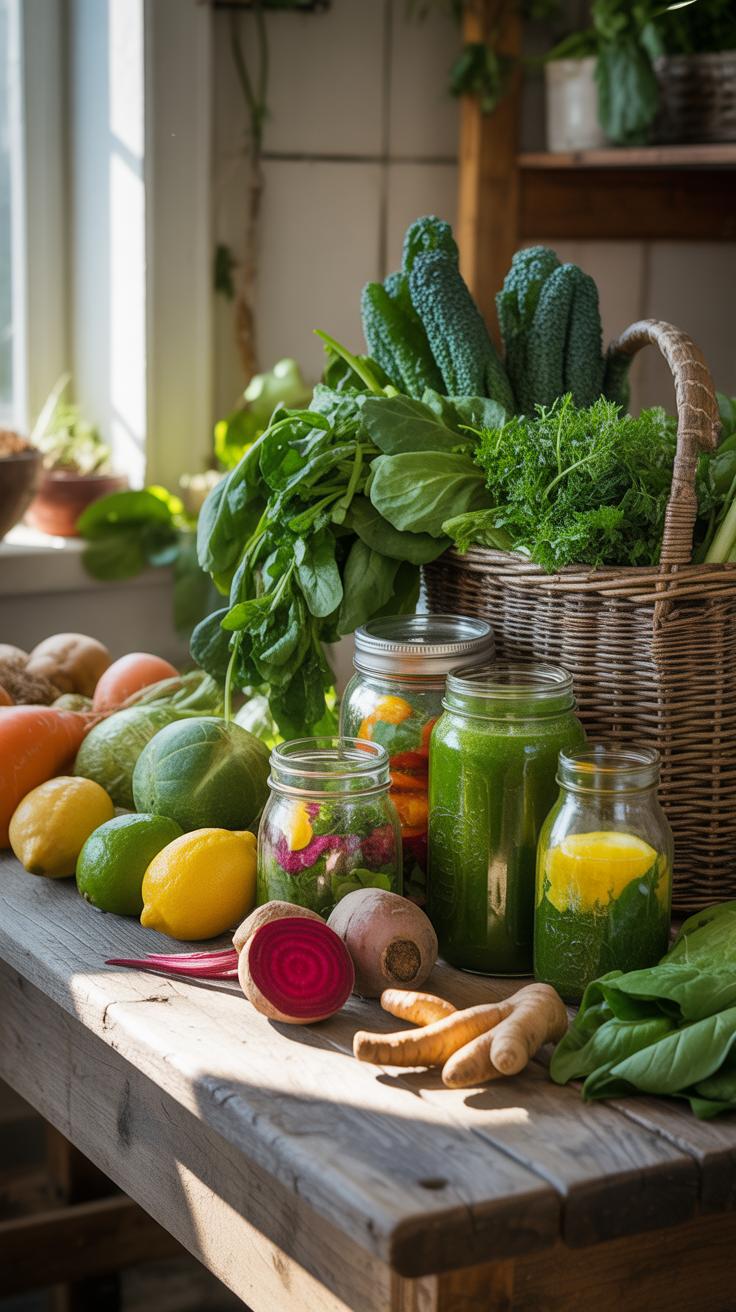
For lunch, prepare a bowl of leafy greens mixed with quinoa and steamed beets. Beets contain betalains, which support the natural detoxification pathways in your body. Top the greens with a dressing made of extra virgin olive oil and fresh lemon juice. Olive oil improves enzyme levels and reduces hepatic fat accumulation. Quinoa offers a complete plant protein source that provides the energy necessary for daily cellular repair processes.
Wholesome Dinner Liver Detox Recipes Built Around Lean Proteins And Vegetables
Dinner should focus on cruciferous vegetables paired with baked wild-caught salmon. Broccoli and Brussels sprouts contain sulforaphane, which increases natural detoxification enzymes in the liver. Salmon provides high-quality protein and omega-3s that help prevent the buildup of excess fats. Bake the fish with garlic and ginger to further reduce systemic inflammation. Avoid heavy sauces or processed oils that add unnecessary saturated fats to your meal.
Combine roasted cauliflower with baked chicken breast for a simple and effective evening meal. Cauliflower contains inorganic nitrates that help clear fat from the liver. Use turmeric and black pepper to season your vegetables. Turmeric contains curcumin, which has been shown to protect the liver from damage caused by toxins. This combination ensures you get adequate protein for tissue repair without the cholesterol found in red meat or processed staples.
Building Your Liver Diet Daily Eating Habits That Make A Difference

How Meal Timing And Portion Control Reduce Stress On The Liver
Predictable meal patterns allow your liver to manage glycogen levels efficiently. Eating large meals late at night forces the liver to process nutrients during its natural rest cycle. This disruption increases the risk of fatty deposits. Consistent timing ensures the liver has adequate periods of low demand. You should consume your largest meals when your metabolism peaks during daylight hours.
Portion control prevents caloric surplus which leads to non-alcoholic fatty liver disease. Overloading the digestive system creates excess glucose and insulin spikes. The liver converts this surplus into triglycerides for storage. Smaller meals reduce the immediate metabolic load on hepatic cells. You must manage caloric intake to prevent the accumulation of visceral fat. This habit protects the liver from oxidative stress and inflammation.
Practical Tips For Following A Sustainable Liver Diet Long Term
Sustainability requires tactical changes rather than extreme restrictions. You must integrate liver cleanse diet foods into your existing routine gradually. Start by swapping refined carbohydrates for whole grains and fiber-dense vegetables. High fiber intake helps the liver by binding to bile acids and removing toxins through the gut. Focus on consistency over perfection to ensure long-term adherence to these nutritional standards.
- Batch Cooking: Prepare large portions of cruciferous vegetables and lean proteins on weekends. This prevents you from choosing processed convenience foods when you are tired or busy. It treats nutrition as a scheduled logistical task.
- Hydration Strategy: Replace all sugary beverages and sodas with plain water or green tea. Proper hydration maintains blood thickness at levels that allow the liver to filter waste products more efficiently without extra strain.
- Label Reading: Audit every packaged item for hidden high-fructose corn syrup and excessive sodium. These ingredients increase hepatic fat storage and cause fluid retention. Knowing exactly what is in your food prevents accidental liver damage.
- Fiber Increment: Add one serving of beans or legumes to your daily intake. These foods stabilize blood sugar and provide the necessary bulk to move waste through your system. Rapid fiber increases work best when you also increase water.
- Healthy Fats: Switch from industrial seed oils to olive oil or avocado for cooking. Monounsaturated fats reduce inflammation within the liver tissue. Using the right fats provides energy without the oxidative stress caused by trans fats.
Small adjustments create a permanent shift in your metabolic health. Treat the liver diet as a lifelong maintenance plan for your internal filtration system. Avoid the trap of short-term detoxes that provide no lasting value. Instead, use these specific food choices to support daily detoxification. Your liver responds best to steady support rather than sudden, temporary changes in your eating habits.
What To Avoid On A Liver Cleanse Diet Foods That Harm Liver Health
How Alcohol, Processed Foods, And Added Sugars Damage The Liver
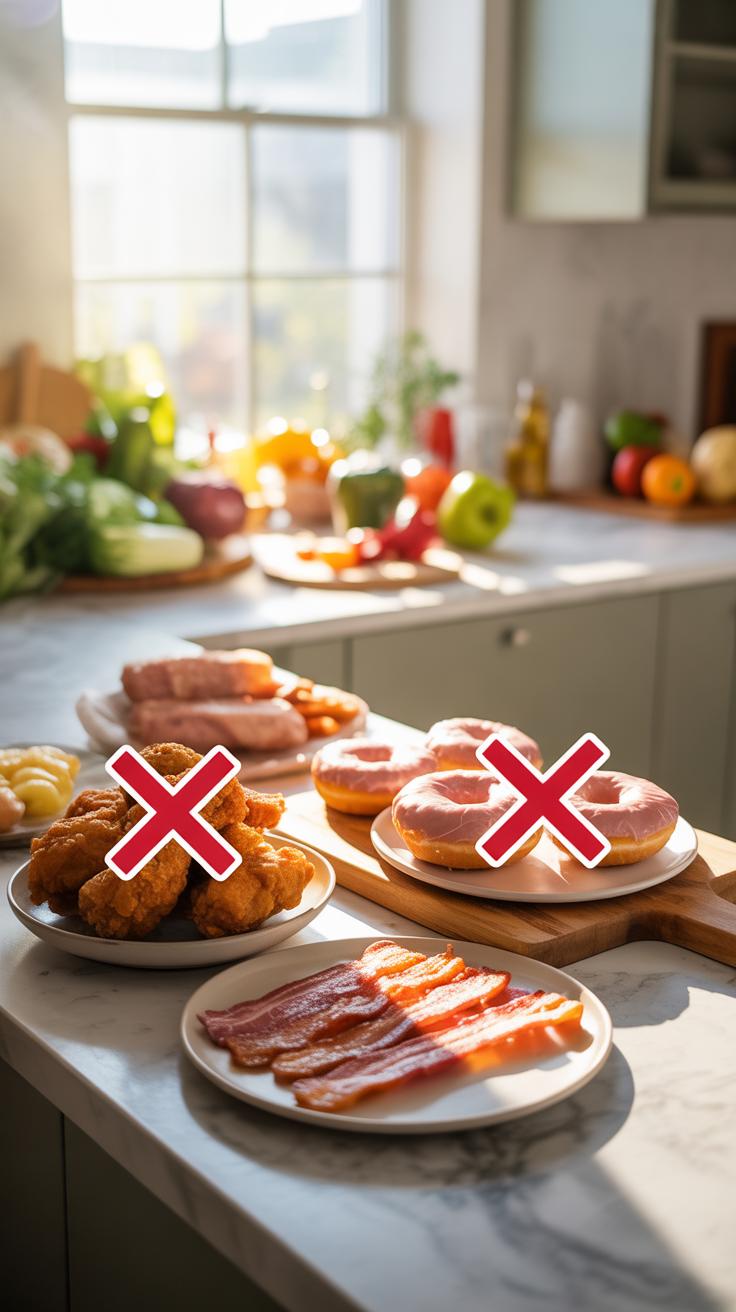
Alcohol causes immediate oxidative stress. Your liver prioritizes breaking down ethanol over other metabolic tasks. This delay leads to fat accumulation and inflammation. Over time, chronic consumption destroys healthy liver cells. These cells get replaced by stiff scar tissue. This process is known as cirrhosis. It stops the liver from filtering blood and producing vital proteins. Stopping alcohol intake is the first step in any cleanse.
Processed foods and added sugars create a similar metabolic disaster. High fructose corn syrup bypasses standard digestion. It goes straight to the liver for processing. Excess sugar turns into triglycerides through de novo lipogenesis. This fat parks inside liver cells. It eventually causes non alcoholic fatty liver disease. Ultra processed snacks also contain chemical additives. These compounds force the liver to work harder to neutralize toxins.
Hidden Dietary Culprits That Quietly Strain Your Liver Every Day
Sodium and saturated fats are silent liver killers. Too much salt causes fluid retention and increases pressure in the portal vein. This stress slows down the detoxification process. Highly refined grains like white bread lack fiber. They spike insulin levels quickly. High insulin tells your body to store fat in the liver. Switch to whole grains to keep insulin low and protect your hepatic tissue.
Trans fats hide in many fried and packaged goods. Natural fats are manageable, but synthetic trans fats are toxic. They trigger inflammatory pathways that damage the liver lining. Chronic inflammation leads to cell death and functional failure. Red meats high in iron can also cause issues. Excessive iron storage damages liver DNA through a process called ferroptosis. Limit these specific triggers to maintain a healthy and functional liver.
Food Health Benefits Beyond The Liver A Whole Body Perspective
How Liver Friendly Eating Also Benefits Your Heart Gut And Metabolism
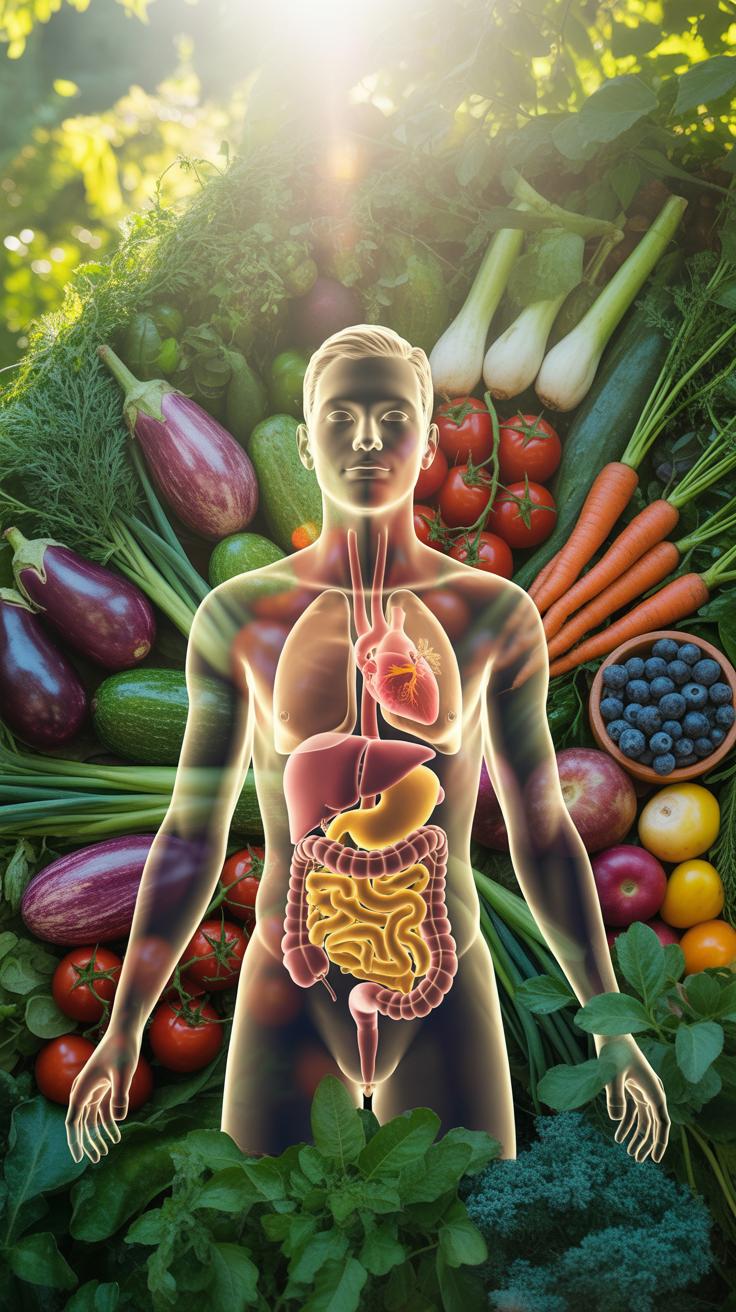
A liver cleanse diet relies on high fiber and low sugar. Fiber stabilizes blood glucose and prevents insulin spikes. This process protects your metabolism and stops fat storage. When you eat for your liver you also lower your LDL cholesterol. This reduces plaque buildup in your arteries. A clean liver processes fats more efficiently. This internal efficiency directly supports a strong and healthy heart.
The gut and liver work together through the portal vein. High fiber foods feed good bacteria in your microbiome. This improves your digestion and strengthens your immune system. Proper gut health prevents toxins from leaking into your bloodstream. This reduces the workload on your liver. A healthy gut ensures your metabolism runs at peak speed. You gain more energy and maintain a healthier weight naturally.
The Anti Inflammatory Connection Between Liver Health Food And Chronic Disease Prevention
Liver friendly foods are packed with antioxidants like sulforaphane and polyphenols. These compounds stop oxidative stress in your cells. Chronic inflammation leads to serious diseases like diabetes and cancer. By eating to support your liver you actively lower systemic inflammation. This protect your DNA from damage. It also keeps your joints and tissues functioning without pain or swelling. This approach provides a wall against long term illness.
Reducing inflammatory markers helps prevent chronic kidney disease and hypertension. A healthy liver filters out the waste that causes artery stiffness. When you eat whole foods you remove processed toxins. These toxins usually trigger an immune response that stays active too long. Lowering this response saves your organs from premature aging. Consistent liver support creates a foundation for longevity. You stop disease before it starts by controlling what you eat.
Liver Health Food For Specific Conditions Fatty Liver Hepatitis And More
Dietary Guidance For People Living With Non Alcoholic Fatty Liver Disease (NAFLD)
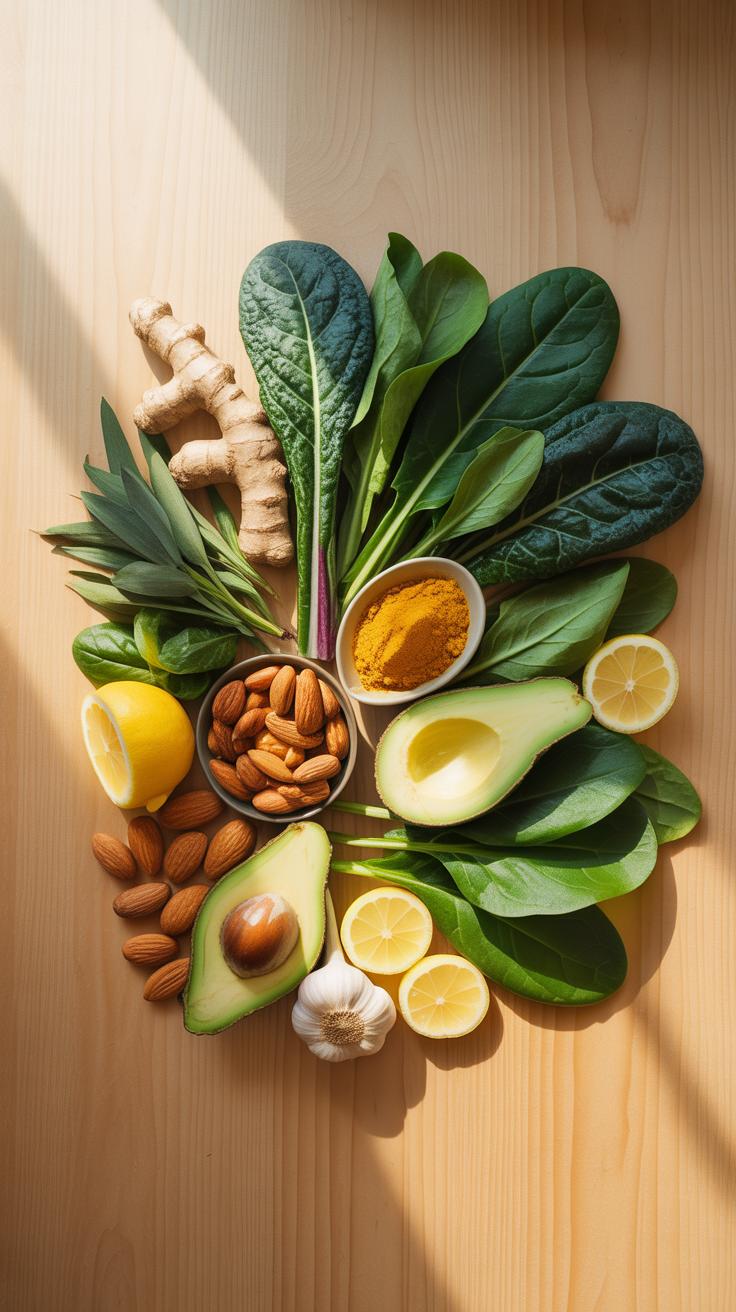
Managing NAFLD requires a caloric deficit and a shift toward complex carbohydrates. High-fiber foods like oats and legumes stabilize blood sugar. This prevents insulin spikes that force the liver to store excess fat. Focus on monounsaturated fats found in olive oil rather than saturated fats from red meat. Reducing fructose intake is critical. Fructose travels directly to the liver and converts into fat quickly.
Consistent weight loss of seven to ten percent improves liver enzyme levels significantly. Choose lean proteins like poultry or fish to maintain muscle mass while losing weight. Avoid processed snacks containing high-fructose corn syrup and trans fats. These ingredients cause inflammation and worsen scarring in liver tissue. Drink plenty of water to assist the liver in filtering waste. A Mediterranean-style diet provides the best results for NAFLD patients.
When To Consult A Doctor Before Starting Any Liver Cleanse Diet Foods Plan
Consult a medical professional before changing your diet if you have diagnosed cirrhosis or hepatitis. Sudden changes in protein or sodium intake can cause dangerous fluid retention in the abdomen. Patients with gallbladder issues or bile duct obstructions must avoid high-fat cleanse protocols. A doctor will check your current liver enzyme levels to set a safe baseline. They ensure your new diet does not interfere with medications.
Professional guidance prevents nutrient deficiencies and harmful electrolyte imbalances. Some herbal supplements marketed for liver health can actually cause drug-induced liver injury. A hepatologist or registered dietitian can tailor calories to your specific stage of liver disease. Never starve yourself during a cleanse. This forces the liver to process stored toxins and fats too quickly. Safety requires a medically supervised plan that supports long-term organ function rather than quick fixes.
Frequently Asked Questions

What are the best foods to include in a liver-friendly diet?
To support your body’s natural detoxification, focus on whole, unprocessed options. The best liver cleanse diet foods include leafy greens like spinach, cruciferous vegetables like broccoli, and antioxidant-rich berries. These ingredients provide essential fiber and compounds that assist your liver in filtering toxins. Additionally, incorporating healthy fats from walnuts or olive oil and drinking plenty of water helps maintain optimal organ function and overall metabolic health.
How can I easily incorporate more liver-supporting foods into my daily meals?
Transitioning to a healthier routine is simple when you focus on small swaps. Start your morning with a green smoothie featuring kale and lemon, or swap your afternoon snack for a handful of raw almonds. To maximize the benefits of liver cleanse diet foods, try replacing refined grains with quinoa or oats. Preparing your meals at home using fresh herbs like turmeric and ginger also adds powerful anti-inflammatory properties to every dish.
Is it possible to follow a healthy liver diet on a tight budget?
Absolutely. Sustaining your liver doesn’t require expensive supplements or exotic superfoods. Staples like dried lentils, beans, and seasonal frozen vegetables are affordable yet highly effective for cleansing. Canned wild-caught sardines and bulk oats provide excellent nutrition at a low cost. By focusing on these versatile pantry basics and buying produce in season, you can nourish your body and support your liver health without overspending at the grocery store.