

What Makes A Balanced Breakfast The Science Behind Healthy Food Dishes
The Three Macronutrients Your Morning Meal Needs
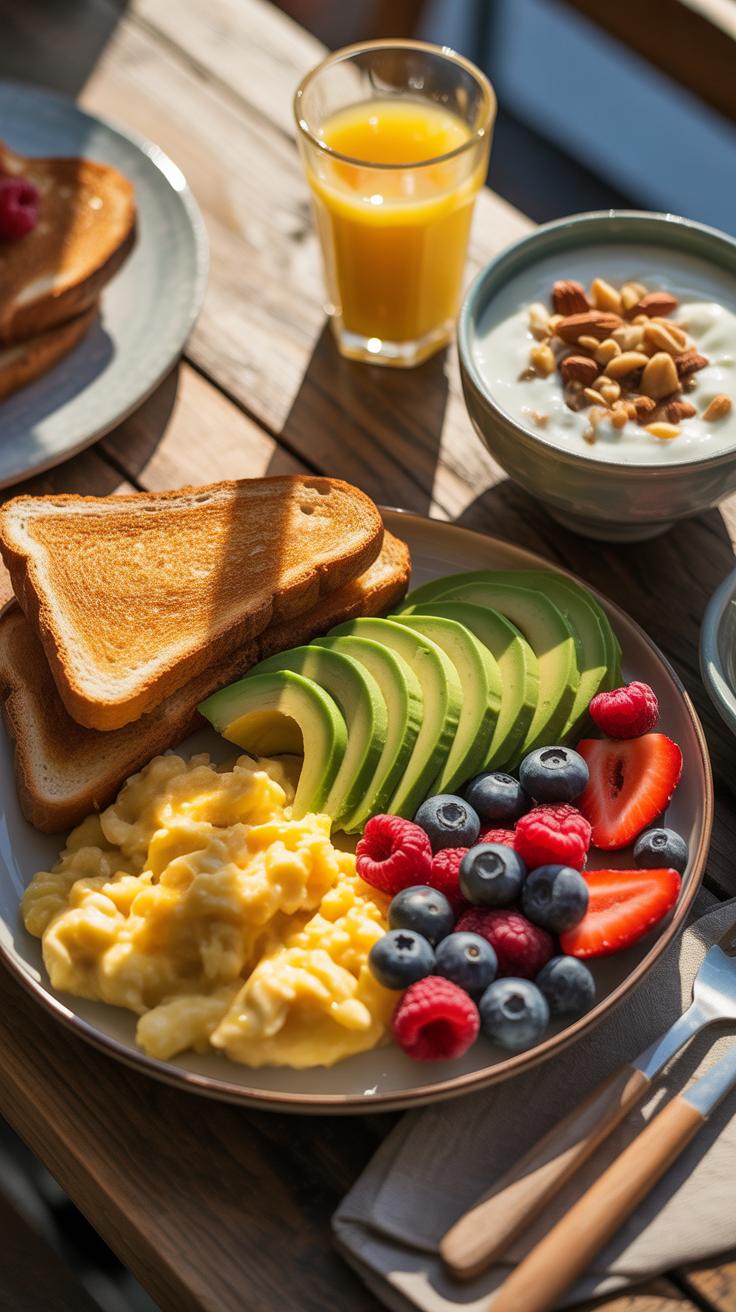
A balanced breakfast requires complex carbohydrates, lean proteins, and healthy fats. Complex carbohydrates provide the primary fuel source for your brain and muscles. Lean proteins assist with tissue repair and keep you feeling full for longer periods. Healthy fats support hormone production and nutrient absorption. Neglecting any of these three pillars leads to metabolic inefficiency. You must include all three to create a complete nutritional profile.

Quality sources matter more than total calorie counts. Select whole grains or fiber-rich fruits for your carbohydrate intake. Choose eggs, Greek yogurt, or lean meats to meet your protein requirements. Incorporate nuts, seeds, or avocado to provide essential fatty acids. This combination forces the body to digest food slowly. It ensures a steady supply of energy throughout the morning. Proper macronutrient ratios determine your physical performance.
How A Balanced Breakfast Stabilizes Blood Sugar And Sustains Energy
Eating a high-carb breakfast without protein or fat causes sharp glucose spikes. These spikes trigger a massive insulin release to move sugar out of the blood. Your blood sugar then crashes rapidly. This crash leads to brain fog, irritability, and intense hunger by mid-morning. You can avoid this cycle by balancing your plate. A steady glucose level keeps your focus sharp and your mood stable.

Balanced meals slow down gastric emptying. Fiber and protein delay the absorption of sugar into your bloodstream. This process prevents the energy dips common with sugary cereals or plain white toast. Stable blood sugar reduces cravings for unhealthy snacks later in the day. Controlled energy release allows your metabolism to function at peak levels. Consistency in your morning meal helps regulate your long-term cardiovascular health and weight.
Building The Perfect Healthy Breakfast Meal A Plate By Plate Breakdown

Portion Ratios: How To Divide Your Breakfast Plate For Optimal Nutrition
Successful breakfast composition requires a specific macronutrient split to manage glucose levels. Divide your plate into three distinct zones to ensure metabolic efficiency. Fill half of your plate with fiber-dense vegetables or low-glycemic fruits. Reserve one quarter for lean proteins like eggs or Greek yogurt. Use the final quarter for complex carbohydrates. This structural approach prevents energy crashes and regulates insulin response.
Proper portioning dictates how your body burns fuel throughout the morning. High protein intake at breakfast increases thermogenesis and suppresses hunger hormones. Adding healthy fats ensures your brain receives consistent fuel for cognitive tasks. Limiting carbohydrates to twenty-five percent of the total volume prevents the mid-morning slump common with high-sugar meals. Stick to these ratios to maintain steady performance and avoid the need for snacks.
Whole Foods Vs. Processed Foods: Why Your Ingredient Choices Matter At Breakfast
Whole foods retain their natural fiber and micronutrients which slow down digestion. Processed breakfast items often contain refined flours and added sugars that spike blood sugar rapidly. Choosing steel-cut oats over instant varieties provides more sustainable energy due to a lower glycemic index. Human metabolism handles intact fibers better than pulverized grains. Focus on foods that exist in their most natural state to maximize nutritional density.
Industrial food processing removes essential germ and bran layers from grains to extend shelf life. This removal strips away B vitamins and minerals vital for energy production. Processed meats often contain sodium and nitrates that negatively impact cardiovascular health over time. Whole ingredients like nuts, seeds, and fresh produce offer chemical-free fuel. Prioritizing raw or minimally cooked ingredients ensures your body receives high-quality building blocks for cellular repair.
Simple Healthy Meals Aesthetic Nutritious Breakfasts That Look As Good As They Taste
How To Plate A Beautiful And Balanced Breakfast Without Extra Effort
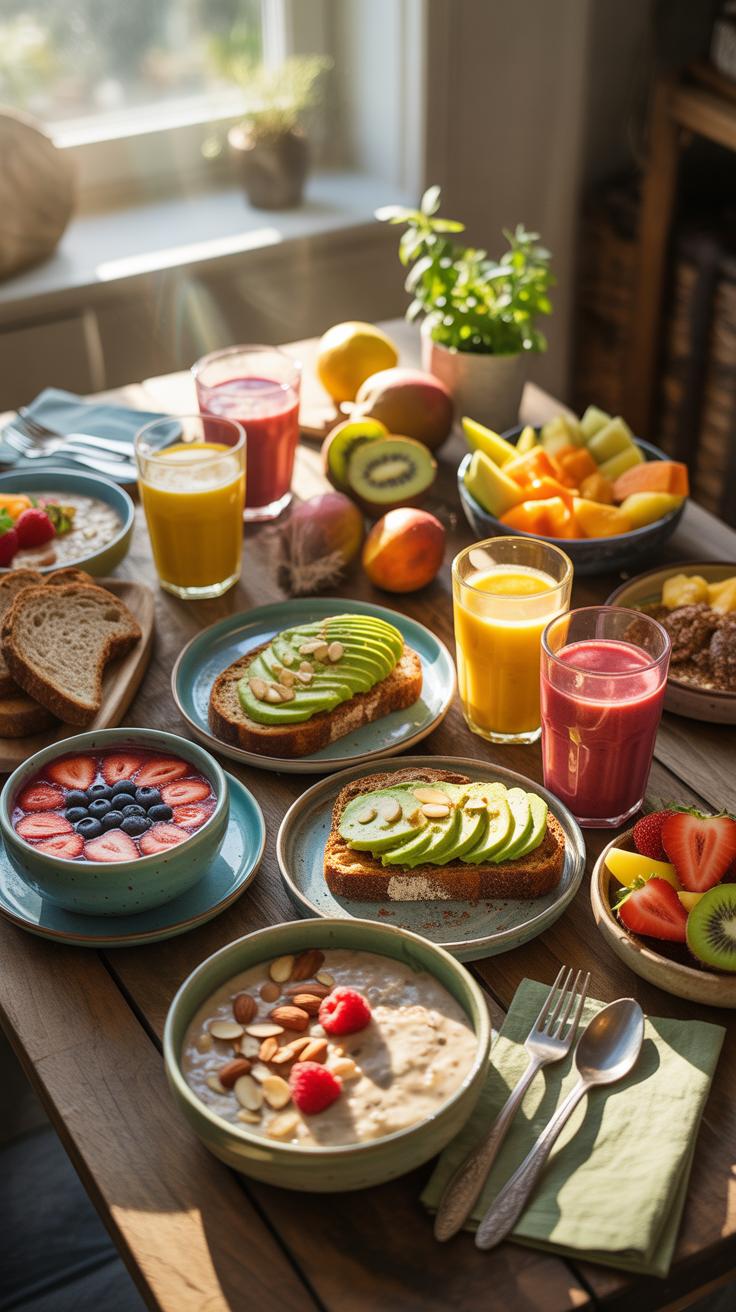
Plating relies on the structural integrity of your food. Modernist culinary techniques prioritize clean lines and negative space to make meals appealing. Use a wide rimmed plate to prevent overcrowding. Center your primary protein source to create a focal point. Arrange fats and carbohydrates around the base to provide visual stability. Proper spacing allows each food group to stand out clearly.
Efficient plating uses the rule of thirds from classical design. Divide your plate into specific zones for macronutrients. Put heavy grains on the bottom to support lighter toppings. Use flatware to create distinct borders between damp and dry ingredients. This method prevents textures from blending into a mess. Sharp presentation reinforces the habit of portion control. Clean plates improve the psychological satisfaction of a meal.
Color Rich Ingredients That Boost Both Visual Appeal And Nutritional Value
Vivid colors indicate specific phytochemicals and essential nutrients. Deep greens from spinach or kale provide chlorophyll and iron. Bright oranges and yellows in eggs or citrus signify carotenoids and vitamin C. Anthocyanins create the dark blues and purples found in berries. These pigments serve as a visual shorthand for a wide nutrient profile. A diverse color palette ensures a broad range of antioxidants.
Design principles state that contrast improves visibility and interest. Pair dark leafy greens with bright white yogurt or eggs to create high contrast. This technique mimics the Bauhaus movement focus on primary colors and functional form. Use red radishes or peppers against a neutral base like oatmeal or toast. Natural pigments are heat sensitive and degrade with overcooking. Keep temperatures low to preserve the original color and vitamin content.
Balanced Meal Breakfast Recipes You Can Make In Under 15 Minutes

Overnight Oats With Fruit And Nut Butter: A No Cook Balanced Morning Option
Overnight oats eliminate morning prep work by using a cold-soaking process. You combine rolled oats with liquid and let them sit for several hours. This process breaks down starches and softens the grain without heat. Use a one-to-one ratio of oats to liquid for the best texture. This method preserves the fiber content of the raw oats and saves significant time.
Add nut butter and fresh fruit to balance the macronutrient profile. Nut butter provides essential fats and a small amount of protein. Fruit adds natural sugars for immediate energy and antioxidants for long-term health. This combination creates a slow release of glucose into your bloodstream. Choose natural peanut or almond butter to avoid added sugars and hydrogenated oils. It is a reliable fuel source.
Quick Avocado And Egg Toast: Healthy Fats, Protein, And Complex Carbs Combined
Avocado and egg toast provides a dense source of nutrients in minutes. Use whole-grain bread to ensure you get complex carbohydrates and fiber. Toast the bread until firm to support the weight of the toppings. Mash half an avocado directly onto the slice. Avocados contain monounsaturated fats which help keep you full. This base provides a stable foundation for the protein element.
Top the avocado with a soft-boiled or poached egg to add high-quality protein. Eggs contain choline and essential amino acids needed for cognitive function. Season with salt and pepper to enhance flavor without adding processed calories. This meal hits every major macro category required for sustained energy. It prevents the mid-morning hunger spikes common with sugary cereals. You finish the entire preparation in roughly ten minutes.
Healthy Aesthetic Breakfast Bowls Satisfying Balanced And Visually Stunning
Smoothie Bowls Done Right: Balancing Natural Sugars With Protein And Fiber
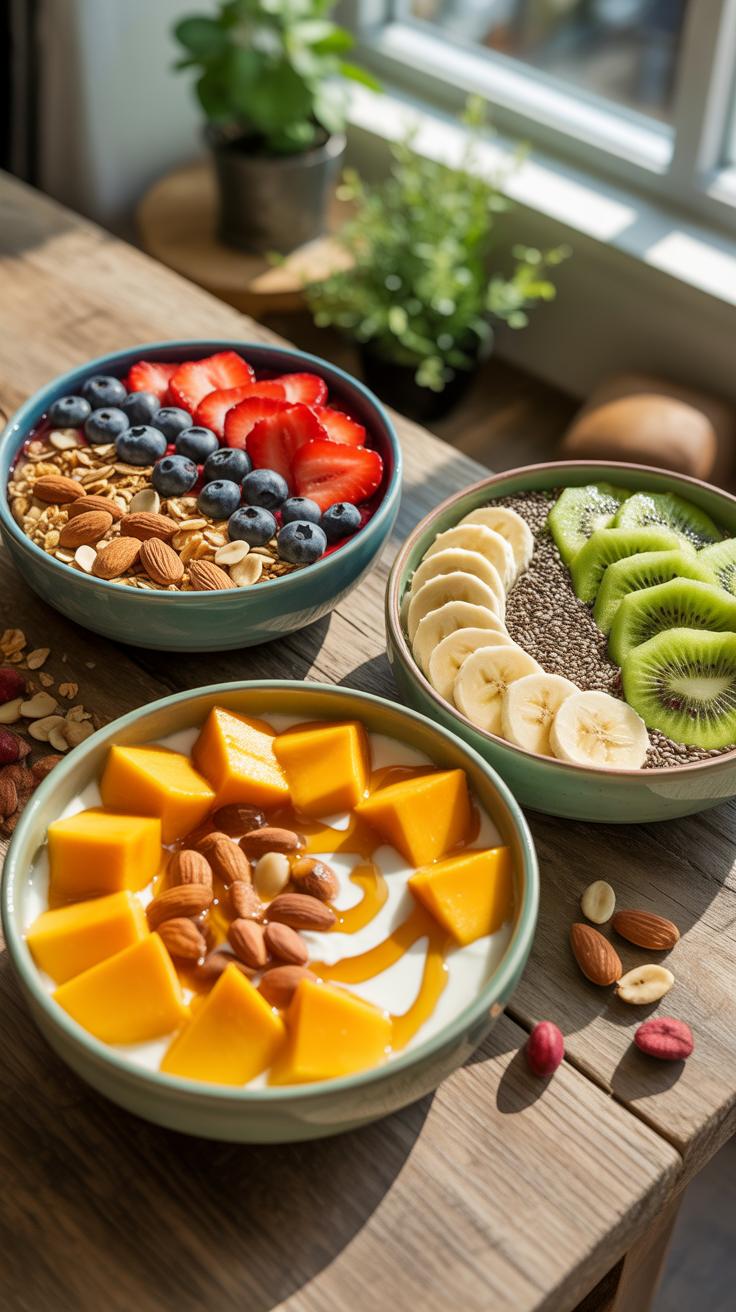
Standard smoothie bowls often fail because they contain too much fruit sugar. This spike causes a quick insulin response and a mid morning energy crash. To fix this, you must limit high glycemic fruits like mango or pineapple. Use a base of frozen cauliflower or zucchini to add volume without extra sugar. These vegetables provide essential fiber while maintaining a thick texture.
Professional athletes and nutritionists add protein to slow digestion. Use Greek yogurt, hemp seeds, or whey isolate to reach twenty grams of protein. Fat also plays a critical role in satiety. Add almond butter or avocado to your base mix. This combination stabilizes blood glucose levels. It ensures the bowl provides steady fuel rather than a temporary high followed by lethargy.
Savory Grain Bowls For Breakfast: A Hearty Alternative To Sweet Morning Meals
Savory bowls use complex carbohydrates to provide long lasting energy. Steel cut oats or quinoa serve as the foundation. Unlike refined cereals, these grains have a low glycemic index. They release energy slowly into the bloodstream. This prevents the hunger pangs often caused by sugary breakfasts. Savory preparations allow you to include high fiber vegetables like kale, spinach, or roasted tomatoes.
To maximize nutrition, top your grains with a poached egg or smoked salmon. These sources provide high quality amino acids and healthy fats. Add fermented foods like kimchi or sauerkraut to improve gut health. Use salt and pepper instead of syrup to control caloric intake. This shift from sweet to savory improves insulin sensitivity. It keeps you full and focused until your next meal.
Healthy Breakfast Ideas Recipes Weekly Meal Plan For A Balanced Morning Routine
How To Meal Prep Balanced Breakfasts For The Entire Week
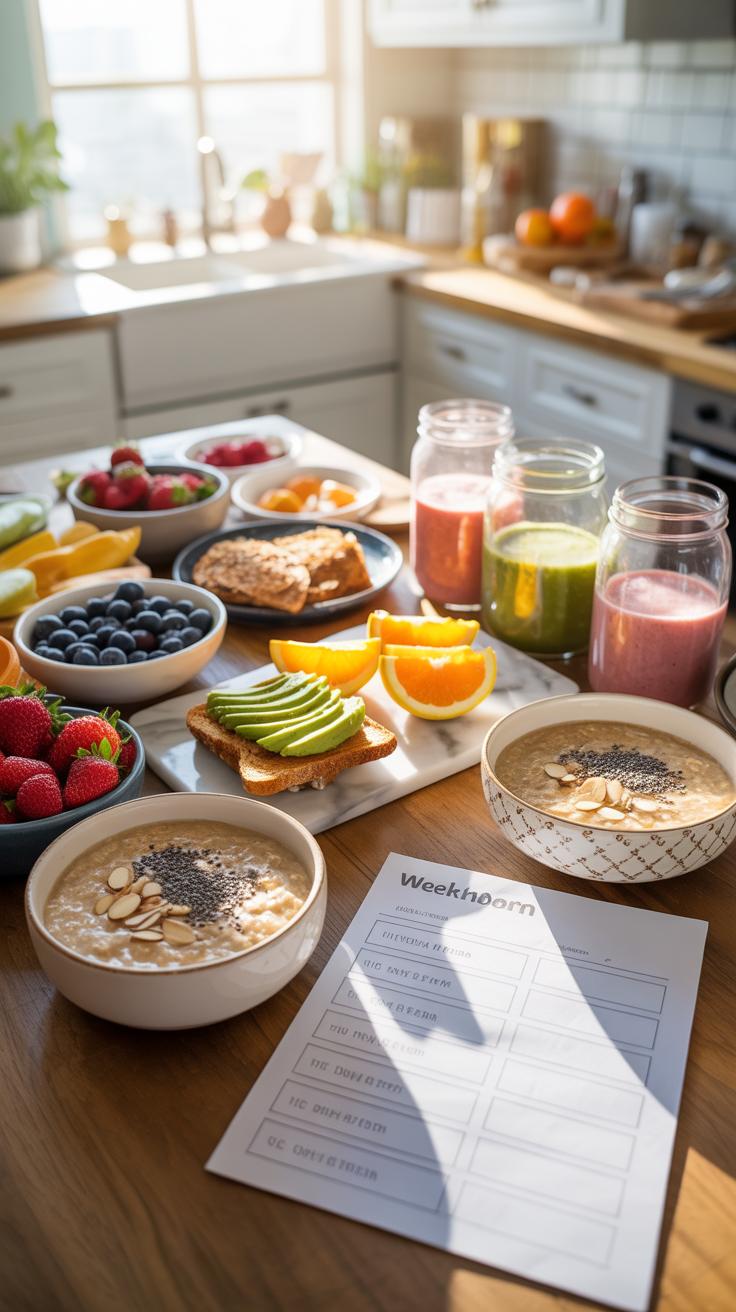
Efficiency in the morning requires preparation on Sunday. You must secure high-quality proteins and complex carbohydrates before the work week begins. Batch cooking prevents poor decision-making when time is short. Use airtight glass containers to maintain food texture and safety. Focus on recipes that withstand reheating or taste good cold. Professional meal prepping eliminates the daily friction of cooking from scratch.
- Overnight Oats: Combine rolled oats with milk or a plant-based alternative in jars. Add chia seeds for fiber and healthy fats. This method requires zero morning heat. The starch breaks down overnight for easier digestion and consistent energy release throughout your morning tasks.
- Hard-Boiled Eggs: Boil a dozen eggs at the start of the week. Eggs provide high-quality protein and essential choline for brain function. Keep them in their shells until you are ready to eat. This is the fastest way to add bioavailable protein to any quick meal.
- Baked Oatmeal Bars: Mix oats, eggs, and fruit then bake in a large tray. Slice them into individual portions for a portable carbohydrate source. These bars provide steady glucose levels compared to processed cereal. Store them in the freezer to maintain freshness for several weeks.
- Chia Seed Pudding: Whisk chia seeds into liquid and let them set in the refrigerator. Chia seeds expand to keep you full and provide a significant dose of omega-3 fatty acids. Top with nuts or seeds on the day of consumption to maintain a crunchy texture.
- Egg Muffins: Whisk eggs with chopped vegetables and bake them in a muffin tin. These protein pucks are easy to grab and reheat in seconds. They offer a dense source of micronutrients and protein without the mess of a frying pan during the busy work week.
Organize your fridge so breakfast items sit at eye level. This visual cue reinforces your commitment to a balanced routine. Group your toppings like nuts and seeds in one bin to save time. Label your containers with dates to ensure food safety and freshness. A structured fridge layout reduces cognitive load. You spend less energy thinking and more energy executing your daily goals.
Rotating Breakfast Recipes To Prevent Nutrition Gaps And Morning Boredom
Nutritional stagnation occurs when you eat the exact same meal every day. Your body requires a variety of amino acids and minerals to function at peak levels. Rotating your primary protein and fiber sources every three days ensures a broader nutrient profile. Shift between plant-based proteins and animal-based proteins to support muscle repair. This tactical variation keeps your metabolism responsive and prevents taste fatigue.
Strategic rotation also manages your exposure to different food groups. Switch from grain-based breakfasts to vegetable-heavy options to balance your fiber intake. Use seasonal produce to naturally vary your micronutrient consumption without extra effort. For example, replace berries with stone fruits in the summer or squash in the winter. This method aligns your diet with natural growth cycles. It keeps your morning routine effective and nutritionally dense.
High Protein Breakfast And Protein Breakfast Options That Keep You Full Longer

Top Whole Food Protein Sources To Anchor Your Morning Meal
Whole food proteins provide the essential amino acids needed to build muscle and repair tissue. These sources offer high nutrient density without the added sugars found in processed cereals. Selecting high quality proteins ensures your body receives steady fuel. This prevents the energy crashes common with carb heavy meals. Always prioritize minimally processed options to maximize vitamins and minerals found naturally in these foods.
- Greek Yogurt: This strained yogurt contains double the protein of regular versions. It provides probiotics for gut health and calcium for bone strength. Choose plain, unsweetened varieties to avoid hidden sugars that spike insulin levels and cause mid morning hunger.
- Whole Eggs: Eggs are a complete protein source containing all nine essential amino acids. The yolk holds healthy fats and choline for brain function. Research shows eating eggs for breakfast increases feelings of fullness and reduces calorie intake during subsequent meals throughout the day.
- Cottage Cheese: This fresh curd cheese is high in casein protein. Casein digests slowly, providing a sustained release of amino acids into the bloodstream. It is a versatile base for savory or sweet toppings and offers a lean alternative to high fat breakfast meats.
- Smoked Salmon: Cold water fish provides high quality protein and essential omega 3 fatty acids. These fats reduce inflammation and support heart health. Salmon offers a dense nutrient profile that keeps you satisfied longer than plant based proteins while providing a distinct savory flavor profile.
- Tempeh: This fermented soy product is a dense plant protein source. It contains more protein and fiber than tofu due to the fermentation process. It provides a firm texture and nutty flavor, making it an excellent meat substitute for those following a vegan or vegetarian diet.
Pairing these proteins with fiber ensures a complete metabolic profile. Fiber slows the absorption of nutrients, which extends the life of the protein in your system. This combination stabilizes blood glucose levels and prevents the production of hunger hormones. Using whole foods instead of powders ensures you get the structural benefits of real food. This creates a hard hitting meal that supports physical and mental performance.
One should not attend even the end of the world without a good breakfast. The simple ritual of a morning meal fuels your spirit for the long day ahead.
How Much Protein Do You Actually Need At Breakfast For Sustained Satiety?
Clinical research suggests 25 to 30 grams of protein at breakfast is the target for maximum satiety. This amount triggers the release of cholecystokinin and glucagon like peptide 1. These hormones signal the brain that the stomach is full. Consuming less than 15 grams often leads to grazing and overeating later in the day. Proper dosing at the first meal sets the metabolic tone.
A protein rich start prevents muscle breakdown after an overnight fast. This process is called muscle protein synthesis. Distributing protein intake evenly across all meals is more effective than backloading it at dinner. This strategic timing supports lean muscle mass and metabolic rate. Aim for high quality sources that provide at least three grams of leucine. This specific amino acid is the primary trigger for muscle repair and metabolic health.
DIY Food How To Build Your Own Balanced Breakfast Ideas From Scratch

Creating A Personalized Breakfast Formula Based On Your Daily Energy Needs
A tactical breakfast requires three pillars: complex carbohydrates, lean proteins, and healthy fats. Carbs provide immediate fuel for your brain and muscles. Protein sustains muscle mass and triggers satiety hormones. Fats slow down digestion to prevent the insulin spikes that cause mid-morning crashes. You must adjust these ratios based on your output. High activity demands more carbohydrates. Sedentary days require higher protein and fiber.
Standardize your portion sizes to maintain consistent metabolic speed. Use a palm-sized portion of protein and a fist-sized portion of fiber-rich carbohydrates. Add one thumb-sized serving of fat. This formula ensures your body receives steady energy. It eliminates the guesswork of calorie counting. Focus on the glycemic index of your food choices. Lower scores mean longer energy duration. Aim for consistency over variety to simplify your morning routine.
Budget Friendly DIY Breakfast Combinations That Don’T Compromise On Nutrition
Cost-effective fuel starts with bulk staples like oats, eggs, and seasonal produce. Whole oats provide fiber at a low price per serving. Eggs offer high-quality protein and essential choline. Buy frozen fruits and vegetables to reduce waste and lock in nutrients. These items have a long shelf life and consistent pricing. They form the foundation of any efficient kitchen. You do not need expensive superfoods to achieve peak performance.
Maximize your investment by prepping components in advance. Boil eggs at the start of the week for an immediate protein source. Use large containers of plain yogurt rather than individual flavored cups. This reduces sugar intake and saves money. Steep grains overnight to save time and energy costs. Simple substitutions like dried beans or seeds add texture and nutrients. Tactical shopping focuses on nutrient density per dollar spent.
Frequently Asked Questions

What exactly makes a breakfast balanced for energy?
A balanced breakfast focuses on a trifecta of macronutrients: complex carbohydrates, lean protein, and healthy fats. Instead of reaching for sugary cereals that cause a mid-morning crash, look for balanced breakfast ideas that feature fiber-rich grains and proteins like eggs or Greek yogurt. This combination slows digestion and provides a steady release of glucose into your bloodstream, ensuring you stay focused and energized until your next meal.
How can I prepare a nutritious breakfast when I am in a morning rush?
Efficiency is key when implementing balanced breakfast ideas into a busy lifestyle. Try meal-prepping overnight oats or chia seed pudding on Sunday evening so they are ready to grab from the fridge. Alternatively, batch-cook vegetable egg muffins that you can reheat in seconds. By focusing on “grab-and-go” options that still contain protein and fiber, you can maintain your energy levels without sacrificing those precious extra minutes of sleep.
Is it possible to eat a high-energy breakfast on a tight budget?
Absolutely; some of the best ingredients for sustained energy are also the most affordable. Staples like bulk oats, bananas, and peanut butter are incredibly cost-effective while providing excellent nutritional value. You can also opt for frozen fruits and vegetables, which are picked at peak ripeness and often cheaper than fresh produce. Buying eggs in larger quantities and using dried beans or lentils are great ways to add affordable protein to your morning.