

Understanding The Healthy Plate Method A Simple Framework For Better Eating
The Origins And Science Behind The Healthy Plate Concept
Public health experts at Harvard University developed the Healthy Eating Plate in 2011. They created it to address deficiencies in government food icons. The method relies on clinical research regarding chronic disease prevention. It shifts the focus from total fat grams to the quality of carbohydrate and protein sources. This visual guide simplifies complex nutritional data into a single actionable image for daily use.

The science prioritizes blood sugar control and inflammatory response. By managing portions of starch and protein, the body maintains steady glucose levels. Nutritionists use this model to reduce risks of heart disease and type 2 diabetes. The framework emphasizes plant based oils and high fiber intake as primary health drivers. It translates biochemical needs into a physical layout that anyone can follow without a calculator.
How The Healthy Plate Method Differs From Traditional Diet Advice
Traditional diet advice often focuses on counting calories or weighing every gram of food. The plate method ignores these tedious metrics. It uses spatial proportions to manage nutrient density instead. Users do not need apps or logs to track their intake. You simply look at your plate and check the ratios. This approach reduces the mental burden of maintaining a precise and healthy daily diet.

Older models like the Food Guide Pyramid emphasized grains as the largest dietary base. Modern plate standards reverse this by making vegetables the primary component. This method also distinguishes between refined grains and whole grains. It ignores the dairy requirements found in government charts. The strategy treats fats as a necessary tool for health rather than a restricted group to avoid at all costs.
Breaking Down The Plate Method What Goes Where On Your Plate
The Four Core Sections Of A Balanced Plate And What They Represent
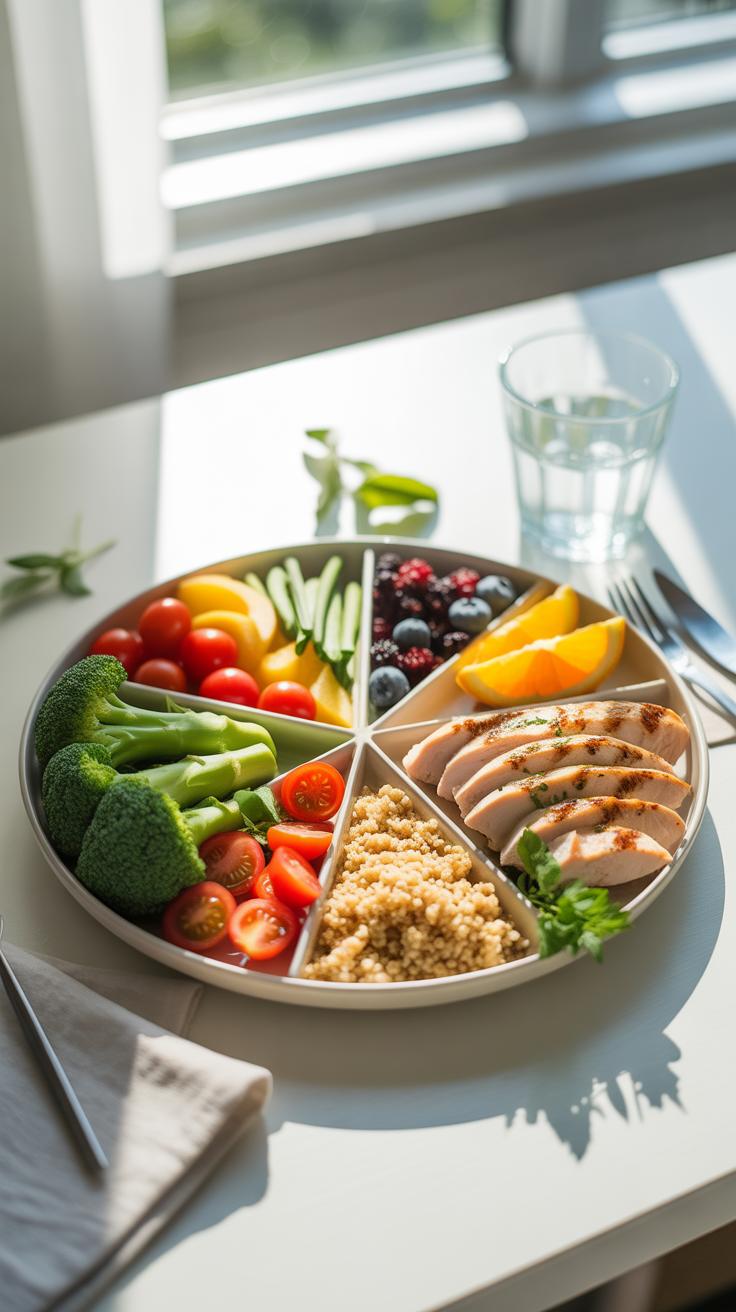
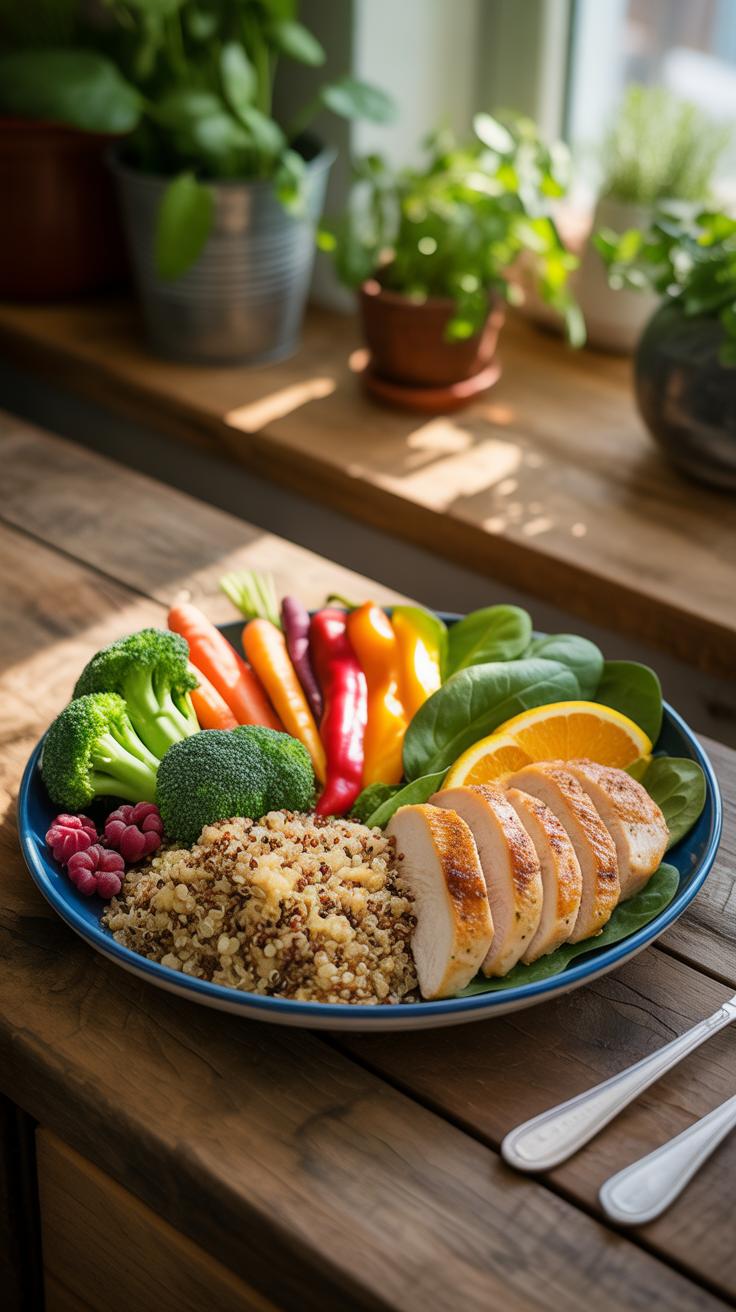
The healthy plate method divides a standard dinner plate into specific functional zones. Half of the plate belongs to non-starchy vegetables. This setup prioritizes fiber and micronutrients while managing total energy density. One quarter of the plate holds lean protein sources. This section provides the necessary amino acids for muscle maintenance. The final quarter contains complex carbohydrates to supply steady glucose for brain and body function.
A small side circle or specific zone accounts for healthy fats and dairy. This structured layout mirrors the USDA MyPlate guidelines and the Harvard Healthy Eating Plate model. It removes the need for complex math during meal prep. You visualize boundaries rather than weighing every ingredient. This spatial strategy ensures you hit macro targets automatically. It forces a high volume of low-calorie plants into every single meal you eat.
To eat is a necessity, but to eat intelligently is an art. Laying your plate with nature’s colors is like painting a memory of health for your future self.
Understanding Portion Sizes Without Counting Calories
Visual cues replace digital tracking tools in this system. Use your hand as a portable measuring device to confirm your plate math. Your palm represents a standard protein serving. A clenched fist equals one cup of vegetables. Your cupped hand marks the correct portion for grains or starches. Your thumb indicates the limit for added fats like oils or butter. These physical markers provide immediate feedback at any table.
Effective portion control relies on the size of your vessel. Use a nine inch plate to prevent overconsumption. Larger plates create an optical illusion that makes small portions look insufficient. This psychological trigger causes people to serve more food than they actually need. Stick to the nine inch standard to keep your intake within biological requirements. Consistency with plate size is the most critical factor for long term success.
The Healthy Diet Plate Vegetables Grains Protein And More Explained
Why Non Starchy Vegetables Should Fill Half Your Plate
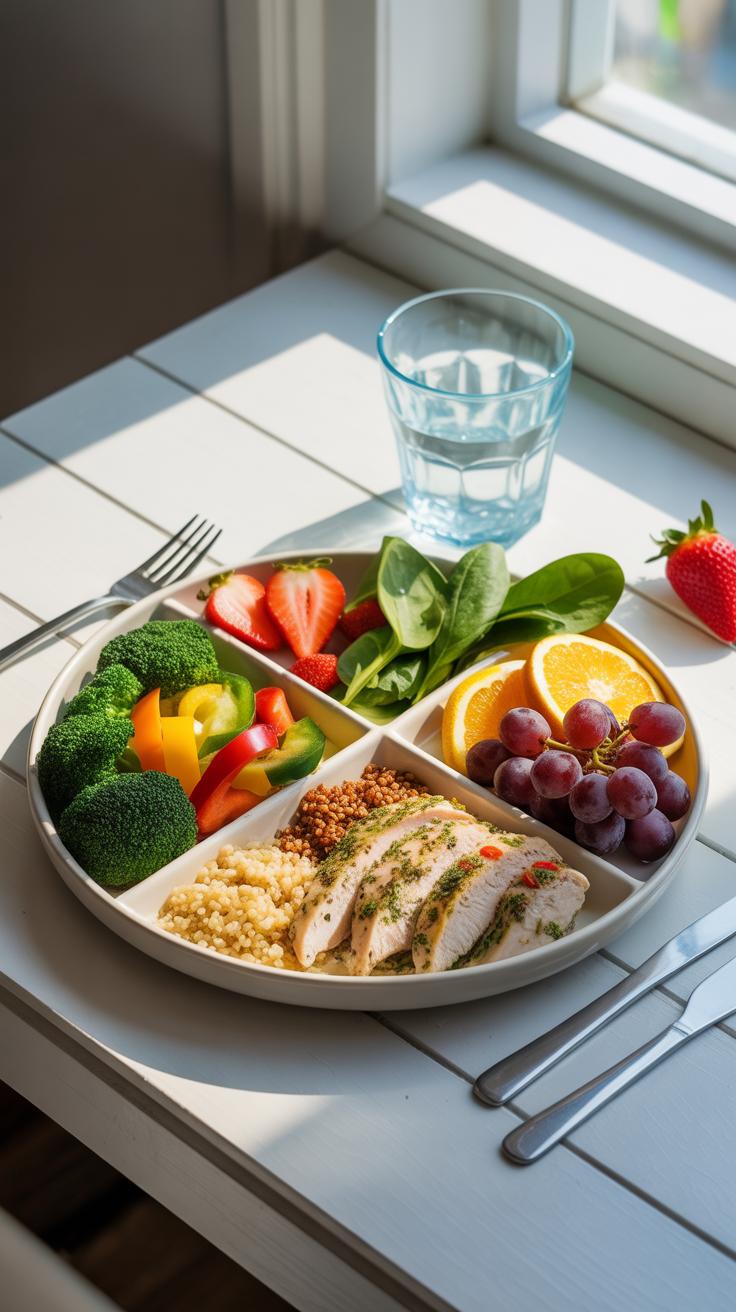
Non-starchy vegetables provide high volume with low caloric density. You fill half the plate with these plants to ensure satiety without excessive energy intake. These foods contain essential fiber, vitamins, and minerals that regulate digestion. Using half the plate for greens and colorful vegetables creates a physical barrier against overeating more calorie-dense options. This tactic lowers the overall glycemic load of the meal.
Strategic vegetable selection focuses on variety and fiber content. Choose leafy greens, peppers, broccoli, or carrots to maximize micronutrient intake. These vegetables require more chewing which slows the eating process. Slower eating allows the brain to receive fullness signals from the gut. By prioritizing this section of the plate, you stabilize blood sugar levels and prevent energy crashes. This layout serves as a simple visual guide for portion control.
Choosing Whole Grains And Lean Proteins For The Remaining Sections
The remaining half of your plate splits equally between grains and protein. Dedicate one quarter to whole grains or starchy vegetables like brown rice, quinoa, or potatoes. Whole grains retain the bran and germ which provide sustained energy release. Refined grains lack this fiber and cause rapid insulin spikes. Strategic grain selection ensures you have the necessary glucose for brain function and muscle recovery without fat storage.
Fill the final quarter with lean protein sources. Choose chicken, fish, beans, or tofu to build and repair tissues. High-quality protein increases thermogenesis and keeps you full longer than fats or carbs alone. Avoid processed meats that contain high sodium and nitrates. Proper protein portioning prevents muscle loss during weight management. This balanced division creates a complete amino acid profile while keeping saturated fat intake within safe, healthy limits.
How To Build A Balanced Plate A Step By Step Practical Guide

Step By Step Instructions For Assembling Your Balanced Plate At Every Meal
Start with a standard nine-inch dinner plate to control portion sizes effectively. Visual cues drive successful implementation of this method. You must divide the space based on nutrient density rather than calorie counts. This tactical approach ensures you get enough fiber and micronutrients before filling up on energy-dense foods. Use the following steps to build your plate from the bottom up.
- Fill Half with Non-Starchy Vegetables: Dedicate fifty percent of your plate to greens, cruciferous vegetables, or peppers. These foods provide high volume and essential fiber with low caloric impact. They slow digestion and prevent rapid blood sugar spikes after your meal.
- Add Lean Protein to One Quarter: Place your protein source in one quadrant of the remaining space. Choose poultry, fish, beans, or tofu to repair muscle tissue. Keep the portion size roughly the size of your palm to manage total fat and calorie intake.
- Allocate One Quarter to Complex Carbohydrates: Use the final quadrant for whole grains or starchy vegetables like potatoes and corn. These provide the glucose necessary for brain function and physical energy. Prioritize whole wheat or brown rice to maintain steady energy levels throughout the day.
- Incorporate Healthy Fats: Add a small serving of unsaturated fats like olive oil, nuts, or avocado. High-quality fats are necessary for absorbing fat-soluble vitamins A, D, E, and K. Keep these portions small as fat contains more than double the calories of protein or carbs.
- Choose a Low-Calorie Beverage: Complete the meal with water, unsweetened tea, or black coffee. Liquid calories often bypass satiety signals and lead to overconsumption. Water supports digestion and helps the fiber from your vegetables move through your system efficiently.
Review your plate before you start eating to ensure the proportions look correct. Adjusting the ratios now prevents nutritional imbalances later in the day. This repeatable system removes the need for complex math or calorie tracking apps. Consistency with these visual boundaries creates a sustainable habit that works in restaurants, homes, or office cafeterias without requiring special tools.
Common Mistakes People Make When Building A Balanced Plate And How To Avoid Them
Many people use oversized plates which leads to distorted portion perceptions. A large plate makes a standard serving look small, causing you to overfill the starch and protein sections. You must use a smaller vessel to trick your brain into feeling satisfied with less food. Measure your dinnerware to ensure it matches the recommended nine-inch diameter for the best results.
Another frequent error involves counting starchy vegetables as non-starchy greens. Peas, corn, and potatoes belong in the carbohydrate quadrant because of their high starch content. Placing these in the vegetable half of the plate doubles your carbohydrate load and spikes insulin levels. Track these items strictly within their designated quarter to maintain the metabolic benefits of the healthy plate method.
Plate Method Meal Ideas Breakfast Lunch And Dinner Inspiration
Morning Plate Method Meal Ideas To Start Your Day With Energy
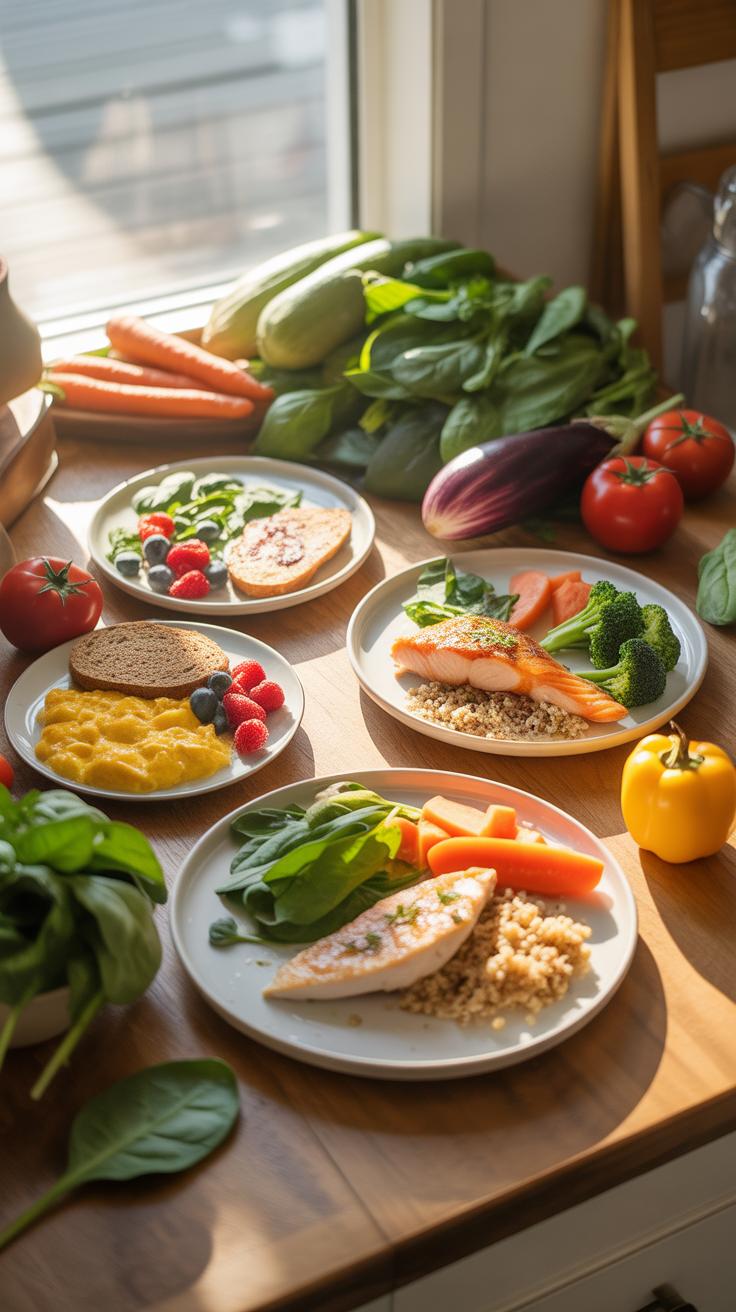
Apply the plate method to breakfast by focusing on fiber and protein. Traditional breakfast foods often lean too heavily on refined carbohydrates. Fix this by filling half your plate with non-starchy vegetables like sautéed spinach, peppers, or mushrooms. Add one quarter lean protein using eggs or Greek yogurt. Fill the final quarter with slow-burning starches like steel-cut oats or sprouted grain toast to ensure steady energy levels.
Strategic breakfast planning prevents mid-morning glucose crashes and hunger spikes. Use leftover roasted vegetables from dinner to meet the fifty percent vegetable requirement quickly. If you prefer fruit, treat it as your starch portion to maintain the correct nutritional balance. This structure forces you to prioritize micronutrients and satiety over empty calories. High-protein and high-fiber starts improve cognitive focus and physical performance for the rest of your workday.
Satisfying Lunch And Dinner Plate Method Meals For Every Taste
Lunch and dinner require a strict adherence to the fifty percent vegetable rule to manage calorie density. Use leafy greens, broccoli, or snap peas to build your base. Reserve one quarter of the plate for proteins such as grilled chicken, tofu, or white fish. Use the remaining quarter for complex carbohydrates like quinoa, brown rice, or sweet potatoes. This ratio ensures you feel full without consuming excessive calories from starches.
Consistency across these two main meals stabilizes metabolism and simplifies grocery shopping. You must avoid the common mistake of letting the starch or protein take over the plate. Measure your portions if you find your eyes deceiving you. A palm-sized protein and a fist-sized starch are standard tactical benchmarks. Focus on whole, unprocessed ingredients to maximize the nutrient density of every bite you take during these critical fueling periods.
The Balanced Meal Chart Visualizing Nutrition The Right Way
How To Read And Use A Balanced Meal Chart In Your Daily Routine
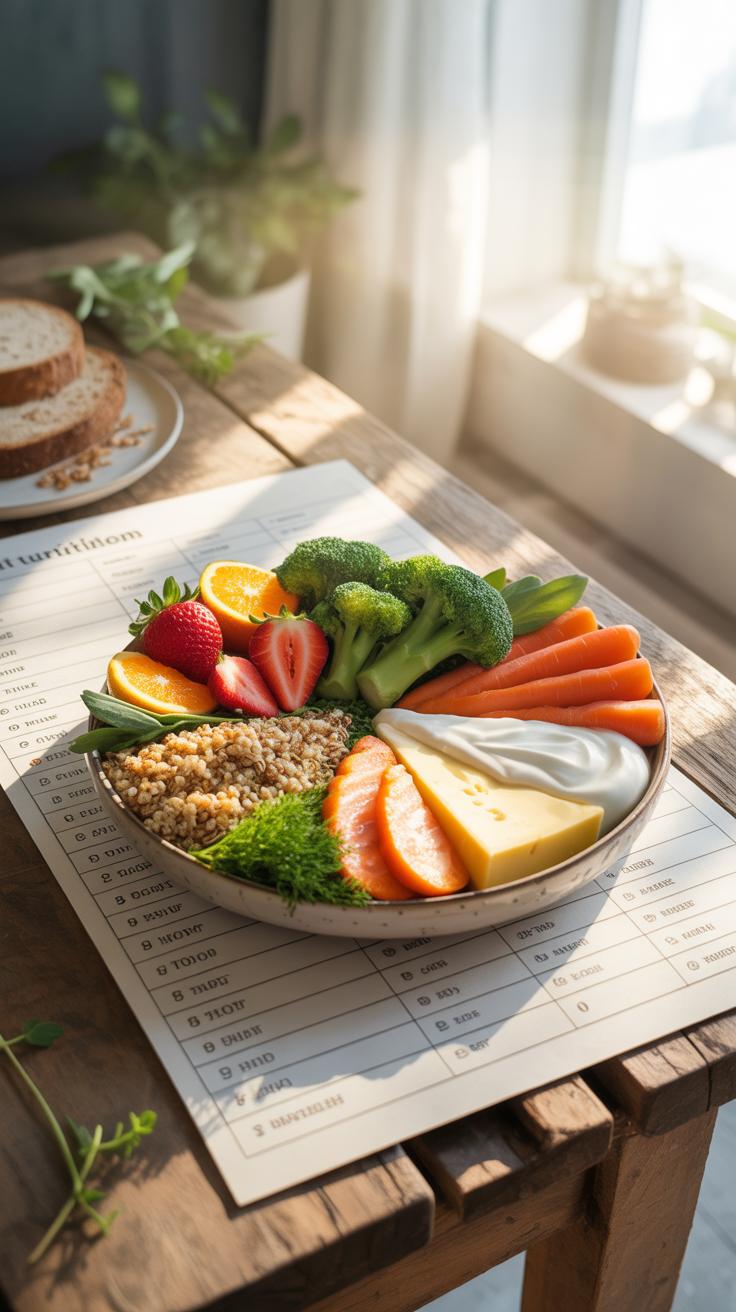
A balanced meal chart serves as a spatial map for your dinner plate. It eliminates the need for calorie counting or weighing food. You divide your plate into three distinct sections. Fill half the surface with non starchy vegetables. Dedicate one quarter to lean proteins. Use the final quarter for whole grains or starchy vegetables. This layout ensures high fiber intake and controls blood sugar levels effectively.
Apply this logic whenever you eat. Look at your plate and verify the ratios before you start. If you use a bowl, mentally stack the ingredients using the same proportions. Start with the vegetable base. Add the protein layer next. Finish with a small portion of carbohydrates. This method works at home or in restaurants. It forces you to prioritize nutrient density over empty calories without using complex apps.
Adapting The Balanced Meal Chart For Different Dietary Needs And Lifestyles
The chart is flexible for various health goals and life stages. Athletes often need more fuel for training. They should increase the grain portion and slightly reduce the vegetable section. People managing diabetes must prioritize high fiber vegetables to slow glucose absorption. You can swap traditional proteins for plant based options like tofu or beans. The core logic remains. You adjust the volume of each section based on your specific energy demands.
Busy professionals should apply the chart to meal prep containers. Divide the container into regions that match the visual guide. Use frozen or pre cut vegetables to fill the largest section quickly. Keep cooked grains and proteins ready in the fridge. This strategy maintains nutritional balance when you are short on time. Consistency is the metric that matters. Use the chart as a firm rule for every meal to see long term results.
The Plate Method And Diet How This Approach Supports Long Term Health Goals

Why The Plate Method Is Recommended For Managing Conditions Like Type 2 Diabetes
Diabetes management requires tight control over blood glucose levels. The plate method forces a fifty percent reduction in total carbohydrate volume by filling half the plate with non-starchy vegetables. These vegetables contain high fiber content. Fiber slows sugar absorption into the bloodstream. This prevents the sharp insulin spikes that damage blood vessels over time. Staying consistent with this layout creates a predictable glucose response.
Medical professionals prioritize this method because it eliminates complex math. Patients do not need to calculate glycemic index values for every meal. They simply follow the visual guide. The structure ensures a balance between lean protein and complex carbohydrates. Protein slows digestion further which keeps blood sugar stable for hours. This tactical approach reduces the risk of long-term complications from poorly managed diabetes.
How Consistent Use Of The Plate Method Supports Weight Management Over Time
Weight management depends on calorie density and satiety. The plate method leverages high-volume, low-calorie foods to fill the stomach. Non-starchy vegetables take up significant physical space but provide few calories. This triggers stretch receptors in the stomach to signal fullness. You eat a large volume of food while maintaining a caloric deficit. This strategy prevents the hunger that usually causes diet failure.
Consistency is the primary driver of fat loss. This method works because it is repeatable in any setting. You can apply the same visual ratios at home or in restaurants. It removes the mental fatigue of tracking every gram of food. By focusing on food groups rather than strict restriction, you build a sustainable habit. Permanent weight control requires this type of simple and scalable system.
Building Your Dream Body With Plate Method Meals And Mindful Eating

How Balanced Plate Method Meals Support Muscle Maintenance And Fat Loss
The healthy plate method forces a caloric deficit without the need for complex tracking or math. By filling half your plate with non-starchy vegetables, you reduce energy density while maintaining high food volume. This strategy manages hunger hormones and prevents overeating. Protein occupies one-quarter of the plate to repair tissues. This specific ratio ensures your body burns stored fat for fuel instead of breaking down hard-earned muscle.
Consistent protein intake is the most critical factor for body composition. Muscle tissue requires amino acids to stay intact during weight loss phases. The plate method provides a visual framework to ensure you hit these targets every time you eat. Fiber from the vegetable section slows digestion and stabilizes blood sugar levels. This prevents insulin spikes that lead to fat storage. It creates a steady environment for metabolic efficiency.
Pairing The Healthy Plate Method With Physical Activity For Optimal Results
Nutrition provides the foundation while exercise serves as the catalyst for change. Use the plate method to time your nutrients around your workouts. Consume the starch portion of your plate before training to provide glucose for muscle contractions. After your session, the protein and carbohydrate sections work together to replenish glycogen stores. This strategic timing accelerates recovery and prepares your body for the next physical challenge.
Strength training combined with the plate method prevents metabolic slowdown. As you build muscle, your resting metabolic rate increases. You can then handle more carbohydrates within your allocated plate sections. Do not skip the healthy fats found in small portions. These fats support hormone production necessary for muscle growth and joint health. Proper fueling ensures you have the energy to maintain intensity during both cardio and resistance training sessions.
Plate Method Meals For Special Diets Vegan Vegetarian And Gluten Free Options
Guidance On How To Apply The Healthy Plate Framework On A Plant Based Or Vegan Diet
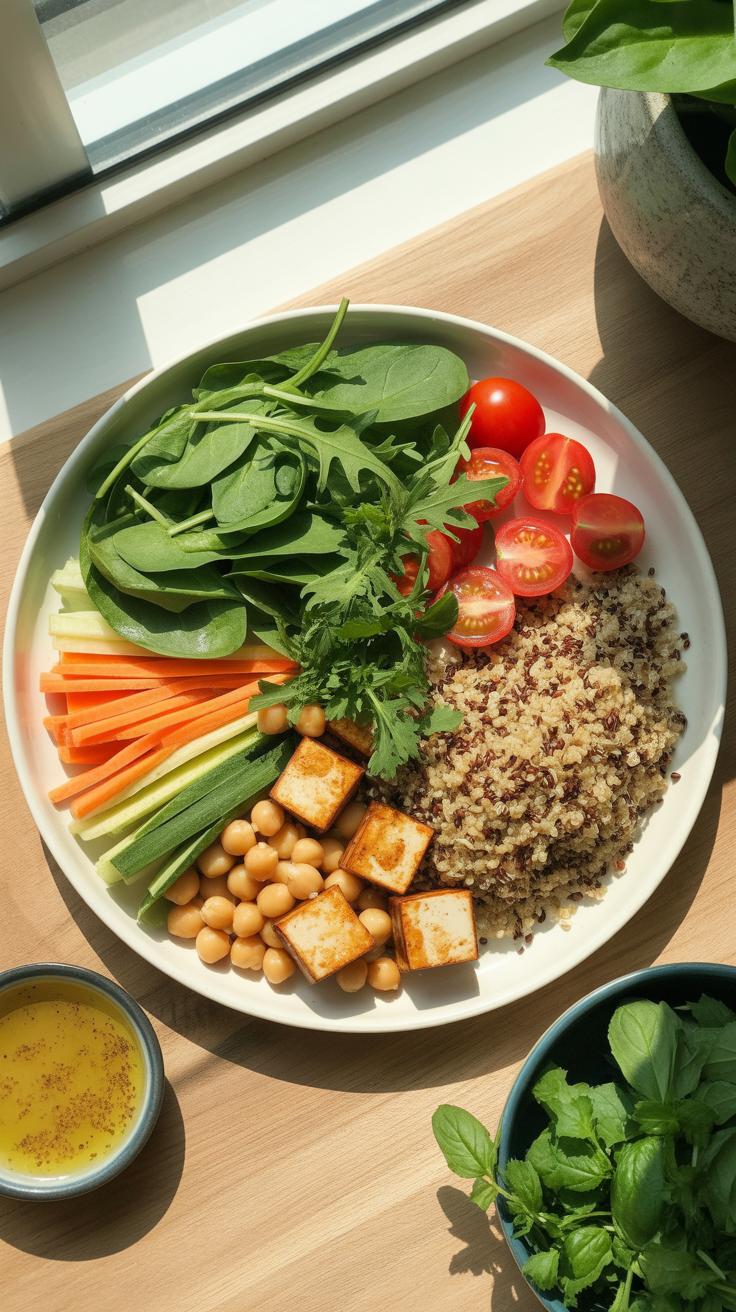
Plant based plate construction requires a shift in protein definitions. You still fill half your plate with nonstarchy vegetables like kale or broccoli. However, the one quarter protein section must come from legumes, soy, or nuts. These sources often contain carbohydrates. You must account for this overlap to prevent excessive glucose spikes. Watch your portions on starchy beans to keep the macronutrient ratios balanced properly.
Quality plant proteins provide fiber that animal products lack. Use tofu, tempeh, or lentils to fill the protein quadrant. These dense foods keep you full longer. Ensure the grain quadrant features intact whole grains like quinoa or farro for complete amino acid profiles. This strategy maintains the plate method integrity without meat. You get all necessary nutrients by rotating your protein sources daily while keeping the proportions steady.
Gluten Free And Allergy Friendly Swaps That Still Honor The Plate Method Structure
Gluten free eaters must replace traditional wheat grains with nutrient dense alternatives. The structural goal remains the same. One quarter of your plate must hold complex carbohydrates to provide energy. Many processed gluten free products use refined starches that lack fiber. These can sabotage your blood sugar goals. You should prioritize naturally gluten free whole foods over boxed substitutes to ensure your plate remains truly healthy and functional.
- Quinoa: This seed serves as a powerful gluten free grain substitute for the carbohydrate quadrant. It contains all nine essential amino acids and high fiber content. Quinoa cooks quickly and works well in both warm bowls and cold salads for easy meal prep.
- Buckwheat: Despite the name, this is a gluten free seed related to rhubarb. It provides a hearty texture for the grain portion of the plate. It contains rutin which supports cardiovascular health and provides a lower glycemic index than white rice or corn.
- Legume Pasta: Use pasta made from chickpeas or lentils to combine the protein and starch quadrants if needed. These products offer more protein and fiber than traditional rice pasta. They help maintain the plate balance while satisfying cravings for traditional comfort food textures.
- Starchy Tubers: Sweet potatoes and squash offer natural gluten free carbohydrates for your plate. These whole foods provide vitamins and minerals that refined gluten free flours lack. Keep the skin on to maximize fiber intake and slow down digestion for steady energy levels.
- Certified Oats: Ensure your oats have a certified gluten free label to avoid cross contamination during processing. Oats fill the grain quadrant effectively and provide beta-glucan fiber. This specific fiber type helps lower cholesterol and keeps you feeling satisfied between your scheduled meal times.
Eliminating allergens does not mean you should ignore the plate portions. If you remove dairy, replace it with healthy fats like avocado or seeds in small amounts. Always read labels on processed swaps to avoid hidden sugars and fillers. A clean gluten free plate focuses on beans, seeds, and root vegetables. These choices provide the necessary bulk and nutrients without triggering inflammatory responses or digestive distress.
Tips For Making The Healthy Plate Method A Lasting Everyday Habit

Meal Prepping With The Plate Method To Save Time And Stay Consistent
Meal prepping ensures the healthy plate method works under pressure. Efficient preparation focuses on batching components rather than single meals. Roast large quantities of vegetables and boil whole grains early in the week. Store these items in clear containers. This allows for rapid assembly during busy workdays. You maintain the correct ratios because the ingredients are ready for immediate plate distribution.
Tactical prepping reduces decision fatigue. Divide your storage by category to match the plate layout. Keep one section for proteins and another for fiber-rich greens. When it is time to eat, fill half your plate with the prepped vegetables first. Add the protein and starch next. This system stops you from overeating energy-dense foods. Preparation turns a complex nutritional goal into a simple assembly task.
How To Stay Motivated And Flexible While Following The Plate Method Long Term
Long term success requires a mindset shift from perfection to consistency. The plate method is a visual guide, not a rigid cage. Use the same proportions when dining out or attending social events. If a meal lacks vegetables, adjust your next meal to compensate. This flexibility prevents the burnout associated with strict calorie counting. Focus on the visual ratio of your food to stay on track.
View the plate method as a permanent framework for every environment. You do not need special tools or scales to measure progress. Use your hand as a rough size guide for portions if a standard plate is unavailable. This habit survives travel and holidays because it relies on simple logic. Consistent application builds metabolic health over time. Keep the process simple to ensure you never stop using it.
Frequently Asked Questions

What exactly is the healthy plate method and how does it work?
The healthy plate method is a simple visual tool designed to help you create nutritious meals without the need for constant calorie counting or complex weighing. To follow this approach, you simply divide your plate into sections: fill half with non-starchy vegetables, one-quarter with lean proteins, and the remaining quarter with fiber-rich whole grains or starchy vegetables. This ensures you receive a diverse range of essential nutrients while naturally managing your portions.
How can I transition to using the healthy plate method for my daily dinners?
Transitioning is easy if you start by choosing a standard nine-inch plate. Begin by loading up half of that space with vibrant greens or roasted broccoli. Next, add a palm-sized portion of protein like grilled chicken or tofu. Finally, incorporate a small scoop of quinoa or brown rice. Using the healthy plate method consistently helps you visualize proper ratios, making it much easier to build balanced, satisfying meals for your entire family every night.
Is it possible to use this nutritional approach while shopping on a tight budget?
Absolutely! You can successfully implement this strategy by choosing affordable staples. Focus on buying frozen or canned vegetables, which are just as nutritious as fresh options but often cost much less. Opt for budget-friendly proteins like dried beans, lentils, or eggs, and buy whole grains like oats or brown rice in bulk. This proves that eating well doesn’t require expensive specialty superfoods; it just requires a smart, balanced layout for your meals.