
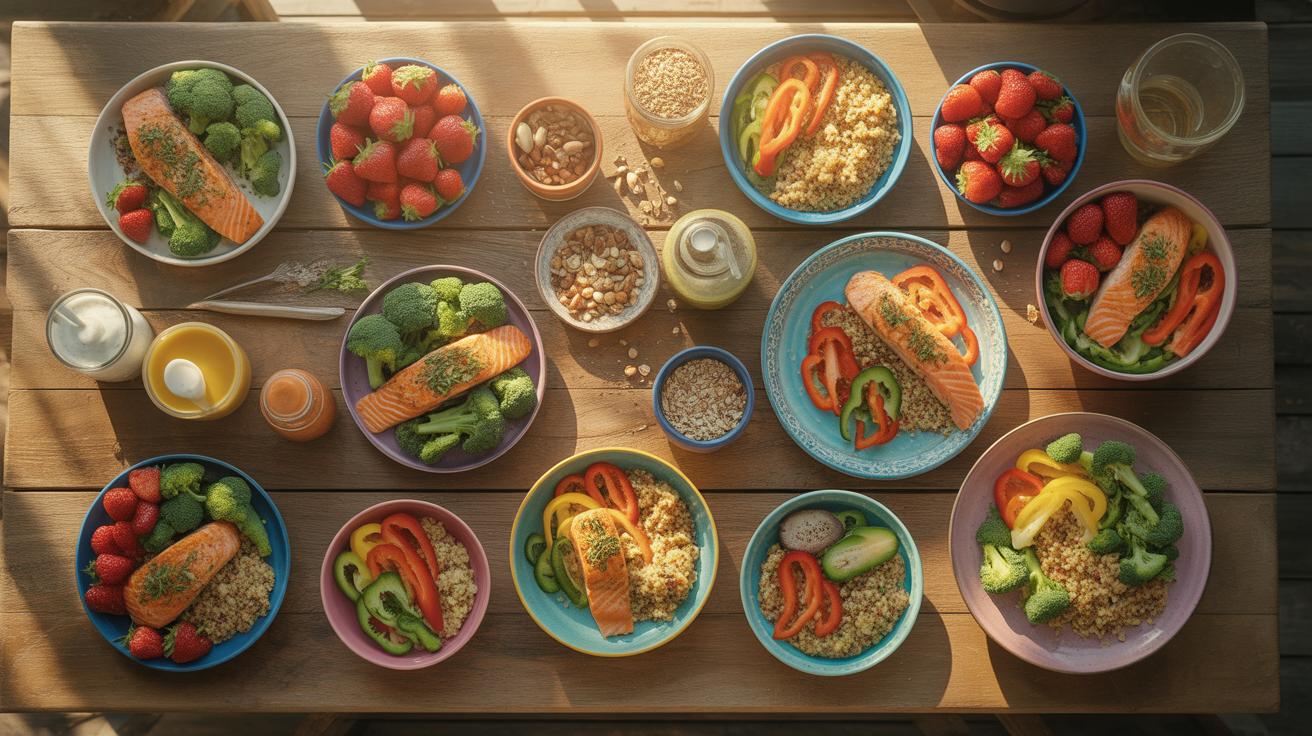
What Is A Holistic Diet Plan And Why Does It Matter

The Core Principles Behind A Holistic Diet Plan
A holistic diet plan views food as fuel for the entire human biological system. It focuses on unrefined and minimally processed ingredients to ensure maximum nutrient density. You prioritize the source and quality of every item you consume. This strategy moves beyond simple caloric tracking. It addresses how specific foods influence your physical energy, mental clarity, and biochemical stability throughout the day.

This approach relies on bio-individuality and the consumption of whole foods. You select items that exist in their near-natural state. This includes organic vegetables, pasture-raised proteins, and healthy fats. By removing synthetic additives and chemical preservatives, you reduce internal stress on your organs. The primary objective is to create an internal environment where your body functions at its peak efficiency without external interference.
How A Holistic Approach Differs From Conventional Dieting
Conventional dieting focuses almost exclusively on weight loss and mathematics. It tracks calories in versus calories out to achieve a specific number on a scale. This method often ignores the quality of the food used to reach those numbers. Many standard diets rely on processed low-calorie snacks that contain artificial sweeteners. These chemicals can disrupt your hormones and cause long term health issues.

The holistic approach ignores temporary trends and focuses on long-term sustainability. It treats the body as a single connected unit rather than a set of isolated parts. You do not just count macros to change your appearance. You choose ingredients that support gut health and lower systemic inflammation. This strategy builds a foundation for lasting health instead of providing a short-term fix through extreme restriction.
Building Your Holistic Nutrition Meal Plan For The Week
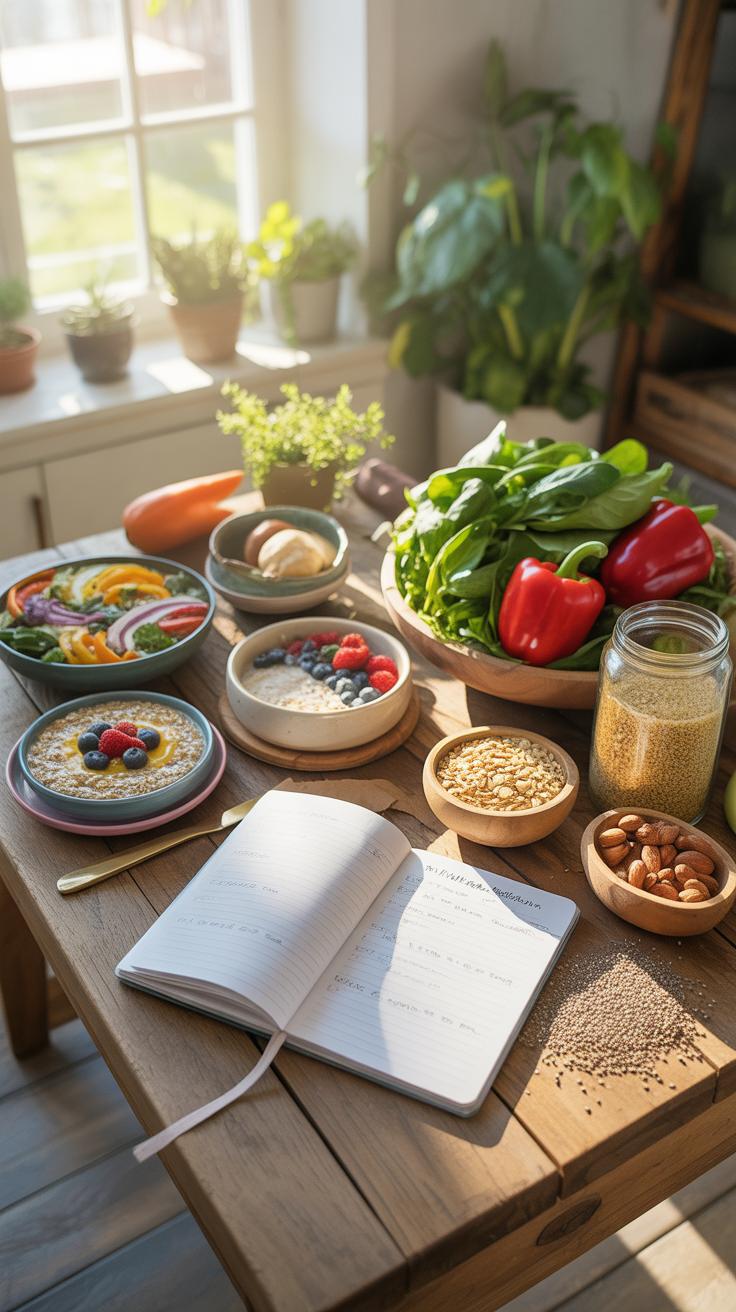
How To Structure A Balanced Weekly Holistic Nutrition Meal Plan
Successful meal planning requires a shift from calorie counting to nutrient density. You must select whole foods that remain close to their natural state. This means prioritizing seasonal vegetables, pasture-raised proteins, and healthy fats. Planning seven days in advance prevents impulsive decisions and reliance on processed snacks. Choose ingredients that serve multiple meals to reduce waste and save time during the work week.
Effective structures rely on prep blocks. Dedicate three hours on Sunday to wash produce and cook bulk grains. Store these components in glass containers to avoid chemical leaching from plastic. Rotate your protein sources every two days to ensure a full spectrum of amino acids. Focus on meal diversity to support gut health. A rigid plan fails if it ignores your body daily signals for energy.
Portion Balance And Macronutrient Harmony In Holistic Eating
Achieving macronutrient harmony involves more than hitting a protein target. You must balance complex carbohydrates with healthy fats to steady blood sugar levels. Use the plate method for visual guidance. Fill half your plate with non-starchy vegetables to provide fiber and micronutrients. Allocate the remaining quarters to clean protein and slow-burning starches. This ratio maintains metabolic health and prevents energy crashes after eating.
Portion control in holistic systems respects individual hunger cues rather than strict ounce measurements. Listen to your physical satiety signals to determine when to stop eating. High-quality fats like avocado or olive oil are essential for fat-soluble vitamin absorption. Do not fear fats but apply them strategically. Proper balance reduces inflammation and supports consistent hormone production. Adjust your portions based on your activity levels and metabolic demands.
Anti Inflammation Diet Meal Plan Foods That Heal Your Body
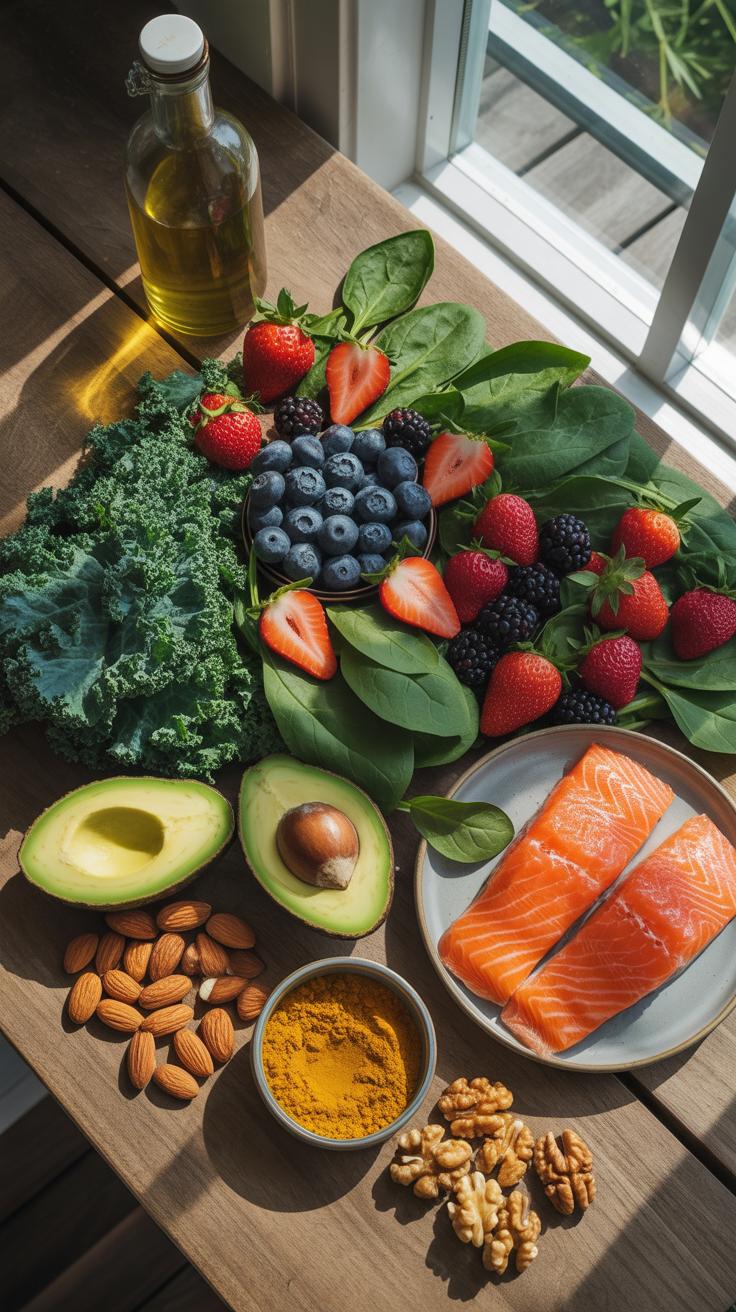
Top Anti Inflammatory Foods To Include In Your Anti Inflammation Diet Meal Plan
Chronic inflammation damages healthy cells and leads to systemic disease. A tactical holistic diet plan prioritizes nutrient-dense foods that inhibit pro-inflammatory cytokines. You must select ingredients that offer high bioavailability of antioxidants and phytonutrients. These compounds neutralize oxidative stress and repair cellular damage. Focus on whole foods that stabilize blood sugar and support the natural immune response of the body.
- Fatty Fish: Salmon and sardines provide high concentrations of EPA and DHA omega-3 fatty acids. These essential fats inhibit the production of substances that cause inflammation. Consume these protein sources at least twice per week to maintain optimal cellular membrane health and cardiovascular function.
- Leafy Greens: Spinach and kale contain massive doses of vitamin K and sulforaphanes. These nutrients block enzymes that cause joint destruction and chronic swelling. Dark greens also provide magnesium which manages the inflammatory response. Integrate these into every midday meal to ensure consistent micronutrient delivery.
- Berries: Blueberries and strawberries contain high levels of anthocyanins. These fiber-rich fruits reduce inflammation by increasing the production of natural killer cells in the immune system. They offer a low-glycemic way to satisfy hunger while protecting your vascular system from damage caused by free radicals and oxidative stress.
- Turmeric: This root contains curcumin which serves as a powerful bioactive anti-inflammatory agent. You must pair it with black pepper to increase absorption by 2,000 percent. It targets inflammation at the molecular level by blocking NF-kB molecules that travel into the nuclei of your cells.
- Extra Virgin Olive Oil: This fat contains oleocanthal which has an effect similar to anti-inflammatory drugs. It protects the heart and reduces the risk of serious metabolic conditions. Use it as a primary fat source for dressings and low-heat cooking to preserve its phenol content and chemical stability.
Healthy fats and colorful vegetables form the foundation of this strategy. You must rotate these ingredients to ensure a wide spectrum of nutritional coverage. Consistency serves as the primary driver for success in reducing internal swelling. Prioritize fresh or frozen sources over canned goods to avoid hidden sodium or preservatives. High-quality inputs yield high-quality biological outputs for long-term health and peak physical performance.
Foods To Avoid That Trigger Chronic Inflammation
Refined carbohydrates and added sugars drive rapid spikes in insulin and blood glucose. These spikes trigger the release of pro-inflammatory messengers throughout the entire body. You must eliminate white flour and high-fructose corn syrup to stop the cycle of internal irritation. These processed inputs weaken the gut barrier and allow toxins to enter the bloodstream. Removing these triggers is the fastest way to lower your inflammatory markers.
Artificial trans fats and excess omega-6 vegetable oils create a chemical imbalance in your cells. Oils like soybean, corn, and cottonseed promote a pro-inflammatory environment when consumed in high quantities. These fats oxidize easily and cause damage to arterial walls. Replace these industrial oils with stable fats like avocado oil or grass-fed butter. Cutting out deep-fried foods and packaged snacks removes the primary sources of these dangerous systemic irritants.
Holistic Diet Recipes To Kick Start Your Week Right

Energizing Holistic Diet Recipes For Breakfast And Lunch
Breakfast sets the metabolic tone for your entire day. A strategic holistic diet plan prioritizes stable blood sugar over quick energy spikes. Steeled-cut oats provide complex carbohydrates while chia seeds add essential omega-3 fatty acids. You must avoid processed sugars to prevent mid-morning crashes. High-quality fats like avocado or nut butters ensure sustained brain function and steady hormone production during your first working hours.
Lunch requires a balance of lean protein and dense phytonutrients to maintain mental clarity. A massive bowl of dark leafy greens serves as the foundation for grilled wild-caught salmon or chickpeas. These ingredients provide the iron and B vitamins necessary for cellular energy. Use raw apple cider vinegar and cold-pressed olive oil for dressing. This combination improves mineral absorption and supports gut health without causing afternoon lethargy.
To eat is a necessity, but to eat intelligently is an art that nourishes the soul across time. Let your weekly table be a harvest of healing, just as nature and our ancestors always intended.
Nourishing Holistic Diet Recipes For Dinner And Light Snacks
Dinner focuses on recovery and preparing the body for sleep. Select root vegetables like sweet potatoes to provide the glucose needed for overnight muscle repair. Combine these with sulfur-rich cruciferous vegetables like roasted broccoli or cauliflower to support liver detoxification. Keep protein sources clean and easily digestible to prevent sleep disruption. Proper meal timing ensures your body spends the night healing rather than digesting heavy fats.
Snacks serve as bridge fuel between major protein cycles. Choose raw walnuts or almonds to provide magnesium and zinc for nervous system support. Berries offer high antioxidant levels with a low glycemic load. These small inputs prevent the hunger cues that lead to poor decision-making. Strategic snacking keeps your blood sugar flat throughout the afternoon. This consistency is the core tactical advantage of a functional holistic diet plan.
Holistic Recipes Food What To Eat And Why It Matters

Understanding Whole Food Ingredients In Holistic Recipes Food
Holistic cooking relies on ingredients in their original state. You must select foods that have undergone zero or minimal processing. This means choosing intact grains over flour and fresh produce over canned goods. These items retain their native fiber and micronutrients. Whole foods provide the structural building blocks for cellular repair. They lack the synthetic stabilizers that disrupt your natural metabolic functions and hormones.
High quality fats and proteins form the core of a strategic meal plan. You should source cold pressed oils and grass fed proteins to maximize nutrient density. These ingredients contain higher levels of omega three fatty acids compared to industrial alternatives. Proper ingredient selection reduces systemic inflammation. This approach ensures your body receives fuel without the burden of chemical additives. Every choice impacts your long term biological efficiency and energy levels.
How Holistic Eating Recipes Support Gut Health And Mental Clarity
Your gut health directly influences your brain function through the Vagus nerve. Consuming fermented foods and high fiber vegetables feeds beneficial bacteria. A diverse microbiome strengthens the intestinal barrier. This prevents toxins from entering your bloodstream and causing brain fog. Holistic recipes focus on these prebiotics and probiotics to maintain this balance. Clear thinking starts with a stable and well nourished digestive system.
Sugar and refined carbs cause rapid spikes and crashes in glucose levels. These fluctuations lead to irritability and poor focus. A holistic diet plan prioritizes slow burning fuels like complex carbohydrates and lean proteins. This steady energy supply keeps your cognitive performance consistent throughout the day. You avoid the mental fatigue associated with standard processed diets. Stable blood sugar is the foundation for sustained productivity and sharp mental awareness.
Holistic Cooking Recipes Techniques And Kitchen Essentials

Essential Kitchen Tools For Preparing Holistic Cooking Recipes
A holistic diet plan requires tools that maintain food integrity. Mechanical processing can oxidize delicate fats and destroy heat-sensitive enzymes. You must select materials that do not leach chemicals into your meals. High-quality tools reduce prep time and ensure you eat more whole foods. Equipment choices directly impact the nutrient density and safety of every meal you prepare at home.
- High Speed Blender: This tool breaks down plant cellulose to release trapped phytonutrients. It allows you to create smooth textures from fibrous vegetables and seeds without applying high heat. Use it for soups, sauces, and nut milks to maintain fresh nutrient profiles.
- Cast Iron Skillet: This durable cookware provides even heat distribution and naturally seasons with use. It is a safe alternative to synthetic non-stick coatings that release toxic fumes at high temperatures. It also adds small amounts of dietary iron to your cooked meals.
- Stainless Steel Steamer: Steaming is a core technique for water-soluble vitamin retention. A high-grade steel basket prevents food from touching boiling water, which stops nutrient leaching. It is the most effective way to cook vegetables while keeping their natural color and enzymes.
- Chef Knife: Precision cutting is a survival skill for clean eating. A sharp blade minimizes bruising on delicate greens and herbs, which prevents rapid oxidation. Efficient chopping allows you to process large volumes of fresh produce comfortably and quickly every day.
- Glass Storage Containers: Plastic containers contain endocrine disruptors that migrate into oily or warm foods. Glass is chemically inert and safe for long term storage or reheating. These containers preserve the flavor and purity of your prepped meals throughout the entire week.
Invest in the best tools your budget allows to maximize your efficiency. Cheap equipment often breaks or contaminates your ingredients with heavy metals. Your kitchen foundation dictates how easily you can follow a clean eating routine. Proper gear makes it simple to transform raw ingredients into medicine. Eliminate plastic and reactive metals from your workspace to protect your hormonal health.
Nutrient Preserving Cooking Methods Used In Holistic Cooking
Temperature control is the most critical factor in holistic cooking. High heat can create carcinogenic compounds like acrylamides in starchy foods or heterocyclic amines in proteins. You should use low-temperature methods to keep fats stable and antioxidants intact. Water-based cooking techniques are generally superior to deep-frying. These methods ensure the chemical structure of your food remains beneficial for your body.
Raw preparation and light steaming offer the highest nutritional yield for most vegetables. Fermentation is another essential technique that enhances bioavailability through microbial action. Slow cooking at low heat allows tough fibers to break down without destroying heat-sensitive B vitamins. Focus on methods that simplify digestion while maximizing the mineral content of your ingredients. Your goal is to deliver the most energy with the least metabolic stress.
Holistic Meals For Every Day Of The Week A Practical Guide
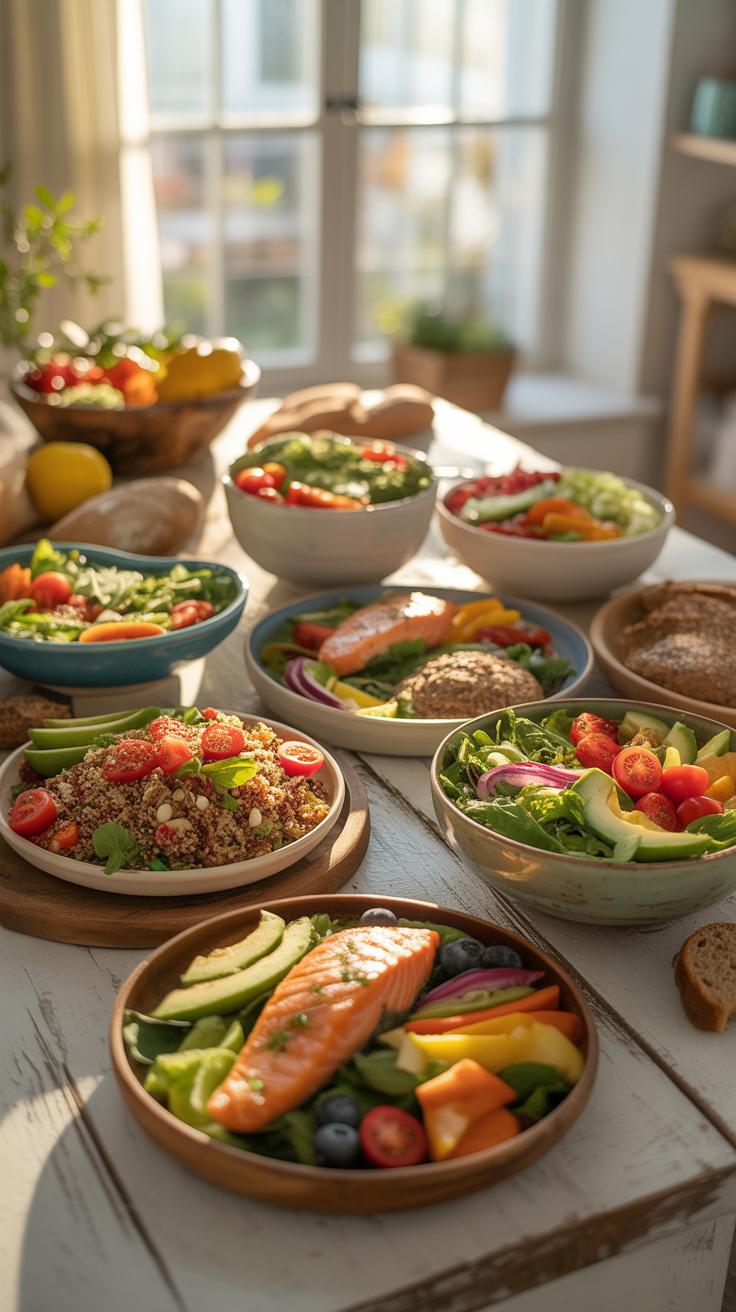
Sample Day By Day Holistic Meals Breakdown For Beginners
A holistic diet plan centers on whole foods in their natural state. Start Monday with steel-cut oats topped with walnuts and berries for sustained glucose release. Tuesday focuses on colorful salads with leafy greens and wild-caught salmon to provide essential fatty acids. Wednesday utilizes ancient grains like quinoa paired with roasted root vegetables. Each meal must balance proteins, healthy fats, and fiber to stabilize energy levels throughout the day.
Thursday and Friday prioritize lean proteins and fermented foods to support gut health. Use bone broth as a base for vegetable soups on Thursday. Prepare a stir-fry with tempeh and broccoli on Friday to maintain high nutrient density. Saturday and Sunday allow for more complex cooking like slow-roasted grass-fed beef or baked sweet potatoes. Consistent meal timing helps regulate the circadian rhythm and digestive enzymes for optimal nutrient absorption.
How To Prep And Store Holistic Meals To Save Time During The Week
Efficient meal prep requires a systematic approach to bulk cooking. Roast large batches of seasonal vegetables on Sunday to use in different bowls throughout the week. Boil several portions of brown rice or farro at once to save thirty minutes per dinner. Wash and dry all leafy greens immediately after purchase to prevent wilting. This proactive strategy ensures healthy options are available when time is short during work hours.
Proper storage preserves the nutritional integrity of your organic ingredients. Use glass containers to avoid chemical leaching from plastic into your food. Store pre-cut vegetables with a damp paper towel to maintain crispness and prevent oxidation. Label every container with the date to track freshness and reduce food waste. Vacuum-sealed jars work best for keeping homemade dressings and fermented vegetables shelf-stable for longer periods in the refrigerator.
Embracing A Holistic Lifestyle Through Mindful And Intentional Eating

How A Holistic Lifestyle Connects Food Mind And Daily Habits
A holistic diet plan views food as information rather than just calories. Nutrition directly impacts cellular function and hormone regulation. Metabolic health depends on stable blood sugar levels. Eating whole foods reduces systemic inflammation. This strategy links physical health to cognitive performance. When you eat processed sugars, your brain suffers from energy crashes. Quality fats support brain tissue. Every meal choices affects your daily energy.
Intentional eating requires conscious awareness during every meal. Distracted eating leads to overconsumption and poor digestion. The gut-brain axis regulates your mood through neurotransmitter production. Most serotonin is made in the digestive tract. Poor food choices disrupt this chemical balance. Consistent habits create a feedback loop between the body and mind. You must align your environment with your health goals to maintain high metabolic efficiency.
Practical Tips For Sustaining A Holistic Lifestyle Long Term
Success requires a structured environment to prevent decision fatigue. Remove processed foods from your home to eliminate temptation. Batch cook whole grains and proteins on weekends. This ensures healthy options are always available. Use glass containers to avoid chemical leaching from plastics. Proper preparation is the bridge between a plan and actual results. Consistency beats intensity when building a sustainable nutritional foundation.
Physical activity and sleep quality are essential pillars of this strategy. Movement improves insulin sensitivity and nutrient partitioning. Sleep deprivation increases hunger hormones like ghrelin. Aim for seven hours of rest to regulate metabolism. Hydration also plays a silent role in nutrient transport. Replace sugary drinks with filtered water or herbal teas. Manage stress through brief daily walks. These habits solidify your long-term commitment to health.
Frequently Asked Questions

What exactly is a holistic diet and how do I start?
A holistic diet focuses on consuming whole, unprocessed foods that nourish your mind, body, and spirit rather than just counting calories. To begin your journey, prioritize organic produce, high-quality proteins, and healthy fats while eliminating refined sugars. Transitioning to a holistic diet plan involves listening to your body’s unique hunger cues and choosing ingredients that are as close to their natural state as possible to promote overall long-term wellness.
How can I effectively meal prep for a holistic diet plan?
Successful meal prepping starts with a Sunday kitchen session where you roast a variety of seasonal vegetables and cook a large batch of ancient grains like quinoa or farro. Having these components ready makes it easy to assemble balanced bowls throughout the week. When following a holistic diet plan, focus on “component prepping” rather than just pre-making meals, as this allows you to customize your intake based on your daily energy needs.
Is it possible to follow a holistic diet on a tight budget?
Absolutely; eating holistically does not have to be expensive. You can save significantly by purchasing staple items like dried beans, lentils, and bulk grains, which serve as the fiber-rich foundation of many healing meals. Focus on buying seasonal produce from local farmers’ markets when prices are lowest, and prioritize organic purchases for the “Dirty Dozen” list while opting for conventional options for fruits and vegetables with thick, protective outer skins.