
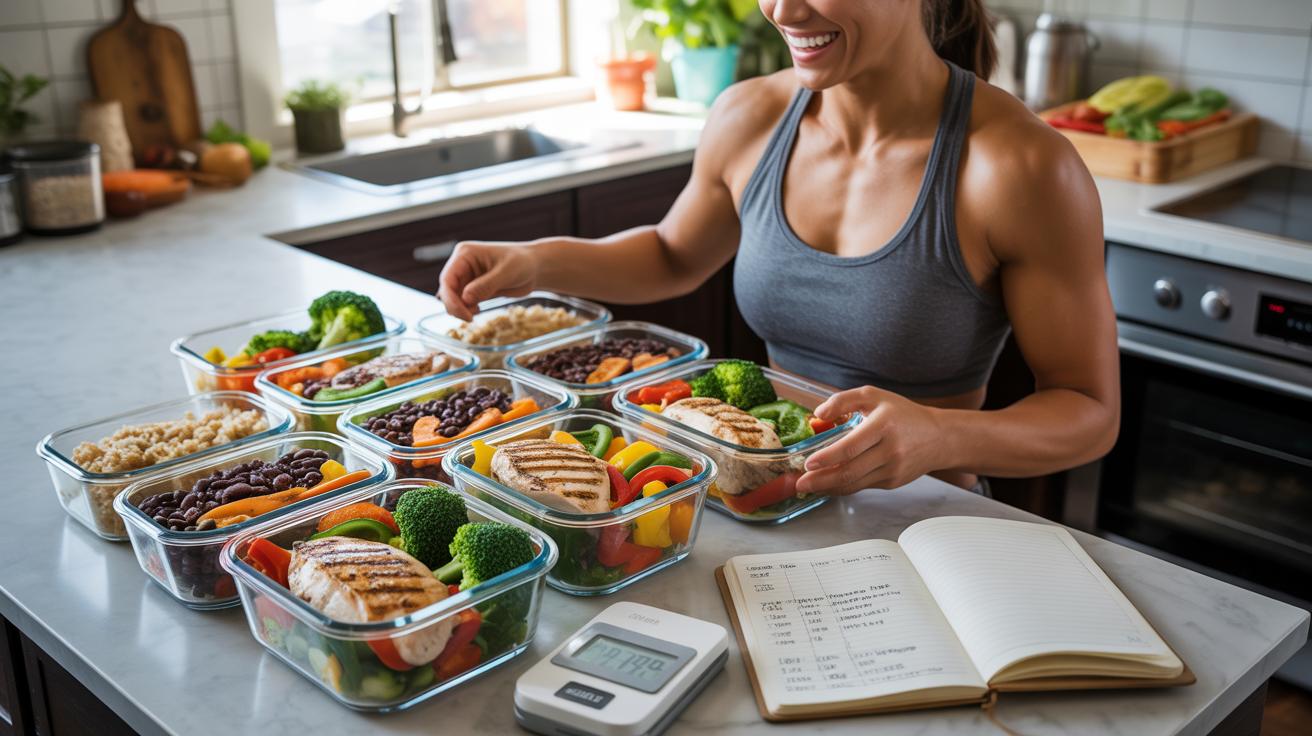
Why Protein Meal Prep For Muscle Gain Actually Works
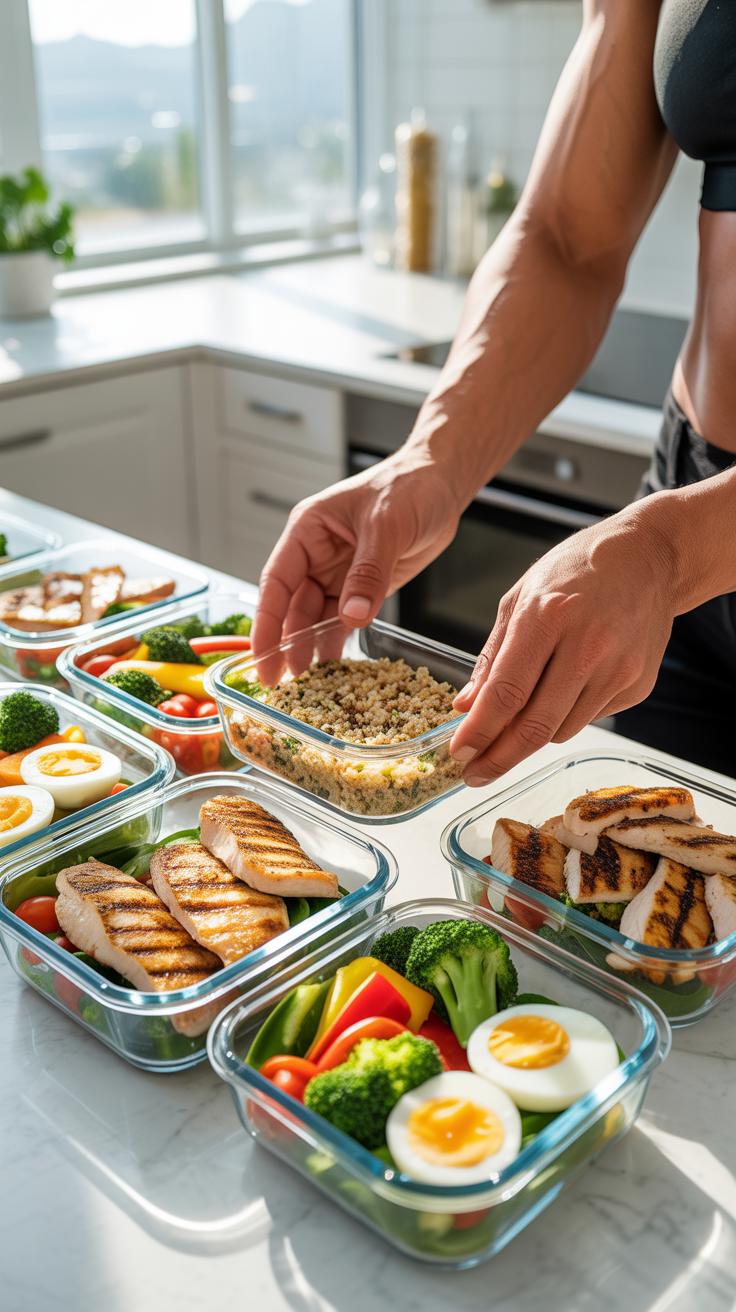
The Science Behind Protein And Muscle Protein Synthesis
Muscle growth requires a positive net protein balance. You achieve this through muscle protein synthesis. Resistance training breaks down muscle fibers. Your body uses dietary amino acids to repair and thicken these fibers. This process is the biological driver of hypertrophy. You must consume enough high-quality protein to provide the necessary building blocks for new tissue. Without these raw materials, your body cannot recover.
Timing and quantity dictate your results. You need a steady supply of amino acids throughout the day. Consuming twenty to forty grams of protein per meal maximizes the synthesis response. This trigger tells your body to build muscle instead of breaking it down. Spacing your protein intake prevents wasted opportunities for growth. Consistency ensures your blood amino acid levels remain high enough to support constant repair and metabolic efficiency.
How Meal Prepping Keeps You Consistent With Your Nutrition Goals
Success in muscle building depends on volume and repetition. Most people fail because they make impulsive food choices when hungry. Meal prepping removes decision fatigue from your daily routine. You control every gram of protein and calorie before the week starts. This system stops you from skipping meals or choosing low-quality convenience foods. Preparation turns your nutritional requirements into a pre-set schedule you simply follow.
Lowering the barrier to entry ensures long term adherence. When you have cooked chicken or beef ready in the fridge, you take the easiest path. This path aligns with your muscle gain goals. You stop guessing about your daily intake. Hitting your protein targets becomes an automated task rather than a daily struggle. Organized nutrition guarantees that your hard work in the gym actually results in visible physical changes.
Building Your Muscle Gain Meal Plan Calories Macros And Timing
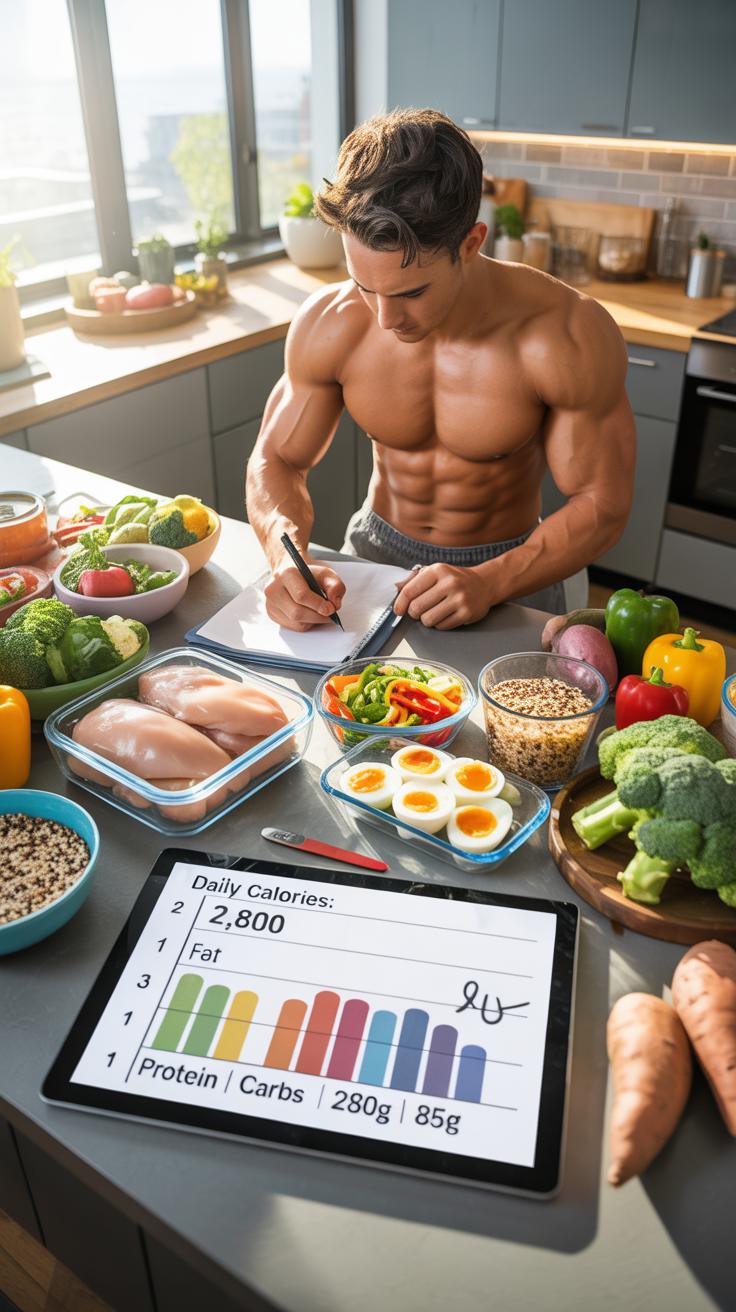
How To Calculate Your Daily Protein And Calorie Targets For Muscle Growth
Muscle growth requires a caloric surplus and sufficient amino acids. Start by finding your Total Daily Energy Expenditure. Multiply your body weight by fifteen to get a baseline for maintenance. Add two hundred to five hundred calories to this number to target lean mass gains. This surplus provides the energy needed to build new tissue without causing excessive fat storage during your bulk.
Set your protein target at point eight to one gram per pound of body weight. This range is the gold standard for hypertrophy in scientific literature. Fill the rest of your calories with fats and carbohydrates. Fats regulate hormones while carbohydrates fuel intense training sessions. Track these numbers daily to ensure you hit your targets. Adjust your intake if your weight stalls for over two weeks.
Understanding Meal Timing And Protein Distribution Throughout The Day
Total daily intake matters most but timing optimizes the process. You must divide your protein into equal doses throughout the day. Aim for three to five meals spaced three to four hours apart. This approach keeps muscle protein synthesis elevated. Eating all your protein in one sitting is less efficient for growth. Spacing your meals ensures your body has a constant supply of building blocks.
Eat a protein rich meal within two hours before or after your workout. This window supports muscle repair and glycogen replenishment. Pre workout meals provide energy for lifting heavy loads. Post workout meals stop muscle breakdown and start the recovery phase. Consistency with this schedule prevents muscle loss during long gaps between meals. Simple distribution makes your meal prep easier to manage and execute every single week.
The Best Muscle Food Sources That WonT Drain Your Wallet
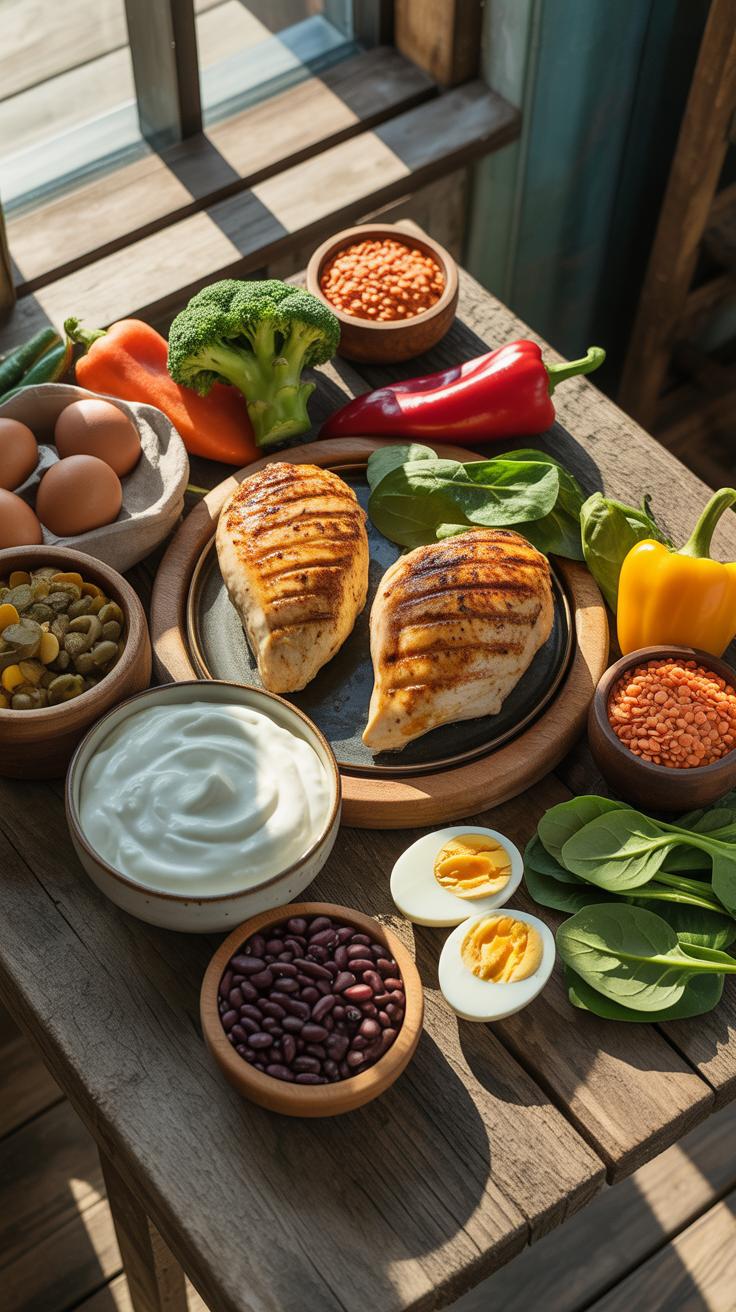
Top Budget Friendly Animal And Plant Proteins For Muscle Building
Effective muscle gain requires high bioavailability and a complete amino acid profile. Animal proteins generally offer superior leucine content for triggering muscle protein synthesis. You must prioritize items that provide the most nitrogen retention for every dollar spent. Focus on dense sources that minimize waste and require simple preparation. Bulk purchasing these staples ensures you always have the raw materials needed for growth.
- Whole Eggs: These contain the highest biological value of any natural food source. They provide healthy fats and essential micronutrients. Buying in large flats reduces the cost per egg significantly. Use them for quick scrambles or hard boil them for portable snacks.
- Chicken Thighs: Thighs generally cost less per pound than breasts and offer more flavor. The slightly higher fat content provides stable energy for heavy lifting sessions. Roast them in large batches to maintain moisture during the reheating process throughout the week.
- Canned Tuna: This is a pure protein source with almost zero fat or carbohydrates. It is shelf stable and requires no cooking. Limit consumption to three servings per week to manage mercury intake. Opt for light tuna in water to save money and calories.
- Dry Lentils: These are the cheapest plant protein available on the market. They contain high fiber which aids digestion and nutrient absorption. Unlike beans, lentils do not require soaking and cook in under twenty minutes. Combine them with rice to form a complete protein.
- Greek Yogurt: Large tubs offer a high concentration of casein protein for sustained amino acid release. Casein is ideal before sleep to prevent muscle breakdown. Look for plain versions to avoid expensive added sugars. Stir in your own fruit or oats to control the nutritional profile.
Plant proteins offer a cost advantage but often lack specific essential amino acids. You must combine different plant sources or supplement with animal products to ensure a complete profile. Legumes and grains are shelf stable and provide the caloric floor for your diet. These foods allow you to hit your daily protein targets without relying exclusively on expensive meat cuts. Balance is the key to long term financial and physical sustainability.
How To Compare Cost Per Gram Of Protein When Grocery Shopping
You must stop looking at price per pound and start looking at price per gram of protein. A cheap bag of potatoes costs very little but provides almost no muscle building blocks. To calculate the true value, multiply the grams of protein per serving by the total servings in the package. Divide the total price by this number to find the actual cost of the protein.
This data driven approach reveals that many processed health foods are actually overpriced scams. Protein bars and pre-mixed shakes often cost four times more than whole food sources. Large bags of dry beans and frozen poultry consistently win on value. Use a calculator on your phone while walking the aisles to make objective buying decisions. Stop guessing and start measuring your investments in muscle tissue.
Gym Food Essentials What To Eat Before And After Your Workouts
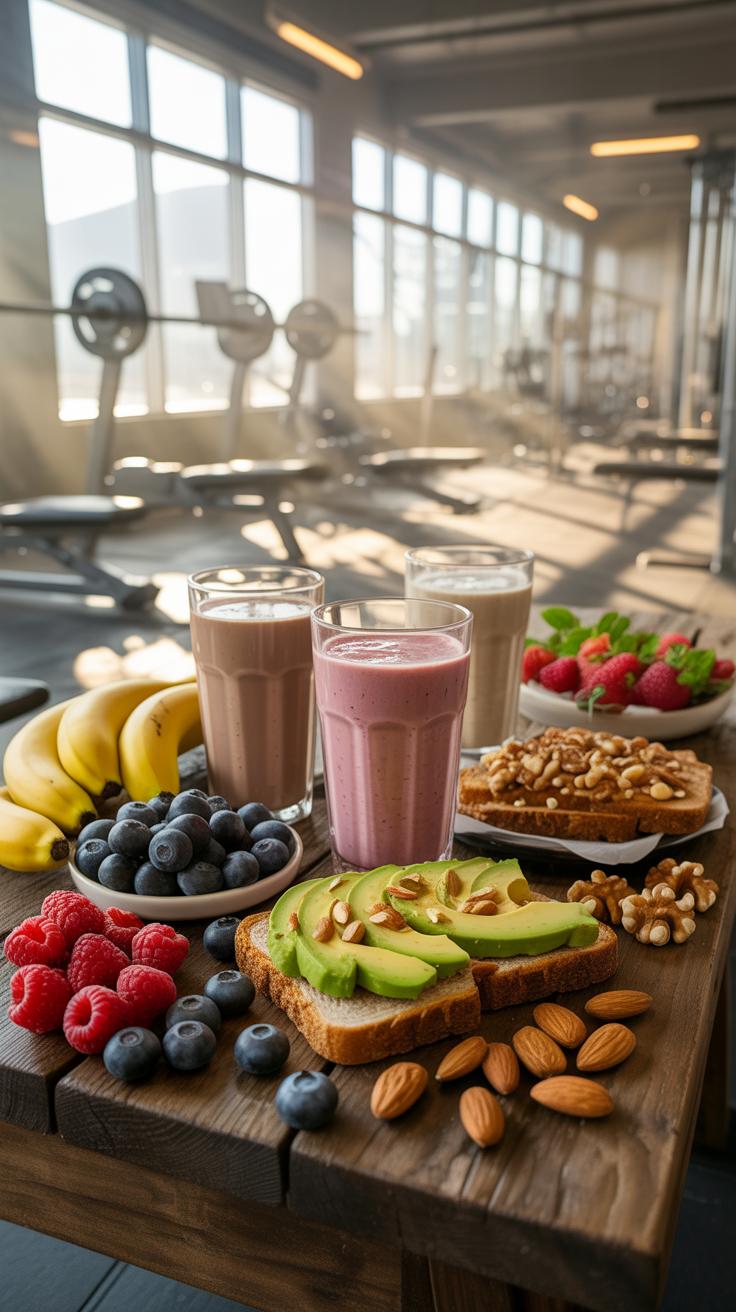
What To Eat Before Training To Fuel Performance And Protect Muscle
Pre-workout nutrition focuses on glycogen saturation and nitrogen balance. You need carbohydrates to fuel muscle contractions and skip fatigue. These sugars provide the raw energy required for high-intensity lifting. Consuming protein before the session ensures amino acids are already in your bloodstream. This presence prevents the body from breaking down existing muscle tissue for energy during the stress of a heavy lifting session.
Timing determines the effectiveness of your pre-workout meal prep. Eat a solid meal of complex carbs and lean protein ninety minutes before training. This allows for proper gastric emptying and steady blood sugar levels. If you have less than thirty minutes, choose fast-digesting simple sugars. Avoid high fiber or heavy fats before the gym. These nutrients slow down digestion and can cause stomach distress while you lift.
Post Workout Meals That Maximize Recovery And Muscle Repair
Post-workout nutrition prioritizes muscle protein synthesis and glycogen replenishment. Resistance training creates microscopic tears in muscle fibers. Your body requires a rapid influx of amino acids to repair this damage and build new tissue. Muscle gain happens during this recovery phase, not during the actual lift. Skipping this meal wastes the anabolic window and slows down your overall strength gains and physical progress.
Focus on fast-digesting protein sources like whey or lean chicken to hit the bloodstream quickly. Pair these with high-glycemic carbohydrates like white rice or potatoes. These carbs trigger an insulin spike, which shuttles nutrients into the depleted muscle cells more efficiently. Aim to eat within sixty minutes of finishing your workout. Consistent post-workout fueling reduces muscle soreness and prepares your body for the next high-intensity training session.
Healthy Meals To Gain Muscle Five High Protein Prep Recipes On A Budget
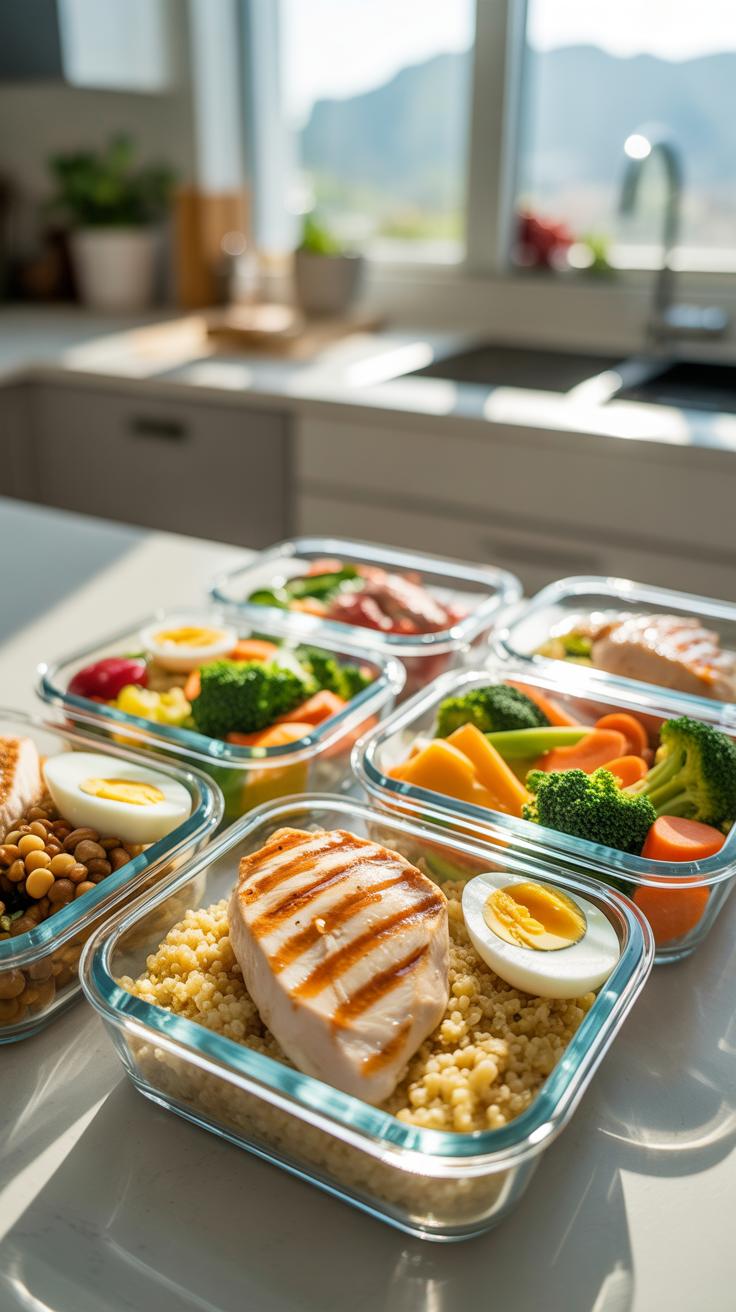
Simple High Protein Meal Prep Recipes Using Eggs, Rice And Legumes
Eggs and legumes provide the lowest cost per gram of protein available to athletes. Combine whole eggs with egg whites to increase volume without adding excessive fat. Black beans and lentils add fiber and essential amino acids. Use white or brown rice as a stable carbohydrate base for energy. These ingredients store well in the refrigerator for up to four days without losing texture or safety.
Hard boil a dozen eggs at the start of the week for rapid snacks. Scramble large batches with black beans and salsa for high-protein breakfast bowls. This strategy minimizes cooking time and reduces waste. Legumes act as a protein sparer by providing complex carbohydrates. This ensures your body uses the egg protein for muscle repair rather than energy. Consistent consumption of these staples drives steady muscle hypertrophy.
Batch Cooking Lean Meats And Whole Grains For The Entire Week
Purchase chicken breast or lean ground turkey in bulk to lower your price per pound. Season three pounds of meat at once and roast or pan-sear until the internal temperature reaches 165 degrees Fahrenheit. Slicing the meat after cooling prevents moisture loss during storage. Pair these proteins with quinoa or farro. These grains offer more protein than standard white rice. Use airtight containers to maintain freshness.
Preparation efficiency requires cooking all grains in a large pot simultaneously. Divide your cooked meats and grains into five equal portions to ensure consistent caloric intake. Use simple spices like garlic powder, salt, and black pepper to avoid inflammatory additives found in pre-made sauces. Measuring your portions prevents overeating and ensures you hit your daily protein targets. Proper refrigeration stops bacterial growth and preserves the nutritional profile of your meals.
Meals For Gaining Muscle For Women Tailoring Your Prep To Female Physiology

How Womens Protein And Calorie Needs Differ When Building Muscle
Women generally require fewer total calories than men due to lower average body mass and different metabolic rates. However, protein density remains critical for muscle protein synthesis. Women often oxidize more fat and less glycogen during exercise. This means your meal prep should focus on high protein quality rather than just high volume. Aim for twenty to thirty grams of protein per meal to trigger muscle growth effectively.
Hormonal fluctuations throughout the month impact how your body uses nutrients. During the luteal phase, your metabolic rate increases and your body breaks down more protein. You must increase your protein intake during this time to prevent muscle loss. Focus on lean sources like chicken breast or white fish to keep calories low while meeting these higher protein demands. Budget your macros to prioritize protein over excess fats or sugars.
Building strength is a labor of love that begins in a humble kitchen with simple ingredients and a plan. With a little foresight, you can nourish your body and your dreams without spending a fortune.
Hormone Friendly Whole Foods That Support Lean Muscle Growth In Women
Female muscle growth depends on hormonal balance, particularly estrogen and progesterone. Foods rich in micronutrients support these hormones while providing the amino acids needed for repair. Iron and calcium are vital because women face higher risks of deficiency. Include dark leafy greens and lean red meat in your prep. These foods provide the iron necessary for oxygen transport to muscles during heavy lifting sessions.
Healthy fats are mandatory for female hormone production but require careful tracking to stay on budget. Opt for eggs and sardines as cost-effective sources of omega three fatty acids. These fats reduce inflammation and help your body recover from intense training. Avoid processed seed oils that can disrupt hormone signaling. Focus your prep on whole tubers and cruciferous vegetables to provide stable energy without causing sharp insulin spikes.
Bodybuilding Meals Made Simple Structuring A Full Week Of Prep

How To Plan And Organize A Seven Day Bodybuilding Meal Prep Schedule
Successful muscle gain requires a strict logistics plan. Effective prep begins with a two-day split strategy to maintain food quality. Cook your primary protein sources on Sunday and Wednesday. This prevent meat from spoiling or becoming unpalatable by the end of the week. Calculate your total weekly protein needs based on target body weight before buying any groceries.
Organize your kitchen into stations for cleaning, cutting, and cooking. Use a tiered cooking approach to save time. Start with long-duration grains like brown rice or quinoa. While grains simmer, roast large trays of chicken or lean beef in the oven. Fast-cooking vegetables should be the final step. This parallel processing cuts total time in half and ensures consistent nutrient density.
Smart Storage, Portioning And Reheating Tips To Keep Meals Fresh And Safe
Food safety determines the success of your muscle-building diet. Bacteria grow rapidly between forty and one hundred forty degrees Fahrenheit. You must cool bulk cooked proteins quickly before sealing them in containers. Use shallow dishes to speed up the cooling process. Proper portioning ensures you hit your daily macro targets without overeating or wasting expensive protein sources.
- Airtight Glass Containers: Glass provides a superior seal compared to cheap plastic. It prevents oxygen from degrading protein quality and keeps flavors intact throughout the week. Glass is also safe for microwave use and will not leach chemicals into your food.
- Vacuum Sealing Techniques: Removing air from storage bags extends the life of cooked proteins by several days. This method prevents freezer burn if you prep more than a week in advance. It keeps moisture trapped inside the meat so it stays tender after reheating.
- The Three-Day Rule: Keep only three days of meals in the refrigerator at once. Move the remaining portions to the freezer immediately after they cool. This prevents spoilage and ensures the meat maintains a safe texture and smell for the entire seven-day training cycle.
- Low Power Reheating: High heat toughens protein fibers and dries out lean meats like chicken breast. Reheat your meals at fifty percent power to distribute heat evenly. This preserves the texture of the meat and makes high-volume eating much more manageable over time.
- Moisture Management Methods: Add a small amount of water or damp paper towel to the container before reheating. This creates steam that rehydrates grains and keeps lean proteins from becoming rubbery. It is a vital step for maintaining the palatability of bulk-prepped bodybuilding meals.
Label every container with the date and specific macronutrient content. Use a digital scale for every meal to eliminate guesswork. Consistency in portioning leads to predictable muscle growth. Store heavier meals at eye level in the fridge to ensure you grab them first. This disciplined approach to storage removes the friction from following a strict muscle-building nutrition plan.
Food To Bulk Up Muscle Hitting A Caloric Surplus Without Overspending
What A Clean Caloric Surplus Looks Like For Lean Bulking
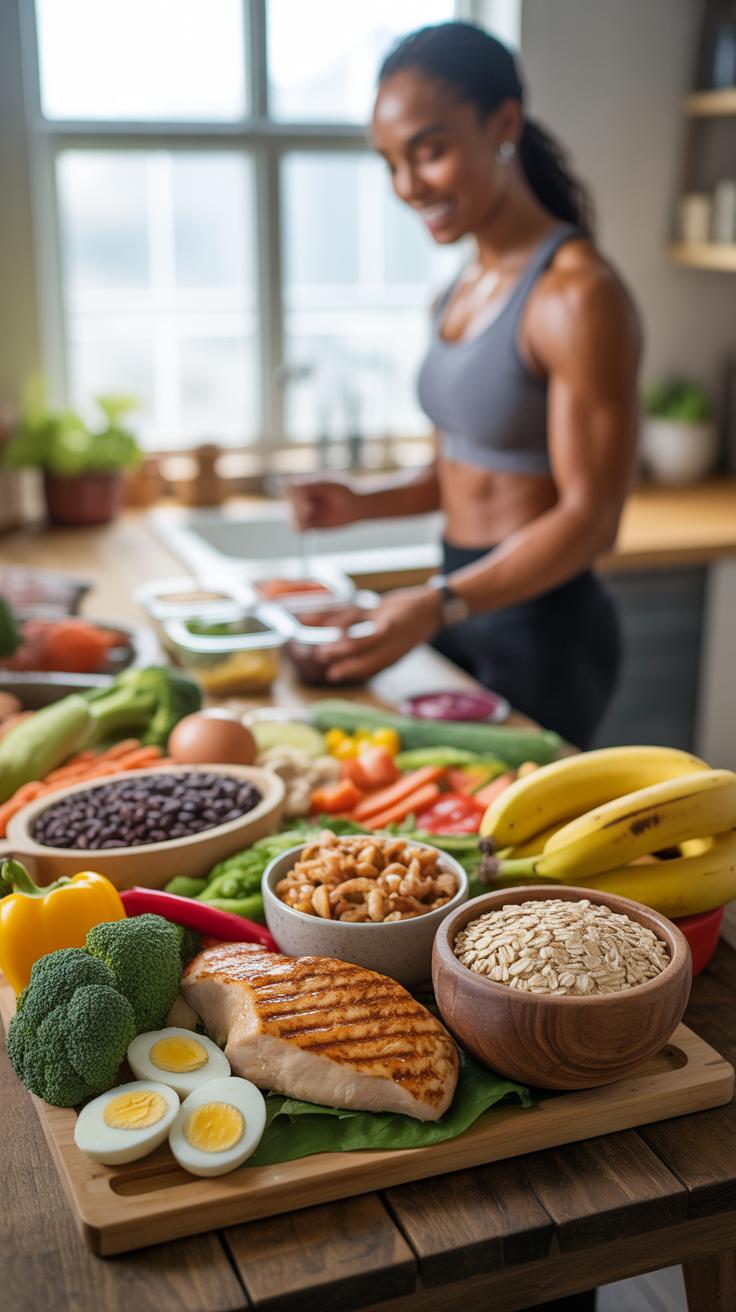
A clean caloric surplus requires eating more calories than your body burns while maintaining high food quality. Aim for 250 to 500 calories above your maintenance level. This range supports muscle growth without adding unnecessary body fat. You must track your macronutrients to ensure these calories come from protein and complex carbohydrates. Consistency in your daily intake prevents metabolic stalls.
Focus on whole foods rather than processed weight gainers to save money. Lean bulking relies on predictable nutrient timing and volume. High protein intake remains the priority for muscle repair during this phase. You should adjust your intake based on weekly scale weight and mirror progress. Small caloric increases allow your body to adapt without causing digestive distress or rapid fat storage.
Affordable High Calorie, High Protein Add Ons Like Oats, Nut Butter And Bananas
Standard staples like oats and bananas provide the cheapest path to a caloric surplus. Oats serve as a dense source of complex carbohydrates and fiber. They keep energy levels stable for heavy lifting sessions. Bananas offer fast acting sugars for post workout recovery at a very low price. These items mix easily into protein shakes to increase total calories quickly.
Natural nut butters offer high caloric density through healthy fats and moderate protein. One tablespoon adds nearly one hundred calories to any meal. Use peanut butter as your primary fat source because it costs significantly less than almond or cashew alternatives. Adding these fats slows digestion and provides sustained energy. This strategy ensures you hit your daily growth targets without buying expensive specialized supplements.
Bulking Diet On A Budget Meal Prep Plans That Scale With Your Goals
How To Adjust Your Meal Prep Plan As You Progress Through A Bulk Phase
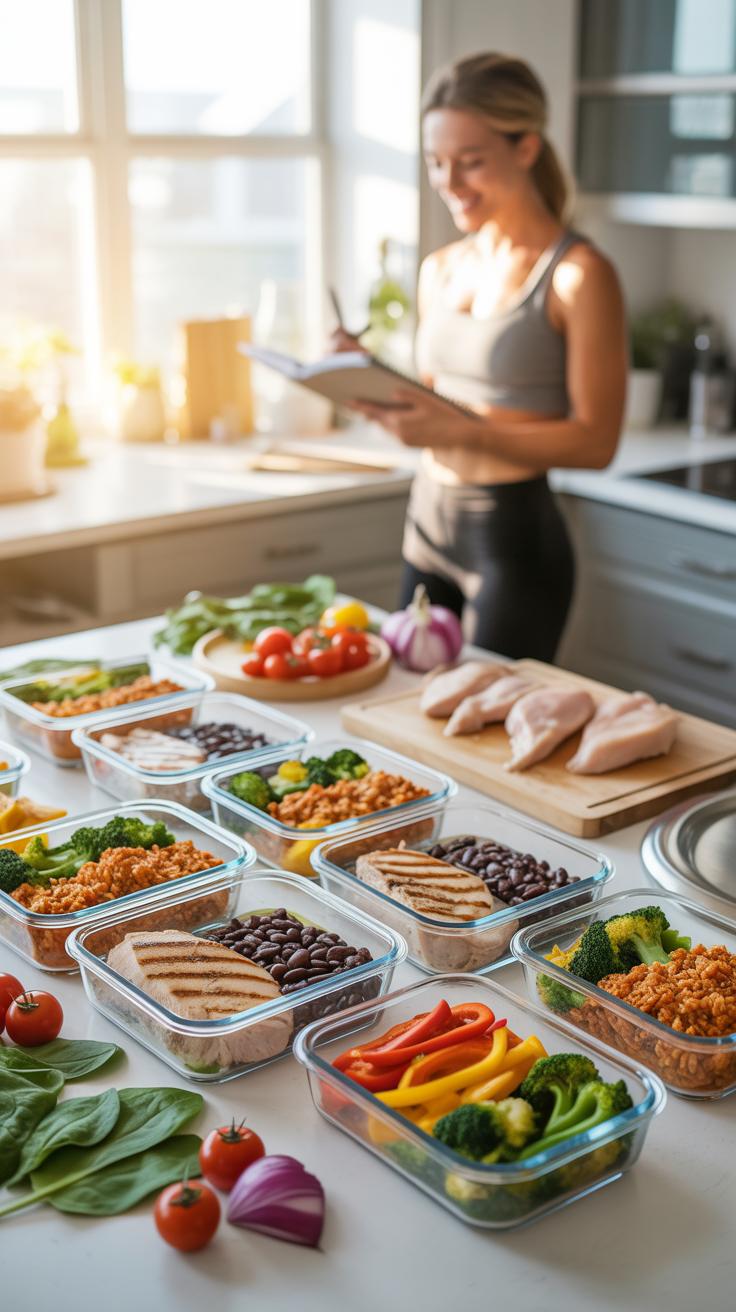
Your calorie needs increase as you gain body mass. Start with a baseline meal plan. Track your weight weekly. If the scale does not move, increase your daily intake by 250 calories. Do this by adding more carbohydrates to your prepped containers. Use white rice or pasta. These sources are cheap and easy to digest. Keep your protein intake high and steady throughout.
Adjust your fat sources when you hit a calorie plateau. Fats are calorie dense. Add olive oil or peanut butter to your meals. These additions increase calories without significantly increasing the volume of food. This method prevents the feeling of being too full to eat. Swap lean meat for chicken thighs as you advance. This switch adds fat and calories without increasing your grocery budget.
Buying In Bulk, Seasonal Eating And Freezer Strategies To Cut Grocery Costs
Buy your protein in large quantities. Compare the price per pound at warehouse stores. Buy twenty-pound bags of rice and large packs of chicken breast. This reduces the unit cost of every meal you prep. Look for sales on meat nearing its sell-by date. Buy these items immediately and put them in your freezer. This tactic secures high-quality protein at the lowest possible market price.
Eat vegetables that are currently in season. They cost less and taste better. Use frozen vegetables for consistent pricing all year. Frozen produce has the same nutrients as fresh options. Prep large batches of stews or chili and freeze them in individual portions. This saves time and stops you from buying expensive takeout meals. Using your freezer properly eliminates food waste and keeps your bulk on schedule.
Common Protein Meal Prep Mistakes That Slow Muscle Gain And How To Fix Them

Why Under Eating Protein Or Total Calories Stalls Muscle Growth
Muscle protein synthesis requires a positive nitrogen balance and adequate energy. If you prep meals with too little protein, your body lacks the essential amino acids needed to repair tissue. You must hit at least zero point eight grams of protein per pound of body weight. Failing to meet this target means your training sessions go to waste. Your muscles will not grow without fuel.
Many people focus only on protein and ignore total calories. Muscle gain is an energy expensive process. If you stay in a caloric deficit, your body will burn stored tissue for energy instead of building new muscle. You must calculate your maintenance calories and add a surplus. Verify your portion sizes during meal prep with a digital scale to ensure you meet these caloric requirements every day.
How Poor Meal Variety And Food Fatigue Derail Long Term Consistency
Eating the exact same chicken and rice meal every day leads to burnout. This fatigue causes most people to abandon their meal plan for fast food. When consistency breaks, muscle growth stops. You need a rotating menu to stay on track over several months. Variety ensures you get different micronutrients that support hormone production. Healthy hormones are necessary for building lean muscle mass efficiently.
Fix this by prepping two different protein sources and two different carbohydrate bases each week. Switch your seasonings and sauces to change the flavor profile without adding excessive sugar. If you enjoy your food, you will stick to the plan. Long term adherence is the only way to see significant physical changes. Use frozen vegetables and different spices to keep your budget low while maintaining high food quality.
Frequently Asked Questions

How do I start protein meal prep for muscle gain if I am a beginner?
Starting your journey is simpler than it seems. Begin by choosing two versatile protein sources, such as chicken breast or eggs, and pairing them with a complex carb like brown rice. Consistency is the secret to seeing results. By focusing on protein meal prep for muscle gain early on, you eliminate the guesswork from your diet, ensuring you meet your daily macronutrient targets without the stress of daily cooking.
What is the most efficient way to cook bulky protein portions for the week?
Efficiency is key to maintaining a busy lifestyle while body-building. Utilizing a slow cooker or large sheet pans allows you to cook massive quantities of meat or plant-based proteins simultaneously. Seasoning your batches differently prevents “palate fatigue” throughout the week. Mastering the logistics of protein meal prep for muscle gain ensures you always have a high-quality, anabolic fuel source ready in your refrigerator, saving you hours of cleanup and preparation.
Which high-protein foods are the most budget-friendly for building muscle?
Optimizing your physique doesn’t require expensive supplements or premium cuts of meat. Focus your shopping list on high-value staples like canned tuna, dried lentils, Greek yogurt, and bulk-buy eggs. Purchasing generic brands of oats and frozen vegetables can also significantly lower your weekly costs. These affordable building blocks provide all the essential amino acids needed for recovery and growth without putting an unnecessary strain on your monthly grocery budget.