
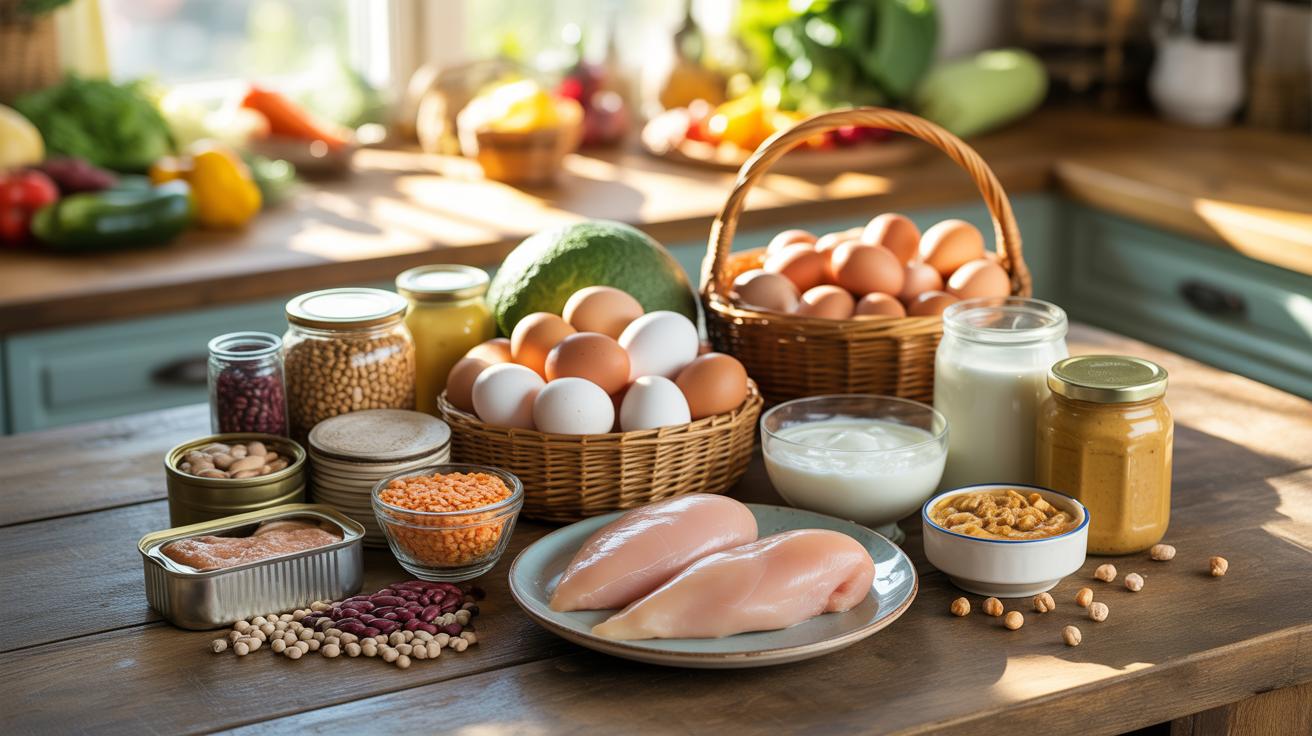
What Makes A Food Both Protein Dense And Budget Friendly
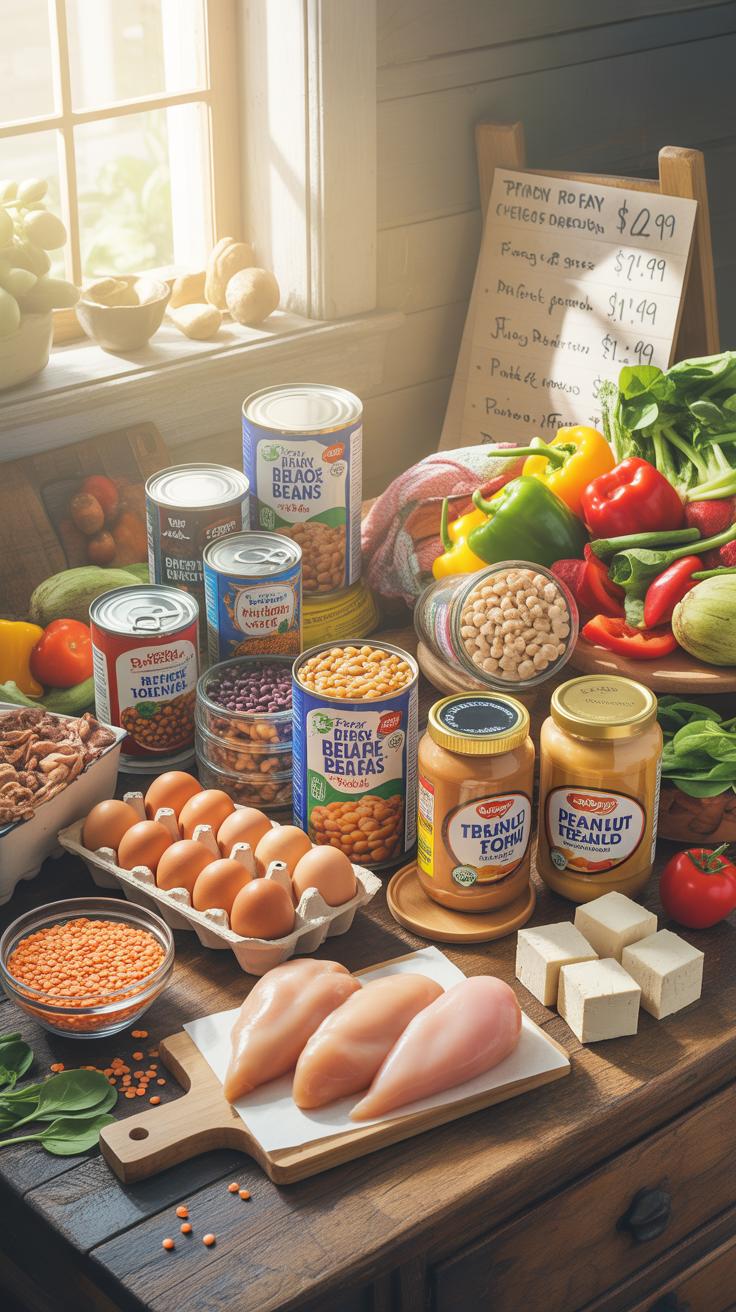
Understanding Protein Density: How Much Protein You Actually Get Per Dollar Spent
Protein density measures the ratio of protein grams to total calories and cost. You must track the cost per gram of protein rather than price per pound. Bulk items like dried lentils and eggs often provide the most protein for every dollar. Most people waste money by buying prepared meats. Smart shoppers focus on raw ingredients that stay stable on shelves or in the freezer.
Efficiency is the goal when selecting your staples. You want the highest amino acid count for the lowest financial input. This math reveals that plant proteins and certain dairy products outperform many expensive cuts of beef. Large containers of Greek yogurt or bags of black beans represent high efficiency. Stop looking at the total price tag. Measure the cost of the actual protein inside the package.
The Nutritional Sweet Spot: Why Protein Dense Foods That Cost Less Aren’T Lower Quality
Low cost does not mean low quality in nutrition. Many cheap protein sources like eggs and canned tuna offer complete amino acid profiles. These foods provide the same muscle building blocks as expensive organic steaks. Industrial processing often adds costs without adding nutrients. Simple whole foods remain the gold standard for fitness. You pay for packaging and marketing when you buy branded protein snacks.
History shows that working populations thrived on basic proteins like legumes and small oily fish. These foods are rich in minerals and vitamins. They contain no fillers or hidden sugars. Choosing frozen chicken breast over fresh cuts saves money without losing protein integrity. Flash freezing locks in nutrients at the peak of freshness. You get the same biological value for a fraction of the retail price.
Eggs And Dairy The Most Accessible Cheap Protein Sources In Any Grocery Store
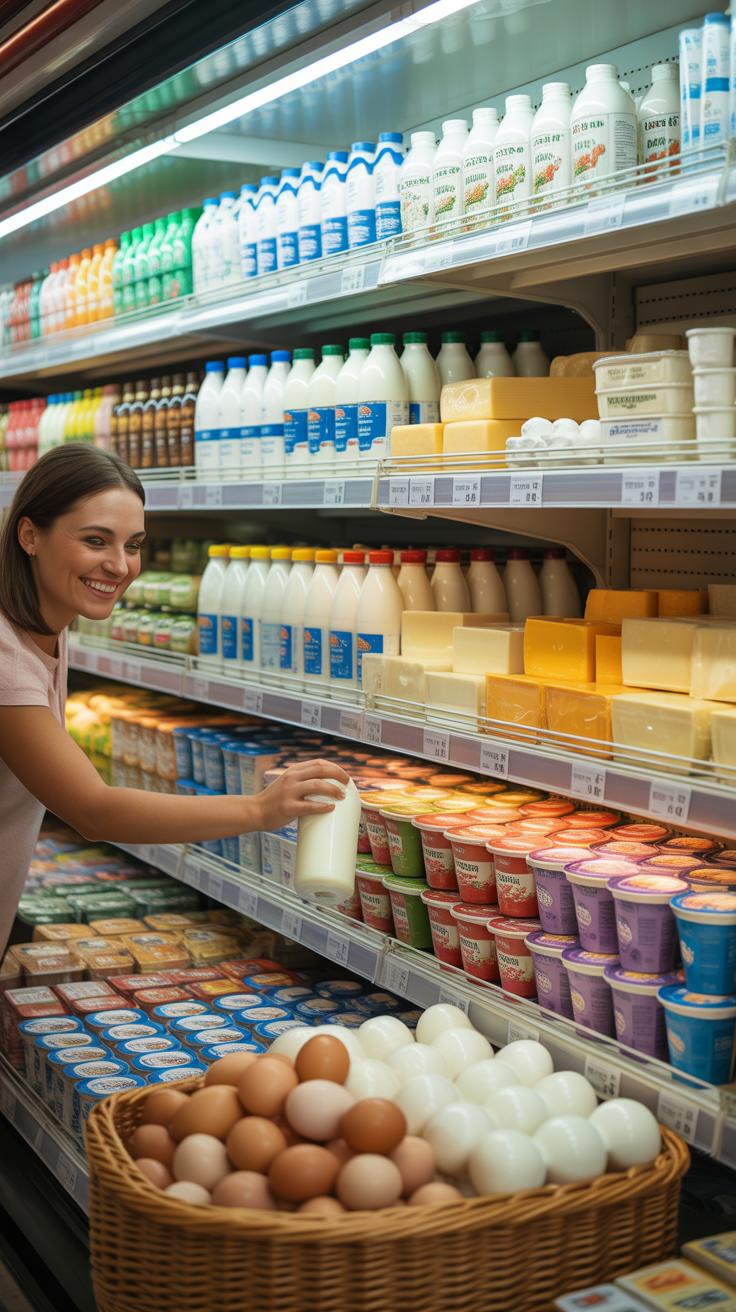
Whole Eggs: A Complete Protein Source With All Nine Essential Amino Acids At Minimal Cost
Whole eggs remain the gold standard for budget nutrition. One large egg provides about six grams of high quality protein. It contains all nine essential amino acids that your body cannot produce on its own. This makes it a complete protein source. You get these nutrients at a lower price per gram than most meats. Eggs also provide healthy fats and essential vitamins.
Buying eggs in bulk reduces the cost per serving significantly. A carton of twelve or eighteen eggs provides several days of protein for a few dollars. Hard boiling eggs allows for quick snacks during the work week. You can also scramble them or add them to rice bowls. The versatility and low price make eggs a mandatory staple for any high protein diet on a budget.
Cottage Cheese And Greek Yogurt: Affordable Dairy Options Loaded With Casein And Whey Protein
Cottage cheese and Greek yogurt offer concentrated dairy protein at a low cost. Cottage cheese is rich in casein protein. This type of protein digests slowly and keeps you full for a long time. Greek yogurt contains both whey and casein. It often has double the protein of regular yogurt because processors strain out the liquid whey. These options serve as excellent meat alternatives for daily meals.
Maximize your savings by purchasing large tubs instead of single serving cups. Store brands usually offer the same protein content as name brands for a fraction of the price. You can eat these dairy products plain or mix them into recipes to increase total protein. They require no cooking and provide a massive hit of amino acids. These items are fundamental for hitting daily protein targets without spending much money.
Legumes And Lentils The Cheapest Protein Sources You Should Never Overlook
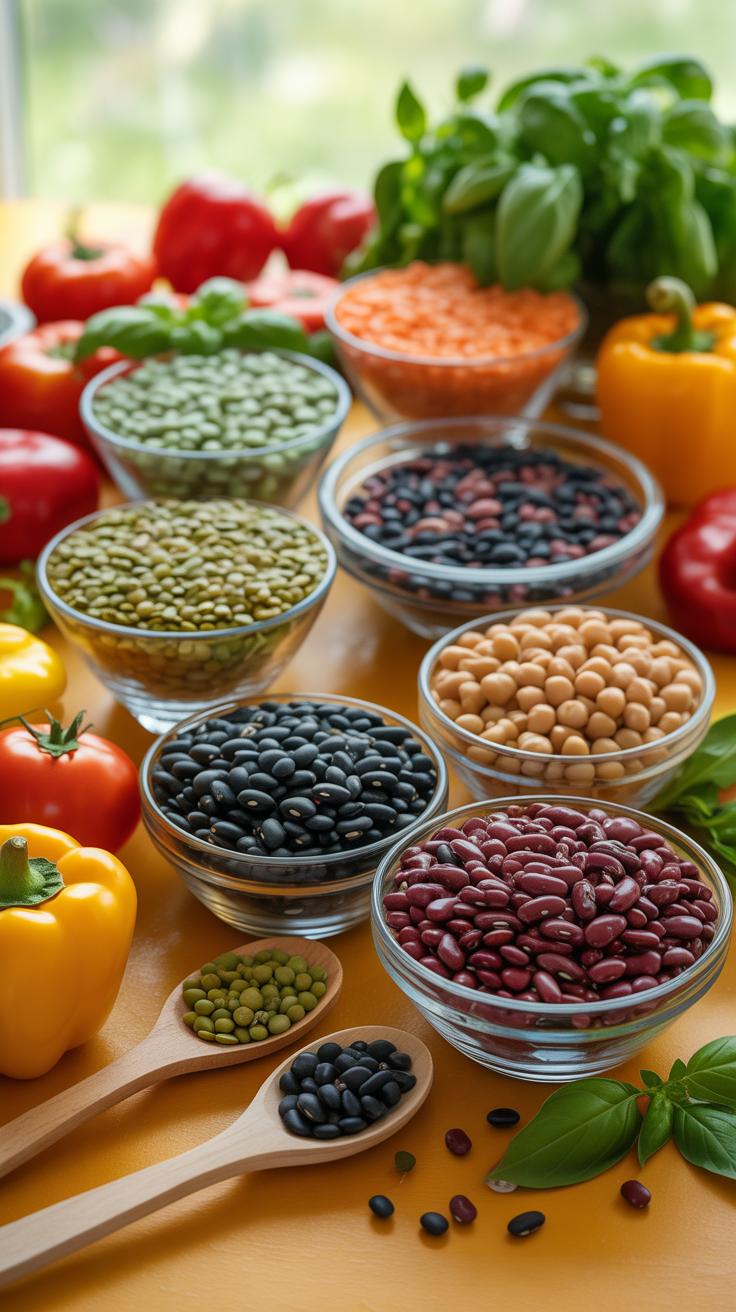
Canned And Dried Lentils: One Of The Most Cost Effective Plant Based Protein Sources Available
Lentils offer the lowest cost per gram of protein in the grocery store. They contain eighteen grams of protein per cooked cup. You do not need to soak them before cooking. This saves time and energy compared to other dried beans. Red lentils cook in fifteen minutes. Green and brown varieties take thirty minutes. Buy them in bulk to maximize your savings.
Dried lentils last for years in a cool pantry. They do not lose nutritional value over time. Use them as a base for stews or a meat substitute in sauces. Canned versions cost more but offer immediate convenience. Rinse canned lentils to reduce sodium intake. This ingredient fills you up for pennies per serving. It provides essential fiber and iron for your daily diet.
Black Beans, Chickpeas, And Kidney Beans: Versatile Cheap Protein Sources For Everyday Cooking
Black beans and chickpeas provide roughly fifteen grams of protein per cup. They represent a global staple for budget nutrition. These legumes work in salads, soups, or mashed into patties. Pre-soaking dried beans reduces cooking time and improves texture. Use a pressure cooker to prepare large batches quickly. Store cooked portions in the freezer for easy meal prep during busy weeks.
Kidney beans contain high levels of plant protein and complex carbohydrates. They offer a dense texture that mimics meat in chili or stews. Always boil dried kidney beans thoroughly to remove natural toxins. Canned beans are pre-cooked and safe to eat immediately. Prices remain stable throughout the year regardless of season. These beans are tactical essentials for any high protein diet on a strict budget.
Canned Fish And Affordable Meats Protein Rich Foods That Stretch Your Weekly Budget
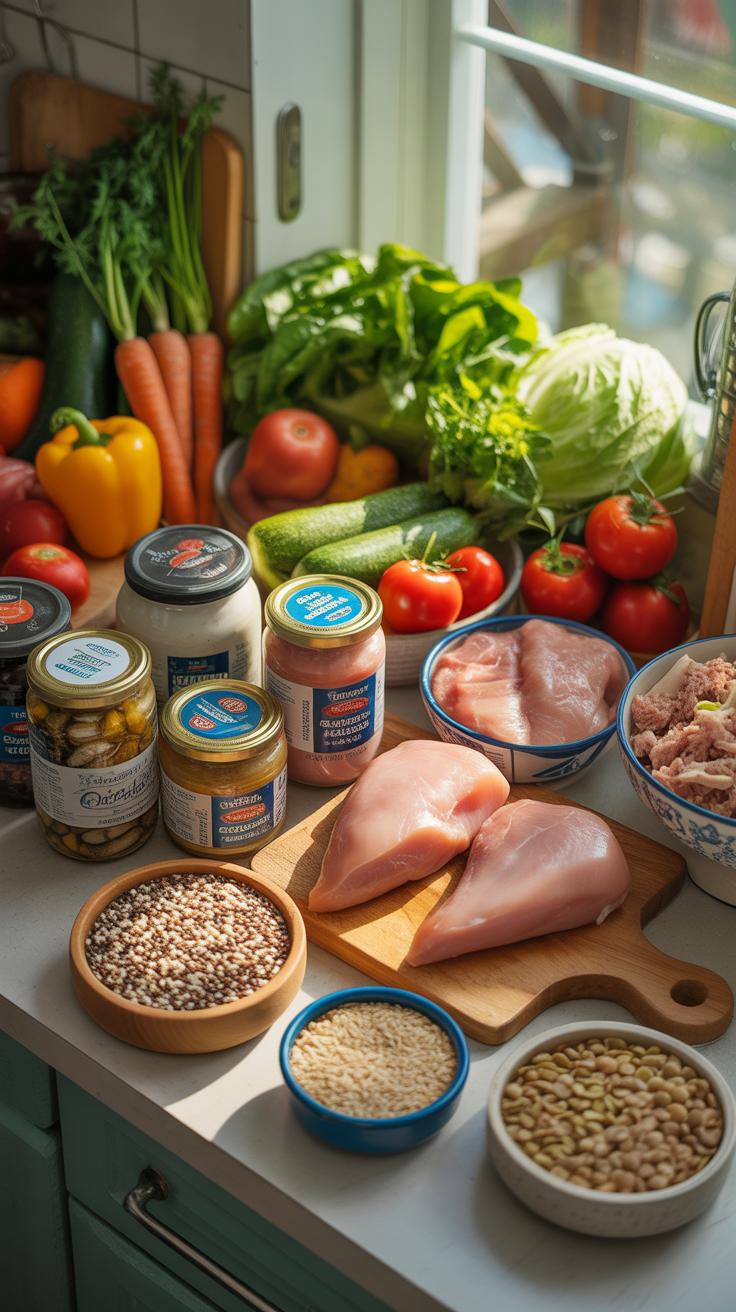
Canned Tuna And Sardines: High Protein, Long Shelf Life, And Remarkably Low Cost Per Serving
Canned tuna serves as a primary protein source for budget conscious athletes and families. It provides nearly pure protein with minimal fat or carbohydrates. One standard can contains approximately 25 to 30 grams of protein. This shelf stable option requires no cooking and lasts for years. Purchasing tuna in bulk reduces the cost per serving significantly. It remains one of the fastest ways to hit daily targets.
Sardines offer similar protein density with added nutritional benefits like omega-3 fatty acids and calcium. Because sardines are lower on the food chain, they contain fewer heavy metals than larger fish. Brands often sell these in small tins that are easy to transport. They provide a portable solution for high protein needs. Use them in salads or on toast to maximize food volume without increasing expenses.
Building a strong body starts with the simple pantry staples of a humble kitchen, like beans and eggs that nourish both your muscles and your memories. There is a deep, quiet comfort in knowing that the most affordable foods are often the very ones that sustain our greatest strength.
Chicken Thighs And Ground Turkey: Cheaper Cuts Of Meat That Deliver Serious Protein Per Pound
Chicken thighs cost less than chicken breasts because consumers often prefer lean white meat. However, thighs provide more flavor and stay moist during high heat cooking. Bone in and skin on varieties offer the lowest price per pound. Removing the skin manually takes minutes and reduces fat content. This cut provides high quality animal protein. It handles slow cooking and meal prep better than leaner alternatives.
Ground turkey is a versatile substitute for expensive beef. It typically sells at a lower price point while maintaining a high protein to calorie ratio. Lean versions provide the best value for muscle building goals. Use ground turkey in chili, tacos, or burgers to stretch your grocery budget. It freezes well and thaws quickly for fast weeknight meals. This meat remains a staple for tactical nutrition planning.
Whole Grains And Seeds Underrated Cheap Protein Meals Foundations Worth Stocking Weekly

Quinoa And Oats: Grain Based Protein Sources That Complement Any High Protein Eating Plan
Quinoa provides a rare plant benefit as a complete protein. It contains all nine essential amino acids your body needs. Most grains lack certain aminos, but quinoa matches the profile found in meat. Buying this grain in bulk reduces the cost per serving significantly. Use it as a base for bowls or a substitute for rice to increase total protein density.
Oats offer a high protein count for a very low price. One cup of cooked oats delivers about six grams of protein. They also contain beta-glucan fiber which helps with digestion and satiety. This makes them a strategic choice for weight management and muscle maintenance. Store large containers of old fashioned oats to keep your weekly grocery bill low while hitting protein targets.
Hemp Seeds And Sunflower Seeds: Small But Mighty Affordable Additions To Boost Daily Protein Intake
Hemp seeds deliver high protein levels in small volumes. Three tablespoons provide about ten grams of protein. They contain healthy fats that support heart health and reduce inflammation. Add them to smoothies, yogurt, or salads to increase protein without adding volume. This makes them an efficient tool for hitting high macros when you have a limited appetite or a busy schedule.
Sunflower seeds are one of the most cost effective seeds on the market. They provide about six grams of protein per quarter cup. These seeds also offer vitamin E and magnesium for better muscle recovery. Buy them raw and unsalted to avoid unnecessary sodium and processed oils. Roasting them at home preserves nutrients and provides a versatile topping for various cheap high protein meals.
Smart Shopping Habits For Staying High Protein On A Budget All Year Round
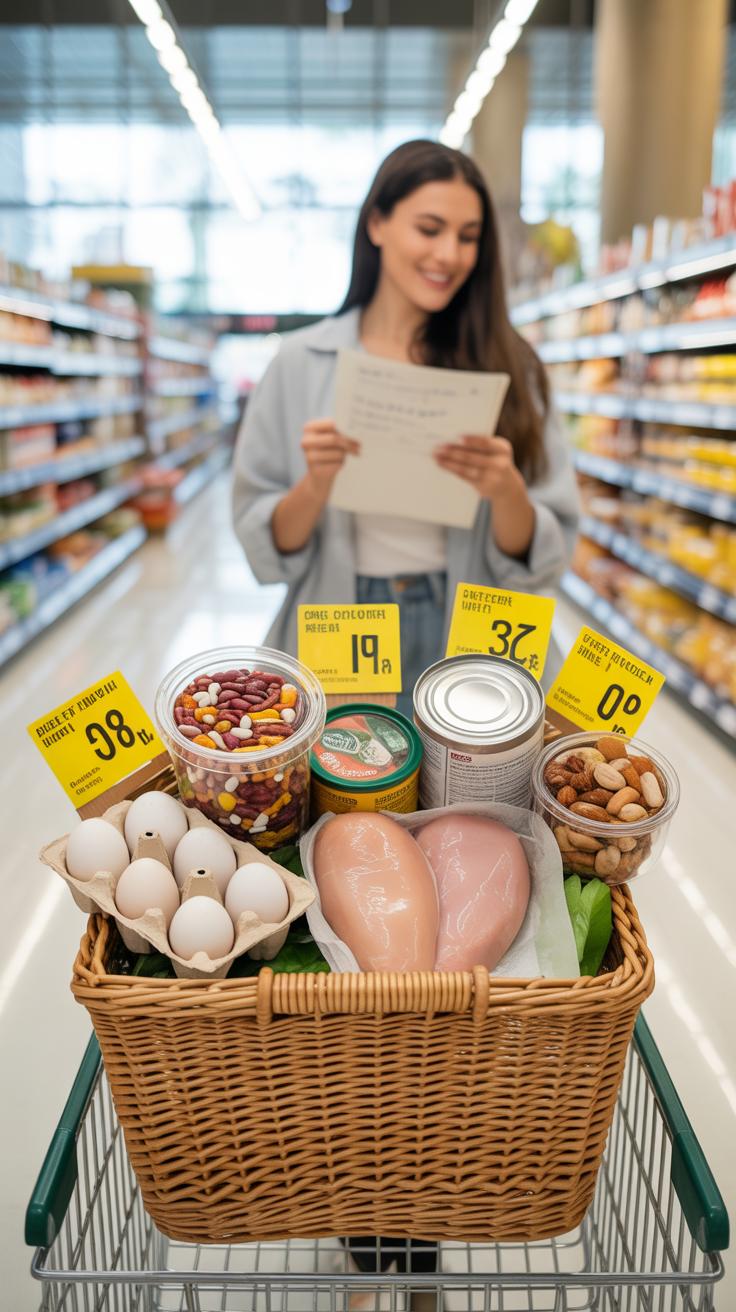
How To Compare Unit Prices And Identify The Best Value Protein Sources At The Supermarket
Supermarkets often display a large price to grab your attention. This number is usually the total cost for the package. Ignore it. Instead, look at the bottom corner of the price tag for the unit price. This metric breaks down the cost by ounce or pound. It is the only way to compare two different brands or sizes of the same protein source.
Evaluating protein value requires looking at the actual weight of the meat or beans. Water weight and packaging can distort the total price you see. For example, a large bag of frozen chicken breasts might have a lower cost per pound than a small tray of fresh cutlets. Always select the item with the lowest cost per ounce to maximize your protein intake per dollar spent.
Buying In Bulk And Choosing Store Brands: Practical Strategies To Cut Costs Without Cutting Protein
Big box retailers and warehouse clubs offer heavy discounts when you buy in high volumes. Store brands or private labels provide the exact same nutritional profile as name brands for much less money. Most store brand eggs, milk, and canned tuna come from the same processing plants as expensive versions. You save money by not paying for the marketing and flashy labels of national brands.
- Bulk Dry Lentils: These are the cheapest source of high protein on the shelf. Buying large bags saves significant money compared to small cans. They stay fresh for years in an airtight container and provide massive amounts of fiber and plant protein.
- Store Brand Greek Yogurt: Private labels usually offer identical protein counts and live cultures as premium brands. Check the label to ensure no extra sugar is added. This swap often saves forty percent per container while maintaining your daily muscle building goals.
- Wholesale Frozen Chicken: Buying five to ten pound bags of frozen poultry reduces the cost per serving. Individual freezing prevents spoilage and allows you to cook only what you need. This eliminates waste and ensures you always have a lean protein base available at home.
- Generic Canned Fish: Store brand tuna and sardines offer high quality omega three fatty acids and protein. The nutritional value is identical to expensive brands found in the same aisle. Stocking up during sales allows you to lock in low prices for shelf stable protein options.
- Large Egg Cartons: Buying eggs in flats of thirty or more lowers the price per individual egg. Eggs are a gold standard protein source with a long shelf life when refrigerated. The bulk price makes it your most cost effective option for complete protein every morning.
Inventory management is the final step to saving money. Keep your pantry organized so high protein staples do not expire and go to waste. Use a first in first out system to rotate your stock. Buying in bulk only works if you actually consume the food you purchase. Track your weekly consumption to avoid overbuying and ensure your protein budget remains steady and predictable.
High Protein Meal Prep Strategies That Save Both Time And Money Each Week
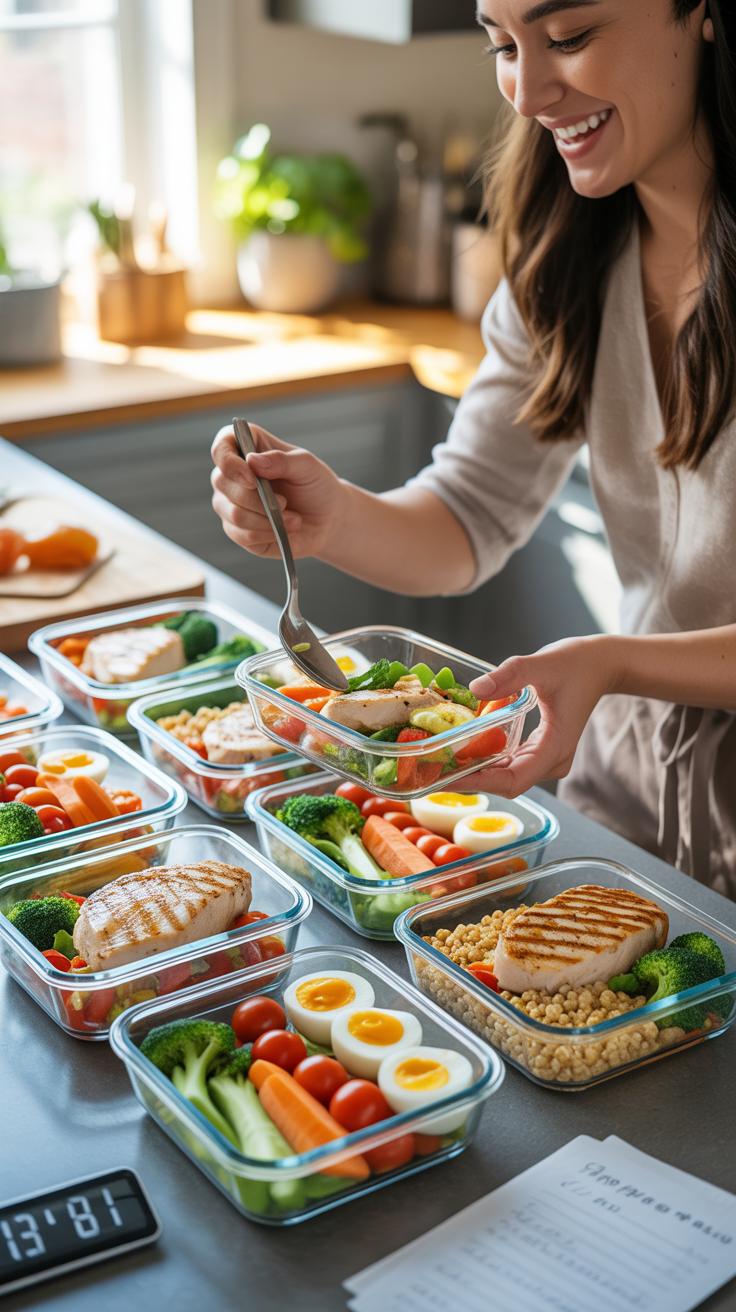
Batch Cooking Proteins In Advance: How One Hour Of Prep Powers Five Days Of Healthy Eating
Efficiency requires centralizing your heat source. Use one hour on Sunday to cook large quantities of chicken thighs, ground beef, or lentils. Roasting meat on large sheet pans or using a slow cooker reduces active labor. This method ensures you reach your daily protein targets without cooking every night. Consolidating the cooking process also lowers your utility bills over time.
Strategic seasoning allows for dietary variety throughout the week. Keep your base proteins simple with salt and pepper during the batch phase. You can add specific sauces or spices right before you eat. This prevents flavor fatigue and stops you from ordering expensive takeout. Prepared proteins act as building blocks for salads, bowls, or wraps. Mastery of this cycle eliminates the stress of daily meal choices.
Portioning And Storing Prepped Proteins Correctly To Maximize Freshness And Minimize Food Waste
Oxygen and heat destroy food quality. Use airtight glass or BPA-free plastic containers to seal out air. Store your prepped proteins in the coldest part of the refrigerator, usually the back of the middle shelf. Most cooked meats stay safe and tasty for three to four days. If you prep for a full week, freeze half the batch immediately. Label every container with a date.
Manage your inventory to stop throwing money away. Use the first-in, first-out method to rotate your stock. Smaller containers work better than one large vat because they cool down faster. Rapid cooling prevents bacteria growth and keeps the texture firm. Dividing protein into exact serving sizes also prevents overeating. You save money by consuming exactly what you need for your fitness goals and nothing more.
Easy High Protein Meals You Can Build From Cheap Weekly Staples In Under 30 Minutes
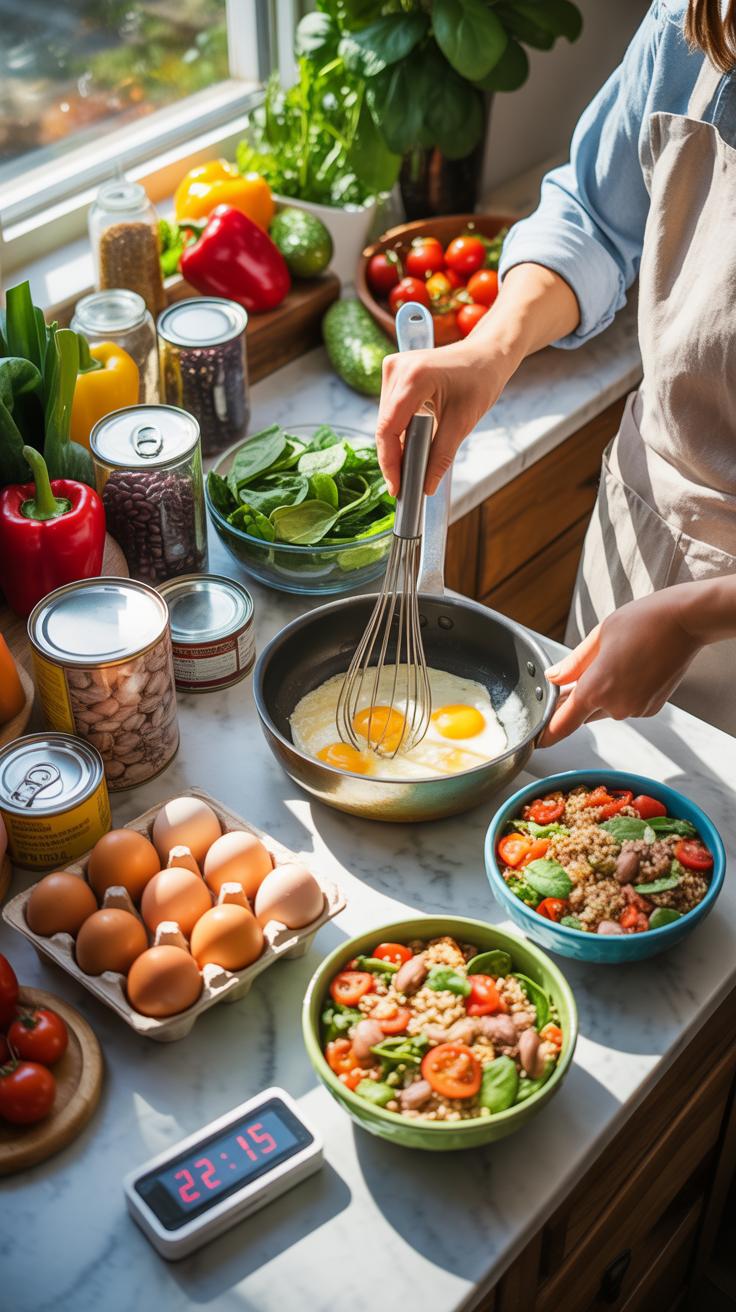
Five Simple Meal Formulas Using Eggs, Canned Fish, Legumes, And Grains You Already Have At Home
Maximize your kitchen efficiency by using shelf-stable items and low-cost perishables. These formulas prioritize speed and high amino acid profiles. You do not need complex recipes to hit your daily macros. Focus on combining a dense protein source with a complex carbohydrate and a fiber-rich vegetable. This strategy ensures satiety while keeping costs at a minimum for every meal you prepare.
- The Power Bowl: Combine one cup of cooked brown rice or quinoa with half a cup of black beans and two fried eggs. This mix provides a complete protein profile with essential fiber. It costs less than two dollars per serving and cooks in under twenty minutes if you use pre-cooked grains.
- Canned Fish Pasta: Sauté garlic in oil and toss with whole grain pasta and one tin of sardines or tuna. Add frozen peas for extra plant-based protein and color. Sardines offer high omega-3 fatty acids and calcium safely and affordably. Use the oil from the tin to add healthy fats.
- Lentil Stew: Simmer red lentils with canned tomatoes and dried spices for fifteen minutes. Lentils cook faster than other legumes and do not require soaking. Serve this over a piece of toasted whole-wheat bread for a dense, filling meal. One bag of dry lentils provides approximately ten servings of protein.
- Greek Yogurt Parfait: Layer one cup of plain Greek yogurt with oats and a spoonful of peanut butter. This requires zero cooking time and delivers over twenty-five grams of protein per bowl. It functions as a breakfast or a recovery meal. Plain yogurt is cheaper and healthier than flavored versions.
- Egg and Vegetable Scramble: Scramble three eggs with a handful of frozen spinach and canned chickpeas. The chickpeas add texture and increase the total protein count significantly. This meal takes five minutes to prepare and uses basic staples. It is a reliable option when your fridge is nearly empty.
Standardize these meals to reduce decision fatigue and control your grocery budget. Keep your pantry stocked with dry grains and canned legumes at all times. Use frozen vegetables to avoid waste and ensure you have nutrients available. These structures allow for infinite variations based on what basics you currently have. Reliable meal patterns are the foundation of a successful and thrifty high protein diet.
How To Season And Vary Budget Proteins So Easy High Protein Meals Never Feel Repetitive
Avoid flavor fatigue by rotating your spice profiles rather than your protein sources. Use dry rubs and vinegars to change the identity of eggs or beans without adding significant cost. Acidic components like lemon juice or apple cider vinegar brighten heavy dishes. Fermented options like soy sauce or hot sauce provide deep umami flavors. These additions transform basic staples into diverse culinary experiences every single day.
Invest in bulk spices like cumin, smoked paprika, and garlic powder to keep costs low. Change the texture of your proteins by using different cooking methods like roasting chickpeas or hard-boiling eggs. This variety prevents the boredom that often leads to expensive takeout orders. Mastery over three or four flavor profiles allows you to use the same cheap ingredients for months. Consistency requires strategy and smart seasoning choices.
How Much Protein Do You Actually Need And Can Cheap Protein Meals Really Meet That Goal
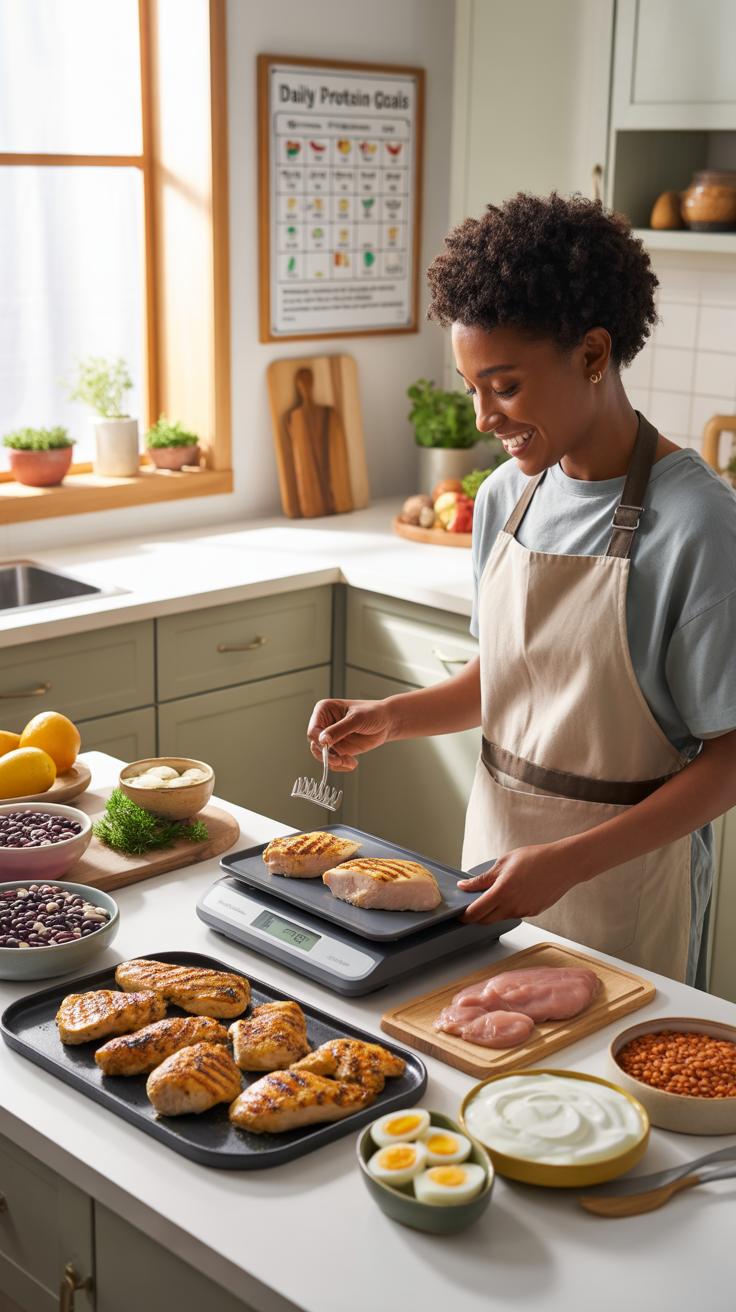
Daily Protein Requirements By Activity Level: What The Science Says About How Much Is Enough
Sedentary adults need a minimum of 0.8 grams of protein per kilogram of body weight. This level prevents deficiency but does not support muscle growth. Active individuals require more to repair tissue. Standard fitness guidelines suggest 1.2 to 2.2 grams per kilogram. This range covers endurance athletes and heavy lifters. Your specific target depends on your lean mass and total daily energy expenditure.
Excessive protein intake does not provide extra benefits for muscle protein synthesis. The body can only process a certain amount at each meal. Aim for 20 to 40 grams per sitting to maximize muscle repair. This creates a steady supply of amino acids throughout the day. Older adults should aim for the higher end of the range. Muscle loss becomes a risk as you age without sufficient protein.
Building A Full Day Of Eating Around Cheap High Protein Foods Without Hitting Nutritional Gaps
Cost-effective protein sources like eggs and lentils provide high nutrient density. You can meet your daily goals by rotating these staples with canned tuna and oats. These foods offer more than just amino acids. They contain essential fiber and minerals often missing in expensive supplements. A balanced plan uses bulk grains to fill caloric needs while keeping costs low. Smart prepping ensures you stay on track.
Micronutrient gaps usually happen when you rely on a single food source. Diversify your cheap proteins to include both plant and animal options. Canned sardines provide omega-3 fats alongside protein. Beans offer iron and folate for better blood health. Combine different sources to ensure you get a complete profile of essential amino acids. Consistency is the primary factor for long-term health and physical performance.
Frequently Asked Questions

What are the best protein sources for beginners on a tight budget?
Starting your fitness journey doesn’t require expensive powders or prime cuts of meat. The most reliable cheap high protein foods for beginners include eggs, canned tuna, and peanut butter. These staples are versatile and incredibly easy to prepare. By focusing on these accessible options, you can hit your daily nutritional targets without overspending, proving that a nutritious, muscle-building diet is achievable for everyone regardless of their current grocery budget.
How can I meal prep using affordable protein options to save time?
Effective meal prepping is all about batch-cooking versatile ingredients. Start by boiling a dozen eggs or preparing a large pot of lentils and beans at the beginning of the week. These cheap high protein foods can be tossed into salads, wraps, or grain bowls for quick lunches. Pre-portioning your proteins ensures you always have a healthy option ready, preventing the temptation to order expensive takeout when your schedule gets busy.
Is it possible to find high protein snacks that are also affordable?
Absolutely! You don’t need fancy protein bars to stay fueled between meals. Cottage cheese and Greek yogurt are exceptional choices that offer a significant protein punch for just a few cents per serving. Buying these items in larger tubs rather than individual cups can save you even more money. Other great options include sunflower seeds or roasted chickpeas, which provide a satisfying crunch while keeping your grocery bill impressively low.